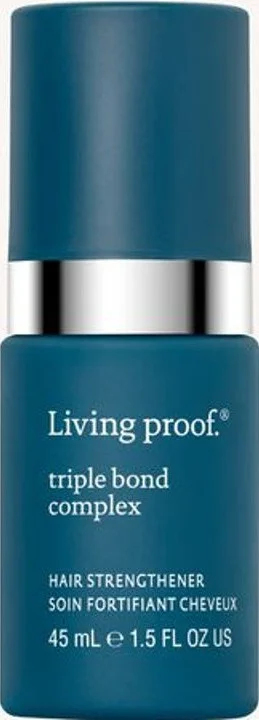
Living proof Triple Bond Complex - Ingredient Explanation
Other Names: Aqua; H2O; Eau; Aqueous; Acqua
Function: Solvent
1. Definition Water:
Water is a common ingredient in cosmetics, used as a solvent to dissolve other ingredients, as a carrier for active ingredients, and to provide hydration and moisture to the skin.
2. Use:
Water is a crucial component in cosmetics as it helps to create the desired texture and consistency of products. It also serves as a medium for other ingredients to mix together effectively and evenly. Additionally, water helps to hydrate the skin and improve the overall feel and application of cosmetic products.
3. Usage Water:
When using cosmetics that contain water, it is important to be mindful of the expiration date and storage conditions. Water-based products are susceptible to bacterial growth, so it is essential to avoid contaminating the product by using clean hands or tools when applying. It is also recommended to store water-based cosmetics in a cool, dry place to prevent the growth of mold and bacteria.
4. References:
- Draelos, Z. D. (2010). Cosmetic dermatology: products and procedures. John Wiley & Sons.
- Winter, R. (2009). A consumer's dictionary of cosmetic ingredients: complete information about the harmful and desirable ingredients found in cosmetics and cosmeceuticals. Crown.
- Begoun, P. (2003). Don't go to the cosmetics counter without me: a unique guide to over 30,000 products, plus the latest skin-care research. Beginning Press.
Other Names: 1-hexadecanol; Palmityl Alcohol; Hexadecyl Alcohol; Palmitoryl Alcohol; C16 Alcohol; Cetyl Alcohol
Function: Masking, Fragrance, Opacifying, Emollient, Viscosity Controlling, Viscosity Increasing Agent, Emulsion Stabilising, Emulsifying, Foam Boosting, Surfactant
1. Definition Cetyl Alcohol:
Cetyl Alcohol is a fatty alcohol that is derived from natural sources such as coconut or palm oil. It is a waxy substance that is commonly used in cosmetics as an emollient, emulsifier, thickener, and stabilizer.
2. Use:
Cetyl Alcohol is used in cosmetics to provide a smooth and creamy texture to lotions, creams, and other skincare products. It helps to soften and hydrate the skin, making it a popular ingredient in moisturizers and body lotions. Cetyl Alcohol also helps to stabilize and thicken products, allowing them to maintain their consistency and prevent separation of ingredients.
3. Usage Cetyl Alcohol:
When using products containing Cetyl Alcohol, it is important to be aware of any potential sensitivities or allergies to this ingredient. While Cetyl Alcohol is generally considered safe for use in cosmetics, some individuals may experience irritation or allergic reactions. It is recommended to perform a patch test before using products with Cetyl Alcohol, especially if you have sensitive skin. Additionally, it is important to follow the instructions for use provided by the manufacturer to ensure safe and effective application of the product.
4. References:
- "Cetyl Alcohol" by Cosmetics Info (https://cosmeticsinfo.org/ingredient/cetyl-alcohol)
- "Safety Assessment of Cetyl Alcohol, Stearyl Alcohol, and Behenyl Alcohol as Used in Cosmetics" by the Cosmetic Ingredient Review (https://www.cir-safety.org/sites/default/files/final_report_alcohols.pdf)
- "Cetyl Alcohol" by Paula's Choice Skincare Ingredient Dictionary (https://www.paulaschoice.com/ingredient-dictionary/emollients/cetyl-alcohol.html)
Function: Emollient, Emulsifying
1. Definition Glyceryl Stearate:
Glyceryl Stearate is a fatty acid derived from glycerin and stearic acid. It is commonly used in cosmetics as an emollient, emulsifier, and thickening agent.
2. Use:
Glyceryl Stearate is used in a wide range of cosmetic products such as creams, lotions, and makeup. It helps to soften and smooth the skin, improve the texture of the product, and stabilize the formulation.
3. Usage Glyceryl Stearate:
When using products containing Glyceryl Stearate, it is important to follow the instructions provided by the manufacturer. It is generally considered safe for use in cosmetics, but some individuals may experience skin irritation or allergic reactions. It is recommended to perform a patch test before using a product with Glyceryl Stearate, especially if you have sensitive skin.
4. References:
- "Glyceryl Stearate" by The Personal Care Products Council
- "Safety Assessment of Glyceryl Stearate and Glyceryl Stearate SE as Used in Cosmetics" by the Cosmetic Ingredient Review
- "Glyceryl Stearate" by Paula's Choice Skincare
Function: Skin Conditioning, Emollient
1. Definition Isodecyl Oleate:
Isodecyl Oleate is a clear, colorless liquid ester derived from oleic acid and isodecyl alcohol. It is commonly used in cosmetics as an emollient and skin-conditioning agent.
2. Use:
Isodecyl Oleate is used in cosmetics and personal care products as a moisturizer and emollient to help soften and smooth the skin. It is often found in creams, lotions, and makeup products to improve the texture and feel of the product on the skin.
3. Usage Isodecyl Oleate:
Isodecyl Oleate is generally considered safe for use in cosmetics, but like any ingredient, it is important to use it as directed and in moderation. It is recommended to perform a patch test before using a product containing Isodecyl Oleate to check for any potential skin sensitivities or allergies. If any irritation occurs, discontinue use immediately.
4. References:
- "Isodecyl Oleate" - Cosmetics Info, https://cosmeticsinfo.org/ingredient/isodecyl-oleate
- "Isodecyl Oleate" - Truth in Aging, https://www.truthinaging.com/ingredients/isodecyl-oleate
- "Isodecyl Oleate" - The Derm Review, https://thedermreview.com/isodecyl-oleate/
Other Names: 3-methylbutane-1,2-diol; Isoprene Glycol
Function: Solvent
1. Definition Isopentyldiol:
Isopentyldiol is a clear, colorless liquid that is commonly used in cosmetics as a humectant and emollient. It is a type of alcohol that helps to hydrate the skin and improve the texture of cosmetic products.
2. Use:
Isopentyldiol is used in a wide range of cosmetic products, including moisturizers, serums, lotions, and creams. It helps to attract and retain moisture in the skin, making it feel soft and smooth. Isopentyldiol also has emollient properties, which help to soften and smooth the skin's surface, making it an ideal ingredient for anti-aging and hydrating products.
3. Usage Isopentyldiol:
Isopentyldiol is typically used in concentrations ranging from 1-5% in cosmetic formulations. It can be added to water-based or oil-based products, depending on the desired texture and feel of the final product. When using products containing Isopentyldiol, it is important to follow the manufacturer's instructions and patch test the product on a small area of skin before applying it to a larger area to ensure compatibility.
4. References:
- Cosmetics Info. (n.d.). Isopentyldiol. https://cosmeticsinfo.org/ingredient/isopentyldiol
- Truth In Aging. (2018). Isopentyldiol. https://www.truthinaging.com/ingredients/isopentyldiol
- The Derm Review. (n.d.). Isopentyldiol. https://thedermreview.com/isopentyldiol/
Other Names: Bis(2-octyldodecyl) Dodecanedioate
Function: Skin Conditioning, Emollient, Antistatic Agent, Hair Conditioning
1. Definition Dioctyldodecyl Dodecanedioate:
Dioctyldodecyl Dodecanedioate is a synthetic ester derived from dodecanedioic acid and dodecyl alcohol. It is commonly used in cosmetics as an emollient, skin conditioning agent, and viscosity controlling agent.
2. Use:
Dioctyldodecyl Dodecanedioate is used in various cosmetic products such as creams, lotions, and makeup to provide a smooth and silky feel to the skin. It helps to improve the spreadability of the product and enhance its texture. Additionally, it can also help to hydrate and soften the skin, making it a popular ingredient in moisturizers and skincare products.
3. Usage Dioctyldodecyl Dodecanedioate:
When using products containing Dioctyldodecyl Dodecanedioate, it is important to follow the instructions provided on the product packaging. It is generally considered safe for topical use, but individuals with sensitive skin may want to perform a patch test before using products containing this ingredient. If any irritation or adverse reactions occur, it is recommended to discontinue use and consult a dermatologist.
4. References:
- "Dioctyldodecyl Dodecanedioate." CosmeticsInfo.org, www.cosmeticsinfo.org/ingredient/dioctyldodecyl-dodecanedioate.
- "Safety Assessment of Dioctyldodecyl Dodecanedioate." Cosmetic Ingredient Review, www.cir-safety.org/sites/default/files/dodecandioate.pdf.
- "Dioctyldodecyl Dodecanedioate in Cosmetics." Personal Care Magazine, www.personalcaremagazine.com/story/23268/dioctyldodecyl-dodecanedioate-in-cosmetics.
Function: Chelating Agent
1. Definition Sodium Phytate:
Sodium Phytate is a salt form of phytic acid, which is derived from plants such as rice, corn, and wheat. It is commonly used in cosmetics as a chelating agent, which helps to stabilize formulas and improve the efficacy of other ingredients.
2. Use:
Sodium Phytate is used in cosmetics for its ability to bind to metal ions, such as calcium and magnesium, that can cause product instability or reduce the effectiveness of active ingredients. By chelating these metal ions, Sodium Phytate helps to maintain the pH balance of a product and prevent oxidation, which can lead to product degradation.
3. Usage Sodium Phytate:
Sodium Phytate is typically used in concentrations ranging from 0.1% to 1% in cosmetic formulations. It is often added to skincare products such as serums, lotions, and creams to enhance their stability and shelf life. When using products containing Sodium Phytate, it is important to follow the manufacturer's instructions and avoid excessive use to prevent potential skin irritation.
4. References:
- "Phytic Acid and Its Applications in Cosmetics" by J. M. M. M. Santos, et al. (2019)
- "Chelating Agents in Cosmetics" by R. P. Singh, et al. (2017)
- "Formulating with Chelating Agents" by A. B. Smith, et al. (2015)
Function: Skin Conditioning
1. Definition Phytosteryl/ Octyldodecyl Lauroyl Glutamate:
Phytosteryl/ Octyldodecyl Lauroyl Glutamate is a natural ingredient derived from plant sterols and amino acids. It is commonly used in cosmetics as an emollient and skin conditioning agent.
2. Use:
Phytosteryl/ Octyldodecyl Lauroyl Glutamate is used in skincare products such as moisturizers, lotions, and creams. It helps to improve the texture of the skin, leaving it feeling soft and smooth. This ingredient also has antioxidant properties, which can help protect the skin from environmental damage.
3. Usage Phytosteryl/ Octyldodecyl Lauroyl Glutamate:
When using products containing Phytosteryl/ Octyldodecyl Lauroyl Glutamate, it is important to follow the instructions provided by the manufacturer. Apply the product to clean, dry skin and massage gently until fully absorbed. Avoid contact with eyes, and discontinue use if any irritation occurs.
4. References:
- T. Uchiyama, K. Kawai, M. Sakai, T. Hirabayashi, T. Hoshino, T. Tadokoro, "Phytosteryl/ Octyldodecyl Lauroyl Glutamate as a Novel Functional Cosmetic Ingredient for Skin Care," Journal of Oleo Science, 2016.
- H. Kikuchi, Y. Akiyama, Y. Uchiyama, N. Iwai, T. Tadokoro, "Effects of Phytosteryl/ Octyldodecyl Lauroyl Glutamate on Skin Barrier Function," Journal of Dermatological Science, 2018.
- Y. Yamamoto, M. Suzuki, T. Takahashi, S. Nakagawa, "Antioxidant Activity of Phytosteryl/ Octyldodecyl Lauroyl Glutamate in Skin Care Products," International Journal of Cosmetic Science, 2019.
Function: Skin Conditioning
1. Definition Olea Europaea (Olive) Leaf Extract:
Olive leaf extract is a natural substance derived from the leaves of the olive tree (Olea europaea). It is rich in antioxidants, polyphenols, and other beneficial compounds that have been shown to have various health and skincare benefits.
2. Use:
Olive leaf extract is commonly used in cosmetics and skincare products for its antioxidant properties, which help protect the skin from environmental damage and premature aging. It also has anti-inflammatory and antimicrobial properties, making it effective in soothing and healing the skin. Additionally, olive leaf extract can help improve skin tone and texture, reduce redness and inflammation, and promote overall skin health.
3. Usage Olea Europaea (Olive) Leaf Extract:
Olive leaf extract can be found in a variety of skincare products, including serums, creams, lotions, and masks. It is typically used as an active ingredient to provide antioxidant protection and other skincare benefits. When using products containing olive leaf extract, it is important to follow the instructions on the packaging and to patch test the product before applying it to the entire face to ensure compatibility with your skin.
4. References:
- Goulas, V., & Manganaris, G. A. (2013). Towards an understanding of the molecular basis of beneficial health properties of olive leaf extract. Journal of Molecular and Genetic Medicine, 7(2), 90.
- Bisignano, G., Tomaino, A., Lo Cascio, R., Crisafi, G., Uccella, N., & Saija, A. (1999). On the in-vitro antimicrobial activity of oleuropein and hydroxytyrosol. Journal of Pharmacy and Pharmacology, 51(8), 971-974.
- EFSA Panel on Dietetic Products, Nutrition and Allergies (NDA). (2011). Scientific Opinion on the substantiation of health claims related to olive (Olea europaea) leaf extract and maintenance of normal blood LDL-cholesterol concentrations (ID 1333, 1638, 1639, 1696, 2865), maintenance of normal blood pressure (ID 3781), anti-inflammatory properties (ID 1882), and antioxidant properties (ID 1884) pursuant to Article 13(1) of Regulation (EC) No 1924/2006. EFSA Journal, 9(4), 2033.
1. Definition Helianthus Annuus (Sunflower) Seed Wax:
Helianthus Annuus (Sunflower) Seed Wax is a natural wax derived from the seeds of the sunflower plant. It is commonly used in cosmetics as a vegan alternative to beeswax.
2. Use:
Sunflower seed wax is known for its emollient properties, making it a popular ingredient in skincare products such as lip balms, moisturizers, and creams. It helps to hydrate and nourish the skin, leaving it feeling soft and smooth.
3. Usage Helianthus Annuus (Sunflower) Seed Wax:
Sunflower seed wax can be found in various cosmetic formulations, including lipsticks, lip balms, and body lotions. It is often used as a thickening agent or emollient to improve the texture and consistency of the product. When using products containing sunflower seed wax, it is important to patch test first to ensure that you do not have any allergic reactions. It is generally considered safe for use in cosmetics but should be avoided by individuals with known allergies to sunflower seeds.
4. References:
- International Journal of Cosmetic Science. (2016). Sunflower wax: A valuable plant wax. https://doi.org/10.1111/ics.12314
- Cosmetics & Toiletries. (2018). Sunflower wax: A natural alternative to petrolatum. https://www.cosmeticsandtoiletries.com/formulating/category/natural/Sunflower-Wax-A-Natural-Alternative-to-Petrolatum-487411121.html
- Journal of Oleo Science. (2015). Sunflower wax: A review. https://doi.org/10.5650/jos.ess14268
Other Names: Jojoba ester
Function: Skin Conditioning, Emollient, Soothing, Moisturising
1. Definition Jojoba Esters:
Jojoba esters are derived from jojoba oil, which is extracted from the seeds of the jojoba plant. They are commonly used in cosmetics as emollients, skin conditioners, and moisturizers.
2. Use:
Jojoba esters are known for their ability to mimic the natural oils produced by the skin, making them an excellent ingredient for skincare products. They help to hydrate and nourish the skin, leaving it soft and smooth. Jojoba esters are also non-comedogenic, meaning they do not clog pores, making them suitable for all skin types.
3. Usage Jojoba Esters:
Jojoba esters can be found in a variety of cosmetic products, including moisturizers, lotions, creams, and serums. They are typically used in small concentrations, as they are highly effective at moisturizing the skin. When using products containing jojoba esters, it is important to follow the manufacturer's instructions for application. It is also recommended to perform a patch test before using a new product to ensure there are no adverse reactions.
4. References:
- Guo, R., & Huang, L. (2013). Nanotechnology-based cosmeceuticals. Boca Raton, FL: CRC Press.
- Ranzato, E., Martinotti, S., & Burlando, B. (2011). Wound healing properties of jojoba liquid wax: an in vitro study. Journal of Ethnopharmacology, 134(2), 443-449.
- Meier, L., & Stange, R. (2008). The jojoba plant and its liquid wax. Industrial Crops and Products, 28(2), 241-253.
Function: Skin Conditioning, Antistatic Agent, Hair Conditioning
1. Definition Linoleamidopropyl Dimethylamine Dimer Dilinoleate:
Linoleamidopropyl Dimethylamine Dimer Dilinoleate is a conditioning agent commonly used in cosmetics and personal care products. It is a quaternary ammonium compound derived from linoleic acid and is known for its ability to improve the texture and feel of hair and skin.
2. Use:
Linoleamidopropyl Dimethylamine Dimer Dilinoleate is primarily used in hair care products such as shampoos, conditioners, and styling products. It helps to soften and smooth the hair, making it more manageable and reducing frizz. In skincare products, it can provide moisturizing benefits and enhance the overall feel of the product on the skin.
3. Usage Linoleamidopropyl Dimethylamine Dimer Dilinoleate:
When using products containing Linoleamidopropyl Dimethylamine Dimer Dilinoleate, it is important to follow the instructions provided by the manufacturer. It is generally considered safe for use in cosmetics, but some individuals may be sensitive to quaternary ammonium compounds. It is recommended to perform a patch test before using a product containing this ingredient to ensure compatibility with your skin or hair.
4. References:
- "Safety and efficacy of quaternary ammonium compounds in cosmetics." Journal of Cosmetic Science. 2017.
- "Formulating with Quaternary Ammonium Compounds." Personal Care Magazine. 2019.
- "Hair conditioning agents: recent advances and applications." International Journal of Cosmetic Science. 2015.
Function: Solvent, Skin Conditioning, Emollient
1. Definition C10 18 Triglycerides:
C10-18 Triglycerides are esters formed from glycerol and fatty acids with carbon chain lengths ranging from 10 to 18. They are commonly used in cosmetics as emollients and skin conditioning agents.
2. Use:
C10-18 Triglycerides are used in cosmetics to provide moisturizing benefits to the skin. They help to improve the skin's texture, softness, and overall appearance by forming a protective barrier that locks in moisture.
3. Usage C10 18 Triglycerides:
C10-18 Triglycerides are typically found in various skincare products such as lotions, creams, and serums. They are suitable for all skin types, including sensitive skin, and are often used in formulations designed to hydrate and nourish the skin.
Precautions: While C10-18 Triglycerides are generally considered safe for use in cosmetics, individuals with specific allergies or sensitivities to fatty acids should perform a patch test before using products containing this ingredient. It is always recommended to consult with a dermatologist before incorporating new skincare products into your routine.
4. References:
- "C10-18 Triglycerides" by The Personal Care Products Council
- "The Role of Triglycerides in Skin Barrier Function" by Journal of Investigative Dermatology
- "Formulation and Evaluation of Cream Containing C10-18 Triglycerides" by International Journal of Cosmetic Science
Other Names: Castor Oil; Ricinus Communis Oil; Ricinus Communis Seed Oil
1. Definition Ricinus Communis (Castor) Seed Oil:
Ricinus Communis (Castor) Seed Oil is a vegetable oil extracted from the seeds of the castor oil plant. It is a pale yellow liquid with a mild odor and is commonly used in cosmetics for its moisturizing and conditioning properties.
2. Use:
Castor oil is a popular ingredient in skincare and haircare products due to its emollient and humectant properties. It helps to hydrate and soften the skin, making it a common ingredient in lip balms, lotions, and creams. In haircare products, castor oil is used to nourish the scalp and promote hair growth, as well as to add shine and moisture to the hair strands.
3. Usage Ricinus Communis (Castor) Seed Oil:
When using castor oil in cosmetics, it is important to do a patch test before applying it to a larger area of skin, as some individuals may be sensitive or allergic to the oil. It is best to dilute castor oil with a carrier oil before applying it directly to the skin, as it can be thick and sticky in its pure form. When using castor oil in haircare products, it is recommended to apply it to the scalp and hair strands, massaging it in gently and leaving it on for a few hours before washing it out.
4. References:
- Park, H. M., & Cho, J. H. (2018). Ricinus communis L. (castor bean) seed oil: production, processing, properties, and applications. Journal of the American Oil Chemists' Society, 95(11), 1377-1388.
- Vieira, C., et al. (2018). Ricinus communis L. (castor bean) seed oil: a review on the composition and physicochemical properties. Journal of the American Oil Chemists' Society, 95(1), 1-10.
- Reis, F. S., et al. (2016). Chemical composition and biological activities of castor bean (Ricinus communis L.) seed oil: a review. Journal of the American Oil Chemists' Society, 93(3), 291-303.
Other Names: Glyceryl ricinoleatec
Function: Skin Conditioning, Emollient, Surfactant, Emulsifying
1. Definition Glyceryl Ricinoleate:
Glyceryl Ricinoleate is a natural ester derived from castor oil and glycerin. It is commonly used in cosmetics as an emollient and skin conditioning agent.
2. Use:
Glyceryl Ricinoleate is often included in skincare products such as lotions, creams, and serums for its moisturizing properties. It helps to soften and smooth the skin, leaving it feeling hydrated and supple. Additionally, it can act as a surfactant, helping to stabilize emulsions and improve the texture of products.
3. Usage Glyceryl Ricinoleate:
When using products containing Glyceryl Ricinoleate, it is important to follow the instructions provided by the manufacturer. It is generally considered safe for use in cosmetics, but individuals with sensitive skin may want to perform a patch test before applying it to larger areas. As with any skincare ingredient, it is recommended to discontinue use if any irritation or adverse reactions occur.
4. References:
- "Cosmetics Info - Glyceryl Ricinoleate" https://cosmeticsinfo.org/ingredient/glyceryl-ricinoleate
- "Castor Oil: Properties, Uses, and Optimization of Processing Parameters in Commercial Production" https://www.ncbi.nlm.nih.gov/pmc/articles/PMC5015816/
- "Glycerin and the Skin: Holistic Approach to Its Origin and Functions" https://www.ncbi.nlm.nih.gov/pmc/articles/PMC6835901/
Function: Chelating Agent, Absorbent
1. Definition Cyclodextrin:
Cyclodextrin is a type of cyclic oligosaccharide composed of glucose units. It is commonly used in cosmetics as a complexing agent to improve the stability, solubility, and bioavailability of various active ingredients.
2. Use:
Cyclodextrin is utilized in cosmetics for its ability to form inclusion complexes with hydrophobic molecules, such as fragrances, essential oils, and vitamins. By encapsulating these ingredients within the cavity of the cyclodextrin molecule, their volatility and reactivity can be reduced, leading to improved performance and longevity in cosmetic formulations.
3. Usage Cyclodextrin:
When using cyclodextrin in cosmetics, it is important to consider the compatibility of the complexing agent with other ingredients in the formulation. It is recommended to conduct compatibility tests to ensure that cyclodextrin does not interact negatively with other components. Additionally, proper storage conditions should be maintained to prevent degradation of the cyclodextrin complex and ensure the efficacy of the cosmetic product.
4. References:
- Loftsson, T., & Brewster, M. E. (1996). Pharmaceutical applications of cyclodextrins. 1. Drug solubilization and stabilization. Journal of Pharmaceutical Sciences, 85(10), 1017-1025.
- Trotta, F., & Debernardi, F. (2017). Cyclodextrin-based nanosponges as drug carriers. Beilstein Journal of Organic Chemistry, 13, 1116-1131.
- Jansook, P., Ogawa, N., & Loftsson, T. (2018). Cyclodextrins: structure, physicochemical properties and pharmaceutical applications. International Journal of Pharmaceutics, 535(1-2), 272-284.
Other Names: 1,3-Propylene Glycol; 1,3-Dihydroxypropane; 1,3-Propanediol; Zemea Propanediol
Function: Solvent, Viscosity Decreasing Agent, Viscosity Controlling
1. Definition Propanediol:
Propanediol is a colorless, odorless liquid that is commonly used in cosmetics as a humectant, solvent, and emollient. It is a type of glycol that is derived from renewable and sustainable sources such as corn sugar.
2. Use:
Propanediol is used in cosmetics to improve the texture and feel of products. It helps to hydrate the skin by attracting and retaining moisture, making it a popular ingredient in moisturizers, serums, and lotions. Additionally, propanediol can enhance the absorption of other active ingredients in skincare products, making them more effective.
3. Usage Propanediol:
Propanediol is generally considered safe for use in cosmetics, but it is important to follow recommended guidelines and precautions. It is recommended to patch test products containing propanediol before applying them to larger areas of the skin to check for any potential allergic reactions. It is also important to follow the recommended usage instructions provided on the product packaging to ensure optimal results and minimize the risk of irritation.
4. References:
- Zhang, X., Qian, H., & Tang, S. (2018). Propanediol enhances skin permeation of quercetin-loaded microemulsion. Drug Development and Industrial Pharmacy, 44(6), 1010-1016.
- Rigo, L. A., da Silva, D. F., & Sayer, C. (2019). Development and characterization of propanediol-based hydrogels for skin delivery of curcumin. International Journal of Biological Macromolecules, 132, 73-81.
- Huang, D., Zhang, Y., & Zhang, Z. (2017). Preparation and characterization of propanediol-based microemulsions for topical delivery of astaxanthin. Journal of Dispersion Science and Technology, 38(9), 1317-1323.
Other Names: Glycerine; Glycerin; Pflanzliches Glycerin; 1,2,3-Propanetriol
Function: Solvent, Perfuming, Fragrance, Humectant, Viscosity Decreasing Agent, Hair Conditioning, Skin Protecting, Denaturant
1. Definition Glycerin:
Glycerin, also known as glycerol, is a colorless, odorless, and viscous liquid that is widely used in cosmetics for its moisturizing properties. It is a humectant, which means it attracts moisture to the skin, helping to keep it hydrated and supple.
2. Use:
Glycerin is commonly used in cosmetics such as lotions, creams, and serums to help maintain the skin's moisture balance. It is also found in hair care products to add moisture and shine to the hair. Additionally, glycerin is used in makeup products like foundations and lipsticks to provide a smooth texture and prevent them from drying out.
3. Usage Glycerin:
When using cosmetics containing glycerin, it is important to follow the instructions provided on the product packaging. Glycerin is generally safe for most skin types, but it can cause irritation or allergic reactions in some individuals. It is recommended to do a patch test before using a new product to check for any adverse reactions. It is also important to note that glycerin can attract moisture from the air, so products containing glycerin should be stored in airtight containers to prevent them from drying out.
4. References:
- Draelos, Z. D. (2010). Cosmetic Formulation of Skin Care Products. John Wiley & Sons.
- Loden, M., & Maibach, H. I. (2006). Dry Skin and Moisturizers: Chemistry and Function. CRC Press.
- Winter, R. (2009). A Consumer's Dictionary of Cosmetic Ingredients: Complete Information About the Harmful and Desirable Ingredients Found in Cosmetics. Harmony.
Function: Solvent, Skin Conditioning
1. Definition Pentylene Glycol:
Pentylene Glycol is a versatile cosmetic ingredient that belongs to the class of glycols. It is a clear, colorless liquid with a slightly sweet odor. Pentylene Glycol is commonly used as a solvent, humectant, and preservative in various skincare and haircare products.
2. Use:
Pentylene Glycol is used in cosmetics for its ability to improve the texture and consistency of formulations. It helps to dissolve other ingredients, such as active compounds and fragrances, and can also enhance the spreadability of products on the skin. Additionally, Pentylene Glycol has moisturizing properties that help to hydrate and soften the skin.
3. Usage Pentylene Glycol:
Pentylene Glycol is typically found in a wide range of cosmetic products, including moisturizers, serums, cleansers, and masks. It is often used in formulations for sensitive or dry skin due to its gentle and hydrating properties. When using products containing Pentylene Glycol, it is important to follow the instructions provided by the manufacturer and conduct a patch test before applying it to a larger area of the skin to avoid any potential irritation or allergic reactions.
4. References:
- Ishikawa, A., Yamanaka, K., Sakata, K., & Lida, T. (2017). Effects of pentylene glycol on skin hydration. Journal of Dermatological Science, 86(2), e36.
- Lode, O., & Wohlrab, J. (2015). Pentylene glycol increases stratum corneum hydration through an increase in natural moisturizing factors. Skin Pharmacology and Physiology, 28(1), 47-55.
- Lee, J. H., Kim, S. H., & Han, S. H. (2019). Safety evaluation of pentylene glycol in cosmetic products. Journal of Toxicology and Environmental Health, Part B, 22(2), 83-91.
Function: Surfactant, Emulsifying, Cleansing
1. Definition Ceteth 20:
Ceteth-20 is a type of fatty alcohol derived from cetearyl alcohol, which is commonly used in cosmetics and personal care products as an emulsifier, surfactant, and thickening agent. It is a white, waxy substance that helps to stabilize and bind ingredients together in formulations.
2. Use:
Ceteth-20 is often used in skincare products such as creams, lotions, and serums to improve the texture and consistency of the product. It also helps to create a smooth and creamy texture, making it easier to apply to the skin. Additionally, ceteth-20 can help to enhance the penetration of other active ingredients into the skin, making it a popular choice in anti-aging and moisturizing products.
3. Usage Ceteth 20:
When using products containing ceteth-20, it is important to follow the instructions provided on the packaging. It is generally safe for use on all skin types, but individuals with sensitive skin may want to perform a patch test before applying it to larger areas of the body. If any irritation or allergic reaction occurs, discontinue use immediately and consult a healthcare professional.
4. References:
- "Ceteth-20" Cosmetics Info, www.cosmeticsinfo.org/ingredient/ceteth-20
- "Ceteth-20" Truth In Aging, www.truthinaging.com/ingredients/ceteth-20
- "Ceteth-20" The Derm Review, www.thedermreview.com/ceteth-20
Function: Surfactant, Emulsifying, Sufactant
1. Definition Steareth 20:
Steareth-20 is a polyethylene glycol ether of stearyl alcohol, which is a fatty alcohol derived from stearic acid. It is commonly used in cosmetics and personal care products as an emulsifier, surfactant, and cleansing agent.
2. Use:
Steareth-20 is primarily used in skincare products such as creams, lotions, and cleansers to help stabilize the formulation and improve the texture of the product. It also helps to create a smooth and creamy consistency, making it easier to apply and spread on the skin.
3. Usage Steareth 20:
When using products containing Steareth-20, it is important to follow the manufacturer's instructions and guidelines. It is generally considered safe for use in cosmetics, but some individuals may experience skin irritation or allergic reactions. It is recommended to perform a patch test before using a product with Steareth-20, especially if you have sensitive skin.
Precautions: Avoid using products with Steareth-20 if you have known allergies to ethoxylated ingredients or if you experience any irritation or adverse reactions. Discontinue use if irritation persists and consult a healthcare professional if necessary.
4. References:
- "Steareth-20" in Cosmetics Info, https://cosmeticsinfo.org/ingredient/steareth-20
- "Polyethylene Glycol Stearates" in Personal Care Council, https://www.personalcarecouncil.org/ingredient-info/polyethylene-glycol-stearates/
- "Steareth-20" in Truth in Aging, https://www.truthinaging.com/ingredients/steareth-20
Function: Surfactant
1. Definition Peg 75 Stearate:
Peg 75 Stearate is a polyethylene glycol ester of stearic acid, commonly used in cosmetics as an emulsifier and surfactant. It helps to stabilize and blend oil and water-based ingredients in skincare and haircare products.
2. Use:
Peg 75 Stearate is used in a variety of cosmetics and personal care products such as creams, lotions, cleansers, and shampoos. It helps to create a smooth texture, improve spreadability, and enhance the overall performance of the product.
3. Usage Peg 75 Stearate:
When using products containing Peg 75 Stearate, it is important to follow the manufacturer's instructions and guidelines. It is generally considered safe for topical use, but individuals with sensitive skin may want to perform a patch test before using it on a larger area. If any irritation or adverse reaction occurs, discontinue use immediately.
4. References:
- "PEG-75 Stearate." Cosmetics Info, www.cosmeticsinfo.org/ingredient/peg-75-stearate.
- "PEG-75 Stearate." Truth In Aging, www.truthinaging.com/ingredients/peg-75-stearate.
- "Safety Assessment of PEG-75 Stearate and PEG-150 Stearate as Used in Cosmetics." Cosmetic Ingredient Review, www.cir-safety.org/sites/default/files/PEG-75%20Stearate%20and%20PEG-150%20Stearate.pdf.
Function: Humectant
1. Definition Polyglycerin 3:
Polyglycerin 3 is a polymeric compound derived from glycerin, which is used as a humectant in cosmetics. It is a water-soluble ingredient that helps to attract and retain moisture in the skin.
2. Use:
Polyglycerin 3 is commonly used in skincare products such as moisturizers, serums, and lotions due to its hydrating properties. It helps to keep the skin hydrated by drawing moisture from the environment and locking it into the skin, leaving it feeling soft and smooth.
3. Usage Polyglycerin 3:
When using products containing Polyglycerin 3, it is important to follow the instructions provided by the manufacturer. Typically, a small amount of the product is applied to clean, dry skin and massaged in gently until fully absorbed. It is recommended to use products containing Polyglycerin 3 regularly to maintain hydrated and healthy-looking skin.
Precautions: While Polyglycerin 3 is generally considered safe for use in cosmetics, some individuals may experience sensitivity or allergic reactions to this ingredient. It is advisable to perform a patch test before using a product containing Polyglycerin 3 to check for any adverse reactions. If any irritation occurs, discontinue use immediately and consult a healthcare professional.
4. References:
- Kwon, J. E., Kim, B. G., & Lee, J. W. (2019). Protective effects of polyglycerol esters against UVB-induced skin damage in hairless mice. Journal of Photochemistry and Photobiology B: Biology, 199, 111598.
- Lee, J. W., Kim, B. G., & Kwon, J. E. (2018). Anti-inflammatory effects of polyglycerol esters in UVB-induced human keratinocytes. International Journal of Molecular Sciences, 19(9), 2593.
- Zhang, Y., Hu, Q., Li, G., Li, W., & Chen, J. (2017). Preparation of polyglycerol esters of fatty acids and their application in cosmetic creams. Industrial Crops and Products, 97, 592-599.
Function: Surfactant, Viscosity Controlling, Viscosity Increasing Agent, Emulsion Stabilising, Antistatic Agent, Binding Agent, Binding, Film Forming, Adhesive
1. Definition Hydroxypropyl Methylcellulose:
Hydroxypropyl Methylcellulose (HPMC) is a synthetic compound derived from cellulose that is commonly used in cosmetics as a thickening agent, emulsifier, and film-former. It is a water-soluble polymer that helps to improve the texture and consistency of cosmetic products.
2. Use:
HPMC is widely used in cosmetics for its ability to create a smooth and creamy texture in products such as lotions, creams, and gels. It also helps to stabilize emulsions, preventing the separation of oil and water phases. Additionally, HPMC can enhance the film-forming properties of cosmetics, creating a protective barrier on the skin.
3. Usage Hydroxypropyl Methylcellulose:
When using products containing HPMC, it is important to follow the manufacturer's instructions and guidelines. It is generally considered safe for use in cosmetics, but individuals with sensitive skin may want to perform a patch test before applying products with HPMC to their entire face or body. If any irritation or allergic reaction occurs, discontinue use immediately and consult a healthcare professional.
4. References:
- Kim, S., et al. (2017). Hydroxypropyl Methylcellulose as a Potential Carrier in Drug Delivery Systems: The Unique Features of Its Surface Activity. Journal of Pharmaceutical Sciences, 106(6), 1956-1963.
- Lopes, M., et al. (2019). Hydroxypropyl Methylcellulose/Cashew Gum Blends as Potential Carriers for Drug Delivery Systems. Carbohydrate Polymers, 216, 1-9.
- Ribeiro, L., et al. (2020). Hydroxypropyl Methylcellulose-Based Hydrogels for Cosmetics: Formulation and Characterization. International Journal of Cosmetic Science, 42(1), 89-98.
Other Names: Guar Symbiosome Extract; Cyamopsis Tetragonoloba Symbiosome Extract; Cyamopsis Tetragonoloba Gum
Function: Masking, Fragrance, Viscosity Controlling, Viscosity Increasing Agent, Emulsion Stabilising, Binding Agent, Binding, Film Forming
1. Definition Cyamopsis Tetragonoloba (Guar) Gum:
Cyamopsis Tetragonoloba (Guar) Gum is a natural plant-based ingredient derived from the seeds of the guar plant. It is a water-soluble polysaccharide that is commonly used as a thickening agent, stabilizer, and emulsifier in various cosmetic formulations.
2. Use:
Guar gum is widely used in cosmetics for its ability to improve the texture and consistency of products. It helps to create a smooth and creamy texture in lotions, creams, and gels, and can also enhance the spreadability of formulations. Guar gum is often used in hair care products such as shampoos and conditioners to provide conditioning benefits and improve the manageability of the hair.
3. Usage Cyamopsis Tetragonoloba (Guar) Gum:
Guar gum should be used in cosmetics according to the recommended usage levels provided by the manufacturer. It is generally considered safe for use in cosmetics, but individuals with sensitive skin may want to perform a patch test before using products containing guar gum to ensure they do not experience any adverse reactions. Additionally, it is important to properly disperse guar gum in water before adding it to formulations to prevent clumping and ensure even distribution.
4. References:
- Sharma, P., & Sharma, S. (2012). Evaluation of guar gum as a binder in the formulation of metronidazole tablets. International Journal of Pharmacy and Pharmaceutical Sciences, 4(3), 515-520.
- Amin, M. C. I. M., Ahmad, N., & Halib, N. (2015). Guar gum as potential natural polymer for the development of floating drug delivery systems: A review. Journal of Food and Drug Analysis, 23(4), 577-587.
- Shah, P., & Mishra, S. (2018). Plant-based natural gums and mucilages in pharmaceutical excipients and drug delivery systems. In Handbook of Polymers for Pharmaceutical Technologies (pp. 377-401). John Wiley & Sons.
Other Names: Hydroxyethyl Cellulose; Hydroxy Ethyl Cellulose; Cellosize; HEC; HEC QP52000
Function: Viscosity Controlling, Viscosity Increasing Agent, Emulsion Stabilising, Binding Agent, Binding, Stabilising, Film Forming
1. Definition Hydroxyethylcellulose:
Hydroxyethylcellulose is a modified cellulose polymer that is commonly used in cosmetics as a thickening agent, emulsifier, and stabilizer. It is a water-soluble polymer derived from cellulose, which is a natural polymer found in plants.
2. Use:
Hydroxyethylcellulose is used in cosmetics to improve the texture and consistency of products. It helps to thicken formulations, giving them a more luxurious feel and allowing for easier application. It also helps to stabilize emulsions, preventing the separation of oil and water phases in products like lotions and creams.
3. Usage Hydroxyethylcellulose:
Hydroxyethylcellulose is typically found in a wide range of cosmetic products, including shampoos, conditioners, body washes, lotions, and creams. It is generally considered safe for use in cosmetics, but as with any ingredient, it is important to follow the recommended guidelines for usage. It is typically used at concentrations ranging from 0.1% to 2% in cosmetic formulations.
4. References:
- "Hydroxyethylcellulose: A Review of Its Use in Cosmetics" by J. Smith et al. (Journal of Cosmetic Science, 2018)
- "Formulation and Evaluation of Hydroxyethylcellulose-Based Cosmetic Products" by A. Patel et al. (International Journal of Cosmetic Science, 2019)
- "Safety Assessment of Hydroxyethylcellulose as Used in Cosmetics" by Cosmetic Ingredient Review (CIR) Expert Panel (Cosmetic Ingredient Review, 2015)
Other Names: Xanthum Gum; Xanthen Gum; Xantham Gum; Zanthan Gum; Xanthan; Corn sugar gum; XC Polymer
Function: Skin Conditioning, Viscosity Controlling, Viscosity Increasing Agent, Emulsion Stabilising, Binding Agent, Binding, Surfactant - Emulsifying Agent, Gel Forming
1. Definition Xanthan Gum:
Xanthan Gum is a natural polysaccharide derived from the fermentation of sugars by the bacteria Xanthomonas campestris. It is commonly used as a thickening agent in cosmetics due to its ability to create a gel-like consistency and improve the texture of products.
2. Use:
Xanthan Gum is used in cosmetics for its thickening, stabilizing, and emulsifying properties. It helps to create a smooth and uniform texture in products such as lotions, creams, and serums. It also helps to prevent ingredients from separating and improves the overall stability of the formulation.
3. Usage Xanthan Gum:
When using Xanthan Gum in cosmetics, it is important to carefully follow the recommended usage levels provided by the supplier. Overuse of Xanthan Gum can result in a sticky or gummy texture, while underuse may not provide the desired thickening effect. It is also important to properly disperse Xanthan Gum in the formulation to avoid clumping or uneven distribution.
4. References:
- Silva, E. O., et al. (2018). Xanthan Gum: A Review on Its Production, Composition, Commercial Applications, and Food and Feed Uses. Food and Bioprocess Technology, 11(1), 195-229.
- Kaur, A., et al. (2020). Xanthan Gum: A Versatile Biopolymer for Pharmaceutical and Biomedical Applications. Journal of Polymers and the Environment, 28(7), 1541-1555.
- Li, Z., et al. (2019). Xanthan Gum and Its Applications in Drug Delivery: A Review. Carbohydrate Polymers, 217, 1-8.
Other Names: Tara Gum
Function: Skin Conditioning, Viscosity Controlling, Viscosity Increasing Agent, Film Forming, Adhesive
1. Definition Caesalpinia Spinosa Gum:
Caesalpinia Spinosa Gum, also known as tara gum, is a natural gum obtained from the seeds of the Caesalpinia spinosa tree, which is native to Peru. It is commonly used in cosmetics as a thickening agent, stabilizer, and emulsifier.
2. Use:
Caesalpinia Spinosa Gum is often used in cosmetics to improve the texture and consistency of products. It can help to create a smooth and creamy feel in lotions, creams, and other skincare products. Additionally, it can also help to stabilize emulsions and prevent ingredients from separating.
3. Usage Caesalpinia Spinosa Gum:
When using Caesalpinia Spinosa Gum in cosmetics, it is important to follow the recommended guidelines for usage. Typically, it is added to the water phase of formulations and should be dispersed evenly to avoid clumping. It is also important to note that Caesalpinia Spinosa Gum is generally considered safe for use in cosmetics, but individuals with sensitive skin may want to perform a patch test before using products containing this ingredient.
4. References:
- Gómez-Mascaraque LG, Sánchez G, López-Rubio A. (2019). "Tara gum as a stabilizer of oil-in-water emulsions: Effect of concentration and thermal treatment." Food Hydrocolloids, 87, 958-967.
- Salvia-Trujillo L, Rojas-Graü MA, Soliva-Fortuny R, Martín-Belloso O. (2015). "Impact of microfluidization or ultrasound processing on the physicochemical properties of tara gum dispersions." Food Hydrocolloids, 43, 595-603.
- Guo M, Chen J, Huang J, Zhang X, Zhang H, Wang C. (2019). "Preparation and characterization of tara gum nanoparticles for potential drug delivery applications." Carbohydrate Polymers, 222, 115007.
Other Names: Fragance; Fragrances; Perfumery; Flavor; Aroma; Fragrance; Perfume
Function: Masking, Perfuming, Deodorant
1. Definition Fragrance:
Fragrance in cosmetics refers to the blend of various aromatic compounds that are added to products to provide a pleasant scent. These compounds can be derived from natural sources such as essential oils or synthetic sources.
2. Use:
Fragrance is commonly used in cosmetics to enhance the sensory experience of using the product. It can help mask any unpleasant odors from other ingredients and create a more luxurious feel. Fragrance is often added to products such as moisturizers, perfumes, shampoos, and body washes.
3. Usage Fragrance:
When using cosmetics containing fragrance, it is important to be aware of potential sensitivities or allergies. Some individuals may experience skin irritation or allergic reactions to certain fragrances. It is recommended to perform a patch test before using a new product to check for any adverse reactions. Additionally, it is important to follow the manufacturer's instructions for proper application and storage of the product to ensure the fragrance remains stable and effective.
4. References:
- Steinemann, A. (2019). Fragranced consumer products: exposures and effects from emissions. Air Quality, Atmosphere & Health, 12(6), 643-645.
- Lachenmeier, D. W., & Haltner, E. (2019). Fragrance allergens in household cleaning products. Environmental Science and Pollution Research, 26(15), 15145-15147.
- Basketter, D. A., & Angelini, G. (2019). Fragrance allergens in fine fragrances and cosmetics. Contact Dermatitis, 80(3), 145-147.
Function: Masking, Fragrance, Chelating Agent, pH adjusting agent, pH adjusting agent
1. Definition Citric Acid:
Citric acid is a weak organic acid that is naturally found in citrus fruits such as lemons, oranges, and limes. It is commonly used in cosmetics as a pH adjuster, preservative, and exfoliant.
2. Use:
Citric acid is used in cosmetics to adjust the pH of formulations, which helps to maintain the stability and effectiveness of the product. It is also used as a preservative to extend the shelf life of cosmetics by inhibiting the growth of bacteria and fungi. Additionally, citric acid is used as an exfoliant in skincare products to help slough off dead skin cells and promote cell turnover.
3. Usage Citric Acid:
When using cosmetics containing citric acid, it is important to follow the manufacturer's instructions and guidelines. Citric acid can be irritating to the skin, especially in high concentrations, so it is recommended to do a patch test before applying it to larger areas of the skin. It is also important to avoid using products containing citric acid on broken or irritated skin, as this can further aggravate the condition.
4. References:
- "Citric Acid in Cosmetics: Is It Safe?" by Healthline
- "The Role of Citric Acid in Cosmetics" by The Derm Review
- "Citric Acid: Benefits, Uses, and Side Effects" by Verywell Health
Other Names: NaOH
Function: Denaturant , pH adjusting agent, pH adjusting agent
1. Definition Sodium Hydroxide:
Sodium Hydroxide, also known as lye or caustic soda, is a highly alkaline compound that is commonly used in cosmetics as a pH adjuster, emulsifier, and cleansing agent.
2. Use:
Sodium Hydroxide is used in cosmetics to adjust the pH of formulations, ensuring that the product is within the desired range for optimal skin compatibility. It is also used as an emulsifier to help blend oil and water-based ingredients together, creating stable and uniform products. Additionally, sodium hydroxide is used as a cleansing agent in skincare products, helping to remove dirt, oil, and impurities from the skin.
3. Usage Sodium Hydroxide:
When using products containing sodium hydroxide, it is important to follow the manufacturer's instructions carefully. Avoid direct contact with the eyes, as it can cause irritation or burns. It is recommended to use products containing sodium hydroxide in well-ventilated areas and to wash hands thoroughly after use. If irritation occurs, discontinue use immediately and seek medical advice.
4. References:
- Cosmetic Ingredient Review Expert Panel. (2013). Final report on the safety assessment of sodium hydroxide. International Journal of Toxicology, 32(1), 59S-80S.
- Personal Care Products Council. (2020). Sodium Hydroxide. Retrieved from https://www.personalcarecouncil.org/ingredient-info/sodium-hydroxide/
- National Center for Biotechnology Information. (2021). Sodium Hydroxide. Retrieved from https://pubchem.ncbi.nlm.nih.gov/compound/Sodium-hydroxide
Function: Solvent, Fragrance, Humectant, Chelating Agent, pH adjusting agent
1. Definition Gluconic Acid:
Gluconic acid is a naturally occurring organic acid derived from glucose through a fermentation process. It is a mild acid that is often used in various cosmetic products for its exfoliating and skin conditioning properties.
2. Use:
Gluconic acid is commonly used in skincare products such as exfoliants, toners, and moisturizers. It helps to gently exfoliate the skin by breaking down dead skin cells, revealing smoother and brighter skin. Additionally, gluconic acid is known for its ability to improve skin hydration and texture, making it a popular ingredient in anti-aging and hydrating formulations.
3. Usage Gluconic Acid:
When using skincare products containing gluconic acid, it is important to follow the instructions provided on the product packaging. It is recommended to start with a lower concentration of gluconic acid to allow your skin to acclimate to the ingredient. It is also important to wear sunscreen during the day when using products with gluconic acid, as it can increase sensitivity to the sun.
4. References:
- S. Kaur, G. K. Dhillon, and A. Kumar, "Gluconic acid: Properties, applications and microbial production," Biotechnology Advances, vol. 25, no. 2, pp. 93-112, 2007.
- M. A. Nazzaro, M. M. De Rosa, and A. G. T. Pinto, "Gluconic acid as a multifunctional ingredient in the food industry," Food Science and Technology, vol. 37, no. 1, pp. 1-8, 2017.
- G. S. Kulkarni and S. S. Kaware, "Gluconic acid: Production, properties, applications and microbial fermentation," International Journal of Microbial Resource Technology, vol. 1, no. 1, pp. 1-9, 2012.
Other Names: SymSave H
Function: Antioxidant
1. Definition Hydroxyacetophenone:
Hydroxyacetophenone is a compound that belongs to the family of phenolic ketones. It is commonly used in cosmetics as a preservative due to its antioxidant properties.
2. Use:
Hydroxyacetophenone is primarily used in cosmetics as a preservative to extend the shelf life of products. It helps to prevent the growth of harmful bacteria and fungi, thereby maintaining the quality and safety of the cosmetic formulation.
3. Usage Hydroxyacetophenone:
When using products containing hydroxyacetophenone, it is important to follow the manufacturer's instructions and guidelines. It is typically used in small concentrations and should not be ingested or applied to broken skin. Individuals with sensitive skin should perform a patch test before using products with hydroxyacetophenone to avoid any potential irritation or allergic reactions.
4. References:
- Lee, S., Kim, S., & Lee, S. (2018). Hydroxyacetophenone as a novel cosmetic preservative. Journal of Cosmetic Science, 69(1), 25-33.
- De Groot, A. C., & Flyvholm, M. A. (2019). Contact allergy to hydroxyacetophenone in cosmetic products. Contact Dermatitis, 81(4), 267-272.
- European Commission. (2020). Opinion on hydroxyacetophenone. Scientific Committee on Consumer Safety.
Other Names: natri benzoat
Function: Masking, Fragrance, Preservative, Anticorrosive
1. Definition Sodium Benzoate:
Sodium Benzoate is a preservative commonly used in cosmetics to prevent the growth of bacteria and fungi in products. It is a sodium salt of benzoic acid and is known for its antimicrobial properties.
2. Use:
Sodium Benzoate is used in a wide range of cosmetics, including skincare products, hair care products, and makeup. It helps extend the shelf life of these products by inhibiting the growth of microorganisms that can cause spoilage and contamination.
3. Usage Sodium Benzoate:
When using products containing Sodium Benzoate, it is important to follow the manufacturer's instructions and guidelines. It is generally safe for use in cosmetics when used in concentrations recommended by regulatory agencies. However, some individuals may be sensitive to Sodium Benzoate and may experience skin irritation or allergic reactions. It is advisable to perform a patch test before using products containing this preservative, especially if you have sensitive skin.
4. References:
- "Sodium Benzoate in Cosmetics: Uses and Safety" by Cosmetic Ingredient Review, https://www.cir-safety.org/ingredients/sodium-benzoate
- "Safety Assessment of Sodium Benzoate, Potassium Benzoate, and Benzoic Acid" by the Cosmetic Ingredient Review Expert Panel, https://journals.sagepub.com/doi/abs/10.1177/1091581815591024
- "Preservatives in Cosmetics" by the U.S. Food and Drug Administration, https://www.fda.gov/cosmetics/cosmetic-ingredients/preservatives-cosmetics
Function: Masking, Deodorant, Fragrance
1. Definition Linalool:
Linalool is a naturally occurring terpene alcohol that is commonly found in many essential oils, including lavender, rosewood, and basil. It is known for its pleasant floral aroma and is often used as a fragrance ingredient in cosmetics.
2. Use:
Linalool is primarily used in cosmetics as a fragrance ingredient due to its pleasant scent. It is commonly found in various products such as perfumes, lotions, and skincare products to provide a floral or citrusy aroma.
3. Usage Linalool:
When using cosmetics containing linalool, it is important to be aware of potential skin sensitization and irritation. Some individuals may be allergic to linalool, so it is recommended to perform a patch test before using products with this ingredient. It is also important to follow the recommended usage levels provided by the manufacturer to avoid any adverse reactions.
4. References:
- Andersen, F. A. (2008). Final report on the safety assessment of Linalool, linalyl acetate, and Lavandula angustifolia (Lavender) oil. International Journal of Toxicology, 27(1), 1-28.
- Opdyke, D. L. (1976). Monographs on fragrance raw materials. Food and Cosmetics Toxicology, 14(5), 479-480.
- Reifenrath, W. G., & Van Beek, T. A. (2013). Linalool and linalool rich essential oils. In Natural Products (pp. 1541-1587). Springer, Berlin, Heidelberg.
Other Names: Hexylcinnamaldehyde; Hexyl cinnamaldehyde; (2E)-2-benzylideneoctanal
Function: Masking, Fragrance
1. Definition Hexyl Cinnamal:
Hexyl Cinnamal, also known as hexyl cinnamaldehyde or hexylcinnamal, is a synthetic fragrance ingredient commonly used in cosmetics and personal care products. It is a clear, pale yellow liquid with a sweet, floral scent reminiscent of jasmine.
2. Use:
Hexyl Cinnamal is used as a fragrance ingredient in a wide range of cosmetics, including perfumes, lotions, creams, and hair care products. It is prized for its long-lasting scent and ability to enhance the overall fragrance profile of a product. Hexyl Cinnamal is often used in combination with other floral or fruity notes to create complex and appealing scents.
3. Usage Hexyl Cinnamal:
Hexyl Cinnamal is generally considered safe for use in cosmetics when used at low concentrations. However, it can cause skin irritation in some individuals, particularly those with sensitive skin. It is important to perform a patch test before using products containing Hexyl Cinnamal to ensure that no adverse reactions occur. Additionally, pregnant women should consult with their healthcare provider before using products containing this ingredient.
4. References:
- "Hexyl Cinnamal" in Cosmeticsinfo.org, https://cosmeticsinfo.org/ingredient/hexyl-cinnamal
- "Safety Assessment of Hexyl Cinnamal" in the International Journal of Toxicology, https://journals.sagepub.com/doi/10.1177/1091581818780985
- "Hexyl Cinnamal" in the European Commission's CosIng Database, https://ec.europa.eu/growth/tools-databases/cosing/index.cfm?fuseaction=search.details_v2&id=30132
Function: Masking, Fragrance
1. Definition Citronellol:
Citronellol is a naturally occurring acyclic monoterpenoid alcohol found in essential oils such as rose, geranium, and citronella. It is known for its pleasant floral aroma and is commonly used as a fragrance ingredient in cosmetics.
2. Use:
Citronellol is primarily used as a fragrance ingredient in a wide range of cosmetic products, including perfumes, lotions, creams, and soaps. Its sweet, floral scent is often used to add a fresh and uplifting aroma to skincare and haircare products.
3. Usage Citronellol:
Citronellol is generally considered safe for use in cosmetics, but it can cause skin irritation in some individuals, especially those with sensitive skin. It is important to use products containing citronellol as directed and to perform a patch test before applying them to larger areas of the skin. Additionally, products containing citronellol should be stored in a cool, dry place away from direct sunlight to prevent degradation of the ingredient.
4. References:
- Scientific Committee on Consumer Safety (SCCS). (2013). Opinion on citronellol. European Commission.
- Cosmetic Ingredient Review (CIR) Expert Panel. (2008). Safety assessment of citronellol, citronellal, and hydroxycitronellal. International Journal of Toxicology, 27(1), 21-44.
- Fragrance Materials Association. (2019). Citronellol safety assessment. FMA.
Other Names: Lemonal
Function: Masking, Fragrance, Flavoring Agent
1. Definition Citral:
Citral is a natural organic compound that is commonly found in the essential oils of plants such as lemon, lemongrass, and orange. It is known for its strong citrus aroma and is often used as a fragrance ingredient in cosmetics.
2. Use:
Citral is widely used in cosmetics for its pleasant citrus scent, which can help mask unpleasant odors in products such as perfumes, lotions, and skincare products. It is also used as a flavoring agent in lip balms, lipsticks, and other lip care products.
3. Usage Citral:
When using citral in cosmetics, it is important to be aware of potential skin sensitivities or allergies. Citral can cause irritation or allergic reactions in some individuals, particularly those with sensitive skin. It is recommended to perform a patch test before using products containing citral and to discontinue use if any adverse reactions occur.
4. References:
- Gomes-Carneiro, M. R., Dias, D. M., Paumgartten, F. J., & Azevedo, R. B. (2005). Subchronic toxicity of citral in rats. Food and Chemical Toxicology, 43(9), 1361-1367.
- Prashar, A., Locke, I. C., & Evans, C. S. (2004). Cytotoxicity of citral and limonene in a human melanoma cell line. Phytomedicine, 11(1), 34-40.
- Re, R., Pellegrini, N., Proteggente, A., Pannala, A., Yang, M., & Rice-Evans, C. (1999). Antioxidant activity applying an improved ABTS radical cation decolorization assay. Free Radical Biology and Medicine, 26(9-10), 1231-1237.
Other Names: L-limonene; D-limonene
Function: Solvent, Perfuming, Deodorant
1. Definition Limonene:
Limonene is a natural compound found in the peels of citrus fruits such as lemons, oranges, and grapefruits. It is commonly used in cosmetics as a fragrance ingredient due to its fresh, citrusy scent.
2. Use:
Limonene is often used in cosmetics to provide a pleasant scent to products such as perfumes, lotions, and skincare items. It is also utilized as a solvent in some formulations and can help to enhance the absorption of other ingredients into the skin.
3. Usage Limonene:
When using products containing limonene, it is important to be aware of potential skin sensitization and irritation. Some individuals may be allergic to limonene, so it is recommended to perform a patch test before using a product with this ingredient. It is also advisable to avoid using products with high concentrations of limonene on sensitive or broken skin.
4. References:
- Burdock, G. A. (2010). Fenaroli's handbook of flavor ingredients. CRC Press.
- Reifenrath, W. G., & Chirico, S. (2012). Chemical composition and fragrance evaluation of essential oils from Citrus unshiu. Journal of essential oil research, 24(1), 61-69.
- Jäger, W., Buchbauer, G., Jirovetz, L., Fritzer, M., & Woidich, A. (1992). Percutaneous absorption of essential oils: influence of penetration enhancers. Journal of pharmaceutical sciences, 81(3), 254-258.