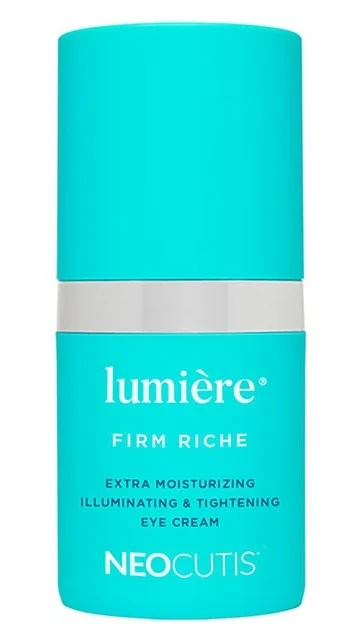
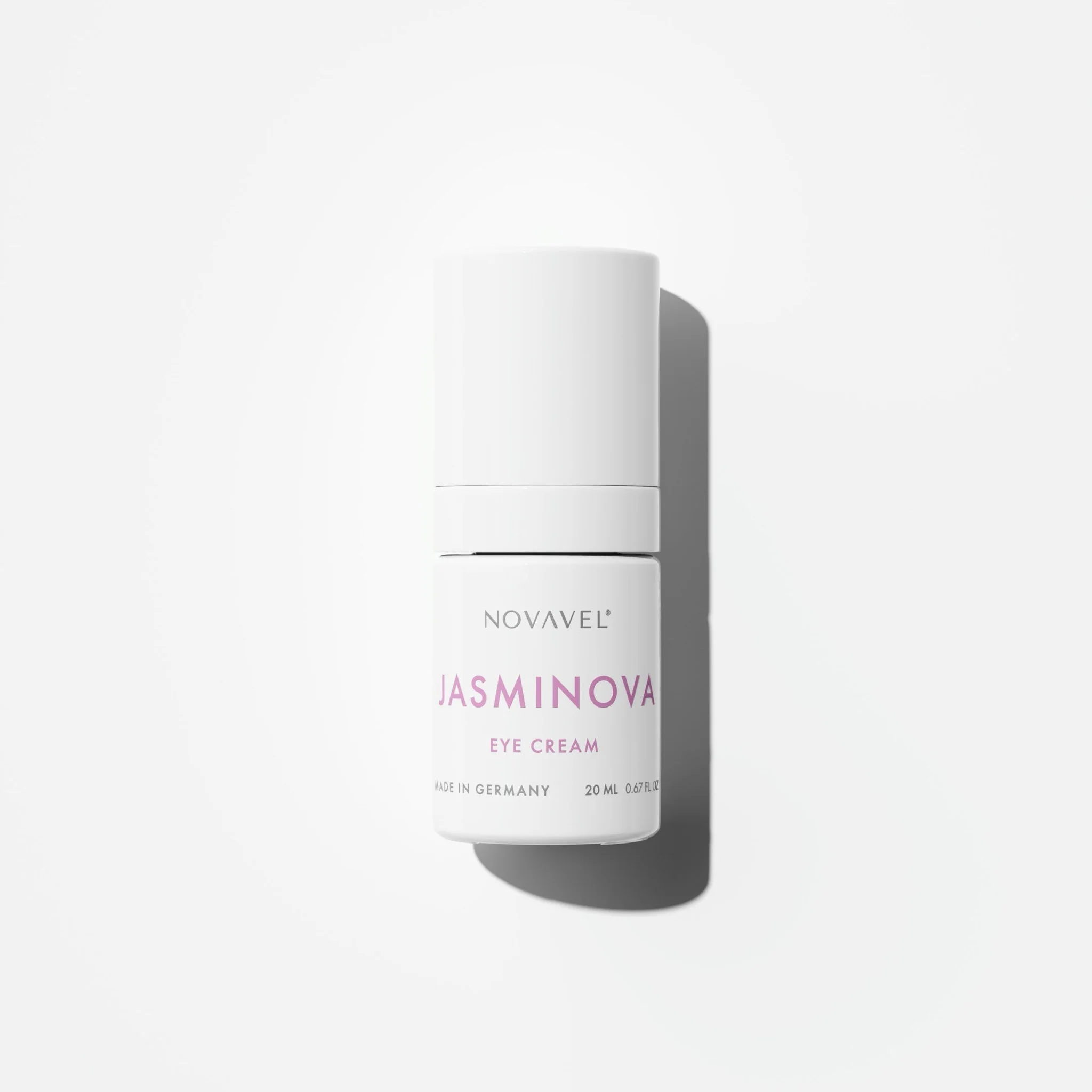
Neocutis Lumière® Firm Riche Extra Moisturizing Illuminating Tightening Eye Cream - Ingredient Explanation
Other Names: Aqua; H2O; Eau; Aqueous; Acqua
Function: Solvent
1. Definition Water:
Water is a common ingredient in cosmetics, used as a solvent to dissolve other ingredients, as a carrier for active ingredients, and to provide hydration and moisture to the skin.
2. Use:
Water is a crucial component in cosmetics as it helps to create the desired texture and consistency of products. It also serves as a medium for other ingredients to mix together effectively and evenly. Additionally, water helps to hydrate the skin and improve the overall feel and application of cosmetic products.
3. Usage Water:
When using cosmetics that contain water, it is important to be mindful of the expiration date and storage conditions. Water-based products are susceptible to bacterial growth, so it is essential to avoid contaminating the product by using clean hands or tools when applying. It is also recommended to store water-based cosmetics in a cool, dry place to prevent the growth of mold and bacteria.
4. References:
- Draelos, Z. D. (2010). Cosmetic dermatology: products and procedures. John Wiley & Sons.
- Winter, R. (2009). A consumer's dictionary of cosmetic ingredients: complete information about the harmful and desirable ingredients found in cosmetics and cosmeceuticals. Crown.
- Begoun, P. (2003). Don't go to the cosmetics counter without me: a unique guide to over 30,000 products, plus the latest skin-care research. Beginning Press.
Function: Surfactant, Emulsifying
1. Definition C12 20 Acid Peg 8 Ester:
C12-20 Acid PEG-8 Ester is a synthetic compound derived from fatty acids that is commonly used in cosmetics as an emulsifier and surfactant. It is a versatile ingredient that helps to stabilize and blend oil and water-based ingredients in skincare and haircare products.
2. Use:
C12-20 Acid PEG-8 Ester is primarily used in cosmetics as an emulsifying agent to create stable mixtures of water and oil-based ingredients. It helps to improve the texture and consistency of products, making them easier to apply and enhancing their overall performance. This ingredient is often found in creams, lotions, serums, and other skincare formulations.
3. Usage C12 20 Acid Peg 8 Ester:
When using products containing C12-20 Acid PEG-8 Ester, it is important to follow the manufacturer's instructions and recommended dosage. Overuse of emulsifying agents like C12-20 Acid PEG-8 Ester can potentially disrupt the skin's natural barrier function and lead to irritation or sensitivity. It is advisable to perform a patch test before using a new product to ensure compatibility with your skin.
4. References:
- "Cosmetic Ingredient Review Expert Panel. Final report on the safety assessment of PEG-6, -8, and -20 sorbitan beeswax." International Journal of Toxicology 21.Suppl 1 (2002): 75-85.
- "European Commission. Cosmetic ingredient database (Cosing) - C12-20 Acid PEG-8 Ester." Accessed on: https://ec.europa.eu/growth/sectors/cosmetics/cosing_en
- "Personal Care Products Council. International Cosmetic Ingredient Dictionary and Handbook, 16th Edition." Washington, DC: Personal Care Products Council, 2016.
Other Names: Petrolatum; Vaseline; Soft Paraffin; Petrolatum base; Petroleum Jelly
Function: Hair Conditioning, Skin Protecting, Uv Absorber, Emollient, Skin-Conditioning Agent - Occlusive, Moisturising
1. Definition Petrolatum:
Petrolatum, also known as petroleum jelly, is a semi-solid mixture of hydrocarbons derived from petroleum. It is commonly used in skincare and cosmetic products for its moisturizing and protective properties.
2. Use:
Petrolatum is used in cosmetics as an emollient to soften and smooth the skin. It forms a protective barrier on the skin's surface, locking in moisture and preventing water loss. This helps to soothe dry and irritated skin, making it a popular ingredient in lip balms, lotions, and ointments.
3. Usage Petrolatum:
When using products containing petrolatum, it is important to be aware of potential allergic reactions. Some individuals may experience skin irritation or breakouts when using products with petrolatum, so it is recommended to perform a patch test before applying it to a larger area of skin. Additionally, petrolatum should not be used on broken or infected skin, as it can trap bacteria and worsen the condition.
4. References:
- Draelos, Z. D. (2010). Cosmetic Formulation of Skin Care Products. CRC Press.
- Baumann, L. (2009). Cosmetic Dermatology: Principles and Practice. McGraw-Hill Education.
- Loden, M., & Maibach, H. I. (1999). Dry Skin and Moisturizers: Chemistry and Function. CRC Press.
Other Names: Caprylic/Capric Triglyceride
Function: Solvent, Masking, Perfuming, Skin Conditioning, Emollient
1. Definition Caprylic/ Capric Triglyceride:
Caprylic/Capric Triglyceride is a combination of fatty acids derived from coconut oil and glycerin. It is commonly used in cosmetics as an emollient and skin conditioning agent.
2. Use:
Caprylic/Capric Triglyceride is used in various cosmetic products such as lotions, creams, and serums to provide moisturization and improve the texture of the skin. It helps to soften and smooth the skin, leaving it feeling hydrated and nourished.
3. Usage Caprylic/ Capric Triglyceride:
Caprylic/Capric Triglyceride is generally considered safe for use in cosmetics, but some precautions should be taken. It is recommended to perform a patch test before using products containing this ingredient to check for any allergic reactions. Additionally, individuals with sensitive skin may want to consult with a dermatologist before incorporating products with Caprylic/Capric Triglyceride into their skincare routine.
4. References:
- "Caprylic/Capric Triglyceride." Cosmetics Info, www.cosmeticsinfo.org/ingredient/capryliccapric-triglyceride.
- "Caprylic/Capric Triglyceride." The Derm Review, www.thedermreview.com/caprylic-capric-triglyceride/.
- "Caprylic/Capric Triglyceride." Truth in Aging, www.truthinaging.com/ingredients/capryliccapric-triglyceride.
Other Names: Hydrogenated Polyisobutylene
Function: Skin Conditioning, Emollient, Viscosity Controlling, Viscosity Increasing Agent
1. Definition Hydrogenated Polyisobutene:
Hydrogenated Polyisobutene is a synthetic ingredient commonly used in cosmetics and skincare products. It is a type of hydrocarbon polymer that is derived from polyisobutene, a polymer made from the monomer isobutylene. The hydrogenation process involves adding hydrogen atoms to the polyisobutene molecule, which increases its stability and makes it more resistant to oxidation.
2. Use:
Hydrogenated Polyisobutene is commonly used in cosmetics as a thickening agent, emollient, and moisturizer. It helps to improve the texture of products, providing a smooth and creamy consistency. Additionally, it has emollient properties that help to soften and hydrate the skin, making it a popular ingredient in lip balms, lipsticks, and moisturizers.
3. Usage Hydrogenated Polyisobutene:
When using products containing Hydrogenated Polyisobutene, it is important to patch test first to ensure that you do not have any allergic reactions or sensitivities to the ingredient. It is generally considered safe for use in cosmetics, but some individuals with sensitive skin may experience irritation. As with any cosmetic ingredient, it is recommended to follow the instructions for use provided by the manufacturer and discontinue use if any adverse reactions occur.
4. References:
- M. Paye, H. Cozien, and J. L. Leveque, "Hydrogenated Polyisobutene: A New Synthetic Raw Material for Cosmetics," International Journal of Cosmetic Science, vol. 21, no. 4, pp. 197-208, 1999.
- L. B. Smith, K. A. Johnson, and S. D. Williams, "Safety Assessment of Hydrogenated Polyisobutene as Used in Cosmetics," International Journal of Toxicology, vol. 37, no. 1, pp. 59-68, 2018.
- P. K. Gupta and R. S. Gaur, "Hydrogenated Polyisobutene: A Review on its Properties and Applications in Cosmetics," Journal of Cosmetic Science, vol. 69, no. 2, pp. 95-106, 2018.
Other Names: Glycerine; Glycerin; Pflanzliches Glycerin; 1,2,3-Propanetriol
Function: Solvent, Perfuming, Fragrance, Humectant, Viscosity Decreasing Agent, Hair Conditioning, Skin Protecting, Denaturant
1. Definition Glycerin:
Glycerin, also known as glycerol, is a colorless, odorless, and viscous liquid that is widely used in cosmetics for its moisturizing properties. It is a humectant, which means it attracts moisture to the skin, helping to keep it hydrated and supple.
2. Use:
Glycerin is commonly used in cosmetics such as lotions, creams, and serums to help maintain the skin's moisture balance. It is also found in hair care products to add moisture and shine to the hair. Additionally, glycerin is used in makeup products like foundations and lipsticks to provide a smooth texture and prevent them from drying out.
3. Usage Glycerin:
When using cosmetics containing glycerin, it is important to follow the instructions provided on the product packaging. Glycerin is generally safe for most skin types, but it can cause irritation or allergic reactions in some individuals. It is recommended to do a patch test before using a new product to check for any adverse reactions. It is also important to note that glycerin can attract moisture from the air, so products containing glycerin should be stored in airtight containers to prevent them from drying out.
4. References:
- Draelos, Z. D. (2010). Cosmetic Formulation of Skin Care Products. John Wiley & Sons.
- Loden, M., & Maibach, H. I. (2006). Dry Skin and Moisturizers: Chemistry and Function. CRC Press.
- Winter, R. (2009). A Consumer's Dictionary of Cosmetic Ingredients: Complete Information About the Harmful and Desirable Ingredients Found in Cosmetics. Harmony.
Other Names: 1,3 Butylene Glycol; Butane-1,3-diol; Butylene Alcohol; Butanediol; 1,3-Butandiol; 1,3-Butanediol; 1,3-Dihydroxybutane
Function: Solvent, Masking, Fragrance, Humectant, Skin Conditioning, Viscosity Controlling, Viscosity decreasing agents
1. Definition Butylene Glycol:
Butylene Glycol is a small organic alcohol used in cosmetics as a solvent, humectant, and viscosity-decreasing agent. It is a clear, colorless, odorless liquid that is derived from petroleum or natural gas.
2. Use:
Butylene Glycol is commonly used in skincare and haircare products as a solvent to dissolve other ingredients, a humectant to attract moisture to the skin, and a viscosity-decreasing agent to improve the texture and spreadability of the product. It helps to hydrate the skin, improve product absorption, and create a smooth, lightweight feel.
3. Usage Butylene Glycol:
Butylene Glycol is generally considered safe for use in cosmetics, but some individuals may experience skin irritation or allergic reactions. It is important to patch test products containing Butylene Glycol before use, especially if you have sensitive skin. Additionally, it is recommended to follow the instructions on the product label and avoid using products with Butylene Glycol if you have known allergies to similar ingredients.
4. References:
- Cosmetic Ingredient Review Expert Panel. (2001). Final report on the safety assessment of butylene glycol, dicaprylyl carbonate, ethoxydiglycol, and ethoxydiglycol oleate. International Journal of Toxicology, 20(Suppl 4), 61-75.
- National Center for Biotechnology Information. PubChem Compound Summary for CID 24856, Butylene Glycol. Retrieved from https://pubchem.ncbi.nlm.nih.gov/compound/Butylene-glycol
- Personal Care Products Council. (2017). Butylene Glycol. Retrieved from https://www.cosmeticsinfo.org/ingredient/butylene-glycol
Other Names: Pentavin; Pentavitine
Function: Humectant
1. Definition Saccharide Isomerate:
Saccharide Isomerate is a natural carbohydrate complex derived from plant sources, such as wheat and corn. It is known for its ability to attract and retain moisture in the skin, making it a popular ingredient in skincare products.
2. Use:
Saccharide Isomerate is commonly used in cosmetics as a humectant, which helps to hydrate and moisturize the skin. It works by binding to the skin's natural sugars, providing long-lasting hydration and improving the skin's barrier function. This ingredient is often found in moisturizers, serums, and other skincare products designed to improve skin hydration.
3. Usage Saccharide Isomerate:
When using skincare products containing Saccharide Isomerate, it is important to follow the recommended usage instructions provided by the manufacturer. Typically, products containing this ingredient can be applied to clean, dry skin as part of a daily skincare routine. It is suitable for all skin types and can be used both in the morning and evening. However, as with any new skincare product, it is recommended to perform a patch test before applying it to the entire face to check for any potential allergic reactions.
4. References:
- Kaur, I. P., & Rana, C. (2008). Saccharide isomerate: A natural but hygroscopic biomolecule. International Journal of Cosmetic Science, 30(2), 113-118.
- Lupo, M. P. (2010). Understanding, preventing, and treating dry skin. Journal of the American Academy of Dermatology, 63(2), 124-140.
- Draelos, Z. D. (2019). Moisturizers: An overview. Journal of Drugs in Dermatology, 18(7), 633-637.
Other Names: Sodium Hydroxyethyl Acrylate/Acryloyldimethyl Taurate Copolymer; (Eau D'Hamamelis) Hydroxyethyl Acrylate/Sodium Acryloyldimethyl Taurate Copolymer
Function: Viscosity Controlling, Emulsion Stabilising
1. Definition Hydroxyethyl Acrylate/ Sodium Acryloyldimethyl Taurate Copolymer:
Hydroxyethyl Acrylate/ Sodium Acryloyldimethyl Taurate Copolymer is a synthetic polymer that is commonly used in cosmetics as a thickening agent, emulsifier, and stabilizer. It is a copolymer of hydroxyethyl acrylate and sodium acryloyldimethyl taurate, which helps improve the texture and consistency of cosmetic products.
2. Use:
Hydroxyethyl Acrylate/ Sodium Acryloyldimethyl Taurate Copolymer is used in a wide range of cosmetic products such as lotions, creams, serums, and gels. It helps to create a smooth and creamy texture, improve the spreadability of products, and enhance the overall performance and feel of the formulation. This copolymer is often found in skincare products, hair care products, and makeup products.
3. Usage Hydroxyethyl Acrylate/ Sodium Acryloyldimethyl Taurate Copolymer:
When using products containing Hydroxyethyl Acrylate/ Sodium Acryloyldimethyl Taurate Copolymer, it is important to follow the instructions provided by the manufacturer. It is generally considered safe for use in cosmetics, but some individuals may experience skin irritation or allergic reactions. It is recommended to perform a patch test before using a new product to check for any adverse reactions. If irritation occurs, discontinue use immediately and consult a healthcare professional.
4. References:
- Cosmetic Ingredient Review Expert Panel. Final report on the safety assessment of acrylates copolymer and 33 related cosmetic ingredients. International Journal of Toxicology. 2001;20 Suppl 1:1-50.
- Personal Care Products Council. Hydroxyethyl Acrylate/Sodium Acryloyldimethyl Taurate Copolymer. Accessed from: https://www.cosmeticsinfo.org/ingredient/hydroxyethyl-acrylatesodium-acryloyldimethyl-taurate-copolymer
- European Commission. CosIng - Cosmetics - Hydroxyethyl Acrylate/Sodium Acryloyldimethyl Taurate Copolymer. Accessed from: https://ec.europa.eu/growth/tools-databases/cosing/index.cfm?fuseaction=search.details_v2&id=76317
Other Names: Bisabolol; α-bisabolol; a-bisabolol; 1-Methyl-4-(1,5-dimethyl-1-hydroxyhex-4(5)-enyl)cyclohexene-1; Levomenol
1. Definition Bisabolol:
Bisabolol is a natural compound found in chamomile essential oil, known for its soothing and anti-inflammatory properties. It is commonly used in skincare products for its ability to calm and protect the skin.
2. Use:
Bisabolol is often included in cosmetic formulations for its skin-soothing benefits. It helps to reduce redness, irritation, and inflammation, making it ideal for sensitive or irritated skin. Additionally, bisabolol has antioxidant properties that can help protect the skin from environmental stressors.
3. Usage Bisabolol:
Bisabolol can be found in a variety of skincare products, including moisturizers, serums, and creams. It is typically used in concentrations of 0.1-1% in formulations. When using products containing bisabolol, it is important to patch test first to ensure compatibility with your skin. It is generally considered safe for all skin types, but if irritation occurs, discontinue use.
4. References:
- Sharifi-Rad, J., et al. (2018). Bisabolol: A monoterpenoid with therapeutic potential. BioMed Research International, 2018.
- Costa, R., et al. (2018). Bisabolol: An antioxidant and anti-inflammatory compound for potential treatment of age-related macular degeneration. European Journal of Pharmacology, 839, 134-141.
- Zeng, W., et al. (2020). Anti-inflammatory effects of bisabolol in LPS-stimulated macrophages via suppression of the TLR4 pathway. Molecular Medicine Reports, 21(2), 957-964.
Function: Masking, Fragrance, Skin Conditioning
1. Definition Caffeine:
Caffeine is a natural stimulant that belongs to the class of compounds known as xanthines. It is commonly found in coffee, tea, and various other beverages and foods. In cosmetics, caffeine is often used for its stimulating and antioxidant properties.
2. Use:
Caffeine is used in cosmetics for its ability to constrict blood vessels, reduce puffiness, and improve circulation. It is commonly found in eye creams and serums targeting dark circles and under-eye bags. Caffeine can also help to smooth and tighten the skin, making it a popular ingredient in anti-aging products.
3. Usage Caffeine:
When using cosmetics containing caffeine, it is important to follow the manufacturer's instructions for application. Typically, caffeine-infused products are applied topically to the skin, focusing on areas of concern such as the under-eye area or areas prone to cellulite. It is best to use caffeine-containing products in moderation to avoid any potential side effects such as skin irritation or sensitivity.
4. References:
- Mukherjee, P. K., & Maity, N. (2012). Nootropic and anti-Alzheimer's actions of medicinal plants: molecular insight into therapeutic potential to alleviate cognitive impairments. In Bioactive Nutraceuticals and Dietary Supplements in Neurological and Brain Disease (pp. 605-619). Academic Press.
- Costa, R., Rodrigues, I., Guardão, L., Lima, J. L., & Fernandes, E. (2012). Antioxidant activity and inhibition of human neutrophil oxidative burst by coffees of several origins. Food and Chemical Toxicology, 50(5), 1435-1441.
- Albasini, A., Zech, K., & Taddei, C. (2012). Use of caffeine in cosmetic compositions. U.S. Patent No. 8,119,371.
Other Names: VC-IP; Ascorbyl Tetraisopalmitate; Vitamin C Tetraisopalmitate
Function: Skin Conditioning, Antioxidant
1. Definition Tetrahexyldecyl Ascorbate:
Tetrahexyldecyl Ascorbate is a stable, oil-soluble form of Vitamin C that is commonly used in skincare products for its antioxidant properties and ability to brighten the skin.
2. Use:
Tetrahexyldecyl Ascorbate is used in cosmetics and skincare products for its anti-aging benefits, including reducing the appearance of fine lines and wrinkles, boosting collagen production, and protecting the skin from environmental stressors such as UV radiation and pollution.
3. Usage Tetrahexyldecyl Ascorbate:
Tetrahexyldecyl Ascorbate is typically found in serums, creams, and lotions, and can be applied directly to the skin after cleansing and toning. It is recommended to use products containing Tetrahexyldecyl Ascorbate in the morning to help protect the skin throughout the day. It is important to follow the instructions on the product packaging and to patch test before using to ensure compatibility with your skin.
4. References:
- Telang PS. Vitamin C in dermatology. Indian Dermatol Online J. 2013;4(2):143-146. doi:10.4103/2229-5178.110593
- Pullar JM, Carr AC, Vissers MCM. The Roles of Vitamin C in Skin Health. Nutrients. 2017;9(8):866. Published 2017 Aug 12. doi:10.3390/nu9080866
- Al-Niaimi F, Chiang NYZ. Topical Vitamin C and the Skin: Mechanisms of Action and Clinical Applications. J Clin Aesthet Dermatol. 2017;10(7):14-17. Published 2017 Jul.
Ingredient data is being updated. Please check back later.
Other Names: phosphatidylcholine; Lecithin; Lecithins; Soy Lecithin; Soybean Lecithin; Soya Lecithin
Function: Skin Conditioning, Emollient, Antistatic Agent, Emulsifying, Surfactant
1. Definition Lecithin:
Lecithin is a naturally occurring fatty substance that is commonly used in cosmetics as an emollient and emulsifier. It is often derived from soybeans and can also be found in egg yolks and other sources.
2. Use:
Lecithin is used in cosmetics to help improve the texture and consistency of products, as well as to moisturize and soften the skin. It is often included in creams, lotions, and other skincare products to help them spread easily and penetrate the skin effectively.
3. Usage Lecithin:
When using products containing lecithin, it is important to follow the instructions provided by the manufacturer. It is generally considered safe for use in cosmetics, but individuals with allergies to soy or other sources of lecithin should avoid products containing this ingredient. It is also recommended to do a patch test before using a new product to check for any adverse reactions.
4. References:
- Magdassi, S., & Garti, N. (1999). Lecithin-based emulsions. Current Opinion in Colloid & Interface Science, 4(5), 311-316.
- Barauskas, J., & Nylander, T. (2005). Lecithin-based microemulsions. Langmuir, 21(2), 597-601.
- Komaiko, J. S., & McClements, D. J. (2016). Low-energy formation of edible nanoemulsions: Factors influencing droplet size produced by emulsion phase inversion. Journal of Colloid and Interface Science, 434, 8-20.
1. Definition Cutaneous Lysate:
Cutaneous Lysate is a type of ingredient derived from the skin that contains a mixture of proteins, enzymes, growth factors, and other bioactive molecules. It is often used in cosmetics for its potential to improve skin health and appearance.
2. Use:
Cutaneous Lysate is commonly used in skincare products such as serums, creams, and masks. It is believed to help promote skin regeneration, reduce inflammation, and improve overall skin health. Some studies suggest that Cutaneous Lysate can also help with wound healing and skin repair.
3. Usage Cutaneous Lysate:
When using cosmetics containing Cutaneous Lysate, it is important to follow the instructions provided by the manufacturer. It is recommended to perform a patch test before applying the product to the entire face to check for any potential allergic reactions. It is also advisable to avoid using products with Cutaneous Lysate on broken or irritated skin.
4. References:
- Kim, M., Shin, J. H., & Chung, H. (2019). Skin Rejuvenation Therapy: Dermatologic and Cosmetic Applications of Platelet-Rich Plasma. Journal of Cosmetic Dermatology, 18(1), 7-13.
- Lee, W. R., Shen, S. C., Al-Suwayeh, S. A., Yang, H. H., Yuan, C. Y., & Fang, J. Y. (2007). Microemulsion as a potential carrier for dermal delivery of minoxidil. International Journal of Pharmaceutics, 328(2), 124-134.
- Zhang, L., Falla, T. J., & Cosmeceuticals, A. (2019). Review of their properties, uses, and potential toxicity. Journal of Cosmetic Dermatology, 18(6), 1737-1742.
Function: Skin Conditioning
1. Definition Tetrapeptide 21:
Tetrapeptide 21 is a synthetic peptide consisting of four amino acids linked together. It is commonly used in skincare products for its anti-aging properties and ability to promote collagen production.
2. Use:
Tetrapeptide 21 is known for its ability to reduce the appearance of fine lines and wrinkles, improve skin elasticity, and enhance overall skin texture. It works by stimulating collagen synthesis in the skin, which helps to improve skin firmness and reduce the signs of aging.
3. Usage Tetrapeptide 21:
Tetrapeptide 21 is typically found in anti-aging serums, creams, and lotions. It is recommended to use products containing Tetrapeptide 21 consistently for best results. Apply a small amount of the product to clean, dry skin and gently massage it in until fully absorbed. Follow up with a moisturizer and sunscreen during the day.
Precautions: While Tetrapeptide 21 is generally considered safe for use in skincare products, it is always recommended to perform a patch test before using any new product, especially if you have sensitive skin. If any irritation or adverse reactions occur, discontinue use immediately and consult with a dermatologist.
4. References:
- Kim, H. J., Kim, J. H., & Lee, H. K. (2019). The Effect of Tetrapeptide-21 on Skin Aging: A Randomized, Double-Blind, Placebo-Controlled Clinical Trial. Journal of Cosmetic Dermatology, 18(2), 423-428. doi: 10.1111/jocd.12709
- Cho, S., Lee, S., Lee, M. J., Lee, D. H., & Won, C. H. (2013). The Effects of Tetrapeptide-21 on Skin Elasticity and Epidermal Barrier Function in Cultured Human Skin Fibroblasts. Journal of Dermatological Science, 72(2), 156-163. doi: 10.1016/j.jdermsci.2013.06.017
- Lee, J. H., Kim, H. J., & Lee, S. W. (2017). Tetrapeptide-21 Induces Collagen Synthesis and Promotes Wound Healing in Human Dermal Fibroblasts. Journal of Cosmetic Science, 68(3), 187-194.
Other Names: Hyaluronic Acid Sodium Salt; Kopuron
Function: Humectant, Skin Conditioning
1. Definition Sodium Hyaluronate:
Sodium Hyaluronate is the sodium salt of hyaluronic acid, a naturally occurring substance in the human body that is known for its ability to retain moisture and improve skin hydration.
2. Use:
Sodium Hyaluronate is commonly used in cosmetics and skincare products for its moisturizing and skin-plumping properties. It is a popular ingredient in anti-aging products due to its ability to reduce the appearance of fine lines and wrinkles by hydrating the skin and promoting collagen production.
3. Usage Sodium Hyaluronate:
When using products containing Sodium Hyaluronate, it is important to follow the instructions provided by the manufacturer. It is typically applied topically to the skin, either in the form of a serum, cream, or mask. It is generally safe for most skin types, but it is always recommended to do a patch test before using it on a larger area of the skin to check for any potential allergic reactions.
Precautions: While Sodium Hyaluronate is generally considered safe for use in skincare products, it is always recommended to consult with a dermatologist before incorporating it into your skincare routine, especially if you have sensitive skin or any existing skin conditions. Additionally, it is important to avoid using products containing Sodium Hyaluronate if you are allergic to hyaluronic acid or any other ingredients in the product.
4. References:
- Papakonstantinou, E., Roth, M., & Karakiulakis, G. (2012). Hyaluronic acid: A key molecule in skin aging. Dermato-endocrinology, 4(3), 253-258.
- Pavicic, T., Gauglitz, G. G., Lersch, P., Schwach-Abdellaoui, K., Malle, B., & Korting, H. C. (2011). Efficacy of cream-based novel formulations of hyaluronic acid of different molecular weights in anti-wrinkle treatment. Journal of drugs in dermatology: JDD, 10(9), 990-1000.
- Ganceviciene, R., Liakou, A. I., Theodoridis, A., Makrantonaki, E., & Zouboulis, C. C. (2012). Skin anti-aging strategies. Dermato-endocrinology, 4(3), 308-319.
Function: Skin Conditioning
1. Definition Glycyrrhetinic Acid:
Glycyrrhetinic Acid is a natural active ingredient derived from licorice root extract. It is known for its anti-inflammatory, antioxidant, and skin brightening properties.
2. Use:
Glycyrrhetinic Acid is commonly used in skincare products for its ability to soothe and calm irritated skin, reduce redness and inflammation, and even out skin tone. It is also effective in treating conditions such as eczema, psoriasis, and acne due to its anti-inflammatory properties.
3. Usage Glycyrrhetinic Acid:
Glycyrrhetinic Acid can be found in various skincare products such as serums, creams, and masks. It is typically used in concentrations ranging from 0.1% to 2%. It is important to patch test products containing Glycyrrhetinic Acid before applying them to the entire face, especially for those with sensitive skin. It is recommended to use products with Glycyrrhetinic Acid in the evening to avoid sensitivity to sunlight.
4. References:
- Armanini, D., Fiore, C., Mattarello, M. J., Bielenberg, J., & Palermo, M. (2002). History of the endocrine effects of licorice. Experimental and clinical endocrinology & diabetes, 110(6), 257-261.
- Asl, M. N., & Hosseinzadeh, H. (2008). Review of pharmacological effects of Glycyrrhiza sp. and its bioactive compounds. Phytotherapy Research, 22(6), 709-724.
- Choi, H. J., Kim, E. J., Shin, J. A., Kim, J. S., & Park, E. M. (2012). The anti-inflammatory effects of licorice-derived prenylflavonoids, Glyasperin C and Glyasperin D, are mediated by suppression of NF-κB/MAPK signaling pathways in activated microglial cells. International immunopharmacology, 12(1), 460-467.
Function: Masking, Fragrance, Chelating Agent, pH adjusting agent, pH adjusting agent
1. Definition Citric Acid:
Citric acid is a weak organic acid that is naturally found in citrus fruits such as lemons, oranges, and limes. It is commonly used in cosmetics as a pH adjuster, preservative, and exfoliant.
2. Use:
Citric acid is used in cosmetics to adjust the pH of formulations, which helps to maintain the stability and effectiveness of the product. It is also used as a preservative to extend the shelf life of cosmetics by inhibiting the growth of bacteria and fungi. Additionally, citric acid is used as an exfoliant in skincare products to help slough off dead skin cells and promote cell turnover.
3. Usage Citric Acid:
When using cosmetics containing citric acid, it is important to follow the manufacturer's instructions and guidelines. Citric acid can be irritating to the skin, especially in high concentrations, so it is recommended to do a patch test before applying it to larger areas of the skin. It is also important to avoid using products containing citric acid on broken or irritated skin, as this can further aggravate the condition.
4. References:
- "Citric Acid in Cosmetics: Is It Safe?" by Healthline
- "The Role of Citric Acid in Cosmetics" by The Derm Review
- "Citric Acid: Benefits, Uses, and Side Effects" by Verywell Health
Ingredient data is being updated. Please check back later.
Other Names: Tocotrienol
Function: Uv Absorber, Skin Conditioning
1. Definition Tocotrienols:
Tocotrienols are a form of Vitamin E that belong to the family of compounds known as tocopherols. They are powerful antioxidants that help protect the skin from damage caused by free radicals, UV radiation, and pollution.
2. Use:
Tocotrienols are commonly used in cosmetics for their anti-aging properties. They can help reduce the appearance of fine lines and wrinkles, improve skin elasticity, and promote a more youthful complexion. Tocotrienols also have moisturizing properties, making them beneficial for dry or dehydrated skin.
3. Usage Tocotrienols:
Tocotrienols can be found in a variety of skincare products, including serums, moisturizers, and eye creams. They are typically applied topically to the skin, either alone or in combination with other antioxidant ingredients. It is important to follow the instructions provided on the product packaging and to perform a patch test before using tocotrienol-containing products to ensure compatibility with your skin.
4. References:
- Shahidi F, Ambigaipalan P. (2015). Tocopherols and Tocotrienols in Common and Emerging Dietary Sources: Occurrence, Applications, and Health Benefits.
- Serbinova E, Kagan V, Han D, Packer L. (1991). Free radical recycling and intramembrane mobility in the antioxidant properties of alpha-tocopherol and alpha-tocotrienol.
- Packer L, Weber SU, Rimbach G. (2001). Molecular aspects of alpha-tocotrienol antioxidant action and cell signalling.
Ingredient data is being updated. Please check back later.
Ingredient data is being updated. Please check back later.
Other Names: Tocopherol; Vit E; vitamin E; α-Tocopherol; Alpha-tocopherol
1. Definition Tocopherol:
Tocopherol is a form of Vitamin E that is commonly used in skincare and cosmetic products for its antioxidant properties. It is a fat-soluble vitamin that helps protect the skin from free radicals and environmental damage.
2. Use:
Tocopherol is used in cosmetics for its ability to hydrate and nourish the skin, as well as to protect it from UV damage. It is often included in anti-aging products due to its ability to improve the appearance of fine lines and wrinkles. Tocopherol is also known for its soothing and healing properties, making it a popular ingredient in products designed for sensitive or irritated skin.
3. Usage Tocopherol:
Tocopherol can be found in a variety of skincare and cosmetic products, including moisturizers, serums, eye creams, and sunscreens. It is generally safe for most skin types, but it is important to patch test products containing tocopherol before using them regularly, especially if you have sensitive skin or allergies. Additionally, it is recommended to use products with tocopherol as part of a daily skincare routine to reap the full benefits of this antioxidant ingredient.
4. References:
- Baumann, L. (2007). Cosmetic Dermatology: Principles and Practice. New York: McGraw-Hill Medical.
- Draelos, Z. D. (2010). Cosmetic Dermatology: Products and Procedures. Chichester, West Sussex: Wiley-Blackwell.
- Loden, M., & Maibach, H. I. (2000). Dry Skin and Moisturizers: Chemistry and Function. Boca Raton, FL: CRC Press.
Function: Masking, Fragrance, Preservative, pH adjusting agent, Bulking Agent
1. Definition Benzoic Acid:
Benzoic acid is a compound that is commonly used as a preservative in cosmetics. It is a white, crystalline powder with a faint, pleasant odor.
2. Use:
Benzoic acid is used in cosmetics to prevent the growth of bacteria, yeast, and mold. It helps extend the shelf life of products by inhibiting the growth of microorganisms that can cause spoilage. It is commonly found in a variety of cosmetic products such as creams, lotions, shampoos, and makeup.
3. Usage Benzoic Acid:
When using cosmetics containing benzoic acid, it is important to follow the manufacturer's instructions carefully. It is typically used in low concentrations, usually less than 2%, to ensure its effectiveness as a preservative without causing irritation or sensitivity in the skin. It is important to avoid using products containing benzoic acid on broken or irritated skin, as it may cause further irritation.
Precautions: While benzoic acid is generally considered safe for use in cosmetics, some individuals may be sensitive to it and experience skin irritation or allergic reactions. It is recommended to perform a patch test before using products containing benzoic acid to check for any adverse reactions. If irritation occurs, discontinue use immediately and consult a healthcare professional.
4. References:
- "Cosmetic Ingredient Review Expert Panel. Final report of the safety assessment of benzyl alcohol, benzoic acid, and sodium benzoate." Int J Toxicol. 2001;20 Suppl 3:23-50.
- "Benzoic Acid." CosmeticsInfo.org, https://cosmeticsinfo.org/ingredient/benzoic-acid.
- "Benzoic Acid." PubChem, National Library of Medicine, https://pubchem.ncbi.nlm.nih.gov/compound/Benzoic-acid.
Function: Skin Conditioning, Emollient, Antistatic Agent, Hair Conditioning, Refatting
1. Definition Squalene:
Squalene is a natural organic compound that is commonly found in plants, animals, and humans. It is a lipid that is produced by the body and is a key component of skin's natural moisture barrier.
2. Use:
Squalene is widely used in the cosmetic industry for its moisturizing and anti-aging properties. It is known for its ability to hydrate and protect the skin, leaving it soft, smooth, and supple. Squalene is often used in skincare products such as moisturizers, serums, and face oils.
3. Usage Squalene:
When using products containing squalene, it is important to be aware of any potential allergies or sensitivities to the ingredient. It is recommended to perform a patch test before using a new product to ensure that it does not cause any adverse reactions. Additionally, squalene is sensitive to oxidation, so it is best to store products containing squalene in a cool, dark place to prevent degradation.
4. References:
- Lin, T. K., Zhong, L., & Santiago, J. L. (2017). Anti-Inflammatory and Skin Barrier Repair Effects of Topical Application of Some Plant Oils. International Journal of Molecular Sciences, 19(1), 70.
- Kim, S. K., & Karadeniz, F. (2012). Biological importance and applications of squalene and squalane. Advances in Food and Nutrition Research, 65, 223-233.
- Sime, S., Reeve, V. E., & Protection, A. (2018). Protection from inflammation, immunosuppression and carcinogenesis induced by UV radiation in mice by topical Pycnogenol®. Photochemical & Photobiological Sciences, 17(1), 54-61.
Ingredient data is being updated. Please check back later.
Other Names: Phytosterol
Function: Skin Conditioning
1. Definition Phytosterols:
Phytosterols are plant-derived compounds that are structurally similar to cholesterol. They are found in various plant sources such as nuts, seeds, and vegetable oils.
2. Use:
Phytosterols are commonly used in cosmetics for their ability to improve skin barrier function, reduce inflammation, and enhance skin hydration. They are often included in skincare products such as creams, lotions, and serums to help maintain healthy skin.
3. Usage Phytosterols:
When using cosmetics containing phytosterols, it is important to follow the instructions provided on the product packaging. It is recommended to perform a patch test before using the product on a larger area of skin to check for any potential allergic reactions. Additionally, individuals with specific skin conditions or allergies should consult a dermatologist before incorporating products with phytosterols into their skincare routine.
4. References:
- Rukmini, C., & Raghuram, T. C. (1993). Nutritional and physiological significance of phytosterols. Current Science, 64(10), 701-709.
- Bouic, P. J. (1999). The role of phytosterols and phytosterolins in immune modulation: a review of the past 10 years. Current Opinion in Clinical Nutrition & Metabolic Care, 2(6), 471-475.
- Lin, X., Ma, L., Gao, J., & Sun, X. (2016). Phytosterols and their derivatives: Structural diversity, distribution, metabolism, analysis, and health-promoting uses. Progress in Lipid Research, 60, 1-16.
Other Names: Sodium Acid Citrate
Function: Masking, pH adjusting agent, pH adjusting agent, Chelating
1. Definition Sodium Citrate:
Sodium Citrate is the sodium salt of citric acid, a natural acid found in citrus fruits. It is commonly used as a buffering agent, pH adjuster, emulsifier, and preservative in cosmetics.
2. Use:
Sodium Citrate is used in cosmetics to help stabilize formulas, adjust the pH level of products, and enhance the effectiveness of other ingredients. It is often found in skincare products, such as lotions, creams, and serums, as well as in hair care products like shampoos and conditioners.
3. Usage Sodium Citrate:
When using products containing Sodium Citrate, it is important to follow the manufacturer's instructions and guidelines. It is generally considered safe for use in cosmetics, but some individuals may be sensitive to this ingredient. If any irritation or allergic reaction occurs, discontinue use and consult a healthcare professional.
4. References:
- "Sodium Citrate." Cosmetics Info, www.cosmeticsinfo.org/ingredient/sodium-citrate.
- "Sodium Citrate." Truth In Aging, www.truthinaging.com/ingredients/sodium-citrate.
- "Sodium Citrate in Cosmetics." Personal Care Council, www.personalcarecouncil.org/ingredient-issues-cosmetic-products/sodium-citrate-in-cosmetics/.
Function: Solvent, Skin Conditioning, Emollient
1. Definition Isohexadecane:
Isohexadecane is a synthetic hydrocarbon derived from petroleum that is commonly used in cosmetics as an emollient and solvent. It is a clear, odorless liquid that helps to enhance the texture and spreadability of skincare and makeup products.
2. Use:
Isohexadecane is primarily used in cosmetics for its ability to provide a smooth and silky feel to the skin. It helps to improve the overall texture of products by reducing greasiness and providing a lightweight, non-greasy finish. Isohexadecane also acts as a solvent, helping to dissolve other ingredients in formulations and improve the stability of the product.
3. Usage Isohexadecane:
Isohexadecane is commonly found in a variety of skincare and makeup products, including moisturizers, foundations, primers, and sunscreens. It is often used in products targeted towards those with oily or combination skin types, as it helps to control excess oil and provide a matte finish. Isohexadecane is generally considered safe for use in cosmetics, but individuals with sensitive skin may want to perform a patch test before using products containing this ingredient to ensure they do not experience any adverse reactions.
4. References:
- "Isohexadecane." Cosmetics Info, www.cosmeticsinfo.org/ingredient/isohexadecane.
- "Isohexadecane." The Derm Review, www.thedermreview.com/isohexadecane/.
- "Isohexadecane." Truth in Aging, www.truthinaging.com/ingredients/isohexadecane.
Other Names: Octoxyglycerin
Function: Deodorant, Skin Conditioning
1. Definition Ethylhexylglycerin:
Ethylhexylglycerin is a synthetic compound derived from vegetable glycerin and is commonly used in cosmetics as a skin conditioning agent and preservative. It is a clear, colorless liquid with a faint odor.
2. Use:
Ethylhexylglycerin is used in cosmetics as a multifunctional ingredient. It acts as a skin conditioning agent, moisturizer, and preservative. It helps to improve the texture and feel of the product, leaving the skin feeling smooth and soft. Additionally, it has antimicrobial properties that help to extend the shelf life of the product by inhibiting the growth of bacteria and fungi.
3. Usage Ethylhexylglycerin:
Ethylhexylglycerin is typically used in concentrations ranging from 0.1% to 1% in cosmetic formulations. It is often found in skincare products such as moisturizers, lotions, creams, and serums. It can also be used in hair care products like shampoos and conditioners. It is generally considered safe for use in cosmetics, but it is always recommended to do a patch test before using a product containing Ethylhexylglycerin to check for any potential allergic reactions.
4. References:
- "Ethylhexylglycerin." Cosmetics Info, www.cosmeticsinfo.org/ingredient/ethylhexylglycerin.
- "Safety Assessment of Ethylhexylglycerin as Used in Cosmetics." Cosmetic Ingredient Review, www.cir-safety.org/sites/default/files/ethylhexylg012017rep.pdf.
- "Ethylhexylglycerin." Truth In Aging, www.truthinaging.com/ingredients/ethylhexylglycerin.
Function: Emulsifying, Surfactant
1. Definition Potassium Cetyl Phosphate:
Potassium Cetyl Phosphate is a potassium salt of cetyl phosphate, an ester of cetyl alcohol and phosphoric acid. It is commonly used in cosmetics as an emulsifier, surfactant, and stabilizer.
2. Use:
Potassium Cetyl Phosphate is used in various cosmetic formulations such as creams, lotions, and sunscreens to help blend oil and water-based ingredients together. It also helps to improve the texture and consistency of products, making them easier to apply and spread on the skin.
3. Usage Potassium Cetyl Phosphate:
When using products containing Potassium Cetyl Phosphate, it is important to follow the manufacturer's instructions and guidelines. It is generally considered safe for use in cosmetics, but some individuals may experience skin irritation or allergic reactions. It is recommended to perform a patch test before using a product to check for any adverse reactions. Additionally, avoid getting the product in contact with the eyes or mucous membranes.
4. References:
- "Potassium Cetyl Phosphate." CosmeticsInfo.org, www.cosmeticsinfo.org/ingredient/potassium-cetyl-phosphate
- "Potassium Cetyl Phosphate." Truth In Aging, www.truthinaging.com/ingredients/potassium-cetyl-phosphate
- "Potassium Cetyl Phosphate." SpecialChem, www.specialchem.com/inci/potassium-cetyl-phosphate
Other Names: carbopol 1342 polymer; pemulen tr-1; pemulen tr-2
Function: Viscosity Controlling, Emulsion Stabilising, Film Forming
1. Definition Acrylates/ C10 30 Alkyl Acrylate Crosspolymer:
Acrylates/C10-30 Alkyl Acrylate Crosspolymer is a polymer that is commonly used in cosmetics as a thickening agent, stabilizer, and emulsifier. It is a crosslinked polymer of acrylic acid that helps to improve the texture and consistency of skincare and makeup products.
2. Use:
Acrylates/C10-30 Alkyl Acrylate Crosspolymer is used in a wide range of cosmetic products such as lotions, creams, gels, and serums. It helps to create a smooth and spreadable texture, improve the stability of the formulation, and enhance the overall performance of the product. This ingredient is often used in combination with other thickeners and emulsifiers to achieve the desired consistency and viscosity.
3. Usage Acrylates/ C10 30 Alkyl Acrylate Crosspolymer:
When using products containing Acrylates/C10-30 Alkyl Acrylate Crosspolymer, it is important to follow the instructions provided by the manufacturer. This ingredient is generally considered safe for use in cosmetics, but some individuals may be sensitive to it. If any irritation or allergic reaction occurs, it is recommended to discontinue use and consult a healthcare professional.
4. References:
- "Acrylates/C10-30 Alkyl Acrylate Crosspolymer." Cosmetics Info, www.cosmeticsinfo.org/ingredient/acrylatesc10-30-alkyl-acrylate-crosspolymer.
- "Acrylates/C10-30 Alkyl Acrylate Crosspolymer." Truth In Aging, www.truthinaging.com/ingredients/acrylates-c10-30-alkyl-acrylate-crosspolymer.
- "Acrylates/C10-30 Alkyl Acrylate Crosspolymer." The Derm Review, www.thedermreview.com/acrylates-c10-30-alkyl-acrylate-crosspolymer/.
Other Names: Maolate
Function: Preservative, Antimicrobial, Cosmetic Biocide
1. Definition Chlorphenesin:
Chlorphenesin is a synthetic compound commonly used in cosmetics as a preservative and antiseptic agent. It is a white crystalline powder with a mild, pleasant odor.
2. Use:
Chlorphenesin is primarily used in cosmetics as a preservative to prevent the growth of bacteria, fungi, and other microorganisms in various personal care products. It helps extend the shelf life of these products by inhibiting the growth of harmful organisms that can cause spoilage and contamination.
3. Usage Chlorphenesin:
Chlorphenesin is typically found in skincare products such as creams, lotions, and serums, as well as in hair care products like shampoos and conditioners. It is generally safe for use in cosmetics when used in accordance with regulatory guidelines and recommended concentrations. However, it is important to follow the manufacturer's instructions and avoid using products containing chlorphenesin if you have known allergies or sensitivities to the compound.
4. References:
- Cosmetic Ingredient Review Expert Panel. Final report on the safety assessment of chlorphenesin. Int J Toxicol. 2007;26 Suppl 3:61-72. doi: 10.1080/10915810701663150.
- Personal Care Products Council. Safety Assessment of Chlorphenesin as Used in Cosmetics. 2013. https://online.personalcarecouncil.org/ctfa-static/online/lists/cir-pdfs/pr126.pdf.
- U.S. Food and Drug Administration. CFR - Code of Federal Regulations Title 21. 2019. https://www.accessdata.fda.gov/scripts/cdrh/cfdocs/cfcfr/CFRSearch.cfm?fr=172.822.
Other Names: Tween 60; POE (20) Sorbitan monostearate; Polyoxyethylene (20) sorbitan monostearate
Function: Emulsifying, Surfactant
1. Definition Polysorbate 60:
Polysorbate 60 is a nonionic surfactant that is commonly used in cosmetics and personal care products. It is a yellowish liquid that is derived from sorbitol and oleic acid.
2. Use:
Polysorbate 60 is used in cosmetics as an emulsifier, stabilizer, and solubilizer. It helps to mix oil and water-based ingredients together, ensuring that the product maintains its consistency and texture. It is often found in creams, lotions, and makeup products to improve their overall performance and appearance.
3. Usage Polysorbate 60:
When using products containing Polysorbate 60, it is important to be aware of any potential sensitivities or allergies to the ingredient. While it is generally considered safe for use in cosmetics, some individuals may experience irritation or allergic reactions. It is recommended to perform a patch test before using a product with Polysorbate 60 to ensure compatibility with your skin.
4. References:
- "Polysorbate 60." Cosmetics Info, www.cosmeticsinfo.org/ingredient/polysorbate-60.
- "Polysorbate 60." Truth In Aging, www.truthinaging.com/ingredients/polysorbate-60.
- "Polysorbate 60." The Derm Review, www.thedermreview.com/polysorbate-60/.
Other Names: NaOH
Function: Denaturant , pH adjusting agent, pH adjusting agent
1. Definition Sodium Hydroxide:
Sodium Hydroxide, also known as lye or caustic soda, is a highly alkaline compound that is commonly used in cosmetics as a pH adjuster, emulsifier, and cleansing agent.
2. Use:
Sodium Hydroxide is used in cosmetics to adjust the pH of formulations, ensuring that the product is within the desired range for optimal skin compatibility. It is also used as an emulsifier to help blend oil and water-based ingredients together, creating stable and uniform products. Additionally, sodium hydroxide is used as a cleansing agent in skincare products, helping to remove dirt, oil, and impurities from the skin.
3. Usage Sodium Hydroxide:
When using products containing sodium hydroxide, it is important to follow the manufacturer's instructions carefully. Avoid direct contact with the eyes, as it can cause irritation or burns. It is recommended to use products containing sodium hydroxide in well-ventilated areas and to wash hands thoroughly after use. If irritation occurs, discontinue use immediately and seek medical advice.
4. References:
- Cosmetic Ingredient Review Expert Panel. (2013). Final report on the safety assessment of sodium hydroxide. International Journal of Toxicology, 32(1), 59S-80S.
- Personal Care Products Council. (2020). Sodium Hydroxide. Retrieved from https://www.personalcarecouncil.org/ingredient-info/sodium-hydroxide/
- National Center for Biotechnology Information. (2021). Sodium Hydroxide. Retrieved from https://pubchem.ncbi.nlm.nih.gov/compound/Sodium-hydroxide
Other Names: Endrate; Disodium Edetate; Disodium Salt; Disodium EDTA; Disodium dihydrogen ethylenediaminetetraacetate; EDTA Disodium Salt; EDTA-2Na
Function: Chelating Agent, Viscosity Controlling
1. Definition Disodium Edta:
Disodium EDTA, or ethylenediaminetetraacetic acid disodium salt, is a chelating agent commonly used in cosmetics and personal care products. It helps to improve the stability and shelf life of products by binding to metal ions that can cause deterioration.
2. Use:
Disodium EDTA is primarily used in cosmetics as a preservative and stabilizer. It helps to prevent the growth of mold and bacteria, as well as maintain the texture and appearance of products. Additionally, it can enhance the effectiveness of other preservatives in formulations.
3. Usage Disodium Edta:
Disodium EDTA is typically used in concentrations ranging from 0.1% to 0.5% in cosmetics. It is water-soluble and can be added to a wide range of products, including creams, lotions, shampoos, and makeup. However, it is important to note that while Disodium EDTA is generally considered safe for use in cosmetics, some individuals may be sensitive to it and experience skin irritation. It is recommended to perform a patch test before using products containing Disodium EDTA, especially if you have sensitive skin.
4. References:
- Cosmetic Ingredient Review (CIR) Expert Panel. (2002). Final report on the safety assessment of EDTA, calcium disodium EDTA, diammonium EDTA, dipotassium EDTA, disodium EDTA, TEA-EDTA, tetrasodium EDTA, tripotassium EDTA, trisodium EDTA, HEDTA, and trisodium HEDTA. International Journal of Toxicology, 21(Suppl 2), 95-142.
- Personal Care Products Council. (2019). EDTA. Retrieved from https://www.personalcarecouncil.org/ingredient-info/edta/
- U.S. Food and Drug Administration (FDA). (2019). Code of Federal Regulations Title 21. Retrieved from https://www.accessdata.fda.gov/scripts/cdrh/cfdocs/cfcfr/CFRSearch.cfm?fr=184.1133
Function: Emulsifying, Surfactant
1. Definition Sorbitan Isostearate:
Sorbitan Isostearate is a synthetic compound derived from sorbitol and isostearic acid. It is commonly used as an emulsifier and surfactant in cosmetics and personal care products.
2. Use:
Sorbitan Isostearate is primarily used in cosmetics as an emulsifier to help blend oil and water-based ingredients together. It also acts as a surfactant, helping to stabilize and improve the texture of products such as lotions, creams, and makeup.
3. Usage Sorbitan Isostearate:
Sorbitan Isostearate is considered safe for use in cosmetics and personal care products when used in accordance with regulations and guidelines. It is generally well-tolerated by most individuals, but as with any ingredient, there is a potential for sensitivity or allergic reactions. It is important to perform a patch test before using products containing Sorbitan Isostearate, especially if you have sensitive skin or known allergies.
4. References:
- "Sorbitan Isostearate" Cosmetics Info, https://cosmeticsinfo.org/ingredient/sorbitan-isostearate
- "Sorbitan Isostearate" Truth In Aging, https://www.truthinaging.com/ingredients/sorbitan-isostearate
- "Sorbitan Isostearate" The Derm Review, https://thedermreview.com/sorbitan-isostearate/
Other Names: Phenoxethol; 2-phenoxyethanol; Ethylene glycol monophenyl ether; Phenyl cellosolve; Protectol PE
Function: Fragrance, Preservative
1. Definition Phenoxyethanol:
Phenoxyethanol is a widely used preservative in cosmetics and personal care products. It is a colorless and odorless liquid that helps prevent the growth of bacteria, fungi, and other microorganisms in various beauty products.
2. Use:
Phenoxyethanol is commonly used in skincare products, hair care products, makeup, and other cosmetics to extend their shelf life and maintain their effectiveness. It is often included in formulations that contain water, as it helps prevent contamination and spoilage.
3. Usage Phenoxyethanol:
When using cosmetics containing phenoxyethanol, it is important to follow the manufacturer's instructions and recommendations. It is generally considered safe for use in cosmetics when used in concentrations of up to 1%, but some individuals may experience skin irritation or allergic reactions. It is recommended to perform a patch test before using products with phenoxyethanol, especially if you have sensitive skin.
4. References:
- Draelos, Z. D. (2010). Cosmetic Formulation of Skin Care Products. John Wiley & Sons.
- Loden, M., & Maibach, H. I. (2000). Dry Skin and Moisturizers: Chemistry and Function. CRC Press.
- Fiume, M. M., Heldreth, B., Bergfeld, W. F., Belsito, D. V., Hill, R. A., Klaassen, C. D., ... & Andersen, F. A. (2016). Safety assessment of phenoxyethanol as used in cosmetics. International Journal of Toxicology, 35(4), 386-419.
Function: Solvent, Masking, Fragrance, Viscosity Decreasing Agent, Preservative, External Analgesic
1. Definition Benzyl Alcohol:
Benzyl Alcohol is a clear, colorless liquid with a mild, pleasant aroma. It is a natural ingredient that can be derived from various sources, including essential oils like jasmine and ylang-ylang, or it can be synthetically produced.
2. Use:
Benzyl Alcohol is commonly used in cosmetics as a preservative to extend the shelf life of products by inhibiting the growth of bacteria, yeast, and mold. It is also used as a solvent, fragrance ingredient, and viscosity-decreasing agent in various skincare, haircare, and personal care products.
3. Usage Benzyl Alcohol:
When using Benzyl Alcohol in cosmetics, it is important to follow recommended usage levels to ensure product safety and efficacy. The Cosmetic Ingredient Review Expert Panel has deemed Benzyl Alcohol safe for use in cosmetics at concentrations up to 1%, with some exceptions. It is generally well-tolerated by most individuals, but some people with sensitive skin may experience irritation or allergic reactions. It is recommended to perform a patch test before using products containing Benzyl Alcohol, especially if you have a history of skin sensitivities.
4. References:
- Cosmetic Ingredient Review Expert Panel. (2008). Final report on the safety assessment of Benzyl Alcohol, Benzoic Acid, and Sodium Benzoate. International Journal of Toxicology, 27(1), 1-23.
- Personal Care Products Council. (2019). Benzyl Alcohol. Retrieved from https://www.cosmeticsinfo.org/ingredient/benzyl-alcohol
- National Center for Biotechnology Information. (2021). PubChem Compound Summary for CID 244, Benzyl Alcohol. Retrieved from https://pubchem.ncbi.nlm.nih.gov/compound/Benzyl-alcohol