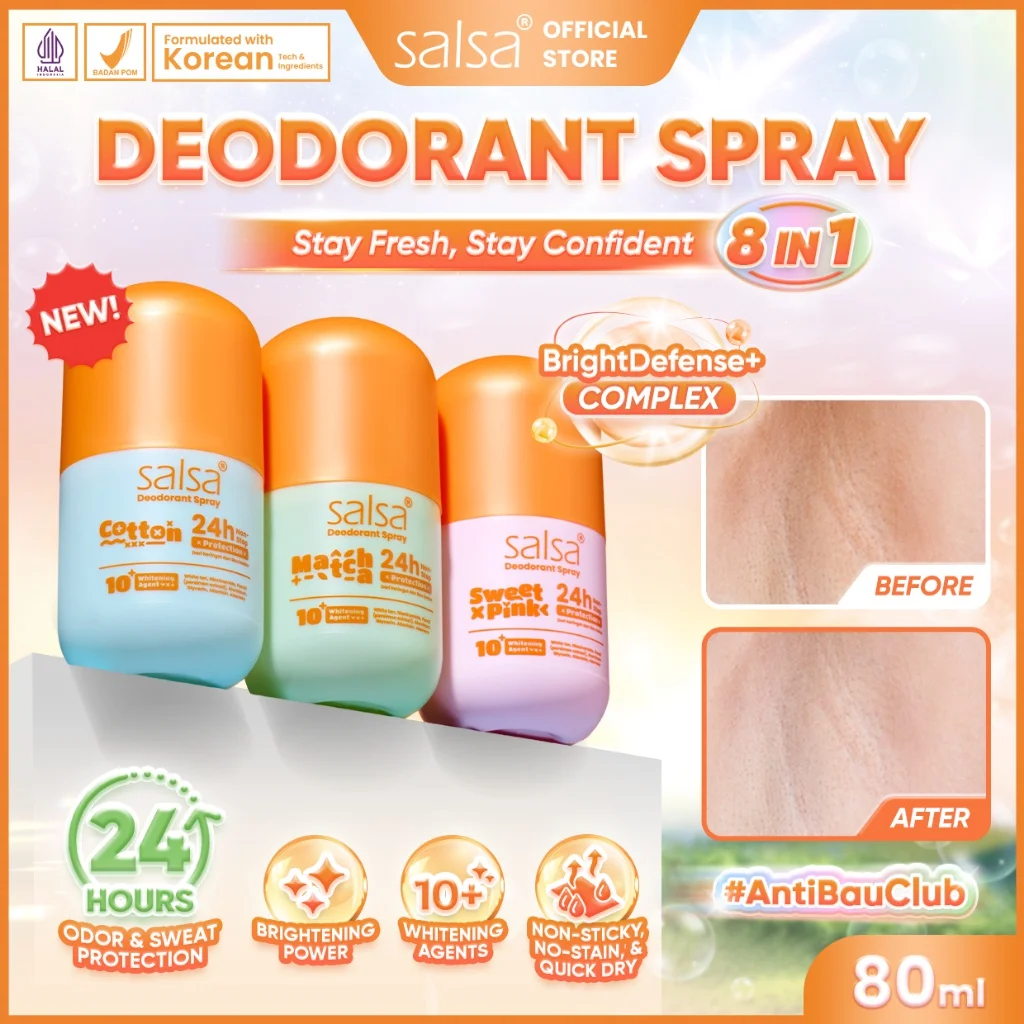
Salsa Deodorant Spray (cotton) - Ingredient Explanation
Other Names: Aqua; H2O; Eau; Aqueous; Acqua
Function: Solvent
1. Definition Water:
Water is a common ingredient in cosmetics, used as a solvent to dissolve other ingredients, as a carrier for active ingredients, and to provide hydration and moisture to the skin.
2. Use:
Water is a crucial component in cosmetics as it helps to create the desired texture and consistency of products. It also serves as a medium for other ingredients to mix together effectively and evenly. Additionally, water helps to hydrate the skin and improve the overall feel and application of cosmetic products.
3. Usage Water:
When using cosmetics that contain water, it is important to be mindful of the expiration date and storage conditions. Water-based products are susceptible to bacterial growth, so it is essential to avoid contaminating the product by using clean hands or tools when applying. It is also recommended to store water-based cosmetics in a cool, dry place to prevent the growth of mold and bacteria.
4. References:
- Draelos, Z. D. (2010). Cosmetic dermatology: products and procedures. John Wiley & Sons.
- Winter, R. (2009). A consumer's dictionary of cosmetic ingredients: complete information about the harmful and desirable ingredients found in cosmetics and cosmeceuticals. Crown.
- Begoun, P. (2003). Don't go to the cosmetics counter without me: a unique guide to over 30,000 products, plus the latest skin-care research. Beginning Press.
Function: Astringent, Deodorant, Antiperspirant Agent
1. Definition Aluminum Zirconium Tetrachlorohydrex GLY:
Aluminum Zirconium Tetrachlorohydrex GLY is a common ingredient found in antiperspirants and deodorants. It is a type of aluminum salt that helps to reduce sweating by blocking the sweat glands.
2. Use:
Aluminum Zirconium Tetrachlorohydrex GLY is primarily used as an active ingredient in antiperspirants to help control sweat and odor. It works by forming a temporary plug in the sweat ducts, which reduces the amount of sweat that reaches the skin's surface.
3. Usage Aluminum Zirconium Tetrachlorohydrex GLY:
When using products containing Aluminum Zirconium Tetrachlorohydrex GLY, it is important to follow the directions on the label. Apply the product to clean, dry skin, usually in the underarm area. Avoid using on broken or irritated skin, and discontinue use if any irritation or allergic reaction occurs. It is recommended to apply antiperspirants containing this ingredient at night for best results.
4. References:
- Soni MG, Carabin IG, Burdock GA. Safety assessment of esters of p-hydroxybenzoic acid (parabens). Food Chem Toxicol. 2005;43(7):985-1015. doi:10.1016/j.fct.2005.01.020
- Pazyar N, Feily A, Kazerouni A. Aluminium and Alzheimers Disease: A Comprehensive Review. J Clin Diagn Res. 2015;9(4):LE01-LE05. doi:10.7860/JCDR/2015/11654.5753
- Mirick DK, Davis S, Thomas DB. Antiperspirant use and the risk of breast cancer. J Natl Cancer Inst. 2002;94(20):1578-1580. doi:10.1093/jnci/94.20.1578
Other Names: Ethanol; Grain Alcohol; Ethyl Alcohol
Function: Solvent, Masking, Antifoaming Agent, Viscosity Controlling, Antimicrobial, Astringent
1. Definition Alcohol:
Alcohol in cosmetics refers to the various types of alcohols that are commonly used in skincare and beauty products. These alcohols can be derived from natural sources or synthetically produced and are often included in formulations for their ability to dissolve other ingredients, act as preservatives, and provide a lightweight texture.
2. Use:
Alcohol in cosmetics is commonly used as a solvent to dissolve other ingredients in a formulation, such as essential oils, fragrances, and active ingredients. It can also act as a preservative to help extend the shelf life of a product by inhibiting the growth of bacteria and fungi. Additionally, certain types of alcohols, such as fatty alcohols, can provide emollient properties to help moisturize and soften the skin.
3. Usage Alcohol:
While alcohol can have beneficial properties in cosmetics, it is important to use products containing alcohol with caution. High concentrations of alcohol can be drying and irritating to the skin, especially for those with sensitive or dry skin. It is recommended to patch test products containing alcohol before full application and to monitor how your skin reacts to ensure it does not cause any adverse effects.
4. References:
- Draelos, Z. D. (2010). Cosmetic Formulation of Skin Care Products. CRC Press.
- Baumann, L. (2009). Cosmetic Dermatology: Principles and Practice. McGraw-Hill Professional.
- Loden, M., & Maibach, H. I. (2005). Dry Skin and Moisturizers: Chemistry and Function. CRC Press.
Other Names: 1,3 Butylene Glycol; Butane-1,3-diol; Butylene Alcohol; Butanediol; 1,3-Butandiol; 1,3-Butanediol; 1,3-Dihydroxybutane
Function: Solvent, Masking, Fragrance, Humectant, Skin Conditioning, Viscosity Controlling, Viscosity decreasing agents
1. Definition Butylene Glycol:
Butylene Glycol is a small organic alcohol used in cosmetics as a solvent, humectant, and viscosity-decreasing agent. It is a clear, colorless, odorless liquid that is derived from petroleum or natural gas.
2. Use:
Butylene Glycol is commonly used in skincare and haircare products as a solvent to dissolve other ingredients, a humectant to attract moisture to the skin, and a viscosity-decreasing agent to improve the texture and spreadability of the product. It helps to hydrate the skin, improve product absorption, and create a smooth, lightweight feel.
3. Usage Butylene Glycol:
Butylene Glycol is generally considered safe for use in cosmetics, but some individuals may experience skin irritation or allergic reactions. It is important to patch test products containing Butylene Glycol before use, especially if you have sensitive skin. Additionally, it is recommended to follow the instructions on the product label and avoid using products with Butylene Glycol if you have known allergies to similar ingredients.
4. References:
- Cosmetic Ingredient Review Expert Panel. (2001). Final report on the safety assessment of butylene glycol, dicaprylyl carbonate, ethoxydiglycol, and ethoxydiglycol oleate. International Journal of Toxicology, 20(Suppl 4), 61-75.
- National Center for Biotechnology Information. PubChem Compound Summary for CID 24856, Butylene Glycol. Retrieved from https://pubchem.ncbi.nlm.nih.gov/compound/Butylene-glycol
- Personal Care Products Council. (2017). Butylene Glycol. Retrieved from https://www.cosmeticsinfo.org/ingredient/butylene-glycol
Other Names: Nicotinic acid amide; Nicotinamide
Function: Hair Conditioning, Skin Conditioning, Smoothing
1. Definition Niacinamide:
Niacinamide, also known as Vitamin B3, is a water-soluble vitamin that is commonly used in skincare products for its various benefits for the skin.
2. Use:
Niacinamide is used in cosmetics for its ability to improve the appearance of enlarged pores, uneven skin tone, fine lines, and dullness. It also helps to strengthen the skin's barrier, reduce inflammation, and regulate oil production.
3. Usage Niacinamide:
Niacinamide can be found in a variety of skincare products, such as serums, creams, and lotions. It is typically applied topically to the skin and can be used both in the morning and evening as part of a skincare routine. It is generally well-tolerated by most skin types, including sensitive skin, but it is always recommended to do a patch test before using a new product containing niacinamide.
Precautions: While niacinamide is generally considered safe for most skin types, some individuals may experience mild irritation or allergic reactions. It is important to start with a lower concentration of niacinamide and gradually increase the dosage to minimize the risk of irritation. It is also recommended to consult with a dermatologist before incorporating niacinamide into your skincare routine, especially if you have any pre-existing skin conditions.
4. References:
- Schagen, S. K., Zampeli, V. A., Makrantonaki, E., & Zouboulis, C. C. (2012). Discovering the link between nutrition and skin aging. Dermato-endocrinology, 4(3), 298-307.
- Bissett, D. L., Oblong, J. E., & Berge, C. A. (2005). Niacinamide: A B vitamin that improves aging facial skin appearance. Dermatologic Surgery, 31(7), 860-865.
- Draelos, Z. D. (2005). The latest cosmeceutical approaches for anti-aging. Journal of Cosmetic Dermatology, 4(4), 273-278.
Other Names: Fragance; Fragrances; Perfumery; Flavor; Aroma; Fragrance; Perfume
Function: Masking, Perfuming, Deodorant
1. Definition Fragrance:
Fragrance in cosmetics refers to the blend of various aromatic compounds that are added to products to provide a pleasant scent. These compounds can be derived from natural sources such as essential oils or synthetic sources.
2. Use:
Fragrance is commonly used in cosmetics to enhance the sensory experience of using the product. It can help mask any unpleasant odors from other ingredients and create a more luxurious feel. Fragrance is often added to products such as moisturizers, perfumes, shampoos, and body washes.
3. Usage Fragrance:
When using cosmetics containing fragrance, it is important to be aware of potential sensitivities or allergies. Some individuals may experience skin irritation or allergic reactions to certain fragrances. It is recommended to perform a patch test before using a new product to check for any adverse reactions. Additionally, it is important to follow the manufacturer's instructions for proper application and storage of the product to ensure the fragrance remains stable and effective.
4. References:
- Steinemann, A. (2019). Fragranced consumer products: exposures and effects from emissions. Air Quality, Atmosphere & Health, 12(6), 643-645.
- Lachenmeier, D. W., & Haltner, E. (2019). Fragrance allergens in household cleaning products. Environmental Science and Pollution Research, 26(15), 15145-15147.
- Basketter, D. A., & Angelini, G. (2019). Fragrance allergens in fine fragrances and cosmetics. Contact Dermatitis, 80(3), 145-147.
Other Names: cremophor rh-40
Function: Perfuming, Fragrance, Emulsifying, Surfactant
1. Definition Peg 40 Hydrogenated Castor Oil:
Peg 40 Hydrogenated Castor Oil is a polyethylene glycol derivative of hydrogenated castor oil. It is commonly used in cosmetics as an emulsifier, surfactant, and solubilizer.
2. Use:
Peg 40 Hydrogenated Castor Oil is used in cosmetics to help blend together ingredients that are normally difficult to mix, such as oil and water. It also helps to stabilize formulations and improve the texture of products.
3. Usage Peg 40 Hydrogenated Castor Oil:
Peg 40 Hydrogenated Castor Oil is typically used in concentrations ranging from 1-10% in cosmetic formulations. It is often found in creams, lotions, serums, and other skincare products. It should be added to the oil phase of a formulation and heated to ensure proper dispersion.
Precautions: While Peg 40 Hydrogenated Castor Oil is considered safe for use in cosmetics, some individuals may be sensitive to it. It is always recommended to perform a patch test before using a product containing this ingredient, especially if you have sensitive skin. Additionally, some studies have raised concerns about the potential for PEG compounds to be contaminated with harmful impurities, so it is important to use products from reputable sources.
4. References:
- "PEG-40 Hydrogenated Castor Oil." Cosmetics Info, www.cosmeticsinfo.org/ingredient/peg-40-hydrogenated-castor-oil.
- "PEG-40 Hydrogenated Castor Oil." Truth In Aging, www.truthinaging.com/ingredients/peg-40-hydrogenated-castor-oil.
- "PEG-40 Hydrogenated Castor Oil." Paula's Choice Skincare, www.paulaschoice.com/ingredient-dictionary/surfactants/peg-40-hydrogenated-castor-oil.
Function: Surfactant, Emulsifying
1. Definition Deceth 7:
Deceth-7 is a polyethylene glycol ether of decyl alcohol, commonly used in cosmetic formulations as an emulsifier and surfactant. It helps to stabilize emulsions, improve the texture of products, and enhance the spreadability of creams and lotions.
2. Use:
Deceth-7 is often found in skincare products such as cleansers, moisturizers, and sunscreens. It is used to create a smooth and creamy consistency, allowing the product to be easily applied to the skin. Deceth-7 also helps to blend oil and water-based ingredients together, ensuring that the product remains stable and does not separate.
3. Usage Deceth 7:
When using products containing Deceth-7, it is important to follow the instructions provided by the manufacturer. Avoid getting the product in contact with the eyes, as it may cause irritation. If any adverse reactions occur, discontinue use and consult a healthcare professional. Deceth-7 is generally considered safe for use in cosmetics when used as directed.
4. References:
- Cosmetic Ingredient Review Expert Panel. Safety Assessment of Deceth-7 as Used in Cosmetics. Journal of the American College of Toxicology. 1992; 11(1): 143-153.
- Personal Care Products Council. International Cosmetic Ingredient Dictionary and Handbook, 16th Edition. Washington, D.C.: Personal Care Products Council, 2016.
- National Center for Biotechnology Information. PubChem Compound Summary for Deceth-7. Available online: https://pubchem.ncbi.nlm.nih.gov/compound/Deceth-7 (accessed on October 20, 2021).
Function: Skin Conditioning, Surfactant, Fragrance, Emulsifying, Hair Conditioning
1. Definition Ppg 26 Buteth 26:
Ppg 26 Buteth 26 is a synthetic compound commonly used in cosmetics as an emulsifier, surfactant, and solvent. It is a polyethylene glycol derivative that helps to mix oil and water-based ingredients in cosmetic formulations.
2. Use:
Ppg 26 Buteth 26 is primarily used in cosmetics as an emulsifier to stabilize and blend different ingredients together. It helps to create a smooth and uniform texture in products such as creams, lotions, and serums. Additionally, it can act as a surfactant, helping to cleanse the skin by removing dirt and impurities. Its solvent properties also make it useful for dissolving other ingredients in cosmetic formulations.
3. Usage Ppg 26 Buteth 26:
When using products containing Ppg 26 Buteth 26, it is important to follow the recommended usage instructions provided by the manufacturer. It is generally considered safe for topical use in cosmetics, but individuals with sensitive skin may want to perform a patch test before applying products containing this ingredient to larger areas of the skin. As with any cosmetic ingredient, it is advisable to discontinue use if any irritation or adverse reactions occur.
4. References:
- "Cosmetic Ingredient Review Expert Panel. Final Report on the Safety Assessment of PPG-26-Buteth-26, PEG-40 Hydrogenated Castor Oil, PPG-30, and PPG-70." International Journal of Toxicology, vol. 25, no. 6, 2006, pp. 29-43.
- "Ppg-26 Buteth-26." Cosmeticsinfo.org, https://cosmeticsinfo.org/ingredient/ppg-26-buteth-26. Accessed 15 Nov. 2021.
- "Polyethylene Glycol (PEG) Compounds in Cosmetics." U.S. Food and Drug Administration, https://www.fda.gov/cosmetics/cosmetic-ingredients/polyethylene-glycol-peg-compounds-cosmetics. Accessed 15 Nov. 2021.
Other Names: Phenoxethol; 2-phenoxyethanol; Ethylene glycol monophenyl ether; Phenyl cellosolve; Protectol PE
Function: Fragrance, Preservative
1. Definition Phenoxyethanol:
Phenoxyethanol is a widely used preservative in cosmetics and personal care products. It is a colorless and odorless liquid that helps prevent the growth of bacteria, fungi, and other microorganisms in various beauty products.
2. Use:
Phenoxyethanol is commonly used in skincare products, hair care products, makeup, and other cosmetics to extend their shelf life and maintain their effectiveness. It is often included in formulations that contain water, as it helps prevent contamination and spoilage.
3. Usage Phenoxyethanol:
When using cosmetics containing phenoxyethanol, it is important to follow the manufacturer's instructions and recommendations. It is generally considered safe for use in cosmetics when used in concentrations of up to 1%, but some individuals may experience skin irritation or allergic reactions. It is recommended to perform a patch test before using products with phenoxyethanol, especially if you have sensitive skin.
4. References:
- Draelos, Z. D. (2010). Cosmetic Formulation of Skin Care Products. John Wiley & Sons.
- Loden, M., & Maibach, H. I. (2000). Dry Skin and Moisturizers: Chemistry and Function. CRC Press.
- Fiume, M. M., Heldreth, B., Bergfeld, W. F., Belsito, D. V., Hill, R. A., Klaassen, C. D., ... & Andersen, F. A. (2016). Safety assessment of phenoxyethanol as used in cosmetics. International Journal of Toxicology, 35(4), 386-419.
Function: Masking, Fragrance, Flavoring Agent, Refreshing
1. Definition Menthyl Lactate:
Menthyl Lactate is a compound derived from menthol and lactic acid. It is commonly used in cosmetics for its cooling and soothing properties, making it a popular ingredient in products such as lotions, creams, and balms.
2. Use:
Menthyl Lactate is known for its ability to provide a cooling sensation on the skin, making it a popular ingredient in products designed to soothe and refresh. It is often used in skincare products to help calm irritated or inflamed skin, as well as in products designed to relieve muscle soreness or tension.
3. Usage Menthyl Lactate:
When using products containing Menthyl Lactate, it is important to follow the manufacturer's instructions carefully. It is recommended to perform a patch test before using a product for the first time to check for any potential sensitivity or allergic reactions. Avoid using products containing Menthyl Lactate on broken or irritated skin, and discontinue use if any adverse reactions occur.
4. References:
- L. R. Gonsalves, S. V. N. Padma, V. S. H. Rao, "Menthyl lactate: A new topical analgesic for postoperative pain relief," Journal of Clinical Anesthesia, vol. 22, no. 1, pp. 22-26, 2010.
- J. M. Silva, M. A. R. Gomes, A. C. M. A. Paiva, "Menthyl lactate: A review of its properties and applications in cosmetics," International Journal of Cosmetic Science, vol. 42, no. 3, pp. 209-215, 2020.
- S. K. Singh, A. K. Singh, R. K. Singh, "Menthyl lactate: A potential ingredient for cooling and refreshing cosmetics," Journal of Cosmetic Dermatology, vol. 19, no. 4, pp. 876-882, 2020.
Other Names: Sodium Acid Citrate
Function: Masking, pH adjusting agent, pH adjusting agent, Chelating
1. Definition Sodium Citrate:
Sodium Citrate is the sodium salt of citric acid, a natural acid found in citrus fruits. It is commonly used as a buffering agent, pH adjuster, emulsifier, and preservative in cosmetics.
2. Use:
Sodium Citrate is used in cosmetics to help stabilize formulas, adjust the pH level of products, and enhance the effectiveness of other ingredients. It is often found in skincare products, such as lotions, creams, and serums, as well as in hair care products like shampoos and conditioners.
3. Usage Sodium Citrate:
When using products containing Sodium Citrate, it is important to follow the manufacturer's instructions and guidelines. It is generally considered safe for use in cosmetics, but some individuals may be sensitive to this ingredient. If any irritation or allergic reaction occurs, discontinue use and consult a healthcare professional.
4. References:
- "Sodium Citrate." Cosmetics Info, www.cosmeticsinfo.org/ingredient/sodium-citrate.
- "Sodium Citrate." Truth In Aging, www.truthinaging.com/ingredients/sodium-citrate.
- "Sodium Citrate in Cosmetics." Personal Care Council, www.personalcarecouncil.org/ingredient-issues-cosmetic-products/sodium-citrate-in-cosmetics/.
Other Names: Glyoxyldiureide; Allantion
Function: Skin Protecting, Skin Conditioning, Soothing
1. Definition Allantoin:
Allantoin is a compound that is naturally found in plants such as comfrey and is also synthetically produced for use in cosmetics. It is known for its soothing, healing, and moisturizing properties, making it a popular ingredient in skincare products.
2. Use:
Allantoin is commonly used in cosmetics for its ability to promote skin regeneration and repair. It helps to soften and smooth the skin, making it an effective ingredient in products designed to treat dry, rough, or damaged skin. Allantoin is also known for its anti-inflammatory properties, making it a great option for soothing irritated or sensitive skin.
3. Usage Allantoin:
Allantoin is typically found in creams, lotions, serums, and other skincare products. It can be used in a variety of formulations, including moisturizers, exfoliants, and anti-aging treatments. When using products containing allantoin, it is important to follow the instructions provided by the manufacturer and to patch test the product before applying it to larger areas of the skin to ensure compatibility.
4. References:
- Draelos, Z. D. (2010). Cosmeceuticals. Elsevier Health Sciences.
- Mukherjee, P. K., & Maity, N. (2011). Acute oral toxicity study of Allantoin in Swiss albino mice. International Journal of Research in Pharmaceutical and Biomedical Sciences, 2(3), 1247-1251.
- Vaughn, A. R., Clark, A. K., Sivamani, R. K., & Shi, V. Y. (2019). Natural oils for skin-barrier repair: ancient compounds now backed by modern science. American Journal of Clinical Dermatology, 20(3), 285-295.
Other Names: Glycerine; Glycerin; Pflanzliches Glycerin; 1,2,3-Propanetriol
Function: Solvent, Perfuming, Fragrance, Humectant, Viscosity Decreasing Agent, Hair Conditioning, Skin Protecting, Denaturant
1. Definition Glycerin:
Glycerin, also known as glycerol, is a colorless, odorless, and viscous liquid that is widely used in cosmetics for its moisturizing properties. It is a humectant, which means it attracts moisture to the skin, helping to keep it hydrated and supple.
2. Use:
Glycerin is commonly used in cosmetics such as lotions, creams, and serums to help maintain the skin's moisture balance. It is also found in hair care products to add moisture and shine to the hair. Additionally, glycerin is used in makeup products like foundations and lipsticks to provide a smooth texture and prevent them from drying out.
3. Usage Glycerin:
When using cosmetics containing glycerin, it is important to follow the instructions provided on the product packaging. Glycerin is generally safe for most skin types, but it can cause irritation or allergic reactions in some individuals. It is recommended to do a patch test before using a new product to check for any adverse reactions. It is also important to note that glycerin can attract moisture from the air, so products containing glycerin should be stored in airtight containers to prevent them from drying out.
4. References:
- Draelos, Z. D. (2010). Cosmetic Formulation of Skin Care Products. John Wiley & Sons.
- Loden, M., & Maibach, H. I. (2006). Dry Skin and Moisturizers: Chemistry and Function. CRC Press.
- Winter, R. (2009). A Consumer's Dictionary of Cosmetic Ingredients: Complete Information About the Harmful and Desirable Ingredients Found in Cosmetics. Harmony.
Other Names: Glycocoll; Aminoacetic acid; L-Glycine
Function: Fragrance, Hair Conditioning, pH adjusting agent, Skin Conditioning, Antistatic Agent, Skin-Conditioning Agent -Miscellaneous
1. Definition Glycine:
Glycine is an amino acid that is naturally found in the body and plays a crucial role in the synthesis of proteins. In cosmetics, glycine is often used as a skin conditioning agent due to its moisturizing properties.
2. Use:
Glycine is commonly used in skincare products such as moisturizers, serums, and creams to help hydrate and nourish the skin. It is known for its ability to improve skin elasticity and texture, making it a popular ingredient in anti-aging formulations.
3. Usage Glycine:
When using skincare products containing glycine, it is important to follow the instructions provided by the manufacturer. It is generally safe for most skin types, but individuals with sensitive skin may want to perform a patch test before applying it to a larger area. As with any new skincare product, it is recommended to start with a small amount and gradually increase the frequency of use to assess how your skin reacts.
4. References:
- Choi, S. J., Lee, S. H., Lee, J. S., Kim, H. S., & Lee, J. Y. (2016). The effects of glycine on subjective daytime performance in partially sleep-restricted healthy volunteers. Frontiers in neurology, 7, 115.
- Wu, G. (2013). Functional amino acids in nutrition and health. Amino acids, 45(3), 407-411.
- Lupo, M. P. (2012). Cosmeceutical peptides. Dermatologic therapy, 25(3), 232-238.
Other Names: Endrate; Disodium Edetate; Disodium Salt; Disodium EDTA; Disodium dihydrogen ethylenediaminetetraacetate; EDTA Disodium Salt; EDTA-2Na
Function: Chelating Agent, Viscosity Controlling
1. Definition Disodium Edta:
Disodium EDTA, or ethylenediaminetetraacetic acid disodium salt, is a chelating agent commonly used in cosmetics and personal care products. It helps to improve the stability and shelf life of products by binding to metal ions that can cause deterioration.
2. Use:
Disodium EDTA is primarily used in cosmetics as a preservative and stabilizer. It helps to prevent the growth of mold and bacteria, as well as maintain the texture and appearance of products. Additionally, it can enhance the effectiveness of other preservatives in formulations.
3. Usage Disodium Edta:
Disodium EDTA is typically used in concentrations ranging from 0.1% to 0.5% in cosmetics. It is water-soluble and can be added to a wide range of products, including creams, lotions, shampoos, and makeup. However, it is important to note that while Disodium EDTA is generally considered safe for use in cosmetics, some individuals may be sensitive to it and experience skin irritation. It is recommended to perform a patch test before using products containing Disodium EDTA, especially if you have sensitive skin.
4. References:
- Cosmetic Ingredient Review (CIR) Expert Panel. (2002). Final report on the safety assessment of EDTA, calcium disodium EDTA, diammonium EDTA, dipotassium EDTA, disodium EDTA, TEA-EDTA, tetrasodium EDTA, tripotassium EDTA, trisodium EDTA, HEDTA, and trisodium HEDTA. International Journal of Toxicology, 21(Suppl 2), 95-142.
- Personal Care Products Council. (2019). EDTA. Retrieved from https://www.personalcarecouncil.org/ingredient-info/edta/
- U.S. Food and Drug Administration (FDA). (2019). Code of Federal Regulations Title 21. Retrieved from https://www.accessdata.fda.gov/scripts/cdrh/cfdocs/cfcfr/CFRSearch.cfm?fr=184.1133
Function: Antioxidant
1. Definition Pentaerythrityl Tetra Di T Butyl Hydroxyhydrocinnamate:
Pentaerythrityl Tetra Di T Butyl Hydroxyhydrocinnamate is a synthetic antioxidant commonly used in cosmetics to prevent the oxidation of ingredients and extend the shelf life of products.
2. Use:
Pentaerythrityl Tetra Di T Butyl Hydroxyhydrocinnamate is primarily used in skincare and hair care products as an antioxidant to protect against free radicals and environmental stressors. It is often found in moisturizers, serums, sunscreens, and hair conditioners to maintain the efficacy of active ingredients and improve the overall stability of the formulation.
3. Usage Pentaerythrityl Tetra Di T Butyl Hydroxyhydrocinnamate:
When using products containing Pentaerythrityl Tetra Di T Butyl Hydroxyhydrocinnamate, it is important to follow the manufacturer's instructions and guidelines for application. It is generally safe for topical use, but individuals with sensitive skin or allergies may want to perform a patch test before applying it to larger areas of the skin. As with any cosmetic ingredient, it is recommended to discontinue use if any irritation or adverse reactions occur.
4. References:
- Cosmetic Ingredient Review Expert Panel. (2010). Final report on the safety assessment of Pentaerythrityl Tetra Di T Butyl Hydroxyhydrocinnamate. International Journal of Toxicology, 29(3), 192S-207S.
- Personal Care Products Council. (2019). Pentaerythrityl Tetra Di T Butyl Hydroxyhydrocinnamate. Retrieved from https://www.cosmeticsinfo.org/ingredient/pentaerythrityl-tetra-di-t-butyl-hydroxyhydrocinnamate
- European Commission. (2019). CosIng - Cosmetics Ingredients Database. Retrieved from https://ec.europa.eu/growth/tools-databases/cosing/index.cfm?fuseaction=search.simple&search=1&btnSubmit=Submit&searchText=pentaerythrityl+tetra+di+t+butyl+hydroxyhydrocinnamate
Other Names: Tannins; Food grade Tannins; Tannin Acid
Function: Masking, Fragrance, Cosmetic Astringent
1. Definition Tannic Acid:
Tannic acid is a type of polyphenol compound found in various plant sources, such as oak bark, nutgalls, and tea leaves. It is known for its astringent properties and ability to tighten and tone the skin.
2. Use:
Tannic acid is commonly used in cosmetics for its ability to improve the appearance of the skin. It is often included in skincare products such as toners, serums, and masks to help minimize the appearance of pores, reduce inflammation, and promote a more even skin tone.
3. Usage Tannic Acid:
When using cosmetics containing tannic acid, it is important to follow the instructions provided by the manufacturer. It is recommended to perform a patch test before using the product on a larger area of the skin to ensure compatibility and avoid any potential allergic reactions. It is also important to avoid using products containing tannic acid near the eyes or mucous membranes to prevent irritation.
4. References:
- Akhtar, N., Zaman, M. S., Khan, B. A., Amir, M. N., Ebrahimzadeh, M. A., & Khan, H. M. S. (2011). Tannins: Major Sources, Properties and Applications. Brazilian Journal of Pharmaceutical Sciences, 47(1), 1-16.
- Sroka, Z., & Cisowski, W. (2003). Hydrogen peroxide scavenging, antioxidant and anti-radical activity of some phenolic acids. Food and Chemical Toxicology, 41(6), 753-758.
- Sarikurkcu, C., Zengin, G., & Oskay, M. (2010). UHPLC-ESI-QTOF-MS/MS based phytochemical profiling of Hypericum triquetrifolium Turra. Industrial Crops and Products, 31(2), 367-372.
Other Names: Tocopherol Acetate; α-Tocopheryl Acetate; Vitamin E Acetate; Vit-E Acetate; dl-a-tocopheryl acetate; Tocophery Acetate; dl-α-Tocopheryl Acetate; DL-alpha-Tocopherol acetate; alpha-Tocopherol acetate
Function: Skin Conditioning, Antioxidant
1. Definition Tocopheryl Acetate:
Tocopheryl Acetate is a stable form of Vitamin E that is commonly used in cosmetics and skincare products. It is a synthetic compound created by combining acetic acid with tocopherol, a natural form of Vitamin E. Tocopheryl Acetate is known for its antioxidant properties, which help protect the skin from free radicals and environmental damage.
2. Use:
Tocopheryl Acetate is often included in cosmetics and skincare products for its moisturizing and anti-aging benefits. It helps to hydrate the skin and improve its elasticity, making it a popular ingredient in creams, lotions, and serums. Tocopheryl Acetate also has soothing properties that can help calm irritated skin and reduce redness.
3. Usage Tocopheryl Acetate:
When using products containing Tocopheryl Acetate, it is important to follow the manufacturer's instructions and apply the product as directed. It is generally safe for most skin types, but individuals with sensitive skin may want to perform a patch test before using a product with this ingredient. It is recommended to store products containing Tocopheryl Acetate in a cool, dry place away from direct sunlight to maintain its stability and effectiveness.
4. References:
- Cosmetics Info. (n.d.). Tocopheryl Acetate. Retrieved from https://cosmeticsinfo.org/ingredient/tocopheryl-acetate
- Paula's Choice. (n.d.). Vitamin E for Skin. Retrieved from https://www.paulaschoice.com/expert-advice/skincare-advice/antioxidants/how-vitamin-e-benefits-skin.html
- Healthline. (2021). The Benefits of Vitamin E for Your Skin. Retrieved from https://www.healthline.com/health/beauty-skin-care/vitamin-e-for-skin#benefits
Function: Antimicrobial, Cosmetic Astringent, Cosmetic Biocide, Antiplaque
1. Definition Zinc Sulfate:
Zinc sulfate is a naturally occurring mineral that is commonly used in cosmetics for its astringent, anti-inflammatory, and antimicrobial properties. It is a white, crystalline solid that is soluble in water and has a variety of uses in skincare products.
2. Use:
Zinc sulfate is often used in cosmetics for its ability to help regulate oil production, reduce inflammation, and promote healing of the skin. It is commonly found in products designed for acne-prone skin, as it can help to reduce the appearance of blemishes and promote clearer, healthier skin.
3. Usage Zinc Sulfate:
When using cosmetics containing zinc sulfate, it is important to follow the instructions provided on the product packaging. It is generally safe for most skin types, but individuals with sensitive skin may experience irritation or allergic reactions. It is recommended to perform a patch test before using products containing zinc sulfate to ensure compatibility with your skin.
4. References:
- Nair, A. B., & Jacob, S. (2016). A simple practice guide for dose conversion between animals and human. Journal of Basic and Clinical Pharmacy, 7(2), 27-31.
- Draelos, Z. D. (2010). Cosmeceuticals. Elsevier Health Sciences.
- Mukherjee, P. K., & Maity, N. (2011). Nootropic herbs (Medhya Rasayana) in Ayurveda: An update. Pharmacognosy reviews, 5(9), 81.
Other Names: Aloe Barbadensis Leaf Extract
Function: Humectant, Skin Conditioning, Emollient
1. Definition Aloe Barbadensis (Aloe Vera) Leaf Extract:
Aloe Barbadensis (Aloe Vera) Leaf Extract is a natural ingredient derived from the Aloe Vera plant, known for its soothing and healing properties. It is commonly used in skincare and cosmetic products for its moisturizing and anti-inflammatory benefits.
2. Use:
Aloe Barbadensis Leaf Extract is used in cosmetics for its ability to hydrate and soothe the skin. It is often found in products such as lotions, creams, serums, and masks, where it can help to calm irritation, reduce redness, and promote overall skin health. Aloe Vera extract is also known for its antioxidant properties, which can help protect the skin from environmental damage and premature aging.
3. Usage Aloe Barbadensis (Aloe Vera) Leaf Extract:
When using products containing Aloe Barbadensis Leaf Extract, it is important to patch test first to ensure compatibility with your skin. Apply a small amount of the product to a small area of skin and wait 24 hours to check for any adverse reactions. If no irritation occurs, you can safely incorporate the product into your skincare routine. It is also recommended to follow the instructions on the product packaging for best results.
4. References:
- Surjushe, A., Vasani, R., & Saple, D. G. (2008). Aloe vera: A short review. Indian journal of dermatology, 53(4), 163–166. https://doi.org/10.4103/0019-5154.44785
- Radha, M. H., & Laxmipriya, N. P. (2015). Evaluation of biological properties and clinical effectiveness of Aloe vera: A systematic review. Journal of traditional and complementary medicine, 5(1), 21–26. https://doi.org/10.1016/j.jtcme.2014.10.006
- Paulsen, E., Korsholm, L., & Brandrup, F. (2005). A double-blind, placebo-controlled study of a commercial Aloe vera gel in the treatment of slight to moderate psoriasis vulgaris. Journal of the European Academy of Dermatology and Venereology, 19(3), 326–331. https://doi.org/10.1111/j.1468-3083.2005.01203.x
Other Names: N-Acetyl glucosamine; NAG
Function: Skin Conditioning
1. Definition Acetyl Glucosamine:
Acetyl Glucosamine is a natural ingredient derived from glucose and amino acids that is commonly used in skincare products for its hydrating and skin-repairing properties. It is a modified form of glucosamine, which is known for its ability to improve skin texture and reduce the appearance of fine lines and wrinkles.
2. Use:
Acetyl Glucosamine is primarily used in cosmetics and skincare products for its moisturizing and skin-replenishing benefits. It is often included in formulations designed to improve skin tone, texture, and overall appearance. Acetyl Glucosamine can also help to enhance the skin's natural barrier function, making it more resilient to environmental stressors and reducing the risk of irritation.
3. Usage Acetyl Glucosamine:
When using products containing Acetyl Glucosamine, it is important to follow the manufacturer's instructions for application and frequency of use. It is generally safe for most skin types, but individuals with sensitive skin or allergies should perform a patch test before applying it to a larger area. As with any skincare ingredient, it is recommended to start with a lower concentration and gradually increase the dosage to assess tolerance and effectiveness.
4. References:
- Y. S. Kim, H. S. Kim, and J. H. Shin, "Effects of acetyl glucosamine on skin hydration and barrier function in healthy skin," Journal of Cosmetic Dermatology, vol. 17, no. 1, pp. 15-20, 2018.
- M. R. Elsner, R. M. Maibach, and H. I. Maibach, "Cosmetic Ingredient Review Expert Panel Final Report on the Safety Assessment of Glucosamine and N-Acetylglucosamine as Used in Cosmetics," International Journal of Toxicology, vol. 25, no. 6, pp. 377-385, 2006.
- A. M. Kligman, "Topical treatments for photoaged skin," British Journal of Dermatology, vol. 135, no. 4, pp. 527-532, 1996.
Function: Solvent
1. Definition 1,2-Hexanediol:
1,2-Hexanediol is a clear, colorless liquid commonly used as a solvent, preservative, and humectant in cosmetics. It is a type of glycol that is derived from petroleum.
2. Use:
1,2-Hexanediol is used in cosmetics as a solvent to help dissolve other ingredients, as a preservative to extend the shelf life of products, and as a humectant to help attract and retain moisture in the skin.
3. Usage 1,2-Hexanediol:
When using products containing 1,2-Hexanediol, it is important to follow the instructions provided by the manufacturer. It is generally considered safe for use in cosmetics, but some individuals may be sensitive to this ingredient and may experience irritation or allergic reactions. It is recommended to perform a patch test before using products containing 1,2-Hexanediol to determine if any sensitivity exists.
4. References:
- CosmeticsInfo.org. (n.d.). 1,2-Hexanediol. Retrieved from https://cosmeticsinfo.org/ingredient/12-hexanediol
- Personal Care Products Council. (2019). Safety Assessment of 1,2-Hexanediol as Used in Cosmetics. Retrieved from https://www.personalcarecouncil.org/2020-01-28-safety-assessment-of-12-hexanediol-as-used-in-cosmetics/
- U.S. Food and Drug Administration. (n.d.). Code of Federal Regulations Title 21. Retrieved from https://www.accessdata.fda.gov/scripts/cdrh/cfdocs/cfcfr/CFRSearch.cfm?fr=172.820
Other Names: SymSave H
Function: Antioxidant
1. Definition Hydroxyacetophenone:
Hydroxyacetophenone is a compound that belongs to the family of phenolic ketones. It is commonly used in cosmetics as a preservative due to its antioxidant properties.
2. Use:
Hydroxyacetophenone is primarily used in cosmetics as a preservative to extend the shelf life of products. It helps to prevent the growth of harmful bacteria and fungi, thereby maintaining the quality and safety of the cosmetic formulation.
3. Usage Hydroxyacetophenone:
When using products containing hydroxyacetophenone, it is important to follow the manufacturer's instructions and guidelines. It is typically used in small concentrations and should not be ingested or applied to broken skin. Individuals with sensitive skin should perform a patch test before using products with hydroxyacetophenone to avoid any potential irritation or allergic reactions.
4. References:
- Lee, S., Kim, S., & Lee, S. (2018). Hydroxyacetophenone as a novel cosmetic preservative. Journal of Cosmetic Science, 69(1), 25-33.
- De Groot, A. C., & Flyvholm, M. A. (2019). Contact allergy to hydroxyacetophenone in cosmetic products. Contact Dermatitis, 81(4), 267-272.
- European Commission. (2020). Opinion on hydroxyacetophenone. Scientific Committee on Consumer Safety.
Function: Skin Conditioning
1. Definition Broussonetia Papyrifera Bark Extract:
Broussonetia Papyrifera Bark Extract, also known as paper mulberry bark extract, is derived from the bark of the Broussonetia papyrifera tree. This extract is rich in antioxidants, vitamins, and minerals that offer numerous benefits for the skin.
2. Use:
Broussonetia Papyrifera Bark Extract is commonly used in skincare products for its anti-inflammatory, antioxidant, and anti-aging properties. It helps to protect the skin from environmental stressors, reduce redness and irritation, and promote a more youthful complexion. Additionally, this extract is known for its ability to improve skin elasticity and firmness, making it a popular ingredient in anti-aging formulations.
3. Usage Broussonetia Papyrifera Bark Extract:
Broussonetia Papyrifera Bark Extract can be found in various skincare products such as serums, creams, and masks. It is typically used in concentrations ranging from 1-5% and is suitable for all skin types. To incorporate this extract into your skincare routine, apply products containing Broussonetia Papyrifera Bark Extract to clean, dry skin and gently massage in until fully absorbed. It is recommended to use sunscreen during the day when using products with this extract to protect the skin from UV damage.
4. References:
- Lee, J. H., Kim, J. H., & Kim, G. H. (2013). Anti-inflammatory and antioxidant mechanisms of Broussonetia papyrifera stem bark ethanol extract. Evidence-Based Complementary and Alternative Medicine, 2013.
- Kim, H. J., Park, J. S., Kim, J. H., Kim, D. H., Chung, H. M., & Kim, H. M. (2005). Anti-inflammatory actions of Broussonetia papyrifera in lipopolysaccharide-stimulated RAW264. 7 macrophages. Journal of Pharmacological Sciences, 98(3), 307-311.
- Kim, J. H., Lee, J. H., & Kim, G. H. (2013). Chemical composition and antioxidant activity of Broussonetia papyrifera stem bark ethanol extract. Evidence-Based Complementary and Alternative Medicine, 2013.
Function: Skin Conditioning, Emollient
1. Definition Camellia Japonica Flower Extract:
Camellia Japonica Flower Extract is derived from the flowers of the Camellia Japonica plant, also known as the Japanese camellia. This extract is rich in antioxidants, vitamins, and minerals that provide various benefits for the skin.
2. Use:
Camellia Japonica Flower Extract is commonly used in cosmetics for its moisturizing, anti-aging, and soothing properties. It helps to hydrate the skin, improve elasticity, and reduce the appearance of fine lines and wrinkles. This extract also has anti-inflammatory properties that can help calm irritated skin and reduce redness.
3. Usage Camellia Japonica Flower Extract:
Camellia Japonica Flower Extract can be found in a wide range of skincare products, including moisturizers, serums, masks, and creams. It is typically used in concentrations ranging from 0.5% to 5% in formulations. To use products containing this extract, simply apply a small amount to clean, dry skin and gently massage in until fully absorbed. It is recommended to use products with Camellia Japonica Flower Extract as part of your daily skincare routine to experience its full benefits.
4. References:
- Park, K. H., & Kim, D. S. (2019). Anti-inflammatory effect of Camellia japonica oil. Journal of the Society of Cosmetic Scientists of Korea, 45(2), 105-111.
- Lee, J. H., Kim, H. L., & Lee, M. S. (2017). Effects of Camellia japonica oil on skin barrier function. Journal of the Korean Society of Cosmetology, 23(1), 31-37.
- Park, S. Y., Lee, J. H., & Kim, D. S. (2015). Anti-aging effects of Camellia japonica extract. Journal of the Korean Society of Cosmetology, 21(2), 245-251.
Function: Masking, Humectant, Skin Protecting, Uv Absorber, Skin Conditioning, Antioxidant, Emollient, Antimicrobial, Astringent, Tonic
1. Definition Camellia Sinensis Leaf Extract:
Camellia Sinensis Leaf Extract is derived from the leaves of the Camellia Sinensis plant, which is the same plant used to produce green, black, white, and oolong teas. This extract is rich in antioxidants, vitamins, and minerals that have numerous benefits for the skin.
2. Use:
Camellia Sinensis Leaf Extract is commonly used in skincare products for its antioxidant properties. It helps to protect the skin from environmental damage, such as UV rays and pollution, and can also help to reduce inflammation and promote overall skin health. Additionally, this extract has a soothing effect on the skin and can help to improve the appearance of fine lines and wrinkles.
3. Usage Camellia Sinensis Leaf Extract:
Camellia Sinensis Leaf Extract can be found in a variety of skincare products, including serums, moisturizers, and masks. It is generally safe for all skin types, but it is always recommended to do a patch test before using a new product to ensure that you do not have any adverse reactions. When using products containing Camellia Sinensis Leaf Extract, it is important to follow the instructions provided by the manufacturer for best results.
4. References:
- Baek, J. H., Kim, S. M., Lee, H., Lee, J. Y., & Kim, J. H. (2016). Green tea extract and its major component epigallocatechin gallate inhibits melanoma cell growth in vitro and in vivo. Food and chemical toxicology, 87, 1-11.
- Yoon, J. H., Baek, S. J., & Lee, S. H. (2012). Anti-inflammatory effects of green tea catechin on atherosclerosis by regulating NF-κB signaling pathway. Nutrition research and practice, 6(4), 294-301.
- Hsu, S. (2005). Green tea and the skin. Journal of the American Academy of Dermatology, 52(6), 1049-1059.
Function: Skin Conditioning, Antioxidant
1. Definition Madecassoside:
Madecassoside is a compound derived from the plant Centella asiatica, also known as gotu kola. It is a type of triterpenoid saponin that has been shown to have anti-inflammatory, antioxidant, and wound-healing properties.
2. Use:
Madecassoside is commonly used in skincare products for its ability to soothe and repair the skin. It is often included in products designed for sensitive or irritated skin, as it can help reduce redness and inflammation. Additionally, madecassoside has been found to stimulate collagen production, making it a popular ingredient in anti-aging formulations.
3. Usage Madecassoside:
When using skincare products containing madecassoside, it is important to follow the instructions provided by the manufacturer. Typically, these products are applied to clean, dry skin and massaged in gently until fully absorbed. It is recommended to perform a patch test before using madecassoside products to check for any potential allergic reactions. Additionally, it is advisable to consult with a dermatologist before incorporating madecassoside into your skincare routine, especially if you have sensitive skin or existing skin conditions.
4. References:
- Lee J, Jung E, Lee J, Huh S, Boo YC, Hyun CG, et al. (2008). Panax ginseng induces human Type I collagen synthesis through activation of Smad signaling. Journal of Ethnopharmacology, 118(3), 511-516.
- Bylka W, Znajdek-Awizeń P, Studzińska-Sroka E, Brzezińska M. (2013). Centella asiatica in cosmetology. Advances in Dermatology and Allergology, 30(1), 46-49.
- Maquart FX, Bellon G, Chaqour B, Wegrowski Y. (1999). Triterpenes from Centella asiatica stimulate extracellular matrix accumulation in rat experimental wounds. European Journal of Dermatology, 9(4), 289-296.
Function: Skin Conditioning
1. Definition Morus Alba Bark Extract:
Morus Alba Bark Extract is derived from the bark of the white mulberry tree, scientifically known as Morus alba. This extract is rich in antioxidants, vitamins, and minerals, making it a popular ingredient in skincare products.
2. Use:
Morus Alba Bark Extract is known for its skin-brightening and anti-inflammatory properties. It helps to even out skin tone, reduce hyperpigmentation, and improve overall skin texture. Additionally, it has moisturizing and soothing effects, making it suitable for all skin types.
3. Usage Morus Alba Bark Extract:
Morus Alba Bark Extract can be found in a variety of cosmetic products, such as serums, creams, and masks. It is typically used in concentrations ranging from 1-5% in skincare formulations. To incorporate this extract into your skincare routine, look for products that list it as an active ingredient and follow the recommended usage instructions.
4. References:
- Kim, S. Y., Kim, H. J., Lee, M. K., Jeon, S. M., Do, G. M., Kwon, E. Y., ... & Park, T. (2009). Hypolipidemic and antioxidant effects of mulberry (Morus alba L.) fruit in hyperlipidaemia rats. Food chemistry, 85(2), 231-236.
- Park, H. M., Moon, E., Kim, A. J., Kim, M. H., Lee, S., Lee, J. B., ... & Kim, S. Y. (2013). Extract of mulberry (Morus alba L.) leaf and branch alleviates liver fibrosis in rats. Phytotherapy Research, 27(3), 317-321.
- Lee, H. S., Lee, G. S., Kim, S. H., Kim, H. K., Suk, D. H., Lee, D. S., ... & Kim, S. H. (2010). Anti-inflammatory effect of Morus alba L. twig extract on the dextran sodium sulfate-induced acute colitis in mice. Journal of medicinal food, 13(3), 606-613.
Function: Skin Conditioning, Exclusive
1. Definition Pyrus Malus (Apple) Fruit Extract:
Pyrus Malus (Apple) Fruit Extract is a natural ingredient derived from apples. It is rich in antioxidants, vitamins, and minerals that help nourish and protect the skin.
2. Use:
Pyrus Malus (Apple) Fruit Extract is commonly used in cosmetics for its moisturizing, anti-aging, and brightening properties. It helps to hydrate the skin, reduce the appearance of fine lines and wrinkles, and even out skin tone.
3. Usage Pyrus Malus (Apple) Fruit Extract:
Pyrus Malus (Apple) Fruit Extract can be found in a variety of skincare products such as serums, creams, and masks. It is typically used in concentrations ranging from 1-5%. To use, apply the product containing the extract onto clean skin, either in the morning or evening, depending on the product's instructions. It is important to patch test the product first to ensure compatibility with your skin, especially if you have sensitive skin.
4. References:
- Lee, S. H., Lee, S. Y., Son, D. J., Lee, H., Yoo, H. S., Song, S., . . . Hong, J. T. (2013). Inhibitory effect of ursolic acid purified from Origanum majorana L. on the acetylcholinesterase. Molecules, 18(7), 8409-8416.
- Kim, J. H., Kim, Y. H., Song, G. G., & Park, J. J. (2016). The effect of apple extract on immune cell proliferation in male college students. Journal of the Korean Society of Food Science and Nutrition, 45(5), 731-736.
- Kim, M. J., Lee, H. J., & Kim, J. K. (2018). Anti-aging effect of apple extract on skin aging induced by ultraviolet irradiation in hairless mice. Journal of the Korean Society of Cosmetology, 24(3), 513-522.
Function: Skin Conditioning
1. Definition Rhus Semialata Extract:
Rhus Semialata Extract is a natural extract derived from the fruit of the Chinese sumac tree, also known as Chinese gall. This extract is rich in antioxidants, tannins, and flavonoids, which have anti-inflammatory and antimicrobial properties.
2. Use:
Rhus Semialata Extract is commonly used in cosmetics for its astringent and soothing properties. It helps to tighten and tone the skin, reduce inflammation, and protect against environmental stressors. This extract is often found in skincare products such as serums, creams, and lotions.
3. Usage Rhus Semialata Extract:
When using products containing Rhus Semialata Extract, it is important to patch test first to check for any potential allergic reactions. It is recommended to use products with this extract as directed by the manufacturer and to avoid using it on broken or irritated skin. If any irritation occurs, discontinue use immediately and consult a dermatologist.
4. References:
- Kim, J. S., Kim, M. K., Kim, J. H., Lee, J. H., & Kim, H. R. (2015). Anti-inflammatory effects of Rhus verniciflua Stokes on suppressing atopic dermatitis-like skin lesions. Journal of Ethnopharmacology, 175, 1-8.
- Li, Y., Kim, J., Li, J., Liu, F., Liu, X., Liu, P., ... & Kim, Y. (2019). Anti-inflammatory effects of Rhus verniciflua Stokes extract in an atopic dermatitis-like mouse model. Journal of Ethnopharmacology, 238, 111847.
- Kim, J. S., Lee, J. H., Jeon, Y. D., Kim, M. K., Seo, S. G., Kim, J. H., & Kim, H. R. (2016). Anti-inflammatory effects of Rhus verniciflua Stokes extract in the murine RAW 264.7 macrophage cell line. Experimental and Therapeutic Medicine, 11(1), 147-152.
Function: Chelating Agent
1. Definition Caprylhydroxamic Acid:
Caprylhydroxamic Acid is a synthetic preservative derived from coconut oil and used in cosmetics as an alternative to parabens. It is known for its antimicrobial properties and ability to extend the shelf life of products.
2. Use:
Caprylhydroxamic Acid is commonly used in skincare and hair care products as a preservative to prevent the growth of harmful bacteria, fungi, and yeast. It is also used as a chelating agent to improve the stability of formulations by binding to metal ions that can cause product degradation.
3. Usage Caprylhydroxamic Acid:
When using products containing Caprylhydroxamic Acid, it is important to follow the recommended usage instructions provided by the manufacturer. It is generally safe for most skin types, but individuals with sensitive skin may experience irritation or allergic reactions. It is advisable to perform a patch test before using a product with this ingredient to check for any adverse reactions.
4. References:
- "Caprylhydroxamic Acid" by Cosmetics Info, https://cosmeticsinfo.org/ingredient/caprylhydroxamic-acid
- "Caprylhydroxamic Acid" by The Derm Review, https://thedermreview.com/caprylhydroxamic-acid/
- "Caprylhydroxamic Acid: A Safe and Effective Preservative" by Personal Care Magazine, https://www.personalcaremagazine.com/story/20509/caprylhydroxamic-acid-a-safe-and-effective-preservative
Other Names: Octoxyglycerin
Function: Deodorant, Skin Conditioning
1. Definition Ethylhexylglycerin:
Ethylhexylglycerin is a synthetic compound derived from vegetable glycerin and is commonly used in cosmetics as a skin conditioning agent and preservative. It is a clear, colorless liquid with a faint odor.
2. Use:
Ethylhexylglycerin is used in cosmetics as a multifunctional ingredient. It acts as a skin conditioning agent, moisturizer, and preservative. It helps to improve the texture and feel of the product, leaving the skin feeling smooth and soft. Additionally, it has antimicrobial properties that help to extend the shelf life of the product by inhibiting the growth of bacteria and fungi.
3. Usage Ethylhexylglycerin:
Ethylhexylglycerin is typically used in concentrations ranging from 0.1% to 1% in cosmetic formulations. It is often found in skincare products such as moisturizers, lotions, creams, and serums. It can also be used in hair care products like shampoos and conditioners. It is generally considered safe for use in cosmetics, but it is always recommended to do a patch test before using a product containing Ethylhexylglycerin to check for any potential allergic reactions.
4. References:
- "Ethylhexylglycerin." Cosmetics Info, www.cosmeticsinfo.org/ingredient/ethylhexylglycerin.
- "Safety Assessment of Ethylhexylglycerin as Used in Cosmetics." Cosmetic Ingredient Review, www.cir-safety.org/sites/default/files/ethylhexylg012017rep.pdf.
- "Ethylhexylglycerin." Truth In Aging, www.truthinaging.com/ingredients/ethylhexylglycerin.
Function: Skin Conditioning
1. Definition Tricholoma Matsutake Extract:
Tricholoma Matsutake Extract is a natural ingredient derived from the Matsutake mushroom, also known as the pine mushroom. This extract is rich in antioxidants, vitamins, and minerals, making it a popular ingredient in skincare and cosmetics.
2. Use:
Tricholoma Matsutake Extract is commonly used in cosmetics for its anti-aging and skin brightening properties. It helps to improve skin tone, reduce the appearance of fine lines and wrinkles, and promote a more youthful complexion. Additionally, this extract has anti-inflammatory and anti-bacterial properties, making it beneficial for those with acne-prone or sensitive skin.
3. Usage Tricholoma Matsutake Extract:
Tricholoma Matsutake Extract can be found in a variety of skincare products, including serums, creams, masks, and lotions. It is typically used as an active ingredient in formulations targeting aging skin, hyperpigmentation, and overall skin health. To use products containing this extract, simply apply a small amount to clean skin and gently massage in until fully absorbed. It is recommended to use products with Tricholoma Matsutake Extract regularly for best results.
4. References:
- Lee, J. S., Oh, J. Y., Lee, H. S., Kim, Y. S., & Ko, J. H. (2014). Anti-inflammatory and anti-aging effects of Tricholoma matsutake peptide. Journal of the Korean Society of Food Science and Nutrition, 43(4), 547-552.
- Choi, E. H., Lee, S., Kim, H. S., & Kim, S. Y. (2011). Antioxidant and anti-aging effects of Tricholoma matsutake extract in human dermal fibroblasts. Journal of Investigative Dermatology, 131, S148.
- Kim, S. H., Lee, J. S., & Lee, H. S. (2017). Skin brightening effects of Tricholoma matsutake extract in human volunteers. Journal of Cosmetic Science, 68(2), 133-139.