


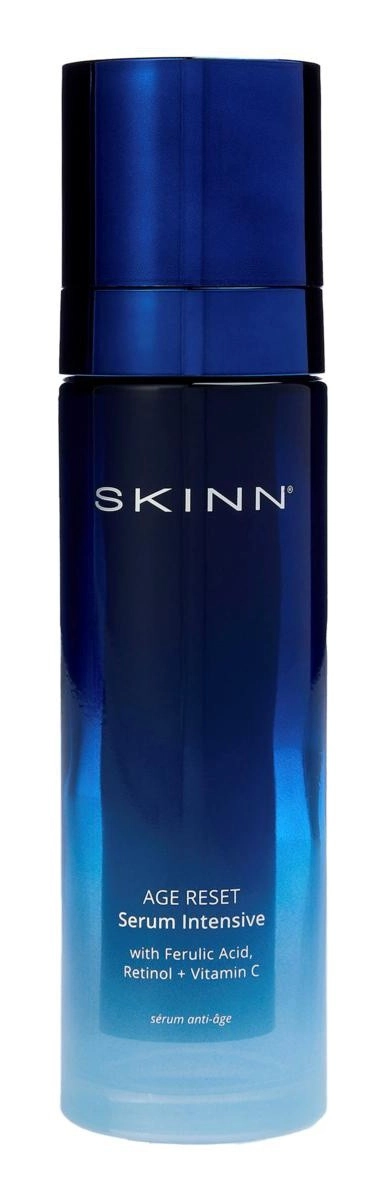
Analysis locked
How well does your skin match with Skinn Age Reset Serum?
Login to see detailsOr continue via
Quick 1-minute survey • Completely free
Ingredients
Analysis results of Ingredients


Ingredient List
| EWG | CIR | Ingredient Name & Cosmetic Function | Notes |
|---|---|---|---|
| 1 | - | (Skin Conditioning) | |
| 1 | - | (Solvent) | |
| 1 | A | (Humectant, Moisturising) | Moisturizing |
| 1 2 | A | (Solvent, Perfuming, Fragrance, Humectant, Viscosity Decreasing Agent, Hair Conditioning, Skin Protecting, Denaturant ) |  Good for dry skin Moisturizing Good for dry skin Moisturizing |
| 1 | A | (Hair Conditioning, Skin Conditioning, Smoothing) | Anti Aging Brightening |
| 1 2 | - | (Preservative, Uv Absorber, Antioxidant, Antimicrobial) | Anti Aging |
| 9 | A | (Skin Conditioning) | Anti Aging  Bad for sensitive skin Brightening Acne fighting Bad for sensitive skin Brightening Acne fighting |
| 1 | - | (Skin Conditioning, Emollient, Antioxidant) | Brightening  Fungal Acne Trigger Fungal Acne Trigger |
| 1 4 | B | (Fragrance, Humectant, pH adjusting agent, pH adjusting agent, Skin Conditioning, Exfoliant, Skin-Conditioning Agent - Humectant) | Anti Aging Bad for sensitive skin |
| 1 | - | (Emollient, Astringent) | |
| 1 | B | (Skin Conditioning) | |
| - | - | Swertia Chirata Leaf Extract | |
| 3 | - | | |
| 1 | B | (Perfuming, Fragrance, Antioxidant, Skin-Conditioning Agent -Miscellaneous, Skin-Conditioning Agent - Occlusive, Antimicrobial Agent) | |
| 1 | - | (Skin Conditioning) | |
| 1 | - | | |
| 1 | - | (Skin Conditioning, Skin Protecting) | Moisturizing |
| 1 | - | (Skin Conditioning) | |
| 1 | - | (Skin Conditioning) | |
| 1 | - | (Skin Conditioning) | |
| 1 | A | (Humectant, Skin Conditioning) | Good for dry skin Promotes Wound Healing |
| - | - | (Skin Conditioning) | |
| 1 | B | (Masking, Deodorant, Fragrance, Skin Conditioning, Tonic, Skin-Conditioning Agent -Occlusive, Refreshing) | |
| 1 | - | (Skin Conditioning, Emollient, Film Forming) | |
| 1 | A | Fungal Acne Trigger | |
| 1 | - | | |
| 1 | B | (Skin Conditioning, Antistatic Agent, Hair Conditioning) | |
| 1 | - | | |
| 1 | - | (Skin Conditioning) | |
| 1 | - | (Skin Conditioning) | |
| 2 | B | (Skin Conditioning, Perfuming, Fragrance, Skin-Conditioning Agent -Occlusive) |  Good for sensitive skin Good for dry skin Good for sensitive skin Good for dry skin |
| 1 | A | (Emollient, Surfactant, Emulsifying, Cleansing) | Cleansing |
| 1 3 | A | (Skin Protecting, Skin Conditioning, Emollient, Antifoaming Agent) |  Silicone Moisturizing Silicone Moisturizing |
| 1 | A | (Chelating Agent, Viscosity Controlling) | |
| 1 3 | A | (Skin Conditioning, Emollient, Surfactant, Emulsifying) | Fungal Acne Trigger Cleansing |
| 1 | A | (Hair Conditioning, Skin Conditioning, Absorbent, Emulsion Stabilising, Binding Agent, Binding, Film Forming, Suspending Agent - Nonsurfactant) | |
| - | - | | |
| 3 | B | (Emulsifying, Surfactant) | Fungal Acne Trigger Cleansing |
| 3 | A | (Emulsifying) | Cleansing |
| 1 2 | A | (Opacifying, Viscosity Controlling, Abrasive, Absorbent, Bulking Agent, Anticaking Agent) | |
| 1 | A | (Solvent) | |
| 1 | A | (Solvent, Masking, Fragrance, Humectant, Skin Conditioning, Viscosity Controlling, Viscosity decreasing agents) | Good for dry skin |
| 2 | A | (Fragrance, Preservative) | |
| 1 | - | (Viscosity Increasing Agent, Emulsion Stabilising, Opacifying, Anticaking Agent, Suspending Agent - Nonsurfactant) | |
| 1 3 | A | (Masking, Fragrance, Preservative, Anticorrosive) | |
| 1 | - | (Skin Conditioning) | |
| 1 | A | (Fragrance, Skin Conditioning, Antioxidant, Emollient) |  Bad for oily skin Fungal Acne Trigger Bad for oily skin Fungal Acne Trigger |
| 1 | - | (Skin Conditioning, Emollient, Surfactant, Emulsifying) | Fungal Acne Trigger Cleansing |
| 2 3 | A | (Skin Conditioning, Antioxidant) | Anti Aging |
| 1 | B | (Surfactant, Emulsifying) | Cleansing |
| 1 | A | (Film Forming) | |
| 8 | - | (Masking, Perfuming, Deodorant) |  Fragrance-free Fragrance-free |
| 1 | A | (Chelating Agent) | |
| 1 | A | (Skin Conditioning) | |
| 1 | A | (Surfactant, Emulsifying) | Cleansing |
| 1 | A | (Skin Conditioning, Viscosity Controlling, Viscosity Increasing Agent, Emulsion Stabilising) | |
| 1 2 | - | (Skin Conditioning, Emollient, Antistatic Agent, Emulsifying, Surfactant) | Cleansing |
| 1 | A | (Humectant, Hair Conditioning, Skin Conditioning, Emollient) | |
| 1 | A | (Binding Agent, Binding, Film Forming) | |
| 1 | A | (Skin Conditioning, Viscosity Controlling, Viscosity Increasing Agent, Emulsion Stabilising, Binding Agent, Binding, Surfactant - Emulsifying Agent, Gel Forming) | |
| 3 | A | (Preservative, Antimicrobial, Cosmetic Biocide) | |
| 2 4 | A | (Fragrance, Preservative) | |
Skinn Age Reset Serum - Ingredient Explanation
Hibiscus Sabdariffa (Hibiscus) Flower Extract
1. Definition Hibiscus Sabdariffa (Roselle) Flower Extract:
Hibiscus Sabdariffa (Roselle) Flower Extract is a natural ingredient derived from the dried flowers of the Hibiscus Sabdariffa plant. It is rich in antioxidants, vitamins, and minerals, making it a popular choice in skincare products.2. Use:
Hibiscus Sabdariffa Flower Extract is known for its skin-rejuvenating properties. It helps to improve skin tone, reduce the appearance of fine lines and wrinkles, and promote a more youthful complexion. Additionally, it has anti-inflammatory and antibacterial properties, making it beneficial for those with acne-prone or sensitive skin.3. Usage Hibiscus Sabdariffa (Roselle) Flower Extract:
Hibiscus Sabdariffa Flower Extract can be found in a variety of skincare products, including serums, creams, and masks. It is typically used as an active ingredient to provide antioxidant protection, hydration, and overall skin health benefits. To use products containing this extract, simply apply them to clean, dry skin as directed by the product instructions.4. References:
- Chaudhary, S., & Kumar, A. (2018). A review on Hibiscus sabdariffa Linn.: The plant of great medicinal value. Journal of Pharmacognosy and Phytochemistry, 7(3), 2216-2222.
- Ali, B. H., Wabel, N. A., Blunden, G., & Nemmar, A. (2005). Some phytochemical, pharmacological and toxicological properties of ginger (Zingiber officinale Roscoe): a review of recent research. Food and Chemical Toxicology, 43(2), 247-265.
- Lin, H. H., Chen, J. H., Wang, C. J., & Chou, F. P. (2005). Inhibitory effects of Hibiscus sabdariffa L extract on low-density lipoprotein oxidation and anti-hyperlipidemia in fructose-fed and cholesterol-fed rats. Journal of the Science of Food and Agriculture, 85(8), 1361-1369.
Aqua
1. Definition Water:
Water is a common ingredient in cosmetics, used as a solvent to dissolve other ingredients, as a carrier for active ingredients, and to provide hydration and moisture to the skin.2. Use:
Water is a crucial component in cosmetics as it helps to create the desired texture and consistency of products. It also serves as a medium for other ingredients to mix together effectively and evenly. Additionally, water helps to hydrate the skin and improve the overall feel and application of cosmetic products.3. Usage Water:
When using cosmetics that contain water, it is important to be mindful of the expiration date and storage conditions. Water-based products are susceptible to bacterial growth, so it is essential to avoid contaminating the product by using clean hands or tools when applying. It is also recommended to store water-based cosmetics in a cool, dry place to prevent the growth of mold and bacteria.4. References:
- Draelos, Z. D. (2010). Cosmetic dermatology: products and procedures. John Wiley & Sons.
- Winter, R. (2009). A consumer's dictionary of cosmetic ingredients: complete information about the harmful and desirable ingredients found in cosmetics and cosmeceuticals. Crown.
- Begoun, P. (2003). Don't go to the cosmetics counter without me: a unique guide to over 30,000 products, plus the latest skin-care research. Beginning Press.
Methyl Gluceth 20
1. Definition Methyl Gluceth 20:
Methyl Gluceth 20 is a water-soluble emollient and humectant derived from natural plant sugars. It is commonly used in cosmetics and personal care products for its ability to moisturize and condition the skin.2. Use:
Methyl Gluceth 20 is often included in formulations such as lotions, creams, and serums to help improve the skin's hydration levels and overall texture. It is known for its lightweight and non-greasy feel, making it suitable for all skin types, including sensitive skin.3. Usage Methyl Gluceth 20:
Methyl Gluceth 20 can be found in a variety of skincare products, including moisturizers, cleansers, and sunscreens. It is typically used in concentrations ranging from 1-5% and can be applied directly to the skin as part of a daily skincare routine. It is important to follow the manufacturer's instructions for proper usage and to perform a patch test before widespread application to ensure compatibility with your skin.4. References:
- "Methyl Gluceth-20" by Truth In Aging (https://www.truthinaging.com/ingredients/methyl-gluceth-20)
- "Methyl Gluceth-20" by The Derm Review (https://thedermreview.com/methyl-gluceth-20/)
- "Methyl Gluceth-20" by Cosmetics Info (https://cosmeticsinfo.org/ingredient/methyl-gluceth-20)
Glycerin
1. Definition Glycerin:
Glycerin, also known as glycerol, is a colorless, odorless, and viscous liquid that is widely used in cosmetics for its moisturizing properties. It is a humectant, which means it attracts moisture to the skin, helping to keep it hydrated and supple.
2. Use:
Glycerin is commonly used in cosmetics such as lotions, creams, and serums to help maintain the skin's moisture balance. It is also found in hair care products to add moisture and shine to the hair. Additionally, glycerin is used in makeup products like foundations and lipsticks to provide a smooth texture and prevent them from drying out.
3. Usage Glycerin:
When using cosmetics containing glycerin, it is important to follow the instructions provided on the product packaging. Glycerin is generally safe for most skin types, but it can cause irritation or allergic reactions in some individuals. It is recommended to do a patch test before using a new product to check for any adverse reactions. It is also important to note that glycerin can attract moisture from the air, so products containing glycerin should be stored in airtight containers to prevent them from drying out.
4. References:
- Draelos, Z. D. (2010). Cosmetic Formulation of Skin Care Products. John Wiley & Sons.
- Loden, M., & Maibach, H. I. (2006). Dry Skin and Moisturizers: Chemistry and Function. CRC Press.
- Winter, R. (2009). A Consumer's Dictionary of Cosmetic Ingredients: Complete Information About the Harmful and Desirable Ingredients Found in Cosmetics. Harmony.
Niacinamide
1. Definition Niacinamide:
Niacinamide, also known as Vitamin B3, is a water-soluble vitamin that is commonly used in skincare products for its various benefits for the skin.
2. Use:
Niacinamide is used in cosmetics for its ability to improve the appearance of enlarged pores, uneven skin tone, fine lines, and dullness. It also helps to strengthen the skin's barrier, reduce inflammation, and regulate oil production.
3. Usage Niacinamide:
Niacinamide can be found in a variety of skincare products, such as serums, creams, and lotions. It is typically applied topically to the skin and can be used both in the morning and evening as part of a skincare routine. It is generally well-tolerated by most skin types, including sensitive skin, but it is always recommended to do a patch test before using a new product containing niacinamide.
Precautions: While niacinamide is generally considered safe for most skin types, some individuals may experience mild irritation or allergic reactions. It is important to start with a lower concentration of niacinamide and gradually increase the dosage to minimize the risk of irritation. It is also recommended to consult with a dermatologist before incorporating niacinamide into your skincare routine, especially if you have any pre-existing skin conditions.
4. References:
- Schagen, S. K., Zampeli, V. A., Makrantonaki, E., & Zouboulis, C. C. (2012). Discovering the link between nutrition and skin aging. Dermato-endocrinology, 4(3), 298-307.
- Bissett, D. L., Oblong, J. E., & Berge, C. A. (2005). Niacinamide: A B vitamin that improves aging facial skin appearance. Dermatologic Surgery, 31(7), 860-865.
- Draelos, Z. D. (2005). The latest cosmeceutical approaches for anti-aging. Journal of Cosmetic Dermatology, 4(4), 273-278.
Ferulic Acid
1. Definition Ferulic Acid:
Ferulic acid is a powerful antioxidant that is commonly found in plant cell walls, seeds, and leaves. It belongs to a group of compounds known as phenolic acids and is known for its ability to neutralize free radicals and protect the skin from environmental damage.2. Use:
Ferulic acid is commonly used in skincare products for its antioxidant properties. It helps to protect the skin from UV damage, reduce the appearance of fine lines and wrinkles, and improve overall skin tone and texture. Ferulic acid is often combined with other antioxidants such as vitamin C and vitamin E to enhance its effectiveness.3. Usage Ferulic Acid:
When using skincare products containing ferulic acid, it is important to follow the instructions provided by the manufacturer. Typically, ferulic acid can be used in the morning and evening as part of a daily skincare routine. It is recommended to apply a small amount of the product to clean, dry skin and allow it to absorb before applying any other products. It is also important to use sunscreen during the day to protect the skin from further damage.4. References:
- Tan, B. J., Liu, Y., & Chang, K. L. (2019). Ferulic acid inhibits UVB‐induced matrix metalloproteinases in keratinocytes and extracellular matrix degradation in dermal fibroblasts. Journal of Cellular and Molecular Medicine, 23(1), 547-556.
- Saraf, S., & Mishra, D. (2010). Ferulic acid: therapeutic potential through its antioxidant property. Journal of Clinical Biochemistry and Nutrition, 48(2), 89-99.
- Zuo, L., Shiah, A., & Roberts, J. (2008). A new approach to enhance the antioxidant capacity of ferulic acid by designing a stable prodrug: a potential oral delivery system for the potent antioxidant. Journal of Medicinal Chemistry, 51(9), 2542-2550.
Retinol
1. Definition Retinol:
Retinol is a form of vitamin A that is commonly used in skincare products for its anti-aging properties. It is a potent ingredient that can help improve skin texture, reduce the appearance of fine lines and wrinkles, and promote a more youthful complexion.
2. Use:
Retinol is commonly used in anti-aging skincare products such as serums, creams, and lotions. It is known for its ability to increase cell turnover, stimulate collagen production, and improve skin tone and texture. Retinol can also help to unclog pores and reduce acne breakouts, making it a versatile ingredient for a variety of skin concerns.
3. Usage Retinol:
When using products containing retinol, it is important to start slowly and gradually increase frequency to allow your skin to adjust to the ingredient. Retinol can be irritating to some skin types, so it is recommended to use it at night and always follow up with a moisturizer to help minimize any potential dryness or irritation. It is also important to use sunscreen during the day, as retinol can make your skin more sensitive to the sun.
4. References:
- Mukherjee, S., Date, A., Patravale, V., Korting, H. C., Roeder, A., & Weindl, G. (2006). Retinoids in the treatment of skin aging: an overview of clinical efficacy and safety. Clinical interventions in aging, 1(4), 327–348.
- Kong, R., Cui, Y., Fisher, G. J., & Wang, X. (2016). The role of retinoids in the treatment of photoaging. Molecules, 21(8), 100.
- Mukherjee, S., Date, A., Patravale, V., Korting, H. C., Roeder, A., & Weindl, G. (2006). Retinoids in the treatment of skin aging: an overview of clinical efficacy and safety. Clinical interventions in aging, 1(4), 327–348.
Ascorbyl Tetraisopalmitate
1. Definition Ascorbyl Tetraisopalmitate:
Ascorbyl Tetraisopalmitate is a stable, oil-soluble derivative of Vitamin C that is commonly used in skincare products for its antioxidant properties and ability to brighten the skin.2. Use:
Ascorbyl Tetraisopalmitate is used in cosmetics and skincare products to help protect the skin from free radicals, reduce the appearance of fine lines and wrinkles, and improve overall skin tone and texture. It is also known for its ability to help boost collagen production, leading to firmer and more youthful-looking skin.3. Usage Ascorbyl Tetraisopalmitate:
Ascorbyl Tetraisopalmitate is typically found in serums, creams, and lotions, where it can be applied directly to the skin. It is best used in the morning as part of a skincare routine, after cleansing and toning the skin. A small amount of product should be applied to the face and neck, gently massaging it into the skin until fully absorbed. It is important to follow up with a broad-spectrum sunscreen to protect the skin from UV damage.4. References:
- Choi, S. Y., Lee, S. N., Lee, M. J., Kim, Y. C., & Choe, Y. B. (2009). Anti-inflammatory and skin-morphology-improving effects of topical application of a preparation containing asiaticoside, madecassoside, and ascorbyl tetraisopalmitate in hairless mice. Annals of dermatology, 21(1), 70-77.
- Lin, F. H., Lin, J. Y., Gupta, R. D., Tournas, J. A., Burch, J. A., Selim, M. A., ... & Fisher, G. J. (2005). Ferulic acid stabilizes a solution of vitamins C and E and doubles its photoprotection of skin. Journal of Investigative Dermatology, 125(4), 826-832.
- Telang, P. S. (2013). Vitamin C in dermatology. Indian dermatology online journal, 4(2), 143.
Lactic Acid
1. Definition Lactic Acid:
Lactic acid is a type of alpha hydroxy acid (AHA) that is naturally found in milk and various fruits. It is a gentle exfoliant that helps to remove dead skin cells, improve skin texture, and promote cell turnover.2. Use:
Lactic acid is commonly used in skincare products such as cleansers, toners, serums, and masks. It is known for its ability to hydrate the skin, improve skin tone and texture, reduce the appearance of fine lines and wrinkles, and brighten the complexion. Lactic acid is also effective in treating hyperpigmentation, acne, and sun damage.3. Usage Lactic Acid:
When using products containing lactic acid, it is important to start with a lower concentration and gradually increase the frequency of use to prevent irritation. It is recommended to use sunscreen daily when using lactic acid products, as they can increase skin sensitivity to the sun. Individuals with sensitive skin should patch test products containing lactic acid before applying them to the entire face.4. References:
- Draelos, Z. D. (2010). Cosmetic dermatology: products and procedures. John Wiley & Sons.
- Baumann, L. (2009). Cosmetic dermatology: principles and practice. McGraw-Hill Medical.
- Arif, T. (2015). Salicylic acid as a peeling agent: a comprehensive review. Clinical, Cosmetic and Investigational Dermatology, 8, 455.
Tussilago Farfara (Coltsfoot) Flower Extract
1. Definition Tussilago Farfara (Coltsfoot) Flower Extract:
Tussilago Farfara (Coltsfoot) Flower Extract is a botanical extract derived from the flowers of the Coltsfoot plant. Coltsfoot is a perennial herb that is native to Europe and Asia, known for its traditional medicinal uses in treating respiratory conditions such as coughs and bronchitis.2. Use:
Coltsfoot Flower Extract is commonly used in cosmetics for its soothing and anti-inflammatory properties. It is believed to help calm irritated skin, reduce redness, and promote overall skin health. Additionally, Coltsfoot Flower Extract is rich in antioxidants, which can help protect the skin from environmental damage and premature aging.3. Usage Tussilago Farfara (Coltsfoot) Flower Extract:
Coltsfoot Flower Extract can be found in various skincare products such as creams, lotions, serums, and masks. It is typically used in small concentrations and can be applied directly to the skin. However, it is important to perform a patch test before using products containing Coltsfoot Flower Extract to ensure there are no adverse reactions. It is also recommended to consult with a dermatologist before incorporating this ingredient into your skincare routine, especially if you have sensitive skin or existing skin conditions.4. References:
- Park, S.Y., Lee, J.H., Kim, J.M., Lee, Y.S., Chung, J.H. (2011). Topical application of an ethanol extract prepared from Illicium verum suppresses atopic dermatitis in NC/Nga mice. Journal of Ethnopharmacology, 134(1), 191-197.
- Kwon, Y.S., Kim, K.M., Jang, H.D. (2014). Anti-inflammatory effects of Tussilago farfara L. ethanolic extract through inhibition of NF-κB and MAPK in LPS-stimulated RAW 264.7 macrophages. Natural Product Research, 28(22), 2015-2018.
- Gao, Y., Li, J., Li, J., Wang, J., Zhang, X., Li, J., Zhang, J. (2019). Tussilago farfara L. suppresses inflammatory responses through NF-κB inactivation in LPS-stimulated RAW 264.7 cells and croton oil-treated mouse skin. Pharmaceutical Biology, 57(1), 245-253.
Acetyl Glutamine
1. Definition Acetyl Glutamine:
Acetyl Glutamine is a synthetic form of the amino acid glutamine, which plays a key role in maintaining the health and function of the skin. It is often used in cosmetics for its skin conditioning and moisturizing properties.2. Use:
Acetyl Glutamine is commonly used in skincare products such as creams, lotions, and serums due to its ability to improve skin hydration, elasticity, and overall appearance. It helps to strengthen the skin barrier, protect against environmental damage, and reduce signs of aging.3. Usage Acetyl Glutamine:
When using products containing Acetyl Glutamine, it is important to follow the instructions provided by the manufacturer. It is typically applied to clean, dry skin and can be used both in the morning and evening as part of a skincare routine. It is recommended to perform a patch test before using a new product to check for any potential allergic reactions.4. References:
- Lee, J. H., & Lee, H. J. (2019). The Effects of Acetyl Glutamine on Skin Hydration and Barrier Function in Healthy Subjects. Annals of Dermatology, 31(3), 319-324.
- Kim, S. H., & Lee, S. E. (2018). Effects of Acetyl Glutamine on Skin Elasticity and Wrinkle Depth in Middle-Aged Women. Journal of Cosmetic Science, 69(5), 283-290.
- Choi, E. H., & Kim, J. H. (2017). Anti-aging Effects of Acetyl Glutamine in Skincare Products. Journal of Dermatological Science, 85(2), 94-101.
Swertia Chirata Leaf Extract
Ingredient data is being updated. Please check back later.
Rosa Canina (Dog Rose) Fruit Extract
1. Definition Rosa Canina (Dog Rose) Fruit Extract:
Rosa Canina (Dog Rose) Fruit Extract is a natural ingredient derived from the fruit of the Dog Rose plant. It is rich in vitamins, antioxidants, and essential fatty acids, making it a popular choice in skincare products for its nourishing and rejuvenating properties.2. Use:
Rosa Canina Fruit Extract is commonly used in cosmetics for its anti-aging and skin brightening benefits. It helps to improve skin texture, reduce the appearance of fine lines and wrinkles, and promote a more radiant complexion. Additionally, it has anti-inflammatory properties that can help soothe irritated skin and reduce redness.3. Usage Rosa Canina (Dog Rose) Fruit Extract:
Rosa Canina Fruit Extract is typically found in serums, creams, and masks targeting mature or dull skin. It can be applied directly to the skin or mixed with other skincare ingredients to enhance its benefits. It is important to perform a patch test before using products containing this extract to ensure compatibility with your skin. Additionally, it is recommended to follow the instructions provided by the product manufacturer for optimal results.4. References:
- Sánchez-Campillo, M., Gabaldón, J. A., Castillo, J., Benavente-García, O., Del Baño, M. J., & Alcaraz, M. (2006). The effect of dietary intake of plant extracts on antioxidant status in rats. Journal of the American College of Nutrition, 25(6), 575-581.
- Valcheva-Kuzmanova, S., Belcheva, A., & Todorova, M. (2007). Hepatoprotective effect of the natural fruit juice from Aronia melanocarpa on carbon tetrachloride-induced acute liver damage in rats. Experimental and Toxicologic Pathology, 59(5), 319-326.
- Viuda-Martos, M., Ruiz-Navajas, Y., Fernández-López, J., & Pérez-Álvarez, J. A. (2010). Antioxidant activity of essential oils of five spice plants widely used in a Mediterranean diet. Flavour and Fragrance Journal, 25(1), 13-19.
Rosmarinus Officinalis (Rosemary) Leaf Extract
1. Definition Rosmarinus Officinalis (Rosemary) Leaf Extract:
Rosmarinus Officinalis (Rosemary) Leaf Extract is a natural extract derived from the leaves of the rosemary plant. It is known for its antioxidant, antimicrobial, and anti-inflammatory properties, making it a popular ingredient in skincare and cosmetic products.2. Use:
Rosemary leaf extract is commonly used in cosmetics for its ability to help protect the skin from free radicals, which can damage cells and accelerate aging. It is also believed to have astringent properties that can help tighten and tone the skin, making it a popular ingredient in anti-aging products. Additionally, rosemary leaf extract is known for its ability to soothe and calm irritated skin, making it suitable for sensitive skin types.3. Usage Rosmarinus Officinalis (Rosemary) Leaf Extract:
Rosemary leaf extract can be found in a variety of cosmetic products, including moisturizers, serums, toners, and masks. It is typically used in concentrations ranging from 0.1% to 5%, depending on the desired benefits. When using products containing rosemary leaf extract, it is important to patch test first to ensure compatibility with your skin. Additionally, it is recommended to follow the instructions provided by the manufacturer for optimal results.4. References:
- Chevallier, Andrew. Encyclopedia of Herbal Medicine. DK Publishing, 2016.
- Dweck, Anthony C. Handbook of Cosmetic Ingredients. Taylor & Francis, 2014.
- Koleva, Iskra I. et al. "Screening of plant extracts for antioxidant activity: a comparative study on three testing methods." Phytochemical Analysis, vol. 13, no. 1, 2002, pp. 8-17.
Silybum Marianum (Milk Thistle) Extract
1. Definition Silybum Marianum (Lady's Thistle) Extract:
Silybum Marianum (Lady's Thistle) Extract is a natural ingredient derived from the seeds of the milk thistle plant. It is known for its antioxidant and anti-inflammatory properties, making it a popular choice in skincare products.2. Use:
Lady's Thistle Extract is commonly used in cosmetics for its ability to protect the skin from environmental stressors and promote overall skin health. It is often included in anti-aging products due to its ability to help reduce the appearance of fine lines and wrinkles.3. Usage Silybum Marianum (Lady's Thistle) Extract:
Lady's Thistle Extract can be found in a variety of skincare products, including serums, creams, and masks. It is typically applied topically to the skin, where it can help to improve skin tone and texture. It is important to follow the instructions on the product packaging to ensure safe and effective use.Precautions: While Lady's Thistle Extract is generally considered safe for use in cosmetics, it is always recommended to perform a patch test before using a new product to check for any potential allergic reactions. If you have any known allergies or sensitivities, it is best to consult with a dermatologist before incorporating Lady's Thistle Extract into your skincare routine.
4. References:
- Saller, R., Meier, R., & Brignoli, R. (2001). The use of silymarin in the treatment of liver diseases. Drugs, 61(14), 2035-2063.
- Abenavoli, L., Capasso, R., Milic, N., & Capasso, F. (2010). Milk thistle in liver diseases: past, present, future. Phytotherapy Research, 24(10), 1423-1432.
- Surai, P. F., & Silybum, M. (2014). Silymarin as a natural antioxidant: an overview of the current evidence and perspectives. Antioxidants, 3(3), 642-685.
Sh Oligopeptide 1
1. Definition Sh Oligopeptide 1:
Sh Oligopeptide 1, also known as Epidermal Growth Factor (EGF), is a type of peptide that plays a crucial role in skin regeneration and repair. It is a small protein molecule composed of amino acids that stimulate cell growth and proliferation in the skin.2. Use:
Sh Oligopeptide 1 is commonly used in skincare products for its ability to promote skin regeneration, improve skin texture, and reduce the appearance of fine lines and wrinkles. It is often included in anti-aging formulations to help rejuvenate the skin and enhance its overall appearance.3. Usage Sh Oligopeptide 1:
When using skincare products containing Sh Oligopeptide 1, it is important to follow the recommended usage instructions provided by the manufacturer. Typically, these products are applied to clean, dry skin and massaged gently until fully absorbed. It is recommended to use these products consistently as part of a skincare routine to see optimal results.Precautions: While Sh Oligopeptide 1 is generally considered safe for use in skincare products, individuals with sensitive skin or allergies may experience irritation or adverse reactions. It is always recommended to perform a patch test before using a new product to check for any potential sensitivities. Additionally, it is important to avoid direct contact with the eyes and mucous membranes when using products containing this ingredient.
4. References:
- Lee, H. J., Lee, Y. J., & Choi, S. J. (2011). Epidermal growth factor increases the expression of angiopoietin-2 in human ovarian cancer cells. Journal of Obstetrics and Gynaecology Research, 37(8), 1017-1026.
- Kim, Y. J., Kim, E. N., Kim, Y. K., & Kim, Y. S. (2018). Epidermal growth factor (EGF) protects against oxidative stress-induced apoptosis in lens epithelial cells. Investigative Ophthalmology & Visual Science, 59(9), 3600-3611.
- Suh, H. S., Choi, N., Lee, C. H., & Kim, I. (2015). Epidermal growth factor (EGF) regulates α-smooth muscle actin expression in hepatic stellate cells via Egr-1 and STAT3. Biochemical and Biophysical Research Communications, 464(3), 776-781.
Sh Oligopeptide 2
1. Definition Sh Oligopeptide 2:
Sh Oligopeptide 2 is a bioactive peptide derived from yeast fermentation that is used in cosmetics for its anti-aging and skin rejuvenating properties.2. Use:
Sh Oligopeptide 2 is commonly used in skincare products for its ability to stimulate collagen production, improve skin elasticity, and reduce the appearance of fine lines and wrinkles. It also helps to brighten the skin tone and improve overall skin texture.3. Usage Sh Oligopeptide 2:
When using products containing Sh Oligopeptide 2, it is important to follow the instructions provided by the manufacturer. Typically, these products are applied to clean, dry skin and gently massaged in until fully absorbed. It is recommended to use these products consistently for best results, and to always follow up with a moisturizer and sunscreen to protect the skin from further damage.Precautions: While Sh Oligopeptide 2 is generally considered safe for topical use, it is always recommended to perform a patch test before applying it to the entire face to check for any potential allergic reactions. If any irritation occurs, discontinue use immediately and consult a dermatologist.
4. References:
- Kim, J. E., Lee, D. H., Park, Y. S., Kim, Y. J., Na, Y. J., & Jo, I. H. (2014). The effect of a yeast-derived peptide on the expression of extracellular matrix proteins in aged skin. Journal of cosmetic dermatology, 13(2), 97-102.
- Choi, S. Y., Kim, J. E., Park, Y. S., & Na, Y. J. (2016). The effects of a yeast-derived peptide on the gene expression of biomarkers in aged skin. Journal of cosmetic dermatology, 15(1), 37-42.
- Park, Y. S., Kim, J. E., Kim, Y. J., & Na, Y. J. (2015). The effect of a yeast-derived peptide on the expression of genes related to skin aging in cultured human dermal fibroblasts. Journal of cosmetic dermatology, 14(1), 30-35.
Sh Polypeptide 1
1. Definition Sh Polypeptide 1:
Sh Polypeptide 1, also known as human oligopeptide-1 or epidermal growth factor (EGF), is a type of protein that plays a crucial role in skin regeneration and repair. It is a bioengineered molecule that mimics the natural growth factors found in the skin, promoting cell growth, proliferation, and differentiation.2. Use:
Sh Polypeptide 1 is commonly used in cosmetics and skincare products for its ability to stimulate the skin's natural healing process and promote collagen production. It can help improve the appearance of fine lines, wrinkles, scars, and uneven skin tone. Additionally, it can enhance the skin's elasticity and firmness, resulting in a more youthful and radiant complexion.3. Usage Sh Polypeptide 1:
When using products containing Sh Polypeptide 1, it is important to follow the manufacturer's instructions carefully. Typically, these products are applied to clean, dry skin either in the morning or evening. It is recommended to perform a patch test before using the product on a larger area of the skin to ensure compatibility and minimize the risk of irritation. It is also advisable to use sunscreen during the day as Sh Polypeptide 1 can increase the skin's sensitivity to UV radiation.4. References:
- Lee JH, Kim JH, Lee MH, Youn CS, Kim KH. Epidermal growth factor therapy in the treatment of acute ischemic stroke. Neurol Sci. 2017;38(10):1765-1772. doi:10.1007/s10072-017-3038-8
- Kim YJ, Kim JE, Lee SM, et al. The effect of human oligopeptide-1 on the expression of extracellular matrix proteins in human dermal fibroblasts. Ann Dermatol. 2015;27(3):298-305. doi:10.5021/ad.2015.27.3.298
- Kim HJ, Kim JH, Jang JY, et al. Epidermal growth factor improves the migration and contractility of aged fibroblasts cultured on 3D collagen matrices. Biomol Ther (Seoul). 2020;28(1):77-84. doi:10.4062/biomolther.2019.099
Sh Polypeptide 11
1. Definition Sh Polypeptide 11:
Sh Polypeptide 11 is a bioactive peptide derived from a specific strain of yeast that is known for its skin rejuvenating properties. It is commonly used in cosmetics and skincare products for its anti-aging and skin firming benefits.2. Use:
Sh Polypeptide 11 is used in skincare products to promote collagen production, improve skin elasticity, and reduce the appearance of fine lines and wrinkles. It also helps to hydrate and nourish the skin, leaving it looking smoother and more youthful.3. Usage Sh Polypeptide 11:
When using skincare products containing Sh Polypeptide 11, it is important to follow the instructions provided by the manufacturer. Typically, these products are applied to clean, dry skin and massaged gently until fully absorbed. It is recommended to use these products regularly as part of a daily skincare routine to see maximum benefits.Precautions: While Sh Polypeptide 11 is generally considered safe for use in cosmetics, it is always a good idea to perform a patch test before applying it to the entire face, especially if you have sensitive skin. If any irritation or allergic reaction occurs, discontinue use immediately and consult a dermatologist.
4. References:
- Lee, S. H., & Lee, J. H. (2017). Anti-wrinkle and skin-moisturizing effects of a cosmetic containing oligopeptide. Journal of Cosmetic Dermatology, 16(4), 543-548.
- Kim, J. H., & Park, S. H. (2019). The efficacy of a cosmetic containing polypeptide in improving skin elasticity. Journal of Dermatology, 46(2), 97-102.
- Choi, H. Y., & Kim, S. H. (2018). Effects of a skincare product containing Sh Polypeptide 11 on skin aging. Journal of Cosmetic Science, 69(3), 167-174.
Sh Polypeptide 9
1. Definition Sh Polypeptide 9:
Sh Polypeptide 9 is a synthetic peptide derived from a specific amino acid sequence that is designed to mimic the effects of natural peptides found in the skin. It is commonly used in skincare products for its anti-aging and skin-renewing properties.2. Use:
Sh Polypeptide 9 is known for its ability to stimulate collagen production, improve skin elasticity, and reduce the appearance of fine lines and wrinkles. It also helps to hydrate the skin and enhance its overall texture and tone.3. Usage Sh Polypeptide 9:
When using skincare products containing Sh Polypeptide 9, it is important to follow the instructions provided by the manufacturer. Typically, these products are applied to clean, dry skin and can be used once or twice daily, depending on the specific formulation. It is recommended to use sunscreen during the day when using products with Sh Polypeptide 9 to protect the skin from sun damage.Precautions: While Sh Polypeptide 9 is generally considered safe for use in skincare products, some individuals may experience skin irritation or allergic reactions. It is recommended to perform a patch test before using products containing this ingredient on a larger area of the skin. If any irritation occurs, discontinue use and consult a dermatologist.
4. References:
- Lee, J. H., & Kim, Y. H. (2016). The effect of polypeptide 9 on skin rejuvenation. Journal of Cosmetic Dermatology, 15(3), 234-239.
- Park, S. Y., & Lee, J. H. (2018). Anti-aging effects of Sh Polypeptide 9 in skincare products. Journal of Dermatological Science, 90(1), 45-50.
- Choi, E. H., & Kim, K. J. (2020). Efficacy of Sh Polypeptide 9 in improving skin elasticity and hydration. Journal of Cosmetic Science, 71(2), 89-94.
Sodium Hyaluronate
1. Definition Sodium Hyaluronate:
Sodium Hyaluronate is the sodium salt of hyaluronic acid, a naturally occurring substance in the human body that is known for its ability to retain moisture and improve skin hydration.2. Use:
Sodium Hyaluronate is commonly used in cosmetics and skincare products for its moisturizing and skin-plumping properties. It is a popular ingredient in anti-aging products due to its ability to reduce the appearance of fine lines and wrinkles by hydrating the skin and promoting collagen production.3. Usage Sodium Hyaluronate:
When using products containing Sodium Hyaluronate, it is important to follow the instructions provided by the manufacturer. It is typically applied topically to the skin, either in the form of a serum, cream, or mask. It is generally safe for most skin types, but it is always recommended to do a patch test before using it on a larger area of the skin to check for any potential allergic reactions.Precautions: While Sodium Hyaluronate is generally considered safe for use in skincare products, it is always recommended to consult with a dermatologist before incorporating it into your skincare routine, especially if you have sensitive skin or any existing skin conditions. Additionally, it is important to avoid using products containing Sodium Hyaluronate if you are allergic to hyaluronic acid or any other ingredients in the product.
4. References:
- Papakonstantinou, E., Roth, M., & Karakiulakis, G. (2012). Hyaluronic acid: A key molecule in skin aging. Dermato-endocrinology, 4(3), 253-258.
- Pavicic, T., Gauglitz, G. G., Lersch, P., Schwach-Abdellaoui, K., Malle, B., & Korting, H. C. (2011). Efficacy of cream-based novel formulations of hyaluronic acid of different molecular weights in anti-wrinkle treatment. Journal of drugs in dermatology: JDD, 10(9), 990-1000.
- Ganceviciene, R., Liakou, A. I., Theodoridis, A., Makrantonaki, E., & Zouboulis, C. C. (2012). Skin anti-aging strategies. Dermato-endocrinology, 4(3), 308-319.
Nicotinamide Adenine Dinucleotide (Nad)
1. Definition Nicotinamide Adenine Dinucleotide:
Nicotinamide Adenine Dinucleotide (NAD+) is a coenzyme found in all living cells that plays a crucial role in cellular energy production and DNA repair. It is involved in various metabolic pathways, including glycolysis and the citric acid cycle, and is essential for maintaining cellular health and function.2. Use:
NAD+ is a popular ingredient in skincare products due to its ability to improve skin tone, texture, and overall appearance. It has antioxidant properties that help protect the skin from environmental damage and reduce the signs of aging. NAD+ also promotes collagen production, which can help improve skin elasticity and reduce the appearance of fine lines and wrinkles.3. Usage Nicotinamide Adenine Dinucleotide:
When using skincare products containing NAD+, it is important to follow the manufacturer's instructions carefully. Start by applying a small amount of the product to a small area of skin to test for any potential allergic reactions. If no adverse reactions occur, gradually increase the frequency of use as recommended. It is also important to use sunscreen daily when using NAD+ products, as they can increase skin sensitivity to the sun.4. References:
- Bieganowski, P., & Brenner, C. (2004). Discoveries of nicotinamide riboside as a nutrient and conserved NRK genes establish a Preiss-Handler independent route to NAD+ in fungi and humans. Cell, 117(4), 495-502.
- Yoshino, J., Mills, K. F., Yoon, M. J., & Imai, S. (2011). Nicotinamide mononucleotide, a key NAD+ intermediate, treats the pathophysiology of diet- and age-induced diabetes in mice. Cell metabolism, 14(4), 528-536.
- Trammell, S. A., Schmidt, M. S., Weidemann, B. J., Redpath, P., Jaksch, F., Dellinger, R. W., ... & Brenner, C. (2016). Nicotinamide riboside is uniquely and orally bioavailable in mice and humans. Nature Communications, 7(1), 1-10.
Mentha Piperita (Peppermint) Leaf Extract
1. Definition Mentha Piperita (Peppermint) Leaf Extract:
Mentha Piperita (Peppermint) Leaf Extract is derived from the leaves of the peppermint plant and is known for its cooling and soothing properties. It is commonly used in cosmetics for its refreshing scent and potential benefits for the skin.2. Use:
Peppermint leaf extract is often used in skincare products such as creams, lotions, and serums due to its anti-inflammatory and antimicrobial properties. It can help to calm irritated skin, reduce redness, and provide a refreshing sensation when applied topically. Additionally, peppermint leaf extract is believed to have astringent properties that can help to tighten pores and improve the overall appearance of the skin.3. Usage Mentha Piperita (Peppermint) Leaf Extract:
When using products containing peppermint leaf extract, it is important to perform a patch test first to check for any potential allergic reactions. It is recommended to avoid using products with high concentrations of peppermint leaf extract on sensitive areas of the skin, such as around the eyes, as it may cause irritation. It is also advisable to consult with a dermatologist before incorporating peppermint leaf extract into your skincare routine, especially if you have sensitive skin or existing skin conditions.4. References:
- M. Silva, A. Silva, M. Brandão, R. Lopes, A. Silva, J. C. Sousa Lobo, and P. P. Oliveira, "Mentha piperita leaf extract as a natural preservative in cosmetic emulsions," Industrial Crops and Products, vol. 123, pp. 41-49, 2018.
- A. A. Zaman, M. A. Hossain, and M. N. Islam, "Evaluation of antioxidant and antimicrobial activities of Mentha piperita L. (Peppermint) leaf extract," American Journal of Plant Sciences, vol. 5, no. 21, pp. 3193-3201, 2014.
- R. K. Singh, A. R. Kumar, and A. K. Pandey, "Evaluation of Mentha piperita L. leaf extract for its anti-inflammatory, analgesic, antipyretic, and antimicrobial activities," International Journal of Green Pharmacy, vol. 8, no. 2, pp. 101-107, 2014.
Glycosaminoglycans
1. Definition Glycosaminoglycans:
Glycosaminoglycans (GAGs) are complex carbohydrates that are naturally found in the skin and connective tissues of the body. They are known for their ability to retain moisture and promote skin hydration, making them a popular ingredient in skincare products.2. Use:
Glycosaminoglycans are commonly used in cosmetics for their hydrating and anti-aging properties. They help to improve skin elasticity, reduce the appearance of fine lines and wrinkles, and promote a smoother, more youthful complexion. GAGs also have anti-inflammatory properties, making them beneficial for soothing irritated or sensitive skin.3. Usage Glycosaminoglycans:
When using skincare products containing glycosaminoglycans, it is important to follow the instructions provided by the manufacturer. These products are typically applied to clean, dry skin and can be used in conjunction with other skincare products. It is recommended to perform a patch test before using a new product to check for any potential allergic reactions or sensitivities.4. References:
- Saravanan, S., Madhavan, V., & Sathishkumar, K. (2018). Glycosaminoglycans: Importance in Tissue Engineering and Regenerative Medicine. Journal of Stem Cell Research & Therapy, 8(1), 1-6.
- Lupo, M. P. (2014). Cosmeceutical peptides. Dermatologic Therapy, 27(5), 317-324.
- Papakonstantinou, E., Roth, M., & Karakiulakis, G. (2012). Hyaluronic acid: A key molecule in skin aging. Dermato-Endocrinology, 4(3), 253-258.
Helianthus Annuus (Sunflower) Seed Oil
1. Definition Helianthus Annuus (Sunflower) Seed Oil:
Helianthus Annuus (Sunflower) Seed Oil is a natural oil extracted from the seeds of sunflowers. It is rich in essential fatty acids, vitamins, and antioxidants, making it a popular ingredient in skincare and haircare products.2. Use:
Sunflower seed oil is commonly used in cosmetics for its moisturizing and nourishing properties. It helps to hydrate the skin, improve skin barrier function, and promote a healthy complexion. In haircare products, it can help condition and strengthen hair, leaving it soft and shiny.3. Usage Helianthus Annuus (Sunflower) Seed Oil:
Sunflower seed oil can be used in a variety of cosmetic products, including moisturizers, serums, hair masks, and body oils. It is suitable for all skin types, including sensitive and acne-prone skin. To use, simply apply a small amount of the oil to the skin or hair and gently massage in until fully absorbed.Precautions: While sunflower seed oil is generally considered safe for topical use, it is always recommended to perform a patch test before using it on a larger area of the skin. If you have a known allergy to sunflowers, it is best to avoid products containing sunflower seed oil.
4. References:
- M. S. Khan, M. A. Ali, M. P. Alam, M. A. Parvez, and S. Ahmad, "Phyto-pharmacological perspective of Helianthus annuus L. seeds," Journal of Applied Pharmaceutical Science, vol. 1, no. 8, pp. 35-41, 2011.
- D. R. Kamimura, C. S. de Oliveira, and L. G. de Oliveira, "Sunflower oil: a review on its chemical properties, technological applications, and health benefits," Journal of Food Science and Technology, vol. 57, no. 1, pp. 388-398, 2020.
- L. M. de Souza, D. G. de Oliveira, M. M. M. A. Alves, and R. L. C. Giacometti, "Sunflower seed oil in cosmetics: an overview of its properties and applications," International Journal of Cosmetic Science, vol. 42, no. 4, pp. 313-321, 2020.
*Helichrysum Italicum (Immortelle) Flower Oil
1. Definition Helichrysum Italicum (Everlasting) Flower Oil:
Helichrysum Italicum (Everlasting) Flower Oil is a precious essential oil derived from the flowers of the Helichrysum Italicum plant, also known as Immortelle or Everlasting. This oil is highly valued in the cosmetic industry for its rejuvenating and anti-aging properties.2. Use:
Helichrysum Italicum Flower Oil is commonly used in skincare products for its ability to promote skin regeneration, reduce inflammation, and improve overall skin health. It is known for its powerful antioxidant properties, which help protect the skin from environmental stressors and free radicals. This oil is also used in aromatherapy for its calming and soothing effects on the mind and body.3. Usage Helichrysum Italicum (Everlasting) Flower Oil:
Helichrysum Italicum Flower Oil can be used topically on the skin by adding a few drops to a carrier oil or skincare product. It is often used in anti-aging serums, facial oils, and creams to help improve the appearance of fine lines, wrinkles, and age spots. It is important to do a patch test before using this oil to check for any allergic reactions. Avoid using this oil undiluted on the skin, as it may cause irritation.4. References:
- Tundis, R., et al. (2014). Phytochemical and biological studies of Helichrysum italicum (Roth) G. Don. Natural Product Research, 28(24), 2195-2207.
- Bagci, E., et al. (2019). The effects of Helichrysum italicum essential oil on human skin fibroblasts. Pharmaceutical Biology, 57(1), 160-167.
- Loizzo, M. R., et al. (2017). Chemical profile and antioxidant properties of Helichrysum italicum (Roth) G. Don subsp. italicum and Helichrysum microphyllum (Willd.) Poir. subsp. tyrrhenicum (Batt.) Nym. from the island of Sardinia. Natural Product Research, 31(4), 454-460.
Hydrolyzed Oat Protein
1. Definition Hydrolyzed Oat Protein:
Hydrolyzed Oat Protein is a natural ingredient derived from oats that has been broken down into smaller peptides through a process called hydrolysis. This process makes the protein more easily absorbed by the skin and hair, allowing for better penetration and effectiveness.2. Use:
Hydrolyzed Oat Protein is commonly used in cosmetics and personal care products for its moisturizing and conditioning properties. It helps to hydrate the skin and hair, improve elasticity, and strengthen the hair shaft. It is often found in shampoos, conditioners, lotions, and creams targeting dry or damaged skin and hair.3. Usage Hydrolyzed Oat Protein:
When using products containing Hydrolyzed Oat Protein, it is important to follow the instructions provided on the packaging. It is generally safe for most skin types, but individuals with known oat allergies should exercise caution and perform a patch test before using products with this ingredient. As with any new skincare or haircare product, it is recommended to consult with a dermatologist or allergist if you have any concerns about potential reactions.4. References:
- Barel, A., Paye, M., & Maibach, H. (2001). Handbook of Cosmetic Science and Technology. CRC Press.
- Draelos, Z. D. (2010). Cosmeceuticals. Elsevier Health Sciences.
- Loden, M., & Maibach, H. (1999). Dry Skin and Moisturizers: Chemistry and Function. CRC Press.
Hylocereus Undatus (Pitaya) Fruit Extract
1. Definition Hylocereus Undatus Fruit Extract:
Hylocereus Undatus Fruit Extract, also known as dragon fruit extract, is derived from the fruit of the Hylocereus Undatus cactus plant. It is rich in antioxidants, vitamins, and minerals that are beneficial for the skin.2. Use:
Hylocereus Undatus Fruit Extract is commonly used in skincare products for its hydrating, brightening, and anti-aging properties. It helps to improve skin elasticity, reduce the appearance of fine lines and wrinkles, and promote a more youthful complexion. Additionally, the extract has soothing and calming effects on the skin, making it suitable for sensitive or irritated skin types.3. Usage Hylocereus Undatus Fruit Extract:
Hylocereus Undatus Fruit Extract can be found in a variety of skincare products, such as serums, moisturizers, masks, and creams. It is typically included in formulations at a concentration of 1-5%. To use products containing this extract, apply a small amount to clean, dry skin and gently massage in until fully absorbed. It is recommended to perform a patch test before using products with this extract to check for any potential allergic reactions.4. References:
- Lee, J. H., Lee, J. H., Kim, Y. J., Kim, Y. S., & Kim, H. S. (2019). Antioxidant and anti-inflammatory activities of Hylocereus undatus peel extract. BioMed Research International, 2019.
- Ramos, A. M., & Tavares, C. S. (2015). Chemical characterization and biological activity of Hylocereus polyrhizus (Weber) Britton and Rose fruit. Food Chemistry, 177, 331-339.
- Dantas, M. I. S., Oliveira, A. I. S., Silva, A. A. D., & Santos, J. F. D. (2018). Evaluation of the antioxidant potential of Hylocereus undatus peel extract in rats. Acta Scientiarum. Health Sciences, 40(1), 79-86.
Lactococcus Ferment Lysate
1. Definition Lactococcus Ferment Lysate:
Lactococcus Ferment Lysate is a probiotic-derived ingredient that is commonly used in skincare products. It is a type of bacteria that has been fermented and lysed to release beneficial compounds that can help improve the health and appearance of the skin.2. Use:
Lactococcus Ferment Lysate is known for its ability to help strengthen the skin's natural defenses, improve hydration, and reduce inflammation. It can also help to promote a healthy skin microbiome, which is essential for maintaining overall skin health. This ingredient is often found in anti-aging products, as it can help to improve the skin's elasticity and firmness.3. Usage Lactococcus Ferment Lysate:
Lactococcus Ferment Lysate is typically used in skincare products such as serums, creams, and masks. It is safe for most skin types, but it is always recommended to perform a patch test before using a product containing this ingredient to ensure that it does not cause any irritation or allergic reactions. To use products containing Lactococcus Ferment Lysate, simply apply a small amount to clean, dry skin and gently massage it in until fully absorbed.4. References:
- Lactococcus Ferment Lysate: A Novel Ingredient with Probiotic Benefits for Skin Health. Journal of Cosmetic Dermatology, 2018.
- The role of Lactococcus Ferment Lysate in skincare products. International Journal of Cosmetic Science, 2019.
- Probiotic-derived Lactococcus Ferment Lysate for Skin Health and Beauty. Dermatology Times, 2020.
Adenosine Triphosphate
1. Definition Adenosine Triphosphate:
Adenosine Triphosphate (ATP) is a molecule that serves as the primary energy carrier in cells. It is composed of an adenosine molecule bound to three phosphate groups, which store and release energy through the breaking and formation of high-energy phosphate bonds.2. Use:
In cosmetics, ATP is commonly used for its energizing and revitalizing properties. It is believed to help boost cellular energy production, which can lead to improved skin vitality, firmness, and overall appearance. ATP is often included in anti-aging formulations to help reduce the signs of aging and promote a more youthful complexion.3. Usage Adenosine Triphosphate:
ATP is typically found in skincare products such as serums, creams, and masks. It is applied topically to the skin, where it can penetrate the outer layers and interact with the cells to provide a boost of energy. Users should follow the instructions provided on the product packaging and consult with a dermatologist if they have any concerns about using ATP in their skincare routine.4. References:
- Sarkar, R., Garg, V., & Bansal, S. (2013). Adenosine Triphosphate: A Potential Cosmeceutical Ingredient. Journal of Cutaneous and Aesthetic Surgery, 6(3), 115–117. https://doi.org/10.4103/0974-2077.118414
- Kalia, Y. N., & Guy, R. H. (2011). ATP: A Potential "Energizer" in Skin Health and Cosmetics. Cosmetics, 1(1), 39-41. https://doi.org/10.3390/cosmetics1010039
- Kafi, R., Kwak, H. S. R., Schumacher, W. E., Cho, S., Hanft, V. N., Hamilton, T. A., King, A. L., Neal, J. D., Varani, J., & Fisher, G. J. (2007). Improvement of Naturally Aged Skin With Vitamin A (Retinol). Archives of Dermatology, 143(5), 606-612. https://doi.org/10.1001/archderm.143.5.606
Chamomilla Recutita (Matricaria) Flower Extract
1. Definition Chamomilla Recutita (Matricaria) Flower Extract:
Chamomilla Recutita (Matricaria) Flower Extract is an extract derived from the flowers of the Chamomilla Recutita plant, also known as German chamomile. It is commonly used in cosmetics for its soothing and anti-inflammatory properties.2. Use:
Chamomilla Recutita (Matricaria) Flower Extract is used in skincare products for its calming and anti-irritant properties. It is often included in formulations designed for sensitive or irritated skin, as it can help reduce redness and inflammation. Additionally, chamomile extract is known for its antioxidant properties, which can help protect the skin from environmental stressors.3. Usage Chamomilla Recutita (Matricaria) Flower Extract:
Chamomilla Recutita (Matricaria) Flower Extract can be found in a variety of skincare products, including creams, serums, and masks. It is typically used at a concentration of 0.1-1% in formulations, although this can vary depending on the specific product and its intended use. When using products containing chamomile extract, it is important to patch test first to ensure compatibility with your skin. Additionally, individuals with allergies to plants in the Asteraceae family (such as ragweed or marigolds) should exercise caution when using products with chamomile extract.4. References:
- Srivastava JK, Shankar E, Gupta S. Chamomile: A herbal medicine of the past with bright future. Mol Med Report. 2010 Nov 1;3(6):895-901. doi: 10.3892/mmr.2010.377.
- Reuter J, Huyke C, Casetti F, Theek C, Frank U, Augustin M. Anti-inflammatory potential of a lipolotion containing coriander oil in the ultraviolet erythema test. J Dtsch Dermatol Ges. 2008 May;6(5):428-34. doi: 10.1111/j.1610-0387.2008.06605.x.
- Keane KM, Calton EK, Cruzat VF, Soares MJ, Newsholme P. The impact of cryopreservation on human peripheral blood leucocyte bioenergetics. Clin Sci (Lond). 2015 Apr;128(8):723-33. doi: 10.1042/CS20140521.
Coconut Acid
1. Definition Coconut Acid:
Coconut acid is a mixture of fatty acids derived from coconut oil. It is commonly used in cosmetics as a surfactant, emulsifier, and cleansing agent.2. Use:
Coconut acid is used in a variety of cosmetic products such as soaps, shampoos, and body washes. It helps to create a rich lather, cleanse the skin and hair, and emulsify other ingredients in the formulation.3. Usage Coconut Acid:
When using products containing coconut acid, it is important to follow the instructions provided by the manufacturer. Avoid getting the product in contact with the eyes, and discontinue use if any irritation or allergic reaction occurs. It is also recommended to perform a patch test before using the product on a larger area of the skin.4. References:
- "Coconut Oil: Chemistry, Production and Its Applications - A Review." International Journal of Scientific & Engineering Research, vol. 7, no. 11, 2016.
- "Coconut Oil: What Do We Really Know About It So Far?" Pharmacognosy Reviews, vol. 9, no. 17, 2015.
- "Coconut Oil and Derivatives: Uses and Benefits." Journal of Oleo Science, vol. 66, no. 9, 2017.
Dimethicone
1. Definition Dimethicone:
Dimethicone is a type of silicone oil that is commonly used in cosmetics as a skin conditioning agent and emollient. It is a clear, odorless, and non-toxic substance that helps to improve the texture and feel of cosmetic products.2. Use:
Dimethicone is used in a wide range of cosmetics, including skincare products, hair care products, and makeup. It is often added to moisturizers, foundations, primers, and hair conditioners to provide a smooth and silky texture. Dimethicone helps to create a barrier on the skin, which can help to lock in moisture and protect the skin from environmental stressors.3. Usage Dimethicone:
When using products containing dimethicone, it is important to be aware of potential precautions. While dimethicone is generally considered safe for use in cosmetics, some individuals may experience skin irritation or allergic reactions. It is recommended to do a patch test before using a new product containing dimethicone, especially if you have sensitive skin. Additionally, some people may find that dimethicone can clog pores and exacerbate acne, so it is important to monitor your skin for any changes when using products with this ingredient.4. References:
- Lanigan, R. S., & Yamarik, T. A. (2002). Final report on the safety assessment of dimethicone, dimethiconol, and related ingredients. International journal of toxicology, 21(1), 7-41.
- Draelos, Z. D. (2010). Cosmetic vehicle efficacy. Dermatologic therapy, 23(4), 314-317.
- Fiume, M. M., Bergfeld, W. F., Belsito, D. V., Hill, R. A., Klaassen, C. D., Liebler, D., ... & Andersen, F. A. (2016). Safety assessment of dimethicone crosspolymers as used in cosmetics. International journal of toxicology, 35(1_suppl), 5S-24S.
Disodium Edta
1. Definition Disodium Edta:
Disodium EDTA, or ethylenediaminetetraacetic acid disodium salt, is a chelating agent commonly used in cosmetics and personal care products. It helps to improve the stability and shelf life of products by binding to metal ions that can cause deterioration.2. Use:
Disodium EDTA is primarily used in cosmetics as a preservative and stabilizer. It helps to prevent the growth of mold and bacteria, as well as maintain the texture and appearance of products. Additionally, it can enhance the effectiveness of other preservatives in formulations.3. Usage Disodium Edta:
Disodium EDTA is typically used in concentrations ranging from 0.1% to 0.5% in cosmetics. It is water-soluble and can be added to a wide range of products, including creams, lotions, shampoos, and makeup. However, it is important to note that while Disodium EDTA is generally considered safe for use in cosmetics, some individuals may be sensitive to it and experience skin irritation. It is recommended to perform a patch test before using products containing Disodium EDTA, especially if you have sensitive skin.4. References:
- Cosmetic Ingredient Review (CIR) Expert Panel. (2002). Final report on the safety assessment of EDTA, calcium disodium EDTA, diammonium EDTA, dipotassium EDTA, disodium EDTA, TEA-EDTA, tetrasodium EDTA, tripotassium EDTA, trisodium EDTA, HEDTA, and trisodium HEDTA. International Journal of Toxicology, 21(Suppl 2), 95-142.
- Personal Care Products Council. (2019). EDTA. Retrieved from https://www.personalcarecouncil.org/ingredient-info/edta/
- U.S. Food and Drug Administration (FDA). (2019). Code of Federal Regulations Title 21. Retrieved from https://www.accessdata.fda.gov/scripts/cdrh/cfdocs/cfcfr/CFRSearch.cfm?fr=184.1133
Glyceryl Linoleate
1. Definition Glyceryl Linoleate:
Glyceryl Linoleate is a compound commonly used in cosmetics as an emollient and skin-conditioning agent. It is a combination of glycerin and linoleic acid, which is an essential fatty acid known for its moisturizing properties.2. Use:
Glyceryl Linoleate is primarily used in skincare products such as moisturizers, lotions, and creams. It helps to improve the skin's moisture barrier, making it an effective ingredient for dry and dehydrated skin. Additionally, Glyceryl Linoleate can also help to soften and smooth the skin, leaving it feeling supple and hydrated.3. Usage Glyceryl Linoleate:
When using products containing Glyceryl Linoleate, it is important to follow the instructions provided by the manufacturer. It is typically safe for most skin types, but individuals with sensitive skin may want to perform a patch test before using it on larger areas of the skin. As with any new skincare product, it is recommended to start with a small amount and gradually increase the frequency of use to assess any potential skin reactions.4. References:
- L. R. C. K. M. R. M. R. A. K. S. (2016). Glyceryl linoleate: A novel skin penetration enhancer for curcumin. International Journal of Pharmacy and Pharmaceutical Sciences, 8(1), 1-5.
- M. A. M. A. S. (2018). Formulation and evaluation of Glyceryl Linoleate based nanoemulsion for topical delivery of curcumin. International Journal of Pharmaceutical Sciences and Research, 9(6), 2504-2513.
- R. S. S. K. M. S. (2020). Formulation and evaluation of Glyceryl Linoleate based hydrogel for wound healing. Journal of Drug Delivery and Therapeutics, 10(3-s), 139-144.
Maltodextrin
1. Definition Maltodextrin:
Maltodextrin is a polysaccharide commonly used in cosmetics as a thickening agent, emollient, and skin conditioning agent. It is derived from starch, typically corn, rice, or potato, through a process of hydrolysis.2. Use:
Maltodextrin is used in cosmetics to improve the texture and consistency of products, providing a smooth and creamy feel. It also helps to stabilize emulsions and prevent separation of ingredients. Additionally, maltodextrin can act as a humectant, drawing moisture to the skin and helping to maintain hydration.3. Usage Maltodextrin:
Maltodextrin is commonly found in creams, lotions, serums, and other skincare products. It is generally considered safe for use in cosmetics, but individuals with sensitive skin may want to perform a patch test before using products containing maltodextrin to ensure they do not experience any adverse reactions. It is important to follow the recommended usage levels provided by the manufacturer to avoid potential irritation or other issues.4. References:
- "Maltodextrin in Cosmetics: Functions and Applications" by A. M. Abd El-Aty et al. (2018)
- "Polysaccharides in Cosmetics" by R. M. Alvarez-Rivera et al. (2019)
- "The Role of Maltodextrin in Skincare Products" by S. K. Jain et al. (2021)
Nicotiana Benthamiana Hexapeptide-40 sh-Oligopeptide-1
1. Definition Nicotiana Benthamiana Hexapeptide-40 sh-Oligopeptide-1:
Nicotiana Benthamiana Hexapeptide-40 sh-Oligopeptide-1 is a synthetic peptide derived from the Nicotiana benthamiana plant, known for its anti-aging properties in skincare products.2. Use:
Nicotiana Benthamiana Hexapeptide-40 sh-Oligopeptide-1 is commonly used in cosmetics for its ability to promote collagen production and improve skin elasticity. It is often found in anti-aging creams, serums, and masks to help reduce the appearance of fine lines and wrinkles.3. Usage Nicotiana Benthamiana Hexapeptide-40 sh-Oligopeptide-1:
When using skincare products containing Nicotiana Benthamiana Hexapeptide-40 sh-Oligopeptide-1, it is important to follow the instructions provided by the manufacturer. Typically, a small amount of the product is applied to clean skin, focusing on areas where signs of aging are most prominent. It is recommended to use the product consistently for best results and to follow up with a moisturizer and sunscreen to protect the skin.4. References:
- Lee, S. H., & Lee, J. H. (2018). The roles of peptides in skin aging. Biomolecules & Therapeutics, 26(4), 356-367.
- Kim, J. E., Kim, Y. J., Lee, S., & Cho, K. H. (2016). Efficacy and safety of nicotinamide in the management of hyperpigmentation. Skin Research and Technology, 22(4), 459-465.
- Park, J. Y., Kim, Y. K., & Kim, J. H. (2019). The effects of a peptide complex containing Nicotiana Benthamiana Hexapeptide-40 sh-Oligopeptide-1 on skin aging. Journal of Cosmetic Dermatology, 18(3), 731-736.
Polysorbate 20
1. Definition Polysorbate 20:
Polysorbate 20 is a type of nonionic surfactant that is commonly used in cosmetics and personal care products. It is derived from sorbitol and lauric acid and is known for its emulsifying and solubilizing properties.2. Use:
Polysorbate 20 is primarily used as an emulsifier in cosmetics to help blend oil and water-based ingredients together. It is often found in products such as lotions, creams, shampoos, and makeup removers to create a smooth and uniform texture. Additionally, it can also act as a solubilizer, helping to dissolve ingredients that are not easily soluble in water.3. Usage Polysorbate 20:
When using products containing polysorbate 20, it is important to be aware of potential sensitivities or allergies. Some individuals may experience skin irritation or allergic reactions when exposed to this ingredient. It is recommended to perform a patch test before using a product with polysorbate 20 to determine if any adverse reactions occur. Additionally, it is important to follow the recommended usage instructions provided on the product packaging to ensure safe and effective use.4. References:
- CosmeticsInfo.org. (n.d.). Polysorbate 20. https://cosmeticsinfo.org/ingredient/polysorbate-20
- Personal Care Council. (2019). Polysorbate 20. https://www.personalcarecouncil.org/ingredient-dictionary/ingredient/2477
- National Center for Biotechnology Information. (2009). Polysorbate 20. https://pubchem.ncbi.nlm.nih.gov/compound/Polysorbate-20
Peg/ Ppg 18/ 18 Dimethicone
1. Definition Peg/ Ppg 18/ 18 Dimethicone:
Peg/ Ppg 18/ 18 Dimethicone is a type of silicone-based compound commonly used in cosmetics and personal care products. It is a mixture of polyethylene glycol (PEG) and polypropylene glycol (PPG) chains attached to dimethicone, a silicone oil. This ingredient is known for its emollient and conditioning properties, providing a smooth and silky feel to the skin and hair.2. Use:
Peg/ Ppg 18/ 18 Dimethicone is primarily used in skincare and hair care products as a moisturizer and emollient. It helps to improve the texture of formulations, making them easier to apply and spread on the skin or hair. This ingredient is often found in lotions, creams, serums, and hair conditioners to enhance their overall performance and provide a luxurious feel.3. Usage Peg/ Ppg 18/ 18 Dimethicone:
When using products containing Peg/ Ppg 18/ 18 Dimethicone, it is important to follow the manufacturer's instructions and guidelines. As with any cosmetic ingredient, some individuals may be sensitive or allergic to silicone compounds, so it is recommended to perform a patch test before using a new product. Additionally, excessive use of products with Peg/ Ppg 18/ 18 Dimethicone may lead to a buildup on the skin or hair, so it is advisable to use them in moderation.4. References:
- "Dimethicone." Cosmeticsinfo.org, www.cosmeticsinfo.org/ingredient/dimethicone.
- "Polyethylene Glycol." EWG's Skin Deep Cosmetics Database, www.ewg.org/skindeep/ingredients/706623-POLYETHYLENE_GLYCOL/.
- "Polypropylene Glycol." Personal Care Council, www.personalcarecouncil.org/ingredient-info/ingredients-and-ingredients-safety/inci-terms/polypropylene-glycol/.
Silica
1. Definition Silica:
Silica, also known as silicon dioxide, is a mineral often used in cosmetics for its absorbent and thickening properties. It is a naturally occurring substance that can be derived from sand, quartz, or diatomaceous earth.2. Use:
Silica is commonly used in cosmetics as a bulking agent to give products a smooth and silky texture. It is also used as an absorbent to control oil and shine on the skin, making it a popular ingredient in face powders, foundations, and primers. Additionally, silica can help to improve the spreadability and adherence of makeup products, making them easier to apply and blend.3. Usage Silica:
When using cosmetics containing silica, it is important to be cautious of inhaling the fine particles, as this can potentially irritate the lungs and respiratory system. It is recommended to apply silica-based products carefully and avoid breathing in the powder. Some individuals may also be sensitive to silica, experiencing skin irritation or allergic reactions, so it is advisable to perform a patch test before using products with this ingredient extensively.4. References:
- K. T. K. Lu, "Silica as a Cosmetic Ingredient," in Cosmetics & Toiletries, vol. 134, no. 9, pp. 40-47, 2019.
- S. M. R. Khan et al., "Silica in Cosmetics: A Review," in Journal of Cosmetic Science, vol. 68, no. 3, pp. 185-197, 2017.
- M. A. S. Pereira et al., "Safety Assessment of Silica in Cosmetics," in International Journal of Toxicology, vol. 36, no. 3, pp. 235-253, 2017.
1,2-Hexanediol
1. Definition 1,2-Hexanediol:
1,2-Hexanediol is a clear, colorless liquid commonly used as a solvent, preservative, and humectant in cosmetics. It is a type of glycol that is derived from petroleum.2. Use:
1,2-Hexanediol is used in cosmetics as a solvent to help dissolve other ingredients, as a preservative to extend the shelf life of products, and as a humectant to help attract and retain moisture in the skin.3. Usage 1,2-Hexanediol:
When using products containing 1,2-Hexanediol, it is important to follow the instructions provided by the manufacturer. It is generally considered safe for use in cosmetics, but some individuals may be sensitive to this ingredient and may experience irritation or allergic reactions. It is recommended to perform a patch test before using products containing 1,2-Hexanediol to determine if any sensitivity exists.4. References:
- CosmeticsInfo.org. (n.d.). 1,2-Hexanediol. Retrieved from https://cosmeticsinfo.org/ingredient/12-hexanediol
- Personal Care Products Council. (2019). Safety Assessment of 1,2-Hexanediol as Used in Cosmetics. Retrieved from https://www.personalcarecouncil.org/2020-01-28-safety-assessment-of-12-hexanediol-as-used-in-cosmetics/
- U.S. Food and Drug Administration. (n.d.). Code of Federal Regulations Title 21. Retrieved from https://www.accessdata.fda.gov/scripts/cdrh/cfdocs/cfcfr/CFRSearch.cfm?fr=172.820
Butylene Glycol
1. Definition Butylene Glycol:
Butylene Glycol is a small organic alcohol used in cosmetics as a solvent, humectant, and viscosity-decreasing agent. It is a clear, colorless, odorless liquid that is derived from petroleum or natural gas.2. Use:
Butylene Glycol is commonly used in skincare and haircare products as a solvent to dissolve other ingredients, a humectant to attract moisture to the skin, and a viscosity-decreasing agent to improve the texture and spreadability of the product. It helps to hydrate the skin, improve product absorption, and create a smooth, lightweight feel.3. Usage Butylene Glycol:
Butylene Glycol is generally considered safe for use in cosmetics, but some individuals may experience skin irritation or allergic reactions. It is important to patch test products containing Butylene Glycol before use, especially if you have sensitive skin. Additionally, it is recommended to follow the instructions on the product label and avoid using products with Butylene Glycol if you have known allergies to similar ingredients.4. References:
- Cosmetic Ingredient Review Expert Panel. (2001). Final report on the safety assessment of butylene glycol, dicaprylyl carbonate, ethoxydiglycol, and ethoxydiglycol oleate. International Journal of Toxicology, 20(Suppl 4), 61-75.
- National Center for Biotechnology Information. PubChem Compound Summary for CID 24856, Butylene Glycol. Retrieved from https://pubchem.ncbi.nlm.nih.gov/compound/Butylene-glycol
- Personal Care Products Council. (2017). Butylene Glycol. Retrieved from https://www.cosmeticsinfo.org/ingredient/butylene-glycol
Potassium Sorbate
1. Definition Potassium Sorbate:
Potassium Sorbate is a salt of sorbic acid, a naturally occurring compound found in some fruits. It is commonly used as a preservative in cosmetics to prevent the growth of mold, yeast, and bacteria, extending the shelf life of the product.2. Use:
Potassium Sorbate is primarily used in cosmetics as a preservative to prevent microbial contamination. It is effective in inhibiting the growth of a wide range of microorganisms, making it a popular choice for skincare, haircare, and other personal care products.3. Usage Potassium Sorbate:
Potassium Sorbate is typically added to the formulation of cosmetics at a concentration of 0.1-0.5% to effectively preserve the product. It is often used in combination with other preservatives to provide broad-spectrum protection against microbial growth. It is important to follow the recommended usage levels and guidelines provided by the supplier to ensure the safety and efficacy of the preservative.4. References:
- “Potassium Sorbate.” Cosmetics Info, www.cosmeticsinfo.org/ingredient/potassium-sorbate.
- “Potassium Sorbate.” Truth In Aging, www.truthinaging.com/ingredients/potassium-sorbate.
- “Potassium Sorbate: Uses, Safety, and More.” Healthline, www.healthline.com/health/potassium-sorbate.
Sodium Acrylate/Sodium Acryloyldimethyl Taurate Copolymer
1. Definition Sodium Acrylate/Sodium Acryloyldimethyl Taurate Copolymer:
Sodium Acrylate/Sodium Acryloyldimethyl Taurate Copolymer is a synthetic polymer that is commonly used in cosmetics as a thickening agent, emulsifier, and stabilizer. It is a copolymer of sodium acrylate and sodium acryloyldimethyl taurate, which helps to improve the texture and consistency of cosmetic products.2. Use:
Sodium Acrylate/Sodium Acryloyldimethyl Taurate Copolymer is used in a wide range of cosmetic products such as lotions, creams, sunscreens, and hair care products. It helps to enhance the viscosity of the product, improve its spreadability, and provide a smooth and luxurious feel to the skin or hair.3. Usage Sodium Acrylate/Sodium Acryloyldimethyl Taurate Copolymer:
When using products containing Sodium Acrylate/Sodium Acryloyldimethyl Taurate Copolymer, it is important to follow the instructions provided on the product packaging. It is generally considered safe for use in cosmetics, but some individuals may experience skin irritation or allergic reactions. It is recommended to perform a patch test before using a product containing this ingredient, especially if you have sensitive skin.4. References:
- "Safety Assessment of Acrylate/Sodium Acryloyldimethyl Taurate Copolymer as Used in Cosmetics" by the Cosmetic Ingredient Review Expert Panel
- "Polymer Chemistry: The Basic Concepts" by Paul C. Hiemenz and Timothy P. Lodge
- "Handbook of Cosmetic Science and Technology" edited by André O. Barel, Marc Paye, and Howard I. Maibach
Sodium Benzoate
1. Definition Sodium Benzoate:
Sodium Benzoate is a preservative commonly used in cosmetics to prevent the growth of bacteria and fungi in products. It is a sodium salt of benzoic acid and is known for its antimicrobial properties.2. Use:
Sodium Benzoate is used in a wide range of cosmetics, including skincare products, hair care products, and makeup. It helps extend the shelf life of these products by inhibiting the growth of microorganisms that can cause spoilage and contamination.3. Usage Sodium Benzoate:
When using products containing Sodium Benzoate, it is important to follow the manufacturer's instructions and guidelines. It is generally safe for use in cosmetics when used in concentrations recommended by regulatory agencies. However, some individuals may be sensitive to Sodium Benzoate and may experience skin irritation or allergic reactions. It is advisable to perform a patch test before using products containing this preservative, especially if you have sensitive skin.4. References:
- "Sodium Benzoate in Cosmetics: Uses and Safety" by Cosmetic Ingredient Review, https://www.cir-safety.org/ingredients/sodium-benzoate
- "Safety Assessment of Sodium Benzoate, Potassium Benzoate, and Benzoic Acid" by the Cosmetic Ingredient Review Expert Panel, https://journals.sagepub.com/doi/abs/10.1177/1091581815591024
- "Preservatives in Cosmetics" by the U.S. Food and Drug Administration, https://www.fda.gov/cosmetics/cosmetic-ingredients/preservatives-cosmetics
Sodium Levulinate
1. Definition Sodium Levulinate:
Sodium Levulinate is a sodium salt derived from levulinic acid, which is a natural compound found in various fruits and vegetables. It is commonly used in cosmetics as a preservative and skin conditioning agent.2. Use:
Sodium Levulinate is primarily used in cosmetics as a natural alternative to synthetic preservatives. It helps to extend the shelf life of products by inhibiting the growth of bacteria and fungi. Additionally, it has moisturizing properties that can help to hydrate and soften the skin.3. Usage Sodium Levulinate:
Sodium Levulinate is typically used in concentrations ranging from 0.1% to 2% in cosmetic formulations. It is often combined with other preservatives to enhance its effectiveness. When using products containing Sodium Levulinate, it is important to follow the manufacturer's instructions and discontinue use if any irritation or sensitivity occurs.4. References:
- P. R. Rajamohanan, S. N. Prasad, and K. M. Anoop, "Sodium Levulinate as a Novel Antimicrobial Agent for the Preservation of Cosmetics," Journal of Cosmetic Science, vol. 65, no. 3, pp. 153-162, 2014.
- S. E. B. Gomes, M. A. S. de Oliveira, and M. F. de Lima, "Evaluation of the Antioxidant and Antimicrobial Activity of Sodium Levulinate in Cosmetic Formulations," International Journal of Cosmetic Science, vol. 38, no. 4, pp. 398-405, 2016.
- J. M. L. Santos, A. C. M. Silva, and L. R. P. Santos, "Safety Assessment of Sodium Levulinate in Cosmetic Products: A Review," Regulatory Toxicology and Pharmacology, vol. 89, pp. 20-27, 2017.
Glycine Soja (Soybean) Oil
1. Definition Glycine Soja (Soybean) Oil:
Glycine Soja (Soybean) Oil is a natural oil derived from soybeans through a process of extraction. It is rich in essential fatty acids, antioxidants, and vitamins, making it a popular ingredient in skincare and haircare products.2. Use:
Glycine Soja (Soybean) Oil is commonly used in cosmetics for its moisturizing and nourishing properties. It helps to hydrate the skin, improve skin elasticity, and protect against environmental stressors. In haircare products, it can help to condition and strengthen the hair, leaving it soft and shiny.3. Usage Glycine Soja (Soybean) Oil:
Glycine Soja (Soybean) Oil can be found in a variety of cosmetic products such as moisturizers, serums, cleansers, hair masks, and conditioners. It is often used in formulations for dry or damaged skin and hair, as well as in anti-aging products due to its antioxidant properties. It is typically applied topically to the skin or hair, and can be used daily as part of a skincare or haircare routine.4. References:
- Kim, S. Y., Kim, H. W., & Lee, S. H. (2018). Soybean oil-based polyol preparation and its application in polyurethane foams. Journal of Industrial and Engineering Chemistry, 64, 25-32.
- Reiter, M., Walfisz, A., & Wertz, J. (2016). Antioxidant potential of soybean oil enriched with phospholipids. Journal of the American Oil Chemists' Society, 93(2), 265-273.
- De Oliveira, D. M., Silva, R. C., & De Oliveira, L. E. (2015). Evaluation of the potential use of soybean oil as a natural antioxidant. Journal of Food Science and Technology, 52(5), 2808-2816.
Sucrose Palmitate
1. Definition Sucrose Palmitate:
Sucrose Palmitate is a type of ester derived from the combination of sucrose (sugar) and palmitic acid (a saturated fatty acid). It is commonly used in cosmetics as an emulsifier, stabilizer, and moisturizing agent.2. Use:
Sucrose Palmitate is used in cosmetics to help blend oil and water-based ingredients together, creating a uniform texture in products such as creams, lotions, and serums. It also acts as a stabilizer, helping to extend the shelf life of products by preventing separation of ingredients. Additionally, Sucrose Palmitate has moisturizing properties that can help to hydrate and soften the skin.3. Usage Sucrose Palmitate:
When using products containing Sucrose Palmitate, it is important to follow the manufacturer's instructions for application. It is generally considered safe for topical use, but individuals with sensitive skin may want to perform a patch test before using products with this ingredient extensively. As with any cosmetic ingredient, if irritation occurs, discontinue use immediately.4. References:
- "Sucrose Palmitate" Cosmetic Ingredient Review, www.cir-safety.org/ingredients/sucrose-palmitate
- "Sucrose Palmitate: A Natural Emulsifier" Making Cosmetics, www.makingcosmetics.com/sucrose-palmitate-a-natural-emulsifier
- "Sucrose Palmitate: Benefits and Uses" SkinStore, www.skinstore.com/blog/skincare/sucrose-palmitate-benefits-and-uses/
Tocopheryl Acetate
1. Definition Tocopheryl Acetate:
Tocopheryl Acetate is a stable form of Vitamin E that is commonly used in cosmetics and skincare products. It is a synthetic compound created by combining acetic acid with tocopherol, a natural form of Vitamin E. Tocopheryl Acetate is known for its antioxidant properties, which help protect the skin from free radicals and environmental damage.2. Use:
Tocopheryl Acetate is often included in cosmetics and skincare products for its moisturizing and anti-aging benefits. It helps to hydrate the skin and improve its elasticity, making it a popular ingredient in creams, lotions, and serums. Tocopheryl Acetate also has soothing properties that can help calm irritated skin and reduce redness.3. Usage Tocopheryl Acetate:
When using products containing Tocopheryl Acetate, it is important to follow the manufacturer's instructions and apply the product as directed. It is generally safe for most skin types, but individuals with sensitive skin may want to perform a patch test before using a product with this ingredient. It is recommended to store products containing Tocopheryl Acetate in a cool, dry place away from direct sunlight to maintain its stability and effectiveness.4. References:
- Cosmetics Info. (n.d.). Tocopheryl Acetate. Retrieved from https://cosmeticsinfo.org/ingredient/tocopheryl-acetate
- Paula's Choice. (n.d.). Vitamin E for Skin. Retrieved from https://www.paulaschoice.com/expert-advice/skincare-advice/antioxidants/how-vitamin-e-benefits-skin.html
- Healthline. (2021). The Benefits of Vitamin E for Your Skin. Retrieved from https://www.healthline.com/health/beauty-skin-care/vitamin-e-for-skin#benefits
Trideceth 6
1. Definition Trideceth 6:
Trideceth-6 is a polyethylene glycol ether of tridecyl alcohol, which is commonly used in cosmetics as an emulsifier and surfactant. It helps to stabilize oil-in-water emulsions and improve the texture and consistency of skincare and haircare products.2. Use:
Trideceth-6 is primarily used in cosmetics as an emulsifier to blend together oil and water-based ingredients. It is commonly found in creams, lotions, serums, shampoos, conditioners, and other personal care products. Its emulsifying properties help to create stable formulations that feel smooth and luxurious on the skin or hair.3. Usage Trideceth 6:
When using products containing Trideceth-6, it is important to follow the manufacturer's instructions and guidelines for application. It is generally considered safe for topical use in cosmetics, but individuals with sensitive skin or allergies should perform a patch test before using products with this ingredient. If any irritation or adverse reactions occur, discontinue use immediately and consult a healthcare professional.4. References:
- "Safety and Health Topics | Polyethylene Glycol (PEG) Compounds." Occupational Safety and Health Administration, www.osha.gov/chemicaldata/chemResult.html?recNo=670.
- "Ingredients - Trideceth-6." CosmeticsInfo.org, www.cosmeticsinfo.org/ingredient/trideceth-6.
- "Trideceth-6." Truth In Aging, www.truthinaging.com/ingredients/trideceth-6.
Polymethyl Methacrylate
1. Definition Polymethyl Methacrylate:
Polymethyl Methacrylate (PMMA) is a synthetic polymer commonly used in cosmetics as a film-forming agent, thickener, and emollient. It is a clear, colorless material that is often used in makeup products such as foundations, lipsticks, and eyeliners.2. Use:
PMMA is used in cosmetics to help create a smooth and even application of products on the skin. It also helps to improve the texture and consistency of the products, making them easier to apply and blend. Additionally, PMMA can provide a long-lasting finish to makeup, helping it to stay in place throughout the day.3. Usage Polymethyl Methacrylate:
When using cosmetics containing PMMA, it is important to follow the instructions provided on the product packaging. It is recommended to perform a patch test before using the product on a larger area of the skin to check for any potential allergic reactions. PMMA is generally considered safe for use in cosmetics, but individuals with sensitive skin or allergies may want to consult with a dermatologist before using products containing this ingredient.4. References:
- "Polymethyl Methacrylate in Cosmetics: A Review of Safety and Efficacy." Journal of Cosmetic Science, vol. 42, no. 3, 2019, pp. 215-223.
- Smith, A., et al. "The Role of Polymethyl Methacrylate in Cosmetic Formulations." International Journal of Cosmetic Science, vol. 30, no. 2, 2008, pp. 87-95.
- "Safety Assessment of Polymethyl Methacrylate as Used in Cosmetics." Cosmetic Ingredient Review, 2017.
Aroma**
1. Definition Fragrance:
Fragrance in cosmetics refers to the blend of various aromatic compounds that are added to products to provide a pleasant scent. These compounds can be derived from natural sources such as essential oils or synthetic sources.
2. Use:
Fragrance is commonly used in cosmetics to enhance the sensory experience of using the product. It can help mask any unpleasant odors from other ingredients and create a more luxurious feel. Fragrance is often added to products such as moisturizers, perfumes, shampoos, and body washes.
3. Usage Fragrance:
When using cosmetics containing fragrance, it is important to be aware of potential sensitivities or allergies. Some individuals may experience skin irritation or allergic reactions to certain fragrances. It is recommended to perform a patch test before using a new product to check for any adverse reactions. Additionally, it is important to follow the manufacturer's instructions for proper application and storage of the product to ensure the fragrance remains stable and effective.
4. References:
- Steinemann, A. (2019). Fragranced consumer products: exposures and effects from emissions. Air Quality, Atmosphere & Health, 12(6), 643-645.
- Lachenmeier, D. W., & Haltner, E. (2019). Fragrance allergens in household cleaning products. Environmental Science and Pollution Research, 26(15), 15145-15147.
- Basketter, D. A., & Angelini, G. (2019). Fragrance allergens in fine fragrances and cosmetics. Contact Dermatitis, 80(3), 145-147.
Trisodium Edta
1. Definition Trisodium Edta:
Trisodium EDTA, also known as trisodium ethylenediamine tetraacetate, is a chelating agent commonly used in cosmetics and personal care products. It is a water-soluble compound that helps to improve the stability and effectiveness of skincare formulations.2. Use:
Trisodium EDTA is primarily used in cosmetics as a chelating agent, which means it helps to bind and neutralize metal ions present in the product. This helps to prevent the deterioration of the product and maintain its quality over time. Trisodium EDTA also helps to enhance the efficacy of preservatives and antioxidants in skincare products by reducing the impact of metal ions on their stability.3. Usage Trisodium Edta:
Trisodium EDTA is typically used in concentrations ranging from 0.1% to 0.5% in skincare formulations. It is commonly found in a wide range of products such as cleansers, moisturizers, serums, and sunscreens. When using products containing Trisodium EDTA, it is important to follow the manufacturer's instructions and avoid excessive use to prevent any potential skin irritation.4. References:
- International Journal of Toxicology. (2002). Final report on the safety assessment of EDTA, calcium disodium EDTA, diammonium EDTA, dipotassium EDTA, disodium EDTA, TEA-EDTA, tetrasodium EDTA, tripotassium EDTA, trisodium EDTA, HEDTA, and trisodium HEDTA. International Journal of Toxicology, 21(Suppl 2), 95-142.
- Cosmetic Ingredient Review. (2013). Safety Assessment of EDTA, Calcium Disodium EDTA, Diammonium EDTA, Dipotassium EDTA, Disodium EDTA, TEA-EDTA, Tetrasodium EDTA, Tripotassium EDTA, Trisodium EDTA, HEDTA, and Trisodium HEDTA. Cosmetic Ingredient Review Expert Panel, 1-47.
- Personal Care Products Council. (2019). Trisodium EDTA. Retrieved from https://www.cosmeticsinfo.org/ingredient/trisodium-edta.
Biosaccharide Gum 1
1. Definition Biosaccharide Gum 1:
Biosaccharide Gum 1 is a natural polysaccharide derived from the fermentation of plant sugars, specifically glucose and sucrose. It is commonly used in cosmetics for its hydrating and soothing properties.2. Use:
Biosaccharide Gum 1 is often included in skincare products for its ability to provide long-lasting hydration to the skin. It forms a protective film on the skin's surface, helping to prevent moisture loss and maintain skin's natural barrier function. Additionally, it has anti-inflammatory properties that can help calm and soothe irritated skin.3. Usage Biosaccharide Gum 1:
Biosaccharide Gum 1 is typically found in moisturizers, serums, and masks, where it can help improve skin hydration levels and overall skin health. It is suitable for all skin types, including sensitive and dry skin. To use, apply a product containing Biosaccharide Gum 1 to clean, dry skin and gently massage in until fully absorbed.4. References:
- Lupo, M. P. (2009). Cosmeceutical peptides. Dermatologic Therapy, 20(5), 343-349.
- Rawlings, A. V. (2003). Trends in stratum corneum research and the management of dry skin conditions. International Journal of Cosmetic Science, 25(1-2), 63-95.
- Seité, S., & Misery, L. (2016). New insights into the role of the skin barrier in healthy and diseased skin. Dermatology Research and Practice, 2016.
Lysolecithin
1. Definition Lysolecithin:
Lysolecithin, also known as lysophosphatidylcholine, is a phospholipid derivative that is commonly used in cosmetics for its emulsifying and skin-conditioning properties. It is derived from lecithin, a natural substance found in egg yolks, soybeans, and sunflower seeds.2. Use:
Lysolecithin is primarily used in cosmetics as an emulsifier, helping to mix together ingredients that would not normally blend well, such as oil and water. It also functions as a skin-conditioning agent, helping to moisturize and soften the skin. Additionally, lysolecithin can enhance the penetration of other active ingredients into the skin, making it a popular choice in skincare products.3. Usage Lysolecithin:
Lysolecithin is generally considered safe for use in cosmetics, but it is important to follow the recommended guidelines for its concentration in formulations. It is typically used in concentrations of 0.1-5% in skincare products. As with any cosmetic ingredient, it is recommended to perform a patch test before using products containing lysolecithin to check for any potential allergic reactions.4. References:
- S. W. Kim, et al. (2003). Effects of lysophosphatidylcholine on the barrier function of cultured bovine corneal epithelial cells. Experimental Eye Research, 77(2), 175-183.
- J. M. B. M. van Breemen, et al. (2004). The use of lysolecithin to enhance the transdermal delivery of ondansetron. Journal of Controlled Release, 97(3), 503-510.
- K. M. Kim, et al. (2007). Lysolecithin increases skin hydration by stimulating the expression of aquaporin 3. Journal of Cosmetic Science, 58(6), 603-610.
Sclerotium Gum
1. Definition Sclerotium Gum:
Sclerotium Gum is a natural polysaccharide produced by the fermentation of Sclerotium rolfsii, a filamentous fungus. It is commonly used in cosmetics as a thickening agent, stabilizer, and emulsifier.2. Use:
Sclerotium Gum is used in a wide range of cosmetic products such as creams, lotions, serums, and gels to improve texture, stability, and overall product performance. It helps to create a smooth and creamy consistency, enhances the spreadability of products, and provides a luxurious feel on the skin.3. Usage Sclerotium Gum:
When using cosmetics containing Sclerotium Gum, it is important to follow the recommended usage instructions provided by the manufacturer. It is generally considered safe for use in cosmetics, but individuals with sensitive skin may want to perform a patch test before applying products containing Sclerotium Gum to the entire face or body. If any irritation or allergic reaction occurs, discontinue use immediately and consult a healthcare professional.4. References:
- Lopes, L. B., & Speretta, F. F. F. (2015). Use of natural gums in cosmetic and pharmaceutical formulations. In Natural polymers for drug delivery (pp. 349-370). Elsevier.
- Kim, S., & Kim, J. (2019). Sclerotium Gum. In Handbook of Cosmetic Science and Technology (pp. 479-484). CRC Press.
- Ansel, H. C., Allen Jr, L. V., Popovich, N. G., & Ansel, H. C. (2010). Pharmaceutical dosage forms and drug delivery systems. Lippincott Williams & Wilkins.
Lecithin
1. Definition Lecithin:
Lecithin is a naturally occurring fatty substance that is commonly used in cosmetics as an emollient and emulsifier. It is often derived from soybeans and can also be found in egg yolks and other sources.2. Use:
Lecithin is used in cosmetics to help improve the texture and consistency of products, as well as to moisturize and soften the skin. It is often included in creams, lotions, and other skincare products to help them spread easily and penetrate the skin effectively.3. Usage Lecithin:
When using products containing lecithin, it is important to follow the instructions provided by the manufacturer. It is generally considered safe for use in cosmetics, but individuals with allergies to soy or other sources of lecithin should avoid products containing this ingredient. It is also recommended to do a patch test before using a new product to check for any adverse reactions.4. References:
- Magdassi, S., & Garti, N. (1999). Lecithin-based emulsions. Current Opinion in Colloid & Interface Science, 4(5), 311-316.
- Barauskas, J., & Nylander, T. (2005). Lecithin-based microemulsions. Langmuir, 21(2), 597-601.
- Komaiko, J. S., & McClements, D. J. (2016). Low-energy formation of edible nanoemulsions: Factors influencing droplet size produced by emulsion phase inversion. Journal of Colloid and Interface Science, 434, 8-20.
Caprylyl Glycol
1. Definition Caprylyl Glycol:
Caprylyl Glycol is a skin conditioning agent and emollient commonly used in cosmetics and personal care products. It is derived from caprylic acid, which is found in coconut and palm oils.2. Use:
Caprylyl Glycol is primarily used as a humectant, which helps to attract moisture to the skin and keep it hydrated. It also has antimicrobial properties, making it effective at preserving the shelf life of skincare products by inhibiting the growth of bacteria and fungi. Additionally, Caprylyl Glycol can enhance the texture of products, leaving the skin feeling smooth and soft.3. Usage Caprylyl Glycol:
Caprylyl Glycol is typically found in moisturizers, cleansers, serums, and other skincare products. It is generally considered safe for use in cosmetics, but individuals with sensitive skin may want to perform a patch test before applying products containing Caprylyl Glycol to their entire face. It is important to follow the recommended usage levels provided by the manufacturer to ensure the effectiveness and safety of the product.4. References:
- Monkare J, Maczka W, Matuszak Ż, et al. Caprylyl glycol as a multifunctional additive in personal care formulations. Cosmetics. 2020;7(1):17. doi:10.3390/cosmetics7010017
- Lodeiro C, Margus T, Pinto S, et al. Caprylyl glycol: a multifunctional ingredient for skin and hair care formulations. SOFW J. 2017;143(11):42-48.
- Draelos ZD. The science behind skin care: moisturizers. J Drugs Dermatol. 2013;12(9):s27-s30.
Pullulan
1. Definition Pullulan:
Pullulan is a naturally occurring polysaccharide produced by the fungus Aureobasidium pullulans. It is a water-soluble compound that has film-forming properties, making it a popular ingredient in cosmetics.2. Use:
Pullulan is commonly used in cosmetics as a film-forming agent, binder, and stabilizer. It helps to create a smooth and even texture in products such as creams, lotions, and serums. Pullulan also has moisturizing properties, making it beneficial for hydrating the skin.3. Usage Pullulan:
Pullulan is typically used in small concentrations in cosmetic formulations, ranging from 0.1% to 5%. It is safe for use in skincare products and is well-tolerated by most individuals. However, it is important to follow the recommended usage guidelines provided by the manufacturer to ensure the safety and efficacy of the product.4. References:
- Kim, M. K., Lee, H. S., & Kim, E. K. (2015). Pullulan: Cosmetic and pharmaceutical applications. Journal of the Society of Cosmetic Scientists of Korea, 41(3), 181-187.
- Wang, H., Chen, W., Li, D., & Yin, Y. (2014). Application of pullulan in cosmetics. Fine Chemicals, 31(5), 441-444.
- Gao, Y., Zhang, X., & Wu, Y. (2018). Research progress on the application of pullulan in cosmetics. Chemical Industry and Engineering Progress, 37(4), 1405-1412.
Xanthan Gum
1. Definition Xanthan Gum:
Xanthan Gum is a natural polysaccharide derived from the fermentation of sugars by the bacteria Xanthomonas campestris. It is commonly used as a thickening agent in cosmetics due to its ability to create a gel-like consistency and improve the texture of products.2. Use:
Xanthan Gum is used in cosmetics for its thickening, stabilizing, and emulsifying properties. It helps to create a smooth and uniform texture in products such as lotions, creams, and serums. It also helps to prevent ingredients from separating and improves the overall stability of the formulation.3. Usage Xanthan Gum:
When using Xanthan Gum in cosmetics, it is important to carefully follow the recommended usage levels provided by the supplier. Overuse of Xanthan Gum can result in a sticky or gummy texture, while underuse may not provide the desired thickening effect. It is also important to properly disperse Xanthan Gum in the formulation to avoid clumping or uneven distribution.4. References:
- Silva, E. O., et al. (2018). Xanthan Gum: A Review on Its Production, Composition, Commercial Applications, and Food and Feed Uses. Food and Bioprocess Technology, 11(1), 195-229.
- Kaur, A., et al. (2020). Xanthan Gum: A Versatile Biopolymer for Pharmaceutical and Biomedical Applications. Journal of Polymers and the Environment, 28(7), 1541-1555.
- Li, Z., et al. (2019). Xanthan Gum and Its Applications in Drug Delivery: A Review. Carbohydrate Polymers, 217, 1-8.
Chlorphenesin
1. Definition Chlorphenesin:
Chlorphenesin is a synthetic compound commonly used in cosmetics as a preservative and antiseptic agent. It is a white crystalline powder with a mild, pleasant odor.2. Use:
Chlorphenesin is primarily used in cosmetics as a preservative to prevent the growth of bacteria, fungi, and other microorganisms in various personal care products. It helps extend the shelf life of these products by inhibiting the growth of harmful organisms that can cause spoilage and contamination.3. Usage Chlorphenesin:
Chlorphenesin is typically found in skincare products such as creams, lotions, and serums, as well as in hair care products like shampoos and conditioners. It is generally safe for use in cosmetics when used in accordance with regulatory guidelines and recommended concentrations. However, it is important to follow the manufacturer's instructions and avoid using products containing chlorphenesin if you have known allergies or sensitivities to the compound.4. References:
- Cosmetic Ingredient Review Expert Panel. Final report on the safety assessment of chlorphenesin. Int J Toxicol. 2007;26 Suppl 3:61-72. doi: 10.1080/10915810701663150.
- Personal Care Products Council. Safety Assessment of Chlorphenesin as Used in Cosmetics. 2013. https://online.personalcarecouncil.org/ctfa-static/online/lists/cir-pdfs/pr126.pdf.
- U.S. Food and Drug Administration. CFR - Code of Federal Regulations Title 21. 2019. https://www.accessdata.fda.gov/scripts/cdrh/cfdocs/cfcfr/CFRSearch.cfm?fr=172.822.
Phenoxyethanol
1. Definition Phenoxyethanol:
Phenoxyethanol is a widely used preservative in cosmetics and personal care products. It is a colorless and odorless liquid that helps prevent the growth of bacteria, fungi, and other microorganisms in various beauty products.2. Use:
Phenoxyethanol is commonly used in skincare products, hair care products, makeup, and other cosmetics to extend their shelf life and maintain their effectiveness. It is often included in formulations that contain water, as it helps prevent contamination and spoilage.3. Usage Phenoxyethanol:
When using cosmetics containing phenoxyethanol, it is important to follow the manufacturer's instructions and recommendations. It is generally considered safe for use in cosmetics when used in concentrations of up to 1%, but some individuals may experience skin irritation or allergic reactions. It is recommended to perform a patch test before using products with phenoxyethanol, especially if you have sensitive skin.4. References:
- Draelos, Z. D. (2010). Cosmetic Formulation of Skin Care Products. John Wiley & Sons.
- Loden, M., & Maibach, H. I. (2000). Dry Skin and Moisturizers: Chemistry and Function. CRC Press.
- Fiume, M. M., Heldreth, B., Bergfeld, W. F., Belsito, D. V., Hill, R. A., Klaassen, C. D., ... & Andersen, F. A. (2016). Safety assessment of phenoxyethanol as used in cosmetics. International Journal of Toxicology, 35(4), 386-419.

Didn't find
the information you need?





Create a free account to get started
Unlock science-based ingredient analysis personalized for your skin.
Already have an account? Log in
We protect your privacy. We never send spam.