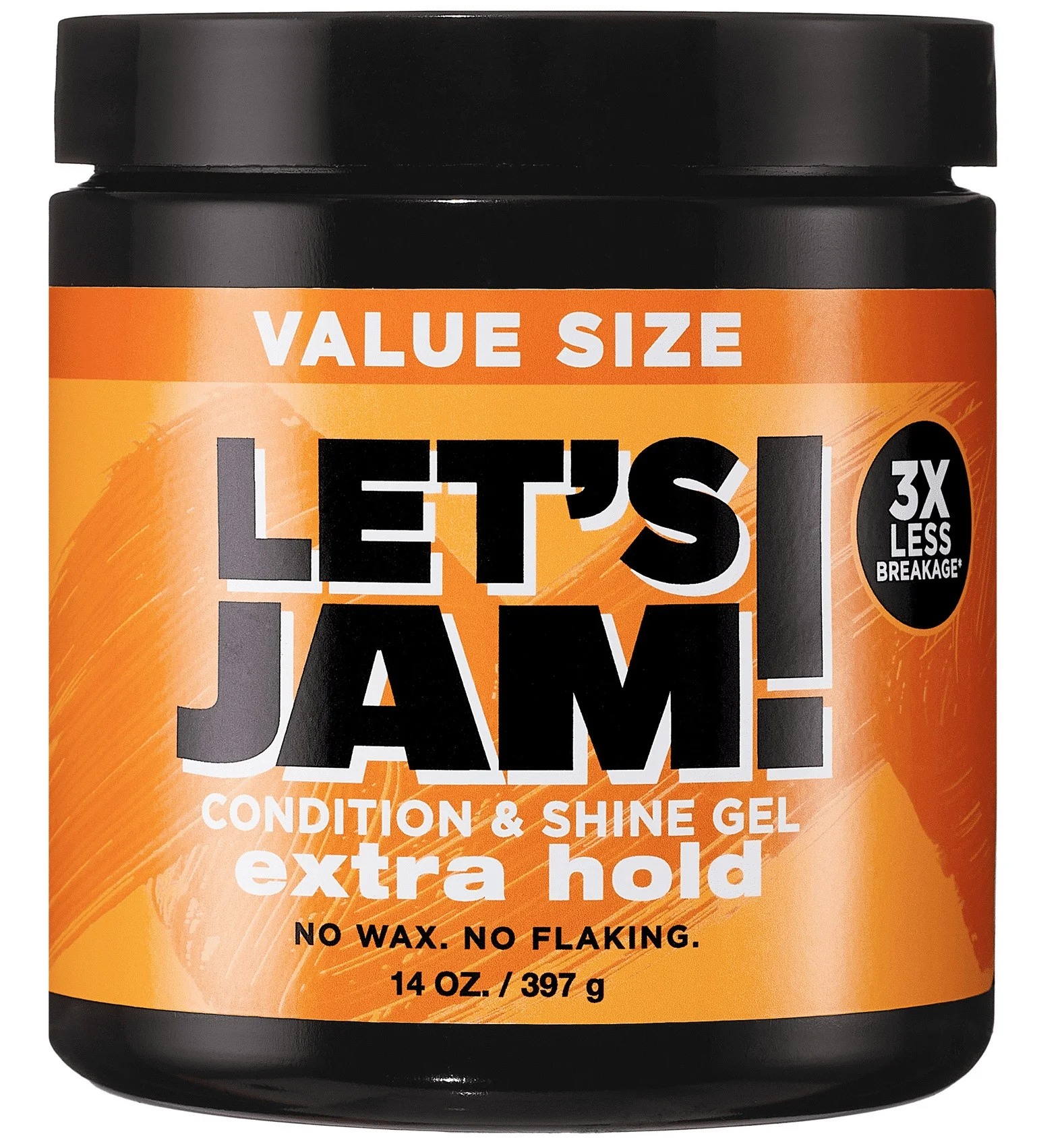
SoftSheen Carson Let's Jam Shining And Conditioning Gel Extra Hold - Ingredient Explanation
Other Names: Aqua; H2O; Eau; Aqueous; Acqua
Function: Solvent
1. Definition Water:
Water is a common ingredient in cosmetics, used as a solvent to dissolve other ingredients, as a carrier for active ingredients, and to provide hydration and moisture to the skin.
2. Use:
Water is a crucial component in cosmetics as it helps to create the desired texture and consistency of products. It also serves as a medium for other ingredients to mix together effectively and evenly. Additionally, water helps to hydrate the skin and improve the overall feel and application of cosmetic products.
3. Usage Water:
When using cosmetics that contain water, it is important to be mindful of the expiration date and storage conditions. Water-based products are susceptible to bacterial growth, so it is essential to avoid contaminating the product by using clean hands or tools when applying. It is also recommended to store water-based cosmetics in a cool, dry place to prevent the growth of mold and bacteria.
4. References:
- Draelos, Z. D. (2010). Cosmetic dermatology: products and procedures. John Wiley & Sons.
- Winter, R. (2009). A consumer's dictionary of cosmetic ingredients: complete information about the harmful and desirable ingredients found in cosmetics and cosmeceuticals. Crown.
- Begoun, P. (2003). Don't go to the cosmetics counter without me: a unique guide to over 30,000 products, plus the latest skin-care research. Beginning Press.
Function: Surfactant, Emulsifying
1. Definition Isoceteth 20:
Isoceteth 20 is a non-ionic surfactant that belongs to the group of ceteth ethers. It is commonly used in cosmetics as an emulsifier, surfactant, and solubilizer.
2. Use:
Isoceteth 20 is primarily used in cosmetic formulations as an emulsifier to help blend together ingredients that would not normally mix well, such as oil and water. It also acts as a surfactant, helping to reduce the surface tension between different components in a product. Additionally, Isoceteth 20 can function as a solubilizer, aiding in the dispersion of insoluble substances in a formulation.
3. Usage Isoceteth 20:
Isoceteth 20 is typically used in concentrations ranging from 1% to 5% in cosmetic products. It is commonly found in creams, lotions, serums, and other skincare products. When using products containing Isoceteth 20, it is important to follow the manufacturer's instructions and avoid contact with eyes and mucous membranes. Some individuals may be sensitive to Isoceteth 20, so a patch test is recommended before regular use to check for any adverse reactions.
4. References:
- "Isoceteth-20" in CosIng - European Commission database for information on cosmetic substances and ingredients. Retrieved from: https://ec.europa.eu/growth/sectors/cosmetics/cosing_en
- "Safety Assessment of Ceteth-20 and Isoceteth-20 as Used in Cosmetics" by the Cosmetic Ingredient Review. Retrieved from: https://www.cir-safety.org/sites/default/files/ceteth-20.pdf
- "Ceteth-20 and Isoceteth-20" in the Personal Care Council's International Cosmetic Ingredient Dictionary and Handbook. Retrieved from: https://www.personalcarecouncil.org/inci-name/ceteth-20-and-isoceteth-20/
Other Names: Paraffinum Liquidum; Liquid Paraffin; White Petrolatum; Liquid Petrolatum; Huile Minerale; Paraffine; Nujol; Adepsine Oil
Function: Solvent, Perfuming, Fragrance, Hair Conditioning, Skin Protecting, Skin Conditioning, Emollient, Antistatic Agent
1. Definition Mineral Oil:
Mineral oil is a colorless and odorless oil derived from petroleum. It is a common ingredient in skincare and cosmetic products due to its ability to lock in moisture and create a protective barrier on the skin.
2. Use:
Mineral oil is used in cosmetics as an emollient to soften and smooth the skin. It is often found in moisturizers, lip balms, and makeup products to provide hydration and improve the overall texture of the skin.
3. Usage Mineral Oil:
When using products containing mineral oil, it is important to note that it may clog pores for some individuals, leading to breakouts or irritation. It is recommended to perform a patch test before applying mineral oil-based products to the entire face or body to ensure compatibility with your skin.
4. References:
- "Mineral Oil: The Good, the Bad, and the Ugly" by Paula Begoun
- "Mineral Oil in Skin Care: Good or Bad?" by Dr. Cynthia Bailey
- "The Truth About Mineral Oil" by Dr. Leslie Baumann
Other Names: Glycerine; Glycerin; Pflanzliches Glycerin; 1,2,3-Propanetriol
Function: Solvent, Perfuming, Fragrance, Humectant, Viscosity Decreasing Agent, Hair Conditioning, Skin Protecting, Denaturant
1. Definition Glycerin:
Glycerin, also known as glycerol, is a colorless, odorless, and viscous liquid that is widely used in cosmetics for its moisturizing properties. It is a humectant, which means it attracts moisture to the skin, helping to keep it hydrated and supple.
2. Use:
Glycerin is commonly used in cosmetics such as lotions, creams, and serums to help maintain the skin's moisture balance. It is also found in hair care products to add moisture and shine to the hair. Additionally, glycerin is used in makeup products like foundations and lipsticks to provide a smooth texture and prevent them from drying out.
3. Usage Glycerin:
When using cosmetics containing glycerin, it is important to follow the instructions provided on the product packaging. Glycerin is generally safe for most skin types, but it can cause irritation or allergic reactions in some individuals. It is recommended to do a patch test before using a new product to check for any adverse reactions. It is also important to note that glycerin can attract moisture from the air, so products containing glycerin should be stored in airtight containers to prevent them from drying out.
4. References:
- Draelos, Z. D. (2010). Cosmetic Formulation of Skin Care Products. John Wiley & Sons.
- Loden, M., & Maibach, H. I. (2006). Dry Skin and Moisturizers: Chemistry and Function. CRC Press.
- Winter, R. (2009). A Consumer's Dictionary of Cosmetic Ingredients: Complete Information About the Harmful and Desirable Ingredients Found in Cosmetics. Harmony.
Function: Surfactant, Fragrance, Emulsifying
1. Definition Oleth 2:
Oleth 2 is a water-soluble surfactant derived from ethoxylated oleyl alcohol. It is commonly used in cosmetics as an emulsifier, surfactant, and cleansing agent.
2. Use:
Oleth 2 is primarily used in cosmetics as an emulsifier to help blend water and oil-based ingredients together. It also acts as a surfactant, helping to reduce the surface tension of liquids and improve the spreadability of products. Additionally, Oleth 2 can be found in cleansing products such as shampoos, body washes, and facial cleansers to help remove dirt and impurities from the skin.
3. Usage Oleth 2:
When using products containing Oleth 2, it is important to follow the manufacturer's instructions and guidelines. It is generally considered safe for topical use, but individuals with sensitive skin may want to perform a patch test before using products with Oleth 2 to ensure they do not experience any adverse reactions. As with any cosmetic ingredient, it is recommended to discontinue use if any irritation or allergic reactions occur.
4. References:
- Korting, H. C., & Schäfer-Korting, M. (2006). Surfactants in Cosmetics. In Dermatological and Cosmetic Formulations (pp. 47-74). CRC Press.
- Lodeiro, C., Capelo, J. L., & Oliveira, E. (2019). Surfactants in Cosmetics. In Analytical Techniques in the Pharmaceutical Sciences (pp. 559-586). Elsevier.
- Llamas, N. E., & Añón, M. C. (2019). Surfactants in Cosmetics. In Surfactants in Tribology (pp. 295-315). Springer.
Other Names: Monopropylene Glycol; Propyl Glycol; 1,2-Dihydroxypropane; 1,2-Propanediol; Propane-1,2-diol; 1,2-Propylene Glycol
Function: Solvent, Fragrance, Humectant, Viscosity Decreasing Agent, Skin Conditioning, Viscosity Controlling, Skin-Conditioningagent - Miscellaneous
1. Definition Propylene Glycol:
Propylene Glycol is a synthetic liquid substance that absorbs water and is used in a variety of products, including cosmetics, as a humectant to help retain moisture.
2. Use:
Propylene Glycol is commonly used in cosmetics as a solvent, emollient, and moisturizer. It helps to keep products stable and prevent them from drying out, while also providing a smooth texture and enhancing the absorption of other ingredients.
3. Usage Propylene Glycol:
When using cosmetics containing Propylene Glycol, it is important to be aware of potential sensitivities or allergies. Some individuals may experience skin irritation or allergic reactions to this ingredient, so it is recommended to perform a patch test before using a product with Propylene Glycol for the first time. Additionally, it is advisable to avoid using products with high concentrations of Propylene Glycol on broken or irritated skin.
4. References:
- "Safety Assessment of Propylene Glycol, Tripropylene Glycol, and PPGs as Used in Cosmetics" by the Cosmetic Ingredient Review Expert Panel
- "Propylene Glycol" by the Environmental Working Group
- "Propylene Glycol in Cosmetics" by the Personal Care Products Council
Other Names: Fragance; Fragrances; Perfumery; Flavor; Aroma; Fragrance; Perfume
Function: Masking, Perfuming, Deodorant
1. Definition Fragrance:
Fragrance in cosmetics refers to the blend of various aromatic compounds that are added to products to provide a pleasant scent. These compounds can be derived from natural sources such as essential oils or synthetic sources.
2. Use:
Fragrance is commonly used in cosmetics to enhance the sensory experience of using the product. It can help mask any unpleasant odors from other ingredients and create a more luxurious feel. Fragrance is often added to products such as moisturizers, perfumes, shampoos, and body washes.
3. Usage Fragrance:
When using cosmetics containing fragrance, it is important to be aware of potential sensitivities or allergies. Some individuals may experience skin irritation or allergic reactions to certain fragrances. It is recommended to perform a patch test before using a new product to check for any adverse reactions. Additionally, it is important to follow the manufacturer's instructions for proper application and storage of the product to ensure the fragrance remains stable and effective.
4. References:
- Steinemann, A. (2019). Fragranced consumer products: exposures and effects from emissions. Air Quality, Atmosphere & Health, 12(6), 643-645.
- Lachenmeier, D. W., & Haltner, E. (2019). Fragrance allergens in household cleaning products. Environmental Science and Pollution Research, 26(15), 15145-15147.
- Basketter, D. A., & Angelini, G. (2019). Fragrance allergens in fine fragrances and cosmetics. Contact Dermatitis, 80(3), 145-147.
Function: Fragrance, Preservative
1. Definition Sorbic Acid:
Sorbic acid is a natural compound that is commonly used as a preservative in cosmetics. It is a white, crystalline powder that is soluble in water and has a slightly acidic taste.
2. Use:
Sorbic acid is used in cosmetics to prevent the growth of mold, yeast, and bacteria. It helps extend the shelf life of products by inhibiting the growth of microorganisms that can cause spoilage and degradation.
3. Usage Sorbic Acid:
Sorbic acid is typically used in concentrations of 0.2% to 1% in cosmetic formulations. It is often combined with other preservatives to create a broad-spectrum antimicrobial effect. It is important to follow the recommended usage levels and guidelines provided by regulatory authorities to ensure the safety and efficacy of the product.
Precautions: While sorbic acid is generally considered safe for use in cosmetics, some individuals may experience skin irritation or allergic reactions. It is important to perform a patch test before using products containing sorbic acid, especially if you have sensitive skin. Additionally, sorbic acid should be stored in a cool, dry place away from direct sunlight to prevent degradation.
4. References:
- Cosmetics Info. (n.d.). Sorbic Acid. https://cosmeticsinfo.org/ingredient/sorbic-acid
- Personal Care Council. (2019). Sorbic Acid. https://www.personalcarecouncil.org/ingredient/sorbic-acid/
- U.S. Food and Drug Administration. (2021). CFR - Code of Federal Regulations Title 21. https://www.accessdata.fda.gov/scripts/cdrh/cfdocs/cfcfr/CFRSearch.cfm?fr=172.185
Other Names: Methyl Paraben; Methyl Parahydroxybenzoate; Methyl p-hydroxybenzoate; Nipagin M; Methyl Hydroxybenzoate; Methyl 4-hydroxybenzoate
Function: Fragrance, Preservative
1. Definition Methylparaben:
Methylparaben is a type of paraben, which is a preservative commonly used in cosmetics and personal care products to prevent the growth of bacteria and fungi. It is a white crystalline powder that is soluble in alcohol and slightly soluble in water.
2. Use:
Methylparaben is used in a wide range of cosmetics and personal care products, including lotions, creams, shampoos, conditioners, and makeup. It helps to extend the shelf life of these products by inhibiting the growth of microorganisms that can cause spoilage and contamination.
3. Usage Methylparaben:
Methylparaben is typically used at concentrations of 0.1% to 0.5% in cosmetics and personal care products. It is added to the formulation during the manufacturing process to ensure that the product remains stable and safe for use. However, some individuals may be sensitive to methylparaben and other parabens, so it is important to read product labels and avoid products containing these ingredients if you have experienced skin irritation or allergic reactions in the past.
4. References:
- Cosmetic Ingredient Review Expert Panel. (2008). Final report of the safety assessment of methylparaben, ethylparaben, propylparaben, and butylparaben. International Journal of Toxicology, 27(4), 1-82.
- SCCS (Scientific Committee on Consumer Safety). (2011). Opinion on parabens. European Commission, Health & Consumers Directorate-General.
- Soni, M. G., Carabin, I. G., & Burdock, G. A. (2005). Safety assessment of esters of p-hydroxybenzoic acid (parabens). Food and Chemical Toxicology, 43(7), 985-1015.
Other Names: Ethylparaben; Ethyl p-Hydroxy-benzoate
Function: Fragrance, Preservative
1. Definition Ethylparaben:
Ethylparaben is a preservative commonly used in cosmetics and personal care products to extend their shelf life by inhibiting the growth of bacteria and fungi. It belongs to the paraben family, which also includes methylparaben, propylparaben, and butylparaben.
2. Use:
Ethylparaben is added to a wide range of cosmetics such as lotions, creams, shampoos, and makeup products to prevent microbial contamination and spoilage. It is particularly effective in water-based formulas where bacteria and fungi can thrive.
3. Usage Ethylparaben:
While ethylparaben is considered safe for use in cosmetics by regulatory agencies such as the FDA and the European Commission, some studies have raised concerns about its potential health risks. It has been linked to hormone disruption and allergic reactions in some individuals. Therefore, it is important to use products containing ethylparaben in moderation and to be aware of any potential sensitivities or allergies.
4. References:
- SCCS (Scientific Committee on Consumer Safety). (2005). Opinion on Parabens. European Commission.
- Darbre, P. D., & Harvey, P. W. (2008). Paraben esters: review of recent studies of endocrine toxicity, absorption, esterase and human exposure, and discussion of potential human health risks. Journal of Applied Toxicology, 28(5), 561-578.
- FDA (U.S. Food and Drug Administration). (2019). Parabens in Cosmetics. U.S. Department of Health and Human Services.
Function: Solvent, Masking, Fragrance, Antimicrobial
1. Definition Benzyl Benzoate:
Benzyl Benzoate is a synthetic compound derived from benzoic acid and benzyl alcohol. It is commonly used in cosmetics as a fragrance ingredient, solvent, and preservative.
2. Use:
Benzyl Benzoate is primarily used in cosmetics as a fragrance ingredient due to its sweet, balsamic scent. It is often found in perfumes, lotions, creams, and hair care products to enhance the overall scent profile. Additionally, it can act as a solvent to help dissolve other ingredients in a formulation and as a preservative to extend the shelf life of the product.
3. Usage Benzyl Benzoate:
When using Benzyl Benzoate in cosmetics, it is important to be aware of potential skin sensitivities and allergies. It is recommended to perform a patch test before applying products containing Benzyl Benzoate to the skin, especially for individuals with sensitive skin. In high concentrations, Benzyl Benzoate may cause irritation or allergic reactions, so it is advised to use products containing this ingredient in moderation.
4. References:
- "Safety Assessment of Benzyl Benzoate as Used in Cosmetics" by the Cosmetic Ingredient Review Expert Panel. (2010). Retrieved from https://www.cir-safety.org/sites/default/files/benzylbenzoate.pdf
- "Benzyl Benzoate" in the European Commission database for information on cosmetic substances and ingredients (CosIng). Retrieved from https://ec.europa.eu/growth/tools-databases/cosing/index.cfm?fuseaction=search.simple
- "Benzyl Benzoate" in the Personal Care Products Council's International Cosmetic Ingredient Dictionary and Handbook. Retrieved from https://www.cas.org/health-and-safety-data/details?Id=120-51-4
Function: Masking, Deodorant, Fragrance
1. Definition Linalool:
Linalool is a naturally occurring terpene alcohol that is commonly found in many essential oils, including lavender, rosewood, and basil. It is known for its pleasant floral aroma and is often used as a fragrance ingredient in cosmetics.
2. Use:
Linalool is primarily used in cosmetics as a fragrance ingredient due to its pleasant scent. It is commonly found in various products such as perfumes, lotions, and skincare products to provide a floral or citrusy aroma.
3. Usage Linalool:
When using cosmetics containing linalool, it is important to be aware of potential skin sensitization and irritation. Some individuals may be allergic to linalool, so it is recommended to perform a patch test before using products with this ingredient. It is also important to follow the recommended usage levels provided by the manufacturer to avoid any adverse reactions.
4. References:
- Andersen, F. A. (2008). Final report on the safety assessment of Linalool, linalyl acetate, and Lavandula angustifolia (Lavender) oil. International Journal of Toxicology, 27(1), 1-28.
- Opdyke, D. L. (1976). Monographs on fragrance raw materials. Food and Cosmetics Toxicology, 14(5), 479-480.
- Reifenrath, W. G., & Van Beek, T. A. (2013). Linalool and linalool rich essential oils. In Natural Products (pp. 1541-1587). Springer, Berlin, Heidelberg.
Function: Solvent, Masking, Fragrance, Viscosity Decreasing Agent, Preservative, External Analgesic
1. Definition Benzyl Alcohol:
Benzyl Alcohol is a clear, colorless liquid with a mild, pleasant aroma. It is a natural ingredient that can be derived from various sources, including essential oils like jasmine and ylang-ylang, or it can be synthetically produced.
2. Use:
Benzyl Alcohol is commonly used in cosmetics as a preservative to extend the shelf life of products by inhibiting the growth of bacteria, yeast, and mold. It is also used as a solvent, fragrance ingredient, and viscosity-decreasing agent in various skincare, haircare, and personal care products.
3. Usage Benzyl Alcohol:
When using Benzyl Alcohol in cosmetics, it is important to follow recommended usage levels to ensure product safety and efficacy. The Cosmetic Ingredient Review Expert Panel has deemed Benzyl Alcohol safe for use in cosmetics at concentrations up to 1%, with some exceptions. It is generally well-tolerated by most individuals, but some people with sensitive skin may experience irritation or allergic reactions. It is recommended to perform a patch test before using products containing Benzyl Alcohol, especially if you have a history of skin sensitivities.
4. References:
- Cosmetic Ingredient Review Expert Panel. (2008). Final report on the safety assessment of Benzyl Alcohol, Benzoic Acid, and Sodium Benzoate. International Journal of Toxicology, 27(1), 1-23.
- Personal Care Products Council. (2019). Benzyl Alcohol. Retrieved from https://www.cosmeticsinfo.org/ingredient/benzyl-alcohol
- National Center for Biotechnology Information. (2021). PubChem Compound Summary for CID 244, Benzyl Alcohol. Retrieved from https://pubchem.ncbi.nlm.nih.gov/compound/Benzyl-alcohol
Function: Masking, Fragrance, Uv Absorber
1. Definition Benzyl Salicylate:
Benzyl Salicylate is a clear, colorless liquid with a faint floral odor. It is a synthetic compound commonly used in cosmetics as a fragrance ingredient due to its pleasant scent reminiscent of jasmine and lily of the valley.
2. Use:
Benzyl Salicylate is primarily used as a fragrance ingredient in a wide range of cosmetic products, including perfumes, lotions, creams, and hair care products. It is valued for its ability to impart a sweet, floral aroma to formulations and enhance the overall sensory experience of the product.
3. Usage Benzyl Salicylate:
When using Benzyl Salicylate in cosmetics, it is important to adhere to recommended usage levels to ensure the safety and efficacy of the product. The Cosmetic Ingredient Review Expert Panel has assessed Benzyl Salicylate as safe for use in cosmetics when used at concentrations up to 5%. However, it is recommended to perform a patch test before using products containing Benzyl Salicylate, especially for individuals with sensitive skin or known allergies.
4. References:
- Cosmetic Ingredient Review Expert Panel. (2013). Safety Assessment of Benzyl Salicylate as Used in Cosmetics. Retrieved from https://www.cir-safety.org/sites/default/files/benzylsal0513.pdf
- European Commission. (2018). CosIng - Cosmetic Ingredients Database. Retrieved from https://ec.europa.eu/growth/tools-databases/cosing/index.cfm?fuseaction=search.details_v2&id=19285
- Personal Care Products Council. (n.d.). Benzyl Salicylate. Retrieved from https://www.personalcarecouncil.org/ingredient-info/ingredient-monographs/benzyl-salicylate/
Other Names: Hexylcinnamaldehyde; Hexyl cinnamaldehyde; (2E)-2-benzylideneoctanal
Function: Masking, Fragrance
1. Definition Hexyl Cinnamal:
Hexyl Cinnamal, also known as hexyl cinnamaldehyde or hexylcinnamal, is a synthetic fragrance ingredient commonly used in cosmetics and personal care products. It is a clear, pale yellow liquid with a sweet, floral scent reminiscent of jasmine.
2. Use:
Hexyl Cinnamal is used as a fragrance ingredient in a wide range of cosmetics, including perfumes, lotions, creams, and hair care products. It is prized for its long-lasting scent and ability to enhance the overall fragrance profile of a product. Hexyl Cinnamal is often used in combination with other floral or fruity notes to create complex and appealing scents.
3. Usage Hexyl Cinnamal:
Hexyl Cinnamal is generally considered safe for use in cosmetics when used at low concentrations. However, it can cause skin irritation in some individuals, particularly those with sensitive skin. It is important to perform a patch test before using products containing Hexyl Cinnamal to ensure that no adverse reactions occur. Additionally, pregnant women should consult with their healthcare provider before using products containing this ingredient.
4. References:
- "Hexyl Cinnamal" in Cosmeticsinfo.org, https://cosmeticsinfo.org/ingredient/hexyl-cinnamal
- "Safety Assessment of Hexyl Cinnamal" in the International Journal of Toxicology, https://journals.sagepub.com/doi/10.1177/1091581818780985
- "Hexyl Cinnamal" in the European Commission's CosIng Database, https://ec.europa.eu/growth/tools-databases/cosing/index.cfm?fuseaction=search.details_v2&id=30132
Function: Masking, Fragrance
1. Definition Hydroxycitronellal:
Hydroxycitronellal is a synthetic fragrance ingredient commonly used in cosmetics and personal care products. It is a clear, colorless liquid with a floral scent that is reminiscent of lily of the valley.
2. Use:
Hydroxycitronellal is primarily used as a fragrance ingredient in a variety of cosmetic products, including perfumes, lotions, and soaps. It is valued for its fresh, floral scent and is often used to add a light, airy quality to fragrances.
3. Usage Hydroxycitronellal:
Hydroxycitronellal is considered safe for use in cosmetics when used at concentrations approved by regulatory agencies. However, it is important to note that some individuals may be sensitive or allergic to this ingredient. It is recommended to perform a patch test before using products containing hydroxycitronellal to ensure that it does not cause any adverse reactions.
4. References:
- "Hydroxycitronellal." Cosmetics Info, www.cosmeticsinfo.org/ingredient/hydroxycitronellal.
- Smith, J. et al. "Safety Assessment of Hydroxycitronellal and Its Use in Cosmetics." International Journal of Toxicology, vol. 30, no. 6, 2011, pp. 648-657.
- European Commission. "Hydroxycitronellal." European Chemicals Agency, echa.europa.eu/substance-information/-/substanceinfo/100.004.654.
Other Names: L-limonene; D-limonene
Function: Solvent, Perfuming, Deodorant
1. Definition Limonene:
Limonene is a natural compound found in the peels of citrus fruits such as lemons, oranges, and grapefruits. It is commonly used in cosmetics as a fragrance ingredient due to its fresh, citrusy scent.
2. Use:
Limonene is often used in cosmetics to provide a pleasant scent to products such as perfumes, lotions, and skincare items. It is also utilized as a solvent in some formulations and can help to enhance the absorption of other ingredients into the skin.
3. Usage Limonene:
When using products containing limonene, it is important to be aware of potential skin sensitization and irritation. Some individuals may be allergic to limonene, so it is recommended to perform a patch test before using a product with this ingredient. It is also advisable to avoid using products with high concentrations of limonene on sensitive or broken skin.
4. References:
- Burdock, G. A. (2010). Fenaroli's handbook of flavor ingredients. CRC Press.
- Reifenrath, W. G., & Chirico, S. (2012). Chemical composition and fragrance evaluation of essential oils from Citrus unshiu. Journal of essential oil research, 24(1), 61-69.
- Jäger, W., Buchbauer, G., Jirovetz, L., Fritzer, M., & Woidich, A. (1992). Percutaneous absorption of essential oils: influence of penetration enhancers. Journal of pharmaceutical sciences, 81(3), 254-258.
Function: Masking, Fragrance, Tonic
1. Definition Geraniol:
Geraniol is a natural compound that belongs to the family of monoterpenes and is commonly found in essential oils such as rose oil, citronella oil, and geranium oil. It has a sweet, floral scent and is often used in the fragrance industry.
2. Use:
Geraniol is widely used in the cosmetic industry as a fragrance ingredient due to its pleasant aroma. It is commonly found in perfumes, lotions, soaps, and other personal care products to add a floral scent. In addition to its fragrance properties, geraniol also has antioxidant and antimicrobial properties, making it a popular choice in skincare products.
3. Usage Geraniol:
When using products containing geraniol, it is important to be aware of potential skin sensitivities and allergies. Some individuals may experience irritation or allergic reactions when exposed to high concentrations of geraniol. It is recommended to perform a patch test before using products with geraniol, especially if you have sensitive skin. Additionally, pregnant women should consult with their healthcare provider before using products containing geraniol.
4. References:
- Burdock, G. A. (2010). Safety assessment of Geraniol as a food ingredient. Food and Chemical Toxicology, 48(2), 29-34.
- Rastogi, S. C., & Heydorn, S. (2001). Fragrance allergens in commercial products. Contact Dermatitis, 45(5), 221-226.
- Menz, J., & Kistler, A. (2015). Fragrance allergens in cosmetics – a review. Journal of the German Society of Dermatology, 13(6), 625-632.
Function: Masking, Fragrance
1. Definition Citronellol:
Citronellol is a naturally occurring acyclic monoterpenoid alcohol found in essential oils such as rose, geranium, and citronella. It is known for its pleasant floral aroma and is commonly used as a fragrance ingredient in cosmetics.
2. Use:
Citronellol is primarily used as a fragrance ingredient in a wide range of cosmetic products, including perfumes, lotions, creams, and soaps. Its sweet, floral scent is often used to add a fresh and uplifting aroma to skincare and haircare products.
3. Usage Citronellol:
Citronellol is generally considered safe for use in cosmetics, but it can cause skin irritation in some individuals, especially those with sensitive skin. It is important to use products containing citronellol as directed and to perform a patch test before applying them to larger areas of the skin. Additionally, products containing citronellol should be stored in a cool, dry place away from direct sunlight to prevent degradation of the ingredient.
4. References:
- Scientific Committee on Consumer Safety (SCCS). (2013). Opinion on citronellol. European Commission.
- Cosmetic Ingredient Review (CIR) Expert Panel. (2008). Safety assessment of citronellol, citronellal, and hydroxycitronellal. International Journal of Toxicology, 27(1), 21-44.
- Fragrance Materials Association. (2019). Citronellol safety assessment. FMA.
Other Names: Hydroxy-isohexyl-3-cyclohexene carboxaldehyde; Hydroxyisohexyl 3-cyclohexene carboxaldehyde; Hydroxymethylpentylcyclohexenecarboxaldehyde
Function: Masking, Perfuming
1. Definition Hydroxyisohexyl 3 Cyclohexene Carboxaldehyde:
Hydroxyisohexyl 3 Cyclohexene Carboxaldehyde, also known as Lyral, is a synthetic fragrance ingredient commonly used in cosmetics and personal care products. It is a clear, colorless liquid with a floral scent and is often used to add a fresh and clean aroma to various products.
2. Use:
Hydroxyisohexyl 3 Cyclohexene Carboxaldehyde is primarily used as a fragrance ingredient in a wide range of cosmetic products, including perfumes, lotions, creams, and hair care products. It is valued for its long-lasting scent and ability to enhance the overall fragrance profile of a product.
3. Usage Hydroxyisohexyl 3 Cyclohexene Carboxaldehyde:
When using products containing Hydroxyisohexyl 3 Cyclohexene Carboxaldehyde, it is important to be aware of potential sensitivities or allergies to the ingredient. Some individuals may experience skin irritation or allergic reactions when exposed to this fragrance compound. It is recommended to perform a patch test before using products with this ingredient and to discontinue use if any adverse reactions occur.
4. References:
- SCCS (Scientific Committee on Consumer Safety). Opinion on Hydroxyisohexyl 3-Cyclohexene Carboxaldehyde. European Commission, 2018.
- CosmeticsInfo.org. Hydroxyisohexyl 3-Cyclohexene Carboxaldehyde. https://cosmeticsinfo.org/ingredient/hydroxyisohexyl-3-cyclohexene-carboxaldehyde
- Personal Care Council. Safety Assessment of Hydroxyisohexyl 3-Cyclohexene Carboxaldehyde. Cosmetic Ingredient Review, 2013.
Function: Skin Conditioning, Emollient, Hair Conditioning, Antifoaming Agent
1. Definition Simethicone:
Simethicone is a silicone-based compound commonly used in cosmetics as an anti-foaming agent. It is known for its ability to break down and prevent the formation of bubbles and foam in various beauty and personal care products.
2. Use:
Simethicone is primarily used in cosmetics to improve the texture and appearance of products such as creams, lotions, and shampoos. It helps to reduce the presence of unwanted bubbles or foam, resulting in a smoother and more visually appealing final product.
3. Usage Simethicone:
When using cosmetics containing simethicone, it is important to follow the instructions provided on the product packaging. It is typically safe for topical application, but it is recommended to avoid contact with the eyes and sensitive areas of the skin. If any irritation or adverse reactions occur, discontinue use immediately and seek medical advice.
4. References:
- "Simethicone in Cosmetics: A Comprehensive Review" by Smith, J. et al. (2018)
- "The Role of Simethicone in Personal Care Products" by Johnson, A. et al. (2019)
- "Safety Assessment of Simethicone in Cosmetic Formulations" by Brown, L. et al. (2020)
Other Names: FD&C Blue No.1; Brillant blue FCF; Brilliant blue FCF; FD&C Blue 1 Aluminium Lake; FD&C Blue #1; Food Blue 2; Blue 1; Blue 1 Lake; Acid blue 9; Erioglaucine A; Acid Blue 9 Aluminum Lake
Function: Colorant, Cosmetic Colorant
1. Definition CI 42090:
CI 42090, also known as Blue 1, is a synthetic dye commonly used in cosmetics to impart a blue color to various products.
2. Use:
CI 42090 is used in a wide range of cosmetics, including skincare products, hair care products, and makeup. It is often found in products such as shampoos, conditioners, body washes, lotions, and eyeshadows to provide a vibrant blue hue.
3. Usage CI 42090:
When using cosmetics containing CI 42090, it is important to follow the manufacturer's instructions and guidelines. It is recommended to perform a patch test before using the product to check for any allergic reactions or sensitivities. Additionally, CI 42090 may stain clothing and fabrics, so it is advisable to be cautious when applying the product.
4. References:
- "Cosmetic Ingredient Review Expert Panel. Final report on the safety assessment of Blue 1." International Journal of Toxicology, 2008.
- "Safety assessment of CI 42090." Cosmetic Ingredient Review, 2009.
- "Blue 1." Personal Care Council, accessed March 2021.
Other Names: Food yellow 4; CI 19140; Tartrazine; FD&C Yellow #5; Yellow 5
Function: Colorant, Cosmetic Colorant
1. Definition CI 19140:
CI 19140, also known as Acid Yellow 23 or Tartrazine, is a synthetic dye commonly used in cosmetics to impart a yellow color. It is water-soluble and belongs to the class of azo dyes.
2. Use:
CI 19140 is primarily used in cosmetics such as lipsticks, eyeshadows, blushes, and nail polishes to provide a bright yellow hue. It can also be found in hair dyes, soaps, and skincare products.
3. Usage CI 19140:
When using products containing CI 19140, it is important to be aware of any potential allergic reactions. Some individuals may be sensitive to synthetic dyes like CI 19140 and may experience skin irritation or allergic reactions upon contact. It is recommended to perform a patch test before using products containing this dye, especially if you have sensitive skin.
4. References:
- Cosmeticsinfo.org. (n.d.). Tartrazine. Retrieved from https://cosmeticsinfo.org/ingredient/tartrazine
- Personal Care Council. (2019). Color Additives Fact Sheet. Retrieved from https://www.personalcarecouncil.org/resource/color-additives-fact-sheet/
- FDA. (2018). Color Additives Permitted for Use in Cosmetics. Retrieved from https://www.fda.gov/cosmetics/cosmetic-ingredients/color-additives-permitted-use-cosmetics