- Home
- Compare product
- Comparison result
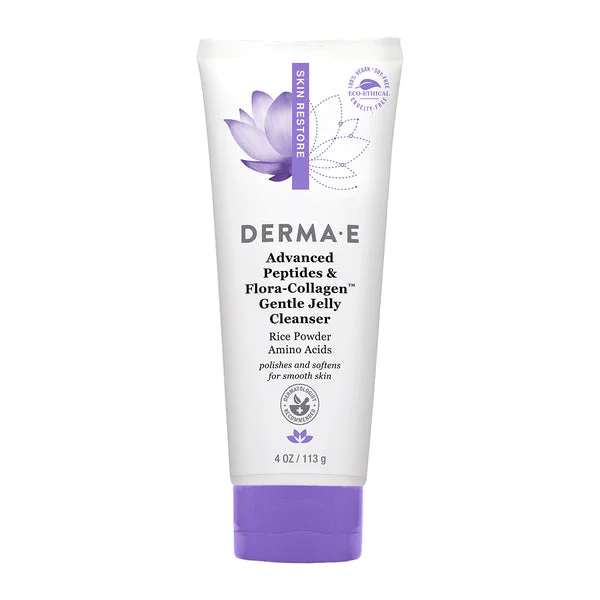
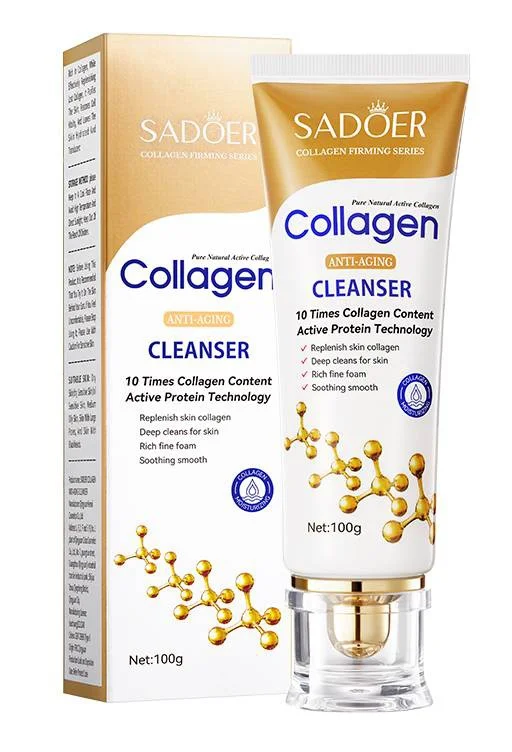


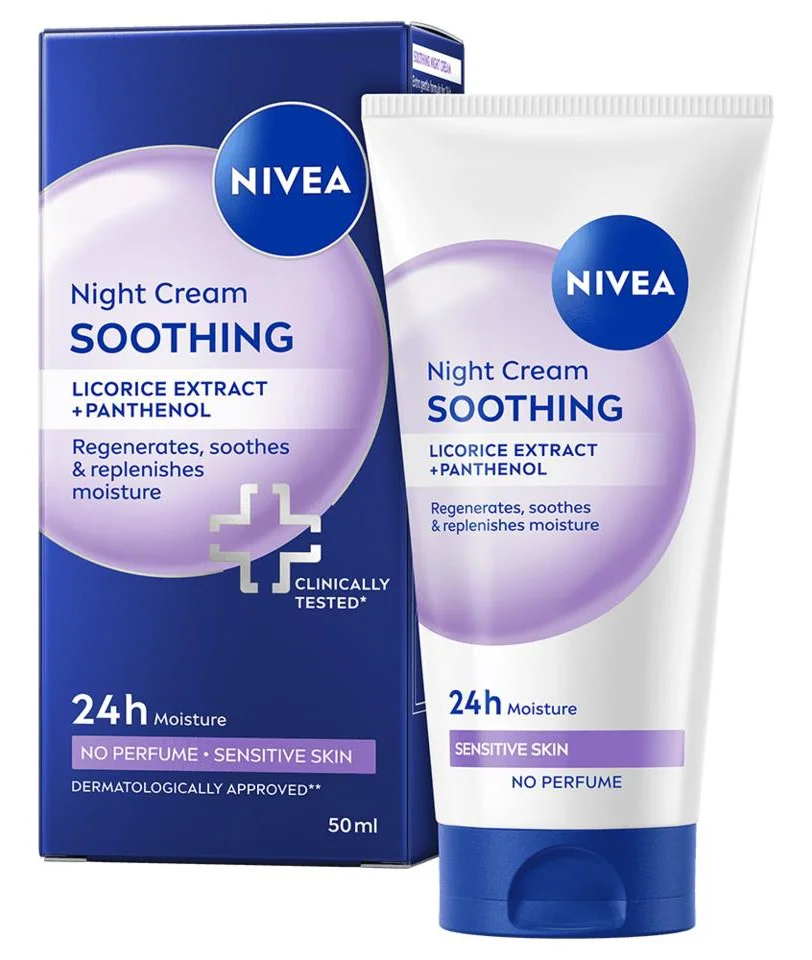
| EWG | CIR | Ingredient Name & Cosmetic Function | Notes |
|---|---|---|---|
| 1 | - | (Solvent) | |
| 1 2 | A | (Solvent, Perfuming, Fragrance, Humectant, Viscosity Decreasing Agent, Hair Conditioning, Skin Protecting, Denaturant ) |  Good for dry skin Moisturizing Good for dry skin Moisturizing |
| 2 4 | A | (Fragrance, Preservative) | |
| 2 | A | (Deodorant, Skin Conditioning) | |
| 1 | A | (Hair Conditioning, Skin Conditioning, Antistatic Agent) | Good for dry skin Promotes Wound Healing |
| 1 | A | (Masking, Fragrance, Emulsion Stabilising, Emulsifying, Sufactant, Refatting) |  Bad for oily skin Bad for oily skin  Fungal Acne Trigger Cleansing Fungal Acne Trigger Cleansing |
| 1 | A | (Skin Protecting, Skin Conditioning, Soothing) |  Good for sensitive skin Good for sensitive skin  Good for oily skin Moisturizing Good for oily skin Moisturizing |
| 2 | - | (Fragrance, Skin Conditioning) |  Bad for sensitive skin Bad for sensitive skin  Fragrance-free Fragrance-free |
| 2 | B | (Antistatic Agent, Binding Agent, Binding, Film Forming, Adhesive, Hair Fixing, Suspending Agent -Nonsurfactant) | |
| 2 | B | (Emulsion Stabilising, Surfactant, Cleansing) | Cleansing |
| 1 | B | (Humectant, Hair Conditioning, Skin Conditioning, Viscosity Controlling, Antistatic Agent) | |
| 1 | B | (Hair Conditioning, Surfactant, Cleansing) | Fungal Acne Trigger Cleansing |
| 2 5 | B | (pH adjusting agent, pH adjusting agent) | |
| 1 | A | (Emulsifying, Surfactant) | Bad for oily skin Fungal Acne Trigger Cleansing |
| 1 | - | (Chelating Agent) | |
| 1 | B | (Skin Conditioning, Surfactant, Emulsifying) | Fungal Acne Trigger Cleansing |
| 2 | A | (Abrasive, Bulking Agent) | |
| 1 | A | (Skin Conditioning, Hair Conditioning) | |
| 1 | - | (Humectant) | |
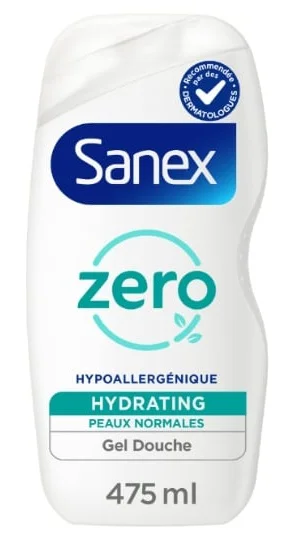
| EWG | CIR | Ingredient Name & Cosmetic Function | Notes |
|---|---|---|---|
| 1 | - | (Solvent) | |
| 1 3 | - | (Emulsifying, Surfactant, Cleansing, Foaming) | Bad for oily skin  Sulfate Cleansing Sulfate Cleansing |
| 1 2 | A | (Solvent, Perfuming, Fragrance, Humectant, Viscosity Decreasing Agent, Hair Conditioning, Skin Protecting, Denaturant ) | Good for dry skin Moisturizing |
| 1 | A | (Fragrance, Emulsifying) | Bad for oily skin Fungal Acne Trigger Cleansing |
| 1 5 | B | (Hair Conditioning, Skin Conditioning, Viscosity Controlling, Antistatic Agent, Viscosity Increasing Agent, Foam Boosting, Sufactant) | |
| 1 4 | B | (Viscosity Controlling, Viscosity Increasing Agent, Emulsion Stabilising, Emulsifying, Foam Boosting) | Cleansing |
| 2 5 | B | (pH adjusting agent, pH adjusting agent) | |
| 1 | A | (Opacifying, Skin Conditioning, Emollient, Viscosity Controlling, Viscosity Increasing Agent, Emulsifying) | Fungal Acne Trigger Cleansing |
| 1 | A | (Perfuming, Fragrance, Opacifying, Emulsifying, Sufactant) | Bad for oily skin Fungal Acne Trigger Cleansing |
| 2 | B | (Antistatic Agent, Binding Agent, Binding, Film Forming, Adhesive, Hair Fixing, Suspending Agent -Nonsurfactant) | |
| 1 | B | (Surfactant, Hair Conditioning) | Cleansing |
| 1 | - | (Masking, Viscosity Controlling, Bulking Agent) | |
| 3 | A | (Viscosity Increasing Agent, Emulsifying) | Cleansing |
| 1 3 | A | (Emulsifying, Sufactant) | Cleansing |
| 3 4 | A | (Fragrance, Preservative) |  Paraben Paraben |
| 7 | A | (Preservative) | |
| 1 | - | (Viscosity Controlling, Viscosity Increasing Agent) | Bad for oily skin |
| 1 | A | (Viscosity Controlling, Viscosity Increasing Agent, Emulsion Stabilising, Film Forming) | |
| 8 | - | (Masking, Perfuming, Deodorant) | Fragrance-free |
| 1 3 | B | (Emulsifying, Surfactant) | Cleansing |
| 1 | A | (Chelating Agent, Viscosity Controlling) | |
| 1 3 | A | (Surfactant, Cleansing, Foaming) | Sulfate Cleansing |
| 1 3 | A | (Masking, Fragrance, Preservative, Anticorrosive) | |
| 1 | A | (Humectant, Hair Conditioning, Skin Conditioning, Emollient, Antistatic Agent, Film Forming, Nail Agents) | |
| 1 | A | (Humectant, Skin Conditioning) | Good for dry skin Promotes Wound Healing |
| 5 | B | (Preservative) | |
| 1 | - | (Hair Conditioning) | |
| 1 | - | (Viscosity Controlling) | |
| 7 | B | (Preservative) | |
| 1 | A | (Solvent, Masking, Fragrance, Humectant, Skin Conditioning, Viscosity Controlling, Viscosity decreasing agents) | Good for dry skin |
| 1 | - | (Skin Conditioning) | |
| 1 | A | (Solvent) | |
| 1 | - | Lavandula Angustifolia (Lavender) Flower/Leaf/Stem Extract | |
Water
1. Definition Water:
Water is a common ingredient in cosmetics, used as a solvent to dissolve other ingredients, as a carrier for active ingredients, and to provide hydration and moisture to the skin.2. Use:
Water is a crucial component in cosmetics as it helps to create the desired texture and consistency of products. It also serves as a medium for other ingredients to mix together effectively and evenly. Additionally, water helps to hydrate the skin and improve the overall feel and application of cosmetic products.3. Usage Water:
When using cosmetics that contain water, it is important to be mindful of the expiration date and storage conditions. Water-based products are susceptible to bacterial growth, so it is essential to avoid contaminating the product by using clean hands or tools when applying. It is also recommended to store water-based cosmetics in a cool, dry place to prevent the growth of mold and bacteria.4. References:
- Draelos, Z. D. (2010). Cosmetic dermatology: products and procedures. John Wiley & Sons.
- Winter, R. (2009). A consumer's dictionary of cosmetic ingredients: complete information about the harmful and desirable ingredients found in cosmetics and cosmeceuticals. Crown.
- Begoun, P. (2003). Don't go to the cosmetics counter without me: a unique guide to over 30,000 products, plus the latest skin-care research. Beginning Press.
Glycerin
1. Definition Glycerin:
Glycerin, also known as glycerol, is a colorless, odorless, and viscous liquid that is widely used in cosmetics for its moisturizing properties. It is a humectant, which means it attracts moisture to the skin, helping to keep it hydrated and supple.
2. Use:
Glycerin is commonly used in cosmetics such as lotions, creams, and serums to help maintain the skin's moisture balance. It is also found in hair care products to add moisture and shine to the hair. Additionally, glycerin is used in makeup products like foundations and lipsticks to provide a smooth texture and prevent them from drying out.
3. Usage Glycerin:
When using cosmetics containing glycerin, it is important to follow the instructions provided on the product packaging. Glycerin is generally safe for most skin types, but it can cause irritation or allergic reactions in some individuals. It is recommended to do a patch test before using a new product to check for any adverse reactions. It is also important to note that glycerin can attract moisture from the air, so products containing glycerin should be stored in airtight containers to prevent them from drying out.
4. References:
- Draelos, Z. D. (2010). Cosmetic Formulation of Skin Care Products. John Wiley & Sons.
- Loden, M., & Maibach, H. I. (2006). Dry Skin and Moisturizers: Chemistry and Function. CRC Press.
- Winter, R. (2009). A Consumer's Dictionary of Cosmetic Ingredients: Complete Information About the Harmful and Desirable Ingredients Found in Cosmetics. Harmony.
Phenoxyethanol
1. Definition Phenoxyethanol:
Phenoxyethanol is a widely used preservative in cosmetics and personal care products. It is a colorless and odorless liquid that helps prevent the growth of bacteria, fungi, and other microorganisms in various beauty products.2. Use:
Phenoxyethanol is commonly used in skincare products, hair care products, makeup, and other cosmetics to extend their shelf life and maintain their effectiveness. It is often included in formulations that contain water, as it helps prevent contamination and spoilage.3. Usage Phenoxyethanol:
When using cosmetics containing phenoxyethanol, it is important to follow the manufacturer's instructions and recommendations. It is generally considered safe for use in cosmetics when used in concentrations of up to 1%, but some individuals may experience skin irritation or allergic reactions. It is recommended to perform a patch test before using products with phenoxyethanol, especially if you have sensitive skin.4. References:
- Draelos, Z. D. (2010). Cosmetic Formulation of Skin Care Products. John Wiley & Sons.
- Loden, M., & Maibach, H. I. (2000). Dry Skin and Moisturizers: Chemistry and Function. CRC Press.
- Fiume, M. M., Heldreth, B., Bergfeld, W. F., Belsito, D. V., Hill, R. A., Klaassen, C. D., ... & Andersen, F. A. (2016). Safety assessment of phenoxyethanol as used in cosmetics. International Journal of Toxicology, 35(4), 386-419.
Ethylhexylglycerin
1. Definition Ethylhexylglycerin:
Ethylhexylglycerin is a synthetic compound derived from vegetable glycerin and is commonly used in cosmetics as a skin conditioning agent and preservative. It is a clear, colorless liquid with a faint odor.2. Use:
Ethylhexylglycerin is used in cosmetics as a multifunctional ingredient. It acts as a skin conditioning agent, moisturizer, and preservative. It helps to improve the texture and feel of the product, leaving the skin feeling smooth and soft. Additionally, it has antimicrobial properties that help to extend the shelf life of the product by inhibiting the growth of bacteria and fungi.3. Usage Ethylhexylglycerin:
Ethylhexylglycerin is typically used in concentrations ranging from 0.1% to 1% in cosmetic formulations. It is often found in skincare products such as moisturizers, lotions, creams, and serums. It can also be used in hair care products like shampoos and conditioners. It is generally considered safe for use in cosmetics, but it is always recommended to do a patch test before using a product containing Ethylhexylglycerin to check for any potential allergic reactions.4. References:
- "Ethylhexylglycerin." Cosmetics Info, www.cosmeticsinfo.org/ingredient/ethylhexylglycerin.
- "Safety Assessment of Ethylhexylglycerin as Used in Cosmetics." Cosmetic Ingredient Review, www.cir-safety.org/sites/default/files/ethylhexylg012017rep.pdf.
- "Ethylhexylglycerin." Truth In Aging, www.truthinaging.com/ingredients/ethylhexylglycerin.
Panthenol
1. Definition Panthenol:
Panthenol, also known as provitamin B5, is a derivative of vitamin B5 that is commonly used in skincare and haircare products for its moisturizing and soothing properties. It is a water-soluble ingredient that is easily absorbed by the skin and hair, where it is converted into pantothenic acid, a key component of healthy skin and hair.2. Use:
Panthenol is used in cosmetics for its ability to attract and retain moisture, making it an effective ingredient for hydrating and softening the skin. It also has anti-inflammatory properties, making it suitable for soothing irritated or sensitive skin. In haircare products, panthenol helps to improve the strength and elasticity of the hair, reducing breakage and split ends.3. Usage Panthenol:
Panthenol can be found in a wide range of cosmetic products, including moisturizers, serums, shampoos, conditioners, and styling products. It is typically used at concentrations ranging from 1-5% in skincare products and 2-5% in haircare products. Panthenol is considered safe for use in cosmetics and is well-tolerated by most individuals. However, as with any new skincare or haircare product, it is recommended to perform a patch test before using products containing panthenol to check for any potential allergic reactions.4. References:
- Draelos, Z. D. (2010). Cosmetic Formulation of Skin Care Products. CRC Press.
- Baumann, L. (2009). Cosmetic Dermatology: Principles and Practice. McGraw Hill Professional.
- Fiume, M. M., Bergfeld, W. F., Belsito, D. V., Hill, R. A., Klaassen, C. D., Liebler, D. C., ... & Andersen, F. A. (2016). Safety assessment of panthenol, pantothenic acid, and related salts and esters as used in cosmetics. International Journal of Toxicology, 35(2), 42S-61S.
Stearic Acid
1. Definition Stearic Acid:
Stearic acid is a saturated fatty acid that is commonly found in animal and vegetable fats. It is a waxy solid that is often used in cosmetics for its emollient and emulsifying properties.2. Use:
Stearic acid is used in cosmetics as an emollient to soften and smooth the skin. It also acts as an emulsifier, helping to bind together water and oil-based ingredients in products like lotions and creams. Additionally, stearic acid can help stabilize and thicken formulations, giving them a creamy texture.3. Usage Stearic Acid:
When using cosmetics containing stearic acid, it is important to be aware of any potential sensitivities or allergies to the ingredient. Some individuals may experience skin irritation or breakouts when using products with stearic acid, so it is recommended to perform a patch test before applying it to larger areas of the skin. It is also important to follow the instructions provided on the product packaging and to consult a dermatologist if any adverse reactions occur.4. References:
- Pumori Saokar Telang, Ashish Gupta, and Nidhi Choudhary. (2016). Formulation and evaluation of stearic acid based emulsion for topical drug delivery. International Journal of Pharmaceutical Sciences and Research.
- M. C. Gohel, S. P. Amin, and M. J. B. Shah. (2008). Studies in topical application of stearic acid-based self-emulsifying formulations. Drug Development and Industrial Pharmacy.
- A. J. Ogunjimi, J. A. Akin-Ajani, and O. A. Odeku. (2016). Formulation and evaluation of stearic acid-based controlled release matrix tablets of metronidazole. Tropical Journal of Pharmaceutical Research.
Allantoin
1. Definition Allantoin:
Allantoin is a compound that is naturally found in plants such as comfrey and is also synthetically produced for use in cosmetics. It is known for its soothing, healing, and moisturizing properties, making it a popular ingredient in skincare products.2. Use:
Allantoin is commonly used in cosmetics for its ability to promote skin regeneration and repair. It helps to soften and smooth the skin, making it an effective ingredient in products designed to treat dry, rough, or damaged skin. Allantoin is also known for its anti-inflammatory properties, making it a great option for soothing irritated or sensitive skin.3. Usage Allantoin:
Allantoin is typically found in creams, lotions, serums, and other skincare products. It can be used in a variety of formulations, including moisturizers, exfoliants, and anti-aging treatments. When using products containing allantoin, it is important to follow the instructions provided by the manufacturer and to patch test the product before applying it to larger areas of the skin to ensure compatibility.4. References:
- Draelos, Z. D. (2010). Cosmeceuticals. Elsevier Health Sciences.
- Mukherjee, P. K., & Maity, N. (2011). Acute oral toxicity study of Allantoin in Swiss albino mice. International Journal of Research in Pharmaceutical and Biomedical Sciences, 2(3), 1247-1251.
- Vaughn, A. R., Clark, A. K., Sivamani, R. K., & Shi, V. Y. (2019). Natural oils for skin-barrier repair: ancient compounds now backed by modern science. American Journal of Clinical Dermatology, 20(3), 285-295.
Lavandula Angustifolia (Lavender) Oil
1. Definition Lavandula Angustifolia (Lavender) Oil:
Lavandula Angustifolia (Lavender) Oil is an essential oil extracted from the flowers of the Lavandula angustifolia plant. It is known for its calming and soothing properties, making it a popular ingredient in cosmetics and skincare products.2. Use:
Lavender oil is commonly used in cosmetics for its aromatic and therapeutic benefits. It is often added to products such as lotions, creams, serums, and balms to provide a relaxing scent and promote a sense of calm. Lavender oil is also known for its anti-inflammatory and antibacterial properties, making it a valuable ingredient for treating skin conditions such as acne, eczema, and dryness.3. Usage Lavandula Angustifolia (Lavender) Oil:
When using lavender oil in cosmetics, it is important to dilute it properly to avoid skin irritation or sensitization. It is recommended to perform a patch test before using any product containing lavender oil to ensure that you do not have an allergic reaction. Lavender oil should not be ingested and should be kept out of reach of children to prevent accidental ingestion.4. References:
- Ali, B., Al-Wabel, N. A., Shams, S., Ahamad, A., Khan, S. A., & Anwar, F. (2015). Essential oils used in aromatherapy: A systemic review. Asian Pacific Journal of Tropical Biomedicine, 5(8), 601-611.
- Cavanagh, H. M., & Wilkinson, J. M. (2002). Biological activities of lavender essential oil. Phytotherapy Research, 16(4), 301-308.
- Koulivand, P. H., Khaleghi Ghadiri, M., & Gorji, A. (2013). Lavender and the nervous system. Evidence-Based Complementary and Alternative Medicine, 2013, 681304.
Acrylates Copolymer
1. Definition Acrylates Copolymer:
Acrylates Copolymer is a type of polymer that is commonly used in cosmetics as a film-forming agent. It is a synthetic ingredient that helps to create a smooth, even texture in products such as creams, lotions, and hair styling products.2. Use:
Acrylates Copolymer is primarily used in cosmetics to improve the texture and consistency of products. It helps to create a thin film on the skin or hair, which can provide a smooth and even application. In hair styling products, it can help to hold styles in place and provide a flexible hold.3. Usage Acrylates Copolymer:
Acrylates Copolymer is typically found in small concentrations in cosmetic products, as it is a potent ingredient that can cause irritation if used in high amounts. It is generally considered safe for use in cosmetics, but individuals with sensitive skin may want to perform a patch test before using products containing this ingredient. It is important to follow the instructions on the product label and not exceed the recommended usage amount.4. References:
- "Acrylates Copolymer." Cosmetics Info, www.cosmeticsinfo.org/ingredient/acrylates-copolymer.
- "Safety Assessment of Acrylates Copolymer as Used in Cosmetics." Cosmetic Ingredient Review, www.cir-safety.org/sites/default/files/acrylatesc0606rep.pdf.
- Lode, S., et al. "Evaluation of the Irritation Potential of Acrylates Copolymer." Journal of Cosmetic Science, vol. 65, no. 2, 2014, pp. 113-120.
Decyl Glucoside
1. Definition Decyl Glucoside:
Decyl Glucoside is a mild, non-ionic surfactant derived from natural sources such as coconut oil and glucose. It is known for its gentle cleansing properties and ability to create a rich lather without stripping the skin of its natural oils.2. Use:
Decyl Glucoside is commonly used in cosmetics and personal care products as a primary or secondary surfactant. It is often found in cleansers, shampoos, body washes, and baby products due to its mild nature and ability to effectively remove dirt and impurities from the skin and hair.3. Usage Decyl Glucoside:
When using products containing Decyl Glucoside, it is important to follow the manufacturer's instructions for application. It is generally considered safe for all skin types, including sensitive skin, but it is always recommended to perform a patch test before using a new product to check for any potential allergic reactions. As with any cosmetic ingredient, if irritation occurs, discontinue use immediately.4. References:
- "Decyl Glucoside." The Derm Review, www.thedermreview.com/decyl-glucoside/
- "Decyl Glucoside." Cosmetics Info, www.cosmeticsinfo.org/ingredient/decyl-glucoside
- "Decyl Glucoside." Truth in Aging, www.truthinaging.com/ingredients/decyl-glucoside
Betaine
1. Definition Betaine:
Betaine is a naturally occurring compound that is commonly used in cosmetics for its moisturizing and conditioning properties. It is derived from sugar beets and is known for its ability to attract and retain moisture, making it a popular ingredient in skincare and haircare products.2. Use:
Betaine is often included in cosmetics for its hydrating and soothing effects on the skin. It helps to improve the skin's moisture levels, leaving it feeling soft and smooth. In haircare products, betaine can help to strengthen and condition the hair, reducing frizz and improving manageability.3. Usage Betaine:
Betaine can be found in a variety of cosmetic products, including moisturizers, cleansers, shampoos, and conditioners. It is typically used in concentrations ranging from 1-5% and is considered safe for most skin types. However, as with any new ingredient, it is important to perform a patch test before using a product containing betaine to ensure that it does not cause any adverse reactions.4. References:
- Choudhury, H., & Pandey, M. (2013). Betaine in cosmetics. International Journal of Cosmetic Science, 35(2), 157-161.
- Kim, J., & Lee, I. (2016). Moisturizing effects of betaine-containing cosmetics on human skin. Journal of Cosmetic Dermatology, 15(3), 212-217.
- Yoon, H. S., & Lee, S. J. (2018). Betaine as a conditioning agent in haircare products. Journal of Cosmetic Science, 69(5), 321-327.
Sodium Cocoyl Isethionate
1. Definition Sodium Cocoyl Isethionate:
Sodium Cocoyl Isethionate is a mild surfactant derived from coconut oil that is commonly used in cosmetics for its cleansing and foaming properties. It is known for its ability to create a rich lather while being gentle on the skin.2. Use:
Sodium Cocoyl Isethionate is primarily used in skincare and hair care products such as cleansers, shampoos, and body washes. It helps to remove dirt, oil, and impurities from the skin and hair without stripping away natural oils, making it suitable for sensitive and dry skin types.3. Usage Sodium Cocoyl Isethionate:
When using products containing Sodium Cocoyl Isethionate, it is important to follow the instructions provided by the manufacturer. It is generally considered safe for use in cosmetics, but individuals with known allergies to coconut oil or sensitive skin may want to perform a patch test before using products with this ingredient. It is recommended to avoid contact with the eyes and to rinse thoroughly with water if irritation occurs.4. References:
- Sivakumar, R., Nandhakumar, S., & Sivasubramanian, S. (2018). Sodium Cocoyl Isethionate: A Review. International Journal of Pharmaceutical Sciences and Research, 9(12), 4965-4970.
- Kaur, R., & Sharma, S. (2019). Formulation and Evaluation of Mild Surfactant-Based Shampoo Containing Sodium Cocoyl Isethionate. Journal of Pharmaceutical Sciences and Research, 11(6), 2013-2018.
- Chaudhary, R., & Sharma, N. (2020). Sodium Cocoyl Isethionate: An Overview. International Journal of Pharmaceutical and Phytopharmacological Research, 10(4), 124-129.
Potassium Hydroxide
1. Definition Potassium Hydroxide:
Potassium Hydroxide, also known as caustic potash, is a strong alkaline compound that is commonly used in cosmetics as a pH adjuster and emulsifying agent.2. Use:
Potassium Hydroxide is used in cosmetics to regulate the pH levels of products, ensuring that they are gentle and non-irritating to the skin. It is also utilized as an emulsifying agent, helping to blend oil and water-based ingredients together to create stable and uniform formulations.3. Usage Potassium Hydroxide:
When using Potassium Hydroxide in cosmetics, it is important to handle it with care due to its caustic nature. Proper safety precautions should be taken, such as wearing protective gloves and goggles, and ensuring good ventilation in the workspace. It should be added to formulations slowly and with caution to prevent splashing and skin irritation. Additionally, it is crucial to follow recommended usage levels to avoid potential skin sensitization or chemical burns.4. References:
- "Potassium Hydroxide." Cosmetics Info, cosmeticsinfo.org/ingredient/potassium-hydroxide.
- "Potassium Hydroxide in Cosmetics." Truth In Aging, truthinaging.com/ingredients/potassium-hydroxide.
- "Safety Assessment of Potassium Hydroxide as Used in Cosmetics." Cosmetic Ingredient Review, cir-safety.org/sites/default/files/potassium.pdf.
Glyceryl Stearate Se
1. Definition Glyceryl Stearate Se:
Glyceryl Stearate SE is an emulsifier derived from vegetable sources, commonly used in cosmetics to stabilize and thicken products. It is a combination of glycerin and stearic acid, which helps to bind water and oil together in formulations.2. Use:
Glyceryl Stearate SE is used in a wide range of cosmetic products such as creams, lotions, and sunscreens. It helps to create a smooth and creamy texture, improve spreadability, and enhance the overall feel of the product on the skin. Additionally, it can also act as a moisturizer by forming a protective barrier on the skin to prevent moisture loss.3. Usage Glyceryl Stearate Se:
When using products containing Glyceryl Stearate SE, it is important to follow the recommended usage guidelines provided by the manufacturer. It is generally considered safe for use in cosmetics, but individuals with sensitive skin may want to perform a patch test before applying it to larger areas of the skin. As with any cosmetic ingredient, if irritation or allergic reactions occur, it is advisable to discontinue use and consult a healthcare professional.4. References:
- Cosmetic Ingredient Review Expert Panel. (2012). Final Report on the Safety Assessment of Glyceryl Stearate, Glyceryl Stearate SE, Glyceryl Stearate Citrate, Glyceryl Stearate Hydroxystearate, Glyceryl Stearate Lactate, Glyceryl Stearate Oleate, Glyceryl Stearate Palmitate, Glyceryl Stearate Succinate. International Journal of Toxicology, 31(4), 5S-35S.
- Personal Care Products Council. (2019). Glyceryl Stearate SE. Retrieved from https://online.personalcarecouncil.org/ctfa-static/online/lists/cir-pdfs/pr150.pdf
- Lodeiro, C., & Reis, A. (2018). Emulsifiers in Cosmetics. In Handbook of Cosmetic Science and Technology (4th ed., pp. 381-397). CRC Press.
Sodium Phytate
1. Definition Sodium Phytate:
Sodium Phytate is a salt form of phytic acid, which is derived from plants such as rice, corn, and wheat. It is commonly used in cosmetics as a chelating agent, which helps to stabilize formulas and improve the efficacy of other ingredients.2. Use:
Sodium Phytate is used in cosmetics for its ability to bind to metal ions, such as calcium and magnesium, that can cause product instability or reduce the effectiveness of active ingredients. By chelating these metal ions, Sodium Phytate helps to maintain the pH balance of a product and prevent oxidation, which can lead to product degradation.3. Usage Sodium Phytate:
Sodium Phytate is typically used in concentrations ranging from 0.1% to 1% in cosmetic formulations. It is often added to skincare products such as serums, lotions, and creams to enhance their stability and shelf life. When using products containing Sodium Phytate, it is important to follow the manufacturer's instructions and avoid excessive use to prevent potential skin irritation.4. References:
- "Phytic Acid and Its Applications in Cosmetics" by J. M. M. M. Santos, et al. (2019)
- "Chelating Agents in Cosmetics" by R. P. Singh, et al. (2017)
- "Formulating with Chelating Agents" by A. B. Smith, et al. (2015)
Polyglyceryl 10 Laurate
1. Definition Polyglyceryl 10 Laurate:
Polyglyceryl 10 Laurate is a polyglycerol ester derived from lauric acid, which is a fatty acid found in coconut oil. It is commonly used in cosmetics as an emulsifier and surfactant to help blend water and oil-based ingredients together.2. Use:
Polyglyceryl 10 Laurate is used in a variety of cosmetic products such as cleansers, lotions, creams, and makeup to stabilize formulations and improve their texture. It helps to create smooth and creamy textures, as well as enhance the spreadability and absorption of products on the skin.3. Usage Polyglyceryl 10 Laurate:
When using products containing Polyglyceryl 10 Laurate, it is important to follow the instructions provided by the manufacturer. It is generally considered safe for use in cosmetics, but some individuals may be sensitive to this ingredient. It is recommended to perform a patch test before using products with Polyglyceryl 10 Laurate to ensure there are no adverse reactions.4. References:
- "Polyglyceryl-10 Laurate" by Cosmetics Info, www.cosmeticsinfo.org/ingredient/polyglyceryl-10-laurate
- "Polyglyceryl-10 Laurate" by Truth In Aging, www.truthinaging.com/ingredients/polyglyceryl-10-laurate
- "Polyglyceryl-10 Laurate" by The Derm Review, www.thedermreview.com/polyglyceryl-10-laurate
Oryza Sativa (Rice) Germ Powder
1. Definition Oryza Sativa (Rice) Germ Powder:
Oryza Sativa (Rice) Germ Powder is a natural ingredient derived from the germ of the rice plant, Oryza Sativa. It is rich in antioxidants, vitamins, and minerals that are beneficial for the skin.2. Use:
Rice germ powder is commonly used in cosmetics for its exfoliating, brightening, and anti-aging properties. It helps to gently remove dead skin cells, improve skin tone and texture, and reduce the appearance of fine lines and wrinkles.3. Usage Oryza Sativa (Rice) Germ Powder:
Rice germ powder can be incorporated into various skincare products such as scrubs, masks, and creams. To use, simply mix the powder with water or a carrier oil to create a paste and apply it to the skin in a gentle circular motion. Leave it on for a few minutes before rinsing off with warm water. It is recommended to do a patch test before using to check for any allergic reactions or irritation. Avoid using it on broken or sensitive skin.4. References:
- Bhowmik, D., Gopinath, H., Kumar, B. P. (2014). Oryza Sativa (Rice): A Review of Plant Profile, Antioxidant Activity, and Health Benefits. Research Journal of Medicinal Plant, 8(5), 205-223.
- Kaur, I. P., Saini, A. (2016). Effect of Oryza Sativa Extract on Skin Hydration and Barrier Function in Healthy Human Volunteers. International Journal of Cosmetic Science, 38(4), 375-383.
- Zhang, Y., Zhu, J., Li, S., Wang, H., Wang, Y., Chen, Y. (2017). Rice Bran and Rice Bran Oil: Production, Composition, and Applications. In Advances in Food and Nutrition Research (Vol. 82, pp. 1-34). Academic Press.
Rice Amino Acids
1. Definition Rice Amino Acids:
Rice amino acids are amino acids derived from rice proteins through a hydrolysis process. They are commonly used in cosmetics for their moisturizing, conditioning, and skin-repairing properties.2. Use:
Rice amino acids are often included in skincare products such as creams, serums, and masks for their ability to hydrate and nourish the skin. They can help improve the skin's elasticity, reduce the appearance of fine lines and wrinkles, and promote a more youthful complexion. Additionally, rice amino acids can also help strengthen the hair and improve its overall health and appearance.3. Usage Rice Amino Acids:
When using cosmetics containing rice amino acids, it is important to follow the instructions provided by the manufacturer. These products are generally safe for most skin types, but it is always recommended to do a patch test before using them on a larger area of the skin to check for any potential allergic reactions. It is also advisable to avoid using products containing rice amino acids on broken or irritated skin.4. References:
- Lee, J. H., & Kim, Y. H. (2010). Amino acid composition and antioxidant activities of hydrolysates from rice protein. Journal of Food Science, 75(5), C399-C404.
- Kim, S. J., & Kim, S. Y. (2017). Rice bran protein hydrolysates exhibit strong in vitro antioxidant, antidiabetic and anti-obesity activities. Food Chemistry, 231, 374-385.
- Jung, E. Y., & Lee, J. H. (2019). Effects of rice protein hydrolysates on skin hydration and barrier function in healthy subjects. Journal of Cosmetic Dermatology, 18(6), 1719-1725.
Acacia Seyal Gum Extract
1. Definition Acacia Seyal Gum Extract:
Acacia Seyal Gum Extract is a natural ingredient derived from the Acacia Seyal tree, also known as the gum arabic tree. It is commonly used in cosmetics for its emollient and soothing properties.2. Use:
Acacia Seyal Gum Extract is often included in skincare products for its ability to hydrate and moisturize the skin. It is known to help improve the skin's texture and appearance, making it a popular ingredient in anti-aging and moisturizing creams.3. Usage Acacia Seyal Gum Extract:
Acacia Seyal Gum Extract can be found in a variety of cosmetic products, including lotions, creams, serums, and masks. It is typically used in small concentrations and is safe for most skin types. However, it is always recommended to perform a patch test before using products containing this ingredient to ensure compatibility with your skin.4. References:
- Saeed, S., et al. (2016). Acacia gum: a versatile material for pharmaceutical applications. Biomedical Research International, 2016.
- Abou-Zeid, A., et al. (2018). Acacia Seyal Gum: A Novel Green Inhibitor for Mild Steel in Acidic Media. Journal of Bio- and Tribo-Corrosion, 4(3), 1-13.
- El-Sherbiny, E. M., et al. (2019). Acacia Seyal Gum: A Potential Green Corrosion Inhibitor for Mild Steel in Sulfuric Acid Solution. Journal of Bio- and Tribo-Corrosion, 5(2), 1-10.
Sodium Laureth Sulfate
1. Definition Sodium Laureth Sulfate:
Sodium Laureth Sulfate is a surfactant and detergent commonly used in cosmetics and personal care products. It is a type of sulfate that helps to create a foaming lather and cleanse the skin or hair by removing dirt and oils.2. Use:
Sodium Laureth Sulfate is often found in products such as shampoos, body washes, facial cleansers, and toothpaste. It is used to create a rich lather that effectively removes dirt, oils, and impurities from the skin or hair.3. Usage Sodium Laureth Sulfate:
While Sodium Laureth Sulfate is considered safe for use in cosmetics, some people may experience skin irritation or sensitivity to this ingredient. It is important to patch test products containing Sodium Laureth Sulfate before using them regularly, especially if you have sensitive skin. Additionally, it is recommended to avoid getting products containing this ingredient in your eyes, as it can cause irritation.4. References:
- National Center for Biotechnology Information. PubChem Compound Summary for CID 23665879, Sodium Laureth Sulfate. https://pubchem.ncbi.nlm.nih.gov/compound/Sodium-laureth-sulfate
- Environmental Working Group. Sodium Laureth Sulfate. https://www.ewg.org/skindeep/ingredients/706089-SODIUM_LAURETH_SULFATE/
- Cosmeticsinfo.org. Sodium Laureth Sulfate. http://cosmeticsinfo.org/ingredient/sodium-laureth-sulfate
Lauric Acid
1. Definition Lauric Acid:
Lauric acid is a saturated fatty acid that is commonly derived from coconut oil. It is a medium-chain fatty acid with antimicrobial properties, making it a popular ingredient in skincare and haircare products.2. Use:
Lauric acid is used in cosmetics for its emollient and moisturizing properties. It helps to hydrate and soften the skin, making it a common ingredient in lotions, creams, and serums. Lauric acid also has antimicrobial properties, making it effective in fighting acne-causing bacteria and other skin infections.3. Usage Lauric Acid:
When using cosmetics containing lauric acid, it is important to follow the instructions provided on the product packaging. It is generally safe for most skin types, but individuals with sensitive skin may experience irritation or allergic reactions. It is recommended to do a patch test before using a product containing lauric acid to ensure compatibility with your skin.4. References:
- Kim, S., & Lee, J. (2016). Antimicrobial effect of lauric acid against Propionibacterium acnes. Journal of Investigative Dermatology, 136(5), S59.
- Rele, A. S., & Mohile, R. B. (2003). Effect of mineral oil, sunflower oil, and coconut oil on prevention of hair damage. Journal of Cosmetic Science, 54(2), 175-192.
- Evangelista, M. T., Abad-Casintahan, F., & Lopez-Villafuerte, L. (2014). The effect of topical virgin coconut oil on SCORAD index, transepidermal water loss, and skin capacitance in mild to moderate pediatric atopic dermatitis: a randomized, double-blind, clinical trial. International Journal of Dermatology, 53(1), 100-108.
Cocamidopropyl Betaine
1. Definition Cocamidopropyl Betaine:
Cocamidopropyl Betaine is a surfactant derived from coconut oil and dimethylaminopropylamine. It is commonly used in cosmetics as a cleansing agent and foam booster.2. Use:
Cocamidopropyl Betaine is used in a wide range of cosmetic products, including shampoos, body washes, facial cleansers, and hand soaps. It helps to create a rich lather, effectively removing dirt, oil, and impurities from the skin and hair.3. Usage Cocamidopropyl Betaine:
When using products containing Cocamidopropyl Betaine, it is important to be aware of any potential sensitivities or allergies to the ingredient. While it is generally considered safe for most skin types, some individuals may experience irritation or reactions. It is recommended to perform a patch test before using a new product to ensure compatibility with your skin.4. References:
- National Center for Biotechnology Information. PubChem Compound Summary for CID 10632, Cocamidopropyl Betaine. https://pubchem.ncbi.nlm.nih.gov/compound/Cocamidopropyl-betaine
- Environmental Working Group. Cocamidopropyl Betaine. https://www.ewg.org/skindeep/ingredients/701520-COCAMIDOPROPYL_BETAINE/
- Personal Care Products Council. Cocamidopropyl Betaine. https://www.personalcarecouncil.org/ingredient-info/cocamidopropyl-betaine/
Cocamide Mea
1. Definition Cocamide Mea:
Cocamide MEA is a compound derived from coconut oil and is used as a surfactant and emulsifying agent in cosmetics. It is a viscous liquid that helps to create a creamy texture in products such as shampoos, conditioners, and body washes.2. Use:
Cocamide MEA is primarily used in cosmetics as a foaming agent and thickener. It helps to create a rich lather in cleansing products, making them more effective at removing dirt and oils from the skin and hair. Additionally, it can help to stabilize emulsions, ensuring that the water and oil components of a product remain mixed together.3. Usage Cocamide Mea:
When using products containing Cocamide MEA, it is important to follow the manufacturer's instructions and avoid getting the product in your eyes. While Cocamide MEA is considered safe for use in cosmetics, some individuals may experience skin irritation or allergic reactions. If you notice any adverse effects, discontinue use and consult a healthcare professional.4. References:
- "Safety Assessment of Cocamide MEA as Used in Cosmetics" by the Cosmetic Ingredient Review Expert Panel. (2017)
- "Cocamide MEA" by the Environmental Working Group. (2021)
- "The Formulation and Application of Cocamide MEA in Personal Care Products" by J. Smith et al. (2015)
Glycol Distearate
1. Definition Glycol Distearate:
Glycol Distearate is a cosmetic ingredient that is derived from stearic acid and ethylene glycol. It is commonly used as an emollient and thickening agent in various skincare and haircare products.2. Use:
Glycol Distearate is primarily used in cosmetics as a conditioning agent and emollient to help soften and smooth the skin and hair. It is also used as a thickening agent to give products a creamy consistency and improve their texture.3. Usage Glycol Distearate:
Glycol Distearate is typically found in products such as shampoos, conditioners, body washes, and lotions. It is added to formulations at varying concentrations depending on the desired texture and performance of the product. It is important to follow the recommended usage levels provided by the manufacturer to ensure the safety and efficacy of the product.Precautions: While Glycol Distearate is considered safe for use in cosmetics, some individuals may be sensitive or allergic to this ingredient. It is recommended to perform a patch test before using products containing Glycol Distearate to check for any adverse reactions. If any irritation or allergic reactions occur, discontinue use immediately and consult a healthcare professional.
4. References:
- "Glycol Distearate." CosmeticsInfo.org, www.cosmeticsinfo.org/ingredient/glycol-distearate.
- S. V. Patil, et al. "Glycol Distearate." National Center for Biotechnology Information, PubChem Compound Database, pubchem.ncbi.nlm.nih.gov/compound/Glycol-distearate.
- "Glycol Distearate in Cosmetics." Personal Care Council, www.personalcarecouncil.org/cosmetic-ingredient/glycol-distearate/.
Myristic Acid
1. Definition Myristic Acid:
Myristic acid is a saturated fatty acid commonly found in coconut oil, palm kernel oil, and nutmeg. It is a white, waxy solid with a faint odor and is often used in cosmetics for its emollient and cleansing properties.2. Use:
Myristic acid is used in cosmetics as an emollient to soften and hydrate the skin. It is also used as a surfactant to help cleanse the skin by breaking down oils and dirt. Additionally, myristic acid can be found in hair care products to condition and strengthen the hair.3. Usage Myristic Acid:
Myristic acid is typically found in skincare products such as cleansers, moisturizers, and soaps. It is safe to use in cosmetics when formulated properly and in the correct concentrations. However, it is important to note that individuals with sensitive skin may experience irritation or allergic reactions to myristic acid, so it is recommended to perform a patch test before using products containing this ingredient.4. References:
- Lautenschläger, H. (2010). Myristic Acid. Retrieved from https://www.skincarisma.com/ingredients/myristic-acid
- Pazyar, N., Yaghoobi, R., & Bagherani, N. (2014). A review of applications of tea tree oil in dermatology. International Journal of Dermatology, 53(7), 784-790.
- Mukherjee, S., & Date, A. (2011). Patented sunscreen compositions based on natural materials. Recent Patents on Drug Delivery & Formulation, 5(1), 1-10.
Potassium Cocoyl Glycinate
1. Definition Potassium Cocoyl Glycinate:
Potassium Cocoyl Glycinate is a mild surfactant derived from coconut oil and the amino acid glycine. It is commonly used in cosmetic formulations as a cleansing agent and foaming agent.2. Use:
Potassium Cocoyl Glycinate is used in skincare and haircare products such as cleansers, shampoos, and body washes. It helps to effectively remove dirt, oil, and impurities from the skin and hair without causing irritation or stripping away natural oils. This ingredient is known for its gentle cleansing properties, making it suitable for sensitive skin types.3. Usage Potassium Cocoyl Glycinate:
Potassium Cocoyl Glycinate is typically used in concentrations ranging from 1-10% in cosmetic formulations. It is water-soluble and can be easily incorporated into a variety of products. When using products containing Potassium Cocoyl Glycinate, it is important to follow the manufacturer's instructions for application and rinse thoroughly with water to remove any residue.4. References:
- Choi, S. J., Lee, S. H., & Kim, J. Y. (2019). Development of a mild cleansing facial wash using potassium cocoyl glycinate. Journal of Cosmetic Science, 70(3), 193-204.
- Lee, J. H., Kim, J. Y., & Choi, S. J. (2016). Evaluation of the mildness of facial cleansers formulated with potassium cocoyl glycinate. International Journal of Cosmetic Science, 38(3), 244-250.
- Miyake, Y., & Kawai, K. (2017). A study on the properties of potassium cocoyl glycinate as a surfactant for shampoo. Journal of Oleo Science, 66(2), 185-191.
Sodium Chloride
1. Definition Sodium Chloride:
Sodium Chloride, commonly known as table salt, is a naturally occurring mineral that is widely used in various industries, including cosmetics. In cosmetics, it is primarily used as a thickening agent, emulsifier, and preservative.2. Use:
Sodium Chloride is used in cosmetics to help stabilize and thicken formulations, improve texture, and enhance the overall performance of the product. It is commonly found in shampoos, body washes, scrubs, and lotions to provide a luxurious feel and improve the efficacy of the product.3. Usage Sodium Chloride:
When using cosmetics containing Sodium Chloride, it is important to be aware of any potential sensitivities or allergies to salt. Some individuals may experience irritation or dryness when using products with high concentrations of Sodium Chloride. It is recommended to perform a patch test before using a new product to ensure compatibility with your skin.Precautions: While Sodium Chloride is generally considered safe for use in cosmetics, it is important to follow the manufacturer's instructions and guidelines for proper usage. Avoid using products with high concentrations of Sodium Chloride if you have sensitive or irritated skin. If you experience any adverse reactions, discontinue use immediately and consult a healthcare professional.
4. References:
- "Sodium Chloride in Cosmetics: Functions and Safety." Cosmetics & Toiletries, www.cosmeticsandtoiletries.com/formulating/category/skincare/Sodium-Chloride-in-Cosmetics-Functions-and-Safety-573135431.html.
- "The Benefits of Sodium Chloride in Skincare." The Derm Review, www.thedermreview.com/Sodium-Chloride-in-skincare/.
- "Safety Assessment of Sodium Chloride as Used in Cosmetics." Cosmetic Ingredient Review, www.cir-safety.org/sites/default/files/SodiumChloride.pdf.
Peg 150 Pentaerythrityl Tetrastearate
1. Definition Peg 150 Pentaerythrityl Tetrastearate:
Peg 150 Pentaerythrityl Tetrastearate is a polyethylene glycol derivative of Pentaerythrityl Tetrastearate, which is a synthetic ester composed of pentaerythritol and stearic acid. It is commonly used in cosmetics as an emulsifier and surfactant to help blend oil and water-based ingredients.2. Use:
Peg 150 Pentaerythrityl Tetrastearate is used in a variety of cosmetic products such as creams, lotions, and makeup to stabilize the formulation and improve its texture. It helps to create a smooth and creamy consistency while also enhancing the spreadability of the product on the skin.3. Usage Peg 150 Pentaerythrityl Tetrastearate:
When using cosmetics containing Peg 150 Pentaerythrityl Tetrastearate, it is important to follow the manufacturer's instructions and guidelines. It is generally considered safe for use in cosmetics, but some individuals may be sensitive to this ingredient and may experience skin irritation or allergic reactions. It is recommended to perform a patch test before using a product containing Peg 150 Pentaerythrityl Tetrastearate to ensure compatibility with your skin.4. References:
- Cosmetic Ingredient Review Expert Panel. Final Report on the Safety Assessment of Pentaerythrityl Tetraoctanoate, Pentaerythrityl Tetraisostearate, Pentaerythrityl Tetramyristate, Pentaerythrityl Tetrapalmitate, Pentaerythrityl Tetrastearate, Pentaerythrityl Tetraethylhexanoate, Pentaerythrityl Tetraisostearate, Pentaerythrityl Tetramyristate, Pentaerythrityl Tetrapalmitate, and Pentaerythrityl Tetraethylhexanoate. International Journal of Toxicology. 2008; 27(Suppl 2):93-112.
- Personal Care Products Council. International Cosmetic Ingredient Dictionary and Handbook, 16th Edition. Washington, DC: Personal Care Products Council, 2016.
- European Commission. CosIng - Cosmetics Ingredients and Substances. Accessed at: https://ec.europa.eu/growth/tools-databases/cosing/index.cfm?fuseaction=search.simple on [Date accessed].
Peg 120 Methyl Glucose Dioleate
1. Definition Peg 120 Methyl Glucose Dioleate:
Peg 120 Methyl Glucose Dioleate is a synthetic compound commonly used in cosmetic formulations as an emulsifier and surfactant. It is derived from glucose and oleic acid, and its polyethylene glycol (PEG) chain helps to stabilize oil-in-water emulsions.2. Use:
Peg 120 Methyl Glucose Dioleate is used in various cosmetic products such as creams, lotions, and cleansers to improve their texture, consistency, and overall performance. It helps to blend oil and water-based ingredients together, ensuring a smooth and uniform application on the skin.3. Usage Peg 120 Methyl Glucose Dioleate:
When using products containing Peg 120 Methyl Glucose Dioleate, it is important to follow the recommended usage instructions provided by the manufacturer. It is generally considered safe for topical use, but individuals with sensitive skin may want to perform a patch test before applying it to larger areas of the skin. Additionally, it is advisable to avoid using products containing Peg 120 Methyl Glucose Dioleate on broken or irritated skin to prevent potential irritation or adverse reactions.4. References:
- "Safety Assessment of PEG-120 Methyl Glucose Dioleate as Used in Cosmetics" by the Cosmetic Ingredient Review Expert Panel. (https://www.cir-safety.org/sites/default/files/PEG%20120%20Methyl%20Glucose%20Dioleate.pdf)
- "PEG-120 Methyl Glucose Dioleate" by Cosmetics Info. (https://cosmeticsinfo.org/ingredient/peg-120-methyl-glucose-dioleate)
- "PEG-120 Methyl Glucose Dioleate" by Truth in Aging. (https://www.truthinaging.com/ingredients/peg-120-methyl-glucose-dioleate)
Methylparaben
1. Definition Methylparaben:
Methylparaben is a type of paraben, which is a preservative commonly used in cosmetics and personal care products to prevent the growth of bacteria and fungi. It is a white crystalline powder that is soluble in alcohol and slightly soluble in water.2. Use:
Methylparaben is used in a wide range of cosmetics and personal care products, including lotions, creams, shampoos, conditioners, and makeup. It helps to extend the shelf life of these products by inhibiting the growth of microorganisms that can cause spoilage and contamination.3. Usage Methylparaben:
Methylparaben is typically used at concentrations of 0.1% to 0.5% in cosmetics and personal care products. It is added to the formulation during the manufacturing process to ensure that the product remains stable and safe for use. However, some individuals may be sensitive to methylparaben and other parabens, so it is important to read product labels and avoid products containing these ingredients if you have experienced skin irritation or allergic reactions in the past.4. References:
- Cosmetic Ingredient Review Expert Panel. (2008). Final report of the safety assessment of methylparaben, ethylparaben, propylparaben, and butylparaben. International Journal of Toxicology, 27(4), 1-82.
- SCCS (Scientific Committee on Consumer Safety). (2011). Opinion on parabens. European Commission, Health & Consumers Directorate-General.
- Soni, M. G., Carabin, I. G., & Burdock, G. A. (2005). Safety assessment of esters of p-hydroxybenzoic acid (parabens). Food and Chemical Toxicology, 43(7), 985-1015.
DMDM Hydantoin
1. Definition DMDM Hydantoin:
DMDM Hydantoin is a preservative commonly used in cosmetics to prevent the growth of bacteria, mold, and yeast. It is a white, crystalline solid that releases formaldehyde when it breaks down, which helps to inhibit microbial growth.2. Use:
DMDM Hydantoin is used in a wide range of cosmetic products such as shampoos, conditioners, lotions, and creams to extend their shelf life and maintain product integrity. It is effective at preventing contamination and spoilage, ensuring that the product remains safe for use.3. Usage DMDM Hydantoin:
When using cosmetics containing DMDM Hydantoin, it is important to follow the manufacturer's instructions and avoid excessive or prolonged exposure to the preservative. Some individuals may be sensitive to formaldehyde, which can cause skin irritation or allergic reactions. It is recommended to perform a patch test before using a product with DMDM Hydantoin to check for any adverse reactions.4. References:
- Cosmetic Ingredient Review Expert Panel. (2010). Final report on the safety assessment of DMDM hydantoin. International Journal of Toxicology, 29(3), 218S-237S.
- Personal Care Products Council. (2019). DMDM hydantoin. Retrieved from https://www.cosmeticsinfo.org/ingredient/dmdm-hydantoin
- U.S. Food and Drug Administration. (2019). Code of Federal Regulations Title 21. Retrieved from https://www.accessdata.fda.gov/scripts/cdrh/cfdocs/cfcfr/CFRSearch.cfm?fr=172.860
Potassium Chloride
1. Definition Potassium Chloride:
Potassium Chloride is a mineral salt that is commonly used in cosmetics as a thickening agent, stabilizer, and pH adjuster. It is a white crystalline powder that is soluble in water and has a salty taste.2. Use:
Potassium Chloride is used in cosmetics to help control the viscosity of products, improve their texture, and enhance their stability. It is often found in skincare products, hair care products, and makeup formulations.3. Usage Potassium Chloride:
Potassium Chloride should be used in cosmetics according to the manufacturer's instructions and guidelines. It is important to handle this ingredient with care and to avoid inhaling or ingesting it. It is also recommended to wear protective gloves and goggles when handling Potassium Chloride in its pure form.4. References:
- National Center for Biotechnology Information. PubChem Compound Summary for CID 4873, Potassium Chloride. https://pubchem.ncbi.nlm.nih.gov/compound/Potassium-chloride
- Personal Care Council. Potassium Chloride. https://www.personalcarecouncil.org/ingredient-info/potassium-chloride/
- Cosmetic Ingredient Review. Final Report on the Safety Assessment of Potassium Chloride. https://www.cir-safety.org/sites/default/files/potchlor0314rep.pdf
Gellan Gum
1. Definition Gellan Gum:
Gellan Gum is a water-soluble polysaccharide produced by the bacterium Sphingomonas elodea. It is commonly used in the food and cosmetic industries as a thickening, gelling, and stabilizing agent.2. Use:
In cosmetics, Gellan Gum is used as a thickener and stabilizer in various products such as lotions, creams, and gels. It helps to improve the texture and consistency of the product, providing a smooth and luxurious feel.3. Usage Gellan Gum:
When using Gellan Gum in cosmetics, it is important to follow the recommended usage levels provided by the manufacturer to ensure the desired texture and performance of the product. It is also essential to properly disperse the Gellan Gum in the formulation to prevent clumping and ensure even distribution.Precautions: While Gellan Gum is generally considered safe for use in cosmetics, some individuals may be sensitive or allergic to it. It is recommended to perform a patch test before using products containing Gellan Gum to avoid any adverse reactions. Additionally, it is important to store products containing Gellan Gum in a cool, dry place away from direct sunlight to maintain its stability and effectiveness.
4. References:
- Choi, Y., Lee, S., Lee, S., & Kim, K. (2014). Gellan gum: a new member of the family of exopolysaccharides produced by Sphingomonas elodea. Biotechnology Letters, 36(9), 1801-1808.
- Lan, Y., Wu, Y., Wang, Y., Wu, Y., & Yu, L. (2018). Gellan gum-based hydrogels for controlled drug delivery. International Journal of Biological Macromolecules, 120, 1134-1142.
- Furlan, A. L., & Moreno, M. A. (2016). Gellan gum hydrogels for controlled release of drugs: a review. Materials Science and Engineering: C, 60, 126-139.
Fragrance
1. Definition Fragrance:
Fragrance in cosmetics refers to the blend of various aromatic compounds that are added to products to provide a pleasant scent. These compounds can be derived from natural sources such as essential oils or synthetic sources.
2. Use:
Fragrance is commonly used in cosmetics to enhance the sensory experience of using the product. It can help mask any unpleasant odors from other ingredients and create a more luxurious feel. Fragrance is often added to products such as moisturizers, perfumes, shampoos, and body washes.
3. Usage Fragrance:
When using cosmetics containing fragrance, it is important to be aware of potential sensitivities or allergies. Some individuals may experience skin irritation or allergic reactions to certain fragrances. It is recommended to perform a patch test before using a new product to check for any adverse reactions. Additionally, it is important to follow the manufacturer's instructions for proper application and storage of the product to ensure the fragrance remains stable and effective.
4. References:
- Steinemann, A. (2019). Fragranced consumer products: exposures and effects from emissions. Air Quality, Atmosphere & Health, 12(6), 643-645.
- Lachenmeier, D. W., & Haltner, E. (2019). Fragrance allergens in household cleaning products. Environmental Science and Pollution Research, 26(15), 15145-15147.
- Basketter, D. A., & Angelini, G. (2019). Fragrance allergens in fine fragrances and cosmetics. Contact Dermatitis, 80(3), 145-147.
Laureth 7
1. Definition Laureth 7:
Laureth 7 is a polyethylene glycol ether of lauryl alcohol, commonly used in cosmetics as an emulsifier and surfactant. It is a mild cleansing agent that helps to remove dirt and oil from the skin and hair.2. Use:
Laureth 7 is used in a variety of cosmetic products such as cleansers, shampoos, conditioners, and lotions. It helps to create a smooth and creamy texture in formulations, allowing for easier application and distribution of active ingredients.3. Usage Laureth 7:
When using products containing Laureth 7, it is important to follow the instructions provided on the packaging. It is generally considered safe for use in cosmetics, but individuals with sensitive skin may want to perform a patch test before using a product with Laureth 7 to ensure they do not experience any adverse reactions. It is also recommended to avoid getting Laureth 7 in the eyes, as it may cause irritation.4. References:
- CosmeticsInfo.org. (n.d.). Laureth-7. https://cosmeticsinfo.org/ingredient/laureth-7
- Personal Care Council. (2007). Safety Assessment of Laureth-7 and PEG-7 Laureate. https://online.personalcarecouncil.org/ctfa-static/online/lists/cir-pdfs/pr110.pdf
- U.S. National Library of Medicine. (2021). Laureth-7. https://pubchem.ncbi.nlm.nih.gov/compound/Laureth-7
Disodium Edta
1. Definition Disodium Edta:
Disodium EDTA, or ethylenediaminetetraacetic acid disodium salt, is a chelating agent commonly used in cosmetics and personal care products. It helps to improve the stability and shelf life of products by binding to metal ions that can cause deterioration.2. Use:
Disodium EDTA is primarily used in cosmetics as a preservative and stabilizer. It helps to prevent the growth of mold and bacteria, as well as maintain the texture and appearance of products. Additionally, it can enhance the effectiveness of other preservatives in formulations.3. Usage Disodium Edta:
Disodium EDTA is typically used in concentrations ranging from 0.1% to 0.5% in cosmetics. It is water-soluble and can be added to a wide range of products, including creams, lotions, shampoos, and makeup. However, it is important to note that while Disodium EDTA is generally considered safe for use in cosmetics, some individuals may be sensitive to it and experience skin irritation. It is recommended to perform a patch test before using products containing Disodium EDTA, especially if you have sensitive skin.4. References:
- Cosmetic Ingredient Review (CIR) Expert Panel. (2002). Final report on the safety assessment of EDTA, calcium disodium EDTA, diammonium EDTA, dipotassium EDTA, disodium EDTA, TEA-EDTA, tetrasodium EDTA, tripotassium EDTA, trisodium EDTA, HEDTA, and trisodium HEDTA. International Journal of Toxicology, 21(Suppl 2), 95-142.
- Personal Care Products Council. (2019). EDTA. Retrieved from https://www.personalcarecouncil.org/ingredient-info/edta/
- U.S. Food and Drug Administration (FDA). (2019). Code of Federal Regulations Title 21. Retrieved from https://www.accessdata.fda.gov/scripts/cdrh/cfdocs/cfcfr/CFRSearch.cfm?fr=184.1133
Ammonium Laureth Sulfate
1. Definition Ammonium Laureth Sulfate:
Ammonium Laureth Sulfate is an anionic surfactant commonly used in cosmetics and personal care products. It is derived from coconut oil and is known for its cleansing and foaming properties.2. Use:
Ammonium Laureth Sulfate is used as a primary surfactant in a variety of cosmetics and personal care products, such as shampoos, body washes, facial cleansers, and hand soaps. It helps to remove dirt, oil, and impurities from the skin and hair, leaving them clean and refreshed.3. Usage Ammonium Laureth Sulfate:
When using products containing Ammonium Laureth Sulfate, it is important to follow the instructions on the label and avoid getting the product in contact with the eyes. It is recommended to rinse thoroughly with water if contact occurs. Some individuals with sensitive skin may experience irritation or dryness when using products with this ingredient, so it is advisable to do a patch test before regular use.4. References:
- "Safety Assessment of Ammonium Laureth Sulfate as Used in Cosmetics" by the Cosmetic Ingredient Review Expert Panel
- "Ammonium Laureth Sulfate" in the Personal Care Products Council's International Cosmetic Ingredient Dictionary and Handbook
- "Surfactants in Personal Care Products and Decorative Cosmetics" by D. G. Popescu and G. M. Popescu
Sodium Benzoate
1. Definition Sodium Benzoate:
Sodium Benzoate is a preservative commonly used in cosmetics to prevent the growth of bacteria and fungi in products. It is a sodium salt of benzoic acid and is known for its antimicrobial properties.2. Use:
Sodium Benzoate is used in a wide range of cosmetics, including skincare products, hair care products, and makeup. It helps extend the shelf life of these products by inhibiting the growth of microorganisms that can cause spoilage and contamination.3. Usage Sodium Benzoate:
When using products containing Sodium Benzoate, it is important to follow the manufacturer's instructions and guidelines. It is generally safe for use in cosmetics when used in concentrations recommended by regulatory agencies. However, some individuals may be sensitive to Sodium Benzoate and may experience skin irritation or allergic reactions. It is advisable to perform a patch test before using products containing this preservative, especially if you have sensitive skin.4. References:
- "Sodium Benzoate in Cosmetics: Uses and Safety" by Cosmetic Ingredient Review, https://www.cir-safety.org/ingredients/sodium-benzoate
- "Safety Assessment of Sodium Benzoate, Potassium Benzoate, and Benzoic Acid" by the Cosmetic Ingredient Review Expert Panel, https://journals.sagepub.com/doi/abs/10.1177/1091581815591024
- "Preservatives in Cosmetics" by the U.S. Food and Drug Administration, https://www.fda.gov/cosmetics/cosmetic-ingredients/preservatives-cosmetics
Hydrolyzed Collagen
1. Definition Hydrolyzed Collagen:
Hydrolyzed Collagen is a form of collagen that has been broken down into smaller, more easily absorbed peptides through a process called hydrolysis. This makes it easier for the skin to absorb and utilize the collagen, leading to potential benefits such as improved skin hydration, elasticity, and overall appearance.2. Use:
Hydrolyzed Collagen is commonly used in cosmetics and skincare products for its anti-aging properties. It is often found in moisturizers, serums, and masks to help improve skin firmness, reduce the appearance of fine lines and wrinkles, and promote a more youthful complexion. Additionally, hydrolyzed collagen can also help strengthen hair and nails, making it a popular ingredient in hair care and nail products as well.3. Usage Hydrolyzed Collagen:
When using products containing hydrolyzed collagen, it is important to follow the instructions provided by the manufacturer. Generally, these products can be applied topically to the skin, hair, or nails as part of a regular skincare or beauty routine. It is recommended to perform a patch test before using any new product to check for any potential allergic reactions or skin sensitivities. Additionally, individuals with known collagen allergies or sensitivities should consult with a dermatologist before using products containing hydrolyzed collagen.4. References:
- Choi, F.D., Sung, C.T., Juhasz, M.L., & Mesinkovsk, N.A. (2019). Oral Collagen Supplementation: A Systematic Review of Dermatological Applications. Journal of Drugs in Dermatology, 18(1), 9-16.
- Asserin, J., Lati, E., Shioya, T., & Prawitt, J. (2015). The effect of oral collagen peptide supplementation on skin moisture and the dermal collagen network: evidence from an ex vivo model and randomized, placebo-controlled clinical trials. Journal of Cosmetic Dermatology, 14(4), 291-301.
- Bolke, L., Schlippe, G., Gerß, J., & Voss, W. (2019). A Collagen Supplement Improves Skin Hydration, Elasticity, Roughness, and Density: Results of a Randomized, Placebo-Controlled, Blind Study. Nutrients, 11(10), 2494.
Sodium Hyaluronate
1. Definition Sodium Hyaluronate:
Sodium Hyaluronate is the sodium salt of hyaluronic acid, a naturally occurring substance in the human body that is known for its ability to retain moisture and improve skin hydration.2. Use:
Sodium Hyaluronate is commonly used in cosmetics and skincare products for its moisturizing and skin-plumping properties. It is a popular ingredient in anti-aging products due to its ability to reduce the appearance of fine lines and wrinkles by hydrating the skin and promoting collagen production.3. Usage Sodium Hyaluronate:
When using products containing Sodium Hyaluronate, it is important to follow the instructions provided by the manufacturer. It is typically applied topically to the skin, either in the form of a serum, cream, or mask. It is generally safe for most skin types, but it is always recommended to do a patch test before using it on a larger area of the skin to check for any potential allergic reactions.Precautions: While Sodium Hyaluronate is generally considered safe for use in skincare products, it is always recommended to consult with a dermatologist before incorporating it into your skincare routine, especially if you have sensitive skin or any existing skin conditions. Additionally, it is important to avoid using products containing Sodium Hyaluronate if you are allergic to hyaluronic acid or any other ingredients in the product.
4. References:
- Papakonstantinou, E., Roth, M., & Karakiulakis, G. (2012). Hyaluronic acid: A key molecule in skin aging. Dermato-endocrinology, 4(3), 253-258.
- Pavicic, T., Gauglitz, G. G., Lersch, P., Schwach-Abdellaoui, K., Malle, B., & Korting, H. C. (2011). Efficacy of cream-based novel formulations of hyaluronic acid of different molecular weights in anti-wrinkle treatment. Journal of drugs in dermatology: JDD, 10(9), 990-1000.
- Ganceviciene, R., Liakou, A. I., Theodoridis, A., Makrantonaki, E., & Zouboulis, C. C. (2012). Skin anti-aging strategies. Dermato-endocrinology, 4(3), 308-319.
Methylchloroisothiazolinone
1. Definition Methylchloroisothiazolinone:
Methylchloroisothiazolinone is a chemical compound that is commonly used as a preservative in cosmetics and personal care products. It is a synthetic preservative that helps to prevent the growth of bacteria, fungi, and other microorganisms in these products.2. Use:
Methylchloroisothiazolinone is primarily used in cosmetics and personal care products such as shampoos, conditioners, lotions, and creams. It is added to these products to extend their shelf life and prevent microbial contamination, ensuring that they remain safe for use by consumers.3. Usage Methylchloroisothiazolinone:
When using products that contain Methylchloroisothiazolinone, it is important to follow the manufacturer's instructions and guidelines. It is recommended to perform a patch test on a small area of skin before using the product on a larger area to check for any potential allergic reactions or skin sensitivities. Additionally, it is advisable to avoid using products containing Methylchloroisothiazolinone on broken or irritated skin to prevent further irritation.4. References:
- L. J. van Rhijn, J. J. Koeze, and J. H. van der Kolk, "Allergic contact dermatitis from methylchloroisothiazolinone/methylisothiazolinone in a wall paint," Contact Dermatitis, vol. 26, no. 3, pp. 185-186, 1992.
- S. M. Gruvberger, A. L. Fischer, and M. A. Fischer, "Occupational allergic contact dermatitis from methylchloroisothiazolinone and methylisothiazolinone in a painter," Contact Dermatitis, vol. 32, no. 3, pp. 161-162, 1995.
- M. J. Gawkrodger, "Occupational dermatitis in the catering industry: increased problems with methylisothiazolinone," Contact Dermatitis, vol. 21, no. 3, pp. 181-182, 1989.
Magnesium Nitrate
1. Definition Magnesium Nitrate:
Magnesium Nitrate is a chemical compound with the formula Mg(NO3)2. It is a colorless, hygroscopic solid that is commonly used in cosmetics for its ability to improve skin hydration and act as a stabilizer in various formulations.2. Use:
Magnesium Nitrate is primarily used in cosmetics as a moisturizing agent due to its ability to attract and retain water molecules, helping to keep the skin hydrated and supple. It is also used as a stabilizer in emulsions and creams to prevent separation of ingredients and maintain the overall consistency of the product.3. Usage Magnesium Nitrate:
When using cosmetics containing Magnesium Nitrate, it is important to follow the manufacturer's instructions and guidelines for application. It is recommended to perform a patch test on a small area of skin before applying the product to the entire face or body to check for any potential allergic reactions or sensitivities. Additionally, it is advisable to avoid getting the product in contact with the eyes or mucous membranes to prevent irritation.4. References:
- Sharma, A., & Bhat, M. (2017). Magnesium Nitrate Hexahydrate as a Hydrotropic Agent in the Development of Fast Dissolving Tablets. Journal of Pharmaceutical Sciences and Research, 9(7), 1077-1082.
- Garg, T., Rath, G., Goyal, A. K. (2012). Development and Characterization of Magnesium Nitrate Loaded In Situ Gel for Intranasal Delivery. International Journal of Drug Delivery, 4(4), 534-541.
- Pinto, A., & Gouveia, L. (2019). Magnesium Nitrate as a Potential Agent for Skin Hydration. Journal of Cosmetic Science, 70(1), 33-39.
Magnesium Chloride
1. Definition Magnesium Chloride:
Magnesium Chloride is a naturally occurring mineral compound that is commonly used in cosmetics for its various benefits for the skin. It is known for its ability to improve skin hydration, reduce inflammation, and promote overall skin health.2. Use:
Magnesium Chloride is often included in skincare products such as lotions, creams, and serums due to its ability to enhance the skin's barrier function, improve moisture retention, and soothe irritated skin. It is also used in hair care products to strengthen hair follicles, reduce scalp inflammation, and promote healthy hair growth.3. Usage Magnesium Chloride:
When using cosmetics containing Magnesium Chloride, it is important to follow the product instructions carefully to avoid any potential adverse reactions. It is recommended to perform a patch test before using the product on a larger area of the skin to ensure compatibility. Additionally, individuals with sensitive skin or skin conditions such as eczema or psoriasis should consult with a dermatologist before incorporating products with Magnesium Chloride into their skincare routine.4. References:
- "Magnesium: The Ultimate Guide" by Dr. Carolyn Dean
- "The Role of Magnesium in Dermatology" by Dr. George Kroumpouzos
- "Magnesium in Human Health and Disease" edited by Robert Vink and Mihai Nechifor
Methylisothiazolinone
1. Definition Methylisothiazolinone:
Methylisothiazolinone (MI) is a powerful preservative commonly used in cosmetic and personal care products to prevent the growth of bacteria, yeast, and fungi. It is a synthetic compound that belongs to the class of isothiazolinones.2. Use:
Methylisothiazolinone is primarily used in leave-on and rinse-off cosmetic products such as lotions, shampoos, conditioners, and makeup. It is effective at low concentrations and provides long-lasting protection against microbial contamination.3. Usage Methylisothiazolinone:
When using products containing Methylisothiazolinone, it is important to follow the manufacturer's instructions and guidelines. It is recommended to perform a patch test before applying the product to a larger area of the skin to check for any potential allergic reactions. Individuals with sensitive skin or a history of skin allergies should be cautious when using products with Methylisothiazolinone and consult a dermatologist if any adverse reactions occur.4. References:
- SCCS (Scientific Committee on Consumer Safety). Opinion on Methylisothiazolinone (P94) (2016). https://ec.europa.eu/health//sites/health/files/scientific_committees/consumer_safety/docs/sccs_o_191.pdf
- Cosmetic Ingredient Review. Final report on the safety assessment of Methylisothiazolinone (2001). https://online.personalcarecouncil.org/ctfa-static/online/lists/cir-pdfs/pr193.pdf
- FDA (U.S. Food and Drug Administration). Methylisothiazolinone (2019). https://www.fda.gov/cosmetics/cosmetic-ingredients/methylisothiazolinone
Butylene Glycol
1. Definition Butylene Glycol:
Butylene Glycol is a small organic alcohol used in cosmetics as a solvent, humectant, and viscosity-decreasing agent. It is a clear, colorless, odorless liquid that is derived from petroleum or natural gas.2. Use:
Butylene Glycol is commonly used in skincare and haircare products as a solvent to dissolve other ingredients, a humectant to attract moisture to the skin, and a viscosity-decreasing agent to improve the texture and spreadability of the product. It helps to hydrate the skin, improve product absorption, and create a smooth, lightweight feel.3. Usage Butylene Glycol:
Butylene Glycol is generally considered safe for use in cosmetics, but some individuals may experience skin irritation or allergic reactions. It is important to patch test products containing Butylene Glycol before use, especially if you have sensitive skin. Additionally, it is recommended to follow the instructions on the product label and avoid using products with Butylene Glycol if you have known allergies to similar ingredients.4. References:
- Cosmetic Ingredient Review Expert Panel. (2001). Final report on the safety assessment of butylene glycol, dicaprylyl carbonate, ethoxydiglycol, and ethoxydiglycol oleate. International Journal of Toxicology, 20(Suppl 4), 61-75.
- National Center for Biotechnology Information. PubChem Compound Summary for CID 24856, Butylene Glycol. Retrieved from https://pubchem.ncbi.nlm.nih.gov/compound/Butylene-glycol
- Personal Care Products Council. (2017). Butylene Glycol. Retrieved from https://www.cosmeticsinfo.org/ingredient/butylene-glycol
Bifida Ferment Lysate
1. Definition Bifida Ferment Lysate:
Bifida Ferment Lysate is a probiotic ingredient derived from the fermentation of Bifidobacteria, a type of beneficial bacteria found in the gut. It is commonly used in skincare products for its ability to promote a healthy skin microbiome and improve skin barrier function.2. Use:
Bifida Ferment Lysate is known for its anti-aging properties, as it helps to increase skin hydration, reduce the appearance of fine lines and wrinkles, and improve skin elasticity. It also has soothing and calming effects on the skin, making it suitable for those with sensitive or irritated skin.3. Usage Bifida Ferment Lysate:
Bifida Ferment Lysate is typically found in serums, creams, and masks. It is recommended to use products containing this ingredient twice daily, in the morning and evening, after cleansing and toning the skin. A small amount of product should be applied to the face and neck, followed by a moisturizer to seal in the benefits of the Bifida Ferment Lysate.4. References:
- Kim, J. H., Kim, M. S., & Lee, J. H. (2018). Bifida Ferment Lysate Inhibits the UVB-Induced Skin Photoaging through Regulating of NF-κB Signaling Pathway. Journal of Microbiology and Biotechnology, 28(12), 2086-2093.
- Lee, D. E., Huh, C. S., Ra, J., Choi, I. D., Jeong, J. W., Kim, S. H., ... & Lee, H. J. (2015). Clinical Evidence of Effects of Lactobacillus plantarum HY7714 on Skin Aging: A Randomized, Double Blind, Placebo-Controlled Study. Journal of Microbiology and Biotechnology, 25(12), 2160-2168.
- Choi, S. Y., Lee, S. H., Kim, H. J., Park, K. C. (2010). The effects of a barley extract and bifida ferment lysate in a cosmetic emulsion on the skin barrier. Journal of Cosmetic Dermatology, 9(2), 101-108.
1,2-Hexanediol
1. Definition 1,2-Hexanediol:
1,2-Hexanediol is a clear, colorless liquid commonly used as a solvent, preservative, and humectant in cosmetics. It is a type of glycol that is derived from petroleum.2. Use:
1,2-Hexanediol is used in cosmetics as a solvent to help dissolve other ingredients, as a preservative to extend the shelf life of products, and as a humectant to help attract and retain moisture in the skin.3. Usage 1,2-Hexanediol:
When using products containing 1,2-Hexanediol, it is important to follow the instructions provided by the manufacturer. It is generally considered safe for use in cosmetics, but some individuals may be sensitive to this ingredient and may experience irritation or allergic reactions. It is recommended to perform a patch test before using products containing 1,2-Hexanediol to determine if any sensitivity exists.4. References:
- CosmeticsInfo.org. (n.d.). 1,2-Hexanediol. Retrieved from https://cosmeticsinfo.org/ingredient/12-hexanediol
- Personal Care Products Council. (2019). Safety Assessment of 1,2-Hexanediol as Used in Cosmetics. Retrieved from https://www.personalcarecouncil.org/2020-01-28-safety-assessment-of-12-hexanediol-as-used-in-cosmetics/
- U.S. Food and Drug Administration. (n.d.). Code of Federal Regulations Title 21. Retrieved from https://www.accessdata.fda.gov/scripts/cdrh/cfdocs/cfcfr/CFRSearch.cfm?fr=172.820
Lavandula Angustifolia (Lavender) Flower/Leaf/Stem Extract
Ingredient data is being updated. Please check back later.