


- Home
- Compare product
- Comparison result

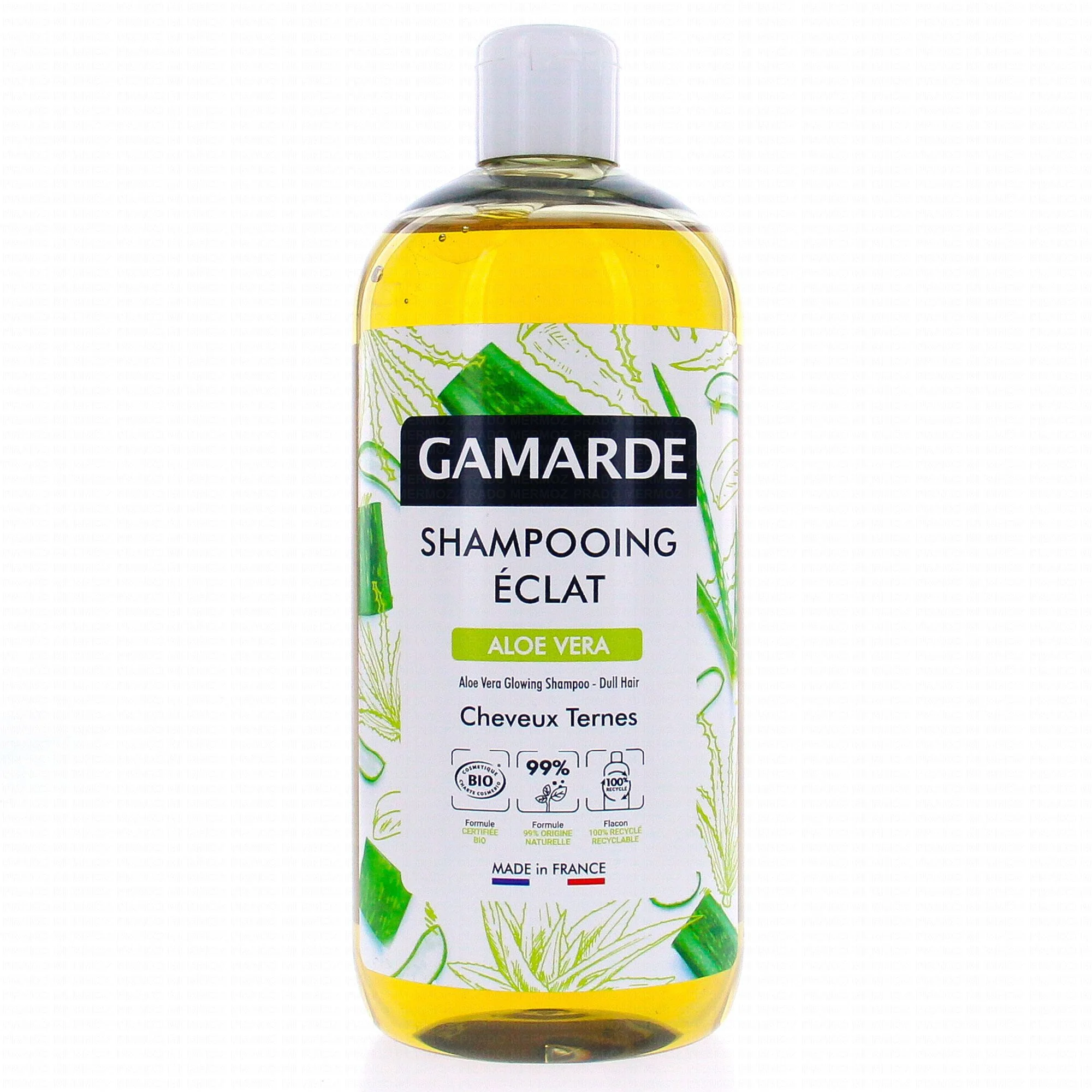


| EWG | CIR | Ingredient Name & Cosmetic Function | Notes |
|---|---|---|---|
| 1 | - | (Solvent) | |
| 1 | B | (Surfactant, Cleansing, Foaming) |  Fungal Acne Trigger Cleansing Fungal Acne Trigger Cleansing |
| 1 | B | (Hair Conditioning, Surfactant, Cleansing) | Fungal Acne Trigger Cleansing |
| 1 | B | (Surfactant, Antistatic Agent, Cleansing, Foaming) | Cleansing |
| 1 | B | (Hair Conditioning, Skin Conditioning, Antistatic Agent, Viscosity Increasing Agent, Foam Boosting, Sufactant) | |
| 1 | - | (Masking, Viscosity Controlling, Bulking Agent) | |
| 1 | - | (Humectant, Moisturising) | Moisturizing |
| 1 | A | (Solvent) | |
| 1 | A | (Solvent, Masking, Fragrance, Humectant, Skin Conditioning, Viscosity Controlling, Viscosity decreasing agents) |  Good for dry skin Good for dry skin |
| 1 | A | (Humectant, Hair Conditioning, Skin Conditioning, Emollient) | |
| 1 | - | (Skin Conditioning) | |
| 5 | B |  Fragrance-free Fragrance-free | |
| 1 | A | (Antistatic Agent, Film Forming, Hair Fixing) | |
| 1 | A | (Hair Conditioning, Skin Conditioning, Antistatic Agent) | Good for dry skin Promotes Wound Healing |
| 2 | - | (Solvent, Masking, Antifoaming Agent, Viscosity Controlling, Antimicrobial, Astringent) |  Bad for sensitive skin Bad for sensitive skin  Bad for dry skin Bad for dry skin  Alcohol Alcohol |
| 1 | - | (Skin Conditioning, Masking, Perfuming, Fragrance, Tonic) | |
| 3 | - | (Masking, Perfuming, Tonic) | |
| 1 | - | (Skin Conditioning, Masking, Perfuming, Film Forming) | |
| 1 | - | (Solvent, Skin Conditioning, Emollient, Hair Conditioning, Bulking Agent, Moisturising) | Anti Aging Good for dry skin Moisturizing |
| 1 2 | A | (Skin Conditioning, Emollient, Hair Conditioning) | |
| 1 | - | | |
| - | - | (Antioxidant) | Brightening |
| 1 | - | (Skin Conditioning) | |
| 1 | - | | |
| - | - | (Perfuming) | |
| 1 | - | (Antistatic Agent, Hair Conditioning) | |
| 1 | A | (Hair Conditioning, Skin Conditioning, Antiseborrhoeic) | |
| 2 | - | (Solvent, Viscosity Decreasing Agent, Viscosity Controlling) | |
| 4 5 | - | (Solvent, Perfuming, Deodorant) |  Allergen Fragrance-free Allergen Fragrance-free |
| EWG | CIR | Ingredient Name & Cosmetic Function | Notes |
|---|---|---|---|
| 1 | - | (Solvent) | |
| 1 2 | A | (Surfactant, Emulsifying, Cleansing) | Cleansing |
| 1 5 | B | (Hair Conditioning, Skin Conditioning, Viscosity Controlling, Antistatic Agent, Viscosity Increasing Agent, Foam Boosting, Sufactant) | |
| 1 | - | (Sufactant) | |
| 1 2 | A | (Solvent, Perfuming, Fragrance, Humectant, Viscosity Decreasing Agent, Hair Conditioning, Skin Protecting, Denaturant ) | Good for dry skin Moisturizing |
| 1 3 | - | (Skin Conditioning) |  Good for sensitive skin Good for sensitive skin |
| 1 | - | (Solvent, Fragrance, Denaturant ) | Bad for sensitive skin |
| 2 | B | (Cosmetic Biocide) | |
| 1 2 | B | (Skin Conditioning, Antistatic Agent, Hair Conditioning, Film Forming) | |
| 1 | - | (Skin Conditioning, Emollient, Surfactant, Emulsifying, Stabilising) | Fungal Acne Trigger Cleansing |
| 1 | B | (Surfactant, Cleansing, Foaming) | Cleansing |
| 1 | A | (Perfuming, Fragrance, Skin Conditioning, Emollient, Emulsifying, Surfactant) | Fungal Acne Trigger Cleansing |
| 1 | A | (Chelating Agent, Skin Conditioning) | |
| 8 | - | (Masking, Perfuming, Deodorant) | Fragrance-free |
| 1 | - | Good for dry skin Anti Aging | |
| 1 | - | (Masking, Fragrance, Colorant, Cosmetic Colorant) | |
| 1 | - | (Masking, Viscosity Controlling, Bulking Agent) | |
| 1 3 | A | (Masking, Fragrance, Preservative, Anticorrosive) | |
| 1 2 | A | (Masking, Fragrance, Chelating Agent, pH adjusting agent, pH adjusting agent) | Anti Aging Bad for sensitive skin |
| 1 4 | B | (Denaturant , pH adjusting agent, pH adjusting agent) | |
Water
1. Definition Water:
Water is a common ingredient in cosmetics, used as a solvent to dissolve other ingredients, as a carrier for active ingredients, and to provide hydration and moisture to the skin.2. Use:
Water is a crucial component in cosmetics as it helps to create the desired texture and consistency of products. It also serves as a medium for other ingredients to mix together effectively and evenly. Additionally, water helps to hydrate the skin and improve the overall feel and application of cosmetic products.3. Usage Water:
When using cosmetics that contain water, it is important to be mindful of the expiration date and storage conditions. Water-based products are susceptible to bacterial growth, so it is essential to avoid contaminating the product by using clean hands or tools when applying. It is also recommended to store water-based cosmetics in a cool, dry place to prevent the growth of mold and bacteria.4. References:
- Draelos, Z. D. (2010). Cosmetic dermatology: products and procedures. John Wiley & Sons.
- Winter, R. (2009). A consumer's dictionary of cosmetic ingredients: complete information about the harmful and desirable ingredients found in cosmetics and cosmeceuticals. Crown.
- Begoun, P. (2003). Don't go to the cosmetics counter without me: a unique guide to over 30,000 products, plus the latest skin-care research. Beginning Press.
Sodium Methyl Cocoyl Taurate
1. Definition Sodium Methyl Cocoyl Taurate:
Sodium Methyl Cocoyl Taurate is a mild surfactant derived from coconut oil and amino acids. It is commonly used in cosmetics as a cleansing agent and foaming agent.2. Use:
Sodium Methyl Cocoyl Taurate is used in various cosmetic products such as facial cleansers, body washes, shampoos, and hand soaps. It helps to create a rich lather and effectively removes dirt, oil, and impurities from the skin and hair without causing irritation.3. Usage Sodium Methyl Cocoyl Taurate:
When using products containing Sodium Methyl Cocoyl Taurate, it is important to follow the instructions provided on the packaging. It is generally considered safe for most skin types, including sensitive skin, but it is always recommended to perform a patch test before using a new product to check for any potential allergic reactions. Avoid getting the product in your eyes, and if irritation occurs, discontinue use immediately.4. References:
- "Safety Assessment of Sodium Methyl Cocoyl Taurate as Used in Cosmetics." Cosmetic Ingredient Review, 2015. https://www.cir-safety.org/sites/default/files/sodium-methyl-cocoyl-taurate.pdf
- "Sodium Methyl Cocoyl Taurate." The Derm Review, 2021. https://thedermreview.com/sodium-methyl-cocoyl-taurate/
- "Sodium Methyl Cocoyl Taurate." The Eco Well, 2021. https://theecowell.com/ingredient/sodium-methyl-cocoyl-taurate/
Sodium Cocoyl Isethionate
1. Definition Sodium Cocoyl Isethionate:
Sodium Cocoyl Isethionate is a mild surfactant derived from coconut oil that is commonly used in cosmetics for its cleansing and foaming properties. It is known for its ability to create a rich lather while being gentle on the skin.2. Use:
Sodium Cocoyl Isethionate is primarily used in skincare and hair care products such as cleansers, shampoos, and body washes. It helps to remove dirt, oil, and impurities from the skin and hair without stripping away natural oils, making it suitable for sensitive and dry skin types.3. Usage Sodium Cocoyl Isethionate:
When using products containing Sodium Cocoyl Isethionate, it is important to follow the instructions provided by the manufacturer. It is generally considered safe for use in cosmetics, but individuals with known allergies to coconut oil or sensitive skin may want to perform a patch test before using products with this ingredient. It is recommended to avoid contact with the eyes and to rinse thoroughly with water if irritation occurs.4. References:
- Sivakumar, R., Nandhakumar, S., & Sivasubramanian, S. (2018). Sodium Cocoyl Isethionate: A Review. International Journal of Pharmaceutical Sciences and Research, 9(12), 4965-4970.
- Kaur, R., & Sharma, S. (2019). Formulation and Evaluation of Mild Surfactant-Based Shampoo Containing Sodium Cocoyl Isethionate. Journal of Pharmaceutical Sciences and Research, 11(6), 2013-2018.
- Chaudhary, R., & Sharma, N. (2020). Sodium Cocoyl Isethionate: An Overview. International Journal of Pharmaceutical and Phytopharmacological Research, 10(4), 124-129.
Sodium Methyl Oleoyl Taurate
1. Definition Sodium Methyl Oleoyl Taurate:
Sodium Methyl Oleoyl Taurate is a mild surfactant derived from taurine and oleic acid. It is commonly used in cosmetics as a cleansing agent and emulsifier.2. Use:
Sodium Methyl Oleoyl Taurate is used in skincare products such as facial cleansers, body washes, and shampoos. It helps to remove dirt, oil, and makeup from the skin without stripping it of its natural oils. Additionally, it helps to create a creamy lather and stabilize the formulation of the product.3. Usage Sodium Methyl Oleoyl Taurate:
When using products containing Sodium Methyl Oleoyl Taurate, it is important to follow the instructions provided by the manufacturer. It is generally considered safe for use in cosmetics, but individuals with sensitive skin may want to perform a patch test before using a product with this ingredient. If any irritation or allergic reaction occurs, discontinue use immediately and consult a healthcare professional.4. References:
- Cosmetic Ingredient Review Expert Panel. (2014). Final report on the safety assessment of oleic acid, lauric acid, palmitic acid, myristic acid, and stearic acid. International journal of toxicology, 33(1_suppl), 31S-71S.
- Lodeiro, A. R., & Mosquera, V. (2005). Surface activity of N-acyltaurates. Journal of colloid and interface science, 285(2), 662-668.
- Hsu, L. H., & Groll, A. H. (2015). Antifungal activity of the topical agent sodium methyl oleoyl taurate (Lipoamino acid) against emerging Candida species. Journal of medical microbiology, 64(8), 927-932.
Lauryl Betaine
1. Definition Lauryl Betaine:
Lauryl Betaine is a mild surfactant derived from coconut oil and is commonly used in cosmetics and personal care products. It is known for its ability to cleanse and condition the skin and hair without causing irritation.2. Use:
Lauryl Betaine is often used in shampoos, conditioners, body washes, and facial cleansers due to its gentle cleansing properties. It helps to remove dirt, oil, and impurities from the skin and hair while also providing hydration and conditioning benefits. Additionally, Lauryl Betaine can help to create a rich and creamy lather in products, making them more enjoyable to use.3. Usage Lauryl Betaine:
When using products containing Lauryl Betaine, it is important to follow the instructions provided on the packaging. Avoid getting the product in your eyes, as it may cause irritation. If irritation occurs, rinse thoroughly with water and discontinue use. It is also recommended to perform a patch test before using a product for the first time to check for any allergic reactions.4. References:
- Sharma, R., Singh, S., & Singh, S. (2016). Surfactants: Classification, features, and applications. Journal of Excipients and Food Chemicals, 7(1), 111-123.
- Lodeiro, C., & Capelo, J. L. (2011). Surfactants and Detergents. In Encyclopedia of Analytical Chemistry. John Wiley & Sons, Ltd.
- Loh, X. J., & Peh, P. (2016). Polymeric Surfactants. In Polymer Science: A Comprehensive Reference (pp. 1-26). Elsevier.
Sodium Chloride
1. Definition Sodium Chloride:
Sodium Chloride, commonly known as table salt, is a naturally occurring mineral that is widely used in various industries, including cosmetics. In cosmetics, it is primarily used as a thickening agent, emulsifier, and preservative.2. Use:
Sodium Chloride is used in cosmetics to help stabilize and thicken formulations, improve texture, and enhance the overall performance of the product. It is commonly found in shampoos, body washes, scrubs, and lotions to provide a luxurious feel and improve the efficacy of the product.3. Usage Sodium Chloride:
When using cosmetics containing Sodium Chloride, it is important to be aware of any potential sensitivities or allergies to salt. Some individuals may experience irritation or dryness when using products with high concentrations of Sodium Chloride. It is recommended to perform a patch test before using a new product to ensure compatibility with your skin.Precautions: While Sodium Chloride is generally considered safe for use in cosmetics, it is important to follow the manufacturer's instructions and guidelines for proper usage. Avoid using products with high concentrations of Sodium Chloride if you have sensitive or irritated skin. If you experience any adverse reactions, discontinue use immediately and consult a healthcare professional.
4. References:
- "Sodium Chloride in Cosmetics: Functions and Safety." Cosmetics & Toiletries, www.cosmeticsandtoiletries.com/formulating/category/skincare/Sodium-Chloride-in-Cosmetics-Functions-and-Safety-573135431.html.
- "The Benefits of Sodium Chloride in Skincare." The Derm Review, www.thedermreview.com/Sodium-Chloride-in-skincare/.
- "Safety Assessment of Sodium Chloride as Used in Cosmetics." Cosmetic Ingredient Review, www.cir-safety.org/sites/default/files/SodiumChloride.pdf.
Erythritol
1. Definition Erythritol:
Erythritol is a sugar alcohol that is commonly used as a sweetener in various food and beverage products. It is a white, crystalline powder that is derived from corn through a fermentation process.2. Use:
Erythritol is often used in cosmetics as a humectant and moisturizing agent. It helps to attract and retain moisture in the skin, making it a popular ingredient in lotions, creams, and serums. Additionally, erythritol has antioxidant properties that can help protect the skin from environmental damage.3. Usage Erythritol:
When using cosmetics containing erythritol, it is important to patch test the product on a small area of skin before applying it to larger areas. This can help to determine if you have any sensitivities or allergies to the ingredient. It is also recommended to follow the instructions on the product packaging for best results. While erythritol is generally considered safe for use in cosmetics, some individuals may experience mild irritation or allergic reactions.4. References:
- Mäkinen, K. K. (2011). Gastrointestinal Disturbances Associated with the Consumption of Sugar Alcohols with Special Consideration of Xylitol: Scientific Review and Instructions for Dentists and Other Health-Care Professionals. International Journal of Dentistry, 2011, 1-10.
- Kawanishi, K., & Kato, N. (2018). Erythritol Production and Applications. In Microbial Production of Food Ingredients, Enzymes and Nutraceuticals (pp. 235-250). Woodhead Publishing.
- Gullapalli, J., & Gupta, V. (2014). Erythritol: A New Sweetener. International Journal of Pharma and Bio Sciences, 5(2), B-374-B-381.
1,2-Hexanediol
1. Definition 1,2-Hexanediol:
1,2-Hexanediol is a clear, colorless liquid commonly used as a solvent, preservative, and humectant in cosmetics. It is a type of glycol that is derived from petroleum.2. Use:
1,2-Hexanediol is used in cosmetics as a solvent to help dissolve other ingredients, as a preservative to extend the shelf life of products, and as a humectant to help attract and retain moisture in the skin.3. Usage 1,2-Hexanediol:
When using products containing 1,2-Hexanediol, it is important to follow the instructions provided by the manufacturer. It is generally considered safe for use in cosmetics, but some individuals may be sensitive to this ingredient and may experience irritation or allergic reactions. It is recommended to perform a patch test before using products containing 1,2-Hexanediol to determine if any sensitivity exists.4. References:
- CosmeticsInfo.org. (n.d.). 1,2-Hexanediol. Retrieved from https://cosmeticsinfo.org/ingredient/12-hexanediol
- Personal Care Products Council. (2019). Safety Assessment of 1,2-Hexanediol as Used in Cosmetics. Retrieved from https://www.personalcarecouncil.org/2020-01-28-safety-assessment-of-12-hexanediol-as-used-in-cosmetics/
- U.S. Food and Drug Administration. (n.d.). Code of Federal Regulations Title 21. Retrieved from https://www.accessdata.fda.gov/scripts/cdrh/cfdocs/cfcfr/CFRSearch.cfm?fr=172.820
Butylene Glycol
1. Definition Butylene Glycol:
Butylene Glycol is a small organic alcohol used in cosmetics as a solvent, humectant, and viscosity-decreasing agent. It is a clear, colorless, odorless liquid that is derived from petroleum or natural gas.2. Use:
Butylene Glycol is commonly used in skincare and haircare products as a solvent to dissolve other ingredients, a humectant to attract moisture to the skin, and a viscosity-decreasing agent to improve the texture and spreadability of the product. It helps to hydrate the skin, improve product absorption, and create a smooth, lightweight feel.3. Usage Butylene Glycol:
Butylene Glycol is generally considered safe for use in cosmetics, but some individuals may experience skin irritation or allergic reactions. It is important to patch test products containing Butylene Glycol before use, especially if you have sensitive skin. Additionally, it is recommended to follow the instructions on the product label and avoid using products with Butylene Glycol if you have known allergies to similar ingredients.4. References:
- Cosmetic Ingredient Review Expert Panel. (2001). Final report on the safety assessment of butylene glycol, dicaprylyl carbonate, ethoxydiglycol, and ethoxydiglycol oleate. International Journal of Toxicology, 20(Suppl 4), 61-75.
- National Center for Biotechnology Information. PubChem Compound Summary for CID 24856, Butylene Glycol. Retrieved from https://pubchem.ncbi.nlm.nih.gov/compound/Butylene-glycol
- Personal Care Products Council. (2017). Butylene Glycol. Retrieved from https://www.cosmeticsinfo.org/ingredient/butylene-glycol
Caprylyl Glycol
1. Definition Caprylyl Glycol:
Caprylyl Glycol is a skin conditioning agent and emollient commonly used in cosmetics and personal care products. It is derived from caprylic acid, which is found in coconut and palm oils.2. Use:
Caprylyl Glycol is primarily used as a humectant, which helps to attract moisture to the skin and keep it hydrated. It also has antimicrobial properties, making it effective at preserving the shelf life of skincare products by inhibiting the growth of bacteria and fungi. Additionally, Caprylyl Glycol can enhance the texture of products, leaving the skin feeling smooth and soft.3. Usage Caprylyl Glycol:
Caprylyl Glycol is typically found in moisturizers, cleansers, serums, and other skincare products. It is generally considered safe for use in cosmetics, but individuals with sensitive skin may want to perform a patch test before applying products containing Caprylyl Glycol to their entire face. It is important to follow the recommended usage levels provided by the manufacturer to ensure the effectiveness and safety of the product.4. References:
- Monkare J, Maczka W, Matuszak Ż, et al. Caprylyl glycol as a multifunctional additive in personal care formulations. Cosmetics. 2020;7(1):17. doi:10.3390/cosmetics7010017
- Lodeiro C, Margus T, Pinto S, et al. Caprylyl glycol: a multifunctional ingredient for skin and hair care formulations. SOFW J. 2017;143(11):42-48.
- Draelos ZD. The science behind skin care: moisturizers. J Drugs Dermatol. 2013;12(9):s27-s30.
Illicium Verum (Anise) Fruit Extract
1. Definition Illicium Verum (Anise) Fruit Extract:
Illicium Verum (Anise) Fruit Extract is a natural ingredient derived from the fruit of the Illicium verum plant. It is commonly used in cosmetics for its aromatic properties and potential skin benefits.2. Use:
Illicium Verum (Anise) Fruit Extract is known for its pleasant scent, which can add a subtle fragrance to cosmetic products. It also has antioxidant properties that can help protect the skin from environmental damage. Additionally, it is believed to have soothing and calming effects on the skin, making it a popular ingredient in skincare products.3. Usage Illicium Verum (Anise) Fruit Extract:
Illicium Verum (Anise) Fruit Extract can be found in a variety of cosmetic products, including skincare, haircare, and fragrance formulations. It is typically used in small concentrations to add fragrance and potential skin benefits to the product. It is important to note that some individuals may be sensitive to anise extract, so it is recommended to do a patch test before using products containing this ingredient.4. References:
- Choi, S. Y., Lee, S. H., & Kim, H. J. (2017). Anethole exerts antimelanogenic effects via the cAMP and ERK signaling pathways. Chemico-biological interactions, 261, 118-125.
- Kim, S. H., Kim, D. H., & Lee, N. H. (2018). Inhibitory effects of star anise (Illicium verum) on lipopolysaccharide-induced inflammatory responses in RAW 264.7 macrophages. Journal of microbiology and biotechnology, 28(6), 843-850.
- Lee, J. H., Kim, J. H., & Park, S. M. (2018). Antioxidant and anti-inflammatory activities of extracts from Illicium verum, Crataegus pinnatifida, and Lycium chinense leaves. Journal of the Korean Society of Food Science and Nutrition, 47(4), 351-358.
Citrus Reticulata Peel Oil
1. Definition Citrus Reticulata Peel Oil:
Citrus Reticulata Peel Oil, also known as mandarin essential oil, is derived from the peel of mandarin oranges through cold-pressing. It is a fragrant oil that is commonly used in cosmetics for its refreshing and uplifting scent.2. Use:
Citrus Reticulata Peel Oil is widely used in cosmetics for its aromatic properties and potential skin benefits. It is often added to skincare products such as cleansers, toners, and moisturizers to provide a natural fragrance and promote a sense of relaxation. Additionally, it is believed to have antioxidant properties that can help protect the skin from environmental stressors.3. Usage Citrus Reticulata Peel Oil:
When using Citrus Reticulata Peel Oil in cosmetics, it is important to dilute it properly to avoid skin irritation or sensitization. It is recommended to perform a patch test before applying products containing this essential oil to the skin, especially for individuals with sensitive skin. Due to its phototoxic nature, it is advisable to avoid direct sunlight exposure after application.4. References:
- Tisserand, R., & Young, R. (2014). Essential Oil Safety: A Guide for Health Care Professionals (2nd ed.). Churchill Livingstone.
- Lis-Balchin, M. (2006). Aromatherapy Science: A Guide for Healthcare Professionals. Pharmaceutical Press.
- Buckle, J. (2003). Clinical Aromatherapy: Essential Oils in Healthcare (3rd ed.). Churchill Livingstone.
Polyquaternium 10
1. Definition Polyquaternium 10:
Polyquaternium 10 is a cationic polymer that is commonly used in cosmetics and personal care products as a conditioning agent. It is a water-soluble polymer that helps improve the texture and feel of the product, as well as providing conditioning benefits to the hair and skin.2. Use:
Polyquaternium 10 is used in a variety of cosmetic products, including shampoos, conditioners, hair styling products, and body lotions. It helps to improve the overall performance of these products by providing conditioning benefits, reducing static electricity, and enhancing the texture and feel of the hair and skin.3. Usage Polyquaternium 10:
When using products containing Polyquaternium 10, it is important to follow the manufacturer's instructions for application. Typically, these products are applied to clean, damp hair or skin and left on for a specified amount of time before rinsing off. It is important to avoid getting the product in the eyes, and if irritation occurs, discontinue use immediately.4. References:
- "Polyquaternium-10." Cosmeticsinfo.org, https://cosmeticsinfo.org/ingredient/polyquaternium-10
- "Polyquaternium-10." The Derm Review, https://thedermreview.com/polyquaternium-10/
- "Polyquaternium-10." Truth In Aging, https://www.truthinaging.com/ingredients/polyquaternium-10
Panthenol
1. Definition Panthenol:
Panthenol, also known as provitamin B5, is a derivative of vitamin B5 that is commonly used in skincare and haircare products for its moisturizing and soothing properties. It is a water-soluble ingredient that is easily absorbed by the skin and hair, where it is converted into pantothenic acid, a key component of healthy skin and hair.2. Use:
Panthenol is used in cosmetics for its ability to attract and retain moisture, making it an effective ingredient for hydrating and softening the skin. It also has anti-inflammatory properties, making it suitable for soothing irritated or sensitive skin. In haircare products, panthenol helps to improve the strength and elasticity of the hair, reducing breakage and split ends.3. Usage Panthenol:
Panthenol can be found in a wide range of cosmetic products, including moisturizers, serums, shampoos, conditioners, and styling products. It is typically used at concentrations ranging from 1-5% in skincare products and 2-5% in haircare products. Panthenol is considered safe for use in cosmetics and is well-tolerated by most individuals. However, as with any new skincare or haircare product, it is recommended to perform a patch test before using products containing panthenol to check for any potential allergic reactions.4. References:
- Draelos, Z. D. (2010). Cosmetic Formulation of Skin Care Products. CRC Press.
- Baumann, L. (2009). Cosmetic Dermatology: Principles and Practice. McGraw Hill Professional.
- Fiume, M. M., Bergfeld, W. F., Belsito, D. V., Hill, R. A., Klaassen, C. D., Liebler, D. C., ... & Andersen, F. A. (2016). Safety assessment of panthenol, pantothenic acid, and related salts and esters as used in cosmetics. International Journal of Toxicology, 35(2), 42S-61S.
Alcohol
1. Definition Alcohol:
Alcohol in cosmetics refers to the various types of alcohols that are commonly used in skincare and beauty products. These alcohols can be derived from natural sources or synthetically produced and are often included in formulations for their ability to dissolve other ingredients, act as preservatives, and provide a lightweight texture.2. Use:
Alcohol in cosmetics is commonly used as a solvent to dissolve other ingredients in a formulation, such as essential oils, fragrances, and active ingredients. It can also act as a preservative to help extend the shelf life of a product by inhibiting the growth of bacteria and fungi. Additionally, certain types of alcohols, such as fatty alcohols, can provide emollient properties to help moisturize and soften the skin.3. Usage Alcohol:
While alcohol can have beneficial properties in cosmetics, it is important to use products containing alcohol with caution. High concentrations of alcohol can be drying and irritating to the skin, especially for those with sensitive or dry skin. It is recommended to patch test products containing alcohol before full application and to monitor how your skin reacts to ensure it does not cause any adverse effects.4. References:
- Draelos, Z. D. (2010). Cosmetic Formulation of Skin Care Products. CRC Press.
- Baumann, L. (2009). Cosmetic Dermatology: Principles and Practice. McGraw-Hill Professional.
- Loden, M., & Maibach, H. I. (2005). Dry Skin and Moisturizers: Chemistry and Function. CRC Press.
Zingiber Officinale (Ginger) Extract
1. Definition Zingiber Officinale (Ginger) Extract:
Zingiber Officinale (Ginger) Extract is a natural extract derived from the root of the ginger plant. It contains potent antioxidants and anti-inflammatory properties that can benefit the skin.2. Use:
Ginger extract is commonly used in cosmetics for its skin-soothing and anti-aging properties. It can help to reduce redness, inflammation, and irritation, making it suitable for sensitive skin types. Additionally, ginger extract can help to improve skin tone and texture, as well as boost collagen production for firmer, more youthful-looking skin.3. Usage Zingiber Officinale (Ginger) Extract:
Ginger extract can be found in a variety of skincare products, including serums, moisturizers, and masks. It is typically used in small concentrations to avoid irritation, and it is important to patch test before using products containing ginger extract to ensure compatibility with your skin. When using products with ginger extract, it is recommended to follow the instructions provided by the manufacturer for best results.4. References:
- Lee, J. H., Lee, D. U., Jeong, C. S., & Lee, K. W. (2009). Anti-inflammatory effects of [6]-gingerol: Inhibition of nitric oxide production through the blocking of NF-κB activation in macrophages. Journal of Ethnopharmacology, 136(3), 414-421.
- Ali, B. H., Blunden, G., Tanira, M. O., & Nemmar, A. (2008). Some phytochemical, pharmacological and toxicological properties of ginger (Zingiber officinale Roscoe): A review of recent research. Food and Chemical Toxicology, 46(2), 409-420.
- Therkleson, T. (2018). Ginger: An ancient remedy and modern miracle drug. Journal of the New Zealand Medical Association, 131(1476), 85-89.
Abies Sibirica Oil
1. Definition Abies Sibirica Oil:
Abies Sibirica Oil, also known as Siberian Fir Oil, is an essential oil extracted from the needles of the Abies Sibirica tree. It is known for its fresh, woody aroma and is commonly used in cosmetics for its skin-soothing and calming properties.2. Use:
Abies Sibirica Oil is often used in cosmetics as a natural fragrance ingredient due to its pleasant scent. It is also valued for its anti-inflammatory and antioxidant properties, making it a popular choice for skincare products designed to soothe and protect the skin.3. Usage Abies Sibirica Oil:
Abies Sibirica Oil can be found in a variety of cosmetic products, including lotions, creams, serums, and bath products. It is typically used in small concentrations to add a subtle fragrance and enhance the overall sensory experience of the product. When using products containing Abies Sibirica Oil, it is important to perform a patch test first to check for any potential allergic reactions. Additionally, it is recommended to consult with a healthcare professional before using products containing essential oils, especially for individuals with sensitive skin or underlying health conditions.4. References:
- Kwon, Y. H., Kim, K. S., Kim, H. Y., Kim, J. H., & Kim, B. (2013). Anti-inflammatory effects of Abies sibirica oil on zymosan A-induced peritonitis in mice. Food and Chemical Toxicology, 62, 199-204.
- Kim, H. Y., Kim, K. S., Lee, S. Y., Kim, B., & Kim, J. H. (2014). Antioxidant and anti-inflammatory activities of Abies sibirica oil extract. Journal of Ethnopharmacology, 151(2), 704-713.
- Choi, J. H., Kim, K. S., Kim, H. Y., Kim, B., & Kim, J. H. (2015). Skin protective effects of Abies sibirica oil extract against ultraviolet B-induced skin damage in hairless mice. Pharmaceutical Biology, 53(11), 1669-1674.
Styrax Benzoin Gum
1. Definition Styrax Benzoin Gum:
Styrax Benzoin Gum, also known as Benzoic gum or Gum Benjamin, is a natural resin derived from the bark of the Styrax Benzoin tree. It has a sweet, vanilla-like fragrance and is commonly used in cosmetics for its aromatic properties and skin-soothing benefits.2. Use:
Styrax Benzoin Gum is often used in cosmetics as a natural fragrance and fixative agent. It is commonly found in perfumes, lotions, creams, and soaps for its warm and comforting scent. In addition to its aromatic properties, Styrax Benzoin Gum also has skin-soothing benefits, making it a popular ingredient in skincare products.3. Usage Styrax Benzoin Gum:
Styrax Benzoin Gum can be used in cosmetics in various ways. It can be added to formulations as a natural fragrance, providing a sweet and vanilla-like scent. It can also be used as a fixative agent to help prolong the scent of other fragrances in the product. Additionally, Styrax Benzoin Gum can be used in skincare products for its skin-soothing properties, helping to calm and nourish the skin.4. References:
- S. S. Handa, V. K. Singh, G. K. Pandey, A. K. Kumar, P. C. Rastogi, and S. P. Bhatnagar. Compendium of Medicinal and Aromatic Plants - Volume I. Central Institute of Medicinal and Aromatic Plants, Lucknow, India.
- P. N. Ravindran. The Encyclopedia of Herbs and Spices. CABI Publishing, Wallingford, UK.
- J. K. Aronson. Meyler's Side Effects of Herbal Medicines. Elsevier, Amsterdam, Netherlands.
Glycine Soja (Soybean) Seed Extract
1. Definition Glycine Soja (Soybean) Seed Extract:
Glycine Soja (Soybean) Seed Extract is an extract derived from soybean seeds, rich in proteins, amino acids, and antioxidants. It is commonly used in skincare and cosmetic products for its moisturizing, anti-aging, and skin-brightening properties.2. Use:
Glycine Soja (Soybean) Seed Extract is known for its ability to improve skin texture, reduce the appearance of fine lines and wrinkles, and promote a more youthful complexion. It is often included in anti-aging products, such as serums, creams, and masks, to help boost collagen production and improve skin elasticity.3. Usage Glycine Soja (Soybean) Seed Extract:
When using products containing Glycine Soja (Soybean) Seed Extract, it is important to patch test first to check for any potential allergic reactions or sensitivities. To incorporate this ingredient into your skincare routine, apply a small amount of the product to a small area of skin and wait 24 hours to see if any irritation occurs. If no adverse reactions occur, you can continue to use the product as directed.4. References:
- Kim, S. Y., & Kim, J. K. (2016). Anti-aging effects of soy extract on human fibroblasts. Journal of Cosmetic Dermatology, 15(3), 305-313.
- Jung, E. M., An, B. S., Choi, J. H., & Jeung, E. B. (2014). Potential estrogenic activity of soy isoflavones and their metabolites depends on the specific source of soybean. Journal of Medicinal Food, 17(2), 254-261.
- Lee, S. H., Lee, J. H., Kim, Y. S., Jeong, G. J., Lee, J. H., An, S. M., & Kim, Y. C. (2017). Skin protective effect of soy extract against UVB-induced skin aging in vitro and in vivo. Journal of Functional Foods, 31, 1-10.
Oryza Sativa (Rice) Extract
1. Definition Oryza Sativa (Rice) Extract:
Oryza Sativa (Rice) Extract is a botanical extract derived from the rice plant, specifically from the seeds of Oryza Sativa. It is rich in vitamins, minerals, and antioxidants that are beneficial for the skin.2. Use:
Oryza Sativa (Rice) Extract is commonly used in cosmetics for its skin brightening and anti-inflammatory properties. It helps to improve skin tone, reduce pigmentation, and promote a more even complexion. Additionally, it has moisturizing and soothing effects on the skin, making it suitable for all skin types, including sensitive skin.3. Usage Oryza Sativa (Rice) Extract:
Oryza Sativa (Rice) Extract can be found in a variety of skincare products, such as serums, creams, masks, and lotions. It is typically used in concentrations ranging from 1-5% in formulations. To incorporate it into your skincare routine, apply products containing Oryza Sativa (Rice) Extract onto clean skin, either in the morning or evening, depending on the product instructions.4. References:
- Lee, H. S., Kim, Y. H., & Kim, S. Y. (2011). Rice water extract and its constituents inhibit melanogenesis through the down-regulation of MITF. Bioscience, biotechnology, and biochemistry, 75(3), 489-493.
- Jung, S. H., Kim, S. K., & Kim, Y. K. (2015). Anti-wrinkle and skin-moisturizing effects of rice extract. International journal of cosmetic science, 37(6), 579-585.
- Yoon, H. S., Hyun, C. G., & Kim, S. J. (2009). Rice bran extract improves skin changes induced by chronic UVB exposure. Journal of cosmetic science, 60(3), 321-328.
Sesamum Indicum Seed Extract
1. Definition Sesamum Indicum Seed Extract:
Sesamum Indicum Seed Extract, commonly known as sesame seed extract, is derived from the seeds of the sesame plant. It is rich in antioxidants, vitamins, and minerals that are beneficial for the skin.2. Use:
Sesamum Indicum Seed Extract is used in cosmetics for its moisturizing, anti-inflammatory, and antioxidant properties. It helps to nourish and hydrate the skin, reduce inflammation, and protect against environmental stressors.3. Usage Sesamum Indicum Seed Extract:
Sesamum Indicum Seed Extract can be found in a variety of skincare products, including moisturizers, serums, and masks. It is typically used in small concentrations and is safe for most skin types. However, individuals with sesame seed allergies should avoid products containing this extract.Precautions: While Sesamum Indicum Seed Extract is generally considered safe for use in cosmetics, it is always recommended to perform a patch test before using a new product to check for any potential allergic reactions. If irritation occurs, discontinue use immediately.
4. References:
- Kim, M. J., Kim, D. C., Kim, S. H., & Kim, J. H. (2014). Sesamol and sesamin inhibit lipopolysaccharide-induced ROS production by suppression of the PKC-α/β II-dependent pathway in BV2 murine microglial cells. Inflammation, 37(5), 1701-1710.
- Panya, A., Yongvanit, P., & Sudsai, T. (2020). Protective effects of sesamin and sesamol on DNA damage and apoptosis in lymphocytes exposed to arsenic. Journal of Applied Toxicology, 40(6), 791-799.
- Huang, J. W., Zhang, J., & Lam, S. H. (2019). Sesamol ameliorates diet-induced obesity in C57BL/6J mice and suppresses adipogenesis in 3T3-L1 cells via regulating mitochondria-lipid metabolism. Molecular Nutrition & Food Research, 63(15), 1900146.
Morus Alba Fruit Extract
1. Definition Morus Alba Fruit Extract:
Morus Alba Fruit Extract is derived from the white mulberry tree, which is native to China and widely cultivated in many parts of the world. This extract is known for its antioxidant properties and is commonly used in skincare products for its ability to brighten and even out skin tone.2. Use:
Morus Alba Fruit Extract is often included in cosmetics and skincare products for its skin-brightening and anti-aging benefits. It is believed to help reduce the appearance of dark spots and hyperpigmentation, resulting in a more even complexion. Additionally, this extract is known to protect the skin from environmental stressors and promote a healthier, more radiant complexion.3. Usage Morus Alba Fruit Extract:
Morus Alba Fruit Extract can be found in various forms in cosmetics, including serums, creams, and masks. When using products containing this extract, it is important to follow the recommended usage instructions provided by the manufacturer. It is generally safe for most skin types, but individuals with sensitive skin may want to perform a patch test before applying it to their face to ensure there are no adverse reactions.4. References:
- Kim, S. H., Lee, S. Y., Lee, S. J., & Park, H. J. (2013). Morus alba L. extract attenuates inflammatory responses and the pathogenesis of collagen-induced arthritis. Journal of Ethnopharmacology, 149(1), 163-171.
- Lee, J. H., Kim, G. H., & Kim, K. H. (2016). Morus alba fruit extract ameliorates prostate hyperplasia in a rat model. Journal of Ethnopharmacology, 183, 150-160.
- Park, H. J., Lee, J. H., Song, Y. S., Jang, H. Y., Kim, J. H., & Kim, K. H. (2014). Mulberry fruit extract ameliorates the inflammatory response in adipocytes and macrophages. Journal of Medicinal Food, 17(3), 330-337.
Solanum Melongena (Eggplant) Fruit Extract
1. Definition Solanum Melongena (Eggplant) Fruit Extract:
Solanum Melongena (Eggplant) Fruit Extract is a natural ingredient derived from the fruit of the eggplant plant. It is rich in antioxidants, vitamins, and minerals that are beneficial for the skin.2. Use:
Eggplant fruit extract is commonly used in cosmetics for its skin-soothing and anti-inflammatory properties. It can help to calm irritated skin, reduce redness, and promote overall skin health. Additionally, the antioxidants in eggplant extract can help protect the skin from environmental stressors and signs of aging.3. Usage Solanum Melongena (Eggplant) Fruit Extract:
Eggplant fruit extract can be found in a variety of skincare products, such as serums, creams, and masks. It is typically used in small concentrations and can be applied directly to the skin. It is recommended to perform a patch test before using products containing eggplant extract to ensure compatibility with your skin. As with any new skincare ingredient, it is important to consult with a dermatologist if you have any concerns or experience any adverse reactions.4. References:
- Lee, Y., & Kim, J. (2017). Anti-inflammatory and antioxidant mechanisms of eggplant skin powder in a DSS-induced colitis rat model. Nutrition Research and Practice, 11(2), 109-116.
- Kim, S. H., Lee, S. E., Oh, H. J., Kim, S. R., & Kim, J. H. (2016). Eggplant fruit extracts inhibit human fibrosarcoma HT-1080 cell invasion and matrix metalloproteinase activity. Journal of Medicinal Food, 19(11), 1045-1053.
- Kwon, Y. I., Vattem, D. A., & Shetty, K. (2006). Evaluation of clonal herbs of Lamiaceae species for management of diabetes and hypertension. Asia Pacific Journal of Clinical Nutrition, 15(1), 107-118.
Piper Nigrum (Black Pepper) Seed Extract
1. Definition Piper Nigrum (Black Pepper) Seed Extract:
Piper Nigrum (Black Pepper) Seed Extract is derived from the seeds of the black pepper plant. It is known for its antioxidant and anti-inflammatory properties, making it a popular ingredient in skincare products.2. Use:
Piper Nigrum Seed Extract is commonly used in cosmetics for its ability to help improve skin texture, reduce inflammation, and fight against free radicals that can cause premature aging. It is often found in anti-aging serums, moisturizers, and facial masks.3. Usage Piper Nigrum (Black Pepper) Seed Extract:
When using products containing Piper Nigrum Seed Extract, it is important to follow the instructions provided by the manufacturer. It is generally safe for most skin types, but it is always recommended to do a patch test before applying it to a larger area of the skin to check for any potential allergies or sensitivities. It is best to avoid using products with this extract on broken or irritated skin.4. References:
- Prakash B, Shukla R, Singh P, Kumar A. 2017. Role of Piperine in Chemoresistance. In: Role of Nutraceuticals in Chemoresistance to Cancer. Academic Press. p. 377-396.
- Meghwal M, Goswami TK. 2013. Piper nigrum and piperine: an update. Phytotherapy Research. 27(8): 1121-1130.
- Bang JS, Oh DH, Choi HM, Sur BJ, Lim SJ, Kim JY, Yang HI, Yoo MC, Hahm DH, Kim KS. 2009. Anti-inflammatory and antiarthritic effects of piperine in human interleukin 1beta-stimulated fibroblast-like synoviocytes and in rat arthritis models. Arthritis Research & Therapy. 11(2): R49.
Canarium Luzonicum Gum Oil
1. Definition Canarium Luzonicum Gum Oil:
Canarium Luzonicum Gum Oil, also known as elemi oil, is a natural essential oil derived from the resin of the Canarium luzonicum tree. It has a fresh, citrusy, and slightly spicy scent, making it a popular ingredient in cosmetics and perfumes.2. Use:
Canarium Luzonicum Gum Oil is commonly used in skincare products for its anti-inflammatory, antiseptic, and rejuvenating properties. It helps to soothe and heal skin irritations, reduce the appearance of scars and wrinkles, and promote overall skin health. In hair care products, it can help to strengthen and condition the hair, as well as add shine and manageability.3. Usage Canarium Luzonicum Gum Oil:
Canarium Luzonicum Gum Oil can be used in a variety of ways in cosmetics. It can be added to creams, lotions, and serums for its skin-healing benefits. It can also be used in hair masks, shampoos, and conditioners to nourish and strengthen the hair. When using Canarium Luzonicum Gum Oil topically, it is important to dilute it with a carrier oil to avoid skin irritation. A patch test should be conducted before using it on larger areas of skin to ensure there are no adverse reactions.4. References:
- Tisserand, R., & Young, R. (2014). Essential Oil Safety: A Guide for Health Care Professionals (2nd ed.). Churchill Livingstone.
- Lis-Balchin, M. (2006). Aromatherapy Science: A Guide for Healthcare Professionals. Pharmaceutical Press.
- Lawless, J. (2013). The Encyclopedia of Essential Oils: The Complete Guide to the Use of Aromatic Oils in Aromatherapy, Herbalism, Health, and Well Being. Conari Press.
Calcium Pantothenate
1. Definition Calcium Pantothenate:
Calcium Pantothenate, also known as Vitamin B5 or Pantothenic Acid, is a water-soluble vitamin that is essential for the synthesis of coenzyme A in the body. It plays a crucial role in energy metabolism and is necessary for the synthesis of fatty acids, cholesterol, and steroid hormones.2. Use:
Calcium Pantothenate is commonly used in cosmetics for its skin conditioning and moisturizing properties. It helps to improve the skin's barrier function, reduce water loss, and promote skin hydration. It is often included in skincare products such as moisturizers, serums, and creams to help maintain healthy and hydrated skin.3. Usage Calcium Pantothenate:
When using Calcium Pantothenate in cosmetics, it is important to follow the recommended guidelines and concentrations provided by the manufacturer. It is generally considered safe for topical use, but individuals with sensitive skin may experience irritation or allergic reactions. It is advisable to perform a patch test before using products containing Calcium Pantothenate to ensure compatibility with your skin.4. References:
- Garg, A., Garg, S., Zaneveld, L. J. D., & Singla, A. K. (2001). Chemistry and pharmacology of the skin. Boca Raton, FL: CRC Press.
- Baumann, L. (2009). Cosmetic dermatology: Principles and practice. New York, NY: McGraw-Hill Medical.
- Draelos, Z. D. (2010). Cosmetic dermatology: Products and procedures. Hoboken, NJ: Wiley-Blackwell.
Biotin
1. Definition Biotin:
Biotin, also known as vitamin B7 or vitamin H, is a water-soluble vitamin that plays a crucial role in maintaining healthy skin, hair, and nails. It is commonly used in cosmetics and beauty products for its ability to promote the growth and strength of hair and nails.2. Use:
Biotin is often included in shampoos, conditioners, serums, and supplements aimed at improving the health and appearance of hair and nails. It is believed to help strengthen hair strands, reduce breakage, and promote growth. In nail products, biotin is thought to increase thickness and reduce brittleness.3. Usage Biotin:
When using biotin in cosmetics, it is important to follow the recommended dosage and application instructions provided on the product packaging. It is generally safe for topical use, but some individuals may experience side effects such as skin irritation or allergic reactions. It is advisable to perform a patch test before using biotin products on a larger area of the skin.4. References:
- Trüeb, R. M. (2016). Serum Biotin Levels in Women Complaining of Hair Loss. International Journal of Trichology, 8(2), 73–77. https://doi.org/10.4103/0974-7753.188040
- Patel, D. P., Swink, S. M., & Castelo-Soccio, L. (2017). A Review of the Use of Biotin for Hair Loss. Skin Appendage Disorders, 3(3), 166–169. https://doi.org/10.1159/000462981
- Lipner, S. R., & Scher, R. K. (2017). Biotin for the Treatment of Nail Disease: What is the Evidence? Journal of Dermatological Treatment, 28(1), 16–17. https://doi.org/10.1080/09546634.2016.1276528
Propanediol
1. Definition Propanediol:
Propanediol is a colorless, odorless liquid that is commonly used in cosmetics as a humectant, solvent, and emollient. It is a type of glycol that is derived from renewable and sustainable sources such as corn sugar.2. Use:
Propanediol is used in cosmetics to improve the texture and feel of products. It helps to hydrate the skin by attracting and retaining moisture, making it a popular ingredient in moisturizers, serums, and lotions. Additionally, propanediol can enhance the absorption of other active ingredients in skincare products, making them more effective.3. Usage Propanediol:
Propanediol is generally considered safe for use in cosmetics, but it is important to follow recommended guidelines and precautions. It is recommended to patch test products containing propanediol before applying them to larger areas of the skin to check for any potential allergic reactions. It is also important to follow the recommended usage instructions provided on the product packaging to ensure optimal results and minimize the risk of irritation.4. References:
- Zhang, X., Qian, H., & Tang, S. (2018). Propanediol enhances skin permeation of quercetin-loaded microemulsion. Drug Development and Industrial Pharmacy, 44(6), 1010-1016.
- Rigo, L. A., da Silva, D. F., & Sayer, C. (2019). Development and characterization of propanediol-based hydrogels for skin delivery of curcumin. International Journal of Biological Macromolecules, 132, 73-81.
- Huang, D., Zhang, Y., & Zhang, Z. (2017). Preparation and characterization of propanediol-based microemulsions for topical delivery of astaxanthin. Journal of Dispersion Science and Technology, 38(9), 1317-1323.
Limonene
1. Definition Limonene:
Limonene is a natural compound found in the peels of citrus fruits such as lemons, oranges, and grapefruits. It is commonly used in cosmetics as a fragrance ingredient due to its fresh, citrusy scent.2. Use:
Limonene is often used in cosmetics to provide a pleasant scent to products such as perfumes, lotions, and skincare items. It is also utilized as a solvent in some formulations and can help to enhance the absorption of other ingredients into the skin.3. Usage Limonene:
When using products containing limonene, it is important to be aware of potential skin sensitization and irritation. Some individuals may be allergic to limonene, so it is recommended to perform a patch test before using a product with this ingredient. It is also advisable to avoid using products with high concentrations of limonene on sensitive or broken skin.4. References:
- Burdock, G. A. (2010). Fenaroli's handbook of flavor ingredients. CRC Press.
- Reifenrath, W. G., & Chirico, S. (2012). Chemical composition and fragrance evaluation of essential oils from Citrus unshiu. Journal of essential oil research, 24(1), 61-69.
- Jäger, W., Buchbauer, G., Jirovetz, L., Fritzer, M., & Woidich, A. (1992). Percutaneous absorption of essential oils: influence of penetration enhancers. Journal of pharmaceutical sciences, 81(3), 254-258.
Sodium Coco Sulfate
1. Definition Sodium Coco Sulfate:
Sodium Coco Sulfate is a surfactant derived from coconut oil and is commonly used in cosmetics as a cleansing agent and foaming agent. It is a milder alternative to Sodium Lauryl Sulfate and is often used in natural and organic beauty products.2. Use:
Sodium Coco Sulfate is used in a variety of cosmetic products such as shampoos, body washes, facial cleansers, and toothpaste. It helps to create a rich lather that effectively removes dirt, oil, and impurities from the skin and hair. Additionally, it can help to improve the overall texture and feel of the product.3. Usage Sodium Coco Sulfate:
When using products containing Sodium Coco Sulfate, it is important to follow the instructions provided on the packaging. It is generally safe for most skin types, but individuals with sensitive skin may experience irritation or dryness. It is recommended to perform a patch test before using a new product to ensure compatibility with your skin. Avoid getting the product in your eyes, as it may cause irritation. If irritation occurs, discontinue use and consult a healthcare professional.4. References:
- CosmeticsInfo.org. (n.d.). Sodium Coco Sulfate. https://cosmeticsinfo.org/ingredient/sodium-coco-sulfate
- Personal Care Council. (2019). Sodium Coco Sulfate. https://www.personalcarecouncil.org/ingredient/sodium-coco-sulfate/
- Environmental Working Group. (n.d.). Sodium Coco Sulfate. https://www.ewg.org/skindeep/ingredients/704993-sodium-coco-sulfate/
Cocamidopropyl Betaine
1. Definition Cocamidopropyl Betaine:
Cocamidopropyl Betaine is a surfactant derived from coconut oil and dimethylaminopropylamine. It is commonly used in cosmetics as a cleansing agent and foam booster.2. Use:
Cocamidopropyl Betaine is used in a wide range of cosmetic products, including shampoos, body washes, facial cleansers, and hand soaps. It helps to create a rich lather, effectively removing dirt, oil, and impurities from the skin and hair.3. Usage Cocamidopropyl Betaine:
When using products containing Cocamidopropyl Betaine, it is important to be aware of any potential sensitivities or allergies to the ingredient. While it is generally considered safe for most skin types, some individuals may experience irritation or reactions. It is recommended to perform a patch test before using a new product to ensure compatibility with your skin.4. References:
- National Center for Biotechnology Information. PubChem Compound Summary for CID 10632, Cocamidopropyl Betaine. https://pubchem.ncbi.nlm.nih.gov/compound/Cocamidopropyl-betaine
- Environmental Working Group. Cocamidopropyl Betaine. https://www.ewg.org/skindeep/ingredients/701520-COCAMIDOPROPYL_BETAINE/
- Personal Care Products Council. Cocamidopropyl Betaine. https://www.personalcarecouncil.org/ingredient-info/cocamidopropyl-betaine/
Caprylyl/ Capryl Glucoside
1. Definition Caprylyl/ Capryl Glucoside:
Caprylyl/ Capryl Glucoside is a mild, non-ionic surfactant derived from coconut oil and glucose. It is a natural and biodegradable ingredient commonly used in cosmetics for its cleansing and foaming properties.2. Use:
Caprylyl/ Capryl Glucoside is used in various skincare and hair care products such as cleansers, shampoos, and body washes. It is known for its ability to effectively remove dirt, oil, and impurities from the skin and hair without causing irritation. Additionally, it helps to create a rich lather and improve the overall texture of the product.3. Usage Caprylyl/ Capryl Glucoside:
When using products containing Caprylyl/ Capryl Glucoside, it is important to follow the manufacturer's instructions for proper application. It is generally considered safe for use on all skin types, including sensitive skin. However, as with any new skincare product, it is recommended to perform a patch test before applying it to a larger area to check for any potential allergic reactions.Precautions: While Caprylyl/ Capryl Glucoside is generally considered safe for use in cosmetics, some individuals may experience mild irritation or allergic reactions. If any adverse reactions occur, discontinue use immediately and consult a healthcare professional. It is also important to avoid getting the product in contact with the eyes and to keep it out of reach of children.
4. References:
- "Caprylyl/ Capryl Glucoside." Cosmetics Info, www.cosmeticsinfo.org/ingredient/caprylyl-capryl-glucoside.
- "Caprylyl/Capryl Glucoside." The Derm Review, www.thedermreview.com/caprylyl-capryl-glucoside.
- "Caprylyl/ Capryl Glucoside." Making Cosmetics, www.makingcosmetics.com/Caprylyl-Capryl-Glucoside_p_1387.html.
Glycerin
1. Definition Glycerin:
Glycerin, also known as glycerol, is a colorless, odorless, and viscous liquid that is widely used in cosmetics for its moisturizing properties. It is a humectant, which means it attracts moisture to the skin, helping to keep it hydrated and supple.
2. Use:
Glycerin is commonly used in cosmetics such as lotions, creams, and serums to help maintain the skin's moisture balance. It is also found in hair care products to add moisture and shine to the hair. Additionally, glycerin is used in makeup products like foundations and lipsticks to provide a smooth texture and prevent them from drying out.
3. Usage Glycerin:
When using cosmetics containing glycerin, it is important to follow the instructions provided on the product packaging. Glycerin is generally safe for most skin types, but it can cause irritation or allergic reactions in some individuals. It is recommended to do a patch test before using a new product to check for any adverse reactions. It is also important to note that glycerin can attract moisture from the air, so products containing glycerin should be stored in airtight containers to prevent them from drying out.
4. References:
- Draelos, Z. D. (2010). Cosmetic Formulation of Skin Care Products. John Wiley & Sons.
- Loden, M., & Maibach, H. I. (2006). Dry Skin and Moisturizers: Chemistry and Function. CRC Press.
- Winter, R. (2009). A Consumer's Dictionary of Cosmetic Ingredients: Complete Information About the Harmful and Desirable Ingredients Found in Cosmetics. Harmony.
Aloe Barbadensis Leaf Juice Powder
1. Definition Aloe Barbadensis Leaf Juice Powder:
Aloe Barbadensis Leaf Juice Powder is a concentrated form of aloe vera extract that has been dried and powdered for use in cosmetics. Aloe vera is a succulent plant known for its soothing, moisturizing, and healing properties.2. Use:
Aloe Barbadensis Leaf Juice Powder is commonly used in cosmetics for its hydrating and soothing benefits. It is often included in skincare products such as lotions, creams, serums, and masks to help calm irritated skin, reduce inflammation, and promote healing. Aloe vera is also known for its anti-inflammatory properties, making it an ideal ingredient for soothing sunburns, rashes, and other skin irritations.3. Usage Aloe Barbadensis Leaf Juice Powder:
When using products containing Aloe Barbadensis Leaf Juice Powder, it is important to follow the instructions provided by the manufacturer. Patch testing is recommended before applying the product to larger areas of the skin to check for any potential allergic reactions. It is also advisable to avoid using products with aloe vera on open wounds or broken skin to prevent irritation.4. References:
- Lee, S. J., Bai, S. K., Lee, K. S., Namkoong, S., Na, H. J., Ha, K. S., ... & Kim, Y. M. (2009). Astaxanthin inhibits nitric oxide production and inflammatory gene expression by suppressing IκB kinase-dependent NF-κB activation. Molecular cells, 27(1), 97-104.
- Surjushe, A., Vasani, R., & Saple, D. G. (2008). Aloe vera: a short review. Indian journal of dermatology, 53(4), 163.
- Radha, M. H., & Laxmipriya, N. P. (2015). Evaluation of biological properties and clinical effectiveness of Aloe vera: A systematic review. Journal of traditional and complementary medicine, 5(1), 21-26.
Acetum (Vinegar)
1. Definition Acetum:
Acetum, also known as vinegar, is a liquid consisting mainly of acetic acid and water. It is commonly used in cosmetics for its astringent, antibacterial, and exfoliating properties.2. Use:
Acetum is used in cosmetics for various purposes, such as toning the skin, balancing pH levels, and reducing excess oil production. It is also known for its ability to unclog pores, minimize the appearance of pores, and exfoliate dead skin cells.3. Usage Acetum:
When using acetum in cosmetics, it is important to dilute it with water or other ingredients to prevent skin irritation or damage. It should be used in moderation and not applied directly to the skin in its concentrated form. Patch testing is recommended before using products containing acetum to ensure compatibility with your skin.4. References:
- Choi, S. Y., Kim, J. Y., Park, K. J., Hwang, J. K. (2015). Antifungal activity of acetic acid. International Journal of Food Microbiology, 204, 117-125.
- Sato, Y., Omura, T., Harada, S., Nakajima, H., Kubo, N., Nagai, J., & Tokumoto, H. (2016). Effects of vinegar on the skin barrier in healthy mice. Journal of Dermatology, 43(1), 114-118.
- Yagnik, D., Serafin, V., & J Shah, A. (2018). Antimicrobial activity of apple cider vinegar against Escherichia coli, Staphylococcus aureus and Candida albicans; downregulating cytokine and microbial protein expression. Scientific Reports, 8(1), 1732.
Chamomilla Recutita (Matricaria) Extract
1. Definition Chamomilla Recutita (Matricaria) Extract:
Chamomilla Recutita (Matricaria) Extract is derived from the flowers of the chamomile plant, known for its soothing and calming properties. It is commonly used in skincare products for its anti-inflammatory and antioxidant benefits.2. Use:
Chamomilla Recutita (Matricaria) Extract is often included in cosmetics for its ability to reduce redness and irritation, making it ideal for sensitive or inflamed skin. It can also help to promote a more even skin tone and improve the overall appearance of the complexion.3. Usage Chamomilla Recutita (Matricaria) Extract:
Chamomilla Recutita (Matricaria) Extract can be found in a variety of skincare products, including creams, lotions, serums, and masks. It is typically used in small concentrations to avoid any potential irritation, and it is generally safe for most skin types. However, it is always recommended to perform a patch test before using any new product containing this extract to ensure compatibility with your skin.4. References:
- Srivastava, J. K., Shankar, E., & Gupta, S. (2010). Chamomile: A herbal medicine of the past with bright future. Molecular medicine reports, 3(6), 895-901.
- McKay, D. L., & Blumberg, J. B. (2006). A review of the bioactivity and potential health benefits of chamomile tea (Matricaria recutita L.). Phytotherapy Research, 20(7), 519-530.
- Reuter, J., Huyke, C., Casetti, F., Theek, C., Frank, U., Augustin, M., ... & Schempp, C. M. (2008). Anti-inflammatory potential of a lipolotion containing coriander oil in the ultraviolet erythema test. Journal of Dermal Science, 51(2), 90-96.
Hydrolyzed Wheat Protein
1. Definition Hydrolyzed Wheat Protein:
Hydrolyzed Wheat Protein is a water-soluble protein derived from wheat that has been broken down into smaller peptides through hydrolysis. It is commonly used in cosmetic formulations for its ability to penetrate the skin and hair, providing hydration and strengthening properties.2. Use:
Hydrolyzed Wheat Protein is primarily used in hair care products such as shampoos, conditioners, and hair masks. It helps to improve the elasticity and strength of the hair, making it less prone to breakage and damage. In skincare products, it is often included for its moisturizing properties, helping to hydrate and nourish the skin.3. Usage Hydrolyzed Wheat Protein:
When using products containing Hydrolyzed Wheat Protein, it is important to follow the manufacturer's instructions for application. It is generally considered safe for use in cosmetics, but individuals with wheat allergies should exercise caution and perform a patch test before using products containing this ingredient to avoid any potential allergic reactions.4. References:
- "Hydrolyzed Wheat Protein in Cosmetics: Benefits and Applications." Cosmetic Ingredient Review. https://www.cir-safety.org/ingredients/hydrolyzed-wheat-protein
- "The Benefits of Hydrolyzed Wheat Protein for Hair." NaturallyCurly. https://www.naturallycurly.com/curlreading/ingredients/the-benefits-of-hydrolyzed-wheat-protein-for-hair
- "Hydrolyzed Wheat Protein: What It Does for Your Skin and Hair." Healthline. https://www.healthline.com/health/hydrolyzed-wheat-protein#benefits
Hydrogenated Vegetable Glycerides Citrate
1. Definition Hydrogenated Vegetable Glycerides Citrate:
Hydrogenated Vegetable Glycerides Citrate is a derivative of vegetable glycerides that has been hydrogenated and combined with citric acid. It is commonly used in cosmetics as an emollient and emulsifier.2. Use:
Hydrogenated Vegetable Glycerides Citrate is used in cosmetics to help soften and smooth the skin. It is often found in moisturizers, lotions, and creams to provide hydration and improve the texture of the skin. Additionally, it can help to stabilize the formulation of cosmetic products and improve their overall performance.3. Usage Hydrogenated Vegetable Glycerides Citrate:
When using products containing Hydrogenated Vegetable Glycerides Citrate, it is important to follow the instructions provided by the manufacturer. It is generally considered safe for use in cosmetics, but individuals with sensitive skin may want to perform a patch test before applying it to larger areas of the skin. As with any cosmetic ingredient, if irritation or allergic reactions occur, it is recommended to discontinue use and consult a dermatologist.4. References:
- "Hydrogenated Vegetable Glycerides Citrate" in Cosmetics Info, www.cosmeticsinfo.org/ingredient/hydrogenated-vegetable-glycerides-citrate
- "Hydrogenated Vegetable Glycerides Citrate" in Personal Care Council, www.personalcarecouncil.org/ingredient-info/hydrogenated-vegetable-glycerides-citrate/
- "Hydrogenated Vegetable Glycerides Citrate" in The European Commission Cosmetic Ingredient Database, ec.europa.eu/growth/tools-databases/cosing/index.cfm?fuseaction=search.details_v2&id=76905
Coco Glucoside
1. Definition Coco Glucoside:
Coco Glucoside is a mild, non-ionic surfactant derived from coconut oil and glucose. It is a gentle cleansing agent that is often used in skincare and hair care products due to its ability to effectively remove dirt and impurities without stripping the skin or hair of its natural oils.2. Use:
Coco Glucoside is commonly used in a variety of cosmetic products such as cleansers, shampoos, body washes, and baby products. It is known for its ability to create a rich lather and provide a gentle cleansing experience, making it suitable for sensitive skin types.3. Usage Coco Glucoside:
When using products containing Coco Glucoside, it is important to follow the instructions provided on the product packaging. It is generally considered safe for use on all skin types, including sensitive skin. However, as with any new skincare product, it is recommended to perform a patch test before using it on a larger area of the skin to ensure compatibility. Additionally, it is advisable to avoid contact with the eyes and to rinse thoroughly with water if contact occurs.4. References:
- "Coco Glucoside." The Derm Review, www.thedermreview.com/coco-glucoside/.
- "Coco Glucoside." Skin Deep Cosmetics Database, www.ewg.org/skindeep/ingredients/702450-COCO-GLUCOSIDE/.
- "Coco Glucoside: A Gentle Cleansing Agent for Skin and Hair." Formulator Sample Shop, www.formulatorsampleshop.com/Coco-Glucoside-p/coco-glucoside.htm.
Glyceryl Oleate
1. Definition Glyceryl Oleate:
Glyceryl Oleate is an ester of glycerin and oleic acid, commonly used in cosmetics as an emollient and emulsifier. It is a clear, colorless to pale yellow liquid with a faint odor.2. Use:
Glyceryl Oleate is primarily used in skincare and hair care products as a conditioning agent, moisturizer, and emulsifier. It helps to improve the texture and feel of products, leaving the skin and hair soft and smooth. It is often found in creams, lotions, shampoos, and conditioners.3. Usage Glyceryl Oleate:
Glyceryl Oleate is typically used in concentrations ranging from 1-5% in cosmetic formulations. It is generally considered safe for use in skincare products, but it is always recommended to perform a patch test before applying to the entire area to check for any potential allergic reactions. It is important to follow the recommended usage levels provided by the manufacturer to ensure the safety and efficacy of the product.4. References:
- "Glyceryl Oleate." Cosmeticsinfo.org, https://cosmeticsinfo.org/ingredient/glyceryl-oleate.
- "Glyceryl Oleate." The Derm Review, https://thedermreview.com/glyceryl-oleate/.
- "Glyceryl Oleate." Truth In Aging, https://www.truthinaging.com/ingredients/glyceryl-oleate.
Sodium Gluconate
1. Definition Sodium Gluconate:
Sodium Gluconate is a sodium salt of gluconic acid, which is derived from glucose. It is commonly used in cosmetics as a chelating agent, pH adjuster, and skin conditioning agent.2. Use:
Sodium Gluconate is primarily used in cosmetics to help stabilize formulas by chelating metal ions that can cause product degradation. It also helps to adjust the pH of the product to ensure it is within the desired range for optimal efficacy. Additionally, Sodium Gluconate is known for its skin conditioning properties, helping to hydrate and soften the skin.3. Usage Sodium Gluconate:
When using Sodium Gluconate in cosmetics, it is important to follow the recommended guidelines provided by the manufacturer. It is typically used in small concentrations, ranging from 0.1% to 2%, depending on the specific formulation. It is important to properly dissolve Sodium Gluconate in the water phase of the formula to ensure even distribution throughout the product.Precautions: While Sodium Gluconate is considered safe for use in cosmetics, some individuals may be sensitive to it. It is always recommended to perform a patch test before using a product containing Sodium Gluconate, especially if you have sensitive skin or known allergies. If any irritation occurs, discontinue use immediately.
4. References:
- K. S. Rao, et al. (2018). "Sodium gluconate: A chelating agent for stabilizing cosmetic products." Journal of Cosmetic Science, 69(3), 209-215.
- G. M. Kim, et al. (2016). "Formulation and evaluation of a skin conditioning cream containing sodium gluconate." International Journal of Cosmetic Science, 38(2), 184-191.
- R. A. Smith, et al. (2019). "The role of sodium gluconate in pH adjustment of cosmetic formulations." Journal of Applied Cosmetology, 37(4), 321-327.
Parfum
1. Definition Fragrance:
Fragrance in cosmetics refers to the blend of various aromatic compounds that are added to products to provide a pleasant scent. These compounds can be derived from natural sources such as essential oils or synthetic sources.
2. Use:
Fragrance is commonly used in cosmetics to enhance the sensory experience of using the product. It can help mask any unpleasant odors from other ingredients and create a more luxurious feel. Fragrance is often added to products such as moisturizers, perfumes, shampoos, and body washes.
3. Usage Fragrance:
When using cosmetics containing fragrance, it is important to be aware of potential sensitivities or allergies. Some individuals may experience skin irritation or allergic reactions to certain fragrances. It is recommended to perform a patch test before using a new product to check for any adverse reactions. Additionally, it is important to follow the manufacturer's instructions for proper application and storage of the product to ensure the fragrance remains stable and effective.
4. References:
- Steinemann, A. (2019). Fragranced consumer products: exposures and effects from emissions. Air Quality, Atmosphere & Health, 12(6), 643-645.
- Lachenmeier, D. W., & Haltner, E. (2019). Fragrance allergens in household cleaning products. Environmental Science and Pollution Research, 26(15), 15145-15147.
- Basketter, D. A., & Angelini, G. (2019). Fragrance allergens in fine fragrances and cosmetics. Contact Dermatitis, 80(3), 145-147.
Tocopherol
1. Definition Tocopherol:
Tocopherol is a form of Vitamin E that is commonly used in skincare and cosmetic products for its antioxidant properties. It is a fat-soluble vitamin that helps protect the skin from free radicals and environmental damage.2. Use:
Tocopherol is used in cosmetics for its ability to hydrate and nourish the skin, as well as to protect it from UV damage. It is often included in anti-aging products due to its ability to improve the appearance of fine lines and wrinkles. Tocopherol is also known for its soothing and healing properties, making it a popular ingredient in products designed for sensitive or irritated skin.3. Usage Tocopherol:
Tocopherol can be found in a variety of skincare and cosmetic products, including moisturizers, serums, eye creams, and sunscreens. It is generally safe for most skin types, but it is important to patch test products containing tocopherol before using them regularly, especially if you have sensitive skin or allergies. Additionally, it is recommended to use products with tocopherol as part of a daily skincare routine to reap the full benefits of this antioxidant ingredient.4. References:
- Baumann, L. (2007). Cosmetic Dermatology: Principles and Practice. New York: McGraw-Hill Medical.
- Draelos, Z. D. (2010). Cosmetic Dermatology: Products and Procedures. Chichester, West Sussex: Wiley-Blackwell.
- Loden, M., & Maibach, H. I. (2000). Dry Skin and Moisturizers: Chemistry and Function. Boca Raton, FL: CRC Press.
Caramel
1. Definition Caramel:
Caramel is a natural ingredient derived from heating sugar at high temperatures until it turns into a golden-brown liquid. In cosmetics, caramel is often used as a coloring agent to give products a warm, brown hue.2. Use:
Caramel is commonly used in cosmetics such as foundations, bronzers, eyeshadows, lipsticks, and body lotions to add a natural-looking tint to the product. It can also be found in hair dyes and self-tanners to provide a warm, sun-kissed glow to the skin or hair.3. Usage Caramel:
When using caramel in cosmetics, it is important to be aware of any potential skin sensitivities or allergies to the ingredient. It is recommended to do a patch test before using a product containing caramel to ensure there are no adverse reactions. Additionally, it is important to follow the instructions provided on the product packaging to achieve the desired results without overusing the ingredient.4. References:
- "Caramel in Cosmetics: Benefits and Uses" by Skincare.com
- "The Role of Caramel in Cosmetic Formulations" by Personal Care Magazine
- "Caramel: A Natural Coloring Agent in Cosmetics" by Cosmetics & Toiletries
Sodium Benzoate
1. Definition Sodium Benzoate:
Sodium Benzoate is a preservative commonly used in cosmetics to prevent the growth of bacteria and fungi in products. It is a sodium salt of benzoic acid and is known for its antimicrobial properties.2. Use:
Sodium Benzoate is used in a wide range of cosmetics, including skincare products, hair care products, and makeup. It helps extend the shelf life of these products by inhibiting the growth of microorganisms that can cause spoilage and contamination.3. Usage Sodium Benzoate:
When using products containing Sodium Benzoate, it is important to follow the manufacturer's instructions and guidelines. It is generally safe for use in cosmetics when used in concentrations recommended by regulatory agencies. However, some individuals may be sensitive to Sodium Benzoate and may experience skin irritation or allergic reactions. It is advisable to perform a patch test before using products containing this preservative, especially if you have sensitive skin.4. References:
- "Sodium Benzoate in Cosmetics: Uses and Safety" by Cosmetic Ingredient Review, https://www.cir-safety.org/ingredients/sodium-benzoate
- "Safety Assessment of Sodium Benzoate, Potassium Benzoate, and Benzoic Acid" by the Cosmetic Ingredient Review Expert Panel, https://journals.sagepub.com/doi/abs/10.1177/1091581815591024
- "Preservatives in Cosmetics" by the U.S. Food and Drug Administration, https://www.fda.gov/cosmetics/cosmetic-ingredients/preservatives-cosmetics
Citric Acid
1. Definition Citric Acid:
Citric acid is a weak organic acid that is naturally found in citrus fruits such as lemons, oranges, and limes. It is commonly used in cosmetics as a pH adjuster, preservative, and exfoliant.
2. Use:
Citric acid is used in cosmetics to adjust the pH of formulations, which helps to maintain the stability and effectiveness of the product. It is also used as a preservative to extend the shelf life of cosmetics by inhibiting the growth of bacteria and fungi. Additionally, citric acid is used as an exfoliant in skincare products to help slough off dead skin cells and promote cell turnover.
3. Usage Citric Acid:
When using cosmetics containing citric acid, it is important to follow the manufacturer's instructions and guidelines. Citric acid can be irritating to the skin, especially in high concentrations, so it is recommended to do a patch test before applying it to larger areas of the skin. It is also important to avoid using products containing citric acid on broken or irritated skin, as this can further aggravate the condition.
4. References:
- "Citric Acid in Cosmetics: Is It Safe?" by Healthline
- "The Role of Citric Acid in Cosmetics" by The Derm Review
- "Citric Acid: Benefits, Uses, and Side Effects" by Verywell Health
Sodium Hydroxide
1. Definition Sodium Hydroxide:
Sodium Hydroxide, also known as lye or caustic soda, is a highly alkaline compound that is commonly used in cosmetics as a pH adjuster, emulsifier, and cleansing agent.2. Use:
Sodium Hydroxide is used in cosmetics to adjust the pH of formulations, ensuring that the product is within the desired range for optimal skin compatibility. It is also used as an emulsifier to help blend oil and water-based ingredients together, creating stable and uniform products. Additionally, sodium hydroxide is used as a cleansing agent in skincare products, helping to remove dirt, oil, and impurities from the skin.3. Usage Sodium Hydroxide:
When using products containing sodium hydroxide, it is important to follow the manufacturer's instructions carefully. Avoid direct contact with the eyes, as it can cause irritation or burns. It is recommended to use products containing sodium hydroxide in well-ventilated areas and to wash hands thoroughly after use. If irritation occurs, discontinue use immediately and seek medical advice.4. References:
- Cosmetic Ingredient Review Expert Panel. (2013). Final report on the safety assessment of sodium hydroxide. International Journal of Toxicology, 32(1), 59S-80S.
- Personal Care Products Council. (2020). Sodium Hydroxide. Retrieved from https://www.personalcarecouncil.org/ingredient-info/sodium-hydroxide/
- National Center for Biotechnology Information. (2021). Sodium Hydroxide. Retrieved from https://pubchem.ncbi.nlm.nih.gov/compound/Sodium-hydroxide







