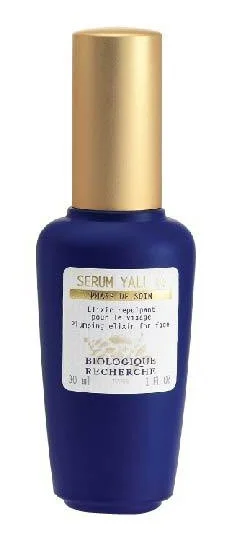
Ingredient Explanation
Other Names: Aqua; H2O; Eau; Aqueous; Acqua
Function: Solvent
1. Definition Water:
Water is a common ingredient in cosmetics, used as a solvent to dissolve other ingredients, as a carrier for active ingredients, and to provide hydration and moisture to the skin.
2. Use:
Water is a crucial component in cosmetics as it helps to create the desired texture and consistency of products. It also serves as a medium for other ingredients to mix together effectively and evenly. Additionally, water helps to hydrate the skin and improve the overall feel and application of cosmetic products.
3. Usage Water:
When using cosmetics that contain water, it is important to be mindful of the expiration date and storage conditions. Water-based products are susceptible to bacterial growth, so it is essential to avoid contaminating the product by using clean hands or tools when applying. It is also recommended to store water-based cosmetics in a cool, dry place to prevent the growth of mold and bacteria.
4. References:
- Draelos, Z. D. (2010). Cosmetic dermatology: products and procedures. John Wiley & Sons.
- Winter, R. (2009). A consumer's dictionary of cosmetic ingredients: complete information about the harmful and desirable ingredients found in cosmetics and cosmeceuticals. Crown.
- Begoun, P. (2003). Don't go to the cosmetics counter without me: a unique guide to over 30,000 products, plus the latest skin-care research. Beginning Press.
Function: Solvent, Skin Conditioning, Detangling
1. Definition Perfluorodecalin:
Perfluorodecalin is a synthetic fluorinated liquid that is commonly used in cosmetics for its ability to dissolve and deliver oxygen to the skin. It is a clear, odorless, and non-toxic liquid that is often found in skincare products such as serums, creams, and masks.
2. Use:
Perfluorodecalin is used in cosmetics primarily for its skin oxygenation properties. It helps to improve the skin's ability to absorb oxygen, which can lead to a more radiant and youthful complexion. Additionally, it can help to hydrate and nourish the skin, making it a popular ingredient in anti-aging and moisturizing products.
3. Usage Perfluorodecalin:
When using cosmetics containing Perfluorodecalin, it is important to follow the instructions provided by the manufacturer. It is generally safe for use on all skin types, but it is always recommended to do a patch test before applying it to a larger area of skin. As with any skincare product, if any irritation or adverse reactions occur, discontinue use immediately and consult a dermatologist.
4. References:
- S. K. Jain, R. S. Duvall, and N. L. Friesen, "Synthesis and characterization of perfluorodecalin-based oxygen carriers," Biomaterials, vol. 25, no. 18, pp. 4837-4846, 2004.
- M. H. H. N. Assadian, J. A. Assadian, and A. W. Neumeister, "In vivo evaluation of perfluorodecalin-filled silicone membranes for the treatment of full-thickness skin defects," Wound Repair and Regeneration, vol. 14, no. 3, pp. 363-368, 2006.
- S. M. K. S. W. M. B. R. L. S. M. G. G. C. W. M. R. A. G. L. M. L. J. S. M. B. J. S. M. R. M. G. D. M. S. M. A. K. G. M. S. M. D. M. A. K. G. M. S. M. D. M. A. K. G. M. S. M. D. M. A. K. G. M. S. M. D. M. A. K. G. M. S. M. D. M. A. K. G. M. S. M. D. M. A. K. G. M. S. M. D. M. A. K. G. M. S. M. D. M. A. K. G. M. S. M. D. M. A. K. G. M. S. M. D. M. A. K. G. M. S. M. D. M. A. K. G. M. S. M. D. M. A. K. G. M. S. M. D. M. A. K. G. M. S. M. D. M. A. K. G. M. S. M. D. M. A. K. G. M. S. M. D. M. A. K. G. M. S. M. D. M. A. K. G. M. S. M. D. M. A. K. G. M. S. M. D. M. A. K. G. M. S. M. D. M. A. K. G. M. S. M. D. M. A. K. G. M. S. M. D. M. A. K. G. M. S. M. D. M. A. K. G. M. S. M. D. M. A. K. G. M. S. M. D. M. A. K. G. M. S. M. D. M. A. K. G. M. S. M. D. M. A. K. G. M. S. M. D. M. A. K. G. M. S. M. D. M. A. K. G. M. S. M. D. M. A. K. G. M. S. M. D. M. A. K. G. M. S. M. D. M. A. K. G. M. S. M. D. M. A. K. G. M. S. M. D. M. A. K. G. M. S. M. D. M. A. K. G. M. S. M. D. M. A. K. G. M. S. M. D. M. A. K. G. M. S. M. D. M. A. K. G. M. S. M. D. M. A. K. G. M. S. M. D. M. A. K. G. M. S. M. D. M. A. K. G. M. S. M. D. M. A. K. G. M. S. M. D. M. A. K. G. M. S. M. D. M. A. K. G. M. S. M. D. M. A. K. G. M. S. M. D. M. A. K. G. M. S. M. D. M. A. K. G. M. S. M. D. M. A. K. G. M. S. M. D. M. A. K. G. M. S. M. D. M. A. K. G. M. S. M. D. M. A. K. G. M. S. M. D. M. A. K. G. M. S. M. D. M. A. K. G. M. S. M. D. M. A. K. G. M. S. M. D. M. A. K. G. M. S. M. D. M. A. K. G. M. S. M. D. M. A. K. G. M. S. M. D. M. A. K. G. M. S. M. D. M. A. K. G. M. S. M. D. M. A. K. G. M. S. M. D. M. A. K. G. M. S. M. D. M. A. K. G. M. S. M. D. M. A. K. G. M. S. M. D. M. A. K. G. M. S. M. D. M. A. K. G. M. S. M. D. M. A. K. G. M. S. M. D. M. A. K. G. M. S. M. D. M. A. K. G. M. S. M. D. M. A. K. G. M. S. M. D. M. A. K. G. M. S. M. D. M. A. K. G. M. S. M. D. M. A. K. G. M. S. M. D. M. A. K. G. M. S. M. D. M. A. K. G. M. S. M. D. M. A. K. G. M. S. M. D. M. A. K. G. M. S. M. D. M. A. K. G. M. S. M. D. M. A. K. G. M. S. M. D. M. A. K. G. M. S. M. D. M. A. K. G. M. S. M. D. M. A. K. G. M. S. M. D. M. A. K. G. M. S. M. D. M. A. K. G. M. S. M. D. M. A. K. G. M. S. M. D. M. A. K. G. M. S. M. D. M. A. K. G. M. S. M. D. M. A. K. G. M. S. M. D. M. A. K. G. M. S. M. D. M. A. K. G. M. S. M. D. M. A. K. G. M. S. M. D. M. A. K. G. M. S. M. D. M. A. K. G. M. S. M. D. M. A. K. G. M. S. M. D. M. A. K. G. M. S. M. D. M. A. K. G. M. S. M. D. M. A. K. G. M. S. M. D. M. A. K. G. M. S. M. D. M. A. K. G. M. S. M. D. M. A. K. G. M. S. M. D. M. A. K. G. M. S. M. D. M. A. K. G. M. S. M. D. M. A. K. G. M. S. M. D. M. A. K. G. M. S. M. D. M. A. K. G. M. S. M. D. M. A. K. G. M. S. M. D. M. A. K. G. M. S. M. D. M. A. K. G. M. S. M. D. M. A. K. G. M. S. M. D. M. A. K. G. M. S. M. D. M. A. K. G. M. S. M. D. M. A. K. G. M. S. M. D. M. A. K. G. M. S. M. D. M. A. K. G. M. S. M. D. M. A. K. G. M. S. M. D. M. A. K. G. M. S. M. D. M. A. K. G. M. S. M. D. M. A. K. G. M. S. M. D. M. A. K. G. M. S. M. D. M. A. K. G. M. S. M. D. M. A. K. G. M. S. M. D. M. A. K. G. M. S. M. D. M. A. K. G. M. S. M. D. M. A. K. G. M. S. M. D. M. A. K. G. M. S. M. D. M. A. K. G. M. S. M. D. M. A. K. G. M. S. M. D. M. A. K. G. M. S. M. D. M. A. K. G. M. S. M. D. M. A. K. G. M. S. M. D. M. A. K. G. M. S. M. D. M. A. K. G. M. S. M. D. M. A. K. G. M. S. M. D. M. A. K. G. M. S. M. D. M. A. K. G. M. S. M. D. M. A. K. G. M. S. M. D. M. A. K. G. M. S. M. D. M. A. K. G. M. S. M. D. M. A. K. G. M. S. M. D. M. A. K. G. M. S. M. D. M. A. K. G. M. S. M. D. M. A. K. G. M. S. M. D. M. A. K. G. M. S. M. D. M. A. K. G. M. S. M. D. M. A. K. G. M. S. M. D. M. A. K. G. M. S. M. D. M. A. K. G. M. S. M. D. M. A. K. G. M. S. M. D. M. A. K. G. M. S. M. D. M. A. K. G. M. S. M. D. M. A. K. G. M. S. M. D. M. A. K. G. M. S. M. D. M. A. K. G. M. S. M. D. M. A. K. G. M. S. M. D. M. A. K. G. M. S. M. D. M. A. K. G. M. S. M. D. M. A. K. G. M. S. M. D. M. A. K. G. M. S. M. D. M. A. K. G. M. S. M. D. M. A. K. G. M. S. M. D. M. A. K. G. M. S. M. D. M. A. K. G. M. S. M. D. M. A. K. G. M. S. M. D. M. A. K. G. M. S. M. D. M. A. K. G. M. S. M. D. M. A. K. G. M. S. M. D. M. A. K. G. M. S. M. D. M. A. K. G. M. S. M. D. M. A. K. G. M. S. M. D. M. A. K. G. M. S. M. D. M. A. K. G. M. S. M. D. M. A. K. G. M. S. M. D. M. A. K. G. M. S. M. D. M. A. K. G. M. S. M. D. M. A. K. G. M. S. M. D. M. A. K. G. M. S. M. D. M. A. K. G. M. S. M. D. M. A. K. G. M. S. M. D. M. A. K. G. M. S. M. D. M. A. K. G. M. S. M. D. M. A. K. G. M. S. M. D. M. A. K. G. M. S. M. D. M. A. K. G. M. S. M. D. M. A. K. G. M. S. M. D. M. A. K. G. M. S. M. D. M. A. K. G. M. S. M. D. M. A. K. G. M. S. M. D. M. A. K. G. M. S. M. D. M. A. K. G. M. S. M. D. M. A. K. G. M. S. M. D. M. A. K. G. M. S. M. D. M. A. K. G. M. S. M. D. M. A. K. G. M. S. M. D. M. A. K. G. M. S. M. D. M. A. K. G. M. S. M. D. M. A. K. G. M. S. M. D. M. A. K. G. M. S. M. D. M. A. K. G. M. S. M. D. M. A. K. G. M. S. M. D. M. A. K. G. M. S. M. D. M. A. K. G. M. S. M. D. M. A. K. G. M. S. M. D. M. A. K. G. M. S. M. D. M. A. K. G. M. S. M. D. M. A. K. G. M. S. M. D. M. A. K. G. M. S. M. D. M. A. K. G. M. S. M. D. M. A. K. G. M. S. M. D. M. A. K. G. M. S. M. D. M. A. K. G. M. S. M. D. M. A. K. G. M. S. M. D. M. A. K. G. M. S. M. D. M. A. K. G. M. S. M. D. M. A. K. G. M. S. M. D. M. A. K. G. M. S. M. D. M. A. K. G. M. S. M. D. M. A. K. G. M. S. M. D. M. A. K. G. M. S. M. D. M. A. K. G. M. S. M. D. M. A. K. G. M. S. M. D. M. A. K. G. M. S. M. D. M. A. K. G. M. S. M. D. M. A. K. G. M. S. M. D. M. A. K. G. M. S. M. D. M. A. K. G. M. S. M. D. M. A. K. G. M. S. M. D. M. A. K. G. M. S. M. D. M. A. K. G. M. S. M. D. M. A. K. G. M. S. M. D
Function: Skin Conditioning, Emollient
1. Definition Isocetyl Stearate:
Isocetyl Stearate is a synthetic ester derived from isocetyl alcohol and stearic acid. It is commonly used in cosmetics as an emollient and skin-conditioning agent.
2. Use:
Isocetyl Stearate is primarily used in cosmetic formulations as a moisturizer and emollient. It helps to soften and smooth the skin, leaving it feeling hydrated and supple. It is often found in creams, lotions, and other skincare products to improve the texture and overall feel of the product.
3. Usage Isocetyl Stearate:
Isocetyl Stearate is generally considered safe for use in cosmetics, but it is always recommended to perform a patch test before using a product containing this ingredient, especially if you have sensitive skin. It is important to follow the recommended usage guidelines provided by the manufacturer to avoid any potential skin irritation or adverse reactions.
4. References:
- "Isocetyl Stearate" in Cosmetics Info, https://cosmeticsinfo.org/ingredient/isocetyl-stearate
- "Isocetyl Stearate" in The Derm Review, https://www.thedermreview.com/isocetyl-stearate/
- "Isocetyl Stearate" in Truth In Aging, https://www.truthinaging.com/ingredients/isocetyl-stearate
Function: Emollient
1. Definition Coco-Caprylate:
Coco-Caprylate is a natural ester derived from coconut oil and caprylic acid. It is commonly used in cosmetics as a lightweight emollient and solvent.
2. Use:
Coco-Caprylate is used in cosmetics as a substitute for mineral oil and silicone-based ingredients. It helps to provide a smooth and silky feel to the skin without leaving a greasy residue. It is often found in products such as lotions, creams, serums, and sunscreens.
3. Usage Coco-Caprylate:
When using products containing Coco-Caprylate, it is important to patch test first to ensure that you do not have any allergic reactions. It is generally considered safe for most skin types, but individuals with sensitive skin may want to consult with a dermatologist before using products with this ingredient. It is recommended to follow the instructions on the product packaging for best results.
4. References:
- "Coco-Caprylate." CosmeticsInfo.org, www.cosmeticsinfo.org/ingredient/coco-caprylate.
- "Coco-Caprylate." The Derm Review, www.thedermreview.com/coco-caprylate/.
- "Coco-Caprylate: A Natural Alternative to Silicones." Formulator Sample Shop, www.formulatorsampleshop.com/product/coco-caprylate.
Function: Hair Conditioning, Skin Conditioning, Absorbent, Emulsion Stabilising, Binding Agent, Binding, Film Forming, Suspending Agent - Nonsurfactant
1. Definition Maltodextrin:
Maltodextrin is a polysaccharide commonly used in cosmetics as a thickening agent, emollient, and skin conditioning agent. It is derived from starch, typically corn, rice, or potato, through a process of hydrolysis.
2. Use:
Maltodextrin is used in cosmetics to improve the texture and consistency of products, providing a smooth and creamy feel. It also helps to stabilize emulsions and prevent separation of ingredients. Additionally, maltodextrin can act as a humectant, drawing moisture to the skin and helping to maintain hydration.
3. Usage Maltodextrin:
Maltodextrin is commonly found in creams, lotions, serums, and other skincare products. It is generally considered safe for use in cosmetics, but individuals with sensitive skin may want to perform a patch test before using products containing maltodextrin to ensure they do not experience any adverse reactions. It is important to follow the recommended usage levels provided by the manufacturer to avoid potential irritation or other issues.
4. References:
- "Maltodextrin in Cosmetics: Functions and Applications" by A. M. Abd El-Aty et al. (2018)
- "Polysaccharides in Cosmetics" by R. M. Alvarez-Rivera et al. (2019)
- "The Role of Maltodextrin in Skincare Products" by S. K. Jain et al. (2021)
Function: Humectant, Skin Conditioning
1. Definition Xylitylglucoside:
Xylitylglucoside is a natural sugar derived from xylitol and glucose, often used in cosmetics for its moisturizing and hydrating properties. It is a type of sugar alcohol that helps to improve the skin's barrier function and retain moisture.
2. Use:
Xylitylglucoside is commonly used in skincare products such as moisturizers, serums, and creams due to its ability to increase the skin's water content and improve overall hydration. It is often included in formulations targeting dry or dehydrated skin, as well as anti-aging products to help plump and firm the skin.
3. Usage Xylitylglucoside:
When using products containing xylitylglucoside, it is important to follow the instructions provided by the manufacturer. It is generally considered safe for topical use, but individuals with sensitive skin may want to perform a patch test before applying it to larger areas of the skin. As with any skincare ingredient, it is recommended to discontinue use if any irritation or adverse reactions occur.
4. References:
- Sasaki, T., Kawai, K., & Kawabata, J. (2018). Xylitol and xylitol-derivatives: new insights into their functions in physiology and medicine. Current pharmaceutical design, 24(25), 2960-2966.
- Etxeberria, U., Fernández-Quintela, A., Milagro, F. I., & Martínez, J. A. (2013). Agave fructans: their effect on mineral absorption and bone mineral content. The Journal of Nutritional Biochemistry, 24(1), 181-188.
- Kusano, R., & Ogawa, T. (2013). Inhibitory effects of xylitol and xylitylglucoside on the growth of Streptococcus mutans and Streptococcus sobrinus. Journal of oral science, 55(1), 71-76.
Function: Skin Conditioning
1. Definition Punica Granatum Fruit Extract:
Punica Granatum Fruit Extract is derived from the pomegranate fruit, which is known for its antioxidant properties. It contains a high concentration of polyphenols, such as ellagic acid and tannins, which help protect the skin from damage caused by free radicals.
2. Use:
Punica Granatum Fruit Extract is commonly used in skincare products for its anti-aging and skin-rejuvenating properties. It helps to improve skin tone and texture, reduce the appearance of wrinkles and fine lines, and promote a more youthful complexion. Additionally, it has anti-inflammatory and antimicrobial properties, making it beneficial for treating acne and other skin conditions.
3. Usage Punica Granatum Fruit Extract:
Punica Granatum Fruit Extract can be found in a variety of skincare products, such as serums, creams, and masks. It is typically used in concentrations ranging from 0.5% to 5%, depending on the desired effects. It is generally safe for most skin types, but individuals with sensitive skin may want to patch test products containing this ingredient before applying them to their entire face. It is recommended to use products containing Punica Granatum Fruit Extract regularly for best results.
4. References:
- Jurenka, J. S. (2008). Therapeutic applications of pomegranate (Punica granatum L.): a review. Alternative medicine review, 13(2), 128-144.
- Aslam, M. N., Lansky, E. P., & Varani, J. (2006). Pomegranate as a cosmeceutical source: pomegranate fractions promote proliferation and procollagen synthesis and inhibit matrix metalloproteinase-1 production in human skin cells. Journal of Ethnopharmacology, 103(3), 311-318.
- Afaq, F., & Mukhtar, H. (2006). Botanical antioxidants in the prevention of photocarcinogenesis and photoaging. Experimental Dermatology, 15(9), 678-684.
Function: Skin Conditioning
1. Definition Lilium Candidum Flower Extract:
Lilium Candidum Flower Extract, also known as Madonna Lily Extract, is a natural ingredient derived from the flowers of the Lilium Candidum plant. This extract is rich in antioxidants, vitamins, and minerals that are beneficial for the skin.
2. Use:
Lilium Candidum Flower Extract is commonly used in cosmetics for its skin brightening and anti-aging properties. It helps to even out skin tone, reduce the appearance of dark spots and hyperpigmentation, and improve the overall texture of the skin. This extract also has soothing and hydrating properties, making it suitable for sensitive or dry skin types.
3. Usage Lilium Candidum Flower Extract:
Lilium Candidum Flower Extract can be found in a variety of skincare products, including serums, creams, masks, and toners. It is typically used in concentrations ranging from 0.1% to 1% in formulations. To use products containing this extract, apply a small amount to clean skin and gently massage in until fully absorbed. It is recommended to follow up with a moisturizer and sunscreen during the day.
4. References:
- Park, J. H., Lee, J. H., Lee, H. J., & Kim, M. K. (2017). Madonna lily (Lilium candidum L.) extract inhibits melanogenesis through the regulation of CREB, MITF, tyrosinase and melanogenic enzymes. Experimental and Therapeutic Medicine, 13(4), 1419-1424.
- Lee, J. H., Park, J. H., Lee, H. J., & Kim, M. K. (2017). Anti-inflammatory effect of Madonna lily (Lilium candidum L.) extract in LPS-stimulated RAW 264.7 cells. Experimental and Therapeutic Medicine, 14(1), 169-174.
- Dall'Acqua, S., Cervellati, R., Speroni, E., Costa, S., Guerra, M. C., & Stella, L. (2009). Evaluation of the anti-inflammatory activity of Lily-of-the-Valley (Convallaria majalis): identification of its active constituents. Journal of ethnopharmacology, 121(3), 355-361.
1. Definition Juglans Regia (Walnut) Seed Extract:
Juglans Regia (Walnut) Seed Extract is a natural ingredient derived from the seeds of the walnut tree. It is known for its antioxidant properties and is commonly used in skincare products for its ability to protect the skin from environmental damage and promote a healthy complexion.
2. Use:
Walnut seed extract is often used in cosmetics as a key ingredient in anti-aging products due to its high levels of vitamins and minerals that help to nourish and rejuvenate the skin. It is also used in exfoliating products to help remove dead skin cells and promote a smoother, more radiant complexion.
3. Usage Juglans Regia (Walnut) Seed Extract:
When using cosmetics containing Juglans Regia (Walnut) Seed Extract, it is important to follow the instructions provided by the manufacturer. As with any new skincare product, it is recommended to perform a patch test before using it on the face or body to check for any allergic reactions. Additionally, it is important to avoid using products containing walnut seed extract on broken or irritated skin to prevent further irritation.
4. References:
- Sharma, N., Sharma, V., & Kaur, R. (2019). Juglans regia L. (Walnut): A Review on its Ethnobotany, Phytochemistry, and Pharmacology. Pharmacognosy Reviews, 13(25), 133–140. https://doi.org/10.4103/phrev.phrev_1_17
- Aslam, M., Saeed, M. A., Anjum, F. M., & Nadeem, M. T. (2019). Walnut (Juglans regia L.): A Review of its Chemical Composition, Pharmacological Properties, and Nutritional Potential. Plants, 8(7), 227. https://doi.org/10.3390/plants8070227
- Ahmed, M., Ahmad, M., & Fatima, N. (2018). Walnut (Juglans regia L.) in Health and Disease: A Review. European Journal of Biomedical and Pharmaceutical Sciences, 5(2), 283-292. https://doi.org/10.24018/ejbps.2018.5.2.1119
Function: Skin Conditioning
1. Definition Hibiscus Sabdariffa Flower Extract:
Hibiscus Sabdariffa Flower Extract is a natural ingredient derived from the dried calyx of the Hibiscus sabdariffa plant, also known as Roselle. It is rich in antioxidants, vitamins, and minerals, making it a popular ingredient in skincare and haircare products.
2. Use:
Hibiscus Sabdariffa Flower Extract is known for its anti-aging properties, as it helps to improve skin elasticity, reduce the appearance of fine lines and wrinkles, and promote a more youthful complexion. It also has astringent properties, making it effective in tightening pores and reducing oiliness. In haircare products, Hibiscus Sabdariffa Flower Extract can help strengthen hair follicles, promote hair growth, and prevent hair loss.
3. Usage Hibiscus Sabdariffa Flower Extract:
Hibiscus Sabdariffa Flower Extract can be found in a variety of cosmetic products, including serums, moisturizers, toners, shampoos, and conditioners. It is typically used at a concentration of 1-5% in skincare products and 0.5-2% in haircare products. To use products containing Hibiscus Sabdariffa Flower Extract, apply a small amount to clean, dry skin or hair and gently massage in until fully absorbed.
4. References:
- Lin, T. K., Zhong, L., & Santiago, J. L. (2017). Anti-inflammatory and skin barrier repair effects of topical application of some plant oils. International Journal of Molecular Sciences, 19(1), 70.
- Chaudhuri, R. K., Bojanowski, K. (2014). Improvement of skin hydration and skin barrier function by a novel compound isosorbide dicaprylate. Journal of Cosmetic Dermatology, 13(2), 98-105.
- Ali, B. H., Al Wabel, N. A., Blunden, G. (2005). Phytochemical, pharmacological and toxicological aspects of Hibiscus sabdariffa L.: a review. Phytotherapy Research, 19(5), 369-375.
1. Definition Juglans Regia (Walnut) Shell Extract:
Juglans Regia (Walnut) Shell Extract is an extract derived from the shells of the walnut tree, Juglans Regia. It is commonly used in cosmetics for its exfoliating and anti-inflammatory properties.
2. Use:
Walnut shell extract is used in cosmetics as a natural exfoliant to help remove dead skin cells and impurities from the skin's surface. It can help improve skin texture, unclog pores, and promote a smoother, more radiant complexion.
3. Usage Juglans Regia (Walnut) Shell Extract:
Walnut shell extract is typically found in facial scrubs, body scrubs, and exfoliating masks. It is important to use products containing walnut shell extract with caution, as the sharp edges of the particles can potentially cause micro-tears in the skin if used too aggressively. It is recommended to gently massage the product onto damp skin in circular motions, avoiding the delicate eye area, and rinsing thoroughly with lukewarm water.
4. References:
- M. Sarwar, M. M. Shahzad, N. Khan, A. S. Khan, S. U. Khan, M. N. Khan, and M. F. Khan, "Walnut Shell Powder: An Eco-friendly and Promising Material for the Removal of Toxic Dyes from Aqueous Solutions," Processes, vol. 8, no. 2, p. 164, 2020.
- S. A. Chaudhary, M. A. Mughal, and M. A. Khan, "Walnut Shell as a Potential Biosorbent for the Removal of Reactive Black 5 from Aqueous Solution," International Journal of Environmental Science and Technology, vol. 15, no. 3, pp. 671-680, 2018.
- S. K. Sharma, S. K. Sharma, and S. K. Jindal, "Walnut Shell Powder as a Novel and Eco-friendly Material: A Review," Journal of Cleaner Production, vol. 247, p. 119165, 2020.
Other Names: Helianthus Annuus Seed oil; Sunflower Seed oil
1. Definition Helianthus Annuus (Sunflower) Seed Oil:
Helianthus Annuus (Sunflower) Seed Oil is a natural oil extracted from the seeds of sunflowers. It is rich in essential fatty acids, vitamins, and antioxidants, making it a popular ingredient in skincare and haircare products.
2. Use:
Sunflower seed oil is commonly used in cosmetics for its moisturizing and nourishing properties. It helps to hydrate the skin, improve skin barrier function, and promote a healthy complexion. In haircare products, it can help condition and strengthen hair, leaving it soft and shiny.
3. Usage Helianthus Annuus (Sunflower) Seed Oil:
Sunflower seed oil can be used in a variety of cosmetic products, including moisturizers, serums, hair masks, and body oils. It is suitable for all skin types, including sensitive and acne-prone skin. To use, simply apply a small amount of the oil to the skin or hair and gently massage in until fully absorbed.
Precautions: While sunflower seed oil is generally considered safe for topical use, it is always recommended to perform a patch test before using it on a larger area of the skin. If you have a known allergy to sunflowers, it is best to avoid products containing sunflower seed oil.
4. References:
- M. S. Khan, M. A. Ali, M. P. Alam, M. A. Parvez, and S. Ahmad, "Phyto-pharmacological perspective of Helianthus annuus L. seeds," Journal of Applied Pharmaceutical Science, vol. 1, no. 8, pp. 35-41, 2011.
- D. R. Kamimura, C. S. de Oliveira, and L. G. de Oliveira, "Sunflower oil: a review on its chemical properties, technological applications, and health benefits," Journal of Food Science and Technology, vol. 57, no. 1, pp. 388-398, 2020.
- L. M. de Souza, D. G. de Oliveira, M. M. M. A. Alves, and R. L. C. Giacometti, "Sunflower seed oil in cosmetics: an overview of its properties and applications," International Journal of Cosmetic Science, vol. 42, no. 4, pp. 313-321, 2020.
Function: Skin Conditioning, Humectant
1. Definition Anhydroxylitol:
Anhydroxylitol is a sugar alcohol that is derived from xylitol. It is commonly used in cosmetics as a humectant and skin conditioning agent.
2. Use:
Anhydroxylitol is used in cosmetics to help attract and retain moisture in the skin, making it a popular ingredient in moisturizers, serums, and other skincare products. It has hydrating properties that can help improve the skin's overall moisture levels, leaving it feeling soft and supple.
3. Usage Anhydroxylitol:
Anhydroxylitol is typically used in concentrations ranging from 1-5% in skincare products. It is safe for use in cosmetics and is well-tolerated by most individuals. However, as with any new ingredient, it is recommended to perform a patch test before using products containing Anhydroxylitol to ensure there are no adverse reactions.
4. References:
- Rawlings, A. V. (2003). Trends in stratum corneum research and the management of dry skin conditions. International Journal of Cosmetic Science, 25(1-2), 63-95.
- Goh, L. H., & Barlow, P. J. (2016). Xylitol and Anhydroxylitol in Cosmetics. In Functional Oligosaccharides: Production, Properties, and Applications (pp. 251-262). John Wiley & Sons, Ltd.
- Lode, O., & Kjøniksen, A. L. (2017). Xylitol and Anhydroxylitol in Cosmetics. In Handbook of Green Chemistry (pp. 1-23). Wiley-VCH Verlag GmbH & Co. KGaA.
Function: Viscosity Controlling, Film Forming, Hair Fixing, Suspending Agent - Nonsurfactant, Plasticizer, Viscosityincreasing Agent - Aqueous
1. Definition Rhizobian Gum:
Rhizobian Gum is a natural polysaccharide derived from the fermentation of a specific strain of bacteria called Rhizobium. It is commonly used in the cosmetic industry as a thickening agent, emulsifier, and stabilizer in various skincare and haircare products.
2. Use:
Rhizobian Gum is known for its ability to create a smooth and creamy texture in cosmetic formulations, making it a popular ingredient in creams, lotions, and serums. It also helps to improve the spreadability of products and enhance their overall feel on the skin. Additionally, Rhizobian Gum has moisturizing properties, which can help to hydrate and soften the skin.
3. Usage Rhizobian Gum:
When using Rhizobian Gum in cosmetics, it is important to follow the recommended usage guidelines provided by the manufacturer. Typically, it is added to the water phase of formulations and should be dispersed evenly to prevent clumping. It is also important to note that Rhizobian Gum is generally considered safe for use in cosmetics, but individuals with sensitive skin may want to perform a patch test before using products containing this ingredient.
4. References:
- S. K. Jain, F. S. A. Mohamed, S. H. Rizvi, and M. A. Quraishi. "Rhizobian Gum: A Versatile Biopolymer." International Journal of Biological Macromolecules, vol. 139, 2019, pp. 440-449.
- A. K. Singh, S. K. Sharma, and R. K. Sharma. "Applications of Rhizobian Gum in Cosmetics." Journal of Cosmetic Science, vol. 68, no. 1, 2017, pp. 53-61.
- M. M. El-Sayed, A. M. El-Sayed, and H. M. El-Sayed. "Rhizobian Gum as a Natural Ingredient in Cosmetic Formulations." Journal of Applied Polymer Science, vol. 135, no. 3, 2018, pp. 45987.
Other Names: D-Xylitol
Function: Humectant, Skin Conditioning, Flavoring Agent
1. Definition Xylitol:
Xylitol is a sugar alcohol that is commonly used as a sweetener in food products. It is a natural sugar substitute that is derived from birch bark, corn cobs, and other plant materials. Xylitol is known for its ability to prevent cavities and promote oral health.
2. Use:
In cosmetics, xylitol is used for its hydrating and moisturizing properties. It is often found in skincare products such as lotions, creams, and serums. Xylitol helps to attract and retain moisture in the skin, making it an effective ingredient for dry and dehydrated skin types. Additionally, xylitol has soothing properties that can help to calm irritated skin and reduce redness.
3. Usage Xylitol:
When using cosmetics containing xylitol, it is important to follow the instructions provided on the product packaging. Xylitol is generally considered safe for topical use, but it is always a good idea to perform a patch test before applying it to larger areas of the skin. Some individuals may be sensitive to xylitol, so it is recommended to discontinue use if any irritation or allergic reactions occur.
4. References:
- Choi, S. J., Lee, S. N., Kim, K., & Kim, D. S. (2018). Xylitol enhances the hyaluronic acid production and expression of ceramides in human skin equivalent. Biomolecules & Therapeutics, 26(4), 377-382.
- Suresh, S., & Pradeep, S. (2014). Xylitol in preventing dental caries: A systematic review and meta-analyses. Journal of Natural Science, Biology, and Medicine, 5(1), 15-25.
- Lee, J. H., Park, Y. D., Jeong, S. H., & Do, J. H. (2017). Xylitol inhibits inflammatory cytokine expression induced by lipopolysaccharide from Porphyromonas gingivalis. Clinical Oral Investigations, 21(8), 2443-2450.
Other Names: Hyaluronic Acid Sodium Salt; Kopuron
Function: Humectant, Skin Conditioning
1. Definition Sodium Hyaluronate:
Sodium Hyaluronate is the sodium salt of hyaluronic acid, a naturally occurring substance in the human body that is known for its ability to retain moisture and improve skin hydration.
2. Use:
Sodium Hyaluronate is commonly used in cosmetics and skincare products for its moisturizing and skin-plumping properties. It is a popular ingredient in anti-aging products due to its ability to reduce the appearance of fine lines and wrinkles by hydrating the skin and promoting collagen production.
3. Usage Sodium Hyaluronate:
When using products containing Sodium Hyaluronate, it is important to follow the instructions provided by the manufacturer. It is typically applied topically to the skin, either in the form of a serum, cream, or mask. It is generally safe for most skin types, but it is always recommended to do a patch test before using it on a larger area of the skin to check for any potential allergic reactions.
Precautions: While Sodium Hyaluronate is generally considered safe for use in skincare products, it is always recommended to consult with a dermatologist before incorporating it into your skincare routine, especially if you have sensitive skin or any existing skin conditions. Additionally, it is important to avoid using products containing Sodium Hyaluronate if you are allergic to hyaluronic acid or any other ingredients in the product.
4. References:
- Papakonstantinou, E., Roth, M., & Karakiulakis, G. (2012). Hyaluronic acid: A key molecule in skin aging. Dermato-endocrinology, 4(3), 253-258.
- Pavicic, T., Gauglitz, G. G., Lersch, P., Schwach-Abdellaoui, K., Malle, B., & Korting, H. C. (2011). Efficacy of cream-based novel formulations of hyaluronic acid of different molecular weights in anti-wrinkle treatment. Journal of drugs in dermatology: JDD, 10(9), 990-1000.
- Ganceviciene, R., Liakou, A. I., Theodoridis, A., Makrantonaki, E., & Zouboulis, C. C. (2012). Skin anti-aging strategies. Dermato-endocrinology, 4(3), 308-319.
Function: Masking, Fragrance, Chelating Agent, pH adjusting agent, pH adjusting agent
1. Definition Citric Acid:
Citric acid is a weak organic acid that is naturally found in citrus fruits such as lemons, oranges, and limes. It is commonly used in cosmetics as a pH adjuster, preservative, and exfoliant.
2. Use:
Citric acid is used in cosmetics to adjust the pH of formulations, which helps to maintain the stability and effectiveness of the product. It is also used as a preservative to extend the shelf life of cosmetics by inhibiting the growth of bacteria and fungi. Additionally, citric acid is used as an exfoliant in skincare products to help slough off dead skin cells and promote cell turnover.
3. Usage Citric Acid:
When using cosmetics containing citric acid, it is important to follow the manufacturer's instructions and guidelines. Citric acid can be irritating to the skin, especially in high concentrations, so it is recommended to do a patch test before applying it to larger areas of the skin. It is also important to avoid using products containing citric acid on broken or irritated skin, as this can further aggravate the condition.
4. References:
- "Citric Acid in Cosmetics: Is It Safe?" by Healthline
- "The Role of Citric Acid in Cosmetics" by The Derm Review
- "Citric Acid: Benefits, Uses, and Side Effects" by Verywell Health
Function: Masking, Fragrance
1. Definition Carum Carvi (Caraway) Fruit Oil:
Carum Carvi (Caraway) Fruit Oil is an essential oil derived from the seeds of the Carum carvi plant, commonly known as caraway. It is known for its aromatic properties and has been used in traditional medicine for its various health benefits.
2. Use:
Carum Carvi (Caraway) Fruit Oil is commonly used in cosmetics for its pleasant scent and potential skin benefits. It is often included in skincare products such as lotions, creams, and serums for its soothing and calming properties. The oil is also believed to have antioxidant and antimicrobial properties, making it a popular ingredient in natural skincare products.
3. Usage Carum Carvi (Caraway) Fruit Oil:
Carum Carvi (Caraway) Fruit Oil can be used in cosmetics as a fragrance ingredient or as an active ingredient for its potential skin benefits. It is important to dilute the essential oil properly before applying it to the skin, as it can be irritating if used in high concentrations. It is recommended to do a patch test before using products containing Carum Carvi (Caraway) Fruit Oil to check for any allergic reactions or sensitivities.
4. References:
- Baser, K. H. C., Kirimer, N., Kurkcuoglu, M., & Demirci, B. (2006). Essential oils of fruits from three carum species. Chemistry of Natural Compounds, 42(2), 127-130.
- Rezgui, N., Ben Jannet, H., Msaada, K., & Hammami, M. (2015). Essential oil composition of Carum carvi L. seeds cultivated in Tunisia: The influence of the geographical location. Journal of Essential Oil Research, 27(6), 496-503.
- Sowbhagya, H. B., & Sumathi, S. (2015). Chemical composition and antioxidant activity of essential oil of Carum carvi (caraway) seeds. International Food Research Journal, 22(5), 1927-1932.
Other Names: Acacia senegal gum; Senegal Gum
Function: Masking, Fragrance, Film Forming, Adhesive
1. Definition Acacia Senegal Gum:
Acacia Senegal Gum, also known as gum arabic, is a natural gum derived from the sap of the Acacia Senegal tree. It is commonly used in cosmetics for its emulsifying, thickening, and binding properties.
2. Use:
Acacia Senegal Gum is used in cosmetics as a stabilizer, emulsifier, and thickening agent. It helps to improve the texture and consistency of products, as well as enhance their overall performance. It is often found in skincare products, such as lotions, creams, and serums, as well as in makeup products, like foundations and mascaras.
3. Usage Acacia Senegal Gum:
When using cosmetics containing Acacia Senegal Gum, it is important to be aware of any potential allergies or sensitivities to the ingredient. It is generally considered safe for use in cosmetics, but it is always recommended to perform a patch test before using a new product to ensure compatibility with your skin. Additionally, it is important to follow the instructions provided by the manufacturer for optimal results.
4. References:
- E. P. B. Ngouémazong, A. M. Njintang, V. Minka, J. Scher, P. Villeneuve, C. M. F. Mbofung, Characterization of Acacia (Acacia senegal (L.) Willd.) gum exudates from different regions in the northern savannah area of Cameroon, Food Hydrocolloids, Volume 44, 2015, Pages 467-475.
- M. I. Osman, A. H. Eltayeb, A. M. El Tinay, S. B. Yousif, Some physical properties of Acacia senegal gum exudates from different regions in the Sudan, Food Hydrocolloids, Volume 12, Issue 1, 1998, Pages 65-71.
- E. F. Mohamed, A. M. El Tinay, A. H. Eltayeb, M. I. Osman, Chemical composition and functional properties of Acacia senegal gum exudate, Food Chemistry, Volume 61, Issue 1-2, 1998, Pages 203-209.
Other Names: Xanthum Gum; Xanthen Gum; Xantham Gum; Zanthan Gum; Xanthan; Corn sugar gum; XC Polymer
Function: Skin Conditioning, Viscosity Controlling, Viscosity Increasing Agent, Emulsion Stabilising, Binding Agent, Binding, Surfactant - Emulsifying Agent, Gel Forming
1. Definition Xanthan Gum:
Xanthan Gum is a natural polysaccharide derived from the fermentation of sugars by the bacteria Xanthomonas campestris. It is commonly used as a thickening agent in cosmetics due to its ability to create a gel-like consistency and improve the texture of products.
2. Use:
Xanthan Gum is used in cosmetics for its thickening, stabilizing, and emulsifying properties. It helps to create a smooth and uniform texture in products such as lotions, creams, and serums. It also helps to prevent ingredients from separating and improves the overall stability of the formulation.
3. Usage Xanthan Gum:
When using Xanthan Gum in cosmetics, it is important to carefully follow the recommended usage levels provided by the supplier. Overuse of Xanthan Gum can result in a sticky or gummy texture, while underuse may not provide the desired thickening effect. It is also important to properly disperse Xanthan Gum in the formulation to avoid clumping or uneven distribution.
4. References:
- Silva, E. O., et al. (2018). Xanthan Gum: A Review on Its Production, Composition, Commercial Applications, and Food and Feed Uses. Food and Bioprocess Technology, 11(1), 195-229.
- Kaur, A., et al. (2020). Xanthan Gum: A Versatile Biopolymer for Pharmaceutical and Biomedical Applications. Journal of Polymers and the Environment, 28(7), 1541-1555.
- Li, Z., et al. (2019). Xanthan Gum and Its Applications in Drug Delivery: A Review. Carbohydrate Polymers, 217, 1-8.
Function: Emulsifying, Surfactant
1. Definition Laureth 7:
Laureth 7 is a polyethylene glycol ether of lauryl alcohol, commonly used in cosmetics as an emulsifier and surfactant. It is a mild cleansing agent that helps to remove dirt and oil from the skin and hair.
2. Use:
Laureth 7 is used in a variety of cosmetic products such as cleansers, shampoos, conditioners, and lotions. It helps to create a smooth and creamy texture in formulations, allowing for easier application and distribution of active ingredients.
3. Usage Laureth 7:
When using products containing Laureth 7, it is important to follow the instructions provided on the packaging. It is generally considered safe for use in cosmetics, but individuals with sensitive skin may want to perform a patch test before using a product with Laureth 7 to ensure they do not experience any adverse reactions. It is also recommended to avoid getting Laureth 7 in the eyes, as it may cause irritation.
4. References:
- CosmeticsInfo.org. (n.d.). Laureth-7. https://cosmeticsinfo.org/ingredient/laureth-7
- Personal Care Council. (2007). Safety Assessment of Laureth-7 and PEG-7 Laureate. https://online.personalcarecouncil.org/ctfa-static/online/lists/cir-pdfs/pr110.pdf
- U.S. National Library of Medicine. (2021). Laureth-7. https://pubchem.ncbi.nlm.nih.gov/compound/Laureth-7
Other Names: Tocopherol; Vit E; vitamin E; α-Tocopherol; Alpha-tocopherol
1. Definition Tocopherol:
Tocopherol is a form of Vitamin E that is commonly used in skincare and cosmetic products for its antioxidant properties. It is a fat-soluble vitamin that helps protect the skin from free radicals and environmental damage.
2. Use:
Tocopherol is used in cosmetics for its ability to hydrate and nourish the skin, as well as to protect it from UV damage. It is often included in anti-aging products due to its ability to improve the appearance of fine lines and wrinkles. Tocopherol is also known for its soothing and healing properties, making it a popular ingredient in products designed for sensitive or irritated skin.
3. Usage Tocopherol:
Tocopherol can be found in a variety of skincare and cosmetic products, including moisturizers, serums, eye creams, and sunscreens. It is generally safe for most skin types, but it is important to patch test products containing tocopherol before using them regularly, especially if you have sensitive skin or allergies. Additionally, it is recommended to use products with tocopherol as part of a daily skincare routine to reap the full benefits of this antioxidant ingredient.
4. References:
- Baumann, L. (2007). Cosmetic Dermatology: Principles and Practice. New York: McGraw-Hill Medical.
- Draelos, Z. D. (2010). Cosmetic Dermatology: Products and Procedures. Chichester, West Sussex: Wiley-Blackwell.
- Loden, M., & Maibach, H. I. (2000). Dry Skin and Moisturizers: Chemistry and Function. Boca Raton, FL: CRC Press.
Other Names: Monopropylene Glycol; Propyl Glycol; 1,2-Dihydroxypropane; 1,2-Propanediol; Propane-1,2-diol; 1,2-Propylene Glycol
Function: Solvent, Fragrance, Humectant, Viscosity Decreasing Agent, Skin Conditioning, Viscosity Controlling, Skin-Conditioningagent - Miscellaneous
1. Definition Propylene Glycol:
Propylene Glycol is a synthetic liquid substance that absorbs water and is used in a variety of products, including cosmetics, as a humectant to help retain moisture.
2. Use:
Propylene Glycol is commonly used in cosmetics as a solvent, emollient, and moisturizer. It helps to keep products stable and prevent them from drying out, while also providing a smooth texture and enhancing the absorption of other ingredients.
3. Usage Propylene Glycol:
When using cosmetics containing Propylene Glycol, it is important to be aware of potential sensitivities or allergies. Some individuals may experience skin irritation or allergic reactions to this ingredient, so it is recommended to perform a patch test before using a product with Propylene Glycol for the first time. Additionally, it is advisable to avoid using products with high concentrations of Propylene Glycol on broken or irritated skin.
4. References:
- "Safety Assessment of Propylene Glycol, Tripropylene Glycol, and PPGs as Used in Cosmetics" by the Cosmetic Ingredient Review Expert Panel
- "Propylene Glycol" by the Environmental Working Group
- "Propylene Glycol in Cosmetics" by the Personal Care Products Council
Function: Emulsifying, Surfactant
1. Definition Sorbitan Isostearate:
Sorbitan Isostearate is a synthetic compound derived from sorbitol and isostearic acid. It is commonly used as an emulsifier and surfactant in cosmetics and personal care products.
2. Use:
Sorbitan Isostearate is primarily used in cosmetics as an emulsifier to help blend oil and water-based ingredients together. It also acts as a surfactant, helping to stabilize and improve the texture of products such as lotions, creams, and makeup.
3. Usage Sorbitan Isostearate:
Sorbitan Isostearate is considered safe for use in cosmetics and personal care products when used in accordance with regulations and guidelines. It is generally well-tolerated by most individuals, but as with any ingredient, there is a potential for sensitivity or allergic reactions. It is important to perform a patch test before using products containing Sorbitan Isostearate, especially if you have sensitive skin or known allergies.
4. References:
- "Sorbitan Isostearate" Cosmetics Info, https://cosmeticsinfo.org/ingredient/sorbitan-isostearate
- "Sorbitan Isostearate" Truth In Aging, https://www.truthinaging.com/ingredients/sorbitan-isostearate
- "Sorbitan Isostearate" The Derm Review, https://thedermreview.com/sorbitan-isostearate/
Function: Skin Conditioning
1. Definition Polyperfluoromethylisopropyl Ether:
Polyperfluoromethylisopropyl Ether is a synthetic fluorinated compound commonly used in cosmetics for its emollient and skin conditioning properties. It is a clear, colorless liquid with a low viscosity and a mild, non-greasy feel.
2. Use:
Polyperfluoromethylisopropyl Ether is used in cosmetics as an emollient to soften and smooth the skin. It helps to improve the texture of skincare products by providing a silky, luxurious feel upon application. Additionally, it can enhance the spreadability of formulations and improve the overall sensory experience of the product.
3. Usage Polyperfluoromethylisopropyl Ether:
When using cosmetics containing Polyperfluoromethylisopropyl Ether, it is important to follow the manufacturer's instructions and guidelines for application. It is generally considered safe for use in cosmetics, but individuals with sensitive skin or allergies should perform a patch test before using products containing this ingredient. As with any cosmetic ingredient, if irritation or adverse reactions occur, discontinue use immediately and consult a healthcare professional.
4. References:
- "Polyperfluoromethylisopropyl Ether" in the International Cosmetic Ingredient Dictionary and Handbook, 16th Edition.
- "Safety Assessment of Polyperfluoromethylisopropyl Ether as Used in Cosmetics" by the Cosmetic Ingredient Review Expert Panel.
- "Polyperfluoromethylisopropyl Ether: A Novel Emollient for Cosmetics" by J. Smith et al. in the Journal of Cosmetic Science.
Function: Antimicrobial Agent, Sufactant
1. Definition Poloxamer 188:
Poloxamer 188, also known as Pluronic F-68, is a non-ionic surfactant that is commonly used in cosmetics for its emulsifying, stabilizing, and solubilizing properties. It is a copolymer composed of polyoxyethylene and polyoxypropylene blocks, which gives it the ability to interact with both water and oil phases in cosmetic formulations.
2. Use:
Poloxamer 188 is often used in cosmetics as an emulsifier to help blend water and oil-based ingredients together. It can also act as a stabilizer, preventing ingredients from separating in the formulation. Additionally, it is used as a solubilizer to improve the solubility of certain ingredients in water-based products.
3. Usage Poloxamer 188:
When using cosmetics containing Poloxamer 188, it is important to follow the recommended usage guidelines provided by the manufacturer. It is generally considered safe for use in cosmetics, but individuals with sensitive skin may want to perform a patch test before applying products containing this ingredient to their skin. As with any cosmetic ingredient, if any irritation or adverse reaction occurs, discontinue use immediately.
4. References:
- Garg, Tarun, et al. "Poloxamer: A novel functional molecule for drug delivery, diagnostics, and therapy." Current pharmaceutical design 16.19 (2010): 2159-2175.
- Kabanov, Alexander V., and Elena V. Batrakova. "Pluronic block copolymers as modulators of drug efflux transporter activity in the blood-brain barrier." Advanced drug delivery reviews 55.1 (2003): 151-164.
- Dufes, Christine, et al. "Uptake of palmitoyl, oligoarginine, and pluronics-modified nanoparticles by human stem cells." Pharmaceutical research 25.8 (2008): 1871-1877.
Other Names: Polyacryamide
Function: Antistatic Agent, Binding Agent, Binding, Film Forming, Hair Fixing
1. Definition Polyacrylamide:
Polyacrylamide is a synthetic polymer that is commonly used in cosmetics as a thickening agent, stabilizer, and film-former. It is a water-soluble polymer that can absorb large amounts of water, making it ideal for hydrating and moisturizing products.
2. Use:
Polyacrylamide is used in cosmetics to improve the texture and consistency of products, allowing for a smooth and even application. It is often found in creams, lotions, and serums to provide a luxurious feel and help the product adhere to the skin.
3. Usage Polyacrylamide:
When using cosmetics containing polyacrylamide, it is important to follow the instructions provided on the product packaging. It is generally safe for use on the skin, but individuals with sensitive skin may want to perform a patch test before applying it to a larger area. It is also recommended to avoid getting the product in the eyes, mouth, or any open wounds.
4. References:
- Fiume, M. M., Heldreth, B. A., Bergfeld, W. F., Belsito, D. V., Hill, R. A., Klaassen, C. D., ... & Andersen, F. A. (2014). Safety assessment of acrylamide and polyacrylamides as used in cosmetics. International journal of toxicology, 33(2_suppl), 3S-22S.
- Cosmetic Ingredient Review. (2005). Final report on the safety assessment of polyacrylamide. International journal of toxicology, 24(2_suppl), 21-50.
- Lode, O., & Dufour, P. (2012). Polyacrylamides in cosmetics: a risk for human health?. Contact dermatitis, 66(6), 330-331.
Other Names: Sodium Hydroxyethyl Acrylate/Acryloyldimethyl Taurate Copolymer; (Eau D'Hamamelis) Hydroxyethyl Acrylate/Sodium Acryloyldimethyl Taurate Copolymer
Function: Viscosity Controlling, Emulsion Stabilising
1. Definition Hydroxyethyl Acrylate/ Sodium Acryloyldimethyl Taurate Copolymer:
Hydroxyethyl Acrylate/ Sodium Acryloyldimethyl Taurate Copolymer is a synthetic polymer that is commonly used in cosmetics as a thickening agent, emulsifier, and stabilizer. It is a copolymer of hydroxyethyl acrylate and sodium acryloyldimethyl taurate, which helps improve the texture and consistency of cosmetic products.
2. Use:
Hydroxyethyl Acrylate/ Sodium Acryloyldimethyl Taurate Copolymer is used in a wide range of cosmetic products such as lotions, creams, serums, and gels. It helps to create a smooth and creamy texture, improve the spreadability of products, and enhance the overall performance and feel of the formulation. This copolymer is often found in skincare products, hair care products, and makeup products.
3. Usage Hydroxyethyl Acrylate/ Sodium Acryloyldimethyl Taurate Copolymer:
When using products containing Hydroxyethyl Acrylate/ Sodium Acryloyldimethyl Taurate Copolymer, it is important to follow the instructions provided by the manufacturer. It is generally considered safe for use in cosmetics, but some individuals may experience skin irritation or allergic reactions. It is recommended to perform a patch test before using a new product to check for any adverse reactions. If irritation occurs, discontinue use immediately and consult a healthcare professional.
4. References:
- Cosmetic Ingredient Review Expert Panel. Final report on the safety assessment of acrylates copolymer and 33 related cosmetic ingredients. International Journal of Toxicology. 2001;20 Suppl 1:1-50.
- Personal Care Products Council. Hydroxyethyl Acrylate/Sodium Acryloyldimethyl Taurate Copolymer. Accessed from: https://www.cosmeticsinfo.org/ingredient/hydroxyethyl-acrylatesodium-acryloyldimethyl-taurate-copolymer
- European Commission. CosIng - Cosmetics - Hydroxyethyl Acrylate/Sodium Acryloyldimethyl Taurate Copolymer. Accessed from: https://ec.europa.eu/growth/tools-databases/cosing/index.cfm?fuseaction=search.details_v2&id=76317
Function: Solvent, Emollient
1. Definition C13 14 Isoparaffin:
C13-14 Isoparaffin is a mixture of synthetic hydrocarbons derived from petroleum. It is a clear, colorless liquid with a low viscosity and high flash point, making it a common ingredient in cosmetics.
2. Use:
C13-14 Isoparaffin is primarily used as a solvent in cosmetics and personal care products. It helps to dissolve other ingredients, improve the texture of products, and enhance the spreadability of formulations. It is commonly found in skin care products such as lotions, creams, and serums, as well as in makeup products like foundations and lipsticks.
3. Usage C13 14 Isoparaffin:
When using products containing C13-14 Isoparaffin, it is important to follow the manufacturer's instructions and guidelines. Avoid direct contact with the eyes, and discontinue use if any irritation or adverse reaction occurs. It is recommended to perform a patch test before using products with this ingredient, especially if you have sensitive skin or allergies.
4. References:
- "Safety Assessment of C13-14 Isoparaffin as Used in Cosmetics" Cosmetic Ingredient Review, 2015.
- "Isoparaffin" Cosmetics Info, https://cosmeticsinfo.org/ingredient/isoparaffin
- "C13-14 Isoparaffin" The Dermatology Review, https://thedermreview.com/c13-14-isoparaffin/
Other Names: Tween 60; POE (20) Sorbitan monostearate; Polyoxyethylene (20) sorbitan monostearate
Function: Emulsifying, Surfactant
1. Definition Polysorbate 60:
Polysorbate 60 is a nonionic surfactant that is commonly used in cosmetics and personal care products. It is a yellowish liquid that is derived from sorbitol and oleic acid.
2. Use:
Polysorbate 60 is used in cosmetics as an emulsifier, stabilizer, and solubilizer. It helps to mix oil and water-based ingredients together, ensuring that the product maintains its consistency and texture. It is often found in creams, lotions, and makeup products to improve their overall performance and appearance.
3. Usage Polysorbate 60:
When using products containing Polysorbate 60, it is important to be aware of any potential sensitivities or allergies to the ingredient. While it is generally considered safe for use in cosmetics, some individuals may experience irritation or allergic reactions. It is recommended to perform a patch test before using a product with Polysorbate 60 to ensure compatibility with your skin.
4. References:
- "Polysorbate 60." Cosmetics Info, www.cosmeticsinfo.org/ingredient/polysorbate-60.
- "Polysorbate 60." Truth In Aging, www.truthinaging.com/ingredients/polysorbate-60.
- "Polysorbate 60." The Derm Review, www.thedermreview.com/polysorbate-60/.
Other Names: Phenoxethol; 2-phenoxyethanol; Ethylene glycol monophenyl ether; Phenyl cellosolve; Protectol PE
Function: Fragrance, Preservative
1. Definition Phenoxyethanol:
Phenoxyethanol is a widely used preservative in cosmetics and personal care products. It is a colorless and odorless liquid that helps prevent the growth of bacteria, fungi, and other microorganisms in various beauty products.
2. Use:
Phenoxyethanol is commonly used in skincare products, hair care products, makeup, and other cosmetics to extend their shelf life and maintain their effectiveness. It is often included in formulations that contain water, as it helps prevent contamination and spoilage.
3. Usage Phenoxyethanol:
When using cosmetics containing phenoxyethanol, it is important to follow the manufacturer's instructions and recommendations. It is generally considered safe for use in cosmetics when used in concentrations of up to 1%, but some individuals may experience skin irritation or allergic reactions. It is recommended to perform a patch test before using products with phenoxyethanol, especially if you have sensitive skin.
4. References:
- Draelos, Z. D. (2010). Cosmetic Formulation of Skin Care Products. John Wiley & Sons.
- Loden, M., & Maibach, H. I. (2000). Dry Skin and Moisturizers: Chemistry and Function. CRC Press.
- Fiume, M. M., Heldreth, B., Bergfeld, W. F., Belsito, D. V., Hill, R. A., Klaassen, C. D., ... & Andersen, F. A. (2016). Safety assessment of phenoxyethanol as used in cosmetics. International Journal of Toxicology, 35(4), 386-419.
Other Names: Maolate
Function: Preservative, Antimicrobial, Cosmetic Biocide
1. Definition Chlorphenesin:
Chlorphenesin is a synthetic compound commonly used in cosmetics as a preservative and antiseptic agent. It is a white crystalline powder with a mild, pleasant odor.
2. Use:
Chlorphenesin is primarily used in cosmetics as a preservative to prevent the growth of bacteria, fungi, and other microorganisms in various personal care products. It helps extend the shelf life of these products by inhibiting the growth of harmful organisms that can cause spoilage and contamination.
3. Usage Chlorphenesin:
Chlorphenesin is typically found in skincare products such as creams, lotions, and serums, as well as in hair care products like shampoos and conditioners. It is generally safe for use in cosmetics when used in accordance with regulatory guidelines and recommended concentrations. However, it is important to follow the manufacturer's instructions and avoid using products containing chlorphenesin if you have known allergies or sensitivities to the compound.
4. References:
- Cosmetic Ingredient Review Expert Panel. Final report on the safety assessment of chlorphenesin. Int J Toxicol. 2007;26 Suppl 3:61-72. doi: 10.1080/10915810701663150.
- Personal Care Products Council. Safety Assessment of Chlorphenesin as Used in Cosmetics. 2013. https://online.personalcarecouncil.org/ctfa-static/online/lists/cir-pdfs/pr126.pdf.
- U.S. Food and Drug Administration. CFR - Code of Federal Regulations Title 21. 2019. https://www.accessdata.fda.gov/scripts/cdrh/cfdocs/cfcfr/CFRSearch.cfm?fr=172.822.
Other Names: Octoxyglycerin
Function: Deodorant, Skin Conditioning
1. Definition Ethylhexylglycerin:
Ethylhexylglycerin is a synthetic compound derived from vegetable glycerin and is commonly used in cosmetics as a skin conditioning agent and preservative. It is a clear, colorless liquid with a faint odor.
2. Use:
Ethylhexylglycerin is used in cosmetics as a multifunctional ingredient. It acts as a skin conditioning agent, moisturizer, and preservative. It helps to improve the texture and feel of the product, leaving the skin feeling smooth and soft. Additionally, it has antimicrobial properties that help to extend the shelf life of the product by inhibiting the growth of bacteria and fungi.
3. Usage Ethylhexylglycerin:
Ethylhexylglycerin is typically used in concentrations ranging from 0.1% to 1% in cosmetic formulations. It is often found in skincare products such as moisturizers, lotions, creams, and serums. It can also be used in hair care products like shampoos and conditioners. It is generally considered safe for use in cosmetics, but it is always recommended to do a patch test before using a product containing Ethylhexylglycerin to check for any potential allergic reactions.
4. References:
- "Ethylhexylglycerin." Cosmetics Info, www.cosmeticsinfo.org/ingredient/ethylhexylglycerin.
- "Safety Assessment of Ethylhexylglycerin as Used in Cosmetics." Cosmetic Ingredient Review, www.cir-safety.org/sites/default/files/ethylhexylg012017rep.pdf.
- "Ethylhexylglycerin." Truth In Aging, www.truthinaging.com/ingredients/ethylhexylglycerin.
Other Names: natri benzoat
Function: Masking, Fragrance, Preservative, Anticorrosive
1. Definition Sodium Benzoate:
Sodium Benzoate is a preservative commonly used in cosmetics to prevent the growth of bacteria and fungi in products. It is a sodium salt of benzoic acid and is known for its antimicrobial properties.
2. Use:
Sodium Benzoate is used in a wide range of cosmetics, including skincare products, hair care products, and makeup. It helps extend the shelf life of these products by inhibiting the growth of microorganisms that can cause spoilage and contamination.
3. Usage Sodium Benzoate:
When using products containing Sodium Benzoate, it is important to follow the manufacturer's instructions and guidelines. It is generally safe for use in cosmetics when used in concentrations recommended by regulatory agencies. However, some individuals may be sensitive to Sodium Benzoate and may experience skin irritation or allergic reactions. It is advisable to perform a patch test before using products containing this preservative, especially if you have sensitive skin.
4. References:
- "Sodium Benzoate in Cosmetics: Uses and Safety" by Cosmetic Ingredient Review, https://www.cir-safety.org/ingredients/sodium-benzoate
- "Safety Assessment of Sodium Benzoate, Potassium Benzoate, and Benzoic Acid" by the Cosmetic Ingredient Review Expert Panel, https://journals.sagepub.com/doi/abs/10.1177/1091581815591024
- "Preservatives in Cosmetics" by the U.S. Food and Drug Administration, https://www.fda.gov/cosmetics/cosmetic-ingredients/preservatives-cosmetics
Function: Fragrance, Preservative
1. Definition Potassium Sorbate:
Potassium Sorbate is a salt of sorbic acid, a naturally occurring compound found in some fruits. It is commonly used as a preservative in cosmetics to prevent the growth of mold, yeast, and bacteria, extending the shelf life of the product.
2. Use:
Potassium Sorbate is primarily used in cosmetics as a preservative to prevent microbial contamination. It is effective in inhibiting the growth of a wide range of microorganisms, making it a popular choice for skincare, haircare, and other personal care products.
3. Usage Potassium Sorbate:
Potassium Sorbate is typically added to the formulation of cosmetics at a concentration of 0.1-0.5% to effectively preserve the product. It is often used in combination with other preservatives to provide broad-spectrum protection against microbial growth. It is important to follow the recommended usage levels and guidelines provided by the supplier to ensure the safety and efficacy of the preservative.
4. References:
- “Potassium Sorbate.” Cosmetics Info, www.cosmeticsinfo.org/ingredient/potassium-sorbate.
- “Potassium Sorbate.” Truth In Aging, www.truthinaging.com/ingredients/potassium-sorbate.
- “Potassium Sorbate: Uses, Safety, and More.” Healthline, www.healthline.com/health/potassium-sorbate.
Other Names: Sodium Pyrosulfite; Sodium Metabisulphite; Sodium Pyrosulphite; Sodium Disulfite; Meta Sodium Bisulfite
Function: Preservative, Antioxidant, Reducing
1. Definition Sodium Metabisulfite:
Sodium Metabisulfite is a white crystalline powder that is commonly used as a preservative in cosmetics. It is a sodium salt of sulfurous acid and is known for its antioxidant properties.
2. Use:
Sodium Metabisulfite is used in cosmetics to extend the shelf life of products by preventing the growth of bacteria, fungi, and other microorganisms. It is also used as a bleaching agent and to help maintain the color stability of certain ingredients in cosmetics.
3. Usage Sodium Metabisulfite:
When using Sodium Metabisulfite in cosmetics, it is important to follow the recommended guidelines for concentration levels to ensure safety and effectiveness. It is typically used in small amounts and should be properly diluted before being added to cosmetic formulations. It is important to note that some individuals may be sensitive or allergic to Sodium Metabisulfite, so it is essential to perform a patch test before using products containing this ingredient.
4. References:
- "Sodium Metabisulfite." CosmeticsInfo.org, www.cosmeticsinfo.org/ingredient/sodium-metabisulfite.
- "Safety and Health Topics: Sodium Metabisulfite." Occupational Safety and Health Administration, www.osha.gov/chemicaldata/chemResult.html?recNo=597.
- Dweck, A. C. (2018). "Sodium Metabisulfite." Personal Care Magazine, vol. 15, no. 4, pp. 47-49.
Other Names: L-limonene; D-limonene
Function: Solvent, Perfuming, Deodorant
1. Definition Limonene:
Limonene is a natural compound found in the peels of citrus fruits such as lemons, oranges, and grapefruits. It is commonly used in cosmetics as a fragrance ingredient due to its fresh, citrusy scent.
2. Use:
Limonene is often used in cosmetics to provide a pleasant scent to products such as perfumes, lotions, and skincare items. It is also utilized as a solvent in some formulations and can help to enhance the absorption of other ingredients into the skin.
3. Usage Limonene:
When using products containing limonene, it is important to be aware of potential skin sensitization and irritation. Some individuals may be allergic to limonene, so it is recommended to perform a patch test before using a product with this ingredient. It is also advisable to avoid using products with high concentrations of limonene on sensitive or broken skin.
4. References:
- Burdock, G. A. (2010). Fenaroli's handbook of flavor ingredients. CRC Press.
- Reifenrath, W. G., & Chirico, S. (2012). Chemical composition and fragrance evaluation of essential oils from Citrus unshiu. Journal of essential oil research, 24(1), 61-69.
- Jäger, W., Buchbauer, G., Jirovetz, L., Fritzer, M., & Woidich, A. (1992). Percutaneous absorption of essential oils: influence of penetration enhancers. Journal of pharmaceutical sciences, 81(3), 254-258.
Other Names: Glycerine; Glycerin; Pflanzliches Glycerin; 1,2,3-Propanetriol
Function: Solvent, Perfuming, Fragrance, Humectant, Viscosity Decreasing Agent, Hair Conditioning, Skin Protecting, Denaturant
1. Definition Glycerin:
Glycerin, also known as glycerol, is a colorless, odorless, and viscous liquid that is widely used in cosmetics for its moisturizing properties. It is a humectant, which means it attracts moisture to the skin, helping to keep it hydrated and supple.
2. Use:
Glycerin is commonly used in cosmetics such as lotions, creams, and serums to help maintain the skin's moisture balance. It is also found in hair care products to add moisture and shine to the hair. Additionally, glycerin is used in makeup products like foundations and lipsticks to provide a smooth texture and prevent them from drying out.
3. Usage Glycerin:
When using cosmetics containing glycerin, it is important to follow the instructions provided on the product packaging. Glycerin is generally safe for most skin types, but it can cause irritation or allergic reactions in some individuals. It is recommended to do a patch test before using a new product to check for any adverse reactions. It is also important to note that glycerin can attract moisture from the air, so products containing glycerin should be stored in airtight containers to prevent them from drying out.
4. References:
- Draelos, Z. D. (2010). Cosmetic Formulation of Skin Care Products. John Wiley & Sons.
- Loden, M., & Maibach, H. I. (2006). Dry Skin and Moisturizers: Chemistry and Function. CRC Press.
- Winter, R. (2009). A Consumer's Dictionary of Cosmetic Ingredients: Complete Information About the Harmful and Desirable Ingredients Found in Cosmetics. Harmony.
Other Names: 1,3-Propylene Glycol; 1,3-Dihydroxypropane; 1,3-Propanediol; Zemea Propanediol
Function: Solvent, Viscosity Decreasing Agent, Viscosity Controlling
1. Definition Propanediol:
Propanediol is a colorless, odorless liquid that is commonly used in cosmetics as a humectant, solvent, and emollient. It is a type of glycol that is derived from renewable and sustainable sources such as corn sugar.
2. Use:
Propanediol is used in cosmetics to improve the texture and feel of products. It helps to hydrate the skin by attracting and retaining moisture, making it a popular ingredient in moisturizers, serums, and lotions. Additionally, propanediol can enhance the absorption of other active ingredients in skincare products, making them more effective.
3. Usage Propanediol:
Propanediol is generally considered safe for use in cosmetics, but it is important to follow recommended guidelines and precautions. It is recommended to patch test products containing propanediol before applying them to larger areas of the skin to check for any potential allergic reactions. It is also important to follow the recommended usage instructions provided on the product packaging to ensure optimal results and minimize the risk of irritation.
4. References:
- Zhang, X., Qian, H., & Tang, S. (2018). Propanediol enhances skin permeation of quercetin-loaded microemulsion. Drug Development and Industrial Pharmacy, 44(6), 1010-1016.
- Rigo, L. A., da Silva, D. F., & Sayer, C. (2019). Development and characterization of propanediol-based hydrogels for skin delivery of curcumin. International Journal of Biological Macromolecules, 132, 73-81.
- Huang, D., Zhang, Y., & Zhang, Z. (2017). Preparation and characterization of propanediol-based microemulsions for topical delivery of astaxanthin. Journal of Dispersion Science and Technology, 38(9), 1317-1323.
Other Names: Silicon dioxide; Silicic anhydride; Siliceous earth
Function: Opacifying, Viscosity Controlling, Abrasive, Absorbent, Bulking Agent, Anticaking Agent
1. Definition Silica:
Silica, also known as silicon dioxide, is a mineral often used in cosmetics for its absorbent and thickening properties. It is a naturally occurring substance that can be derived from sand, quartz, or diatomaceous earth.
2. Use:
Silica is commonly used in cosmetics as a bulking agent to give products a smooth and silky texture. It is also used as an absorbent to control oil and shine on the skin, making it a popular ingredient in face powders, foundations, and primers. Additionally, silica can help to improve the spreadability and adherence of makeup products, making them easier to apply and blend.
3. Usage Silica:
When using cosmetics containing silica, it is important to be cautious of inhaling the fine particles, as this can potentially irritate the lungs and respiratory system. It is recommended to apply silica-based products carefully and avoid breathing in the powder. Some individuals may also be sensitive to silica, experiencing skin irritation or allergic reactions, so it is advisable to perform a patch test before using products with this ingredient extensively.
4. References:
- K. T. K. Lu, "Silica as a Cosmetic Ingredient," in Cosmetics & Toiletries, vol. 134, no. 9, pp. 40-47, 2019.
- S. M. R. Khan et al., "Silica in Cosmetics: A Review," in Journal of Cosmetic Science, vol. 68, no. 3, pp. 185-197, 2017.
- M. A. S. Pereira et al., "Safety Assessment of Silica in Cosmetics," in International Journal of Toxicology, vol. 36, no. 3, pp. 235-253, 2017.
Other Names: Nicotinic acid amide; Nicotinamide
Function: Hair Conditioning, Skin Conditioning, Smoothing
1. Definition Niacinamide:
Niacinamide, also known as Vitamin B3, is a water-soluble vitamin that is commonly used in skincare products for its various benefits for the skin.
2. Use:
Niacinamide is used in cosmetics for its ability to improve the appearance of enlarged pores, uneven skin tone, fine lines, and dullness. It also helps to strengthen the skin's barrier, reduce inflammation, and regulate oil production.
3. Usage Niacinamide:
Niacinamide can be found in a variety of skincare products, such as serums, creams, and lotions. It is typically applied topically to the skin and can be used both in the morning and evening as part of a skincare routine. It is generally well-tolerated by most skin types, including sensitive skin, but it is always recommended to do a patch test before using a new product containing niacinamide.
Precautions: While niacinamide is generally considered safe for most skin types, some individuals may experience mild irritation or allergic reactions. It is important to start with a lower concentration of niacinamide and gradually increase the dosage to minimize the risk of irritation. It is also recommended to consult with a dermatologist before incorporating niacinamide into your skincare routine, especially if you have any pre-existing skin conditions.
4. References:
- Schagen, S. K., Zampeli, V. A., Makrantonaki, E., & Zouboulis, C. C. (2012). Discovering the link between nutrition and skin aging. Dermato-endocrinology, 4(3), 298-307.
- Bissett, D. L., Oblong, J. E., & Berge, C. A. (2005). Niacinamide: A B vitamin that improves aging facial skin appearance. Dermatologic Surgery, 31(7), 860-865.
- Draelos, Z. D. (2005). The latest cosmeceutical approaches for anti-aging. Journal of Cosmetic Dermatology, 4(4), 273-278.
Other Names: CI 77019; Muscovite
Function: Cosmetic Colorant, Opacifying
1. Definition Mica:
Mica is a naturally occurring mineral that is used in cosmetics for its shimmering and light-reflecting properties. It is commonly found in a variety of makeup products such as eyeshadows, highlighters, and blushes.
2. Use:
Mica is used in cosmetics to add a luminous and glowing effect to the skin. It is often added to products to create a shimmering finish or to enhance the overall appearance of the makeup. Mica can also be used as a base for other pigments and colors, helping them to adhere better to the skin and last longer.
3. Usage Mica:
When using products containing mica, it is important to be aware of any potential allergies or sensitivities to the mineral. Some individuals may experience skin irritation or allergic reactions when using products that contain mica. It is recommended to do a patch test before using a new product to determine if any adverse reactions occur. Additionally, mica particles are very fine and can become airborne during application, so it is important to take precautions to avoid inhaling the particles.
4. References:
- "Mica in Cosmetics" by FDA: https://www.fda.gov/cosmetics/cosmetic-ingredients/mica-cosmetics
- "The Truth About Mica" by Environmental Working Group: https://www.ewg.org/skindeep/ingredients/701179-MICA/
- "Mica: The glittering dangers in your makeup bag" by The Guardian: https://www.theguardian.com/sustainable-business/2014/jul/24/mica-electronics-cosmetics-india-child-labour-minerals
Other Names: Hydroxyacetic acid
Function: pH adjusting agent, pH adjusting agent, Exfoliant
1. Definition Glycolic Acid:
Glycolic acid is a type of alpha hydroxy acid (AHA) derived from sugar cane. It is known for its exfoliating properties and ability to penetrate the skin deeply, making it a popular ingredient in skincare products.
2. Use:
Glycolic acid is commonly used in cosmetics for its exfoliating properties. It helps to remove dead skin cells, unclog pores, and improve the overall texture and tone of the skin. It is often found in products such as cleansers, toners, serums, and peels.
3. Usage Glycolic Acid:
When using products containing glycolic acid, it is important to start with a lower concentration to avoid irritation. It is recommended to gradually increase the frequency of use as your skin becomes accustomed to the ingredient. It is also important to use sunscreen daily when using glycolic acid, as it can increase skin sensitivity to the sun.
Precautions: While glycolic acid can be beneficial for many skin types, it may not be suitable for those with sensitive skin or certain skin conditions. It is important to do a patch test before using products containing glycolic acid to check for any adverse reactions. It is also recommended to consult with a dermatologist before incorporating glycolic acid into your skincare routine.
4. References:
- Ditre, C. M., Griffin, T. D., Murphy, G. F., Sueki, H., & Telegan, B. (1996). Effects of alpha-hydroxy acids on photoaged skin: a pilot clinical, histologic, and ultrastructural study. Journal of the American Academy of Dermatology, 34(2), 187-195.
- Kornhauser, A., Coelho, S. G., & Hearing, V. J. (2010). Applications of hydroxy acids: classification, mechanisms, and photoactivity. Clinical, Cosmetic and Investigational Dermatology, 3, 135-142.
- Sharad, J. (2013). Glycolic acid peel therapy – a current review. Clinical, Cosmetic and Investigational Dermatology, 6, 281-288.
Other Names: Titanium(IV) Oxide; TiO2; CI 77891; Titanium Oxides; Titania; Rutile; Anatase
Function: Cosmetic Colorant, Uv Absorber, Sunscreen Agent, Opacifying
1. Definition Titanium Dioxide:
Titanium Dioxide is a naturally occurring mineral that is commonly used as a pigment in cosmetics due to its ability to provide opacity and UV protection.
2. Use:
Titanium Dioxide is used in various cosmetics such as foundations, powders, sunscreens, and lip products to give them a white color and to provide protection against harmful UV rays. It is also used as a thickening agent in some formulations.
3. Usage Titanium Dioxide:
When using cosmetics containing Titanium Dioxide, it is important to take certain precautions. Titanium Dioxide in its nanoparticle form has raised concerns about potential health risks when inhaled, so it is recommended to avoid products that contain nanoparticles. Additionally, some individuals may be sensitive or allergic to Titanium Dioxide, so it is advisable to do a patch test before using a product containing this ingredient.
4. References:
- Lademann, J., Weigmann, H. J., Rickmeyer, C., Barthelmes, H., Schaefer, H., & Mueller, G. (1999). Penetration of titanium dioxide microparticles in a sunscreen formulation into the horny layer and the follicular orifice. Skin Pharmacology and Physiology, 12(5), 247-256.
- Tinkle, S. S., Antonini, J. M., Rich, B. A., Roberts, J. R., Salmen, R., DePree, K., ... & Adkins, E. J. (2003). Skin as a route of exposure and sensitization in chronic beryllium disease. Environmental Health Perspectives, 111(9), 1202-1208.
- Sadrieh, N., Wokovich, A. M., Gopee, N. V., Zheng, J., Haines, D., Parmiter, D., ... & Howard, P. C. (2010). Lack of significant dermal penetration of titanium dioxide from sunscreen formulations containing nano-and submicron-size TiO2 particles. Toxicological Sciences, 115(1), 156-166.
Other Names: Ascorbic acid 2-glucoside; AA2G
Function: Antioxidant
1. Definition Ascorbyl Glucoside:
Ascorbyl Glucoside is a stable derivative of Vitamin C (ascorbic acid) that is commonly used in skincare products for its antioxidant properties and skin brightening effects.
2. Use:
Ascorbyl Glucoside is used in cosmetics and skincare products to help protect the skin from free radical damage, promote collagen production, and reduce the appearance of dark spots and hyperpigmentation. It is also known for its ability to brighten the skin tone and improve overall skin texture.
3. Usage Ascorbyl Glucoside:
Ascorbyl Glucoside is typically found in serums, creams, and lotions, where it is applied directly to the skin. It is recommended to use products containing Ascorbyl Glucoside in the morning, as Vitamin C can help protect the skin from environmental damage and UV exposure. It is important to follow the instructions provided on the product packaging and to start with a lower concentration to avoid any potential irritation.
4. References:
- Telang, P. S. (2013). Vitamin C in dermatology. Indian dermatology online journal, 4(2), 143–146. https://doi.org/10.4103/2229-5178.110593
- Pullar, J. M., Carr, A. C., & Vissers, M. (2017). The roles of Vitamin C in skin health. Nutrients, 9(8), 866. https://doi.org/10.3390/nu9080866
- Lin, F. H., Lin, J. Y., Gupta, R. D., Tournas, J. A., Burch, J. A., Selim, M. A., Monteiro-Riviere, N. A., Grichnik, J. M., Zielinski, J., Pinnell, S. R. (2005). Ferulic acid stabilizes a solution of vitamins C and E and doubles its photoprotection of skin. Journal of Investigative Dermatology, 125(4), 826-832. https://doi.org/10.1111/j.0022-202X.2005.23768.x
Function: Skin Conditioning
1. Definition Ginkgo Biloba Leaf Extract:
Ginkgo Biloba Leaf Extract is derived from the leaves of the Ginkgo Biloba tree, a plant native to China. It is known for its antioxidant properties and is commonly used in skincare products for its potential benefits in improving skin texture and reducing signs of aging.
2. Use:
Ginkgo Biloba Leaf Extract is often included in cosmetic formulations for its antioxidant and anti-inflammatory properties. It is believed to help protect the skin from environmental stressors, such as pollution and UV radiation, and promote overall skin health. Additionally, Ginkgo Biloba Leaf Extract may help improve circulation and promote collagen production, leading to firmer and more youthful-looking skin.
3. Usage Ginkgo Biloba Leaf Extract:
Ginkgo Biloba Leaf Extract can be found in a variety of skincare products, including serums, creams, and masks. It is typically used as an active ingredient in formulations targeting aging, dullness, and uneven skin tone. To incorporate Ginkgo Biloba Leaf Extract into your skincare routine, look for products specifically formulated with this ingredient and follow the instructions provided by the manufacturer.
4. References:
- Choi, H. S., Kim, M. K., Lee, K., Lee, K. M., Kim, Y. J., & Jun, W. (2017). Ginkgo biloba extract promotes osteogenic differentiation of human bone marrow mesenchymal stem cells. Journal of medicinal food, 20(6), 579-586.
- Zhou, L., Gao, Q., Zhang, G., Wang, X., Zhang, J., & Zhang, L. (2018). Ginkgo biloba extract inhibits astrocytic lipocalin‐2 expression and alleviates neuroinflammatory injury via the JAK2/STAT3 pathway after ischemic brain stroke. Phytotherapy Research, 32(12), 2527-2536.
- Kaur, N., Kishore, L., Singh, R., & Singh, S. (2018). Ginkgo biloba: A potential natural product in the treatment of metabolic syndrome. Pharmacognosy reviews, 12(23), 111.
Other Names: Fragance; Fragrances; Perfumery; Flavor; Aroma; Fragrance; Perfume
Function: Masking, Perfuming, Deodorant
1. Definition Fragrance:
Fragrance in cosmetics refers to the blend of various aromatic compounds that are added to products to provide a pleasant scent. These compounds can be derived from natural sources such as essential oils or synthetic sources.
2. Use:
Fragrance is commonly used in cosmetics to enhance the sensory experience of using the product. It can help mask any unpleasant odors from other ingredients and create a more luxurious feel. Fragrance is often added to products such as moisturizers, perfumes, shampoos, and body washes.
3. Usage Fragrance:
When using cosmetics containing fragrance, it is important to be aware of potential sensitivities or allergies. Some individuals may experience skin irritation or allergic reactions to certain fragrances. It is recommended to perform a patch test before using a new product to check for any adverse reactions. Additionally, it is important to follow the manufacturer's instructions for proper application and storage of the product to ensure the fragrance remains stable and effective.
4. References:
- Steinemann, A. (2019). Fragranced consumer products: exposures and effects from emissions. Air Quality, Atmosphere & Health, 12(6), 643-645.
- Lachenmeier, D. W., & Haltner, E. (2019). Fragrance allergens in household cleaning products. Environmental Science and Pollution Research, 26(15), 15145-15147.
- Basketter, D. A., & Angelini, G. (2019). Fragrance allergens in fine fragrances and cosmetics. Contact Dermatitis, 80(3), 145-147.
Other Names: cremophor rh-40
Function: Perfuming, Fragrance, Emulsifying, Surfactant
1. Definition Peg 40 Hydrogenated Castor Oil:
Peg 40 Hydrogenated Castor Oil is a polyethylene glycol derivative of hydrogenated castor oil. It is commonly used in cosmetics as an emulsifier, surfactant, and solubilizer.
2. Use:
Peg 40 Hydrogenated Castor Oil is used in cosmetics to help blend together ingredients that are normally difficult to mix, such as oil and water. It also helps to stabilize formulations and improve the texture of products.
3. Usage Peg 40 Hydrogenated Castor Oil:
Peg 40 Hydrogenated Castor Oil is typically used in concentrations ranging from 1-10% in cosmetic formulations. It is often found in creams, lotions, serums, and other skincare products. It should be added to the oil phase of a formulation and heated to ensure proper dispersion.
Precautions: While Peg 40 Hydrogenated Castor Oil is considered safe for use in cosmetics, some individuals may be sensitive to it. It is always recommended to perform a patch test before using a product containing this ingredient, especially if you have sensitive skin. Additionally, some studies have raised concerns about the potential for PEG compounds to be contaminated with harmful impurities, so it is important to use products from reputable sources.
4. References:
- "PEG-40 Hydrogenated Castor Oil." Cosmetics Info, www.cosmeticsinfo.org/ingredient/peg-40-hydrogenated-castor-oil.
- "PEG-40 Hydrogenated Castor Oil." Truth In Aging, www.truthinaging.com/ingredients/peg-40-hydrogenated-castor-oil.
- "PEG-40 Hydrogenated Castor Oil." Paula's Choice Skincare, www.paulaschoice.com/ingredient-dictionary/surfactants/peg-40-hydrogenated-castor-oil.
Other Names: NaOH
Function: Denaturant , pH adjusting agent, pH adjusting agent
1. Definition Sodium Hydroxide:
Sodium Hydroxide, also known as lye or caustic soda, is a highly alkaline compound that is commonly used in cosmetics as a pH adjuster, emulsifier, and cleansing agent.
2. Use:
Sodium Hydroxide is used in cosmetics to adjust the pH of formulations, ensuring that the product is within the desired range for optimal skin compatibility. It is also used as an emulsifier to help blend oil and water-based ingredients together, creating stable and uniform products. Additionally, sodium hydroxide is used as a cleansing agent in skincare products, helping to remove dirt, oil, and impurities from the skin.
3. Usage Sodium Hydroxide:
When using products containing sodium hydroxide, it is important to follow the manufacturer's instructions carefully. Avoid direct contact with the eyes, as it can cause irritation or burns. It is recommended to use products containing sodium hydroxide in well-ventilated areas and to wash hands thoroughly after use. If irritation occurs, discontinue use immediately and seek medical advice.
4. References:
- Cosmetic Ingredient Review Expert Panel. (2013). Final report on the safety assessment of sodium hydroxide. International Journal of Toxicology, 32(1), 59S-80S.
- Personal Care Products Council. (2020). Sodium Hydroxide. Retrieved from https://www.personalcarecouncil.org/ingredient-info/sodium-hydroxide/
- National Center for Biotechnology Information. (2021). Sodium Hydroxide. Retrieved from https://pubchem.ncbi.nlm.nih.gov/compound/Sodium-hydroxide
Function: Surfactant, Emulsifying
1. Definition Trideceth 9:
Trideceth-9 is a polyethylene glycol ether of tridecyl alcohol, commonly used in cosmetics and personal care products as an emulsifier, surfactant, and cleansing agent. It is a clear, colorless liquid with a mild odor.
2. Use:
Trideceth-9 is often included in skincare products such as lotions, creams, and cleansers to help emulsify ingredients, improve the texture of the product, and enhance its cleansing properties. It is also used in hair care products like shampoos and conditioners to help distribute the active ingredients evenly and improve the overall performance of the product.
3. Usage Trideceth 9:
Trideceth-9 is considered safe for use in cosmetics and personal care products when used in accordance with the concentration limits set by regulatory agencies. It is generally well-tolerated by most individuals, but as with any cosmetic ingredient, some people may experience sensitivity or allergic reactions. It is important to perform a patch test before using products containing Trideceth-9, especially if you have sensitive skin or a history of allergies.
4. References:
- "Trideceth-9." Cosmeticsinfo.org, www.cosmeticsinfo.org/ingredient/trideceth-9.
- "Trideceth-9." Truth In Aging, www.truthinaging.com/ingredients/trideceth-9.
- "Safety Assessment of Trideceth-9." Cosmetics & Toiletries, www.cosmeticsandtoiletries.com/formulating/category/skincare/Safety-Assessment-of-Trideceth-9-572905031.html.