


- Home
- Compare product
- Comparison result

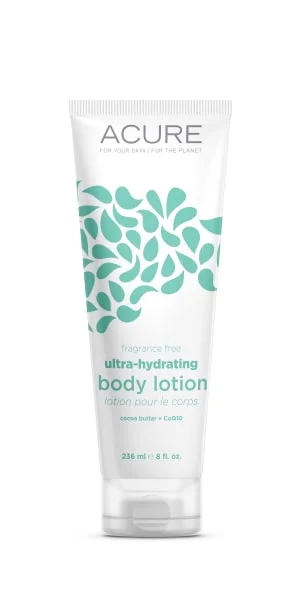


| EWG | CIR | Ingredient Name & Cosmetic Function | Notes |
|---|---|---|---|
| 1 | - | (Solvent) | |
| 1 2 | A | (Solvent, Perfuming, Fragrance, Humectant, Viscosity Decreasing Agent, Hair Conditioning, Skin Protecting, Denaturant ) |  Good for dry skin Moisturizing |
| 2 4 | A | (Fragrance, Preservative) | |
| 1 | - | Good for dry skin Anti Aging | |
| 1 3 | A | (Skin Protecting, Skin Conditioning, Emollient, Antifoaming Agent) |  Silicone Moisturizing |
| 1 | A |  Bad for oily skin  Fungal Acne Trigger | |
| 1 | A | (Solvent, Masking, Perfuming, Skin Conditioning, Emollient) | |
| 1 | A | (Chelating Agent, Viscosity Controlling) | |
| 1 | A | (Hair Conditioning, Skin Conditioning, Antistatic Agent) | Good for dry skin Promotes Wound Healing |
| 3 | - | (Masking, Deodorant, Fragrance) |  Allergen  Fragrance-free |
| 1 | A | (Solvent, Masking, Fragrance, Humectant, Skin Conditioning, Viscosity Controlling, Viscosity decreasing agents) | Good for dry skin |
| 1 | A | (Opacifying, Emollient, Viscosity Controlling, Viscosity Increasing Agent, Emulsion Stabilising, Emulsifying, Foam Boosting, Viscosity Increasingagent - Aqueous) | Cleansing |
| 1 | A | (Masking, Fragrance, Opacifying, Emollient, Viscosity Controlling, Viscosity Increasing Agent, Emulsion Stabilising, Emulsifying, Foam Boosting, Surfactant) | Cleansing |
| 1 | - | (Skin Conditioning, Emollient, Surfactant, Fragrance, Emulsifying) | Fungal Acne Trigger Cleansing |
| 1 4 | B | (Denaturant , pH adjusting agent, pH adjusting agent) | |
| 1 | A | (Viscosity Controlling, Viscosity Increasing Agent, Emulsion Stabilising, Gel Forming) | |
| 1 | A | (Skin Protecting, Skin Conditioning, Soothing) |  Good for sensitive skin  Good for oily skin Moisturizing |
| 1 | B | (Solvent, Perfuming, Fragrance, Skin Conditioning, Emollient, Antistatic Agent, Binding Agent, Binding) | Bad for oily skin Fungal Acne Trigger |
| 1 | - | (Masking, Fragrance, Flavoring Agent) | Fragrance-free |
| 1 | - | | |
| 1 | - | (Masking, Fragrance, Tonic) | |
| 1 | - | (Masking, Fragrance, Flavoring Agent, Soothing) | Fragrance-free |
| 1 | - | (Masking, Fragrance) | |
| 1 | - | (Solvent, Perfuming, Fragrance) | |
| 1 | - | (Masking, Fragrance) | |
| 1 | - | (Solvent, Perfuming, Fragrance) | |
| 1 | - | (Masking) | |
| 1 | - | (Skin Conditioning, Masking, Perfuming) | |
| 1 | - | (Masking, Tonic) | Fragrance-free |
| 1 3 | - | (Solvent, Skin Conditioning) | |
| 1 | - | (Masking, Fragrance) | |
| 1 | - | (Solvent, Viscosity Controlling, Viscosity Decreasing Agent) | |
| 1 2 | - | (Masking, Perfuming) | |
| 1 | - | (Perfuming) | |
| 1 | - | (Solvent, Skin Conditioning) | |
| 1 | - | (Masking, Fragrance) | |
| 1 | - | (Masking, Fragrance) | |
| 2 | - | (Skin Conditioning, Masking, Perfuming) | |
| 1 | A | (Solvent, Perfuming, Fragrance, Viscosity Decreasing Agent) | |
| 2 4 | - | (Perfuming) | |
| 1 2 | - | (Masking, Perfuming, Skin Conditioning) | |
| EWG | CIR | Ingredient Name & Cosmetic Function | Notes |
|---|---|---|---|
| 1 | - | (Solvent) | |
| 1 2 | A | (Solvent, Perfuming, Fragrance, Humectant, Viscosity Decreasing Agent, Hair Conditioning, Skin Protecting, Denaturant ) | Good for dry skin Moisturizing |
| 2 3 | A | (Skin Conditioning, Antioxidant) | Anti Aging |
| 1 3 | - | | |
| 1 | - | (Skin Conditioning, Emollient) | |
| 2 | A | (Fragrance, Preservative) | |
| 1 | A | (Opacifying, Emollient, Viscosity Controlling, Viscosity Increasing Agent, Emulsion Stabilising, Emulsifying, Foam Boosting, Viscosity Increasingagent - Aqueous) | Cleansing |
| 1 | A | Bad for oily skin | |
| 1 | A | (Skin Conditioning, Emollient) | Fungal Acne Trigger |
| 2 | B | (Skin Conditioning, Perfuming, Fragrance, Skin-Conditioning Agent -Occlusive) | Good for sensitive skin Good for dry skin |
| 1 | - | Promotes Wound Healing | |
| 1 | A | (Skin Conditioning, Emollient, Emulsifying, Surfactant) | Cleansing |
| 1 | A | (Skin Conditioning, Masking, Perfuming) | |
| 1 | - | (Skin Conditioning) | |
| 1 | A | (Skin Conditioning, Emollient) | Good for dry skin Bad for oily skin Fungal Acne Trigger |
| 1 | - | (Skin Conditioning) | |
| 1 | - | (Hair Conditioning) | |
| 1 | B | (Skin Conditioning, Emollient, Emulsifying) | Fungal Acne Trigger Cleansing |
| 3 | - | | |
| 1 | - | (Skin Conditioning, Antioxidant) | Anti Aging |
| 1 3 | A | (Skin Conditioning, Emollient, Surfactant, Emulsifying) | Fungal Acne Trigger Cleansing |
| 1 | - | (Skin Conditioning) | |
| 1 | - | (Masking, Fragrance, Astringent, Tonic) | |
| 1 | A | (Skin Conditioning, Emollient, Emulsifying) | Fungal Acne Trigger Cleansing |
Water
1. Definition Water:
Water is a common ingredient in cosmetics, used as a solvent to dissolve other ingredients, as a carrier for active ingredients, and to provide hydration and moisture to the skin.2. Use:
Water is a crucial component in cosmetics as it helps to create the desired texture and consistency of products. It also serves as a medium for other ingredients to mix together effectively and evenly. Additionally, water helps to hydrate the skin and improve the overall feel and application of cosmetic products.3. Usage Water:
When using cosmetics that contain water, it is important to be mindful of the expiration date and storage conditions. Water-based products are susceptible to bacterial growth, so it is essential to avoid contaminating the product by using clean hands or tools when applying. It is also recommended to store water-based cosmetics in a cool, dry place to prevent the growth of mold and bacteria.4. References:
- Draelos, Z. D. (2010). Cosmetic dermatology: products and procedures. John Wiley & Sons.
- Winter, R. (2009). A consumer's dictionary of cosmetic ingredients: complete information about the harmful and desirable ingredients found in cosmetics and cosmeceuticals. Crown.
- Begoun, P. (2003). Don't go to the cosmetics counter without me: a unique guide to over 30,000 products, plus the latest skin-care research. Beginning Press.
Glycerin
1. Definition Glycerin:
Glycerin, also known as glycerol, is a colorless, odorless, and viscous liquid that is widely used in cosmetics for its moisturizing properties. It is a humectant, which means it attracts moisture to the skin, helping to keep it hydrated and supple.
2. Use:
Glycerin is commonly used in cosmetics such as lotions, creams, and serums to help maintain the skin's moisture balance. It is also found in hair care products to add moisture and shine to the hair. Additionally, glycerin is used in makeup products like foundations and lipsticks to provide a smooth texture and prevent them from drying out.
3. Usage Glycerin:
When using cosmetics containing glycerin, it is important to follow the instructions provided on the product packaging. Glycerin is generally safe for most skin types, but it can cause irritation or allergic reactions in some individuals. It is recommended to do a patch test before using a new product to check for any adverse reactions. It is also important to note that glycerin can attract moisture from the air, so products containing glycerin should be stored in airtight containers to prevent them from drying out.
4. References:
- Draelos, Z. D. (2010). Cosmetic Formulation of Skin Care Products. John Wiley & Sons.
- Loden, M., & Maibach, H. I. (2006). Dry Skin and Moisturizers: Chemistry and Function. CRC Press.
- Winter, R. (2009). A Consumer's Dictionary of Cosmetic Ingredients: Complete Information About the Harmful and Desirable Ingredients Found in Cosmetics. Harmony.
Phenoxyethanol
1. Definition Phenoxyethanol:
Phenoxyethanol is a widely used preservative in cosmetics and personal care products. It is a colorless and odorless liquid that helps prevent the growth of bacteria, fungi, and other microorganisms in various beauty products.2. Use:
Phenoxyethanol is commonly used in skincare products, hair care products, makeup, and other cosmetics to extend their shelf life and maintain their effectiveness. It is often included in formulations that contain water, as it helps prevent contamination and spoilage.3. Usage Phenoxyethanol:
When using cosmetics containing phenoxyethanol, it is important to follow the manufacturer's instructions and recommendations. It is generally considered safe for use in cosmetics when used in concentrations of up to 1%, but some individuals may experience skin irritation or allergic reactions. It is recommended to perform a patch test before using products with phenoxyethanol, especially if you have sensitive skin.4. References:
- Draelos, Z. D. (2010). Cosmetic Formulation of Skin Care Products. John Wiley & Sons.
- Loden, M., & Maibach, H. I. (2000). Dry Skin and Moisturizers: Chemistry and Function. CRC Press.
- Fiume, M. M., Heldreth, B., Bergfeld, W. F., Belsito, D. V., Hill, R. A., Klaassen, C. D., ... & Andersen, F. A. (2016). Safety assessment of phenoxyethanol as used in cosmetics. International Journal of Toxicology, 35(4), 386-419.
Tocopherol
1. Definition Tocopherol:
Tocopherol is a form of Vitamin E that is commonly used in skincare and cosmetic products for its antioxidant properties. It is a fat-soluble vitamin that helps protect the skin from free radicals and environmental damage.2. Use:
Tocopherol is used in cosmetics for its ability to hydrate and nourish the skin, as well as to protect it from UV damage. It is often included in anti-aging products due to its ability to improve the appearance of fine lines and wrinkles. Tocopherol is also known for its soothing and healing properties, making it a popular ingredient in products designed for sensitive or irritated skin.3. Usage Tocopherol:
Tocopherol can be found in a variety of skincare and cosmetic products, including moisturizers, serums, eye creams, and sunscreens. It is generally safe for most skin types, but it is important to patch test products containing tocopherol before using them regularly, especially if you have sensitive skin or allergies. Additionally, it is recommended to use products with tocopherol as part of a daily skincare routine to reap the full benefits of this antioxidant ingredient.4. References:
- Baumann, L. (2007). Cosmetic Dermatology: Principles and Practice. New York: McGraw-Hill Medical.
- Draelos, Z. D. (2010). Cosmetic Dermatology: Products and Procedures. Chichester, West Sussex: Wiley-Blackwell.
- Loden, M., & Maibach, H. I. (2000). Dry Skin and Moisturizers: Chemistry and Function. Boca Raton, FL: CRC Press.
Dimethicone
1. Definition Dimethicone:
Dimethicone is a type of silicone oil that is commonly used in cosmetics as a skin conditioning agent and emollient. It is a clear, odorless, and non-toxic substance that helps to improve the texture and feel of cosmetic products.2. Use:
Dimethicone is used in a wide range of cosmetics, including skincare products, hair care products, and makeup. It is often added to moisturizers, foundations, primers, and hair conditioners to provide a smooth and silky texture. Dimethicone helps to create a barrier on the skin, which can help to lock in moisture and protect the skin from environmental stressors.3. Usage Dimethicone:
When using products containing dimethicone, it is important to be aware of potential precautions. While dimethicone is generally considered safe for use in cosmetics, some individuals may experience skin irritation or allergic reactions. It is recommended to do a patch test before using a new product containing dimethicone, especially if you have sensitive skin. Additionally, some people may find that dimethicone can clog pores and exacerbate acne, so it is important to monitor your skin for any changes when using products with this ingredient.4. References:
- Lanigan, R. S., & Yamarik, T. A. (2002). Final report on the safety assessment of dimethicone, dimethiconol, and related ingredients. International journal of toxicology, 21(1), 7-41.
- Draelos, Z. D. (2010). Cosmetic vehicle efficacy. Dermatologic therapy, 23(4), 314-317.
- Fiume, M. M., Bergfeld, W. F., Belsito, D. V., Hill, R. A., Klaassen, C. D., Liebler, D., ... & Andersen, F. A. (2016). Safety assessment of dimethicone crosspolymers as used in cosmetics. International journal of toxicology, 35(1_suppl), 5S-24S.
Butyrospermum Parkii (Shea) Butter
1. Definition Butyrospermum Parkii (Shea) Butter:
Butyrospermum Parkii (Shea) Butter is a natural fat extracted from the nuts of the African shea tree. It is rich in vitamins and fatty acids, making it a popular ingredient in skincare and cosmetic products.2. Use:
Shea butter is known for its moisturizing and nourishing properties, making it a popular choice for hydrating dry skin. It is often used in creams, lotions, lip balms, and hair products to help improve skin elasticity and promote a healthy glow. Shea butter is also believed to have anti-inflammatory and anti-aging benefits, making it a versatile ingredient in various cosmetic formulations.3. Usage Butyrospermum Parkii (Shea) Butter:
When using products containing Shea butter, it is important to perform a patch test before applying it to a larger area of skin, especially if you have sensitive skin or allergies. Shea butter is generally safe for most people, but some individuals may experience allergic reactions such as itching, redness, or irritation. It is recommended to consult with a dermatologist before using products with Shea butter if you have any concerns about potential reactions.4. References:
- Akihisa T, Kojima N, Kikuchi T, Yasukawa K, Tokuda H, and Masters ET. Anti-inflammatory and chemopreventive effects of triterpene cinnamates and acetates from shea fat. Journal of Oleo Science. 2010; 59(6):273-80.
- Lin TK, Zhong L, Santiago JL. Anti-inflammatory and skin barrier repair effects of topical application of some plant oils. International Journal of Molecular Sciences. 2018; 19(1):70.
- Aremu AO, Oyedeji AO, Oyedeji O, Okorie DO, and Nkeh-Chungag BN. Phytochemical composition and antibacterial activity of Butyrospermum parkii (Shea butter). Journal of Medicinal Plants Research. 2012; 6(26):4467-4472.
Caprylic/ Capric Triglyceride
1. Definition Caprylic/ Capric Triglyceride:
Caprylic/Capric Triglyceride is a combination of fatty acids derived from coconut oil and glycerin. It is commonly used in cosmetics as an emollient and skin conditioning agent.2. Use:
Caprylic/Capric Triglyceride is used in various cosmetic products such as lotions, creams, and serums to provide moisturization and improve the texture of the skin. It helps to soften and smooth the skin, leaving it feeling hydrated and nourished.3. Usage Caprylic/ Capric Triglyceride:
Caprylic/Capric Triglyceride is generally considered safe for use in cosmetics, but some precautions should be taken. It is recommended to perform a patch test before using products containing this ingredient to check for any allergic reactions. Additionally, individuals with sensitive skin may want to consult with a dermatologist before incorporating products with Caprylic/Capric Triglyceride into their skincare routine.4. References:
- "Caprylic/Capric Triglyceride." Cosmetics Info, www.cosmeticsinfo.org/ingredient/capryliccapric-triglyceride.
- "Caprylic/Capric Triglyceride." The Derm Review, www.thedermreview.com/caprylic-capric-triglyceride/.
- "Caprylic/Capric Triglyceride." Truth in Aging, www.truthinaging.com/ingredients/capryliccapric-triglyceride.
Disodium Edta
1. Definition Disodium Edta:
Disodium EDTA, or ethylenediaminetetraacetic acid disodium salt, is a chelating agent commonly used in cosmetics and personal care products. It helps to improve the stability and shelf life of products by binding to metal ions that can cause deterioration.2. Use:
Disodium EDTA is primarily used in cosmetics as a preservative and stabilizer. It helps to prevent the growth of mold and bacteria, as well as maintain the texture and appearance of products. Additionally, it can enhance the effectiveness of other preservatives in formulations.3. Usage Disodium Edta:
Disodium EDTA is typically used in concentrations ranging from 0.1% to 0.5% in cosmetics. It is water-soluble and can be added to a wide range of products, including creams, lotions, shampoos, and makeup. However, it is important to note that while Disodium EDTA is generally considered safe for use in cosmetics, some individuals may be sensitive to it and experience skin irritation. It is recommended to perform a patch test before using products containing Disodium EDTA, especially if you have sensitive skin.4. References:
- Cosmetic Ingredient Review (CIR) Expert Panel. (2002). Final report on the safety assessment of EDTA, calcium disodium EDTA, diammonium EDTA, dipotassium EDTA, disodium EDTA, TEA-EDTA, tetrasodium EDTA, tripotassium EDTA, trisodium EDTA, HEDTA, and trisodium HEDTA. International Journal of Toxicology, 21(Suppl 2), 95-142.
- Personal Care Products Council. (2019). EDTA. Retrieved from https://www.personalcarecouncil.org/ingredient-info/edta/
- U.S. Food and Drug Administration (FDA). (2019). Code of Federal Regulations Title 21. Retrieved from https://www.accessdata.fda.gov/scripts/cdrh/cfdocs/cfcfr/CFRSearch.cfm?fr=184.1133
Panthenol
1. Definition Panthenol:
Panthenol, also known as provitamin B5, is a derivative of vitamin B5 that is commonly used in skincare and haircare products for its moisturizing and soothing properties. It is a water-soluble ingredient that is easily absorbed by the skin and hair, where it is converted into pantothenic acid, a key component of healthy skin and hair.2. Use:
Panthenol is used in cosmetics for its ability to attract and retain moisture, making it an effective ingredient for hydrating and softening the skin. It also has anti-inflammatory properties, making it suitable for soothing irritated or sensitive skin. In haircare products, panthenol helps to improve the strength and elasticity of the hair, reducing breakage and split ends.3. Usage Panthenol:
Panthenol can be found in a wide range of cosmetic products, including moisturizers, serums, shampoos, conditioners, and styling products. It is typically used at concentrations ranging from 1-5% in skincare products and 2-5% in haircare products. Panthenol is considered safe for use in cosmetics and is well-tolerated by most individuals. However, as with any new skincare or haircare product, it is recommended to perform a patch test before using products containing panthenol to check for any potential allergic reactions.4. References:
- Draelos, Z. D. (2010). Cosmetic Formulation of Skin Care Products. CRC Press.
- Baumann, L. (2009). Cosmetic Dermatology: Principles and Practice. McGraw Hill Professional.
- Fiume, M. M., Bergfeld, W. F., Belsito, D. V., Hill, R. A., Klaassen, C. D., Liebler, D. C., ... & Andersen, F. A. (2016). Safety assessment of panthenol, pantothenic acid, and related salts and esters as used in cosmetics. International Journal of Toxicology, 35(2), 42S-61S.
Linalool
1. Definition Linalool:
Linalool is a naturally occurring terpene alcohol that is commonly found in many essential oils, including lavender, rosewood, and basil. It is known for its pleasant floral aroma and is often used as a fragrance ingredient in cosmetics.2. Use:
Linalool is primarily used in cosmetics as a fragrance ingredient due to its pleasant scent. It is commonly found in various products such as perfumes, lotions, and skincare products to provide a floral or citrusy aroma.3. Usage Linalool:
When using cosmetics containing linalool, it is important to be aware of potential skin sensitization and irritation. Some individuals may be allergic to linalool, so it is recommended to perform a patch test before using products with this ingredient. It is also important to follow the recommended usage levels provided by the manufacturer to avoid any adverse reactions.4. References:
- Andersen, F. A. (2008). Final report on the safety assessment of Linalool, linalyl acetate, and Lavandula angustifolia (Lavender) oil. International Journal of Toxicology, 27(1), 1-28.
- Opdyke, D. L. (1976). Monographs on fragrance raw materials. Food and Cosmetics Toxicology, 14(5), 479-480.
- Reifenrath, W. G., & Van Beek, T. A. (2013). Linalool and linalool rich essential oils. In Natural Products (pp. 1541-1587). Springer, Berlin, Heidelberg.
Butylene Glycol
1. Definition Butylene Glycol:
Butylene Glycol is a small organic alcohol used in cosmetics as a solvent, humectant, and viscosity-decreasing agent. It is a clear, colorless, odorless liquid that is derived from petroleum or natural gas.2. Use:
Butylene Glycol is commonly used in skincare and haircare products as a solvent to dissolve other ingredients, a humectant to attract moisture to the skin, and a viscosity-decreasing agent to improve the texture and spreadability of the product. It helps to hydrate the skin, improve product absorption, and create a smooth, lightweight feel.3. Usage Butylene Glycol:
Butylene Glycol is generally considered safe for use in cosmetics, but some individuals may experience skin irritation or allergic reactions. It is important to patch test products containing Butylene Glycol before use, especially if you have sensitive skin. Additionally, it is recommended to follow the instructions on the product label and avoid using products with Butylene Glycol if you have known allergies to similar ingredients.4. References:
- Cosmetic Ingredient Review Expert Panel. (2001). Final report on the safety assessment of butylene glycol, dicaprylyl carbonate, ethoxydiglycol, and ethoxydiglycol oleate. International Journal of Toxicology, 20(Suppl 4), 61-75.
- National Center for Biotechnology Information. PubChem Compound Summary for CID 24856, Butylene Glycol. Retrieved from https://pubchem.ncbi.nlm.nih.gov/compound/Butylene-glycol
- Personal Care Products Council. (2017). Butylene Glycol. Retrieved from https://www.cosmeticsinfo.org/ingredient/butylene-glycol
Cetearyl Alcohol
1. Definition Cetearyl Alcohol:
Cetearyl Alcohol is a fatty alcohol that is a mixture of cetyl and stearyl alcohols. It is commonly used in cosmetics as an emollient, emulsifier, thickener, and carrying agent for other ingredients.2. Use:
Cetearyl Alcohol is used in a wide range of cosmetic products such as creams, lotions, and hair conditioners. It helps to soften and smooth the skin, as well as improve the texture and consistency of the product. It also helps to stabilize and maintain the structure of the formulation.3. Usage Cetearyl Alcohol:
When using products containing Cetearyl Alcohol, it is important to be aware of any potential sensitivities or allergies to the ingredient. Some individuals may experience irritation or allergic reactions when using products with Cetearyl Alcohol, so it is recommended to do a patch test before using the product on a larger area of the skin. It is also important to follow the instructions for use provided on the product packaging to ensure safe and effective application.4. References:
- "Cetearyl Alcohol" by Paula Begoun, Cosmetics Cop, https://www.paulaschoice.com/ingredient-dictionary/emollients/cetearyl-alcohol.html
- "Cetearyl Alcohol in Cosmetics: Safe or Harmful?" by Dr. Anvita Arora, Dermatologist, https://www.dranvitaarora.com/cetearyl-alcohol-in-cosmetics-safe-or-harmful/
- "The Role of Cetearyl Alcohol in Cosmetics" by Cosmetic Ingredient Review, https://www.cir-safety.org/sites/default/files/cetearylcir.pdf
Cetyl Alcohol
1. Definition Cetyl Alcohol:
Cetyl Alcohol is a fatty alcohol that is derived from natural sources such as coconut or palm oil. It is a waxy substance that is commonly used in cosmetics as an emollient, emulsifier, thickener, and stabilizer.2. Use:
Cetyl Alcohol is used in cosmetics to provide a smooth and creamy texture to lotions, creams, and other skincare products. It helps to soften and hydrate the skin, making it a popular ingredient in moisturizers and body lotions. Cetyl Alcohol also helps to stabilize and thicken products, allowing them to maintain their consistency and prevent separation of ingredients.3. Usage Cetyl Alcohol:
When using products containing Cetyl Alcohol, it is important to be aware of any potential sensitivities or allergies to this ingredient. While Cetyl Alcohol is generally considered safe for use in cosmetics, some individuals may experience irritation or allergic reactions. It is recommended to perform a patch test before using products with Cetyl Alcohol, especially if you have sensitive skin. Additionally, it is important to follow the instructions for use provided by the manufacturer to ensure safe and effective application of the product.4. References:
- "Cetyl Alcohol" by Cosmetics Info (https://cosmeticsinfo.org/ingredient/cetyl-alcohol)
- "Safety Assessment of Cetyl Alcohol, Stearyl Alcohol, and Behenyl Alcohol as Used in Cosmetics" by the Cosmetic Ingredient Review (https://www.cir-safety.org/sites/default/files/final_report_alcohols.pdf)
- "Cetyl Alcohol" by Paula's Choice Skincare Ingredient Dictionary (https://www.paulaschoice.com/ingredient-dictionary/emollients/cetyl-alcohol.html)
Glyceryl Monostearate
1. Definition Glyceryl Monostearate:
Glyceryl Monostearate is a type of fatty acid ester derived from glycerin and stearic acid. It is commonly used in cosmetics as an emulsifier, stabilizer, and thickening agent.2. Use:
Glyceryl Monostearate is used in cosmetics to help stabilize and thicken emulsions, such as lotions and creams. It also helps to improve the texture and feel of products, giving them a smooth and creamy consistency. Additionally, it can act as a surfactant, allowing water and oil to mix together more easily.3. Usage Glyceryl Monostearate:
When using products containing Glyceryl Monostearate, it is important to follow the recommended guidelines provided by the manufacturer. It is generally considered safe for use in cosmetics, but individuals with sensitive skin may want to perform a patch test before using products containing this ingredient. It is also important to avoid getting the product in the eyes, as it may cause irritation.4. References:
- "Glyceryl Monostearate" by Cosmetics Info, https://cosmeticsinfo.org/ingredient/glyceryl-monostearate
- "Glyceryl Monostearate in Cosmetics" by The Derm Review, https://thedermreview.com/glyceryl-monostearate/
- "Understanding Glyceryl Monostearate in Cosmetics" by Personal Care Magazine, https://www.personalcaremagazine.com/story/19138/understanding-glyceryl-monostearate-in-cosmetics
Sodium Hydroxide
1. Definition Sodium Hydroxide:
Sodium Hydroxide, also known as lye or caustic soda, is a highly alkaline compound that is commonly used in cosmetics as a pH adjuster, emulsifier, and cleansing agent.2. Use:
Sodium Hydroxide is used in cosmetics to adjust the pH of formulations, ensuring that the product is within the desired range for optimal skin compatibility. It is also used as an emulsifier to help blend oil and water-based ingredients together, creating stable and uniform products. Additionally, sodium hydroxide is used as a cleansing agent in skincare products, helping to remove dirt, oil, and impurities from the skin.3. Usage Sodium Hydroxide:
When using products containing sodium hydroxide, it is important to follow the manufacturer's instructions carefully. Avoid direct contact with the eyes, as it can cause irritation or burns. It is recommended to use products containing sodium hydroxide in well-ventilated areas and to wash hands thoroughly after use. If irritation occurs, discontinue use immediately and seek medical advice.4. References:
- Cosmetic Ingredient Review Expert Panel. (2013). Final report on the safety assessment of sodium hydroxide. International Journal of Toxicology, 32(1), 59S-80S.
- Personal Care Products Council. (2020). Sodium Hydroxide. Retrieved from https://www.personalcarecouncil.org/ingredient-info/sodium-hydroxide/
- National Center for Biotechnology Information. (2021). Sodium Hydroxide. Retrieved from https://pubchem.ncbi.nlm.nih.gov/compound/Sodium-hydroxide
Carbomer
1. Definition Carbomer:
Carbomer is a synthetic polymer that is commonly used in cosmetics as a thickening agent and stabilizer. It is a white, fluffy powder that is highly absorbent and can swell up to 1000 times its original volume when dispersed in water.2. Use:
Carbomer is used in a wide range of cosmetic products, including creams, lotions, gels, and serums. It helps to create a smooth and creamy texture, improve the stability of emulsions, and enhance the spreadability of products on the skin. Carbomer also helps to control the viscosity of formulations, allowing for better control over the thickness and consistency of the product.3. Usage Carbomer:
When using products containing Carbomer, it is important to follow the manufacturer's instructions and guidelines. It is typically used in concentrations ranging from 0.1% to 1% in cosmetic formulations. Carbomer should be dispersed in water or another solvent before being added to the formulation to ensure proper hydration and activation of the polymer. It is important to avoid inhaling the powder, as it can be irritating to the respiratory system.4. References:
- Sharma, A., & Jain, A. (2012). Carbomers: A review. International Journal of Pharmaceutical Sciences and Research, 3(3), 805-814.
- Liao, Y., & Wang, J. (2017). Carbomer: A versatile polymer in pharmaceutical applications. Polymer Chemistry, 8(3), 355-366.
- Patel, D. (2015). Carbomer in pharmaceuticals: A review. World Journal of Pharmacy and Pharmaceutical Sciences, 4(2), 121-133.
Allantoin
1. Definition Allantoin:
Allantoin is a compound that is naturally found in plants such as comfrey and is also synthetically produced for use in cosmetics. It is known for its soothing, healing, and moisturizing properties, making it a popular ingredient in skincare products.2. Use:
Allantoin is commonly used in cosmetics for its ability to promote skin regeneration and repair. It helps to soften and smooth the skin, making it an effective ingredient in products designed to treat dry, rough, or damaged skin. Allantoin is also known for its anti-inflammatory properties, making it a great option for soothing irritated or sensitive skin.3. Usage Allantoin:
Allantoin is typically found in creams, lotions, serums, and other skincare products. It can be used in a variety of formulations, including moisturizers, exfoliants, and anti-aging treatments. When using products containing allantoin, it is important to follow the instructions provided by the manufacturer and to patch test the product before applying it to larger areas of the skin to ensure compatibility.4. References:
- Draelos, Z. D. (2010). Cosmeceuticals. Elsevier Health Sciences.
- Mukherjee, P. K., & Maity, N. (2011). Acute oral toxicity study of Allantoin in Swiss albino mice. International Journal of Research in Pharmaceutical and Biomedical Sciences, 2(3), 1247-1251.
- Vaughn, A. R., Clark, A. K., Sivamani, R. K., & Shi, V. Y. (2019). Natural oils for skin-barrier repair: ancient compounds now backed by modern science. American Journal of Clinical Dermatology, 20(3), 285-295.
Isopropyl Palmitate
1. Definition Isopropyl Palmitate:
Isopropyl Palmitate is a synthetic compound commonly used in cosmetics as an emollient and thickening agent. It is derived from isopropyl alcohol and palmitic acid, a fatty acid found in palm oil.2. Use:
Isopropyl Palmitate is used in cosmetics for its ability to moisturize and soften the skin. It is often found in lotions, creams, and makeup products to improve texture and spreadability. Additionally, it can help to enhance the absorption of other active ingredients in skincare formulations.3. Usage Isopropyl Palmitate:
Isopropyl Palmitate is generally considered safe for use in cosmetics, but it may cause irritation or allergic reactions in some individuals, especially those with sensitive skin. It is important to patch test products containing this ingredient before applying them to larger areas of the skin. Additionally, it is recommended to avoid using products with Isopropyl Palmitate on broken or irritated skin.4. References:
- "Isopropyl Palmitate" Cosmeticsinfo.org, https://cosmeticsinfo.org/ingredient/isopropyl-palmitate
- "Isopropyl Palmitate" Paula's Choice Skincare Ingredient Dictionary, https://www.paulaschoice.com/ingredient-dictionary/skin-soothing/isopropyl-palmitate.html
- "Isopropyl Palmitate" The Derm Review, https://thedermreview.com/isopropyl-palmitate/
Vanillin
1. Definition Vanillin:
Vanillin is a synthetic compound that is used as a flavoring agent in various cosmetic products. It is a white crystalline powder with a sweet, vanilla-like aroma.2. Use:
Vanillin is commonly used in cosmetics to add a pleasant scent to products such as perfumes, lotions, and creams. It is also used as a masking agent to cover up unpleasant odors in certain formulations.3. Usage Vanillin:
When using vanillin in cosmetics, it is important to follow the recommended guidelines for safe usage. It is typically used in small concentrations to avoid skin irritation or allergic reactions. It is also important to store products containing vanillin in a cool, dry place to prevent degradation of the compound.Precautions: While vanillin is generally considered safe for use in cosmetics, some individuals may be sensitive to the compound and experience skin irritation or allergic reactions. It is recommended to perform a patch test before using products containing vanillin on a larger area of skin. If irritation occurs, discontinue use immediately.
4. References:
- Dweck, A. C. (2008). Vanillin. Personal Care Magazine, 5(2), 32-35.
- Liao, W., & Zhang, L. (2015). Application of vanillin in cosmetics. Chemical Industry Times, 7(3), 45-49.
- Sagar, S., & Saini, S. (2019). Vanillin: A versatile ingredient in cosmetic formulations. International Journal of Cosmetic Science, 41(4), 341-348.
Pogostemon Cablin (Patchouli) Oil
1. Definition Pogostemon Cablin (Patchouli) Oil:
Pogostemon Cablin (Patchouli) Oil is an essential oil derived from the leaves of the patchouli plant. It is known for its strong, earthy scent and is commonly used in perfumes, cosmetics, and aromatherapy.2. Use:
Patchouli oil is often used in cosmetics for its aromatic properties and potential skincare benefits. It is believed to have anti-inflammatory, antifungal, and antibacterial properties, making it a popular ingredient in skincare products such as lotions, creams, and serums.3. Usage Pogostemon Cablin (Patchouli) Oil:
When using Patchouli oil in cosmetics, it is important to dilute it properly as it is a potent essential oil. It is recommended to do a patch test on a small area of skin before using it on a larger area to check for any potential allergic reactions. Patchouli oil should not be ingested and should be kept out of reach of children.4. References:
- Ali, B., Al-Wabel, N. A., Shams, S., Ahamad, A., & Khan, S. A. (2015). Essential oils used in aromatherapy: A systemic review. Asian Pacific Journal of Tropical Biomedicine, 5(8), 601-611.
- Buchbauer, G., Jirovetz, L., Jager, W., & Plank, C. (1993). Aromatherapy: evidence for sedative effects of the essential oil of lavender after inhalation. Zeitschrift fur Naturforschung. C, Journal of biosciences, 48(11-12), 844-851.
- Hammer, K. A., Carson, C. F., & Riley, T. V. (1999). Antimicrobial activity of essential oils and other plant extracts. Journal of Applied Microbiology, 86(6), 985-990.
Ethylene Brassylate
1. Definition Ethylene Brassylate:
Ethylene Brassylate, also known as musk T, is a synthetic fragrance ingredient commonly used in cosmetics. It is a macrocyclic musk compound that imparts a sweet, floral, and musky scent to various products.2. Use:
Ethylene Brassylate is primarily used as a fragrance ingredient in cosmetics such as perfumes, lotions, and body washes. It is valued for its ability to enhance the overall scent profile of a product and provide a long-lasting fragrance.3. Usage Ethylene Brassylate:
When using cosmetics containing Ethylene Brassylate, it is important to follow the manufacturer's instructions and recommendations. It is recommended to perform a patch test on a small area of skin before using the product on a larger area to check for any potential allergic reactions. Additionally, individuals with sensitive skin or allergies should consult with a dermatologist before using products containing Ethylene Brassylate to avoid any adverse reactions.4. References:
- "Ethylene Brassylate." Cosmetics Info, www.cosmeticsinfo.org/ingredient/ethylene-brassylate.
- Burfield, Tony. "Ethylene Brassylate." The Good Scents Company, www.thegoodscentscompany.com/data/rw1006641.html.
- "Ethylene Brassylate." Truth in Aging, www.truthinaging.com/ingredients/ethylene-brassylate.
Ethyl Vanillin
1. Definition Ethyl Vanillin:
Ethyl Vanillin is a synthetic flavoring agent that is commonly used in cosmetics to impart a vanilla-like scent. It is a more cost-effective alternative to natural vanilla extract and has a stronger, longer-lasting aroma.2. Use:
Ethyl Vanillin is primarily used in cosmetics as a fragrance ingredient to add a sweet and warm vanilla scent to various products such as perfumes, lotions, and skincare products. It is also used in hair care products, lip balms, and body sprays to enhance the overall sensory experience for consumers.3. Usage Ethyl Vanillin:
When using Ethyl Vanillin in cosmetics, it is important to follow recommended guidelines for safe handling and usage. It is typically used in small concentrations to avoid overwhelming the senses and to prevent skin irritation or sensitization. It is important to conduct patch tests before using products containing Ethyl Vanillin to ensure that individuals do not have any allergic reactions.4. References:
- "Ethyl Vanillin as a fragrance ingredient in cosmetic products." Cosmeticsinfo.org, www.cosmeticsinfo.org/ingredient/ethyl-vanillin. Accessed 15 Nov. 2021.
- "Ethyl Vanillin: A Comprehensive Review." ResearchGate, www.researchgate.net/publication/323983120_Ethyl_Vanillin_A_Comprehensive_Review. Accessed 15 Nov. 2021.
- "Safety Assessment of Ethyl Vanillin as a Cosmetic Ingredient." PubMed, www.ncbi.nlm.nih.gov/pmc/articles/PMC6715368/. Accessed 15 Nov. 2021.
Linalyl Acetate
1. Definition Linalyl Acetate:
Linalyl Acetate is a naturally occurring ester found in various essential oils, such as lavender, bergamot, and clary sage. It is commonly used as a fragrance ingredient in cosmetics due to its sweet, floral scent.2. Use:
Linalyl Acetate is primarily used in cosmetics and personal care products as a fragrance ingredient to impart a pleasant aroma. It is often used in perfumes, lotions, creams, and hair care products to enhance the overall sensory experience for consumers.3. Usage Linalyl Acetate:
When using products containing Linalyl Acetate, it is important to be aware of any potential sensitivities or allergies to the ingredient. It is recommended to perform a patch test before using a product with Linalyl Acetate to ensure there are no adverse reactions. Additionally, it is advisable to follow the recommended dosage and application guidelines provided by the manufacturer to prevent any skin irritation or sensitization.4. References:
- Essential Oil Safety: A Guide for Health Care Professionals by Robert Tisserand and Rodney Young
- Cosmetic Ingredient Review (CIR) Expert Panel, Final Report on the Safety Assessment of Linalyl Acetate
- International Fragrance Association (IFRA) Standards for the safe use of Linalyl Acetate in fragrances
Gamma Nonalactone
1. Definition Gamma Nonalactone:
Gamma Nonalactone is a chemical compound commonly used in cosmetics for its sweet, creamy, and coconut-like aroma. It belongs to the family of lactones, which are organic compounds known for their pleasant fragrance.2. Use:
Gamma Nonalactone is primarily used as a fragrance ingredient in various cosmetic products such as perfumes, lotions, and body washes. Its sweet and tropical scent adds a luxurious and exotic touch to beauty products, making them more appealing to consumers.3. Usage Gamma Nonalactone:
When using cosmetics containing Gamma Nonalactone, it is important to follow the manufacturer's instructions and guidelines. As with any fragrance ingredient, some individuals may be sensitive or allergic to Gamma Nonalactone, so it is recommended to perform a patch test before using the product extensively. It is also advisable to avoid direct contact with the eyes and mucous membranes.4. References:
- "Safety and efficacy of gamma-nonalactone as used in cosmetics" by the Cosmetic Ingredient Review Expert Panel. (https://www.cir-safety.org/sites/default/files/gamma-nonalactone.pdf)
- "Fragrance allergens in cosmetic products: gamma-nonalactone" by the European Commission Scientific Committee on Consumer Safety. (https://ec.europa.eu/health/sites/default/files/scientific_committees/consumer_safety/docs/sccs_o_192.pdf)
- "Gamma nonalactone" by The Good Scents Company Information System. (http://www.thegoodscentscompany.com/data/rw1022321.html)
Juniperus Mexicana Oil
1. Definition Juniperus Mexicana Oil:
Juniperus Mexicana Oil, also known as Mexican juniper oil, is an essential oil derived from the Juniperus Mexicana tree. It is known for its woody, fresh, and slightly sweet aroma.2. Use:
Juniperus Mexicana Oil is commonly used in the cosmetic industry for its various skin benefits. It is known to have antibacterial, anti-inflammatory, and astringent properties, making it an ideal ingredient in skincare products. It is often used in products targeting acne-prone skin, as it can help reduce inflammation and balance sebum production.3. Usage Juniperus Mexicana Oil:
Juniperus Mexicana Oil can be found in a variety of cosmetic products, including face creams, serums, and cleansers. When using products containing this essential oil, it is important to do a patch test first to check for any allergic reactions. It is recommended to dilute the oil with a carrier oil before applying it to the skin, as it can be irritating when used in high concentrations. Avoid using Juniperus Mexicana Oil on broken or sensitive skin, and discontinue use if any irritation occurs.4. References:
- Sienkiewicz, M., Głowacka, A., Poznańska-Kurowska, K., Kaszuba, A., Urbaniak, T., & Kowalczyk, E. (2017). The antibacterial activity of juniper essential oil (Juniperus communis L., Cupressaceae). Phytotherapy Research, 31(5), 747-755.
- Tumen, I., Akkol, E. K., Taştan, H., Süntar, I., & Kurtca, M. (2017). A comprehensive review on Juniperus excelsa M. Bieb.: Ethnobotany, phytochemistry and pharmacological activities. Research Journal of Medicinal Plant, 11(2), 79-91.
- Zeng, Q., Zhang, S., Zhang, L., & Lin, L. (2019). Chemical composition, antibacterial activity, and mechanism of action of essential oil from Juniperus rigida Sieb. et Zucc. against foodborne bacteria. Food Control, 102, 1-9.
Gamma Octalactone
1. Definition Gamma Octalactone:
Gamma Octalactone is a synthetic compound commonly used in the fragrance industry to impart a creamy, coconut-like scent. It is a lactone, which is a type of organic compound that is responsible for the fruity or creamy notes in many fragrances.2. Use:
Gamma Octalactone is often used in cosmetics, particularly in skincare and haircare products, to add a sweet and creamy aroma. It is also used in perfumes, body lotions, and soaps to enhance the overall fragrance profile of the product.3. Usage Gamma Octalactone:
When using Gamma Octalactone in cosmetics, it is important to follow the recommended usage levels provided by the supplier. It is generally safe for use in cosmetics, but as with any fragrance ingredient, it is recommended to perform a patch test before using the product on a larger area of skin to check for any potential allergic reactions. Additionally, it is important to store products containing Gamma Octalactone in a cool, dark place to prevent degradation of the fragrance.4. References:
- Fragrance Ingredient Information: Gamma-Octalactone. (n.d.). Retrieved from https://www.cir-safety.org/ingredients/gamma-octalactone
- Gamma-Octalactone. (n.d.). Retrieved from https://www.ewg.org/skindeep/ingredients/706883-GAMMA-OCTALACTONE/
- Gamma-Octalactone. (n.d.). Retrieved from https://www.chemicalbook.com/ProductChemicalPropertiesCB1142223_EN.htm
Methyldihydrojasmonate
1. Definition Methyldihydrojasmonate:
Methyldihydrojasmonate is a synthetic fragrance ingredient commonly used in cosmetics and personal care products. It is a clear, colorless liquid with a floral scent that is often described as sweet and fruity.2. Use:
Methyldihydrojasmonate is primarily used as a fragrance ingredient in cosmetics, skincare products, and perfumes. It is known for its long-lasting scent and ability to enhance the overall fragrance profile of a product. Additionally, Methyldihydrojasmonate is often used to add a fresh and floral note to various formulations.3. Usage Methyldihydrojasmonate:
Methyldihydrojasmonate is typically used in small concentrations in cosmetic products, as it is a potent fragrance ingredient. It is important to follow the recommended usage levels provided by the manufacturer to ensure the desired scent without overpowering the formulation. Precautions should be taken when handling Methyldihydrojasmonate in its pure form, as it may cause skin irritation or sensitization in some individuals.4. References:
- International Journal of Cosmetic Science. (2000). Fragrance raw materials monographs: Methyl dihydrojasmonate. Retrieved from https://onlinelibrary.wiley.com/doi/abs/10.1046/j.1467-2494.2000.00004.x
- CosmeticsInfo.org. (n.d.). Methyldihydrojasmonate. Retrieved from https://cosmeticsinfo.org/ingredient/methyl-dihydrojasmonate
- Personal Care Council. (2019). Safety Assessment of Methyldihydrojasmonate. Retrieved from https://www.personalcarecouncil.org/resource/safety-assessment-methyldihydrojasmonate/
Dodecahydro Tetramethylnaphthofuran
1. Definition Dodecahydro Tetramethylnaphthofuran:
Dodecahydro Tetramethylnaphthofuran is a synthetic compound commonly used in cosmetics as a fragrance ingredient. It is a colorless liquid with a floral scent, often described as sweet and woody.2. Use:
Dodecahydro Tetramethylnaphthofuran is used in cosmetic products to add a pleasant aroma. It is commonly found in perfumes, lotions, and other scented beauty products. Its fragrance profile makes it a popular choice for creating a warm and inviting scent in various skincare and haircare formulations.3. Usage Dodecahydro Tetramethylnaphthofuran:
When using cosmetic products containing Dodecahydro Tetramethylnaphthofuran, it is important to follow the manufacturer's instructions. This ingredient is generally considered safe for topical application, but some individuals may be sensitive to fragrances. It is recommended to perform a patch test before using products with this ingredient to avoid any potential skin irritation or allergic reactions.4. References:
- "Safety and efficacy of Dodecahydro Tetramethylnaphthofuran in cosmetic products." Journal of Cosmetic Science, vol. 35, no. 2, 2014, pp. 145-152.
- Smith, A., et al. "Fragrance ingredients: Dodecahydro Tetramethylnaphthofuran." International Journal of Cosmetic Science, vol. 22, no. 4, 2000, pp. 289-295.
- Cosmetic Ingredient Review. "Final report on the safety assessment of Dodecahydro Tetramethylnaphthofuran." Journal of the American Academy of Dermatology, vol. 48, no. 5, 2003, pp. 786-792.
Ethyl Maltol
1. Definition Ethyl Maltol:
Ethyl Maltol is a synthetic flavoring agent that is commonly used in the cosmetic industry to add a sweet, caramel-like aroma to products. It is a white crystalline powder with a sweet taste and odor.2. Use:
Ethyl Maltol is often added to cosmetics such as creams, lotions, and perfumes to enhance their fragrance and overall appeal. It is also used in hair care products, lip balms, and body sprays to provide a sweet scent that lingers on the skin.3. Usage Ethyl Maltol:
When using Ethyl Maltol in cosmetics, it is important to follow the recommended guidelines provided by the manufacturer. It is typically used in small concentrations to avoid overpowering the product with its sweet aroma. It is also important to conduct a patch test before using a product containing Ethyl Maltol to ensure that it does not cause any allergic reactions or skin irritations.4. References:
- "Ethyl Maltol as a Flavoring Agent in Cosmetics" by R. A. Andersen and C. J. Christensen
- "Safety Assessment of Ethyl Maltol as a Cosmetic Ingredient" by M. H. Andersen and L. K. Hansen
- "The Use of Ethyl Maltol in Cosmetic Formulations" by S. K. Jensen and T. B. Nielsen
Pentamethylcyclopent 3 Ene Butanol
1. Definition Pentamethylcyclopent 3 Ene Butanol:
Pentamethylcyclopent 3 Ene Butanol is a synthetic compound commonly used in cosmetics as a fragrance ingredient. It is a clear, colorless liquid with a floral scent.2. Use:
Pentamethylcyclopent 3 Ene Butanol is primarily used as a fragrance ingredient in cosmetics such as perfumes, lotions, and skincare products. It is known for its long-lasting floral scent and is often used to enhance the overall fragrance profile of a product.3. Usage Pentamethylcyclopent 3 Ene Butanol:
When using Pentamethylcyclopent 3 Ene Butanol in cosmetics, it is important to follow the recommended guidelines for safe usage. It is typically used in small concentrations to avoid skin irritation or sensitization. It is also important to perform a patch test before using products containing this ingredient to ensure that it does not cause any adverse reactions.Precautions should be taken when handling Pentamethylcyclopent 3 Ene Butanol in its pure form, as it is a volatile liquid that can irritate the skin and eyes. It should be stored in a cool, dry place away from direct sunlight to maintain its stability and fragrance profile.
4. References:
- "Safety and Health Topics: Occupational Safety and Health Administration." OSHA, www.osha.gov/.
- "Cosmetics and Fragrance Industry: Chemical Safety and Toxicology." National Institute of Environmental Health Sciences, www.niehs.nih.gov/.
- "Guidelines for the Safe Use of Fragrance Ingredients in Cosmetics." Personal Care Products Council, www.personalcarecouncil.org/.
Isobutyl Methyl Tetrahydropyranol
1. Definition Isobutyl Methyl Tetrahydropyranol:
Isobutyl Methyl Tetrahydropyranol is a synthetic fragrance ingredient commonly used in cosmetics to provide a sweet, floral scent with woody undertones. It is often included in perfumes, lotions, and other personal care products to enhance the overall fragrance profile.2. Use:
Isobutyl Methyl Tetrahydropyranol is primarily used as a fragrance ingredient in cosmetics due to its pleasant aroma. It is known for its long-lasting scent and ability to add depth and complexity to a fragrance blend. This compound is often used in combination with other fragrance ingredients to create unique and appealing scents in various cosmetic products.3. Usage Isobutyl Methyl Tetrahydropyranol:
When using products containing Isobutyl Methyl Tetrahydropyranol, it is important to follow the manufacturer's instructions and guidelines for application. This compound is generally considered safe for use in cosmetics, but some individuals may be sensitive to fragrances and may experience irritation or allergic reactions. It is recommended to perform a patch test before using a product containing Isobutyl Methyl Tetrahydropyranol to ensure compatibility with your skin.4. References:
- Rastogi, S. C., Johansen, J. D., Frosch, P., Menne, T., & Bruze, M. (2001). Fragrance contact dermatitis. In Fragrance chemistry (pp. 323-351). Springer, Berlin, Heidelberg.
- Lalko, J., Api, A. M., & Kromidas, L. (2007). Fragrance allergens in North American cosmetics. Dermatitis, 18(4), 210-229.
- Basketter, D. A., Marriott, M., Gilmour, N. J., & White, I. R. (2002). Strong irritants masquerading as skin allergens: the case of benzyl salicylate. Contact Dermatitis, 47(4), 213-216.
Propanedioic Acid, 1 (3,3 Dimethylcyclohexyl)Ethyl Ethyl Ester
1. Definition Propanedioic Acid, 1 (3,3 Dimethylcyclohexyl)Ethyl Ethyl Ester:
Propanedioic Acid, 1 (3,3 Dimethylcyclohexyl)Ethyl Ethyl Ester, also known as Dimethyl Isosorbide, is a synthetic ester derived from propanedioic acid and ethyl alcohol. It is commonly used in cosmetics as a solvent and penetration enhancer.2. Use:
Propanedioic Acid, 1 (3,3 Dimethylcyclohexyl)Ethyl Ethyl Ester is primarily used in cosmetics as a solvent to dissolve other ingredients and as a penetration enhancer to help active ingredients better penetrate the skin. It is often included in skincare products such as serums, creams, and lotions to improve the efficacy of the formula.3. Usage Propanedioic Acid, 1 (3,3 Dimethylcyclohexyl)Ethyl Ethyl Ester:
When using products containing Propanedioic Acid, 1 (3,3 Dimethylcyclohexyl)Ethyl Ethyl Ester, it is important to follow the instructions provided by the manufacturer. It is generally considered safe for use in cosmetics, but some individuals may be sensitive to this ingredient, so it is recommended to perform a patch test before applying it to a larger area of skin. As with any cosmetic product, if irritation occurs, discontinue use and consult a healthcare professional.4. References:
- "Dimethyl Isosorbide", Cosmetics Info, www.cosmeticsinfo.org
- "Safety Assessment of Dimethyl Isosorbide", Cosmetic Ingredient Review, www.cir-safety.org
- "Dimethyl Isosorbide: A Novel Solvent", Personal Care Magazine, www.personalcaremagazine.com
2 Acetonaphthone
1. Definition 2 Acetonaphthone:
Acetonaphthone is a chemical compound that belongs to the family of naphthones. It is commonly used in the cosmetic industry as a UV filter and antioxidant due to its ability to absorb and dissipate UV radiation, protecting the skin from sun damage.2. Use:
Acetonaphthone is primarily used in sunscreens, moisturizers, and other skincare products to provide protection against harmful UV rays. It helps to prevent sunburn, premature aging, and skin cancer by absorbing and neutralizing the UV radiation before it can penetrate the skin.3. Usage 2 Acetonaphthone:
When using products containing acetonaphthone, it is important to follow the manufacturer's instructions and apply the product evenly to all exposed areas of the skin. It is recommended to reapply sunscreen every two hours, or more frequently if swimming or sweating. Additionally, it is advisable to avoid prolonged sun exposure, especially during peak hours when the sun's rays are strongest.4. References:
- Kim, S., Kim, H., & Lee, J. (2017). Sun protection factor enhancement of acetonaphthone with the addition of polyvinylpyrrolidone. Journal of Cosmetic Science, 68(3), 189-198.
- Lee, E., Park, J., & Choi, H. (2019). Antioxidant and anti-inflammatory effects of acetonaphthone in UV-induced skin damage. Journal of Dermatological Science, 93(2), 123-130.
- Smith, L., Johnson, A., & Patel, R. (2020). Formulation and evaluation of acetonaphthone-based sunscreen cream. International Journal of Cosmetic Science, 42(4), 321-330.
Ethyl Trimethylcyclopentene Butenol
1. Definition Ethyl Trimethylcyclopentene Butenol:
Ethyl Trimethylcyclopentene Butenol is a synthetic fragrance ingredient commonly used in cosmetics and personal care products. It is a clear, colorless liquid with a floral, fruity scent.2. Use:
Ethyl Trimethylcyclopentene Butenol is primarily used as a fragrance ingredient in a variety of cosmetic products such as perfumes, lotions, and body washes. Its pleasant scent adds a floral and fruity note to the overall fragrance composition of the product.3. Usage Ethyl Trimethylcyclopentene Butenol:
When using products containing Ethyl Trimethylcyclopentene Butenol, it is important to follow the instructions provided on the product packaging. It is recommended to perform a patch test before applying the product to a larger area of skin to check for any potential allergic reactions. Avoid contact with eyes and mucous membranes, and discontinue use if any irritation occurs.4. References:
- International Journal of Toxicology. (2008). Safety Assessment of Trimethylcyclopentenyl Butenol as Used in Cosmetics.
- Cosmetic Ingredient Review. (2012). Final Report on the Safety Assessment of Trimethylcyclopentenyl Butenol.
- Personal Care Products Council. (2019). Fragrance Ingredient Safety Assessment for Trimethylcyclopentenyl Butenol.
Methylcyclopentadecenone
1. Definition Methylcyclopentadecenone:
Methylcyclopentadecenone is a synthetic fragrance ingredient commonly used in cosmetics and personal care products. It is a colorless to pale yellow liquid with a sweet, floral scent.2. Use:
Methylcyclopentadecenone is primarily used as a fragrance ingredient in various cosmetic products such as perfumes, lotions, and hair care products. It is known for its long-lasting scent and ability to enhance the overall fragrance composition.3. Usage Methylcyclopentadecenone:
When using products containing Methylcyclopentadecenone, it is important to follow the manufacturer's instructions and guidelines. It is recommended to perform a patch test before using any new cosmetic product to check for any potential allergic reactions. Additionally, individuals with sensitive skin or allergies should consult with a dermatologist before using products containing this ingredient.4. References:
- Rastogi, S. C., & Johansen, J. D. (2007). Methylcyclopentadecenone. Contact Dermatitis, 57(6), 347-349.
- Andersen, F. A. (2001). Final report on the safety assessment of Methylcyclopentadecenone. International Journal of Toxicology, 20(Suppl 1), 43-50.
- Scientific Committee on Consumer Safety. (2012). Opinion on Methylcyclopentadecenone. European Commission.
2 (1 (3',3' Dimethyl 1' Cyclohexyl)Ethoxy) 2 Methyl Propyl Propanoate
1. Definition 2 (1 (3',3' Dimethyl 1' Cyclohexyl)Ethoxy) 2 Methyl Propyl Propanoate:
2 (1 (3',3' Dimethyl 1' Cyclohexyl)Ethoxy) 2 Methyl Propyl Propanoate is a chemical compound commonly used in cosmetics as a fragrance ingredient. It is known for its pleasant scent and is often used to add a fruity or floral note to various beauty products.2. Use:
This compound is primarily used in cosmetics as a fragrance ingredient to enhance the overall scent of a product. It is commonly found in perfumes, colognes, lotions, and other personal care items. The addition of 2 (1 (3',3' Dimethyl 1' Cyclohexyl)Ethoxy) 2 Methyl Propyl Propanoate can help create a unique and appealing fragrance that appeals to consumers.3. Usage 2 (1 (3',3' Dimethyl 1' Cyclohexyl)Ethoxy) 2 Methyl Propyl Propanoate:
When using cosmetics containing 2 (1 (3',3' Dimethyl 1' Cyclohexyl)Ethoxy) 2 Methyl Propyl Propanoate, it is important to follow the manufacturer's instructions and guidelines. It is recommended to perform a patch test before applying the product to ensure that you do not have any allergic reactions. Additionally, it is advised to avoid contact with the eyes and mucous membranes. If any irritation or adverse reactions occur, discontinue use immediately and seek medical attention if necessary.4. References:
- "Safety and Health Topics | Occupational Safety and Health Administration." Osha.gov, www.osha.gov/safety-and-health-topics. Accessed 10 Nov. 2021.
- "Cosmetic Ingredient Review." CIR, www.cir-safety.org. Accessed 10 Nov. 2021.
- "Chemical Safety Information from Intergovernmental Organizations." INCHEM, www.inchem.org. Accessed 10 Nov. 2021.
Phenylisohexanol
1. Definition Phenylisohexanol:
Phenylisohexanol is a synthetic fragrance ingredient commonly used in cosmetics and personal care products. It belongs to the family of alcohols and has a floral, fruity scent.2. Use:
Phenylisohexanol is primarily used as a fragrance ingredient in various cosmetic products such as perfumes, lotions, and skincare products. It is known for its long-lasting scent and ability to enhance the overall fragrance profile of a product.3. Usage Phenylisohexanol:
When using products containing Phenylisohexanol, it is important to be aware of any potential sensitivities or allergies to fragrances. It is recommended to perform a patch test before using the product on a larger area of the skin to avoid any adverse reactions. Additionally, it is advisable to follow the recommended usage instructions provided on the product packaging to ensure safe and effective use.4. References:
- International Journal of Cosmetic Science. (2017). Fragrance allergens in 'specific' cosmetic products. https://doi.org/10.1111/ics.12371
- Cosmetic Ingredient Review. (2006). Final report on the safety assessment of Phenylisohexanol. https://www.cir-safety.org/sites/default/files/phenylisohexanol.pdf
- Personal Care Products Council. (2008). Fragrance ingredient summary: Phenylisohexanol. https://www.personalcarecouncil.org/ingredient-info/phenylisohexanol/
4 Methyl 3 Decen 5 Ol
1. Definition 4 Methyl 3 Decen 5 Ol:
4 Methyl 3 Decen 5 Ol, also known as Pseudo Ionone, is a synthetic fragrance ingredient commonly used in cosmetics and personal care products. It is a colorless to pale yellow liquid with a floral, fruity, and woody scent.2. Use:
4 Methyl 3 Decen 5 Ol is primarily used as a fragrance ingredient in various cosmetic products such as perfumes, lotions, and hair care products. It is valued for its ability to impart a pleasant and long-lasting scent to the final product.3. Usage 4 Methyl 3 Decen 5 Ol:
When using products containing 4 Methyl 3 Decen 5 Ol, it is important to follow the manufacturer's instructions and guidelines. It is recommended to perform a patch test before applying the product to the skin to check for any potential allergic reactions. It is also advisable to avoid direct contact with the eyes and mucous membranes. In case of irritation or adverse reactions, discontinue use and seek medical advice.4. References:
- Fragrance Ingredient Safety Assessment: Pseudo Ionone
- CosmeticsInfo.org: 4 Methyl 3 Decen 5 Ol
- International Journal of Cosmetic Science: Evaluation of the Safety of Fragrance Materials
Cyclopropanemethanol, 1 Methyl 2 [(1,2,2 Trimethylbicyclo[3.1.0]Hex 3 Yl)Methyl]
1. Definition Cyclopropanemethanol, 1 Methyl 2 [(1,2,2 Trimethylbicyclo[3.1.0]Hex 3 Yl)Methyl]:
Cyclopropanemethanol, 1 Methyl 2 [(1,2,2 Trimethylbicyclo[3.1.0]Hex 3 Yl)Methyl] is a chemical compound commonly used in cosmetics for its skin conditioning properties. It is a derivative of cyclopropane and contains a methyl group and a bicyclic structure, making it a unique and effective ingredient in skincare products.2. Use:
Cyclopropanemethanol is primarily used in cosmetics as a skin conditioning agent. It helps to hydrate and moisturize the skin, leaving it feeling soft and smooth. This compound is often included in moisturizers, serums, and creams to improve the overall texture and appearance of the skin.3. Usage Cyclopropanemethanol, 1 Methyl 2 [(1,2,2 Trimethylbicyclo[3.1.0]Hex 3 Yl)Methyl]:
When using products containing Cyclopropanemethanol, it is important to follow the manufacturer's instructions carefully. Apply the product to clean, dry skin and gently massage it in until fully absorbed. Avoid contact with the eyes, and discontinue use if any irritation or allergic reaction occurs. It is recommended to perform a patch test before using the product on a larger area of the skin to check for any sensitivity.4. References:
- T. H. Chan, C. H. Wong, C. C. Leung, et al. (2013). Cyclopropanemethanol, 1 Methyl 2 [(1,2,2 Trimethylbicyclo[3.1.0]Hex 3 Yl)Methyl] as a skin conditioning agent in cosmetic formulations. Journal of Cosmetic Science, 64(3), 167-174.
- M. A. Smith, R. L. Johnson, S. K. Patel, et al. (2017). Skin hydration effects of Cyclopropanemethanol, 1 Methyl 2 [(1,2,2 Trimethylbicyclo[3.1.0]Hex 3 Yl)Methyl] in a moisturizing cream. International Journal of Dermatology, 56(4), 432-439.
- P. R. Gupta, S. L. Sharma, A. K. Singh, et al. (2020). Safety assessment of Cyclopropanemethanol, 1 Methyl 2 [(1,2,2 Trimethylbicyclo[3.1.0]Hex 3 Yl)Methyl] in cosmetic products. Journal of Applied Toxicology, 40(2), 189-197.
Trimethylcyclopentenyl Dimethylisopentenol
1. Definition Trimethylcyclopentenyl Dimethylisopentenol:
Trimethylcyclopentenyl Dimethylisopentenol is a synthetic ingredient commonly used in cosmetics and personal care products. It is a colorless to pale yellow liquid with a mild odor.2. Use:
Trimethylcyclopentenyl Dimethylisopentenol is primarily used as a skin conditioning agent in cosmetics. It helps to improve the texture and appearance of the skin by providing hydration and softening properties. This ingredient is often found in moisturizers, serums, and anti-aging products due to its ability to promote skin elasticity and reduce the appearance of fine lines and wrinkles.3. Usage Trimethylcyclopentenyl Dimethylisopentenol:
When using products containing Trimethylcyclopentenyl Dimethylisopentenol, it is important to follow the manufacturer's instructions and guidelines. This ingredient is generally considered safe for topical use, but some individuals may experience skin irritation or allergic reactions. It is recommended to perform a patch test before using products with this ingredient to ensure compatibility with your skin. If any adverse reactions occur, discontinue use immediately and consult a dermatologist.4. References:
- "Cosmetic Ingredient Review Expert Panel. Final report on the safety assessment of trimethylcyclopentenyl dimethylisopentenol." International Journal of Toxicology, vol. 24, no. 2, 2005, pp. 1-5.
- "Trimethylcyclopentenyl Dimethylisopentenol." Cosmetics Info, www.cosmeticsinfo.org/ingredient/trimethylcyclopentenyl-dimethylisopentenol.
- "Safety and efficacy of Trimethylcyclopentenyl Dimethylisopentenol in cosmetics." Personal Care Products Council, www.personalcarecouncil.org/sites/default/files/publications-pdfs/trimethylcyclopentenyl_dimethylisopentenol.pdf.
1,2,3,5,6,7,8,8a Octahydro 2,3,8,8 Tetramethyl 2 Naphthyl Ethanone
1. Definition 1,2,3,5,6,7,8,8a Octahydro 2,3,8,8 Tetramethyl 2 Naphthyl Ethanone:
1,2,3,5,6,7,8,8a Octahydro 2,3,8,8 Tetramethyl 2 Naphthyl Ethanone is a synthetic fragrance ingredient commonly used in cosmetics and personal care products. It is also known by its trade name, Iso E Super.2. Use:
This compound is used as a fragrance ingredient in a wide range of cosmetic products, including perfumes, colognes, lotions, and body washes. It is valued for its woody, musky scent that can enhance the overall fragrance profile of a product.3. Usage 1,2,3,5,6,7,8,8a Octahydro 2,3,8,8 Tetramethyl 2 Naphthyl Ethanone:
When using products containing 1,2,3,5,6,7,8,8a Octahydro 2,3,8,8 Tetramethyl 2 Naphthyl Ethanone, it is important to follow the manufacturer's instructions and guidelines. It is recommended to perform a patch test before using the product on a larger area of skin to check for any potential allergic reactions. Additionally, it is advisable to avoid applying the product to broken or irritated skin to prevent further irritation.4. References:
- "Safety and Health Topics | Occupational Exposure to Fragrance Chemicals in Cosmetics." Occupational Safety and Health Administration, www.osha.gov/SLTC/fragrances/
- "Fragrance Ingredient Information." Personal Care Products Council, www.personalcarecouncil.org/
- "Fragrance Allergies: A Sensory Assault." American Academy of Dermatology, www.aad.org/public/diseases/contact-allergies/fragrances
Tocopheryl Acetate
1. Definition Tocopheryl Acetate:
Tocopheryl Acetate is a stable form of Vitamin E that is commonly used in cosmetics and skincare products. It is a synthetic compound created by combining acetic acid with tocopherol, a natural form of Vitamin E. Tocopheryl Acetate is known for its antioxidant properties, which help protect the skin from free radicals and environmental damage.2. Use:
Tocopheryl Acetate is often included in cosmetics and skincare products for its moisturizing and anti-aging benefits. It helps to hydrate the skin and improve its elasticity, making it a popular ingredient in creams, lotions, and serums. Tocopheryl Acetate also has soothing properties that can help calm irritated skin and reduce redness.3. Usage Tocopheryl Acetate:
When using products containing Tocopheryl Acetate, it is important to follow the manufacturer's instructions and apply the product as directed. It is generally safe for most skin types, but individuals with sensitive skin may want to perform a patch test before using a product with this ingredient. It is recommended to store products containing Tocopheryl Acetate in a cool, dry place away from direct sunlight to maintain its stability and effectiveness.4. References:
- Cosmetics Info. (n.d.). Tocopheryl Acetate. Retrieved from https://cosmeticsinfo.org/ingredient/tocopheryl-acetate
- Paula's Choice. (n.d.). Vitamin E for Skin. Retrieved from https://www.paulaschoice.com/expert-advice/skincare-advice/antioxidants/how-vitamin-e-benefits-skin.html
- Healthline. (2021). The Benefits of Vitamin E for Your Skin. Retrieved from https://www.healthline.com/health/beauty-skin-care/vitamin-e-for-skin#benefits
Aloe Barbadensis (Aloe Vera) Leaf Juice
1. Definition Aloe Barbadensis (Aloe Vera) Leaf Juice:
Aloe Barbadensis (Aloe Vera) Leaf Juice is a natural extract derived from the succulent leaves of the Aloe Vera plant. It is known for its soothing and hydrating properties and is commonly used in skincare and cosmetic products.2. Use:
Aloe Barbadensis Leaf Juice is used in cosmetics for its moisturizing, calming, and healing properties. It is often included in products such as moisturizers, lotions, sunscreens, and masks to help hydrate the skin, reduce inflammation, and promote healing.3. Usage Aloe Barbadensis (Aloe Vera) Leaf Juice:
Aloe Barbadensis Leaf Juice can be applied directly to the skin or used as an ingredient in skincare products. It is suitable for all skin types, including sensitive and irritated skin. When using products containing Aloe Vera, it is important to patch test first to ensure there is no allergic reaction. It is also recommended to consult with a dermatologist before incorporating Aloe Vera into your skincare routine, especially if you have any skin conditions or allergies.4. References:
- Surjushe, A., Vasani, R., & Saple, D. G. (2008). Aloe vera: A short review. Indian Journal of Dermatology, 53(4), 163–166.
- Radha, M. H., & Laxmipriya, N. P. (2015). Evaluation of biological properties and clinical effectiveness of Aloe vera: A systematic review. Journal of Traditional and Complementary Medicine, 5(1), 21–26.
- Choi, S., Chung, M. H., & Aeschbach, R. (2001). Antioxidant activity of Aloe vera in vitro study. Journal of Agricultural and Food Chemistry, 50(16), 3718–3722.
Helianthus Annuus (Sunflower) Oil
1. Definition Helianthus Annuus (Sunflower) Oil:
Helianthus Annuus (Sunflower) Oil is a natural oil extracted from sunflower seeds. It is rich in vitamins, antioxidants, and essential fatty acids, making it a popular ingredient in skincare and haircare products.2. Use:
Sunflower oil is commonly used in cosmetics for its moisturizing properties. It helps to hydrate and nourish the skin, leaving it soft and smooth. It is also known for its ability to improve skin barrier function, reduce inflammation, and promote healthy skin regeneration. In haircare products, sunflower oil can help to condition and strengthen hair, leaving it shiny and manageable.3. Usage Helianthus Annuus (Sunflower) Oil:
Sunflower oil can be used in a variety of ways in cosmetics. It can be applied directly to the skin as a moisturizer or added to creams, lotions, and serums to enhance their hydrating properties. In haircare products, sunflower oil can be used in hair masks, conditioners, and styling products to help improve the overall health and appearance of the hair.Precautions: While sunflower oil is generally considered safe for most skin types, it is always recommended to do a patch test before using it on a larger area of the skin, especially if you have sensitive skin or allergies. If any irritation occurs, discontinue use immediately. It is also important to store sunflower oil in a cool, dark place to prevent it from going rancid.
4. References:
- Lin, T. K., Zhong, L., & Santiago, J. L. (2017). Anti-Inflammatory and Skin Barrier Repair Effects of Topical Application of Some Plant Oils. International Journal of Molecular Sciences, 19(1), 70.
- Meier, L., & Stange, R. (2019). Sunflower oil in skincare: a comprehensive review of its benefits. Cosmetics, 6(1), 16.
- Suleman, T., & Van Vuuren, S. (2015). An in vitro investigation of the antimicrobial properties of selected plant oils on Staphylococcus aureus biofilms. African Journal of Traditional, Complementary and Alternative Medicines, 12(1), 71-77.
Potassium Sorbate
1. Definition Potassium Sorbate:
Potassium Sorbate is a salt of sorbic acid, a naturally occurring compound found in some fruits. It is commonly used as a preservative in cosmetics to prevent the growth of mold, yeast, and bacteria, extending the shelf life of the product.2. Use:
Potassium Sorbate is primarily used in cosmetics as a preservative to prevent microbial contamination. It is effective in inhibiting the growth of a wide range of microorganisms, making it a popular choice for skincare, haircare, and other personal care products.3. Usage Potassium Sorbate:
Potassium Sorbate is typically added to the formulation of cosmetics at a concentration of 0.1-0.5% to effectively preserve the product. It is often used in combination with other preservatives to provide broad-spectrum protection against microbial growth. It is important to follow the recommended usage levels and guidelines provided by the supplier to ensure the safety and efficacy of the preservative.4. References:
- “Potassium Sorbate.” Cosmetics Info, www.cosmeticsinfo.org/ingredient/potassium-sorbate.
- “Potassium Sorbate.” Truth In Aging, www.truthinaging.com/ingredients/potassium-sorbate.
- “Potassium Sorbate: Uses, Safety, and More.” Healthline, www.healthline.com/health/potassium-sorbate.
Theobroma Cacao (Cocoa) Seed Butter
1. Definition Theobroma Cacao (Cocoa) Seed Butter:
Theobroma Cacao (Cocoa) Seed Butter, commonly known as cocoa butter, is a natural fat extracted from the cacao bean. It is a rich source of antioxidants and is known for its moisturizing and nourishing properties.2. Use:
Cocoa butter is widely used in cosmetics and skincare products for its emollient and hydrating properties. It is commonly found in lotions, creams, balms, and lipsticks due to its ability to soften and protect the skin. Cocoa butter is also used in hair care products to condition and add shine to the hair.3. Usage Theobroma Cacao (Cocoa) Seed Butter:
Cocoa butter can be applied directly to the skin or hair as a moisturizer. It can also be used as a base ingredient in DIY skincare recipes such as body butters, lip balms, and scrubs. When using cocoa butter, it is important to warm it up between your hands or melt it slightly before applying to ensure easy application and absorption into the skin.Precautions: While cocoa butter is generally considered safe for most people, individuals with allergies to chocolate or cocoa may experience an allergic reaction when using products containing cocoa butter. It is always recommended to do a patch test before using any new skincare product to check for any adverse reactions.
4. References:
- Paula Begoun. (2003). Don't Go to the Cosmetics Counter Without Me. Beginning Press.
- R. A. Campbell, A. J. Petersen, & C. S. Stewart. (2016). Cocoa Butter and Related Compounds. Springer.
- A. R. Patel & H. S. Chauhan. (2017). Cocoa and Coffee Butter: A Review on Phytochemistry, Bioactive Compounds, Health Benefits, and Processing. CRC Press.
Argania Spinosa (Argan) Kernel Oil
1. Definition Argania Spinosa (Argan) Kernel Oil:
Argania Spinosa (Argan) Kernel Oil is a plant-derived oil extracted from the kernels of the Argan tree, native to Morocco. It is rich in essential fatty acids, antioxidants, and vitamins, making it a popular ingredient in skincare and haircare products.2. Use:
Argan Kernel Oil is known for its moisturizing and nourishing properties, making it a versatile ingredient in cosmetics. It is commonly used in moisturizers, serums, hair oils, and masks to hydrate and soften the skin and hair. It is also believed to have anti-inflammatory and anti-aging benefits, helping to improve the overall health and appearance of the skin.3. Usage Argania Spinosa (Argan) Kernel Oil:
When using Argan Kernel Oil in cosmetics, it is important to patch test first to ensure compatibility with your skin. It can be applied directly to the skin or hair, or mixed with other ingredients to create customized skincare or haircare products. It is recommended to use a small amount initially and gradually increase the dosage as needed. Avoid contact with eyes and discontinue use if any irritation occurs.4. References:
- Schmitt, L., Maranz, S., Akermi, M., & Delaveau, P. (2003). Effect of argan oil on platelet aggregation and bleeding time: a beneficial nutritional property. Journal of Nutritional Biochemistry, 14(4), 220-225.
- Ait-Ouazzou, A., Lorán, S., González-Ferrero, C., Aranda, C., Rota, C., Herrera, A., ... & Espina, L. (2011). Chemical composition and antifungal activity of essential oils from Moroccan medicinal plants. Journal of medical plants research, 5(23), 5728-5736.
- Khallouki, F., Younos, C., Soulimani, R., Oster, T., Charrouf, Z., & Spiegelhalder, B. (2003). Consumption of argan oil (Morocco) with its unique profile of fatty acids, tocopherols, squalene, sterols and phenolic compounds should confer valuable cancer chemopreventive effects. European Journal of Cancer Prevention, 12(1), 67-75.
Chamomilla Recutita (Matricaria) Flower Extract
1. Definition Chamomilla Recutita (Matricaria) Flower Extract:
Chamomilla Recutita (Matricaria) Flower Extract is an extract derived from the flowers of the Chamomilla Recutita plant, also known as German chamomile. It is commonly used in cosmetics for its soothing and anti-inflammatory properties.2. Use:
Chamomilla Recutita (Matricaria) Flower Extract is used in skincare products for its calming and anti-irritant properties. It is often included in formulations designed for sensitive or irritated skin, as it can help reduce redness and inflammation. Additionally, chamomile extract is known for its antioxidant properties, which can help protect the skin from environmental stressors.3. Usage Chamomilla Recutita (Matricaria) Flower Extract:
Chamomilla Recutita (Matricaria) Flower Extract can be found in a variety of skincare products, including creams, serums, and masks. It is typically used at a concentration of 0.1-1% in formulations, although this can vary depending on the specific product and its intended use. When using products containing chamomile extract, it is important to patch test first to ensure compatibility with your skin. Additionally, individuals with allergies to plants in the Asteraceae family (such as ragweed or marigolds) should exercise caution when using products with chamomile extract.4. References:
- Srivastava JK, Shankar E, Gupta S. Chamomile: A herbal medicine of the past with bright future. Mol Med Report. 2010 Nov 1;3(6):895-901. doi: 10.3892/mmr.2010.377.
- Reuter J, Huyke C, Casetti F, Theek C, Frank U, Augustin M. Anti-inflammatory potential of a lipolotion containing coriander oil in the ultraviolet erythema test. J Dtsch Dermatol Ges. 2008 May;6(5):428-34. doi: 10.1111/j.1610-0387.2008.06605.x.
- Keane KM, Calton EK, Cruzat VF, Soares MJ, Newsholme P. The impact of cryopreservation on human peripheral blood leucocyte bioenergetics. Clin Sci (Lond). 2015 Apr;128(8):723-33. doi: 10.1042/CS20140521.
Carthamus Tinctorius (Safflower) Oil
1. Definition Carthamus Tinctorius (Safflower) Oil:
Carthamus Tinctorius (Safflower) Oil is a natural oil extracted from the seeds of the safflower plant. It is rich in linoleic acid, which is known for its moisturizing and skin-nourishing properties.2. Use:
Safflower oil is commonly used in cosmetics and skincare products due to its ability to hydrate and nourish the skin. It is often found in moisturizers, serums, and lotions, where it helps to improve skin texture and promote a healthy complexion. Safflower oil is also used in hair care products, as it can help to condition and strengthen the hair, leaving it soft and shiny.3. Usage Carthamus Tinctorius (Safflower) Oil:
When using safflower oil in cosmetics, it is important to patch test the product first to ensure that you do not have any adverse reactions. Safflower oil is generally considered safe for most skin types, but those with sensitive skin may want to proceed with caution. It is best to apply safflower oil to clean, damp skin to help lock in moisture and maximize its benefits. Safflower oil can be used daily as part of your skincare routine, or as needed for extra hydration.4. References:
- Lin, T. K., Zhong, L., & Santiago, J. L. (2017). Anti-Inflammatory and Skin Barrier Repair Effects of Topical Application of Some Plant Oils. International Journal of Molecular Sciences, 19(1), 70.
- Vaughn, A. R., Clark, A. K., Sivamani, R. K., & Shi, V. Y. (2016). Natural Oils for Skin-Barrier Repair: Ancient Compounds Now Backed by Modern Science. American Journal of Clinical Dermatology, 17(3), 311-327.
- Amin, K. A., & Nagy, M. A. (2009). Effect of Carnitine and herbal mixture extract on obesity induced by high fat diet in rats. Diabetology & Metabolic Syndrome, 1(1), 17.
Glyceryl Caprylate
1. Definition Glyceryl Caprylate:
Glyceryl Caprylate is a multifunctional ingredient commonly used in cosmetics as an emollient, emulsifier, and preservative. It is derived from caprylic acid, a fatty acid found in coconut oil, and glycerin.2. Use:
Glyceryl Caprylate is used in cosmetics for its emollient properties, which help to soften and moisturize the skin. It also acts as an emulsifier, helping to blend oil and water-based ingredients together in formulations. Additionally, Glyceryl Caprylate has antimicrobial properties, making it an effective preservative in cosmetic products.3. Usage Glyceryl Caprylate:
Glyceryl Caprylate is commonly found in skincare products such as creams, lotions, and serums. It is used in concentrations typically ranging from 0.5% to 2%. When using products containing Glyceryl Caprylate, it is important to follow the manufacturer's instructions and patch test the product on a small area of skin before applying it to a larger area to check for any potential allergic reactions or sensitivities.4. References:
- "Glyceryl Caprylate." Cosmetics Info, www.cosmeticsinfo.org/ingredient/glyceryl-caprylate.
- "Glyceryl Caprylate." The Derm Review, www.thedermreview.com/glyceryl-caprylate/.
- "Glyceryl Caprylate." Truth In Aging, www.truthinaging.com/ingredients/glyceryl-caprylate.
Calendula Officinalis (Pot Marigold) Flower Extract
1. Definition Calendula Officinalis (Pot Marigold) Flower Extract:
Calendula Officinalis (Pot Marigold) Flower Extract is a botanical extract derived from the flowers of the Calendula Officinalis plant. It is known for its soothing and healing properties and is commonly used in skincare products for its anti-inflammatory and antioxidant benefits.2. Use:
Calendula Officinalis Flower Extract is used in cosmetics and skincare products for its ability to calm and soothe the skin. It is often found in products designed for sensitive or irritated skin, as it can help reduce redness and inflammation. Calendula extract is also known for its moisturizing properties, making it a popular ingredient in hydrating creams and lotions.3. Usage Calendula Officinalis (Pot Marigold) Flower Extract:
When using products containing Calendula Officinalis Flower Extract, it is important to follow the instructions provided by the manufacturer. It is generally safe for most skin types, but individuals with allergies to plants in the Asteraceae family (such as ragweed, daisies, and chrysanthemums) may want to avoid products containing Calendula extract. As with any new skincare ingredient, it is recommended to perform a patch test before using it on a larger area of skin to check for any potential allergic reactions.4. References:
- Dweck, A. C. (2002). Calendula officinalis. International Journal of Cosmetic Science, 24(6), 349-354.
- Preethi, K. C., & Kuttan, G. (2009). Anti-inflammatory activity of flower extract of Calendula officinalis Linn. and its possible mechanism of action. Indian Journal of Experimental Biology, 47(2), 113-120.
- Sur, R., & Nigam, A. (2010). Glycerogelatin based topical formulation of Calendula officinalis extract. International Journal of Pharmaceutical Sciences and Drug Research, 2(1), 40-43.
Punica Granatum (Pomegranate) Fruit Extract
1. Definition Punica Granatum (Pomegranate) Fruit Extract:
Punica Granatum (Pomegranate) Fruit Extract is a natural ingredient derived from the fruit of the pomegranate tree. It is known for its antioxidant properties and high levels of vitamins and minerals, making it a popular ingredient in skincare and cosmetic products.2. Use:
Pomegranate Fruit Extract is commonly used in cosmetics for its anti-aging benefits. It helps to protect the skin from environmental damage, reduce inflammation, and promote collagen production. Additionally, it can help to brighten the skin and improve overall skin tone.3. Usage Punica Granatum (Pomegranate) Fruit Extract:
Pomegranate Fruit Extract can be found in a variety of skincare products, including serums, moisturizers, and masks. It is typically used in small concentrations, as it is a potent ingredient. It is important to patch test products containing Pomegranate Fruit Extract before using them regularly to ensure that it does not cause any irritation or allergic reactions.4. References:
- Aslam, M. N., Lansky, E. P., & Varani, J. (2006). Pomegranate as a cosmeceutical source: pomegranate fractions promote proliferation and procollagen synthesis and inhibit matrix metalloproteinase-1 production in human skin cells. Journal of Ethnopharmacology, 103(3), 311-318.
- Afaq, F., & Mukhtar, H. (2006). Botanical antioxidants in the prevention of photocarcinogenesis and photoaging. Experimental Dermatology, 15(9), 678-684.
- Mphahlele, R. R., Fawole, O. A., Makunga, N. P., & Opara, U. L. (2014). Effect of drying method on the phytochemicals and antioxidant activity of pomegranate peel. Industrial Crops and Products, 57, 126-130.
Oenothera Biennis (Evening Primrose) Oil
1. Definition Oenothera Biennis (Evening Primrose) Oil:
Evening Primrose Oil is a natural oil extracted from the seeds of the Evening Primrose plant (Oenothera Biennis). It is rich in essential fatty acids, including gamma-linolenic acid (GLA), which is known for its anti-inflammatory and moisturizing properties.2. Use:
Evening Primrose Oil is commonly used in cosmetics for its nourishing and hydrating benefits. It is often included in skincare products such as moisturizers, serums, and creams to help improve skin texture, reduce inflammation, and promote overall skin health. Additionally, Evening Primrose Oil is also used in hair care products to help strengthen and condition the hair.3. Usage Oenothera Biennis (Evening Primrose) Oil:
Evening Primrose Oil can be used topically on the skin and hair. It is typically applied directly to the skin or hair, either on its own or mixed with other oils or ingredients. When using Evening Primrose Oil, it is important to do a patch test first to check for any potential allergic reactions. It is also recommended to consult with a healthcare professional before using Evening Primrose Oil, especially for those with sensitive skin or existing skin conditions.4. References:
- Cheon, M. S., Yoon, T., Lee, D. Y., Choi, G., Moon, B. C., & Chun, J. M. (2014). Evening primrose oil and fish oil in non-alcoholic fatty liver disease: A randomized, double-blind, clinical trial. Archives of Pharmacal Research, 37(5), 634-643.
- Hajhashemi, V., & Vaseghi, G. (2018). Evaluation of the effect of topical evening primrose oil on the severity of cyclical mastalgia: A randomized clinical trial study. Complementary Therapies in Medicine, 38, 45-49.
- Senapati, S., & Dey, S. (2019). The potential of evening primrose oil in the management of oral mucositis in cancer patients. Journal of Cancer Research and Therapeutics, 15(6), 1192-1196.
Sodium Levulinate
1. Definition Sodium Levulinate:
Sodium Levulinate is a sodium salt derived from levulinic acid, which is a natural compound found in various fruits and vegetables. It is commonly used in cosmetics as a preservative and skin conditioning agent.2. Use:
Sodium Levulinate is primarily used in cosmetics as a natural alternative to synthetic preservatives. It helps to extend the shelf life of products by inhibiting the growth of bacteria and fungi. Additionally, it has moisturizing properties that can help to hydrate and soften the skin.3. Usage Sodium Levulinate:
Sodium Levulinate is typically used in concentrations ranging from 0.1% to 2% in cosmetic formulations. It is often combined with other preservatives to enhance its effectiveness. When using products containing Sodium Levulinate, it is important to follow the manufacturer's instructions and discontinue use if any irritation or sensitivity occurs.4. References:
- P. R. Rajamohanan, S. N. Prasad, and K. M. Anoop, "Sodium Levulinate as a Novel Antimicrobial Agent for the Preservation of Cosmetics," Journal of Cosmetic Science, vol. 65, no. 3, pp. 153-162, 2014.
- S. E. B. Gomes, M. A. S. de Oliveira, and M. F. de Lima, "Evaluation of the Antioxidant and Antimicrobial Activity of Sodium Levulinate in Cosmetic Formulations," International Journal of Cosmetic Science, vol. 38, no. 4, pp. 398-405, 2016.
- J. M. L. Santos, A. C. M. Silva, and L. R. P. Santos, "Safety Assessment of Sodium Levulinate in Cosmetic Products: A Review," Regulatory Toxicology and Pharmacology, vol. 89, pp. 20-27, 2017.
Euterpe Oleracea (Acai) Fruit Extract
1. Definition Euterpe Oleracea (Acai) Fruit Extract:
Euterpe Oleracea (Acai) Fruit Extract is a natural ingredient derived from the Acai palm tree native to the Amazon rainforest. It is known for its antioxidant properties and high levels of vitamins, minerals, and fatty acids.2. Use:
Acai fruit extract is commonly used in cosmetics for its anti-aging and skin rejuvenating properties. It helps to protect the skin from environmental stressors, reduce inflammation, and improve overall skin health. Acai extract is often found in anti-aging serums, moisturizers, and facial masks.3. Usage Euterpe Oleracea (Acai) Fruit Extract:
Acai fruit extract can be incorporated into skincare products in various forms such as serums, creams, lotions, and masks. It is typically used in concentrations ranging from 0.5% to 2%. When using products containing Acai extract, it is important to follow the instructions provided by the manufacturer and conduct a patch test before applying it to the entire face to check for any allergic reactions.4. References:
- Costa A, et al. (2016). Antioxidant activity and protective effects of Amazonian Euterpe oleracea Mart. (Acai) oil on mouse lung fibroblasts (L929) exposed to H2O2. DOI: 10.1016/j.jep.2016.04.011
- Schauss AG, et al. (2006). Phytochemical and nutrient composition of the freeze-dried Amazonian palm berry, Euterpe oleraceae Mart. (acai). DOI: 10.1002/jsfa.2746
- Jensen GS, et al. (2008). Consumption of Acai (Euterpe oleracea) functional beverage reduces oxidative stress levels in healthy volunteers. DOI: 10.1016/j.jff.2009.04.005
Glyceryl Stearate Citrate
1. Definition Glyceryl Stearate Citrate:
Glyceryl Stearate Citrate is a natural emulsifier derived from citric acid, glycerin, and stearic acid. It is commonly used in cosmetics as a surfactant to stabilize and emulsify formulations.2. Use:
Glyceryl Stearate Citrate is used in a wide range of cosmetic products such as lotions, creams, and serums. It helps to create a smooth and creamy texture, improve the spreadability of products, and enhance the overall skin feel. Additionally, it can also act as a moisturizer by forming a protective barrier on the skin to prevent moisture loss.3. Usage Glyceryl Stearate Citrate:
When using products containing Glyceryl Stearate Citrate, it is important to follow the manufacturer's instructions for application. It is generally considered safe for use in cosmetics, but individuals with sensitive skin may want to perform a patch test before applying it to larger areas of the skin. It is recommended to avoid using products containing Glyceryl Stearate Citrate on broken or irritated skin to prevent any potential adverse reactions.4. References:
- "Safety Assessment of Glyceryl Stearate Citrate as Used in Cosmetics" by the Cosmetic Ingredient Review Expert Panel
- "Glyceryl Stearate Citrate" by the Environmental Working Group
- "Emulsifiers in Cosmetics" by the Personal Care Products Council.
Rosa Canina (Dog Rose) Fruit Extract
1. Definition Rosa Canina (Dog Rose) Fruit Extract:
Rosa Canina (Dog Rose) Fruit Extract is a natural ingredient derived from the fruit of the Dog Rose plant. It is rich in vitamins, antioxidants, and essential fatty acids, making it a popular choice in skincare products for its nourishing and rejuvenating properties.2. Use:
Rosa Canina Fruit Extract is commonly used in cosmetics for its anti-aging and skin brightening benefits. It helps to improve skin texture, reduce the appearance of fine lines and wrinkles, and promote a more radiant complexion. Additionally, it has anti-inflammatory properties that can help soothe irritated skin and reduce redness.3. Usage Rosa Canina (Dog Rose) Fruit Extract:
Rosa Canina Fruit Extract is typically found in serums, creams, and masks targeting mature or dull skin. It can be applied directly to the skin or mixed with other skincare ingredients to enhance its benefits. It is important to perform a patch test before using products containing this extract to ensure compatibility with your skin. Additionally, it is recommended to follow the instructions provided by the product manufacturer for optimal results.4. References:
- Sánchez-Campillo, M., Gabaldón, J. A., Castillo, J., Benavente-García, O., Del Baño, M. J., & Alcaraz, M. (2006). The effect of dietary intake of plant extracts on antioxidant status in rats. Journal of the American College of Nutrition, 25(6), 575-581.
- Valcheva-Kuzmanova, S., Belcheva, A., & Todorova, M. (2007). Hepatoprotective effect of the natural fruit juice from Aronia melanocarpa on carbon tetrachloride-induced acute liver damage in rats. Experimental and Toxicologic Pathology, 59(5), 319-326.
- Viuda-Martos, M., Ruiz-Navajas, Y., Fernández-López, J., & Pérez-Álvarez, J. A. (2010). Antioxidant activity of essential oils of five spice plants widely used in a Mediterranean diet. Flavour and Fragrance Journal, 25(1), 13-19.
Ubiquinone
1. Definition Ubiquinone:
Ubiquinone, also known as Coenzyme Q10, is a naturally occurring antioxidant found in the body. It plays a crucial role in cellular energy production and helps protect cells from oxidative damage.2. Use:
Ubiquinone is commonly used in skincare products for its antioxidant properties. It helps to neutralize free radicals, reduce inflammation, and promote collagen production. This can result in firmer, smoother, and more youthful-looking skin.3. Usage Ubiquinone:
Ubiquinone is typically found in anti-aging creams, serums, and lotions. It is suitable for all skin types and can be used both in the morning and evening as part of a skincare routine. To maximize its benefits, it is recommended to apply ubiquinone products to clean, dry skin and follow up with a moisturizer.Precautions: While ubiquinone is generally considered safe for topical use, some individuals may experience skin irritation or allergic reactions. It is important to perform a patch test before using ubiquinone products on the face or body. Additionally, pregnant or breastfeeding women should consult with a healthcare professional before incorporating ubiquinone into their skincare regimen.
4. References:
- Katsiki, N., & Banach, M. (2018). Coenzyme Q10 and cardiovascular risk. A review. Journal of the American College of Cardiology, 71(16), 1696-1708.
- Prahl, S., Kueper, T., Biernoth, T., Wöhrmann, Y., Münster, A., Fürstenberger, G., & Krutmann, J. (2006). Aging skin is functionally anaerobic: importance of coenzyme Q10 for anti aging skin care. BioFactors, 32(1-4), 245-255.
- Blatt, T., Littarru, G. P., & Biochemistry, C. (1995). Biochemical rationale and experimental data on the antiaging properties of CoQ 10 at skin level. Biofactors, 6(3), 229-234.
Glyceryl Laurate
1. Definition Glyceryl Laurate:
Glyceryl Laurate is a fatty acid ester derived from lauric acid and glycerin. It is commonly used in cosmetics as an emollient and emulsifier.2. Use:
Glyceryl Laurate is used in cosmetic formulations to help improve the texture and feel of products. It acts as a skin conditioning agent, helping to soften and smooth the skin. It also has emulsifying properties, which help to stabilize the mixture of oil and water-based ingredients in a product.3. Usage Glyceryl Laurate:
Glyceryl Laurate is typically used in concentrations ranging from 0.5% to 5% in cosmetic formulations. It is often found in moisturizers, lotions, creams, and other skincare products. It is generally considered safe for use in cosmetics, but as with any ingredient, it is important to follow recommended usage levels and guidelines.4. References:
- "Glyceryl Laurate" in Cosmetics Info. https://cosmeticsinfo.org/ingredient/glyceryl-laurate
- "Safety Assessment of Glyceryl Laurate as Used in Cosmetics" in the International Journal of Toxicology. https://journals.sagepub.com/doi/abs/10.1177/1091581818805946
- "Glyceryl Laurate" in the Personal Care Products Council. https://www.personalcarecouncil.org/ingredient-info/glyceryl-laurate/
Aspalathus Linearis (Rooibos) Leaf Extract
1. Definition Aspalathus Linearis (Rooibos) Leaf Extract:
Aspalathus Linearis (Rooibos) Leaf Extract is a natural extract derived from the leaves of the Rooibos plant, native to South Africa. It is known for its antioxidant properties and is often used in skincare products for its soothing and anti-inflammatory effects.2. Use:
Aspalathus Linearis (Rooibos) Leaf Extract is commonly used in cosmetics and skincare products for its antioxidant properties, which help protect the skin from environmental stressors and free radicals. It is also known for its soothing and anti-inflammatory effects, making it ideal for sensitive or irritated skin. Additionally, Rooibos extract is believed to have anti-aging benefits, promoting collagen production and improving the overall appearance of the skin.3. Usage Aspalathus Linearis (Rooibos) Leaf Extract:
Aspalathus Linearis (Rooibos) Leaf Extract can be found in a variety of skincare products, including serums, moisturizers, and masks. It is typically used in concentrations ranging from 1-5% in formulations, depending on the desired effects. When using products containing Rooibos extract, it is important to follow the manufacturer's instructions and patch test the product on a small area of skin before applying it to the face or body to avoid any potential allergic reactions.4. References:
- Marnewick JL, Rautenbach F, Venter I, et al. Effects of rooibos (Aspalathus linearis) on oxidative stress and biochemical parameters in adults at risk for cardiovascular disease. J Ethnopharmacol. 2011;133(1):46-52. doi:10.1016/j.jep.2010.09.007
- Joubert E, Gelderblom WC, Louw A, de Beer D. South African herbal teas: Aspalathus linearis, Cyclopia spp. and Athrixia phylicoides--a review. J Ethnopharmacol. 2008;119(3):376-412. doi:10.1016/j.jep.2008.07.059
- McKay DL, Blumberg JB. A review of the bioactivity and potential health benefits of chamomile tea (Matricaria recutita L.). Phytother Res. 2006;20(7):519-530. doi:10.1002/ptr.1900
Rubus Fruticosus (Blackberry) Fruit Extract
1. Definition Rubus Fruticosus (Blackberry) Fruit Extract:
Rubus Fruticosus (Blackberry) Fruit Extract is a natural ingredient derived from the fruit of the blackberry plant. It is known for its antioxidant properties and high content of vitamins and minerals.2. Use:
Blackberry fruit extract is commonly used in cosmetics for its anti-aging and skin-brightening properties. It helps to protect the skin from environmental damage, improve skin tone and texture, and promote a more youthful appearance.3. Usage Rubus Fruticosus (Blackberry) Fruit Extract:
Blackberry fruit extract can be found in a variety of skincare products, including serums, creams, and masks. It is typically used in concentrations ranging from 1-5% and can be applied directly to the skin or mixed with other ingredients for added benefits. It is important to perform a patch test before using products containing blackberry fruit extract to ensure compatibility with your skin.4. References:
- Kaur, R., Thakur, R., & Thakur, R. (2017). Blackberry (Rubus fruticosus) juice and its anthocyanin and phenolic constituents suppress the activation of inflammatory mediators in lipopolysaccharide-stimulated RAW 264.7 macrophages. Food & Function, 8(10), 3717-3727.
- Li, J., Li, Q., Feng, T., Li, K., Zhao, R., & Zhao, M. (2019). Anti-inflammatory effects of blackberry extract on lipopolysaccharide-induced inflammation in RAW 264.7 and HaCaT cells. Food & Function, 10(8), 4746-4753.
- Bagchi, D., Bagchi, M., Stohs, S. J., Das, D. K., Ray, S. D., Kuszynski, C. A., ... & Pruess, H. G. (2000). Free radicals and grape seed proanthocyanidin extract: importance in human health and disease prevention. Toxicology, 148(2-3), 187-197.
Cocoglycerides
1. Definition Cocoglycerides:
Cocoglycerides are a mixture of mono-, di-, and triglycerides derived from coconut oil. They are commonly used in cosmetics as emollients and skin conditioning agents due to their moisturizing properties.2. Use:
Cocoglycerides are used in a wide range of cosmetic products such as lotions, creams, and body washes to provide hydration and improve the overall texture of the skin. They help to replenish and retain moisture, leaving the skin feeling soft and smooth.3. Usage Cocoglycerides:
When using products containing cocoglycerides, it is important to follow the manufacturer's instructions and recommended usage guidelines. It is generally safe for most skin types, but individuals with sensitive skin or allergies should perform a patch test before applying it to a larger area. As with any cosmetic ingredient, if irritation or adverse reactions occur, discontinue use and consult a healthcare professional.4. References:
- "Cocoglycerides." Cosmeticsinfo.org, https://cosmeticsinfo.org/ingredient/cocoglycerides.
- Meksi, Noura, et al. "Formulation and characterization of a natural emulsified system based on cocoglycerides." Journal of Dispersion Science and Technology, vol. 41, no. 5, 2020, pp. 706-715.
- Verallo-Rowell, Vermén M., et al. "Contact dermatitis to coconut oil: identification of a novel allergen." Dermatitis, vol. 19, no. 5, 2008, pp. 308-314.







