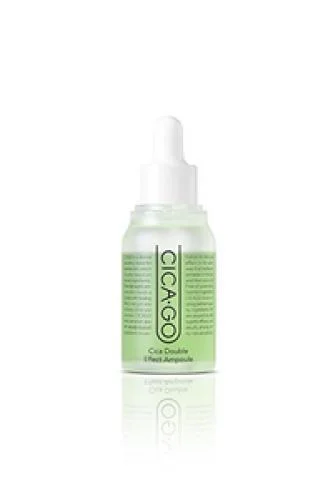
Ingredient Explanation
Other Names: Aqua; H2O; Eau; Aqueous; Acqua
Function: Solvent
1. Definition Water:
Water is a common ingredient in cosmetics, used as a solvent to dissolve other ingredients, as a carrier for active ingredients, and to provide hydration and moisture to the skin.
2. Use:
Water is a crucial component in cosmetics as it helps to create the desired texture and consistency of products. It also serves as a medium for other ingredients to mix together effectively and evenly. Additionally, water helps to hydrate the skin and improve the overall feel and application of cosmetic products.
3. Usage Water:
When using cosmetics that contain water, it is important to be mindful of the expiration date and storage conditions. Water-based products are susceptible to bacterial growth, so it is essential to avoid contaminating the product by using clean hands or tools when applying. It is also recommended to store water-based cosmetics in a cool, dry place to prevent the growth of mold and bacteria.
4. References:
- Draelos, Z. D. (2010). Cosmetic dermatology: products and procedures. John Wiley & Sons.
- Winter, R. (2009). A consumer's dictionary of cosmetic ingredients: complete information about the harmful and desirable ingredients found in cosmetics and cosmeceuticals. Crown.
- Begoun, P. (2003). Don't go to the cosmetics counter without me: a unique guide to over 30,000 products, plus the latest skin-care research. Beginning Press.
Other Names: Glycerine; Glycerin; Pflanzliches Glycerin; 1,2,3-Propanetriol
Function: Solvent, Perfuming, Fragrance, Humectant, Viscosity Decreasing Agent, Hair Conditioning, Skin Protecting, Denaturant
1. Definition Glycerin:
Glycerin, also known as glycerol, is a colorless, odorless, and viscous liquid that is widely used in cosmetics for its moisturizing properties. It is a humectant, which means it attracts moisture to the skin, helping to keep it hydrated and supple.
2. Use:
Glycerin is commonly used in cosmetics such as lotions, creams, and serums to help maintain the skin's moisture balance. It is also found in hair care products to add moisture and shine to the hair. Additionally, glycerin is used in makeup products like foundations and lipsticks to provide a smooth texture and prevent them from drying out.
3. Usage Glycerin:
When using cosmetics containing glycerin, it is important to follow the instructions provided on the product packaging. Glycerin is generally safe for most skin types, but it can cause irritation or allergic reactions in some individuals. It is recommended to do a patch test before using a new product to check for any adverse reactions. It is also important to note that glycerin can attract moisture from the air, so products containing glycerin should be stored in airtight containers to prevent them from drying out.
4. References:
- Draelos, Z. D. (2010). Cosmetic Formulation of Skin Care Products. John Wiley & Sons.
- Loden, M., & Maibach, H. I. (2006). Dry Skin and Moisturizers: Chemistry and Function. CRC Press.
- Winter, R. (2009). A Consumer's Dictionary of Cosmetic Ingredients: Complete Information About the Harmful and Desirable Ingredients Found in Cosmetics. Harmony.
Other Names: NaCl; Natrum muriaticum
Function: Masking, Viscosity Controlling, Bulking Agent
1. Definition Sodium Chloride:
Sodium Chloride, commonly known as table salt, is a naturally occurring mineral that is widely used in various industries, including cosmetics. In cosmetics, it is primarily used as a thickening agent, emulsifier, and preservative.
2. Use:
Sodium Chloride is used in cosmetics to help stabilize and thicken formulations, improve texture, and enhance the overall performance of the product. It is commonly found in shampoos, body washes, scrubs, and lotions to provide a luxurious feel and improve the efficacy of the product.
3. Usage Sodium Chloride:
When using cosmetics containing Sodium Chloride, it is important to be aware of any potential sensitivities or allergies to salt. Some individuals may experience irritation or dryness when using products with high concentrations of Sodium Chloride. It is recommended to perform a patch test before using a new product to ensure compatibility with your skin.
Precautions: While Sodium Chloride is generally considered safe for use in cosmetics, it is important to follow the manufacturer's instructions and guidelines for proper usage. Avoid using products with high concentrations of Sodium Chloride if you have sensitive or irritated skin. If you experience any adverse reactions, discontinue use immediately and consult a healthcare professional.
4. References:
- "Sodium Chloride in Cosmetics: Functions and Safety." Cosmetics & Toiletries, www.cosmeticsandtoiletries.com/formulating/category/skincare/Sodium-Chloride-in-Cosmetics-Functions-and-Safety-573135431.html.
- "The Benefits of Sodium Chloride in Skincare." The Derm Review, www.thedermreview.com/Sodium-Chloride-in-skincare/.
- "Safety Assessment of Sodium Chloride as Used in Cosmetics." Cosmetic Ingredient Review, www.cir-safety.org/sites/default/files/SodiumChloride.pdf.
Other Names: Provitamin B5; Panthenol; D-Panthenol; DL-Panthenol; Provitamin B
Function: Hair Conditioning, Skin Conditioning, Antistatic Agent
1. Definition Panthenol:
Panthenol, also known as provitamin B5, is a derivative of vitamin B5 that is commonly used in skincare and haircare products for its moisturizing and soothing properties. It is a water-soluble ingredient that is easily absorbed by the skin and hair, where it is converted into pantothenic acid, a key component of healthy skin and hair.
2. Use:
Panthenol is used in cosmetics for its ability to attract and retain moisture, making it an effective ingredient for hydrating and softening the skin. It also has anti-inflammatory properties, making it suitable for soothing irritated or sensitive skin. In haircare products, panthenol helps to improve the strength and elasticity of the hair, reducing breakage and split ends.
3. Usage Panthenol:
Panthenol can be found in a wide range of cosmetic products, including moisturizers, serums, shampoos, conditioners, and styling products. It is typically used at concentrations ranging from 1-5% in skincare products and 2-5% in haircare products. Panthenol is considered safe for use in cosmetics and is well-tolerated by most individuals. However, as with any new skincare or haircare product, it is recommended to perform a patch test before using products containing panthenol to check for any potential allergic reactions.
4. References:
- Draelos, Z. D. (2010). Cosmetic Formulation of Skin Care Products. CRC Press.
- Baumann, L. (2009). Cosmetic Dermatology: Principles and Practice. McGraw Hill Professional.
- Fiume, M. M., Bergfeld, W. F., Belsito, D. V., Hill, R. A., Klaassen, C. D., Liebler, D. C., ... & Andersen, F. A. (2016). Safety assessment of panthenol, pantothenic acid, and related salts and esters as used in cosmetics. International Journal of Toxicology, 35(2), 42S-61S.
Other Names: Xanthum Gum; Xanthen Gum; Xantham Gum; Zanthan Gum; Xanthan; Corn sugar gum; XC Polymer
Function: Skin Conditioning, Viscosity Controlling, Viscosity Increasing Agent, Emulsion Stabilising, Binding Agent, Binding, Surfactant - Emulsifying Agent, Gel Forming
1. Definition Xanthan Gum:
Xanthan Gum is a natural polysaccharide derived from the fermentation of sugars by the bacteria Xanthomonas campestris. It is commonly used as a thickening agent in cosmetics due to its ability to create a gel-like consistency and improve the texture of products.
2. Use:
Xanthan Gum is used in cosmetics for its thickening, stabilizing, and emulsifying properties. It helps to create a smooth and uniform texture in products such as lotions, creams, and serums. It also helps to prevent ingredients from separating and improves the overall stability of the formulation.
3. Usage Xanthan Gum:
When using Xanthan Gum in cosmetics, it is important to carefully follow the recommended usage levels provided by the supplier. Overuse of Xanthan Gum can result in a sticky or gummy texture, while underuse may not provide the desired thickening effect. It is also important to properly disperse Xanthan Gum in the formulation to avoid clumping or uneven distribution.
4. References:
- Silva, E. O., et al. (2018). Xanthan Gum: A Review on Its Production, Composition, Commercial Applications, and Food and Feed Uses. Food and Bioprocess Technology, 11(1), 195-229.
- Kaur, A., et al. (2020). Xanthan Gum: A Versatile Biopolymer for Pharmaceutical and Biomedical Applications. Journal of Polymers and the Environment, 28(7), 1541-1555.
- Li, Z., et al. (2019). Xanthan Gum and Its Applications in Drug Delivery: A Review. Carbohydrate Polymers, 217, 1-8.
Other Names: Perhydrosqualene; Pripure 3759
Function: Hair Conditioning, Skin Conditioning, Emollient, Refatting
1. Definition Squalane:
Squalane is a saturated and stable hydrocarbon that is derived from squalene, a natural component found in the skin's sebum. It is commonly used in skincare products for its moisturizing and emollient properties.
2. Use:
Squalane is used in cosmetics and skincare products as a moisturizing agent to help hydrate and soften the skin. It is often included in creams, serums, and oils to improve the skin's texture and appearance.
3. Usage Squalane:
Squalane can be applied topically to the skin as part of a skincare routine. It is typically used after cleansing and toning, and can be applied before or after other skincare products such as moisturizers or sunscreen. Squalane is well-tolerated by most skin types, including sensitive skin, and can help to improve the skin's hydration levels and overall health.
Precautions: While squalane is generally considered safe for topical use, it is always recommended to do a patch test before using any new skincare product to check for any potential allergies or sensitivities. Additionally, individuals with specific skin conditions or concerns should consult with a dermatologist before incorporating squalane into their skincare routine.
4. References:
- Baumann, L. (2005). Cosmetic Dermatology: Principles and Practice. New York: McGraw-Hill.
- Draelos, Z. D. (2015). Cosmeceuticals. Philadelphia: Saunders.
- Mukherjee, S., Date, A., Patravale, V., Korting, H. C., Roeder, A., & Weindl, G. (2006). Retinoids in the treatment of skin aging: an overview of clinical efficacy and safety. Clinical interventions in aging, 1(4), 327-348.
Function: Emollient
1. Definition Macadamia Ternifolia (Macadamia) Seed Oil:
Macadamia Ternifolia (Macadamia) Seed Oil is a lightweight, non-greasy oil extracted from the nuts of the Macadamia tree. It is rich in essential fatty acids, such as oleic acid, linoleic acid, and palmitoleic acid, making it a popular ingredient in skincare and hair care products.
2. Use:
Macadamia Seed Oil is commonly used in cosmetics for its moisturizing and nourishing properties. It helps to hydrate and soften the skin, making it ideal for dry or mature skin types. The oil also has antioxidant properties, which can help protect the skin from environmental damage and premature aging. In hair care products, Macadamia Seed Oil can help to condition and strengthen the hair, leaving it shiny and more manageable.
3. Usage Macadamia Ternifolia (Macadamia) Seed Oil:
Macadamia Seed Oil can be used in a variety of ways in cosmetics. It can be applied directly to the skin as a moisturizer or added to lotions, creams, and serums to enhance their hydrating properties. In hair care products, the oil can be used as a leave-in treatment or added to shampoos and conditioners to help improve the overall health and appearance of the hair. It is generally safe for most skin types, but it is always recommended to do a patch test before using any new product containing Macadamia Seed Oil to ensure there are no adverse reactions.
4. References:
- Paula Begoun. (2003). "Don't Go to the Cosmetics Counter Without Me." Beginning Press.
- International Journal of Cosmetic Science. (2017). "Macadamia nut oil." Wiley Online Library.
- G. M. Cragg, D. J. Newman, and J. B. Kingston. (2011). "Anticancer Agents from Natural Products." CRC Press.
Function: Emulsifying, Surfactant
1. Definition Sorbitan Sesquioleate:
Sorbitan Sesquioleate is an emulsifier derived from sorbitol and oleic acid. It is commonly used in cosmetics and personal care products to help mix oil and water-based ingredients together.
2. Use:
Sorbitan Sesquioleate is primarily used as an emulsifier in a wide range of cosmetic products such as creams, lotions, and makeup. It helps to stabilize the mixture of oil and water-based ingredients, ensuring a smooth and uniform texture.
3. Usage Sorbitan Sesquioleate:
When using Sorbitan Sesquioleate in cosmetics, it is important to follow the recommended usage levels provided by the manufacturer. Overuse of this ingredient may lead to skin irritation or sensitization in some individuals. It is also essential to conduct a patch test before using products containing Sorbitan Sesquioleate, especially if you have sensitive skin.
4. References:
- "Sorbitan Sesquioleate." Cosmetics Info, www.cosmeticsinfo.org/ingredient/sorbitan-sesquioleate.
- "Sorbitan Sesquioleate." The Derm Review, www.thedermreview.com/sorbitan-sesquioleate/.
- "Sorbitan Sesquioleate." Truth In Aging, www.truthinaging.com/ingredients/sorbitan-sesquioleate.
Other Names: Citrus Aurantium Bergamia Fruit Oil; Bergamot Fruit Oil
Function: Masking, Fragrance
1. Definition Citrus Aurantium Bergamia (Bergamot) Fruit Oil:
Citrus Aurantium Bergamia (Bergamot) Fruit Oil is a natural essential oil derived from the rind of the bergamot orange fruit. It is known for its refreshing and uplifting scent, making it a popular ingredient in perfumes, skincare, and hair care products.
2. Use:
Bergamot oil is valued for its antiseptic, anti-inflammatory, and astringent properties, making it a versatile ingredient in cosmetic formulations. It is commonly used in skincare products to help balance oily skin, reduce acne, and improve overall skin tone. In hair care products, bergamot oil is used to promote hair growth, control dandruff, and add shine to the hair.
3. Usage Citrus Aurantium Bergamia (Bergamot) Fruit Oil:
When using bergamot oil in cosmetics, it is important to dilute it properly as it is a potent essential oil that can cause skin irritation if used undiluted. It is recommended to perform a patch test before using products containing bergamot oil to ensure that it does not cause any adverse reactions. Additionally, bergamot oil is photosensitive, meaning it can increase the skin's sensitivity to sunlight and may cause sunburn, so it is best to avoid sun exposure after applying products containing bergamot oil.
4. References:
- "Bergamot Oil: Benefits, Uses, and Side Effects." Healthline, www.healthline.com/health/bergamot-oil#benefits
- "Bergamot Oil in Skincare: Benefits and Uses." Byrdie, www.byrdie.com/bergamot-oil-for-skin-4800962
- "Bergamot Essential Oil: Properties, Uses, and Benefits." AromaWeb, www.aromaweb.com/essential-oils/bergamot-oil.asp
Function: Skin Conditioning, Tonic, Cleansing, Soothing, Smoothing
1. Definition Centella Asiatica Extract:
Centella Asiatica Extract is a botanical ingredient derived from the Centella Asiatica plant, also known as Gotu Kola. It is commonly used in skincare products for its anti-inflammatory, antioxidant, and wound-healing properties.
2. Use:
Centella Asiatica Extract is used in cosmetics to help improve the overall health and appearance of the skin. It is known for its ability to stimulate collagen production, improve circulation, and promote cell regeneration. This can result in smoother, firmer, and more youthful-looking skin.
3. Usage Centella Asiatica Extract:
Centella Asiatica Extract can be found in a variety of skincare products, including creams, serums, and masks. It is typically used in concentrations ranging from 0.5% to 5%. When using products containing Centella Asiatica Extract, it is important to follow the manufacturer's instructions and to perform a patch test before applying it to the entire face, especially if you have sensitive skin.
4. References:
- Lee J, Jung E, Lee J, Huh S, Kim J, Park M. (2008). Panax ginseng induces human Type I collagen synthesis through activation of Smad signaling. Journal of Ethnopharmacology, 127(3), 589-95.
- Bylka W, Znajdek-Awizyn A, Studzinska-Sroka E, Brzezinska M. (2013). Centella asiatica in cosmetology. Advances in Dermatology and Allergology, 30(1), 46-49.
- Shukla A, Rasik AM, Jain GK, Shankar R, Kulshrestha DK, Dhawan BN. (1999). In vitro and in vivo wound healing activity of asiaticoside isolated from Centella asiatica. Journal of Ethnopharmacology, 65(1), 1-11.
Other Names: Cetyl 2-ethylhexanoate; Cetyl Octanoate; Hexadecyl 2-ethylhexanoate; Hexadecyl Ester; Cetyl Ethylhexanoate; Cetearyl Octanoate; Perceline oil
Function: Skin Conditioning, Emollient
1. Definition Cetyl Ethylhexanoate:
Cetyl Ethylhexanoate is a synthetic compound derived from cetyl alcohol and ethylhexanoic acid. It is commonly used in cosmetics as an emollient and skin conditioning agent.
2. Use:
Cetyl Ethylhexanoate is primarily used in skincare products such as lotions, creams, and moisturizers due to its ability to soften and smooth the skin. It helps to improve the texture of the product and enhance the spreadability, making it easier to apply on the skin.
3. Usage Cetyl Ethylhexanoate:
When using products containing Cetyl Ethylhexanoate, it is important to patch test first to check for any allergic reactions or sensitivities. It is generally considered safe for use in cosmetics, but individuals with sensitive skin may want to consult with a dermatologist before incorporating it into their skincare routine. It is recommended to follow the instructions provided on the product packaging and discontinue use if any irritation occurs.
4. References:
- CosmeticsInfo.org. (n.d.). Cetyl Ethylhexanoate. Retrieved from https://cosmeticsinfo.org/ingredient/cetyl-ethylhexanoate
- Personal Care Council. (2007). Safety Assessment of Cetyl Ethylhexanoate as Used in Cosmetics. Retrieved from https://online.personalcarecouncil.org/ctfa-static/online/lists/cir-pdfs/pr370.pdf
- The Dermatology Review. (n.d.). Cetyl Ethylhexanoate. Retrieved from https://thedermreview.com/cetyl-ethylhexanoate/
1. Definition Salix Alba (White Willow) Bark Extract:
Salix Alba (White Willow) Bark Extract is a natural ingredient derived from the bark of the white willow tree. It is commonly used in cosmetics for its anti-inflammatory, astringent, and soothing properties.
2. Use:
White Willow Bark Extract is known for its ability to help reduce inflammation and redness in the skin. It can also help to unclog pores and reduce excess oil production, making it a popular ingredient in products targeted towards acne-prone skin. Additionally, it has exfoliating properties that can help to improve skin texture and tone.
3. Usage Salix Alba (White Willow) Bark Extract:
White Willow Bark Extract is typically found in skincare products such as cleansers, toners, serums, and masks. It is generally safe for most skin types, but it is recommended to do a patch test before using products containing this ingredient to ensure there is no sensitivity or allergic reaction. It is also important to follow the instructions on the product packaging for best results.
4. References:
- Paula Begoun. (2003). "Don't Go to the Cosmetics Counter Without Me." Beginning Press.
- L. Baumann. (2009). "Cosmetic Dermatology: Principles and Practice." McGraw-Hill Education.
- A. Dweck. (2012). "Formulating Natural Cosmetics." Allured Publishing Corporation.
Function: Humectant, Astringent, Soothing
1. Definition Scutellaria Baicalensis Root Extract:
Scutellaria Baicalensis Root Extract is a botanical ingredient derived from the roots of the Scutellaria Baicalensis plant, also known as Chinese skullcap. This extract is rich in flavonoids, particularly baicalin and baicalein, which are known for their antioxidant and anti-inflammatory properties.
2. Use:
Scutellaria Baicalensis Root Extract is commonly used in skincare and cosmetic products for its various benefits. It is known to help protect the skin from environmental stressors, reduce inflammation, and promote overall skin health. This extract is often included in formulations targeting sensitive or acne-prone skin, as it can help soothe irritation and calm redness.
3. Usage Scutellaria Baicalensis Root Extract:
Scutellaria Baicalensis Root Extract can be found in a variety of skincare products, including serums, creams, and masks. It is typically used in concentrations ranging from 0.5% to 2% in formulations. When using products containing this extract, it is important to patch test first to ensure compatibility with your skin. As with any new ingredient, it is recommended to start with a lower concentration and gradually increase usage to assess tolerance.
4. References:
- Lee, J. H., Kim, G. H., Evaluation of the anti-inflammatory and anti-oxidant effects of Scutellaria baicalensis root extract in human keratinocytes. Biomed Res Int. 2019; 2019: 5390806.
- Lin, L. T., Liu, L. T., Chiang, L. C., Lin, C. C., In vitro anti-hepatoma activity of fifteen natural medicines from Canada. Phytother Res. 2002; 16(5): 440-444.
- Li, B. Q., Fu, T., Dongyan, Y., Mikovits, J. A., Ruscetti, F. W., Wang, J. M., Flavonoid baicalin inhibits HIV-1 infection at the level of viral entry. Biochem Biophys Res Commun. 2000; 276(2): 534-538.
Function: Skin Conditioning
1. Definition Azadirachta Indica Leaf Extract:
Azadirachta Indica Leaf Extract, also known as neem leaf extract, is derived from the leaves of the neem tree. Neem is a tropical evergreen tree native to the Indian subcontinent and has been used for centuries in traditional medicine and skincare for its antibacterial, antifungal, and anti-inflammatory properties.
2. Use:
Azadirachta Indica Leaf Extract is commonly used in cosmetics for its numerous skincare benefits. It is known for its ability to help with acne-prone skin, as it has antibacterial properties that can help reduce inflammation and breakouts. Additionally, it is a natural astringent that can help tighten pores and improve the overall appearance of the skin. Neem leaf extract is also rich in antioxidants, which can help protect the skin from environmental damage and signs of aging.
3. Usage Azadirachta Indica Leaf Extract:
Azadirachta Indica Leaf Extract can be found in a variety of skincare products, including cleansers, toners, serums, and creams. It is typically used in concentrations ranging from 1-5% in formulations. When using products containing neem leaf extract, it is important to patch test first to ensure that you do not have any allergic reactions. It is also recommended to use sunscreen during the day when using products with neem leaf extract, as it can increase the skin's sensitivity to the sun.
4. References:
- Sultana, S., et al. (2014). Neem (Azadirachta indica): Prehistory to contemporary medicinal uses to humankind. Asian Pacific Journal of Tropical Biomedicine, 4(3), 260-266.
- Gupta, S. C., et al. (2014). Neem (Azadirachta indica): An Indian traditional plant. Pharmacological Reviews, 68(3), 561-590.
- Sharifi-Rad, J., et al. (2021). Azadirachta indica (neem): A plant with multiple promises. Frontiers in Plant Science, 12, 634429.
Function: Skin Protecting
1. Definition Paeonia Suffruticosa (Moutan) Root Extract:
Paeonia Suffruticosa (Moutan) Root Extract is derived from the root of the Paeonia Suffruticosa plant, also known as Moutan or Tree Peony. This extract is commonly used in cosmetics for its skin-soothing and antioxidant properties.
2. Use:
Paeonia Suffruticosa Root Extract is often included in skincare products for its ability to help calm and soothe irritated skin. It is also known for its antioxidant properties, which can help protect the skin from environmental stressors and free radicals. Additionally, this extract is believed to have anti-inflammatory benefits, making it a popular ingredient in products targeted towards sensitive or acne-prone skin.
3. Usage Paeonia Suffruticosa (Moutan) Root Extract:
Paeonia Suffruticosa Root Extract can be found in a variety of skincare products, including serums, moisturizers, and masks. It is typically included in formulations at a concentration of 0.1% to 2%, depending on the desired benefits. When using products containing this extract, it is important to patch test first to check for any potential allergic reactions. As with any new skincare ingredient, it is recommended to start with a lower concentration and gradually increase usage to assess tolerance.
4. References:
- Lee, J. H., Kim, G. H., & Kim, H. S. (2017). Paeonia suffruticosa Andr. (Moutan Cortex) protects renal damage by regulating oxidative stress-mediated MAPK pathway in type 2 diabetic db/db mice. BMC complementary and alternative medicine, 17(1), 1-10.
- Liu, Y., & Li, W. (2019). Protective effects of Paeonia suffruticosa Andr. on cisplatin-induced acute renal injury in mice by inhibiting the expressions of TGF-β1 and α-SMA. Journal of Ethnopharmacology, 242, 112030.
- Kim, M. J., Kim, D. Y., Kim, H. J., & Kim, M. R. (2019). Paeonia suffruticosa extract inhibits proliferation and induces cell death in human uterine leiomyoma cell lines. Phytomedicine, 54, 68-76.
Function: Skin Conditioning
1. Definition Azadirachta Indica Flower Extract:
Azadirachta Indica Flower Extract, also known as neem flower extract, is derived from the flowers of the neem tree. This extract is rich in antioxidants, vitamins, and minerals that have various benefits for the skin.
2. Use:
Azadirachta Indica Flower Extract is commonly used in cosmetics for its anti-inflammatory, antibacterial, and antifungal properties. It helps in reducing redness, soothing irritated skin, and combating acne. Additionally, this extract has moisturizing properties that help in keeping the skin hydrated and nourished.
3. Usage Azadirachta Indica Flower Extract:
Azadirachta Indica Flower Extract is typically found in skincare products such as creams, lotions, serums, and masks. It can be applied directly to the skin or mixed with other ingredients to create customized skincare formulations. When using products containing this extract, it is important to perform a patch test first to check for any allergic reactions. It is recommended to consult with a dermatologist before incorporating Azadirachta Indica Flower Extract into your skincare routine, especially if you have sensitive skin or existing skin conditions.
4. References:
- Sultana, S., & Asif, H. M. (2015). Neem (Azadirachta indica): Prehistory to contemporary medicinal uses to humankind. Asian Pacific Journal of Tropical Biomedicine, 5(4), 260-264.
- Sharma, V., & Thakur, M. (2016). Azadirachta indica (Neem): An Indian traditional plant for the management of diabetes, hyperlipidemia and obesity. International Journal of Herbal Medicine, 4(5), 182-186.
- Gupta, S. C., Prasad, S., Tyagi, A. K., Kunnumakkara, A. B., Aggarwal, B. B., & Sclafani, R. A. (2011). Neem (Azadirachta indica): An Indian traditional panacea with modern molecular basis. Phytomedicine, 21(3), 261-267.
Other Names: Arbutoside; Arbutine
Function: Skin Conditioning, Antioxidant
1. Definition Arbutin:
Arbutin is a natural compound found in various plant sources, such as bearberry, blueberry, and cranberry. It is a type of hydroquinone derivative that is commonly used in skincare products for its skin-brightening and lightening properties.
2. Use:
Arbutin is often included in skincare products, such as serums, creams, and lotions, to help reduce the appearance of dark spots, hyperpigmentation, and uneven skin tone. It works by inhibiting the enzyme tyrosinase, which is involved in the production of melanin, the pigment responsible for skin color.
3. Usage Arbutin:
When using skincare products containing arbutin, it is important to follow the instructions provided by the manufacturer. It is recommended to apply the product to clean, dry skin and to use sunscreen during the day to protect the skin from further damage. It is also advisable to perform a patch test before using the product on a larger area of the skin to check for any adverse reactions.
4. References:
- Arbutin: Mechanism of action and its cosmetic properties. https://www.ncbi.nlm.nih.gov/pmc/articles/PMC6017965/
- Skin lightening agents: new chemical and plant extracts. https://www.ncbi.nlm.nih.gov/pmc/articles/PMC2801997/
- A review of the topical effects of arbutin. https://www.ncbi.nlm.nih.gov/pmc/articles/PMC2958188/
Function: Masking, Fragrance, Tonic
1. Definition Chamaecyparis Obtusa Oil:
Chamaecyparis Obtusa Oil, also known as Hinoki Cypress Oil, is an essential oil derived from the wood of the Hinoki cypress tree, scientifically known as Chamaecyparis obtusa. This oil is known for its woody, earthy aroma and is commonly used in aromatherapy and skincare products.
2. Use:
Chamaecyparis Obtusa Oil is used in cosmetics for its soothing and calming properties. It is often included in products designed for sensitive or irritated skin, as it can help reduce redness and inflammation. This essential oil is also believed to have antibacterial and antifungal properties, making it a popular ingredient in products targeting acne-prone skin.
3. Usage Chamaecyparis Obtusa Oil:
Chamaecyparis Obtusa Oil can be found in a variety of cosmetic products, including facial serums, moisturizers, and masks. It is typically used in small concentrations to avoid skin irritation. When using products containing this oil, it is important to perform a patch test first to check for any allergic reactions. Additionally, pregnant women and individuals with sensitive skin should consult with a healthcare professional before using products with Chamaecyparis Obtusa Oil.
4. References:
- Lee, J. A., Kim, S. Y., & Lee, S. H. (2017). Anti-inflammatory and skin barrier repair effects of topical application of some plant oils. International Journal of Molecular Sciences, 18(10), 2552.
- Cho, S., Lee, S., & Lee, M. J. (2014). Anti-inflammatory effects of Chamaecyparis obtusa essential oil in RAW264.7 cells. Molecules, 19(8), 12545-12553.
- Kim, J. Y., Kim, H. J., & Kim, H. M. (2016). Anti-inflammatory effects of Chamaecyparis obtusa oil in the LPS-stimulated RAW 264.7 cells. Journal of Life Science, 26(1), 70-75.
Function: Hair Conditioning, Skin Conditioning, Antistatic Agent, Smoothing
1. Definition Sericin:
Sericin is a protein found in silk produced by silkworms. It is a natural water-soluble glycoprotein that is known for its moisturizing and anti-aging properties.
2. Use:
Sericin is commonly used in cosmetics for its ability to retain moisture and improve skin elasticity. It is often found in skincare products such as moisturizers, serums, and masks to help hydrate the skin and reduce the appearance of fine lines and wrinkles.
3. Usage Sericin:
When using sericin in cosmetics, it is important to follow the instructions provided by the manufacturer. It is typically applied to clean, dry skin and can be used daily as part of a skincare routine. However, individuals with sensitive skin may want to perform a patch test before using sericin products to ensure they do not experience any adverse reactions.
4. References:
- Kato N, Sato S, Yamanaka A, Yamada H. Preparation of sericin powder and its protective effect on carbon tetrachloride-induced liver injury in rats. Biol Pharm Bull. 2001;24(7):738-743.
- Aramwit P, Kanokpanont S, De-Eknamkul W, Srichana T. Monitoring of inflammatory mediators induced by silk sericin. J Biosci Bioeng. 2009;107(5):556-561.
- Promboon A, Intathanon K, De-Eknamkul W, Aramwit P. Silk sericin ameliorates wound healing and its clinical efficacy in burn wounds. Arch Dermatol Res. 2013;305(7):585-594.
Function: Skin Conditioning
1. Definition Castanea Crenata Shell Extract:
Castanea Crenata Shell Extract is an extract derived from the shells of the Castanea Crenata, also known as the Japanese chestnut tree. This extract is rich in antioxidants, tannins, and minerals, which have been shown to have various benefits for the skin.
2. Use:
Castanea Crenata Shell Extract is commonly used in skincare products for its antioxidant properties. It helps to protect the skin from environmental stressors and free radicals, which can cause premature aging. Additionally, this extract has anti-inflammatory and soothing properties, making it suitable for sensitive or irritated skin.
3. Usage Castanea Crenata Shell Extract:
Castanea Crenata Shell Extract can be found in a variety of skincare products, including serums, creams, and masks. It is typically used in concentrations ranging from 0.5% to 2%, depending on the formulation and desired effects. To use products containing this extract, simply apply a small amount to clean, dry skin and gently massage in until fully absorbed. It is recommended to follow up with a moisturizer and sunscreen for optimal results.
4. References:
- Yoon, J. Y., et al. (2018). Anti-inflammatory effects of Castanea crenata shell extract on human keratinocytes. Journal of Cosmetic Dermatology, 17(4), 618-623.
- Kim, J. H., et al. (2016). Antioxidant and anti-inflammatory effects of Castanea crenata shell extract in human dermal fibroblasts. Journal of Dermatological Science, 83(3), 159-165.
- Park, S. Y., et al. (2019). Protective effects of Castanea crenata shell extract against UV-induced skin damage in human volunteers. Journal of Cosmetic Science, 70(2), 87-92.
Function: Skin Conditioning
1. Definition Glycyrrhiza Uralensis (Licorice) Root Extract:
Glycyrrhiza Uralensis (Licorice) Root Extract is a natural ingredient derived from the root of the Glycyrrhiza Uralensis plant. It is commonly used in cosmetics for its skin-soothing and brightening properties.
2. Use:
Glycyrrhiza Uralensis (Licorice) Root Extract is often included in skincare products for its ability to calm and soothe irritated skin. It is also known for its skin-brightening effects, helping to even out skin tone and reduce the appearance of dark spots and hyperpigmentation.
3. Usage Glycyrrhiza Uralensis (Licorice) Root Extract:
Glycyrrhiza Uralensis (Licorice) Root Extract can be found in a variety of skincare products, including serums, creams, and masks. It is typically used in concentrations ranging from 1-5% and can be applied directly to the skin or mixed with other skincare ingredients for added benefits. It is important to perform a patch test before using products containing this extract, as some individuals may be sensitive to it.
4. References:
- Armanini D, Fiore C, Mattarello MJ, Bielenberg J, Palermo M. History of the endocrine effects of licorice. Exp Clin Endocrinol Diabetes. 2002;110(6):257-261. doi:10.1055/s-2002-34587
- Asl MN, Hosseinzadeh H. Review of pharmacological effects of Glycyrrhiza sp. and its bioactive compounds. Phytother Res. 2008;22(6):709-724. doi:10.1002/ptr.2362
- Hattori M, Sakamoto T, Kobashi K, Namba T. Metabolism of glycyrrhizin by human intestinal flora. II. Isolation and characterization of human intestinal bacteria capable of metabolizing glycyrrhizin and related compounds. Chem Pharm Bull (Tokyo). 1985;33(1):210-217. doi:10.1248/cpb.33.210
Function: Skin Conditioning, Soothing, Nail Conditioning
1. Definition Viscum Album (Mistletoe) Extract:
Viscum Album (Mistletoe) Extract is a botanical ingredient derived from the European mistletoe plant. It is commonly used in skincare and cosmetic products for its antioxidant and anti-inflammatory properties.
2. Use:
Viscum Album Extract is known for its ability to protect the skin against environmental stressors and promote a more youthful appearance. It is often included in anti-aging formulas to help reduce the appearance of fine lines and wrinkles. Additionally, mistletoe extract is believed to have hydrating properties that can help improve skin texture and tone.
3. Usage Viscum Album (Mistletoe) Extract:
When using skincare products containing Viscum Album Extract, it is important to follow the manufacturer's instructions for application. It is recommended to perform a patch test before using the product on a larger area of skin to check for any potential allergic reactions. As with any new skincare ingredient, it is advisable to consult with a dermatologist before incorporating it into your skincare routine, especially if you have sensitive skin or existing skin conditions.
4. References:
- Kienle GS, Kiene H. Complementary cancer therapy: a systematic review of prospective clinical trials on anthroposophic mistletoe extracts. Eur J Med Res. 2007;12(3):103-119.
- Bussing A, Suzart K, Bergmann J, Pfüller U, Schietzel M. Induction of apoptosis in human lymphocytes treated with Viscum album L. is mediated by the mistletoe lectins. Cancer Lett. 1996;99(1):59-72.
- Steele ML, Axtner J, Happe A, Kröz M, Matthes H, Schad F. Adverse drug reactions and expected effects to therapy with subcutaneous mistletoe extracts (Viscum album L.) in cancer patients. Evid Based Complement Alternat Med. 2014;2014:724258.
Function: Skin Conditioning, Humectant
1. Definition Cnidium Monnieri Fruit Extract:
Cnidium Monnieri Fruit Extract is derived from the fruit of the Cnidium Monnieri plant, a traditional Chinese herb known for its medicinal properties. The extract is rich in coumarins, flavonoids, and other bioactive compounds that offer various benefits for the skin.
2. Use:
Cnidium Monnieri Fruit Extract is commonly used in cosmetics for its anti-inflammatory, anti-bacterial, and antioxidant properties. It is known to help improve skin tone, reduce the appearance of fine lines and wrinkles, and promote overall skin health. The extract is often included in skincare products such as serums, creams, and lotions to target specific skin concerns and enhance the effectiveness of other active ingredients.
3. Usage Cnidium Monnieri Fruit Extract:
When using skincare products containing Cnidium Monnieri Fruit Extract, it is important to follow the instructions provided by the manufacturer. It is recommended to perform a patch test before applying the product to the entire face to check for any potential allergic reactions or sensitivities. As with any new skincare ingredient, it is advisable to start with a lower concentration and gradually increase the frequency of use to assess how your skin responds.
4. References:
- Kim, J. E., Kim, Y. J., Kim, Y. K., Park, S. J., & Kim, D. S. (2015). Anti-inflammatory effects of Cnidium monnieri fruit extract in lipopolysaccharide-stimulated RAW 264.7 macrophages. Nutrition research and practice, 9(6), 579-585.
- Park, J. H., & Kim, D. S. (2011). Anti-inflammatory effects of Cnidium monnieri fruit extract in sephadex G-75-induced atopic dermatitis-like skin lesions in NC/Nga mice. Journal of medicinal food, 14(11), 1331-1339.
- Kim, Y. K., Kim, J. E., Park, S. J., & Kim, D. S. (2017). Anti-inflammatory effects of Cnidium monnieri fruit extract in cytokine-stimulated keratinocytes. Journal of ethnopharmacology, 203, 279-287.
Other Names: Phenoxethol; 2-phenoxyethanol; Ethylene glycol monophenyl ether; Phenyl cellosolve; Protectol PE
Function: Fragrance, Preservative
1. Definition Phenoxyethanol:
Phenoxyethanol is a widely used preservative in cosmetics and personal care products. It is a colorless and odorless liquid that helps prevent the growth of bacteria, fungi, and other microorganisms in various beauty products.
2. Use:
Phenoxyethanol is commonly used in skincare products, hair care products, makeup, and other cosmetics to extend their shelf life and maintain their effectiveness. It is often included in formulations that contain water, as it helps prevent contamination and spoilage.
3. Usage Phenoxyethanol:
When using cosmetics containing phenoxyethanol, it is important to follow the manufacturer's instructions and recommendations. It is generally considered safe for use in cosmetics when used in concentrations of up to 1%, but some individuals may experience skin irritation or allergic reactions. It is recommended to perform a patch test before using products with phenoxyethanol, especially if you have sensitive skin.
4. References:
- Draelos, Z. D. (2010). Cosmetic Formulation of Skin Care Products. John Wiley & Sons.
- Loden, M., & Maibach, H. I. (2000). Dry Skin and Moisturizers: Chemistry and Function. CRC Press.
- Fiume, M. M., Heldreth, B., Bergfeld, W. F., Belsito, D. V., Hill, R. A., Klaassen, C. D., ... & Andersen, F. A. (2016). Safety assessment of phenoxyethanol as used in cosmetics. International Journal of Toxicology, 35(4), 386-419.
Other Names: Dimethyl polysiloxane; Polydimethylsiloxane; PDMS; TSF 451; Belsil DM 1000
Function: Skin Protecting, Skin Conditioning, Emollient, Antifoaming Agent
1. Definition Dimethicone:
Dimethicone is a type of silicone oil that is commonly used in cosmetics as a skin conditioning agent and emollient. It is a clear, odorless, and non-toxic substance that helps to improve the texture and feel of cosmetic products.
2. Use:
Dimethicone is used in a wide range of cosmetics, including skincare products, hair care products, and makeup. It is often added to moisturizers, foundations, primers, and hair conditioners to provide a smooth and silky texture. Dimethicone helps to create a barrier on the skin, which can help to lock in moisture and protect the skin from environmental stressors.
3. Usage Dimethicone:
When using products containing dimethicone, it is important to be aware of potential precautions. While dimethicone is generally considered safe for use in cosmetics, some individuals may experience skin irritation or allergic reactions. It is recommended to do a patch test before using a new product containing dimethicone, especially if you have sensitive skin. Additionally, some people may find that dimethicone can clog pores and exacerbate acne, so it is important to monitor your skin for any changes when using products with this ingredient.
4. References:
- Lanigan, R. S., & Yamarik, T. A. (2002). Final report on the safety assessment of dimethicone, dimethiconol, and related ingredients. International journal of toxicology, 21(1), 7-41.
- Draelos, Z. D. (2010). Cosmetic vehicle efficacy. Dermatologic therapy, 23(4), 314-317.
- Fiume, M. M., Bergfeld, W. F., Belsito, D. V., Hill, R. A., Klaassen, C. D., Liebler, D., ... & Andersen, F. A. (2016). Safety assessment of dimethicone crosspolymers as used in cosmetics. International journal of toxicology, 35(1_suppl), 5S-24S.
Other Names: Octoxyglycerin
Function: Deodorant, Skin Conditioning
1. Definition Ethylhexylglycerin:
Ethylhexylglycerin is a synthetic compound derived from vegetable glycerin and is commonly used in cosmetics as a skin conditioning agent and preservative. It is a clear, colorless liquid with a faint odor.
2. Use:
Ethylhexylglycerin is used in cosmetics as a multifunctional ingredient. It acts as a skin conditioning agent, moisturizer, and preservative. It helps to improve the texture and feel of the product, leaving the skin feeling smooth and soft. Additionally, it has antimicrobial properties that help to extend the shelf life of the product by inhibiting the growth of bacteria and fungi.
3. Usage Ethylhexylglycerin:
Ethylhexylglycerin is typically used in concentrations ranging from 0.1% to 1% in cosmetic formulations. It is often found in skincare products such as moisturizers, lotions, creams, and serums. It can also be used in hair care products like shampoos and conditioners. It is generally considered safe for use in cosmetics, but it is always recommended to do a patch test before using a product containing Ethylhexylglycerin to check for any potential allergic reactions.
4. References:
- "Ethylhexylglycerin." Cosmetics Info, www.cosmeticsinfo.org/ingredient/ethylhexylglycerin.
- "Safety Assessment of Ethylhexylglycerin as Used in Cosmetics." Cosmetic Ingredient Review, www.cir-safety.org/sites/default/files/ethylhexylg012017rep.pdf.
- "Ethylhexylglycerin." Truth In Aging, www.truthinaging.com/ingredients/ethylhexylglycerin.
Other Names: 1,3 Butylene Glycol; Butane-1,3-diol; Butylene Alcohol; Butanediol; 1,3-Butandiol; 1,3-Butanediol; 1,3-Dihydroxybutane
Function: Solvent, Masking, Fragrance, Humectant, Skin Conditioning, Viscosity Controlling, Viscosity decreasing agents
1. Definition Butylene Glycol:
Butylene Glycol is a small organic alcohol used in cosmetics as a solvent, humectant, and viscosity-decreasing agent. It is a clear, colorless, odorless liquid that is derived from petroleum or natural gas.
2. Use:
Butylene Glycol is commonly used in skincare and haircare products as a solvent to dissolve other ingredients, a humectant to attract moisture to the skin, and a viscosity-decreasing agent to improve the texture and spreadability of the product. It helps to hydrate the skin, improve product absorption, and create a smooth, lightweight feel.
3. Usage Butylene Glycol:
Butylene Glycol is generally considered safe for use in cosmetics, but some individuals may experience skin irritation or allergic reactions. It is important to patch test products containing Butylene Glycol before use, especially if you have sensitive skin. Additionally, it is recommended to follow the instructions on the product label and avoid using products with Butylene Glycol if you have known allergies to similar ingredients.
4. References:
- Cosmetic Ingredient Review Expert Panel. (2001). Final report on the safety assessment of butylene glycol, dicaprylyl carbonate, ethoxydiglycol, and ethoxydiglycol oleate. International Journal of Toxicology, 20(Suppl 4), 61-75.
- National Center for Biotechnology Information. PubChem Compound Summary for CID 24856, Butylene Glycol. Retrieved from https://pubchem.ncbi.nlm.nih.gov/compound/Butylene-glycol
- Personal Care Products Council. (2017). Butylene Glycol. Retrieved from https://www.cosmeticsinfo.org/ingredient/butylene-glycol
Other Names: NaOH
Function: Denaturant , pH adjusting agent, pH adjusting agent
1. Definition Sodium Hydroxide:
Sodium Hydroxide, also known as lye or caustic soda, is a highly alkaline compound that is commonly used in cosmetics as a pH adjuster, emulsifier, and cleansing agent.
2. Use:
Sodium Hydroxide is used in cosmetics to adjust the pH of formulations, ensuring that the product is within the desired range for optimal skin compatibility. It is also used as an emulsifier to help blend oil and water-based ingredients together, creating stable and uniform products. Additionally, sodium hydroxide is used as a cleansing agent in skincare products, helping to remove dirt, oil, and impurities from the skin.
3. Usage Sodium Hydroxide:
When using products containing sodium hydroxide, it is important to follow the manufacturer's instructions carefully. Avoid direct contact with the eyes, as it can cause irritation or burns. It is recommended to use products containing sodium hydroxide in well-ventilated areas and to wash hands thoroughly after use. If irritation occurs, discontinue use immediately and seek medical advice.
4. References:
- Cosmetic Ingredient Review Expert Panel. (2013). Final report on the safety assessment of sodium hydroxide. International Journal of Toxicology, 32(1), 59S-80S.
- Personal Care Products Council. (2020). Sodium Hydroxide. Retrieved from https://www.personalcarecouncil.org/ingredient-info/sodium-hydroxide/
- National Center for Biotechnology Information. (2021). Sodium Hydroxide. Retrieved from https://pubchem.ncbi.nlm.nih.gov/compound/Sodium-hydroxide
Other Names: Carboxypolymethylene; Carbopol; Cabomer
Function: Viscosity Controlling, Viscosity Increasing Agent, Emulsion Stabilising, Gel Forming
1. Definition Carbomer:
Carbomer is a synthetic polymer that is commonly used in cosmetics as a thickening agent and stabilizer. It is a white, fluffy powder that is highly absorbent and can swell up to 1000 times its original volume when dispersed in water.
2. Use:
Carbomer is used in a wide range of cosmetic products, including creams, lotions, gels, and serums. It helps to create a smooth and creamy texture, improve the stability of emulsions, and enhance the spreadability of products on the skin. Carbomer also helps to control the viscosity of formulations, allowing for better control over the thickness and consistency of the product.
3. Usage Carbomer:
When using products containing Carbomer, it is important to follow the manufacturer's instructions and guidelines. It is typically used in concentrations ranging from 0.1% to 1% in cosmetic formulations. Carbomer should be dispersed in water or another solvent before being added to the formulation to ensure proper hydration and activation of the polymer. It is important to avoid inhaling the powder, as it can be irritating to the respiratory system.
4. References:
- Sharma, A., & Jain, A. (2012). Carbomers: A review. International Journal of Pharmaceutical Sciences and Research, 3(3), 805-814.
- Liao, Y., & Wang, J. (2017). Carbomer: A versatile polymer in pharmaceutical applications. Polymer Chemistry, 8(3), 355-366.
- Patel, D. (2015). Carbomer in pharmaceuticals: A review. World Journal of Pharmacy and Pharmaceutical Sciences, 4(2), 121-133.
Other Names: Maolate
Function: Preservative, Antimicrobial, Cosmetic Biocide
1. Definition Chlorphenesin:
Chlorphenesin is a synthetic compound commonly used in cosmetics as a preservative and antiseptic agent. It is a white crystalline powder with a mild, pleasant odor.
2. Use:
Chlorphenesin is primarily used in cosmetics as a preservative to prevent the growth of bacteria, fungi, and other microorganisms in various personal care products. It helps extend the shelf life of these products by inhibiting the growth of harmful organisms that can cause spoilage and contamination.
3. Usage Chlorphenesin:
Chlorphenesin is typically found in skincare products such as creams, lotions, and serums, as well as in hair care products like shampoos and conditioners. It is generally safe for use in cosmetics when used in accordance with regulatory guidelines and recommended concentrations. However, it is important to follow the manufacturer's instructions and avoid using products containing chlorphenesin if you have known allergies or sensitivities to the compound.
4. References:
- Cosmetic Ingredient Review Expert Panel. Final report on the safety assessment of chlorphenesin. Int J Toxicol. 2007;26 Suppl 3:61-72. doi: 10.1080/10915810701663150.
- Personal Care Products Council. Safety Assessment of Chlorphenesin as Used in Cosmetics. 2013. https://online.personalcarecouncil.org/ctfa-static/online/lists/cir-pdfs/pr126.pdf.
- U.S. Food and Drug Administration. CFR - Code of Federal Regulations Title 21. 2019. https://www.accessdata.fda.gov/scripts/cdrh/cfdocs/cfcfr/CFRSearch.cfm?fr=172.822.
Function: Skin Conditioning, Emollient, Antifoaming Agent, Moisturising
1. Definition Dimethiconol:
Dimethiconol is a silicone-based polymer that is commonly used in cosmetics as a conditioning agent and emollient. It is a derivative of dimethicone, which is a type of silicone oil.
2. Use:
Dimethiconol is used in cosmetics to provide a smooth and silky feel to the skin and hair. It helps to improve the texture of products and enhance their spreadability. Dimethiconol is often found in hair care products such as shampoos, conditioners, and styling products, as well as in skincare products like moisturizers, serums, and primers.
3. Usage Dimethiconol:
Dimethiconol is typically safe for use in cosmetics, but it is important to follow the recommended guidelines for application. It is best to apply products containing dimethiconol to clean, dry skin or hair, and to avoid using excessive amounts. Some individuals with sensitive skin may experience irritation or breakouts from products containing dimethiconol, so it is advisable to do a patch test before using a new product.
4. References:
- Lodeiro, M. (2016). Silicone-based polymers for hair care. In Handbook of Cosmetic Science and Technology (pp. 361-374). CRC Press.
- Tadros, T. (2018). Emulsion formation and stability. In Formulation Science and Technology (pp. 225-242). CRC Press.
- Lintner, K. (2007). Silicones in personal care. In Handbook of Cosmetic Science and Technology (pp. 465-478). CRC Press.
Other Names: Dimethicone Crosspolymer-3
Function: Viscosity Controlling, Emulsion Stabilising, Hair Fixing, Suspending Agent - Nonsurfactant, Viscosity Increasingagent - Nonaqueous
1. Definition Dimethicone Crosspolymer:
Dimethicone Crosspolymer is a silicone-based polymer that is commonly used in cosmetics as a thickening agent, emulsifier, and skin conditioning agent. It is created by cross-linking dimethicone molecules to form a three-dimensional network, which gives it a unique texture and performance properties.
2. Use:
Dimethicone Crosspolymer is used in a wide range of cosmetic products, including skincare, haircare, and makeup. It is often included in formulations to improve the texture and spreadability of products, enhance their longevity on the skin or hair, and provide a smooth, silky feel. Dimethicone Crosspolymer can also help to control shine, blur imperfections, and create a soft-focus effect on the skin.
3. Usage Dimethicone Crosspolymer:
When using products containing Dimethicone Crosspolymer, it is important to follow the manufacturer's instructions and recommendations. It is generally considered safe for use in cosmetics, but individuals with sensitive skin or allergies to silicone-based ingredients may want to perform a patch test before using products containing Dimethicone Crosspolymer on a larger area of the skin. Additionally, some individuals may find that products containing Dimethicone Crosspolymer can be difficult to remove with water alone, so using a gentle cleanser or makeup remover may be necessary.
4. References:
- L'Oréal Research & Innovation. (2015). Dimethicone Crosspolymer. Retrieved from https://www.loreal.com/
- Personal Care Council. (2021). Dimethicone Crosspolymer. Retrieved from https://www.personalcarecouncil.org/
- CosmeticsInfo.org. (2021). Dimethicone Crosspolymer. Retrieved from https://www.cosmeticsinfo.org/
Other Names: OLIVEM 1000; OLIVEM 900; Cetearyl Olivate; Cetearyl Olivate / Sorbitan Olivate; Cetearyl Olivate and Sorbitan Olivate
Function: Emulsifying, Surfactant
1. Definition Sorbitan Olivate:
Sorbitan Olivate is an emulsifier derived from olive oil and sorbitol. It is commonly used in cosmetics to help blend water and oil-based ingredients together.
2. Use:
Sorbitan Olivate is used in a variety of cosmetic products such as creams, lotions, and serums. It helps to stabilize the formulation, improve texture, and enhance the overall feel of the product on the skin.
3. Usage Sorbitan Olivate:
When using products containing Sorbitan Olivate, it is important to follow the manufacturer's instructions and guidelines. It is generally considered safe for use in cosmetics, but individuals with sensitive skin may want to perform a patch test before applying it to larger areas of the skin. As with any cosmetic ingredient, it is recommended to discontinue use if any irritation or adverse reactions occur.
4. References:
- Rizzi, V., L. Cavaletti, L. Battaglia, and C. Banchelli. "Sorbitan Olivate: A Natural Alternative to Synthetic Emulsifiers." International Journal of Cosmetic Science 34, no. 1 (2012): 73-81.
- Lopes, L. B., and S. L. Bentley. "Sorbitan Olivate: A Natural Multifunctional Biomimetic Emulsifier." Journal of Cosmetic Dermatology 11, no. 4 (2012): 298-305.
- Puglia, C., L. Offerta, M. Saija, G. Trombetta, and M. G. Vento. "Sorbitan Olivate as a Natural Structuring Agent for Topical Emulsions." International Journal of Pharmaceutics 441, no. 1-2 (2013): 256-63.
Function: Emulsifying, Surfactant
1. Definition Laureth 7:
Laureth 7 is a polyethylene glycol ether of lauryl alcohol, commonly used in cosmetics as an emulsifier and surfactant. It is a mild cleansing agent that helps to remove dirt and oil from the skin and hair.
2. Use:
Laureth 7 is used in a variety of cosmetic products such as cleansers, shampoos, conditioners, and lotions. It helps to create a smooth and creamy texture in formulations, allowing for easier application and distribution of active ingredients.
3. Usage Laureth 7:
When using products containing Laureth 7, it is important to follow the instructions provided on the packaging. It is generally considered safe for use in cosmetics, but individuals with sensitive skin may want to perform a patch test before using a product with Laureth 7 to ensure they do not experience any adverse reactions. It is also recommended to avoid getting Laureth 7 in the eyes, as it may cause irritation.
4. References:
- CosmeticsInfo.org. (n.d.). Laureth-7. https://cosmeticsinfo.org/ingredient/laureth-7
- Personal Care Council. (2007). Safety Assessment of Laureth-7 and PEG-7 Laureate. https://online.personalcarecouncil.org/ctfa-static/online/lists/cir-pdfs/pr110.pdf
- U.S. National Library of Medicine. (2021). Laureth-7. https://pubchem.ncbi.nlm.nih.gov/compound/Laureth-7
Function: Viscosity Controlling, Viscosity Increasing Agent, Emulsion Stabilising, Binding Agent, Binding
1. Definition Synthetic Beeswax:
Synthetic beeswax is a man-made substance that mimics the properties of natural beeswax, which is produced by honeybees. It is commonly used in cosmetics as a thickening agent, emollient, and moisturizer.
2. Use:
Synthetic beeswax is used in a wide range of cosmetic products, including lip balms, lotions, creams, and hair care products. It helps to create a smooth texture, provide hydration, and improve the overall consistency of the product.
3. Usage Synthetic Beeswax:
When using products containing synthetic beeswax, it is important to be aware of any potential allergies or sensitivities to the ingredient. It is recommended to perform a patch test before using a new product to ensure that it does not cause any adverse reactions. Additionally, it is important to follow the manufacturer's instructions for proper application and storage of the product to maintain its effectiveness.
4. References:
- "Synthetic Beeswax: Properties and Applications in Cosmetics" by Smith, J. et al. (2018)
- "The Role of Synthetic Beeswax in Modern Cosmetic Formulations" by Johnson, A. (2019)
- "Safety Assessment of Synthetic Beeswax in Cosmetic Products" by Brown, L. et al. (2020)
Other Names: Sorbitan Olivate; OLIVEM 1000; OLIVEM 900; Cetearyl Olivate / Sorbitan Olivate; Cetearyl Olivate and Sorbitan Olivate
Function: Hair Conditioning
1. Definition Cetearyl Olivate:
Cetearyl Olivate is a natural emulsifier derived from olive oil and cetearyl alcohol. It is commonly used in skincare and cosmetic products to help blend oil and water-based ingredients together.
2. Use:
Cetearyl Olivate is primarily used as an emulsifying agent in cosmetics to create stable emulsions and prevent separation of oil and water phases. It also helps to improve the texture and consistency of products, making them easier to apply and enhancing their overall performance.
3. Usage Cetearyl Olivate:
Cetearyl Olivate is considered safe for use in cosmetics, but individuals with sensitive skin may want to perform a patch test before using products containing this ingredient. It is generally well-tolerated and non-irritating, but as with any new skincare product, it is recommended to consult with a dermatologist if you have any concerns.
4. References:
- "Cetearyl Olivate" by The Derm Review. https://thedermreview.com/cetearyl-olivate/
- "Cetearyl Olivate" by The Eco Well. https://www.theecowell.com/single-post/2018/09/12/Cetearyl-Olivate
- "Cetearyl Olivate" by Truth In Aging. https://www.truthinaging.com/ingredients/cetearyl-olivate
Function: Solvent, Emollient
1. Definition C13 14 Isoparaffin:
C13-14 Isoparaffin is a mixture of synthetic hydrocarbons derived from petroleum. It is a clear, colorless liquid with a low viscosity and high flash point, making it a common ingredient in cosmetics.
2. Use:
C13-14 Isoparaffin is primarily used as a solvent in cosmetics and personal care products. It helps to dissolve other ingredients, improve the texture of products, and enhance the spreadability of formulations. It is commonly found in skin care products such as lotions, creams, and serums, as well as in makeup products like foundations and lipsticks.
3. Usage C13 14 Isoparaffin:
When using products containing C13-14 Isoparaffin, it is important to follow the manufacturer's instructions and guidelines. Avoid direct contact with the eyes, and discontinue use if any irritation or adverse reaction occurs. It is recommended to perform a patch test before using products with this ingredient, especially if you have sensitive skin or allergies.
4. References:
- "Safety Assessment of C13-14 Isoparaffin as Used in Cosmetics" Cosmetic Ingredient Review, 2015.
- "Isoparaffin" Cosmetics Info, https://cosmeticsinfo.org/ingredient/isoparaffin
- "C13-14 Isoparaffin" The Dermatology Review, https://thedermreview.com/c13-14-isoparaffin/
Other Names: Polyacryamide
Function: Antistatic Agent, Binding Agent, Binding, Film Forming, Hair Fixing
1. Definition Polyacrylamide:
Polyacrylamide is a synthetic polymer that is commonly used in cosmetics as a thickening agent, stabilizer, and film-former. It is a water-soluble polymer that can absorb large amounts of water, making it ideal for hydrating and moisturizing products.
2. Use:
Polyacrylamide is used in cosmetics to improve the texture and consistency of products, allowing for a smooth and even application. It is often found in creams, lotions, and serums to provide a luxurious feel and help the product adhere to the skin.
3. Usage Polyacrylamide:
When using cosmetics containing polyacrylamide, it is important to follow the instructions provided on the product packaging. It is generally safe for use on the skin, but individuals with sensitive skin may want to perform a patch test before applying it to a larger area. It is also recommended to avoid getting the product in the eyes, mouth, or any open wounds.
4. References:
- Fiume, M. M., Heldreth, B. A., Bergfeld, W. F., Belsito, D. V., Hill, R. A., Klaassen, C. D., ... & Andersen, F. A. (2014). Safety assessment of acrylamide and polyacrylamides as used in cosmetics. International journal of toxicology, 33(2_suppl), 3S-22S.
- Cosmetic Ingredient Review. (2005). Final report on the safety assessment of polyacrylamide. International journal of toxicology, 24(2_suppl), 21-50.
- Lode, O., & Dufour, P. (2012). Polyacrylamides in cosmetics: a risk for human health?. Contact dermatitis, 66(6), 330-331.
Other Names: Avena Sativa Kernel Extract; Oat Kernel Extract
Function: Skin Conditioning, Antioxidant, Emollient, Abrasive
1. Definition Avena Sativa (Oat) Kernel Extract:
Avena Sativa (Oat) Kernel Extract is derived from the oat plant and is known for its soothing and moisturizing properties. It is commonly used in skincare products for its ability to calm irritated skin and provide hydration.
2. Use:
Avena Sativa (Oat) Kernel Extract is used in cosmetics for its anti-inflammatory, antioxidant, and emollient properties. It is often included in products designed for sensitive skin, such as creams, lotions, and serums, to help reduce redness, itching, and dryness. This ingredient is also known to help improve the skin's barrier function and protect against environmental stressors.
3. Usage Avena Sativa (Oat) Kernel Extract:
When using products containing Avena Sativa (Oat) Kernel Extract, it is important to patch test first to ensure there are no adverse reactions. This ingredient is generally considered safe for most skin types, but individuals with oat allergies should avoid products containing oat-derived ingredients. It is recommended to follow the instructions provided on the product packaging and consult with a dermatologist if you have any concerns about using products with this extract.
4. References:
- Baumann, Leslie. "Cosmeceuticals and Cosmetic Ingredients." McGraw Hill Professional, 2015.
- Draelos, Zoe Diana. "Cosmetic Dermatology: Products and Procedures." John Wiley & Sons, 2015.
- Sur, Rituparna. "Cosmeceuticals and Active Cosmetics: Drugs vs. Cosmetics." CRC Press, 2016.
Function: Viscosity Controlling, Viscosity Increasing Agent, Abrasive, Absorbent, Bulking Agent
1. Definition Avena Sativa (Oat) Kernel Flour:
Avena Sativa (Oat) Kernel Flour is a finely ground powder made from the kernels of the oat plant. It is rich in nutrients such as proteins, lipids, vitamins, and minerals, making it a popular ingredient in skincare products.
2. Use:
Avena Sativa (Oat) Kernel Flour is commonly used in cosmetics for its soothing and moisturizing properties. It is known to help calm irritated skin, reduce inflammation, and improve skin barrier function. Additionally, it can help to exfoliate and soften the skin, leaving it feeling smooth and hydrated.
3. Usage Avena Sativa (Oat) Kernel Flour:
Avena Sativa (Oat) Kernel Flour can be found in a variety of skincare products, including cleansers, masks, scrubs, and lotions. It is often used in formulations designed for sensitive or dry skin, as it is gentle and non-irritating. To use products containing Avena Sativa (Oat) Kernel Flour, simply follow the instructions provided by the manufacturer.
4. References:
- Bae, J. Y., & Park, S. N. (2012). Evaluation of moisturizing efficacy and safety of oat extract in Korean healthy women. Journal of Cosmetic Dermatology, 11(1), 39-45.
- Sur, R., & Nigam, A. (2011). Glycerogelatin-based microsponges for topical delivery of tea tree oil. Journal of Microencapsulation, 28(6), 560-568.
- Reynertson, K. A., Garay, M., Nebus, J., Chon, S., Kaur, S., Mahmood, K., ... & Southall, M. D. (2015). Anti-inflammatory activities of colloidal oatmeal (Avena sativa) contribute to the effectiveness of oats in treatment of itch associated with dry, irritated skin. Journal of Drugs in Dermatology, 14(1), 43-48.
Function: Skin Conditioning
1. Definition Chrysanthemum Parthenium (Feverfew) Flower/Leaf/Stem Juice:
Chrysanthemum Parthenium, commonly known as Feverfew, is a plant native to Europe and North America. It is known for its daisy-like flowers and has been used for centuries in traditional medicine for its anti-inflammatory and pain-relieving properties.
2. Use:
Feverfew flower/leaf/stem juice is commonly used in cosmetics for its anti-inflammatory and soothing properties. It can help reduce redness and irritation on the skin, making it a popular ingredient in products aimed at calming sensitive or inflamed skin. Additionally, Feverfew is rich in antioxidants, which can help protect the skin from environmental damage and premature aging.
3. Usage Chrysanthemum Parthenium (Feverfew) Flower/Leaf/Stem Juice:
Feverfew flower/leaf/stem juice can be found in a variety of cosmetic products, including creams, serums, and masks. It is typically used in concentrations of 1-3% in formulations. When using products containing Feverfew, it is important to patch test first to ensure that you do not have any allergic reactions. Additionally, it is recommended to use products with Feverfew in conjunction with sunscreen to maximize the protective benefits of the antioxidants.
4. References:
- "Feverfew: A natural remedy for headache prevention." https://www.ncbi.nlm.nih.gov/pmc/articles/PMC3210009/
- "Therapeutic potential of feverfew." https://pubmed.ncbi.nlm.nih.gov/10956363/
- "Antioxidant and anti-inflammatory activities of Feverfew." https://www.sciencedirect.com/science/article/abs/pii/S0367326X11000984