- Home
- Ingredient
- Ingredient Detail
- Chrysanthemum Parthenium (Feverfew) Flower/Leaf/Stem Juice
Chrysanthemum Parthenium (Feverfew) Flower/Leaf/Stem Juice
We found 45 products that contain Chrysanthemum Parthenium (Feverfew) Flower/Leaf/Stem Juice
Chrysanthemum Parthenium (Feverfew) Flower/Leaf/Stem Juice - Ingredient Explanation
Chrysanthemum Parthenium (Feverfew) Flower/Leaf/Stem Juice
Function: Skin Conditioning
1. Definition Chrysanthemum Parthenium (Feverfew) Flower/Leaf/Stem Juice:
Chrysanthemum Parthenium, commonly known as Feverfew, is a plant native to Europe and North America. It is known for its daisy-like flowers and has been used for centuries in traditional medicine for its anti-inflammatory and pain-relieving properties.2. Use:
Feverfew flower/leaf/stem juice is commonly used in cosmetics for its anti-inflammatory and soothing properties. It can help reduce redness and irritation on the skin, making it a popular ingredient in products aimed at calming sensitive or inflamed skin. Additionally, Feverfew is rich in antioxidants, which can help protect the skin from environmental damage and premature aging.3. Usage Chrysanthemum Parthenium (Feverfew) Flower/Leaf/Stem Juice:
Feverfew flower/leaf/stem juice can be found in a variety of cosmetic products, including creams, serums, and masks. It is typically used in concentrations of 1-3% in formulations. When using products containing Feverfew, it is important to patch test first to ensure that you do not have any allergic reactions. Additionally, it is recommended to use products with Feverfew in conjunction with sunscreen to maximize the protective benefits of the antioxidants.4. References:
- "Feverfew: A natural remedy for headache prevention." https://www.ncbi.nlm.nih.gov/pmc/articles/PMC3210009/
- "Therapeutic potential of feverfew." https://pubmed.ncbi.nlm.nih.gov/10956363/
- "Antioxidant and anti-inflammatory activities of Feverfew." https://www.sciencedirect.com/science/article/abs/pii/S0367326X11000984
Ingredient Overview
(Click on the ingredient name for more details)
Quick Ingredient Analysis
Paraben free
Sulfate free
Alcohol free
Silicone free
Fungal Acne Safe
EU Allergent Free
Fragrance free
Key Ingredients
Ingredients Related to Skin Types
Click the arrows next to Skin Type! Green = Good & Red = Bad

Dry skin
Unknown

Oily Skin
Unknown

Sensitive skin
Unknown
Ingredient Safety Breakdown (EWG Health Ratings)
Low Risk
Moderate Risk
High Risk
Unknown
100%
Ingredient List
| EWG | CIR | Ingredient Name & Cosmetic Function | Notes |
|---|---|---|---|
| 1 | - | (Skin Conditioning) | |
Try Chanh's Tools
View other ingredients
-
-
PEG-9 Oleate
(Emulsifying, Surfactant, Surfactant - Solubilizingagent)
-
-
Vaccinium Myrtillus Seed Extract
(Skin Conditioning)
-
-
Isostearoyl Hydrolyzed Keratin
(Emollient, Skinprotectant)
-
-
Glyceryl Lactate
(pH adjusting agent, Emollient, Moisturising)
-
-
Calcium Phosphoryl Oligosaccharide
(Skinprotectant)
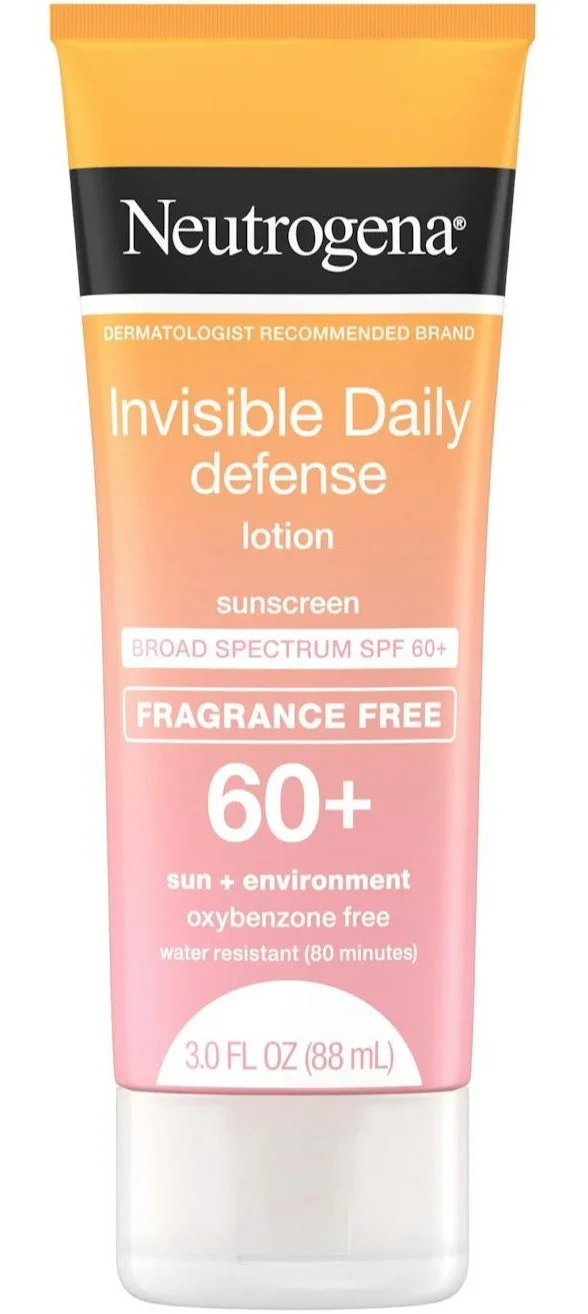
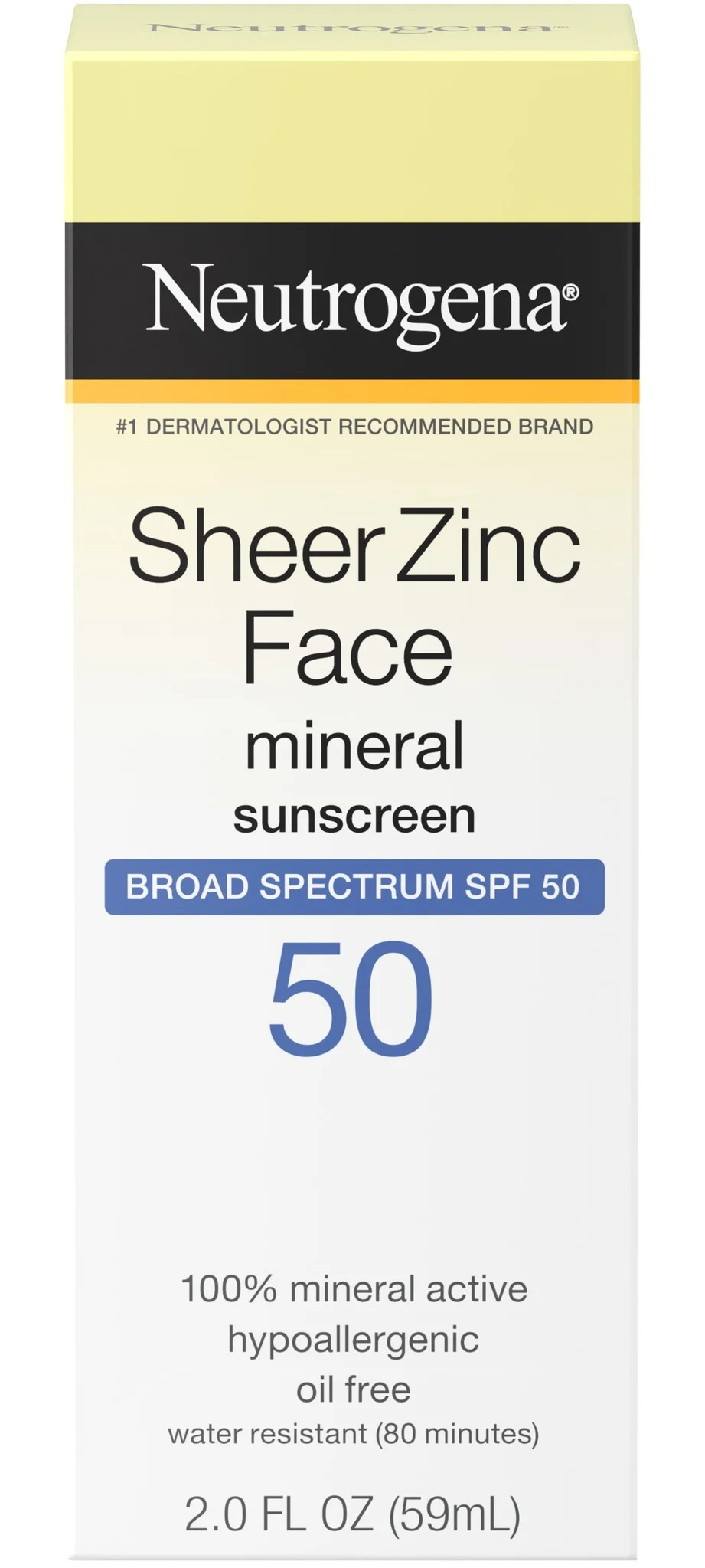
Products containing Chrysanthemum Parthenium (Feverfew) Flower/Leaf/Stem Juice

0(0)
0
0