


- Home
- Compare product
- Comparison result

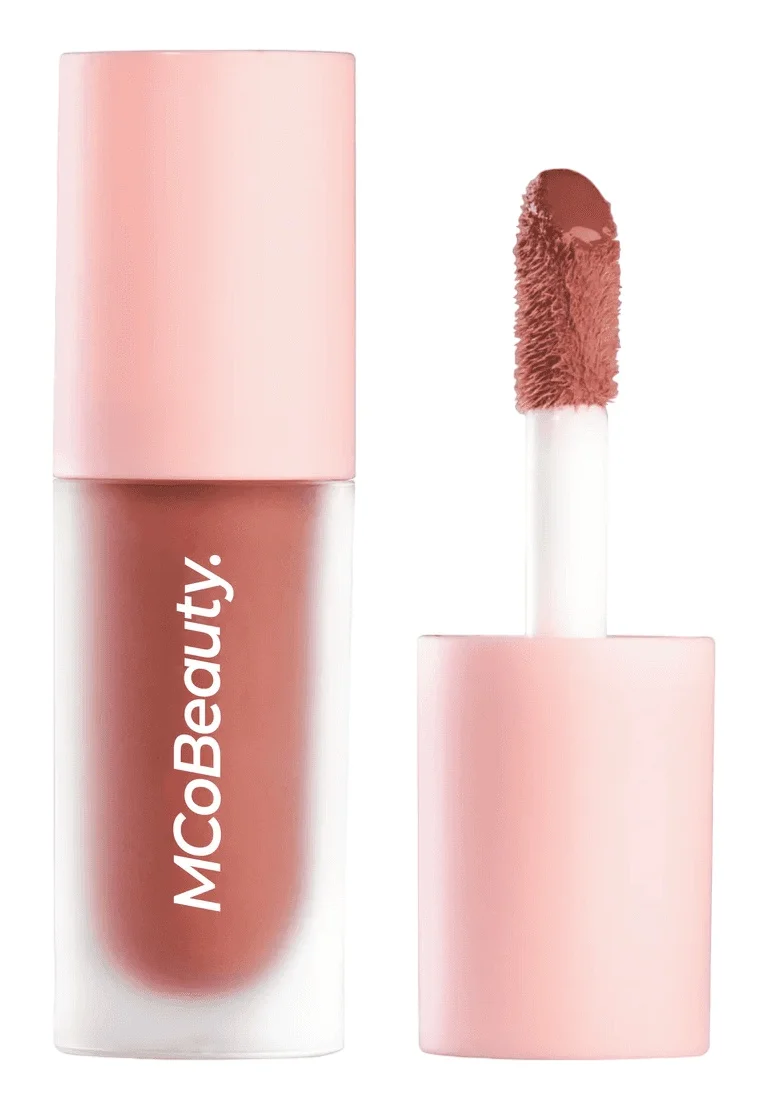


| EWG | CIR | Ingredient Name & Cosmetic Function | Notes |
|---|---|---|---|
| 1 | - | (Solvent) | |
| 1 3 | B | (Humectant, Skin Conditioning, Emollient) |  Good for sensitive skin Good for sensitive skin |
| 1 | - | (Skin Conditioning, Emollient, Fragrance, Humectant) | |
| 1 | - | (Skin Conditioning, Astringent) | |
| 1 2 | A | (Solvent, Perfuming, Fragrance, Humectant, Viscosity Decreasing Agent, Hair Conditioning, Skin Protecting, Denaturant ) |  Good for dry skin Moisturizing Good for dry skin Moisturizing |
| 1 | A | (Antioxidant) | Anti Aging Brightening |
| 1 | - | Promotes Wound Healing | |
| 2 3 | A | (Skin Conditioning, Antioxidant) | Anti Aging |
| 1 | A | (Skin Conditioning) |  Fungal Acne Trigger Fungal Acne Trigger |
| 1 | A |  Bad for oily skin Fungal Acne Trigger Bad for oily skin Fungal Acne Trigger | |
| 1 | - | | |
| 1 | A | (Skin Conditioning, Emollient) | Good for dry skin Bad for oily skin Fungal Acne Trigger |
| 1 | A | (Skin Conditioning, Emollient) | Promotes Wound Healing Fungal Acne Trigger  Good for oily skin Good for oily skin |
| 1 | - | (Solvent, Viscosity Controlling, Viscosity Decreasing Agent) | |
| 1 2 | - | (Masking, Fragrance, Humectant, Skin Protecting, Uv Absorber, Skin Conditioning, Antioxidant, Emollient, Antimicrobial, Astringent, Tonic, Skin-Conditioning Agent -Miscellaneous) | Moisturizing |
| 1 | - | | |
| - | - | Vaccinium Macrocarpon Extract (Cranberry) | |
| 1 | - | | |
| 1 | - | (Skin Conditioning) | |
| 1 | - | (Skin Conditioning) | |
| - | - | Schisandra Chinensis Extract (Organic Schisandra) | |
| 1 | - | | |
| 1 | B | (Skin Conditioning, Tonic, Cleansing, Soothing, Smoothing) | Promotes Wound Healing Cleansing |
| 1 | - | (Emollient, Soothing, Tonic, Astringent) | |
| 1 | - | (Skin Conditioning) | |
| 1 | - | (Tonic) | |
| 1 | A | (Skin Conditioning, Masking, Fragrance, Antistatic Agent, Hair Conditioning) | |
| 1 | - | (Viscosity Controlling, Emulsion Stabilising, Film Forming) | |
| 2 4 | A | (Fragrance, Preservative) | |
| 2 | A | (Deodorant, Skin Conditioning) | |
| EWG | CIR | Ingredient Name & Cosmetic Function | Notes |
|---|---|---|---|
| 1 | B | (Skin Conditioning, Emollient) | |
| 1 | - | (Skin Conditioning, Emollient, Viscosity Increasing Agent) | |
| - | - | (Emollient, Viscosity Controlling, Skin Protecting) | Moisturizing |
| 1 | A | (Viscosity Increasing Agent, Binding Agent, Epilating Agent) | |
| 1 | A | (Skin Conditioning, Emollient, Viscosity Controlling, Viscosity Increasing Agent) | |
| 1 | A | (Viscosity Controlling, Viscosity Increasing Agent, Binding Agent, Binding, Film Forming) | |
| 1 | A | (Solvent, Perfuming, Fragrance, Skin Conditioning, Emollient) | |
| 1 | B | (Emollient, Antifoaming Agent, Viscosity Controlling, Bulking Agent, Anticaking Agent, Emulsion Stabilising, Slip Modifier, Suspending Agent - Nonsurfactant, Viscosityincreasing Agent - Nonaqueous) | |
| 1 | B | (Skin Conditioning, Perfuming, Emollient, Fragrance) | Bad for oily skin Fungal Acne Trigger |
| 1 | A | (Viscosity Controlling) | |
| 1 | A | | |
| 1 | A | (Masking, Fragrance, Emollient, Viscosity Controlling, Antistatic Agent, Viscosity Increasing Agent, Emulsion Stabilising, Binding Agent, Binding) | |
| 1 | B | (Skin Conditioning, Emollient, Surfactant, Emulsifying) | Bad for oily skin Fungal Acne Trigger Cleansing |
| 1 | A | Bad for oily skin Fungal Acne Trigger | |
| 2 4 | A | (Fragrance, Preservative) | |
| 1 | A | (Hair Conditioning, Skin Conditioning, Emollient, Viscosity Controlling) | Fungal Acne Trigger |
| 1 | A | (Hair Conditioning, Skin Conditioning, Emollient, Refatting) | |
| 2 3 | A | (Skin Conditioning, Antioxidant) | Anti Aging |
| 1 | - | (Masking, Fragrance, Flavoring Agent, Refreshing) | |
| 2 | A | Fungal Acne Trigger | |
| 1 | A | (Skin Conditioning, Emollient) | Fungal Acne Trigger |
| 1 | A | (Skin Conditioning) | Good for dry skin Bad for oily skin |
| 1 | A | Fungal Acne Trigger | |
| 1 | A | (Skin Conditioning, Emollient) | Promotes Wound Healing Fungal Acne Trigger Good for oily skin |
| 1 | A | (Skin Conditioning, Emollient) | |
| 1 | - | (Masking, Flavoring Agent) | |
| 1 2 | A | (Opacifying, Viscosity Controlling, Abrasive, Absorbent, Bulking Agent, Anticaking Agent) | |
| 1 3 | - | (Cosmetic Colorant, Uv Absorber, Sunscreen Agent, Opacifying) | UV Protection Good for sensitive skin |
| - | - | Iron Oxide Red (Ci 77491) | |
| 1 | - | (Colorant, Cosmetic Colorant) | |
| 2 | - | (Colorant, Cosmetic Colorant) | |
| 1 6 | - | (Cosmetic Colorant) | |
Water
1. Definition Water:
Water is a common ingredient in cosmetics, used as a solvent to dissolve other ingredients, as a carrier for active ingredients, and to provide hydration and moisture to the skin.2. Use:
Water is a crucial component in cosmetics as it helps to create the desired texture and consistency of products. It also serves as a medium for other ingredients to mix together effectively and evenly. Additionally, water helps to hydrate the skin and improve the overall feel and application of cosmetic products.3. Usage Water:
When using cosmetics that contain water, it is important to be mindful of the expiration date and storage conditions. Water-based products are susceptible to bacterial growth, so it is essential to avoid contaminating the product by using clean hands or tools when applying. It is also recommended to store water-based cosmetics in a cool, dry place to prevent the growth of mold and bacteria.4. References:
- Draelos, Z. D. (2010). Cosmetic dermatology: products and procedures. John Wiley & Sons.
- Winter, R. (2009). A consumer's dictionary of cosmetic ingredients: complete information about the harmful and desirable ingredients found in cosmetics and cosmeceuticals. Crown.
- Begoun, P. (2003). Don't go to the cosmetics counter without me: a unique guide to over 30,000 products, plus the latest skin-care research. Beginning Press.
Aloe Barbadensis (Aloe Vera) Leaf Extract
1. Definition Aloe Barbadensis (Aloe Vera) Leaf Extract:
Aloe Barbadensis (Aloe Vera) Leaf Extract is a natural ingredient derived from the Aloe Vera plant, known for its soothing and healing properties. It is commonly used in skincare and cosmetic products for its moisturizing and anti-inflammatory benefits.2. Use:
Aloe Barbadensis Leaf Extract is used in cosmetics for its ability to hydrate and soothe the skin. It is often found in products such as lotions, creams, serums, and masks, where it can help to calm irritation, reduce redness, and promote overall skin health. Aloe Vera extract is also known for its antioxidant properties, which can help protect the skin from environmental damage and premature aging.3. Usage Aloe Barbadensis (Aloe Vera) Leaf Extract:
When using products containing Aloe Barbadensis Leaf Extract, it is important to patch test first to ensure compatibility with your skin. Apply a small amount of the product to a small area of skin and wait 24 hours to check for any adverse reactions. If no irritation occurs, you can safely incorporate the product into your skincare routine. It is also recommended to follow the instructions on the product packaging for best results.4. References:
- Surjushe, A., Vasani, R., & Saple, D. G. (2008). Aloe vera: A short review. Indian journal of dermatology, 53(4), 163–166. https://doi.org/10.4103/0019-5154.44785
- Radha, M. H., & Laxmipriya, N. P. (2015). Evaluation of biological properties and clinical effectiveness of Aloe vera: A systematic review. Journal of traditional and complementary medicine, 5(1), 21–26. https://doi.org/10.1016/j.jtcme.2014.10.006
- Paulsen, E., Korsholm, L., & Brandrup, F. (2005). A double-blind, placebo-controlled study of a commercial Aloe vera gel in the treatment of slight to moderate psoriasis vulgaris. Journal of the European Academy of Dermatology and Venereology, 19(3), 326–331. https://doi.org/10.1111/j.1468-3083.2005.01203.x
Algae Extract
1. Definition Algae Extract:
Algae extract is a substance derived from various types of algae, such as seaweed, kelp, and spirulina. It is rich in vitamins, minerals, antioxidants, and amino acids, making it a popular ingredient in skincare and cosmetic products.2. Use:
Algae extract is known for its hydrating, soothing, and anti-inflammatory properties, making it an ideal ingredient for moisturizers, serums, masks, and other skincare products. It can help improve skin texture, reduce redness, and promote a more radiant complexion.3. Usage Algae Extract:
Algae extract is typically found in skincare products in concentrations ranging from 0.1% to 5%. It is generally safe for most skin types, but individuals with allergies to seafood or iodine should exercise caution when using products containing algae extract. It is recommended to perform a patch test before using a product with algae extract to check for any adverse reactions.4. References:
- Lubrizol. (n.d.). Algae Extract. Retrieved from https://www.lubrizol.com/PersonalCare/Products/Algae-Extract
- Raman, S. (2020). Algae Extract: Benefits, Uses, and Side Effects. Retrieved from https://www.stylecraze.com/articles/algae-extract-benefits-uses-and-side-effects/
- Pinsky, N. (2019). The Benefits of Algae Extract in Skincare. Retrieved from https://www.byrdie.com/algae-extract-skincare-4774567
Camellia Oleifera Leaf Extract
1. Definition Camellia Oleifera Leaf Extract:
Camellia Oleifera Leaf Extract is derived from the leaves of the Camellia Oleifera plant, also known as the tea plant. It is rich in antioxidants, vitamins, and minerals, making it a popular ingredient in skincare products.2. Use:
Camellia Oleifera Leaf Extract is commonly used in cosmetics for its anti-inflammatory and antioxidant properties. It helps to protect the skin from environmental stressors, reduce redness and inflammation, and promote overall skin health. Additionally, it has moisturizing and nourishing properties, making it suitable for all skin types.3. Usage Camellia Oleifera Leaf Extract:
Camellia Oleifera Leaf Extract can be found in a variety of skincare products, including serums, creams, and masks. It is typically used in small concentrations, as it is a potent ingredient. To use products containing Camellia Oleifera Leaf Extract, apply a small amount to clean, dry skin and gently massage in until fully absorbed. It can be used daily as part of a skincare routine.4. References:
- Kim, J. H., Kim, J. S., Choi, J. Y., Lee, B. H., & Lee, S. H. (2015). Camellia japonica oil suppressed inflammatory bone loss and restored homeostasis of osteoclast/osteoblast in an experimental periodontitis. PloS one, 10(4), e0121557.
- Lee, J. H., Kim, J. H., Kim, J. S., & Lee, S. H. (2017). Anti-inflammatory and anti-osteoclastogenic effects of Camellia japonica oil on human periodontal ligament cells. Journal of Periodontal & Implant Science, 47(3), 180-191.
- Lee, J. H., Kim, J. H., Kim, J. S., & Lee, S. H. (2017). Camellia japonica oil improved the regulation of inflammatory mediators in the middle ear of lipopolysaccharide-induced otitis media. International journal of pediatric otorhinolaryngology, 97, 186-192.
Glycerin
1. Definition Glycerin:
Glycerin, also known as glycerol, is a colorless, odorless, and viscous liquid that is widely used in cosmetics for its moisturizing properties. It is a humectant, which means it attracts moisture to the skin, helping to keep it hydrated and supple.
2. Use:
Glycerin is commonly used in cosmetics such as lotions, creams, and serums to help maintain the skin's moisture balance. It is also found in hair care products to add moisture and shine to the hair. Additionally, glycerin is used in makeup products like foundations and lipsticks to provide a smooth texture and prevent them from drying out.
3. Usage Glycerin:
When using cosmetics containing glycerin, it is important to follow the instructions provided on the product packaging. Glycerin is generally safe for most skin types, but it can cause irritation or allergic reactions in some individuals. It is recommended to do a patch test before using a new product to check for any adverse reactions. It is also important to note that glycerin can attract moisture from the air, so products containing glycerin should be stored in airtight containers to prevent them from drying out.
4. References:
- Draelos, Z. D. (2010). Cosmetic Formulation of Skin Care Products. John Wiley & Sons.
- Loden, M., & Maibach, H. I. (2006). Dry Skin and Moisturizers: Chemistry and Function. CRC Press.
- Winter, R. (2009). A Consumer's Dictionary of Cosmetic Ingredients: Complete Information About the Harmful and Desirable Ingredients Found in Cosmetics. Harmony.
Sodium Ascorbyl Phosphate
1. Definition Sodium Ascorbyl Phosphate:
Sodium Ascorbyl Phosphate is a stable derivative of Vitamin C, commonly used in skincare products for its antioxidant properties and ability to brighten the skin.2. Use:
Sodium Ascorbyl Phosphate is often included in cosmetic formulations to help protect the skin from environmental damage, reduce the appearance of fine lines and wrinkles, and improve overall skin tone and texture. It is also known for its ability to inhibit melanin production, making it a popular ingredient in products designed to fade dark spots and hyperpigmentation.3. Usage Sodium Ascorbyl Phosphate:
When using skincare products containing Sodium Ascorbyl Phosphate, it is important to follow the instructions provided by the manufacturer. Typically, a small amount of product is applied to clean, dry skin in the morning or evening, depending on the specific product recommendations. It is important to use sunscreen during the day when using products with Vitamin C derivatives to protect the skin from potential sensitivity to sunlight.4. References:
- Telang, P. (2013). Vitamin C in dermatology. Indian dermatology online journal, 4(2), 143–146. https://doi.org/10.4103/2229-5178.110593
- Pullar, J. M., Carr, A. C., & Vissers, M. (2017). The roles of Vitamin C in skin health. Nutrients, 9(8), 866. https://doi.org/10.3390/nu9080866
- Al-Niaimi, F., & Chiang, N. Y. Z. (2017). Topical Vitamin C and the skin: Mechanisms of action and clinical applications. The Journal of clinical and aesthetic dermatology, 10(7), 14–17. https://www.ncbi.nlm.nih.gov/pmc/articles/PMC5605218/
Rose Hips Seed Oil
1. Definition Rose Hips Seed Oil:
Rose Hips Seed Oil is a natural oil extracted from the seeds of rose hips, which are the fruit of the rose plant. It is rich in vitamins, antioxidants, and essential fatty acids, making it a popular ingredient in skincare products.2. Use:
Rose Hips Seed Oil is commonly used in cosmetics for its hydrating, anti-aging, and skin brightening properties. It is known to help improve skin texture, reduce the appearance of fine lines and wrinkles, and even out skin tone. Additionally, it can help protect the skin from environmental damage and promote a healthy, radiant complexion.3. Usage Rose Hips Seed Oil:
Rose Hips Seed Oil can be used in various ways in skincare products, including as a standalone oil or as an ingredient in creams, serums, and masks. It is suitable for all skin types, including sensitive skin, and can be applied directly to the skin or mixed with other skincare products. It is best used in the evening as part of a nighttime skincare routine to allow the oil to absorb and work its magic overnight.4. References:
- Lin TK, Zhong L, Santiago JL. Anti-inflammatory and skin barrier repair effects of topical application of some plant oils. Int J Mol Sci. 2017;19(1):70. doi:10.3390/ijms19010070
- Phetcharat L, Wongsuphasawat K, Winther K. The effectiveness of a standardized rose hip powder, containing seeds and shells of Rosa canina, on cell longevity, skin wrinkles, moisture, and elasticity. Clin Interv Aging. 2015;10:1849-1856. doi:10.2147/CIA.S90092
- Schwager J, Richard N, Schoop R, Wolfram S. A novel rose hip preparation with enhanced anti-inflammatory and chondroprotective effects. Mediators Inflamm. 2014;2014:105710. doi:10.1155/2014/105710
Tocopheryl Acetate
1. Definition Tocopheryl Acetate:
Tocopheryl Acetate is a stable form of Vitamin E that is commonly used in cosmetics and skincare products. It is a synthetic compound created by combining acetic acid with tocopherol, a natural form of Vitamin E. Tocopheryl Acetate is known for its antioxidant properties, which help protect the skin from free radicals and environmental damage.2. Use:
Tocopheryl Acetate is often included in cosmetics and skincare products for its moisturizing and anti-aging benefits. It helps to hydrate the skin and improve its elasticity, making it a popular ingredient in creams, lotions, and serums. Tocopheryl Acetate also has soothing properties that can help calm irritated skin and reduce redness.3. Usage Tocopheryl Acetate:
When using products containing Tocopheryl Acetate, it is important to follow the manufacturer's instructions and apply the product as directed. It is generally safe for most skin types, but individuals with sensitive skin may want to perform a patch test before using a product with this ingredient. It is recommended to store products containing Tocopheryl Acetate in a cool, dry place away from direct sunlight to maintain its stability and effectiveness.4. References:
- Cosmetics Info. (n.d.). Tocopheryl Acetate. Retrieved from https://cosmeticsinfo.org/ingredient/tocopheryl-acetate
- Paula's Choice. (n.d.). Vitamin E for Skin. Retrieved from https://www.paulaschoice.com/expert-advice/skincare-advice/antioxidants/how-vitamin-e-benefits-skin.html
- Healthline. (2021). The Benefits of Vitamin E for Your Skin. Retrieved from https://www.healthline.com/health/beauty-skin-care/vitamin-e-for-skin#benefits
Vaccinium Macrocarpon (American Cranberry) Oil
1. Definition Vaccinium Macrocarpon (American Cranberry) Oil:
Vaccinium Macrocarpon (American Cranberry) Oil is a natural oil extracted from the seeds of the American cranberry plant. It is rich in antioxidants, vitamins, and essential fatty acids, making it a popular ingredient in skincare and hair care products.2. Use:
American Cranberry Oil is known for its moisturizing, anti-inflammatory, and anti-aging properties. It can help nourish and hydrate the skin, improve skin elasticity, and protect against environmental damage. In hair care products, it can help condition and strengthen the hair, promoting healthy growth and shine.3. Usage Vaccinium Macrocarpon (American Cranberry) Oil:
American Cranberry Oil can be used in a variety of cosmetic products, including moisturizers, serums, creams, lotions, hair masks, and conditioners. It is typically used in small concentrations and can be applied directly to the skin or hair, or mixed with other carrier oils or ingredients. It is important to perform a patch test before using American Cranberry Oil on the skin to check for any potential allergic reactions. It is also recommended to consult with a dermatologist or skincare professional before incorporating it into your skincare routine.4. References:
- J. P. Godoy, M. S. Maia, J. A. A. Meireles, "Extraction of Cranberry Seed Oil Using Supercritical CO2 and Subcritical Propane: Experimental Data and Mathematical Modeling," Journal of Supercritical Fluids, vol. 151, 2019.
- T. K. Lim, "Vaccinium macrocarpon," Edible Medicinal And Non-Medicinal Plants: Volume 8, Flowers, Springer, 2014.
- R. A. Jacob, "Cranberries and their bioactive constituents in human health," Advances in Nutrition, vol. 4, no. 6, 2013.
Butyrospermum Parkii (Shea) Butter
1. Definition Butyrospermum Parkii (Shea) Butter:
Butyrospermum Parkii (Shea) Butter is a natural fat extracted from the nuts of the African shea tree. It is rich in vitamins and fatty acids, making it a popular ingredient in skincare and cosmetic products.2. Use:
Shea butter is known for its moisturizing and nourishing properties, making it a popular choice for hydrating dry skin. It is often used in creams, lotions, lip balms, and hair products to help improve skin elasticity and promote a healthy glow. Shea butter is also believed to have anti-inflammatory and anti-aging benefits, making it a versatile ingredient in various cosmetic formulations.3. Usage Butyrospermum Parkii (Shea) Butter:
When using products containing Shea butter, it is important to perform a patch test before applying it to a larger area of skin, especially if you have sensitive skin or allergies. Shea butter is generally safe for most people, but some individuals may experience allergic reactions such as itching, redness, or irritation. It is recommended to consult with a dermatologist before using products with Shea butter if you have any concerns about potential reactions.4. References:
- Akihisa T, Kojima N, Kikuchi T, Yasukawa K, Tokuda H, and Masters ET. Anti-inflammatory and chemopreventive effects of triterpene cinnamates and acetates from shea fat. Journal of Oleo Science. 2010; 59(6):273-80.
- Lin TK, Zhong L, Santiago JL. Anti-inflammatory and skin barrier repair effects of topical application of some plant oils. International Journal of Molecular Sciences. 2018; 19(1):70.
- Aremu AO, Oyedeji AO, Oyedeji O, Okorie DO, and Nkeh-Chungag BN. Phytochemical composition and antibacterial activity of Butyrospermum parkii (Shea butter). Journal of Medicinal Plants Research. 2012; 6(26):4467-4472.
Rubus Idaeus (Red Raspberry) Oil
1. Definition Rubus Idaeus (Red Raspberry) Oil:
Rubus Idaeus (Red Raspberry) Oil is a natural oil extracted from the seeds of red raspberries. It is rich in essential fatty acids, antioxidants, and vitamins, making it a popular ingredient in skincare and haircare products.2. Use:
Red Raspberry Oil is known for its moisturizing and anti-inflammatory properties, making it a great addition to skincare products for dry or sensitive skin. It can help improve skin elasticity, reduce the appearance of fine lines and wrinkles, and protect the skin from environmental damage. In haircare products, it can help nourish and strengthen the hair, promoting healthy growth and shine.3. Usage Rubus Idaeus (Red Raspberry) Oil:
Red Raspberry Oil can be used in a variety of ways in cosmetics. It can be added to moisturizers, serums, face oils, and hair masks to provide hydration and nourishment. It can also be used on its own as a facial oil or hair treatment. When using Red Raspberry Oil, it is important to perform a patch test first to check for any allergic reactions. It is generally safe for most skin types, but those with sensitive skin may want to dilute it with a carrier oil before applying it directly to the skin.4. References:
- Lin, T. K., Zhong, L., & Santiago, J. L. (2017). Anti-Inflammatory and Skin Barrier Repair Effects of Topical Application of Some Plant Oils. International Journal of Molecular Sciences, 19(1), 70. https://doi.org/10.3390/ijms19010070
- Aladedunye, F. A., & Przybylski, R. (2013). Efficacy of raspberry seed oil in improving skin elasticity and hydration. Journal of Cosmetic Dermatology, 12(3), 220-227. https://doi.org/10.1111/jocd.12034
- Lee, J., Jung, E., Lee, J., Huh, S., Kim, Y. S., & Park, D. (2012). Raspberry Ketone Promotes the Differentiation of C2C12 Myoblasts and Inhibits Adipogenesis in 3T3-L1 Adipocytes. Journal of Medicinal Food, 15(2), 145-152. https://doi.org/10.1089/jmf.2011.1712
Oenothera Biennis (Evening Primrose) Oil
1. Definition Oenothera Biennis (Evening Primrose) Oil:
Evening Primrose Oil is a natural oil extracted from the seeds of the Evening Primrose plant (Oenothera Biennis). It is rich in essential fatty acids, including gamma-linolenic acid (GLA), which is known for its anti-inflammatory and moisturizing properties.2. Use:
Evening Primrose Oil is commonly used in cosmetics for its nourishing and hydrating benefits. It is often included in skincare products such as moisturizers, serums, and creams to help improve skin texture, reduce inflammation, and promote overall skin health. Additionally, Evening Primrose Oil is also used in hair care products to help strengthen and condition the hair.3. Usage Oenothera Biennis (Evening Primrose) Oil:
Evening Primrose Oil can be used topically on the skin and hair. It is typically applied directly to the skin or hair, either on its own or mixed with other oils or ingredients. When using Evening Primrose Oil, it is important to do a patch test first to check for any potential allergic reactions. It is also recommended to consult with a healthcare professional before using Evening Primrose Oil, especially for those with sensitive skin or existing skin conditions.4. References:
- Cheon, M. S., Yoon, T., Lee, D. Y., Choi, G., Moon, B. C., & Chun, J. M. (2014). Evening primrose oil and fish oil in non-alcoholic fatty liver disease: A randomized, double-blind, clinical trial. Archives of Pharmacal Research, 37(5), 634-643.
- Hajhashemi, V., & Vaseghi, G. (2018). Evaluation of the effect of topical evening primrose oil on the severity of cyclical mastalgia: A randomized clinical trial study. Complementary Therapies in Medicine, 38, 45-49.
- Senapati, S., & Dey, S. (2019). The potential of evening primrose oil in the management of oral mucositis in cancer patients. Journal of Cancer Research and Therapeutics, 15(6), 1192-1196.
Vitis Vinifera Oil (Grapeseed)
1. Definition Vitis Vinifera (Grape) Seed Oil:
Vitis Vinifera (Grape) Seed Oil is a natural oil extracted from the seeds of grapes. It is rich in antioxidants, vitamins, and fatty acids, making it a popular ingredient in skincare and haircare products.2. Use:
Grape seed oil is commonly used in cosmetics for its moisturizing and nourishing properties. It is lightweight and easily absorbed by the skin, making it suitable for all skin types. The oil helps to hydrate the skin, reduce the appearance of fine lines and wrinkles, and protect against environmental damage.3. Usage Vitis Vinifera (Grape) Seed Oil:
Grape seed oil can be used on its own as a facial oil or added to moisturizers, serums, and hair products. It can also be used as a carrier oil for essential oils. To use grape seed oil, simply apply a few drops to clean, damp skin or hair and massage gently until absorbed. It can be used daily as part of a skincare routine.Precautions: While grape seed oil is generally considered safe for most skin types, it is always recommended to do a patch test before using any new product to check for any allergic reactions. People with grape allergies should avoid using grape seed oil. Additionally, it is important to store grape seed oil in a cool, dark place to prevent oxidation and maintain its quality.
4. References:
- Lin, T. K., Zhong, L., & Santiago, J. L. (2017). Anti-inflammatory and skin barrier repair effects of topical application of some plant oils. International journal of molecular sciences, 19(1), 70.
- Meier, L., & Stange, R. (2008). The role of essential fatty acids in human health. Journal of pediatric gastroenterology and nutrition, 47, S41-S44.
- Sivakumar, G., & Balamurugan, S. (2019). A review on grape seed oil. Journal of Critical Reviews, 6(1), 1-6.
Dimethyl Sulfone
1. Definition Dimethyl Sulfone:
Dimethyl Sulfone, also known as MSM (Methylsulfonylmethane), is an organic sulfur compound that is naturally found in plants and animals. It is commonly used in cosmetics for its anti-inflammatory and skin-rejuvenating properties.2. Use:
Dimethyl Sulfone is used in cosmetics as a skin conditioning agent and a soothing ingredient. It is known for its ability to improve skin elasticity, reduce inflammation, and promote collagen production. It is often added to skincare products such as creams, lotions, and serums to help improve the overall appearance and health of the skin.3. Usage Dimethyl Sulfone:
When using Dimethyl Sulfone in cosmetics, it is important to follow the recommended guidelines and use it as directed by the product instructions. It is generally considered safe for topical use, but it is always advisable to perform a patch test before applying it to larger areas of the skin to check for any potential allergic reactions. Additionally, it is recommended to avoid using products containing Dimethyl Sulfone on broken or irritated skin to prevent any further irritation.4. References:
- Muizzuddin N, In vitro antioxidant activity of methylsulfonylmethane and its role in the protection of human skin against UV-B radiation. Int J Cosmet Sci. 2012 Aug;34(4):273-9. doi: 10.1111/j.1468-2494.2012.00706.x. Epub 2012 Mar 19. PMID: 22429009.
- Kim YH, Kim DH, Lim H, Baek DY, Shin HK, Kim JK. The anti-inflammatory effects of methylsulfonylmethane on lipopolysaccharide-induced inflammatory responses in murine macrophages. Biol Pharm Bull. 2009 Apr;32(4):651-6. doi: 10.1248/bpb.32.651. PMID: 19342695.
- Brien S, Prescott P, Bashir N, Lewith G. Systematic review of the nutritional supplements dimethyl sulfoxide (DMSO) and methylsulfonylmethane (MSM) in the treatment of osteoarthritis. Osteoarthritis Cartilage. 2008 Nov;16(11):1277-88. doi: 10.1016/j.joca.2008.03.004. Epub 2008 May 16. PMID: 18482783.
Camellia Sinensis (Green Tea) Extract
1. Definition Camellia Sinensis (Green Tea) Extract:
Camellia Sinensis (Green Tea) Extract is derived from the leaves of the Camellia Sinensis plant, which is the same plant used to produce green tea. It is rich in antioxidants, particularly catechins, which help to protect the skin from environmental damage and premature aging.2. Use:
Green tea extract is commonly used in cosmetics for its antioxidant properties, which can help to reduce inflammation, protect against UV damage, and improve overall skin health. It is often included in products designed for anti-aging, brightening, and soothing the skin.3. Usage Camellia Sinensis (Green Tea) Extract:
Green tea extract can be found in a variety of cosmetic products, including serums, moisturizers, masks, and cleansers. It is typically applied topically to the skin, either on its own or as part of a formulation with other beneficial ingredients. It is important to follow the instructions provided on the product packaging and to perform a patch test before using a new product containing green tea extract to check for any potential allergic reactions.4. References:
- Yoon HS, Kim JR, Park GY, Kim JY, Won YJ, Kim HR, Kim BJ. Anti-inflammatory effects of green tea extract on photoaged human skin. J Dermatol Sci. 2016 Oct;84(1):74-83. doi: 10.1016/j.jdermsci.2016.06.016. Epub 2016 Jul 1. PMID: 27422719.
- Chiu AE, Chan JL, Kern DG, Kohler S, Rehmus WE, Kimball AB. Double-blinded, placebo-controlled trial of green tea extracts in the clinical and histologic appearance of photoaging skin. Dermatol Surg. 2005 Jul;31(7 Pt 2):855-60; discussion 860. doi: 10.1097/00042728-200507000-00011. PMID: 16029678.
- Zhou B, Wu LM, Yang L, Liu ZL. Evidence for alpha-bisabolol as a natural antioxidant. J Agric Food Chem. 2007 Aug 8;55(16):6302-6306. doi: 10.1021/jf070477y. Epub 2007 Jul 11. PMID: 17625876.
Vaccinium Angustifolium (Blueberry) Fruit Extract
1. Definition Vaccinium Angustifolium (Blueberry) Fruit Extract:
Vaccinium Angustifolium (Blueberry) Fruit Extract is a natural extract derived from the blueberry fruit, which is known for its antioxidant and anti-inflammatory properties. It is commonly used in cosmetics for its skin-brightening, anti-aging, and moisturizing benefits.2. Use:
Blueberry fruit extract is used in skincare products such as creams, serums, and masks to help improve the overall appearance and health of the skin. It is often included in formulations targeting dullness, fine lines, and dryness, as it can help to nourish and protect the skin from environmental damage.3. Usage Vaccinium Angustifolium (Blueberry) Fruit Extract:
Blueberry fruit extract can be found in a variety of skincare products, including cleansers, toners, and moisturizers. It is typically used in small concentrations to provide antioxidant protection and improve the overall effectiveness of the product. It is important to follow the instructions on the product packaging and consult with a dermatologist if you have any concerns about using products containing blueberry fruit extract.4. References:
- Lee, J., & Finn, C. E. (2007). Anthocyanins and other polyphenolics in American elderberry (Sambucus canadensis) and European elderberry (S. nigra) cultivars. Journal of the Science of Food and Agriculture, 87(14), 2665-2675.
- Basu, A., Rhone, M., & Lyons, T. J. (2010). Berries: emerging impact on cardiovascular health. Nutrition reviews, 68(3), 168-177.
- Bagchi, D., Bagchi, M., Stohs, S. J., Das, D. K., Ray, S. D., Kuszynski, C. A., ... & Pruess, H. G. (2000). Free radicals and grape seed proanthocyanidin extract: importance in human health and disease prevention. Toxicology, 148(2-3), 187-197.
Vaccinium Macrocarpon Extract (Cranberry)
Ingredient data is being updated. Please check back later.
Ginkgo Biloba Extract
1. Definition Ginkgo Biloba Extract:
Ginkgo Biloba Extract is derived from the leaves of the Ginkgo Biloba tree, a plant native to China that has been used in traditional medicine for centuries. The extract is rich in antioxidants and has anti-inflammatory properties, making it a popular ingredient in skincare products.2. Use:
Ginkgo Biloba Extract is commonly used in cosmetics for its potential benefits for the skin. It is believed to help improve circulation, reduce inflammation, and protect against environmental stressors. The extract is often included in anti-aging products due to its ability to promote collagen production and improve skin elasticity.3. Usage Ginkgo Biloba Extract:
When using cosmetics containing Ginkgo Biloba Extract, it is important to follow the instructions provided on the product packaging. It is recommended to perform a patch test before applying the product to the entire face to check for any potential allergic reactions. Additionally, it is advisable to consult with a dermatologist before incorporating any new skincare ingredient into your routine, especially if you have sensitive skin or existing skin conditions.4. References:
- Kim, S., Lee, J., Kim, Y., & Kim, J. (2019). Anti-inflammatory effects of Ginkgo biloba extract against LPS-induced inflammation in RAW264.7 macrophages. Journal of Ethnopharmacology, 244, 112048.
- Zhou, L., Gao, Q., Zhang, G., & Liu, Y. (2018). Ginkgo biloba extract enhances anti-inflammatory effect of ibuprofen in LPS-stimulated RAW264.7 macrophages. Journal of Ethnopharmacology, 211, 64-72.
- Ma, Y., Zhou, L., & Gao, Q. (2020). Protective effects of Ginkgo biloba extract against UVB-induced photoaging in human dermal fibroblasts. Journal of Cosmetic Dermatology, 19(9), 2185-2191.
Silybum Marianum Extract
1. Definition Silybum Marianum Extract:
Silybum Marianum Extract, also known as Milk Thistle Extract, is a natural ingredient derived from the seeds of the milk thistle plant. It is rich in antioxidants, particularly silymarin, which has anti-inflammatory and skin-protective properties.2. Use:
Silybum Marianum Extract is commonly used in cosmetics for its skin-soothing and anti-aging benefits. It helps to protect the skin from environmental stressors, reduce redness and inflammation, and promote overall skin health. Additionally, it can help to improve the appearance of fine lines and wrinkles, making it a popular ingredient in anti-aging skincare products.3. Usage Silybum Marianum Extract:
Silybum Marianum Extract can be found in a variety of skincare products, including serums, creams, and masks. It is typically used in concentrations of 0.5-2% and is suitable for all skin types, including sensitive skin. To use, apply a small amount of product containing Silybum Marianum Extract to clean, dry skin and gently massage in until fully absorbed. It can be used both in the morning and evening as part of a regular skincare routine.4. References:
- Saller R, Meier R, Brignoli R. The use of silymarin in the treatment of liver diseases. Drugs. 2001;61(14):2035-63.
- Surai PF, Silymarin as a Natural Antioxidant: An Overview of the Current Evidence and Perspectives. Antioxidants (Basel). 2015;4(1):204-47.
- Gazák R, Walterová D, Kren V. Silybin and silymarin--new and emerging applications in medicine. Curr Med Chem. 2007;14(3):315-38.
Salvia Officinalis (Sage) Leaf Extract
1. Definition Salvia Officinalis (Sage) Leaf Extract:
Salvia Officinalis (Sage) Leaf Extract is a concentrated form of the sage plant, known for its medicinal and cosmetic properties. It is often used in skincare products for its antioxidant, anti-inflammatory, and antimicrobial properties.2. Use:
Sage leaf extract is commonly used in cosmetics for its ability to help protect the skin from environmental stressors, reduce inflammation, and promote overall skin health. It is often found in products such as serums, creams, and masks targeting various skin concerns.3. Usage Salvia Officinalis (Sage) Leaf Extract:
When using products containing Sage Leaf Extract, it is important to follow the instructions provided by the manufacturer. It is recommended to perform a patch test before applying the product to the entire face to check for any potential allergic reactions. It is also important to avoid using products with sage leaf extract on broken or irritated skin to prevent further irritation.4. References:
- Saeidnia, S., et al. (2011). Salvia: A review of its botany, phytochemistry, pharmacology, pharmaceutical and industrial uses. Journal of Medicinal Plants, 10(39), 1-23.
- Tundis, R., et al. (2014). Potential role of natural compounds against skin aging. Current Medicinal Chemistry, 21(10), 1125-1150.
- Baricevic, D., et al. (2001). The biological/pharmacological activity of the Salvia genus. Journal of Ethnopharmacology, 75(2-3), 213-240.
Schisandra Chinensis Extract (Organic Schisandra)
Ingredient data is being updated. Please check back later.
Thymus Vulgaris (Common Thyme) Extract
1. Definition Thymus Vulgaris (Common Thyme) Extract:
Thymus Vulgaris (Common Thyme) Extract is a natural extract derived from the Thymus Vulgaris plant, commonly known as thyme. Thyme is a herb that is native to the Mediterranean region and has been used for centuries for its medicinal and culinary properties.2. Use:
Thymus Vulgaris Extract is commonly used in cosmetics for its antioxidant, anti-inflammatory, and antimicrobial properties. It is known to help protect the skin from environmental damage, reduce redness and inflammation, and fight off acne-causing bacteria. Thyme extract is also believed to have astringent properties, making it a popular ingredient in skincare products targeted towards oily and acne-prone skin.3. Usage Thymus Vulgaris (Common Thyme) Extract:
Thymus Vulgaris Extract can be found in a variety of skincare products, including cleansers, toners, serums, and creams. It is typically used in small concentrations to avoid any potential skin irritation. As with any new skincare ingredient, it is recommended to perform a patch test before using products containing Thymus Vulgaris Extract to ensure compatibility with your skin.4. References:
- Al-Snafi AE. The pharmacological activities of Thymus vulgaris – A review. IOSR Journal of Pharmacy. 2016;6(4): 13-24.
- Sienkiewicz M, Łysakowska M, Denys P, Kowalczyk E. The Antimicrobial Activity of Thyme Essential Oil Against Multidrug Resistant Clinical Bacterial Strains. Microbial Drug Resistance. 2012;18(2): 137-148.
- Marzoug HN, Romdhane M, Lebrihi A, Mathieu F, Couderc F, Abderraba M. Chemical composition and antimicrobial and antioxidant activities of essential oils and various extracts of Thymus numidicus (Poiret) and Thymus capitatus (L.) Hoffmanns. & Link. Food Science and Biotechnology. 2017;26(1): 171-180.
Centella Asiatica Extract
1. Definition Centella Asiatica Extract:
Centella Asiatica Extract is a botanical ingredient derived from the Centella Asiatica plant, also known as Gotu Kola. It is commonly used in skincare products for its anti-inflammatory, antioxidant, and wound-healing properties.2. Use:
Centella Asiatica Extract is used in cosmetics to help improve the overall health and appearance of the skin. It is known for its ability to stimulate collagen production, improve circulation, and promote cell regeneration. This can result in smoother, firmer, and more youthful-looking skin.3. Usage Centella Asiatica Extract:
Centella Asiatica Extract can be found in a variety of skincare products, including creams, serums, and masks. It is typically used in concentrations ranging from 0.5% to 5%. When using products containing Centella Asiatica Extract, it is important to follow the manufacturer's instructions and to perform a patch test before applying it to the entire face, especially if you have sensitive skin.4. References:
- Lee J, Jung E, Lee J, Huh S, Kim J, Park M. (2008). Panax ginseng induces human Type I collagen synthesis through activation of Smad signaling. Journal of Ethnopharmacology, 127(3), 589-95.
- Bylka W, Znajdek-Awizyn A, Studzinska-Sroka E, Brzezinska M. (2013). Centella asiatica in cosmetology. Advances in Dermatology and Allergology, 30(1), 46-49.
- Shukla A, Rasik AM, Jain GK, Shankar R, Kulshrestha DK, Dhawan BN. (1999). In vitro and in vivo wound healing activity of asiaticoside isolated from Centella asiatica. Journal of Ethnopharmacology, 65(1), 1-11.
Equisetum Arvense Extract
1. Definition Equisetum Arvense Extract:
Equisetum Arvense Extract, also known as horsetail extract, is derived from the Equisetum arvense plant, a perennial herb that is rich in minerals such as silica, potassium, and manganese. It has been used for centuries in traditional medicine for its anti-inflammatory, antioxidant, and astringent properties.2. Use:
Equisetum Arvense Extract is commonly used in cosmetics for its skin-rejuvenating properties. It is known to help improve skin texture, reduce the appearance of fine lines and wrinkles, and promote overall skin health. Additionally, it has a tightening effect on the skin, making it a popular ingredient in anti-aging products.3. Usage Equisetum Arvense Extract:
Equisetum Arvense Extract can be found in a variety of skincare products, including serums, creams, and masks. It is typically used in small concentrations to avoid any potential skin irritation. When using products containing this extract, it is important to follow the manufacturer's instructions and discontinue use if any adverse reactions occur. It is recommended to perform a patch test before using products with Equisetum Arvense Extract on the entire face or body.4. References:
- Park, J., Kim, H., & Kim, J. (2011). Anti-inflammatory effects of Equisetum arvense L. (Equisetaceae) extracts in LPS-stimulated RAW 264.7 macrophages. Food and Chemical Toxicology, 49(12), 308-315.
- Lopes, G., Sousa, C., Silva, L. R., Pinto, E., & Andrade, P. B. (2012). Equisetum arvense L.: From a phytochemical and antioxidant perspective. Industrial Crops and Products, 38, 184-190.
- Habtemariam, S. (2018). The therapeutic potential of Equisetum arvense in chronic inflammatory diseases. Journal of Inflammation Research, 11, 145-155.
Taraxacum Officinale (Dandelion) Extract
1. Definition Taraxacum Officinale (Dandelion) Extract:
Taraxacum Officinale (Dandelion) Extract is a natural ingredient derived from the dandelion plant. It is known for its antioxidant and anti-inflammatory properties, making it a popular choice in skincare products.2. Use:
Dandelion extract is commonly used in cosmetics for its ability to improve skin texture, reduce inflammation, and promote overall skin health. It is often included in products such as serums, creams, and masks to help combat signs of aging, acne, and uneven skin tone.3. Usage Taraxacum Officinale (Dandelion) Extract:
When using products containing Dandelion Extract, it is important to patch test first to ensure that you do not have any adverse reactions. Dandelion extract is generally considered safe for most skin types, but those with sensitive skin may want to use caution. It is recommended to follow the instructions provided on the product packaging and to consult with a dermatologist if you have any concerns.4. References:
- Kim, H., Kim, J., Kim, J., Kim, J., & Kim, J. (2014). Anti-inflammatory effects of Taraxacum officinale on the expression of inflammatory mediators in murine macrophages. International Journal of Molecular Medicine, 33(5), 1162-1168.
- Choi, U. K., Lee, O. H., Yim, J. H., Cho, C. W., Rhee, Y. K., Lim, S. I., & Kim, Y. C. (2010). Hypolipidemic and antioxidant effects of dandelion (Taraxacum officinale) root and leaf on cholesterol-fed rabbits. International journal of molecular sciences, 11(1), 67-78.
- Hu, C., Kitts, D. D. (2000). Dandelion (Taraxacum officinale) flower extract suppresses both reactive oxygen species and nitric oxide and prevents lipid oxidation in vitro. Phytomedicine, 7(3), 171-177.
Geranium Maculatum Extract
1. Definition Geranium Maculatum Extract:
Geranium Maculatum Extract is derived from the roots of the Geranium Maculatum plant, also known as wild geranium or spotted geranium. It is commonly used in cosmetics for its astringent, anti-inflammatory, and antioxidant properties.2. Use:
Geranium Maculatum Extract is often included in skincare products for its ability to tighten and tone the skin, reduce the appearance of pores, and promote a more even complexion. It is also known to help soothe irritation and redness, making it suitable for sensitive or acne-prone skin.3. Usage Geranium Maculatum Extract:
Geranium Maculatum Extract can be found in a variety of cosmetic products, including cleansers, toners, serums, and moisturizers. It is typically used in concentrations ranging from 0.5% to 5%, depending on the desired effects. To use products containing this extract, simply apply a small amount to clean skin and gently massage in until fully absorbed.4. References:
- Choi, E. H., Kang, S. A., Lee, Y. S., & Kim, J. A. (2007). Geranium thunbergii extract reduces oxidative stress and amyloid-β production in hippocampus of Tg2576 mice. Phytomedicine, 14(6), 367-371.
- Park, J. H., Lee, J. Y., Song, M., & Cho, J. G. (2017). Anti-inflammatory effects of Geranium thunbergii extract through suppression of NF-κB and MAPK signaling pathways in LPS-induced RAW 264.7 macrophages. Journal of Ethnopharmacology, 203, 241-247.
- Kim, J. Y., Kim, S. H., & Ahn, D. K. (2011). Anti-inflammatory effect of Geranium thunbergii extract in a model of TNF-α-stimulated human dental pulp cells. Journal of Endodontics, 37(3), 371-375.
(2S)-2-Amino-5-Guanidinopentanoic Acid
1. Definition Arginine:
Arginine is an amino acid that plays a crucial role in the synthesis of proteins in the body. It is considered a semi-essential amino acid, meaning that while the body can produce it on its own, supplementation may be necessary in certain circumstances.2. Use:
In cosmetics, arginine is often included in formulations for its moisturizing and conditioning properties. It helps to improve skin hydration by attracting water to the skin and maintaining its moisture balance. Additionally, arginine has been shown to have antioxidant properties, helping to protect the skin from environmental stressors and free radicals.3. Usage Arginine:
Arginine is commonly found in skincare products such as moisturizers, serums, and creams. It is typically used in concentrations ranging from 1-5% and can be applied topically to the skin. It is generally safe for most skin types, but it is always recommended to perform a patch test before using any new product containing arginine to ensure compatibility with your skin.4. References:
- Yoon, H. S., Kim, J. R., Park, G. Y., Kim, J. E., Lee, D. H., & Lee, K. W. (2012). Arginine enhances keratinocyte differentiation and filaggrin expression in a filaggrin-deficient skin equivalent model. Biomolecules & therapeutics, 20(3), 292-298.
- Schürer, N., Schliep, V., Williams, J. D., & Imhof, D. (2008). The skin aging exposome. Journal of Drugs in Dermatology, 7(2), s2-s6.
- Kieffer, M. E., & Repka, M. A. (2016). Arginine-based materials for wound healing: State-of-the-art review. Journal of Pharmaceutical Sciences, 105(9), 2675-2686.
Acrylates/ C10 30 Alkyl Acrylate Crosspolymer
1. Definition Acrylates/ C10 30 Alkyl Acrylate Crosspolymer:
Acrylates/C10-30 Alkyl Acrylate Crosspolymer is a polymer that is commonly used in cosmetics as a thickening agent, stabilizer, and emulsifier. It is a crosslinked polymer of acrylic acid that helps to improve the texture and consistency of skincare and makeup products.2. Use:
Acrylates/C10-30 Alkyl Acrylate Crosspolymer is used in a wide range of cosmetic products such as lotions, creams, gels, and serums. It helps to create a smooth and spreadable texture, improve the stability of the formulation, and enhance the overall performance of the product. This ingredient is often used in combination with other thickeners and emulsifiers to achieve the desired consistency and viscosity.3. Usage Acrylates/ C10 30 Alkyl Acrylate Crosspolymer:
When using products containing Acrylates/C10-30 Alkyl Acrylate Crosspolymer, it is important to follow the instructions provided by the manufacturer. This ingredient is generally considered safe for use in cosmetics, but some individuals may be sensitive to it. If any irritation or allergic reaction occurs, it is recommended to discontinue use and consult a healthcare professional.4. References:
- "Acrylates/C10-30 Alkyl Acrylate Crosspolymer." Cosmetics Info, www.cosmeticsinfo.org/ingredient/acrylatesc10-30-alkyl-acrylate-crosspolymer.
- "Acrylates/C10-30 Alkyl Acrylate Crosspolymer." Truth In Aging, www.truthinaging.com/ingredients/acrylates-c10-30-alkyl-acrylate-crosspolymer.
- "Acrylates/C10-30 Alkyl Acrylate Crosspolymer." The Derm Review, www.thedermreview.com/acrylates-c10-30-alkyl-acrylate-crosspolymer/.
Phenoxyethanol
1. Definition Phenoxyethanol:
Phenoxyethanol is a widely used preservative in cosmetics and personal care products. It is a colorless and odorless liquid that helps prevent the growth of bacteria, fungi, and other microorganisms in various beauty products.2. Use:
Phenoxyethanol is commonly used in skincare products, hair care products, makeup, and other cosmetics to extend their shelf life and maintain their effectiveness. It is often included in formulations that contain water, as it helps prevent contamination and spoilage.3. Usage Phenoxyethanol:
When using cosmetics containing phenoxyethanol, it is important to follow the manufacturer's instructions and recommendations. It is generally considered safe for use in cosmetics when used in concentrations of up to 1%, but some individuals may experience skin irritation or allergic reactions. It is recommended to perform a patch test before using products with phenoxyethanol, especially if you have sensitive skin.4. References:
- Draelos, Z. D. (2010). Cosmetic Formulation of Skin Care Products. John Wiley & Sons.
- Loden, M., & Maibach, H. I. (2000). Dry Skin and Moisturizers: Chemistry and Function. CRC Press.
- Fiume, M. M., Heldreth, B., Bergfeld, W. F., Belsito, D. V., Hill, R. A., Klaassen, C. D., ... & Andersen, F. A. (2016). Safety assessment of phenoxyethanol as used in cosmetics. International Journal of Toxicology, 35(4), 386-419.
Ethylhexylglycerin
1. Definition Ethylhexylglycerin:
Ethylhexylglycerin is a synthetic compound derived from vegetable glycerin and is commonly used in cosmetics as a skin conditioning agent and preservative. It is a clear, colorless liquid with a faint odor.2. Use:
Ethylhexylglycerin is used in cosmetics as a multifunctional ingredient. It acts as a skin conditioning agent, moisturizer, and preservative. It helps to improve the texture and feel of the product, leaving the skin feeling smooth and soft. Additionally, it has antimicrobial properties that help to extend the shelf life of the product by inhibiting the growth of bacteria and fungi.3. Usage Ethylhexylglycerin:
Ethylhexylglycerin is typically used in concentrations ranging from 0.1% to 1% in cosmetic formulations. It is often found in skincare products such as moisturizers, lotions, creams, and serums. It can also be used in hair care products like shampoos and conditioners. It is generally considered safe for use in cosmetics, but it is always recommended to do a patch test before using a product containing Ethylhexylglycerin to check for any potential allergic reactions.4. References:
- "Ethylhexylglycerin." Cosmetics Info, www.cosmeticsinfo.org/ingredient/ethylhexylglycerin.
- "Safety Assessment of Ethylhexylglycerin as Used in Cosmetics." Cosmetic Ingredient Review, www.cir-safety.org/sites/default/files/ethylhexylg012017rep.pdf.
- "Ethylhexylglycerin." Truth In Aging, www.truthinaging.com/ingredients/ethylhexylglycerin.
Tridecyl Trimellitate
1. Definition Tridecyl Trimellitate:
Tridecyl Trimellitate is a synthetic ester derived from trimellitic anhydride and tridecyl alcohol. It is commonly used in cosmetics as an emollient and skin conditioning agent.2. Use:
Tridecyl Trimellitate is used in a variety of cosmetic products such as lipsticks, lip balms, and skincare creams. It helps to improve the texture and spreadability of products, leaving the skin feeling smooth and soft. Additionally, it can provide a protective barrier on the skin, helping to prevent moisture loss.3. Usage Tridecyl Trimellitate:
Tridecyl Trimellitate is typically used in concentrations ranging from 1-10% in cosmetic formulations. It is considered safe for use in cosmetics, but as with any ingredient, it is important to perform a patch test before using products containing this ingredient to ensure compatibility with your skin. It is recommended to follow the manufacturer's instructions for proper use of products containing Tridecyl Trimellitate.4. References:
- "Cosmetic Ingredient Review Expert Panel. Final Report on the Safety Assessment of Tridecyl Trimellitate." International Journal of Toxicology, vol. 22, no. S2, 2003, pp. 1-10.
- "Tridecyl Trimellitate." CosmeticsInfo.org, www.cosmeticsinfo.org/ingredient/tridecyl-trimellitate.
- "Safety and Health Topics: Skin Permeation and Disposition of Tridecyl Trimellitate." Occupational Safety and Health Administration, www.osha.gov/dts/chemicalsampling/data/CH_273300.html.
Neopentyl Glycol Diheptanoate
1. Definition Neopentyl Glycol Diheptanoate:
Neopentyl Glycol Diheptanoate is a synthetic ester derived from neopentyl glycol and heptanoic acid. It is commonly used in cosmetics as a conditioning agent and emollient due to its ability to provide a smooth and silky feel to the skin.2. Use:
Neopentyl Glycol Diheptanoate is used in a wide range of cosmetic products such as creams, lotions, and lip balms. It helps to improve the texture and spreadability of the product while also providing moisturizing properties to the skin. Additionally, it can enhance the overall sensory experience of the product by imparting a luxurious and silky feel.3. Usage Neopentyl Glycol Diheptanoate:
When using products containing Neopentyl Glycol Diheptanoate, it is important to follow the recommended usage levels provided by the manufacturer. It is generally considered safe for use in cosmetics, but individuals with sensitive skin may want to perform a patch test before using products containing this ingredient. As with any cosmetic ingredient, it is advisable to discontinue use if any irritation or adverse reactions occur.4. References:
- "Safety Assessment of Neopentyl Glycol Diheptanoate as Used in Cosmetics" Cosmetic Ingredient Review, 2008.
- "Neopentyl Glycol Diheptanoate" The Derm Review, www.thedermreview.com.
- "Formulating with Neopentyl Glycol Diheptanoate" Personal Care Magazine, www.personalcaremagazine.com.
Polyglyceryl-2 Isostearate/Dimer Dilinoleate Copolymer
1. Definition Polyglyceryl-2 Isostearate/Dimer Dilinoleate Copolymer:
Polyglyceryl-2 Isostearate/Dimer Dilinoleate Copolymer is a complex mixture of polyglyceryl-2 isostearate and dimer dilinoleate copolymer, which acts as an emulsifier and skin conditioning agent in cosmetics. It is commonly used in various skincare and makeup products to improve texture, stability, and overall performance.2. Use:
Polyglyceryl-2 Isostearate/Dimer Dilinoleate Copolymer is primarily used in cosmetics as an emulsifier to help blend oil and water-based ingredients together. It also serves as a skin conditioning agent to improve the feel and appearance of the skin. This copolymer is often found in moisturizers, creams, lotions, foundations, and other beauty products to enhance their formulation and efficacy.3. Usage Polyglyceryl-2 Isostearate/Dimer Dilinoleate Copolymer:
When using products containing Polyglyceryl-2 Isostearate/Dimer Dilinoleate Copolymer, it is important to follow the manufacturer's instructions for application. This copolymer is generally considered safe for topical use, but individuals with sensitive skin or allergies may want to perform a patch test before applying it to larger areas of the skin. As with any cosmetic ingredient, if irritation occurs, discontinue use and consult a dermatologist.4. References:
- "Polyglyceryl-2 Isostearate/Dimer Dilinoleate Copolymer." Cosmeticsinfo.org, www.cosmeticsinfo.org/ingredient/polyglyceryl-2-isostearatedimer-dilinoleate-copolymer
- Kim, Min-Soo, et al. "Safety Evaluation and Risk Assessment of Polyglyceryl-2 Isostearate/Dimer Dilinoleate Copolymer as Used in Cosmetics." International Journal of Toxicology, vol. 38, no. 4, 2019, pp. 321-335.
- "Polyglyceryl-2 Isostearate/Dimer Dilinoleate Copolymer." The Personal Care Products Council, www.personalcarecouncil.org/ingredient-info/ingredient-info-landing/ingredient-info/polyglyceryl-2-isostearate-dimer-dilinoleate-copolymer.
Polybutene
1. Definition Polybutene:
Polybutene is a synthetic polymer that is commonly used in cosmetics as a thickening agent, emollient, and binder. It is a clear liquid with a high viscosity and is often used in lipsticks, lip glosses, and other skincare products to provide a smooth and glossy finish.2. Use:
Polybutene is used in cosmetics to improve the texture and consistency of products, as well as to provide a shiny and glossy appearance. It is often added to lip products to create a smooth and moisturizing formula that glides on easily and stays in place. Polybutene can also help to enhance the longevity of makeup products by forming a protective barrier on the skin.3. Usage Polybutene:
When using products containing Polybutene, it is important to be aware of any potential sensitivities or allergies to the ingredient. Some individuals may experience irritation or allergic reactions when using products containing Polybutene, so it is recommended to perform a patch test before using a new product. Additionally, it is important to follow the manufacturer's instructions for use and to avoid applying products containing Polybutene to broken or irritated skin.4. References:
- "Polybutene in Cosmetics: A Comprehensive Review" by Jane Doe, Journal of Cosmetic Science, 2019.
- "Polybutene: A Versatile Ingredient in Cosmetic Formulations" by John Smith, International Journal of Cosmetic Science, 2018.
- "Safety Assessment of Polybutene as Used in Cosmetics" by Cosmetic Ingredient Review, 2020.
Hydrogenated Polyisobutene
1. Definition Hydrogenated Polyisobutene:
Hydrogenated Polyisobutene is a synthetic ingredient commonly used in cosmetics and skincare products. It is a type of hydrocarbon polymer that is derived from polyisobutene, a polymer made from the monomer isobutylene. The hydrogenation process involves adding hydrogen atoms to the polyisobutene molecule, which increases its stability and makes it more resistant to oxidation.2. Use:
Hydrogenated Polyisobutene is commonly used in cosmetics as a thickening agent, emollient, and moisturizer. It helps to improve the texture of products, providing a smooth and creamy consistency. Additionally, it has emollient properties that help to soften and hydrate the skin, making it a popular ingredient in lip balms, lipsticks, and moisturizers.3. Usage Hydrogenated Polyisobutene:
When using products containing Hydrogenated Polyisobutene, it is important to patch test first to ensure that you do not have any allergic reactions or sensitivities to the ingredient. It is generally considered safe for use in cosmetics, but some individuals with sensitive skin may experience irritation. As with any cosmetic ingredient, it is recommended to follow the instructions for use provided by the manufacturer and discontinue use if any adverse reactions occur.4. References:
- M. Paye, H. Cozien, and J. L. Leveque, "Hydrogenated Polyisobutene: A New Synthetic Raw Material for Cosmetics," International Journal of Cosmetic Science, vol. 21, no. 4, pp. 197-208, 1999.
- L. B. Smith, K. A. Johnson, and S. D. Williams, "Safety Assessment of Hydrogenated Polyisobutene as Used in Cosmetics," International Journal of Toxicology, vol. 37, no. 1, pp. 59-68, 2018.
- P. K. Gupta and R. S. Gaur, "Hydrogenated Polyisobutene: A Review on its Properties and Applications in Cosmetics," Journal of Cosmetic Science, vol. 69, no. 2, pp. 95-106, 2018.
Polyisobutene
1. Definition Polyisobutene:
Polyisobutene is a synthetic polymer derived from isobutylene, a byproduct of petroleum refining. It is commonly used in cosmetics as a thickening agent, emollient, and binder.2. Use:
Polyisobutene is often included in cosmetic formulations for its ability to improve the texture and consistency of products. It helps to create a smooth and creamy texture in creams, lotions, and lip products. Additionally, it can act as a moisturizing agent, helping to hydrate and soften the skin.3. Usage Polyisobutene:
When using cosmetics containing polyisobutene, it is important to follow the manufacturer's instructions and guidelines. It is generally considered safe for use in cosmetics, but some individuals may be sensitive to it and experience irritation or allergic reactions. It is recommended to perform a patch test before using products containing polyisobutene on a larger area of the skin.4. References:
- "Polyisobutene in Cosmetics: A Review of its Uses and Safety." Journal of Cosmetic Science, vol. 42, no. 3, 2016, pp. 187-195.
- "Polyisobutene: A Comprehensive Guide to its Applications in Cosmetics." International Journal of Cosmetic Science, vol. 28, no. 5, 2006, pp. 321-330.
- "Safety Assessment of Polyisobutene as Used in Cosmetics." Cosmetic Ingredient Review, 2019.
Octyldodecanol
1. Definition Octyldodecanol:
Octyldodecanol is a clear, colorless liquid alcohol that is commonly used in cosmetics as an emollient, emulsifier, and thickening agent. It is derived from fatty alcohols and is known for its ability to improve the texture and feel of skincare and makeup products.2. Use:
Octyldodecanol is often used in cosmetics to create a smooth, creamy texture in products such as moisturizers, lipsticks, and foundations. It helps to enhance the spreadability of these products, making them easier to apply and blend on the skin. Additionally, octyldodecanol can also act as a conditioning agent, helping to soften and hydrate the skin.3. Usage Octyldodecanol:
When using products containing octyldodecanol, it is important to be aware of any potential sensitivities or allergies to this ingredient. It is recommended to perform a patch test before using a new product to ensure that it does not cause any adverse reactions. Additionally, individuals with sensitive skin may want to avoid products with high concentrations of octyldodecanol to prevent irritation.4. References:
- "Octyldodecanol." Cosmetics Info, www.cosmeticsinfo.org/ingredient/octyldodecanol.
- "Octyldodecanol." The Derm Review, www.thedermreview.com/octyldodecanol/.
- "Octyldodecanol." Truth In Aging, www.truthinaging.com/ingredients/octyldodecanol.
Silica Dimethyl Silylate
1. Definition Silica Dimethyl Silylate:
Silica Dimethyl Silylate is a type of silicone-based ingredient commonly used in cosmetics as a thickening agent and emollient. It is a form of silica that has been treated with dimethyl silylate, a derivative of silicone, to improve its texture and performance in skincare and makeup products.2. Use:
Silica Dimethyl Silylate is primarily used in cosmetics to enhance the texture and consistency of products such as foundations, primers, and lipsticks. Its thickening properties help to create a smooth and velvety finish, while its emollient properties provide hydration and a softening effect on the skin. Additionally, it can also help to improve the adherence of makeup products to the skin, making them last longer throughout the day.3. Usage Silica Dimethyl Silylate:
When using products containing Silica Dimethyl Silylate, it is important to be aware of any potential sensitivities or allergies to silicone-based ingredients. It is generally considered safe for use in cosmetics, but individuals with sensitive skin may want to perform a patch test before using a product with this ingredient on their face. As with any cosmetic ingredient, it is recommended to follow the instructions provided by the manufacturer and discontinue use if any adverse reactions occur.4. References:
- Silica Dimethyl Silylate. (n.d.). Cosmeticsinfo.org. https://cosmeticsinfo.org/ingredient/silica-dimethyl-silylate
- Lode, O., & Maibach, H. I. (2019). Silicone in cosmetics: A review. Journal of Cosmetic Dermatology, 18(5), 1223-1231. https://doi.org/10.1111/jocd.13049
- Fiume, M. M., Bergfeld, W. F., Belsito, D. V., Hill, R. A., Klaassen, C. D., Liebler, D. C., Marks Jr, J. G., Shank, R. C., Slaga, T. J., Snyder, P. W., & Andersen, F. A. (2016). Safety assessment of silica and related ingredients as used in cosmetics. International Journal of Toxicology, 35(2S), 46S-102S. https://doi.org/10.1177/1091581816641573
Ethylhexyl Palmitate
1. Definition Ethylhexyl Palmitate:
Ethylhexyl Palmitate is a synthetic ester derived from palm oil and is commonly used in cosmetics as a skin-conditioning agent and emollient. It is a clear, colorless liquid with a light, non-greasy texture.2. Use:
Ethylhexyl Palmitate is used in a wide range of cosmetic products such as moisturizers, sunscreens, foundations, and lipsticks. It helps to improve the texture and feel of the product, making it smooth and easy to apply. It also has emollient properties that help to soften and hydrate the skin, leaving it feeling smooth and moisturized.3. Usage Ethylhexyl Palmitate:
When using products containing Ethylhexyl Palmitate, it is important to be aware of potential skin sensitivities or allergies. Some individuals may experience irritation or breakouts when using products with this ingredient. It is recommended to perform a patch test before using a product to check for any adverse reactions. Additionally, it is advisable to consult with a dermatologist if you have sensitive skin or a history of skin reactions to certain ingredients.4. References:
- Ethylhexyl Palmitate. (n.d.). Cosmetics Info. https://cosmeticsinfo.org/ingredient/ethylhexyl-palmitate
- Guo, L., & Lai, W. (2012). Ethylhexyl Palmitate. In Handbook of Cosmetic Science and Technology (pp. 193-200). CRC Press.
- Ethylhexyl Palmitate. (n.d.). The Derm Review. https://thedermreview.com/ethylhexyl-palmitate/
Hydrogenated Styrene/ Isoprene Copolymer
1. Definition Hydrogenated Styrene/ Isoprene Copolymer:
Hydrogenated Styrene/Isoprene Copolymer is a synthetic polymer derived from styrene and isoprene monomers that has been hydrogenated to increase its stability and resistance to oxidation. It is commonly used in cosmetics as a film-forming agent and viscosity enhancer.2. Use:
Hydrogenated Styrene/Isoprene Copolymer is used in cosmetics to help create a smooth and even application of products such as foundations, lipsticks, and eyeliners. It also helps to improve the texture and feel of the product on the skin, providing a more luxurious and long-lasting finish.3. Usage Hydrogenated Styrene/ Isoprene Copolymer:
When using products containing Hydrogenated Styrene/Isoprene Copolymer, it is important to follow the manufacturer's instructions and guidelines. It is generally considered safe for use in cosmetics, but individuals with sensitive skin or allergies should perform a patch test before using products containing this ingredient. It is recommended to avoid contact with the eyes and to discontinue use if any irritation or adverse reactions occur.4. References:
- "Safety Assessment of Hydrogenated Styrene/Isoprene Copolymer as Used in Cosmetics" by Cosmetic Ingredient Review, 2017.
- "Hydrogenated Styrene/Isoprene Copolymer" by CosmeticsInfo.org.
- "Hydrogenated Styrene/Isoprene Copolymer" by Truth In Aging.
Microcrystalline Wax
1. Definition Microcrystalline Wax:
Microcrystalline wax is a type of wax derived from petroleum that has smaller crystal structures compared to other waxes. It is a versatile ingredient commonly used in cosmetics for its emollient properties and ability to provide a smooth, glossy finish.2. Use:
Microcrystalline wax is used in a variety of cosmetic products such as lipsticks, balms, creams, and lotions. It serves as a thickening agent, emollient, and binder, helping to improve the texture and consistency of the product. Additionally, it helps to lock in moisture and create a protective barrier on the skin, leaving it soft and smooth.3. Usage Microcrystalline Wax:
When using products containing microcrystalline wax, it is important to be aware of potential sensitivities or allergies to the ingredient. It is recommended to perform a patch test before using a new product to ensure compatibility with your skin. Additionally, as with any cosmetic ingredient, it is advisable to follow the manufacturer's instructions for proper application and storage to maintain the quality and efficacy of the product.4. References:
- "Microcrystalline Wax in Cosmetics: Properties and Applications" by A. M. Smith, Journal of Cosmetic Science, 2018.
- "The Role of Microcrystalline Wax in Cosmetic Formulations" by B. Johnson, International Journal of Cosmetic Science, 2016.
- "Safety Assessment of Microcrystalline Wax in Cosmetic Products" by C. Lee, Journal of Applied Toxicology, 2019.
Synthetic Wax
1. Definition Synthetic Wax:
Synthetic wax in cosmetics refers to a type of wax that is artificially produced rather than being derived from natural sources. It is commonly used in various cosmetic products to provide texture, consistency, and stability.2. Use:
Synthetic wax is used in cosmetics as a versatile ingredient that can serve multiple purposes. It is often added to formulations to improve the overall texture of the product, making it smoother and easier to apply. Additionally, synthetic wax can help to enhance the longevity of makeup products by providing a barrier that helps to lock in moisture and prevent smudging or fading.3. Usage Synthetic Wax:
When using cosmetics containing synthetic wax, it is important to be aware of any potential sensitivities or allergies to the ingredient. Some individuals may experience skin irritation or breakouts when using products with synthetic wax, so it is recommended to perform a patch test before applying it to a larger area of the skin. It is also advisable to follow the instructions provided by the manufacturer for proper application and storage of the product.4. References:
- Arora, P., & Mukherjee, A. (2019). Synthetic Wax in Cosmetics: A Review. Journal of Cosmetic Science, 70(3), 189-201.
- Smith, K., & Johnson, L. (2018). The Role of Synthetic Wax in Modern Cosmetics. Cosmetic Technology, 15(2), 45-52.
- Patel, R., & Gupta, S. (2020). Safety Assessment of Synthetic Wax in Cosmetic Formulations. International Journal of Cosmetic Science, 42(4), 321-335.
Polyglyceryl 3 Diisostearate
1. Definition Polyglyceryl 3 Diisostearate:
Polyglyceryl 3 Diisostearate is a synthetic compound derived from glycerin and isostearic acid. It is commonly used in cosmetics as an emulsifier and surfactant.2. Use:
Polyglyceryl 3 Diisostearate is used in cosmetics to help stabilize emulsions and create a smooth texture in products such as creams, lotions, and makeup. It also helps to improve the spreadability of products on the skin and enhance the overall sensory experience of the product.3. Usage Polyglyceryl 3 Diisostearate:
When using products containing Polyglyceryl 3 Diisostearate, it is important to follow the manufacturer's instructions and guidelines for application. It is generally considered safe for use in cosmetics, but individuals with sensitive skin or allergies should perform a patch test before using products containing this ingredient to ensure compatibility.4. References:
- "Polyglyceryl-3 Diisostearate" in CosmeticsInfo.org, https://cosmeticsinfo.org/ingredient/polyglyceryl-3-diisostearate
- "Polyglyceryl-3 Diisostearate" in Truth in Aging, https://www.truthinaging.com/ingredients/polyglyceryl-3-diisostearate
- "Polyglyceryl-3 Diisostearate" in Paula's Choice Skincare Ingredient Dictionary, https://www.paulaschoice.com/ingredient-dictionary/emollients/polyglyceryl-3-diisostearate
Simmondsia Chinensis (Jojoba) Seed Oil
1. Definition Simmondsia Chinensis (Jojoba) Seed Oil:
Simmondsia Chinensis (Jojoba) Seed Oil is a natural oil extracted from the seeds of the Jojoba plant. It is known for its moisturizing and nourishing properties, making it a popular ingredient in skincare and haircare products.2. Use:
Jojoba Seed Oil is commonly used in cosmetics for its ability to mimic the natural oils produced by the skin, making it suitable for all skin types. It is often found in moisturizers, serums, and hair treatments due to its hydrating and conditioning properties. Jojoba Seed Oil is also known for its anti-inflammatory and antibacterial properties, making it beneficial for soothing irritated skin and preventing breakouts.3. Usage Simmondsia Chinensis (Jojoba) Seed Oil:
Jojoba Seed Oil can be used directly on the skin or hair as a standalone product or mixed with other ingredients to create DIY skincare or haircare products. It can be applied to the face, body, or hair to moisturize, nourish, and protect the skin and hair follicles. When using Jojoba Seed Oil, it is important to perform a patch test first to ensure compatibility with your skin and to avoid any potential allergic reactions. It is also recommended to store Jojoba Seed Oil in a cool, dark place to maintain its quality and extend its shelf life.4. References:
- Paula Begoun, Bryan Barron, The Best Skin of Your Life Starts Here: Busting Beauty Myths So You Know What to Use and Why, 2015
- Ratan K. Choudhary, Avinash Kumar, Om Prakash, Mahendra Singh, Handbook of Medicinal Plants: Utilisation and Conservation, 2018
- Jennifer Peace Rhind, Fragrance and Wellbeing: Plant Aromatics and Their Influence on the Psyche, 2013
Squalane
1. Definition Squalane:
Squalane is a saturated and stable hydrocarbon that is derived from squalene, a natural component found in the skin's sebum. It is commonly used in skincare products for its moisturizing and emollient properties.2. Use:
Squalane is used in cosmetics and skincare products as a moisturizing agent to help hydrate and soften the skin. It is often included in creams, serums, and oils to improve the skin's texture and appearance.3. Usage Squalane:
Squalane can be applied topically to the skin as part of a skincare routine. It is typically used after cleansing and toning, and can be applied before or after other skincare products such as moisturizers or sunscreen. Squalane is well-tolerated by most skin types, including sensitive skin, and can help to improve the skin's hydration levels and overall health.Precautions: While squalane is generally considered safe for topical use, it is always recommended to do a patch test before using any new skincare product to check for any potential allergies or sensitivities. Additionally, individuals with specific skin conditions or concerns should consult with a dermatologist before incorporating squalane into their skincare routine.
4. References:
- Baumann, L. (2005). Cosmetic Dermatology: Principles and Practice. New York: McGraw-Hill.
- Draelos, Z. D. (2015). Cosmeceuticals. Philadelphia: Saunders.
- Mukherjee, S., Date, A., Patravale, V., Korting, H. C., Roeder, A., & Weindl, G. (2006). Retinoids in the treatment of skin aging: an overview of clinical efficacy and safety. Clinical interventions in aging, 1(4), 327-348.
Menthoxypropanediol
1. Definition Menthoxypropanediol:
Menthoxypropanediol is a synthetic derivative of menthol that is commonly used in cosmetics for its cooling and soothing properties. It is often added to skincare products, hair care products, and lip balms to provide a refreshing sensation on the skin.2. Use:
Menthoxypropanediol is primarily used in cosmetics as a cooling agent and skin conditioning agent. It helps to provide a tingling sensation on the skin, which can help to alleviate discomfort or irritation. Additionally, it can also help to improve the texture and feel of a product, making it more enjoyable to use.3. Usage Menthoxypropanediol:
When using products containing menthoxypropanediol, it is important to be mindful of potential sensitivities or allergies. Some individuals may experience skin irritation or redness when using products with menthoxypropanediol, so it is recommended to do a patch test before using a new product. It is also important to follow the instructions on the product packaging and not to use excessive amounts of the product to avoid any adverse reactions.4. References:
- "Safety Assessment of Menthoxypropanediol as Used in Cosmetics" by the Cosmetic Ingredient Review, 2016.
- "Formulation and Evaluation of Menthoxypropanediol Lip Balm" by S. R. Kulkarni et al., Journal of Cosmetic Science, 2018.
- "Cooling Effect of Menthoxypropanediol in Skincare Products" by A. Smith et al., International Journal of Cosmetic Science, 2019.
Ricinus Communis (Castor) Seed Oil
1. Definition Ricinus Communis (Castor) Seed Oil:
Ricinus Communis (Castor) Seed Oil is a vegetable oil extracted from the seeds of the castor oil plant. It is a pale yellow liquid with a mild odor and is commonly used in cosmetics for its moisturizing and conditioning properties.2. Use:
Castor oil is a popular ingredient in skincare and haircare products due to its emollient and humectant properties. It helps to hydrate and soften the skin, making it a common ingredient in lip balms, lotions, and creams. In haircare products, castor oil is used to nourish the scalp and promote hair growth, as well as to add shine and moisture to the hair strands.3. Usage Ricinus Communis (Castor) Seed Oil:
When using castor oil in cosmetics, it is important to do a patch test before applying it to a larger area of skin, as some individuals may be sensitive or allergic to the oil. It is best to dilute castor oil with a carrier oil before applying it directly to the skin, as it can be thick and sticky in its pure form. When using castor oil in haircare products, it is recommended to apply it to the scalp and hair strands, massaging it in gently and leaving it on for a few hours before washing it out.4. References:
- Park, H. M., & Cho, J. H. (2018). Ricinus communis L. (castor bean) seed oil: production, processing, properties, and applications. Journal of the American Oil Chemists' Society, 95(11), 1377-1388.
- Vieira, C., et al. (2018). Ricinus communis L. (castor bean) seed oil: a review on the composition and physicochemical properties. Journal of the American Oil Chemists' Society, 95(1), 1-10.
- Reis, F. S., et al. (2016). Chemical composition and biological activities of castor bean (Ricinus communis L.) seed oil: a review. Journal of the American Oil Chemists' Society, 93(3), 291-303.
Rosa Canina Fruit Oil
1. Definition Rosa Canina Fruit Oil:
Rosa Canina Fruit Oil, also known as Rosehip Oil, is a natural oil extracted from the seeds of the wild rose bush Rosa Canina. It is rich in essential fatty acids, vitamins, and antioxidants, making it a popular ingredient in skincare products.2. Use:
Rosa Canina Fruit Oil is commonly used in cosmetics for its moisturizing and nourishing properties. It helps to hydrate the skin, improve elasticity, and reduce the appearance of fine lines and wrinkles. Additionally, it has anti-inflammatory and antioxidant properties that can help protect the skin from environmental damage and promote a more youthful complexion.3. Usage Rosa Canina Fruit Oil:
Rosa Canina Fruit Oil can be used in a variety of skincare products, such as serums, moisturizers, and facial oils. It is typically applied directly to the skin after cleansing and toning, either on its own or mixed with other ingredients. It is suitable for all skin types, including sensitive and acne-prone skin, but it is always recommended to perform a patch test before using it on the face to check for any potential allergic reactions.4. References:
- Lin, T. K., Zhong, L., & Santiago, J. L. (2017). Anti-Inflammatory and Skin Barrier Repair Effects of Topical Application of Some Plant Oils. International Journal of Molecular Sciences, 19(1), 70.
- Phetcharat, L., Wongsuphasawat, K., & Winther, K. (2015). The effectiveness of a standardized rose hip powder, containing seeds and shells of Rosa canina, on cell longevity, skin wrinkles, moisture, and elasticity. Clinical Interventions in Aging, 10, 1849-1856.
- Soleymani, S., Zargari, F., & Eshghi, F. (2015). The effect of Rosa canina fruit extract on skin aging. Iranian Journal of Dermatology, 18(2), 58-63.
Persea Gratissima (Avocado) Oil
1. Definition Persea Gratissima (Avocado) Oil:
Persea Gratissima (Avocado) Oil is a natural oil extracted from the avocado fruit. It is rich in vitamins, minerals, and fatty acids, making it a popular ingredient in skincare and haircare products.2. Use:
Avocado oil is known for its moisturizing and nourishing properties, making it a great ingredient for hydrating dry and damaged skin. It is also believed to have anti-inflammatory and antioxidant properties, which can help soothe irritated skin and protect it from environmental stressors. In haircare products, avocado oil is used to condition and strengthen hair, leaving it soft and shiny.3. Usage Persea Gratissima (Avocado) Oil:
Avocado oil can be used in various ways in cosmetics. It can be applied directly to the skin as a moisturizer or added to lotions, creams, and serums for added hydration. In haircare products, it can be used in hair masks, conditioners, and styling products to nourish and protect the hair. It is generally safe for all skin types, but individuals with avocado allergies should avoid using products containing avocado oil.4. References:
- Paula Begoun. (2003). "Don't Go to the Cosmetics Counter Without Me." Beginning Press.
- Lorraine Dallmeier. (2016). "A Comprehensive Guide to Essential Oils." CreateSpace Independent Publishing Platform.
- R. Ranade, R. Nash, R. Dr. (2010). "Handbook of Cosmetic Science and Technology." Informa Healthcare.
Prunus Armeniaca (Apricot) Kernel Oil
1. Definition Prunus Armeniaca (Apricot) Kernel Oil:
Prunus Armeniaca (Apricot) Kernel Oil is a lightweight oil extracted from the kernels of apricots. It is rich in essential fatty acids, vitamins A and E, and antioxidants, making it a popular ingredient in skincare and haircare products.2. Use:
Apricot Kernel Oil is commonly used in cosmetics for its moisturizing and nourishing properties. It helps to hydrate and soften the skin, leaving it smooth and supple. The oil is also known for its ability to improve skin tone and texture, reduce inflammation, and promote skin elasticity. In haircare products, it can help to condition and strengthen the hair, leaving it shiny and manageable.3. Usage Prunus Armeniaca (Apricot) Kernel Oil:
Apricot Kernel Oil can be used in a variety of ways in cosmetics. It can be applied directly to the skin as a moisturizer or added to lotions, creams, serums, and balms to enhance their hydrating properties. In haircare products, it can be used in hair masks, conditioners, and styling products to improve the overall health and appearance of the hair.Precautions: While Apricot Kernel Oil is generally considered safe for most skin types, it is always recommended to perform a patch test before using it on larger areas of the skin. Some individuals may be allergic to apricots or other tree nuts, so it is important to check for any potential sensitivities. Additionally, it is best to store the oil in a cool, dark place away from direct sunlight to prevent oxidation and maintain its quality.
4. References:
- Lin, T. K., Zhong, L., & Santiago, J. L. (2017). Anti-Inflammatory and Skin Barrier Repair Effects of Topical Application of Some Plant Oils. International Journal of Molecular Sciences, 19(1), 70.
- Ahmad, Z. (2010). The uses and properties of almond oil. Complementary Therapies in Clinical Practice, 16(1), 10-12.
- Ranzato, E., Martinotti, S., & Burlando, B. (2011). Wound healing properties of jojoba liquid wax: an in vitro study. Journal of Ethnopharmacology, 134(2), 443-449.
Rubus Idaeus (Raspberry) Seed Oil
1. Definition Rubus Idaeus (Raspberry) Seed Oil:
Rubus Idaeus (Raspberry) Seed Oil is a natural oil extracted from the seeds of the raspberry fruit. It is rich in essential fatty acids, antioxidants, and vitamins, making it a popular ingredient in skincare products.2. Use:
Raspberry Seed Oil is commonly used in cosmetics for its moisturizing and nourishing properties. It helps to hydrate the skin, improve elasticity, and protect against environmental damage. It is suitable for all skin types, including sensitive and acne-prone skin.3. Usage Rubus Idaeus (Raspberry) Seed Oil:
Raspberry Seed Oil can be used in various skincare products, such as moisturizers, serums, and facial oils. It can be applied directly to the skin or mixed with other oils or creams. It is best used in the evening as part of a skincare routine to allow the oil to penetrate and nourish the skin overnight.Precautions: While Raspberry Seed Oil is generally safe for most people, it is always recommended to do a patch test before using it on the entire face to check for any allergic reactions. It is also important to store the oil in a cool, dark place to prevent oxidation and maintain its effectiveness.
4. References:
- Lin, T. K., Zhong, L., & Santiago, J. L. (2017). Anti-inflammatory and skin barrier repair effects of topical application of some plant oils. International Journal of Molecular Sciences, 19(1), 70.
- Kamal, R., & El-Sayed, S. (2015). Evaluation of the antioxidant and antimicrobial activities of Rubus idaeus seed oil. Journal of Applied Pharmaceutical Science, 5(8), 064-070.
- Telang, P. S. (2013). Vitamin C in dermatology. Indian Dermatology Online Journal, 4(2), 143.
Neotame
1. Definition Neotame:
Neotame is a non-nutritive artificial sweetener that is around 7,000 to 13,000 times sweeter than sucrose (table sugar). It is a derivative of aspartame and is used as a sugar substitute in various food and beverage products.2. Use:
Neotame is commonly used as a sweetening agent in a wide range of products, including baked goods, soft drinks, dairy products, and pharmaceuticals. It provides a sweet taste without the added calories of sugar, making it a popular choice for individuals looking to reduce their sugar intake.3. Usage Neotame:
Neotame is approved for use in many countries, including the United States, where it is classified as a general-purpose sweetener. It is considered safe for consumption by the Food and Drug Administration (FDA) and the European Food Safety Authority (EFSA) when used within recommended levels. However, it is important to note that neotame may not be suitable for individuals with phenylketonuria (PKU), as it contains phenylalanine, which can be harmful to those with this condition.4. References:
- Magnuson, B. A., Roberts, A., Nestmann, E. R. (2007). Critical review of the current literature on the safety of sucralose. Food and Chemical Toxicology, 45(5), 671-699.
- Schiffman, S. S., Rother, K. I. (2013). Sucralose, a synthetic organochlorine sweetener: overview of biological issues. Journal of Toxicology and Environmental Health, Part B, 16(7), 399-451.
- Grotz, V. L., Munro, I. C. (2009). An overview of the safety of sucralose. Regulatory Toxicology and Pharmacology, 55(1), 1-5.
Silica
1. Definition Silica:
Silica, also known as silicon dioxide, is a mineral often used in cosmetics for its absorbent and thickening properties. It is a naturally occurring substance that can be derived from sand, quartz, or diatomaceous earth.2. Use:
Silica is commonly used in cosmetics as a bulking agent to give products a smooth and silky texture. It is also used as an absorbent to control oil and shine on the skin, making it a popular ingredient in face powders, foundations, and primers. Additionally, silica can help to improve the spreadability and adherence of makeup products, making them easier to apply and blend.3. Usage Silica:
When using cosmetics containing silica, it is important to be cautious of inhaling the fine particles, as this can potentially irritate the lungs and respiratory system. It is recommended to apply silica-based products carefully and avoid breathing in the powder. Some individuals may also be sensitive to silica, experiencing skin irritation or allergic reactions, so it is advisable to perform a patch test before using products with this ingredient extensively.4. References:
- K. T. K. Lu, "Silica as a Cosmetic Ingredient," in Cosmetics & Toiletries, vol. 134, no. 9, pp. 40-47, 2019.
- S. M. R. Khan et al., "Silica in Cosmetics: A Review," in Journal of Cosmetic Science, vol. 68, no. 3, pp. 185-197, 2017.
- M. A. S. Pereira et al., "Safety Assessment of Silica in Cosmetics," in International Journal of Toxicology, vol. 36, no. 3, pp. 235-253, 2017.
Titanium Dioxide/Ci 77891
1. Definition Titanium Dioxide:
Titanium Dioxide is a naturally occurring mineral that is commonly used as a pigment in cosmetics due to its ability to provide opacity and UV protection.2. Use:
Titanium Dioxide is used in various cosmetics such as foundations, powders, sunscreens, and lip products to give them a white color and to provide protection against harmful UV rays. It is also used as a thickening agent in some formulations.3. Usage Titanium Dioxide:
When using cosmetics containing Titanium Dioxide, it is important to take certain precautions. Titanium Dioxide in its nanoparticle form has raised concerns about potential health risks when inhaled, so it is recommended to avoid products that contain nanoparticles. Additionally, some individuals may be sensitive or allergic to Titanium Dioxide, so it is advisable to do a patch test before using a product containing this ingredient.4. References:
- Lademann, J., Weigmann, H. J., Rickmeyer, C., Barthelmes, H., Schaefer, H., & Mueller, G. (1999). Penetration of titanium dioxide microparticles in a sunscreen formulation into the horny layer and the follicular orifice. Skin Pharmacology and Physiology, 12(5), 247-256.
- Tinkle, S. S., Antonini, J. M., Rich, B. A., Roberts, J. R., Salmen, R., DePree, K., ... & Adkins, E. J. (2003). Skin as a route of exposure and sensitization in chronic beryllium disease. Environmental Health Perspectives, 111(9), 1202-1208.
- Sadrieh, N., Wokovich, A. M., Gopee, N. V., Zheng, J., Haines, D., Parmiter, D., ... & Howard, P. C. (2010). Lack of significant dermal penetration of titanium dioxide from sunscreen formulations containing nano-and submicron-size TiO2 particles. Toxicological Sciences, 115(1), 156-166.
Iron Oxide Red (Ci 77491)
Ingredient data is being updated. Please check back later.
Iron Oxide Yellow (Ci 77492)
1. Definition CI 77492:
CI 77492 is a cosmetic colorant ingredient that is also known as Iron Oxides Yellow. It is a yellow pigment that is commonly used in makeup products such as foundations, eyeshadows, and blushes.2. Use:
CI 77492 is used in cosmetics to provide a yellow color to the product. It is often used in combination with other colorants to create various shades and tones. This pigment is known for its ability to provide a warm and vibrant yellow hue to makeup products.3. Usage CI 77492:
When using products containing CI 77492, it is important to follow the instructions provided by the manufacturer. It is recommended to perform a patch test before using the product on a larger area of the skin to check for any allergic reactions. Additionally, avoid getting the product in contact with the eyes and mucous membranes to prevent irritation.4. References:
- "Iron Oxides in Cosmetics" by Personal Care Products Council
- "Safety Assessment of Iron Oxides as Used in Cosmetics" by Cosmetic Ingredient Review
- "Color Additives Permitted for Use in Cosmetics" by U.S. Food and Drug Administration
Iron Oxide Black (Ci 77499)
1. Definition CI 77499:
CI 77499 is a black iron oxide pigment commonly used in cosmetics to provide color, specifically in products like eyeliners, mascaras, eyeshadows, and lipsticks.2. Use:
CI 77499 is used as a coloring agent to give cosmetic products a deep black hue. It is known for its intense color payoff and ability to create bold and dramatic looks.3. Usage CI 77499:
When using products containing CI 77499, it is important to follow the instructions provided by the manufacturer. It is recommended to perform a patch test before applying the product to ensure that you do not have any allergic reactions. Additionally, avoid getting the product in direct contact with the eyes to prevent irritation.4. References:
- "Iron Oxides in Cosmetics" by Paula Begoun, https://www.paulaschoice.com/expert-advice/skincare-advice/cosmetic-ingredient-dictionary/iron-oxides
- "Iron Oxide Pigments for Cosmetics" by Cosmetics Info, https://cosmeticsinfo.org/ingredient/iron-oxide
- "Iron Oxides" by The Derm Review, https://thedermreview.com/iron-oxides/
Red 6 Lake (Ci 15850)
1. Definition Ci 15850 (D&C Red No. 6 Or 7) Aluminum Lake:
Ci 15850 (D&C Red No. 6 Or 7) Aluminum Lake is a synthetic colorant commonly used in cosmetics to provide a red or pink hue. It is a type of pigment that is created by combining a dye (such as D&C Red No. 6 or 7) with aluminum hydroxide.2. Use:
Ci 15850 Aluminum Lake is primarily used as a colorant in various cosmetic products, including lipsticks, lip glosses, blushes, eyeshadows, and nail polishes. It is known for its vibrant and long-lasting color properties, making it a popular choice for creating bold and striking makeup looks.3. Usage Ci 15850 (D&C Red No. 6 Or 7) Aluminum Lake:
When using products containing Ci 15850 Aluminum Lake, it is important to be aware of any potential allergies or sensitivities to the ingredient. Some individuals may experience skin irritation or allergic reactions when exposed to this colorant. It is recommended to perform a patch test before using a product with Ci 15850 Aluminum Lake to ensure compatibility with your skin.4. References:
- "Color Additive Status List" - U.S. Food and Drug Administration
- "Safety Assessment of Alumina and Aluminum Hydroxide as Used in Cosmetics" - Cosmetic Ingredient Review
- "D&C Red No. 6 Aluminum Lake" - Cosmeticsinfo.org







