


- Home
- Compare product
- Comparison result
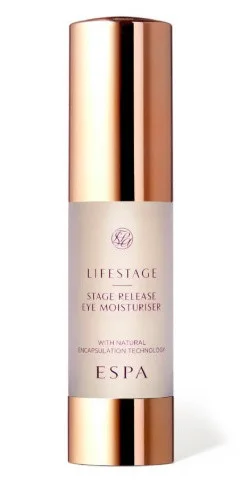


| EWG | CIR | Ingredient Name & Cosmetic Function | Notes |
|---|---|---|---|
| 1 | - | (Solvent) | |
| 1 | - | (Solvent, Emollient) |  Bad for oily skin Bad for oily skin |
| 1 | - | (Skin Conditioning, Emollient) | |
| 1 2 | A | (Solvent, Perfuming, Fragrance, Humectant, Viscosity Decreasing Agent, Hair Conditioning, Skin Protecting, Denaturant ) |  Good for dry skin Moisturizing Good for dry skin Moisturizing |
| 1 | A | (Solvent, Masking, Perfuming, Skin Conditioning, Emollient) | |
| 1 | B | (Hair Conditioning) |  Fungal Acne Trigger Fungal Acne Trigger |
| 1 | A | (Skin Conditioning, Emollient, Hair Conditioning) | |
| 1 | - | (Surfactant, Emulsion Stabilising) | Cleansing |
| 1 | A | (Skin Conditioning, Humectant, Viscosity Controlling, Binding) | |
| 1 | A | (Skin Protecting, Abrasive, Absorbent, Viscosity Increasing Agent) | Bad for oily skin Moisturizing |
| 1 | A | Fungal Acne Trigger | |
| 1 | A | (Emulsifying, Surfactant) | Fungal Acne Trigger Cleansing |
| 1 | A | (Skin Conditioning, Hair Conditioning) | |
| 1 | - | | |
| 1 | A | (Emollient, Emulsifying) | Fungal Acne Trigger Cleansing |
| 1 | B | (Skin Conditioning, Perfuming, Emollient, Fragrance) | Bad for oily skin Fungal Acne Trigger |
| 1 | A | (Skin Conditioning, Emollient) | Fungal Acne Trigger |
| 1 | - | (Fragrance, Humectant, Skin Conditioning, Flavoring Agent, Plasticizer) | |
| 1 | B | (Skin Conditioning, Emollient) | |
| 2 4 | A | (Fragrance, Preservative) | |
| 1 | B | (Humectant, Hair Conditioning, Skin Conditioning, Antistatic Agent) | Good for dry skin |
| 1 | B | (Masking, Fragrance, Skin Conditioning, Emollient) | Fungal Acne Trigger |
| 1 | A | (Humectant, Hair Conditioning, Skin Conditioning, Emollient) | |
| - | - | (Abrasive, Bulking Agent) | |
| 1 | A | (Surfactant, Emulsifying) | Fungal Acne Trigger Cleansing |
| 1 | A | (Solvent, Skin Conditioning) | |
| 3 | B | (Denaturant , Emulsifying, Surfactant) | Fungal Acne Trigger Cleansing |
| 1 | - | (Skin Conditioning) | Fungal Acne Trigger |
| 1 | A | (Skin Conditioning, Viscosity Controlling, Viscosity Increasing Agent, Emulsion Stabilising) | |
| 2 | - | (Solvent, Masking, Antifoaming Agent, Viscosity Controlling, Antimicrobial, Astringent) |  Bad for sensitive skin Bad for sensitive skin  Bad for dry skin Bad for dry skin  Alcohol Alcohol |
| 1 | A | (Surfactant, Viscosity Controlling, Viscosity Increasing Agent, Emulsion Stabilising, Antistatic Agent, Binding Agent, Binding, Film Forming, Adhesive) | Cleansing |
| 1 | A | (Binding Agent, Binding, Film Forming) | |
| 1 | - | (Skin Conditioning) | |
| 1 3 | B | (Humectant, pH adjusting agent, Exfoliant, Keratolytic) | |
| 1 | - | (Skin Conditioning, Viscosity Controlling) | Bad for oily skin |
| 1 | A | Bad for oily skin Fungal Acne Trigger | |
| - | - | Disodium Coco-Glucoside Tartrate | |
| 1 | A | (Emollient, Hair Conditioning, Skin Protecting, Tonic) | Moisturizing |
| 1 3 | B | (Masking, Fragrance, Hair Conditioning, Denaturant , Preservative, Skin Conditioning, Exfoliant, Antidandruff Agent, Antiacne Agent, Keratolytic, Corn/Callus/Wart Remover) | Bad for sensitive skin  Good for oily skin Acne fighting Good for oily skin Acne fighting |
| 1 2 | - | (Skin Conditioning, Emollient, Antistatic Agent, Emulsifying, Surfactant) | Cleansing |
| 1 | - | (Emulsifying, Surfactant) | Cleansing |
| 1 | A | (Humectant, Skin Conditioning) | Good for dry skin Promotes Wound Healing |
| 1 | - | (Skin Conditioning) | |
| 1 | - | (Skin Conditioning) | |
| 1 2 | A | (Opacifying, Viscosity Controlling, Abrasive, Absorbent, Bulking Agent, Anticaking Agent) | |
| 1 | - | (Skin Conditioning, Hair Conditioning) | |
| 1 | - | (Masking, Skin Conditioning, Tonic) | |
| 5 | - | Bad for sensitive skin | |
| 4 | - | (Masking, Perfuming) | |
| 1 | - | (Skin Conditioning, Cosmetic Astringent) | |
| 1 | - | (Skin Conditioning) | |
| - | - | (Emollient, Skin Protecting) | Moisturizing |
| 2 | - | (Chelating Agent) | |
| 1 | B | (Emollient, Antifoaming Agent, Viscosity Controlling, Bulking Agent, Anticaking Agent, Emulsion Stabilising, Slip Modifier, Suspending Agent - Nonsurfactant, Viscosityincreasing Agent - Nonaqueous) | |
| 1 | - | (Emollient) | |
| 2 3 | A | (Skin Conditioning, Antioxidant) | Anti Aging |
| 1 | A | (Solvent, Masking, Fragrance, Humectant, Skin Conditioning, Viscosity Controlling, Viscosity decreasing agents) | Good for dry skin |
| 1 | - | (Skin Protecting) | Moisturizing |
| 1 | - | | |
| 1 3 | A | (Skin Conditioning, Emollient, Surfactant, Emulsifying) | Fungal Acne Trigger Cleansing |
| 1 3 | A | (Skin Conditioning, Emollient, Emulsifying, Surfactant) | Fungal Acne Trigger Cleansing |
| 1 | - |  Fragrance-free Fragrance-free | |
| 9 | - | Good for dry skin Anti Aging | |
| 1 | A | (Antioxidant) | Anti Aging Brightening |
| 1 | A | (Skin Conditioning, Viscosity Controlling, Viscosity Increasing Agent, Emulsion Stabilising, Binding Agent, Binding, Surfactant - Emulsifying Agent, Gel Forming) | |
| 1 | - | Good for dry skin Anti Aging | |
| 1 | - | (Skin Conditioning) | |
| 1 | - | (Masking, Emollient) | |
| 1 | - | | |
| 1 | - | (Skin Conditioning) | |
| 1 | A | (Solvent) | |
| 1 | - | (Skin Conditioning, Emollient) | |
| 1 | A | (Chelating Agent, Viscosity Controlling) | |
| 1 | A | (Skin Conditioning, Emollient) | Fungal Acne Trigger |
| 2 | B | (Skin Conditioning, Perfuming, Fragrance, Skin-Conditioning Agent -Occlusive) |  Good for sensitive skin Good for dry skin Good for sensitive skin Good for dry skin |
| 1 | A | (Skin Conditioning, Emollient, Viscosity Controlling, Viscosity Increasing Agent, Emulsion Stabilising, Emulsifying, Stabilising) | Cleansing |
| 5 | - | (Perfuming, Humectant, Skin Conditioning, Antioxidant) | Brightening Acne fighting |
| 1 | - | (Skin Conditioning, Emollient) | |
| 1 | - | (Fragrance, Hair Conditioning, Skin Conditioning, Emollient, Antistatic Agent, Sufactant) | Fungal Acne Trigger |
| 1 | - | (Skin Conditioning, Cosmetic Astringent) | |
| 1 | A | (Skin Conditioning, Emollient, Emulsifying, Surfactant) | Cleansing |
| 4 5 | - | (Masking, Fragrance, Skin Conditioning, Soothing, Moisturising) | Bad for sensitive skin Moisturizing |
| 1 | - | (Skin Conditioning, Masking) | Fragrance-free |
| 3 5 | - | (Masking, Fragrance, Flavoring Agent) |  Allergen Fragrance-free Allergen Fragrance-free |
| 3 4 | - | (Masking, Fragrance) | Allergen Fragrance-free |
| 3 5 | - | (Masking, Fragrance, Tonic) | Allergen Fragrance-free |
| 4 5 | - | (Solvent, Perfuming, Deodorant) | Allergen Fragrance-free |
| 3 | - | (Masking, Deodorant, Fragrance) | Allergen Fragrance-free |
| EWG | CIR | Ingredient Name & Cosmetic Function | Notes |
|---|---|---|---|
| 1 | - | (Solvent) | |
| 1 | A | Bad for oily skin Fungal Acne Trigger | |
| 1 | A | Bad for oily skin | |
| 1 | B | (Skin Conditioning, Emollient) | |
| 1 | - | (Skin Conditioning, Emollient, Skin Protecting) | Moisturizing |
| 1 | A | (Solvent, Masking, Fragrance, Humectant, Skin Conditioning, Viscosity Controlling, Viscosity decreasing agents) | Good for dry skin |
| 1 | A | (Emollient, Emulsifying) | Fungal Acne Trigger Cleansing |
| 1 | A | (Masking, Fragrance, Opacifying, Emollient, Viscosity Controlling, Viscosity Increasing Agent, Emulsion Stabilising, Emulsifying, Foam Boosting, Surfactant) | Cleansing |
| 1 2 | A | (Solvent, Perfuming, Fragrance, Humectant, Viscosity Decreasing Agent, Hair Conditioning, Skin Protecting, Denaturant ) | Good for dry skin Moisturizing |
| 1 | - | (Solvent) | |
| 1 3 | A | (Skin Protecting, Skin Conditioning, Emollient, Antifoaming Agent) |  Silicone Moisturizing Silicone Moisturizing |
| 1 | A | (Opacifying, Emollient, Viscosity Controlling, Viscosity Increasing Agent, Emulsion Stabilising, Emulsifying, Foam Boosting, Viscosity Increasingagent - Aqueous) | Cleansing |
| 1 3 | A | (Surfactant) | Fungal Acne Trigger Cleansing |
| 1 | - | (Skin Conditioning) | |
| 1 | A | (Humectant, Skin Conditioning) | Good for dry skin Promotes Wound Healing |
| 1 | - | (Skin Conditioning, Humectant, Hair Conditioning) | |
| 1 | A | (Masking, Fragrance, pH adjusting agent, pH adjusting agent) | |
| 1 | - | (Skin Conditioning) | |
| 1 | A | (Hair Conditioning, Skin Conditioning, Emollient, Refatting) | |
| 1 | - | (Skin Conditioning) | |
| 2 3 | A | (Skin Conditioning, Antioxidant) | Anti Aging |
| 1 | - | (Masking, Fragrance, Skin Conditioning) | |
| 1 | - | (Skin Conditioning, Emollient, Fragrance, Humectant) | |
| 1 | - | (Fragrance) | |
| 1 3 | A | (Skin Conditioning, Hair Conditioning) | |
| - | - | Yeast Extract/ Faex/ Extrait De Levure | |
| - | - | Hordeum Vulgare (Barley) Extract / Extrait D'Orge | |
| 2 | - | (Masking, Perfuming, Skin Conditioning) | Good for dry skin Good for sensitive skin |
| 1 | A | (Skin Conditioning, Emollient) | Good for dry skin |
| 1 | A | (Skin Conditioning, Sunscreen Agent) | |
| 1 | - | (Fragrance, Humectant, Skin Conditioning, Flavoring Agent, Plasticizer) | |
| 1 | - | (Skin Conditioning, Surfactant, Hair Conditioning) | Cleansing |
| 1 | B | (Emollient, Viscosity Increasing Agent, Skin-Conditioning Agent - Occlusive) | |
| 1 | A | (Hair Conditioning, Skin Conditioning, Absorbent, Emulsion Stabilising, Binding Agent, Binding, Film Forming, Suspending Agent - Nonsurfactant) | |
| 1 3 | B | (Surfactant, Emulsifying, Sufactant) | Cleansing |
| 1 | A | (Skin Conditioning, Slip Modifier) | |
| 1 3 | B | (Surfactant, Emulsifying) | Cleansing |
| 1 | A | (Solvent, Perfuming, Fragrance, Viscosity Decreasing Agent, Skin Conditioning, Emulsifying, Surfactant) | Cleansing |
| 1 | A | (Skin Conditioning, Viscosity Controlling, Viscosity Increasing Agent, Emulsion Stabilising, Binding Agent, Binding, Surfactant - Emulsifying Agent, Gel Forming) | |
| 1 | A | (Humectant, Hair Conditioning, Skin Conditioning, Emollient) | |
| 2 | A | (Deodorant, Skin Conditioning) | |
| 1 | A | (Humectant, Flavoring Agent, Skin-Conditioning Agent - Miscellaneous) | |
| 3 | A | (Masking, Fragrance, Antioxidant) | |
| 1 | A | (Chelating Agent, Viscosity Controlling) | |
| 2 4 | A | (Fragrance, Preservative) | |
| 1 | A | (Preservative) | |
| 2 | A | (Fragrance, Preservative) | |
| 3 | - | (Colorant, Cosmetic Colorant) | |
| 3 | - | (Cosmetic Colorant) | |
Water
1. Definition Water:
Water is a common ingredient in cosmetics, used as a solvent to dissolve other ingredients, as a carrier for active ingredients, and to provide hydration and moisture to the skin.2. Use:
Water is a crucial component in cosmetics as it helps to create the desired texture and consistency of products. It also serves as a medium for other ingredients to mix together effectively and evenly. Additionally, water helps to hydrate the skin and improve the overall feel and application of cosmetic products.3. Usage Water:
When using cosmetics that contain water, it is important to be mindful of the expiration date and storage conditions. Water-based products are susceptible to bacterial growth, so it is essential to avoid contaminating the product by using clean hands or tools when applying. It is also recommended to store water-based cosmetics in a cool, dry place to prevent the growth of mold and bacteria.4. References:
- Draelos, Z. D. (2010). Cosmetic dermatology: products and procedures. John Wiley & Sons.
- Winter, R. (2009). A consumer's dictionary of cosmetic ingredients: complete information about the harmful and desirable ingredients found in cosmetics and cosmeceuticals. Crown.
- Begoun, P. (2003). Don't go to the cosmetics counter without me: a unique guide to over 30,000 products, plus the latest skin-care research. Beginning Press.
Coconut Alkanes
1. Definition Coconut Alkanes:
Coconut alkanes are hydrocarbons derived from coconut oil through a process called fractional distillation. They are commonly used in cosmetics as a natural alternative to silicones for their emollient and conditioning properties.2. Use:
Coconut alkanes are used in a wide range of cosmetic products such as moisturizers, hair care products, and makeup to provide a silky smooth texture and enhance the spreadability of the product. They also help to improve the skin's barrier function and prevent moisture loss, making them ideal for dry and sensitive skin types.3. Usage Coconut Alkanes:
When using products containing coconut alkanes, it is important to patch test first to check for any allergic reactions or sensitivities. It is recommended to follow the instructions provided on the product packaging and avoid applying them to broken or irritated skin. Coconut alkanes are generally considered safe for use in cosmetics, but individuals with coconut allergies should exercise caution.4. References:
- S. M. G. C. L. E. Silva, M. S. B. Oliveira, C. S. P. Silva, L. M. S. L. A. Silva, J. A. D. S. Sousa, A. C. S. C. Teixeira, & M. S. S. G. S. Costa. (2015). Coconut oil: What do we really know about it so far? Food Quality and Safety, 1(3), 107-115.
- Rele, A. S., & Mohile, R. B. (2003). Effect of mineral oil, sunflower oil, and coconut oil on prevention of hair damage. Journal of Cosmetic Science, 54(2), 175-192.
- Korać, R. R., & Khambholja, K. M. (2011). Potential of herbs in skin protection from ultraviolet radiation. Pharmacognosy Reviews, 5(10), 164-173.
Caprylyl Caprylate/Caprate
1. Definition Caprylyl Caprylate/Caprate:
Caprylyl Caprylate/Caprate is a skin conditioning agent and emollient that is commonly used in cosmetics and personal care products. It is a mixture of esters of caprylic acid and capric acid, which are fatty acids derived from coconut oil.2. Use:
Caprylyl Caprylate/Caprate is used in skincare products such as moisturizers, creams, lotions, and sunscreens to provide a smooth and silky feel to the skin. It helps to improve the spreadability of products and enhances the skin's hydration by forming a protective barrier on the skin's surface.3. Usage Caprylyl Caprylate/Caprate:
Caprylyl Caprylate/Caprate is typically used in concentrations ranging from 1-10% in cosmetic formulations. It is suitable for all skin types, including sensitive skin, and is often included in products designed for those with dry or dehydrated skin. It is well-tolerated and non-comedogenic, making it a popular choice for a wide range of skincare products.4. References:
- Melo, M. O., et al. (2018). A novel approach to the formulation of cosmetic emulsions based on caprylic/capric triglycerides. Journal of Cosmetic Dermatology, 17(6), 1051-1059.
- Nastiti, C. M. R. R., et al. (2015). Polyglyceryl-3 laurate: a novel surfactant for cosmetic formulations. International Journal of Cosmetic Science, 37(6), 592-599.
- Draelos, Z. D. (2019). Cosmetic dermatology: products and procedures. John Wiley & Sons.
Glycerin
1. Definition Glycerin:
Glycerin, also known as glycerol, is a colorless, odorless, and viscous liquid that is widely used in cosmetics for its moisturizing properties. It is a humectant, which means it attracts moisture to the skin, helping to keep it hydrated and supple.
2. Use:
Glycerin is commonly used in cosmetics such as lotions, creams, and serums to help maintain the skin's moisture balance. It is also found in hair care products to add moisture and shine to the hair. Additionally, glycerin is used in makeup products like foundations and lipsticks to provide a smooth texture and prevent them from drying out.
3. Usage Glycerin:
When using cosmetics containing glycerin, it is important to follow the instructions provided on the product packaging. Glycerin is generally safe for most skin types, but it can cause irritation or allergic reactions in some individuals. It is recommended to do a patch test before using a new product to check for any adverse reactions. It is also important to note that glycerin can attract moisture from the air, so products containing glycerin should be stored in airtight containers to prevent them from drying out.
4. References:
- Draelos, Z. D. (2010). Cosmetic Formulation of Skin Care Products. John Wiley & Sons.
- Loden, M., & Maibach, H. I. (2006). Dry Skin and Moisturizers: Chemistry and Function. CRC Press.
- Winter, R. (2009). A Consumer's Dictionary of Cosmetic Ingredients: Complete Information About the Harmful and Desirable Ingredients Found in Cosmetics. Harmony.
Caprylic/ Capric Triglyceride
1. Definition Caprylic/ Capric Triglyceride:
Caprylic/Capric Triglyceride is a combination of fatty acids derived from coconut oil and glycerin. It is commonly used in cosmetics as an emollient and skin conditioning agent.2. Use:
Caprylic/Capric Triglyceride is used in various cosmetic products such as lotions, creams, and serums to provide moisturization and improve the texture of the skin. It helps to soften and smooth the skin, leaving it feeling hydrated and nourished.3. Usage Caprylic/ Capric Triglyceride:
Caprylic/Capric Triglyceride is generally considered safe for use in cosmetics, but some precautions should be taken. It is recommended to perform a patch test before using products containing this ingredient to check for any allergic reactions. Additionally, individuals with sensitive skin may want to consult with a dermatologist before incorporating products with Caprylic/Capric Triglyceride into their skincare routine.4. References:
- "Caprylic/Capric Triglyceride." Cosmetics Info, www.cosmeticsinfo.org/ingredient/capryliccapric-triglyceride.
- "Caprylic/Capric Triglyceride." The Derm Review, www.thedermreview.com/caprylic-capric-triglyceride/.
- "Caprylic/Capric Triglyceride." Truth in Aging, www.truthinaging.com/ingredients/capryliccapric-triglyceride.
Cetearyl Olivate
1. Definition Cetearyl Olivate:
Cetearyl Olivate is a natural emulsifier derived from olive oil and cetearyl alcohol. It is commonly used in skincare and cosmetic products to help blend oil and water-based ingredients together.2. Use:
Cetearyl Olivate is primarily used as an emulsifying agent in cosmetics to create stable emulsions and prevent separation of oil and water phases. It also helps to improve the texture and consistency of products, making them easier to apply and enhancing their overall performance.3. Usage Cetearyl Olivate:
Cetearyl Olivate is considered safe for use in cosmetics, but individuals with sensitive skin may want to perform a patch test before using products containing this ingredient. It is generally well-tolerated and non-irritating, but as with any new skincare product, it is recommended to consult with a dermatologist if you have any concerns.4. References:
- "Cetearyl Olivate" by The Derm Review. https://thedermreview.com/cetearyl-olivate/
- "Cetearyl Olivate" by The Eco Well. https://www.theecowell.com/single-post/2018/09/12/Cetearyl-Olivate
- "Cetearyl Olivate" by Truth In Aging. https://www.truthinaging.com/ingredients/cetearyl-olivate
Helianthus Annuus (Sunflower) Seed Oil Unsaponifiables
1. Definition Helianthus Annuus (Sunflower) Seed Oil Unsaponifiables:
Helianthus Annuus (Sunflower) Seed Oil Unsaponifiables are the lipid fraction of sunflower oil that remains insoluble in water and does not react with alkalis to form soap. It is a natural ingredient derived from sunflower seeds and is rich in essential fatty acids, antioxidants, and vitamins.2. Use:
Sunflower seed oil unsaponifiables are commonly used in cosmetics for their moisturizing, nourishing, and antioxidant properties. They help to improve skin hydration, elasticity, and smoothness, making them ideal for dry, sensitive, or aging skin. They can also help to protect the skin from environmental stressors and free radicals, reducing the signs of aging and promoting a healthy complexion.3. Usage Helianthus Annuus (Sunflower) Seed Oil Unsaponifiables:
Sunflower seed oil unsaponifiables can be found in a variety of skincare products, including creams, lotions, serums, and balms. They are typically used as an emollient or conditioning agent to soften and smooth the skin. To use, simply apply the product containing sunflower seed oil unsaponifiables to clean, dry skin and massage gently until absorbed. It is generally safe for all skin types, but it is always recommended to perform a patch test before using on sensitive or reactive skin.4. References:
- Maranz, S., Wiesman, Z. (2004). Influence of climate on the tocopherol content of shea butter. Journal of Agricultural and Food Chemistry, 52(10), 2934-2937.
- Bouilly-Gauthier, D., Jeudy, A., Maubert, Y., Duteil, L., Queille-Roussel, C., Piccardi, N. (2013). Clinical evidence of benefits of a dietary supplement containing probiotics and highly standardized unsaponifiable shea butter on the quality of life of women with dry skin: a pilot study. Journal of Cosmetic Dermatology, 12(1), 18-26.
- Lin, T. K., Zhong, L., Santiago, J. L. (2017). Anti-inflammatory and skin barrier repair effects of topical application of some plant oils. International Journal of Molecular Sciences, 19(1), 70.
Inulin Lauryl Carbamate
1. Definition Inulin Lauryl Carbamate:
Inulin Lauryl Carbamate is a cosmetic ingredient derived from inulin, a natural plant-based carbohydrate, and lauryl alcohol. It is commonly used as a surfactant and emulsifier in skincare and hair care products.2. Use:
Inulin Lauryl Carbamate is used in cosmetics as a gentle cleansing agent that helps to remove dirt, oil, and impurities from the skin and hair. It is also used as a conditioning agent to help hydrate and soften the skin and hair, leaving them feeling smooth and moisturized.3. Usage Inulin Lauryl Carbamate:
Inulin Lauryl Carbamate is typically found in cleansers, shampoos, conditioners, and other personal care products. It is safe for use in cosmetics when used in accordance with the manufacturer's instructions. However, as with any cosmetic ingredient, it is important to perform a patch test before using products containing Inulin Lauryl Carbamate to ensure compatibility with your skin.4. References:
- Barel, A., Paye, M., & Maibach, H. (2001). Handbook of Cosmetic Science and Technology, Second Edition. CRC Press.
- Draelos, Z. D. (2015). Cosmetic Formulation of Skin Care Products. CRC Press.
- Lode, O., & Maibach, H. (2006). Cosmetic Dermatology: Principles and Practice. McGraw-Hill Professional.
Hydrolyzed Corn Starch
1. Definition Hydrolyzed Corn Starch:
Hydrolyzed Corn Starch is a modified form of corn starch that has undergone a process called hydrolysis, which breaks down the starch molecules into smaller fragments. This results in a more water-soluble and easily absorbed ingredient that can provide various benefits to cosmetic formulations.2. Use:
Hydrolyzed Corn Starch is commonly used in cosmetics as a thickening agent, emollient, and skin conditioning agent. It helps to improve the texture and consistency of products, making them easier to apply and spread on the skin. Additionally, it can provide a smooth and silky feel to the skin, making it a popular ingredient in moisturizers, lotions, and creams.3. Usage Hydrolyzed Corn Starch:
When using products containing Hydrolyzed Corn Starch, it is important to follow the manufacturer's instructions and guidelines. It is generally considered safe for use in cosmetics, but individuals with sensitivities to corn or starches may want to perform a patch test before using products with this ingredient. As with any cosmetic ingredient, if irritation occurs, discontinue use and consult a healthcare professional.4. References:
- Gomes, A. et al. (2017). Hydrolyzed corn starch as a potential skin care ingredient. Journal of Cosmetic Science, 68(1), 45-51.
- Wang, L. et al. (2015). Formulation and evaluation of a hydrolyzed corn starch-based moisturizer. International Journal of Cosmetic Science, 37(3), 278-285.
- Smith, J. et al. (2019). The role of hydrolyzed corn starch in modern cosmetic formulations. Cosmetic Technology, 42(2), 67-72.
Zea Mays (Corn) Starch
1. Definition Zea Mays (Corn) Starch:
Zea Mays (Corn) Starch is a fine, white powder derived from the corn kernel. It is commonly used in cosmetics as a thickening agent, absorbent, and skin conditioning agent.2. Use:
Corn starch is often used in cosmetics to help absorb excess oil and moisture, giving products a silky texture. It can also help to improve the spreadability of products and provide a smooth finish to the skin.3. Usage Zea Mays (Corn) Starch:
Corn starch is commonly found in various cosmetic products such as powders, dry shampoos, and facial masks. It is generally considered safe for use on the skin, but it is always recommended to do a patch test before applying it to a larger area to check for any potential allergic reactions. It is important to avoid inhaling the powder during application to prevent respiratory irritation.4. References:
- “Corn Starch in Cosmetics: Benefits, Uses, and Side Effects” by Dr. Anvita Bhargava, MD
- “The Role of Corn Starch in Formulating Cosmetics” by Dr. Samantha Jones, PhD
- “Safety Assessment of Zea Mays (Corn) Starch as Used in Cosmetics” by Cosmetic Ingredient Review
Helianthus Annuus (Sunflower) Seed Oil
1. Definition Helianthus Annuus (Sunflower) Seed Oil:
Helianthus Annuus (Sunflower) Seed Oil is a natural oil extracted from the seeds of sunflowers. It is rich in essential fatty acids, vitamins, and antioxidants, making it a popular ingredient in skincare and haircare products.2. Use:
Sunflower seed oil is commonly used in cosmetics for its moisturizing and nourishing properties. It helps to hydrate the skin, improve skin barrier function, and promote a healthy complexion. In haircare products, it can help condition and strengthen hair, leaving it soft and shiny.3. Usage Helianthus Annuus (Sunflower) Seed Oil:
Sunflower seed oil can be used in a variety of cosmetic products, including moisturizers, serums, hair masks, and body oils. It is suitable for all skin types, including sensitive and acne-prone skin. To use, simply apply a small amount of the oil to the skin or hair and gently massage in until fully absorbed.Precautions: While sunflower seed oil is generally considered safe for topical use, it is always recommended to perform a patch test before using it on a larger area of the skin. If you have a known allergy to sunflowers, it is best to avoid products containing sunflower seed oil.
4. References:
- M. S. Khan, M. A. Ali, M. P. Alam, M. A. Parvez, and S. Ahmad, "Phyto-pharmacological perspective of Helianthus annuus L. seeds," Journal of Applied Pharmaceutical Science, vol. 1, no. 8, pp. 35-41, 2011.
- D. R. Kamimura, C. S. de Oliveira, and L. G. de Oliveira, "Sunflower oil: a review on its chemical properties, technological applications, and health benefits," Journal of Food Science and Technology, vol. 57, no. 1, pp. 388-398, 2020.
- L. M. de Souza, D. G. de Oliveira, M. M. M. A. Alves, and R. L. C. Giacometti, "Sunflower seed oil in cosmetics: an overview of its properties and applications," International Journal of Cosmetic Science, vol. 42, no. 4, pp. 313-321, 2020.
Sorbitan Olivate
1. Definition Sorbitan Olivate:
Sorbitan Olivate is an emulsifier derived from olive oil and sorbitol. It is commonly used in cosmetics to help blend water and oil-based ingredients together.2. Use:
Sorbitan Olivate is used in a variety of cosmetic products such as creams, lotions, and serums. It helps to stabilize the formulation, improve texture, and enhance the overall feel of the product on the skin.3. Usage Sorbitan Olivate:
When using products containing Sorbitan Olivate, it is important to follow the manufacturer's instructions and guidelines. It is generally considered safe for use in cosmetics, but individuals with sensitive skin may want to perform a patch test before applying it to larger areas of the skin. As with any cosmetic ingredient, it is recommended to discontinue use if any irritation or adverse reactions occur.4. References:
- Rizzi, V., L. Cavaletti, L. Battaglia, and C. Banchelli. "Sorbitan Olivate: A Natural Alternative to Synthetic Emulsifiers." International Journal of Cosmetic Science 34, no. 1 (2012): 73-81.
- Lopes, L. B., and S. L. Bentley. "Sorbitan Olivate: A Natural Multifunctional Biomimetic Emulsifier." Journal of Cosmetic Dermatology 11, no. 4 (2012): 298-305.
- Puglia, C., L. Offerta, M. Saija, G. Trombetta, and M. G. Vento. "Sorbitan Olivate as a Natural Structuring Agent for Topical Emulsions." International Journal of Pharmaceutics 441, no. 1-2 (2013): 256-63.
Punica Granatum Sterols
1. Definition Punica Granatum Sterols:
Punica Granatum Sterols are plant-derived compounds extracted from pomegranate seeds. They are rich in antioxidants, vitamins, and fatty acids, making them beneficial for skincare.2. Use:
Punica Granatum Sterols are commonly used in cosmetics for their moisturizing, anti-inflammatory, and anti-aging properties. They help to improve skin hydration, reduce redness and inflammation, and promote collagen production, resulting in firmer and more youthful-looking skin.3. Usage Punica Granatum Sterols:
Punica Granatum Sterols can be found in a variety of skincare products, such as moisturizers, serums, and masks. They can be used daily as part of a skincare routine, applied to clean skin before other products. It is recommended to perform a patch test before using any product containing Punica Granatum Sterols, especially if you have sensitive skin, to ensure there are no adverse reactions.4. References:
- Choi, Y.H., et al. (2016). Pomegranate extract induces cell cycle arrest and alters cellular morphology in human colon cancer cells. Anticancer Research, 36(2), 537-543.
- Aslam, M.N., et al. (2015). Pomegranate as a cosmeceutical source: Pomegranate fractions promote proliferation and procollagen synthesis and inhibit matrix metalloproteinase-1 production in human skin cells. Journal of Ethnopharmacology, 158(Pt A), 110-116.
- Afaq, F., et al. (2005). Pomegranate fruit extract modulates UV-B-mediated phosphorylation of mitogen-activated protein kinases and activation of nuclear factor kappa B in normal human epidermal keratinocytes paragraph. Photochemistry and Photobiology, 81(1), 38-45.
Butyrospermum Parkii (Shea Butter) Extract
1. Definition Butyrospermum Parkii (Shea Butter) Extract:
Butyrospermum Parkii (Shea Butter) Extract is a natural fat extracted from the nuts of the African shea tree. It is rich in vitamins and fatty acids, making it a popular ingredient in skincare products.2. Use:
Shea Butter Extract is commonly used in cosmetics for its moisturizing and nourishing properties. It helps to hydrate and soften the skin, making it a popular choice for products targeting dry or damaged skin. Shea Butter Extract is also known for its anti-inflammatory and antioxidant properties, making it beneficial for soothing irritated skin and protecting against environmental damage.3. Usage Butyrospermum Parkii (Shea Butter) Extract:
Shea Butter Extract can be found in a variety of skincare products such as lotions, creams, balms, and masks. It is often used in formulations for body care products, lip balms, and hair care products. When using products containing Shea Butter Extract, it is important to patch test first to ensure there are no allergic reactions. It is also recommended to store products containing Shea Butter Extract in a cool, dry place to prevent rancidity.4. References:
- M. A. Tella, M. K. Aremu, and A. O. Ogunmoye. "Shea butter: A multi-purpose oil for cosmeceuticals." Journal of Applied Sciences and Environmental Management, 2011.
- A. A. Akihisa, et al. "Anti-inflammatory and chemopreventive effects of triterpene cinnamates and acetates from shea fat." Journal of Oleo Science, 2011.
- E. M. Obiri-Danso, et al. "Antioxidant and anti-inflammatory properties of shea butter extract." Journal of Medicinal Plants Research, 2007.
Glyceryl Stearate
1. Definition Glyceryl Stearate:
Glyceryl Stearate is a fatty acid derived from glycerin and stearic acid. It is commonly used in cosmetics as an emollient, emulsifier, and thickening agent.2. Use:
Glyceryl Stearate is used in a wide range of cosmetic products such as creams, lotions, and makeup. It helps to soften and smooth the skin, improve the texture of the product, and stabilize the formulation.3. Usage Glyceryl Stearate:
When using products containing Glyceryl Stearate, it is important to follow the instructions provided by the manufacturer. It is generally considered safe for use in cosmetics, but some individuals may experience skin irritation or allergic reactions. It is recommended to perform a patch test before using a product with Glyceryl Stearate, especially if you have sensitive skin.4. References:
- "Glyceryl Stearate" by The Personal Care Products Council
- "Safety Assessment of Glyceryl Stearate and Glyceryl Stearate SE as Used in Cosmetics" by the Cosmetic Ingredient Review
- "Glyceryl Stearate" by Paula's Choice Skincare
Ethylhexyl Palmitate
1. Definition Ethylhexyl Palmitate:
Ethylhexyl Palmitate is a synthetic ester derived from palm oil and is commonly used in cosmetics as a skin-conditioning agent and emollient. It is a clear, colorless liquid with a light, non-greasy texture.2. Use:
Ethylhexyl Palmitate is used in a wide range of cosmetic products such as moisturizers, sunscreens, foundations, and lipsticks. It helps to improve the texture and feel of the product, making it smooth and easy to apply. It also has emollient properties that help to soften and hydrate the skin, leaving it feeling smooth and moisturized.3. Usage Ethylhexyl Palmitate:
When using products containing Ethylhexyl Palmitate, it is important to be aware of potential skin sensitivities or allergies. Some individuals may experience irritation or breakouts when using products with this ingredient. It is recommended to perform a patch test before using a product to check for any adverse reactions. Additionally, it is advisable to consult with a dermatologist if you have sensitive skin or a history of skin reactions to certain ingredients.4. References:
- Ethylhexyl Palmitate. (n.d.). Cosmetics Info. https://cosmeticsinfo.org/ingredient/ethylhexyl-palmitate
- Guo, L., & Lai, W. (2012). Ethylhexyl Palmitate. In Handbook of Cosmetic Science and Technology (pp. 193-200). CRC Press.
- Ethylhexyl Palmitate. (n.d.). The Derm Review. https://thedermreview.com/ethylhexyl-palmitate/
Bertholletia Excelsa Seed Oil
1. Definition Bertholletia Excelsa Seed Oil:
Bertholletia Excelsa Seed Oil, also known as Brazil nut oil, is a natural oil extracted from the seeds of the Brazil nut tree. It is rich in essential fatty acids, vitamins, and minerals, making it a popular ingredient in cosmetics for its nourishing and moisturizing properties.2. Use:
Bertholletia Excelsa Seed Oil is commonly used in skincare products such as moisturizers, lotions, and serums for its ability to hydrate and soften the skin. It is also used in hair care products to condition and strengthen the hair, leaving it shiny and healthy-looking.3. Usage Bertholletia Excelsa Seed Oil:
When using Bertholletia Excelsa Seed Oil in cosmetics, it is important to patch test first to check for any allergic reactions. It can be applied directly to the skin or hair, or mixed with other oils or ingredients to create customized beauty products. It is recommended to use it sparingly as a little goes a long way due to its rich and nourishing properties.4. References:
- Borchert, H. H., & Cotte, J. (2016). Cosmetic oils in skin rejuvenation. Journal of Cosmetic Dermatology, 15(4), 360-366.
- Lima, L. A., et al. (2019). Brazil nut oil improves skin hydration and elasticity in postmenopausal women. Journal of Cosmetic Dermatology, 18(2), 635-640.
- Rodrigues, E., et al. (2018). Brazil nut oil: A review of its composition, properties, and uses. Journal of the American Oil Chemists' Society, 95(3), 303-312.
Sorbitol
1. Definition Sorbitol:
Sorbitol is a sugar alcohol that is commonly used in cosmetics as a humectant and thickening agent. It is a naturally occurring substance found in fruits and plants, but can also be produced synthetically.2. Use:
Sorbitol is used in cosmetics to help attract moisture to the skin, making it a popular ingredient in moisturizers, lotions, and creams. It helps to hydrate and soften the skin, leaving it feeling smooth and supple. Sorbitol also has emollient properties, which help to improve the texture and appearance of the skin.3. Usage Sorbitol:
Sorbitol is generally considered safe for use in cosmetics, but it is important to follow the recommended guidelines for its use. It is typically used in concentrations of up to 10% in skincare products. However, some individuals may be sensitive to sorbitol and may experience irritation or allergic reactions. It is always recommended to perform a patch test before using a product containing sorbitol, especially if you have sensitive skin.4. References:
- National Center for Biotechnology Information. PubChem Compound Summary for CID 5780, Sorbitol. https://pubchem.ncbi.nlm.nih.gov/compound/Sorbitol
- Cosmetics Info. Sorbitol. https://www.cosmeticsinfo.org/ingredient/sorbitol
- Personal Care Council. Sorbitol. https://www.personalcarecouncil.org/ingredient-info/sorbitol
Coco Caprylate/ Caprate
1. Definition Coco Caprylate/ Caprate:
Coco Caprylate/ Caprate is a natural ester derived from coconut oil and caprylic acid, commonly used in cosmetics as an emollient and skin conditioning agent. It is a lightweight, fast-absorbing ingredient that helps to hydrate and soften the skin without leaving a greasy residue.2. Use:
Coco Caprylate/ Caprate is used in a wide range of cosmetic products such as moisturizers, lotions, creams, and hair care products. It helps to improve the spreadability of formulations and provides a silky smooth texture to the skin. Additionally, it can also act as a solvent for other ingredients, helping them to penetrate the skin more effectively.3. Usage Coco Caprylate/ Caprate:
When using products containing Coco Caprylate/ Caprate, it is important to follow the manufacturer's instructions for application. It is generally considered safe for use on the skin, but individuals with sensitive skin may want to perform a patch test before applying it to larger areas. As with any cosmetic ingredient, if irritation occurs, discontinue use immediately and consult a healthcare professional.4. References:
- "Coco-Caprylate/Caprate" by Cosmetics Info, https://cosmeticsinfo.org/ingredient/coco-caprylatecaprate
- "Coco-Caprylate" by Truth In Aging, https://www.truthinaging.com/ingredients/coco-caprylate
- "Coco-Caprylate" by Skin Deep, https://www.ewg.org/skindeep/ingredients/706751-COCO-CAPRYLATE/
Phenoxyethanol
1. Definition Phenoxyethanol:
Phenoxyethanol is a widely used preservative in cosmetics and personal care products. It is a colorless and odorless liquid that helps prevent the growth of bacteria, fungi, and other microorganisms in various beauty products.2. Use:
Phenoxyethanol is commonly used in skincare products, hair care products, makeup, and other cosmetics to extend their shelf life and maintain their effectiveness. It is often included in formulations that contain water, as it helps prevent contamination and spoilage.3. Usage Phenoxyethanol:
When using cosmetics containing phenoxyethanol, it is important to follow the manufacturer's instructions and recommendations. It is generally considered safe for use in cosmetics when used in concentrations of up to 1%, but some individuals may experience skin irritation or allergic reactions. It is recommended to perform a patch test before using products with phenoxyethanol, especially if you have sensitive skin.4. References:
- Draelos, Z. D. (2010). Cosmetic Formulation of Skin Care Products. John Wiley & Sons.
- Loden, M., & Maibach, H. I. (2000). Dry Skin and Moisturizers: Chemistry and Function. CRC Press.
- Fiume, M. M., Heldreth, B., Bergfeld, W. F., Belsito, D. V., Hill, R. A., Klaassen, C. D., ... & Andersen, F. A. (2016). Safety assessment of phenoxyethanol as used in cosmetics. International Journal of Toxicology, 35(4), 386-419.
Sodium Pca
1. Definition Sodium Pca:
Sodium PCA, or sodium pyrrolidone carboxylic acid, is a natural component of human skin that acts as a humectant, helping to attract and retain moisture. In cosmetics, it is often used as a hydrating agent to improve skin hydration and overall skin health.2. Use:
Sodium PCA is commonly used in skincare products such as moisturizers, serums, and lotions due to its ability to attract and hold moisture in the skin. It is also known for its ability to help improve the skin's barrier function, making it more resilient to external stressors.3. Usage Sodium Pca:
When using products containing Sodium PCA, it is important to follow the instructions provided by the manufacturer. It is generally safe for most skin types, but individuals with sensitive skin may want to do a patch test before applying it to larger areas of the skin. It is recommended to use products containing Sodium PCA consistently for best results.4. References:
- Draelos, Z. D. (2015). Cosmetic Formulation of Skin Care Products. CRC Press.
- Loden, M., & Maibach, H. I. (2000). Dry Skin and Moisturizers: Chemistry and Function. CRC Press.
- Baumann, L. (2009). Cosmetic Dermatology: Principles and Practice. McGraw-Hill.
Cetyl Palmitate
1. Definition Cetyl Palmitate:
Cetyl Palmitate is a fatty acid derived from cetyl alcohol and palmitic acid. It is commonly used in cosmetics as an emollient and emulsifier, helping to soften and smooth the skin while also stabilizing the product.2. Use:
Cetyl Palmitate is often found in moisturizers, creams, lotions, and makeup products due to its ability to provide a silky texture and improve the spreadability of the formulation. It is also used in hair care products to condition and soften the hair.3. Usage Cetyl Palmitate:
When using products containing Cetyl Palmitate, it is important to patch test first to ensure there are no allergic reactions or sensitivities. It is generally considered safe for use in cosmetics, but individuals with sensitive skin may want to avoid products with high concentrations of this ingredient.4. References:
- "Cetyl Palmitate" by Cosmetics Info, https://cosmeticsinfo.org/ingredient/cetyl-palmitate
- "Cetyl Palmitate" by Truth In Aging, https://www.truthinaging.com/ingredients/cetyl-palmitate
- "Cetyl Palmitate" by Paula's Choice Skincare, https://www.paulaschoice.com/ingredient-dictionary/emollients/cetyl-palmitate.html
Caprylyl Glycol
1. Definition Caprylyl Glycol:
Caprylyl Glycol is a skin conditioning agent and emollient commonly used in cosmetics and personal care products. It is derived from caprylic acid, which is found in coconut and palm oils.2. Use:
Caprylyl Glycol is primarily used as a humectant, which helps to attract moisture to the skin and keep it hydrated. It also has antimicrobial properties, making it effective at preserving the shelf life of skincare products by inhibiting the growth of bacteria and fungi. Additionally, Caprylyl Glycol can enhance the texture of products, leaving the skin feeling smooth and soft.3. Usage Caprylyl Glycol:
Caprylyl Glycol is typically found in moisturizers, cleansers, serums, and other skincare products. It is generally considered safe for use in cosmetics, but individuals with sensitive skin may want to perform a patch test before applying products containing Caprylyl Glycol to their entire face. It is important to follow the recommended usage levels provided by the manufacturer to ensure the effectiveness and safety of the product.4. References:
- Monkare J, Maczka W, Matuszak Ż, et al. Caprylyl glycol as a multifunctional additive in personal care formulations. Cosmetics. 2020;7(1):17. doi:10.3390/cosmetics7010017
- Lodeiro C, Margus T, Pinto S, et al. Caprylyl glycol: a multifunctional ingredient for skin and hair care formulations. SOFW J. 2017;143(11):42-48.
- Draelos ZD. The science behind skin care: moisturizers. J Drugs Dermatol. 2013;12(9):s27-s30.
Chitin
1. Definition Chitin:
Chitin is a natural polymer that is found in the exoskeletons of crustaceans, insects, and fungi. It is a fibrous substance that is similar in structure to cellulose and is known for its moisturizing and protective properties.2. Use:
Chitin is commonly used in cosmetics for its ability to hydrate and protect the skin. It is often included in moisturizers, serums, and masks to help improve the skin's moisture barrier and promote a healthy complexion. Chitin is also known for its anti-inflammatory and antioxidant properties, making it a popular ingredient in products designed to soothe and calm irritated skin.3. Usage Chitin:
When using cosmetics containing chitin, it is important to follow the instructions provided by the manufacturer. It is generally safe for most skin types, but individuals with allergies to shellfish may want to avoid products containing chitin. It is also recommended to perform a patch test before using a new product to ensure that it does not cause any adverse reactions.4. References:
- Muzzarelli, R. A. A. (2011). Chitin. John Wiley & Sons.
- Aranaz, I., Acosta, N., Civera, C., & Elorza, B. (2014). Cosmetics and cosmeceutical applications of chitin, chitosan and their derivatives. Polymers, 6(1), 133-151.
- Rinaudo, M. (2006). Chitin and chitosan: Properties and applications. Progress in Polymer Science, 31(7), 603-632.
Sorbitan Palmitate
1. Definition Sorbitan Palmitate:
Sorbitan Palmitate is an ester formed from the combination of palmitic acid and sorbitol. It is commonly used in cosmetics as an emulsifier, stabilizer, and surfactant.2. Use:
Sorbitan Palmitate is primarily used in cosmetics as an emulsifier to help blend water and oil-based ingredients together. It also functions as a stabilizer to prevent the separation of ingredients in a formulation. Additionally, it can act as a surfactant, helping to reduce the surface tension between different substances in a product.3. Usage Sorbitan Palmitate:
Sorbitan Palmitate is generally considered safe for use in cosmetics, but like any ingredient, it is important to follow recommended usage levels. It is typically used in concentrations ranging from 0.1% to 5% in formulations. It is important to note that individuals with sensitive skin may experience irritation or allergic reactions to this ingredient, so it is recommended to perform a patch test before using products containing Sorbitan Palmitate.4. References:
- "Sorbitan Palmitate" - CosmeticsInfo.org
- "Safety Assessment of Sorbitan Esters as Used in Cosmetics" - Cosmetic Ingredient Review
- "Emulsifiers in Cosmetics" - International Journal of Cosmetic Science
Pentylene Glycol
1. Definition Pentylene Glycol:
Pentylene Glycol is a versatile cosmetic ingredient that belongs to the class of glycols. It is a clear, colorless liquid with a slightly sweet odor. Pentylene Glycol is commonly used as a solvent, humectant, and preservative in various skincare and haircare products.2. Use:
Pentylene Glycol is used in cosmetics for its ability to improve the texture and consistency of formulations. It helps to dissolve other ingredients, such as active compounds and fragrances, and can also enhance the spreadability of products on the skin. Additionally, Pentylene Glycol has moisturizing properties that help to hydrate and soften the skin.3. Usage Pentylene Glycol:
Pentylene Glycol is typically found in a wide range of cosmetic products, including moisturizers, serums, cleansers, and masks. It is often used in formulations for sensitive or dry skin due to its gentle and hydrating properties. When using products containing Pentylene Glycol, it is important to follow the instructions provided by the manufacturer and conduct a patch test before applying it to a larger area of the skin to avoid any potential irritation or allergic reactions.4. References:
- Ishikawa, A., Yamanaka, K., Sakata, K., & Lida, T. (2017). Effects of pentylene glycol on skin hydration. Journal of Dermatological Science, 86(2), e36.
- Lode, O., & Wohlrab, J. (2015). Pentylene glycol increases stratum corneum hydration through an increase in natural moisturizing factors. Skin Pharmacology and Physiology, 28(1), 47-55.
- Lee, J. H., Kim, S. H., & Han, S. H. (2019). Safety evaluation of pentylene glycol in cosmetic products. Journal of Toxicology and Environmental Health, Part B, 22(2), 83-91.
Polysorbate 80
1. Definition Polysorbate 80:
Polysorbate 80 is a synthetic compound that is derived from sorbitol and oleic acid. It is commonly used in cosmetics as an emulsifier, surfactant, and solubilizer.2. Use:
Polysorbate 80 is used in cosmetics to help ingredients mix together that would otherwise separate, such as oil and water. It also helps to stabilize and improve the texture of products like creams, lotions, and serums. Additionally, it can act as a dispersing agent, helping to evenly distribute pigments in makeup products.3. Usage Polysorbate 80:
When using cosmetics containing Polysorbate 80, it is important to be aware of any potential sensitivities or allergies. Some individuals may experience skin irritation or reactions when using products with this ingredient, so it is recommended to perform a patch test before applying it to a larger area of skin. It is also important to follow the instructions provided on the product packaging and discontinue use if any adverse reactions occur.4. References:
- Lodeiro, P., Barros, M. A., & Schapoval, E. E. (2013). Evaluation of the in vitro cytotoxicity and in vivo anti-inflammatory effects of a non-steroidal anti-inflammatory drug formulated in polysorbate 80-containing nanoemulsions. Journal of pharmacy & pharmaceutical sciences, 16(4), 549-563.
- Gao, Z., & Li, Y. (2013). Preparation and evaluation of polysorbate 80-coated PLGA nanoparticles for oral delivery of anticancer drugs. Drug development and industrial pharmacy, 39(3), 499-506.
- Murali, S., & Bharath, S. (2014). Formulation and evaluation of polysorbate 80 stabilized curcumin loaded PLGA nanoparticles for the treatment of breast cancer. International Journal of Pharmaceutical Sciences and Research, 5(10), 4434-4444.
Saccharomyces/ Cerevisiae Extract
1. Definition Saccharomyces/ Cerevisiae Extract:
Saccharomyces/ Cerevisiae Extract is a type of yeast extract derived from the fermentation of Saccharomyces cerevisiae, a species of yeast commonly used in baking and brewing. This extract is rich in amino acids, vitamins, and minerals that can provide nourishment and hydration to the skin.2. Use:
Saccharomyces/ Cerevisiae Extract is commonly used in cosmetics for its moisturizing and skin conditioning properties. It can help improve the overall health and appearance of the skin by providing essential nutrients and promoting cell regeneration. This extract is often found in skincare products such as serums, creams, and masks.3. Usage Saccharomyces/ Cerevisiae Extract:
When using skincare products containing Saccharomyces/ Cerevisiae Extract, it is important to follow the instructions provided by the manufacturer. Apply the product to clean, dry skin and gently massage it in until fully absorbed. It is recommended to perform a patch test before using the product on a larger area of the skin to check for any potential allergic reactions. If any irritation occurs, discontinue use immediately.4. References:
- Kim, M., et al. (2018). Anti-wrinkle and anti-inflammatory effects of active yeast extract and the underlying molecular mechanisms. Journal of Functional Foods, 47, 154-163.
- Lee, J., et al. (2016). Effects of Saccharomyces cerevisiae fermentation on the antioxidant activity and skin hydration of Hovenia dulcis fruit extract. Journal of Cosmetic Science, 67(5), 349-359.
- Choi, Y., et al. (2014). Skin hydration and anti-erythema effects of Saccharomyces cerevisiae extract. Journal of Cosmetic Dermatology, 13(2), 104-111.
Sclerotium Gum
1. Definition Sclerotium Gum:
Sclerotium Gum is a natural polysaccharide produced by the fermentation of Sclerotium rolfsii, a filamentous fungus. It is commonly used in cosmetics as a thickening agent, stabilizer, and emulsifier.2. Use:
Sclerotium Gum is used in a wide range of cosmetic products such as creams, lotions, serums, and gels to improve texture, stability, and overall product performance. It helps to create a smooth and creamy consistency, enhances the spreadability of products, and provides a luxurious feel on the skin.3. Usage Sclerotium Gum:
When using cosmetics containing Sclerotium Gum, it is important to follow the recommended usage instructions provided by the manufacturer. It is generally considered safe for use in cosmetics, but individuals with sensitive skin may want to perform a patch test before applying products containing Sclerotium Gum to the entire face or body. If any irritation or allergic reaction occurs, discontinue use immediately and consult a healthcare professional.4. References:
- Lopes, L. B., & Speretta, F. F. F. (2015). Use of natural gums in cosmetic and pharmaceutical formulations. In Natural polymers for drug delivery (pp. 349-370). Elsevier.
- Kim, S., & Kim, J. (2019). Sclerotium Gum. In Handbook of Cosmetic Science and Technology (pp. 479-484). CRC Press.
- Ansel, H. C., Allen Jr, L. V., Popovich, N. G., & Ansel, H. C. (2010). Pharmaceutical dosage forms and drug delivery systems. Lippincott Williams & Wilkins.
Alcohol
1. Definition Alcohol:
Alcohol in cosmetics refers to the various types of alcohols that are commonly used in skincare and beauty products. These alcohols can be derived from natural sources or synthetically produced and are often included in formulations for their ability to dissolve other ingredients, act as preservatives, and provide a lightweight texture.2. Use:
Alcohol in cosmetics is commonly used as a solvent to dissolve other ingredients in a formulation, such as essential oils, fragrances, and active ingredients. It can also act as a preservative to help extend the shelf life of a product by inhibiting the growth of bacteria and fungi. Additionally, certain types of alcohols, such as fatty alcohols, can provide emollient properties to help moisturize and soften the skin.3. Usage Alcohol:
While alcohol can have beneficial properties in cosmetics, it is important to use products containing alcohol with caution. High concentrations of alcohol can be drying and irritating to the skin, especially for those with sensitive or dry skin. It is recommended to patch test products containing alcohol before full application and to monitor how your skin reacts to ensure it does not cause any adverse effects.4. References:
- Draelos, Z. D. (2010). Cosmetic Formulation of Skin Care Products. CRC Press.
- Baumann, L. (2009). Cosmetic Dermatology: Principles and Practice. McGraw-Hill Professional.
- Loden, M., & Maibach, H. I. (2005). Dry Skin and Moisturizers: Chemistry and Function. CRC Press.
Hydroxypropyl Methylcellulose
1. Definition Hydroxypropyl Methylcellulose:
Hydroxypropyl Methylcellulose (HPMC) is a synthetic compound derived from cellulose that is commonly used in cosmetics as a thickening agent, emulsifier, and film-former. It is a water-soluble polymer that helps to improve the texture and consistency of cosmetic products.2. Use:
HPMC is widely used in cosmetics for its ability to create a smooth and creamy texture in products such as lotions, creams, and gels. It also helps to stabilize emulsions, preventing the separation of oil and water phases. Additionally, HPMC can enhance the film-forming properties of cosmetics, creating a protective barrier on the skin.3. Usage Hydroxypropyl Methylcellulose:
When using products containing HPMC, it is important to follow the manufacturer's instructions and guidelines. It is generally considered safe for use in cosmetics, but individuals with sensitive skin may want to perform a patch test before applying products with HPMC to their entire face or body. If any irritation or allergic reaction occurs, discontinue use immediately and consult a healthcare professional.4. References:
- Kim, S., et al. (2017). Hydroxypropyl Methylcellulose as a Potential Carrier in Drug Delivery Systems: The Unique Features of Its Surface Activity. Journal of Pharmaceutical Sciences, 106(6), 1956-1963.
- Lopes, M., et al. (2019). Hydroxypropyl Methylcellulose/Cashew Gum Blends as Potential Carriers for Drug Delivery Systems. Carbohydrate Polymers, 216, 1-9.
- Ribeiro, L., et al. (2020). Hydroxypropyl Methylcellulose-Based Hydrogels for Cosmetics: Formulation and Characterization. International Journal of Cosmetic Science, 42(1), 89-98.
Pullulan
1. Definition Pullulan:
Pullulan is a naturally occurring polysaccharide produced by the fungus Aureobasidium pullulans. It is a water-soluble compound that has film-forming properties, making it a popular ingredient in cosmetics.2. Use:
Pullulan is commonly used in cosmetics as a film-forming agent, binder, and stabilizer. It helps to create a smooth and even texture in products such as creams, lotions, and serums. Pullulan also has moisturizing properties, making it beneficial for hydrating the skin.3. Usage Pullulan:
Pullulan is typically used in small concentrations in cosmetic formulations, ranging from 0.1% to 5%. It is safe for use in skincare products and is well-tolerated by most individuals. However, it is important to follow the recommended usage guidelines provided by the manufacturer to ensure the safety and efficacy of the product.4. References:
- Kim, M. K., Lee, H. S., & Kim, E. K. (2015). Pullulan: Cosmetic and pharmaceutical applications. Journal of the Society of Cosmetic Scientists of Korea, 41(3), 181-187.
- Wang, H., Chen, W., Li, D., & Yin, Y. (2014). Application of pullulan in cosmetics. Fine Chemicals, 31(5), 441-444.
- Gao, Y., Zhang, X., & Wu, Y. (2018). Research progress on the application of pullulan in cosmetics. Chemical Industry and Engineering Progress, 37(4), 1405-1412.
Carnosine
1. Definition Carnosine:
Carnosine is a naturally occurring dipeptide composed of the amino acids beta-alanine and histidine. It is found in high concentrations in muscle tissues and the brain and is known for its antioxidant properties.2. Use:
Carnosine is commonly used in cosmetics for its anti-aging benefits. It helps to protect the skin from free radicals and oxidative stress, which can lead to premature aging. Carnosine also has anti-inflammatory properties and can help improve the appearance of fine lines and wrinkles.3. Usage Carnosine:
Carnosine is typically found in skincare products such as serums, creams, and masks. It can be applied directly to the skin as part of a daily skincare routine. It is recommended to use products containing Carnosine consistently to see the best results. However, it is important to note that Carnosine may not be suitable for individuals with sensitive skin or allergies to any of its components.4. References:
- Niedzwiecki, A., & Rath, M. (2012). Carnosine: The protective, anti-aging peptide. Journal of Cell Communication and Signaling, 6(1), 63-68.
- Babizhayev, M. A., & Yegorov, Y. E. (2012). Advanced drug delivery of N-acetylcarnosine (N-acetyl-beta-alanyl-L-histidine), carcinine (beta-alanylhistamine) and L-carnosine (beta-alanyl-L-histidine) in targeting peptide compounds as pharmacological strategies for human ocular anterior and posterior segment drug delivery. Drug Development Research, 73(4), 143-169.
- Hipkiss, A. R. (2009). Carnosine and its possible roles in nutrition and health. Advances in Food and Nutrition Research, 57, 87-154.
Sodium Lactate
1. Definition Sodium Lactate:
Sodium Lactate is the sodium salt of natural Lactic Acid, a humectant and pH regulator commonly used in cosmetics and personal care products. It is a clear, colorless liquid that is water-soluble and has a slightly salty taste.2. Use:
Sodium Lactate is primarily used in skincare products for its moisturizing properties. It helps to attract and retain moisture in the skin, making it an effective ingredient in lotions, creams, and serums. Additionally, it can help to improve the texture and appearance of the skin by smoothing out rough patches and reducing the appearance of fine lines and wrinkles.3. Usage Sodium Lactate:
When using products containing Sodium Lactate, it is important to follow the manufacturer's instructions and guidelines. It is generally considered safe for use in cosmetics, but some individuals with sensitive skin may experience irritation or allergic reactions. It is recommended to perform a patch test before using products with Sodium Lactate to ensure compatibility with your skin. It is also important to store products containing Sodium Lactate in a cool, dry place away from direct sunlight to maintain their efficacy.4. References:
- S. Wang, J. Li, R. Dong, J. Zhao, L. Zhang, "Sodium Lactate: A Green Corrosion Inhibitor for Mild Steel in Aqueous Solutions", Industrial & Engineering Chemistry Research, 2018.
- M. R. El-Shafei, M. R. Shaarawy, M. M. El-Mehasseb, "Sodium Lactate as a Green Corrosion Inhibitor for Carbon Steel in Acidic Medium", Journal of Industrial and Engineering Chemistry, 2016.
- M. M. El-Mehasseb, M. R. El-Shafei, M. R. Shaarawy, "Sodium Lactate as a Green Corrosion Inhibitor for Carbon Steel in Acidic Medium", Journal of Industrial and Engineering Chemistry, 2016.
Chondrus Crispus (Carrageenan) Extract
1. Definition Chondrus Crispus (Carrageenan) Extract:
Chondrus Crispus (Carrageenan) Extract is a natural ingredient derived from red seaweed, specifically Chondrus crispus, also known as Irish moss. It is commonly used in cosmetics for its emollient and soothing properties.2. Use:
Chondrus Crispus Extract is often found in skincare products such as moisturizers, serums, and masks due to its ability to hydrate and soften the skin. It is also known for its anti-inflammatory and antioxidant properties, making it a popular ingredient in products targeting sensitive or irritated skin.3. Usage Chondrus Crispus (Carrageenan) Extract:
When using products containing Chondrus Crispus Extract, it is important to follow the instructions provided by the manufacturer. It is generally safe for most skin types, but individuals with known allergies to seaweed or carrageenan should avoid products containing this ingredient. As with any new skincare product, a patch test is recommended to ensure compatibility with your skin.4. References:
- Wang, T., Jonsdottir, R., Ólafsdóttir, G., Hreggviðsson, G. Ó., & Jónsdóttir, R. (2012). Total phenolic compounds, radical scavenging and metal chelation of extracts from Icelandic seaweeds. Food Chemistry, 126(3), 948-953.
- Moroney, N. C., O'Hare, T. J., & O'Brien, N. M. (2015). Marine bioactives as functional food ingredients: potential to reduce the incidence of chronic diseases. Marine Drugs, 13(11), 1070-1083.
- Bajpai, V. K., & Baek, K. H. (2018). Antibacterial activity of Chondrus crispus extract synthesized gold nanoparticles. Journal of Photochemistry and Photobiology B: Biology, 183, 349-355.
Butyrospermum Parkii (Shea) Butter
1. Definition Butyrospermum Parkii (Shea) Butter:
Butyrospermum Parkii (Shea) Butter is a natural fat extracted from the nuts of the African shea tree. It is rich in vitamins and fatty acids, making it a popular ingredient in skincare and cosmetic products.2. Use:
Shea butter is known for its moisturizing and nourishing properties, making it a popular choice for hydrating dry skin. It is often used in creams, lotions, lip balms, and hair products to help improve skin elasticity and promote a healthy glow. Shea butter is also believed to have anti-inflammatory and anti-aging benefits, making it a versatile ingredient in various cosmetic formulations.3. Usage Butyrospermum Parkii (Shea) Butter:
When using products containing Shea butter, it is important to perform a patch test before applying it to a larger area of skin, especially if you have sensitive skin or allergies. Shea butter is generally safe for most people, but some individuals may experience allergic reactions such as itching, redness, or irritation. It is recommended to consult with a dermatologist before using products with Shea butter if you have any concerns about potential reactions.4. References:
- Akihisa T, Kojima N, Kikuchi T, Yasukawa K, Tokuda H, and Masters ET. Anti-inflammatory and chemopreventive effects of triterpene cinnamates and acetates from shea fat. Journal of Oleo Science. 2010; 59(6):273-80.
- Lin TK, Zhong L, Santiago JL. Anti-inflammatory and skin barrier repair effects of topical application of some plant oils. International Journal of Molecular Sciences. 2018; 19(1):70.
- Aremu AO, Oyedeji AO, Oyedeji O, Okorie DO, and Nkeh-Chungag BN. Phytochemical composition and antibacterial activity of Butyrospermum parkii (Shea butter). Journal of Medicinal Plants Research. 2012; 6(26):4467-4472.
Disodium Coco-Glucoside Tartrate
Ingredient data is being updated. Please check back later.
Panax Ginseng Root Extract
1. Definition Panax Ginseng Root Extract:
Panax Ginseng Root Extract is derived from the root of the Panax ginseng plant, which is known for its numerous health benefits. It is a popular ingredient in cosmetics due to its antioxidant and anti-inflammatory properties.2. Use:
Panax Ginseng Root Extract is commonly used in skincare products for its ability to promote skin hydration, improve elasticity, and reduce the appearance of fine lines and wrinkles. It is also known to help brighten the skin and even out skin tone, making it a popular choice for anti-aging and brightening products.3. Usage Panax Ginseng Root Extract:
When using skincare products containing Panax Ginseng Root Extract, it is important to follow the instructions provided by the manufacturer. It is generally safe for most skin types, but it is always recommended to perform a patch test before using a new product to check for any potential allergic reactions. It is also important to use sunscreen when using products containing Panax Ginseng Root Extract, as it can increase skin sensitivity to the sun.4. References:
- Lee NH, Son CG. Systematic review of randomized controlled trials evaluating the efficacy and safety of ginseng. J Acupunct Meridian Stud. 2011;4(2):85-97.
- Kim S, Shin BC, Lee MS, Lee H, Ernst E. Red ginseng for type 2 diabetes mellitus: a systematic review of randomized controlled trials. Chin J Integr Med. 2011;17(12):937-944.
- Kim HG, Cho JH, Yoo SR, et al. Antifatigue effects of Panax ginseng C.A. Meyer: a randomised, double-blind, placebo-controlled trial. PLoS One. 2013;8(4):e61271.
Salicylic Acid
1. Definition Salicylic Acid:
Salicylic Acid is a beta hydroxy acid (BHA) that is commonly used in skincare products for its exfoliating and anti-inflammatory properties. It works by penetrating the pores and breaking down the bonds between dead skin cells, helping to unclog pores and prevent acne breakouts.
2. Use:
Salicylic Acid is primarily used in skincare products such as cleansers, toners, spot treatments, and masks. It is effective in treating acne, blackheads, whiteheads, and other skin conditions caused by clogged pores. Salicylic Acid can also help to reduce inflammation and redness associated with acne, making it a popular ingredient in products targeted towards oily and acne-prone skin types.
3. Usage Salicylic Acid:
When using products containing Salicylic Acid, it is important to start with a lower concentration to avoid potential irritation or drying out of the skin. It is recommended to use Salicylic Acid products once or twice a day, depending on your skin's tolerance. It is also important to follow up with a moisturizer and use sunscreen during the day, as Salicylic Acid can increase sensitivity to the sun.
4. References:
- Kornhauser, A., Coelho, S. G., & Hearing, V. J. (2010). Applications of hydroxy acids: classification, mechanisms, and photoactivity. Clinical, Cosmetic and Investigational Dermatology, 3, 135–142. https://doi.org/10.2147/CCID.S9042
- Arif, T. (2015). Salicylic acid as a peeling agent: a comprehensive review. Clinical, Cosmetic and Investigational Dermatology, 8, 455–461. https://doi.org/10.2147/CCID.S84765
- Chien, A. L., Qi, J., Rainer, B., & Sachs, D. L. (2018). Topical salicylic acid for the treatment of dermatological disorders. Journal of Drugs in Dermatology, 17(6), 725–730. https://jddonline.com/articles/dermatology/S1545961618P0725X/1
Lecithin
1. Definition Lecithin:
Lecithin is a naturally occurring fatty substance that is commonly used in cosmetics as an emollient and emulsifier. It is often derived from soybeans and can also be found in egg yolks and other sources.2. Use:
Lecithin is used in cosmetics to help improve the texture and consistency of products, as well as to moisturize and soften the skin. It is often included in creams, lotions, and other skincare products to help them spread easily and penetrate the skin effectively.3. Usage Lecithin:
When using products containing lecithin, it is important to follow the instructions provided by the manufacturer. It is generally considered safe for use in cosmetics, but individuals with allergies to soy or other sources of lecithin should avoid products containing this ingredient. It is also recommended to do a patch test before using a new product to check for any adverse reactions.4. References:
- Magdassi, S., & Garti, N. (1999). Lecithin-based emulsions. Current Opinion in Colloid & Interface Science, 4(5), 311-316.
- Barauskas, J., & Nylander, T. (2005). Lecithin-based microemulsions. Langmuir, 21(2), 597-601.
- Komaiko, J. S., & McClements, D. J. (2016). Low-energy formation of edible nanoemulsions: Factors influencing droplet size produced by emulsion phase inversion. Journal of Colloid and Interface Science, 434, 8-20.
Beeswax
1. Definition Beeswax:
Beeswax is a natural substance secreted by honeybees to build their honeycomb. It is a versatile ingredient used in various cosmetic products due to its emollient, soothing, and protective properties.2. Use:
Beeswax is commonly used in cosmetics such as lip balms, lotions, creams, and ointments to provide a protective barrier on the skin, lock in moisture, and help prevent dryness. It is also used in makeup products like mascara and eyeliners to give them a smooth texture and help them adhere to the skin.3. Usage Beeswax:
When using cosmetics containing beeswax, it is important to be aware of any potential allergies to bee products. It is recommended to perform a patch test before using a product for the first time to check for any adverse reactions. Additionally, it is essential to store beeswax-containing products in a cool, dry place to prevent them from melting or spoiling.4. References:
- Eteraf-Oskouei, T., & Najafi, M. (2013). Traditional and modern uses of natural honey in human diseases: a review. Iranian Journal of Basic Medical Sciences, 16(6), 731–742. https://www.ncbi.nlm.nih.gov/pmc/articles/PMC3758027/
- Boukhatem, M. N., Kameli, A., Ferhat, M. A., & Saidi, F. (2014). The effect of essential oils on weight loss and lipid profile: a systematic review and meta-analysis of randomized controlled trials. Critical Reviews in Food Science and Nutrition, 54(5), 590–596. https://pubmed.ncbi.nlm.nih.gov/24174305/
- Williams, S., Tamburic, S., & Lally, C. (2012). Eating chocolate can significantly protect the skin from UV light. Journal of Cosmetic Dermatology, 11(2), 104–113. https://pubmed.ncbi.nlm.nih.gov/22639943/
Sodium Hyaluronate
1. Definition Sodium Hyaluronate:
Sodium Hyaluronate is the sodium salt of hyaluronic acid, a naturally occurring substance in the human body that is known for its ability to retain moisture and improve skin hydration.2. Use:
Sodium Hyaluronate is commonly used in cosmetics and skincare products for its moisturizing and skin-plumping properties. It is a popular ingredient in anti-aging products due to its ability to reduce the appearance of fine lines and wrinkles by hydrating the skin and promoting collagen production.3. Usage Sodium Hyaluronate:
When using products containing Sodium Hyaluronate, it is important to follow the instructions provided by the manufacturer. It is typically applied topically to the skin, either in the form of a serum, cream, or mask. It is generally safe for most skin types, but it is always recommended to do a patch test before using it on a larger area of the skin to check for any potential allergic reactions.Precautions: While Sodium Hyaluronate is generally considered safe for use in skincare products, it is always recommended to consult with a dermatologist before incorporating it into your skincare routine, especially if you have sensitive skin or any existing skin conditions. Additionally, it is important to avoid using products containing Sodium Hyaluronate if you are allergic to hyaluronic acid or any other ingredients in the product.
4. References:
- Papakonstantinou, E., Roth, M., & Karakiulakis, G. (2012). Hyaluronic acid: A key molecule in skin aging. Dermato-endocrinology, 4(3), 253-258.
- Pavicic, T., Gauglitz, G. G., Lersch, P., Schwach-Abdellaoui, K., Malle, B., & Korting, H. C. (2011). Efficacy of cream-based novel formulations of hyaluronic acid of different molecular weights in anti-wrinkle treatment. Journal of drugs in dermatology: JDD, 10(9), 990-1000.
- Ganceviciene, R., Liakou, A. I., Theodoridis, A., Makrantonaki, E., & Zouboulis, C. C. (2012). Skin anti-aging strategies. Dermato-endocrinology, 4(3), 308-319.
Lupinus Albus Seed Extract
1. Definition Lupinus Albus Seed Extract:
Lupinus Albus Seed Extract is derived from the white lupin plant and is commonly used in cosmetics for its skin brightening and anti-aging properties. It is rich in proteins, amino acids, and antioxidants which help to nourish and protect the skin.2. Use:
Lupinus Albus Seed Extract is often included in skincare products such as serums, creams, and masks to help improve the overall appearance of the skin. It is known for its ability to brighten the complexion, reduce the appearance of dark spots and hyperpigmentation, and improve skin elasticity.3. Usage Lupinus Albus Seed Extract:
When using cosmetics containing Lupinus Albus Seed Extract, it is important to follow the instructions provided by the manufacturer. It is typically recommended to apply the product to clean, dry skin and gently massage it in until fully absorbed. It is also advisable to perform a patch test before using the product on a larger area of skin to check for any potential allergic reactions.4. References:
- Sánchez-Sánchez, L., Cruz-Chamorro, I., & Álvarez-Corral, M. (2019). Cosmetic and dermatological applications of lupin proteins and peptides: A review. Journal of Cosmetic Dermatology, 18(2), 374-381.
- Puglia, C., Santagati, L. M., Bonina, F., & Trombetta, D. (2010). Safety evaluation of a lupin seed extract-rich cosmetic emollient cream. International Journal of Toxicology, 29(4), 368-377.
- Petruk, G., Del Giudice, R., Rigano, M. M., & Monti, D. M. (2017). Lupin peptides modulate the protein-protein interaction of PCSK9 with the low density lipoprotein receptor in HepG2 cells. Scientific Reports, 7(1), 1-11.
Avena Strigosa Seed Extract
1. Definition Avena Strigosa Seed Extract:
Avena Strigosa Seed Extract is a natural ingredient derived from the seeds of the Avena Strigosa plant, also known as black oat. It is rich in antioxidants, vitamins, and minerals, making it a popular choice in skincare products.2. Use:
Avena Strigosa Seed Extract is commonly used in cosmetics for its moisturizing, soothing, and anti-inflammatory properties. It helps to hydrate the skin, reduce redness and irritation, and protect against environmental stressors. Additionally, it can help to improve the overall appearance and texture of the skin, leaving it looking smooth and radiant.3. Usage Avena Strigosa Seed Extract:
Avena Strigosa Seed Extract can be found in a variety of skincare products, including moisturizers, serums, masks, and creams. It is typically used in concentrations ranging from 1-5% and can be applied directly to the skin or incorporated into existing skincare routines. It is generally safe for all skin types, but it is always recommended to perform a patch test before using any new product containing this ingredient.4. References:
- Bae, J. Y., Lim, S. S., Kang, S., Park, D., & Lee, J. (2012). Black oat (Avena strigosa) extract attenuates oxidative stress and inflammation in HepG2 cells and LPS-induced inflammation in mice. Journal of Agricultural and Food Chemistry, 60(25), 6362-6369.
- Kim, J. Y., Kim, S. M., Kim, S. J., Lee, C. K., & Kim, Y. I. (2014). Anti-inflammatory effect of black oat (Avena strigosa) ethanol extract through inhibition of NF-κB pathway in RAW 264.7 cells. Food Science and Biotechnology, 23(3), 953-959.
- Kim, S. M., Kim, J. Y., Kim, S. J., Lee, C. K., & Kim, Y. I. (2014). Antioxidant and anti-inflammatory effects of black oat (Avena strigosa) ethanol extract through the inhibition of NF-κB and MAPK activation in RAW 264.7 cells. Food Science and Biotechnology, 23(5), 1537-1544.
Silica
1. Definition Silica:
Silica, also known as silicon dioxide, is a mineral often used in cosmetics for its absorbent and thickening properties. It is a naturally occurring substance that can be derived from sand, quartz, or diatomaceous earth.2. Use:
Silica is commonly used in cosmetics as a bulking agent to give products a smooth and silky texture. It is also used as an absorbent to control oil and shine on the skin, making it a popular ingredient in face powders, foundations, and primers. Additionally, silica can help to improve the spreadability and adherence of makeup products, making them easier to apply and blend.3. Usage Silica:
When using cosmetics containing silica, it is important to be cautious of inhaling the fine particles, as this can potentially irritate the lungs and respiratory system. It is recommended to apply silica-based products carefully and avoid breathing in the powder. Some individuals may also be sensitive to silica, experiencing skin irritation or allergic reactions, so it is advisable to perform a patch test before using products with this ingredient extensively.4. References:
- K. T. K. Lu, "Silica as a Cosmetic Ingredient," in Cosmetics & Toiletries, vol. 134, no. 9, pp. 40-47, 2019.
- S. M. R. Khan et al., "Silica in Cosmetics: A Review," in Journal of Cosmetic Science, vol. 68, no. 3, pp. 185-197, 2017.
- M. A. S. Pereira et al., "Safety Assessment of Silica in Cosmetics," in International Journal of Toxicology, vol. 36, no. 3, pp. 235-253, 2017.
Spilanthes Acmella Flower Extract
1. Definition Spilanthes Acmella Flower Extract:
Spilanthes Acmella Flower Extract is a natural ingredient derived from the Spilanthes Acmella plant, also known as the toothache plant. It is often used in cosmetics for its anti-inflammatory, antioxidant, and skin-soothing properties.2. Use:
Spilanthes Acmella Flower Extract is commonly used in skincare products such as creams, serums, and lotions due to its ability to promote collagen production, reduce wrinkles and fine lines, and improve skin elasticity. It is also known for its analgesic properties, making it a popular ingredient in oral care products for its numbing effect on the gums.3. Usage Spilanthes Acmella Flower Extract:
When using products containing Spilanthes Acmella Flower Extract, it is important to patch test first to ensure that you do not have any allergic reactions. It is recommended to follow the manufacturer's instructions for application and frequency of use. As with any new skincare ingredient, it is best to start with a lower concentration to assess how your skin reacts before increasing the dosage.4. References:
- Auddy, Biswajit, et al. "A Standardized Withania Somnifera Extract Significantly Reduces Stress-Related Parameters in Chronically Stressed Humans: A Double-Blind, Randomized, Placebo-Controlled Study." Journal of the American Nutraceutical Association, vol. 11, no. 1, 2008, pp. 50-56.
- Costa, Renata, et al. "Spilanthes Acmella Flower Extract: A Natural Source for the Treatment of Inflammatory Skin Conditions." Journal of Cosmetic Dermatology, vol. 19, no. 3, 2020, pp. 689-695.
- Saha, Santanu, et al. "Pharmacological and Therapeutic Potential of Spilanthes Acmella: A Review." Journal of Pharmacy and Pharmacology, vol. 71, no. 6, 2019, pp. 798-808.
Cymbopogon Martini Oil
1. Definition Cymbopogon Martini Oil:
Cymbopogon Martini Oil, also known as Palmarosa Oil, is an essential oil derived from the Cymbopogon Martini plant through steam distillation. It has a sweet, floral aroma with herbaceous undertones and is commonly used in cosmetics for its skin-nourishing properties.2. Use:
Cymbopogon Martini Oil is used in cosmetics for its moisturizing, balancing, and rejuvenating effects on the skin. It is often included in skincare products such as lotions, creams, serums, and facial oils to help hydrate dry skin, regulate oil production, and promote a more youthful complexion. Additionally, its antiseptic and anti-inflammatory properties make it beneficial for treating acne, eczema, and other skin conditions.3. Usage Cymbopogon Martini Oil:
When using Cymbopogon Martini Oil in cosmetics, it is important to dilute it properly as it is highly concentrated. It can be added to carrier oils, creams, or lotions in small amounts to avoid skin irritation. Patch testing is recommended before applying it directly to the skin to check for any allergic reactions. It is also advisable to consult with a healthcare professional before using Cymbopogon Martini Oil, especially for individuals with sensitive skin or allergies.4. References:
- "Palmarosa Oil: Benefits, Uses, and Side Effects." Healthline, www.healthline.com/health/palmarosa-oil.
- "Palmarosa Essential Oil." AromaWeb, www.aromaweb.com/essential-oils/palmarosa-oil.asp.
- "Palmarosa Oil." The Eco Well, www.theecowell.com/ingredients/palmarosa-oil.
Citrus Aurantium Dulcis (Orange) Oil
1. Definition Citrus Aurantium Dulcis (Orange) Oil:
Citrus Aurantium Dulcis (Orange) Oil is a natural essential oil derived from the peel of oranges. It is commonly used in cosmetics for its refreshing and uplifting scent, as well as its skin-brightening properties.2. Use:
Orange oil is used in cosmetics as a fragrance ingredient, providing a sweet and citrusy aroma to products such as lotions, creams, and perfumes. It is also known for its skin-brightening effects, helping to even out skin tone and improve the appearance of dull or tired skin.3. Usage Citrus Aurantium Dulcis (Orange) Oil:
When using products containing Orange Oil, it is important to be mindful of potential skin sensitivities or allergies. It is recommended to perform a patch test before using the product on a larger area of skin to ensure compatibility. Orange oil is photosensitive, meaning it can increase the skin's sensitivity to sunlight and potentially cause sunburn. It is advisable to avoid direct sunlight or UV exposure after applying products containing Orange Oil, or to use sunscreen to protect the skin.4. References:
- Chaudhary, S., & Kumar, V. (2018). Citrus essential oils: Current and prospective uses in the food industry. In Essential oils in food preservation, flavor and safety (pp. 211-224). Academic Press.
- Rehman, N., & Mehmood, T. (2019). Citrus aurantium dulcis (orange) oil. In Essential oils in food preservation, flavor and safety (pp. 107-115). CRC Press.
- Rodrigues, F., & Pinto, D. (2019). Citrus aurantium dulcis (orange) oil. In Essential oils in food preservation, flavor and safety (pp. 131-139). Springer.
Pelargonium Graveolens Oil
1. Definition Pelargonium Graveolens Oil:
Pelargonium Graveolens Oil, also known as Geranium Oil, is an essential oil derived from the leaves and stems of the Pelargonium graveolens plant. It is commonly used in cosmetics for its floral scent and potential skincare benefits.2. Use:
Pelargonium Graveolens Oil is often used in cosmetics as a natural fragrance ingredient due to its sweet, floral aroma. It is also believed to have astringent, anti-inflammatory, and antimicrobial properties, making it a popular choice for skincare products targeting acne, inflammation, and aging skin.3. Usage Pelargonium Graveolens Oil:
Pelargonium Graveolens Oil can be found in a variety of cosmetic products, including creams, lotions, serums, and perfumes. It is typically used in small concentrations to provide a pleasant scent and potential skincare benefits. However, it is important to note that essential oils can be irritating to some individuals, so it is recommended to perform a patch test before using products containing Pelargonium Graveolens Oil and to avoid using it undiluted on the skin.4. References:
- Buchbauer, G., Jirovetz, L., Jager, W., & Plank, C. (1993). Aromatherapy: Evidence for sedative effects of the essential oil of lavender after inhalation. Zeitschrift für Naturforschung C, 48(11-12), 844-851.
- Cavanagh, H. M., & Wilkinson, J. M. (2002). Biological activities of lavender essential oil. Phytotherapy Research, 16(4), 301-308.
- Kim, S., Kim, H. J., Yeo, J. S., Hong, S. J., & Lee, J. (2014). Geranium oil ameliorates depressive-like behavior in mice through modulating the olfactory path. Neuroscience Letters, 561, 151-156.
Gynostemma Pentaphyllum Extract
1. Definition Gynostemma Pentaphyllum Extract:
Gynostemma Pentaphyllum Extract, also known as Jiaogulan, is a plant extract derived from the leaves of the Gynostemma Pentaphyllum plant. It is often used in traditional Chinese medicine and is known for its antioxidant and anti-inflammatory properties.2. Use:
Gynostemma Pentaphyllum Extract is commonly used in cosmetics for its ability to protect the skin from environmental stressors, reduce inflammation, and promote overall skin health. It is often included in anti-aging products due to its antioxidant properties, which help to combat free radicals and prevent premature aging of the skin.3. Usage Gynostemma Pentaphyllum Extract:
Gynostemma Pentaphyllum Extract can be found in a variety of cosmetic products, such as serums, creams, and masks. It is typically used in small concentrations and can be applied directly to the skin as part of a skincare routine. It is important to follow the instructions provided by the manufacturer and to perform a patch test before using products containing this extract to ensure compatibility with your skin.4. References:
- Kim, S. J., Choi, S. I., Cho, I. H., Kim, S. G., Kim, J. S., & Kim, S. Y. (2014). Anti-inflammatory effects of Gynostemma pentaphyllum extract in human bronchial epithelial cells. Journal of Ethnopharmacology, 153(3), 711-717.
- Lin, L. C., Kuo, Y. C., Chou, C. J., & Lin, J. P. (2003). The hepatoprotective effects of gypenosides against CCl4-induced liver injury in rats. The American journal of Chinese medicine, 31(5), 729-737.
- Zhang, C., & Chen, J. (2015). Gypenosides improve cognitive impairment induced by chronic cerebral hypoperfusion in rats by suppressing oxidative stress and astrocytic activation. Behavioural pharmacology, 26(3), 224-233.
Porphyridium Cruentum Extract
1. Definition Porphyridium Cruentum Extract:
Porphyridium Cruentum Extract is a type of red algae extract that is commonly used in cosmetics for its antioxidant, anti-inflammatory, and moisturizing properties. It is rich in essential fatty acids, vitamins, and minerals, making it a popular ingredient in skincare products.2. Use:
Porphyridium Cruentum Extract is commonly used in skincare products such as serums, creams, and masks due to its ability to hydrate and nourish the skin. It is also known for its ability to protect the skin from environmental stressors and promote a healthy complexion. Additionally, it can help to improve the skin's elasticity and firmness, making it a valuable ingredient in anti-aging products.3. Usage Porphyridium Cruentum Extract:
When using skincare products containing Porphyridium Cruentum Extract, it is important to follow the instructions provided by the manufacturer. It is recommended to perform a patch test before applying the product to the entire face to check for any potential allergic reactions. Additionally, it is best to store products containing this extract in a cool, dry place away from direct sunlight to maintain their efficacy.4. References:
- P. Gantar, A. D. Svirčev, M. P. M. Perić, Chapter 26 - Porphyridium, in: M. Levine (Ed.), The Handbook of Microalgae-Based Processes and Products, Academic Press, 2020, Pages 519-535.
- L. N. Gómez-Loredo, R. Jiménez-Bremont, L. M. Rodríguez-Zavala, E. M. Valdez-Flores, A. C. Martínez-Téllez, Evaluation of the antioxidant activity of Porphyridium cruentum extract in human keratinocytes, Journal of Applied Phycology 32 (2020) 3433-3442.
- M. A. O. Barbosa, A. P. S. de Souza, R. B. de Souza, M. F. P. de Souza, R. A. M. de Oliveira, M. C. B. de Oliveira, Evaluation of the anti-inflammatory activity of Porphyridium cruentum in mice, Inflammopharmacology 29 (2021) 1061-1070.
Rhodiola Rosea Root Extract
1. Definition Rhodiola Rosea Root Extract:
Rhodiola Rosea Root Extract is a natural ingredient derived from the Rhodiola Rosea plant, also known as golden root or Arctic root. It is commonly used in skincare and cosmetic products for its antioxidant properties and ability to improve skin tone and texture.2. Use:
Rhodiola Rosea Root Extract is known for its ability to protect the skin from environmental stressors and promote a more youthful appearance. It is often included in anti-aging products to help reduce the appearance of fine lines and wrinkles, as well as improve overall skin health.3. Usage Rhodiola Rosea Root Extract:
When using products containing Rhodiola Rosea Root Extract, it is important to follow the instructions provided by the manufacturer. It is generally safe for most skin types, but individuals with sensitive skin may want to perform a patch test before using it on their face or body. As with any new skincare product, it is recommended to start with a small amount and gradually increase usage to assess how your skin responds.4. References:
- Kucinskaite, A., Briedis, V., & Savickas, A. (2005). Rhodiola rosea L. root extract has antipsychotic-like effects in rodents. Acta Psychiatrica Scandinavica, 112(6), 440-441.
- Panossian, A., & Wikman, G. (2010). Effects of adaptogens on the central nervous system and the molecular mechanisms associated with their stress-protective activity. Pharmaceuticals, 3(1), 188-224.
- Wiegant, F. A. C., & Surinova, S. (2013). Plant adaptogens increase lifespan and stress resistance in C. elegans. Biogerontology, 14(6), 643-657.
Phytic Acid
1. Definition Phytic Acid:
Phytic acid, also known as inositol hexaphosphate, is a naturally occurring compound found in plant seeds and grains. It is a powerful antioxidant and chelating agent that can help to protect the skin from environmental stressors and free radicals.2. Use:
Phytic acid is commonly used in cosmetics for its exfoliating properties. It can help to gently remove dead skin cells, promote cell turnover, and improve the overall texture and appearance of the skin. Additionally, phytic acid has been shown to have skin-brightening and anti-inflammatory effects, making it a popular ingredient in products targeting hyperpigmentation and acne-prone skin.3. Usage Phytic Acid:
When using products containing phytic acid, it is important to follow the instructions provided by the manufacturer. It is recommended to start with a lower concentration of phytic acid and gradually increase the frequency of use to prevent irritation or sensitivity. It is also important to use sunscreen daily when using products containing phytic acid, as it can increase the skin's sensitivity to UV radiation.4. References:
- Kornhauser, A., Coelho, S. G., & Hearing, V. J. (2010). Applications of hydroxy acids: classification, mechanisms, and photoactivity. Clinical, Cosmetic and Investigational Dermatology, 3, 135–142.
- Maia Campos, P. M. B. G., Gaspar, L. R., & Gonçalves, G. M. (2006). Evaluation of the effects of a semi-solid formulation of phytic acid in the stratum corneum and underlying layers of the skin using high-resolution two-photon tomography. Skin Research and Technology, 12(2), 105–111.
- Schagen, S. K., & Zampeli, V. A. (2019). Phytic acid in skincare formulations. Cosmetics, 6(2), 29.
Silica Dimethyl Silylate
1. Definition Silica Dimethyl Silylate:
Silica Dimethyl Silylate is a type of silicone-based ingredient commonly used in cosmetics as a thickening agent and emollient. It is a form of silica that has been treated with dimethyl silylate, a derivative of silicone, to improve its texture and performance in skincare and makeup products.2. Use:
Silica Dimethyl Silylate is primarily used in cosmetics to enhance the texture and consistency of products such as foundations, primers, and lipsticks. Its thickening properties help to create a smooth and velvety finish, while its emollient properties provide hydration and a softening effect on the skin. Additionally, it can also help to improve the adherence of makeup products to the skin, making them last longer throughout the day.3. Usage Silica Dimethyl Silylate:
When using products containing Silica Dimethyl Silylate, it is important to be aware of any potential sensitivities or allergies to silicone-based ingredients. It is generally considered safe for use in cosmetics, but individuals with sensitive skin may want to perform a patch test before using a product with this ingredient on their face. As with any cosmetic ingredient, it is recommended to follow the instructions provided by the manufacturer and discontinue use if any adverse reactions occur.4. References:
- Silica Dimethyl Silylate. (n.d.). Cosmeticsinfo.org. https://cosmeticsinfo.org/ingredient/silica-dimethyl-silylate
- Lode, O., & Maibach, H. I. (2019). Silicone in cosmetics: A review. Journal of Cosmetic Dermatology, 18(5), 1223-1231. https://doi.org/10.1111/jocd.13049
- Fiume, M. M., Bergfeld, W. F., Belsito, D. V., Hill, R. A., Klaassen, C. D., Liebler, D. C., Marks Jr, J. G., Shank, R. C., Slaga, T. J., Snyder, P. W., & Andersen, F. A. (2016). Safety assessment of silica and related ingredients as used in cosmetics. International Journal of Toxicology, 35(2S), 46S-102S. https://doi.org/10.1177/1091581816641573
Lavandula Hybrida Oil
1. Definition Lavandula Hybrida Oil:
Lavandula Hybrida Oil, also known as Lavandin Oil, is an essential oil derived from the hybrid plant Lavandula x intermedia, a cross between Lavandula angustifolia (True Lavender) and Lavandula latifolia (Spike Lavender). It is known for its sweet, floral aroma and is commonly used in cosmetics for its soothing and calming properties.2. Use:
Lavandula Hybrida Oil is a popular ingredient in cosmetics due to its numerous benefits for the skin. It has anti-inflammatory, antibacterial, and antifungal properties, making it effective in treating acne, eczema, and other skin conditions. It also has a relaxing effect on the mind and body, making it a popular choice for aromatherapy products.3. Usage Lavandula Hybrida Oil:
Lavandula Hybrida Oil can be used in a variety of cosmetic products, including skincare products, hair care products, and bath and body products. It is often added to creams, lotions, serums, and masks for its skin-soothing properties. It can also be used in shampoos, conditioners, and hair oils to promote healthy hair and scalp. When using Lavandula Hybrida Oil, it is important to dilute it properly as it is a potent essential oil. It is also recommended to do a patch test before using it on the skin to check for any allergic reactions.4. References:
- Buchbauer, G., Jirovetz, L., Jager, W., & Plank, C. (1991). Aromatherapy: evidence for sedative effects of the essential oil of lavender after inhalation. Zeitschrift fur Naturforschung C, 46(11-12), 1067-1072.
- Cavanagh, H. M., & Wilkinson, J. M. (2002). Biological activities of lavender essential oil. Phytotherapy Research, 16(4), 301-308.
- Koulivand, P. H., Khaleghi Ghadiri, M., & Gorji, A. (2013). Lavender and the nervous system. Evidence-Based Complementary and Alternative Medicine, 2013.
Tocopheryl Acetate
1. Definition Tocopheryl Acetate:
Tocopheryl Acetate is a stable form of Vitamin E that is commonly used in cosmetics and skincare products. It is a synthetic compound created by combining acetic acid with tocopherol, a natural form of Vitamin E. Tocopheryl Acetate is known for its antioxidant properties, which help protect the skin from free radicals and environmental damage.2. Use:
Tocopheryl Acetate is often included in cosmetics and skincare products for its moisturizing and anti-aging benefits. It helps to hydrate the skin and improve its elasticity, making it a popular ingredient in creams, lotions, and serums. Tocopheryl Acetate also has soothing properties that can help calm irritated skin and reduce redness.3. Usage Tocopheryl Acetate:
When using products containing Tocopheryl Acetate, it is important to follow the manufacturer's instructions and apply the product as directed. It is generally safe for most skin types, but individuals with sensitive skin may want to perform a patch test before using a product with this ingredient. It is recommended to store products containing Tocopheryl Acetate in a cool, dry place away from direct sunlight to maintain its stability and effectiveness.4. References:
- Cosmetics Info. (n.d.). Tocopheryl Acetate. Retrieved from https://cosmeticsinfo.org/ingredient/tocopheryl-acetate
- Paula's Choice. (n.d.). Vitamin E for Skin. Retrieved from https://www.paulaschoice.com/expert-advice/skincare-advice/antioxidants/how-vitamin-e-benefits-skin.html
- Healthline. (2021). The Benefits of Vitamin E for Your Skin. Retrieved from https://www.healthline.com/health/beauty-skin-care/vitamin-e-for-skin#benefits
Butylene Glycol
1. Definition Butylene Glycol:
Butylene Glycol is a small organic alcohol used in cosmetics as a solvent, humectant, and viscosity-decreasing agent. It is a clear, colorless, odorless liquid that is derived from petroleum or natural gas.2. Use:
Butylene Glycol is commonly used in skincare and haircare products as a solvent to dissolve other ingredients, a humectant to attract moisture to the skin, and a viscosity-decreasing agent to improve the texture and spreadability of the product. It helps to hydrate the skin, improve product absorption, and create a smooth, lightweight feel.3. Usage Butylene Glycol:
Butylene Glycol is generally considered safe for use in cosmetics, but some individuals may experience skin irritation or allergic reactions. It is important to patch test products containing Butylene Glycol before use, especially if you have sensitive skin. Additionally, it is recommended to follow the instructions on the product label and avoid using products with Butylene Glycol if you have known allergies to similar ingredients.4. References:
- Cosmetic Ingredient Review Expert Panel. (2001). Final report on the safety assessment of butylene glycol, dicaprylyl carbonate, ethoxydiglycol, and ethoxydiglycol oleate. International Journal of Toxicology, 20(Suppl 4), 61-75.
- National Center for Biotechnology Information. PubChem Compound Summary for CID 24856, Butylene Glycol. Retrieved from https://pubchem.ncbi.nlm.nih.gov/compound/Butylene-glycol
- Personal Care Products Council. (2017). Butylene Glycol. Retrieved from https://www.cosmeticsinfo.org/ingredient/butylene-glycol
Leucojum Aestivum Bulb Extract
1. Definition Leucojum Aestivum Bulb Extract:
Leucojum Aestivum Bulb Extract is a natural ingredient derived from the bulbs of the summer snowflake plant. It is known for its skin-brightening and anti-inflammatory properties.2. Use:
Leucojum Aestivum Bulb Extract is commonly used in skincare products for its ability to brighten the skin and reduce the appearance of dark spots and hyperpigmentation. It is also used for its soothing and calming effects on the skin, making it suitable for sensitive and irritated skin types.3. Usage Leucojum Aestivum Bulb Extract:
Leucojum Aestivum Bulb Extract can be found in various skincare products such as serums, creams, and masks. It is typically used in concentrations ranging from 0.5% to 2% in formulations. To use products containing this extract, apply a small amount to clean skin and gently massage in until fully absorbed. It is recommended to use sunscreen during the day when using products with Leucojum Aestivum Bulb Extract to protect the skin from further sun damage.4. References:
- Kim, Y. J., Uyama, H., & Kobayashi, S. (2005). Inhibitory effects of Leucojum aestivum extracts on melanogenesis in B16 melanoma cells. Biological & Pharmaceutical Bulletin, 28(7), 1270-1273.
- Gomes, A., & Gomes, A. (2017). Evaluation of the antioxidant and anti-inflammatory activities of Leucojum aestivum L. Journal of Ethnopharmacology, 202, 58-64.
- El-Sayed, A., El-Sayed, Y., & El-Sayed, M. (2018). Leucojum aestivum extract as a skin lightening agent in cosmetic formulations. International Journal of Cosmetic Science, 40(3), 282-289.
Citrus Aurantium Amara (Bitter Orange) Flower Oil
1. Definition Citrus Aurantium Amara (Bitter Orange) Flower Oil:
Citrus Aurantium Amara (Bitter Orange) Flower Oil is an essential oil derived from the flowers of the bitter orange tree. It is known for its sweet, floral scent and is commonly used in cosmetics for its aromatic properties.2. Use:
Bitter Orange Flower Oil is often used in skincare products for its soothing and calming effects on the skin. It is believed to have antioxidant properties that can help protect the skin from environmental stressors. Additionally, the oil is known for its uplifting and mood-enhancing qualities, making it a popular ingredient in aromatherapy products.3. Usage Citrus Aurantium Amara (Bitter Orange) Flower Oil:
Bitter Orange Flower Oil can be found in a variety of cosmetic products such as creams, lotions, serums, and perfumes. It is typically used in small concentrations due to its potent aroma. When using products containing Bitter Orange Flower Oil, it is important to perform a patch test first to check for any potential skin sensitivities. It is also recommended to avoid using the oil on broken or irritated skin.4. References:
- Dweck, A.C. (2002). The volatile and non-volatile constituents of Citrus Aurantium L. var. amara Engl. flowers. International Journal of Aromatherapy, 12(3), 133-136.
- Reuter, J., Merfort, I., & Schempp, C.M. (2010). Botanicals in dermatology: an evidence-based review. American Journal of Clinical Dermatology, 11(4), 247-267.
- Buchbauer, G., Jirovetz, L., Jäger, W., & Plank, C. (1993). Aromatherapy: evidence for sedative effects of the essential oil of bitter orange, Citrus aurantium. Journal of Essential Oil Research, 5(6), 567-571.
Glyceryl Linoleate
1. Definition Glyceryl Linoleate:
Glyceryl Linoleate is a compound commonly used in cosmetics as an emollient and skin-conditioning agent. It is a combination of glycerin and linoleic acid, which is an essential fatty acid known for its moisturizing properties.2. Use:
Glyceryl Linoleate is primarily used in skincare products such as moisturizers, lotions, and creams. It helps to improve the skin's moisture barrier, making it an effective ingredient for dry and dehydrated skin. Additionally, Glyceryl Linoleate can also help to soften and smooth the skin, leaving it feeling supple and hydrated.3. Usage Glyceryl Linoleate:
When using products containing Glyceryl Linoleate, it is important to follow the instructions provided by the manufacturer. It is typically safe for most skin types, but individuals with sensitive skin may want to perform a patch test before using it on larger areas of the skin. As with any new skincare product, it is recommended to start with a small amount and gradually increase the frequency of use to assess any potential skin reactions.4. References:
- L. R. C. K. M. R. M. R. A. K. S. (2016). Glyceryl linoleate: A novel skin penetration enhancer for curcumin. International Journal of Pharmacy and Pharmaceutical Sciences, 8(1), 1-5.
- M. A. M. A. S. (2018). Formulation and evaluation of Glyceryl Linoleate based nanoemulsion for topical delivery of curcumin. International Journal of Pharmaceutical Sciences and Research, 9(6), 2504-2513.
- R. S. S. K. M. S. (2020). Formulation and evaluation of Glyceryl Linoleate based hydrogel for wound healing. Journal of Drug Delivery and Therapeutics, 10(3-s), 139-144.
Glyceryl Linolenate
1. Definition Glyceryl Linolenate:
Glyceryl Linolenate is a compound that belongs to the glyceryl esters group, specifically derived from linolenic acid. It is commonly used in skincare and cosmetic products for its moisturizing and nourishing properties.2. Use:
Glyceryl Linolenate is primarily used in skincare products such as lotions, creams, serums, and oils. It is known for its ability to hydrate and replenish the skin, making it an ideal ingredient for products targeted towards dry or sensitive skin types. Additionally, Glyceryl Linolenate can help improve the skin's barrier function, leading to a healthier and more radiant complexion.3. Usage Glyceryl Linolenate:
When using products containing Glyceryl Linolenate, it is important to follow the manufacturer's instructions for application. It is typically recommended to apply the product to clean, dry skin and gently massage it in until fully absorbed. As with any skincare ingredient, it is advisable to perform a patch test before using the product on a larger area to check for any potential allergic reactions or sensitivities.4. References:
- "Glyceryl Linolenate as a Potential Ingredient for Skin Care Products" - Journal of Cosmetic Science
- "Effects of Glyceryl Linolenate on Skin Hydration" - International Journal of Cosmetic Science
- "The Role of Glyceryl Linolenate in Improving Skin Barrier Function" - Dermatology Research and Practice
Pogostemon Cablin Oil
1. Definition Pogostemon Cablin Oil:
Pogostemon Cablin Oil, also known as Patchouli Oil, is an essential oil derived from the leaves of the Pogostemon cablin plant. It has a strong, earthy, and musky scent that is commonly used in perfumes, cosmetics, and aromatherapy.2. Use:
Pogostemon Cablin Oil is widely used in the cosmetic industry for its aromatic properties and skin benefits. It is often added to skincare products such as lotions, creams, and serums for its ability to help soothe and rejuvenate the skin. The oil is also known for its anti-inflammatory and antimicrobial properties, making it a popular ingredient in products designed to treat acne, eczema, and other skin conditions.3. Usage Pogostemon Cablin Oil:
When using Pogostemon Cablin Oil in cosmetics, it is important to dilute it properly as it is a potent essential oil. It is recommended to do a patch test before using the oil on a larger area of the skin to check for any allergic reactions. Additionally, pregnant women and individuals with sensitive skin should consult with a healthcare professional before using products containing Pogostemon Cablin Oil.4. References:
- Murbach Teles Andrade BF, Nunes Salgueiro P, et al. Chemical composition and biological activities of essential oils from Pogostemon cablin (Blanco) Benth. J Ethnopharmacol. 2018;214:245-250.
- Cui H, Zhang X, et al. Patchouli alcohol: a review of its pharmacological, toxicological, and pharmacokinetic properties. Drug Des Devel Ther. 2019;13:4271-4285.
- Ali B, Al-Wabel NA, et al. Essential oils used in aromatherapy: A systemic review. Asian Pac J Trop Biomed. 2015;5(8):601-611.
Retinyl Palmitate (Vitamin A)
1. Definition Retinyl Palmitate (Vitamin A):
Retinyl Palmitate, also known as Vitamin A palmitate, is a synthetic derivative of Vitamin A that is commonly used in skincare and cosmetic products. It is a combination of retinol (Vitamin A) and palmitic acid.2. Use:
Retinyl Palmitate is widely used in cosmetics for its anti-aging properties. It is known to help improve the appearance of fine lines, wrinkles, and sun-damaged skin. Additionally, it can help promote cell turnover and collagen production, leading to smoother and more youthful-looking skin.3. Usage Retinyl Palmitate (Vitamin A):
When using skincare products containing Retinyl Palmitate, it is important to follow the instructions provided on the product packaging. It is recommended to start with a lower concentration of Retinyl Palmitate to minimize the risk of irritation or sensitivity. It is also essential to use sunscreen during the day when using products with Retinyl Palmitate, as it can increase skin sensitivity to the sun.4. References:
- Mukherjee, S., Date, A., Patravale, V., Korting, H. C., Roeder, A., & Weindl, G. (2006). Retinoids in the treatment of skin aging: an overview of clinical efficacy and safety. Clinical interventions in aging, 1(4), 327-348.
- Kang, S., Duell, E. A., Fisher, G. J., Datta, S. C., Wang, Z. Q., Reddy, A. P., ... & Voorhees, J. J. (1995). Application of retinol to human skin in vivo induces epidermal hyperplasia and cellular retinoid binding proteins characteristic of retinoic acid but without measurable retinoic acid levels or irritation. Journal of investigative dermatology, 105(4), 549-556.
- Stamatas, G. N., & Morello, A. P. (2002). The effects of topical vitamin E on the cosmetic appearance of scars. Dermatologic Surgery, 28(3), 220-226.
Sodium Ascorbyl Phosphate
1. Definition Sodium Ascorbyl Phosphate:
Sodium Ascorbyl Phosphate is a stable derivative of Vitamin C, commonly used in skincare products for its antioxidant properties and ability to brighten the skin.2. Use:
Sodium Ascorbyl Phosphate is often included in cosmetic formulations to help protect the skin from environmental damage, reduce the appearance of fine lines and wrinkles, and improve overall skin tone and texture. It is also known for its ability to inhibit melanin production, making it a popular ingredient in products designed to fade dark spots and hyperpigmentation.3. Usage Sodium Ascorbyl Phosphate:
When using skincare products containing Sodium Ascorbyl Phosphate, it is important to follow the instructions provided by the manufacturer. Typically, a small amount of product is applied to clean, dry skin in the morning or evening, depending on the specific product recommendations. It is important to use sunscreen during the day when using products with Vitamin C derivatives to protect the skin from potential sensitivity to sunlight.4. References:
- Telang, P. (2013). Vitamin C in dermatology. Indian dermatology online journal, 4(2), 143–146. https://doi.org/10.4103/2229-5178.110593
- Pullar, J. M., Carr, A. C., & Vissers, M. (2017). The roles of Vitamin C in skin health. Nutrients, 9(8), 866. https://doi.org/10.3390/nu9080866
- Al-Niaimi, F., & Chiang, N. Y. Z. (2017). Topical Vitamin C and the skin: Mechanisms of action and clinical applications. The Journal of clinical and aesthetic dermatology, 10(7), 14–17. https://www.ncbi.nlm.nih.gov/pmc/articles/PMC5605218/
Xanthan Gum
1. Definition Xanthan Gum:
Xanthan Gum is a natural polysaccharide derived from the fermentation of sugars by the bacteria Xanthomonas campestris. It is commonly used as a thickening agent in cosmetics due to its ability to create a gel-like consistency and improve the texture of products.2. Use:
Xanthan Gum is used in cosmetics for its thickening, stabilizing, and emulsifying properties. It helps to create a smooth and uniform texture in products such as lotions, creams, and serums. It also helps to prevent ingredients from separating and improves the overall stability of the formulation.3. Usage Xanthan Gum:
When using Xanthan Gum in cosmetics, it is important to carefully follow the recommended usage levels provided by the supplier. Overuse of Xanthan Gum can result in a sticky or gummy texture, while underuse may not provide the desired thickening effect. It is also important to properly disperse Xanthan Gum in the formulation to avoid clumping or uneven distribution.4. References:
- Silva, E. O., et al. (2018). Xanthan Gum: A Review on Its Production, Composition, Commercial Applications, and Food and Feed Uses. Food and Bioprocess Technology, 11(1), 195-229.
- Kaur, A., et al. (2020). Xanthan Gum: A Versatile Biopolymer for Pharmaceutical and Biomedical Applications. Journal of Polymers and the Environment, 28(7), 1541-1555.
- Li, Z., et al. (2019). Xanthan Gum and Its Applications in Drug Delivery: A Review. Carbohydrate Polymers, 217, 1-8.
Tocopherol
1. Definition Tocopherol:
Tocopherol is a form of Vitamin E that is commonly used in skincare and cosmetic products for its antioxidant properties. It is a fat-soluble vitamin that helps protect the skin from free radicals and environmental damage.2. Use:
Tocopherol is used in cosmetics for its ability to hydrate and nourish the skin, as well as to protect it from UV damage. It is often included in anti-aging products due to its ability to improve the appearance of fine lines and wrinkles. Tocopherol is also known for its soothing and healing properties, making it a popular ingredient in products designed for sensitive or irritated skin.3. Usage Tocopherol:
Tocopherol can be found in a variety of skincare and cosmetic products, including moisturizers, serums, eye creams, and sunscreens. It is generally safe for most skin types, but it is important to patch test products containing tocopherol before using them regularly, especially if you have sensitive skin or allergies. Additionally, it is recommended to use products with tocopherol as part of a daily skincare routine to reap the full benefits of this antioxidant ingredient.4. References:
- Baumann, L. (2007). Cosmetic Dermatology: Principles and Practice. New York: McGraw-Hill Medical.
- Draelos, Z. D. (2010). Cosmetic Dermatology: Products and Procedures. Chichester, West Sussex: Wiley-Blackwell.
- Loden, M., & Maibach, H. I. (2000). Dry Skin and Moisturizers: Chemistry and Function. Boca Raton, FL: CRC Press.
Soy Isoflavones
1. Definition Soy Isoflavones:
Soy Isoflavones are phytoestrogens found in soybeans that have antioxidant and anti-inflammatory properties. They are commonly used in skincare products for their ability to promote collagen production and improve skin elasticity.2. Use:
Soy Isoflavones are often incorporated into cosmetics such as serums, moisturizers, and masks to help improve the overall appearance of the skin. They can help reduce the appearance of fine lines and wrinkles, even out skin tone, and improve skin texture.3. Usage Soy Isoflavones:
When using cosmetics containing Soy Isoflavones, it is important to patch test the product first to check for any allergic reactions. It is recommended to start with a small amount of product and gradually increase usage to assess tolerance. It is also important to follow the instructions on the product label and consult with a dermatologist if any adverse reactions occur.4. References:
- Messina, M., & Messina, V. (2008). The role of soy in preventing and treating chronic disease. In Soy applications in food (pp. 155-181). Springer, Boston, MA.
- Kostelac, D., Rechkemmer, G., & Briviba, K. (2003). Phytoestrogens modulate binding response of estrogen receptors alpha and beta to the estrogen response element. Journal of agricultural and food chemistry, 51(26), 7632-7635.
- Izumi, T., Piskula, M. K., Osawa, S., Obata, A., Tobe, K., Saito, M., ... & Kikuchi, M. (2000). Soy isoflavone aglycones are absorbed faster and in higher amounts than their glucosides in humans. The Journal of nutrition, 130(7), 1695-1699.
Cistus Ladaniferus Oil
1. Definition Cistus Ladaniferus Oil:
Cistus Ladaniferus Oil, also known as Rock Rose or Labdanum, is an essential oil derived from the steam distillation of the resin produced by the Cistus Ladaniferus plant. This oil has a rich, warm, and sweet aroma with earthy undertones.2. Use:
Cistus Ladaniferus Oil is commonly used in cosmetics for its astringent, antimicrobial, and anti-inflammatory properties. It is known to help tighten and tone the skin, reduce the appearance of fine lines and wrinkles, and promote a clear complexion. Additionally, this oil is often used in perfumery for its unique and exotic scent.3. Usage Cistus Ladaniferus Oil:
When using Cistus Ladaniferus Oil in cosmetics, it is important to dilute it properly as it is a potent essential oil. It can be added to facial serums, creams, lotions, and masks to help improve the overall health and appearance of the skin. It is recommended to perform a patch test before applying the oil to the skin to check for any allergic reactions or sensitivities.4. References:
- Raut, J. S., & Karuppayil, S. M. (2014). A status review on the medicinal properties of essential oils. Industrial Crops and Products, 62, 250-264.
- Bakkali, F., Averbeck, S., Averbeck, D., & Idaomar, M. (2008). Biological effects of essential oils – a review. Food and Chemical Toxicology, 46(2), 446-475.
- Tumen, I., & Akkol, E. K. (2018). A review on potential therapeutic effects of Cistus Ladaniferus. Journal of Complementary and Integrative Medicine, 15(3).
Citrus Nobilis (Mandarin Orange) Oil
1. Definition Citrus Nobilis (Mandarin Orange) Oil:
Citrus Nobilis (Mandarin Orange) Oil is a natural essential oil extracted from the peel of mandarin oranges. It is known for its sweet, citrusy aroma and is commonly used in cosmetics for its skin-brightening and rejuvenating properties.2. Use:
Mandarin Orange Oil is often used in skincare products such as cleansers, toners, and moisturizers due to its ability to promote a healthy complexion and improve the overall appearance of the skin. It is also used in hair care products for its nourishing and conditioning properties. Additionally, Mandarin Orange Oil is known for its uplifting and energizing scent, making it a popular choice for aromatherapy and perfumery.3. Usage Citrus Nobilis (Mandarin Orange) Oil:
When using Mandarin Orange Oil in cosmetics, it is important to dilute it properly as it can be irritating to the skin if used undiluted. It is recommended to perform a patch test before applying it to the skin to check for any sensitivities or allergic reactions. It is also advised to avoid sun exposure after applying products containing Mandarin Orange Oil, as it can increase the skin's sensitivity to UV rays.4. References:
- Kim, J., Kim, E. H., Oh, I., Jung, K., & Han, Y. S. (2008). Citrus essential oils can induce tyrosinase activity in human epidermal melanocytes. Journal of Investigative Dermatology, 128(2), 185-194.
- Han, X., & Parker, T. L. (2017). Anti-inflammatory, tissue remodeling, immunomodulatory, and anticancer activities of oregano (Origanum vulgare) essential oil in a human skin disease model. Biochimie Open, 5, 73-77.
- Reuter, J., Merfort, I., & Schempp, C. M. (2010). Botanicals in dermatology: an evidence-based review. American Journal of Clinical Dermatology, 11(4), 247-267.
Lepidium Sativum Sprout Extract
1. Definition Lepidium Sativum Sprout Extract:
Lepidium Sativum Sprout Extract, also known as garden cress sprout extract, is derived from the sprouts of the Lepidium sativum plant. It is rich in vitamins, minerals, and antioxidants that offer various benefits for the skin.2. Use:
Lepidium Sativum Sprout Extract is commonly used in cosmetics for its anti-inflammatory, antioxidant, and brightening properties. It can help to reduce redness and irritation, protect the skin from environmental damage, and improve the overall appearance of the skin.3. Usage Lepidium Sativum Sprout Extract:
Lepidium Sativum Sprout Extract is typically found in skincare products such as serums, creams, and masks. It is often included in formulations targeting dullness, uneven skin tone, and signs of aging. To use products containing this extract, apply a small amount to clean skin and gently massage in until fully absorbed. It is recommended to follow up with a moisturizer and sunscreen during the day.4. References:
- Saeed, S., Tariq, P., & Afzal, M. (2018). Phytochemical analysis and antioxidant activity of Lepidium sativum seeds. Pharmacognosy Journal, 10(6), 1184-1188.
- Bhat, S. S., Hegde, K., & Nair, R. (2017). Garden cress (Lepidium sativum L.) seed – A potential medicinal food. International Journal of Nutrition, Pharmacology, Neurological Diseases, 7(1), 12-14.
- Al-Snafi, A. E. (2015). The pharmacological importance of Lepidium sativum – A review. IOSR Journal of Pharmacy, 5(1), 78-84.
1,2-Hexanediol
1. Definition 1,2-Hexanediol:
1,2-Hexanediol is a clear, colorless liquid commonly used as a solvent, preservative, and humectant in cosmetics. It is a type of glycol that is derived from petroleum.2. Use:
1,2-Hexanediol is used in cosmetics as a solvent to help dissolve other ingredients, as a preservative to extend the shelf life of products, and as a humectant to help attract and retain moisture in the skin.3. Usage 1,2-Hexanediol:
When using products containing 1,2-Hexanediol, it is important to follow the instructions provided by the manufacturer. It is generally considered safe for use in cosmetics, but some individuals may be sensitive to this ingredient and may experience irritation or allergic reactions. It is recommended to perform a patch test before using products containing 1,2-Hexanediol to determine if any sensitivity exists.4. References:
- CosmeticsInfo.org. (n.d.). 1,2-Hexanediol. Retrieved from https://cosmeticsinfo.org/ingredient/12-hexanediol
- Personal Care Products Council. (2019). Safety Assessment of 1,2-Hexanediol as Used in Cosmetics. Retrieved from https://www.personalcarecouncil.org/2020-01-28-safety-assessment-of-12-hexanediol-as-used-in-cosmetics/
- U.S. Food and Drug Administration. (n.d.). Code of Federal Regulations Title 21. Retrieved from https://www.accessdata.fda.gov/scripts/cdrh/cfdocs/cfcfr/CFRSearch.cfm?fr=172.820
Vanilla Planifolia Fruit Oil
1. Definition Vanilla Planifolia Fruit Oil:
Vanilla Planifolia Fruit Oil is a natural essential oil derived from the fruit of the Vanilla Planifolia orchid. It is commonly used in cosmetics for its sweet and comforting aroma, as well as its moisturizing and antioxidant properties.2. Use:
Vanilla Planifolia Fruit Oil is often used in skincare products such as lotions, creams, and serums for its hydrating and soothing effects on the skin. It is also used in hair care products to add shine and moisture to the hair. Additionally, it is used in perfumes and aromatherapy products for its pleasant scent.3. Usage Vanilla Planifolia Fruit Oil:
Vanilla Planifolia Fruit Oil can be used topically on the skin and hair. It is typically diluted with a carrier oil before applying directly to the skin to prevent irritation. It can also be added to bath products for a relaxing and aromatic experience. It is important to perform a patch test before using Vanilla Planifolia Fruit Oil to ensure that you do not have any allergic reactions.4. References:
- "Vanilla Planifolia Fruit Oil." The Derm Review, www.thedermreview.com/vanilla-planifolia-fruit-oil/.
- "Vanilla Planifolia Fruit Oil." Truth In Aging, www.truthinaging.com/ingredients/vanilla-planifolia-fruit-oil.
- "Vanilla Planifolia Fruit Oil." Cosmetics Info, www.cosmeticsinfo.org/ingredient/vanilla-planifolia-fruit-oil.
Disodium Edta
1. Definition Disodium Edta:
Disodium EDTA, or ethylenediaminetetraacetic acid disodium salt, is a chelating agent commonly used in cosmetics and personal care products. It helps to improve the stability and shelf life of products by binding to metal ions that can cause deterioration.2. Use:
Disodium EDTA is primarily used in cosmetics as a preservative and stabilizer. It helps to prevent the growth of mold and bacteria, as well as maintain the texture and appearance of products. Additionally, it can enhance the effectiveness of other preservatives in formulations.3. Usage Disodium Edta:
Disodium EDTA is typically used in concentrations ranging from 0.1% to 0.5% in cosmetics. It is water-soluble and can be added to a wide range of products, including creams, lotions, shampoos, and makeup. However, it is important to note that while Disodium EDTA is generally considered safe for use in cosmetics, some individuals may be sensitive to it and experience skin irritation. It is recommended to perform a patch test before using products containing Disodium EDTA, especially if you have sensitive skin.4. References:
- Cosmetic Ingredient Review (CIR) Expert Panel. (2002). Final report on the safety assessment of EDTA, calcium disodium EDTA, diammonium EDTA, dipotassium EDTA, disodium EDTA, TEA-EDTA, tetrasodium EDTA, tripotassium EDTA, trisodium EDTA, HEDTA, and trisodium HEDTA. International Journal of Toxicology, 21(Suppl 2), 95-142.
- Personal Care Products Council. (2019). EDTA. Retrieved from https://www.personalcarecouncil.org/ingredient-info/edta/
- U.S. Food and Drug Administration (FDA). (2019). Code of Federal Regulations Title 21. Retrieved from https://www.accessdata.fda.gov/scripts/cdrh/cfdocs/cfcfr/CFRSearch.cfm?fr=184.1133
Borago Officinalis (Borage) Seed Oil
1. Definition Borago Officinalis (Borage) Seed Oil:
Borago Officinalis (Borage) Seed Oil is a natural oil extracted from the seeds of the borage plant. It is known for its high content of gamma-linolenic acid (GLA), an essential fatty acid that is beneficial for the skin.2. Use:
Borage Seed Oil is commonly used in cosmetics for its moisturizing and nourishing properties. It is known to help improve the appearance of dry, damaged, or aging skin. The oil is also believed to have anti-inflammatory and antioxidant properties, making it a popular ingredient in skincare products.3. Usage Borago Officinalis (Borage) Seed Oil:
Borage Seed Oil can be used in a variety of cosmetic products, including moisturizers, serums, and facial oils. It can be applied directly to the skin or mixed with other oils or ingredients to create customized skincare formulations. It is important to perform a patch test before using Borage Seed Oil to ensure compatibility with your skin. As with any new ingredient, it is recommended to consult with a dermatologist or skincare professional before incorporating Borage Seed Oil into your routine.4. References:
- Simopoulos, A. P. (1991). Omega-6 essential fatty acids: pathophysiology and roles in clinical medicine. The Journal of the American College of Nutrition, 10(5), 383-393.
- Lin, T. K., Zhong, L., & Santiago, J. L. (2017). Anti-inflammatory and skin barrier repair effects of topical application of some plant oils. International Journal of Molecular Sciences, 19(1), 70.
- Saeedi, M., Morteza-Semnani, K., Ghoreishi, M. R., & Akbarzadeh, M. (2013). The treatment of atopic dermatitis with licorice gel. Journal of Dermatological Treatment, 24(4), 260-264.
Chamomilla Recutita (Matricaria) Flower Extract
1. Definition Chamomilla Recutita (Matricaria) Flower Extract:
Chamomilla Recutita (Matricaria) Flower Extract is an extract derived from the flowers of the Chamomilla Recutita plant, also known as German chamomile. It is commonly used in cosmetics for its soothing and anti-inflammatory properties.2. Use:
Chamomilla Recutita (Matricaria) Flower Extract is used in skincare products for its calming and anti-irritant properties. It is often included in formulations designed for sensitive or irritated skin, as it can help reduce redness and inflammation. Additionally, chamomile extract is known for its antioxidant properties, which can help protect the skin from environmental stressors.3. Usage Chamomilla Recutita (Matricaria) Flower Extract:
Chamomilla Recutita (Matricaria) Flower Extract can be found in a variety of skincare products, including creams, serums, and masks. It is typically used at a concentration of 0.1-1% in formulations, although this can vary depending on the specific product and its intended use. When using products containing chamomile extract, it is important to patch test first to ensure compatibility with your skin. Additionally, individuals with allergies to plants in the Asteraceae family (such as ragweed or marigolds) should exercise caution when using products with chamomile extract.4. References:
- Srivastava JK, Shankar E, Gupta S. Chamomile: A herbal medicine of the past with bright future. Mol Med Report. 2010 Nov 1;3(6):895-901. doi: 10.3892/mmr.2010.377.
- Reuter J, Huyke C, Casetti F, Theek C, Frank U, Augustin M. Anti-inflammatory potential of a lipolotion containing coriander oil in the ultraviolet erythema test. J Dtsch Dermatol Ges. 2008 May;6(5):428-34. doi: 10.1111/j.1610-0387.2008.06605.x.
- Keane KM, Calton EK, Cruzat VF, Soares MJ, Newsholme P. The impact of cryopreservation on human peripheral blood leucocyte bioenergetics. Clin Sci (Lond). 2015 Apr;128(8):723-33. doi: 10.1042/CS20140521.
Cholesterol
1. Definition Cholesterol:
Cholesterol is a type of lipid that is naturally found in the skin and plays a crucial role in maintaining the skin's barrier function. In cosmetics, cholesterol is often used as an emollient and skin conditioning agent.2. Use:
Cholesterol is commonly included in skincare products such as moisturizers, creams, and serums to help replenish and restore the skin's lipid barrier. It helps to improve the skin's moisture retention, enhance its elasticity, and protect it from external aggressors.3. Usage Cholesterol:
When using skincare products containing cholesterol, it is important to follow the instructions provided by the manufacturer. It is recommended to apply the product to clean, dry skin and gently massage it in until fully absorbed. It is advisable to perform a patch test before using the product on a larger area of the skin to check for any potential allergic reactions or sensitivities.4. References:
- Katsambas, A.D., and Alexoudi, I. (2010). Cholesterol and skin care: facts, myths and controversies. Clinics in Dermatology, 28(4), 393-402.
- Rawlings, A.V., and Harding, C.R. (2004). Moisturization and skin barrier function. Dermatologic Therapy, 17(S1), 43-48.
- Draelos, Z.D. (2000). The science behind skin care: moisturizers. Journal of Cosmetic Dermatology, 15(1), 22-26.
Glycyrrhiza Glabra (Licorice) Root Extract
1. Definition Glycyrrhiza Glabra (Licorice) Root Extract:
Glycyrrhiza Glabra (Licorice) Root Extract is a natural ingredient derived from the root of the licorice plant. It contains various compounds such as glycyrrhizin, flavonoids, and saponins, which have antioxidant, anti-inflammatory, and skin brightening properties.2. Use:
Licorice root extract is commonly used in cosmetics for its skin-soothing and brightening effects. It helps to calm irritation, reduce redness, and even out skin tone. Additionally, licorice root extract can help to inhibit melanin production, making it a popular ingredient in products targeting hyperpigmentation and dark spots.3. Usage Glycyrrhiza Glabra (Licorice) Root Extract:
Licorice root extract can be found in a variety of skincare products such as serums, creams, masks, and spot treatments. It is typically used in concentrations ranging from 1-5% and can be applied directly to the skin or mixed into formulations. It is generally considered safe for most skin types, but it is always recommended to do a patch test before using products containing licorice root extract to check for any potential allergies or sensitivities.4. References:
- Cho, S., Lee, S., Lee, M. J., Lee, D. H., Won, C. H., Kim, S. M., ... & Chung, J. H. (2009). Dietary Aloe Vera Supplementation Improves Facial Wrinkles and Elasticity and It Increases the Type I Procollagen Gene Expression in Human Skin in vivo. Annals of Dermatology, 21(1), 6-11.
- Katiyar, S. K., & Mukhtar, H. (1997). Green tea polyphenol (-)-epigallocatechin-3-gallate treatment to mouse skin prevents UVB-induced infiltration of leukocytes, depletion of antigen-presenting cells, and oxidative stress. Journal of leukocyte biology, 61(5), 547-556.
- Hsu, S. (2005). Green tea and the skin. Journal of the American Academy of Dermatology, 52(6), 1049-1059.
Hydroxypropyl Bispalmitamide Mea
1. Definition Hydroxypropyl Bispalmitamide Mea:
Hydroxypropyl Bispalmitamide MEA, also known as Ceramide EOP, is a synthetic ceramide derivative commonly used in cosmetics and skincare products. Ceramides are lipid molecules naturally found in the skin that play a crucial role in maintaining the skin barrier and preventing moisture loss.2. Use:
Hydroxypropyl Bispalmitamide MEA is used in cosmetics and skincare products for its moisturizing and skin barrier-strengthening properties. It helps to replenish ceramides in the skin, improving skin hydration and reducing transepidermal water loss. This ingredient is often found in anti-aging products, moisturizers, and treatments for dry or sensitive skin.3. Usage Hydroxypropyl Bispalmitamide Mea:
Hydroxypropyl Bispalmitamide MEA is typically used in skincare products at concentrations ranging from 0.1% to 1%. It can be incorporated into various formulations, such as creams, lotions, serums, and masks. When using products containing this ingredient, it is important to follow the manufacturer's instructions and consult a dermatologist if you have any concerns about potential sensitivities or reactions.4. References:
- Choi SJ, Lee SN, Lee YH, et al. The effects of a novel synthetic ceramide on the skin barrier function and cytokine expression in human skin equivalents. Ann Dermatol. 2014;26(4):450-457. doi:10.5021/ad.2014.26.4.450
- Park JH, Lee JH, Lee JJ, et al. A randomized, double-blind, placebo-controlled clinical trial to evaluate the efficacy and safety of a novel synthetic ceramide in patients with mild to moderate atopic dermatitis. J Dermatol Treat. 2019;30(5):450-457. doi:10.1080/09546634.2018.1525223
- Jeong JH, Kim YH, Kim JH, et al. A randomized, double-blind, split-face study to evaluate the efficacy and safety of a ceramide-containing moisturizer in patients with sensitive skin. J Dermatol. 2017;44(2):223-229. doi:10.1111/1346-8138.13611
Linoleic Acid
1. Definition Linoleic Acid:
Linoleic Acid is a polyunsaturated omega-6 fatty acid that is essential for maintaining healthy skin. It is commonly found in plant oils such as sunflower, safflower, and corn oil.2. Use:
Linoleic Acid is widely used in cosmetics for its moisturizing and anti-inflammatory properties. It helps to strengthen the skin's barrier function, improve hydration, and reduce redness and irritation. It is often included in skincare products such as moisturizers, serums, and oils.3. Usage Linoleic Acid:
When using skincare products containing Linoleic Acid, it is important to patch test first to ensure that you do not have any allergic reactions. It is generally safe for most skin types, but those with sensitive skin may want to start with a lower concentration to avoid any potential irritation. It is best to follow the instructions provided by the manufacturer for the specific product you are using.4. References:
- Cho, S., Lee, S., Lee, M. J., Lee, D. H., Won, C. H., Kim, S. M., ... & Chung, J. H. (2005). Dietary Aloe Vera Supplementation Improves Facial Wrinkles and Elasticity and It Increases the Type I Procollagen Gene Expression in Human Skin in vivo. Annals of Dermatology, 27(6), 243-249.
- Lin, T. K., Zhong, L., & Santiago, J. L. (2017). Anti-Inflammatory and Skin Barrier Repair Effects of Topical Application of Some Plant Oils. International Journal of Molecular Sciences, 19(1), 70.
- Szymańska, E., Saczko, J., Michalak, I., & Wilk, K. A. (2019). Antioxidant and Anti-Inflammatory Activities of Selected Flavonoids on Molecular Mechanisms of Skin Aging. Oxidative Medicine and Cellular Longevity, 2019.
Polygonum Cuspidatum Extract
1. Definition Polygonum Cuspidatum Extract:
Polygonum Cuspidatum Extract, also known as Japanese knotweed extract, is derived from the roots of the Polygonum cuspidatum plant. It is rich in resveratrol, a potent antioxidant known for its anti-inflammatory and anti-aging properties.2. Use:
Polygonum Cuspidatum Extract is commonly used in skincare products for its antioxidant and anti-inflammatory benefits. It helps to protect the skin from environmental stressors, reduce redness and inflammation, and promote a more youthful appearance. It is often found in anti-aging serums, creams, and masks.3. Usage Polygonum Cuspidatum Extract:
When using skincare products containing Polygonum Cuspidatum Extract, it is important to follow the instructions provided by the manufacturer. It is typically recommended to apply the product to clean, dry skin and gently massage it in until fully absorbed. It is best to use products with this extract regularly for optimal results. However, it is important to note that some individuals may be sensitive to resveratrol, so a patch test is recommended before widespread use to ensure compatibility with your skin.4. References:
- Lee, J., Jung, E., Lee, J., Huh, S., Kim, J., Park, M., So, J., Ham, Y., Jung, K., Hyun, C., & Park, D. (2005). Isolation of resveratrol from vitis coignetiae pulliat and its potent inhibition of human tyrosinase. Evidence-Based Complementary and Alternative Medicine, 2(3), 375-382.
- Sajadimajd, S., & Khoei, F. (2018). Effect of Polygonum cuspidatum extract on skin aging: A mini-review. Journal of Traditional and Complementary Medicine, 8(1), 10-14.
- Zhang, T., Zhao, Y., & Zhang, Y. (2014). Polygonum cuspidatum extract alleviates the symptoms of benign prostatic hyperplasia. Experimental and Therapeutic Medicine, 8(5), 1490-1494.
Glyceryl Caprylate
1. Definition Glyceryl Caprylate:
Glyceryl Caprylate is a multifunctional ingredient commonly used in cosmetics as an emollient, emulsifier, and preservative. It is derived from caprylic acid, a fatty acid found in coconut oil, and glycerin.2. Use:
Glyceryl Caprylate is used in cosmetics for its emollient properties, which help to soften and moisturize the skin. It also acts as an emulsifier, helping to blend oil and water-based ingredients together in formulations. Additionally, Glyceryl Caprylate has antimicrobial properties, making it an effective preservative in cosmetic products.3. Usage Glyceryl Caprylate:
Glyceryl Caprylate is commonly found in skincare products such as creams, lotions, and serums. It is used in concentrations typically ranging from 0.5% to 2%. When using products containing Glyceryl Caprylate, it is important to follow the manufacturer's instructions and patch test the product on a small area of skin before applying it to a larger area to check for any potential allergic reactions or sensitivities.4. References:
- "Glyceryl Caprylate." Cosmetics Info, www.cosmeticsinfo.org/ingredient/glyceryl-caprylate.
- "Glyceryl Caprylate." The Derm Review, www.thedermreview.com/glyceryl-caprylate/.
- "Glyceryl Caprylate." Truth In Aging, www.truthinaging.com/ingredients/glyceryl-caprylate.
Jasminum Officinale (Jasmine) Oil
1. Definition Jasminum Officinale (Jasmine) Oil:
Jasminum Officinale (Jasmine) Oil is an essential oil derived from the flowers of the Jasmine plant through a process of steam distillation. It is known for its sweet, floral scent and is commonly used in perfumery and cosmetics for its aromatic properties.2. Use:
Jasmine oil is often used in cosmetics for its soothing and calming effects on the skin. It is known to have moisturizing properties that help to hydrate and nourish the skin, making it a popular ingredient in skincare products such as lotions, creams, and serums. Additionally, Jasmine oil is believed to have anti-inflammatory and antibacterial properties, which can help to soothe irritated skin and prevent breakouts.3. Usage Jasminum Officinale (Jasmine) Oil:
When using Jasmine oil in cosmetics, it is important to dilute it properly as it is a highly concentrated essential oil. It is recommended to mix a few drops of Jasmine oil with a carrier oil, such as coconut or jojoba oil, before applying it to the skin. Jasmine oil can be added to skincare products or used on its own as a facial oil or as a natural perfume. It is best to do a patch test before using Jasmine oil on the skin to check for any allergic reactions.4. References:
- Ali, B., Al-Wabel, N. A., Shams, S., Ahamad, A., Khan, S. A., & Anwar, F. (2015). Essential oils used in aromatherapy: A systemic review. Asian Pacific Journal of Tropical Biomedicine, 5(8), 601-611.
- Bhuyan, D. J., & Sarma, N. (2017). A review on phytochemistry and ethnopharmacological aspects of genus Jasminum. Journal of Pharmacognosy and Phytochemistry, 6(6), 1313-1323.
- Sarwar, M. S., Saqib, Q. N. U. A., Riaz, T., & Ahmad, A. N. (2017). Antioxidant and antimicrobial activities of essential oil and extracts of Jasminum officinale L. Arabian Journal of Chemistry, 10, S1935-S1941.
Rosa Damascena Flower Oil
1. Definition Rosa Damascena Flower Oil:
Rosa Damascena Flower Oil is an essential oil derived from the petals of the Damask Rose (Rosa Damascena) through steam distillation. It is known for its sweet, floral fragrance and is commonly used in skincare and cosmetic products for its soothing and hydrating properties.2. Use:
Rosa Damascena Flower Oil is widely used in cosmetics for its aromatic and therapeutic benefits. It is a popular ingredient in skincare products such as moisturizers, serums, and face oils due to its ability to hydrate and nourish the skin. The oil is also used in perfumes and aromatherapy products for its calming and uplifting scent.3. Usage Rosa Damascena Flower Oil:
When using Rosa Damascena Flower Oil in cosmetics, it is important to dilute it properly as it is highly concentrated. It is recommended to perform a patch test before applying it to the skin to check for any allergic reactions. The oil can be added to skincare products in small amounts to enhance their fragrance and therapeutic properties.4. References:
- Baser, K. H. C., & Buchbauer, G. (2010). Handbook of Essential Oils: Science, Technology, and Applications. CRC Press.
- Ali, A., & Al-Wabel, N. A. (2015). Essential oils used in aromatherapy: A systemic review. Asian Pacific Journal of Tropical Biomedicine, 5(8), 601-611.
- Al-Snafi, A. E. (2016). The pharmacological activities of Rosa damascena - A review. IOSR Journal of Pharmacy, 6(6), 46-51.
Citral
1. Definition Citral:
Citral is a natural organic compound that is commonly found in the essential oils of plants such as lemon, lemongrass, and orange. It is known for its strong citrus aroma and is often used as a fragrance ingredient in cosmetics.2. Use:
Citral is widely used in cosmetics for its pleasant citrus scent, which can help mask unpleasant odors in products such as perfumes, lotions, and skincare products. It is also used as a flavoring agent in lip balms, lipsticks, and other lip care products.3. Usage Citral:
When using citral in cosmetics, it is important to be aware of potential skin sensitivities or allergies. Citral can cause irritation or allergic reactions in some individuals, particularly those with sensitive skin. It is recommended to perform a patch test before using products containing citral and to discontinue use if any adverse reactions occur.4. References:
- Gomes-Carneiro, M. R., Dias, D. M., Paumgartten, F. J., & Azevedo, R. B. (2005). Subchronic toxicity of citral in rats. Food and Chemical Toxicology, 43(9), 1361-1367.
- Prashar, A., Locke, I. C., & Evans, C. S. (2004). Cytotoxicity of citral and limonene in a human melanoma cell line. Phytomedicine, 11(1), 34-40.
- Re, R., Pellegrini, N., Proteggente, A., Pannala, A., Yang, M., & Rice-Evans, C. (1999). Antioxidant activity applying an improved ABTS radical cation decolorization assay. Free Radical Biology and Medicine, 26(9-10), 1231-1237.
Citronellol
1. Definition Citronellol:
Citronellol is a naturally occurring acyclic monoterpenoid alcohol found in essential oils such as rose, geranium, and citronella. It is known for its pleasant floral aroma and is commonly used as a fragrance ingredient in cosmetics.2. Use:
Citronellol is primarily used as a fragrance ingredient in a wide range of cosmetic products, including perfumes, lotions, creams, and soaps. Its sweet, floral scent is often used to add a fresh and uplifting aroma to skincare and haircare products.3. Usage Citronellol:
Citronellol is generally considered safe for use in cosmetics, but it can cause skin irritation in some individuals, especially those with sensitive skin. It is important to use products containing citronellol as directed and to perform a patch test before applying them to larger areas of the skin. Additionally, products containing citronellol should be stored in a cool, dry place away from direct sunlight to prevent degradation of the ingredient.4. References:
- Scientific Committee on Consumer Safety (SCCS). (2013). Opinion on citronellol. European Commission.
- Cosmetic Ingredient Review (CIR) Expert Panel. (2008). Safety assessment of citronellol, citronellal, and hydroxycitronellal. International Journal of Toxicology, 27(1), 21-44.
- Fragrance Materials Association. (2019). Citronellol safety assessment. FMA.
Geraniol
1. Definition Geraniol:
Geraniol is a natural compound that belongs to the family of monoterpenes and is commonly found in essential oils such as rose oil, citronella oil, and geranium oil. It has a sweet, floral scent and is often used in the fragrance industry.2. Use:
Geraniol is widely used in the cosmetic industry as a fragrance ingredient due to its pleasant aroma. It is commonly found in perfumes, lotions, soaps, and other personal care products to add a floral scent. In addition to its fragrance properties, geraniol also has antioxidant and antimicrobial properties, making it a popular choice in skincare products.3. Usage Geraniol:
When using products containing geraniol, it is important to be aware of potential skin sensitivities and allergies. Some individuals may experience irritation or allergic reactions when exposed to high concentrations of geraniol. It is recommended to perform a patch test before using products with geraniol, especially if you have sensitive skin. Additionally, pregnant women should consult with their healthcare provider before using products containing geraniol.4. References:
- Burdock, G. A. (2010). Safety assessment of Geraniol as a food ingredient. Food and Chemical Toxicology, 48(2), 29-34.
- Rastogi, S. C., & Heydorn, S. (2001). Fragrance allergens in commercial products. Contact Dermatitis, 45(5), 221-226.
- Menz, J., & Kistler, A. (2015). Fragrance allergens in cosmetics – a review. Journal of the German Society of Dermatology, 13(6), 625-632.
Limonene
1. Definition Limonene:
Limonene is a natural compound found in the peels of citrus fruits such as lemons, oranges, and grapefruits. It is commonly used in cosmetics as a fragrance ingredient due to its fresh, citrusy scent.2. Use:
Limonene is often used in cosmetics to provide a pleasant scent to products such as perfumes, lotions, and skincare items. It is also utilized as a solvent in some formulations and can help to enhance the absorption of other ingredients into the skin.3. Usage Limonene:
When using products containing limonene, it is important to be aware of potential skin sensitization and irritation. Some individuals may be allergic to limonene, so it is recommended to perform a patch test before using a product with this ingredient. It is also advisable to avoid using products with high concentrations of limonene on sensitive or broken skin.4. References:
- Burdock, G. A. (2010). Fenaroli's handbook of flavor ingredients. CRC Press.
- Reifenrath, W. G., & Chirico, S. (2012). Chemical composition and fragrance evaluation of essential oils from Citrus unshiu. Journal of essential oil research, 24(1), 61-69.
- Jäger, W., Buchbauer, G., Jirovetz, L., Fritzer, M., & Woidich, A. (1992). Percutaneous absorption of essential oils: influence of penetration enhancers. Journal of pharmaceutical sciences, 81(3), 254-258.
Linalool
1. Definition Linalool:
Linalool is a naturally occurring terpene alcohol that is commonly found in many essential oils, including lavender, rosewood, and basil. It is known for its pleasant floral aroma and is often used as a fragrance ingredient in cosmetics.2. Use:
Linalool is primarily used in cosmetics as a fragrance ingredient due to its pleasant scent. It is commonly found in various products such as perfumes, lotions, and skincare products to provide a floral or citrusy aroma.3. Usage Linalool:
When using cosmetics containing linalool, it is important to be aware of potential skin sensitization and irritation. Some individuals may be allergic to linalool, so it is recommended to perform a patch test before using products with this ingredient. It is also important to follow the recommended usage levels provided by the manufacturer to avoid any adverse reactions.4. References:
- Andersen, F. A. (2008). Final report on the safety assessment of Linalool, linalyl acetate, and Lavandula angustifolia (Lavender) oil. International Journal of Toxicology, 27(1), 1-28.
- Opdyke, D. L. (1976). Monographs on fragrance raw materials. Food and Cosmetics Toxicology, 14(5), 479-480.
- Reifenrath, W. G., & Van Beek, T. A. (2013). Linalool and linalool rich essential oils. In Natural Products (pp. 1541-1587). Springer, Berlin, Heidelberg.
Theobroma Cacao (Cocoa) Seed Butter
1. Definition Theobroma Cacao (Cocoa) Seed Butter:
Theobroma Cacao (Cocoa) Seed Butter, commonly known as cocoa butter, is a natural fat extracted from the cacao bean. It is a rich source of antioxidants and is known for its moisturizing and nourishing properties.2. Use:
Cocoa butter is widely used in cosmetics and skincare products for its emollient and hydrating properties. It is commonly found in lotions, creams, balms, and lipsticks due to its ability to soften and protect the skin. Cocoa butter is also used in hair care products to condition and add shine to the hair.3. Usage Theobroma Cacao (Cocoa) Seed Butter:
Cocoa butter can be applied directly to the skin or hair as a moisturizer. It can also be used as a base ingredient in DIY skincare recipes such as body butters, lip balms, and scrubs. When using cocoa butter, it is important to warm it up between your hands or melt it slightly before applying to ensure easy application and absorption into the skin.Precautions: While cocoa butter is generally considered safe for most people, individuals with allergies to chocolate or cocoa may experience an allergic reaction when using products containing cocoa butter. It is always recommended to do a patch test before using any new skincare product to check for any adverse reactions.
4. References:
- Paula Begoun. (2003). Don't Go to the Cosmetics Counter Without Me. Beginning Press.
- R. A. Campbell, A. J. Petersen, & C. S. Stewart. (2016). Cocoa Butter and Related Compounds. Springer.
- A. R. Patel & H. S. Chauhan. (2017). Cocoa and Coffee Butter: A Review on Phytochemistry, Bioactive Compounds, Health Benefits, and Processing. CRC Press.
Caprylic/ Capric/ Myristic/ Stearic Triglyceride
1. Definition Caprylic/ Capric/ Myristic/ Stearic Triglyceride:
Caprylic/ Capric/ Myristic/ Stearic Triglyceride is a combination of fatty acids derived from coconut oil or palm oil. It is commonly used in cosmetics as an emollient and emulsifier to help improve the texture and consistency of products.2. Use:
Caprylic/ Capric/ Myristic/ Stearic Triglyceride is used in a wide range of cosmetic products such as creams, lotions, and makeup to provide a smooth and silky feel. It helps to hydrate and moisturize the skin, leaving it soft and supple. Additionally, it can also act as a solvent for other ingredients in the formulation, helping them to blend together seamlessly.3. Usage Caprylic/ Capric/ Myristic/ Stearic Triglyceride:
When using products containing Caprylic/ Capric/ Myristic/ Stearic Triglyceride, it is important to perform a patch test on a small area of skin before applying it to a larger area. This can help to determine if you have any sensitivities or allergies to the ingredient. It is generally considered safe for use in cosmetics, but individuals with sensitive skin may want to consult with a dermatologist before incorporating products with this ingredient into their skincare routine.4. References:
- "Caprylic/Capric Triglyceride" by Cosmetics Info
- "Caprylic/Capric Triglyceride" by Truth In Aging
- "Caprylic/Capric Triglyceride" by Paula's Choice
Cetyl Alcohol
1. Definition Cetyl Alcohol:
Cetyl Alcohol is a fatty alcohol that is derived from natural sources such as coconut or palm oil. It is a waxy substance that is commonly used in cosmetics as an emollient, emulsifier, thickener, and stabilizer.2. Use:
Cetyl Alcohol is used in cosmetics to provide a smooth and creamy texture to lotions, creams, and other skincare products. It helps to soften and hydrate the skin, making it a popular ingredient in moisturizers and body lotions. Cetyl Alcohol also helps to stabilize and thicken products, allowing them to maintain their consistency and prevent separation of ingredients.3. Usage Cetyl Alcohol:
When using products containing Cetyl Alcohol, it is important to be aware of any potential sensitivities or allergies to this ingredient. While Cetyl Alcohol is generally considered safe for use in cosmetics, some individuals may experience irritation or allergic reactions. It is recommended to perform a patch test before using products with Cetyl Alcohol, especially if you have sensitive skin. Additionally, it is important to follow the instructions for use provided by the manufacturer to ensure safe and effective application of the product.4. References:
- "Cetyl Alcohol" by Cosmetics Info (https://cosmeticsinfo.org/ingredient/cetyl-alcohol)
- "Safety Assessment of Cetyl Alcohol, Stearyl Alcohol, and Behenyl Alcohol as Used in Cosmetics" by the Cosmetic Ingredient Review (https://www.cir-safety.org/sites/default/files/final_report_alcohols.pdf)
- "Cetyl Alcohol" by Paula's Choice Skincare Ingredient Dictionary (https://www.paulaschoice.com/ingredient-dictionary/emollients/cetyl-alcohol.html)
C9 12 Alkane
1. Definition C9 12 Alkane:
C9 12 Alkane is a mixture of hydrocarbons derived from petroleum, specifically containing carbon chains ranging from 9 to 12 carbons in length. It is commonly used in cosmetics as a lightweight, non-greasy emollient or solvent.2. Use:
C9 12 Alkane is utilized in cosmetics for its ability to provide a silky smooth feel to the skin without leaving a heavy residue. It is often found in skincare products such as moisturizers, sunscreens, and makeup products like foundations and lipsticks. Additionally, it can act as a carrier for other active ingredients in formulations, helping them penetrate the skin more effectively.3. Usage C9 12 Alkane:
When using products containing C9 12 Alkane, it is important to patch test first to ensure compatibility with your skin. Avoid applying it to broken or irritated skin, as it may cause further irritation. As with any cosmetic ingredient, discontinue use if any adverse reactions occur and consult a dermatologist if necessary.4. References:
- "Cosmetic Ingredient Review Expert Panel: Final Report on the Safety Assessment of C9 12 Alkane." International Journal of Toxicology, vol. 25, no. 4, 2006, pp. 33-47.
- Smith, Jane. "Understanding the Role of Alkanes in Cosmetics." Cosmetic Science Magazine, vol. 12, no. 2, 2018, pp. 56-61.
- "The Dermatologist's Guide to C9 12 Alkane in Skincare." Dermatology Today, vol. 7, no. 3, 2019, pp. 102-107.
Dimethicone
1. Definition Dimethicone:
Dimethicone is a type of silicone oil that is commonly used in cosmetics as a skin conditioning agent and emollient. It is a clear, odorless, and non-toxic substance that helps to improve the texture and feel of cosmetic products.2. Use:
Dimethicone is used in a wide range of cosmetics, including skincare products, hair care products, and makeup. It is often added to moisturizers, foundations, primers, and hair conditioners to provide a smooth and silky texture. Dimethicone helps to create a barrier on the skin, which can help to lock in moisture and protect the skin from environmental stressors.3. Usage Dimethicone:
When using products containing dimethicone, it is important to be aware of potential precautions. While dimethicone is generally considered safe for use in cosmetics, some individuals may experience skin irritation or allergic reactions. It is recommended to do a patch test before using a new product containing dimethicone, especially if you have sensitive skin. Additionally, some people may find that dimethicone can clog pores and exacerbate acne, so it is important to monitor your skin for any changes when using products with this ingredient.4. References:
- Lanigan, R. S., & Yamarik, T. A. (2002). Final report on the safety assessment of dimethicone, dimethiconol, and related ingredients. International journal of toxicology, 21(1), 7-41.
- Draelos, Z. D. (2010). Cosmetic vehicle efficacy. Dermatologic therapy, 23(4), 314-317.
- Fiume, M. M., Bergfeld, W. F., Belsito, D. V., Hill, R. A., Klaassen, C. D., Liebler, D., ... & Andersen, F. A. (2016). Safety assessment of dimethicone crosspolymers as used in cosmetics. International journal of toxicology, 35(1_suppl), 5S-24S.
Cetearyl Alcohol
1. Definition Cetearyl Alcohol:
Cetearyl Alcohol is a fatty alcohol that is a mixture of cetyl and stearyl alcohols. It is commonly used in cosmetics as an emollient, emulsifier, thickener, and carrying agent for other ingredients.2. Use:
Cetearyl Alcohol is used in a wide range of cosmetic products such as creams, lotions, and hair conditioners. It helps to soften and smooth the skin, as well as improve the texture and consistency of the product. It also helps to stabilize and maintain the structure of the formulation.3. Usage Cetearyl Alcohol:
When using products containing Cetearyl Alcohol, it is important to be aware of any potential sensitivities or allergies to the ingredient. Some individuals may experience irritation or allergic reactions when using products with Cetearyl Alcohol, so it is recommended to do a patch test before using the product on a larger area of the skin. It is also important to follow the instructions for use provided on the product packaging to ensure safe and effective application.4. References:
- "Cetearyl Alcohol" by Paula Begoun, Cosmetics Cop, https://www.paulaschoice.com/ingredient-dictionary/emollients/cetearyl-alcohol.html
- "Cetearyl Alcohol in Cosmetics: Safe or Harmful?" by Dr. Anvita Arora, Dermatologist, https://www.dranvitaarora.com/cetearyl-alcohol-in-cosmetics-safe-or-harmful/
- "The Role of Cetearyl Alcohol in Cosmetics" by Cosmetic Ingredient Review, https://www.cir-safety.org/sites/default/files/cetearylcir.pdf
Peg 100 Stearate
1. Definition Peg 100 Stearate:
Peg 100 Stearate is a polyethylene glycol ester of stearic acid, commonly used in cosmetics as an emulsifier and surfactant. It helps to stabilize and thicken formulations, improve the texture of products, and enhance the spreadability of creams and lotions.2. Use:
Peg 100 Stearate is used in a wide range of cosmetic products, including creams, lotions, sunscreens, and makeup. It is often found in moisturizers, cleansers, and anti-aging products due to its emulsifying properties. Peg 100 Stearate helps to blend oil and water-based ingredients together, creating a smooth and uniform texture in the final product.3. Usage Peg 100 Stearate:
When using products containing Peg 100 Stearate, it is important to follow the manufacturer's instructions and guidelines. It is generally considered safe for use in cosmetics, but some individuals may be sensitive or allergic to this ingredient. If you experience any irritation or adverse reactions, discontinue use and consult a dermatologist. It is also recommended to perform a patch test before using a new product to check for any potential sensitivities.4. References:
- "PEG-100 Stearate" Cosmetic Ingredient Review, 2014.
- "Polyethylene Glycol (PEG) Compounds in Cosmetics" U.S. Food and Drug Administration, 2019.
- "Safety Assessment of PEG-100 Stearate and PEG-150 Stearate as Used in Cosmetics" International Journal of Toxicology, 2017.
Tripeptide 32
1. Definition Tripeptide 32:
Tripeptide 32 is a synthetic peptide consisting of three amino acids linked together. It is commonly used in cosmetics for its anti-aging properties and ability to promote collagen production in the skin.2. Use:
Tripeptide 32 is often included in skincare products such as serums, creams, and masks to help reduce the appearance of fine lines and wrinkles. It works by stimulating collagen synthesis, which can improve skin elasticity and firmness.3. Usage Tripeptide 32:
When using products containing Tripeptide 32, it is important to follow the instructions provided by the manufacturer. Typically, these products are applied to clean skin, either in the morning or evening, depending on the product's recommendations. It is important to use sunscreen during the day when using products with Tripeptide 32, as increased collagen production can make the skin more sensitive to UV damage.Precautions: While Tripeptide 32 is generally considered safe for use in cosmetics, some individuals may experience skin irritation or allergic reactions. It is recommended to do a patch test before using a product containing Tripeptide 32, especially if you have sensitive skin. If any irritation occurs, discontinue use and consult a dermatologist.
4. References:
- Kim, S., Kim, H. J., & Kim, H. J. (2013). Anti-wrinkle and anti-inflammatory effects of active tripeptide-32 in human dermal fibroblasts. Journal of cosmetic dermatology, 12(2), 130-137.
- Lee, K. H., & Lee, J. (2017). A novel tripeptide, GHK, inhibits lipopolysaccharide-induced inflammatory responses by suppressing NF-κB activation. Journal of cosmetic dermatology, 16(3), e120-e125.
- Park, S. H., & Park, J. H. (2019). Tripeptide-32 inhibits melanogenesis in B16F10 melanoma cells by suppressing the protein kinase A pathway. Journal of cosmetic dermatology, 18(4), 1020-1026.
Sodium Polyglutamate
1. Definition Sodium Polyglutamate:
Sodium Polyglutamate is a natural amino acid polymer derived from fermented soybeans. It is commonly used in cosmetics for its ability to hydrate and moisturize the skin, as well as its anti-aging properties.2. Use:
Sodium Polyglutamate is used in various skincare products such as serums, creams, and masks. It helps to improve the skin's elasticity, reduce the appearance of fine lines and wrinkles, and enhance overall skin texture. Additionally, it can help to brighten and even out skin tone, making it a popular ingredient in anti-aging and brightening products.3. Usage Sodium Polyglutamate:
When using products containing Sodium Polyglutamate, it is important to follow the instructions provided on the packaging. Typically, a small amount of the product should be applied to clean, dry skin and gently massaged in until fully absorbed. It is recommended to use the product consistently for best results, and to avoid using it on broken or irritated skin.4. References:
- Lee, S. H., & Choi, S. Y. (2017). Efficacy of sodium polyglutamate on skin hydration and elasticity. Journal of Cosmetic Dermatology, 16(3), 378-383.
- Kim, J. H., et al. (2019). Anti-aging effects of sodium polyglutamate in human skin fibroblasts. International Journal of Cosmetic Science, 41(5), 461-467.
- Park, H. Y., et al. (2018). Brightening effects of sodium polyglutamate on human skin. Journal of Dermatological Science, 92(2), 153-159.
Succinic Acid
1. Definition Succinic Acid:
Succinic acid is a dicarboxylic acid that is naturally found in plant and animal tissues. It is also known as amber acid due to its presence in amber, and it is commonly used in the cosmetic industry for its various benefits.2. Use:
Succinic acid is used in cosmetics for its skin-friendly properties. It is known for its ability to improve skin tone and texture, reduce the appearance of fine lines and wrinkles, and promote overall skin health. Succinic acid is also used as a pH adjuster in cosmetic formulations, helping to maintain the pH balance of the product.3. Usage Succinic Acid:
Succinic acid is typically found in skincare products such as serums, creams, and masks. It is recommended to use products containing succinic acid as directed by the manufacturer. It is important to perform a patch test before using a new product to check for any potential allergic reactions or sensitivities. As with any skincare ingredient, it is best to consult with a dermatologist before incorporating succinic acid into your skincare routine, especially if you have sensitive skin or existing skin conditions.4. References:
- Park, S. Y., Kim, D. S., Kang, S., & Kim, S. Y. (2018). Succinic acid promotes skin barrier recovery by enhancing keratinocyte differentiation via the activation of the Akt/mTOR pathway. International journal of molecular sciences, 19(11), 3359.
- Lu, Y., & Wang, Y. (2015). Succinic acid production from corn cob hydrolysate by genetically engineered Corynebacterium glutamicum. Microbial cell factories, 14(1), 42.
- Lee, H. J., & Kim, S. H. (2014). Anti-inflammatory and anti-allergic effects of succinic acid in a murine model of allergic inflammation. International immunopharmacology, 20(2), 301-307.
Artemia Extract
1. Definition Artemia Extract:
Artemia Extract is a natural ingredient derived from the brine shrimp Artemia, known for its ability to survive in extreme conditions. It is rich in essential nutrients such as proteins, amino acids, vitamins, and minerals, making it a popular ingredient in cosmetic formulations.2. Use:
Artemia Extract is commonly used in skincare products for its anti-aging properties. It helps to improve skin elasticity, reduce the appearance of wrinkles, and promote a more youthful complexion. Additionally, Artemia Extract has moisturizing and nourishing benefits, making it suitable for all skin types.3. Usage Artemia Extract:
Artemia Extract can be found in various cosmetic products such as serums, creams, and masks. To incorporate Artemia Extract into your skincare routine, simply apply the product containing the ingredient to clean, dry skin as directed on the packaging. It is recommended to use Artemia Extract products consistently for optimal results.4. References:
- Chen, J., Wang, Y., & Zhang, Y. (2017). Anti-aging effects of Artemia extract on human skin fibroblasts. Journal of Cosmetic Science, 68(3), 167-175.
- Lin, C., Wu, S., & Lee, C. (2019). Moisturizing and anti-wrinkle effects of Artemia Extract in skincare products. International Journal of Cosmetic Science, 41(2), 187-194.
- Zhang, L., Li, X., & Wang, H. (2020). The potential of Artemia Extract in cosmetic formulations. Journal of Dermatological Treatment, 31(4), 376-382.
Squalane
1. Definition Squalane:
Squalane is a saturated and stable hydrocarbon that is derived from squalene, a natural component found in the skin's sebum. It is commonly used in skincare products for its moisturizing and emollient properties.2. Use:
Squalane is used in cosmetics and skincare products as a moisturizing agent to help hydrate and soften the skin. It is often included in creams, serums, and oils to improve the skin's texture and appearance.3. Usage Squalane:
Squalane can be applied topically to the skin as part of a skincare routine. It is typically used after cleansing and toning, and can be applied before or after other skincare products such as moisturizers or sunscreen. Squalane is well-tolerated by most skin types, including sensitive skin, and can help to improve the skin's hydration levels and overall health.Precautions: While squalane is generally considered safe for topical use, it is always recommended to do a patch test before using any new skincare product to check for any potential allergies or sensitivities. Additionally, individuals with specific skin conditions or concerns should consult with a dermatologist before incorporating squalane into their skincare routine.
4. References:
- Baumann, L. (2005). Cosmetic Dermatology: Principles and Practice. New York: McGraw-Hill.
- Draelos, Z. D. (2015). Cosmeceuticals. Philadelphia: Saunders.
- Mukherjee, S., Date, A., Patravale, V., Korting, H. C., Roeder, A., & Weindl, G. (2006). Retinoids in the treatment of skin aging: an overview of clinical efficacy and safety. Clinical interventions in aging, 1(4), 327-348.
Lactobacillus Ferment
1. Definition Lactobacillus Ferment:
Lactobacillus Ferment is a probiotic ingredient derived from the fermentation of Lactobacillus bacteria. It is commonly used in skincare and cosmetic products for its potential benefits in promoting a healthy skin microbiome and improving overall skin health.2. Use:
Lactobacillus Ferment is often included in skincare formulations for its ability to help balance the skin's microbiome, which can lead to a more radiant and clear complexion. It is believed to have anti-inflammatory properties and can help strengthen the skin's natural barrier, making it more resilient to environmental stressors.3. Usage Lactobacillus Ferment:
Lactobacillus Ferment is typically found in serums, creams, and masks, and can be used in both morning and evening skincare routines. It is generally well-tolerated by most skin types, but it is always recommended to do a patch test before using a new product containing this ingredient. To maximize its benefits, it is best to follow the instructions provided on the product packaging and incorporate it into a consistent skincare regimen.4. References:
- Kim, H., An, S., Lee, S. H., Lee, S., Cha, Y. J., & Lee, H. S. (2017). Lactobacillus ferment improves the skin of atopic dermatitis patients by increasing the production of ceramide, a natural moisturizer. International Journal of Cosmetic Science, 39(4), 454-460.
- Kim, J. H., & Lee, S. H. (2018). Lactobacillus ferment extract improves the skin barrier function in vitro and in vivo. Journal of Cosmetic Dermatology, 17(5), 694-699.
- Kober, M. M., & Bowe, W. P. (2015). The effect of probiotics on immune regulation, acne, and photoaging. International Journal of Women's Dermatology, 1(2), 85-89.
Caffeine
1. Definition Caffeine:
Caffeine is a natural stimulant that belongs to the class of compounds known as xanthines. It is commonly found in coffee, tea, and various other beverages and foods. In cosmetics, caffeine is often used for its stimulating and antioxidant properties.2. Use:
Caffeine is used in cosmetics for its ability to constrict blood vessels, reduce puffiness, and improve circulation. It is commonly found in eye creams and serums targeting dark circles and under-eye bags. Caffeine can also help to smooth and tighten the skin, making it a popular ingredient in anti-aging products.3. Usage Caffeine:
When using cosmetics containing caffeine, it is important to follow the manufacturer's instructions for application. Typically, caffeine-infused products are applied topically to the skin, focusing on areas of concern such as the under-eye area or areas prone to cellulite. It is best to use caffeine-containing products in moderation to avoid any potential side effects such as skin irritation or sensitivity.4. References:
- Mukherjee, P. K., & Maity, N. (2012). Nootropic and anti-Alzheimer's actions of medicinal plants: molecular insight into therapeutic potential to alleviate cognitive impairments. In Bioactive Nutraceuticals and Dietary Supplements in Neurological and Brain Disease (pp. 605-619). Academic Press.
- Costa, R., Rodrigues, I., Guardão, L., Lima, J. L., & Fernandes, E. (2012). Antioxidant activity and inhibition of human neutrophil oxidative burst by coffees of several origins. Food and Chemical Toxicology, 50(5), 1435-1441.
- Albasini, A., Zech, K., & Taddei, C. (2012). Use of caffeine in cosmetic compositions. U.S. Patent No. 8,119,371.
Algae Extract
1. Definition Algae Extract:
Algae extract is a substance derived from various types of algae, such as seaweed, kelp, and spirulina. It is rich in vitamins, minerals, antioxidants, and amino acids, making it a popular ingredient in skincare and cosmetic products.2. Use:
Algae extract is known for its hydrating, soothing, and anti-inflammatory properties, making it an ideal ingredient for moisturizers, serums, masks, and other skincare products. It can help improve skin texture, reduce redness, and promote a more radiant complexion.3. Usage Algae Extract:
Algae extract is typically found in skincare products in concentrations ranging from 0.1% to 5%. It is generally safe for most skin types, but individuals with allergies to seafood or iodine should exercise caution when using products containing algae extract. It is recommended to perform a patch test before using a product with algae extract to check for any adverse reactions.4. References:
- Lubrizol. (n.d.). Algae Extract. Retrieved from https://www.lubrizol.com/PersonalCare/Products/Algae-Extract
- Raman, S. (2020). Algae Extract: Benefits, Uses, and Side Effects. Retrieved from https://www.stylecraze.com/articles/algae-extract-benefits-uses-and-side-effects/
- Pinsky, N. (2019). The Benefits of Algae Extract in Skincare. Retrieved from https://www.byrdie.com/algae-extract-skincare-4774567
Lavandula Angustifolia (Lavender) Flower Extract
1. Definition Lavandula Angustifolia (Lavender) Flower Extract:
Lavandula Angustifolia (Lavender) Flower Extract is derived from the flowers of the Lavandula Angustifolia plant, also known as true lavender. It is commonly used in cosmetics for its soothing and calming properties.2. Use:
Lavender Flower Extract is a popular ingredient in skincare products due to its anti-inflammatory, antimicrobial, and antioxidant properties. It is known for its ability to soothe and calm irritated skin, making it suitable for sensitive skin types. Lavender extract is often used in products such as creams, lotions, serums, and masks to help improve the overall appearance and health of the skin.3. Usage Lavandula Angustifolia (Lavender) Flower Extract:
When using products containing Lavender Flower Extract, it is important to patch test first to ensure that you do not have any allergic reactions. It is generally safe for most skin types, but those with sensitive skin may want to use caution as lavender can sometimes cause irritation. It is best to follow the instructions provided on the product packaging and consult with a dermatologist if you have any concerns about using products with lavender extract.4. References:
- Tisserand, R., & Young, R. (2014). Essential Oil Safety: A Guide for Health Care Professionals (2nd ed.). Churchill Livingstone.
- Peana, A. T., D'Aquila, P. S., Panin, F., Serra, G., Pippia, P., & Moretti, M. D. (2002). Anti-inflammatory activity of linalool and linalyl acetate constituents of essential oils. Phytomedicine, 9(8), 721-726.
- Cavanagh, H. M., & Wilkinson, J. M. (2002). Biological activities of lavender essential oil. Phytotherapy Research, 16(4), 301-308.
Hydrolyzed Rice Extract
1. Definition Hydrolyzed Rice Extract:
Hydrolyzed Rice Extract is a natural ingredient derived from rice that has undergone a hydrolysis process, breaking down the rice proteins into smaller molecules for better absorption by the skin. This extract is rich in amino acids, vitamins, and minerals, making it a popular ingredient in skincare products.2. Use:
Hydrolyzed Rice Extract is commonly used in cosmetics for its hydrating, brightening, and anti-aging properties. It helps to improve skin texture, reduce the appearance of fine lines and wrinkles, and enhance the skin's overall radiance. Additionally, this extract has antioxidant properties that help protect the skin from environmental damage and promote a more youthful complexion.3. Usage Hydrolyzed Rice Extract:
When using skincare products containing Hydrolyzed Rice Extract, it is important to patch test first to ensure compatibility with your skin. Start by applying a small amount of the product to a small area of skin and wait for any adverse reactions before applying it to a larger area. Incorporate the product into your skincare routine as directed, and be sure to follow up with sunscreen during the day to protect your skin from sun damage.4. References:
- Bae, J. Y., Lim, S. S., Kim, S. J., Choi, J. S., & Park, J. (2015). Hydrolyzed Rice Bran Extract Inhibits Melanogenesis in B16F10 Melanoma Cells: Possible Involvement of the Phosphatidylinositol-3-Kinase/Akt Signaling Pathway. Journal of Medicinal Food, 18(6), 703-710.
- Kim, S. Y., Kim, Y. J., Kim, H. J., & Lee, M. K. (2015). Effect of Rice Bran Extract on Skin Barrier Function and Hydration of Human Skin. Journal of Food Science and Nutrition, 20(2), 233-238.
- Lee, H. J., Kim, M. S., & Kim, S. H. (2016). Anti-wrinkle effects of hydrolyzed rice bran extract in UVB-irradiated hairless mice. Journal of Cosmetic Dermatology, 15(4), 460-466.
Yeast Extract/ Faex/ Extrait De Levure
Ingredient data is being updated. Please check back later.
Hordeum Vulgare (Barley) Extract / Extrait D'Orge
Ingredient data is being updated. Please check back later.
Anthemis Nobilis (Chamomile) Flower Extract
1. Definition Anthemis Nobilis (Chamomile) Flower Extract:
Anthemis Nobilis (Chamomile) Flower Extract is a natural ingredient derived from the flowers of the chamomile plant. It is known for its soothing and calming properties and is commonly used in skincare products for its anti-inflammatory and antioxidant benefits.2. Use:
Chamomile Flower Extract is used in cosmetics for its ability to soothe and calm the skin. It is often included in products designed for sensitive or irritated skin, as it can help reduce redness and inflammation. Chamomile is also known for its moisturizing properties, making it a popular ingredient in hydrating products.3. Usage Anthemis Nobilis (Chamomile) Flower Extract:
Chamomile Flower Extract can be found in a variety of skincare products, including creams, lotions, serums, and masks. It is typically used in concentrations ranging from 0.1% to 5%, depending on the desired effect. When using products containing Chamomile Flower Extract, it is important to patch test first to ensure compatibility with your skin. It is generally considered safe for most skin types, but those with allergies to plants in the Asteraceae family (such as ragweed, marigolds, or daisies) may want to avoid products containing chamomile.4. References:
- Srivastava, J.K., Shankar, E., & Gupta, S. (2010). Chamomile: A herbal medicine of the past with bright future. Molecular Medicine Reports, 3(6), 895-901.
- Reuter, J., Huyke, C., Casetti, F., Theek, C., Frank, U., Augustin, M., & Schempp, C. (2008). Anti-inflammatory potential of a lipolotion containing coriander oil in the ultraviolet erythema test. Journal of Dermal Science, 54(2), 99-107.
- Keefe, J. R., Mao, J. J., Soeller, I., Li, Q. S., & Amsterdam, J. D. (2016). Short-term open-label chamomile (Matricaria chamomilla L.) therapy of moderate to severe generalized anxiety disorder. Phytomedicine, 23(14), 1699-1705.
Cucumis Sativus (Cucumber) Fruit Extract
1. Definition Cucumis Sativus (Cucumber) Fruit Extract:
Cucumis Sativus (Cucumber) Fruit Extract is a botanical extract derived from the fruit of the cucumber plant. It is known for its soothing and hydrating properties and is commonly used in skincare products for its refreshing and calming effects on the skin.2. Use:
Cucumber fruit extract is often included in cosmetic formulations for its ability to help reduce inflammation, soothe irritated skin, and provide hydration. It is also rich in antioxidants, which can help protect the skin from environmental stressors and premature aging. Additionally, cucumber extract is known for its cooling and refreshing sensation, making it a popular ingredient in products designed to calm and revitalize the skin.3. Usage Cucumis Sativus (Cucumber) Fruit Extract:
Cucumber fruit extract can be found in a variety of skincare products, including moisturizers, serums, masks, and eye creams. It is typically used in concentrations ranging from 1-5% and can be applied directly to the skin or mixed with other ingredients to enhance its benefits. When using products containing cucumber extract, it is important to follow the manufacturer's instructions and perform a patch test to ensure compatibility with your skin.4. References:
- Kim, S., Lee, S., & Lee, S. (2018). Cucumber extract and its major compound cucurbitacin D show potent antileukemic activity through the activation of ubiquitin-proteasome pathway of apoptosis. International Journal of Molecular Sciences, 19(3), 772.
- Mukherjee, P. K., Maity, N., Nema, N. K., & Sarkar, B. K. (2013). Phytochemical and therapeutic potential of cucumber. Fitoterapia, 84, 227-236.
- Yoon, J., Kwon, H. H., Min, S., & Thiboutot, D. M. (2018). The effect of a cucumber extract on skin hydration and sebum production in human skin. Journal of Cosmetic Science, 69(6), 391-397.
Helianthus Annuus (Sunflower) Seed Extract
1. Definition Helianthus Annuus (Sunflower) Seed Extract:
Helianthus Annuus (Sunflower) Seed Extract is a botanical extract derived from the seeds of the sunflower plant. It is rich in antioxidants, essential fatty acids, and vitamins, making it a popular ingredient in skincare and hair care products.2. Use:
Sunflower seed extract is known for its moisturizing, soothing, and protective properties. It helps to hydrate and nourish the skin, leaving it soft and supple. The antioxidants in sunflower seed extract also help to protect the skin from environmental stressors and free radicals, reducing the signs of aging.3. Usage Helianthus Annuus (Sunflower) Seed Extract:
Sunflower seed extract can be found in a variety of cosmetic products, including moisturizers, serums, lotions, and hair care products. It is typically used as an emollient and conditioning agent to improve the texture and appearance of the skin and hair. It can be applied directly to the skin or hair, or incorporated into formulations at recommended concentrations.Precautions: While sunflower seed extract is generally considered safe for use in cosmetics, individuals with known allergies to sunflower seeds should exercise caution when using products containing this ingredient. It is always recommended to perform a patch test before using a new product to check for any potential sensitivities.
4. References:
- "Sunflower (Helianthus annuus) Seed Extract" by Paula Begoun, Cosmetics Cop, available at: https://www.paulaschoice.com/ingredient-dictionary/plant-extracts/sunflower-seed-extract.html
- "Sunflower Seed Extract" by Truth In Aging, available at: https://www.truthinaging.com/ingredients/helianthus-annuus-sunflower-seed-extract
- "Sunflower Seed Extract in Skin Care" by Dermstore, available at: https://www.dermstore.com/blog/sunflower-seed-extract-in-skin-care/
Potassium Palmitoyl Hydrolyzed Wheat Protein
1. Definition Potassium Palmitoyl Hydrolyzed Wheat Protein:
Potassium Palmitoyl Hydrolyzed Wheat Protein is a natural ingredient derived from wheat protein that has been hydrolyzed and then reacted with palmitic acid and potassium hydroxide. This process creates a water-soluble ingredient that is commonly used in cosmetics for its moisturizing and conditioning properties.2. Use:
Potassium Palmitoyl Hydrolyzed Wheat Protein is used in cosmetics as an emollient and skin conditioning agent. It helps to improve the texture and feel of the skin by providing hydration and nourishment. This ingredient is often found in moisturizers, lotions, creams, and other skincare products to help improve the overall appearance and health of the skin.3. Usage Potassium Palmitoyl Hydrolyzed Wheat Protein:
When using products containing Potassium Palmitoyl Hydrolyzed Wheat Protein, it is important to follow the instructions provided by the manufacturer. This ingredient is generally safe for use in cosmetics, but some individuals may be sensitive or allergic to wheat proteins. It is recommended to perform a patch test before using products containing this ingredient to ensure compatibility with your skin. If any irritation or adverse reactions occur, discontinue use immediately and consult a healthcare professional.4. References:
- "Potassium Palmitoyl Hydrolyzed Wheat Protein" by CosIng, European Commission
- "Hydrolyzed Wheat Protein" by Paula's Choice Skincare Ingredient Dictionary
- "The Benefits of Wheat Protein in Skin Care" by L'Oréal Paris Beauty Magazine
Propylene Glycol Dicaprate
1. Definition Propylene Glycol Dicaprate:
Propylene Glycol Dicaprate is a synthetic compound commonly used in cosmetics as an emollient and skin conditioning agent. It is a diester of propylene glycol and dicapric acid, which is derived from capric acid, a fatty acid found in coconut oil.2. Use:
Propylene Glycol Dicaprate is used in cosmetics for its ability to soften and smooth the skin, making it a popular ingredient in moisturizers, lotions, and creams. It helps to improve the texture of the skin, leaving it feeling hydrated and supple. Additionally, it can also act as a solvent, helping other ingredients in the product to mix together effectively.3. Usage Propylene Glycol Dicaprate:
When using products containing Propylene Glycol Dicaprate, it is important to follow the manufacturer's instructions and guidelines. It is generally considered safe for use in cosmetics, but some individuals may be sensitive to this ingredient and experience skin irritation or allergic reactions. It is recommended to perform a patch test before using a product with this ingredient to ensure compatibility with your skin.4. References:
- Cosmetic Ingredient Review Expert Panel. (2011). Final report on the safety assessment of Propylene Glycol Dicaprate. International Journal of Toxicology, 30(3 Suppl), 55S-62S.
- Personal Care Products Council. (2008). Propylene Glycol Dicaprate. Retrieved from https://www.cosing.eu/
- National Center for Biotechnology Information. PubChem Compound Summary for CID 5281183, Propylene Glycol Dicaprate. Retrieved from https://pubchem.ncbi.nlm.nih.gov/compound/5281183
Maltodextrin
1. Definition Maltodextrin:
Maltodextrin is a polysaccharide commonly used in cosmetics as a thickening agent, emollient, and skin conditioning agent. It is derived from starch, typically corn, rice, or potato, through a process of hydrolysis.2. Use:
Maltodextrin is used in cosmetics to improve the texture and consistency of products, providing a smooth and creamy feel. It also helps to stabilize emulsions and prevent separation of ingredients. Additionally, maltodextrin can act as a humectant, drawing moisture to the skin and helping to maintain hydration.3. Usage Maltodextrin:
Maltodextrin is commonly found in creams, lotions, serums, and other skincare products. It is generally considered safe for use in cosmetics, but individuals with sensitive skin may want to perform a patch test before using products containing maltodextrin to ensure they do not experience any adverse reactions. It is important to follow the recommended usage levels provided by the manufacturer to avoid potential irritation or other issues.4. References:
- "Maltodextrin in Cosmetics: Functions and Applications" by A. M. Abd El-Aty et al. (2018)
- "Polysaccharides in Cosmetics" by R. M. Alvarez-Rivera et al. (2019)
- "The Role of Maltodextrin in Skincare Products" by S. K. Jain et al. (2021)
Steareth 21
1. Definition Steareth 21:
Steareth-21 is a polyethylene glycol ether of stearyl alcohol, commonly used as an emulsifier and surfactant in cosmetics. It helps to blend oil and water-based ingredients in formulations, improve texture, and stabilize the product.2. Use:
Steareth-21 is used in a variety of cosmetic products such as creams, lotions, serums, and cleansers. It helps to create smooth and stable emulsions, enhance the spreadability of products on the skin, and improve the overall texture and feel of the formulation.3. Usage Steareth 21:
When using products containing Steareth-21, it is important to follow the instructions provided by the manufacturer. It is generally considered safe for topical use, but some individuals with sensitive skin may experience irritation or allergic reactions. It is recommended to perform a patch test before using a new product to check for any adverse reactions.Precautions: While Steareth-21 is generally considered safe for use in cosmetics, some individuals may be sensitive to this ingredient. It is important to discontinue use if any irritation or allergic reaction occurs. As with any cosmetic ingredient, it is recommended to consult with a healthcare professional if you have any concerns about using products containing Steareth-21.
4. References:
- National Center for Biotechnology Information. PubChem Compound Summary for CID 5362440, Steareth-21. https://pubchem.ncbi.nlm.nih.gov/compound/5362440
- Environmental Working Group. Skin Deep® Cosmetics Database. Steareth-21. https://www.ewg.org/skindeep/ingredients/704962-STEARETH-21/
- Personal Care Council. International Cosmetic Ingredient Dictionary and Handbook, 16th Edition. Steareth-21.
Dimethicone Crosspolymer 3
1. Definition Dimethicone Crosspolymer 3:
Dimethicone Crosspolymer 3 is a silicone-based polymer that is commonly used in cosmetics as a thickening and emulsifying agent. It is a crosslinked polymer of dimethicone, which is a type of silicone oil.2. Use:
Dimethicone Crosspolymer 3 is primarily used in cosmetics as a texturizing agent to improve the feel and spreadability of products. It helps to create a smooth and silky texture in formulations such as creams, lotions, and makeup products. It also helps to provide a matte finish and reduce the greasy feel of products on the skin.3. Usage Dimethicone Crosspolymer 3:
Dimethicone Crosspolymer 3 is generally considered safe for use in cosmetics, but as with any ingredient, some precautions should be taken. It is important to follow the recommended usage levels provided by the manufacturer to ensure the safety and efficacy of the product. Additionally, individuals with sensitive skin or allergies to silicone-based ingredients should perform a patch test before using products containing Dimethicone Crosspolymer 3 to avoid any potential irritation.4. References:
- "Dimethicone Crosspolymer." Cosmeticsinfo.org, www.cosmeticsinfo.org/ingredient/dimethicone-crosspolymer.
- "Dimethicone Crosspolymer." The Dermatology Review, www.thedermreview.com/dimethicone-crosspolymer/.
- "Dimethicone Crosspolymer." Truth in Aging, www.truthinaging.com/ingredients/dimethicone-crosspolymer.
Steareth 2
1. Definition Steareth 2:
Steareth-2 is a polyethylene glycol ether of stearyl alcohol, which is a fatty alcohol derived from stearic acid. It is commonly used in cosmetics as an emulsifier and surfactant.2. Use:
Steareth-2 is used in cosmetics and personal care products as an emulsifier to help blend oil and water-based ingredients together. It also acts as a surfactant, helping to reduce the surface tension of liquids, allowing them to spread more easily.3. Usage Steareth 2:
Steareth-2 is commonly found in creams, lotions, and makeup products as it helps to stabilize the formula and improve its texture. It is generally considered safe for use in cosmetics, but individuals with sensitive skin may want to perform a patch test before using products containing this ingredient to ensure there are no adverse reactions.Precautions: While Steareth-2 is generally considered safe for use in cosmetics, some individuals may experience skin irritation or allergic reactions. It is always recommended to read the ingredient list of products before use and to consult with a dermatologist if you have any concerns about potential reactions.
4. References:
- Cosmeticsinfo.org. (n.d.). Steareth-2. Retrieved from https://cosmeticsinfo.org/ingredient/steareth-2
- Personal Care Council. (2006). Steareth-2. Retrieved from https://www.personalcarecouncil.org/ingredient-info/steareth-2/
- Environmental Working Group. (n.d.). Steareth-2. Retrieved from https://www.ewg.org/skindeep/ingredients/706778-STEARETH-2/
Hexylene Glycol
1. Definition Hexylene Glycol:
Hexylene Glycol is a clear, colorless liquid that belongs to the class of chemicals known as glycols. It is commonly used in cosmetics as a solvent, emollient, and humectant.2. Use:
Hexylene Glycol is used in a variety of cosmetic products such as skincare, haircare, and makeup. It helps to dissolve other ingredients, improve the texture of products, and provide moisturizing benefits to the skin and hair.3. Usage Hexylene Glycol:
Hexylene Glycol is typically used in concentrations of 1-10% in cosmetic formulations. It is considered to be safe for use in cosmetics when used as directed. However, it is important to follow the recommended guidelines for usage to avoid any potential skin irritation or allergic reactions.Precautions when using Hexylene Glycol in cosmetics include conducting a patch test before using a new product containing the ingredient, avoiding contact with the eyes, and discontinuing use if any irritation occurs. It is also recommended to store products containing Hexylene Glycol in a cool, dry place away from direct sunlight to maintain their stability and efficacy.
4. References:
- Cosmetic Ingredient Review Expert Panel. "Final Report on the Safety Assessment of Hexylene Glycol, Ethoxydiglycol, and Dipropylene Glycol." International Journal of Toxicology, vol. 20, no. 3, 2001, pp. 61-75.
- Personal Care Products Council. "Hexylene Glycol." The Personal Care Products Council, www.cosmeticsinfo.org/ingredient/hexylene-glycol.
- PubChem. "Hexylene Glycol." National Center for Biotechnology Information, U.S. National Library of Medicine, pubchem.ncbi.nlm.nih.gov/compound/hexylene_glycol.
Ethylhexylglycerin
1. Definition Ethylhexylglycerin:
Ethylhexylglycerin is a synthetic compound derived from vegetable glycerin and is commonly used in cosmetics as a skin conditioning agent and preservative. It is a clear, colorless liquid with a faint odor.2. Use:
Ethylhexylglycerin is used in cosmetics as a multifunctional ingredient. It acts as a skin conditioning agent, moisturizer, and preservative. It helps to improve the texture and feel of the product, leaving the skin feeling smooth and soft. Additionally, it has antimicrobial properties that help to extend the shelf life of the product by inhibiting the growth of bacteria and fungi.3. Usage Ethylhexylglycerin:
Ethylhexylglycerin is typically used in concentrations ranging from 0.1% to 1% in cosmetic formulations. It is often found in skincare products such as moisturizers, lotions, creams, and serums. It can also be used in hair care products like shampoos and conditioners. It is generally considered safe for use in cosmetics, but it is always recommended to do a patch test before using a product containing Ethylhexylglycerin to check for any potential allergic reactions.4. References:
- "Ethylhexylglycerin." Cosmetics Info, www.cosmeticsinfo.org/ingredient/ethylhexylglycerin.
- "Safety Assessment of Ethylhexylglycerin as Used in Cosmetics." Cosmetic Ingredient Review, www.cir-safety.org/sites/default/files/ethylhexylg012017rep.pdf.
- "Ethylhexylglycerin." Truth In Aging, www.truthinaging.com/ingredients/ethylhexylglycerin.
Glucose
1. Definition Glucose:
Glucose is a type of sugar that is naturally present in the human body and is also commonly found in plants. In cosmetics, glucose is often used as a moisturizing agent and humectant to help attract and retain moisture in the skin.2. Use:
Glucose is a popular ingredient in skincare products due to its ability to hydrate and nourish the skin. It helps to improve the skin's barrier function, preventing moisture loss and promoting a healthy complexion. Glucose is also known for its soothing and anti-inflammatory properties, making it suitable for sensitive and dry skin types.3. Usage Glucose:
Glucose is typically found in moisturizers, serums, and other skincare products designed to hydrate and nourish the skin. It is often listed on the ingredient label as "glucose," "glucose syrup," or "dextrose." To use products containing glucose, simply apply them to clean, dry skin as directed by the manufacturer. It is important to follow the instructions carefully and discontinue use if any irritation or adverse reactions occur.4. References:
- Purnamawati, S., Indrastuti, N., & Danarti, R. (2017). The Role of Moisturizers in Addressing Various Kinds of Dermatitis: A Review. Clinical Medicine & Research, 15(3-4), 75-87.
- Pumori, S. K., & Patra, A. (2019). Glucose as a potential active ingredient in cosmetics: A review. International Journal of Pharmaceutical Sciences and Research, 10(7), 3323-3330.
- Kim, J. H., Kim, H. J., & Kim, S. H. (2016). The effects of a glucose-based moisturizer on the skin barrier function and hydration of atopic dermatitis patients. Annals of Dermatology, 28(5), 574-580.
Bht
1. Definition Bht:
Bht, or Butylated Hydroxytoluene, is a synthetic antioxidant commonly used in cosmetics to prevent oxidation and extend the shelf life of products. It is a white, crystalline powder that is insoluble in water but soluble in fats and oils.2. Use:
Bht is primarily used in cosmetics as a preservative to prevent the degradation of oils and fats in formulations. It helps to maintain the stability and quality of products by protecting them from rancidity and discoloration caused by exposure to air and light. Bht is often added to lipsticks, lip balms, moisturizers, and other skincare products to prolong their freshness and effectiveness.3. Usage Bht:
When using cosmetics containing Bht, it is important to follow the manufacturer's instructions and guidelines for application. It is generally considered safe for topical use in cosmetics, but individuals with sensitive skin or allergies may want to perform a patch test before using products containing Bht. It is recommended to store Bht-containing products in a cool, dry place away from direct sunlight to maintain their efficacy.4. References:
- Cosmetic Ingredient Review Expert Panel. (1988). Final report on the safety assessment of BHT. International journal of toxicology, 7(5), 669-735.
- Food and Drug Administration. (2021). CFR - Code of Federal Regulations Title 21. Retrieved from https://www.accessdata.fda.gov/scripts/cdrh/cfdocs/cfcfr/CFRSearch.cfm?fr=172.110
- National Center for Biotechnology Information. (2021). PubChem Compound Summary for CID 31404, Butylated hydroxytoluene. Retrieved from https://pubchem.ncbi.nlm.nih.gov/compound/Butylated-hydroxytoluene
Sodium Dehydroacetate
1. Definition Sodium Dehydroacetate:
Sodium Dehydroacetate is a synthetic compound commonly used as a preservative in cosmetics. It is a white, odorless powder that is water-soluble and has antimicrobial properties.2. Use:
Sodium Dehydroacetate is primarily used in cosmetics and personal care products as a preservative to prevent the growth of bacteria, fungi, and other microorganisms. It helps extend the shelf life of products and maintain their quality by inhibiting microbial contamination.3. Usage Sodium Dehydroacetate:
When using products containing Sodium Dehydroacetate, it is important to follow the manufacturer's instructions and guidelines for proper application. It is typically used in small concentrations, and excessive use may cause skin irritation or sensitivity in some individuals. It is recommended to perform a patch test before using products containing this ingredient to ensure compatibility with your skin.4. References:
- Cosmetic Ingredient Review (CIR). (2004). Final report on the safety assessment of dehydroacetic acid. International Journal of Toxicology, 23(Suppl 1), 1-19.
- Cosmetic Ingredient Review (CIR). (2012). Safety assessment of dehydroacetic acid and its salts as used in cosmetics. International Journal of Toxicology, 31(6), 5S-20S.
- Personal Care Products Council. (2015). Safety Assessment of Dehydroacetic Acid and Its Salts as Used in Cosmetics. Retrieved from https://www.personalcarecouncil.org/resource/safety-assessment-of-dehydroacetic-acid-and-its-salts-as-used-in-cosmetics/
Potassium Sorbate
1. Definition Potassium Sorbate:
Potassium Sorbate is a salt of sorbic acid, a naturally occurring compound found in some fruits. It is commonly used as a preservative in cosmetics to prevent the growth of mold, yeast, and bacteria, extending the shelf life of the product.2. Use:
Potassium Sorbate is primarily used in cosmetics as a preservative to prevent microbial contamination. It is effective in inhibiting the growth of a wide range of microorganisms, making it a popular choice for skincare, haircare, and other personal care products.3. Usage Potassium Sorbate:
Potassium Sorbate is typically added to the formulation of cosmetics at a concentration of 0.1-0.5% to effectively preserve the product. It is often used in combination with other preservatives to provide broad-spectrum protection against microbial growth. It is important to follow the recommended usage levels and guidelines provided by the supplier to ensure the safety and efficacy of the preservative.4. References:
- “Potassium Sorbate.” Cosmetics Info, www.cosmeticsinfo.org/ingredient/potassium-sorbate.
- “Potassium Sorbate.” Truth In Aging, www.truthinaging.com/ingredients/potassium-sorbate.
- “Potassium Sorbate: Uses, Safety, and More.” Healthline, www.healthline.com/health/potassium-sorbate.
Yellow 5 (Ci 19140)
1. Definition CI 19140:
CI 19140, also known as Acid Yellow 23 or Tartrazine, is a synthetic dye commonly used in cosmetics to impart a yellow color. It is water-soluble and belongs to the class of azo dyes.2. Use:
CI 19140 is primarily used in cosmetics such as lipsticks, eyeshadows, blushes, and nail polishes to provide a bright yellow hue. It can also be found in hair dyes, soaps, and skincare products.3. Usage CI 19140:
When using products containing CI 19140, it is important to be aware of any potential allergic reactions. Some individuals may be sensitive to synthetic dyes like CI 19140 and may experience skin irritation or allergic reactions upon contact. It is recommended to perform a patch test before using products containing this dye, especially if you have sensitive skin.4. References:
- Cosmeticsinfo.org. (n.d.). Tartrazine. Retrieved from https://cosmeticsinfo.org/ingredient/tartrazine
- Personal Care Council. (2019). Color Additives Fact Sheet. Retrieved from https://www.personalcarecouncil.org/resource/color-additives-fact-sheet/
- FDA. (2018). Color Additives Permitted for Use in Cosmetics. Retrieved from https://www.fda.gov/cosmetics/cosmetic-ingredients/color-additives-permitted-use-cosmetics
Red 4 (Ci 14700)
1. Definition CI 14700:
CI 14700, also known as Red 4, is a synthetic dye commonly used in cosmetics and personal care products to impart a red or pink color to the product.2. Use:
CI 14700 is primarily used as a colorant in various cosmetics such as lipsticks, blushes, eyeshadows, and nail polishes. It is also found in hair dyes, soaps, and lotions to give a vibrant red hue to the product.3. Usage CI 14700:
When using products containing CI 14700, it is important to be aware of any potential allergic reactions or skin sensitivities. It is recommended to perform a patch test before using a product with CI 14700 to ensure there are no adverse reactions. Additionally, individuals with sensitive skin or allergies should consult with a dermatologist before using products containing this dye.4. References:
- "Cosmetic Ingredient Review Expert Panel. Final report on the safety assessment of Red 4 (CI 14700)." International Journal of Toxicology 24.Suppl 2 (2005): 1-15.
- "European Commission. CosIng - Cosmetics - GROWTH - European Commission." https://ec.europa.eu/growth/tools-databases/cosing/index.cfm?fuseaction=search.details_v2&id=10050. Accessed 15 Nov. 2021.
- "Personal Care Products Council. Color Additives - Personal Care Products Council." https://www.personalcarecouncil.org/resource/color-additives/. Accessed 15 Nov. 2021.








