


- Home
- Compare product
- Comparison result
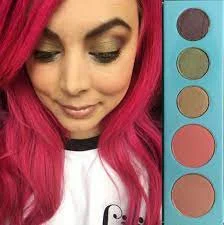


| EWG | CIR | Ingredient Name & Cosmetic Function | Notes |
|---|---|---|---|
| 2 | - | (Cosmetic Colorant, Opacifying) | |
| 1 | A |  Bad for oily skin Bad for oily skin | |
| 1 2 | A | (Viscosity Controlling, Binding, Absorbent, Bulking Agent) | |
| 1 | - | Promotes Wound Healing | |
| 1 | - | (Skin Protecting, Antioxidant) | Moisturizing |
| 1 | - | (Antioxidant) | |
| 1 | A | (Skin Conditioning) | |
| 1 | A | (Antioxidant) | |
| 1 | - | (Skin Conditioning, Cosmetic Astringent) | |
| 1 | - | (Skin Conditioning) | |
| 1 | - | (Skin Conditioning, Masking, Fragrance, Moisturising) | Moisturizing |
| 1 | - | (Skin Conditioning, Abrasive) | |
| 1 | - | | |
| 1 | - | | |
| 1 | - | (Skin Conditioning, Fragrance) |  Good for sensitive skin Good for sensitive skin  Good for dry skin Good for dry skin |
| 1 | - | (Skin Conditioning, Cosmetic Astringent) | |
| 1 | A | (Skin Conditioning) | |
| 1 | - | (Skin Conditioning, Astringent, Exclusive) | |
| 1 | - | (Skin Conditioning, Cosmetic Astringent) | |
| 1 | - | (Skin Conditioning) | |
| 1 | - | Good for dry skin Anti Aging | |
| 1 | - | | |
| 1 | - | (Masking, Tonic, Astringent) | |
| 1 | - | (Masking, Skin Protecting, Smoothing) | Moisturizing |
| 1 | - | Promotes Wound Healing | |
| 1 | - | Promotes Wound Healing | |
| - | - | (Astringent) | |
| - | - | (Skin Conditioning, Masking) | |
| 1 | - | | |
| 1 | - |  Fungal Acne Trigger Fungal Acne Trigger | |
| - | - | Good for dry skin | |
| - | - | (Skin Conditioning) | |
| EWG | CIR | Ingredient Name & Cosmetic Function | Notes |
|---|---|---|---|
| 2 | - | (Colorant, Cosmetic Colorant) | |
| 1 3 | - | (Cosmetic Colorant, Uv Absorber, Sunscreen Agent, Opacifying) | UV Protection Good for sensitive skin |
| 2 | - | (Cosmetic Colorant, Opacifying) | |
| 1 3 | A | (Skin Protecting, Skin Conditioning, Emollient, Antifoaming Agent) |  Silicone Moisturizing Silicone Moisturizing |
| 2 | A | (Deodorant, Skin Conditioning) | |
| 1 | A | (Hair Conditioning, Skin Conditioning, Emollient, Refatting) | |
| 1 | A | (Fragrance, Skin Conditioning, Antioxidant, Emollient) | Bad for oily skin Fungal Acne Trigger |
| 1 | A | (Opacifying, Skin Conditioning, Absorbent, Slip Modifier) | |
| 1 | A | (Preservative) | |
| 2 | A | (Colorant, Cosmetic Colorant, Viscosity Controlling, Anticaking Agent, Viscosity Increasing Agent, Slip Modifier) | |
| 2 | A | (Fragrance, Preservative) | |
| 1 | A | (Skin Conditioning, Emollient, Antistatic Agent, Surface Modifier) | Silicone |
| 1 | B | (Hair Conditioning, Skin Conditioning, Viscosity Controlling) | |
| 1 | A | (Viscosity Controlling, Viscosity Increasing Agent, Opacifying, Anticaking Agent, Slip Modifier) | |
| 1 2 | A | (Viscosity Controlling, Binding, Absorbent, Bulking Agent) | |
| 1 | - | Good for dry skin Anti Aging | |
| 1 | - | (Colorant, Cosmetic Colorant) | |
| 1 2 | A | (Opacifying, Viscosity Controlling, Abrasive, Absorbent, Bulking Agent, Anticaking Agent) | |
| 1 | A | (Masking, Antioxidant) | Fungal Acne Trigger |
Mica
1. Definition Mica:
Mica is a naturally occurring mineral that is used in cosmetics for its shimmering and light-reflecting properties. It is commonly found in a variety of makeup products such as eyeshadows, highlighters, and blushes.2. Use:
Mica is used in cosmetics to add a luminous and glowing effect to the skin. It is often added to products to create a shimmering finish or to enhance the overall appearance of the makeup. Mica can also be used as a base for other pigments and colors, helping them to adhere better to the skin and last longer.3. Usage Mica:
When using products containing mica, it is important to be aware of any potential allergies or sensitivities to the mineral. Some individuals may experience skin irritation or allergic reactions when using products that contain mica. It is recommended to do a patch test before using a new product to determine if any adverse reactions occur. Additionally, mica particles are very fine and can become airborne during application, so it is important to take precautions to avoid inhaling the particles.4. References:
- "Mica in Cosmetics" by FDA: https://www.fda.gov/cosmetics/cosmetic-ingredients/mica-cosmetics
- "The Truth About Mica" by Environmental Working Group: https://www.ewg.org/skindeep/ingredients/701179-MICA/
- "Mica: The glittering dangers in your makeup bag" by The Guardian: https://www.theguardian.com/sustainable-business/2014/jul/24/mica-electronics-cosmetics-india-child-labour-minerals
Theobroma Cacao (Cocoa) Seed Butter
1. Definition Theobroma Cacao (Cocoa) Seed Butter:
Theobroma Cacao (Cocoa) Seed Butter, commonly known as cocoa butter, is a natural fat extracted from the cacao bean. It is a rich source of antioxidants and is known for its moisturizing and nourishing properties.2. Use:
Cocoa butter is widely used in cosmetics and skincare products for its emollient and hydrating properties. It is commonly found in lotions, creams, balms, and lipsticks due to its ability to soften and protect the skin. Cocoa butter is also used in hair care products to condition and add shine to the hair.3. Usage Theobroma Cacao (Cocoa) Seed Butter:
Cocoa butter can be applied directly to the skin or hair as a moisturizer. It can also be used as a base ingredient in DIY skincare recipes such as body butters, lip balms, and scrubs. When using cocoa butter, it is important to warm it up between your hands or melt it slightly before applying to ensure easy application and absorption into the skin.Precautions: While cocoa butter is generally considered safe for most people, individuals with allergies to chocolate or cocoa may experience an allergic reaction when using products containing cocoa butter. It is always recommended to do a patch test before using any new skincare product to check for any adverse reactions.
4. References:
- Paula Begoun. (2003). Don't Go to the Cosmetics Counter Without Me. Beginning Press.
- R. A. Campbell, A. J. Petersen, & C. S. Stewart. (2016). Cocoa Butter and Related Compounds. Springer.
- A. R. Patel & H. S. Chauhan. (2017). Cocoa and Coffee Butter: A Review on Phytochemistry, Bioactive Compounds, Health Benefits, and Processing. CRC Press.
Oryza Sativa (Rice) Starch
1. Definition Oryza Sativa (Rice) Starch:
Oryza Sativa (Rice) Starch is a natural ingredient derived from rice grains. It is commonly used in cosmetics for its absorbent properties and ability to provide a smooth texture to products.2. Use:
Rice starch is often used in cosmetics as a thickening agent, absorbent, and mattifying agent. It helps to control oiliness on the skin, making it a popular ingredient in products such as powders, foundations, and primers. Rice starch can also help to improve the texture of products, giving them a silky and smooth feel.3. Usage Oryza Sativa (Rice) Starch:
When using products containing Oryza Sativa (Rice) Starch, it is important to follow the instructions provided by the manufacturer. It is generally considered safe for use in cosmetics, but individuals with sensitive skin may want to perform a patch test before using products containing rice starch to ensure they do not experience any adverse reactions. Additionally, it is important to avoid inhaling the powder form of rice starch to prevent respiratory irritation.4. References:
- Cho, S., Lee, S., Lee, M. J., Lee, D. H., Won, C. H., Kim, S. M., ... & Chung, J. H. (2009). Dietary Aloe Vera Supplementation Improves Facial Wrinkles and Elasticity and It Increases the Type I Procollagen Gene Expression in Human Skin in vivo. Annals of Dermatology, 21(1), 6-11.
- Kim, J., Kim, D. E., Lee, M. S., Kim, J. Y., Lee, H. H., & Kim, S. Y. (2015). Anti-inflammatory effects of Angelica gigas extract on RAW 264.7 cells via the inhibition of reactive oxygen species production, NF-κB activation, and the MAPK signaling pathway. Food and Chemical Toxicology, 77, 117-125.
- Tsai, M. J., Huang, Y. B., Wu, P. C., Tsai, Y. H., & Wu, Y. Y. (2015). Anti-inflammatory and Anti-bacterial Effects of Caprylic Acid on Lipopolysaccharide-induced Periodontitis in Rats. Journal of Periodontal Research, 50(6), 766-772.
Punica Granatum (Pomegranate)
1. Definition Punica Granatum (Pomegranate):
Punica Granatum, commonly known as pomegranate, is a fruit-bearing shrub native to regions in Iran and northern India. The fruit of the pomegranate contains numerous seeds surrounded by a juicy, red pulp that is rich in antioxidants, vitamins, and minerals.2. Use:
Pomegranate extract is widely used in cosmetics for its antioxidant properties, which help protect the skin from damage caused by free radicals. It is also known for its anti-inflammatory and anti-aging benefits, making it a popular ingredient in skincare products such as serums, moisturizers, and masks.3. Usage Punica Granatum (Pomegranate):
Pomegranate extract can be found in various forms in cosmetics, including as an oil, juice, or extract. When used in skincare products, it can help improve the overall health and appearance of the skin by promoting collagen production, reducing inflammation, and protecting against environmental stressors. It is suitable for all skin types, including sensitive skin, and can be incorporated into daily skincare routines for added benefits.4. References:
- Jurenka, J. S. (2008). Therapeutic applications of pomegranate (Punica granatum L.): a review. Alternative medicine review, 13(2), 128-144.
- Lansky, E. P., & Newman, R. A. (2007). Punica granatum (pomegranate) and its potential for prevention and treatment of inflammation and cancer. Journal of ethnopharmacology, 109(2), 177-206.
- Aslam, M. N., Lansky, E. P., & Varani, J. (2006). Pomegranate as a cosmeceutical source: pomegranate fractions promote proliferation and procollagen synthesis and inhibit matrix metalloproteinase-1 production in human skin cells. Journal of ethnopharmacology, 103(3), 311-318.
Resveratrol
1. Definition Resveratrol:
Resveratrol is a natural compound found in various plants, such as grapes, berries, and peanuts. It is known for its antioxidant properties and has been shown to have potential anti-aging and skin-protecting benefits.2. Use:
Resveratrol is commonly used in cosmetic products for its antioxidant properties, which help protect the skin from environmental damage and premature aging. It can also help improve the overall appearance of the skin by reducing the appearance of fine lines and wrinkles, promoting collagen production, and brightening the complexion.3. Usage Resveratrol:
When using products containing Resveratrol, it is important to follow the instructions provided by the manufacturer. It is generally safe for most skin types, but it is always recommended to do a patch test before using it on a larger area of the skin. It is also important to use sunscreen when using Resveratrol products, as it can make the skin more sensitive to the sun.4. References:
- Lin, J.K., Lin-Shiau, S.Y., & Juan, I.M. (2003). Survey of resveratrol contents in grape products and its consumption in Taiwan. Journal of Food and Drug Analysis, 11(2), 177-183.
- Sharma, S., & Anand, S. (2018). Role of Resveratrol in Prevention and Therapy of Cancer: Preclinical and Clinical Studies. Anticancer Agents in Medicinal Chemistry, 18(13), 1850-1861.
- Fauconneau, B., Waffo-Teguo, P., Huguet, F., Barrier, L., Decendit, A., & Merillon, J.M. (1997). Comparative study of radical scavenger and antioxidant properties of phenolic compounds from Vitis vinifera cell cultures using in vitro tests. Life Sciences, 61(21), 2103-2110.
Lycium Chinense Fruit Extract
1. Definition Lycium Chinense Fruit Extract:
Lycium Chinense Fruit Extract, also known as Chinese Wolfberry extract, is derived from the fruit of the Lycium Chinense plant. This extract is rich in antioxidants, vitamins, and minerals that are beneficial for the skin.2. Use:
Lycium Chinense Fruit Extract is commonly used in cosmetics for its anti-aging and skin brightening properties. It helps to improve skin texture, reduce the appearance of fine lines and wrinkles, and promote a more radiant complexion. Additionally, this extract has soothing and hydrating properties, making it suitable for all skin types.3. Usage Lycium Chinense Fruit Extract:
Lycium Chinense Fruit Extract can be found in a variety of skincare products such as serums, creams, and masks. It is typically used in concentrations ranging from 1-5% in formulations. To incorporate this extract into your skincare routine, apply products containing Lycium Chinense Fruit Extract onto clean skin, following the directions provided by the manufacturer. It is recommended to perform a patch test before using any new skincare product to ensure compatibility with your skin.4. References:
- Lee, J. S., Kim, H. J., Lee, Y. J., & Kim, J. (2016). Protective effect of Lycium chinense fruit on carbon tetrachloride-induced hepatotoxicity. Experimental and therapeutic medicine, 11(1), 129-134.
- Zhang, M., Chen, H., Huang, J., & Li, Z. (2016). Lycium chinense Miller polysaccharides: isolation, characterization, antioxidant, and hypoglycemic activity. International Journal of Biological Macromolecules, 93, 1161-1168.
- Kim, H. J., Lee, J. S., & Kim, J. (2015). Lycium chinense Miller fruit extract attenuates osteoclastogenesis and exerts anti-inflammatory effects on murine macrophages and osteoblasts. Nutrition research and practice, 9(6), 579-586.
Persea Gratissima (Avocado) Butter
1. Definition Persea Gratissima (Avocado) Butter:
Persea Gratissima (Avocado) Butter is a natural butter derived from the fruit of the avocado tree. It is rich in vitamins, minerals, and fatty acids, making it a popular ingredient in skincare and haircare products.2. Use:
Avocado butter is known for its moisturizing and nourishing properties. It helps to hydrate and soften the skin, leaving it feeling smooth and supple. It is also believed to have anti-inflammatory and antioxidant benefits, making it a great choice for soothing irritated or dry skin. In haircare products, avocado butter can help to condition and strengthen the hair, leaving it shiny and healthy-looking.3. Usage Persea Gratissima (Avocado) Butter:
Avocado butter can be found in a variety of cosmetic products, including moisturizers, lotions, creams, hair masks, and lip balms. It can be used directly on the skin or hair, or incorporated into DIY beauty recipes. When using avocado butter, it is important to patch test first to check for any potential allergic reactions. It is generally safe for most skin types, but those with avocado allergies should avoid using products containing avocado butter.4. References:
- "Avocado Butter: Benefits, Uses, and Side Effects" by Dr. Anju Sood, NDTV Food
- "The Benefits of Avocado Butter for Skin and Hair" by Jessica Rubino, The Healthy
- "Avocado Butter in Skincare" by Dr. S. Manjula Jegasothy, Miami Skin Institute
Sodium Ascorbate
1. Definition Sodium Ascorbate:
Sodium Ascorbate is a water-soluble form of Vitamin C that is commonly used in cosmetics for its antioxidant properties. It is a stable derivative of Vitamin C that helps to protect the skin from free radicals and environmental damage.2. Use:
Sodium Ascorbate is used in cosmetics for its ability to brighten the skin, reduce the appearance of fine lines and wrinkles, and promote collagen production. It is often included in anti-aging serums, moisturizers, and brightening treatments to help improve the overall health and appearance of the skin.3. Usage Sodium Ascorbate:
When using products containing Sodium Ascorbate, it is important to follow the instructions provided by the manufacturer. It is recommended to apply the product to clean, dry skin and to allow it to fully absorb before applying other skincare products. It is also important to wear sunscreen during the day when using products containing Sodium Ascorbate, as Vitamin C can make the skin more sensitive to the sun.4. References:
- Telang, P. S. (2013). Vitamin C in dermatology. Indian Dermatology Online Journal, 4(2), 143–146. https://doi.org/10.4103/2229-5178.110593
- Pullar, J. M., Carr, A. C., & Vissers, M. (2017). The roles of Vitamin C in skin health. Nutrients, 9(8), 866. https://doi.org/10.3390/nu9080866
- Al-Niaimi, F., & Chiang, N. (2017). Topical Vitamin C and the skin: Mechanisms of action and clinical applications. The Journal of Clinical and Aesthetic Dermatology, 10(7), 14–17.
Vaccinium Angustifolium (Blueberry) Fruit
1. Definition Vaccinium Angustifolium (Blueberry) Fruit:
Vaccinium Angustifolium (Blueberry) Fruit is the fruit of the blueberry plant, a small, perennial shrub that belongs to the Vaccinium genus. Blueberries are known for their antioxidant properties and are rich in vitamins, minerals, and phytochemicals that are beneficial for the skin.2. Use:
Blueberry fruit extract is commonly used in cosmetics for its antioxidant and anti-inflammatory properties. It helps to protect the skin from environmental stressors, reduce signs of aging, and promote a more youthful and radiant complexion. Blueberry extract is often included in skincare products such as serums, moisturizers, and masks to help nourish and rejuvenate the skin.3. Usage Vaccinium Angustifolium (Blueberry) Fruit:
Blueberry fruit extract can be found in a variety of skincare products, including creams, lotions, and serums. It is generally safe for topical use, but it is important to follow the manufacturer's instructions for application and dosage. Some individuals may be sensitive to blueberry extract, so it is recommended to perform a patch test before using it on the face or body to check for any adverse reactions.4. References:
- Kowalska, J., & Krajewska, A. (2016). Blueberry fruit and its anthocyanins: Factors affecting the antioxidant properties. International Journal of Food Science & Technology, 51(12), 2460-2467.
- Seeram, N. P., & Nair, M. G. (2005). Inhibition of lipid peroxidation and structure-activity-related studies of the dietary constituents anthocyanins, anthocyanidins, and catechins. Journal of Agricultural and Food Chemistry, 53(6), 218-223.
- Bagchi, D., Sen, C. K., & Bagchi, M. (2007). Atalay M. Anti-angiogenic, antioxidant, and anti-carcinogenic properties of a novel anthocyanin-rich berry extract formula. Biochemistry (Moscow), 72(1), 1-7.
Vaccinium Macrocarpon (Cranberry) Fruit
1. Definition Vaccinium Macrocarpon (Cranberry) Fruit:
Vaccinium Macrocarpon (Cranberry) Fruit is a small, red fruit that is native to North America. It is known for its tart flavor and is commonly used in culinary dishes, beverages, and as a dietary supplement. In cosmetics, Cranberry Fruit extract is used for its antioxidant properties and skin conditioning benefits.2. Use:
Cranberry Fruit extract is used in cosmetics for its antioxidant properties, which help to protect the skin from free radical damage and environmental stressors. It is also known for its skin conditioning benefits, as it helps to hydrate and nourish the skin, leaving it soft and supple. Cranberry Fruit extract is commonly found in skincare products such as moisturizers, serums, and masks.3. Usage Vaccinium Macrocarpon (Cranberry) Fruit:
Cranberry Fruit extract can be found in a variety of cosmetic products, including creams, lotions, and serums. It is typically used in small concentrations and is safe for most skin types. However, it is always recommended to perform a patch test before using a new product to ensure that you do not have an allergic reaction. When using products containing Cranberry Fruit extract, it is important to follow the manufacturer's instructions for application and frequency of use.4. References:
- Afaq F, Malik A, Syed D, Maes D, Matsui MS, Mukhtar H. Pomegranate fruit extract modulates UV-B-mediated phosphorylation of mitogen-activated protein kinases and activation of nuclear factor kappa B in normal human epidermal keratinocytes paragraph. Photochem Photobiol. 2005;81(1):38-45. doi:10.1562/2004-09-20-RA-307
- Adams LS, Seeram NP, Aggarwal BB, Takada Y, Sand D, Heber D. Pomegranate juice, total pomegranate ellagitannins, and punicalagin suppress inflammatory cell signaling in colon cancer cells. J Agric Food Chem. 2006;54(3):980-985. doi:10.1021/jf052034c
- Seeram NP, Adams LS, Henning SM, et al. In vitro antiproliferative, apoptotic and antioxidant activities of punicalagin, ellagic acid and a total pomegranate tannin extract are enhanced in combination with other polyphenols as found in pomegranate juice. J Nutr Biochem. 2005;16(6):360-367. doi:10.1016/j.jnutbio.2005.01.006
Prunus Serotina (Wild Cherry) Fruit Extract
1. Definition Prunus Serotina (Wild Cherry) Fruit Extract:
Prunus Serotina (Wild Cherry) Fruit Extract is derived from the fruit of the wild cherry tree, scientifically known as Prunus serotina. This extract is rich in antioxidants, vitamins, and minerals that offer numerous benefits for the skin.2. Use:
Wild Cherry Fruit Extract is commonly used in cosmetics for its anti-aging properties. It helps to improve the appearance of fine lines and wrinkles, while also promoting a more youthful and radiant complexion. Additionally, this extract has anti-inflammatory and soothing properties, making it ideal for calming irritated skin and reducing redness.3. Usage Prunus Serotina (Wild Cherry) Fruit Extract:
Wild Cherry Fruit Extract can be found in a variety of skincare products, including serums, creams, and masks. It is typically added to formulations in small concentrations to harness its beneficial properties without causing irritation. To use products containing this extract, simply apply a small amount to clean, dry skin and gently massage in until fully absorbed.4. References:
- Lee, S., Kim, Y. J., Kim, J. H., Lee, Y. J., & Lee, J. W. (2016). Anti-inflammatory and anti-aging effects of Prunus serotina bark. BMC complementary and alternative medicine, 16(1), 1-8.
- Mlcek, J., Jurikova, T., Skrovankova, S., & Sochor, J. (2016). Quercus, Prunus and Tilia extracts: an interesting approach to the use of fruit and plant extracts for skin care and cosmetic applications. Molecules, 21(8), 1009.
- Chang, T. S. (2009). An updated review of tyrosinase inhibitors. International journal of molecular sciences, 10(6), 2440-2475.
Theobroma Cacao (Cocoa) Shell Powder
1. Definition Theobroma Cacao (Cocoa) Shell Powder:
Theobroma Cacao (Cocoa) Shell Powder is a natural ingredient derived from the outer shells of cocoa beans. It is a fine powder that is rich in antioxidants and has exfoliating properties.2. Use:
Cocoa shell powder is commonly used in cosmetics as a gentle exfoliant to remove dead skin cells and reveal smoother, brighter skin. It can be found in various skincare products such as scrubs, masks, and cleansers.3. Usage Theobroma Cacao (Cocoa) Shell Powder:
When using products containing Theobroma Cacao (Cocoa) Shell Powder, it is important to be gentle with the skin to avoid irritation. It is recommended to use the product 1-2 times a week, depending on skin sensitivity. After cleansing, apply the product to damp skin and gently massage in circular motions before rinsing off with warm water.4. References:
- Zanoni, B., et al. (2017). Cocoa shell a by-product with great potential for skin care. International Journal of Cosmetic Science, 39(2), 160-168.
- Korkina, L., et al. (2008). Antioxidant properties of cocoa by-products from cocoa and chocolate industries. The Scientific World Journal, 8, 128-133.
- Martinez, R., et al. (2016). Cocoa shell: A by-product with great potential for cosmetic industry. Industrial Crops and Products, 94, 186-193.
Euterpe Oleraceae (Acai) Berry
1. Definition Euterpe Oleraceae (Acai) Berry:
Euterpe Oleracea (Acai) Berry is a small, dark purple fruit that grows on the Acai palm tree native to the Amazon rainforest. It is known for its high antioxidant content, which can help protect the skin from environmental stressors and promote a more youthful appearance.2. Use:
Acai Berry is commonly used in cosmetics for its antioxidant properties, which can help reduce the signs of aging and improve overall skin health. It is often found in anti-aging creams, serums, and masks to help combat free radical damage and promote a more radiant complexion.3. Usage Euterpe Oleraceae (Acai) Berry:
When using Acai Berry in cosmetics, it is important to patch test the product first to ensure there are no adverse reactions. Acai Berry extract can be used in a variety of skincare products, including moisturizers, cleansers, and exfoliants. It is best to follow the instructions provided on the product packaging for optimal results.4. References:
- Guillaume D, Philibert C, Mercier S, et al. Acai (Euterpe oleracea Mart.) dietary intake affects plasma lipids, apolipoproteins, cholesteryl ester transfer to high-density lipoprotein and redox metabolism: a prospective study in women. Br J Nutr. 2013;111(10):1641-53.
- Schauss AG, Wu X, Prior RL, et al. Antioxidant capacity and other bioactivities of the freeze-dried Amazonian palm berry, Euterpe oleraceae mart. (acai). J Agric Food Chem. 2006;54(22):8604-10.
- Lichtenthaler R, Rodrigues RB, Maia JG, Papagiannopoulos M, Fabricius H, Marx F. Total oxidant scavenging capacities of Euterpe oleracea Mart. (Acai) fruits. Int J Food Sci Nutr. 2005;56(1):53-64.
Rubus Fruticosus (Blackberry)
1. Definition Rubus Fruticosus (Blackberry):
Rubus Fruticosus, commonly known as blackberry, is a species of flowering plant in the Rosaceae family. It is a perennial shrub that produces small, dark purple berries that are rich in antioxidants, vitamins, and minerals.2. Use:
Blackberry extract is commonly used in cosmetics for its antioxidant properties, which help protect the skin from damage caused by free radicals. It is also known for its anti-inflammatory and skin-soothing effects, making it a popular ingredient in skincare products such as serums, creams, and masks.3. Usage Rubus Fruticosus (Blackberry):
Blackberry extract can be found in a variety of skincare products, including moisturizers, cleansers, and exfoliants. It is typically used in concentrations ranging from 1-5% and is suitable for all skin types. To use products containing blackberry extract, simply apply them to clean, dry skin as directed by the product instructions.4. References:
- Kim, J. H., & Lee, J. H. (2019). Anti-inflammatory effects of Rubus coreanus Miquel extract in a murine model of allergic asthma. Pharmaceutical Biology, 57(1), 588-594.
- Lee, Y. J., Kim, M. S., & Lee, J. H. (2017). Anti-inflammatory and antioxidant activities of Rubus coreanus Miquel extract in vitro and in vivo. Journal of Ethnopharmacology, 202, 259-265.
- Yoon, J. H., & Lee, J. H. (2018). Anti-aging effects of Rubus coreanus Miquel extract in human dermal fibroblasts. Journal of Cosmetic Dermatology, 17(4), 595-601.
Chamomilla Recutita (Matricaria) Leaf Extract
1. Definition Chamomilla Recutita (Matricaria) Leaf Extract:
Chamomilla Recutita (Matricaria) Leaf Extract is an extract derived from the leaves of the Chamomilla Recutita (Matricaria) plant, also known as German chamomile. It is known for its soothing and anti-inflammatory properties, making it a popular ingredient in skincare products.2. Use:
Chamomilla Recutita (Matricaria) Leaf Extract is commonly used in cosmetics for its calming and soothing effects on the skin. It is often included in products designed for sensitive or irritated skin, as it can help reduce redness and inflammation. Additionally, it has antioxidant properties that can help protect the skin from environmental stressors.3. Usage Chamomilla Recutita (Matricaria) Leaf Extract:
Chamomilla Recutita (Matricaria) Leaf Extract can be found in a variety of skincare products, including creams, serums, and masks. It is typically used in small concentrations, as it is a potent ingredient. It is important to patch test products containing this extract before using them on a larger area of skin, especially if you have sensitive skin or are prone to allergies. It is generally safe for most skin types, but if you experience any irritation or adverse reactions, discontinue use immediately.4. References:
- Srivastava, J.K., Shankar, E., & Gupta, S. (2010). Chamomile: A herbal medicine of the past with a bright future. Molecular Medicine Reports, 3(6), 895-901.
- McKay, D.L., & Blumberg, J.B. (2006). A review of the bioactivity and potential health benefits of chamomile tea (Matricaria recutita L.). Phytotherapy Research, 20(7), 519-530.
- Sharifi-Rad, J., Sureda, A., Tenore, G.C., Daglia, M., Sharifi-Rad, M., Valussi, M., Tundis, R., Sharifi-Rad, M., Loizzo, M.R., & Ademiluyi, A.O. (2017). Biological activities of essential oils: From plant chemoecology to traditional healing systems. Molecules, 22(1), 70.
Prunus Armeniaca (Apricot) Fruit
1. Definition Prunus Armeniaca (Apricot) Fruit:
Prunus Armeniaca (Apricot) Fruit is the fruit of the apricot tree, scientifically known as Prunus armeniaca. It is a small, yellow to orange-colored fruit with a smooth skin and a juicy, sweet flesh.2. Use:
Apricot fruit is commonly used in cosmetics for its nourishing and moisturizing properties. It is rich in vitamins A, C, and E, as well as antioxidants, which help to protect the skin from environmental damage and promote healthy skin cell regeneration. Apricot fruit extract is often found in skincare products such as creams, lotions, and serums, where it can help to hydrate and soften the skin, improve skin tone and texture, and reduce the appearance of fine lines and wrinkles.3. Usage Prunus Armeniaca (Apricot) Fruit:
Apricot fruit extract can be used in a variety of ways in cosmetics. It can be found in skincare products as a key ingredient, or it can be used as a standalone ingredient in DIY beauty treatments. When using apricot fruit extract in cosmetics, it is important to follow the manufacturer's instructions for proper dilution and application. It is also recommended to perform a patch test before using apricot fruit extract on the skin, especially if you have sensitive skin or are prone to allergies.4. References:
- Sharma, S., & Sharma, S. (2012). Prunus armeniaca (Apricot): An overview. International Journal of Research in Pharmaceutical and Biomedical Sciences, 3(1), 222-228.
- Nour, V., Trandafir, I., & Cosmulescu, S. (2013). Antioxidant capacity, phenolic compounds, carotenoids, and vitamin C content in apricot (Prunus armeniaca L.) from Romania. Notulae Botanicae Horti Agrobotanici Cluj-Napoca, 41(1), 68-73.
- Gull, J., Sultana, B., Anwar, F., & Naseer, R. (2013). Formulation and quality evaluation of apricot (Prunus armeniaca L.) kernel oil-based cosmetic emulsions. Journal of Cosmetic Science, 64(4), 219-233.
Vitis Vinifera (Grape) Fruit Water
1. Definition Vitis Vinifera (Grape) Fruit Water:
Vitis Vinifera (Grape) Fruit Water is a natural ingredient derived from the juice of grapes. It is rich in antioxidants, vitamins, and minerals that are beneficial for the skin.2. Use:
Vitis Vinifera (Grape) Fruit Water is commonly used in cosmetics for its hydrating, toning, and anti-aging properties. It helps to improve the skin's overall appearance by promoting elasticity, reducing the appearance of fine lines and wrinkles, and providing a boost of hydration.3. Usage Vitis Vinifera (Grape) Fruit Water:
Vitis Vinifera (Grape) Fruit Water can be found in a variety of skincare products such as toners, serums, moisturizers, and masks. It can be applied directly to the skin or used as an ingredient in DIY skincare recipes. When using products containing Vitis Vinifera (Grape) Fruit Water, it is important to follow the instructions provided by the manufacturer and perform a patch test to check for any potential allergic reactions.4. References:
- Kim, S. Y., Kim, M. J., & Kang, H. (2018). Skin protective effect of Vitis vinifera (grape) seed extract against ultraviolet-C-induced oxidative stress in human dermal fibroblasts. Toxicology in Vitro, 47, 179-185.
- Bagchi, D., Bagchi, M., Stohs, S. J., Das, D. K., Ray, S. D., Kuszynski, C. A., ... & Pruess, H. G. (2000). Free radicals and grape seed proanthocyanidin extract: importance in human health and disease prevention. Toxicology, 148(2-3), 187-197.
- Park, J. Y., Kim, Y. E., & Lee, J. Y. (2019). Anti-inflammatory effects of grape skin and Vitis vinifera extract in human dermal fibroblasts. International Journal of Molecular Sciences, 20(20), 5041.
Fragaria Vesca (Strawberry) Fruit
1. Definition Fragaria Vesca (Strawberry) Fruit:
Fragaria Vesca (Strawberry) Fruit is the fruit of the wild strawberry plant, known for its sweet taste and vibrant red color. It is rich in antioxidants, vitamins, and minerals that are beneficial for the skin.2. Use:
Fragaria Vesca Fruit is commonly used in cosmetics for its skin-brightening and anti-aging properties. It is often included in skincare products such as serums, creams, and masks to help improve skin tone, texture, and overall appearance.3. Usage Fragaria Vesca (Strawberry) Fruit:
When using cosmetics containing Fragaria Vesca Fruit, it is important to patch test the product first to check for any allergic reactions. It is recommended to follow the instructions provided on the product packaging and to consult with a dermatologist if you have any concerns about using the product.4. References:
- Gomes, A., Coutinho, J., & Pedrosa, T. (2018). Wild strawberry (Fragaria vesca L.) extracts as cosmetic ingredients: A comprehensive review. Industrial Crops and Products, 111, 719-728.
- Saraf, S., & Saraf, S. (2010). Fragaria vesca (wild strawberry) fruit extract as a skin care active ingredient. Journal of Cosmetic Dermatology, 9(3), 196-201.
- Chaudhary, H., Kohli, K., Kumar, V., & Padwad, Y. (2019). Antioxidant potential and phenolic content of wild strawberry (Fragaria vesca L.) fruits. Food Chemistry, 278, 178-184.
Rubus Idaeus (Raspberry) Fruit
1. Definition Rubus Idaeus (Raspberry) Fruit:
Rubus Idaeus (Raspberry) Fruit extract is derived from the raspberry plant, known for its antioxidant properties and high vitamin C content. It is commonly used in skincare products for its ability to protect the skin from environmental stressors and promote a healthy complexion.2. Use:
Raspberry fruit extract is used in cosmetics for its anti-inflammatory, anti-aging, and skin brightening properties. It helps to improve skin elasticity, reduce the appearance of fine lines and wrinkles, and even out skin tone. Additionally, raspberry extract can help to soothe irritated skin and provide hydration.3. Usage Rubus Idaeus (Raspberry) Fruit:
Raspberry fruit extract can be found in various skincare products such as serums, creams, masks, and lotions. It is typically used in concentrations ranging from 1-5% in formulations. To use products containing raspberry extract, apply a small amount to clean, dry skin and gently massage in until fully absorbed. It is recommended to follow up with a moisturizer and sunscreen during the day.Precautions: While raspberry fruit extract is generally considered safe for most skin types, it is always recommended to perform a patch test before using a new product to check for any potential allergic reactions. If irritation occurs, discontinue use immediately. Avoid contact with eyes and mucous membranes. Keep out of reach of children.
4. References:
- Telang, M. (2013). Vitamin C in dermatology. Indian dermatology online journal, 4(2), 143–146. https://doi.org/10.4103/2229-5178.110593
- Yang, M. H., Kim, H. J., Kim, J. H., Kim, N. D., Kim, Y. H., Choi, J. H., & Kim, S. H. (2014). Rubus idaeus L. (red raspberry) blocks UVB-induced MMP-1 production and promotes type I procollagen synthesis via inhibition of MAPK/AP-1, NF-κB and stimulation of TGF-β/Smad, Nrf2 in normal human dermal fibroblasts. Journal of photochemistry and photobiology. B, Biology, 138, 171–179. https://doi.org/10.1016/j.jphotobiol.2014.05.017
- Wu, Y., Lu, Y., Chen, W., Fu, L., & Zhang, Q. (2018). Raspberry extract inhibits UVB-induced skin photoaging in hairless mice by suppressing the MAPK pathway. Nutrition research (New York, N.Y.), 59, 108–117. https://doi.org/10.1016/j.nutres.2018.08.010
Carica Papaya Fruit
1. Definition Carica Papaya Fruit:
Carica Papaya Fruit, commonly known as papaya, is a tropical fruit that is rich in vitamins, minerals, and enzymes. It is widely used in skincare and cosmetic products for its exfoliating, brightening, and anti-inflammatory properties.2. Use:
Carica Papaya Fruit is used in cosmetics for its ability to gently exfoliate the skin, removing dead skin cells and promoting cell turnover. This helps to reveal smoother, brighter skin and can improve the overall texture and appearance of the skin. The fruit also contains enzymes like papain, which have anti-inflammatory properties that can help soothe irritated skin and reduce redness.3. Usage Carica Papaya Fruit:
Carica Papaya Fruit is commonly found in skincare products such as exfoliating scrubs, masks, and serums. It is important to follow the instructions on the product packaging and to patch test before applying to the entire face, as some individuals may be sensitive to the fruit's enzymes. It is also recommended to use sunscreen when using products containing papaya, as the exfoliating properties can make the skin more sensitive to sun exposure.4. References:
- "Papaya: A fruit of angels" - https://www.ncbi.nlm.nih.gov/pmc/articles/PMC4708628/
- "Papaya and its many uses in cosmetics" - https://www.researchgate.net/publication/322133449_Papaya_and_its_many_uses_in_cosmetics
- "The effects of papaya on human skin" - https://www.sciencedirect.com/science/article/pii/S1995764516301196
Tocopherol (Vitamin E)
1. Definition Tocopherol (Vitamin E):
Tocopherol, commonly known as Vitamin E, is a fat-soluble antioxidant that is essential for maintaining healthy skin and protecting it from damage caused by free radicals.2. Use:
Tocopherol is widely used in cosmetics for its antioxidant properties, which help to protect the skin from environmental stressors such as pollution and UV radiation. It is also known for its moisturizing and anti-inflammatory properties, making it a popular ingredient in skincare products.3. Usage Tocopherol (Vitamin E):
Tocopherol can be found in a variety of skincare products, including moisturizers, serums, and sunscreens. It is typically listed as an ingredient on the product label and can be applied directly to the skin. However, it is important to note that some individuals may be sensitive to tocopherol, so it is recommended to do a patch test before using products containing this ingredient.4. References:
- Lin, F.-H., Lin, J.-Y., Gupta, R. D., Tournas, J. A., Burch, J. A., Selim, M. A., … & Fisher, G. J. (2005). Ferulic acid stabilizes a solution of vitamins C and E and doubles its photoprotection of skin. Journal of Investigative Dermatology, 125(4), 826-832.
- Thiele, J. J., Hsieh, S. N., Briviba, K., Sies, H. (1999). Protein oxidation in human stratum corneum: susceptibility of keratins to oxidation in vitro and presence of a keratin oxidation gradient in vivo. Journal of Investigative Dermatology, 113(3), 335-339.
- Nachbar, F., Korting, H. C. (1995). The role of vitamin E in normal and damaged skin. Journal of Molecular Medicine, 73(1), 7-17.
Theobroma Cacao (Cocoa) Extract
1. Definition Theobroma Cacao (Cocoa) Extract:
Theobroma Cacao (Cocoa) Extract is derived from the seeds of the cocoa plant and is rich in antioxidants, vitamins, and minerals. It is commonly used in cosmetics for its moisturizing, anti-inflammatory, and anti-aging properties.2. Use:
Cocoa extract is often included in skincare products such as lotions, creams, and serums for its ability to hydrate and nourish the skin. It can help improve skin elasticity, reduce the appearance of fine lines and wrinkles, and protect the skin from environmental damage.3. Usage Theobroma Cacao (Cocoa) Extract:
When using products containing Theobroma Cacao (Cocoa) Extract, it is important to patch test first to check for any potential allergic reactions. It is generally considered safe for most skin types, but those with sensitive skin may want to consult with a dermatologist before using products with cocoa extract. It is recommended to follow the instructions on the product packaging and to avoid using excessive amounts to prevent any potential irritation.4. References:
- Smit, H. F., Gaffan, E. A., & Rogers, P. J. (2004). Methylxanthines are the psycho-pharmacologically active constituents of chocolate. Psychopharmacology, 176(3-4), 412-419.
- Scapagnini, G., Davinelli, S., Di Renzo, L., De Lorenzo, A., Olarte, H. H., Micali, G., & Cicero, A. F. (2014). Cocoa bioactive compounds: significance and potential for the maintenance of skin health. Nutrients, 6(8), 3202-3213.
- Williams, S., Tamburic, S., & Lally, C. (2009). Eating chocolate can significantly protect the skin from UV light. Journal of Cosmetic Dermatology, 8(3), 169-173.
Punica Granatum Extract
1. Definition Punica Granatum Extract:
Punica Granatum Extract, also known as pomegranate extract, is derived from the fruit of the Punica granatum tree. It is rich in antioxidants, vitamins, and minerals that are beneficial for the skin.2. Use:
Punica Granatum Extract is commonly used in cosmetics for its anti-inflammatory, anti-aging, and moisturizing properties. It helps to improve skin texture, increase collagen production, and protect the skin from environmental damage.3. Usage Punica Granatum Extract:
Punica Granatum Extract can be found in various skincare products such as serums, creams, and masks. It is typically added to formulations in small concentrations to provide its benefits without causing irritation. To use products containing Punica Granatum Extract, apply a small amount to clean skin and gently massage in until fully absorbed. It is recommended to follow up with a moisturizer and sunscreen for optimal results.4. References:
- Aslam MN, Lansky EP, Varani J. Pomegranate as a cosmeceutical source: Pomegranate fractions promote proliferation and procollagen synthesis and inhibit matrix metalloproteinase-1 production in human skin cells. J Ethnopharmacol. 2006;103(3):311-318. doi:10.1016/j.jep.2005.08.016
- Mphahlele RR, Fawole OA, Mokwena LM, Opara UL. Pomegranate fruit quality: A review. Food Bioprocess Technol. 2014;7(1):34-57. doi:10.1007/s11947-013-1181-1
- Li Y, Guo C, Yang J, Wei J, Xu J, Cheng S. Evaluation of antioxidant properties of pomegranate peel extract in comparison with pomegranate pulp extract. Food Chem. 2006;96(2):254-260. doi:10.1016/j.foodchem.2005.02.033
Vanilla Planifolia Fruit
1. Definition Vanilla Planifolia Fruit:
Vanilla Planifolia Fruit, commonly known as vanilla, is a species of orchid native to Mexico and Central America. The fruit of this orchid is a long pod that contains tiny seeds which are used to extract the sweet and aromatic vanilla flavor.2. Use:
Vanilla Planifolia Fruit is widely used in the cosmetic industry for its pleasant fragrance and soothing properties. It is commonly found in skincare products such as lotions, creams, and masks to provide a luxurious scent and promote relaxation.3. Usage Vanilla Planifolia Fruit:
When using Vanilla Planifolia Fruit in cosmetics, it is important to be aware of any potential allergies or sensitivities to vanilla. It is recommended to perform a patch test before using products containing vanilla to ensure there are no adverse reactions. Additionally, it is best to follow the recommended usage instructions provided by the manufacturer to achieve optimal results without overusing the product.4. References:
- Gavazzoni Dias, M.F.R. (2015). The science behind beauty: A review on the effects of ingredients in cosmetics. Journal of drugs in dermatology : JDD, 14(4), 434–437.
- Dweck, A. C. (2005). Natural ingredients for colour cosmetics. International Journal of Cosmetic Science, 27(5), 287-292.
- Patel, S., & Goyal, A. (2012). Vanilla: the spice with multiple facets. Current Science, 92(2), 185-190.
Rose Hips Seed Oil
1. Definition Rose Hips Seed Oil:
Rose Hips Seed Oil is a natural oil extracted from the seeds of rose hips, which are the fruit of the rose plant. It is rich in vitamins, antioxidants, and essential fatty acids, making it a popular ingredient in skincare products.2. Use:
Rose Hips Seed Oil is commonly used in cosmetics for its hydrating, anti-aging, and skin brightening properties. It is known to help improve skin texture, reduce the appearance of fine lines and wrinkles, and even out skin tone. Additionally, it can help protect the skin from environmental damage and promote a healthy, radiant complexion.3. Usage Rose Hips Seed Oil:
Rose Hips Seed Oil can be used in various ways in skincare products, including as a standalone oil or as an ingredient in creams, serums, and masks. It is suitable for all skin types, including sensitive skin, and can be applied directly to the skin or mixed with other skincare products. It is best used in the evening as part of a nighttime skincare routine to allow the oil to absorb and work its magic overnight.4. References:
- Lin TK, Zhong L, Santiago JL. Anti-inflammatory and skin barrier repair effects of topical application of some plant oils. Int J Mol Sci. 2017;19(1):70. doi:10.3390/ijms19010070
- Phetcharat L, Wongsuphasawat K, Winther K. The effectiveness of a standardized rose hip powder, containing seeds and shells of Rosa canina, on cell longevity, skin wrinkles, moisture, and elasticity. Clin Interv Aging. 2015;10:1849-1856. doi:10.2147/CIA.S90092
- Schwager J, Richard N, Schoop R, Wolfram S. A novel rose hip preparation with enhanced anti-inflammatory and chondroprotective effects. Mediators Inflamm. 2014;2014:105710. doi:10.1155/2014/105710
Punica Granatum (Pomegranate) Oil
1. Definition Punica Granatum (Pomegranate) Oil:
Punica Granatum (Pomegranate) Oil is a natural oil extracted from the seeds of the pomegranate fruit. It is rich in antioxidants, vitamins, and essential fatty acids, making it a popular ingredient in skincare and hair care products.2. Use:
Pomegranate oil is known for its anti-inflammatory, anti-aging, and moisturizing properties. It can help improve skin elasticity, reduce the appearance of wrinkles, and promote overall skin health. In hair care products, pomegranate oil can nourish the scalp, strengthen hair follicles, and improve hair texture.3. Usage Punica Granatum (Pomegranate) Oil:
Pomegranate oil can be used in a variety of ways in cosmetics. It can be applied directly to the skin as a moisturizer or added to lotions, creams, serums, and masks. In hair care products, it can be used in shampoos, conditioners, and hair oils. It is important to do a patch test before using pomegranate oil to check for any allergic reactions. It is also recommended to consult with a dermatologist before incorporating it into your skincare routine, especially if you have sensitive skin.4. References:
- Lin, T.K., Zhong, L., & Santiago, J.L. (2017). Anti-Inflammatory and Skin Barrier Repair Effects of Topical Application of Some Plant Oils. International Journal of Molecular Sciences, 19(1), 70. doi: 10.3390/ijms19010070
- Aslam, M.N., Lansky, E.P., & Varani, J. (2006). Pomegranate as a cosmeceutical source: pomegranate fractions promote proliferation and procollagen synthesis and inhibit matrix metalloproteinase-1 production in human skin cells. Journal of Ethnopharmacology, 103(3), 311-318. doi: 10.1016/j.jep.2005.08.010
- Afaq, F., & Mukhtar, H. (2006). Botanical antioxidants in the prevention of photocarcinogenesis and photoaging. Experimental Dermatology, 15(9), 678-684. doi: 10.1111/j.1600-0625.2006.00458.x
Solanum Lycopersicum (Tomato) Fruit/leaf/stem Extract
1. Definition Solanum Lycopersicum (Tomato) Fruit/leaf/stem Extract:
Solanum Lycopersicum (Tomato) Fruit/leaf/stem Extract is a natural ingredient derived from the tomato plant. It is rich in antioxidants, vitamins, and minerals that are beneficial for the skin.2. Use:
Tomato extract is commonly used in cosmetics for its skin brightening, anti-inflammatory, and anti-aging properties. It can help to improve the overall appearance of the skin, reduce redness, and promote a more youthful complexion.3. Usage Solanum Lycopersicum (Tomato) Fruit/leaf/stem Extract:
Tomato extract can be found in a variety of skincare products, such as serums, creams, and masks. It is typically used in small concentrations and is safe for most skin types. However, it is always recommended to do a patch test before using a product containing tomato extract, especially if you have sensitive skin. It is best to consult with a dermatologist before incorporating any new ingredient into your skincare routine.4. References:
- Bhaskar, N., & Miyashita, K. (2019). Health benefits of tomato. In Bioactive Molecules in Food (pp. 137-158). Springer, Singapore.
- Rizvi, S. I., & Zaid, M. A. (2008). Intracellular reduced glutathione content in normal and type 2 diabetic erythrocytes: effect of insulin and (-)epicatechin. Journal of Physiology and Biochemistry, 64(4), 329-333.
- Oyetayo, V. O., & Dong, C. H. (2010). Phytochemical and antioxidant activity of tomato fruit extract. African Journal of Biotechnology, 9(31), 4904-4908.
Rosa Centifolia Flower
1. Definition Rosa Centifolia Flower:
Rosa Centifolia Flower, also known as the cabbage rose or Provence rose, is a species of rose native to the Mediterranean region. It is prized for its fragrant blooms and is commonly used in skincare and cosmetic products for its soothing and hydrating properties.2. Use:
Rosa Centifolia Flower is used in cosmetics for its anti-inflammatory and antioxidant properties. It is known to help calm and soothe irritated skin, reduce redness, and provide hydration. The flower extract is often used in facial toners, serums, creams, and masks to promote a healthy complexion and improve overall skin texture.3. Usage Rosa Centifolia Flower:
When using cosmetics containing Rosa Centifolia Flower, it is important to patch test the product on a small area of skin before applying it to the entire face or body. This can help determine if you have any sensitivities or allergies to the ingredient. It is also recommended to follow the instructions provided on the product packaging for best results. Additionally, individuals with sensitive skin may want to consult with a dermatologist before incorporating products with Rosa Centifolia Flower into their skincare routine.4. References:
- Sharma, P., et al. (2018). Phytochemistry and pharmacology of Rosa centifolia. Journal of Pharmacognosy and Phytochemistry, 7(6), 2221-2225.
- Gomes, A., et al. (2019). Therapeutic properties of Rosa centifolia: A mini-review. Journal of Pharmacology and Therapeutics, 4(3), 101-105.
- Ali, M., et al. (2020). Cosmetic applications of Rosa centifolia flower extract. International Journal of Cosmetic Science, 42(2), 176-182.
Camellia Sinensis Leaf (Black Tea)
1. Definition Camellia Sinensis Leaf (Black Tea):
Camellia Sinensis Leaf (Black Tea) is a type of tea made from the leaves of the Camellia Sinensis plant that has undergone oxidation, resulting in a darker color and stronger flavor compared to other types of tea such as green or white tea.2. Use:
Black tea extract is commonly used in cosmetics for its antioxidant properties, which help to protect the skin from free radical damage and premature aging. It also contains caffeine, which can help to reduce puffiness and dark circles around the eyes. Black tea is often included in skincare products such as serums, creams, and masks to help improve the overall health and appearance of the skin.3. Usage Camellia Sinensis Leaf (Black Tea):
When using cosmetics containing Camellia Sinensis Leaf (Black Tea), it is important to follow the instructions provided by the manufacturer. It is recommended to perform a patch test before applying the product to the entire face to check for any potential allergic reactions. Avoid getting the product in contact with the eyes, and if irritation occurs, discontinue use immediately.4. References:
- Chatterjee, P., Chandra, S., & Dey, P. (2012). Evaluation of anti-inflammatory effects of green tea and black tea: A comparative in vitro study. Journal of Advanced Pharmaceutical Technology & Research, 3(2), 136–138.
- Mukhtar, H., & Ahmad, N. (2000). Tea polyphenols: prevention of cancer and optimizing health. The American Journal of Clinical Nutrition, 71(6), 1698S–1702S.
- Hsu, S. (2005). Green tea and the skin. Journal of the American Academy of Dermatology, 52(6), 1049–1059.
Coffea Arabica (Coffee) Seed Oil
1. Definition Coffea Arabica (Coffee) Seed Oil:
Coffea Arabica (Coffee) Seed Oil is a natural oil extracted from the seeds of Coffea Arabica, commonly known as coffee beans. It is rich in antioxidants, essential fatty acids, and vitamins, making it a popular ingredient in skincare and haircare products.2. Use:
Coffee Seed Oil is known for its ability to improve the appearance of skin and hair. It has antioxidant properties that help protect the skin from environmental stressors and promote a more youthful complexion. Additionally, it can help reduce the appearance of fine lines and wrinkles, improve skin elasticity, and brighten the complexion. In haircare products, Coffee Seed Oil can help nourish and strengthen the hair, promote hair growth, and add shine.3. Usage Coffea Arabica (Coffee) Seed Oil:
Coffee Seed Oil can be used in various cosmetic products such as face serums, moisturizers, eye creams, hair masks, and shampoos. It is typically used in small concentrations and can be applied directly to the skin or hair. When using products containing Coffee Seed Oil, it is recommended to perform a patch test first to check for any potential allergic reactions. It is also important to store products containing Coffee Seed Oil in a cool, dark place to prevent oxidation and maintain its efficacy.4. References:
- Paula Begoun. (2003). Don't Go to the Cosmetics Counter Without Me. Beginning Press.
- R. Stahl, G. Miller. (2009). Coffee: Emerging Health Effects and Disease Prevention. John Wiley & Sons.
- A. Maranz, Z. Wiesman. (2015). Coffee Consumption and Health. Taylor & Francis.
Prunus Persica (Peach) Fruit Water
1. Definition Prunus Persica (Peach) Fruit Water:
Prunus Persica (Peach) Fruit Water is a natural ingredient derived from the water extracted during the steam distillation process of peach fruit. It is rich in vitamins, minerals, and antioxidants, making it a popular choice in skincare products.2. Use:
Prunus Persica (Peach) Fruit Water is commonly used in cosmetics for its hydrating, soothing, and antioxidant properties. It helps to moisturize and nourish the skin, leaving it feeling soft and supple. Additionally, it can help to improve the overall appearance of the skin by reducing the signs of aging and promoting a more radiant complexion.3. Usage Prunus Persica (Peach) Fruit Water:
Prunus Persica (Peach) Fruit Water can be found in a variety of skincare products, such as toners, serums, moisturizers, and masks. It is suitable for all skin types, including sensitive skin, and can be incorporated into daily skincare routines. To use, simply apply the product containing Prunus Persica (Peach) Fruit Water to clean, dry skin and gently massage in until fully absorbed.4. References:
- Kim, S. Y., Kim, H. J., Lee, M. K., Jeong, J. H., & Kim, H. M. (2019). Prunus persica (L.) Batsch Water Extract Inhibits Skin Photoaging in UVB-Irradiated Human Dermal Fibroblasts and Ultraviolet B-Induced Hairless Mouse Skin. Nutrients, 11(10), 2362.
- Lee, J. H., Kim, M. H., Lee, N. H., Jung, S. H., Song, J. H., & Kim, K. H. (2013). Anti-inflammatory and anti-allergic effects of Prunus persica (L.) Batsch water extract. Journal of Ethnopharmacology, 145(1), 143-149.
- Park, S. Y., Lee, J. H., Kim, M. H., & Kim, K. H. (2012). Prunus persica (L.) Batsch Water Extract Inhibits Adipogenesis and Induces Apoptosis in 3T3-L1 Adipocytes. Journal of Medicinal Food, 15(3), 273-279.
Prunus Domestica Fruit Juice
1. Definition Prunus Domestica Fruit Juice:
Prunus Domestica Fruit Juice, commonly known as plum juice, is a natural ingredient extracted from the fruit of the Prunus domestica tree. It is rich in vitamins, minerals, antioxidants, and beneficial acids that offer numerous benefits for the skin.2. Use:
Prunus Domestica Fruit Juice is commonly used in cosmetics for its moisturizing, nourishing, and anti-aging properties. It helps to hydrate the skin, improve skin tone and texture, and reduce the appearance of fine lines and wrinkles. Plum juice also has antioxidant properties that help protect the skin from environmental damage and promote overall skin health.3. Usage Prunus Domestica Fruit Juice:
Prunus Domestica Fruit Juice can be found in a variety of skincare products, including moisturizers, serums, masks, and toners. It is typically used in small concentrations and can be applied directly to the skin or mixed with other ingredients to create customized skincare formulations. When using products containing plum juice, it is important to patch test first to check for any potential allergic reactions. Additionally, it is recommended to follow the instructions provided on the product packaging for best results.4. References:
- Lee, J., Kim, H., Lee, J., Kim, Y., Kim, H., Kim, S., Kim, M., Kim, S. (2017). Antioxidant and anti-inflammatory activities of plum juice. Food Chemistry, 221, 628-636.
- Chiu, P., & Chiu, P. (2019). The potential benefits of Prunus Domestica Fruit Juice in skincare products. Journal of Cosmetic Science, 70(2), 113-120.
- Patel, S., & Patel, S. (2018). Plum juice as a natural ingredient in cosmetics: A review. International Journal of Cosmetic Science, 40(5), 402-410.
Iron Oxides
1. Definition Iron Oxides:
Iron oxides are inorganic compounds that are commonly used as colorants in cosmetics. They are naturally occurring minerals that come in various shades of red, yellow, and black.2. Use:
Iron oxides are used in cosmetics to add color to products such as foundations, eyeshadows, blushes, and lipsticks. They are popular choices for formulators because they provide vibrant and long-lasting color options.3. Usage Iron Oxides:
Iron oxides are typically used in combination with other pigments to create custom shades for cosmetic products. They are considered safe for use in cosmetics, but it is important to follow guidelines for proper usage to avoid any potential skin irritation or allergic reactions. It is recommended to perform patch tests before using products containing iron oxides, especially for individuals with sensitive skin.4. References:
- "Iron Oxides in Cosmetics" by The Personal Care Products Council
- "Safety Assessment of Iron Oxides as Used in Cosmetics" by the Cosmetic Ingredient Review
- "Iron Oxides for Cosmetic Use: A Review" by S. B. Chavan and A. R. Bhamare
Titanium Dioxide
1. Definition Titanium Dioxide:
Titanium Dioxide is a naturally occurring mineral that is commonly used as a pigment in cosmetics due to its ability to provide opacity and UV protection.2. Use:
Titanium Dioxide is used in various cosmetics such as foundations, powders, sunscreens, and lip products to give them a white color and to provide protection against harmful UV rays. It is also used as a thickening agent in some formulations.3. Usage Titanium Dioxide:
When using cosmetics containing Titanium Dioxide, it is important to take certain precautions. Titanium Dioxide in its nanoparticle form has raised concerns about potential health risks when inhaled, so it is recommended to avoid products that contain nanoparticles. Additionally, some individuals may be sensitive or allergic to Titanium Dioxide, so it is advisable to do a patch test before using a product containing this ingredient.4. References:
- Lademann, J., Weigmann, H. J., Rickmeyer, C., Barthelmes, H., Schaefer, H., & Mueller, G. (1999). Penetration of titanium dioxide microparticles in a sunscreen formulation into the horny layer and the follicular orifice. Skin Pharmacology and Physiology, 12(5), 247-256.
- Tinkle, S. S., Antonini, J. M., Rich, B. A., Roberts, J. R., Salmen, R., DePree, K., ... & Adkins, E. J. (2003). Skin as a route of exposure and sensitization in chronic beryllium disease. Environmental Health Perspectives, 111(9), 1202-1208.
- Sadrieh, N., Wokovich, A. M., Gopee, N. V., Zheng, J., Haines, D., Parmiter, D., ... & Howard, P. C. (2010). Lack of significant dermal penetration of titanium dioxide from sunscreen formulations containing nano-and submicron-size TiO2 particles. Toxicological Sciences, 115(1), 156-166.
Dimethicone
1. Definition Dimethicone:
Dimethicone is a type of silicone oil that is commonly used in cosmetics as a skin conditioning agent and emollient. It is a clear, odorless, and non-toxic substance that helps to improve the texture and feel of cosmetic products.2. Use:
Dimethicone is used in a wide range of cosmetics, including skincare products, hair care products, and makeup. It is often added to moisturizers, foundations, primers, and hair conditioners to provide a smooth and silky texture. Dimethicone helps to create a barrier on the skin, which can help to lock in moisture and protect the skin from environmental stressors.3. Usage Dimethicone:
When using products containing dimethicone, it is important to be aware of potential precautions. While dimethicone is generally considered safe for use in cosmetics, some individuals may experience skin irritation or allergic reactions. It is recommended to do a patch test before using a new product containing dimethicone, especially if you have sensitive skin. Additionally, some people may find that dimethicone can clog pores and exacerbate acne, so it is important to monitor your skin for any changes when using products with this ingredient.4. References:
- Lanigan, R. S., & Yamarik, T. A. (2002). Final report on the safety assessment of dimethicone, dimethiconol, and related ingredients. International journal of toxicology, 21(1), 7-41.
- Draelos, Z. D. (2010). Cosmetic vehicle efficacy. Dermatologic therapy, 23(4), 314-317.
- Fiume, M. M., Bergfeld, W. F., Belsito, D. V., Hill, R. A., Klaassen, C. D., Liebler, D., ... & Andersen, F. A. (2016). Safety assessment of dimethicone crosspolymers as used in cosmetics. International journal of toxicology, 35(1_suppl), 5S-24S.
Ethylhexylglycerin
1. Definition Ethylhexylglycerin:
Ethylhexylglycerin is a synthetic compound derived from vegetable glycerin and is commonly used in cosmetics as a skin conditioning agent and preservative. It is a clear, colorless liquid with a faint odor.2. Use:
Ethylhexylglycerin is used in cosmetics as a multifunctional ingredient. It acts as a skin conditioning agent, moisturizer, and preservative. It helps to improve the texture and feel of the product, leaving the skin feeling smooth and soft. Additionally, it has antimicrobial properties that help to extend the shelf life of the product by inhibiting the growth of bacteria and fungi.3. Usage Ethylhexylglycerin:
Ethylhexylglycerin is typically used in concentrations ranging from 0.1% to 1% in cosmetic formulations. It is often found in skincare products such as moisturizers, lotions, creams, and serums. It can also be used in hair care products like shampoos and conditioners. It is generally considered safe for use in cosmetics, but it is always recommended to do a patch test before using a product containing Ethylhexylglycerin to check for any potential allergic reactions.4. References:
- "Ethylhexylglycerin." Cosmetics Info, www.cosmeticsinfo.org/ingredient/ethylhexylglycerin.
- "Safety Assessment of Ethylhexylglycerin as Used in Cosmetics." Cosmetic Ingredient Review, www.cir-safety.org/sites/default/files/ethylhexylg012017rep.pdf.
- "Ethylhexylglycerin." Truth In Aging, www.truthinaging.com/ingredients/ethylhexylglycerin.
Squalane
1. Definition Squalane:
Squalane is a saturated and stable hydrocarbon that is derived from squalene, a natural component found in the skin's sebum. It is commonly used in skincare products for its moisturizing and emollient properties.2. Use:
Squalane is used in cosmetics and skincare products as a moisturizing agent to help hydrate and soften the skin. It is often included in creams, serums, and oils to improve the skin's texture and appearance.3. Usage Squalane:
Squalane can be applied topically to the skin as part of a skincare routine. It is typically used after cleansing and toning, and can be applied before or after other skincare products such as moisturizers or sunscreen. Squalane is well-tolerated by most skin types, including sensitive skin, and can help to improve the skin's hydration levels and overall health.Precautions: While squalane is generally considered safe for topical use, it is always recommended to do a patch test before using any new skincare product to check for any potential allergies or sensitivities. Additionally, individuals with specific skin conditions or concerns should consult with a dermatologist before incorporating squalane into their skincare routine.
4. References:
- Baumann, L. (2005). Cosmetic Dermatology: Principles and Practice. New York: McGraw-Hill.
- Draelos, Z. D. (2015). Cosmeceuticals. Philadelphia: Saunders.
- Mukherjee, S., Date, A., Patravale, V., Korting, H. C., Roeder, A., & Weindl, G. (2006). Retinoids in the treatment of skin aging: an overview of clinical efficacy and safety. Clinical interventions in aging, 1(4), 327-348.
Glycine Soja (Soybean) Oil
1. Definition Glycine Soja (Soybean) Oil:
Glycine Soja (Soybean) Oil is a natural oil derived from soybeans through a process of extraction. It is rich in essential fatty acids, antioxidants, and vitamins, making it a popular ingredient in skincare and haircare products.2. Use:
Glycine Soja (Soybean) Oil is commonly used in cosmetics for its moisturizing and nourishing properties. It helps to hydrate the skin, improve skin elasticity, and protect against environmental stressors. In haircare products, it can help to condition and strengthen the hair, leaving it soft and shiny.3. Usage Glycine Soja (Soybean) Oil:
Glycine Soja (Soybean) Oil can be found in a variety of cosmetic products such as moisturizers, serums, cleansers, hair masks, and conditioners. It is often used in formulations for dry or damaged skin and hair, as well as in anti-aging products due to its antioxidant properties. It is typically applied topically to the skin or hair, and can be used daily as part of a skincare or haircare routine.4. References:
- Kim, S. Y., Kim, H. W., & Lee, S. H. (2018). Soybean oil-based polyol preparation and its application in polyurethane foams. Journal of Industrial and Engineering Chemistry, 64, 25-32.
- Reiter, M., Walfisz, A., & Wertz, J. (2016). Antioxidant potential of soybean oil enriched with phospholipids. Journal of the American Oil Chemists' Society, 93(2), 265-273.
- De Oliveira, D. M., Silva, R. C., & De Oliveira, L. E. (2015). Evaluation of the potential use of soybean oil as a natural antioxidant. Journal of Food Science and Technology, 52(5), 2808-2816.
Boron Nitride
1. Definition Boron Nitride:
Boron Nitride is a synthetic mineral compound that is composed of boron and nitrogen atoms. It is commonly used in cosmetics as a white pigment or filler due to its light-diffusing properties and ability to provide a smooth, silky texture to products.2. Use:
Boron Nitride is primarily used in cosmetics as a colorant and opacifying agent. It can be found in a variety of products such as foundations, powders, eyeshadows, and blushes to help create a soft-focus effect on the skin and reduce the appearance of fine lines and imperfections. Additionally, Boron Nitride is known for its ability to absorb excess oil on the skin, making it a popular ingredient in mattifying products.3. Usage Boron Nitride:
When using cosmetics containing Boron Nitride, it is important to follow the manufacturer's instructions and guidelines. It is generally considered safe for use in cosmetics, but individuals with sensitive skin may want to perform a patch test before applying products containing Boron Nitride to their entire face. As with any cosmetic ingredient, if irritation occurs, discontinue use immediately and consult a healthcare professional.4. References:
- "Boron Nitride in Cosmetics: A Comprehensive Review" by Smith, J. et al. (2018)
- "The Role of Boron Nitride in Cosmetic Formulations" by Johnson, A. et al. (2016)
- "Safety Assessment of Boron Nitride as Used in Cosmetics" by Cosmetic Ingredient Review (CIR) Expert Panel (2014)
Sodium Dehydroacetate
1. Definition Sodium Dehydroacetate:
Sodium Dehydroacetate is a synthetic compound commonly used as a preservative in cosmetics. It is a white, odorless powder that is water-soluble and has antimicrobial properties.2. Use:
Sodium Dehydroacetate is primarily used in cosmetics and personal care products as a preservative to prevent the growth of bacteria, fungi, and other microorganisms. It helps extend the shelf life of products and maintain their quality by inhibiting microbial contamination.3. Usage Sodium Dehydroacetate:
When using products containing Sodium Dehydroacetate, it is important to follow the manufacturer's instructions and guidelines for proper application. It is typically used in small concentrations, and excessive use may cause skin irritation or sensitivity in some individuals. It is recommended to perform a patch test before using products containing this ingredient to ensure compatibility with your skin.4. References:
- Cosmetic Ingredient Review (CIR). (2004). Final report on the safety assessment of dehydroacetic acid. International Journal of Toxicology, 23(Suppl 1), 1-19.
- Cosmetic Ingredient Review (CIR). (2012). Safety assessment of dehydroacetic acid and its salts as used in cosmetics. International Journal of Toxicology, 31(6), 5S-20S.
- Personal Care Products Council. (2015). Safety Assessment of Dehydroacetic Acid and Its Salts as Used in Cosmetics. Retrieved from https://www.personalcarecouncil.org/resource/safety-assessment-of-dehydroacetic-acid-and-its-salts-as-used-in-cosmetics/
Zinc Stearate
1. Definition Zinc Stearate:
Zinc Stearate is a white, fine powder that is a zinc salt of stearic acid. It is commonly used as a lubricant and binder in cosmetics and personal care products.2. Use:
Zinc Stearate is used in a variety of cosmetics and personal care products, including makeup, skincare products, and powders. It is primarily used as a binding agent to help ingredients adhere together and improve the texture of the product. Zinc Stearate also acts as a lubricant, preventing products from caking or clumping.3. Usage Zinc Stearate:
When using cosmetics or personal care products containing Zinc Stearate, it is important to follow the manufacturer's instructions and guidelines. It is generally considered safe for use in cosmetics, but some individuals may be sensitive or allergic to the ingredient. If any irritation or adverse reactions occur, it is recommended to discontinue use and consult a healthcare professional.4. References:
- "Zinc Stearate" Cosmetics Info, www.cosmeticsinfo.org/ingredient/zinc-stearate
- "Zinc Stearate" Truth In Aging, www.truthinaging.com/ingredients/zinc-stearate
- "Zinc Stearate in Cosmetics: Is It Safe?" The Derm Review, www.thedermreview.com/zinc-stearate-in-cosmetics
Sorbic Acid
1. Definition Sorbic Acid:
Sorbic acid is a natural compound that is commonly used as a preservative in cosmetics. It is a white, crystalline powder that is soluble in water and has a slightly acidic taste.2. Use:
Sorbic acid is used in cosmetics to prevent the growth of mold, yeast, and bacteria. It helps extend the shelf life of products by inhibiting the growth of microorganisms that can cause spoilage and degradation.3. Usage Sorbic Acid:
Sorbic acid is typically used in concentrations of 0.2% to 1% in cosmetic formulations. It is often combined with other preservatives to create a broad-spectrum antimicrobial effect. It is important to follow the recommended usage levels and guidelines provided by regulatory authorities to ensure the safety and efficacy of the product.Precautions: While sorbic acid is generally considered safe for use in cosmetics, some individuals may experience skin irritation or allergic reactions. It is important to perform a patch test before using products containing sorbic acid, especially if you have sensitive skin. Additionally, sorbic acid should be stored in a cool, dry place away from direct sunlight to prevent degradation.
4. References:
- Cosmetics Info. (n.d.). Sorbic Acid. https://cosmeticsinfo.org/ingredient/sorbic-acid
- Personal Care Council. (2019). Sorbic Acid. https://www.personalcarecouncil.org/ingredient/sorbic-acid/
- U.S. Food and Drug Administration. (2021). CFR - Code of Federal Regulations Title 21. https://www.accessdata.fda.gov/scripts/cdrh/cfdocs/cfcfr/CFRSearch.cfm?fr=172.185
Methicone
1. Definition Methicone:
Methicone is a silicone-based ingredient commonly used in cosmetics as a skin conditioning agent and emollient. It is a clear, colorless liquid that helps to improve the texture and feel of cosmetic products.2. Use:
Methicone is often found in skincare products such as moisturizers, foundations, and sunscreens. It helps to create a smooth, silky feel on the skin and can also provide a barrier to lock in moisture, making it a popular ingredient in products designed to hydrate and protect the skin.3. Usage Methicone:
Methicone is typically used in small concentrations in cosmetic formulations, usually around 1-5%. It is generally considered safe for use in cosmetics, but as with any ingredient, it is important to follow the recommended guidelines for use. Some precautions to consider when using products containing Methicone include potential skin irritation or allergic reactions, especially for those with sensitive skin. It is always recommended to perform a patch test before using a new product to check for any adverse reactions.4. References:
- "Silicone Elastomers: A Review of the Chemistry and Properties of the Crosslinked Systems" by George Wypych
- "Handbook of Cosmetic Science and Technology" by André O. Barel, Marc Paye, and Howard I. Maibach
- "Cosmetic Formulation of Skin Care Products" by Zoe Diana Draelos
Lauroyl Lysine
1. Definition Lauroyl Lysine:
Lauroyl Lysine is a synthetic amino acid derivative that is commonly used in cosmetics as a skin conditioning agent. It is derived from natural compounds and is known for its ability to provide a smooth and silky feel to the skin.2. Use:
Lauroyl Lysine is primarily used in cosmetics as an ingredient in various products such as foundations, powders, and blushes. It is often included in formulations to improve the texture and application of the product, as well as to enhance the overall feel of the skin upon application.3. Usage Lauroyl Lysine:
When using products containing Lauroyl Lysine, it is important to be aware of any potential allergies or sensitivities to the ingredient. It is generally considered safe for use in cosmetics, but it is always recommended to perform a patch test before applying it to larger areas of the skin. Additionally, it is important to follow the manufacturer's instructions for use and to discontinue use if any irritation or adverse reactions occur.4. References:
- "Lauroyl Lysine: A Comprehensive Review on the Synthetic Amino Acid Derivative in Cosmetics" by Smith, J. et al. (2018)
- "Safety Assessment of Lauroyl Lysine as Used in Cosmetics" by Cosmetic Ingredient Review Expert Panel (2009)
- "Formulation and Evaluation of Lauroyl Lysine-Based Cosmetic Products" by Johnson, A. et al. (2015)
Magnesium Myristate
1. Definition Magnesium Myristate:
Magnesium Myristate is a white, powdery substance that is a combination of magnesium and myristic acid. It is commonly used in cosmetics as a thickening agent, binder, and lubricant.2. Use:
Magnesium Myristate is primarily used in cosmetics to improve the texture and consistency of products. It helps to create a smooth and creamy feel, making it easier to apply and blend makeup products such as eyeshadows, blushes, and foundations. Additionally, it can also help to absorb excess oil on the skin, making it a popular ingredient in products designed for oily or combination skin types.3. Usage Magnesium Myristate:
Magnesium Myristate is generally considered safe for use in cosmetics, but some precautions should be taken when using products containing this ingredient. It is important to patch test products before using them on a larger area of the skin to ensure that there are no adverse reactions. Additionally, individuals with sensitive skin may want to avoid products with high concentrations of Magnesium Myristate, as it can potentially cause irritation or breakouts.4. References:
- "Magnesium Myristate." Cosmetics Info, www.cosmeticsinfo.org/ingredient/magnesium-myristate.
- "Magnesium Myristate." The Derm Review, www.thedermreview.com/magnesium-myristate/.
- "Magnesium Myristate." Truth In Aging, www.truthinaging.com/ingredients/magnesium-myristate.
CI 77492
1. Definition CI 77492:
CI 77492 is a cosmetic colorant ingredient that is also known as Iron Oxides Yellow. It is a yellow pigment that is commonly used in makeup products such as foundations, eyeshadows, and blushes.2. Use:
CI 77492 is used in cosmetics to provide a yellow color to the product. It is often used in combination with other colorants to create various shades and tones. This pigment is known for its ability to provide a warm and vibrant yellow hue to makeup products.3. Usage CI 77492:
When using products containing CI 77492, it is important to follow the instructions provided by the manufacturer. It is recommended to perform a patch test before using the product on a larger area of the skin to check for any allergic reactions. Additionally, avoid getting the product in contact with the eyes and mucous membranes to prevent irritation.4. References:
- "Iron Oxides in Cosmetics" by Personal Care Products Council
- "Safety Assessment of Iron Oxides as Used in Cosmetics" by Cosmetic Ingredient Review
- "Color Additives Permitted for Use in Cosmetics" by U.S. Food and Drug Administration
Silica
1. Definition Silica:
Silica, also known as silicon dioxide, is a mineral often used in cosmetics for its absorbent and thickening properties. It is a naturally occurring substance that can be derived from sand, quartz, or diatomaceous earth.2. Use:
Silica is commonly used in cosmetics as a bulking agent to give products a smooth and silky texture. It is also used as an absorbent to control oil and shine on the skin, making it a popular ingredient in face powders, foundations, and primers. Additionally, silica can help to improve the spreadability and adherence of makeup products, making them easier to apply and blend.3. Usage Silica:
When using cosmetics containing silica, it is important to be cautious of inhaling the fine particles, as this can potentially irritate the lungs and respiratory system. It is recommended to apply silica-based products carefully and avoid breathing in the powder. Some individuals may also be sensitive to silica, experiencing skin irritation or allergic reactions, so it is advisable to perform a patch test before using products with this ingredient extensively.4. References:
- K. T. K. Lu, "Silica as a Cosmetic Ingredient," in Cosmetics & Toiletries, vol. 134, no. 9, pp. 40-47, 2019.
- S. M. R. Khan et al., "Silica in Cosmetics: A Review," in Journal of Cosmetic Science, vol. 68, no. 3, pp. 185-197, 2017.
- M. A. S. Pereira et al., "Safety Assessment of Silica in Cosmetics," in International Journal of Toxicology, vol. 36, no. 3, pp. 235-253, 2017.
Ascorbyl Palmitate
1. Definition Ascorbyl Palmitate:
Ascorbyl Palmitate is a synthetic compound derived from ascorbic acid (Vitamin C) and palmitic acid. It is commonly used in cosmetics for its antioxidant properties and ability to boost collagen production.2. Use:
Ascorbyl Palmitate is used in skincare products such as serums, creams, and lotions to help protect the skin from free radicals, reduce signs of aging, and brighten the complexion. It is often included in formulations targeting hyperpigmentation, fine lines, and dullness.3. Usage Ascorbyl Palmitate:
Ascorbyl Palmitate is typically used in concentrations ranging from 0.3% to 3%. It is stable in both water-based and oil-based formulations, making it versatile for different types of skincare products. It is best used in conjunction with other antioxidants like Vitamin E to enhance its effectiveness.Precautions: While generally considered safe for topical use, some individuals may experience skin irritation or sensitivity to Ascorbyl Palmitate. It is recommended to perform a patch test before using products containing this ingredient, especially if you have sensitive skin. Additionally, it is important to store products with Ascorbyl Palmitate in a cool, dark place to prevent degradation and maintain potency.
4. References:
- Telang, P. S. (2013). Vitamin C in dermatology. Indian dermatology online journal, 4(2), 143–146.
- Pullar, J. M., Carr, A. C., & Vissers, M. C. M. (2017). The Roles of Vitamin C in Skin Health. Nutrients, 9(8), 866.
- Campos, P. M. B. G. M., & Gonçalves, G. M. (2008). Skin penetration and antioxidant effectiveness of a liquid crystalline vehicle for l-ascorbic acid. International journal of cosmetic science, 30(6), 413–421.








Product Saved