


- Home
- Compare product
- Comparison result
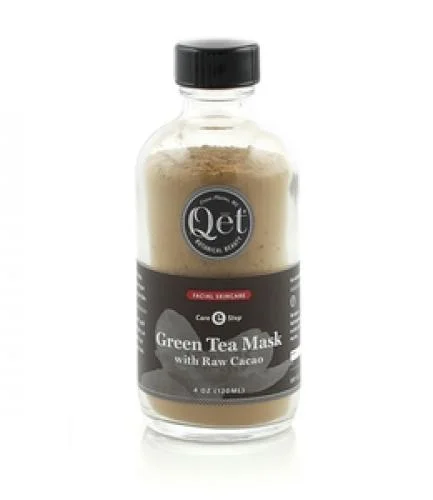
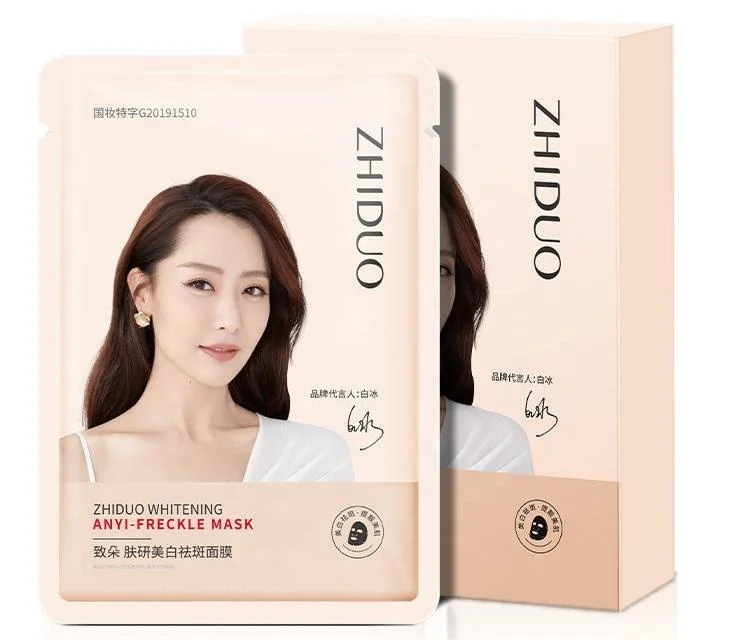


| EWG | CIR | Ingredient Name & Cosmetic Function | Notes |
|---|---|---|---|
| 1 | - | (Skin Conditioning, Masking, Emollient, Fragrance, Humectant, Antimicrobial, Skin Protecting, Uv Absorber, Antioxidant, Tonic, Astringent, Skin-Conditioning Agent -Miscellaneous) | |
| 1 | - | | |
| 1 | - | (Viscosity Controlling, Emulsion Stabilising, Abrasive, Absorbent, Bulking Agent, Opacifying, Viscosityincreasing Agent - Aqueous) | |
| EWG | CIR | Ingredient Name & Cosmetic Function | Notes |
|---|---|---|---|
| 1 | - | (Solvent) | |
| 3 | B | (Solvent, Fragrance, Humectant, Viscosity Decreasing Agent, Skin Conditioning, Viscosity Controlling, Skin-Conditioningagent - Miscellaneous) |  |
| 1 2 | A | (Solvent, Perfuming, Fragrance, Humectant, Viscosity Decreasing Agent, Hair Conditioning, Skin Protecting, Denaturant ) | |
| 1 | B | (Humectant, Hair Conditioning, Skin Conditioning, Viscosity Controlling, Antistatic Agent) | |


Camellia Sinensis (Green Tea) Leaf
1. Definition Camellia Sinensis (Green Tea) Leaf:
Camellia Sinensis (Green Tea) Leaf is a plant extract derived from the leaves of the Camellia Sinensis plant, which is commonly used to produce green tea. It is rich in antioxidants, polyphenols, and vitamins, making it a popular ingredient in cosmetics for its anti-aging and skin-soothing properties.2. Use:
Green tea leaf extract is commonly used in skincare products such as serums, creams, and masks due to its antioxidant properties. It helps to protect the skin from free radicals, reduce inflammation, and promote overall skin health. Green tea leaf extract is also known for its ability to improve the appearance of pores, reduce redness, and provide a calming effect on the skin.3. Usage Camellia Sinensis (Green Tea) Leaf:
When using cosmetics containing Camellia Sinensis (Green Tea) Leaf extract, it is important to patch test the product first to ensure that it does not cause any irritation or allergic reactions. It is recommended to follow the instructions provided on the product packaging and to use the product as directed. Green tea leaf extract can be used in both morning and evening skincare routines, and can be applied to the face, neck, and décolletage.4. References:
- Baumann, L. (2007). Cosmetic Dermatology: Principles and Practice. New York: McGraw-Hill Medical.
- Lin, Y., Shi, R., Wang, X., Shen, H. M. (2018). Luteolin, a flavonoid with potential for cancer prevention and therapy. Current Cancer Drug Targets, 18(7), 629-646.
- Nam, J. H., Moon, T. C., Kang, J. Y., Kim, C. H., Kim, H. M., Jeong, H. J. (2017). Evaluation of the anti-inflammatory effects of green tea extract on Porphyromonas gingivalis lipopolysaccharide-treated macrophages and a human keratinocyte cell line. Journal of Periodontal & Implant Science, 47(3), 144-159.
Theobromo Cacao (Cocoa) Powder
1. Definition Theobromo Cacao (Cocoa) Powder:
Theobromo Cacao (Cocoa) Powder is a natural ingredient derived from the seeds of the cacao tree. It is rich in antioxidants and minerals, making it a popular ingredient in skincare and cosmetics.2. Use:
Cocoa powder is commonly used in skincare products for its anti-inflammatory properties and ability to promote healthy skin. It can help to improve skin texture, reduce redness, and protect against environmental damage. In cosmetics, cocoa powder is often used as a pigment to add color to products such as eyeshadows, blushes, and lipsticks.3. Usage Theobromo Cacao (Cocoa) Powder:
When using Theobromo Cacao (Cocoa) Powder in cosmetics, it is important to be aware of potential allergies or sensitivities. It is recommended to perform a patch test before using products containing cocoa powder, especially if you have sensitive skin. Additionally, cocoa powder can be messy to work with, so it is important to use it carefully and avoid inhaling the powder.4. References:
- Lin, T. K., Zhong, L., & Santiago, J. L. (2017). Anti-Inflammatory and Skin Barrier Repair Effects of Topical Application of Some Plant Oils. International Journal of Molecular Sciences, 19(1), 70.
- Williams, S., Tamburic, S., & Lally, C. (2009). Eating chocolate can significantly protect the skin from UV light. Journal of Cosmetic Dermatology, 8(3), 169-173.
- Scapagnini, G., Davinelli, S., Di Renzo, L., De Lorenzo, A., Olarte, H. H., Micali, G., ... & Gonzalez, S. (2014). Cocoa bioactive compounds: significance and potential for the maintenance of skin health. Nutrients, 6(8), 3202-3213.
Moroccan Lava Clay
1. Definition Moroccan Lava Clay:
Moroccan Lava Clay, also known as Rhassoul Clay, is a natural mineral clay that is mined from the Atlas Mountains in Morocco. It has been used for centuries in traditional Moroccan beauty rituals due to its high mineral content and detoxifying properties.2. Use:
Moroccan Lava Clay is commonly used in cosmetics for its ability to absorb excess oil, dirt, and impurities from the skin. It is also known for its exfoliating and brightening properties, making it a popular ingredient in face masks, cleansers, and scrubs.3. Usage Moroccan Lava Clay:
To use Moroccan Lava Clay in skincare, it is typically mixed with water or other liquid ingredients to form a paste. This paste can then be applied to the skin and left on for a few minutes before rinsing off. It is important to follow the instructions on the product packaging and to patch test before using, as some individuals may be sensitive to the clay.Precautions: While Moroccan Lava Clay is generally considered safe for most skin types, it is always recommended to do a patch test before using to check for any adverse reactions. It is also important to avoid getting the clay in contact with the eyes or mouth, as it can be drying and irritating to these sensitive areas.
4. References:
- "Rhassoul Clay: Benefits for Skin and Hair" by Dr. Debra Jaliman, MD (https://www.healthline.com/health/rhassoul-clay)
- "The Benefits of Moroccan Rhassoul Clay for Skin and Hair" by Ksenia Avdulova (https://www.byrdie.com/rhassoul-clay-benefits)
- "Moroccan Rhassoul Clay: The Natural Beauty Secret" by The Derm Review (https://www.thedermreview.com/rhassoul-clay/)
Water
1. Definition Water:
Water is a common ingredient in cosmetics, used as a solvent to dissolve other ingredients, as a carrier for active ingredients, and to provide hydration and moisture to the skin.2. Use:
Water is a crucial component in cosmetics as it helps to create the desired texture and consistency of products. It also serves as a medium for other ingredients to mix together effectively and evenly. Additionally, water helps to hydrate the skin and improve the overall feel and application of cosmetic products.3. Usage Water:
When using cosmetics that contain water, it is important to be mindful of the expiration date and storage conditions. Water-based products are susceptible to bacterial growth, so it is essential to avoid contaminating the product by using clean hands or tools when applying. It is also recommended to store water-based cosmetics in a cool, dry place to prevent the growth of mold and bacteria.4. References:
- Draelos, Z. D. (2010). Cosmetic dermatology: products and procedures. John Wiley & Sons.
- Winter, R. (2009). A consumer's dictionary of cosmetic ingredients: complete information about the harmful and desirable ingredients found in cosmetics and cosmeceuticals. Crown.
- Begoun, P. (2003). Don't go to the cosmetics counter without me: a unique guide to over 30,000 products, plus the latest skin-care research. Beginning Press.







