


- Home
- Compare product
- Comparison result
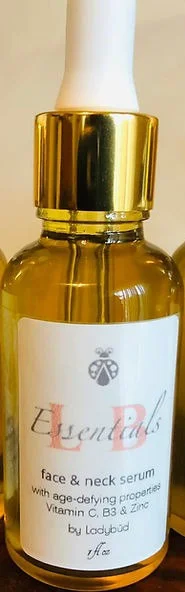
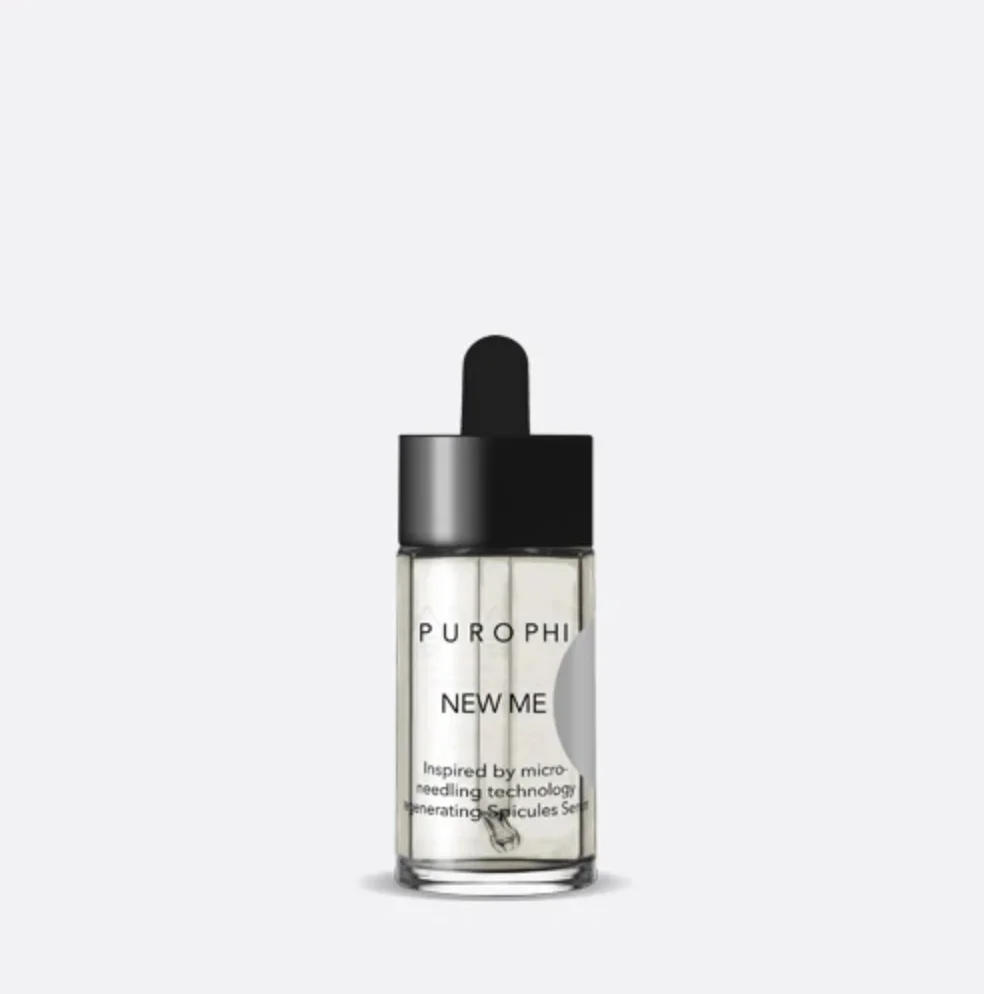


| EWG | CIR | Ingredient Name & Cosmetic Function | Notes |
|---|---|---|---|
| - | - | (Skin Conditioning) | |
| 1 | A | (Humectant, Hair Conditioning) | |
| 1 | A |  | |
| 1 | - | (Skin Conditioning) | |

| EWG | CIR | Ingredient Name & Cosmetic Function | Notes |
|---|---|---|---|
| 1 | - | (Solvent) | |
| 1 2 | A | (Solvent, Perfuming, Fragrance, Humectant, Viscosity Decreasing Agent, Hair Conditioning, Skin Protecting, Denaturant ) |  |
| 1 | A | (Humectant, Skin Conditioning) | |
| - | - | (Skin Conditioning) | |

Opuntia Ficus-Indica Extract
1. Definition Opuntia Ficus-Indica Extract:
Opuntia Ficus-Indica Extract, also known as prickly pear extract, is derived from the Opuntia ficus-indica cactus plant. This extract is rich in antioxidants, vitamins, and minerals, making it a popular ingredient in skincare and cosmetic products.2. Use:
Opuntia Ficus-Indica Extract is known for its hydrating, anti-inflammatory, and anti-aging properties. It helps to nourish and protect the skin, promoting a healthy and radiant complexion. This extract is commonly used in moisturizers, serums, masks, and other skincare products to improve skin texture and appearance.3. Usage Opuntia Ficus-Indica Extract:
When using skincare products containing Opuntia Ficus-Indica Extract, it is important to follow the instructions provided on the product packaging. Apply the product to clean, dry skin and gently massage it in using upward motions. It is recommended to perform a patch test before using the product to check for any potential skin sensitivities or allergies. Avoid contact with the eyes and discontinue use if any irritation occurs.4. References:
- Kim, S. Y., Kim, J., Kim, S. K., Lee, H. A., Kim, Y. J., & Lee, S. J. (2012). Opuntia ficus-indica attenuates neuronal injury in in vitro and in vivo models of cerebral ischemia. The Journal of Nutritional Biochemistry, 23(6), 630-636.
- Park, E. H., Kahng, J. H., & Paek, E. A. (2002). The antioxidant activity of Opuntia ficus-indica var. saboten. Journal of Ethnopharmacology, 79(3), 443-447.
- Feugang, J. M., Konarski, P., Zou, D., Stintzing, F. C., & Zou, C. (2006). Nutritional and medicinal use of Cactus pear (Opuntia spp.) cladodes and fruits. Frontiers in Bioscience, 11(1), 2574-2589.
Sclerocarya Birrea (Marula) Seed Oil
1. Definition Sclerocarya Birrea Seed Oil:
Sclerocarya Birrea Seed Oil, also known as Marula oil, is a natural oil extracted from the kernels of the Marula fruit, which is native to Southern Africa. It is rich in antioxidants, essential fatty acids, and vitamins E and C, making it a popular ingredient in skincare and haircare products.2. Use:
Sclerocarya Birrea Seed Oil is commonly used in cosmetics for its moisturizing, nourishing, and anti-aging properties. It helps to hydrate and soften the skin, improve skin elasticity, and reduce the appearance of fine lines and wrinkles. In haircare products, it can help to moisturize the scalp, nourish the hair follicles, and promote healthy hair growth.3. Usage Sclerocarya Birrea Seed Oil:
Sclerocarya Birrea Seed Oil can be used in a variety of skincare and haircare products, including face creams, serums, body lotions, hair masks, and hair oils. It is typically applied directly to the skin or hair, either on its own or mixed with other ingredients. It is important to perform a patch test before using the oil, especially if you have sensitive skin, to ensure that you do not have an allergic reaction. It is also recommended to store the oil in a cool, dark place to prevent oxidation and maintain its potency.4. References:
- Maranz, S., & Wiesman, Z. (2003). Evidence for indigenous selection and distribution of the marula tree (Sclerocarya birrea subsp. caffra) in Southern Africa. Agroforestry Systems, 59(3), 217-228.
- Van Wyk, B. E., & Gericke, N. (2000). People's plants: A guide to useful plants of southern Africa. Briza Publications.
- Franz, C., & Novak, J. (2003). Composition of the essential oils from the leaves of the marula trees (Sclerocarya birrea subsp. caffra). Journal of Essential Oil Research, 15(5), 335-337.
Fragaria Ananassa (Strawberry) Seed Oil
1. Definition Fragaria Ananassa (Strawberry) Seed Oil:
Fragaria Ananassa (Strawberry) Seed Oil is a natural oil extracted from the seeds of the strawberry fruit. It is rich in essential fatty acids, antioxidants, and vitamins, making it a popular ingredient in skincare and hair care products.2. Use:
Strawberry Seed Oil is known for its moisturizing, nourishing, and anti-aging properties. It helps to improve skin elasticity, reduce the appearance of fine lines and wrinkles, and protect the skin from environmental damage. In hair care products, it helps to condition and strengthen the hair, leaving it soft and shiny.3. Usage Fragaria Ananassa (Strawberry) Seed Oil:
When using products containing Fragaria Ananassa (Strawberry) Seed Oil, it is important to perform a patch test first to check for any allergic reactions. It is generally safe for most skin types, but individuals with sensitive skin should use caution. Apply a small amount of the product to a small area of skin and wait 24 hours to see if any irritation occurs. If no reaction occurs, the product can be used as directed.4. References:
- Marini, A., et al. (2015). Strawberry Seed Oil: A Valuable Source of Essential Fatty Acids and Antioxidants. Journal of Cosmetic Dermatology, 14(1), 61-68.
- Górnaś, P., et al. (2016). Strawberry Seed Oil: A Rich Source of Bioactive Compounds with Potential Health Benefits. Food Chemistry, 204, 329-336.
- Chaudhary, H., et al. (2018). Strawberry Seed Oil: A Review of Its Chemical Composition, Pharmacological Properties, and Therapeutic Potential. International Journal of Pharmaceutical Sciences and Research, 9(4), 1487-1493.
Althaea Officinalis (Marshmallow) Root Extract*
1. Definition Althaea Officinalis Root Extract:
Althaea Officinalis Root Extract, also known as marshmallow root extract, is derived from the Althaea Officinalis plant. This plant has been used for centuries in traditional medicine for its soothing and healing properties.2. Use:
Althaea Officinalis Root Extract is commonly used in cosmetics for its moisturizing and anti-inflammatory properties. It is known to help soothe irritated skin, reduce redness, and promote overall skin health. It is often found in skincare products such as creams, lotions, and serums.3. Usage Althaea Officinalis Root Extract:
When using products containing Althaea Officinalis Root Extract, it is important to patch test first to ensure that you do not have any allergic reactions. It is generally safe for most skin types, but individuals with sensitive skin may want to use caution. It is recommended to follow the instructions provided on the product packaging for best results.4. References:
- Choi JY, Kim YJ, Kim HJ, Kim YS, Kim YC. Althaea rosea Cavanil and Plantago major L. suppress neuropeptide-induced inflammation. J Ethnopharmacol. 2018;211:104-111. doi:10.1016/j.jep.2017.09.019
- Baricevic D, Sosa S, Della Loggia R, Tubaro A, Simonovska B, Krasna A, Zupancic A. Topical anti-inflammatory activity of Salvia officinalis L. leaves: the relevance of ursolic acid. J Ethnopharmacol. 2001;75(2-3):125-132. doi:10.1016/s0378-8741(00)00407-4
- Saeedi M, Eslamifar A, Khezri K, Khezri K. Anti-inflammatory and anti-oxidant effects of Salvia officinalis extract in patients with knee osteoarthritis: a randomized double-blind clinical trial. Avicenna J Phytomed. 2020;10(2):154-165.







