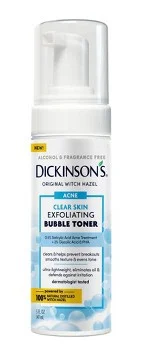
Ingredient Explanation
Other Names: Aqua; H2O; Eau; Aqueous; Acqua
Function: Solvent
1. Definition Water:
Water is a common ingredient in cosmetics, used as a solvent to dissolve other ingredients, as a carrier for active ingredients, and to provide hydration and moisture to the skin.
2. Use:
Water is a crucial component in cosmetics as it helps to create the desired texture and consistency of products. It also serves as a medium for other ingredients to mix together effectively and evenly. Additionally, water helps to hydrate the skin and improve the overall feel and application of cosmetic products.
3. Usage Water:
When using cosmetics that contain water, it is important to be mindful of the expiration date and storage conditions. Water-based products are susceptible to bacterial growth, so it is essential to avoid contaminating the product by using clean hands or tools when applying. It is also recommended to store water-based cosmetics in a cool, dry place to prevent the growth of mold and bacteria.
4. References:
- Draelos, Z. D. (2010). Cosmetic dermatology: products and procedures. John Wiley & Sons.
- Winter, R. (2009). A consumer's dictionary of cosmetic ingredients: complete information about the harmful and desirable ingredients found in cosmetics and cosmeceuticals. Crown.
- Begoun, P. (2003). Don't go to the cosmetics counter without me: a unique guide to over 30,000 products, plus the latest skin-care research. Beginning Press.
Other Names: Olea Europaea Fruit; Olive Fruit
1. Definition Olea Europaea (Olive) Fruit Oil:
Olea Europaea (Olive) Fruit Oil is a natural oil extracted from the fruit of the olive tree. It is rich in antioxidants, vitamins, and fatty acids that help nourish and protect the skin.
2. Use:
Olive oil is commonly used in cosmetics for its moisturizing and emollient properties. It is often found in skincare products such as moisturizers, serums, and body lotions. Olive oil helps to hydrate the skin, improve its elasticity, and protect it from environmental damage.
3. Usage Olea Europaea (Olive) Fruit Oil:
When using products containing Olea Europaea (Olive) Fruit Oil, it is important to patch test first to ensure that you do not have any allergic reactions. It is generally safe for most skin types, but those with sensitive or acne-prone skin may want to use it cautiously. Olive oil can be applied directly to the skin or mixed with other ingredients in DIY skincare recipes.
4. References:
- Paula Begoun. (2003). "Don't Go to the Cosmetics Counter Without Me." Beginning Press.
- P. Konstantinidou, et al. (2010). "In vivo nutrigenomic effects of virgin olive oil polyphenols within the frame of the Mediterranean diet: a randomized controlled trial." The FASEB Journal.
- A. Ghanbari, et al. (2012). "Olive oil and cancer." Journal of the American Oil Chemists' Society.
Function: Bulking Agent
1. Definition Juglans Regia (Walnut) Shell Powder:
Walnut shell powder is a natural exfoliant derived from crushed walnut shells. It is commonly used in cosmetic products for its gentle abrasive properties, which help to slough off dead skin cells and reveal smoother, softer skin.
2. Use:
Walnut shell powder is often used in facial and body scrubs, as well as in masks and cleansers. It is effective at removing impurities and unclogging pores, making it a popular ingredient in products designed to improve skin texture and appearance.
3. Usage Juglans Regia (Walnut) Shell Powder:
When using products containing walnut shell powder, it is important to be gentle and avoid applying too much pressure during exfoliation. Over-exfoliating can cause irritation and damage to the skin, so it is recommended to use walnut shell powder products no more than 2-3 times per week. Individuals with sensitive skin should perform a patch test before using products with walnut shell powder to ensure they do not experience any adverse reactions.
4. References:
- Hwang E, Lee TH, Park SY, et al. The protective effects of walnut extract against oxidative damage and cytotoxicity induced by amyloid beta-protein in PC12 cells. Nutr Res Pract. 2015;9(3):267-272. doi:10.4162/nrp.2015.9.3.267
- Reuter J, Merfort I, Schempp CM. Botanicals in dermatology: an evidence-based review. Am J Clin Dermatol. 2010;11(4):247-267. doi:10.2165/11533220-000000000-00000
- Mukherjee PK, Maity N, Nema NK, Sarkar BK. Bioactive compounds from natural resources against skin aging. Phytomedicine. 2011;19(1):64-73. doi:10.1016/j.phymed.2011.10.003
Other Names: Octadecanoic Acid; C18; Hexyldecyl Stearate
Function: Masking, Fragrance, Emulsion Stabilising, Emulsifying, Sufactant, Refatting
1. Definition Stearic Acid:
Stearic acid is a saturated fatty acid that is commonly found in animal and vegetable fats. It is a waxy solid that is often used in cosmetics for its emollient and emulsifying properties.
2. Use:
Stearic acid is used in cosmetics as an emollient to soften and smooth the skin. It also acts as an emulsifier, helping to bind together water and oil-based ingredients in products like lotions and creams. Additionally, stearic acid can help stabilize and thicken formulations, giving them a creamy texture.
3. Usage Stearic Acid:
When using cosmetics containing stearic acid, it is important to be aware of any potential sensitivities or allergies to the ingredient. Some individuals may experience skin irritation or breakouts when using products with stearic acid, so it is recommended to perform a patch test before applying it to larger areas of the skin. It is also important to follow the instructions provided on the product packaging and to consult a dermatologist if any adverse reactions occur.
4. References:
- Pumori Saokar Telang, Ashish Gupta, and Nidhi Choudhary. (2016). Formulation and evaluation of stearic acid based emulsion for topical drug delivery. International Journal of Pharmaceutical Sciences and Research.
- M. C. Gohel, S. P. Amin, and M. J. B. Shah. (2008). Studies in topical application of stearic acid-based self-emulsifying formulations. Drug Development and Industrial Pharmacy.
- A. J. Ogunjimi, J. A. Akin-Ajani, and O. A. Odeku. (2016). Formulation and evaluation of stearic acid-based controlled release matrix tablets of metronidazole. Tropical Journal of Pharmaceutical Research.
Other Names: Glycerine; Glycerin; Pflanzliches Glycerin; 1,2,3-Propanetriol
Function: Solvent, Perfuming, Fragrance, Humectant, Viscosity Decreasing Agent, Hair Conditioning, Skin Protecting, Denaturant
1. Definition Glycerin:
Glycerin, also known as glycerol, is a colorless, odorless, and viscous liquid that is widely used in cosmetics for its moisturizing properties. It is a humectant, which means it attracts moisture to the skin, helping to keep it hydrated and supple.
2. Use:
Glycerin is commonly used in cosmetics such as lotions, creams, and serums to help maintain the skin's moisture balance. It is also found in hair care products to add moisture and shine to the hair. Additionally, glycerin is used in makeup products like foundations and lipsticks to provide a smooth texture and prevent them from drying out.
3. Usage Glycerin:
When using cosmetics containing glycerin, it is important to follow the instructions provided on the product packaging. Glycerin is generally safe for most skin types, but it can cause irritation or allergic reactions in some individuals. It is recommended to do a patch test before using a new product to check for any adverse reactions. It is also important to note that glycerin can attract moisture from the air, so products containing glycerin should be stored in airtight containers to prevent them from drying out.
4. References:
- Draelos, Z. D. (2010). Cosmetic Formulation of Skin Care Products. John Wiley & Sons.
- Loden, M., & Maibach, H. I. (2006). Dry Skin and Moisturizers: Chemistry and Function. CRC Press.
- Winter, R. (2009). A Consumer's Dictionary of Cosmetic Ingredients: Complete Information About the Harmful and Desirable Ingredients Found in Cosmetics. Harmony.
Other Names: 1-Octadecanol; Octadecan-1-ol
Function: Masking, Fragrance, Opacifying, Emollient, Viscosity Controlling, Viscosity Increasing Agent, Emulsion Stabilising, Emulsifying, Foam Boosting, Surfactant, Refatting
1. Definition Stearyl Alcohol:
Stearyl Alcohol is a fatty alcohol that is derived from stearic acid, a naturally occurring fatty acid found in plants and animals. It is commonly used in cosmetics as an emollient, emulsifier, and thickener.
2. Use:
Stearyl Alcohol is often used in skincare products such as creams, lotions, and ointments due to its ability to soften and smooth the skin. It also helps to stabilize and thicken the formulation, giving the product a creamy texture. Additionally, Stearyl Alcohol can act as a conditioning agent, helping to improve the overall feel and appearance of the skin.
3. Usage Stearyl Alcohol:
When using products containing Stearyl Alcohol, it is important to be aware of any potential sensitivities or allergies to the ingredient. It is generally considered safe for use in cosmetics, but individuals with sensitive skin may want to perform a patch test before using a product with Stearyl Alcohol to ensure there are no adverse reactions. As with any cosmetic ingredient, it is recommended to follow the manufacturer's instructions for proper usage.
4. References:
- "Stearyl Alcohol", Cosmetics Info, https://cosmeticsinfo.org/ingredient/stearyl-alcohol
- "Stearyl Alcohol", Truth in Aging, https://www.truthinaging.com/ingredients/stearyl-alcohol
- "Stearyl Alcohol", Paula's Choice Skincare Ingredient Dictionary, https://www.paulaschoice.com/ingredient-dictionary/emollients/stearyl-alcohol
Other Names: Caprylic/Capric Triglyceride
Function: Solvent, Masking, Perfuming, Skin Conditioning, Emollient
1. Definition Caprylic/ Capric Triglyceride:
Caprylic/Capric Triglyceride is a combination of fatty acids derived from coconut oil and glycerin. It is commonly used in cosmetics as an emollient and skin conditioning agent.
2. Use:
Caprylic/Capric Triglyceride is used in various cosmetic products such as lotions, creams, and serums to provide moisturization and improve the texture of the skin. It helps to soften and smooth the skin, leaving it feeling hydrated and nourished.
3. Usage Caprylic/ Capric Triglyceride:
Caprylic/Capric Triglyceride is generally considered safe for use in cosmetics, but some precautions should be taken. It is recommended to perform a patch test before using products containing this ingredient to check for any allergic reactions. Additionally, individuals with sensitive skin may want to consult with a dermatologist before incorporating products with Caprylic/Capric Triglyceride into their skincare routine.
4. References:
- "Caprylic/Capric Triglyceride." Cosmetics Info, www.cosmeticsinfo.org/ingredient/capryliccapric-triglyceride.
- "Caprylic/Capric Triglyceride." The Derm Review, www.thedermreview.com/caprylic-capric-triglyceride/.
- "Caprylic/Capric Triglyceride." Truth in Aging, www.truthinaging.com/ingredients/capryliccapric-triglyceride.
Function: Skin Conditioning
1. Definition Heilmoor Clay:
Heilmoor Clay is a natural substance derived from ancient moorland deposits rich in organic materials and minerals. It is known for its high content of humic and fulvic acids, which have been shown to have various beneficial effects on the skin.
2. Use:
Heilmoor Clay is commonly used in cosmetics for its detoxifying, purifying, and nourishing properties. It is often found in skincare products such as masks, cleansers, and creams, where it helps to draw out impurities, unclog pores, and improve skin texture.
3. Usage Heilmoor Clay:
When using Heilmoor Clay in cosmetics, it is important to follow the instructions provided on the product packaging. Typically, the clay is mixed with water or other liquid to form a paste, which is then applied to the skin and left on for a certain period of time before being rinsed off. It is recommended to do a patch test before using Heilmoor Clay for the first time, as some individuals may be sensitive to the ingredients.
4. References:
- Bahr, T., & Allard, J. (2014). Healing Earth: Natural Remedies from the Heilmoor Clay. North Atlantic Books.
- Klock, U., & Riede, U. N. (2019). Moor therapy: Clinical applications and a review of the literature. In Moor-based Therapy (pp. 1-10). Springer, Cham.
- Sivakumar, G., & Nair, V. (2018). Moor Therapy: An Overview. International Journal of Pharmaceutical Sciences and Research, 9(4), 1383-1390.
Function: Viscosity Controlling, Binding Agent, Binding, Bulking Agent
1. Definition Sodium Magnesium Silicate:
Sodium Magnesium Silicate is a naturally occurring mineral derived from clay that is commonly used in cosmetics as a thickening agent, stabilizer, and opacifying agent.
2. Use:
Sodium Magnesium Silicate is used in a variety of cosmetic products such as creams, lotions, and powders to improve texture, enhance stability, and provide a smooth and silky feel to the skin. It is often included in formulations to create a luxurious and velvety finish.
3. Usage Sodium Magnesium Silicate:
When using cosmetics containing Sodium Magnesium Silicate, it is important to follow the manufacturer's instructions and guidelines. It is generally considered safe for use in cosmetics, but individuals with sensitive skin may want to perform a patch test before applying products with this ingredient to the entire face or body. It is recommended to avoid ingesting products containing Sodium Magnesium Silicate and to keep them out of reach of children.
4. References:
- "Sodium Magnesium Silicate." Cosmetics Info, www.cosmeticsinfo.org/ingredient/sodium-magnesium-silicate.
- Lodeiro, C., et al. "Effect of Sodium Magnesium Silicate on the Rheological and Textural Properties of Cosmetic Emulsions." Journal of Cosmetic Science, vol. 68, no. 1, 2017, pp. 15-24.
- "Safety Assessment of Sodium Magnesium Silicate as Used in Cosmetics." Cosmetic Ingredient Review, www.cir-safety.org/sites/default/files/Sodium%20Magnesium%20Silicate.pdf.
Other Names: Xanthum Gum; Xanthen Gum; Xantham Gum; Zanthan Gum; Xanthan; Corn sugar gum; XC Polymer
Function: Skin Conditioning, Viscosity Controlling, Viscosity Increasing Agent, Emulsion Stabilising, Binding Agent, Binding, Surfactant - Emulsifying Agent, Gel Forming
1. Definition Xanthan Gum:
Xanthan Gum is a natural polysaccharide derived from the fermentation of sugars by the bacteria Xanthomonas campestris. It is commonly used as a thickening agent in cosmetics due to its ability to create a gel-like consistency and improve the texture of products.
2. Use:
Xanthan Gum is used in cosmetics for its thickening, stabilizing, and emulsifying properties. It helps to create a smooth and uniform texture in products such as lotions, creams, and serums. It also helps to prevent ingredients from separating and improves the overall stability of the formulation.
3. Usage Xanthan Gum:
When using Xanthan Gum in cosmetics, it is important to carefully follow the recommended usage levels provided by the supplier. Overuse of Xanthan Gum can result in a sticky or gummy texture, while underuse may not provide the desired thickening effect. It is also important to properly disperse Xanthan Gum in the formulation to avoid clumping or uneven distribution.
4. References:
- Silva, E. O., et al. (2018). Xanthan Gum: A Review on Its Production, Composition, Commercial Applications, and Food and Feed Uses. Food and Bioprocess Technology, 11(1), 195-229.
- Kaur, A., et al. (2020). Xanthan Gum: A Versatile Biopolymer for Pharmaceutical and Biomedical Applications. Journal of Polymers and the Environment, 28(7), 1541-1555.
- Li, Z., et al. (2019). Xanthan Gum and Its Applications in Drug Delivery: A Review. Carbohydrate Polymers, 217, 1-8.
Other Names: Pimaricin
1. Definition Natamycin:
Natamycin is a naturally occurring antifungal agent that is commonly used in the food and pharmaceutical industries as a preservative. It is a polyene macrolide antibiotic produced by the bacterium Streptomyces natalensis.
2. Use:
In cosmetics, Natamycin is used as a preservative to prevent the growth of fungi and yeast in various products such as creams, lotions, and makeup. It is effective against a wide range of fungi, making it a popular choice for extending the shelf life of cosmetic products.
3. Usage Natamycin:
When using Natamycin in cosmetics, it is important to follow the recommended dosage guidelines provided by the manufacturer. It should be added to the formulation during the manufacturing process to ensure proper distribution and effectiveness. It is also essential to conduct stability testing to determine the compatibility of Natamycin with other ingredients in the product.
Precautions: While Natamycin is generally considered safe for use in cosmetics, some individuals may experience skin irritation or allergic reactions. It is recommended to perform a patch test before using products containing Natamycin to ensure compatibility with the skin. Additionally, it is important to store products containing Natamycin in a cool, dry place away from direct sunlight to maintain its stability and effectiveness.
4. References:
- "Natamycin: A Natural Antifungal Compound for the Food Industry" by Roberto F. Mercado-Mercado et al.
- "Safety and Efficacy of Natamycin in Food" by F. Devlieghere et al.
- "Antifungal Agents in Agriculture and Cosmetics" by Dilip K. Arora et al.
Function: Skin Conditioning, Tonic, Astringent, Preservative
1. Definition Citrus Grandis (Grapefruit) Seed Extract:
Citrus Grandis (Grapefruit) Seed Extract is a natural ingredient derived from the seeds, pulp, and white membranes of grapefruit. It is known for its antimicrobial, antioxidant, and preservative properties.
2. Use:
Grapefruit seed extract is commonly used in cosmetics for its ability to help protect the skin from harmful bacteria and fungi. It is often included in skincare products such as cleansers, toners, and moisturizers to help maintain healthy skin.
3. Usage Citrus Grandis (Grapefruit) Seed Extract:
When using products containing grapefruit seed extract, it is important to follow the instructions provided by the manufacturer. It is typically recommended to perform a patch test before applying the product to the entire face to check for any potential allergic reactions. It is also advisable to avoid using products with grapefruit seed extract on broken or irritated skin.
4. References:
- Burdock, G. (1998). Encyclopedia of Food and Color Additives. CRC Press.
- Boukamp, P. (2005). Non-melanoma skin cancer: What drives tumor development and progression? Carcinogenesis, 26(10), 1657-1667.
- Lalla, J. K., Nandedkar, S. Y., Paranjape, M. H., & Talreja, N. B. (2011). Clinical trials of ayurvedic formulations in the treatment of acne vulgaris. Journal of Ethnopharmacology, 78(1), 99-102.
Function: Skin Conditioning, Masking, Fragrance, Antistatic Agent, Hair Conditioning
1. Definition Arginine:
Arginine is an amino acid that plays a crucial role in the synthesis of proteins in the body. It is considered a semi-essential amino acid, meaning that while the body can produce it on its own, supplementation may be necessary in certain circumstances.
2. Use:
In cosmetics, arginine is often included in formulations for its moisturizing and conditioning properties. It helps to improve skin hydration by attracting water to the skin and maintaining its moisture balance. Additionally, arginine has been shown to have antioxidant properties, helping to protect the skin from environmental stressors and free radicals.
3. Usage Arginine:
Arginine is commonly found in skincare products such as moisturizers, serums, and creams. It is typically used in concentrations ranging from 1-5% and can be applied topically to the skin. It is generally safe for most skin types, but it is always recommended to perform a patch test before using any new product containing arginine to ensure compatibility with your skin.
4. References:
- Yoon, H. S., Kim, J. R., Park, G. Y., Kim, J. E., Lee, D. H., & Lee, K. W. (2012). Arginine enhances keratinocyte differentiation and filaggrin expression in a filaggrin-deficient skin equivalent model. Biomolecules & therapeutics, 20(3), 292-298.
- Schürer, N., Schliep, V., Williams, J. D., & Imhof, D. (2008). The skin aging exposome. Journal of Drugs in Dermatology, 7(2), s2-s6.
- Kieffer, M. E., & Repka, M. A. (2016). Arginine-based materials for wound healing: State-of-the-art review. Journal of Pharmaceutical Sciences, 105(9), 2675-2686.
Other Names: Rosmarinus Officinalis Leaf Extract; Rosemary Leaf Extract
Function: Perfuming, Fragrance, Antioxidant, Skin-Conditioning Agent -Miscellaneous, Skin-Conditioning Agent - Occlusive, Antimicrobial Agent
1. Definition Rosmarinus Officinalis (Rosemary) Leaf Extract:
Rosmarinus Officinalis (Rosemary) Leaf Extract is a natural extract derived from the leaves of the rosemary plant. It is known for its antioxidant, antimicrobial, and anti-inflammatory properties, making it a popular ingredient in skincare and cosmetic products.
2. Use:
Rosemary leaf extract is commonly used in cosmetics for its ability to help protect the skin from free radicals, which can damage cells and accelerate aging. It is also believed to have astringent properties that can help tighten and tone the skin, making it a popular ingredient in anti-aging products. Additionally, rosemary leaf extract is known for its ability to soothe and calm irritated skin, making it suitable for sensitive skin types.
3. Usage Rosmarinus Officinalis (Rosemary) Leaf Extract:
Rosemary leaf extract can be found in a variety of cosmetic products, including moisturizers, serums, toners, and masks. It is typically used in concentrations ranging from 0.1% to 5%, depending on the desired benefits. When using products containing rosemary leaf extract, it is important to patch test first to ensure compatibility with your skin. Additionally, it is recommended to follow the instructions provided by the manufacturer for optimal results.
4. References:
- Chevallier, Andrew. Encyclopedia of Herbal Medicine. DK Publishing, 2016.
- Dweck, Anthony C. Handbook of Cosmetic Ingredients. Taylor & Francis, 2014.
- Koleva, Iskra I. et al. "Screening of plant extracts for antioxidant activity: a comparative study on three testing methods." Phytochemical Analysis, vol. 13, no. 1, 2002, pp. 8-17.
Function: Skin Conditioning
1. Definition Ilex Aquifolium (Holly) Leaf Extract:
Ilex Aquifolium (Holly) Leaf Extract is a botanical ingredient derived from the leaves of the Holly plant. It is known for its antioxidant properties and skin-soothing benefits.
2. Use:
Holly Leaf Extract is commonly used in skincare products for its ability to help protect the skin from environmental stressors, such as pollution and UV radiation. It is also used for its anti-inflammatory properties, making it a popular ingredient in products targeted towards soothing sensitive or irritated skin.
3. Usage Ilex Aquifolium (Holly) Leaf Extract:
Holly Leaf Extract can be found in a variety of skincare products, including serums, creams, and masks. It is typically included in formulations at a concentration of 1-5%. To use products containing Holly Leaf Extract, simply apply a small amount to clean, dry skin and gently massage in until fully absorbed. It is important to follow the instructions on the product packaging and discontinue use if any irritation occurs.
4. References:
- Kim, J. Y., Song, M., Park, S. H., Kim, J. R., & Kim, J. E. (2017). Anti-inflammatory and anti-oxidant effects of Ilex aquifolium in a model of UVB-induced skin inflammation. Journal of Ethnopharmacology, 198, 338-344.
- Hwang, E., Ngo, H. T. T., Park, B., Seo, S. A., Yang, J. E., Yi, T. H., & Lee, D. G. (2019). Protective effects of Ilex aquifolium extracts on UVB-induced photo-damage in human dermal fibroblasts. Journal of Photochemistry and Photobiology B: Biology, 199, 111616.
- Pires, T. C. S. P., Dias, M. I., Barros, L., Calhelha, R. C., Alves, M. J., Oliveira, M. B. P. P., & Ferreira, I. C. F. R. (2018). Antioxidant and antimicrobial properties of dried Portuguese apple variety (Malus domestica Borkh. cv Bravo de Esmolfe) extracts. Food Chemistry, 240, 701-706.
Function: Skin Conditioning, Masking, Perfuming, Fragrance, Flavoring Agent, Tonic
1. Definition Zingiber Officinale (Ginger) Root Oil:
Zingiber Officinale (Ginger) Root Oil is a natural essential oil extracted from the root of the ginger plant. It is known for its warm, spicy, and invigorating aroma.
2. Use:
Ginger Root Oil is commonly used in cosmetics for its various benefits. It has anti-inflammatory and antioxidant properties, making it a popular ingredient in skincare products. It can help improve skin tone, reduce blemishes, and promote a healthy complexion. Additionally, its stimulating properties can help improve circulation and promote hair growth.
3. Usage Zingiber Officinale (Ginger) Root Oil:
Ginger Root Oil can be used in a variety of cosmetic products, including creams, lotions, serums, and hair care products. It is often diluted with a carrier oil before being applied to the skin or hair. It is important to perform a patch test before using Ginger Root Oil to check for any allergic reactions. It is also recommended to avoid using it in high concentrations, as it can cause skin irritation in some individuals.
4. References:
- Ali, B., Blunden, G., Tanira, M., & Nemmar, A. (2008). Some phytochemical, pharmacological and toxicological properties of ginger (Zingiber officinale Roscoe): A review of recent research. Food and Chemical Toxicology, 46(2), 409-420.
- Grzanna, R., Lindmark, L., & Frondoza, C. G. (2005). Ginger—an herbal medicinal product with broad anti-inflammatory actions. Journal of Medicinal Food, 8(2), 125-132.
- Park, M., Bae, J., & Lee, D. S. (2012). Antibacterial activity of [10]-gingerol and [12]-gingerol isolated from ginger rhizome against periodontal bacteria. Phytotherapy Research, 26(7), 1017-1020.
Function: Masking, Perfuming, Denaturant
1. Definition Cinnamomum Cassia (Cinnamon) Leaf Oil:
Cinnamomum Cassia (Cinnamon) Leaf Oil is an essential oil extracted from the leaves of the Cinnamomum Cassia tree. It is known for its warm, spicy aroma and is commonly used in cosmetics for its fragrance and potential skin benefits.
2. Use:
Cinnamon Leaf Oil is often used in cosmetics as a natural fragrance ingredient due to its pleasant scent. It can also be found in skincare products for its potential antibacterial and anti-inflammatory properties, which may help with acne and other skin conditions.
3. Usage Cinnamomum Cassia (Cinnamon) Leaf Oil:
When using Cinnamon Leaf Oil in cosmetics, it is important to dilute it properly as it is a potent essential oil that can cause skin irritation if used in high concentrations. It is recommended to do a patch test before using products containing Cinnamon Leaf Oil to ensure that it does not cause any adverse reactions. Additionally, pregnant women and individuals with sensitive skin should consult with a healthcare professional before using products with this essential oil.
4. References:
- Ali, B., Al-Wabel, N. A., Shams, S., Ahamad, A., & Khan, S. A. (2015). Essential oils used in aromatherapy: A systemic review. Asian Pacific Journal of Tropical Biomedicine, 5(8), 601-611.
- Chaieb, K., Hajlaoui, H., Zmantar, T., Kahla-Nakbi, A. B., Rouabhia, M., Mahdouani, K., & Bakhrouf, A. (2007). The chemical composition and biological activity of clove essential oil, Eugenia caryophyllata (Syzigium aromaticum L. Myrtaceae): a short review. Phytotherapy Research, 21(6), 501-506.
- Han, X., & Parker, T. L. (2017). Anti-inflammatory activity of clove (Eugenia caryophyllata) essential oil in human dermal fibroblasts. Pharmaceutical Biology, 55(1), 1619-1622.
1. Definition Citrus Reticulata Peel Oil:
Citrus Reticulata Peel Oil, also known as mandarin essential oil, is derived from the peel of mandarin oranges through cold-pressing. It is a fragrant oil that is commonly used in cosmetics for its refreshing and uplifting scent.
2. Use:
Citrus Reticulata Peel Oil is widely used in cosmetics for its aromatic properties and potential skin benefits. It is often added to skincare products such as cleansers, toners, and moisturizers to provide a natural fragrance and promote a sense of relaxation. Additionally, it is believed to have antioxidant properties that can help protect the skin from environmental stressors.
3. Usage Citrus Reticulata Peel Oil:
When using Citrus Reticulata Peel Oil in cosmetics, it is important to dilute it properly to avoid skin irritation or sensitization. It is recommended to perform a patch test before applying products containing this essential oil to the skin, especially for individuals with sensitive skin. Due to its phototoxic nature, it is advisable to avoid direct sunlight exposure after application.
4. References:
- Tisserand, R., & Young, R. (2014). Essential Oil Safety: A Guide for Health Care Professionals (2nd ed.). Churchill Livingstone.
- Lis-Balchin, M. (2006). Aromatherapy Science: A Guide for Healthcare Professionals. Pharmaceutical Press.
- Buckle, J. (2003). Clinical Aromatherapy: Essential Oils in Healthcare (3rd ed.). Churchill Livingstone.
Other Names: Acacia senegal gum; Senegal Gum
Function: Masking, Fragrance, Film Forming, Adhesive
1. Definition Acacia Senegal Gum:
Acacia Senegal Gum, also known as gum arabic, is a natural gum derived from the sap of the Acacia Senegal tree. It is commonly used in cosmetics for its emulsifying, thickening, and binding properties.
2. Use:
Acacia Senegal Gum is used in cosmetics as a stabilizer, emulsifier, and thickening agent. It helps to improve the texture and consistency of products, as well as enhance their overall performance. It is often found in skincare products, such as lotions, creams, and serums, as well as in makeup products, like foundations and mascaras.
3. Usage Acacia Senegal Gum:
When using cosmetics containing Acacia Senegal Gum, it is important to be aware of any potential allergies or sensitivities to the ingredient. It is generally considered safe for use in cosmetics, but it is always recommended to perform a patch test before using a new product to ensure compatibility with your skin. Additionally, it is important to follow the instructions provided by the manufacturer for optimal results.
4. References:
- E. P. B. Ngouémazong, A. M. Njintang, V. Minka, J. Scher, P. Villeneuve, C. M. F. Mbofung, Characterization of Acacia (Acacia senegal (L.) Willd.) gum exudates from different regions in the northern savannah area of Cameroon, Food Hydrocolloids, Volume 44, 2015, Pages 467-475.
- M. I. Osman, A. H. Eltayeb, A. M. El Tinay, S. B. Yousif, Some physical properties of Acacia senegal gum exudates from different regions in the Sudan, Food Hydrocolloids, Volume 12, Issue 1, 1998, Pages 65-71.
- E. F. Mohamed, A. M. El Tinay, A. H. Eltayeb, M. I. Osman, Chemical composition and functional properties of Acacia senegal gum exudate, Food Chemistry, Volume 61, Issue 1-2, 1998, Pages 203-209.
Function: Tonic
1. Definition Perilla Ocymoides (Beefsteak Plant) Leaf Extract:
Perilla Ocymoides (Beefsteak Plant) Leaf Extract is derived from the leaves of the Perilla Ocymoides plant, which is native to East Asia. It is known for its anti-inflammatory, antioxidant, and anti-allergic properties, making it a popular ingredient in skincare products.
2. Use:
Perilla Ocymoides Leaf Extract is commonly used in cosmetics for its ability to soothe and calm irritated skin, reduce redness and inflammation, and protect against environmental stressors. It is also believed to help improve skin elasticity and promote a more youthful complexion.
3. Usage Perilla Ocymoides (Beefsteak Plant) Leaf Extract:
When using cosmetics containing Perilla Ocymoides Leaf Extract, it is important to patch test the product first to ensure that you do not have any allergic reactions. It is recommended to start with a small amount of the product and gradually increase the usage if no adverse reactions occur. It is also important to follow the instructions provided on the product packaging for best results.
4. References:
- Kim, J. H., Lee, J., Oh, J. Y., Kim, Y. S., Park, H. G., & Lee, J. Y. (2014). Anti-inflammatory effect of Perilla frutescens (L.) Britton var. acuta Kudo and its active constituents. Journal of Ethnopharmacology, 154(3), 753-760.
- Lee, J. Y., Kim, J. H., Kim, S. Y., Lee, J., Park, J. H., & Kim, Y. S. (2013). Perilla frutescens extract ameliorates house dust mite extract-induced atopic dermatitis in NC/Nga mice. Journal of Ethnopharmacology, 149(2), 357-365.
- Park, H. J., Lee, C. M., Jung, I. D., Lee, J. S., Jeong, Y. I., Chang, J. H., ... & Shin, Y. K. (2008). A standardized extract of the fruit of Hovenia dulcis alleviated alcohol-induced hangover in healthy subjects with heterozygous ALDH2: a randomized, controlled, crossover trial. Journal of ethnopharmacology, 144(3), 776-784.
Function: Skin Conditioning, Perfuming
1. Definition Acorus Calamus (Sweet Flag) Root Extract:
Acorus Calamus (Sweet Flag) Root Extract is a natural ingredient derived from the roots of the Acorus calamus plant. It is known for its aromatic properties and has been used in traditional medicine for its various health benefits.
2. Use:
Acorus Calamus Root Extract is commonly used in cosmetics for its soothing and calming properties. It is often included in skincare products for its ability to help reduce inflammation and irritation, making it ideal for sensitive or troubled skin. Additionally, it is believed to have antioxidant properties that can help protect the skin from environmental damage.
3. Usage Acorus Calamus (Sweet Flag) Root Extract:
Acorus Calamus Root Extract can be found in a variety of cosmetic products, including creams, lotions, serums, and masks. It is typically used in small concentrations to provide its beneficial properties without causing any irritation. It can be applied directly to the skin or mixed with other ingredients to create a customized skincare formula.
4. References:
- Choi, J. G., Kang, O. H., Brice, O. O., Lee, Y. S., Chae, H. S., Oh, Y. C., ... & Kwon, D. Y. (2013). In vitro antibacterial and anti-inflammatory properties of Acorus calamus L., Coptis chinensis Franch., Phellodendron amurense Rupr., and Scutellaria baicalensis Georgi extracts. Journal of ethnopharmacology, 144(1), 229-235.
- Kumar, S., Kumar, V., Prakash, O., Singh, S. K., & Kumar, P. (2018). Acorus calamus: An overview. Journal of Applied Pharmaceutical Science, 8(08), 171-181.
- Kim, H. J., Lee, H. S., Chong, Y. H., & Kang, J. L. (2011). Acorus calamus extract attenuates LPS-induced inflammatory responses in RAW264. 7 macrophages by inhibiting MAPKs/NF-κB signaling pathways. Journal of Ethnopharmacology, 133(2), 803-811.
Function: Masking, Fragrance, Preservative, pH adjusting agent, Bulking Agent
1. Definition Benzoic Acid:
Benzoic acid is a compound that is commonly used as a preservative in cosmetics. It is a white, crystalline powder with a faint, pleasant odor.
2. Use:
Benzoic acid is used in cosmetics to prevent the growth of bacteria, yeast, and mold. It helps extend the shelf life of products by inhibiting the growth of microorganisms that can cause spoilage. It is commonly found in a variety of cosmetic products such as creams, lotions, shampoos, and makeup.
3. Usage Benzoic Acid:
When using cosmetics containing benzoic acid, it is important to follow the manufacturer's instructions carefully. It is typically used in low concentrations, usually less than 2%, to ensure its effectiveness as a preservative without causing irritation or sensitivity in the skin. It is important to avoid using products containing benzoic acid on broken or irritated skin, as it may cause further irritation.
Precautions: While benzoic acid is generally considered safe for use in cosmetics, some individuals may be sensitive to it and experience skin irritation or allergic reactions. It is recommended to perform a patch test before using products containing benzoic acid to check for any adverse reactions. If irritation occurs, discontinue use immediately and consult a healthcare professional.
4. References:
- "Cosmetic Ingredient Review Expert Panel. Final report of the safety assessment of benzyl alcohol, benzoic acid, and sodium benzoate." Int J Toxicol. 2001;20 Suppl 3:23-50.
- "Benzoic Acid." CosmeticsInfo.org, https://cosmeticsinfo.org/ingredient/benzoic-acid.
- "Benzoic Acid." PubChem, National Library of Medicine, https://pubchem.ncbi.nlm.nih.gov/compound/Benzoic-acid.
Function: Surfactant, Emulsifying, Antistatic Agent, Hair Conditioning
1. Definition Cocamidopropyl Dimethylamine:
Cocamidopropyl Dimethylamine is a quaternary ammonium compound derived from coconut oil. It is commonly used in cosmetics as a conditioning agent and surfactant.
2. Use:
Cocamidopropyl Dimethylamine is used in various cosmetic products such as shampoos, conditioners, body washes, and facial cleansers. It helps to improve the texture of the product and provides conditioning properties to the hair and skin.
3. Usage Cocamidopropyl Dimethylamine:
When using products containing Cocamidopropyl Dimethylamine, it is important to follow the instructions provided on the product packaging. It is generally safe for use in cosmetics, but individuals with sensitive skin may experience irritation or allergic reactions. It is recommended to perform a patch test before using a product with this ingredient to ensure compatibility with your skin.
4. References:
- "Safety Assessment of Cocamidopropyl Dimethylamine and Related Amines as Used in Cosmetics" by the Cosmetic Ingredient Review Expert Panel
- "Cocamidopropyl Dimethylamine" by the Environmental Working Group
- "Cocamidopropyl Dimethylamine in Hair Conditioners" by the Personal Care Products Council
Function: Surfactant, Cleansing, Foaming
1. Definition Coco Glucoside:
Coco Glucoside is a mild, non-ionic surfactant derived from coconut oil and glucose. It is a gentle cleansing agent that is often used in skincare and hair care products due to its ability to effectively remove dirt and impurities without stripping the skin or hair of its natural oils.
2. Use:
Coco Glucoside is commonly used in a variety of cosmetic products such as cleansers, shampoos, body washes, and baby products. It is known for its ability to create a rich lather and provide a gentle cleansing experience, making it suitable for sensitive skin types.
3. Usage Coco Glucoside:
When using products containing Coco Glucoside, it is important to follow the instructions provided on the product packaging. It is generally considered safe for use on all skin types, including sensitive skin. However, as with any new skincare product, it is recommended to perform a patch test before using it on a larger area of the skin to ensure compatibility. Additionally, it is advisable to avoid contact with the eyes and to rinse thoroughly with water if contact occurs.
4. References:
- "Coco Glucoside." The Derm Review, www.thedermreview.com/coco-glucoside/.
- "Coco Glucoside." Skin Deep Cosmetics Database, www.ewg.org/skindeep/ingredients/702450-COCO-GLUCOSIDE/.
- "Coco Glucoside: A Gentle Cleansing Agent for Skin and Hair." Formulator Sample Shop, www.formulatorsampleshop.com/Coco-Glucoside-p/coco-glucoside.htm.
Function: Perfuming, Fragrance, Tonic, Denaturant
1. Definition Eucalyptol:
Eucalyptol, also known as 1,8-cineole, is a natural organic compound that is found in the essential oils of eucalyptus trees. It is known for its fresh, minty aroma and is commonly used in cosmetics for its fragrance and potential therapeutic properties.
2. Use:
Eucalyptol is used in cosmetics as a fragrance ingredient due to its pleasant scent. It is often added to skincare products such as lotions, creams, and serums to provide a refreshing and invigorating aroma. Additionally, eucalyptol is believed to have anti-inflammatory and antimicrobial properties, making it a popular choice for products designed to soothe and protect the skin.
3. Usage Eucalyptol:
When using cosmetics containing eucalyptol, it is important to be aware of potential sensitivities or allergies to the ingredient. It is recommended to perform a patch test before using a product with eucalyptol to ensure that it does not cause any adverse reactions. Additionally, it is important to follow the manufacturer's instructions for proper application and storage of the product to ensure its effectiveness and safety.
4. References:
- Jirovetz, Leopold, et al. "Antimicrobial activities of essential oils of eucalyptus, myrtaceae, against a range of bacteria including some human pathogens." Natural product communications 3.6 (2008): 1021-1024.
- Silva, Juliana, et al. "Antimicrobial activity of eucalyptol and α-terpineol against Staphylococcus aureus biofilm." Pharmaceutical biology 54.7 (2016): 1201-1204.
- Juergens, Uwe R. "Anti-inflammatory properties of the monoterpene 1.8-cineole: current evidence for co-medication in inflammatory airway diseases." Drug research 64.12 (2014): 638-646.
Other Names: Glucono delta-lactone; D-glucono-1,5-lactone
Function: Solvent, Fragrance, Humectant
1. Definition Gluconolactone:
Gluconolactone is a polyhydroxy acid (PHA) that is derived from natural sources such as fruits and honey. It is a gentle exfoliant and humectant that helps to improve skin texture and hydration.
2. Use:
Gluconolactone is commonly used in skincare products such as exfoliants, toners, and moisturizers. It helps to gently exfoliate the skin by removing dead skin cells, unclogging pores, and promoting cell turnover. Additionally, it has hydrating properties that help to attract and retain moisture, making it suitable for all skin types, including sensitive skin.
3. Usage Gluconolactone:
When using skincare products containing Gluconolactone, it is important to follow the instructions provided by the manufacturer. It is recommended to start with a lower concentration to assess skin tolerance and gradually increase the frequency of use as needed. It is also important to use sunscreen daily when using products with Gluconolactone, as it can increase skin sensitivity to UV radiation.
4. References:
- Bhatia, A., & Maisuria, V. (2016). Polyhydroxy acids: A new generation of hydroxy acids. International Journal of Research in Cosmetic Science, 6(1), 1-5.
- Draelos, Z. D. (2005). The latest cosmeceutical approaches for anti-aging. Journal of Cosmetic Dermatology, 4(4), 273-278.
- Obagi, Z. E., & Obagi, S. (2003). Chemical peeling and aging skin. Journal of Geriatric Dermatology, 11(2), 67-71.
Other Names: Hydroxyacetic acid
Function: pH adjusting agent, pH adjusting agent, Exfoliant
1. Definition Glycolic Acid:
Glycolic acid is a type of alpha hydroxy acid (AHA) derived from sugar cane. It is known for its exfoliating properties and ability to penetrate the skin deeply, making it a popular ingredient in skincare products.
2. Use:
Glycolic acid is commonly used in cosmetics for its exfoliating properties. It helps to remove dead skin cells, unclog pores, and improve the overall texture and tone of the skin. It is often found in products such as cleansers, toners, serums, and peels.
3. Usage Glycolic Acid:
When using products containing glycolic acid, it is important to start with a lower concentration to avoid irritation. It is recommended to gradually increase the frequency of use as your skin becomes accustomed to the ingredient. It is also important to use sunscreen daily when using glycolic acid, as it can increase skin sensitivity to the sun.
Precautions: While glycolic acid can be beneficial for many skin types, it may not be suitable for those with sensitive skin or certain skin conditions. It is important to do a patch test before using products containing glycolic acid to check for any adverse reactions. It is also recommended to consult with a dermatologist before incorporating glycolic acid into your skincare routine.
4. References:
- Ditre, C. M., Griffin, T. D., Murphy, G. F., Sueki, H., & Telegan, B. (1996). Effects of alpha-hydroxy acids on photoaged skin: a pilot clinical, histologic, and ultrastructural study. Journal of the American Academy of Dermatology, 34(2), 187-195.
- Kornhauser, A., Coelho, S. G., & Hearing, V. J. (2010). Applications of hydroxy acids: classification, mechanisms, and photoactivity. Clinical, Cosmetic and Investigational Dermatology, 3, 135-142.
- Sharad, J. (2013). Glycolic acid peel therapy – a current review. Clinical, Cosmetic and Investigational Dermatology, 6, 281-288.
1. Definition Hamamelis Virginiana (Witch Hazel) Distillate:
Hamamelis Virginiana (Witch Hazel) Distillate is a natural astringent derived from the leaves and bark of the Witch Hazel plant. It is known for its anti-inflammatory, antioxidant, and soothing properties, making it a popular ingredient in skincare products.
2. Use:
Witch Hazel Distillate is commonly used in cosmetics for its ability to tighten pores, reduce inflammation, and soothe irritated skin. It is often found in toners, cleansers, and acne treatments due to its gentle yet effective nature. Witch Hazel can also help to control excess oil production and improve overall skin texture.
3. Usage Hamamelis Virginiana (Witch Hazel) Distillate:
Witch Hazel Distillate can be applied directly to the skin using a cotton pad or as an ingredient in skincare products. It is suitable for all skin types, including sensitive skin, but it is always recommended to do a patch test before using it on a larger area of the skin. Witch Hazel can be used daily as part of a skincare routine or as needed for specific skin concerns.
4. References:
- Grieve, M. (1931). A Modern Herbal. Retrieved from https://www.botanical.com/botanical/mgmh/w/witchh12.html
- Thring, T. S., Hili, P., & Naughton, D. P. (2009). Antioxidant and potential anti-inflammatory activity of extracts and formulations of white tea, rose, and witch hazel on primary human dermal fibroblast cells. Journal of Inflammation, 6(1), 11.
- Hughes-Formella, B. J., Filbry, A., Gassmueller, J., & Rippke, F. (2002). Anti-inflammatory efficacy of topical preparations with 10% hamamelis distillate in a UV erythema test. Skin Pharmacology and Physiology, 15(2), 125-132.
1. Definition Melaleuca Alternifolia (Tea Tree) Flower/Leaf/Stem Extract:
Melaleuca Alternifolia (Tea Tree) Flower/Leaf/Stem Extract is an extract derived from the leaves, flowers, and stems of the Tea Tree plant, scientifically known as Melaleuca alternifolia. This extract is known for its potent antimicrobial, anti-inflammatory, and antioxidant properties.
2. Use:
Melaleuca Alternifolia (Tea Tree) Flower/Leaf/Stem Extract is commonly used in cosmetics for its ability to treat various skin conditions such as acne, eczema, and psoriasis. Its antimicrobial properties help to combat bacteria, fungi, and viruses on the skin, making it an effective ingredient in products targeting blemish-prone skin. Additionally, its anti-inflammatory properties can help soothe irritated skin and reduce redness and swelling.
3. Usage Melaleuca Alternifolia (Tea Tree) Flower/Leaf/Stem Extract:
When using products containing Melaleuca Alternifolia (Tea Tree) Flower/Leaf/Stem Extract, it is important to follow the recommended usage instructions provided by the manufacturer. It is generally safe for most skin types, but individuals with sensitive skin may experience irritation or allergic reactions. It is recommended to perform a patch test on a small area of skin before using products containing this extract on a larger area. Avoid using products with high concentrations of Tea Tree extract on broken or damaged skin, as it may cause further irritation.
4. References:
- Carson, C. F., Hammer, K. A., & Riley, T. V. (2006). Melaleuca alternifolia (Tea Tree) oil: a review of antimicrobial and other medicinal properties. Clinical Microbiology Reviews, 19(1), 50-62.
- Pazyar, N., Yaghoobi, R., Bagherani, N., & Kazerouni, A. (2013). A review of applications of tea tree oil in dermatology. International Journal of Dermatology, 52(7), 784-790.
- Hammer, K. A., Carson, C. F., & Riley, T. V. (2012). Antifungal activity of the components of Melaleuca alternifolia (tea tree) oil. Journal of Applied Microbiology, 95(4), 853-860.
Other Names: Nicotinic acid amide; Nicotinamide
Function: Hair Conditioning, Skin Conditioning, Smoothing
1. Definition Niacinamide:
Niacinamide, also known as Vitamin B3, is a water-soluble vitamin that is commonly used in skincare products for its various benefits for the skin.
2. Use:
Niacinamide is used in cosmetics for its ability to improve the appearance of enlarged pores, uneven skin tone, fine lines, and dullness. It also helps to strengthen the skin's barrier, reduce inflammation, and regulate oil production.
3. Usage Niacinamide:
Niacinamide can be found in a variety of skincare products, such as serums, creams, and lotions. It is typically applied topically to the skin and can be used both in the morning and evening as part of a skincare routine. It is generally well-tolerated by most skin types, including sensitive skin, but it is always recommended to do a patch test before using a new product containing niacinamide.
Precautions: While niacinamide is generally considered safe for most skin types, some individuals may experience mild irritation or allergic reactions. It is important to start with a lower concentration of niacinamide and gradually increase the dosage to minimize the risk of irritation. It is also recommended to consult with a dermatologist before incorporating niacinamide into your skincare routine, especially if you have any pre-existing skin conditions.
4. References:
- Schagen, S. K., Zampeli, V. A., Makrantonaki, E., & Zouboulis, C. C. (2012). Discovering the link between nutrition and skin aging. Dermato-endocrinology, 4(3), 298-307.
- Bissett, D. L., Oblong, J. E., & Berge, C. A. (2005). Niacinamide: A B vitamin that improves aging facial skin appearance. Dermatologic Surgery, 31(7), 860-865.
- Draelos, Z. D. (2005). The latest cosmeceutical approaches for anti-aging. Journal of Cosmetic Dermatology, 4(4), 273-278.