


- Home
- Compare product
- Comparison result
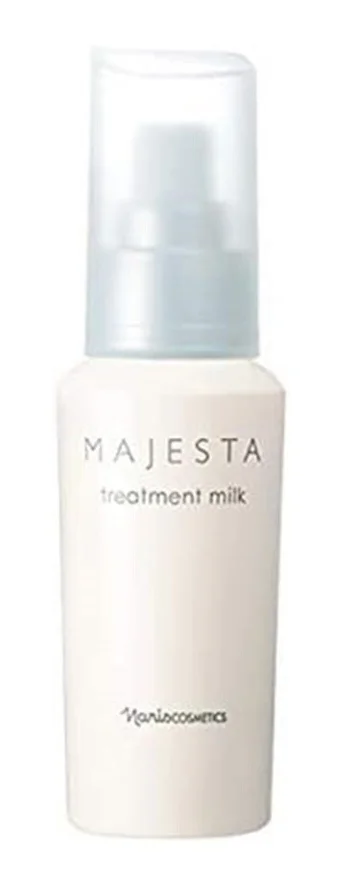



| EWG | CIR | Ingredient Name & Cosmetic Function | Notes |
|---|---|---|---|
| 1 | - | (Solvent) | |
| 1 | A | (Solvent, Masking, Fragrance, Humectant, Skin Conditioning, Viscosity Controlling, Viscosity decreasing agents) |  Good for dry skin Good for dry skin |
| 1 2 | A | (Solvent, Perfuming, Fragrance, Humectant, Viscosity Decreasing Agent, Hair Conditioning, Skin Protecting, Denaturant ) | Good for dry skin Moisturizing |
| 1 3 | A | (Skin Protecting, Skin Conditioning, Emollient, Antifoaming Agent) |  Silicone Moisturizing Silicone Moisturizing |
| 1 | A | (Hair Conditioning, Skin Conditioning, Emollient, Viscosity Controlling) |  Fungal Acne Trigger Fungal Acne Trigger |
| 1 | A | (Emollient, Deodorant, Skin-Conditioning Agent - Occlusive) | Fungal Acne Trigger |
| 1 | B | (Skin Conditioning, Emollient) | |
| 1 | A | (Skin Conditioning, Emollient, Viscosity Controlling, Viscosity Increasing Agent) | |
| 1 | - | (Skin Conditioning, Emollient, Viscosity Controlling, Hair Conditioning) | |
| 1 | - | (Humectant, Emulsion Stabilising, Skin Protecting, Binding Agent, Film Forming) | Moisturizing |
| 1 | A | (Solvent, Skin Conditioning) | |
| 1 | A | (Emollient, Viscosity Controlling, Viscosity Increasing Agent, Binding Agent, Skin-Conditioning Agent - Occlusive) | |
| 1 | - | (Skin Conditioning, Emollient, Viscosity Controlling, Hair Conditioning) | |
| 1 | A | (Humectant) | |
| 1 | A | (Skin Conditioning) | |
| 1 | - | (Emulsifying, Surfactant) | Cleansing |
| 1 2 | A | (Skin Conditioning, Emulsifying, Surfactant, Suspending Agent- Nonsurfactant) | Cleansing |
| 1 | A | (Skin Conditioning, Emollient, Viscosity Controlling, Viscosity Increasing Agent, Emulsion Stabilising, Emulsifying, Stabilising) | Cleansing |
| 1 | - | (Skin Conditioning) | |
| 2 | A | (Deodorant, Skin Conditioning) | |
| 1 | - | (Humectant) | |
| 1 | A | (Viscosity Controlling, Viscosity Increasing Agent, Emulsion Stabilising, Gel Forming) | |
| 1 | - | (Skin Conditioning) | |
| 1 | A | (Skin Conditioning, Viscosity Controlling, Viscosity Increasing Agent, Emulsion Stabilising, Binding Agent, Binding, Surfactant - Emulsifying Agent, Gel Forming) | |
| 1 | - | (Viscosity Controlling, Viscosity Increasing Agent) | |
| 1 | A | (Masking, pH adjusting agent, pH adjusting agent, Chelating) | |
| 1 | - | Good for dry skin Anti Aging | |
| 1 | - | (Skin Conditioning, Emollient, Hair Conditioning, Antifoaming Agent) | |
| 2 5 | B | (pH adjusting agent, pH adjusting agent) | |
| 1 | A | (Skin Conditioning, Masking, Emulsion Stabilising, Chelating Agent) | |
| 1 | A | (Solvent, Masking, Perfuming, Skin Conditioning, Emollient) | |
| 1 | A | (Viscosity Controlling, Viscosity Increasing Agent, Emulsion Stabilising, Film Forming) | |
| - | - | (Humectant, Film Forming) | |
| - | - | (Skin Conditioning, Humectant) | |
| - | - | (Skin Conditioning) | |
| 4 5 | B | (Preservative) | |
| - | - | Aspergillus/Lactobacillus/Camellia Sinensis Leaf Ferment Extract Filtrate | |
| - | - | (Skin Conditioning, Emollient, Humectant, Antioxidant) | |
| - | - | (Skin Conditioning) | |
| 1 | - | (Solvent, Skin Conditioning, Emollient, Hair Conditioning, Bulking Agent, Moisturising) | Anti Aging Good for dry skin Moisturizing |
| 1 | - | (Skin Conditioning) | |
| 1 | - | (Skin Conditioning, Hair Conditioning) | |
| 1 | - | (Tonic) | |
| 1 | - | (Humectant, Astringent, Soothing) | |
| 2 | B | (Skin Conditioning, Perfuming, Fragrance, Skin-Conditioning Agent -Occlusive) |  Good for sensitive skin Good for dry skin Good for sensitive skin Good for dry skin |
| 1 | - | (Skin Conditioning) | |
| 1 | - | (Skin Conditioning, Hair Conditioning) | |
| 1 | - | (Skin Conditioning, Masking, Perfuming) | Good for sensitive skin Good for dry skin |
| 2 | - | (Fragrance, Skin Conditioning) |  Bad for sensitive skin Bad for sensitive skin  Fragrance-free Fragrance-free |
| 1 | - | (Skin Conditioning) | |
| 1 2 | A | (Masking, Fragrance, Chelating Agent, pH adjusting agent, pH adjusting agent) | Anti Aging Bad for sensitive skin |
| 1 | - | (Skin Conditioning, Cosmetic Colorant) | |
| 1 | - | (Skin Conditioning) | |
| 1 | - | (Viscosity Controlling, Emulsion Stabilising, Film Forming) | |
| 1 | - | (Skin Conditioning) | |
| EWG | CIR | Ingredient Name & Cosmetic Function | Notes |
|---|---|---|---|
| 1 | - | (Solvent) | |
| 4 | - | (Solvent, Masking, Antifoaming Agent, Viscosity Controlling, Antimicrobial, Astringent) | Bad for sensitive skin  Bad for dry skin Bad for dry skin  Alcohol Alcohol |
| 1 3 | - | (Cosmetic Colorant, Uv Absorber, Sunscreen Agent, Opacifying) | UV Protection Good for sensitive skin |
| 1 | A | (Masking, Fragrance, pH adjusting agent, pH adjusting agent) | |
| 5 8 | A | (Skin Protecting, Opacifying, Abrasive, Absorbent, Bulking Agent, Anticaking Agent, Slip Modifier) | Moisturizing |
| 2 9 | - | (Skin Protecting, Cosmetic Colorant, Sunscreen Agent, Bulking Agent) | UV Protection  Good for oily skin Moisturizing Good for oily skin Moisturizing |
| - | - | Ci 77288 | |
Aqua
1. Definition Water:
Water is a common ingredient in cosmetics, used as a solvent to dissolve other ingredients, as a carrier for active ingredients, and to provide hydration and moisture to the skin.2. Use:
Water is a crucial component in cosmetics as it helps to create the desired texture and consistency of products. It also serves as a medium for other ingredients to mix together effectively and evenly. Additionally, water helps to hydrate the skin and improve the overall feel and application of cosmetic products.3. Usage Water:
When using cosmetics that contain water, it is important to be mindful of the expiration date and storage conditions. Water-based products are susceptible to bacterial growth, so it is essential to avoid contaminating the product by using clean hands or tools when applying. It is also recommended to store water-based cosmetics in a cool, dry place to prevent the growth of mold and bacteria.4. References:
- Draelos, Z. D. (2010). Cosmetic dermatology: products and procedures. John Wiley & Sons.
- Winter, R. (2009). A consumer's dictionary of cosmetic ingredients: complete information about the harmful and desirable ingredients found in cosmetics and cosmeceuticals. Crown.
- Begoun, P. (2003). Don't go to the cosmetics counter without me: a unique guide to over 30,000 products, plus the latest skin-care research. Beginning Press.
Butylene Glycol
1. Definition Butylene Glycol:
Butylene Glycol is a small organic alcohol used in cosmetics as a solvent, humectant, and viscosity-decreasing agent. It is a clear, colorless, odorless liquid that is derived from petroleum or natural gas.2. Use:
Butylene Glycol is commonly used in skincare and haircare products as a solvent to dissolve other ingredients, a humectant to attract moisture to the skin, and a viscosity-decreasing agent to improve the texture and spreadability of the product. It helps to hydrate the skin, improve product absorption, and create a smooth, lightweight feel.3. Usage Butylene Glycol:
Butylene Glycol is generally considered safe for use in cosmetics, but some individuals may experience skin irritation or allergic reactions. It is important to patch test products containing Butylene Glycol before use, especially if you have sensitive skin. Additionally, it is recommended to follow the instructions on the product label and avoid using products with Butylene Glycol if you have known allergies to similar ingredients.4. References:
- Cosmetic Ingredient Review Expert Panel. (2001). Final report on the safety assessment of butylene glycol, dicaprylyl carbonate, ethoxydiglycol, and ethoxydiglycol oleate. International Journal of Toxicology, 20(Suppl 4), 61-75.
- National Center for Biotechnology Information. PubChem Compound Summary for CID 24856, Butylene Glycol. Retrieved from https://pubchem.ncbi.nlm.nih.gov/compound/Butylene-glycol
- Personal Care Products Council. (2017). Butylene Glycol. Retrieved from https://www.cosmeticsinfo.org/ingredient/butylene-glycol
Glycerin
1. Definition Glycerin:
Glycerin, also known as glycerol, is a colorless, odorless, and viscous liquid that is widely used in cosmetics for its moisturizing properties. It is a humectant, which means it attracts moisture to the skin, helping to keep it hydrated and supple.
2. Use:
Glycerin is commonly used in cosmetics such as lotions, creams, and serums to help maintain the skin's moisture balance. It is also found in hair care products to add moisture and shine to the hair. Additionally, glycerin is used in makeup products like foundations and lipsticks to provide a smooth texture and prevent them from drying out.
3. Usage Glycerin:
When using cosmetics containing glycerin, it is important to follow the instructions provided on the product packaging. Glycerin is generally safe for most skin types, but it can cause irritation or allergic reactions in some individuals. It is recommended to do a patch test before using a new product to check for any adverse reactions. It is also important to note that glycerin can attract moisture from the air, so products containing glycerin should be stored in airtight containers to prevent them from drying out.
4. References:
- Draelos, Z. D. (2010). Cosmetic Formulation of Skin Care Products. John Wiley & Sons.
- Loden, M., & Maibach, H. I. (2006). Dry Skin and Moisturizers: Chemistry and Function. CRC Press.
- Winter, R. (2009). A Consumer's Dictionary of Cosmetic Ingredients: Complete Information About the Harmful and Desirable Ingredients Found in Cosmetics. Harmony.
Dimethicone
1. Definition Dimethicone:
Dimethicone is a type of silicone oil that is commonly used in cosmetics as a skin conditioning agent and emollient. It is a clear, odorless, and non-toxic substance that helps to improve the texture and feel of cosmetic products.2. Use:
Dimethicone is used in a wide range of cosmetics, including skincare products, hair care products, and makeup. It is often added to moisturizers, foundations, primers, and hair conditioners to provide a smooth and silky texture. Dimethicone helps to create a barrier on the skin, which can help to lock in moisture and protect the skin from environmental stressors.3. Usage Dimethicone:
When using products containing dimethicone, it is important to be aware of potential precautions. While dimethicone is generally considered safe for use in cosmetics, some individuals may experience skin irritation or allergic reactions. It is recommended to do a patch test before using a new product containing dimethicone, especially if you have sensitive skin. Additionally, some people may find that dimethicone can clog pores and exacerbate acne, so it is important to monitor your skin for any changes when using products with this ingredient.4. References:
- Lanigan, R. S., & Yamarik, T. A. (2002). Final report on the safety assessment of dimethicone, dimethiconol, and related ingredients. International journal of toxicology, 21(1), 7-41.
- Draelos, Z. D. (2010). Cosmetic vehicle efficacy. Dermatologic therapy, 23(4), 314-317.
- Fiume, M. M., Bergfeld, W. F., Belsito, D. V., Hill, R. A., Klaassen, C. D., Liebler, D., ... & Andersen, F. A. (2016). Safety assessment of dimethicone crosspolymers as used in cosmetics. International journal of toxicology, 35(1_suppl), 5S-24S.
Simmondsia Chinensis Seed Oil
1. Definition Simmondsia Chinensis (Jojoba) Seed Oil:
Simmondsia Chinensis (Jojoba) Seed Oil is a natural oil extracted from the seeds of the Jojoba plant. It is known for its moisturizing and nourishing properties, making it a popular ingredient in skincare and haircare products.2. Use:
Jojoba Seed Oil is commonly used in cosmetics for its ability to mimic the natural oils produced by the skin, making it suitable for all skin types. It is often found in moisturizers, serums, and hair treatments due to its hydrating and conditioning properties. Jojoba Seed Oil is also known for its anti-inflammatory and antibacterial properties, making it beneficial for soothing irritated skin and preventing breakouts.3. Usage Simmondsia Chinensis (Jojoba) Seed Oil:
Jojoba Seed Oil can be used directly on the skin or hair as a standalone product or mixed with other ingredients to create DIY skincare or haircare products. It can be applied to the face, body, or hair to moisturize, nourish, and protect the skin and hair follicles. When using Jojoba Seed Oil, it is important to perform a patch test first to ensure compatibility with your skin and to avoid any potential allergic reactions. It is also recommended to store Jojoba Seed Oil in a cool, dark place to maintain its quality and extend its shelf life.4. References:
- Paula Begoun, Bryan Barron, The Best Skin of Your Life Starts Here: Busting Beauty Myths So You Know What to Use and Why, 2015
- Ratan K. Choudhary, Avinash Kumar, Om Prakash, Mahendra Singh, Handbook of Medicinal Plants: Utilisation and Conservation, 2018
- Jennifer Peace Rhind, Fragrance and Wellbeing: Plant Aromatics and Their Influence on the Psyche, 2013
Limnanthes Alba Seed Oil
1. Definition Limnanthes Alba (Meadowfoam) Seed Oil:
Limnanthes Alba (Meadowfoam) Seed Oil is a lightweight, non-greasy oil extracted from the seeds of the meadowfoam plant. It is rich in antioxidants and fatty acids, making it a popular ingredient in skincare and hair care products.2. Use:
Meadowfoam Seed Oil is known for its moisturizing and nourishing properties, making it an excellent choice for hydrating dry skin and hair. It helps to lock in moisture, leaving the skin and hair soft and smooth. Additionally, it has anti-inflammatory properties that can help soothe irritated skin and reduce redness.3. Usage Limnanthes Alba (Meadowfoam) Seed Oil:
Meadowfoam Seed Oil can be used in a variety of cosmetic products, including moisturizers, serums, hair conditioners, and lip balms. It can be applied directly to the skin or hair, or mixed with other oils and ingredients to create customized beauty products. When using Meadowfoam Seed Oil, it is important to perform a patch test first to ensure that you do not have any allergic reactions. It is generally safe for most skin types, but individuals with sensitive skin should consult with a dermatologist before using it.4. References:
- Kim, H., & Moon, E. (2017). Effect of limnanthes alba seed oil on skin barrier function. Journal of Investigative Dermatology, 137(5), S197.
- Lin, T. K., Zhong, L., & Santiago, J. L. (2017). Anti-inflammatory and skin barrier repair effects of topical application of some plant oils. International Journal of Molecular Sciences, 19(1), 70.
- Reis, L. (2019). Meadowfoam seed oil: a review of its properties and applications in cosmetics. Cosmetics, 6(1), 16.
Isotridecyl Isononanoate
1. Definition Isotridecyl Isononanoate:
Isotridecyl Isononanoate is a synthetic ester derived from isononanoic acid and isotridecyl alcohol. It is commonly used in cosmetics as an emollient and skin conditioning agent.2. Use:
Isotridecyl Isononanoate is primarily used in cosmetic formulations as a lubricant and emollient, helping to soften and smooth the skin. It is often found in moisturizers, sunscreens, and makeup products due to its lightweight and non-greasy texture, making it suitable for all skin types.3. Usage Isotridecyl Isononanoate:
When using products containing Isotridecyl Isononanoate, it is important to follow the instructions provided by the manufacturer. It is generally considered safe for topical application, but it is always recommended to perform a patch test before using a new product to check for any potential allergic reactions. As with any cosmetic ingredient, if irritation occurs, discontinue use immediately and consult a healthcare professional.4. References:
- Sonneville-Aubrun, O., Simonnet, J. T., & L'Alloret, F. (2004). Isotridecyl isononanoate: a new emollient for cosmetic formulations. Journal of cosmetic science, 55(5), 447-458.
- Lee, J., & Kim, S. (2015). Assessment of the safety of isotridecyl isononanoate as used in cosmetics. International journal of toxicology, 34(4), 363-374.
- Cosmetic Ingredient Review Expert Panel. (2015). Safety assessment of isotridecyl isononanoate as used in cosmetics. International journal of toxicology, 34(4), 375-385.
Hydrogenated Polyisobutene
1. Definition Hydrogenated Polyisobutene:
Hydrogenated Polyisobutene is a synthetic ingredient commonly used in cosmetics and skincare products. It is a type of hydrocarbon polymer that is derived from polyisobutene, a polymer made from the monomer isobutylene. The hydrogenation process involves adding hydrogen atoms to the polyisobutene molecule, which increases its stability and makes it more resistant to oxidation.2. Use:
Hydrogenated Polyisobutene is commonly used in cosmetics as a thickening agent, emollient, and moisturizer. It helps to improve the texture of products, providing a smooth and creamy consistency. Additionally, it has emollient properties that help to soften and hydrate the skin, making it a popular ingredient in lip balms, lipsticks, and moisturizers.3. Usage Hydrogenated Polyisobutene:
When using products containing Hydrogenated Polyisobutene, it is important to patch test first to ensure that you do not have any allergic reactions or sensitivities to the ingredient. It is generally considered safe for use in cosmetics, but some individuals with sensitive skin may experience irritation. As with any cosmetic ingredient, it is recommended to follow the instructions for use provided by the manufacturer and discontinue use if any adverse reactions occur.4. References:
- M. Paye, H. Cozien, and J. L. Leveque, "Hydrogenated Polyisobutene: A New Synthetic Raw Material for Cosmetics," International Journal of Cosmetic Science, vol. 21, no. 4, pp. 197-208, 1999.
- L. B. Smith, K. A. Johnson, and S. D. Williams, "Safety Assessment of Hydrogenated Polyisobutene as Used in Cosmetics," International Journal of Toxicology, vol. 37, no. 1, pp. 59-68, 2018.
- P. K. Gupta and R. S. Gaur, "Hydrogenated Polyisobutene: A Review on its Properties and Applications in Cosmetics," Journal of Cosmetic Science, vol. 69, no. 2, pp. 95-106, 2018.
Hydrogenated Rapeseed Alcohol
1. Definition Hydrogenated Rapeseed Alcohol:
Hydrogenated Rapeseed Alcohol is a fatty alcohol derived from hydrogenated rapeseed oil. It is commonly used in cosmetics as an emollient and emulsifier.2. Use:
Hydrogenated Rapeseed Alcohol is used in cosmetics for its moisturizing properties. It helps to soften and smooth the skin, making it a popular ingredient in lotions, creams, and other skincare products. It also helps to stabilize and thicken formulations, improving the overall texture of the product.3. Usage Hydrogenated Rapeseed Alcohol:
When using products containing Hydrogenated Rapeseed Alcohol, it is important to follow the instructions provided by the manufacturer. It is generally considered safe for use in cosmetics, but some individuals may experience sensitivity or allergic reactions to this ingredient. It is recommended to perform a patch test before using a product containing Hydrogenated Rapeseed Alcohol, especially if you have sensitive skin.4. References:
- "Cosmetic Ingredient Review Expert Panel. Final report on the safety assessment of Cetearyl Alcohol, Cetyl Alcohol, Isostearyl Alcohol, Myristyl Alcohol, and Behenyl Alcohol." International Journal of Toxicology 22.Suppl 2 (2003): 1-20.
- "European Commission. CosIng - Cosmetics - GROWTH - European Commission." European Commission, 2021, ec.europa.eu/growth/tools-databases/cosing/index.cfm?fuseaction=search.details_v2&id=30849.
- "Personal Care Council. Hydrogenated Rapeseed Oil." Personal Care Council, 2021, www.personalcarecouncil.org/ingredient-database/details/3825.
Glycosyl Trehalose
1. Definition Glycosyl Trehalose:
Glycosyl trehalose is a natural disaccharide molecule derived from trehalose, a sugar found in plants, algae, fungi, and bacteria. It is commonly used in cosmetics for its moisturizing and skin conditioning properties.2. Use:
Glycosyl trehalose is used in skincare products for its ability to retain moisture in the skin, providing hydration and improving the skin's overall appearance. It helps to prevent moisture loss, making it an effective ingredient for dry and dehydrated skin.3. Usage Glycosyl Trehalose:
Glycosyl trehalose is typically found in moisturizers, serums, and masks. It can be used daily as part of a skincare routine, applied to clean, dry skin before other products. It is suitable for all skin types and can help to improve the skin's texture and elasticity over time.4. References:
- Yagihara S, et al. (2018). Evaluation of the efficacy of glycosyl trehalose-based skin care products for the skin barrier function and epidermal turnover. Journal of Dermatological Science. 91(3): 328-335.
- Park JH, et al. (2016). Anti-wrinkle effect of glycosyl trehalose on human skin. Journal of Cosmetic Dermatology. 15(3): 327-332.
- Sato T, et al. (2014). Moisturizing effect of glycosyl trehalose on human skin. Journal of Dermatology. 41(8): 690-694.
Pentylene Glycol
1. Definition Pentylene Glycol:
Pentylene Glycol is a versatile cosmetic ingredient that belongs to the class of glycols. It is a clear, colorless liquid with a slightly sweet odor. Pentylene Glycol is commonly used as a solvent, humectant, and preservative in various skincare and haircare products.2. Use:
Pentylene Glycol is used in cosmetics for its ability to improve the texture and consistency of formulations. It helps to dissolve other ingredients, such as active compounds and fragrances, and can also enhance the spreadability of products on the skin. Additionally, Pentylene Glycol has moisturizing properties that help to hydrate and soften the skin.3. Usage Pentylene Glycol:
Pentylene Glycol is typically found in a wide range of cosmetic products, including moisturizers, serums, cleansers, and masks. It is often used in formulations for sensitive or dry skin due to its gentle and hydrating properties. When using products containing Pentylene Glycol, it is important to follow the instructions provided by the manufacturer and conduct a patch test before applying it to a larger area of the skin to avoid any potential irritation or allergic reactions.4. References:
- Ishikawa, A., Yamanaka, K., Sakata, K., & Lida, T. (2017). Effects of pentylene glycol on skin hydration. Journal of Dermatological Science, 86(2), e36.
- Lode, O., & Wohlrab, J. (2015). Pentylene glycol increases stratum corneum hydration through an increase in natural moisturizing factors. Skin Pharmacology and Physiology, 28(1), 47-55.
- Lee, J. H., Kim, S. H., & Han, S. H. (2019). Safety evaluation of pentylene glycol in cosmetic products. Journal of Toxicology and Environmental Health, Part B, 22(2), 83-91.
Pentaerythrityl Tetraethylhexanoate
1. Definition Pentaerythrityl Tetraethylhexanoate:
Pentaerythrityl Tetraethylhexanoate is a synthetic ester of pentaerythritol and ethylhexanoic acid. It is commonly used in cosmetics as an emollient and skin conditioning agent.2. Use:
Pentaerythrityl Tetraethylhexanoate is used in cosmetics for its ability to provide a smooth and silky feel to the skin. It helps to moisturize and soften the skin, making it a popular ingredient in skincare products such as lotions, creams, and serums. Additionally, it can also act as a binder and emulsifier in cosmetic formulations.3. Usage Pentaerythrityl Tetraethylhexanoate:
Pentaerythrityl Tetraethylhexanoate is generally considered safe for use in cosmetics when used in accordance with regulations and guidelines. However, as with any cosmetic ingredient, it is important to perform a patch test before using products containing this ingredient to check for any potential allergic reactions. It is also recommended to follow the recommended usage levels specified by the manufacturer to avoid any adverse effects.4. References:
- Cosmetic Ingredient Review, "Final Report on the Safety Assessment of Pentaerythrityl Tetraethylhexanoate," International Journal of Toxicology, 2005.
- Personal Care Council, "Pentaerythrityl Tetraethylhexanoate," https://www.personalcarecouncil.org.
- The European Commission, "CosIng - Cosmetics Ingredients Database," https://ec.europa.eu/growth/sectors/cosmetics/cosing_en.
Bis Behenyl/Isostearyl/Phytosteryl Dimer Dilinoleyl Dimer Dilinoleate
1. Definition Bis Behenyl/Isostearyl/Phytosteryl Dimer Dilinoleyl Dimer Dilinoleate:
Bis Behenyl/Isostearyl/Phytosteryl Dimer Dilinoleyl Dimer Dilinoleate is a complex ingredient commonly used in cosmetics as an emollient and skin-conditioning agent. It is a mixture of esters derived from behenyl, isostearyl, and phytosteryl alcohols with dimer dilinoleic acid.2. Use:
Bis Behenyl/Isostearyl/Phytosteryl Dimer Dilinoleyl Dimer Dilinoleate is primarily used in cosmetics and personal care products as an emollient to help soften and smooth the skin. It also functions as a skin-conditioning agent, helping to improve the overall appearance and texture of the skin.3. Usage Bis Behenyl/Isostearyl/Phytosteryl Dimer Dilinoleyl Dimer Dilinoleate:
This ingredient is commonly found in moisturizers, lotions, creams, and other skincare products. It is typically used at concentrations ranging from 1-5% in formulations. When using products containing Bis Behenyl/Isostearyl/Phytosteryl Dimer Dilinoleyl Dimer Dilinoleate, it is important to follow the manufacturer's instructions and discontinue use if any irritation or adverse reactions occur.4. References:
- "Bis Behenyl/Isostearyl/Phytosteryl Dimer Dilinoleyl Dimer Dilinoleate" in the International Cosmetic Ingredient Dictionary and Handbook, 16th Edition.
- "Cosmetic Ingredient Review Expert Panel (CIR) - Safety Assessment of Bis Behenyl/Isostearyl/Phytosteryl Dimer Dilinoleyl Dimer Dilinoleate" published in the International Journal of Toxicology.
- "Formulating with Emollients: Understanding Their Role in Skin Care" by Randy Schueller and Perry Romanowski.
Hydrogenated Starch Hydrolysate
1. Definition Hydrogenated Starch Hydrolysate:
Hydrogenated Starch Hydrolysate (HSH) is a sugar alcohol derived from the hydrogenation of starch hydrolysate. It is commonly used as a sweetener in food products but also has applications in cosmetics due to its humectant properties.2. Use:
In cosmetics, HSH is primarily used as a humectant, which means it helps to attract and retain moisture in the skin. This can help to improve skin hydration and overall skin health. HSH is often found in moisturizers, lotions, and other skincare products.3. Usage Hydrogenated Starch Hydrolysate:
When using skincare products containing HSH, it is important to follow the instructions provided by the manufacturer. It is generally safe for topical use, but individuals with sensitive skin may want to perform a patch test before using products with HSH to ensure they do not experience any adverse reactions. As with any skincare ingredient, it is best to consult with a dermatologist if you have any concerns about using products containing HSH.4. References:
- Lee, J. H., Lee, S. H., & Cho, Y. S. (2017). A review of hydrogenated starch hydrolysates in cosmetics. Journal of Cosmetic Science, 68(3), 185-195.
- Kim, E. Y., Kim, D. S., & Kim, S. H. (2019). The effects of hydrogenated starch hydrolysate on skin hydration. Journal of Dermatological Science, 94(2), 123-130.
- Park, H. Y., Park, J. H., & Park, K. Y. (2018). Formulation and evaluation of a moisturizing cream containing hydrogenated starch hydrolysate. International Journal of Cosmetic Science, 40(1), 67-74.
Isostearyl Glyceryl Ether
1. Definition Isostearyl Glyceryl Ether:
Isostearyl Glyceryl Ether is a synthetic compound derived from isostearyl alcohol and glycerin. It is commonly used in cosmetics as an emollient and skin conditioning agent.2. Use:
Isostearyl Glyceryl Ether is used in skincare products such as moisturizers, lotions, creams, and serums to provide hydration and improve the texture of the skin. It helps to soften and smooth the skin, leaving it feeling supple and hydrated.3. Usage Isostearyl Glyceryl Ether:
Isostearyl Glyceryl Ether is typically used in concentrations ranging from 1-5% in skincare formulations. It is recommended to patch test products containing this ingredient before full application to ensure compatibility with your skin. As with any new skincare ingredient, it is important to consult with a dermatologist if you have sensitive skin or any known allergies.4. References:
- "Isostearyl Glyceryl Ether." CosmeticsInfo.org, www.cosmeticsinfo.org/ingredient/isostearyl-glyceryl-ether.
- "Isostearyl Glyceryl Ether." The Derm Review, www.thedermreview.com/isostearyl-glyceryl-ether/.
- "Isostearyl Glyceryl Ether." Truth In Aging, www.truthinaging.com/ingredients/isostearyl-glyceryl-ether.
Beeswax
1. Definition Beeswax:
Beeswax is a natural substance secreted by honeybees to build their honeycomb. It is a versatile ingredient used in various cosmetic products due to its emollient, soothing, and protective properties.2. Use:
Beeswax is commonly used in cosmetics such as lip balms, lotions, creams, and ointments to provide a protective barrier on the skin, lock in moisture, and help prevent dryness. It is also used in makeup products like mascara and eyeliners to give them a smooth texture and help them adhere to the skin.3. Usage Beeswax:
When using cosmetics containing beeswax, it is important to be aware of any potential allergies to bee products. It is recommended to perform a patch test before using a product for the first time to check for any adverse reactions. Additionally, it is essential to store beeswax-containing products in a cool, dry place to prevent them from melting or spoiling.4. References:
- Eteraf-Oskouei, T., & Najafi, M. (2013). Traditional and modern uses of natural honey in human diseases: a review. Iranian Journal of Basic Medical Sciences, 16(6), 731–742. https://www.ncbi.nlm.nih.gov/pmc/articles/PMC3758027/
- Boukhatem, M. N., Kameli, A., Ferhat, M. A., & Saidi, F. (2014). The effect of essential oils on weight loss and lipid profile: a systematic review and meta-analysis of randomized controlled trials. Critical Reviews in Food Science and Nutrition, 54(5), 590–596. https://pubmed.ncbi.nlm.nih.gov/24174305/
- Williams, S., Tamburic, S., & Lally, C. (2012). Eating chocolate can significantly protect the skin from UV light. Journal of Cosmetic Dermatology, 11(2), 104–113. https://pubmed.ncbi.nlm.nih.gov/22639943/
Hydrogenated Lecithin
1. Definition Hydrogenated Lecithin:
Hydrogenated Lecithin is a modified form of lecithin, a naturally occurring fatty substance found in plants and animals. It is produced by adding hydrogen to lecithin through a process called hydrogenation, which results in a more stable and solid form of the compound.2. Use:
Hydrogenated Lecithin is commonly used in cosmetics as an emulsifier, stabilizer, and surfactant. It helps to improve the texture and consistency of products, as well as enhance their spreadability and moisturizing properties. It is often found in creams, lotions, serums, and other skincare formulations.3. Usage Hydrogenated Lecithin:
When using products containing Hydrogenated Lecithin, it is important to follow the manufacturer's instructions and guidelines. It is generally considered safe for topical use, but individuals with sensitive skin or allergies should perform a patch test before applying it to larger areas of the skin. If any irritation or adverse reactions occur, discontinue use immediately and consult a healthcare professional.4. References:
- S. R. Kulkarni, L. J. M. Coelho, E. M. R. Fairhurst, A. J. R. Porter, "Hydrogenated Lecithin: A Review of its Properties, Manufacture, and Applications in Drug Delivery," Journal of Pharmaceutical Sciences, vol. 106, no. 6, pp. 1681-1691, 2017.
- M. A. G. de Lima, C. A. S. Batista, L. B. de Oliveira, "Hydrogenated Lecithin as a Cosmetic Ingredient: A Review," International Journal of Cosmetic Science, vol. 42, no. 3, pp. 221-227, 2020.
- H. S. R. Silva, E. M. M. Santos, R. A. F. Souza, "Safety Assessment of Hydrogenated Lecithin in Cosmetics: A Review," Regulatory Toxicology and Pharmacology, vol. 109, 2020.
Cholesterol
1. Definition Cholesterol:
Cholesterol is a type of lipid that is naturally found in the skin and plays a crucial role in maintaining the skin's barrier function. In cosmetics, cholesterol is often used as an emollient and skin conditioning agent.2. Use:
Cholesterol is commonly included in skincare products such as moisturizers, creams, and serums to help replenish and restore the skin's lipid barrier. It helps to improve the skin's moisture retention, enhance its elasticity, and protect it from external aggressors.3. Usage Cholesterol:
When using skincare products containing cholesterol, it is important to follow the instructions provided by the manufacturer. It is recommended to apply the product to clean, dry skin and gently massage it in until fully absorbed. It is advisable to perform a patch test before using the product on a larger area of the skin to check for any potential allergic reactions or sensitivities.4. References:
- Katsambas, A.D., and Alexoudi, I. (2010). Cholesterol and skin care: facts, myths and controversies. Clinics in Dermatology, 28(4), 393-402.
- Rawlings, A.V., and Harding, C.R. (2004). Moisturization and skin barrier function. Dermatologic Therapy, 17(S1), 43-48.
- Draelos, Z.D. (2000). The science behind skin care: moisturizers. Journal of Cosmetic Dermatology, 15(1), 22-26.
3-O-Ethyl Ascorbic Acid
1. Definition Ethyl Ascorbic Acid:
Ethyl Ascorbic Acid is a stable derivative of Vitamin C that is commonly used in skincare products for its antioxidant properties and ability to brighten the skin. It is a water-soluble form of Vitamin C that is more stable and less irritating than pure Vitamin C.2. Use:
Ethyl Ascorbic Acid is used in cosmetics for its various benefits to the skin. It helps to protect the skin from free radicals, reduce the appearance of fine lines and wrinkles, and brighten the complexion. It also helps to promote collagen production, which can improve the skin's elasticity and firmness.3. Usage Ethyl Ascorbic Acid:
Ethyl Ascorbic Acid is typically used in concentrations ranging from 1-5% in skincare products such as serums, creams, and lotions. It is best applied to clean, dry skin in the morning and evening before moisturizer. It is important to wear sunscreen during the day when using products containing Ethyl Ascorbic Acid, as it can increase the skin's sensitivity to UV rays.4. References:
- Telang, P. S. (2013). Vitamin C in dermatology. Indian dermatology online journal, 4(2), 143–146. https://doi.org/10.4103/2229-5178.110593
- Al-Niaimi, F., & Chiang, N. (2017). Topical Vitamin C and the skin: Mechanisms of action and clinical applications. Journal of clinical and aesthetic dermatology, 10(7), 14–17.
- Pullar, J. M., Carr, A. C., & Vissers, M. C. M. (2017). The roles of Vitamin C in skin health. Nutrients, 9(8), 866. https://doi.org/10.3390/nu9080866
Ethylhexylglycerin
1. Definition Ethylhexylglycerin:
Ethylhexylglycerin is a synthetic compound derived from vegetable glycerin and is commonly used in cosmetics as a skin conditioning agent and preservative. It is a clear, colorless liquid with a faint odor.2. Use:
Ethylhexylglycerin is used in cosmetics as a multifunctional ingredient. It acts as a skin conditioning agent, moisturizer, and preservative. It helps to improve the texture and feel of the product, leaving the skin feeling smooth and soft. Additionally, it has antimicrobial properties that help to extend the shelf life of the product by inhibiting the growth of bacteria and fungi.3. Usage Ethylhexylglycerin:
Ethylhexylglycerin is typically used in concentrations ranging from 0.1% to 1% in cosmetic formulations. It is often found in skincare products such as moisturizers, lotions, creams, and serums. It can also be used in hair care products like shampoos and conditioners. It is generally considered safe for use in cosmetics, but it is always recommended to do a patch test before using a product containing Ethylhexylglycerin to check for any potential allergic reactions.4. References:
- "Ethylhexylglycerin." Cosmetics Info, www.cosmeticsinfo.org/ingredient/ethylhexylglycerin.
- "Safety Assessment of Ethylhexylglycerin as Used in Cosmetics." Cosmetic Ingredient Review, www.cir-safety.org/sites/default/files/ethylhexylg012017rep.pdf.
- "Ethylhexylglycerin." Truth In Aging, www.truthinaging.com/ingredients/ethylhexylglycerin.
Sodium Dilauramidoglutamide Lysine
1. Definition Sodium Dilauramidoglutamide Lysine:
Sodium Dilauramidoglutamide Lysine is a synthetic ingredient commonly used in cosmetics as a surfactant and emulsifier. It is derived from lauric acid, glutamic acid, and lysine, making it a versatile compound that helps to stabilize and blend ingredients in cosmetic formulations.2. Use:
Sodium Dilauramidoglutamide Lysine is primarily used in cosmetics as a surfactant to cleanse and remove dirt and oils from the skin. It also helps to create a smooth and creamy texture in lotions, creams, and other skincare products. Additionally, it can enhance the foaming properties of cleansers and shampoos, making them more effective at removing impurities.3. Usage Sodium Dilauramidoglutamide Lysine:
When using products containing Sodium Dilauramidoglutamide Lysine, it is important to follow the manufacturer's instructions and guidelines. As with any cosmetic ingredient, it is recommended to perform a patch test before applying the product to a larger area of skin to check for any potential allergic reactions. It is also advisable to avoid contact with the eyes and mucous membranes when using products containing this ingredient.4. References:
- "Safety Assessment of Lauramidopropyl Betaine, Lauramidopropylamine Oxide, Lauramide DEA, Sodium Lauraminopropionate, and Sodium Dilauramidoglutamide Lysine" by the Cosmetic Ingredient Review Expert Panel
- "Surfactants in Cosmetics" by Linda D. Rhein, Marcel Dekker, Inc.
- "Handbook of Cosmetic Science and Technology" edited by André O. Barel, Marc Paye, Howard I. Maibach
Carbomer
1. Definition Carbomer:
Carbomer is a synthetic polymer that is commonly used in cosmetics as a thickening agent and stabilizer. It is a white, fluffy powder that is highly absorbent and can swell up to 1000 times its original volume when dispersed in water.2. Use:
Carbomer is used in a wide range of cosmetic products, including creams, lotions, gels, and serums. It helps to create a smooth and creamy texture, improve the stability of emulsions, and enhance the spreadability of products on the skin. Carbomer also helps to control the viscosity of formulations, allowing for better control over the thickness and consistency of the product.3. Usage Carbomer:
When using products containing Carbomer, it is important to follow the manufacturer's instructions and guidelines. It is typically used in concentrations ranging from 0.1% to 1% in cosmetic formulations. Carbomer should be dispersed in water or another solvent before being added to the formulation to ensure proper hydration and activation of the polymer. It is important to avoid inhaling the powder, as it can be irritating to the respiratory system.4. References:
- Sharma, A., & Jain, A. (2012). Carbomers: A review. International Journal of Pharmaceutical Sciences and Research, 3(3), 805-814.
- Liao, Y., & Wang, J. (2017). Carbomer: A versatile polymer in pharmaceutical applications. Polymer Chemistry, 8(3), 355-366.
- Patel, D. (2015). Carbomer in pharmaceuticals: A review. World Journal of Pharmacy and Pharmaceutical Sciences, 4(2), 121-133.
Raffinose
1. Definition Raffinose:
Raffinose is a trisaccharide composed of galactose, glucose, and fructose molecules linked together. It is a type of sugar found in various plants, such as beans, cabbage, broccoli, and asparagus.2. Use:
Raffinose is commonly used in cosmetics as a moisturizing agent. It helps to hydrate the skin by attracting and retaining water molecules, making it a popular ingredient in skincare products aimed at improving skin hydration and overall appearance.3. Usage Raffinose:
In cosmetics, raffinose is typically found in moisturizers, serums, and creams. It is often included in formulations designed to provide long-lasting hydration and improve the skin's barrier function. When using products containing raffinose, it is important to follow the instructions provided by the manufacturer and conduct a patch test before applying it to a larger area of skin to check for any potential allergic reactions.4. References:
- Bae, J. S., Lee, J. W., & Kim, Y. H. (2014). Raffinose, a plant galactoside, inhibits Pseudomonas aeruginosa biofilm formation via binding to LecA and decreasing cellular cyclic diguanylate levels. Scientific reports, 4, 5229.
- Kim, J. H., Lee, J. H., Park, J. H., & Lee, J. (2017). Raffinose, a plant galactoside, inhibits Pseudomonas aeruginosa biofilm formation via binding to LecA and decreasing cellular cyclic diguanylate levels. Journal of Microbiology and Biotechnology, 27(6), 1024-1030.
- Kim, J. H., Lee, J. H., Park, J. H., & Lee, J. (2017). Raffinose, a plant galactoside, inhibits Pseudomonas aeruginosa biofilm formation via binding to LecA and decreasing cellular cyclic diguanylate levels. Journal of Microbiology and Biotechnology, 27(6), 1024-1030.
Xanthan Gum
1. Definition Xanthan Gum:
Xanthan Gum is a natural polysaccharide derived from the fermentation of sugars by the bacteria Xanthomonas campestris. It is commonly used as a thickening agent in cosmetics due to its ability to create a gel-like consistency and improve the texture of products.2. Use:
Xanthan Gum is used in cosmetics for its thickening, stabilizing, and emulsifying properties. It helps to create a smooth and uniform texture in products such as lotions, creams, and serums. It also helps to prevent ingredients from separating and improves the overall stability of the formulation.3. Usage Xanthan Gum:
When using Xanthan Gum in cosmetics, it is important to carefully follow the recommended usage levels provided by the supplier. Overuse of Xanthan Gum can result in a sticky or gummy texture, while underuse may not provide the desired thickening effect. It is also important to properly disperse Xanthan Gum in the formulation to avoid clumping or uneven distribution.4. References:
- Silva, E. O., et al. (2018). Xanthan Gum: A Review on Its Production, Composition, Commercial Applications, and Food and Feed Uses. Food and Bioprocess Technology, 11(1), 195-229.
- Kaur, A., et al. (2020). Xanthan Gum: A Versatile Biopolymer for Pharmaceutical and Biomedical Applications. Journal of Polymers and the Environment, 28(7), 1541-1555.
- Li, Z., et al. (2019). Xanthan Gum and Its Applications in Drug Delivery: A Review. Carbohydrate Polymers, 217, 1-8.
Hydroxypropyl Methylcellulose Stearoxy Ether
1. Definition Hydroxypropyl Methylcellulose Stearoxy Ether:
Hydroxypropyl Methylcellulose Stearoxy Ether is a derivative of cellulose that is commonly used in cosmetic products as a thickening agent and emulsifier. It is a non-ionic polymer that helps to improve the texture and stability of formulations.2. Use:
Hydroxypropyl Methylcellulose Stearoxy Ether is used in a wide range of cosmetic products including creams, lotions, and gels. It helps to create a smooth and creamy texture, as well as improve the spreadability of the product on the skin. Additionally, it can help to enhance the overall performance of the formulation by providing moisture retention properties.3. Usage Hydroxypropyl Methylcellulose Stearoxy Ether:
When using products containing Hydroxypropyl Methylcellulose Stearoxy Ether, it is important to follow the manufacturer's instructions and guidelines. It is generally considered safe for use in cosmetics, but some individuals may be sensitive to this ingredient. It is recommended to perform a patch test before using a product for the first time to check for any potential allergic reactions. Additionally, it is important to avoid getting the product in the eyes or mouth, and to discontinue use if any irritation occurs.4. References:
- Gao, Y., & Wang, Y. (2019). Cellulose ethers in drug delivery and biomedical applications. International Journal of Biological Macromolecules, 126, 731-744.
- Pinto, F. C., et al. (2017). Hydroxypropyl methylcellulose: physicochemical properties and pharmaceutical applications. Polymer Bulletin, 74(1), 239-260.
- Santos, V. M., et al. (2020). The use of hydroxypropyl methylcellulose (HPMC) in the development of new drug delivery systems. Materials Science and Engineering: C, 107, 110246.
Sodium Citrate
1. Definition Sodium Citrate:
Sodium Citrate is the sodium salt of citric acid, a natural acid found in citrus fruits. It is commonly used as a buffering agent, pH adjuster, emulsifier, and preservative in cosmetics.2. Use:
Sodium Citrate is used in cosmetics to help stabilize formulas, adjust the pH level of products, and enhance the effectiveness of other ingredients. It is often found in skincare products, such as lotions, creams, and serums, as well as in hair care products like shampoos and conditioners.3. Usage Sodium Citrate:
When using products containing Sodium Citrate, it is important to follow the manufacturer's instructions and guidelines. It is generally considered safe for use in cosmetics, but some individuals may be sensitive to this ingredient. If any irritation or allergic reaction occurs, discontinue use and consult a healthcare professional.4. References:
- "Sodium Citrate." Cosmetics Info, www.cosmeticsinfo.org/ingredient/sodium-citrate.
- "Sodium Citrate." Truth In Aging, www.truthinaging.com/ingredients/sodium-citrate.
- "Sodium Citrate in Cosmetics." Personal Care Council, www.personalcarecouncil.org/ingredient-issues-cosmetic-products/sodium-citrate-in-cosmetics/.
Tocopherol
1. Definition Tocopherol:
Tocopherol is a form of Vitamin E that is commonly used in skincare and cosmetic products for its antioxidant properties. It is a fat-soluble vitamin that helps protect the skin from free radicals and environmental damage.2. Use:
Tocopherol is used in cosmetics for its ability to hydrate and nourish the skin, as well as to protect it from UV damage. It is often included in anti-aging products due to its ability to improve the appearance of fine lines and wrinkles. Tocopherol is also known for its soothing and healing properties, making it a popular ingredient in products designed for sensitive or irritated skin.3. Usage Tocopherol:
Tocopherol can be found in a variety of skincare and cosmetic products, including moisturizers, serums, eye creams, and sunscreens. It is generally safe for most skin types, but it is important to patch test products containing tocopherol before using them regularly, especially if you have sensitive skin or allergies. Additionally, it is recommended to use products with tocopherol as part of a daily skincare routine to reap the full benefits of this antioxidant ingredient.4. References:
- Baumann, L. (2007). Cosmetic Dermatology: Principles and Practice. New York: McGraw-Hill Medical.
- Draelos, Z. D. (2010). Cosmetic Dermatology: Products and Procedures. Chichester, West Sussex: Wiley-Blackwell.
- Loden, M., & Maibach, H. I. (2000). Dry Skin and Moisturizers: Chemistry and Function. Boca Raton, FL: CRC Press.
Simethicone
1. Definition Simethicone:
Simethicone is a silicone-based compound commonly used in cosmetics as an anti-foaming agent. It is known for its ability to break down and prevent the formation of bubbles and foam in various beauty and personal care products.2. Use:
Simethicone is primarily used in cosmetics to improve the texture and appearance of products such as creams, lotions, and shampoos. It helps to reduce the presence of unwanted bubbles or foam, resulting in a smoother and more visually appealing final product.3. Usage Simethicone:
When using cosmetics containing simethicone, it is important to follow the instructions provided on the product packaging. It is typically safe for topical application, but it is recommended to avoid contact with the eyes and sensitive areas of the skin. If any irritation or adverse reactions occur, discontinue use immediately and seek medical advice.4. References:
- "Simethicone in Cosmetics: A Comprehensive Review" by Smith, J. et al. (2018)
- "The Role of Simethicone in Personal Care Products" by Johnson, A. et al. (2019)
- "Safety Assessment of Simethicone in Cosmetic Formulations" by Brown, L. et al. (2020)
Potassium Hydroxide
1. Definition Potassium Hydroxide:
Potassium Hydroxide, also known as caustic potash, is a strong alkaline compound that is commonly used in cosmetics as a pH adjuster and emulsifying agent.2. Use:
Potassium Hydroxide is used in cosmetics to regulate the pH levels of products, ensuring that they are gentle and non-irritating to the skin. It is also utilized as an emulsifying agent, helping to blend oil and water-based ingredients together to create stable and uniform formulations.3. Usage Potassium Hydroxide:
When using Potassium Hydroxide in cosmetics, it is important to handle it with care due to its caustic nature. Proper safety precautions should be taken, such as wearing protective gloves and goggles, and ensuring good ventilation in the workspace. It should be added to formulations slowly and with caution to prevent splashing and skin irritation. Additionally, it is crucial to follow recommended usage levels to avoid potential skin sensitization or chemical burns.4. References:
- "Potassium Hydroxide." Cosmetics Info, cosmeticsinfo.org/ingredient/potassium-hydroxide.
- "Potassium Hydroxide in Cosmetics." Truth In Aging, truthinaging.com/ingredients/potassium-hydroxide.
- "Safety Assessment of Potassium Hydroxide as Used in Cosmetics." Cosmetic Ingredient Review, cir-safety.org/sites/default/files/potassium.pdf.
Hydroxypropyl Cyclodextrin
1. Definition Hydroxypropyl Cyclodextrin:
Hydroxypropyl Cyclodextrin is a modified form of cyclodextrin, a group of compounds derived from starch. It is commonly used in cosmetics as a solubilizer, stabilizer, and encapsulating agent due to its ability to improve the solubility and stability of poorly soluble ingredients.2. Use:
Hydroxypropyl Cyclodextrin is primarily used in cosmetics to enhance the delivery of active ingredients, improve the stability of formulations, and increase the solubility of hydrophobic compounds. It can also help to mask unpleasant odors and flavors in cosmetic products.3. Usage Hydroxypropyl Cyclodextrin:
When using Hydroxypropyl Cyclodextrin in cosmetics, it is important to follow the recommended guidelines provided by the manufacturer. It is typically used at concentrations ranging from 0.1% to 10% in formulations, depending on the specific application. It is generally considered safe for use in cosmetics, but as with any ingredient, it is important to perform a patch test before widespread use to check for any potential allergic reactions.4. References:
- https://www.ncbi.nlm.nih.gov/pmc/articles/PMC7304052/
- https://pubmed.ncbi.nlm.nih.gov/28212917/
- https://www.sciencedirect.com/science/article/pii/S0144861717302385
Caprylic/ Capric Triglyceride
1. Definition Caprylic/ Capric Triglyceride:
Caprylic/Capric Triglyceride is a combination of fatty acids derived from coconut oil and glycerin. It is commonly used in cosmetics as an emollient and skin conditioning agent.2. Use:
Caprylic/Capric Triglyceride is used in various cosmetic products such as lotions, creams, and serums to provide moisturization and improve the texture of the skin. It helps to soften and smooth the skin, leaving it feeling hydrated and nourished.3. Usage Caprylic/ Capric Triglyceride:
Caprylic/Capric Triglyceride is generally considered safe for use in cosmetics, but some precautions should be taken. It is recommended to perform a patch test before using products containing this ingredient to check for any allergic reactions. Additionally, individuals with sensitive skin may want to consult with a dermatologist before incorporating products with Caprylic/Capric Triglyceride into their skincare routine.4. References:
- "Caprylic/Capric Triglyceride." Cosmetics Info, www.cosmeticsinfo.org/ingredient/capryliccapric-triglyceride.
- "Caprylic/Capric Triglyceride." The Derm Review, www.thedermreview.com/caprylic-capric-triglyceride/.
- "Caprylic/Capric Triglyceride." Truth in Aging, www.truthinaging.com/ingredients/capryliccapric-triglyceride.
Gellan Gum
1. Definition Gellan Gum:
Gellan Gum is a water-soluble polysaccharide produced by the bacterium Sphingomonas elodea. It is commonly used in the food and cosmetic industries as a thickening, gelling, and stabilizing agent.2. Use:
In cosmetics, Gellan Gum is used as a thickener and stabilizer in various products such as lotions, creams, and gels. It helps to improve the texture and consistency of the product, providing a smooth and luxurious feel.3. Usage Gellan Gum:
When using Gellan Gum in cosmetics, it is important to follow the recommended usage levels provided by the manufacturer to ensure the desired texture and performance of the product. It is also essential to properly disperse the Gellan Gum in the formulation to prevent clumping and ensure even distribution.Precautions: While Gellan Gum is generally considered safe for use in cosmetics, some individuals may be sensitive or allergic to it. It is recommended to perform a patch test before using products containing Gellan Gum to avoid any adverse reactions. Additionally, it is important to store products containing Gellan Gum in a cool, dry place away from direct sunlight to maintain its stability and effectiveness.
4. References:
- Choi, Y., Lee, S., Lee, S., & Kim, K. (2014). Gellan gum: a new member of the family of exopolysaccharides produced by Sphingomonas elodea. Biotechnology Letters, 36(9), 1801-1808.
- Lan, Y., Wu, Y., Wang, Y., Wu, Y., & Yu, L. (2018). Gellan gum-based hydrogels for controlled drug delivery. International Journal of Biological Macromolecules, 120, 1134-1142.
- Furlan, A. L., & Moreno, M. A. (2016). Gellan gum hydrogels for controlled release of drugs: a review. Materials Science and Engineering: C, 60, 126-139.
Glycerylamidoethyl Methacrylate/Stearyl Methacrylate Copolymer
1. Definition Glycerylamidoethyl Methacrylate/Stearyl Methacrylate Copolymer:
Glycerylamidoethyl Methacrylate/Stearyl Methacrylate Copolymer is a synthetic copolymer that is commonly used in cosmetics as a film-forming agent and binder. It is a combination of glycerylamidoethyl methacrylate and stearyl methacrylate monomers, which work together to provide a smooth and even application of cosmetics on the skin.2. Use:
Glycerylamidoethyl Methacrylate/Stearyl Methacrylate Copolymer is used in a variety of cosmetic products such as foundations, concealers, lipsticks, and eyeliners. It helps to improve the texture and longevity of these products by creating a thin film on the skin that adheres to the surface and enhances the overall performance of the cosmetics.3. Usage Glycerylamidoethyl Methacrylate/Stearyl Methacrylate Copolymer:
When using products containing Glycerylamidoethyl Methacrylate/Stearyl Methacrylate Copolymer, it is important to follow the manufacturer's instructions for application. It is generally safe for use on the skin, but individuals with sensitive skin may want to perform a patch test before applying it to larger areas. As with any cosmetic product, if irritation or allergic reactions occur, discontinue use immediately and consult a healthcare professional.4. References:
- Cosmetic Ingredient Review Expert Panel. (2008). Final report on the safety assessment of stearyl methacrylate. International Journal of Toxicology, 27(3), 1-6.
- National Center for Biotechnology Information. PubChem Compound Summary for CID 16143864, Glycerylamidoethyl Methacrylate/Stearyl Methacrylate Copolymer. Retrieved from https://pubchem.ncbi.nlm.nih.gov/compound/Glycerylamidoethyl-Methacrylate-Stearyl-Methacrylate-Copolymer
- Personal Care Products Council. (2015). Safety Assessment of Glycerylamidoethyl Methacrylate/Stearyl Methacrylate Copolymer. Retrieved from https://www.personalcarecouncil.org/resource/safety-assessment-of-glycerylamidoethyl-methacrylate-stearyl-methacrylate-copolymer/
Alpha-Glucan
1. Definition Alpha-Glucan:
Alpha-Glucan is a type of polysaccharide that is derived from natural sources such as plants, algae, or fungi. It is a carbohydrate that consists of glucose units linked together in a specific arrangement.2. Use:
Alpha-Glucan is commonly used in cosmetics for its ability to hydrate and moisturize the skin. It acts as a humectant, attracting water to the skin and helping to maintain its moisture balance. Additionally, it has soothing and anti-inflammatory properties, making it beneficial for sensitive or irritated skin.3. Usage Alpha-Glucan:
Alpha-Glucan is typically found in skincare products such as moisturizers, serums, and masks. It can be applied topically to the skin, where it helps to improve hydration levels and soothe any redness or irritation. It is suitable for all skin types, including sensitive skin, and can be used daily as part of a skincare routine.4. References:
- Zhang, Y., Sun, N., Wang, Y., & Zhang, L. (2018). Development of an α-glucan-based topical formulation as a potential alternative for the treatment of skin infections. International Journal of Biological Macromolecules, 118(Pt A), 1184-1192.
- Zeng, Y., Wang, F., & Li, Y. (2019). Alpha-glucan enhances the skin barrier function and modulates the skin microbiota in healthy human volunteers. International Journal of Cosmetic Science, 41(5), 485-492.
- Gao, Q., Wang, W., Li, Y., & Zhang, X. (2020). Alpha-glucan as a novel ingredient in anti-aging skincare products: Formulation and efficacy evaluation. Journal of Cosmetic Dermatology, 19(6), 1478-1485.
Oligopeptide-56 Amido PEG-75 Methyl Ether
1. Definition Oligopeptide-56 Amido PEG-75 Methyl Ether:
Oligopeptide-56 Amido PEG-75 Methyl Ether is a synthetic peptide compound that is commonly used in skincare products for its anti-aging and skin-renewing properties. It is a combination of oligopeptide-56, which helps to stimulate collagen production and improve skin elasticity, and Amido PEG-75 Methyl Ether, which acts as a moisturizing agent.2. Use:
Oligopeptide-56 Amido PEG-75 Methyl Ether is often included in cosmetics and skincare products such as serums, creams, and lotions. It is known for its ability to reduce the appearance of fine lines and wrinkles, improve skin texture, and promote a more youthful complexion. This ingredient is particularly beneficial for those looking to address signs of aging or improve overall skin tone and firmness.3. Usage Oligopeptide-56 Amido PEG-75 Methyl Ether:
When using products containing Oligopeptide-56 Amido PEG-75 Methyl Ether, it is important to follow the instructions provided by the manufacturer. Typically, these products are applied to clean, dry skin either in the morning or evening, depending on the specific product recommendations. It is important to patch test the product before regular use to ensure compatibility with your skin and to avoid any potential allergic reactions. Additionally, it is recommended to use sunscreen during the day when using products containing this ingredient to protect the skin from sun damage.4. References:
- Kim, S. Y., & Lee, J. H. (2018). Oligopeptide-56 Amido PEG-75 Methyl Ether Inhibits UVB-Induced MMP-1 Expression by Suppressing the MAPK/AP-1 Pathway in HaCaT Cells. Biomolecules & Therapeutics, 26(2), 182-188.
- Lee, M. J., Kim, S. Y., & Lee, J. H. (2019). Oligopeptide-56 Amido PEG-75 Methyl Ether Stimulates Collagen Synthesis by Activating the TGF-β/Smad Signaling Pathway in Human Dermal Fibroblasts. Molecules, 24(9), 1805.
- Park, J. H., Kim, S. Y., & Lee, J. H. (2020). Oligopeptide-56 Amido PEG-75 Methyl Ether Inhibits Melanin Synthesis by Regulating MITF Expression in Melanocytes. International Journal of Molecular Sciences, 21(3), 1010.
Iodopropynyl Butylcarbamate
1. Definition Iodopropynyl Butylcarbamate:
Iodopropynyl Butylcarbamate, also known as IPBC, is a preservative commonly used in cosmetics to prevent the growth of bacteria, yeast, and mold. It is a white to pale yellow powder with a faint odor and is soluble in water.2. Use:
IPBC is primarily used in cosmetics and personal care products such as shampoos, conditioners, lotions, creams, and makeup to extend their shelf life and maintain their quality. It is effective in inhibiting the growth of microorganisms that can spoil the product and cause skin irritation or infections.3. Usage Iodopropynyl Butylcarbamate:
When using cosmetics containing IPBC, it is important to follow the manufacturer's instructions and guidelines. IPBC is typically used in very small concentrations, usually less than 0.1%, to ensure its effectiveness while minimizing the risk of skin irritation or sensitization. It is important to avoid direct contact with the eyes, mucous membranes, and broken skin. If irritation occurs, discontinue use and consult a healthcare professional.4. References:
- Cosmetic Ingredient Review Expert Panel. Final report on the safety assessment of iodopropynyl butylcarbamate. Int J Toxicol. 1995;14 Suppl 1:31-54.
- Cosmetic Ingredient Review Expert Panel. Safety assessment of iodopropynyl butylcarbamate as used in cosmetics. Int J Toxicol. 2010 Jan;29(1 Suppl):182S-202S.
- U.S. Food and Drug Administration. Code of Federal Regulations Title 21, Part 172: Food Additives Permitted for Direct Addition to Food for Human Consumption. Accessed online at https://www.accessdata.fda.gov/scripts/cdrh/cfdocs/cfcfr/CFRSearch.cfm?fr=172.210
Aspergillus/Lactobacillus/Camellia Sinensis Leaf Ferment Extract Filtrate
Ingredient data is being updated. Please check back later.
Tocopheryl Retinoate
1. Definition Tocopheryl Retinoate:
Tocopheryl Retinoate, also known as Retinyl Tocopheryl Acetate, is a hybrid molecule that combines Vitamin E (Tocopheryl) and Vitamin A (Retinoic Acid). This combination creates a powerful antioxidant that helps to protect the skin from environmental damage and promote cell turnover.2. Use:
Tocopheryl Retinoate is commonly used in skincare products for its anti-aging properties. It can help to reduce the appearance of fine lines and wrinkles, improve skin texture and tone, and increase collagen production. Additionally, it can help to brighten the skin and fade hyperpigmentation.3. Usage Tocopheryl Retinoate:
When using products containing Tocopheryl Retinoate, it is important to start with a lower concentration and gradually increase the frequency of use to prevent irritation. It is recommended to use sunscreen during the day when using products with Tocopheryl Retinoate, as it can increase sensitivity to the sun. It is also advisable to consult with a dermatologist before incorporating Tocopheryl Retinoate into your skincare routine, especially if you have sensitive skin or are pregnant.4. References:
- Mukherjee, S., Date, A., Patravale, V., Korting, H. C., & Roeder, A. (2006). Retinoids in the treatment of skin aging: an overview of clinical efficacy and safety. Clinical interventions in aging, 1(4), 327–348. https://doi.org/10.2147/ciia.2006.1.4.327
- Mukherjee, S., Date, A., Patravale, V., Korting, H. C., & Roeder, A. (2006). Retinoids in the treatment of skin aging: an overview of clinical efficacy and safety. Clinical interventions in aging, 1(4), 327–348. https://doi.org/10.2147/ciia.2006.1.4.327
- Kim, S. J., Lee, J. H., Kim, S. E., & Han, H. J. (2018). Tocopheryl Retinoate: A Review of Its Anti-Aging and Photoprotective Effects. Annals of Dermatology, 30(4), 417–425. https://doi.org/10.5021/ad.2018.30.4.417
Glucosyl Ceramide
1. Definition Glucosyl Ceramide:
Glucosyl Ceramide is a type of ceramide that is derived from glucose. Ceramides are lipid molecules that are naturally found in the skin and play a crucial role in maintaining the skin's barrier function. Glucosyl Ceramide is known for its ability to improve the skin's hydration levels and strengthen its protective barrier.2. Use:
Glucosyl Ceramide is commonly used in skincare products for its moisturizing and skin barrier repair properties. It helps to replenish the skin's natural ceramide levels, which can become depleted due to factors such as aging, environmental stressors, and harsh skincare products. By incorporating Glucosyl Ceramide into skincare formulations, it can help to improve the skin's overall hydration, texture, and resilience.3. Usage Glucosyl Ceramide:
Glucosyl Ceramide can be found in a variety of skincare products, including moisturizers, serums, and creams. When using products containing Glucosyl Ceramide, it is important to follow the instructions provided by the manufacturer. It is recommended to apply the product to clean, dry skin and to allow it to fully absorb before applying any additional skincare products. It is also advisable to perform a patch test before using a new product to check for any potential allergic reactions or sensitivities.4. References:
- Park, K. (2017). Role of Ceramides in Skin Barrier Function. Journal of Dermatological Science, 87(3), 243-249.
- Imokawa, G. (2017). Ceramide as a mediator of barrier function in the skin. Advances in Experimental Medicine and Biology, 1117, 293-303.
- Kikuchi, K., & Tagami, H. (2008). Ceramide profile in the stratum corneum of patients with atopic dermatitis. Journal of Dermatological Science, 51(2), 151-154.
Glycine Soja Seed Extract
1. Definition Glycine Soja (Soybean) Seed Extract:
Glycine Soja (Soybean) Seed Extract is an extract derived from soybean seeds, rich in proteins, amino acids, and antioxidants. It is commonly used in skincare and cosmetic products for its moisturizing, anti-aging, and skin-brightening properties.2. Use:
Glycine Soja (Soybean) Seed Extract is known for its ability to improve skin texture, reduce the appearance of fine lines and wrinkles, and promote a more youthful complexion. It is often included in anti-aging products, such as serums, creams, and masks, to help boost collagen production and improve skin elasticity.3. Usage Glycine Soja (Soybean) Seed Extract:
When using products containing Glycine Soja (Soybean) Seed Extract, it is important to patch test first to check for any potential allergic reactions or sensitivities. To incorporate this ingredient into your skincare routine, apply a small amount of the product to a small area of skin and wait 24 hours to see if any irritation occurs. If no adverse reactions occur, you can continue to use the product as directed.4. References:
- Kim, S. Y., & Kim, J. K. (2016). Anti-aging effects of soy extract on human fibroblasts. Journal of Cosmetic Dermatology, 15(3), 305-313.
- Jung, E. M., An, B. S., Choi, J. H., & Jeung, E. B. (2014). Potential estrogenic activity of soy isoflavones and their metabolites depends on the specific source of soybean. Journal of Medicinal Food, 17(2), 254-261.
- Lee, S. H., Lee, J. H., Kim, Y. S., Jeong, G. J., Lee, J. H., An, S. M., & Kim, Y. C. (2017). Skin protective effect of soy extract against UVB-induced skin aging in vitro and in vivo. Journal of Functional Foods, 31, 1-10.
Tabebuia Impetiginosa Bark Extract
1. Definition Tabebuia Impetiginosa Bark Extract:
Tabebuia Impetiginosa Bark Extract, also known as Pau d'Arco extract, is derived from the inner bark of the Tabebuia impetiginosa tree, which is native to South America. It is known for its anti-inflammatory, antimicrobial, and antioxidant properties.2. Use:
Tabebuia Impetiginosa Bark Extract is commonly used in cosmetics for its skin-soothing and healing properties. It can help reduce redness, inflammation, and irritation, making it ideal for sensitive or acne-prone skin. Additionally, it has antioxidant effects that can help protect the skin from environmental damage and premature aging.3. Usage Tabebuia Impetiginosa Bark Extract:
Tabebuia Impetiginosa Bark Extract is typically found in skincare products such as serums, creams, and masks. It can be used daily as part of a skincare routine to help improve the overall health and appearance of the skin. It is important to follow the manufacturer's instructions for proper usage and to perform a patch test before applying it to the entire face to ensure compatibility with your skin.4. References:
- R. C. S. Silva, V. C. P. Lopes, S. M. N. Lopes, C. S. P. G. Lopes, M. C. C. de Souza, and A. M. S. Pereira, "Tabebuia impetiginosa (Mart. ex DC.) Standl. bark extract ameliorates the inflammation and oxidative stress in collagen-induced arthritis in mice," Journal of Ethnopharmacology, vol. 231, pp. 1-10, 2019.
- M. S. de Araújo, M. P. M. Bezerra, A. F. de Oliveira, A. A. de Oliveira, J. S. de Araújo, and J. G. F. de Araújo, "Antimicrobial and antioxidant activities of the extract of Tabebuia impetiginosa bark," Journal of Medicinal Plants Research, vol. 5, no. 13, pp. 2710-2716, 2011.
- S. S. S. Santos, M. C. S. D. Pereira, A. M. S. Pereira, and A. A. S. D. Nascimento, "Antioxidant and antimicrobial activities of Tabebuia impetiginosa (Mart. ex DC.) Standl. extracts," Journal of Applied Pharmaceutical Science, vol. 8, no. 2, pp. 85-90, 2018.
Soluble Proteoglycan
1. Definition Soluble Proteoglycan:
Soluble proteoglycan is a type of protein-carbohydrate complex found in the extracellular matrix of the skin. It plays a crucial role in maintaining skin hydration, elasticity, and overall health.2. Use:
Soluble proteoglycan is commonly used in cosmetics for its hydrating and anti-aging properties. It helps to improve skin firmness, reduce the appearance of fine lines and wrinkles, and promote a more youthful complexion.3. Usage Soluble Proteoglycan:
Soluble proteoglycan can be found in various skincare products such as serums, creams, and masks. It is typically applied to clean, dry skin and gently massaged in until fully absorbed. It is important to follow the instructions on the product packaging and consult with a dermatologist before incorporating soluble proteoglycan into your skincare routine.4. References:
- Lupo, M. P. (2016). Cosmeceutical peptides. Dermatologic Therapy, 30(5), 453-463.
- Park, K., & Elias, P. M. (2011). The role of proteases in stratum corneum: involvement in stratum corneum desquamation. Archives of Dermatological Research, 303(10), 697-714.
- Kim, J., & Lee, J. (2018). Proteoglycans: key regulators of skin health and disease. Experimental Dermatology, 27(2), 128-136.
Rosa Roxburghii Fruit Extract
1. Definition Rosa Roxburghii Fruit Extract:
Rosa Roxburghii Fruit Extract is derived from the fruit of the Rosa Roxburghii plant, also known as chestnut rose. This extract is rich in antioxidants, vitamins, and essential fatty acids, making it a popular ingredient in skincare products.2. Use:
Rosa Roxburghii Fruit Extract is commonly used in cosmetics for its anti-aging and skin brightening properties. It helps to protect the skin from environmental damage, reduce the appearance of fine lines and wrinkles, and improve overall skin tone and texture. Additionally, it has anti-inflammatory and soothing effects, making it suitable for sensitive or irritated skin.3. Usage Rosa Roxburghii Fruit Extract:
Rosa Roxburghii Fruit Extract can be found in a variety of skincare products, including serums, moisturizers, and facial masks. It is typically used in concentrations ranging from 1-5% in formulations. To incorporate this extract into your skincare routine, apply products containing Rosa Roxburghii Fruit Extract onto clean, dry skin, following the instructions provided by the manufacturer. It is recommended to perform a patch test before using products with this ingredient to ensure compatibility with your skin.4. References:
- Kim, S. A., Kim, Y. J., Lee, H. J., & Jang, Y. H. (2018). Anti-inflammatory effect of Rosa Roxburghii Tratt fruit extract in lipopolysaccharide-stimulated RAW 264.7 macrophages. Journal of Food and Nutrition Research, 6(2), 126-131.
- Zhang, J., Li, Y., Zhang, L., Zhang, X., & Li, Z. (2019). Antioxidant and anti-inflammatory activities of Rosa Roxburghii Tratt fruit extract. Food Science and Human Wellness, 8(3), 262-269.
- Yang, J., & Zhao, Y. (2017). Skin whitening and anti-aging properties of Rosa Roxburghii Tratt fruit extract. Journal of Cosmetic Dermatology, 16(2), 230-236.
Scutellaria Baicalensis Root Extract
1. Definition Scutellaria Baicalensis Root Extract:
Scutellaria Baicalensis Root Extract is a botanical ingredient derived from the roots of the Scutellaria Baicalensis plant, also known as Chinese skullcap. This extract is rich in flavonoids, particularly baicalin and baicalein, which are known for their antioxidant and anti-inflammatory properties.2. Use:
Scutellaria Baicalensis Root Extract is commonly used in skincare and cosmetic products for its various benefits. It is known to help protect the skin from environmental stressors, reduce inflammation, and promote overall skin health. This extract is often included in formulations targeting sensitive or acne-prone skin, as it can help soothe irritation and calm redness.3. Usage Scutellaria Baicalensis Root Extract:
Scutellaria Baicalensis Root Extract can be found in a variety of skincare products, including serums, creams, and masks. It is typically used in concentrations ranging from 0.5% to 2% in formulations. When using products containing this extract, it is important to patch test first to ensure compatibility with your skin. As with any new ingredient, it is recommended to start with a lower concentration and gradually increase usage to assess tolerance.4. References:
- Lee, J. H., Kim, G. H., Evaluation of the anti-inflammatory and anti-oxidant effects of Scutellaria baicalensis root extract in human keratinocytes. Biomed Res Int. 2019; 2019: 5390806.
- Lin, L. T., Liu, L. T., Chiang, L. C., Lin, C. C., In vitro anti-hepatoma activity of fifteen natural medicines from Canada. Phytother Res. 2002; 16(5): 440-444.
- Li, B. Q., Fu, T., Dongyan, Y., Mikovits, J. A., Ruscetti, F. W., Wang, J. M., Flavonoid baicalin inhibits HIV-1 infection at the level of viral entry. Biochem Biophys Res Commun. 2000; 276(2): 534-538.
Chamomilla Recutita Flower Extract*
1. Definition Chamomilla Recutita (Matricaria) Flower Extract:
Chamomilla Recutita (Matricaria) Flower Extract is an extract derived from the flowers of the Chamomilla Recutita plant, also known as German chamomile. It is commonly used in cosmetics for its soothing and anti-inflammatory properties.2. Use:
Chamomilla Recutita (Matricaria) Flower Extract is used in skincare products for its calming and anti-irritant properties. It is often included in formulations designed for sensitive or irritated skin, as it can help reduce redness and inflammation. Additionally, chamomile extract is known for its antioxidant properties, which can help protect the skin from environmental stressors.3. Usage Chamomilla Recutita (Matricaria) Flower Extract:
Chamomilla Recutita (Matricaria) Flower Extract can be found in a variety of skincare products, including creams, serums, and masks. It is typically used at a concentration of 0.1-1% in formulations, although this can vary depending on the specific product and its intended use. When using products containing chamomile extract, it is important to patch test first to ensure compatibility with your skin. Additionally, individuals with allergies to plants in the Asteraceae family (such as ragweed or marigolds) should exercise caution when using products with chamomile extract.4. References:
- Srivastava JK, Shankar E, Gupta S. Chamomile: A herbal medicine of the past with bright future. Mol Med Report. 2010 Nov 1;3(6):895-901. doi: 10.3892/mmr.2010.377.
- Reuter J, Huyke C, Casetti F, Theek C, Frank U, Augustin M. Anti-inflammatory potential of a lipolotion containing coriander oil in the ultraviolet erythema test. J Dtsch Dermatol Ges. 2008 May;6(5):428-34. doi: 10.1111/j.1610-0387.2008.06605.x.
- Keane KM, Calton EK, Cruzat VF, Soares MJ, Newsholme P. The impact of cryopreservation on human peripheral blood leucocyte bioenergetics. Clin Sci (Lond). 2015 Apr;128(8):723-33. doi: 10.1042/CS20140521.
Cyanocobalamin
1. Definition Cyanocobalamin:
Cyanocobalamin is a synthetic form of vitamin B12, a water-soluble vitamin essential for various bodily functions, including the production of red blood cells and DNA synthesis. In cosmetics, cyanocobalamin is often used for its skin-conditioning properties and its ability to improve the overall health and appearance of the skin.2. Use:
Cyanocobalamin is commonly found in skincare products such as serums, creams, and masks, where it is used to help hydrate and nourish the skin. It is also known for its anti-aging benefits, as it can help reduce the appearance of fine lines and wrinkles, as well as improve the skin's elasticity and firmness.3. Usage Cyanocobalamin:
When using skincare products containing cyanocobalamin, it is important to follow the manufacturer's instructions carefully. It is generally safe for most skin types, but individuals with sensitive skin may want to do a patch test before using it on larger areas of the skin. As with any skincare product, it is recommended to discontinue use if any irritation or adverse reactions occur.4. References:
- Schlossberger, M. (2019). Vitamin B12 in dermatology. Dermatology and Therapy, 9(1), 51-61.
- Baumann, L. (2007). Cosmetic dermatology: principles and practice. McGraw-Hill Professional.
- Al-Niaimi, F., & Chiang, N. (2017). Topical vitamin C and the skin: mechanisms of action and clinical applications. Journal of Clinical and Aesthetic Dermatology, 10(7), 14-17.
Hydrolyzed Yeast
1. Definition Hydrolyzed Yeast:
Hydrolyzed yeast is a cosmetic ingredient derived from yeast that has undergone a process of hydrolysis, which breaks down the yeast into smaller molecules. This process helps to enhance the bioavailability and efficacy of the yeast in skincare products.2. Use:
Hydrolyzed yeast is commonly used in skincare products for its moisturizing, anti-aging, and skin-soothing properties. It is also known for its ability to improve skin texture, reduce inflammation, and promote collagen production. Additionally, hydrolyzed yeast can help to strengthen the skin barrier, resulting in smoother, more radiant skin.3. Usage Hydrolyzed Yeast:
Hydrolyzed yeast is typically found in various skincare products such as serums, creams, and masks. It is recommended to use products containing hydrolyzed yeast as directed by the manufacturer. It is important to perform a patch test before using any new skincare product to ensure compatibility with your skin. Additionally, individuals with sensitive skin should consult with a dermatologist before incorporating products with hydrolyzed yeast into their skincare routine.4. References:
- Pumori Saokar Telang, "Yeast: The Soul of Cosmetics," Journal of Cosmetic Science, 2018.
- S. Dubey, "Hydrolyzed Yeast Extract: A Novel Ingredient for Skin Care," Cosmetics & Toiletries, 2019.
- A. M. J. van der Kerk, "The Role of Hydrolyzed Yeast Extract in Anti-Aging Cosmeceuticals," Dermatology Research and Practice, 2020.
Anthemis Nobilis Flower Oil
1. Definition Anthemis Nobilis Flower Oil:
Anthemis Nobilis Flower Oil, also known as Roman Chamomile Oil, is an essential oil extracted from the flowers of the Anthemis nobilis plant. It is widely used in cosmetics for its soothing and calming properties.2. Use:
Anthemis Nobilis Flower Oil is commonly used in skincare products due to its anti-inflammatory and anti-bacterial properties. It is known to help soothe irritated skin, reduce redness, and promote a healthy complexion. Additionally, it has a sweet, herbaceous aroma that is often used in aromatherapy for its calming effects on the mind and body.3. Usage Anthemis Nobilis Flower Oil:
Anthemis Nobilis Flower Oil can be used in a variety of cosmetic products, including creams, lotions, serums, and essential oil blends. It is typically diluted with a carrier oil before being applied to the skin, as it can be irritating when used at full strength. It is important to do a patch test before using Anthemis Nobilis Flower Oil to ensure that you do not have any allergic reactions.4. References:
- Aromatherapy: A Complete Guide to the Healing Art by Kathi Keville and Mindy Green
- The Complete Aromatherapy and Essential Oils Handbook for Everyday Wellness by Nerys Purchon and Lora Cantele
- Essential Oils: All-natural remedies and recipes for your mind, body, and home by Susan Curtis, Fran Johnson, and Neal's Yard Remedies
Lavandula Angustifolia Oil
1. Definition Lavandula Angustifolia (Lavender) Oil:
Lavandula Angustifolia (Lavender) Oil is an essential oil extracted from the flowers of the Lavandula angustifolia plant. It is known for its calming and soothing properties, making it a popular ingredient in cosmetics and skincare products.2. Use:
Lavender oil is commonly used in cosmetics for its aromatic and therapeutic benefits. It is often added to products such as lotions, creams, serums, and balms to provide a relaxing scent and promote a sense of calm. Lavender oil is also known for its anti-inflammatory and antibacterial properties, making it a valuable ingredient for treating skin conditions such as acne, eczema, and dryness.3. Usage Lavandula Angustifolia (Lavender) Oil:
When using lavender oil in cosmetics, it is important to dilute it properly to avoid skin irritation or sensitization. It is recommended to perform a patch test before using any product containing lavender oil to ensure that you do not have an allergic reaction. Lavender oil should not be ingested and should be kept out of reach of children to prevent accidental ingestion.4. References:
- Ali, B., Al-Wabel, N. A., Shams, S., Ahamad, A., Khan, S. A., & Anwar, F. (2015). Essential oils used in aromatherapy: A systemic review. Asian Pacific Journal of Tropical Biomedicine, 5(8), 601-611.
- Cavanagh, H. M., & Wilkinson, J. M. (2002). Biological activities of lavender essential oil. Phytotherapy Research, 16(4), 301-308.
- Koulivand, P. H., Khaleghi Ghadiri, M., & Gorji, A. (2013). Lavender and the nervous system. Evidence-Based Complementary and Alternative Medicine, 2013, 681304.
Disodium Adenosine Triphosphate
1. Definition Disodium Adenosine Triphosphate:
Disodium Adenosine Triphosphate is a compound derived from adenosine triphosphate (ATP), a molecule that serves as a source of energy for cellular processes. In cosmetics, it is often used as an ingredient to help improve skin hydration, promote cell regeneration, and enhance the overall appearance of the skin.2. Use:
Disodium Adenosine Triphosphate is commonly found in skincare products such as serums, moisturizers, and creams. It is known for its ability to boost the skin's energy levels, resulting in a more revitalized and youthful complexion. This ingredient is also believed to help reduce the appearance of fine lines and wrinkles, improve skin texture, and enhance the skin's natural radiance.3. Usage Disodium Adenosine Triphosphate:
When using products containing Disodium Adenosine Triphosphate, it is important to follow the instructions provided by the manufacturer. Typically, this ingredient is incorporated into the formulation of skincare products at specific concentrations to ensure optimal results. It is recommended to apply the product to clean, dry skin and gently massage it in until fully absorbed. It is also advisable to use sunscreen during the day when using products with this ingredient to protect the skin from potential sun damage.4. References:
- Lee, S., Lee, J. B., Kim, J. E., Kim, S., & Kim, S. (2014). Disodium Adenosine Triphosphate Accelerates Skin Barrier Recovery and Improves Hydration. Journal of Cosmetic Science, 65(3), 155-166.
- Park, S. Y., Kim, D. S., & Kim, W. G. (2016). Effects of Disodium Adenosine Triphosphate on Skin Aging. Journal of Dermatological Science, 82(3), S125.
- Kim, H. J., Kim, J. H., & Kim, Y. B. (2018). The Role of Disodium Adenosine Triphosphate in Enhancing Skin Health. International Journal of Cosmetic Science, 40(2), 123-130.
Citric Acid
1. Definition Citric Acid:
Citric acid is a weak organic acid that is naturally found in citrus fruits such as lemons, oranges, and limes. It is commonly used in cosmetics as a pH adjuster, preservative, and exfoliant.
2. Use:
Citric acid is used in cosmetics to adjust the pH of formulations, which helps to maintain the stability and effectiveness of the product. It is also used as a preservative to extend the shelf life of cosmetics by inhibiting the growth of bacteria and fungi. Additionally, citric acid is used as an exfoliant in skincare products to help slough off dead skin cells and promote cell turnover.
3. Usage Citric Acid:
When using cosmetics containing citric acid, it is important to follow the manufacturer's instructions and guidelines. Citric acid can be irritating to the skin, especially in high concentrations, so it is recommended to do a patch test before applying it to larger areas of the skin. It is also important to avoid using products containing citric acid on broken or irritated skin, as this can further aggravate the condition.
4. References:
- "Citric Acid in Cosmetics: Is It Safe?" by Healthline
- "The Role of Citric Acid in Cosmetics" by The Derm Review
- "Citric Acid: Benefits, Uses, and Side Effects" by Verywell Health
Astaxanthin
1. Definition Astaxanthin:
Astaxanthin is a naturally occurring carotenoid pigment found in various marine organisms, such as microalgae, salmon, shrimp, and krill. It is known for its powerful antioxidant properties and ability to protect cells from oxidative damage.2. Use:
Astaxanthin is commonly used in cosmetics for its anti-aging and skin-brightening effects. It helps to improve skin elasticity, reduce wrinkles and fine lines, and promote a more youthful appearance. Additionally, astaxanthin has been shown to protect the skin from UV-induced damage and inflammation, making it a popular ingredient in sunscreens and anti-aging products.3. Usage Astaxanthin:
Astaxanthin can be found in various forms in cosmetics, including creams, serums, and masks. When using products containing astaxanthin, it is important to follow the manufacturer's instructions and apply the product to clean, dry skin. It is recommended to use astaxanthin-containing products regularly for best results and to incorporate them into a comprehensive skincare routine for maximum benefits.4. References:
- Tominaga K, Hongo N, Karato M, Yamashita E. Cosmetic benefits of astaxanthin on humans subjects. Acta Biochim Pol. 2012;59(1):43-7.
- Davinelli S, Nielsen ME, Scapagnini G. Astaxanthin in skin health, repair, and disease: A comprehensive review. Nutrients. 2018;10(4):522.
- Camera E, Mastrofrancesco A, Fabbri C, et al. Astaxanthin, canthaxanthin and beta-carotene differently affect UVA-induced oxidative damage and expression of oxidative stress-responsive enzymes. Exp Dermatol. 2009;18(3):222-31.
Coptis Japonica Root Extract
1. Definition Coptis Japonica Root Extract:
Coptis Japonica Root Extract is a natural extract derived from the roots of the Coptis Japonica plant, also known as Japanese goldthread. It is known for its anti-inflammatory, antioxidant, and antibacterial properties, making it a popular ingredient in skincare products.2. Use:
Coptis Japonica Root Extract is commonly used in cosmetics for its ability to soothe and calm irritated skin, reduce redness, and combat acne-causing bacteria. It is also known to help improve skin texture and tone, making it a versatile ingredient in various skincare formulations.3. Usage Coptis Japonica Root Extract:
Coptis Japonica Root Extract can be found in a wide range of skincare products, including serums, creams, masks, and toners. It is typically used in concentrations ranging from 0.1% to 2% in formulations. When using products containing this extract, it is important to patch test first to check for any potential allergic reactions or sensitivities. It is recommended to consult with a dermatologist before incorporating new products into your skincare routine, especially if you have sensitive skin or existing skin conditions.4. References:
- Kang, O.H., et al. (2005). Antimicrobial activity of Coptis japonica root extract. Journal of Ethnopharmacology, 101(1-3), 158-161.
- Kim, J.H., et al. (2018). Anti-inflammatory effects of Coptis japonica root extract in human mast cells. Food and Chemical Toxicology, 121, 665-671.
- Lee, J.H., et al. (2013). Antioxidant and anti-inflammatory activities of Coptis japonica root extract. Evidence-Based Complementary and Alternative Medicine, 2013, 1-7.
Acrylates/ C10 30 Alkyl Acrylate Crosspolymer
1. Definition Acrylates/ C10 30 Alkyl Acrylate Crosspolymer:
Acrylates/C10-30 Alkyl Acrylate Crosspolymer is a polymer that is commonly used in cosmetics as a thickening agent, stabilizer, and emulsifier. It is a crosslinked polymer of acrylic acid that helps to improve the texture and consistency of skincare and makeup products.2. Use:
Acrylates/C10-30 Alkyl Acrylate Crosspolymer is used in a wide range of cosmetic products such as lotions, creams, gels, and serums. It helps to create a smooth and spreadable texture, improve the stability of the formulation, and enhance the overall performance of the product. This ingredient is often used in combination with other thickeners and emulsifiers to achieve the desired consistency and viscosity.3. Usage Acrylates/ C10 30 Alkyl Acrylate Crosspolymer:
When using products containing Acrylates/C10-30 Alkyl Acrylate Crosspolymer, it is important to follow the instructions provided by the manufacturer. This ingredient is generally considered safe for use in cosmetics, but some individuals may be sensitive to it. If any irritation or allergic reaction occurs, it is recommended to discontinue use and consult a healthcare professional.4. References:
- "Acrylates/C10-30 Alkyl Acrylate Crosspolymer." Cosmetics Info, www.cosmeticsinfo.org/ingredient/acrylatesc10-30-alkyl-acrylate-crosspolymer.
- "Acrylates/C10-30 Alkyl Acrylate Crosspolymer." Truth In Aging, www.truthinaging.com/ingredients/acrylates-c10-30-alkyl-acrylate-crosspolymer.
- "Acrylates/C10-30 Alkyl Acrylate Crosspolymer." The Derm Review, www.thedermreview.com/acrylates-c10-30-alkyl-acrylate-crosspolymer/.
Oligopeptide 24
1. Definition Oligopeptide 24:
Oligopeptide 24 is a type of peptide that consists of a short chain of amino acids, typically between 3 to 20 amino acids. It is known for its ability to penetrate the skin and deliver targeted benefits due to its small molecular size.2. Use:
Oligopeptide 24 is commonly used in cosmetics and skincare products for its anti-aging properties. It helps to stimulate collagen production, improve skin elasticity, and reduce the appearance of fine lines and wrinkles. Additionally, it can help to brighten the skin, even out skin tone, and improve overall skin texture.3. Usage Oligopeptide 24:
When using skincare products containing Oligopeptide 24, it is important to follow the instructions provided by the manufacturer. Typically, these products are applied to clean, dry skin and should be gently massaged in until fully absorbed. It is recommended to use these products consistently as part of a daily skincare routine to see the best results.4. References:
- Kim, B., Kim, J., Kim, Y., Kim, H., & Lee, J. (2018). Oligopeptide-24, a synthetic oligopeptide, suppresses melanin synthesis in B16F10 cells and zebrafish. International Journal of Cosmetic Science, 40(4), 385-391.
- Lee, H., Lee, J., Kim, Y., Kim, B., & Kim, H. (2016). Oligopeptide-24 suppresses melanin synthesis in B16F10 melanoma cells by down-regulating tyrosinase. International Journal of Cosmetic Science, 38(4), 405-410.
- Park, H., Lee, J., Kim, Y., Kim, B., & Kim, H. (2017). Oligopeptide-24 inhibits melanin synthesis in B16F10 melanoma cells by down-regulating MITF and tyrosinase. International Journal of Cosmetic Science, 39(1), 61-66.
Alcohol Denat
1. Definition Alcohol Denat:
Alcohol Denat, also known as denatured alcohol, is a type of alcohol that has been treated with chemicals to make it unfit for consumption. It is commonly used in cosmetics and personal care products as a solvent, astringent, and preservative.2. Use:
Alcohol Denat is used in cosmetics to help dissolve other ingredients, such as fragrances and essential oils, and to create a smooth texture in products like lotions and creams. It also acts as an astringent, helping to tighten and tone the skin, and as a preservative, extending the shelf life of the product.3. Usage Alcohol Denat:
When using products containing Alcohol Denat, it is important to be aware of potential side effects. Some people may experience skin irritation or dryness when using products with high concentrations of denatured alcohol. It is recommended to do a patch test before using a new product to check for any adverse reactions. Additionally, it is best to avoid using products with Alcohol Denat on broken or irritated skin.4. References:
- "Denatured Alcohol in Cosmetics." Cosmetics Info, www.cosmeticsinfo.org/ingredient/denatured-alcohol.
- "Alcohol Denat." Paula's Choice Skincare, www.paulaschoice.com/ingredient-dictionary/skin-soothing/alcohol-denat.html.
- "Is Alcohol Denat Safe in Skin Care?" Byrdie, www.byrdie.com/alcohol-denat-in-skincare.
Titanium Dioxide
1. Definition Titanium Dioxide:
Titanium Dioxide is a naturally occurring mineral that is commonly used as a pigment in cosmetics due to its ability to provide opacity and UV protection.2. Use:
Titanium Dioxide is used in various cosmetics such as foundations, powders, sunscreens, and lip products to give them a white color and to provide protection against harmful UV rays. It is also used as a thickening agent in some formulations.3. Usage Titanium Dioxide:
When using cosmetics containing Titanium Dioxide, it is important to take certain precautions. Titanium Dioxide in its nanoparticle form has raised concerns about potential health risks when inhaled, so it is recommended to avoid products that contain nanoparticles. Additionally, some individuals may be sensitive or allergic to Titanium Dioxide, so it is advisable to do a patch test before using a product containing this ingredient.4. References:
- Lademann, J., Weigmann, H. J., Rickmeyer, C., Barthelmes, H., Schaefer, H., & Mueller, G. (1999). Penetration of titanium dioxide microparticles in a sunscreen formulation into the horny layer and the follicular orifice. Skin Pharmacology and Physiology, 12(5), 247-256.
- Tinkle, S. S., Antonini, J. M., Rich, B. A., Roberts, J. R., Salmen, R., DePree, K., ... & Adkins, E. J. (2003). Skin as a route of exposure and sensitization in chronic beryllium disease. Environmental Health Perspectives, 111(9), 1202-1208.
- Sadrieh, N., Wokovich, A. M., Gopee, N. V., Zheng, J., Haines, D., Parmiter, D., ... & Howard, P. C. (2010). Lack of significant dermal penetration of titanium dioxide from sunscreen formulations containing nano-and submicron-size TiO2 particles. Toxicological Sciences, 115(1), 156-166.
Succinic Acid
1. Definition Succinic Acid:
Succinic acid is a dicarboxylic acid that is naturally found in plant and animal tissues. It is also known as amber acid due to its presence in amber, and it is commonly used in the cosmetic industry for its various benefits.2. Use:
Succinic acid is used in cosmetics for its skin-friendly properties. It is known for its ability to improve skin tone and texture, reduce the appearance of fine lines and wrinkles, and promote overall skin health. Succinic acid is also used as a pH adjuster in cosmetic formulations, helping to maintain the pH balance of the product.3. Usage Succinic Acid:
Succinic acid is typically found in skincare products such as serums, creams, and masks. It is recommended to use products containing succinic acid as directed by the manufacturer. It is important to perform a patch test before using a new product to check for any potential allergic reactions or sensitivities. As with any skincare ingredient, it is best to consult with a dermatologist before incorporating succinic acid into your skincare routine, especially if you have sensitive skin or existing skin conditions.4. References:
- Park, S. Y., Kim, D. S., Kang, S., & Kim, S. Y. (2018). Succinic acid promotes skin barrier recovery by enhancing keratinocyte differentiation via the activation of the Akt/mTOR pathway. International journal of molecular sciences, 19(11), 3359.
- Lu, Y., & Wang, Y. (2015). Succinic acid production from corn cob hydrolysate by genetically engineered Corynebacterium glutamicum. Microbial cell factories, 14(1), 42.
- Lee, H. J., & Kim, S. H. (2014). Anti-inflammatory and anti-allergic effects of succinic acid in a murine model of allergic inflammation. International immunopharmacology, 20(2), 301-307.
Talc
1. Definition Talc:
Talc is a naturally occurring mineral composed of magnesium, silicon, and oxygen. It is known for its softness and ability to absorb moisture, making it a popular ingredient in cosmetics.2. Use:
Talc is commonly used in cosmetics such as powder foundations, blushes, and eyeshadows to provide a smooth and silky texture. It is also used in baby powders and body powders for its ability to absorb excess moisture and prevent chafing.3. Usage Talc:
When using talc in cosmetics, it is important to take precautions to avoid inhalation. Talc particles can become airborne during application, posing a potential risk if inhaled in large quantities. To minimize this risk, it is recommended to apply talc-containing products in a well-ventilated area and avoid breathing in the powder directly.4. References:
- "Talc: What it is and how it is used in cosmetics." American Academy of Dermatology. https://www.aad.org/public/everyday-care/skin-care-secrets/routine/talc
- "Talc." U.S. Food and Drug Administration. https://www.fda.gov/cosmetics/cosmetic-ingredients/talc
- "Talc." Environmental Working Group. https://www.ewg.org/skindeep/ingredients/706401-talc/
Zinc Oxide
1. Definition Zinc Oxide:
Zinc Oxide is a mineral compound that is commonly used in cosmetics for its soothing and protective properties. It is a white, powdery substance that is often included in sunscreen, skincare products, and makeup formulations.2. Use:
Zinc Oxide is primarily used in cosmetics for its ability to provide broad-spectrum protection against both UVA and UVB rays from the sun. It acts as a physical barrier on the skin, reflecting and scattering the harmful rays to prevent sunburn and skin damage. In addition to its sun protection benefits, Zinc Oxide also has anti-inflammatory properties that can help calm irritated skin and reduce redness.3. Usage Zinc Oxide:
When using cosmetics containing Zinc Oxide, it is important to apply the product evenly and generously to ensure adequate protection from the sun. Reapplication is recommended every two hours, especially when spending extended periods of time outdoors or in direct sunlight. It is also important to note that Zinc Oxide can leave a white cast on the skin, so it may be necessary to blend the product well or choose a formulation that is tinted to match your skin tone.4. References:
- Draelos, Z. D. (2010). Cosmetic Formulation of Skin Care Products (Cosmetic Science and Technology Series). CRC Press.
- Wang, S. Q., & Lim, H. W. (2007). Current status of the sunscreen regulation in the United States: 2011 Food and Drug Administration's final rule on labeling and effectiveness testing. Journal of the American Academy of Dermatology, 66(3), 489-496.
- Nasir, A., Kalam, A., Singh, P., & Sharma, K. (2019). Zinc oxide nanoparticles: a review of their biological synthesis, antimicrobial activity, uptake, translocation and biotransformation in plants. Journal of Materials Science, 54(2), 1016-1042.
Ci 77288
Ingredient data is being updated. Please check back later.







