


- Home
- Compare product
- Comparison result
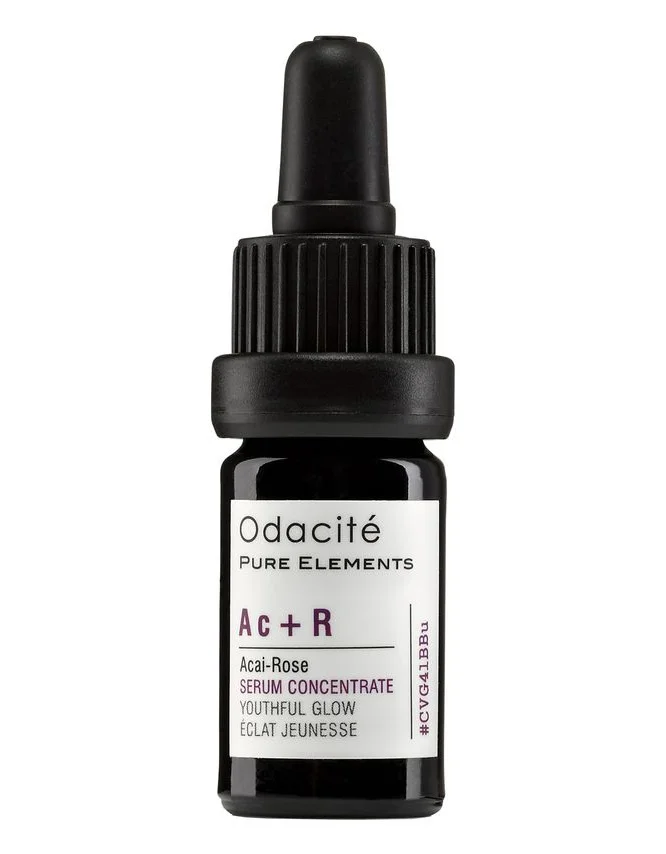



| EWG | CIR | Ingredient Name & Cosmetic Function | Notes |
|---|---|---|---|
| 1 | - | | |
| 3 | - | (Skin Conditioning, Masking) | |
| - | - | Citrus Aurantium Amara (Neroli) Flower/Leaf Oil | |
| 1 | - | (Skin Conditioning, Emollient) | |

| EWG | CIR | Ingredient Name & Cosmetic Function | Notes |
|---|---|---|---|
| 1 | - | (Solvent) | |
| 1 3 | B | (Surfactant, Cleansing) | |
| 3 | B | (Solvent, Fragrance, Humectant, Viscosity Decreasing Agent, Skin Conditioning, Viscosity Controlling, Skin-Conditioningagent - Miscellaneous) |  |
| 1 5 | B | (Hair Conditioning, Skin Conditioning, Viscosity Controlling, Antistatic Agent, Viscosity Increasing Agent, Foam Boosting, Sufactant) | |


Euterpe Oleracea (Acai) Oil
1. Definition Euterpe Oleracea (Acai) Oil:
Acai oil is derived from the fruit of the Acai palm tree, native to the Amazon rainforest. It is a rich source of antioxidants, essential fatty acids, and vitamins, making it a popular ingredient in skincare and haircare products.2. Use:
Acai oil is known for its nourishing and moisturizing properties, making it a great addition to skincare products such as moisturizers, serums, and masks. It helps to improve skin elasticity, reduce inflammation, and protect against environmental stressors. In haircare products, Acai oil can help to strengthen and condition the hair, promoting healthy growth and shine.3. Usage Euterpe Oleracea (Acai) Oil:
Acai oil can be used topically on the skin and hair. It is typically applied in small amounts and massaged into the skin or hair until fully absorbed. It can be used on its own or combined with other oils or ingredients to create customized skincare or haircare products. It is important to perform a patch test before using Acai oil to check for any potential allergic reactions. Additionally, it is recommended to store Acai oil in a cool, dark place to prevent oxidation and maintain its efficacy.4. References:
- Costa, A. G. V., Garcia, A. A. F., & Lima, J. C. (2019). Açai (Euterpe oleracea Mart.) oil: Chemical composition, antioxidant activity, and antimicrobial properties. Food Chemistry, 271, 170-177.
- Schauss, A. G., Wu, X., Prior, R. L., Ou, B., Huang, D., Owens, J., ... & Shanbrom, E. (2006). Antioxidant capacity and other bioactivities of the freeze-dried Amazonian palm berry, Euterpe oleraceae mart. (Acai). Journal of Agricultural and Food Chemistry, 54(22), 8604-8610.
- Jensen, G. S., Wu, X., Patterson, K. M., Barnes, J., Carter, S. G., Scherwitz, L., ... & Schauss, A. G. (2008). In vitro and in vivo antioxidant and anti-inflammatory capacities of an antioxidant-rich fruit and berry juice blend. Results of a pilot and randomized, double-blinded, placebo-controlled, crossover study. Journal of Agricultural and Food Chemistry, 56(18), 8326-8333.
Rosa Damascena (Rose) Flower Oil
1. Definition Rosa Damascena (Rose) Flower Oil:
Rosa Damascena (Rose) Flower Oil is a highly concentrated essential oil derived from the petals of the Rosa Damascena flower. It is known for its sweet, floral scent and numerous skincare benefits.2. Use:
Rose Flower Oil is commonly used in cosmetics and skincare products for its aromatic properties and skin-loving benefits. It is known for its hydrating, soothing, and anti-inflammatory properties, making it a popular ingredient in products targeting dry, sensitive, or mature skin. Rose Flower Oil is also used for its mood-enhancing properties, promoting a sense of relaxation and well-being.3. Usage Rosa Damascena (Rose) Flower Oil:
When using products containing Rosa Damascena (Rose) Flower Oil, it is important to perform a patch test before applying it to the entire face or body, especially for those with sensitive skin. Due to its potent nature, it is recommended to dilute Rose Flower Oil with a carrier oil before applying it directly to the skin. It is also advised to avoid contact with the eyes and mucous membranes. Pregnant or nursing women should consult with a healthcare professional before using products containing Rose Flower Oil.4. References:
- Boskabady, M. H., Shafei, M. N., Saberi, Z., & Amini, S. (2011). Pharmacological effects of Rosa damascena. Iranian journal of basic medical sciences, 14(4), 295–307.
- Saikia, J., & Parveen, S. (2018). Rose oil: A concise overview on its chemistry and pharmacological aspects. Asian Pacific Journal of Tropical Biomedicine, 8(12), 1023–1029.
- Babaei, M., Abarghoei, M. E., Ansari, M., & Jafari, S. M. (2020). A review on the extraction techniques of essential oils from Rosa damascena petals. Journal of Food Science and Technology, 57(7), 2335–2344.
Citrus Aurantium Amara (Neroli) Flower/Leaf Oil
Ingredient data is being updated. Please check back later.
Jasminum Sambac (Arabian Jasmine) Flower Oil
1. Definition Jasminum Sambac (Arabian Jasmine) Flower Oil:
Jasminum Sambac (Arabian Jasmine) Flower Oil is an essential oil extracted from the flowers of the Jasminum Sambac plant. It is known for its sweet, floral scent and is commonly used in perfumery and cosmetics.2. Use:
Arabian Jasmine Flower Oil is often used in cosmetics for its aromatic properties and skin benefits. It is believed to have antioxidant, anti-inflammatory, and antimicrobial properties, making it a popular ingredient in skincare products. The oil is also used in perfumes for its sweet, exotic fragrance.3. Usage Jasminum Sambac (Arabian Jasmine) Flower Oil:
Arabian Jasmine Flower Oil can be used in a variety of cosmetic products, including lotions, creams, serums, and perfumes. It is typically added in small concentrations to provide a natural fragrance and potential skin benefits. However, it is important to note that essential oils can be irritating to some individuals, so it is recommended to perform a patch test before using products containing Arabian Jasmine Flower Oil.4. References:
- Ali, B., Al-Wabel, N. A., Shams, S., Ahamad, A., Khan, S. A., & Anwar, F. (2015). Essential oils used in aromatherapy: A systemic review. Asian Pacific Journal of Tropical Biomedicine, 5(8), 601-611.
- Prashar, A., Locke, I. C., & Evans, C. S. (2004). Cytotoxicity of lavender oil and its major components to human skin cells. Cell Proliferation, 37(3), 221-229.
- Mishra, A. K., Mishra, A., & Verma, A. (2016). Arabian Jasmine (Jasminum sambac L. Aiton): Ethnobotanical uses, phytochemistry, and pharmacology. Journal of Pharmacognosy and Phytochemistry, 5(3), 31-36.







