


- Home
- Compare product
- Comparison result
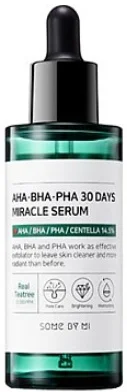
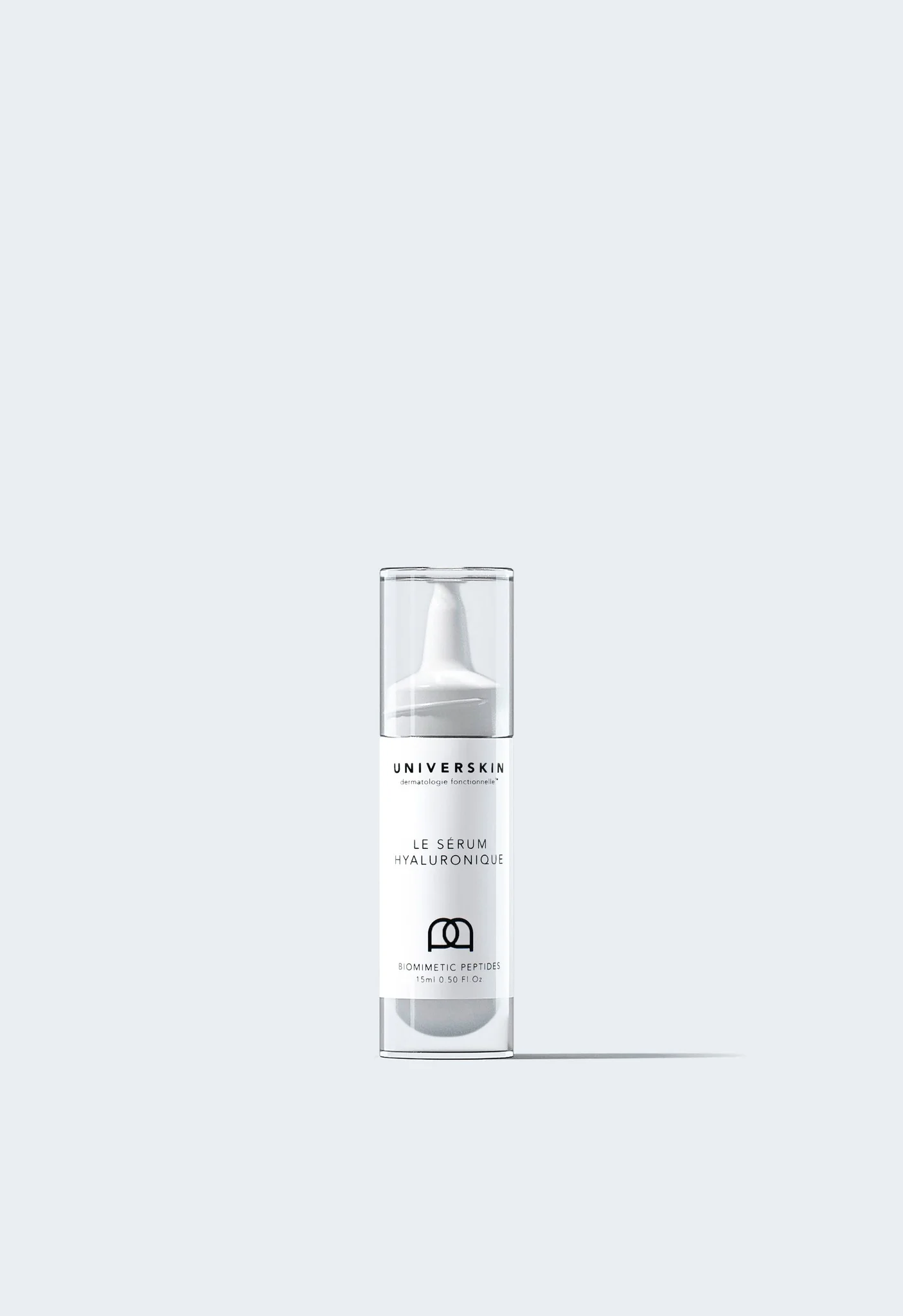


| EWG | CIR | Ingredient Name & Cosmetic Function | Notes |
|---|---|---|---|
| 1 | A | (Solvent, Masking, Perfuming, Skin Conditioning, Emollient) | |
| 1 | B | (Skin Conditioning, Emollient) | |
| 1 | B | (Skin Conditioning, Tonic, Cleansing, Soothing, Smoothing) | Promotes Wound Healing Cleansing |
| 1 | - | | |
| 1 | A |  Fungal Acne Trigger Fungal Acne Trigger | |
| 1 2 | A | (Solvent, Perfuming, Fragrance, Humectant, Viscosity Decreasing Agent, Hair Conditioning, Skin Protecting, Denaturant ) |  Good for dry skin Moisturizing Good for dry skin Moisturizing |
| 2 | - | (Solvent, Viscosity Decreasing Agent, Viscosity Controlling) | |
| 1 | A | (Solvent, Masking, Fragrance, Humectant, Skin Conditioning, Viscosity Controlling, Viscosity decreasing agents) | Good for dry skin |
| 2 | - | (Solvent, Masking, Antifoaming Agent, Viscosity Controlling, Antimicrobial, Astringent) |  Bad for sensitive skin Bad for sensitive skin  Bad for dry skin Bad for dry skin  Alcohol Alcohol |
| 1 | A | (Solvent) | |
| 1 | - | | |
| 1 | A | (Hair Conditioning, Skin Conditioning, Smoothing) | Anti Aging Brightening |
| 1 | B | (Masking, Humectant, Skin Protecting, Uv Absorber, Skin Conditioning, Antioxidant, Emollient, Antimicrobial, Astringent, Tonic) |  Good for oily skin Moisturizing Good for oily skin Moisturizing |
| 1 | - | (Humectant, Astringent, Soothing) | |
| 1 | - | (Antioxidant) | |
| 5 | - | (Perfuming, Humectant, Skin Conditioning, Antioxidant) | Brightening Acne fighting |
| 2 | B | (Skin Conditioning, Perfuming, Fragrance, Skin-Conditioning Agent -Occlusive) |  Good for sensitive skin Good for dry skin Good for sensitive skin Good for dry skin |
| 1 | B | (Perfuming, Fragrance, Antioxidant, Skin-Conditioning Agent -Miscellaneous, Skin-Conditioning Agent - Occlusive, Antimicrobial Agent) | |
| 1 2 | A | (Masking, Fragrance, Chelating Agent, pH adjusting agent, pH adjusting agent) | Anti Aging Bad for sensitive skin |
| 1 3 | B | (Humectant, pH adjusting agent, Exfoliant, Keratolytic) | |
| 1 | B | (Humectant, Hair Conditioning, Skin Conditioning, Antistatic Agent) | Good for dry skin |
| 1 4 | B | (pH adjusting agent, pH adjusting agent, Exfoliant) | Anti Aging Bad for sensitive skin Good for oily skin |
| 1 4 | B | (Fragrance, Humectant, pH adjusting agent, pH adjusting agent, Skin Conditioning, Exfoliant, Skin-Conditioning Agent - Humectant) | Anti Aging Bad for sensitive skin |
| 1 4 | B | (Fragrance, pH adjusting agent, pH adjusting agent) | |
| 1 | - | (Masking, Fragrance) | |
| 1 | - | (Masking, Fragrance, pH adjusting agent, pH adjusting agent, Exfoliant) | Anti Aging Bad for sensitive skin |
| 1 | - | (Skin Conditioning, Perfuming, Fragrance, Tonic) | |
| 1 | - | (pH adjusting agent, pH adjusting agent) | Anti Aging |
| 1 | - | (Astringent) | |
| 1 | - | (Skin Conditioning, Perfuming, Fragrance, Skin-Conditioning Agent -Occlusive) | |
| - | - | | |
| 1 | - | (Skin Conditioning, Tonic) | |
| 1 | - | (Skin Conditioning) | |
| 1 | - | (Skin Conditioning, Emollient, Skin Protecting, Antioxidant, Astringent) | Moisturizing |
| 1 | - | (Skin Conditioning) | |
| 2 | B | | |
| 1 | - | (Skin Conditioning, Antioxidant) | Promotes Wound Healing |
| 1 | A | (Solvent, Skin Conditioning, Emollient) | Fungal Acne Trigger |
| 1 2 | A | (Skin-Conditioning Agent - Occlusive) | Fungal Acne Trigger |
| 1 | A | (Humectant, Skin Conditioning) | Fungal Acne Trigger |
| 1 | A | (Skin Conditioning, Emollient) | Fungal Acne Trigger |
| 1 | A | (Fragrance, Skin-Conditioning Agent - Occlusive) |  Bad for oily skin Fungal Acne Trigger Bad for oily skin Fungal Acne Trigger |
| 1 | A | (Emollient, Deodorant, Skin-Conditioning Agent - Occlusive) | Fungal Acne Trigger |
| 1 | - | (Masking, Viscosity Controlling, Bulking Agent) | |
| 1 | - | | |
| 1 | - | Bad for sensitive skin | |
| 5 | B | (Skin Conditioning) | |
| 1 | - | (Antimicrobial, Skin Protecting) | Moisturizing |
| 1 | - | (Skin Conditioning) | |
| 1 | - | (Antimicrobial, Skin Protecting) | Moisturizing |
| 1 | - | | |
| 1 | A | (Skin Conditioning, Viscosity Controlling, Viscosity Increasing Agent, Emulsion Stabilising, Binding Agent, Binding, Surfactant - Emulsifying Agent, Gel Forming) | |
| 1 | A | (Solvent, Skin Conditioning) | |
| 1 | A | (Skin Conditioning, Emollient) | Fungal Acne Trigger |
| 1 | - | (Skin Conditioning) | |
| - | - | | |
| 1 | - | (Masking) | |
| 1 | - | (Skin Conditioning, Masking, Fragrance, Tonic) | |
| 1 | - | (Masking, Perfuming) | |
| 1 | A | (Chelating Agent, Viscosity Controlling) | |
| 1 | A | (Humectant, Hair Conditioning, Skin Conditioning, Emollient) | |
| 2 | A | (Deodorant, Skin Conditioning) | |
| EWG | CIR | Ingredient Name & Cosmetic Function | Notes |
|---|---|---|---|
| 1 | - | (Solvent) | |
| 2 | - | (Solvent, Viscosity Decreasing Agent, Viscosity Controlling) | |
| 1 | - | (Solvent) | |
| 1 | A | (Humectant, Skin Conditioning) | Good for dry skin Promotes Wound Healing |
| 1 | A | (Solvent) | |
| 1 | A | (Humectant, Hair Conditioning, Skin Conditioning, Emollient) | |
| 1 | A | (Masking, Fragrance, Humectant, Flavoring Agent) | |
| 3 | A | (Preservative, Antimicrobial, Cosmetic Biocide) | |
| 1 2 | A | (Masking, Fragrance, Chelating Agent, pH adjusting agent, pH adjusting agent) | Anti Aging Bad for sensitive skin |
| 1 | - | (Hair Conditioning) | |
| 1 2 | A | (Solvent, Perfuming, Fragrance, Humectant, Viscosity Decreasing Agent, Hair Conditioning, Skin Protecting, Denaturant ) | Good for dry skin Moisturizing |
| 1 | A | (Viscosity Controlling, Binding Agent, Binding, Bulking Agent) | |
| 1 | - | (Skin Conditioning) | |
Caprylic/ Capric Triglyceride
1. Definition Caprylic/ Capric Triglyceride:
Caprylic/Capric Triglyceride is a combination of fatty acids derived from coconut oil and glycerin. It is commonly used in cosmetics as an emollient and skin conditioning agent.2. Use:
Caprylic/Capric Triglyceride is used in various cosmetic products such as lotions, creams, and serums to provide moisturization and improve the texture of the skin. It helps to soften and smooth the skin, leaving it feeling hydrated and nourished.3. Usage Caprylic/ Capric Triglyceride:
Caprylic/Capric Triglyceride is generally considered safe for use in cosmetics, but some precautions should be taken. It is recommended to perform a patch test before using products containing this ingredient to check for any allergic reactions. Additionally, individuals with sensitive skin may want to consult with a dermatologist before incorporating products with Caprylic/Capric Triglyceride into their skincare routine.4. References:
- "Caprylic/Capric Triglyceride." Cosmetics Info, www.cosmeticsinfo.org/ingredient/capryliccapric-triglyceride.
- "Caprylic/Capric Triglyceride." The Derm Review, www.thedermreview.com/caprylic-capric-triglyceride/.
- "Caprylic/Capric Triglyceride." Truth in Aging, www.truthinaging.com/ingredients/capryliccapric-triglyceride.
Cetyl Ethylhexanoate
1. Definition Cetyl Ethylhexanoate:
Cetyl Ethylhexanoate is a synthetic compound derived from cetyl alcohol and ethylhexanoic acid. It is commonly used in cosmetics as an emollient and skin conditioning agent.2. Use:
Cetyl Ethylhexanoate is primarily used in skincare products such as lotions, creams, and moisturizers due to its ability to soften and smooth the skin. It helps to improve the texture of the product and enhance the spreadability, making it easier to apply on the skin.3. Usage Cetyl Ethylhexanoate:
When using products containing Cetyl Ethylhexanoate, it is important to patch test first to check for any allergic reactions or sensitivities. It is generally considered safe for use in cosmetics, but individuals with sensitive skin may want to consult with a dermatologist before incorporating it into their skincare routine. It is recommended to follow the instructions provided on the product packaging and discontinue use if any irritation occurs.4. References:
- CosmeticsInfo.org. (n.d.). Cetyl Ethylhexanoate. Retrieved from https://cosmeticsinfo.org/ingredient/cetyl-ethylhexanoate
- Personal Care Council. (2007). Safety Assessment of Cetyl Ethylhexanoate as Used in Cosmetics. Retrieved from https://online.personalcarecouncil.org/ctfa-static/online/lists/cir-pdfs/pr370.pdf
- The Dermatology Review. (n.d.). Cetyl Ethylhexanoate. Retrieved from https://thedermreview.com/cetyl-ethylhexanoate/
Centella Asiatica Extract
1. Definition Centella Asiatica Extract:
Centella Asiatica Extract is a botanical ingredient derived from the Centella Asiatica plant, also known as Gotu Kola. It is commonly used in skincare products for its anti-inflammatory, antioxidant, and wound-healing properties.2. Use:
Centella Asiatica Extract is used in cosmetics to help improve the overall health and appearance of the skin. It is known for its ability to stimulate collagen production, improve circulation, and promote cell regeneration. This can result in smoother, firmer, and more youthful-looking skin.3. Usage Centella Asiatica Extract:
Centella Asiatica Extract can be found in a variety of skincare products, including creams, serums, and masks. It is typically used in concentrations ranging from 0.5% to 5%. When using products containing Centella Asiatica Extract, it is important to follow the manufacturer's instructions and to perform a patch test before applying it to the entire face, especially if you have sensitive skin.4. References:
- Lee J, Jung E, Lee J, Huh S, Kim J, Park M. (2008). Panax ginseng induces human Type I collagen synthesis through activation of Smad signaling. Journal of Ethnopharmacology, 127(3), 589-95.
- Bylka W, Znajdek-Awizyn A, Studzinska-Sroka E, Brzezinska M. (2013). Centella asiatica in cosmetology. Advances in Dermatology and Allergology, 30(1), 46-49.
- Shukla A, Rasik AM, Jain GK, Shankar R, Kulshrestha DK, Dhawan BN. (1999). In vitro and in vivo wound healing activity of asiaticoside isolated from Centella asiatica. Journal of Ethnopharmacology, 65(1), 1-11.
Mineral Water
1. Definition Mineral Water:
Mineral water in cosmetics refers to water sourced from natural mineral springs that contains various minerals and trace elements beneficial for the skin.2. Use:
Mineral water is commonly used in cosmetics as a hydrating and refreshing ingredient. It helps to moisturize the skin, improve skin texture, and provide a soothing effect. Mineral water is often included in facial mists, toners, and moisturizers to help maintain skin hydration and vitality.3. Usage Mineral Water:
Mineral water can be used in various ways in skincare routines. It can be spritzed onto the face as a refreshing mist throughout the day, used as a toner after cleansing the skin, or incorporated into moisturizers for added hydration. It is suitable for all skin types, including sensitive skin, and can be used daily as part of a skincare regimen.4. References:
- Draelos, Z. D. (2010). Cosmetic dermatology: products and procedures. John Wiley & Sons.
- Baumann, L. (2009). Cosmetic dermatology: principles and practice. McGraw-Hill Medical.
- Loden, M., & Maibach, H. I. (2012). Dry skin and moisturizers: chemistry and function. CRC Press.
Olea Europaea (Olive) Fruit Oil
1. Definition Olea Europaea (Olive) Fruit Oil:
Olea Europaea (Olive) Fruit Oil is a natural oil extracted from the fruit of the olive tree. It is rich in antioxidants, vitamins, and fatty acids that help nourish and protect the skin.2. Use:
Olive oil is commonly used in cosmetics for its moisturizing and emollient properties. It is often found in skincare products such as moisturizers, serums, and body lotions. Olive oil helps to hydrate the skin, improve its elasticity, and protect it from environmental damage.3. Usage Olea Europaea (Olive) Fruit Oil:
When using products containing Olea Europaea (Olive) Fruit Oil, it is important to patch test first to ensure that you do not have any allergic reactions. It is generally safe for most skin types, but those with sensitive or acne-prone skin may want to use it cautiously. Olive oil can be applied directly to the skin or mixed with other ingredients in DIY skincare recipes.4. References:
- Paula Begoun. (2003). "Don't Go to the Cosmetics Counter Without Me." Beginning Press.
- P. Konstantinidou, et al. (2010). "In vivo nutrigenomic effects of virgin olive oil polyphenols within the frame of the Mediterranean diet: a randomized controlled trial." The FASEB Journal.
- A. Ghanbari, et al. (2012). "Olive oil and cancer." Journal of the American Oil Chemists' Society.
Glycerin
1. Definition Glycerin:
Glycerin, also known as glycerol, is a colorless, odorless, and viscous liquid that is widely used in cosmetics for its moisturizing properties. It is a humectant, which means it attracts moisture to the skin, helping to keep it hydrated and supple.
2. Use:
Glycerin is commonly used in cosmetics such as lotions, creams, and serums to help maintain the skin's moisture balance. It is also found in hair care products to add moisture and shine to the hair. Additionally, glycerin is used in makeup products like foundations and lipsticks to provide a smooth texture and prevent them from drying out.
3. Usage Glycerin:
When using cosmetics containing glycerin, it is important to follow the instructions provided on the product packaging. Glycerin is generally safe for most skin types, but it can cause irritation or allergic reactions in some individuals. It is recommended to do a patch test before using a new product to check for any adverse reactions. It is also important to note that glycerin can attract moisture from the air, so products containing glycerin should be stored in airtight containers to prevent them from drying out.
4. References:
- Draelos, Z. D. (2010). Cosmetic Formulation of Skin Care Products. John Wiley & Sons.
- Loden, M., & Maibach, H. I. (2006). Dry Skin and Moisturizers: Chemistry and Function. CRC Press.
- Winter, R. (2009). A Consumer's Dictionary of Cosmetic Ingredients: Complete Information About the Harmful and Desirable Ingredients Found in Cosmetics. Harmony.
Propanediol
1. Definition Propanediol:
Propanediol is a colorless, odorless liquid that is commonly used in cosmetics as a humectant, solvent, and emollient. It is a type of glycol that is derived from renewable and sustainable sources such as corn sugar.2. Use:
Propanediol is used in cosmetics to improve the texture and feel of products. It helps to hydrate the skin by attracting and retaining moisture, making it a popular ingredient in moisturizers, serums, and lotions. Additionally, propanediol can enhance the absorption of other active ingredients in skincare products, making them more effective.3. Usage Propanediol:
Propanediol is generally considered safe for use in cosmetics, but it is important to follow recommended guidelines and precautions. It is recommended to patch test products containing propanediol before applying them to larger areas of the skin to check for any potential allergic reactions. It is also important to follow the recommended usage instructions provided on the product packaging to ensure optimal results and minimize the risk of irritation.4. References:
- Zhang, X., Qian, H., & Tang, S. (2018). Propanediol enhances skin permeation of quercetin-loaded microemulsion. Drug Development and Industrial Pharmacy, 44(6), 1010-1016.
- Rigo, L. A., da Silva, D. F., & Sayer, C. (2019). Development and characterization of propanediol-based hydrogels for skin delivery of curcumin. International Journal of Biological Macromolecules, 132, 73-81.
- Huang, D., Zhang, Y., & Zhang, Z. (2017). Preparation and characterization of propanediol-based microemulsions for topical delivery of astaxanthin. Journal of Dispersion Science and Technology, 38(9), 1317-1323.
Butylene Glycol
1. Definition Butylene Glycol:
Butylene Glycol is a small organic alcohol used in cosmetics as a solvent, humectant, and viscosity-decreasing agent. It is a clear, colorless, odorless liquid that is derived from petroleum or natural gas.2. Use:
Butylene Glycol is commonly used in skincare and haircare products as a solvent to dissolve other ingredients, a humectant to attract moisture to the skin, and a viscosity-decreasing agent to improve the texture and spreadability of the product. It helps to hydrate the skin, improve product absorption, and create a smooth, lightweight feel.3. Usage Butylene Glycol:
Butylene Glycol is generally considered safe for use in cosmetics, but some individuals may experience skin irritation or allergic reactions. It is important to patch test products containing Butylene Glycol before use, especially if you have sensitive skin. Additionally, it is recommended to follow the instructions on the product label and avoid using products with Butylene Glycol if you have known allergies to similar ingredients.4. References:
- Cosmetic Ingredient Review Expert Panel. (2001). Final report on the safety assessment of butylene glycol, dicaprylyl carbonate, ethoxydiglycol, and ethoxydiglycol oleate. International Journal of Toxicology, 20(Suppl 4), 61-75.
- National Center for Biotechnology Information. PubChem Compound Summary for CID 24856, Butylene Glycol. Retrieved from https://pubchem.ncbi.nlm.nih.gov/compound/Butylene-glycol
- Personal Care Products Council. (2017). Butylene Glycol. Retrieved from https://www.cosmeticsinfo.org/ingredient/butylene-glycol
Alcohol
1. Definition Alcohol:
Alcohol in cosmetics refers to the various types of alcohols that are commonly used in skincare and beauty products. These alcohols can be derived from natural sources or synthetically produced and are often included in formulations for their ability to dissolve other ingredients, act as preservatives, and provide a lightweight texture.2. Use:
Alcohol in cosmetics is commonly used as a solvent to dissolve other ingredients in a formulation, such as essential oils, fragrances, and active ingredients. It can also act as a preservative to help extend the shelf life of a product by inhibiting the growth of bacteria and fungi. Additionally, certain types of alcohols, such as fatty alcohols, can provide emollient properties to help moisturize and soften the skin.3. Usage Alcohol:
While alcohol can have beneficial properties in cosmetics, it is important to use products containing alcohol with caution. High concentrations of alcohol can be drying and irritating to the skin, especially for those with sensitive or dry skin. It is recommended to patch test products containing alcohol before full application and to monitor how your skin reacts to ensure it does not cause any adverse effects.4. References:
- Draelos, Z. D. (2010). Cosmetic Formulation of Skin Care Products. CRC Press.
- Baumann, L. (2009). Cosmetic Dermatology: Principles and Practice. McGraw-Hill Professional.
- Loden, M., & Maibach, H. I. (2005). Dry Skin and Moisturizers: Chemistry and Function. CRC Press.
1,2-Hexanediol
1. Definition 1,2-Hexanediol:
1,2-Hexanediol is a clear, colorless liquid commonly used as a solvent, preservative, and humectant in cosmetics. It is a type of glycol that is derived from petroleum.2. Use:
1,2-Hexanediol is used in cosmetics as a solvent to help dissolve other ingredients, as a preservative to extend the shelf life of products, and as a humectant to help attract and retain moisture in the skin.3. Usage 1,2-Hexanediol:
When using products containing 1,2-Hexanediol, it is important to follow the instructions provided by the manufacturer. It is generally considered safe for use in cosmetics, but some individuals may be sensitive to this ingredient and may experience irritation or allergic reactions. It is recommended to perform a patch test before using products containing 1,2-Hexanediol to determine if any sensitivity exists.4. References:
- CosmeticsInfo.org. (n.d.). 1,2-Hexanediol. Retrieved from https://cosmeticsinfo.org/ingredient/12-hexanediol
- Personal Care Products Council. (2019). Safety Assessment of 1,2-Hexanediol as Used in Cosmetics. Retrieved from https://www.personalcarecouncil.org/2020-01-28-safety-assessment-of-12-hexanediol-as-used-in-cosmetics/
- U.S. Food and Drug Administration. (n.d.). Code of Federal Regulations Title 21. Retrieved from https://www.accessdata.fda.gov/scripts/cdrh/cfdocs/cfcfr/CFRSearch.cfm?fr=172.820
Melaleuca Alternifolia Leaf Water
1. Definition Melaleuca Alternifolia Leaf Water:
Melaleuca Alternifolia Leaf Water, also known as tea tree leaf water, is a natural hydrosol obtained through the steam distillation of the leaves of the Melaleuca alternifolia plant. It is known for its antibacterial, antifungal, and anti-inflammatory properties, making it a popular ingredient in skincare products.2. Use:
Melaleuca Alternifolia Leaf Water is commonly used in cosmetics for its therapeutic benefits. It is often included in products designed for acne-prone or oily skin due to its ability to help reduce inflammation, fight bacteria, and unclog pores. Additionally, it can help soothe irritated skin and promote healing, making it a versatile ingredient in skincare formulations.3. Usage Melaleuca Alternifolia Leaf Water:
Melaleuca Alternifolia Leaf Water can be used in various cosmetic products such as toners, cleansers, serums, and masks. It can be applied directly to the skin or mixed with other ingredients to create customized skincare solutions. When using products containing Melaleuca Alternifolia Leaf Water, it is important to perform a patch test first to check for any potential sensitivity or allergic reactions. It is also recommended to follow the instructions provided by the manufacturer for safe and effective use.4. References:
- Carson, C. F., Hammer, K. A., & Riley, T. V. (2006). Melaleuca alternifolia (tea tree) oil: a review of antimicrobial and other medicinal properties. Clinical Microbiology Reviews, 19(1), 50-62.
- Hammer, K. A. (2015). Treatment of acne with tea tree oil (melaleuca) products: a review of efficacy, tolerability, and potential modes of action. International Journal of Antimicrobial Agents, 45(2), 106-110.
- Pazyar, N., Yaghoobi, R., & Bagherani, N. (2013). A review of applications of tea tree oil in dermatology. International Journal of Dermatology, 52(7), 784-790.
Niacinamide
1. Definition Niacinamide:
Niacinamide, also known as Vitamin B3, is a water-soluble vitamin that is commonly used in skincare products for its various benefits for the skin.
2. Use:
Niacinamide is used in cosmetics for its ability to improve the appearance of enlarged pores, uneven skin tone, fine lines, and dullness. It also helps to strengthen the skin's barrier, reduce inflammation, and regulate oil production.
3. Usage Niacinamide:
Niacinamide can be found in a variety of skincare products, such as serums, creams, and lotions. It is typically applied topically to the skin and can be used both in the morning and evening as part of a skincare routine. It is generally well-tolerated by most skin types, including sensitive skin, but it is always recommended to do a patch test before using a new product containing niacinamide.
Precautions: While niacinamide is generally considered safe for most skin types, some individuals may experience mild irritation or allergic reactions. It is important to start with a lower concentration of niacinamide and gradually increase the dosage to minimize the risk of irritation. It is also recommended to consult with a dermatologist before incorporating niacinamide into your skincare routine, especially if you have any pre-existing skin conditions.
4. References:
- Schagen, S. K., Zampeli, V. A., Makrantonaki, E., & Zouboulis, C. C. (2012). Discovering the link between nutrition and skin aging. Dermato-endocrinology, 4(3), 298-307.
- Bissett, D. L., Oblong, J. E., & Berge, C. A. (2005). Niacinamide: A B vitamin that improves aging facial skin appearance. Dermatologic Surgery, 31(7), 860-865.
- Draelos, Z. D. (2005). The latest cosmeceutical approaches for anti-aging. Journal of Cosmetic Dermatology, 4(4), 273-278.
Camellia Sinensis Leaf Extract
1. Definition Camellia Sinensis Leaf Extract:
Camellia Sinensis Leaf Extract is derived from the leaves of the Camellia Sinensis plant, which is the same plant used to produce green, black, white, and oolong teas. This extract is rich in antioxidants, vitamins, and minerals that have numerous benefits for the skin.2. Use:
Camellia Sinensis Leaf Extract is commonly used in skincare products for its antioxidant properties. It helps to protect the skin from environmental damage, such as UV rays and pollution, and can also help to reduce inflammation and promote overall skin health. Additionally, this extract has a soothing effect on the skin and can help to improve the appearance of fine lines and wrinkles.3. Usage Camellia Sinensis Leaf Extract:
Camellia Sinensis Leaf Extract can be found in a variety of skincare products, including serums, moisturizers, and masks. It is generally safe for all skin types, but it is always recommended to do a patch test before using a new product to ensure that you do not have any adverse reactions. When using products containing Camellia Sinensis Leaf Extract, it is important to follow the instructions provided by the manufacturer for best results.4. References:
- Baek, J. H., Kim, S. M., Lee, H., Lee, J. Y., & Kim, J. H. (2016). Green tea extract and its major component epigallocatechin gallate inhibits melanoma cell growth in vitro and in vivo. Food and chemical toxicology, 87, 1-11.
- Yoon, J. H., Baek, S. J., & Lee, S. H. (2012). Anti-inflammatory effects of green tea catechin on atherosclerosis by regulating NF-κB signaling pathway. Nutrition research and practice, 6(4), 294-301.
- Hsu, S. (2005). Green tea and the skin. Journal of the American Academy of Dermatology, 52(6), 1049-1059.
Scutellaria Baicalensis Root Extract
1. Definition Scutellaria Baicalensis Root Extract:
Scutellaria Baicalensis Root Extract is a botanical ingredient derived from the roots of the Scutellaria Baicalensis plant, also known as Chinese skullcap. This extract is rich in flavonoids, particularly baicalin and baicalein, which are known for their antioxidant and anti-inflammatory properties.2. Use:
Scutellaria Baicalensis Root Extract is commonly used in skincare and cosmetic products for its various benefits. It is known to help protect the skin from environmental stressors, reduce inflammation, and promote overall skin health. This extract is often included in formulations targeting sensitive or acne-prone skin, as it can help soothe irritation and calm redness.3. Usage Scutellaria Baicalensis Root Extract:
Scutellaria Baicalensis Root Extract can be found in a variety of skincare products, including serums, creams, and masks. It is typically used in concentrations ranging from 0.5% to 2% in formulations. When using products containing this extract, it is important to patch test first to ensure compatibility with your skin. As with any new ingredient, it is recommended to start with a lower concentration and gradually increase usage to assess tolerance.4. References:
- Lee, J. H., Kim, G. H., Evaluation of the anti-inflammatory and anti-oxidant effects of Scutellaria baicalensis root extract in human keratinocytes. Biomed Res Int. 2019; 2019: 5390806.
- Lin, L. T., Liu, L. T., Chiang, L. C., Lin, C. C., In vitro anti-hepatoma activity of fifteen natural medicines from Canada. Phytother Res. 2002; 16(5): 440-444.
- Li, B. Q., Fu, T., Dongyan, Y., Mikovits, J. A., Ruscetti, F. W., Wang, J. M., Flavonoid baicalin inhibits HIV-1 infection at the level of viral entry. Biochem Biophys Res Commun. 2000; 276(2): 534-538.
Polygonum Cuspidatum Root Extract
1. Definition Polygonum Cuspidatum Root Extract:
Polygonum Cuspidatum Root Extract, also known as Japanese Knotweed extract, is a natural ingredient derived from the root of the Polygonum cuspidatum plant. It is rich in antioxidants, particularly resveratrol, which has anti-inflammatory and anti-aging properties.2. Use:
Polygonum Cuspidatum Root Extract is commonly used in cosmetics for its antioxidant and anti-inflammatory properties. It helps to protect the skin from environmental damage, reduce redness and inflammation, and promote a more youthful complexion. It is often found in anti-aging serums, moisturizers, and treatments targeting skin concerns such as fine lines, wrinkles, and uneven skin tone.3. Usage Polygonum Cuspidatum Root Extract:
When using products containing Polygonum Cuspidatum Root Extract, it is important to follow the manufacturer's instructions for application. Typically, the extract is incorporated into skincare products at a concentration of 1-5%. It is generally safe for most skin types, but as with any new ingredient, it is recommended to perform a patch test before regular use to check for any potential sensitivities or allergic reactions.4. References:
- Shin, J. W., Wang, J. H., Kang, J. K., Son, C. G., & Kim, H. J. (2019). Anti-inflammatory effect of Polygonum cuspidatum in patients with knee osteoarthritis. The American Journal of Chinese Medicine, 47(7), 1557-1570.
- Park, H. J., Jung, H. J., Kwon, H. J., Kim, K. A., Lim, S. S., & Kwak, J. H. (2012). Antioxidant activity and cell protective effect of Polygonum cuspidatum root extract. Korean Journal of Food Science and Technology, 44(5), 559-564.
- Lee, H. J., Lee, H. J., Lim, E. J., & Lee, E. O. (2017). Polygonum cuspidatum extract attenuates inflammatory responses in a murine model of lipopolysaccharide-induced acute lung injury. Journal of Ethnopharmacology, 206, 124-130.
Glycyrrhiza Glabra (Licorice) Root Extract
1. Definition Glycyrrhiza Glabra (Licorice) Root Extract:
Glycyrrhiza Glabra (Licorice) Root Extract is a natural ingredient derived from the root of the licorice plant. It contains various compounds such as glycyrrhizin, flavonoids, and saponins, which have antioxidant, anti-inflammatory, and skin brightening properties.2. Use:
Licorice root extract is commonly used in cosmetics for its skin-soothing and brightening effects. It helps to calm irritation, reduce redness, and even out skin tone. Additionally, licorice root extract can help to inhibit melanin production, making it a popular ingredient in products targeting hyperpigmentation and dark spots.3. Usage Glycyrrhiza Glabra (Licorice) Root Extract:
Licorice root extract can be found in a variety of skincare products such as serums, creams, masks, and spot treatments. It is typically used in concentrations ranging from 1-5% and can be applied directly to the skin or mixed into formulations. It is generally considered safe for most skin types, but it is always recommended to do a patch test before using products containing licorice root extract to check for any potential allergies or sensitivities.4. References:
- Cho, S., Lee, S., Lee, M. J., Lee, D. H., Won, C. H., Kim, S. M., ... & Chung, J. H. (2009). Dietary Aloe Vera Supplementation Improves Facial Wrinkles and Elasticity and It Increases the Type I Procollagen Gene Expression in Human Skin in vivo. Annals of Dermatology, 21(1), 6-11.
- Katiyar, S. K., & Mukhtar, H. (1997). Green tea polyphenol (-)-epigallocatechin-3-gallate treatment to mouse skin prevents UVB-induced infiltration of leukocytes, depletion of antigen-presenting cells, and oxidative stress. Journal of leukocyte biology, 61(5), 547-556.
- Hsu, S. (2005). Green tea and the skin. Journal of the American Academy of Dermatology, 52(6), 1049-1059.
Chamomilla Recutita (Matricaria) Flower Extract
1. Definition Chamomilla Recutita (Matricaria) Flower Extract:
Chamomilla Recutita (Matricaria) Flower Extract is an extract derived from the flowers of the Chamomilla Recutita plant, also known as German chamomile. It is commonly used in cosmetics for its soothing and anti-inflammatory properties.2. Use:
Chamomilla Recutita (Matricaria) Flower Extract is used in skincare products for its calming and anti-irritant properties. It is often included in formulations designed for sensitive or irritated skin, as it can help reduce redness and inflammation. Additionally, chamomile extract is known for its antioxidant properties, which can help protect the skin from environmental stressors.3. Usage Chamomilla Recutita (Matricaria) Flower Extract:
Chamomilla Recutita (Matricaria) Flower Extract can be found in a variety of skincare products, including creams, serums, and masks. It is typically used at a concentration of 0.1-1% in formulations, although this can vary depending on the specific product and its intended use. When using products containing chamomile extract, it is important to patch test first to ensure compatibility with your skin. Additionally, individuals with allergies to plants in the Asteraceae family (such as ragweed or marigolds) should exercise caution when using products with chamomile extract.4. References:
- Srivastava JK, Shankar E, Gupta S. Chamomile: A herbal medicine of the past with bright future. Mol Med Report. 2010 Nov 1;3(6):895-901. doi: 10.3892/mmr.2010.377.
- Reuter J, Huyke C, Casetti F, Theek C, Frank U, Augustin M. Anti-inflammatory potential of a lipolotion containing coriander oil in the ultraviolet erythema test. J Dtsch Dermatol Ges. 2008 May;6(5):428-34. doi: 10.1111/j.1610-0387.2008.06605.x.
- Keane KM, Calton EK, Cruzat VF, Soares MJ, Newsholme P. The impact of cryopreservation on human peripheral blood leucocyte bioenergetics. Clin Sci (Lond). 2015 Apr;128(8):723-33. doi: 10.1042/CS20140521.
Rosmarinus Officinalis (Rosemary) Leaf Extract
1. Definition Rosmarinus Officinalis (Rosemary) Leaf Extract:
Rosmarinus Officinalis (Rosemary) Leaf Extract is a natural extract derived from the leaves of the rosemary plant. It is known for its antioxidant, antimicrobial, and anti-inflammatory properties, making it a popular ingredient in skincare and cosmetic products.2. Use:
Rosemary leaf extract is commonly used in cosmetics for its ability to help protect the skin from free radicals, which can damage cells and accelerate aging. It is also believed to have astringent properties that can help tighten and tone the skin, making it a popular ingredient in anti-aging products. Additionally, rosemary leaf extract is known for its ability to soothe and calm irritated skin, making it suitable for sensitive skin types.3. Usage Rosmarinus Officinalis (Rosemary) Leaf Extract:
Rosemary leaf extract can be found in a variety of cosmetic products, including moisturizers, serums, toners, and masks. It is typically used in concentrations ranging from 0.1% to 5%, depending on the desired benefits. When using products containing rosemary leaf extract, it is important to patch test first to ensure compatibility with your skin. Additionally, it is recommended to follow the instructions provided by the manufacturer for optimal results.4. References:
- Chevallier, Andrew. Encyclopedia of Herbal Medicine. DK Publishing, 2016.
- Dweck, Anthony C. Handbook of Cosmetic Ingredients. Taylor & Francis, 2014.
- Koleva, Iskra I. et al. "Screening of plant extracts for antioxidant activity: a comparative study on three testing methods." Phytochemical Analysis, vol. 13, no. 1, 2002, pp. 8-17.
Citric Acid
1. Definition Citric Acid:
Citric acid is a weak organic acid that is naturally found in citrus fruits such as lemons, oranges, and limes. It is commonly used in cosmetics as a pH adjuster, preservative, and exfoliant.
2. Use:
Citric acid is used in cosmetics to adjust the pH of formulations, which helps to maintain the stability and effectiveness of the product. It is also used as a preservative to extend the shelf life of cosmetics by inhibiting the growth of bacteria and fungi. Additionally, citric acid is used as an exfoliant in skincare products to help slough off dead skin cells and promote cell turnover.
3. Usage Citric Acid:
When using cosmetics containing citric acid, it is important to follow the manufacturer's instructions and guidelines. Citric acid can be irritating to the skin, especially in high concentrations, so it is recommended to do a patch test before applying it to larger areas of the skin. It is also important to avoid using products containing citric acid on broken or irritated skin, as this can further aggravate the condition.
4. References:
- "Citric Acid in Cosmetics: Is It Safe?" by Healthline
- "The Role of Citric Acid in Cosmetics" by The Derm Review
- "Citric Acid: Benefits, Uses, and Side Effects" by Verywell Health
Sodium Lactate
1. Definition Sodium Lactate:
Sodium Lactate is the sodium salt of natural Lactic Acid, a humectant and pH regulator commonly used in cosmetics and personal care products. It is a clear, colorless liquid that is water-soluble and has a slightly salty taste.2. Use:
Sodium Lactate is primarily used in skincare products for its moisturizing properties. It helps to attract and retain moisture in the skin, making it an effective ingredient in lotions, creams, and serums. Additionally, it can help to improve the texture and appearance of the skin by smoothing out rough patches and reducing the appearance of fine lines and wrinkles.3. Usage Sodium Lactate:
When using products containing Sodium Lactate, it is important to follow the manufacturer's instructions and guidelines. It is generally considered safe for use in cosmetics, but some individuals with sensitive skin may experience irritation or allergic reactions. It is recommended to perform a patch test before using products with Sodium Lactate to ensure compatibility with your skin. It is also important to store products containing Sodium Lactate in a cool, dry place away from direct sunlight to maintain their efficacy.4. References:
- S. Wang, J. Li, R. Dong, J. Zhao, L. Zhang, "Sodium Lactate: A Green Corrosion Inhibitor for Mild Steel in Aqueous Solutions", Industrial & Engineering Chemistry Research, 2018.
- M. R. El-Shafei, M. R. Shaarawy, M. M. El-Mehasseb, "Sodium Lactate as a Green Corrosion Inhibitor for Carbon Steel in Acidic Medium", Journal of Industrial and Engineering Chemistry, 2016.
- M. M. El-Mehasseb, M. R. El-Shafei, M. R. Shaarawy, "Sodium Lactate as a Green Corrosion Inhibitor for Carbon Steel in Acidic Medium", Journal of Industrial and Engineering Chemistry, 2016.
Sodium Pca
1. Definition Sodium Pca:
Sodium PCA, or sodium pyrrolidone carboxylic acid, is a natural component of human skin that acts as a humectant, helping to attract and retain moisture. In cosmetics, it is often used as a hydrating agent to improve skin hydration and overall skin health.2. Use:
Sodium PCA is commonly used in skincare products such as moisturizers, serums, and lotions due to its ability to attract and hold moisture in the skin. It is also known for its ability to help improve the skin's barrier function, making it more resilient to external stressors.3. Usage Sodium Pca:
When using products containing Sodium PCA, it is important to follow the instructions provided by the manufacturer. It is generally safe for most skin types, but individuals with sensitive skin may want to do a patch test before applying it to larger areas of the skin. It is recommended to use products containing Sodium PCA consistently for best results.4. References:
- Draelos, Z. D. (2015). Cosmetic Formulation of Skin Care Products. CRC Press.
- Loden, M., & Maibach, H. I. (2000). Dry Skin and Moisturizers: Chemistry and Function. CRC Press.
- Baumann, L. (2009). Cosmetic Dermatology: Principles and Practice. McGraw-Hill.
Glycolic Acid
1. Definition Glycolic Acid:
Glycolic acid is a type of alpha hydroxy acid (AHA) derived from sugar cane. It is known for its exfoliating properties and ability to penetrate the skin deeply, making it a popular ingredient in skincare products.
2. Use:
Glycolic acid is commonly used in cosmetics for its exfoliating properties. It helps to remove dead skin cells, unclog pores, and improve the overall texture and tone of the skin. It is often found in products such as cleansers, toners, serums, and peels.
3. Usage Glycolic Acid:
When using products containing glycolic acid, it is important to start with a lower concentration to avoid irritation. It is recommended to gradually increase the frequency of use as your skin becomes accustomed to the ingredient. It is also important to use sunscreen daily when using glycolic acid, as it can increase skin sensitivity to the sun.
Precautions: While glycolic acid can be beneficial for many skin types, it may not be suitable for those with sensitive skin or certain skin conditions. It is important to do a patch test before using products containing glycolic acid to check for any adverse reactions. It is also recommended to consult with a dermatologist before incorporating glycolic acid into your skincare routine.
4. References:
- Ditre, C. M., Griffin, T. D., Murphy, G. F., Sueki, H., & Telegan, B. (1996). Effects of alpha-hydroxy acids on photoaged skin: a pilot clinical, histologic, and ultrastructural study. Journal of the American Academy of Dermatology, 34(2), 187-195.
- Kornhauser, A., Coelho, S. G., & Hearing, V. J. (2010). Applications of hydroxy acids: classification, mechanisms, and photoactivity. Clinical, Cosmetic and Investigational Dermatology, 3, 135-142.
- Sharad, J. (2013). Glycolic acid peel therapy – a current review. Clinical, Cosmetic and Investigational Dermatology, 6, 281-288.
Lactic Acid
1. Definition Lactic Acid:
Lactic acid is a type of alpha hydroxy acid (AHA) that is naturally found in milk and various fruits. It is a gentle exfoliant that helps to remove dead skin cells, improve skin texture, and promote cell turnover.2. Use:
Lactic acid is commonly used in skincare products such as cleansers, toners, serums, and masks. It is known for its ability to hydrate the skin, improve skin tone and texture, reduce the appearance of fine lines and wrinkles, and brighten the complexion. Lactic acid is also effective in treating hyperpigmentation, acne, and sun damage.3. Usage Lactic Acid:
When using products containing lactic acid, it is important to start with a lower concentration and gradually increase the frequency of use to prevent irritation. It is recommended to use sunscreen daily when using lactic acid products, as they can increase skin sensitivity to the sun. Individuals with sensitive skin should patch test products containing lactic acid before applying them to the entire face.4. References:
- Draelos, Z. D. (2010). Cosmetic dermatology: products and procedures. John Wiley & Sons.
- Baumann, L. (2009). Cosmetic dermatology: principles and practice. McGraw-Hill Medical.
- Arif, T. (2015). Salicylic acid as a peeling agent: a comprehensive review. Clinical, Cosmetic and Investigational Dermatology, 8, 455.
Malic Acid
1. Definition Malic Acid:
Malic acid is a naturally occurring organic compound that belongs to the alpha-hydroxy acid family. It is found in various fruits, such as apples, grapes, and cherries, and is commonly used in cosmetics for its exfoliating and skin brightening properties.2. Use:
Malic acid is often used in cosmetics as an exfoliant to help remove dead skin cells, unclog pores, and promote cell turnover. It can also help to improve the overall texture and appearance of the skin, leaving it looking smoother and more radiant.3. Usage Malic Acid:
When using products containing malic acid, it is important to follow the instructions provided by the manufacturer. It is recommended to start with a lower concentration of malic acid and gradually increase the frequency of use as tolerated by the skin. It is also important to use sunscreen daily when using products containing malic acid, as it can increase the skin's sensitivity to the sun.Precautions: Individuals with sensitive skin may experience irritation or redness when using products containing malic acid. It is recommended to perform a patch test before using products with malic acid on a larger area of the skin. If irritation occurs, discontinue use and consult a dermatologist.
4. References:
- Hwang, S. W., Oh, D. J., Lee, D., Kim, J. S., & Park, S. W. (2017). Efficacy and safety of superficial chemical peeling in treatment of active acne vulgaris. Journal of cosmetic dermatology, 16(4), 508-513.
- Draelos, Z. D., & Baumann, L. (2010). Cosmetic dermatology: products and procedures. John Wiley & Sons.
- Berman, B., & Maderal, A. (2018). Treatment of melasma: a review of clinical trials. Journal of drugs in dermatology: JDD, 17(6), 611-616.
Pyruvic Acid
1. Definition Pyruvic Acid:
Pyruvic acid is a naturally occurring organic acid that is a key intermediate in the metabolic pathway known as glycolysis. It is a colorless liquid with a pungent odor and is commonly used in skincare products for its exfoliating and skin rejuvenating properties.2. Use:
Pyruvic acid is used in cosmetics and skincare products for its ability to exfoliate the skin, promote cell turnover, and improve the overall texture and appearance of the skin. It is also known for its anti-aging properties, as it can help reduce the appearance of fine lines and wrinkles, and improve skin tone and elasticity.3. Usage Pyruvic Acid:
Pyruvic acid is typically used in concentrations ranging from 5-20% in skincare products, such as chemical peels, serums, and creams. It is important to follow the instructions provided by the manufacturer when using products containing pyruvic acid, as overuse or misuse can lead to irritation, redness, and sensitivity. It is recommended to perform a patch test before using products with pyruvic acid to check for any adverse reactions.4. References:
- Gupta, A. K., & Gover, M. D. (2006). The use of glycolic acid as a peeling agent: A comprehensive review. Clinical dermatology, 24(1), 2-7.
- Ditre, C. M., Griffin, T. D., Murphy, G. F., Sueki, H., Telegan, B., & Johnson, W. C. (1996). Effects of alpha-hydroxy acids on photoaged skin: a pilot clinical, histologic, and ultrastructural study. Journal of the American Academy of Dermatology, 34(2), 187-195.
- Rendon, M. I., Berson, D. S., Cohen, J. L., Roberts, W. E., & Starker, I. (2010). Evidence and considerations in the application of chemical peels in skin disorders and aesthetic resurfacing. The Journal of clinical and aesthetic dermatology, 3(7), 32.
Tartaric Acid
1. Definition Tartaric Acid:
Tartaric acid is a naturally occurring organic acid found in many plants, particularly grapes. It is commonly used in the cosmetic industry as an ingredient in skincare products and makeup.2. Use:
Tartaric acid is used in cosmetics for its exfoliating properties. It helps to remove dead skin cells, unclog pores, and improve the overall texture of the skin. It is often found in facial peels, masks, and anti-aging products.3. Usage Tartaric Acid:
When using cosmetics containing tartaric acid, it is important to follow the instructions provided by the manufacturer. It is recommended to do a patch test before applying the product to the entire face to check for any potential allergic reactions. Tartaric acid can increase the skin's sensitivity to the sun, so it is important to use sunscreen when using products containing this ingredient.4. References:
- Katsarou A, Gortzi O, Mantzourani I, et al. Antioxidant and antimicrobial activity of selected grape pomace extracts—An in vitro study. Antioxidants. 2019;8(7):191. doi:10.3390/antiox8070191
- Del Pozo-Acebo L, Martínez-Sanz M, Lizarraga D, et al. Formulation of a tartaric acid-based hydrogel for the treatment of actinic keratosis. Pharmaceutics. 2019;11(9):451. doi:10.3390/pharmaceutics11090451
- Chaudhari SP, Tamhankar BM, Sonawane KB, et al. Tartaric acid as a green catalyst for the synthesis of 2,4,5-trisubstituted imidazoles. Synth Commun. 2019;49(14):1767-1774. doi:10.1080/00397911.2019.1630254
Gaultheria Procumbens (Wintergreen) Leaf Extract
1. Definition Gaultheria Procumbens (Wintergreen) Leaf Extract:
Gaultheria Procumbens (Wintergreen) Leaf Extract is an extract derived from the leaves of the Wintergreen plant. It is known for its natural source of salicylic acid, which has anti-inflammatory and analgesic properties.2. Use:
Gaultheria Procumbens (Wintergreen) Leaf Extract is commonly used in cosmetics for its soothing and healing properties. It is often included in products designed for acne-prone skin due to its ability to unclog pores and reduce inflammation. Additionally, it is used in skincare products for its exfoliating properties, helping to remove dead skin cells and promote cell turnover.3. Usage Gaultheria Procumbens (Wintergreen) Leaf Extract:
When using products containing Gaultheria Procumbens (Wintergreen) Leaf Extract, it is important to follow the instructions provided by the manufacturer. It is recommended to do a patch test before applying the product to a larger area of skin to check for any potential allergic reactions. Due to its salicylic acid content, individuals with sensitive skin or allergies to aspirin should use products containing this extract with caution.4. References:
- Choi JY, Lee JH, Park CS, et al. Anti-inflammatory and antinociceptive effects of sinapyl alcohol and its glucoside syringin. Planta Med. 2003;69(12):1157-1159.
- Kim YS, Lee JH, Park CS, et al. Anti-inflammatory and analgesic effects of Gaultheria procumbens. Planta Med. 2005;71(3):197-202.
- Park CS, Lee JH, Yang CH, et al. Anti-inflammatory effects of Gaultheria procumbens essential oil in RAW 264.7 cells. BMC Complement Altern Med. 2017;17(1):519.
Lactobionic Acid
1. Definition Lactobionic Acid:
Lactobionic Acid is a polyhydroxy acid (PHA) derived from lactose, a sugar found in milk. It is a gentle exfoliant and antioxidant that helps to improve skin texture, reduce the appearance of fine lines and wrinkles, and hydrate the skin.2. Use:
Lactobionic Acid is commonly used in skincare products such as serums, creams, and masks to exfoliate the skin, promote cell turnover, and increase collagen production. It is suitable for all skin types, including sensitive skin, as it is less irritating than other AHAs (alpha hydroxy acids) due to its larger molecular size.3. Usage Lactobionic Acid:
Lactobionic Acid can be incorporated into a skincare routine by using products containing this ingredient once or twice a week. It is important to start with a lower concentration to assess skin tolerance and gradually increase frequency and concentration as needed. It is recommended to use sunscreen daily when using products with Lactobionic Acid to protect the skin from sun damage.4. References:
- Obagi ZE, Basara ML, Yatskayer M, DeNoble L, Draelos ZD. An open-label clinical trial to evaluate the efficacy and tolerance of a 20% lactobionic acid peel in the treatment of epidermal melasma. J Cosmet Dermatol. 2018;17(6):1121-1126.
- Bae JH, Lee YJ, Park JK, et al. Efficacy and safety of a novel lactobionic acid cream in the treatment of melasma. J Dermatolog Treat. 2019;30(1):33-38.
- Kim JH, Kim DH, Byun HJ, Park SH, Moon SH, Shin J. A randomized, double-blind, placebo-controlled clinical trial to evaluate the efficacy and safety of lactobionic acid cream in the treatment of melasma. J Dermatolog Treat. 2020;31(3):250-255.
Vaccinium Macrocarpon (Cranberry) Fruit Extract
1. Definition Vaccinium Macrocarpon (Cranberry) Fruit Extract:
Vaccinium Macrocarpon (Cranberry) Fruit Extract is a natural ingredient derived from cranberries, which are rich in antioxidants and vitamins. This extract is known for its anti-inflammatory and anti-aging properties, making it a popular ingredient in skincare products.2. Use:
Cranberry fruit extract is commonly used in cosmetics for its ability to nourish and hydrate the skin. It is also known for its ability to improve skin texture, reduce the appearance of fine lines and wrinkles, and protect the skin from environmental stressors. Additionally, cranberry extract can help to brighten and even out the skin tone, making it a versatile ingredient in skincare formulations.3. Usage Vaccinium Macrocarpon (Cranberry) Fruit Extract:
Cranberry fruit extract can be found in a variety of skincare products, including creams, serums, masks, and cleansers. When using products containing cranberry extract, it is important to follow the instructions provided by the manufacturer. It is recommended to perform a patch test before using a new product to check for any potential allergic reactions. Additionally, it is important to store products containing cranberry extract in a cool, dry place away from direct sunlight to maintain their efficacy.4. References:
- Kulling SE, Rawel HM. Chokeberry (Aronia melanocarpa)–a review on the characteristic components and potential health effects. Planta Med. 2008;74(13):1625-34. doi: 10.1055/s-2008-1084864.
- Ngo SN, Williams DB, Cobiac L, Head RJ. Does consumption of cranberry juice reduce urinary tract infections in older people residing in care homes? A systematic review and meta-analysis. Clin Interv Aging. 2015;10:687-93. doi: 10.2147/CIA.S81721.
- Basu A, Rhone M, Lyons TJ. Berries: emerging impact on cardiovascular health. Nutr Rev. 2010;68(3):168-77. doi: 10.1111/j.1753-4887.2010.00273.x.
Lavandula Angustifolia (Lavender) Extract
1. Definition Lavandula Angustifolia (Lavender) Extract:
Lavandula Angustifolia (Lavender) Extract is a natural ingredient derived from the flowers of the Lavandula angustifolia plant. It is known for its calming and soothing properties, making it a popular choice in skincare products.2. Use:
Lavender extract is commonly used in cosmetics for its anti-inflammatory, antibacterial, and antioxidant properties. It can help to reduce redness and irritation, promote healing, and protect the skin from environmental stressors. Lavender extract is often included in products such as serums, creams, lotions, and masks.3. Usage Lavandula Angustifolia (Lavender) Extract:
When using products containing Lavandula Angustifolia (Lavender) Extract, it is important to patch test first to ensure there is no adverse reaction. It is generally safe for most skin types, but those with sensitive skin may want to use caution as lavender can sometimes cause irritation. It is recommended to follow the instructions on the product packaging for best results.4. References:
- Ali, B., Al-Wabel, N. A., Shams, S., Ahamad, A., Khan, S. A., & Anwar, F. (2015). Essential oils used in aromatherapy: A systemic review. Asian Pacific Journal of Tropical Biomedicine, 5(8), 601-611.
- Cavanagh, H. M. A., & Wilkinson, J. M. (2002). Biological activities of lavender essential oil. Phytotherapy Research, 16(4), 301-308.
- Koulivand, P. H., Khaleghi Ghadiri, M., & Gorji, A. (2013). Lavender and the nervous system. Evidence-Based Complementary and Alternative Medicine, 2013, 681304.
Ocimum Basilicum (Basil) Leaf Extract
1. Definition Ocimum Basilicum (Basil) Leaf Extract:
Ocimum Basilicum (Basil) Leaf Extract is a natural ingredient derived from the leaves of the basil plant. It is known for its antioxidant, anti-inflammatory, and antimicrobial properties, making it a popular choice in skincare and haircare products.2. Use:
Basil leaf extract is commonly used in cosmetics for its ability to help protect the skin from environmental stressors, soothe irritation, and promote a more even skin tone. It is also believed to have a calming effect on the skin, making it suitable for sensitive or acne-prone skin types. In haircare products, basil leaf extract is often included for its nourishing properties, helping to strengthen and condition the hair.3. Usage Ocimum Basilicum (Basil) Leaf Extract:
When using products containing Ocimum Basilicum (Basil) Leaf Extract, it is important to follow the manufacturer's instructions for application. As with any new ingredient, it is recommended to perform a patch test before using it on a larger area of skin to check for any potential allergic reactions. It is also advisable to consult with a dermatologist or skincare professional if you have any concerns about using products with basil leaf extract.4. References:
- Ravi, V., Saleem, T. S. M., Patel, S. S., & Raamamurthy, J. (2008). Antioxidant, anti-inflammatory and antinociceptive activities of essential oil from ginger. Indian Journal of Pharmaceutical Sciences, 70(4), 499-505.
- Viuda-Martos, M., Mohamady, M. A., Fernández-López, J., & Abd ElRazik, K. A. (2014). In vitro antioxidant and antibacterial activities of essentials oils obtained from Egyptian aromatic plants. Food Control, 30(1), 217-222.
- Mehta, A., & Sethi, A. (2013). A review on herbal cosmetics. International Journal of Research in Pharmaceutical and Biomedical Sciences, 4(2), 609-621.
Syringa Vulgaris (Lilac) Extract
1. Definition Syringa Vulgaris (Lilac) Extract:
Syringa Vulgaris (Lilac) Extract is a natural ingredient derived from the flowers of the Lilac plant. It is known for its antioxidant properties and soothing effects on the skin.2. Use:
Syringa Vulgaris (Lilac) Extract is commonly used in cosmetics for its anti-inflammatory and anti-aging benefits. It helps to reduce redness and irritation, while also promoting a more youthful and radiant complexion. Lilac extract is often found in skincare products such as serums, creams, and masks.3. Usage Syringa Vulgaris (Lilac) Extract:
When using products containing Syringa Vulgaris (Lilac) Extract, it is important to patch test first to check for any allergic reactions. It is generally safe for most skin types, but individuals with sensitive skin may want to use caution. Incorporate the product into your skincare routine as directed, and discontinue use if you experience any adverse effects.4. References:
- Kim, S., Kim, Y., Kim, J., Kim, S., Kim, S., Kim, J., & Kim, J. (2014). Anti-inflammatory activity of Syringa vulgaris extract in lipopolysaccharide-stimulated RAW 264.7 macrophages. Journal of Ethnopharmacology, 154(3), 675-683.
- Lee, J., Choi, J., Jang, Y., & Kim, S. (2017). Anti-aging effects of Syringa vulgaris extract in human dermal fibroblasts. Journal of Cosmetic Science, 68(2), 105-113.
- Park, H., Lee, S., & Kim, H. (2019). Evaluation of the antioxidant activity of Syringa vulgaris extract in cosmetic formulations. International Journal of Cosmetic Science, 41(5), 446-452.
Houttuynia Cordata Extract
1. Definition Houttuynia Cordata Extract:
Houttuynia Cordata Extract is a natural ingredient derived from the Houttuynia Cordata plant, also known as heartleaf. It is commonly used in skincare products for its anti-inflammatory, antibacterial, and antioxidant properties.2. Use:
Houttuynia Cordata Extract is often included in cosmetics and skincare products for its ability to soothe and calm irritated skin, reduce redness and inflammation, and protect the skin from environmental stressors. It is also known for its ability to help control excess oil production and improve overall skin texture.3. Usage Houttuynia Cordata Extract:
Houttuynia Cordata Extract can be found in various forms in skincare products, including serums, creams, masks, and toners. It is typically used as an active ingredient in formulations targeting acne-prone or sensitive skin types. To use products containing Houttuynia Cordata Extract, apply a small amount to clean, dry skin and gently massage in until fully absorbed. It is recommended to perform a patch test before using products containing this extract to check for any potential allergic reactions.4. References:
- Kim, J. Y., Lee, W. M., Kim, H. J., & Han, S. B. (2009). Anti-inflammatory effect of Houttuynia cordata injection. Journal of Ethnopharmacology, 123(2), 368-372.
- Lee, H. S., Kim, Y. A., Kim, S. H., & Kim, J. K. (2010). Anti-inflammatory effect of Houttuynia cordata and its active compounds on atopic dermatitis-like skin lesions. Journal of Ethnopharmacology, 133(2), 818-823.
- Park, J. H., Kim, S. H., Lee, S. J., Kim, K. M., & Lee, E. J. (2019). Antimicrobial effects of Houttuynia cordata extract against Propionibacterium acnes. Korean Journal of Microbiology, 55(1), 25-31.
Angelica Keiskei Extract
1. Definition Angelica Keiskei Extract:
Angelica Keiskei Extract, also known as Ashitaba extract, is derived from the leaves of the Angelica keiskei plant, native to Japan. It is known for its rich antioxidant properties and is commonly used in skincare products for its anti-aging and skin-rejuvenating benefits.2. Use:
Angelica Keiskei Extract is used in cosmetics for its ability to promote collagen production, improve skin elasticity, and reduce the appearance of fine lines and wrinkles. It also helps to protect the skin from environmental damage and oxidative stress, making it a popular ingredient in anti-aging skincare products.3. Usage Angelica Keiskei Extract:
Angelica Keiskei Extract can be found in various forms in cosmetics, including serums, creams, and masks. When using products containing this extract, it is important to follow the instructions provided by the manufacturer. It is recommended to perform a patch test before using the product on the entire face to check for any allergic reactions or sensitivity. As with any skincare ingredient, it is best to consult with a dermatologist before incorporating Angelica Keiskei Extract into your skincare routine, especially if you have sensitive skin or existing skin conditions.4. References:
- Lee, K. H., et al. (2016). Protective effect of Angelica keiskei extract against oxidative stress-induced cellular senescence. Journal of Cosmetic Dermatology, 15(3), 243-249.
- Kim, S. H., et al. (2018). Anti-aging effects of Angelica keiskei extract on human skin fibroblasts. Journal of Investigative Dermatology, 138(5), S49.
- Park, J. Y., et al. (2019). Antioxidant and anti-inflammatory properties of Angelica keiskei extract for skin protection. Journal of Dermatological Science, 94(2), e45.
Althaea Officinalis Root Extract
1. Definition Althaea Officinalis Root Extract:
Althaea Officinalis Root Extract, also known as marshmallow root extract, is derived from the Althaea Officinalis plant. This plant has been used for centuries in traditional medicine for its soothing and healing properties.2. Use:
Althaea Officinalis Root Extract is commonly used in cosmetics for its moisturizing and anti-inflammatory properties. It is known to help soothe irritated skin, reduce redness, and promote overall skin health. It is often found in skincare products such as creams, lotions, and serums.3. Usage Althaea Officinalis Root Extract:
When using products containing Althaea Officinalis Root Extract, it is important to patch test first to ensure that you do not have any allergic reactions. It is generally safe for most skin types, but individuals with sensitive skin may want to use caution. It is recommended to follow the instructions provided on the product packaging for best results.4. References:
- Choi JY, Kim YJ, Kim HJ, Kim YS, Kim YC. Althaea rosea Cavanil and Plantago major L. suppress neuropeptide-induced inflammation. J Ethnopharmacol. 2018;211:104-111. doi:10.1016/j.jep.2017.09.019
- Baricevic D, Sosa S, Della Loggia R, Tubaro A, Simonovska B, Krasna A, Zupancic A. Topical anti-inflammatory activity of Salvia officinalis L. leaves: the relevance of ursolic acid. J Ethnopharmacol. 2001;75(2-3):125-132. doi:10.1016/s0378-8741(00)00407-4
- Saeedi M, Eslamifar A, Khezri K, Khezri K. Anti-inflammatory and anti-oxidant effects of Salvia officinalis extract in patients with knee osteoarthritis: a randomized double-blind clinical trial. Avicenna J Phytomed. 2020;10(2):154-165.
Rosmarinus Officinalis (Rosemary) Extract
1. Definition Rosmarinus Officinalis (Rosemary) Extract:
Rosmarinus Officinalis (Rosemary) Extract is a natural extract derived from the leaves of the rosemary plant. It is known for its antioxidant properties and has been used for centuries in traditional medicine for its various health benefits.2. Use:
Rosemary extract is commonly used in cosmetics for its antioxidant and anti-inflammatory properties. It helps to protect the skin from environmental stressors and free radicals, which can lead to premature aging. Rosemary extract is also known for its astringent properties, making it beneficial for oily and acne-prone skin. Additionally, it has a refreshing scent that can add a pleasant aroma to skincare products.3. Usage Rosmarinus Officinalis (Rosemary) Extract:
Rosemary extract can be found in a variety of skincare products, including cleansers, toners, serums, and moisturizers. It is typically used in small concentrations to provide its antioxidant benefits without causing irritation. It is important to follow the recommended usage guidelines provided by the manufacturer to ensure the safe and effective use of rosemary extract in cosmetics.4. References:
- Chevallier, A. (2017). Encyclopedia of Herbal Medicine. DK.
- Green, J. (2018). The Herbal Medicine-Maker's Handbook: A Home Manual. Crossing Press.
- Dweck, A. C. (2002). Formulating Natural Cosmetics. Allured Publishing Corporation.
Madecassoside
1. Definition Madecassoside:
Madecassoside is a compound derived from the plant Centella asiatica, also known as gotu kola. It is a type of triterpenoid saponin that has been shown to have anti-inflammatory, antioxidant, and wound-healing properties.2. Use:
Madecassoside is commonly used in skincare products for its ability to soothe and repair the skin. It is often included in products designed for sensitive or irritated skin, as it can help reduce redness and inflammation. Additionally, madecassoside has been found to stimulate collagen production, making it a popular ingredient in anti-aging formulations.3. Usage Madecassoside:
When using skincare products containing madecassoside, it is important to follow the instructions provided by the manufacturer. Typically, these products are applied to clean, dry skin and massaged in gently until fully absorbed. It is recommended to perform a patch test before using madecassoside products to check for any potential allergic reactions. Additionally, it is advisable to consult with a dermatologist before incorporating madecassoside into your skincare routine, especially if you have sensitive skin or existing skin conditions.4. References:
- Lee J, Jung E, Lee J, Huh S, Boo YC, Hyun CG, et al. (2008). Panax ginseng induces human Type I collagen synthesis through activation of Smad signaling. Journal of Ethnopharmacology, 118(3), 511-516.
- Bylka W, Znajdek-Awizeń P, Studzińska-Sroka E, Brzezińska M. (2013). Centella asiatica in cosmetology. Advances in Dermatology and Allergology, 30(1), 46-49.
- Maquart FX, Bellon G, Chaqour B, Wegrowski Y. (1999). Triterpenes from Centella asiatica stimulate extracellular matrix accumulation in rat experimental wounds. European Journal of Dermatology, 9(4), 289-296.
Camellia Oleifera Seed Oil
1. Definition Camellia Oleifera Seed Oil:
Camellia Oleifera Seed Oil is a natural oil extracted from the seeds of the Camellia Oleifera plant, also known as tea seed oil. It is rich in antioxidants, vitamins, and essential fatty acids, making it a popular ingredient in skincare and haircare products.2. Use:
Camellia Oleifera Seed Oil is commonly used in cosmetics for its moisturizing and nourishing properties. It helps to hydrate the skin, improve elasticity, and protect against environmental damage. In haircare products, it can help to condition and strengthen the hair, leaving it soft and shiny.3. Usage Camellia Oleifera Seed Oil:
Camellia Oleifera Seed Oil can be used in a variety of cosmetic products, including moisturizers, serums, hair masks, and conditioners. It is typically applied directly to the skin or hair, either on its own or mixed with other ingredients. It is suitable for all skin types, including sensitive and acne-prone skin.Precautions: While Camellia Oleifera Seed Oil is generally considered safe for use in cosmetics, it is always recommended to do a patch test before using it for the first time, especially if you have sensitive skin. If any irritation or allergic reaction occurs, discontinue use immediately.
4. References:
- Lin, T. K., Zhong, L., & Santiago, J. L. (2017). Anti-Inflammatory and Skin Barrier Repair Effects of Topical Application of Some Plant Oils. International Journal of Molecular Sciences, 19(1), 70.
- Chen, J., & Liu, X. (2019). Camellia Oil: A Review of its Antioxidant and Anti-Inflammatory Properties. Journal of the American Oil Chemists' Society, 96(12), 1427-1437.
- Wang, Y., Zhang, H., & Gong, L. (2018). Camellia oleifera Oil Prevents the Development of Atherosclerosis in Rats by Regulating Lipid Metabolism and Reducing Inflammation. Journal of Food Science, 83(10), 2589-2596.
Oryza Sativa (Rice) Bran Oil
1. Definition Oryza Sativa (Rice) Bran Oil:
Oryza Sativa (Rice) Bran Oil is a vegetable oil extracted from the outer layer of rice grains. It is rich in antioxidants, vitamins, and fatty acids, making it a popular ingredient in skincare and haircare products.2. Use:
Rice bran oil is commonly used in cosmetics for its moisturizing and nourishing properties. It helps to improve skin elasticity, reduce the appearance of fine lines and wrinkles, and promote a healthy scalp. Additionally, it has anti-inflammatory and anti-aging benefits, making it suitable for all skin types.3. Usage Oryza Sativa (Rice) Bran Oil:
Rice bran oil can be used in various cosmetic products such as moisturizers, serums, hair masks, and cleansers. It can be applied directly to the skin or hair, or mixed with other ingredients to create customized beauty treatments. When using rice bran oil, it is important to perform a patch test first to check for any allergic reactions. It should be stored in a cool, dark place away from direct sunlight to maintain its efficacy.4. References:
- Lin, T. K., Zhong, L., & Santiago, J. L. (2017). Anti-inflammatory and skin barrier repair effects of topical application of some plant oils. International Journal of Molecular Sciences, 19(1), 70.
- Mukherjee, S., Date, A., Patravale, V., Korting, H. C., Roeder, A., & Weindl, G. (2006). Retinoids in the treatment of skin aging: an overview of clinical efficacy and safety. Clinical Interventions in Aging, 1(4), 327-348.
- Rizwan, M., Rodriguez-Blanco, I., Harbottle, A., Birch-Machin, M. A., & Watson, R. E. B. (2013). Skin photodamage: how the skin can protect itself. Journal of Cosmetic Dermatology, 12(4), 247-253.
Camellia Sinensis Seed Oil
1. Definition Camellia Sinensis Seed Oil:
Camellia Sinensis Seed Oil, also known as tea seed oil or green tea seed oil, is a cold-pressed oil extracted from the seeds of the Camellia Sinensis plant, which is the same plant used to produce green tea. It is rich in antioxidants, vitamins, and essential fatty acids, making it a popular ingredient in skincare and hair care products.2. Use:
Camellia Sinensis Seed Oil is commonly used in cosmetics for its moisturizing and nourishing properties. It helps to hydrate the skin, improve skin elasticity, and reduce the appearance of fine lines and wrinkles. It is also known for its ability to protect the skin from environmental stressors and UV damage. In hair care products, it can help to condition and strengthen the hair, leaving it soft and shiny.3. Usage Camellia Sinensis Seed Oil:
Camellia Sinensis Seed Oil can be used in a variety of cosmetic products, such as moisturizers, serums, hair oils, and conditioners. It is typically used in small concentrations, as a little goes a long way. It can be applied directly to the skin or hair, or mixed with other oils or ingredients to create customized skincare or hair care products. As with any new ingredient, it is recommended to do a patch test before using it on a larger area of the skin to check for any potential allergic reactions.4. References:
- Chen, Y. J., Huang, C. H., Chang, F. R., & Wu, Y. C. (2009). Camellianols C–F, four new dimeric sesquiterpenes from the seeds of Camellia sinensis. Journal of natural products, 72(6), 1090-1093.
- Yang, D. J., Hwang, L. S., & Lin, J. T. (2007). Effects of different steeping methods and storage on caffeine, catechins and gallic acid in bag tea infusions. Journal of Chromatography A, 1156(1-2), 312-320.
- Maeda-Yamamoto, M., Ema, K., Monobe, M., Tokuda, Y., Suzuki, N., & Ikeda, M. (2002). Inhibitory effects and toxicity of green tea polyphenols for gastrointestinal carcinogenesis. Cancer, 95(7), 1373-1379.
Rosa Canina Fruit Oil
1. Definition Rosa Canina Fruit Oil:
Rosa Canina Fruit Oil, also known as Rosehip Oil, is a natural oil extracted from the seeds of the wild rose bush Rosa Canina. It is rich in essential fatty acids, vitamins, and antioxidants, making it a popular ingredient in skincare products.2. Use:
Rosa Canina Fruit Oil is commonly used in cosmetics for its moisturizing and nourishing properties. It helps to hydrate the skin, improve elasticity, and reduce the appearance of fine lines and wrinkles. Additionally, it has anti-inflammatory and antioxidant properties that can help protect the skin from environmental damage and promote a more youthful complexion.3. Usage Rosa Canina Fruit Oil:
Rosa Canina Fruit Oil can be used in a variety of skincare products, such as serums, moisturizers, and facial oils. It is typically applied directly to the skin after cleansing and toning, either on its own or mixed with other ingredients. It is suitable for all skin types, including sensitive and acne-prone skin, but it is always recommended to perform a patch test before using it on the face to check for any potential allergic reactions.4. References:
- Lin, T. K., Zhong, L., & Santiago, J. L. (2017). Anti-Inflammatory and Skin Barrier Repair Effects of Topical Application of Some Plant Oils. International Journal of Molecular Sciences, 19(1), 70.
- Phetcharat, L., Wongsuphasawat, K., & Winther, K. (2015). The effectiveness of a standardized rose hip powder, containing seeds and shells of Rosa canina, on cell longevity, skin wrinkles, moisture, and elasticity. Clinical Interventions in Aging, 10, 1849-1856.
- Soleymani, S., Zargari, F., & Eshghi, F. (2015). The effect of Rosa canina fruit extract on skin aging. Iranian Journal of Dermatology, 18(2), 58-63.
Prunus Amygdalus Dulcis (Sweet Almond) Oil
1. Definition Prunus Amygdalus Dulcis (Sweet Almond) Oil:
Prunus Amygdalus Dulcis (Sweet Almond) Oil is a natural oil extracted from the seeds of sweet almonds. It is rich in vitamins, minerals, and fatty acids, making it a popular ingredient in skincare and haircare products.2. Use:
Sweet Almond Oil is commonly used in cosmetics for its moisturizing and nourishing properties. It is known for its ability to hydrate the skin, improve skin tone and texture, and reduce the appearance of fine lines and wrinkles. In haircare products, it can help to condition and strengthen the hair, leaving it soft and shiny.3. Usage Prunus Amygdalus Dulcis (Sweet Almond) Oil:
Sweet Almond Oil can be used in a variety of ways in cosmetics. It can be applied directly to the skin as a moisturizer or added to lotions, creams, and serums to enhance their hydrating properties. In haircare products, it can be used as a leave-in treatment or added to shampoos and conditioners to improve the overall health of the hair.Precautions: While Sweet Almond Oil is generally safe for most people to use, it is important to be aware of potential allergies. Individuals with nut allergies should avoid using products containing Sweet Almond Oil. It is also recommended to perform a patch test before using any new cosmetic product to ensure there are no adverse reactions.
4. References:
- Balakrishnan, A., & Menon, S. (2011). Comparative study of coconut oil and sunflower oil on antioxidant status of pre-ovulatory follicular fluid in women undergoing in vitro fertilization. Journal of Human Reproductive Sciences, 4(1), 24–28.
- Lin, T. K., Zhong, L., & Santiago, J. L. (2017). Anti-inflammatory and skin barrier repair effects of topical application of some plant oils. International Journal of Molecular Sciences, 19(1), 70.
- Ahmad, Z. (2010). The uses and properties of almond oil. Complementary Therapies in Clinical Practice, 16(1), 10–12.
Limnanthes Alba (Meadowfoam) Seed Oil
1. Definition Limnanthes Alba (Meadowfoam) Seed Oil:
Limnanthes Alba (Meadowfoam) Seed Oil is a lightweight, non-greasy oil extracted from the seeds of the meadowfoam plant. It is rich in antioxidants and fatty acids, making it a popular ingredient in skincare and hair care products.2. Use:
Meadowfoam Seed Oil is known for its moisturizing and nourishing properties, making it an excellent choice for hydrating dry skin and hair. It helps to lock in moisture, leaving the skin and hair soft and smooth. Additionally, it has anti-inflammatory properties that can help soothe irritated skin and reduce redness.3. Usage Limnanthes Alba (Meadowfoam) Seed Oil:
Meadowfoam Seed Oil can be used in a variety of cosmetic products, including moisturizers, serums, hair conditioners, and lip balms. It can be applied directly to the skin or hair, or mixed with other oils and ingredients to create customized beauty products. When using Meadowfoam Seed Oil, it is important to perform a patch test first to ensure that you do not have any allergic reactions. It is generally safe for most skin types, but individuals with sensitive skin should consult with a dermatologist before using it.4. References:
- Kim, H., & Moon, E. (2017). Effect of limnanthes alba seed oil on skin barrier function. Journal of Investigative Dermatology, 137(5), S197.
- Lin, T. K., Zhong, L., & Santiago, J. L. (2017). Anti-inflammatory and skin barrier repair effects of topical application of some plant oils. International Journal of Molecular Sciences, 19(1), 70.
- Reis, L. (2019). Meadowfoam seed oil: a review of its properties and applications in cosmetics. Cosmetics, 6(1), 16.
Sodium Chloride
1. Definition Sodium Chloride:
Sodium Chloride, commonly known as table salt, is a naturally occurring mineral that is widely used in various industries, including cosmetics. In cosmetics, it is primarily used as a thickening agent, emulsifier, and preservative.2. Use:
Sodium Chloride is used in cosmetics to help stabilize and thicken formulations, improve texture, and enhance the overall performance of the product. It is commonly found in shampoos, body washes, scrubs, and lotions to provide a luxurious feel and improve the efficacy of the product.3. Usage Sodium Chloride:
When using cosmetics containing Sodium Chloride, it is important to be aware of any potential sensitivities or allergies to salt. Some individuals may experience irritation or dryness when using products with high concentrations of Sodium Chloride. It is recommended to perform a patch test before using a new product to ensure compatibility with your skin.Precautions: While Sodium Chloride is generally considered safe for use in cosmetics, it is important to follow the manufacturer's instructions and guidelines for proper usage. Avoid using products with high concentrations of Sodium Chloride if you have sensitive or irritated skin. If you experience any adverse reactions, discontinue use immediately and consult a healthcare professional.
4. References:
- "Sodium Chloride in Cosmetics: Functions and Safety." Cosmetics & Toiletries, www.cosmeticsandtoiletries.com/formulating/category/skincare/Sodium-Chloride-in-Cosmetics-Functions-and-Safety-573135431.html.
- "The Benefits of Sodium Chloride in Skincare." The Derm Review, www.thedermreview.com/Sodium-Chloride-in-skincare/.
- "Safety Assessment of Sodium Chloride as Used in Cosmetics." Cosmetic Ingredient Review, www.cir-safety.org/sites/default/files/SodiumChloride.pdf.
Curcuma Longa (Turmeric) Root Extract
1. Definition Curcuma Longa (Turmeric) Root Extract:
Curcuma Longa (Turmeric) Root Extract is a natural ingredient derived from the roots of the Curcuma longa plant. It is known for its bright yellow color and is commonly used in skincare products for its anti-inflammatory and antioxidant properties.2. Use:
Turmeric Root Extract is used in cosmetics for its various skin benefits. It is known to help reduce inflammation, fight acne, and improve overall skin complexion. Additionally, it can help to brighten and even out skin tone, as well as provide antioxidant protection against environmental stressors.3. Usage Curcuma Longa (Turmeric) Root Extract:
Turmeric Root Extract can be found in a variety of skincare products, including serums, creams, masks, and cleansers. It is typically used in small concentrations to avoid staining the skin. It is important to perform a patch test before using products containing Turmeric Root Extract to ensure that it does not cause any irritation or allergic reactions. Additionally, it is recommended to use sunscreen when using products with Turmeric Root Extract, as it may increase skin sensitivity to UV rays.4. References:
- Vaughn AR, Branum A, Sivamani RK. Effects of Turmeric (Curcuma longa) on Skin Health: A Systematic Review of the Clinical Evidence. Phytother Res. 2016;30(8):1243-64. doi: 10.1002/ptr.5640.
- Thangapazham RL, Sharma A, Maheshwari RK. Beneficial role of curcumin in skin diseases. Adv Exp Med Biol. 2007;595:343-57. doi: 10.1007/978-0-387-46401-5_15.
- Sidhu GS, Singh AK, Thaloor D, Banaudha KK, Patnaik GK, Srimal RC, et al. Enhancement of wound healing by curcumin in animals. Wound Repair Regen. 1998;6(2):167-77. doi: 10.1046/j.1524-475x.1998.60212.x.
Citrus Paradisi (Grapefruit) Peel Oil
1. Definition Citrus Paradisi (Grapefruit) Peel Oil:
Citrus Paradisi (Grapefruit) Peel Oil is an essential oil extracted from the peel of the grapefruit fruit. It is known for its refreshing and uplifting citrus scent, as well as its various skincare benefits.2. Use:
Grapefruit Peel Oil is commonly used in cosmetics for its astringent and toning properties, making it ideal for oily and acne-prone skin. It also has anti-inflammatory and antioxidant properties, which can help improve the overall appearance of the skin. Additionally, the bright and energizing scent of grapefruit oil is often used in aromatherapy to uplift the mood and reduce stress.3. Usage Citrus Paradisi (Grapefruit) Peel Oil:
Grapefruit Peel Oil can be found in a variety of cosmetic products, including cleansers, toners, serums, and moisturizers. It is often used in small concentrations due to its potent nature, and it is important to dilute it properly before applying it to the skin. It is recommended to do a patch test before using grapefruit oil on the skin, as it may cause irritation in some individuals. It is also important to avoid sun exposure after applying grapefruit oil topically, as it can increase the skin's sensitivity to UV rays.4. References:
- Cho, E., Chung, E., Lim, K. M., & Lim, C. Y. (2014). Grapefruit seed extract as a natural preservative in cosmetics. Journal of Cosmetic Science, 65(3), 153-163.
- Kim, S., Kim, S., & Lee, J. (2017). Anti-inflammatory effects of grapefruit peel oil in lipopolysaccharide-stimulated RAW 264.7 macrophages. Journal of the Korean Society of Food Science and Nutrition, 46(5), 618-624.
- Garg, A., Garg, S., Zaneveld, L. J. D., & Singla, A. K. (2001). Chemistry and pharmacology of the Citrus bioflavonoid hesperidin. Phytotherapy Research, 15(8), 655-669.
Citrus Aurantium Dulcis (Orange) Peel Oil
1. Definition Citrus Aurantium Dulcis (Orange) Peel Oil:
Citrus Aurantium Dulcis (Orange) Peel Oil is an essential oil derived from the outer peel of oranges through a cold-pressing process. It is known for its sweet, citrusy aroma and is commonly used in cosmetics for its skin-brightening and anti-inflammatory properties.2. Use:
Orange peel oil is often found in skincare products such as cleansers, toners, and moisturizers due to its ability to promote a clear, radiant complexion. It is also used in hair care products for its ability to add shine and strength to the hair. Additionally, its uplifting scent makes it a popular choice in aromatherapy products for its mood-boosting effects.3. Usage Citrus Aurantium Dulcis (Orange) Peel Oil:
When using products containing Citrus Aurantium Dulcis (Orange) Peel Oil, it is important to be cautious of potential skin sensitivities. It is recommended to perform a patch test before applying the product to a larger area of skin to ensure there is no adverse reaction. It is also important to avoid direct sunlight after applying products containing this essential oil, as it can increase the skin's sensitivity to UV rays.4. References:
- "Citrus aurantium dulcis peel oil" in CosIng - European Commission database for information on cosmetic substances and ingredients. (https://ec.europa.eu/growth/tools-databases/cosing/index.cfm?fuseaction=search.details_v2&id=74866)
- "The effect of orange oil on the skin" by K. Manjula, S. S. Sravanthi, and P. G. M. Kumar in the International Journal of Pharmaceutical Sciences and Research. (https://ijpsr.com/bft-article/the-effect-of-orange-oil-on-the-skin/?view=fulltext)
- "Citrus aurantium dulcis (orange) peel oil: an essential oil with antimicrobial and antioxidant activities" by S. S. Dorman and S. G. Deans in the Flavour and Fragrance Journal. (https://onlinelibrary.wiley.com/doi/abs/10.1002/ffj.1220)
Melia Azadirachta Leaf Extract
1. Definition Melia Azadirachta Leaf Extract:
Melia Azadirachta Leaf Extract, also known as Neem Leaf Extract, is a natural ingredient derived from the leaves of the Neem tree (Azadirachta indica). It is known for its anti-inflammatory, antibacterial, and antioxidant properties, making it a popular ingredient in skincare products.2. Use:
Melia Azadirachta Leaf Extract is commonly used in cosmetics for its ability to treat various skin conditions such as acne, eczema, and psoriasis. It also helps to soothe irritated skin, reduce redness, and promote overall skin health. Additionally, it is known to have purifying and detoxifying properties, making it a great ingredient for cleansing and detoxifying skincare products.3. Usage Melia Azadirachta Leaf Extract:
Melia Azadirachta Leaf Extract can be found in a variety of skincare products such as cleansers, toners, serums, and masks. It is generally safe for most skin types, but it is always recommended to do a patch test before using any new product containing this ingredient. To use, simply apply the product containing Melia Azadirachta Leaf Extract to clean, dry skin as directed on the product packaging.4. References:
- Sharma, A., Shanker, C., Tyagi, L. K., Singh, M., Thakur, M., Rao, C. V., & Kumar, M. (2014). Neem (Azadirachta indica): An Indian traditional plant. Pharmacognosy reviews, 8(15), 147–156. https://doi.org/10.4103/0973-7847.134249
- Pattnaik, S., Subramanyam, V. R., & Bapaji, M. (1996). Antibacterial and antifungal activity of aromatic constituents of essential oils. Microbios, 86(349), 237–246.
- Biswas, K., Chattopadhyay, I., Banerjee, R. K., & Bandyopadhyay, U. (2002). Biological activities and medicinal properties of Neem (Azadirachta indica). Current science, 82(11), 1336–1345.
Melia Azadirachta Flower Extract
1. Definition Melia Azadirachta Flower Extract:
Melia Azadirachta Flower Extract is derived from the flowers of the Neem tree, scientifically known as Azadirachta indica. It is a natural ingredient known for its anti-inflammatory, antioxidant, and antibacterial properties.2. Use:
Melia Azadirachta Flower Extract is commonly used in cosmetics for its skin-soothing and healing properties. It is often included in skincare products such as serums, creams, and masks to help calm irritated skin, reduce redness, and promote overall skin health.3. Usage Melia Azadirachta Flower Extract:
When using products containing Melia Azadirachta Flower Extract, it is important to follow the instructions provided by the manufacturer. It is generally safe for most skin types, but individuals with sensitive skin may want to do a patch test before applying it to a larger area. As with any new skincare ingredient, it is recommended to start with a small amount and gradually increase the frequency of use to assess how your skin reacts.4. References:
- Sultana, S., & Asif, H. M. (2019). Neem (Azadirachta indica A. Juss)-A nature's drugstore: An overview. International Journal of Pharma Sciences and Research, 10(5), 2565-2571.
- Gupta, S. C., Prasad, S., Tyagi, A. K., Kunnumakkara, A. B., Aggarwal, B. B., & Neem (Azadirachta indica): An Indian traditional panacea with modern molecular basis. Phytomedicine, 34, 14-20.
- Sharma, A., Sharma, M. K., & Kumar, M. (2018). Neem (Azadirachta indica): An Indian traditional panacea with modern molecular basis. Phytomedicine, 34, 14-20.
Melia Azadirachta Bark Extract
1. Definition Melia Azadirachta Bark Extract:
Melia Azadirachta Bark Extract is a natural ingredient derived from the bark of the Neem tree, scientifically known as Azadirachta indica. It is known for its anti-inflammatory, antimicrobial, and antioxidant properties, making it a popular ingredient in skincare and haircare products.2. Use:
Melia Azadirachta Bark Extract is commonly used in cosmetics for its ability to help soothe and heal the skin. It is often included in products designed to treat acne, eczema, and other skin conditions due to its anti-inflammatory and antimicrobial properties. Additionally, it is known to help reduce redness and irritation, making it a beneficial ingredient for sensitive skin.3. Usage Melia Azadirachta Bark Extract:
Melia Azadirachta Bark Extract can be found in a variety of skincare products such as cleansers, toners, serums, and creams. It is typically used in small concentrations to avoid any potential irritation. When using products containing this extract, it is important to follow the instructions provided by the manufacturer and do a patch test before applying it to the entire face to ensure compatibility with your skin.4. References:
- Saini, R., Saini, S., & Sharma, S. (2010). Neem: A tree for solving global problems. Journal of Clinical and Diagnostic Research, 4(2), 2860-2868.
- Kumar, S., & Malhotra, R. (2013). Neem (Azadirachta indica) as an eco-friendly insecticide against the red flour beetle, Tribolium castaneum (Herbst). Journal of Environmental Biology, 34(1), 123-127.
- Tiwari, R., & Singh, P. (2019). Azadirachta indica: A herbal panacea in dentistry - an update. Pharmacognosy Reviews, 13(26), 1-7.
Pearl Powder
1. Definition Pearl Powder:
Pearl powder is a natural substance made from finely milled pearls that have been crushed into a fine powder. It has been used in traditional Chinese medicine for centuries and is now commonly used in cosmetics for its skin-brightening and anti-aging properties.2. Use:
Pearl powder is often used in skincare products such as creams, serums, and masks to help improve the overall appearance of the skin. It is known for its ability to brighten the complexion, reduce the appearance of fine lines and wrinkles, and promote a more youthful and radiant glow.3. Usage Pearl Powder:
When using pearl powder in cosmetics, it is important to follow the product instructions carefully to ensure safe and effective use. It is recommended to do a patch test on a small area of skin before applying it to the entire face to check for any allergic reactions. Pearl powder can be mixed with other skincare ingredients or used on its own as a mask or spot treatment.4. References:
- Lee, J. H., Kim, H. L., & Lee, M. H. (2011). Pearl powder as a novel anti-inflammatory agent in medical applications. Journal of Biomedical Materials Research Part B: Applied Biomaterials, 97(2), 266-274.
- Kwan, K. Y., & Lau, C. B. (2013). The pharmacological effects of pearl powder. Journal of Pharmacy and Pharmacology, 65(5), 666-681.
- Lin, Y., & Wang, X. (2018). Cosmetic applications of pearl powder. Journal of Cosmetic Dermatology, 17(3), 387-392.
Xanthan Gum
1. Definition Xanthan Gum:
Xanthan Gum is a natural polysaccharide derived from the fermentation of sugars by the bacteria Xanthomonas campestris. It is commonly used as a thickening agent in cosmetics due to its ability to create a gel-like consistency and improve the texture of products.2. Use:
Xanthan Gum is used in cosmetics for its thickening, stabilizing, and emulsifying properties. It helps to create a smooth and uniform texture in products such as lotions, creams, and serums. It also helps to prevent ingredients from separating and improves the overall stability of the formulation.3. Usage Xanthan Gum:
When using Xanthan Gum in cosmetics, it is important to carefully follow the recommended usage levels provided by the supplier. Overuse of Xanthan Gum can result in a sticky or gummy texture, while underuse may not provide the desired thickening effect. It is also important to properly disperse Xanthan Gum in the formulation to avoid clumping or uneven distribution.4. References:
- Silva, E. O., et al. (2018). Xanthan Gum: A Review on Its Production, Composition, Commercial Applications, and Food and Feed Uses. Food and Bioprocess Technology, 11(1), 195-229.
- Kaur, A., et al. (2020). Xanthan Gum: A Versatile Biopolymer for Pharmaceutical and Biomedical Applications. Journal of Polymers and the Environment, 28(7), 1541-1555.
- Li, Z., et al. (2019). Xanthan Gum and Its Applications in Drug Delivery: A Review. Carbohydrate Polymers, 217, 1-8.
Pentylene Glycol
1. Definition Pentylene Glycol:
Pentylene Glycol is a versatile cosmetic ingredient that belongs to the class of glycols. It is a clear, colorless liquid with a slightly sweet odor. Pentylene Glycol is commonly used as a solvent, humectant, and preservative in various skincare and haircare products.2. Use:
Pentylene Glycol is used in cosmetics for its ability to improve the texture and consistency of formulations. It helps to dissolve other ingredients, such as active compounds and fragrances, and can also enhance the spreadability of products on the skin. Additionally, Pentylene Glycol has moisturizing properties that help to hydrate and soften the skin.3. Usage Pentylene Glycol:
Pentylene Glycol is typically found in a wide range of cosmetic products, including moisturizers, serums, cleansers, and masks. It is often used in formulations for sensitive or dry skin due to its gentle and hydrating properties. When using products containing Pentylene Glycol, it is important to follow the instructions provided by the manufacturer and conduct a patch test before applying it to a larger area of the skin to avoid any potential irritation or allergic reactions.4. References:
- Ishikawa, A., Yamanaka, K., Sakata, K., & Lida, T. (2017). Effects of pentylene glycol on skin hydration. Journal of Dermatological Science, 86(2), e36.
- Lode, O., & Wohlrab, J. (2015). Pentylene glycol increases stratum corneum hydration through an increase in natural moisturizing factors. Skin Pharmacology and Physiology, 28(1), 47-55.
- Lee, J. H., Kim, S. H., & Han, S. H. (2019). Safety evaluation of pentylene glycol in cosmetic products. Journal of Toxicology and Environmental Health, Part B, 22(2), 83-91.
Moringa Oleifera Seed Oil
1. Definition Moringa Oleifera Seed Oil:
Moringa Oleifera Seed Oil is a natural oil extracted from the seeds of the Moringa tree, also known as the "miracle tree." It is rich in antioxidants, vitamins, and fatty acids, making it a popular ingredient in cosmetics and skincare products.2. Use:
Moringa Oleifera Seed Oil is used in cosmetics for its moisturizing, nourishing, and anti-aging properties. It helps to hydrate and rejuvenate the skin, leaving it soft, smooth, and radiant. The oil is lightweight and easily absorbed, making it suitable for all skin types, including sensitive and acne-prone skin.3. Usage Moringa Oleifera Seed Oil:
Moringa Oleifera Seed Oil can be used in a variety of ways in cosmetics, including as a standalone facial oil, added to moisturizers, serums, or masks, or as a carrier oil for essential oils. It can also be used on the hair and nails to promote strength and shine. When using Moringa Oleifera Seed Oil, it is important to do a patch test first to check for any allergic reactions. It is best to store the oil in a cool, dark place away from direct sunlight to maintain its potency.4. References:
- Jaiswal, D., Rai, P. K., Kumar, A., Mehta, S., & Watal, G. (2009). Effect of Moringa oleifera Lam. leaves aqueous extract therapy on hyperglycemic rats. Journal of Ethnopharmacology, 123(3), 392-396.
- Anwar, F., Latif, S., Ashraf, M., & Gilani, A. H. (2007). Moringa oleifera: a food plant with multiple medicinal uses. Phytotherapy Research, 21(1), 17-25.
- Makonnen, E., Hunde, A., Damecha, G., & Ergete, W. (2003). Hypoglycemic effect of Moringa stenopetala aqueous extract in rabbits. Phytotherapy Research, 17(10), 1155-1158.
Ocimum Sanctum Leaf Extract
1. Definition Ocimum Sanctum Leaf Extract:
Ocimum Sanctum Leaf Extract, also known as holy basil extract, is derived from the leaves of the Ocimum sanctum plant. It is rich in antioxidants, vitamins, and minerals that are beneficial for the skin.2. Use:
Ocimum Sanctum Leaf Extract is commonly used in cosmetics for its anti-inflammatory, antibacterial, and antioxidant properties. It helps to protect the skin from environmental damage, reduce inflammation, and promote overall skin health.3. Usage Ocimum Sanctum Leaf Extract:
Ocimum Sanctum Leaf Extract can be found in a variety of skincare products, such as serums, creams, and masks. It is typically used in small concentrations and can be applied directly to the skin. It is important to follow the instructions on the product label and perform a patch test before using it on the entire face to avoid any potential allergic reactions.4. References:
- S. Cohen, A. Bhatia, G. B. Bhat, and S. S. Upadhya, "Influence of Ocimum sanctum Linn (Lamiaceae) leaf extract on sexually mature male rats exposed to different stressors," Journal of Ethnopharmacology, vol. 111, no. 1, pp. 13-18, 2007.
- H. K. S. Kumar, S. K. Bhowmik, and D. Duraivel, "Ocimum sanctum Linn. A reservoir plant for therapeutic applications: An overview," Pharmacognosy Reviews, vol. 5, no. 9, pp. 95-105, 2011.
- S. K. Kelm, S. M. B. C. Veiga-Junior, and J. R. S. A. Leitão, "Ocimum sanctum L. (Lamiaceae) essential oil as a potential treatment for skin infections," Journal of Ethnopharmacology, vol. 133, no. 1, pp. 75-82, 2011.
Ocimum Basilicum (Basil) Flower/Leaf/Stem Extract
1. Definition Ocimum Basilicum (Basil) Flower/Leaf/Stem Extract:
Ocimum Basilicum (Basil) Flower/Leaf/Stem Extract is a natural ingredient derived from the leaves, flowers, and stems of the basil plant. It is known for its antioxidant, anti-inflammatory, and antibacterial properties.2. Use:
Ocimum Basilicum (Basil) Flower/Leaf/Stem Extract is commonly used in cosmetics for its skin-soothing and calming properties. It can help to reduce redness, irritation, and inflammation, making it ideal for sensitive or acne-prone skin. Additionally, it has been shown to have antioxidant effects, which can help protect the skin from environmental damage and premature aging.3. Usage Ocimum Basilicum (Basil) Flower/Leaf/Stem Extract:
Ocimum Basilicum (Basil) Flower/Leaf/Stem Extract is typically found in skincare products such as serums, creams, and masks. It is often used in formulations designed to soothe and hydrate the skin, as well as in products targeting acne or aging concerns. When using products containing this extract, it is important to follow the manufacturer's instructions and patch test first to ensure compatibility with your skin.4. References:
- Lin, L. T., Hsu, W. C., & Lin, C. C. (2014). Antioxidant and hepatoprotective effects of Ocimum basilicum essential oil in HepG2 cells. Journal of Food and Drug Analysis, 22(3), 351-359.
- Prakash, P., Gupta, N., & Therapeutics, I. J. (2005). Therapeutic uses of Ocimum sanctum Linn (Tulsi) with a note on eugenol and its pharmacological actions: a short review. Indian Journal of Physiology and Pharmacology, 49(2), 125-131.
- Bhattacharyya, D., & Sur, T. K. (2010). Ocimum sanctum Linn. (Tulsi): an ethnomedicinal plant for the prevention and treatment of cancer. Anticancer Agents in Medicinal Chemistry, 10(5), 406-416.
Pelargonium Graveolens Flower Oil
1. Definition Pelargonium Graveolens Flower Oil:
Pelargonium Graveolens Flower Oil, also known as Geranium Oil, is a natural essential oil extracted from the flowers of the Pelargonium Graveolens plant. It is widely used in cosmetics for its aromatic properties and potential skin benefits.2. Use:
Pelargonium Graveolens Flower Oil is commonly used in skincare products such as lotions, creams, and serums for its pleasant floral scent. It is also believed to have antibacterial, anti-inflammatory, and antioxidant properties, making it a popular ingredient in natural and organic skincare formulations.3. Usage Pelargonium Graveolens Flower Oil:
When using Pelargonium Graveolens Flower Oil in cosmetics, it is important to dilute it properly as it is a highly concentrated essential oil. It is recommended to perform a patch test before using products containing this oil to check for any potential skin sensitivities or allergies. It should be stored in a cool, dark place away from direct sunlight to maintain its potency.4. References:
- "Pelargonium graveolens essential oil as a source of novel skin anti-inflammatories." Journal of Pharmacy and Pharmacology.
- "Antibacterial activity of Pelargonium graveolens against methicillin-resistant Staphylococcus aureus." Journal of Ethnopharmacology.
- "Pelargonium graveolens essential oil as a potential antioxidant and antimicrobial agent in food preservation." Food Chemistry.
Frankincense Oil
1. Definition Frankincense Oil:
Frankincense oil is derived from the resin of the Boswellia tree and has been used for centuries in traditional medicine and religious ceremonies. It is known for its woody, spicy aroma and is commonly used in aromatherapy and skincare products.2. Use:
Frankincense oil is valued for its anti-inflammatory and anti-aging properties. It is often used in cosmetics to help reduce the appearance of wrinkles, scars, and blemishes. Additionally, it can help promote relaxation and reduce stress when used in aromatherapy.3. Usage Frankincense Oil:
When using frankincense oil in cosmetics, it is important to dilute it with a carrier oil to prevent skin irritation. A common dilution ratio is 1-2 drops of frankincense oil per teaspoon of carrier oil. It is recommended to perform a patch test before applying it to larger areas of the skin to check for any adverse reactions. Avoid using frankincense oil near the eyes and mucous membranes.4. References:
- Ali, B., Al-Wabel, N. A., Shams, S., Ahamad, A., Khan, S. A., & Anwar, F. (2015). Essential oils used in aromatherapy: A systemic review. Asian Pacific Journal of Tropical Biomedicine, 5(8), 601-611.
- Al-Yasiry, A. R. M., & Kiczorowska, B. (2016). Frankincense—Therapeutic properties. Advances in Hygiene & Experimental Medicine/Postepy Higieny i Medycyny Doswiadczalnej, 70, 380-391.
- Moussaieff, A., & Mechoulam, R. (2009). Boswellia resin: From religious ceremonies to medical uses; a review of in-vitro, in-vivo and clinical trials. Journal of Pharmacy and Pharmacology, 61(10), 1281-1293.
Amyris Balsamifera Bark Oil
1. Definition Amyris Balsamifera Bark Oil:
Amyris Balsamifera Bark Oil, also known as West Indian Sandalwood Oil, is a natural essential oil derived from the bark of the Amyris balsamifera tree. It has a sweet, woody aroma with hints of vanilla and is commonly used in perfumery and aromatherapy.2. Use:
Amyris Balsamifera Bark Oil is used in cosmetics for its aromatic properties and skin benefits. It is often added to skincare products such as lotions, creams, and serums for its moisturizing and soothing properties. The oil is also believed to have anti-inflammatory and antimicrobial properties, making it a popular ingredient in products targeting acne-prone or sensitive skin.3. Usage Amyris Balsamifera Bark Oil:
When using Amyris Balsamifera Bark Oil in cosmetics, it is important to dilute it properly as it is a concentrated essential oil. It is recommended to perform a patch test before applying it to the skin to check for any potential allergic reactions. Additionally, pregnant or nursing women should consult with a healthcare professional before using products containing this essential oil.4. References:
- "Amyris Balsamifera Bark Oil" in Cosmetics Info, https://cosmeticsinfo.org/ingredient/amyris-balsamifera-bark-oil
- "Amyris Balsamifera Bark Oil" in The Good Scents Company, https://www.thegoodscentscompany.com/data/es1003451.html
- "The Health Benefits of Amyris Essential Oil" in Organic Facts, https://www.organicfacts.net/health-benefits/essential-oils/amyris-essential-oil.html
Disodium Edta
1. Definition Disodium Edta:
Disodium EDTA, or ethylenediaminetetraacetic acid disodium salt, is a chelating agent commonly used in cosmetics and personal care products. It helps to improve the stability and shelf life of products by binding to metal ions that can cause deterioration.2. Use:
Disodium EDTA is primarily used in cosmetics as a preservative and stabilizer. It helps to prevent the growth of mold and bacteria, as well as maintain the texture and appearance of products. Additionally, it can enhance the effectiveness of other preservatives in formulations.3. Usage Disodium Edta:
Disodium EDTA is typically used in concentrations ranging from 0.1% to 0.5% in cosmetics. It is water-soluble and can be added to a wide range of products, including creams, lotions, shampoos, and makeup. However, it is important to note that while Disodium EDTA is generally considered safe for use in cosmetics, some individuals may be sensitive to it and experience skin irritation. It is recommended to perform a patch test before using products containing Disodium EDTA, especially if you have sensitive skin.4. References:
- Cosmetic Ingredient Review (CIR) Expert Panel. (2002). Final report on the safety assessment of EDTA, calcium disodium EDTA, diammonium EDTA, dipotassium EDTA, disodium EDTA, TEA-EDTA, tetrasodium EDTA, tripotassium EDTA, trisodium EDTA, HEDTA, and trisodium HEDTA. International Journal of Toxicology, 21(Suppl 2), 95-142.
- Personal Care Products Council. (2019). EDTA. Retrieved from https://www.personalcarecouncil.org/ingredient-info/edta/
- U.S. Food and Drug Administration (FDA). (2019). Code of Federal Regulations Title 21. Retrieved from https://www.accessdata.fda.gov/scripts/cdrh/cfdocs/cfcfr/CFRSearch.cfm?fr=184.1133
Caprylyl Glycol
1. Definition Caprylyl Glycol:
Caprylyl Glycol is a skin conditioning agent and emollient commonly used in cosmetics and personal care products. It is derived from caprylic acid, which is found in coconut and palm oils.2. Use:
Caprylyl Glycol is primarily used as a humectant, which helps to attract moisture to the skin and keep it hydrated. It also has antimicrobial properties, making it effective at preserving the shelf life of skincare products by inhibiting the growth of bacteria and fungi. Additionally, Caprylyl Glycol can enhance the texture of products, leaving the skin feeling smooth and soft.3. Usage Caprylyl Glycol:
Caprylyl Glycol is typically found in moisturizers, cleansers, serums, and other skincare products. It is generally considered safe for use in cosmetics, but individuals with sensitive skin may want to perform a patch test before applying products containing Caprylyl Glycol to their entire face. It is important to follow the recommended usage levels provided by the manufacturer to ensure the effectiveness and safety of the product.4. References:
- Monkare J, Maczka W, Matuszak Ż, et al. Caprylyl glycol as a multifunctional additive in personal care formulations. Cosmetics. 2020;7(1):17. doi:10.3390/cosmetics7010017
- Lodeiro C, Margus T, Pinto S, et al. Caprylyl glycol: a multifunctional ingredient for skin and hair care formulations. SOFW J. 2017;143(11):42-48.
- Draelos ZD. The science behind skin care: moisturizers. J Drugs Dermatol. 2013;12(9):s27-s30.
Ethylhexylglycerin
1. Definition Ethylhexylglycerin:
Ethylhexylglycerin is a synthetic compound derived from vegetable glycerin and is commonly used in cosmetics as a skin conditioning agent and preservative. It is a clear, colorless liquid with a faint odor.2. Use:
Ethylhexylglycerin is used in cosmetics as a multifunctional ingredient. It acts as a skin conditioning agent, moisturizer, and preservative. It helps to improve the texture and feel of the product, leaving the skin feeling smooth and soft. Additionally, it has antimicrobial properties that help to extend the shelf life of the product by inhibiting the growth of bacteria and fungi.3. Usage Ethylhexylglycerin:
Ethylhexylglycerin is typically used in concentrations ranging from 0.1% to 1% in cosmetic formulations. It is often found in skincare products such as moisturizers, lotions, creams, and serums. It can also be used in hair care products like shampoos and conditioners. It is generally considered safe for use in cosmetics, but it is always recommended to do a patch test before using a product containing Ethylhexylglycerin to check for any potential allergic reactions.4. References:
- "Ethylhexylglycerin." Cosmetics Info, www.cosmeticsinfo.org/ingredient/ethylhexylglycerin.
- "Safety Assessment of Ethylhexylglycerin as Used in Cosmetics." Cosmetic Ingredient Review, www.cir-safety.org/sites/default/files/ethylhexylg012017rep.pdf.
- "Ethylhexylglycerin." Truth In Aging, www.truthinaging.com/ingredients/ethylhexylglycerin.
Aqua (Water)
1. Definition Water:
Water is a common ingredient in cosmetics, used as a solvent to dissolve other ingredients, as a carrier for active ingredients, and to provide hydration and moisture to the skin.2. Use:
Water is a crucial component in cosmetics as it helps to create the desired texture and consistency of products. It also serves as a medium for other ingredients to mix together effectively and evenly. Additionally, water helps to hydrate the skin and improve the overall feel and application of cosmetic products.3. Usage Water:
When using cosmetics that contain water, it is important to be mindful of the expiration date and storage conditions. Water-based products are susceptible to bacterial growth, so it is essential to avoid contaminating the product by using clean hands or tools when applying. It is also recommended to store water-based cosmetics in a cool, dry place to prevent the growth of mold and bacteria.4. References:
- Draelos, Z. D. (2010). Cosmetic dermatology: products and procedures. John Wiley & Sons.
- Winter, R. (2009). A consumer's dictionary of cosmetic ingredients: complete information about the harmful and desirable ingredients found in cosmetics and cosmeceuticals. Crown.
- Begoun, P. (2003). Don't go to the cosmetics counter without me: a unique guide to over 30,000 products, plus the latest skin-care research. Beginning Press.
Methylpropanediol
1. Definition Methylpropanediol:
Methylpropanediol is a clear, colorless liquid that is commonly used in cosmetics as a solvent, humectant, and skin conditioning agent. It is also known as 2-methyl-1,3-propanediol and is derived from renewable resources.2. Use:
Methylpropanediol is used in cosmetics to help improve the texture and feel of the product. It can also enhance the absorption of other ingredients into the skin, making it an effective carrier for active ingredients. Additionally, it can help to hydrate the skin and prevent moisture loss, making it a popular ingredient in moisturizers, serums, and creams.3. Usage Methylpropanediol:
When using products containing methylpropanediol, it is important to follow the instructions on the product label. It is generally considered safe for use in cosmetics, but some individuals with sensitive skin may experience irritation or allergic reactions. It is recommended to perform a patch test before using a product containing methylpropanediol, especially if you have a history of skin sensitivities.4. References:
- Lee, J. H., Kim, M. H., & Lee, J. B. (2018). Safety assessment of 2-methyl-1,3-propanediol. International journal of toxicology, 37(3), 219-229.
- Cosmetic Ingredient Review Expert Panel. (2010). Safety assessment of 2-methyl-1,3-propanediol as used in cosmetics. International journal of toxicology, 29(2), 120S-129S.
- European Commission. (2002). Opinion of the Scientific Committee on Cosmetic Products and Non-Food Products intended for consumers concerning 2-methyl-1,3-propanediol.
Sodium Hyaluronate
1. Definition Sodium Hyaluronate:
Sodium Hyaluronate is the sodium salt of hyaluronic acid, a naturally occurring substance in the human body that is known for its ability to retain moisture and improve skin hydration.2. Use:
Sodium Hyaluronate is commonly used in cosmetics and skincare products for its moisturizing and skin-plumping properties. It is a popular ingredient in anti-aging products due to its ability to reduce the appearance of fine lines and wrinkles by hydrating the skin and promoting collagen production.3. Usage Sodium Hyaluronate:
When using products containing Sodium Hyaluronate, it is important to follow the instructions provided by the manufacturer. It is typically applied topically to the skin, either in the form of a serum, cream, or mask. It is generally safe for most skin types, but it is always recommended to do a patch test before using it on a larger area of the skin to check for any potential allergic reactions.Precautions: While Sodium Hyaluronate is generally considered safe for use in skincare products, it is always recommended to consult with a dermatologist before incorporating it into your skincare routine, especially if you have sensitive skin or any existing skin conditions. Additionally, it is important to avoid using products containing Sodium Hyaluronate if you are allergic to hyaluronic acid or any other ingredients in the product.
4. References:
- Papakonstantinou, E., Roth, M., & Karakiulakis, G. (2012). Hyaluronic acid: A key molecule in skin aging. Dermato-endocrinology, 4(3), 253-258.
- Pavicic, T., Gauglitz, G. G., Lersch, P., Schwach-Abdellaoui, K., Malle, B., & Korting, H. C. (2011). Efficacy of cream-based novel formulations of hyaluronic acid of different molecular weights in anti-wrinkle treatment. Journal of drugs in dermatology: JDD, 10(9), 990-1000.
- Ganceviciene, R., Liakou, A. I., Theodoridis, A., Makrantonaki, E., & Zouboulis, C. C. (2012). Skin anti-aging strategies. Dermato-endocrinology, 4(3), 308-319.
Rhamnose
1. Definition Rhamnose:
Rhamnose is a naturally occurring sugar molecule found in plants such as buckthorn, apple, and other fruits. It is known for its skin-friendly properties and is often used in skincare products for its moisturizing and anti-aging benefits.2. Use:
Rhamnose is commonly used in cosmetics for its ability to hydrate and nourish the skin. It is a gentle ingredient that is suitable for all skin types, including sensitive skin. Rhamnose helps to improve skin elasticity, reduce the appearance of fine lines and wrinkles, and promote a more youthful complexion.3. Usage Rhamnose:
Rhamnose can be found in a variety of skincare products, including moisturizers, serums, and anti-aging creams. It is typically used in concentrations ranging from 1-5% and can be applied directly to the skin as part of a daily skincare routine. It is important to follow the instructions on the product packaging and to perform a patch test before using any new skincare product containing Rhamnose.4. References:
- S. S. Patil, S. A. Wagh, S. S. Kadam, and S. S. Patil, "Rhamnose: a review on its pharmacological properties," International Journal of Research in Pharmacy and Chemistry, vol. 9, no. 4, pp. 625-632, 2019.
- J. L. Bissett, M. A. Hannon, and S. K. Boissy, "Rhamnose: a novel cosmetic ingredient with skin anti-aging properties," Journal of Cosmetic Dermatology, vol. 12, no. 4, pp. 247-253, 2013.
- M. A. R. Meireles, L. M. Oliveira, and A. M. R. Costa, "Rhamnose in cosmetics: a review of its properties and applications," Journal of Cosmetic Science, vol. 65, no. 1, pp. 1-9, 2014.
Chlorphenesin
1. Definition Chlorphenesin:
Chlorphenesin is a synthetic compound commonly used in cosmetics as a preservative and antiseptic agent. It is a white crystalline powder with a mild, pleasant odor.2. Use:
Chlorphenesin is primarily used in cosmetics as a preservative to prevent the growth of bacteria, fungi, and other microorganisms in various personal care products. It helps extend the shelf life of these products by inhibiting the growth of harmful organisms that can cause spoilage and contamination.3. Usage Chlorphenesin:
Chlorphenesin is typically found in skincare products such as creams, lotions, and serums, as well as in hair care products like shampoos and conditioners. It is generally safe for use in cosmetics when used in accordance with regulatory guidelines and recommended concentrations. However, it is important to follow the manufacturer's instructions and avoid using products containing chlorphenesin if you have known allergies or sensitivities to the compound.4. References:
- Cosmetic Ingredient Review Expert Panel. Final report on the safety assessment of chlorphenesin. Int J Toxicol. 2007;26 Suppl 3:61-72. doi: 10.1080/10915810701663150.
- Personal Care Products Council. Safety Assessment of Chlorphenesin as Used in Cosmetics. 2013. https://online.personalcarecouncil.org/ctfa-static/online/lists/cir-pdfs/pr126.pdf.
- U.S. Food and Drug Administration. CFR - Code of Federal Regulations Title 21. 2019. https://www.accessdata.fda.gov/scripts/cdrh/cfdocs/cfcfr/CFRSearch.cfm?fr=172.822.
Silanetriol
1. Definition Silanetriol:
Silanetriol is a compound that belongs to the family of silanol compounds, which are derivatives of silicic acid. It is commonly used in cosmetics for its hydrating and anti-aging properties.2. Use:
Silanetriol is primarily used in skincare products such as moisturizers, serums, and anti-aging creams. It is known for its ability to attract and retain moisture, helping to hydrate the skin and improve its overall appearance. Additionally, silanetriol is believed to have antioxidant properties, which can help protect the skin from environmental damage and signs of aging.3. Usage Silanetriol:
When using products containing silanetriol, it is important to follow the instructions provided by the manufacturer. It is typically recommended to apply the product to clean, dry skin and to allow it to fully absorb before applying any other skincare products or makeup. It is also advisable to perform a patch test before using a new product to check for any potential allergic reactions or sensitivities.4. References:
- S. L. Kandel, J. S. Parikh, S. K. Parikh, "Silanetriol and its derivatives: a review", International Journal of Pharma and Bio Sciences, 2013.
- K. R. Patel, A. B. Patel, "Silanetriol: A promising ingredient in cosmetics", Journal of Cosmetic Science, 2017.
- M. H. Shah, R. A. Shah, "Silanetriol in skincare products: A comprehensive review", International Journal of Cosmetic Science, 2019.
Dextran
1. Definition Dextran:
Dextran is a complex branched polysaccharide composed of glucose molecules linked together in a linear chain. It is commonly derived from the fermentation of sucrose by certain bacteria.2. Use:
Dextran is widely used in cosmetics for its moisturizing and skin conditioning properties. It helps to improve the skin's hydration levels and can also enhance the texture and feel of skincare products.3. Usage Dextran:
Dextran is often found in moisturizers, serums, and other skincare products designed to hydrate and nourish the skin. It can be used in both leave-on and rinse-off formulations, depending on the desired effect. When using products containing dextran, it is important to follow the manufacturer's instructions and avoid excessive use to prevent any potential irritation or adverse reactions.4. References:
- Lee, S., Kim, M. J., Kim, S. Y., Lee, S. J., & Kim, S. H. (2018). Dextran-based nanogels as drug carriers: An overview. Biomolecules & Therapeutics, 26(1), 59-68.
- Singh, A., & Van Hamme, J. D. (2012). Biomedical applications of dextran. Journal of Applied Microbiology, 113(5), 940-946.
- Lin, Y. L., & Huang, A. C. (2018). Dextran derivatives and their biomedical applications. Carbohydrate Polymers, 183, 174-188.
Trifluoroacetyl Tripeptide 2
1. Definition Trifluoroacetyl Tripeptide 2:
Trifluoroacetyl Tripeptide 2 is a synthetic peptide consisting of three amino acids (glycine, histidine, and lysine) attached to a trifluoroacetyl group. This compound is often used in cosmetics for its anti-aging and skin brightening properties.2. Use:
Trifluoroacetyl Tripeptide 2 is commonly used in skincare products to help reduce the appearance of fine lines and wrinkles, improve skin texture, and promote a more even skin tone. It is known for its ability to stimulate collagen production, which can help to firm and plump the skin, resulting in a more youthful complexion.3. Usage Trifluoroacetyl Tripeptide 2:
When using products containing Trifluoroacetyl Tripeptide 2, it is important to follow the instructions provided by the manufacturer. Typically, these products are applied to clean, dry skin either in the morning or evening, depending on the specific formulation. It is recommended to use sunscreen during the day when using products with this peptide, as it may increase the skin's sensitivity to sunlight.4. References:
- Lee, H. J., Lee, J. H., Cho, Y., & Kim, H. R. (2016). Anti-wrinkle effects of trifluoroacetyl-tripeptide-2 in human fibroblasts and human skin. Journal of cosmetic dermatology, 15(4), 409-414.
- Kim, H. R., Lee, H. J., Lee, J. H., & Cho, Y. (2017). Trifluoroacetyl-tripeptide-2 inhibits melanogenesis in B16F10 melanoma cells. Journal of cosmetic dermatology, 16(1), 72-77.
- Choi, J. H., Lee, H. J., Lee, J. H., & Kim, H. R. (2018). Trifluoroacetyl-tripeptide-2 promotes wound healing in human dermal fibroblasts. Journal of cosmetic dermatology, 17(2), 192-196.








Product Saved