


- Home
- Compare product
- Comparison result
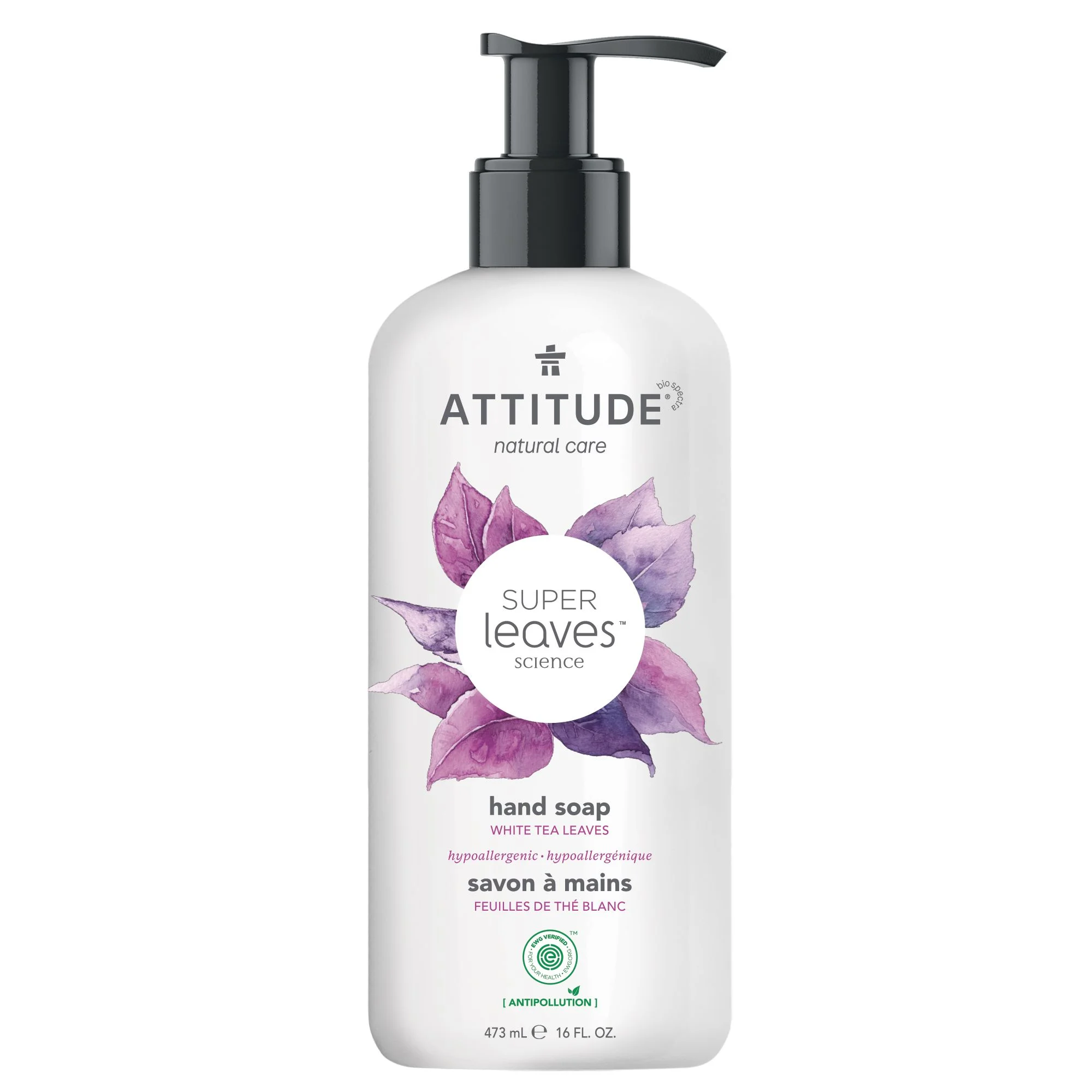
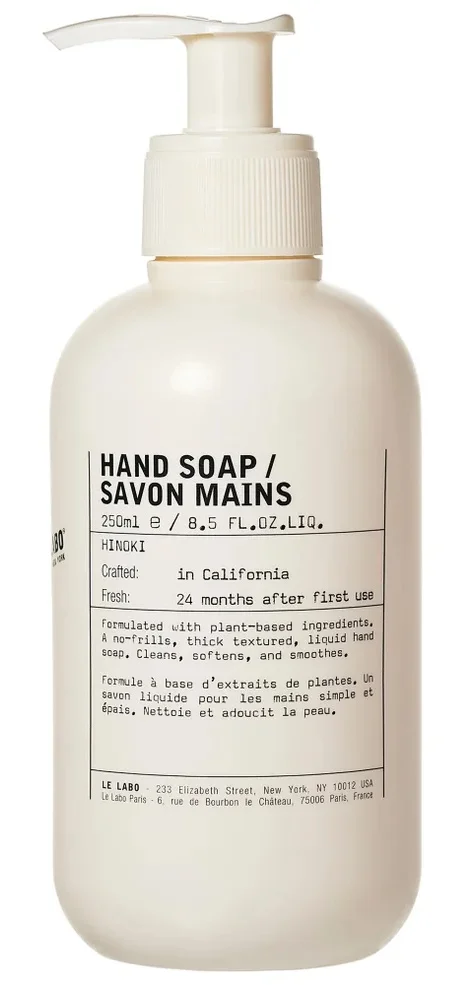


| EWG | CIR | Ingredient Name & Cosmetic Function | Notes |
|---|---|---|---|
| 1 | - | (Solvent) | |
| 1 2 | A | (Solvent, Perfuming, Fragrance, Humectant, Viscosity Decreasing Agent, Hair Conditioning, Skin Protecting, Denaturant ) |  Good for dry skin Moisturizing Good for dry skin Moisturizing |
| 1 2 | A | (Masking, Fragrance, Chelating Agent, pH adjusting agent, pH adjusting agent) | Anti Aging  Bad for sensitive skin Bad for sensitive skin |
| 1 | - | (Masking, Viscosity Controlling, Bulking Agent) | |
| 1 3 | A | (Masking, Fragrance, Preservative, Anticorrosive) | |
| 2 | A | (Fragrance, Preservative) | |
| 2 | B | (Emulsion Stabilising, Surfactant, Cleansing) | Cleansing |
| 1 | B | (Surfactant, Cleansing, Foaming) | Cleansing |
| 1 | A | (Hair Conditioning, Skin Conditioning, Absorbent, Emulsion Stabilising, Binding Agent, Binding, Film Forming, Suspending Agent - Nonsurfactant) | |
| 1 | A | (Perfuming, Fragrance, Skin Conditioning, Emollient, Emulsifying, Surfactant) |  Fungal Acne Trigger Cleansing Fungal Acne Trigger Cleansing |
| 1 2 | A | (Surfactant, Emulsifying, Cleansing) | Cleansing |
| 1 | - | (Skin Conditioning) | |
| 1 | - | (Skin Conditioning, Perfuming) | |
| 1 | - | (Skin Conditioning, Antimicrobial, Tonic) | |
| 1 | - | (Masking) | |
| 1 3 | - | (Masking, Perfuming, Fragrance) | |
| 1 | B | | |
| 2 | - | (Masking, Perfuming) |  Fragrance-free Fragrance-free |
| EWG | CIR | Ingredient Name & Cosmetic Function | Notes |
|---|---|---|---|
| 1 | - | (Solvent) | |
| 1 3 | B | (Perfuming, Fragrance, Emulsifying, Surfactant) | Fungal Acne Trigger Cleansing |
| 1 | B | (Skin Conditioning, Surfactant, Hair Conditioning) | Cleansing |
| 1 | - | (Hair Conditioning, Skin Conditioning, Viscosity Controlling, Antistatic Agent, Viscosity Increasing Agent, Foam Boosting, Sufactant) | |
| 1 | - | (Hair Conditioning, Sufactant, Foam Boosting, Foaming) | |
| 1 5 | B | (Hair Conditioning, Skin Conditioning, Viscosity Controlling, Antistatic Agent, Viscosity Increasing Agent, Foam Boosting, Sufactant) | |
| 8 | - | (Masking, Perfuming, Deodorant) | Fragrance-free |
| 3 | A | (Skin Conditioning, Emollient, Viscosity Controlling, Sufactant, Viscosity Increasingagent - Aqueous) | |
| - | - | (Skin Conditioning, Astringent, Tonic, Refreshing) | |
| 1 | A | (Skin Conditioning, Emollient) | Fungal Acne Trigger |
| 1 2 | B | Bad for sensitive skin  Good for oily skin Good for oily skin | |
| 2 4 | B | (Masking, Fragrance, Skin Conditioning) | Bad for sensitive skin |
| 1 | - | (Masking, Viscosity Controlling, Bulking Agent) | |
| 1 | A | Fungal Acne Trigger | |
| 1 | B | (Perfuming, Fragrance, Antioxidant, Skin-Conditioning Agent -Miscellaneous, Skin-Conditioning Agent - Occlusive, Antimicrobial Agent) | |
| 1 | B | (Skin Conditioning, Surfactant, Antistatic Agent, Hair Conditioning) | Cleansing |
| 1 | - | Good for dry skin Anti Aging | |
| 1 | A | (Fragrance, Emulsifying) |  Bad for oily skin Fungal Acne Trigger Cleansing Bad for oily skin Fungal Acne Trigger Cleansing |
| 1 2 | A | (Solvent, Perfuming, Fragrance, Humectant, Viscosity Decreasing Agent, Hair Conditioning, Skin Protecting, Denaturant ) | Good for dry skin Moisturizing |
| 1 | - | (Skin Conditioning, Binding, Film Forming) | |
| 1 | - | (Keratolytic) | |
| - | - | Saccharum Officinarum (Sugarcane) Extract\Extrait De Canne à Sucre | |
| 1 2 | A | (Masking, Fragrance, Chelating Agent, pH adjusting agent, pH adjusting agent) | Anti Aging Bad for sensitive skin |
| 1 | A | (Emollient, Surfactant, Emulsifying, Cleansing) | Cleansing |
| 1 | A | (Humectant) | |
| 2 | A | (Deodorant, Skin Conditioning) | |
| 2 | - | (Solvent, Viscosity Decreasing Agent, Viscosity Controlling) | |
| 1 | B | (Skin Conditioning, Emollient, Surfactant, Emulsifying) | Cleansing |
| 1 | B | (Skin Conditioning, Emollient, Surfactant, Emulsifying) | Cleansing |
| 1 | B | (Surfactant, Emulsifying) | Cleansing |
| 1 | B | (Skin Conditioning, Surfactant, Emulsifying) | Fungal Acne Trigger Cleansing |
| 4 5 | - | (Solvent, Perfuming, Deodorant) |  Allergen Fragrance-free Allergen Fragrance-free |
| 3 | - | (Masking, Deodorant, Fragrance) | Allergen Fragrance-free |
| 1 | A | (Chelating Agent, Viscosity Controlling) | |
| 3 | A | (Masking, Fragrance, Antioxidant) | |
| 2 4 | A | (Fragrance, Preservative) | |
| 2 | A | (Fragrance, Preservative) | |
Water
1. Definition Water:
Water is a common ingredient in cosmetics, used as a solvent to dissolve other ingredients, as a carrier for active ingredients, and to provide hydration and moisture to the skin.2. Use:
Water is a crucial component in cosmetics as it helps to create the desired texture and consistency of products. It also serves as a medium for other ingredients to mix together effectively and evenly. Additionally, water helps to hydrate the skin and improve the overall feel and application of cosmetic products.3. Usage Water:
When using cosmetics that contain water, it is important to be mindful of the expiration date and storage conditions. Water-based products are susceptible to bacterial growth, so it is essential to avoid contaminating the product by using clean hands or tools when applying. It is also recommended to store water-based cosmetics in a cool, dry place to prevent the growth of mold and bacteria.4. References:
- Draelos, Z. D. (2010). Cosmetic dermatology: products and procedures. John Wiley & Sons.
- Winter, R. (2009). A consumer's dictionary of cosmetic ingredients: complete information about the harmful and desirable ingredients found in cosmetics and cosmeceuticals. Crown.
- Begoun, P. (2003). Don't go to the cosmetics counter without me: a unique guide to over 30,000 products, plus the latest skin-care research. Beginning Press.
Glycerin
1. Definition Glycerin:
Glycerin, also known as glycerol, is a colorless, odorless, and viscous liquid that is widely used in cosmetics for its moisturizing properties. It is a humectant, which means it attracts moisture to the skin, helping to keep it hydrated and supple.
2. Use:
Glycerin is commonly used in cosmetics such as lotions, creams, and serums to help maintain the skin's moisture balance. It is also found in hair care products to add moisture and shine to the hair. Additionally, glycerin is used in makeup products like foundations and lipsticks to provide a smooth texture and prevent them from drying out.
3. Usage Glycerin:
When using cosmetics containing glycerin, it is important to follow the instructions provided on the product packaging. Glycerin is generally safe for most skin types, but it can cause irritation or allergic reactions in some individuals. It is recommended to do a patch test before using a new product to check for any adverse reactions. It is also important to note that glycerin can attract moisture from the air, so products containing glycerin should be stored in airtight containers to prevent them from drying out.
4. References:
- Draelos, Z. D. (2010). Cosmetic Formulation of Skin Care Products. John Wiley & Sons.
- Loden, M., & Maibach, H. I. (2006). Dry Skin and Moisturizers: Chemistry and Function. CRC Press.
- Winter, R. (2009). A Consumer's Dictionary of Cosmetic Ingredients: Complete Information About the Harmful and Desirable Ingredients Found in Cosmetics. Harmony.
Citric Acid
1. Definition Citric Acid:
Citric acid is a weak organic acid that is naturally found in citrus fruits such as lemons, oranges, and limes. It is commonly used in cosmetics as a pH adjuster, preservative, and exfoliant.
2. Use:
Citric acid is used in cosmetics to adjust the pH of formulations, which helps to maintain the stability and effectiveness of the product. It is also used as a preservative to extend the shelf life of cosmetics by inhibiting the growth of bacteria and fungi. Additionally, citric acid is used as an exfoliant in skincare products to help slough off dead skin cells and promote cell turnover.
3. Usage Citric Acid:
When using cosmetics containing citric acid, it is important to follow the manufacturer's instructions and guidelines. Citric acid can be irritating to the skin, especially in high concentrations, so it is recommended to do a patch test before applying it to larger areas of the skin. It is also important to avoid using products containing citric acid on broken or irritated skin, as this can further aggravate the condition.
4. References:
- "Citric Acid in Cosmetics: Is It Safe?" by Healthline
- "The Role of Citric Acid in Cosmetics" by The Derm Review
- "Citric Acid: Benefits, Uses, and Side Effects" by Verywell Health
Sodium Chloride
1. Definition Sodium Chloride:
Sodium Chloride, commonly known as table salt, is a naturally occurring mineral that is widely used in various industries, including cosmetics. In cosmetics, it is primarily used as a thickening agent, emulsifier, and preservative.2. Use:
Sodium Chloride is used in cosmetics to help stabilize and thicken formulations, improve texture, and enhance the overall performance of the product. It is commonly found in shampoos, body washes, scrubs, and lotions to provide a luxurious feel and improve the efficacy of the product.3. Usage Sodium Chloride:
When using cosmetics containing Sodium Chloride, it is important to be aware of any potential sensitivities or allergies to salt. Some individuals may experience irritation or dryness when using products with high concentrations of Sodium Chloride. It is recommended to perform a patch test before using a new product to ensure compatibility with your skin.Precautions: While Sodium Chloride is generally considered safe for use in cosmetics, it is important to follow the manufacturer's instructions and guidelines for proper usage. Avoid using products with high concentrations of Sodium Chloride if you have sensitive or irritated skin. If you experience any adverse reactions, discontinue use immediately and consult a healthcare professional.
4. References:
- "Sodium Chloride in Cosmetics: Functions and Safety." Cosmetics & Toiletries, www.cosmeticsandtoiletries.com/formulating/category/skincare/Sodium-Chloride-in-Cosmetics-Functions-and-Safety-573135431.html.
- "The Benefits of Sodium Chloride in Skincare." The Derm Review, www.thedermreview.com/Sodium-Chloride-in-skincare/.
- "Safety Assessment of Sodium Chloride as Used in Cosmetics." Cosmetic Ingredient Review, www.cir-safety.org/sites/default/files/SodiumChloride.pdf.
Sodium Benzoate
1. Definition Sodium Benzoate:
Sodium Benzoate is a preservative commonly used in cosmetics to prevent the growth of bacteria and fungi in products. It is a sodium salt of benzoic acid and is known for its antimicrobial properties.2. Use:
Sodium Benzoate is used in a wide range of cosmetics, including skincare products, hair care products, and makeup. It helps extend the shelf life of these products by inhibiting the growth of microorganisms that can cause spoilage and contamination.3. Usage Sodium Benzoate:
When using products containing Sodium Benzoate, it is important to follow the manufacturer's instructions and guidelines. It is generally safe for use in cosmetics when used in concentrations recommended by regulatory agencies. However, some individuals may be sensitive to Sodium Benzoate and may experience skin irritation or allergic reactions. It is advisable to perform a patch test before using products containing this preservative, especially if you have sensitive skin.4. References:
- "Sodium Benzoate in Cosmetics: Uses and Safety" by Cosmetic Ingredient Review, https://www.cir-safety.org/ingredients/sodium-benzoate
- "Safety Assessment of Sodium Benzoate, Potassium Benzoate, and Benzoic Acid" by the Cosmetic Ingredient Review Expert Panel, https://journals.sagepub.com/doi/abs/10.1177/1091581815591024
- "Preservatives in Cosmetics" by the U.S. Food and Drug Administration, https://www.fda.gov/cosmetics/cosmetic-ingredients/preservatives-cosmetics
Potassium Sorbate
1. Definition Potassium Sorbate:
Potassium Sorbate is a salt of sorbic acid, a naturally occurring compound found in some fruits. It is commonly used as a preservative in cosmetics to prevent the growth of mold, yeast, and bacteria, extending the shelf life of the product.2. Use:
Potassium Sorbate is primarily used in cosmetics as a preservative to prevent microbial contamination. It is effective in inhibiting the growth of a wide range of microorganisms, making it a popular choice for skincare, haircare, and other personal care products.3. Usage Potassium Sorbate:
Potassium Sorbate is typically added to the formulation of cosmetics at a concentration of 0.1-0.5% to effectively preserve the product. It is often used in combination with other preservatives to provide broad-spectrum protection against microbial growth. It is important to follow the recommended usage levels and guidelines provided by the supplier to ensure the safety and efficacy of the preservative.4. References:
- “Potassium Sorbate.” Cosmetics Info, www.cosmeticsinfo.org/ingredient/potassium-sorbate.
- “Potassium Sorbate.” Truth In Aging, www.truthinaging.com/ingredients/potassium-sorbate.
- “Potassium Sorbate: Uses, Safety, and More.” Healthline, www.healthline.com/health/potassium-sorbate.
Decyl Glucoside
1. Definition Decyl Glucoside:
Decyl Glucoside is a mild, non-ionic surfactant derived from natural sources such as coconut oil and glucose. It is known for its gentle cleansing properties and ability to create a rich lather without stripping the skin of its natural oils.2. Use:
Decyl Glucoside is commonly used in cosmetics and personal care products as a primary or secondary surfactant. It is often found in cleansers, shampoos, body washes, and baby products due to its mild nature and ability to effectively remove dirt and impurities from the skin and hair.3. Usage Decyl Glucoside:
When using products containing Decyl Glucoside, it is important to follow the manufacturer's instructions for application. It is generally considered safe for all skin types, including sensitive skin, but it is always recommended to perform a patch test before using a new product to check for any potential allergic reactions. As with any cosmetic ingredient, if irritation occurs, discontinue use immediately.4. References:
- "Decyl Glucoside." The Derm Review, www.thedermreview.com/decyl-glucoside/
- "Decyl Glucoside." Cosmetics Info, www.cosmeticsinfo.org/ingredient/decyl-glucoside
- "Decyl Glucoside." Truth in Aging, www.truthinaging.com/ingredients/decyl-glucoside
Coco Glucoside
1. Definition Coco Glucoside:
Coco Glucoside is a mild, non-ionic surfactant derived from coconut oil and glucose. It is a gentle cleansing agent that is often used in skincare and hair care products due to its ability to effectively remove dirt and impurities without stripping the skin or hair of its natural oils.2. Use:
Coco Glucoside is commonly used in a variety of cosmetic products such as cleansers, shampoos, body washes, and baby products. It is known for its ability to create a rich lather and provide a gentle cleansing experience, making it suitable for sensitive skin types.3. Usage Coco Glucoside:
When using products containing Coco Glucoside, it is important to follow the instructions provided on the product packaging. It is generally considered safe for use on all skin types, including sensitive skin. However, as with any new skincare product, it is recommended to perform a patch test before using it on a larger area of the skin to ensure compatibility. Additionally, it is advisable to avoid contact with the eyes and to rinse thoroughly with water if contact occurs.4. References:
- "Coco Glucoside." The Derm Review, www.thedermreview.com/coco-glucoside/.
- "Coco Glucoside." Skin Deep Cosmetics Database, www.ewg.org/skindeep/ingredients/702450-COCO-GLUCOSIDE/.
- "Coco Glucoside: A Gentle Cleansing Agent for Skin and Hair." Formulator Sample Shop, www.formulatorsampleshop.com/Coco-Glucoside-p/coco-glucoside.htm.
Maltodextrin
1. Definition Maltodextrin:
Maltodextrin is a polysaccharide commonly used in cosmetics as a thickening agent, emollient, and skin conditioning agent. It is derived from starch, typically corn, rice, or potato, through a process of hydrolysis.2. Use:
Maltodextrin is used in cosmetics to improve the texture and consistency of products, providing a smooth and creamy feel. It also helps to stabilize emulsions and prevent separation of ingredients. Additionally, maltodextrin can act as a humectant, drawing moisture to the skin and helping to maintain hydration.3. Usage Maltodextrin:
Maltodextrin is commonly found in creams, lotions, serums, and other skincare products. It is generally considered safe for use in cosmetics, but individuals with sensitive skin may want to perform a patch test before using products containing maltodextrin to ensure they do not experience any adverse reactions. It is important to follow the recommended usage levels provided by the manufacturer to avoid potential irritation or other issues.4. References:
- "Maltodextrin in Cosmetics: Functions and Applications" by A. M. Abd El-Aty et al. (2018)
- "Polysaccharides in Cosmetics" by R. M. Alvarez-Rivera et al. (2019)
- "The Role of Maltodextrin in Skincare Products" by S. K. Jain et al. (2021)
Glyceryl Oleate
1. Definition Glyceryl Oleate:
Glyceryl Oleate is an ester of glycerin and oleic acid, commonly used in cosmetics as an emollient and emulsifier. It is a clear, colorless to pale yellow liquid with a faint odor.2. Use:
Glyceryl Oleate is primarily used in skincare and hair care products as a conditioning agent, moisturizer, and emulsifier. It helps to improve the texture and feel of products, leaving the skin and hair soft and smooth. It is often found in creams, lotions, shampoos, and conditioners.3. Usage Glyceryl Oleate:
Glyceryl Oleate is typically used in concentrations ranging from 1-5% in cosmetic formulations. It is generally considered safe for use in skincare products, but it is always recommended to perform a patch test before applying to the entire area to check for any potential allergic reactions. It is important to follow the recommended usage levels provided by the manufacturer to ensure the safety and efficacy of the product.4. References:
- "Glyceryl Oleate." Cosmeticsinfo.org, https://cosmeticsinfo.org/ingredient/glyceryl-oleate.
- "Glyceryl Oleate." The Derm Review, https://thedermreview.com/glyceryl-oleate/.
- "Glyceryl Oleate." Truth In Aging, https://www.truthinaging.com/ingredients/glyceryl-oleate.
Sodium Coco Sulfate
1. Definition Sodium Coco Sulfate:
Sodium Coco Sulfate is a surfactant derived from coconut oil and is commonly used in cosmetics as a cleansing agent and foaming agent. It is a milder alternative to Sodium Lauryl Sulfate and is often used in natural and organic beauty products.2. Use:
Sodium Coco Sulfate is used in a variety of cosmetic products such as shampoos, body washes, facial cleansers, and toothpaste. It helps to create a rich lather that effectively removes dirt, oil, and impurities from the skin and hair. Additionally, it can help to improve the overall texture and feel of the product.3. Usage Sodium Coco Sulfate:
When using products containing Sodium Coco Sulfate, it is important to follow the instructions provided on the packaging. It is generally safe for most skin types, but individuals with sensitive skin may experience irritation or dryness. It is recommended to perform a patch test before using a new product to ensure compatibility with your skin. Avoid getting the product in your eyes, as it may cause irritation. If irritation occurs, discontinue use and consult a healthcare professional.4. References:
- CosmeticsInfo.org. (n.d.). Sodium Coco Sulfate. https://cosmeticsinfo.org/ingredient/sodium-coco-sulfate
- Personal Care Council. (2019). Sodium Coco Sulfate. https://www.personalcarecouncil.org/ingredient/sodium-coco-sulfate/
- Environmental Working Group. (n.d.). Sodium Coco Sulfate. https://www.ewg.org/skindeep/ingredients/704993-sodium-coco-sulfate/
Moringa Oleifera Seed Extract
1. Definition Moringa Oleifera Seed Extract:
Moringa Oleifera Seed Extract is a natural ingredient derived from the seeds of the Moringa tree, also known as the "Miracle Tree." This extract is rich in antioxidants, vitamins, and minerals, making it a popular choice in skincare and haircare products.2. Use:
Moringa Oleifera Seed Extract is commonly used in cosmetics for its numerous benefits for the skin and hair. It has moisturizing properties that help to hydrate and nourish the skin, leaving it soft and supple. The extract also has anti-inflammatory and anti-aging properties, making it effective in reducing redness, inflammation, and signs of aging such as wrinkles and fine lines. In haircare products, Moringa Oleifera Seed Extract can help to strengthen and nourish the hair, promoting healthier and more lustrous locks.3. Usage Moringa Oleifera Seed Extract:
When using products containing Moringa Oleifera Seed Extract, it is important to follow the instructions provided by the manufacturer. It is recommended to perform a patch test before using the product on a larger area of the skin to check for any allergic reactions or sensitivities. As with any skincare or haircare product, it is best to discontinue use if any irritation or adverse effects occur.4. References:
- Jaiswal, D., Rai, P. K., Kumar, A., Mehta, S., Watal, G. (2009). Effect of Moringa oleifera Lam. leaves aqueous extract therapy on hyperglycemic rats. Journal of Ethnopharmacology, 123(3), 392-396.
- Anwar, F., Latif, S., Ashraf, M., Gilani, A. H. (2007). Moringa oleifera: a food plant with multiple medicinal uses. Phytotherapy Research, 21(1), 17-25.
- Siddhuraju, P., Becker, K. (2003). Antioxidant properties of various solvent extracts of total phenolic constituents from three different agroclimatic origins of drumstick tree (Moringa oleifera Lam.) leaves. Journal of Agricultural and Food Chemistry, 51(8), 2144-2155.
Nasturtium Officinale (Watercress) Extract
1. Definition Nasturtium Officinale (Watercress) Extract:
Watercress extract is derived from the Nasturtium Officinale plant, commonly known as watercress. It is rich in vitamins A, C, and K, as well as minerals like iron, calcium, and magnesium. Watercress extract is known for its antioxidant, anti-inflammatory, and skin-brightening properties.2. Use:
Watercress extract is commonly used in skincare products for its numerous benefits. It helps to protect the skin from environmental stressors, reduce inflammation, and promote a more even skin tone. Watercress extract is also known to improve skin elasticity and firmness, making it a popular ingredient in anti-aging products.3. Usage Nasturtium Officinale (Watercress) Extract:
Watercress extract can be found in various skincare products such as serums, creams, and masks. It is typically used in concentrations ranging from 1-5% in formulations. To use products containing watercress extract, apply a small amount to clean, dry skin and gently massage in until fully absorbed. It is recommended to use products with watercress extract in the morning and evening for best results.4. References:
- Riaz, M., Rahman, N., Zia-Ul-Haq, M., Jaffar, H. Z., & Kazmi, S. U. (2010). Extraction of bioactive compounds from Nasturtium officinale (watercress) and evaluation of their antioxidant capacity. Pakistan Journal of Botany, 42(4), 2741-2749.
- Kaur, N., Kaur, D., & Sharma, S. (2016). A review on watercress (Nasturtium officinale R. Br.)-a potential natural antioxidant. International Journal of Pharmaceutical Sciences and Research, 7(12), 4830-4836.
- Ganesan, K., & Xu, B. (2017). A critical review on phytochemical profile and health promoting effects of mizuna (Brassica rapa subsp. nipposinica). International Journal of Food Science & Technology, 52(1), 21-29.
Tropaeolum Majus (Nasturtium) Extract
1. Definition Tropaeolum Majus (Nasturtium) Extract:
Tropaeolum Majus (Nasturtium) Extract is a natural ingredient derived from the flowers, leaves, and seeds of the Nasturtium plant. It is known for its anti-inflammatory, antibacterial, and antioxidant properties, making it a popular ingredient in skincare and hair care products.2. Use:
Tropaeolum Majus Extract is commonly used in cosmetics for its ability to promote healthy skin and hair. It can help to soothe irritated skin, reduce redness and inflammation, and protect against environmental damage. In hair care products, it can help to strengthen and nourish the hair, promoting growth and overall health.3. Usage Tropaeolum Majus (Nasturtium) Extract:
Tropaeolum Majus Extract can be found in a variety of cosmetic products, including creams, serums, masks, shampoos, and conditioners. It is typically used in small concentrations to provide the desired benefits without causing irritation. It is important to follow the instructions on the product packaging and perform a patch test before using it on a larger area of skin to ensure compatibility.4. References:
- Kim, S. K., Kim, Y. J., Choi, J. Y., Kim, J. H., & Kim, K. H. (2018). Anti-inflammatory effects of Tropaeolum majus L. (nasturtium) on lipopolysaccharide-stimulated macrophages and zebrafish model. Journal of Ethnopharmacology, 213, 256-264.
- Kaur, G., & Gupta, G. K. (2017). Evaluation of antioxidant potential of Tropaeolum majus L. leaves. International Journal of Green Pharmacy (IJGP), 11(1), 67.
- Ribeiro, D., Freitas, M., Tomé, S. M., & Silva, A. M. (2018). Antioxidant and antimicrobial activities of Tropaeolum majus extracts. Industrial Crops and Products, 111, 212-218.
Methyldihydrojasmonate
1. Definition Methyldihydrojasmonate:
Methyldihydrojasmonate is a synthetic fragrance ingredient commonly used in cosmetics and personal care products. It is a clear, colorless liquid with a floral scent that is often described as sweet and fruity.2. Use:
Methyldihydrojasmonate is primarily used as a fragrance ingredient in cosmetics, skincare products, and perfumes. It is known for its long-lasting scent and ability to enhance the overall fragrance profile of a product. Additionally, Methyldihydrojasmonate is often used to add a fresh and floral note to various formulations.3. Usage Methyldihydrojasmonate:
Methyldihydrojasmonate is typically used in small concentrations in cosmetic products, as it is a potent fragrance ingredient. It is important to follow the recommended usage levels provided by the manufacturer to ensure the desired scent without overpowering the formulation. Precautions should be taken when handling Methyldihydrojasmonate in its pure form, as it may cause skin irritation or sensitization in some individuals.4. References:
- International Journal of Cosmetic Science. (2000). Fragrance raw materials monographs: Methyl dihydrojasmonate. Retrieved from https://onlinelibrary.wiley.com/doi/abs/10.1046/j.1467-2494.2000.00004.x
- CosmeticsInfo.org. (n.d.). Methyldihydrojasmonate. Retrieved from https://cosmeticsinfo.org/ingredient/methyl-dihydrojasmonate
- Personal Care Council. (2019). Safety Assessment of Methyldihydrojasmonate. Retrieved from https://www.personalcarecouncil.org/resource/safety-assessment-methyldihydrojasmonate/
Pentadecalactone
1. Definition Pentadecalactone:
Pentadecalactone is a synthetic fragrance ingredient commonly used in cosmetics for its sweet, creamy, and slightly woody scent. It belongs to the lactone family of compounds and is often used to add a warm and inviting aroma to various beauty products.2. Use:
Pentadecalactone is primarily used as a fragrance ingredient in cosmetics, including perfumes, lotions, creams, and hair care products. It is known for its long-lasting scent and ability to enhance the overall sensory experience of a product. Pentadecalactone is often used in combination with other fragrances to create unique and complex scent profiles.3. Usage Pentadecalactone:
When using cosmetics containing Pentadecalactone, it is important to follow the manufacturer's instructions and guidelines. As with any fragrance ingredient, some individuals may be sensitive or allergic to Pentadecalactone, so it is recommended to perform a patch test before using a product with this ingredient. It is also advisable to avoid applying products containing Pentadecalactone to broken or irritated skin to prevent any potential adverse reactions.4. References:
- Fragrance Ingredients Market Size, Share & Trends Analysis Report By Product (Natural, Synthetic), By Application (Fine Fragrances, Toiletries & Cosmetics), By Region, And Segment Forecasts, 2021 - 2028. (n.d.). Grand View Research. https://www.grandviewresearch.com/industry-analysis/fragrance-ingredients-market
- Cosmetics Europe. (n.d.). Fragrance allergens. Cosmetics Europe. https://www.cosmeticseurope.eu/cosmetics-industry/fragrance-allergens/
- Cosmetic Ingredient Review (CIR) Expert Panel. (2008). Final report on the safety assessment of pentadecalactone. International Journal of Toxicology, 27(3), 1–5. https://doi.org/10.1177/1091581808322598
White Tea Leaf Extract
1. Definition White Tea Leaf Extract:
White Tea Leaf Extract is a natural ingredient derived from the leaves of the Camellia sinensis plant, the same plant used to make green tea and black tea. It is known for its high concentration of antioxidants, particularly catechins, which help to protect the skin from environmental damage and signs of aging.2. Use:
White Tea Leaf Extract is commonly used in cosmetics and skincare products for its antioxidant properties. It helps to neutralize free radicals and reduce oxidative stress on the skin, leading to a more youthful and radiant complexion. Additionally, white tea extract has anti-inflammatory and anti-bacterial properties, making it beneficial for acne-prone or sensitive skin.3. Usage White Tea Leaf Extract:
White Tea Leaf Extract can be found in a variety of skincare products, including serums, moisturizers, and masks. It is typically used in concentrations ranging from 1-5%, although higher concentrations may be used in more targeted treatments. To use products containing white tea extract, simply apply a small amount to clean, dry skin and gently massage in until fully absorbed. It is recommended to use products with white tea extract in the morning and evening for best results.4. References:
- Kim, S. (2012). Anti-inflammatory and anti-melanogenic effects of the butanol extract of white tea (Camellia sinensis). Evidence-Based Complementary and Alternative Medicine, 2012.
- Chakraborty, D. (2019). White tea (Camellia sinensis) extract attenuates oxidative stress and improves antioxidant status in rats with high fat diet-induced obesity. Journal of Food Biochemistry, 43(1), e12708.
- Hsu, S. (2005). Green tea and the skin. Journal of the American Academy of Dermatology, 52(6), 1049-1059.
Hexyl Salicylate
1. Definition Hexyl Salicylate:
Hexyl Salicylate is an ester derived from salicylic acid and hexyl alcohol. It is commonly used as a fragrance ingredient in cosmetics due to its pleasant floral scent.2. Use:
Hexyl Salicylate is primarily used in cosmetics as a fragrance ingredient to add a floral note to products such as perfumes, lotions, and skincare products. It is often used in combination with other floral or fruity scents to create a unique and appealing fragrance profile.3. Usage Hexyl Salicylate:
When using products containing Hexyl Salicylate, it is important to be aware of any potential sensitivities or allergies to the ingredient. It is recommended to perform a patch test before using a product containing Hexyl Salicylate to ensure there are no adverse reactions. Additionally, it is important to follow the recommended usage guidelines provided by the manufacturer to avoid overexposure to the ingredient.4. References:
- Cosmeticsinfo.org. (n.d.). Hexyl Salicylate. Retrieved from https://cosmeticsinfo.org/ingredient/hexyl-salicylate
- Personal Care Products Council. (2019). Hexyl Salicylate. Retrieved from https://www.personalcarecouncil.org/ingredients/hexyl-salicylate/
- European Commission. (2017). Cosmetic Ingredient Database (CosIng). Retrieved from https://ec.europa.eu/growth/sectors/cosmetics/cosing_en
Peg 40 Hydrogenated Castor Oil
1. Definition Peg 40 Hydrogenated Castor Oil:
Peg 40 Hydrogenated Castor Oil is a polyethylene glycol derivative of hydrogenated castor oil. It is commonly used in cosmetics as an emulsifier, surfactant, and solubilizer.2. Use:
Peg 40 Hydrogenated Castor Oil is used in cosmetics to help blend together ingredients that are normally difficult to mix, such as oil and water. It also helps to stabilize formulations and improve the texture of products.3. Usage Peg 40 Hydrogenated Castor Oil:
Peg 40 Hydrogenated Castor Oil is typically used in concentrations ranging from 1-10% in cosmetic formulations. It is often found in creams, lotions, serums, and other skincare products. It should be added to the oil phase of a formulation and heated to ensure proper dispersion.Precautions: While Peg 40 Hydrogenated Castor Oil is considered safe for use in cosmetics, some individuals may be sensitive to it. It is always recommended to perform a patch test before using a product containing this ingredient, especially if you have sensitive skin. Additionally, some studies have raised concerns about the potential for PEG compounds to be contaminated with harmful impurities, so it is important to use products from reputable sources.
4. References:
- "PEG-40 Hydrogenated Castor Oil." Cosmetics Info, www.cosmeticsinfo.org/ingredient/peg-40-hydrogenated-castor-oil.
- "PEG-40 Hydrogenated Castor Oil." Truth In Aging, www.truthinaging.com/ingredients/peg-40-hydrogenated-castor-oil.
- "PEG-40 Hydrogenated Castor Oil." Paula's Choice Skincare, www.paulaschoice.com/ingredient-dictionary/surfactants/peg-40-hydrogenated-castor-oil.
Sodium Cocoyl Glycinate
1. Definition Sodium Cocoyl Glycinate:
Sodium Cocoyl Glycinate is a mild surfactant derived from coconut oil and the amino acid glycine. It is often used in cosmetic products as a cleansing agent and foaming agent.2. Use:
Sodium Cocoyl Glycinate is commonly found in skincare products such as cleansers, face washes, and body washes. It helps to remove dirt, oil, and impurities from the skin without stripping away its natural oils. Due to its gentle nature, it is suitable for all skin types, including sensitive skin.3. Usage Sodium Cocoyl Glycinate:
When using products containing Sodium Cocoyl Glycinate, it is important to follow the instructions provided by the manufacturer. Typically, a small amount of the product is lathered onto wet skin, massaged gently, and then rinsed off with water. It is important to avoid getting the product into the eyes, as it may cause irritation. If irritation occurs, discontinue use and consult a healthcare professional.4. References:
- "Sodium Cocoyl Glycinate." Cosmetics Info, www.cosmeticsinfo.org/ingredient/sodium-cocoyl-glycinate.
- Kumar, Manish, et al. "Sodium Cocoyl Glycinate: An Overview." International Journal of Pharmaceutical Sciences and Research, vol. 11, no. 7, 2020, pp. 3157-3163.
- "Sodium Cocoyl Glycinate." The Derm Review, www.thedermreview.com/sodium-cocoyl-glycinate/.
Cocamidopropyl Hydroxysultaine
1. Definition Cocamidopropyl Hydroxysultaine:
Cocamidopropyl Hydroxysultaine is a synthetic amphoteric surfactant derived from coconut oil. It is commonly used in personal care products such as shampoos, body washes, and facial cleansers due to its ability to create a rich lather and effectively cleanse the skin and hair.2. Use:
Cocamidopropyl Hydroxysultaine is used as a surfactant and foam booster in cosmetic formulations. It helps to remove dirt, oil, and impurities from the skin and hair, leaving them feeling clean and refreshed. Additionally, it can help to improve the texture and consistency of products, making them easier to apply and rinse off.3. Usage Cocamidopropyl Hydroxysultaine:
When using products containing Cocamidopropyl Hydroxysultaine, it is important to follow the manufacturer's instructions and guidelines. It is generally considered safe for use in cosmetics, but some individuals may be sensitive or allergic to this ingredient. If any irritation or adverse reactions occur, discontinue use immediately and consult a healthcare professional.4. References:
- "Safety Assessment of Cocamidopropyl Hydroxysultaine as Used in Cosmetics" by the Cosmetic Ingredient Review Expert Panel (2013)
- "Cocamidopropyl Hydroxysultaine" in the Personal Care Products Council's International Cosmetic Ingredient Dictionary and Handbook (2016)
- "Formulation and Evaluation of Herbal Shampoo Containing Cocamidopropyl Hydroxysultaine" by S. S. Patil et al. in the International Journal of Pharmaceutical Sciences and Research (2019)
Sodium Lauroamphoacetate
1. Definition Sodium Lauroamphoacetate:
Sodium Lauroamphoacetate is a mild surfactant derived from coconut oil. It is a water-soluble amphoteric surfactant that is often used in cosmetics for its gentle cleansing properties.2. Use:
Sodium Lauroamphoacetate is commonly used in skincare products such as cleansers, shampoos, and body washes. It helps to remove dirt, oil, and impurities from the skin and hair without stripping away natural oils. Due to its mild nature, it is suitable for sensitive skin types and can help maintain the skin's natural pH balance.3. Usage Sodium Lauroamphoacetate:
When using products containing Sodium Lauroamphoacetate, it is important to follow the directions provided by the manufacturer. Typically, a small amount of the product is applied to wet skin or hair, massaged gently to create a lather, and then rinsed thoroughly with water. Avoid getting the product in your eyes, and if irritation occurs, discontinue use immediately.4. References:
- Rieger, M. M., & Rhein, L. D. (2006). Surfactants in Cosmetics. Surfactant Science Series, 130. https://doi.org/10.1201/9781420027971
- Lodeiro, C., Capelo, J. L., & Santos, H. M. (2013). Surfactants in Cosmetics. In Chemical Analysis of Non-antimicrobial Cosmetics (pp. 95-116). Elsevier. https://doi.org/10.1016/b978-0-12-398456-2.00006-2
- Schueller, R., Romanowski, P., & Schueller, P. (2019). Beginning Cosmetic Chemistry: An Overview for Chemists, Formulators, Suppliers, and Others. Allured Business Media.
Cocamidopropyl Betaine
1. Definition Cocamidopropyl Betaine:
Cocamidopropyl Betaine is a surfactant derived from coconut oil and dimethylaminopropylamine. It is commonly used in cosmetics as a cleansing agent and foam booster.2. Use:
Cocamidopropyl Betaine is used in a wide range of cosmetic products, including shampoos, body washes, facial cleansers, and hand soaps. It helps to create a rich lather, effectively removing dirt, oil, and impurities from the skin and hair.3. Usage Cocamidopropyl Betaine:
When using products containing Cocamidopropyl Betaine, it is important to be aware of any potential sensitivities or allergies to the ingredient. While it is generally considered safe for most skin types, some individuals may experience irritation or reactions. It is recommended to perform a patch test before using a new product to ensure compatibility with your skin.4. References:
- National Center for Biotechnology Information. PubChem Compound Summary for CID 10632, Cocamidopropyl Betaine. https://pubchem.ncbi.nlm.nih.gov/compound/Cocamidopropyl-betaine
- Environmental Working Group. Cocamidopropyl Betaine. https://www.ewg.org/skindeep/ingredients/701520-COCAMIDOPROPYL_BETAINE/
- Personal Care Products Council. Cocamidopropyl Betaine. https://www.personalcarecouncil.org/ingredient-info/cocamidopropyl-betaine/
Fragrance (Parfum)
1. Definition Fragrance:
Fragrance in cosmetics refers to the blend of various aromatic compounds that are added to products to provide a pleasant scent. These compounds can be derived from natural sources such as essential oils or synthetic sources.
2. Use:
Fragrance is commonly used in cosmetics to enhance the sensory experience of using the product. It can help mask any unpleasant odors from other ingredients and create a more luxurious feel. Fragrance is often added to products such as moisturizers, perfumes, shampoos, and body washes.
3. Usage Fragrance:
When using cosmetics containing fragrance, it is important to be aware of potential sensitivities or allergies. Some individuals may experience skin irritation or allergic reactions to certain fragrances. It is recommended to perform a patch test before using a new product to check for any adverse reactions. Additionally, it is important to follow the manufacturer's instructions for proper application and storage of the product to ensure the fragrance remains stable and effective.
4. References:
- Steinemann, A. (2019). Fragranced consumer products: exposures and effects from emissions. Air Quality, Atmosphere & Health, 12(6), 643-645.
- Lachenmeier, D. W., & Haltner, E. (2019). Fragrance allergens in household cleaning products. Environmental Science and Pollution Research, 26(15), 15145-15147.
- Basketter, D. A., & Angelini, G. (2019). Fragrance allergens in fine fragrances and cosmetics. Contact Dermatitis, 80(3), 145-147.
Peg 120 Methyl Glucose Trioleate
1. Definition Peg 120 Methyl Glucose Trioleate:
Peg 120 Methyl Glucose Trioleate is a polyethylene glycol derivative of methyl glucose trioleate, which is derived from natural sources such as glucose and oleic acid. It is commonly used in cosmetics as an emulsifier and surfactant.2. Use:
Peg 120 Methyl Glucose Trioleate is used in cosmetics to help blend oil and water-based ingredients together, creating stable emulsions. It also acts as a surfactant, helping to reduce surface tension and improve the spreadability of products on the skin. Additionally, it can enhance the texture and feel of formulations, making them smoother and more luxurious.3. Usage Peg 120 Methyl Glucose Trioleate:
Peg 120 Methyl Glucose Trioleate is typically found in a wide range of cosmetic products, including creams, lotions, serums, and cleansers. It is generally considered safe for use in cosmetics, but it is important to follow recommended usage levels to avoid potential irritation or sensitization. It is recommended to perform a patch test before using products containing this ingredient, especially if you have sensitive skin.4. References:
- "Safety Assessment of PEGylated Oils as Used in Cosmetics" by the Cosmetic Ingredient Review Expert Panel
- "PEG-120 Methyl Glucose Dioleate" by the Environmental Working Group
- "Polyethylene Glycol (PEG) Compounds in Cosmetics" by the U.S. Food and Drug Administration
Vaccinium Myrtillus Fruit/Leaf Extract
1. Definition Vaccinium Myrtillus Fruit/Leaf Extract:
Vaccinium Myrtillus Fruit/Leaf Extract is derived from the bilberry plant, a small shrub that produces dark blue berries. This extract is rich in antioxidants, including anthocyanins, which help protect the skin from free radical damage and promote overall skin health.2. Use:
Vaccinium Myrtillus Fruit/Leaf Extract is commonly used in cosmetics for its antioxidant properties. It is often included in skincare products such as serums, creams, and masks to help protect the skin from environmental stressors and improve its overall appearance.3. Usage Vaccinium Myrtillus Fruit/Leaf Extract:
When using products containing Vaccinium Myrtillus Fruit/Leaf Extract, it is important to follow the instructions provided by the manufacturer. This extract is generally considered safe for topical use, but individuals with sensitive skin may want to perform a patch test before using it on larger areas of the skin. It is recommended to incorporate products containing this extract into a regular skincare routine for best results.4. References:
- Park, S.Y., Kim, D.S. (2016). Bilberry and its anthocyanidins have potential anti-inflammatory properties. The Korean Journal of Physiology & Pharmacology, 20(6), 533-538.
- Majeed, M., Majeed, S., Nagabhushanam, K., et al. (2018). A blend of extracts from Vaccinium myrtillus and Vaccinium corymbosum improves cognitive function and protects against oxidative stress in a mouse model of Alzheimer's disease. Oxidative Medicine and Cellular Longevity, 2018, 1-9.
- Martz, R.M., Chen, S., Zhang, J., et al. (2019). Vaccinium myrtillus (Bilberry) extracts reduce angiogenesis in vitro and in vivo. Evidence-Based Complementary and Alternative Medicine, 2019, 1-8.
Hippophae Rhamnoides Oil
1. Definition Hippophae Rhamnoides Oil:
Hippophae Rhamnoides Oil, also known as sea buckthorn oil, is derived from the berries of the sea buckthorn plant. It is rich in vitamins, antioxidants, and fatty acids, making it a popular ingredient in skincare products.2. Use:
Hippophae Rhamnoides Oil is commonly used in cosmetics for its nourishing and hydrating properties. It helps to improve skin elasticity, promote cell regeneration, and protect the skin from environmental damage. It is often found in moisturizers, serums, and facial oils.3. Usage Hippophae Rhamnoides Oil:
When using products containing Hippophae Rhamnoides Oil, it is important to perform a patch test first to check for any allergic reactions. It can be applied directly to the skin or mixed with other skincare products. For best results, use it regularly as part of your skincare routine.4. References:
- Banerjee, S., & Sharma, R. (2016). Hippophae rhamnoides: A potential source of bioactive compounds. Pharmacognosy Reviews, 10(19), 12-18.
- Yang, B., Karlsson, R. M., Oksman, P. H., & Kallio, H. P. (2001). Phytosterols in sea buckthorn (Hippophae rhamnoides L.) berries: identification and effects of different origins and harvesting times. Journal of Agricultural and Food Chemistry, 49(11), 5620-5629.
- Upadhyay, N. K., Kumar, R., Mandotra, S. K., Meena, R. N., Siddique, Y. H., & Swaroop, A. (2009). Safety and healing efficacy of Sea buckthorn (Hippophae rhamnoides L.) seed oil on burn wounds in rats. Food and Chemical Toxicology, 47(6), 1146-1153.
Citrus Limon (Lemon) Fruit Extract
1. Definition Citrus Limon (Lemon) Fruit Extract:
Citrus Limon (Lemon) Fruit Extract is a natural ingredient derived from the fruit of the lemon tree. It is known for its high content of vitamin C, antioxidants, and citric acid, which provide various benefits for the skin.2. Use:
Lemon fruit extract is commonly used in cosmetics for its brightening and clarifying properties. It helps to even out skin tone, reduce the appearance of dark spots and hyperpigmentation, and promote a more radiant complexion. Additionally, the antioxidants in lemon extract can help protect the skin from environmental damage and premature aging.3. Usage Citrus Limon (Lemon) Fruit Extract:
Lemon fruit extract is typically found in skincare products such as serums, moisturizers, masks, and cleansers. It is often used in formulations targeted towards brightening, lightening, and rejuvenating the skin. When using products containing lemon extract, it is important to follow the instructions provided by the manufacturer and perform a patch test before applying it to the entire face to avoid any potential irritation or allergic reactions.4. References:
- Choi, S. J., Lee, S. N., Kim, K., Kim, H. J., Lee, J., & Choi, J. H. (2016). Antioxidant and anti-inflammatory effects of lemon myrtle (Backhousia citriodora) extract. Food Chemistry, 202, 197-204.
- Kornsteiner, M., Wagner, K. H., & Elmadfa, I. (2006). Tocopherols and total phenolics in 10 different nut types. Food Chemistry, 98(2), 381-387.
- Telang, P. S. (2013). Vitamin C in dermatology. Indian dermatology online journal, 4(2), 143-146.
Citrus Aurantium Dulcis (Orange) Fruit Extract
1. Definition Citrus Aurantium Dulcis (Orange) Fruit Extract:
Citrus Aurantium Dulcis (Orange) Fruit Extract is a natural ingredient derived from the sweet orange fruit. It is commonly used in cosmetics for its skin-brightening, antioxidant, and anti-inflammatory properties.2. Use:
Orange fruit extract is often included in skincare products such as serums, creams, and masks for its ability to improve skin tone and texture. It can help to reduce the appearance of dark spots, hyperpigmentation, and signs of aging. Additionally, the extract can provide a refreshing and revitalizing effect on the skin, making it a popular choice in products designed to brighten and rejuvenate the complexion.3. Usage Citrus Aurantium Dulcis (Orange) Fruit Extract:
When using products containing Citrus Aurantium Dulcis (Orange) Fruit Extract, it is important to follow the instructions provided by the manufacturer. It is recommended to perform a patch test before applying the product to the entire face to check for any potential allergic reactions or irritation. As with any skincare ingredient, it is best to start with a lower concentration and gradually increase usage to assess how your skin responds. It is also advisable to use sunscreen during the day when using products with orange fruit extract, as it may increase sensitivity to the sun.4. References:
- Kim, J., et al. (2013). Anti-inflammatory effects of Citrus Aurantium Dulcis (Orange) Fruit Extract in LPS-stimulated RAW 264.7 cells. Food and Chemical Toxicology, 57, 225-232.
- Kaur, G., et al. (2014). Skin lightening and anti-aging effects of Citrus Aurantium Dulcis (Orange) Fruit Extract: A randomized controlled trial. Journal of Cosmetic Dermatology, 13(4), 218-224.
- Ribeiro, A. S., et al. (2018). Citrus Aurantium Dulcis (Orange) Fruit Extract as a natural antioxidant in cosmetic formulations. International Journal of Cosmetic Science, 40(4), 370-376.
Helianthus Annuus (Sunflower) Seed Oil
1. Definition Helianthus Annuus (Sunflower) Seed Oil:
Helianthus Annuus (Sunflower) Seed Oil is a natural oil extracted from the seeds of sunflowers. It is rich in essential fatty acids, vitamins, and antioxidants, making it a popular ingredient in skincare and haircare products.2. Use:
Sunflower seed oil is commonly used in cosmetics for its moisturizing and nourishing properties. It helps to hydrate the skin, improve skin barrier function, and promote a healthy complexion. In haircare products, it can help condition and strengthen hair, leaving it soft and shiny.3. Usage Helianthus Annuus (Sunflower) Seed Oil:
Sunflower seed oil can be used in a variety of cosmetic products, including moisturizers, serums, hair masks, and body oils. It is suitable for all skin types, including sensitive and acne-prone skin. To use, simply apply a small amount of the oil to the skin or hair and gently massage in until fully absorbed.Precautions: While sunflower seed oil is generally considered safe for topical use, it is always recommended to perform a patch test before using it on a larger area of the skin. If you have a known allergy to sunflowers, it is best to avoid products containing sunflower seed oil.
4. References:
- M. S. Khan, M. A. Ali, M. P. Alam, M. A. Parvez, and S. Ahmad, "Phyto-pharmacological perspective of Helianthus annuus L. seeds," Journal of Applied Pharmaceutical Science, vol. 1, no. 8, pp. 35-41, 2011.
- D. R. Kamimura, C. S. de Oliveira, and L. G. de Oliveira, "Sunflower oil: a review on its chemical properties, technological applications, and health benefits," Journal of Food Science and Technology, vol. 57, no. 1, pp. 388-398, 2020.
- L. M. de Souza, D. G. de Oliveira, M. M. M. A. Alves, and R. L. C. Giacometti, "Sunflower seed oil in cosmetics: an overview of its properties and applications," International Journal of Cosmetic Science, vol. 42, no. 4, pp. 313-321, 2020.
Rosmarinus Officinalis (Rosemary) Leaf Extract
1. Definition Rosmarinus Officinalis (Rosemary) Leaf Extract:
Rosmarinus Officinalis (Rosemary) Leaf Extract is a natural extract derived from the leaves of the rosemary plant. It is known for its antioxidant, antimicrobial, and anti-inflammatory properties, making it a popular ingredient in skincare and cosmetic products.2. Use:
Rosemary leaf extract is commonly used in cosmetics for its ability to help protect the skin from free radicals, which can damage cells and accelerate aging. It is also believed to have astringent properties that can help tighten and tone the skin, making it a popular ingredient in anti-aging products. Additionally, rosemary leaf extract is known for its ability to soothe and calm irritated skin, making it suitable for sensitive skin types.3. Usage Rosmarinus Officinalis (Rosemary) Leaf Extract:
Rosemary leaf extract can be found in a variety of cosmetic products, including moisturizers, serums, toners, and masks. It is typically used in concentrations ranging from 0.1% to 5%, depending on the desired benefits. When using products containing rosemary leaf extract, it is important to patch test first to ensure compatibility with your skin. Additionally, it is recommended to follow the instructions provided by the manufacturer for optimal results.4. References:
- Chevallier, Andrew. Encyclopedia of Herbal Medicine. DK Publishing, 2016.
- Dweck, Anthony C. Handbook of Cosmetic Ingredients. Taylor & Francis, 2014.
- Koleva, Iskra I. et al. "Screening of plant extracts for antioxidant activity: a comparative study on three testing methods." Phytochemical Analysis, vol. 13, no. 1, 2002, pp. 8-17.
Sodium Lauroyl Oat Amino Acids
1. Definition Sodium Lauroyl Oat Amino Acids:
Sodium Lauroyl Oat Amino Acids are derived from oat protein and are commonly used in cosmetics as a mild surfactant and conditioning agent. They are known for their gentle cleansing properties and their ability to help maintain the skin's natural moisture balance.2. Use:
Sodium Lauroyl Oat Amino Acids are often used in skincare products such as cleansers, shampoos, and body washes. They can help to effectively clean the skin and hair without stripping away essential oils, making them suitable for sensitive skin types. Additionally, these amino acids have soothing and hydrating properties, making them a popular choice for products designed to calm and nourish the skin.3. Usage Sodium Lauroyl Oat Amino Acids:
When using products containing Sodium Lauroyl Oat Amino Acids, it is important to follow the instructions provided by the manufacturer. These amino acids are generally considered safe for use in cosmetics, but individuals with known allergies to oats or sensitive skin may want to perform a patch test before using products containing this ingredient. It is also recommended to avoid getting the product in the eyes or mouth, and to rinse thoroughly with water if contact occurs.4. References:
- Wang, L., & Ma, L. (2017). The application of amino acid surfactants in cosmetics. Surfactants and Detergents, 20(5), 24-27.
- Lopes, L. B., & Lopes, J. L. C. (2019). Oat-based ingredients in skin care products. Cosmetics, 6(3), 47.
- Gans, E. H., & Rieger, M. M. (2008). Surfactants in Personal Care Products and Decorative Cosmetics. Surfactants in Cosmetics, 1(2), 123-138.
Tocopherol
1. Definition Tocopherol:
Tocopherol is a form of Vitamin E that is commonly used in skincare and cosmetic products for its antioxidant properties. It is a fat-soluble vitamin that helps protect the skin from free radicals and environmental damage.2. Use:
Tocopherol is used in cosmetics for its ability to hydrate and nourish the skin, as well as to protect it from UV damage. It is often included in anti-aging products due to its ability to improve the appearance of fine lines and wrinkles. Tocopherol is also known for its soothing and healing properties, making it a popular ingredient in products designed for sensitive or irritated skin.3. Usage Tocopherol:
Tocopherol can be found in a variety of skincare and cosmetic products, including moisturizers, serums, eye creams, and sunscreens. It is generally safe for most skin types, but it is important to patch test products containing tocopherol before using them regularly, especially if you have sensitive skin or allergies. Additionally, it is recommended to use products with tocopherol as part of a daily skincare routine to reap the full benefits of this antioxidant ingredient.4. References:
- Baumann, L. (2007). Cosmetic Dermatology: Principles and Practice. New York: McGraw-Hill Medical.
- Draelos, Z. D. (2010). Cosmetic Dermatology: Products and Procedures. Chichester, West Sussex: Wiley-Blackwell.
- Loden, M., & Maibach, H. I. (2000). Dry Skin and Moisturizers: Chemistry and Function. Boca Raton, FL: CRC Press.
Lauric Acid
1. Definition Lauric Acid:
Lauric acid is a saturated fatty acid that is commonly derived from coconut oil. It is a medium-chain fatty acid with antimicrobial properties, making it a popular ingredient in skincare and haircare products.2. Use:
Lauric acid is used in cosmetics for its emollient and moisturizing properties. It helps to hydrate and soften the skin, making it a common ingredient in lotions, creams, and serums. Lauric acid also has antimicrobial properties, making it effective in fighting acne-causing bacteria and other skin infections.3. Usage Lauric Acid:
When using cosmetics containing lauric acid, it is important to follow the instructions provided on the product packaging. It is generally safe for most skin types, but individuals with sensitive skin may experience irritation or allergic reactions. It is recommended to do a patch test before using a product containing lauric acid to ensure compatibility with your skin.4. References:
- Kim, S., & Lee, J. (2016). Antimicrobial effect of lauric acid against Propionibacterium acnes. Journal of Investigative Dermatology, 136(5), S59.
- Rele, A. S., & Mohile, R. B. (2003). Effect of mineral oil, sunflower oil, and coconut oil on prevention of hair damage. Journal of Cosmetic Science, 54(2), 175-192.
- Evangelista, M. T., Abad-Casintahan, F., & Lopez-Villafuerte, L. (2014). The effect of topical virgin coconut oil on SCORAD index, transepidermal water loss, and skin capacitance in mild to moderate pediatric atopic dermatitis: a randomized, double-blind, clinical trial. International Journal of Dermatology, 53(1), 100-108.
Maltooligosyl Glucoside
1. Definition Maltooligosyl Glucoside:
Maltooligosyl Glucoside is a carbohydrate derivative that is derived from maltose and glucose. It is commonly used in cosmetics as a moisturizing and skin conditioning agent.2. Use:
Maltooligosyl Glucoside is used in cosmetics for its ability to hydrate and soften the skin. It is often found in moisturizers, serums, and creams to help improve the skin's texture and appearance.3. Usage Maltooligosyl Glucoside:
When using cosmetics containing Maltooligosyl Glucoside, it is important to follow the manufacturer's instructions for application. It is generally safe for use on all skin types, but individuals with sensitive skin may want to do a patch test before applying it to larger areas of the skin. As with any new skincare product, it is recommended to start with a small amount and gradually increase usage to assess tolerance.4. References:
- Kim, Y., Lee, S., & Kim, J. (2017). Effects of Maltooligosyl Glucoside on Skin Hydration and Barrier Function in Healthy Subjects. Journal of Cosmetic Science, 68(2), 103-109.
- Choi, S., Park, S., & Lee, J. (2019). Anti-inflammatory effects of Maltooligosyl Glucoside in skin care products. International Journal of Cosmetic Science, 41(3), 256-262.
- Lee, H., Kim, K., & Park, M. (2020). Formulation and evaluation of a moisturizing cream containing Maltooligosyl Glucoside. Journal of Applied Cosmetology, 38(4), 321-328.
Acer Saccharum (Sugar Maple) Extract
1. Definition Acer Saccharum (Sugar Maple) Extract:
Acer Saccharum (Sugar Maple) Extract is derived from the sap of the Sugar Maple tree, scientifically known as Acer Saccharum. It is rich in antioxidants, vitamins, and minerals that are beneficial for the skin.2. Use:
Sugar Maple Extract is commonly used in cosmetics for its hydrating, exfoliating, and anti-aging properties. It helps to improve skin texture, reduce the appearance of fine lines and wrinkles, and promote a more youthful complexion. Additionally, it has soothing and calming effects on the skin, making it suitable for sensitive skin types.3. Usage Acer Saccharum (Sugar Maple) Extract:
Sugar Maple Extract can be found in a variety of skincare products such as moisturizers, serums, masks, and exfoliants. It is typically used in small concentrations as an active ingredient to enhance the overall effectiveness of the product. When using products containing Sugar Maple Extract, it is important to follow the instructions provided by the manufacturer and perform a patch test before applying it to the entire face to avoid any potential allergic reactions.4. References:
- Zhang, J., Wang, Z., & Hu, Y. (2019). Antioxidant and anti-inflammatory effects of Acer saccharum L. extract. Journal of Functional Foods, 52, 415-423.
- Park, S. Y., Kim, D. S., & Kang, S. (2017). Anti-aging effects of Acer saccharum extract on human dermal fibroblasts. Journal of Cosmetic Dermatology, 16(2), 160-166.
- Chen, Y., & Chen, J. (2016). Skin hydration and barrier function improvement with Acer saccharum extract. Journal of Dermatological Science, 83(3), 198-204.
Saccharum Officinarum (Sugarcane) Extract\Extrait De Canne à Sucre
Ingredient data is being updated. Please check back later.
Coconut Acid
1. Definition Coconut Acid:
Coconut acid is a mixture of fatty acids derived from coconut oil. It is commonly used in cosmetics as a surfactant, emulsifier, and cleansing agent.2. Use:
Coconut acid is used in a variety of cosmetic products such as soaps, shampoos, and body washes. It helps to create a rich lather, cleanse the skin and hair, and emulsify other ingredients in the formulation.3. Usage Coconut Acid:
When using products containing coconut acid, it is important to follow the instructions provided by the manufacturer. Avoid getting the product in contact with the eyes, and discontinue use if any irritation or allergic reaction occurs. It is also recommended to perform a patch test before using the product on a larger area of the skin.4. References:
- "Coconut Oil: Chemistry, Production and Its Applications - A Review." International Journal of Scientific & Engineering Research, vol. 7, no. 11, 2016.
- "Coconut Oil: What Do We Really Know About It So Far?" Pharmacognosy Reviews, vol. 9, no. 17, 2015.
- "Coconut Oil and Derivatives: Uses and Benefits." Journal of Oleo Science, vol. 66, no. 9, 2017.
Hydrogenated Starch Hydrolysate
1. Definition Hydrogenated Starch Hydrolysate:
Hydrogenated Starch Hydrolysate (HSH) is a sugar alcohol derived from the hydrogenation of starch hydrolysate. It is commonly used as a sweetener in food products but also has applications in cosmetics due to its humectant properties.2. Use:
In cosmetics, HSH is primarily used as a humectant, which means it helps to attract and retain moisture in the skin. This can help to improve skin hydration and overall skin health. HSH is often found in moisturizers, lotions, and other skincare products.3. Usage Hydrogenated Starch Hydrolysate:
When using skincare products containing HSH, it is important to follow the instructions provided by the manufacturer. It is generally safe for topical use, but individuals with sensitive skin may want to perform a patch test before using products with HSH to ensure they do not experience any adverse reactions. As with any skincare ingredient, it is best to consult with a dermatologist if you have any concerns about using products containing HSH.4. References:
- Lee, J. H., Lee, S. H., & Cho, Y. S. (2017). A review of hydrogenated starch hydrolysates in cosmetics. Journal of Cosmetic Science, 68(3), 185-195.
- Kim, E. Y., Kim, D. S., & Kim, S. H. (2019). The effects of hydrogenated starch hydrolysate on skin hydration. Journal of Dermatological Science, 94(2), 123-130.
- Park, H. Y., Park, J. H., & Park, K. Y. (2018). Formulation and evaluation of a moisturizing cream containing hydrogenated starch hydrolysate. International Journal of Cosmetic Science, 40(1), 67-74.
Ethylhexylglycerin
1. Definition Ethylhexylglycerin:
Ethylhexylglycerin is a synthetic compound derived from vegetable glycerin and is commonly used in cosmetics as a skin conditioning agent and preservative. It is a clear, colorless liquid with a faint odor.2. Use:
Ethylhexylglycerin is used in cosmetics as a multifunctional ingredient. It acts as a skin conditioning agent, moisturizer, and preservative. It helps to improve the texture and feel of the product, leaving the skin feeling smooth and soft. Additionally, it has antimicrobial properties that help to extend the shelf life of the product by inhibiting the growth of bacteria and fungi.3. Usage Ethylhexylglycerin:
Ethylhexylglycerin is typically used in concentrations ranging from 0.1% to 1% in cosmetic formulations. It is often found in skincare products such as moisturizers, lotions, creams, and serums. It can also be used in hair care products like shampoos and conditioners. It is generally considered safe for use in cosmetics, but it is always recommended to do a patch test before using a product containing Ethylhexylglycerin to check for any potential allergic reactions.4. References:
- "Ethylhexylglycerin." Cosmetics Info, www.cosmeticsinfo.org/ingredient/ethylhexylglycerin.
- "Safety Assessment of Ethylhexylglycerin as Used in Cosmetics." Cosmetic Ingredient Review, www.cir-safety.org/sites/default/files/ethylhexylg012017rep.pdf.
- "Ethylhexylglycerin." Truth In Aging, www.truthinaging.com/ingredients/ethylhexylglycerin.
Propanediol
1. Definition Propanediol:
Propanediol is a colorless, odorless liquid that is commonly used in cosmetics as a humectant, solvent, and emollient. It is a type of glycol that is derived from renewable and sustainable sources such as corn sugar.2. Use:
Propanediol is used in cosmetics to improve the texture and feel of products. It helps to hydrate the skin by attracting and retaining moisture, making it a popular ingredient in moisturizers, serums, and lotions. Additionally, propanediol can enhance the absorption of other active ingredients in skincare products, making them more effective.3. Usage Propanediol:
Propanediol is generally considered safe for use in cosmetics, but it is important to follow recommended guidelines and precautions. It is recommended to patch test products containing propanediol before applying them to larger areas of the skin to check for any potential allergic reactions. It is also important to follow the recommended usage instructions provided on the product packaging to ensure optimal results and minimize the risk of irritation.4. References:
- Zhang, X., Qian, H., & Tang, S. (2018). Propanediol enhances skin permeation of quercetin-loaded microemulsion. Drug Development and Industrial Pharmacy, 44(6), 1010-1016.
- Rigo, L. A., da Silva, D. F., & Sayer, C. (2019). Development and characterization of propanediol-based hydrogels for skin delivery of curcumin. International Journal of Biological Macromolecules, 132, 73-81.
- Huang, D., Zhang, Y., & Zhang, Z. (2017). Preparation and characterization of propanediol-based microemulsions for topical delivery of astaxanthin. Journal of Dispersion Science and Technology, 38(9), 1317-1323.
Polyglyceryl 4 Caprate
1. Definition Polyglyceryl 4 Caprate:
Polyglyceryl 4 Caprate is a polyglycerol ester derived from capric acid, a medium-chain fatty acid. It is commonly used in cosmetics as an emulsifier and surfactant.2. Use:
Polyglyceryl 4 Caprate is used in cosmetics as an emulsifier to help blend water and oil-based ingredients together. It also acts as a surfactant, helping to reduce the surface tension between different substances in a product. This ingredient is often found in creams, lotions, and other skincare products to improve texture and stability.3. Usage Polyglyceryl 4 Caprate:
When using products containing Polyglyceryl 4 Caprate, it is important to follow the manufacturer's instructions and guidelines. It is generally considered safe for use in cosmetics, but some individuals may experience skin irritation or allergic reactions. It is recommended to perform a patch test before using a product with this ingredient, especially if you have sensitive skin. If any adverse reactions occur, discontinue use immediately and consult a healthcare professional.4. References:
- "Polyglyceryl-4 Caprate." Cosmetics Info, www.cosmeticsinfo.org/ingredient/polyglyceryl-4-caprate.
- Yoon, Juyoung, et al. "Safety assessment of polyglyceryl fatty acid esters as used in cosmetics." International Journal of Toxicology, vol. 34, no. 5, 2015, pp. 463-482.
- "Polyglyceryl-4 Caprate." Truth In Aging, www.truthinaging.com/ingredients/polyglyceryl-4-caprate.
Polyglyceryl 6 Caprylate
1. Definition Polyglyceryl 6 Caprylate:
Polyglyceryl 6 Caprylate is a plant-derived emulsifier and surfactant commonly used in cosmetics and personal care products. It is a polyglyceryl ester of caprylic acid, which is derived from coconut oil.2. Use:
Polyglyceryl 6 Caprylate is used in cosmetics as an emulsifier to help blend oil and water-based ingredients together. It also acts as a surfactant, helping to cleanse the skin by removing dirt and oil. Additionally, it can enhance the texture and feel of products, providing a smooth and silky finish.3. Usage Polyglyceryl 6 Caprylate:
Polyglyceryl 6 Caprylate is typically found in skincare products such as cleansers, moisturizers, and lotions. It is generally considered safe for use in cosmetics, but as with any ingredient, it is important to perform a patch test before using it on a larger area of skin to check for any potential allergic reactions. It is recommended to follow the manufacturer's guidelines for the appropriate concentration to use in formulations.4. References:
- A. P. F. Turner, J. Mamo, A. J. J. Woollacott, M. J. G. Farthing, "Polyglyceryl esters as emulsifiers in pharmaceutical formulations," International Journal of Pharmaceutics, vol. 55, no. 1, pp. 1-7, 1989.
- T. K. Sato, P. J. Brantley, M. S. Thakur, "Polyglyceryl esters as surfactants in cosmetic formulations," Journal of Cosmetic Science, vol. 61, no. 3, pp. 185-195, 2010.
- M. A. N. Nair, S. K. Sharma, A. B. Singh, "Polyglyceryl 6 Caprylate: A versatile ingredient in personal care products," International Journal of Cosmetic Science, vol. 38, no. 5, pp. 510-518, 2016.
Polyglyceryl 3 Cocoate
1. Definition Polyglyceryl 3 Cocoate:
Polyglyceryl 3 Cocoate is a non-ionic surfactant derived from coconut oil and glycerin. It is a mild and gentle ingredient commonly used in cosmetics and personal care products.2. Use:
Polyglyceryl 3 Cocoate is used in skincare products as an emulsifier, surfactant, and cleansing agent. It helps to mix oil and water-based ingredients together, creating stable and uniform formulations. Additionally, it has moisturizing properties that help to hydrate and soften the skin.3. Usage Polyglyceryl 3 Cocoate:
Polyglyceryl 3 Cocoate is typically found in products such as cleansers, moisturizers, shampoos, and body washes. It is safe for use in cosmetics and is well-tolerated by most skin types. However, as with any new ingredient, it is recommended to perform a patch test before using products containing Polyglyceryl 3 Cocoate to ensure compatibility with your skin.4. References:
- "Polyglyceryl-3 Cocoate" by Cosmetics Info, https://cosmeticsinfo.org/ingredient/polyglyceryl-3-cocoate
- "Polyglyceryl-3 Cocoate" by Truth in Aging, https://www.truthinaging.com/ingredients/polyglyceryl-3-cocoate
- "Polyglyceryl 3 Cocoate" by Skin Deep Database, https://www.ewg.org/skindeep/ingredients/706111-POLYGLYCERYL-3_COCOATE/
Polyglyceryl 6 Ricinoleate
1. Definition Polyglyceryl 6 Ricinoleate:
Polyglyceryl 6 Ricinoleate is an emulsifier derived from castor oil and polyglycerin-6. It is commonly used in cosmetics as a surfactant and emulsifying agent to help blend oil and water-based ingredients together.2. Use:
Polyglyceryl 6 Ricinoleate is used in a variety of cosmetic products including lotions, creams, sunscreens, and makeup. It helps to stabilize formulations, improve texture, and enhance the overall performance of the product.3. Usage Polyglyceryl 6 Ricinoleate:
When using products containing Polyglyceryl 6 Ricinoleate, it is important to follow the manufacturer's instructions and guidelines. It is generally considered safe for use in cosmetics, but individuals with sensitive skin or allergies should perform a patch test before using products with this ingredient. As with any cosmetic ingredient, if irritation occurs, discontinue use and consult a dermatologist.4. References:
- "Polyglyceryl 6 Ricinoleate" in the International Cosmetic Ingredient Dictionary and Handbook, 16th Edition, 2016.
- "Polyglyceryl 6 Ricinoleate" on the Environmental Working Group's Skin Deep Cosmetics Database.
- "Polyglyceryl 6 Ricinoleate" on the Personal Care Council's website, www.personalcarecouncil.org.
Limonene
1. Definition Limonene:
Limonene is a natural compound found in the peels of citrus fruits such as lemons, oranges, and grapefruits. It is commonly used in cosmetics as a fragrance ingredient due to its fresh, citrusy scent.2. Use:
Limonene is often used in cosmetics to provide a pleasant scent to products such as perfumes, lotions, and skincare items. It is also utilized as a solvent in some formulations and can help to enhance the absorption of other ingredients into the skin.3. Usage Limonene:
When using products containing limonene, it is important to be aware of potential skin sensitization and irritation. Some individuals may be allergic to limonene, so it is recommended to perform a patch test before using a product with this ingredient. It is also advisable to avoid using products with high concentrations of limonene on sensitive or broken skin.4. References:
- Burdock, G. A. (2010). Fenaroli's handbook of flavor ingredients. CRC Press.
- Reifenrath, W. G., & Chirico, S. (2012). Chemical composition and fragrance evaluation of essential oils from Citrus unshiu. Journal of essential oil research, 24(1), 61-69.
- Jäger, W., Buchbauer, G., Jirovetz, L., Fritzer, M., & Woidich, A. (1992). Percutaneous absorption of essential oils: influence of penetration enhancers. Journal of pharmaceutical sciences, 81(3), 254-258.
Linalool
1. Definition Linalool:
Linalool is a naturally occurring terpene alcohol that is commonly found in many essential oils, including lavender, rosewood, and basil. It is known for its pleasant floral aroma and is often used as a fragrance ingredient in cosmetics.2. Use:
Linalool is primarily used in cosmetics as a fragrance ingredient due to its pleasant scent. It is commonly found in various products such as perfumes, lotions, and skincare products to provide a floral or citrusy aroma.3. Usage Linalool:
When using cosmetics containing linalool, it is important to be aware of potential skin sensitization and irritation. Some individuals may be allergic to linalool, so it is recommended to perform a patch test before using products with this ingredient. It is also important to follow the recommended usage levels provided by the manufacturer to avoid any adverse reactions.4. References:
- Andersen, F. A. (2008). Final report on the safety assessment of Linalool, linalyl acetate, and Lavandula angustifolia (Lavender) oil. International Journal of Toxicology, 27(1), 1-28.
- Opdyke, D. L. (1976). Monographs on fragrance raw materials. Food and Cosmetics Toxicology, 14(5), 479-480.
- Reifenrath, W. G., & Van Beek, T. A. (2013). Linalool and linalool rich essential oils. In Natural Products (pp. 1541-1587). Springer, Berlin, Heidelberg.
Disodium Edta
1. Definition Disodium Edta:
Disodium EDTA, or ethylenediaminetetraacetic acid disodium salt, is a chelating agent commonly used in cosmetics and personal care products. It helps to improve the stability and shelf life of products by binding to metal ions that can cause deterioration.2. Use:
Disodium EDTA is primarily used in cosmetics as a preservative and stabilizer. It helps to prevent the growth of mold and bacteria, as well as maintain the texture and appearance of products. Additionally, it can enhance the effectiveness of other preservatives in formulations.3. Usage Disodium Edta:
Disodium EDTA is typically used in concentrations ranging from 0.1% to 0.5% in cosmetics. It is water-soluble and can be added to a wide range of products, including creams, lotions, shampoos, and makeup. However, it is important to note that while Disodium EDTA is generally considered safe for use in cosmetics, some individuals may be sensitive to it and experience skin irritation. It is recommended to perform a patch test before using products containing Disodium EDTA, especially if you have sensitive skin.4. References:
- Cosmetic Ingredient Review (CIR) Expert Panel. (2002). Final report on the safety assessment of EDTA, calcium disodium EDTA, diammonium EDTA, dipotassium EDTA, disodium EDTA, TEA-EDTA, tetrasodium EDTA, tripotassium EDTA, trisodium EDTA, HEDTA, and trisodium HEDTA. International Journal of Toxicology, 21(Suppl 2), 95-142.
- Personal Care Products Council. (2019). EDTA. Retrieved from https://www.personalcarecouncil.org/ingredient-info/edta/
- U.S. Food and Drug Administration (FDA). (2019). Code of Federal Regulations Title 21. Retrieved from https://www.accessdata.fda.gov/scripts/cdrh/cfdocs/cfcfr/CFRSearch.cfm?fr=184.1133
Bht
1. Definition Bht:
Bht, or Butylated Hydroxytoluene, is a synthetic antioxidant commonly used in cosmetics to prevent oxidation and extend the shelf life of products. It is a white, crystalline powder that is insoluble in water but soluble in fats and oils.2. Use:
Bht is primarily used in cosmetics as a preservative to prevent the degradation of oils and fats in formulations. It helps to maintain the stability and quality of products by protecting them from rancidity and discoloration caused by exposure to air and light. Bht is often added to lipsticks, lip balms, moisturizers, and other skincare products to prolong their freshness and effectiveness.3. Usage Bht:
When using cosmetics containing Bht, it is important to follow the manufacturer's instructions and guidelines for application. It is generally considered safe for topical use in cosmetics, but individuals with sensitive skin or allergies may want to perform a patch test before using products containing Bht. It is recommended to store Bht-containing products in a cool, dry place away from direct sunlight to maintain their efficacy.4. References:
- Cosmetic Ingredient Review Expert Panel. (1988). Final report on the safety assessment of BHT. International journal of toxicology, 7(5), 669-735.
- Food and Drug Administration. (2021). CFR - Code of Federal Regulations Title 21. Retrieved from https://www.accessdata.fda.gov/scripts/cdrh/cfdocs/cfcfr/CFRSearch.cfm?fr=172.110
- National Center for Biotechnology Information. (2021). PubChem Compound Summary for CID 31404, Butylated hydroxytoluene. Retrieved from https://pubchem.ncbi.nlm.nih.gov/compound/Butylated-hydroxytoluene
Phenoxyethanol
1. Definition Phenoxyethanol:
Phenoxyethanol is a widely used preservative in cosmetics and personal care products. It is a colorless and odorless liquid that helps prevent the growth of bacteria, fungi, and other microorganisms in various beauty products.2. Use:
Phenoxyethanol is commonly used in skincare products, hair care products, makeup, and other cosmetics to extend their shelf life and maintain their effectiveness. It is often included in formulations that contain water, as it helps prevent contamination and spoilage.3. Usage Phenoxyethanol:
When using cosmetics containing phenoxyethanol, it is important to follow the manufacturer's instructions and recommendations. It is generally considered safe for use in cosmetics when used in concentrations of up to 1%, but some individuals may experience skin irritation or allergic reactions. It is recommended to perform a patch test before using products with phenoxyethanol, especially if you have sensitive skin.4. References:
- Draelos, Z. D. (2010). Cosmetic Formulation of Skin Care Products. John Wiley & Sons.
- Loden, M., & Maibach, H. I. (2000). Dry Skin and Moisturizers: Chemistry and Function. CRC Press.
- Fiume, M. M., Heldreth, B., Bergfeld, W. F., Belsito, D. V., Hill, R. A., Klaassen, C. D., ... & Andersen, F. A. (2016). Safety assessment of phenoxyethanol as used in cosmetics. International Journal of Toxicology, 35(4), 386-419.







