


- Home
- Compare product
- Comparison result
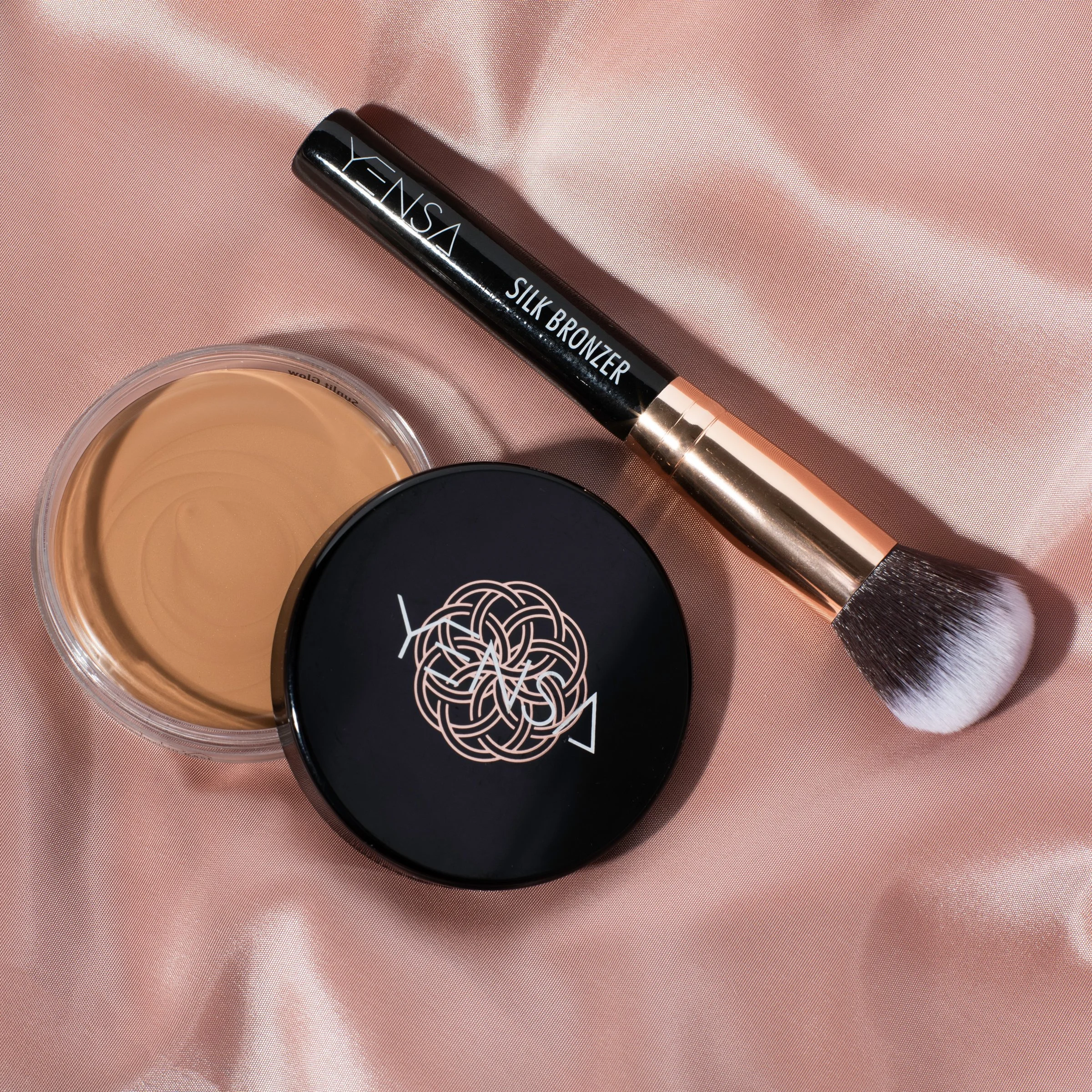
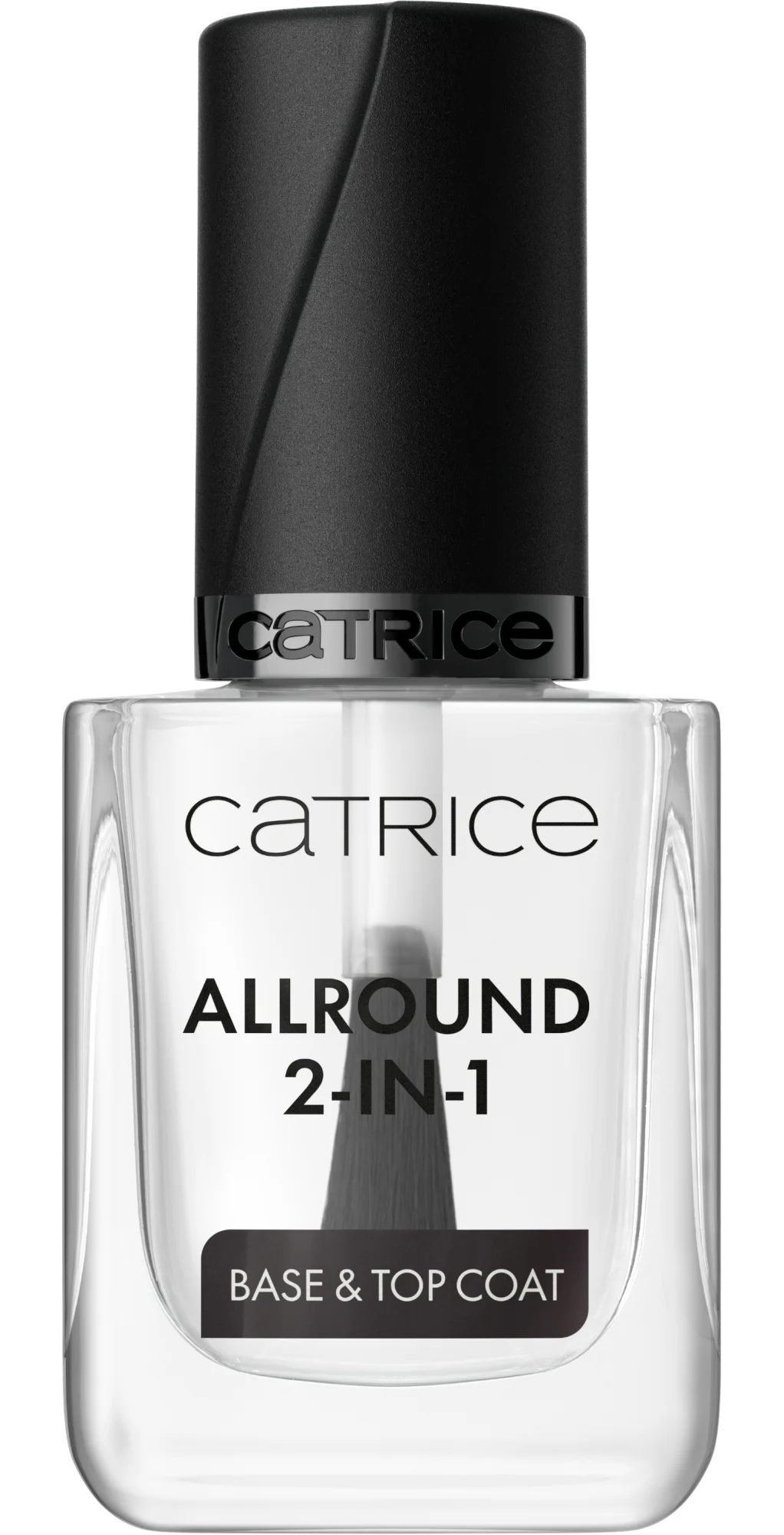


| EWG | CIR | Ingredient Name & Cosmetic Function | Notes |
|---|---|---|---|
| 3 | A | (Solvent, Hair Conditioning, Skin Conditioning, Emollient) |  Silicone |
| 1 3 | A | (Skin Protecting, Skin Conditioning, Emollient, Antifoaming Agent) | Silicone Moisturizing |
| 1 2 | A | (Opacifying, Viscosity Controlling, Abrasive, Absorbent, Bulking Agent, Anticaking Agent) | |
| 2 | - | (Cosmetic Colorant, Opacifying) | |
| 1 | A | (Opacifying, Viscosity Controlling, Viscosity Increasing Agent, Emulsion Stabilising, Binding Agent, Binding) | |
| 1 | B | (Emollient, Antifoaming Agent, Viscosity Controlling, Bulking Agent, Anticaking Agent, Emulsion Stabilising, Slip Modifier, Suspending Agent - Nonsurfactant, Viscosityincreasing Agent - Nonaqueous) | |
| 1 | - | (Opacifying) | |
| 1 | B | (Skin Conditioning, Emollient, Surfactant, Emulsifying) | Cleansing |
| 1 3 | - | (Cosmetic Colorant, Uv Absorber, Sunscreen Agent, Opacifying) | UV Protection  Good for sensitive skin |
| 1 | - | (Colorant, Cosmetic Colorant) | |
| 2 4 | A | (Fragrance, Preservative) | |
| 1 2 | - | (Colorant, Cosmetic Colorant) | |
| 2 | - | (Colorant, Cosmetic Colorant) | |
| 1 | - | (Binding Agent, Binding) | |
| 8 | - | (Masking, Perfuming, Deodorant) |  Fragrance-free |
| 1 | - | (Solvent) | |
| 1 | A | (Masking, Fragrance, Hair Conditioning, Skin Conditioning, Emollient) |  Bad for oily skin  Fungal Acne Trigger |
| 1 | - | (Skin Conditioning) | |
| 1 | - | (Skin Conditioning, Hair Conditioning, Soothing, Tonic, Antidandruff Agent, Astringent) | |
| 1 | - | (Skin Conditioning, Emollient) | |
| 2 | A | (Opacifying, Viscosity Controlling, Abrasive, Bulking Agent) | |
| 3 | - | (Masking, Deodorant, Fragrance) |  Allergen Fragrance-free |
| 1 | - | (Skin Conditioning) | |
| 1 | - | | |
| 1 | - | (Skin Conditioning, Perfuming) | |
| 1 | - | (Masking, Fragrance, Astringent, Tonic) | |
| 1 2 | A | (Skin Conditioning, Emollient, Hair Conditioning) | |
| 1 | - | (Skin Protecting, Skin Conditioning) | Moisturizing |
| 1 | - | (Fragrance, Skin Protecting) | Moisturizing |
| 1 | B | (Masking, Humectant, Skin Protecting, Uv Absorber, Skin Conditioning, Antioxidant, Emollient, Antimicrobial, Astringent, Tonic) |  Good for oily skin Moisturizing |
| 1 | A | (Solvent, Masking, Fragrance, Humectant, Skin Conditioning, Viscosity Controlling, Viscosity decreasing agents) |  Good for dry skin |
| 1 | A | (Solvent) | |
| 1 | A | (Humectant, Skin Conditioning) | Good for dry skin Promotes Wound Healing |
| 2 | A | (Deodorant, Skin Conditioning) | |
| 1 | - | (Humectant, Skin Conditioning) | |
| EWG | CIR | Ingredient Name & Cosmetic Function | Notes |
|---|---|---|---|
| 1 | A | (Solvent, Perfuming, Fragrance) | |
| 1 | A | (Solvent, Masking, Fragrance) | |
| 1 | A | (Film Forming, Suspending Agent - Nonsurfactant) | |
| 1 | B | (Film Forming) | |
| 1 | A | (Masking, Perfuming, Fragrance, Film Forming, Plasticizer) | |
| 2 | - | (Solvent, Masking, Antifoaming Agent, Viscosity Controlling, Antimicrobial, Astringent) |  Bad for sensitive skin  Bad for dry skin  Alcohol |
| 1 | - | (Skin Conditioning, Emollient) | |
| 3 4 | A | (Solvent, Perfuming, Denaturant ) | |
| 2 | A | (Solvent, Perfuming, Fragrance, Viscosity Decreasing Agent, Antifoaming Agent, Viscosity Controlling) | Bad for sensitive skin Bad for dry skin Alcohol |
| 4 | - | (Uv Absorber, Uv Filter) | UV Protection |
Cyclopentasiloxane
1. Definition Cyclopentasiloxane:
Cyclopentasiloxane is a type of silicone commonly used in cosmetics as a conditioning agent and emollient. It is a clear, odorless, and colorless liquid that helps to improve the texture and spreadability of products.2. Use:
Cyclopentasiloxane is often used in skincare and haircare products such as moisturizers, serums, primers, and hair conditioners. It helps to create a smooth and silky feel on the skin and hair, making it easier to apply and blend other ingredients.3. Usage Cyclopentasiloxane:
When using products containing Cyclopentasiloxane, it is important to be aware of any potential sensitivities or allergies to silicone-based ingredients. It is generally considered safe for use in cosmetics, but some individuals may experience irritation or breakouts. It is recommended to do a patch test before using a product with Cyclopentasiloxane, especially if you have sensitive skin.4. References:
- Ulery, B. D., Nair, L. S., & Laurencin, C. T. (2011). Biomedical applications of biodegradable polymers. Journal of Polymer Science Part B: Polymer Physics, 49(12), 832-864.
- Lefebvre, M. A., Pham, D. M., Boussouira, B., & Bernard, D. (2015). Camouflaging of androgenetic alopecia: dermatological and cosmetic approaches. Skin Research and Technology, 21(4), 219-227.
- Mavon, A., Miquel, C., Lejeune, O., Payre, B., & Moret, N. (2015). In vitro percutaneous absorption and in vivo stratum corneum distribution of an organic and a mineral sunscreen. Skin Pharmacology and Physiology, 28(5), 266-275.
Dimethicone
1. Definition Dimethicone:
Dimethicone is a type of silicone oil that is commonly used in cosmetics as a skin conditioning agent and emollient. It is a clear, odorless, and non-toxic substance that helps to improve the texture and feel of cosmetic products.2. Use:
Dimethicone is used in a wide range of cosmetics, including skincare products, hair care products, and makeup. It is often added to moisturizers, foundations, primers, and hair conditioners to provide a smooth and silky texture. Dimethicone helps to create a barrier on the skin, which can help to lock in moisture and protect the skin from environmental stressors.3. Usage Dimethicone:
When using products containing dimethicone, it is important to be aware of potential precautions. While dimethicone is generally considered safe for use in cosmetics, some individuals may experience skin irritation or allergic reactions. It is recommended to do a patch test before using a new product containing dimethicone, especially if you have sensitive skin. Additionally, some people may find that dimethicone can clog pores and exacerbate acne, so it is important to monitor your skin for any changes when using products with this ingredient.4. References:
- Lanigan, R. S., & Yamarik, T. A. (2002). Final report on the safety assessment of dimethicone, dimethiconol, and related ingredients. International journal of toxicology, 21(1), 7-41.
- Draelos, Z. D. (2010). Cosmetic vehicle efficacy. Dermatologic therapy, 23(4), 314-317.
- Fiume, M. M., Bergfeld, W. F., Belsito, D. V., Hill, R. A., Klaassen, C. D., Liebler, D., ... & Andersen, F. A. (2016). Safety assessment of dimethicone crosspolymers as used in cosmetics. International journal of toxicology, 35(1_suppl), 5S-24S.
Silica
1. Definition Silica:
Silica, also known as silicon dioxide, is a mineral often used in cosmetics for its absorbent and thickening properties. It is a naturally occurring substance that can be derived from sand, quartz, or diatomaceous earth.2. Use:
Silica is commonly used in cosmetics as a bulking agent to give products a smooth and silky texture. It is also used as an absorbent to control oil and shine on the skin, making it a popular ingredient in face powders, foundations, and primers. Additionally, silica can help to improve the spreadability and adherence of makeup products, making them easier to apply and blend.3. Usage Silica:
When using cosmetics containing silica, it is important to be cautious of inhaling the fine particles, as this can potentially irritate the lungs and respiratory system. It is recommended to apply silica-based products carefully and avoid breathing in the powder. Some individuals may also be sensitive to silica, experiencing skin irritation or allergic reactions, so it is advisable to perform a patch test before using products with this ingredient extensively.4. References:
- K. T. K. Lu, "Silica as a Cosmetic Ingredient," in Cosmetics & Toiletries, vol. 134, no. 9, pp. 40-47, 2019.
- S. M. R. Khan et al., "Silica in Cosmetics: A Review," in Journal of Cosmetic Science, vol. 68, no. 3, pp. 185-197, 2017.
- M. A. S. Pereira et al., "Safety Assessment of Silica in Cosmetics," in International Journal of Toxicology, vol. 36, no. 3, pp. 235-253, 2017.
Mica
1. Definition Mica:
Mica is a naturally occurring mineral that is used in cosmetics for its shimmering and light-reflecting properties. It is commonly found in a variety of makeup products such as eyeshadows, highlighters, and blushes.2. Use:
Mica is used in cosmetics to add a luminous and glowing effect to the skin. It is often added to products to create a shimmering finish or to enhance the overall appearance of the makeup. Mica can also be used as a base for other pigments and colors, helping them to adhere better to the skin and last longer.3. Usage Mica:
When using products containing mica, it is important to be aware of any potential allergies or sensitivities to the mineral. Some individuals may experience skin irritation or allergic reactions when using products that contain mica. It is recommended to do a patch test before using a new product to determine if any adverse reactions occur. Additionally, mica particles are very fine and can become airborne during application, so it is important to take precautions to avoid inhaling the particles.4. References:
- "Mica in Cosmetics" by FDA: https://www.fda.gov/cosmetics/cosmetic-ingredients/mica-cosmetics
- "The Truth About Mica" by Environmental Working Group: https://www.ewg.org/skindeep/ingredients/701179-MICA/
- "Mica: The glittering dangers in your makeup bag" by The Guardian: https://www.theguardian.com/sustainable-business/2014/jul/24/mica-electronics-cosmetics-india-child-labour-minerals
Ozokerite
1. Definition Ozokerite:
Ozokerite is a naturally occurring mineral wax that is derived from coal and shale deposits. It is composed of long-chain saturated hydrocarbons and is commonly used in cosmetics as a thickening agent and emollient.2. Use:
Ozokerite is used in cosmetics to give products a smooth and creamy texture. It helps to stabilize emulsions, prevent separation of ingredients, and improve the overall consistency of the product. Ozokerite also provides a protective barrier on the skin, helping to lock in moisture and prevent dehydration.3. Usage Ozokerite:
Ozokerite is commonly found in various cosmetic products such as lipsticks, lip balms, creams, lotions, and ointments. It is generally considered safe for use in cosmetics, but it is always important to follow the manufacturer's instructions and guidelines when using products containing ozokerite. Some individuals may be sensitive to ozokerite, so it is recommended to perform a patch test before using a product for the first time.4. References:
- "Ozokerite in Cosmetics: Uses and Safety." Cosmeticsinfo.org, www.cosmeticsinfo.org/ingredient/ozokerite.
- "Ozokerite Wax." MakingCosmetics Inc., www.makingcosmetics.com/Ozokerite-Wax_p_119.html.
- "Ozokerite." Truth in Aging, www.truthinaging.com/ingredients/ozokerite.
Silica Dimethyl Silylate
1. Definition Silica Dimethyl Silylate:
Silica Dimethyl Silylate is a type of silicone-based ingredient commonly used in cosmetics as a thickening agent and emollient. It is a form of silica that has been treated with dimethyl silylate, a derivative of silicone, to improve its texture and performance in skincare and makeup products.2. Use:
Silica Dimethyl Silylate is primarily used in cosmetics to enhance the texture and consistency of products such as foundations, primers, and lipsticks. Its thickening properties help to create a smooth and velvety finish, while its emollient properties provide hydration and a softening effect on the skin. Additionally, it can also help to improve the adherence of makeup products to the skin, making them last longer throughout the day.3. Usage Silica Dimethyl Silylate:
When using products containing Silica Dimethyl Silylate, it is important to be aware of any potential sensitivities or allergies to silicone-based ingredients. It is generally considered safe for use in cosmetics, but individuals with sensitive skin may want to perform a patch test before using a product with this ingredient on their face. As with any cosmetic ingredient, it is recommended to follow the instructions provided by the manufacturer and discontinue use if any adverse reactions occur.4. References:
- Silica Dimethyl Silylate. (n.d.). Cosmeticsinfo.org. https://cosmeticsinfo.org/ingredient/silica-dimethyl-silylate
- Lode, O., & Maibach, H. I. (2019). Silicone in cosmetics: A review. Journal of Cosmetic Dermatology, 18(5), 1223-1231. https://doi.org/10.1111/jocd.13049
- Fiume, M. M., Bergfeld, W. F., Belsito, D. V., Hill, R. A., Klaassen, C. D., Liebler, D. C., Marks Jr, J. G., Shank, R. C., Slaga, T. J., Snyder, P. W., & Andersen, F. A. (2016). Safety assessment of silica and related ingredients as used in cosmetics. International Journal of Toxicology, 35(2S), 46S-102S. https://doi.org/10.1177/1091581816641573
Polymethylsilsesquioxane
1. Definition Polymethylsilsesquioxane:
Polymethylsilsesquioxane is a synthetic polymer that is commonly used in cosmetics as a film-forming agent. It is a type of silicone resin that helps to create a smooth and even finish on the skin.2. Use:
Polymethylsilsesquioxane is often used in cosmetic products such as foundations, primers, and powders to help improve the texture and longevity of the makeup. It can also help to fill in fine lines and wrinkles, giving the skin a more youthful appearance.3. Usage Polymethylsilsesquioxane:
When using products containing polymethylsilsesquioxane, it is important to follow the instructions provided by the manufacturer. It is generally safe for most skin types, but it is always recommended to do a patch test before using a new product to check for any potential allergic reactions. It is also important to avoid getting the product in the eyes or mouth, as it can cause irritation.4. References:
- Chaudhry, Q., Scotter, M., Blackburn, J., Ross, B., Boxall, A., Castle, L., ... & Watkins, R. (2008). Applications and implications of nanotechnologies for the food sector. Food Additives & Contaminants: Part A, 25(3), 241-258.
- Fiume, M. M., Bergfeld, W. F., Belsito, D. V., Hill, R. A., Klaassen, C. D., Liebler, D., ... & Andersen, F. A. (2010). Safety assessment of alkyl silicates as used in cosmetics. International Journal of Toxicology, 29(3), 61S-83S.
- Rieger, M. M., & Kockler, J. (2008). Silicones. In Ullmann's Encyclopedia of Industrial Chemistry. John Wiley & Sons, Inc.
Polyglyceryl 2 Triisostearate
1. Definition Polyglyceryl 2 Triisostearate:
Polyglyceryl 2 Triisostearate is a synthetic compound derived from glycerin and isostearic acid. It is commonly used in cosmetics as an emulsifier and surfactant.2. Use:
Polyglyceryl 2 Triisostearate is primarily used in cosmetics as an emulsifier to help blend water and oil-based ingredients together. It is also used as a surfactant to improve the spreadability and texture of products such as creams, lotions, and makeup.3. Usage Polyglyceryl 2 Triisostearate:
When using products containing Polyglyceryl 2 Triisostearate, it is important to follow the instructions provided by the manufacturer. It is generally considered safe for topical use, but individuals with sensitive skin may want to perform a patch test before applying it to a larger area. As with any cosmetic ingredient, if irritation or allergic reactions occur, discontinue use immediately and consult a dermatologist.4. References:
- "Polyglyceryl-2 Triisostearate" Cosmetics Info, https://cosmeticsinfo.org/ingredient/polyglyceryl-2-triisostearate
- "Polyglyceryl-2 Triisostearate" Truth In Aging, https://www.truthinaging.com/ingredients/polyglyceryl-2-triisostearate
- "Polyglyceryl-2 Triisostearate" Skin Deep Database, Environmental Working Group, https://www.ewg.org/skindeep/ingredients/706161-POLYGLYCERYL-2_TRIISOSTEARATE/
Titanium Dioxide
1. Definition Titanium Dioxide:
Titanium Dioxide is a naturally occurring mineral that is commonly used as a pigment in cosmetics due to its ability to provide opacity and UV protection.2. Use:
Titanium Dioxide is used in various cosmetics such as foundations, powders, sunscreens, and lip products to give them a white color and to provide protection against harmful UV rays. It is also used as a thickening agent in some formulations.3. Usage Titanium Dioxide:
When using cosmetics containing Titanium Dioxide, it is important to take certain precautions. Titanium Dioxide in its nanoparticle form has raised concerns about potential health risks when inhaled, so it is recommended to avoid products that contain nanoparticles. Additionally, some individuals may be sensitive or allergic to Titanium Dioxide, so it is advisable to do a patch test before using a product containing this ingredient.4. References:
- Lademann, J., Weigmann, H. J., Rickmeyer, C., Barthelmes, H., Schaefer, H., & Mueller, G. (1999). Penetration of titanium dioxide microparticles in a sunscreen formulation into the horny layer and the follicular orifice. Skin Pharmacology and Physiology, 12(5), 247-256.
- Tinkle, S. S., Antonini, J. M., Rich, B. A., Roberts, J. R., Salmen, R., DePree, K., ... & Adkins, E. J. (2003). Skin as a route of exposure and sensitization in chronic beryllium disease. Environmental Health Perspectives, 111(9), 1202-1208.
- Sadrieh, N., Wokovich, A. M., Gopee, N. V., Zheng, J., Haines, D., Parmiter, D., ... & Howard, P. C. (2010). Lack of significant dermal penetration of titanium dioxide from sunscreen formulations containing nano-and submicron-size TiO2 particles. Toxicological Sciences, 115(1), 156-166.
CI 77492
1. Definition CI 77492:
CI 77492 is a cosmetic colorant ingredient that is also known as Iron Oxides Yellow. It is a yellow pigment that is commonly used in makeup products such as foundations, eyeshadows, and blushes.2. Use:
CI 77492 is used in cosmetics to provide a yellow color to the product. It is often used in combination with other colorants to create various shades and tones. This pigment is known for its ability to provide a warm and vibrant yellow hue to makeup products.3. Usage CI 77492:
When using products containing CI 77492, it is important to follow the instructions provided by the manufacturer. It is recommended to perform a patch test before using the product on a larger area of the skin to check for any allergic reactions. Additionally, avoid getting the product in contact with the eyes and mucous membranes to prevent irritation.4. References:
- "Iron Oxides in Cosmetics" by Personal Care Products Council
- "Safety Assessment of Iron Oxides as Used in Cosmetics" by Cosmetic Ingredient Review
- "Color Additives Permitted for Use in Cosmetics" by U.S. Food and Drug Administration
Phenoxyethanol
1. Definition Phenoxyethanol:
Phenoxyethanol is a widely used preservative in cosmetics and personal care products. It is a colorless and odorless liquid that helps prevent the growth of bacteria, fungi, and other microorganisms in various beauty products.2. Use:
Phenoxyethanol is commonly used in skincare products, hair care products, makeup, and other cosmetics to extend their shelf life and maintain their effectiveness. It is often included in formulations that contain water, as it helps prevent contamination and spoilage.3. Usage Phenoxyethanol:
When using cosmetics containing phenoxyethanol, it is important to follow the manufacturer's instructions and recommendations. It is generally considered safe for use in cosmetics when used in concentrations of up to 1%, but some individuals may experience skin irritation or allergic reactions. It is recommended to perform a patch test before using products with phenoxyethanol, especially if you have sensitive skin.4. References:
- Draelos, Z. D. (2010). Cosmetic Formulation of Skin Care Products. John Wiley & Sons.
- Loden, M., & Maibach, H. I. (2000). Dry Skin and Moisturizers: Chemistry and Function. CRC Press.
- Fiume, M. M., Heldreth, B., Bergfeld, W. F., Belsito, D. V., Hill, R. A., Klaassen, C. D., ... & Andersen, F. A. (2016). Safety assessment of phenoxyethanol as used in cosmetics. International Journal of Toxicology, 35(4), 386-419.
CI 77491
1. Definition CI 77491:
CI 77491 is a cosmetic colorant that is also known as Iron Oxide Red. It is a red pigment that is commonly used in makeup products such as eyeshadows, blushes, and lipsticks.2. Use:
CI 77491 is used in cosmetics to provide a red color to the product. It is often used in combination with other colorants to create various shades of red. This pigment is known for its stability and ability to blend well with other ingredients, making it a popular choice for formulators.3. Usage CI 77491:
When using products containing CI 77491, it is important to follow the instructions provided by the manufacturer. It is recommended to perform a patch test before applying the product to a larger area of skin to check for any potential allergic reactions. Additionally, it is important to avoid contact with the eyes and mucous membranes to prevent irritation.4. References:
- "Iron Oxides in Cosmetics" by U.S. Food and Drug Administration (FDA)
- "Safety Assessment of Iron Oxides as Used in Cosmetics" by Cosmetic Ingredient Review (CIR)
- "Iron Oxides: A Safe Cosmetic Ingredient" by Personal Care Products Council (PCPC)
CI 77499
1. Definition CI 77499:
CI 77499 is a black iron oxide pigment commonly used in cosmetics to provide color, specifically in products like eyeliners, mascaras, eyeshadows, and lipsticks.2. Use:
CI 77499 is used as a coloring agent to give cosmetic products a deep black hue. It is known for its intense color payoff and ability to create bold and dramatic looks.3. Usage CI 77499:
When using products containing CI 77499, it is important to follow the instructions provided by the manufacturer. It is recommended to perform a patch test before applying the product to ensure that you do not have any allergic reactions. Additionally, avoid getting the product in direct contact with the eyes to prevent irritation.4. References:
- "Iron Oxides in Cosmetics" by Paula Begoun, https://www.paulaschoice.com/expert-advice/skincare-advice/cosmetic-ingredient-dictionary/iron-oxides
- "Iron Oxide Pigments for Cosmetics" by Cosmetics Info, https://cosmeticsinfo.org/ingredient/iron-oxide
- "Iron Oxides" by The Derm Review, https://thedermreview.com/iron-oxides/
Triethoxycaprylylsilane
1. Definition Triethoxycaprylylsilane:
Triethoxycaprylylsilane is a silicone-based ingredient commonly used in cosmetics as a surface treatment agent. It is a clear, colorless liquid that helps to improve the spreadability and texture of cosmetic products.2. Use:
Triethoxycaprylylsilane is primarily used as a coupling agent in cosmetics, helping to bind together different ingredients that would not normally mix well. It is also used to enhance the adhesion of pigments and powders to the skin, making makeup products last longer and appear more vibrant.3. Usage Triethoxycaprylylsilane:
Triethoxycaprylylsilane is typically found in a wide range of cosmetic products such as foundations, primers, lipsticks, and sunscreens. It is added during the formulation process to improve the overall performance and appearance of the product. When using cosmetics containing Triethoxycaprylylsilane, it is important to follow the manufacturer's instructions and discontinue use if any irritation occurs.4. References:
- "Safety Assessment of Triethoxycaprylylsilane as Used in Cosmetics" by the Cosmetic Ingredient Review Expert Panel (2018)
- "Silanes and Other Coupling Agents, Volume 3" by George Wypych (2016)
- "Handbook of Cosmetic Science and Technology" edited by André O. Barel, Marc Paye, and Howard I. Maibach (2001)
Fragrance
1. Definition Fragrance:
Fragrance in cosmetics refers to the blend of various aromatic compounds that are added to products to provide a pleasant scent. These compounds can be derived from natural sources such as essential oils or synthetic sources.
2. Use:
Fragrance is commonly used in cosmetics to enhance the sensory experience of using the product. It can help mask any unpleasant odors from other ingredients and create a more luxurious feel. Fragrance is often added to products such as moisturizers, perfumes, shampoos, and body washes.
3. Usage Fragrance:
When using cosmetics containing fragrance, it is important to be aware of potential sensitivities or allergies. Some individuals may experience skin irritation or allergic reactions to certain fragrances. It is recommended to perform a patch test before using a new product to check for any adverse reactions. Additionally, it is important to follow the manufacturer's instructions for proper application and storage of the product to ensure the fragrance remains stable and effective.
4. References:
- Steinemann, A. (2019). Fragranced consumer products: exposures and effects from emissions. Air Quality, Atmosphere & Health, 12(6), 643-645.
- Lachenmeier, D. W., & Haltner, E. (2019). Fragrance allergens in household cleaning products. Environmental Science and Pollution Research, 26(15), 15145-15147.
- Basketter, D. A., & Angelini, G. (2019). Fragrance allergens in fine fragrances and cosmetics. Contact Dermatitis, 80(3), 145-147.
Water
1. Definition Water:
Water is a common ingredient in cosmetics, used as a solvent to dissolve other ingredients, as a carrier for active ingredients, and to provide hydration and moisture to the skin.2. Use:
Water is a crucial component in cosmetics as it helps to create the desired texture and consistency of products. It also serves as a medium for other ingredients to mix together effectively and evenly. Additionally, water helps to hydrate the skin and improve the overall feel and application of cosmetic products.3. Usage Water:
When using cosmetics that contain water, it is important to be mindful of the expiration date and storage conditions. Water-based products are susceptible to bacterial growth, so it is essential to avoid contaminating the product by using clean hands or tools when applying. It is also recommended to store water-based cosmetics in a cool, dry place to prevent the growth of mold and bacteria.4. References:
- Draelos, Z. D. (2010). Cosmetic dermatology: products and procedures. John Wiley & Sons.
- Winter, R. (2009). A consumer's dictionary of cosmetic ingredients: complete information about the harmful and desirable ingredients found in cosmetics and cosmeceuticals. Crown.
- Begoun, P. (2003). Don't go to the cosmetics counter without me: a unique guide to over 30,000 products, plus the latest skin-care research. Beginning Press.
Sesamum Indicum (Sesame) Seed Oil
1. Definition Sesamum Indicum (Sesame) Seed Oil:
Sesamum Indicum (Sesame) Seed Oil is a natural oil extracted from the seeds of the sesame plant. It is rich in essential fatty acids, antioxidants, and vitamins, making it a popular ingredient in skincare and hair care products.2. Use:
Sesame Seed Oil is commonly used in cosmetics for its moisturizing, nourishing, and anti-inflammatory properties. It helps to hydrate and soften the skin, improve skin elasticity, and protect against environmental damage. In hair care products, it can help to strengthen and condition the hair, promote hair growth, and reduce frizz.3. Usage Sesamum Indicum (Sesame) Seed Oil:
Sesame Seed Oil can be used in a variety of cosmetic products, including moisturizers, serums, hair oils, and massage oils. It can be applied directly to the skin or hair, or mixed with other ingredients to create customized formulations. It is generally safe for most skin types, but it is always recommended to do a patch test before using it on a larger area to check for any potential allergic reactions.4. References:
- Saeedi M, Morteza-Semnani K, Ghoreishi MR. The treatment of atopic dermatitis with licorice gel. Journal of Dermatological Treatment. 2003;14(3):153-157.
- Ahmad Z. The uses and properties of almond oil. Complementary Therapies in Clinical Practice. 2010;16(1):10-12.
- Parveen A, Parveen B, Parveen R, Ahmad S. Medicinal and cosmetic uses of sesame: A review. International Journal of Pharmacognosy and Phytochemical Research. 2014;6(3):677-681.
Lentinus Edodes Extract
1. Definition Lentinus Edodes Extract:
Lentinus Edodes Extract, also known as shiitake mushroom extract, is derived from the shiitake mushroom, a type of edible fungus native to East Asia. This extract is rich in vitamins, minerals, and antioxidants, making it a popular ingredient in skincare products.2. Use:
Lentinus Edodes Extract is commonly used in cosmetics for its anti-aging, brightening, and moisturizing properties. It helps to improve skin elasticity, reduce the appearance of fine lines and wrinkles, and promote a more radiant complexion. Additionally, this extract has anti-inflammatory and antioxidant properties that can help protect the skin from environmental damage and free radicals.3. Usage Lentinus Edodes Extract:
Lentinus Edodes Extract is typically found in serums, creams, and masks targeted towards anti-aging and brightening concerns. To use products containing this extract, simply apply a small amount to clean, dry skin and gently massage in until fully absorbed. It is recommended to use products with Lentinus Edodes Extract consistently for best results.4. References:
- Kim, S. H., Lee, S. Y., Lee, S., Kim, E. K., Jeon, S. J., & Lee, J. H. (2014). Anti-inflammatory effect of Lentinus edodes in vitro and in vivo. International journal of molecular medicine, 34(3), 711-717.
- Choi, K. H., La, H. S., & Jang, Y. S. (2015). Anti-aging potential of extracts from Lentinus edodes. Asian Journal of Beauty and Cosmetology, 13(4), 463-469.
- Lee, S., Lee, D., & Lee, S. (2017). Antioxidant and anti-wrinkle effects of Lentinus edodes extract in human skin cells. Journal of the Korean Society of Cosmetology, 23(2), 293-300.
Urtica Dioica (Nettle) Extract
1. Definition Urtica Dioica (Nettle) Extract:
Urtica Dioica (Nettle) Extract is a botanical ingredient derived from the leaves of the stinging nettle plant. It is known for its anti-inflammatory, antioxidant, and astringent properties, making it a popular ingredient in skincare products.2. Use:
Nettle extract is commonly used in cosmetics for its ability to soothe and calm irritated skin, reduce inflammation, and improve overall skin health. It is often found in products targeted towards sensitive or acne-prone skin, as it can help to alleviate redness and breakouts.3. Usage Urtica Dioica (Nettle) Extract:
Nettle extract can be found in a variety of skincare products, including creams, serums, masks, and cleansers. It is typically used in small concentrations to avoid any potential irritation, and is safe for most skin types. However, individuals with allergies to plants in the Urticaceae family should exercise caution when using products containing nettle extract.4. References:
- Kregiel, D., Pawlikowska, E., & Antolak, H. (2018). Urtica spp.: Ordinary plants with extraordinary properties. Molecules, 23(7), 1664.
- Kaur, G. J., & Arora, D. S. (2009). Antibacterial and phytochemical screening of Anethum graveolens, Foeniculum vulgare and Trachyspermum ammi. BMC Complementary and Alternative Medicine, 9(1), 30.
- Schütz, K., Carle, R., & Schieber, A. (2006). Taraxacum—a review on its phytochemical and pharmacological profile. Journal of Ethnopharmacology, 107(3), 313-323.
Salvia Hispanica Seed Extract
1. Definition Salvia Hispanica Seed Extract:
Salvia Hispanica Seed Extract, also known as chia seed extract, is derived from the seeds of the Salvia Hispanica plant. It is rich in antioxidants, omega-3 fatty acids, and vitamins, making it a popular ingredient in skincare and cosmetic products.2. Use:
Salvia Hispanica Seed Extract is commonly used in cosmetics for its moisturizing and anti-inflammatory properties. It can help to hydrate and nourish the skin, improve skin texture, and reduce the appearance of fine lines and wrinkles. Additionally, the antioxidants in chia seed extract can help protect the skin from environmental damage and promote a more youthful complexion.3. Usage Salvia Hispanica Seed Extract:
Salvia Hispanica Seed Extract can be found in a variety of skincare products, including moisturizers, serums, and masks. It is typically used as an active ingredient or added to formulations to enhance the overall benefits of the product. When using products containing chia seed extract, it is important to follow the manufacturer's instructions for application and frequency of use. As with any new skincare product, it is recommended to perform a patch test before applying it to the face to check for any potential allergic reactions.4. References:
- Kim, S. J., Kim, M. C., Lee, B. J., Park, D. H., Hong, S. H., Um, J. Y., & Hong, S. H. (2018). Chia seed (Salvia hispanica L.) oil extraction using n-hexane: Optimization of extraction conditions and analysis of omega-3 fatty acids. Journal of Food Science and Technology, 55(2), 559-568.
- Vu, H. T., Scarlett, C. J., Vuong, Q. V., & Stathopoulos, C. E. (2018). Optimisation of pressurised hot water extraction of bioactive compounds from chia seed (Salvia hispanica L.). Food Chemistry, 268, 220-227.
- Martínez-Cruz, O., Paredes-López, O., & Pérez-Mendoza, F. (2014). Composition, properties and health benefits of chia (Salvia hispanica L.) seed. In Omega-3 Fatty Acids (pp. 175-191). Springer, Cham.
Tin Oxide
1. Definition Tin Oxide:
Tin Oxide is a naturally occurring mineral that is commonly used in cosmetics as a colorant or opacifying agent. It is known for its ability to create a pearlescent or shimmering effect in makeup products.2. Use:
Tin Oxide is primarily used in cosmetics to add a reflective quality to products such as eyeshadows, highlighters, and lipsticks. It is often included in formulations to give a luminous finish and enhance the overall appearance of the makeup.3. Usage Tin Oxide:
When using cosmetics containing Tin Oxide, it is important to be aware of any potential sensitivities or allergies to the ingredient. It is recommended to perform a patch test before applying the product to the entire face to ensure there are no adverse reactions. Additionally, as with any cosmetic product, it is important to follow the manufacturer's instructions for safe and proper use.4. References:
- "Tin Oxide in Cosmetics: Uses and Safety." Cosmetic Ingredient Review, www.cir-safety.org/ingredients/tin-oxide.
- "The Role of Tin Oxide in Cosmetic Formulations." Cosmetics & Toiletries, www.cosmeticsandtoiletries.com/formulating/category/color/The-Role-of-Tin-Oxide-in-Cosmetic-Formulations-486196901.html.
- "Tin Oxide: A Versatile Ingredient in Cosmetics." Personal Care Magazine, www.personalcaremagazine.com/story/29416/tin-oxide-a-versatile-ingredient-in-cosmetics.
Linalool
1. Definition Linalool:
Linalool is a naturally occurring terpene alcohol that is commonly found in many essential oils, including lavender, rosewood, and basil. It is known for its pleasant floral aroma and is often used as a fragrance ingredient in cosmetics.2. Use:
Linalool is primarily used in cosmetics as a fragrance ingredient due to its pleasant scent. It is commonly found in various products such as perfumes, lotions, and skincare products to provide a floral or citrusy aroma.3. Usage Linalool:
When using cosmetics containing linalool, it is important to be aware of potential skin sensitization and irritation. Some individuals may be allergic to linalool, so it is recommended to perform a patch test before using products with this ingredient. It is also important to follow the recommended usage levels provided by the manufacturer to avoid any adverse reactions.4. References:
- Andersen, F. A. (2008). Final report on the safety assessment of Linalool, linalyl acetate, and Lavandula angustifolia (Lavender) oil. International Journal of Toxicology, 27(1), 1-28.
- Opdyke, D. L. (1976). Monographs on fragrance raw materials. Food and Cosmetics Toxicology, 14(5), 479-480.
- Reifenrath, W. G., & Van Beek, T. A. (2013). Linalool and linalool rich essential oils. In Natural Products (pp. 1541-1587). Springer, Berlin, Heidelberg.
Aronia Melanocarpa Fruit Extract
1. Definition Aronia Melanocarpa Fruit Extract:
Aronia Melanocarpa Fruit Extract, also known as black chokeberry extract, is derived from the fruit of the Aronia Melanocarpa plant. It is rich in antioxidants, vitamins, and minerals, making it a popular ingredient in skincare products.2. Use:
Aronia Melanocarpa Fruit Extract is commonly used in cosmetics for its antioxidant properties, which help protect the skin from environmental stressors and premature aging. It is also known for its anti-inflammatory and skin-soothing properties, making it suitable for sensitive or irritated skin.3. Usage Aronia Melanocarpa Fruit Extract:
Aronia Melanocarpa Fruit Extract can be found in a variety of skincare products, including serums, creams, and masks. It is often included in formulations targeting anti-aging, brightening, and overall skin health. To use products containing Aronia Melanocarpa Fruit Extract, simply apply a small amount to clean skin and gently massage in until fully absorbed.4. References:
- Lee, J., Durai, P., & Lim, S. (2019). Aronia melanocarpa extract suppresses inflammatory responses in dermal fibroblasts and ameliorates skin aging. Journal of Ethnopharmacology, 236, 336-343.
- Park, H. J., Kim, M. J., Ha, E., Chung, J. H., & Kim, H. J. (2014). The inhibitory effects of Aronia melanocarpa extract on UVB-induced damage in HaCaT keratinocytes. Annals of Dermatology, 26(2), 184-189.
- Kulling, S. E., Rawel, H. M., & Chokeberry, A. (2001). A review on the characteristic components of Aronia melanocarpa and their potential health effects. Journal of Nutrition, 131(9), 2095S-2105S.
Sesamum Indicum (Sesame) Seed Extract
1. Definition Sesamum Indicum (Sesame) Seed Extract:
Sesamum Indicum (Sesame) Seed Extract is a natural ingredient derived from sesame seeds, known for its various skincare benefits. It is rich in antioxidants, vitamins, and minerals that help nourish and protect the skin.2. Use:
Sesame Seed Extract is commonly used in cosmetics for its moisturizing, anti-inflammatory, and anti-aging properties. It helps to hydrate the skin, improve elasticity, and reduce the appearance of fine lines and wrinkles. Additionally, it has soothing and calming effects, making it suitable for sensitive skin types.3. Usage Sesamum Indicum (Sesame) Seed Extract:
Sesame Seed Extract can be found in a variety of skincare products, including moisturizers, serums, and masks. It is typically incorporated into formulations at a concentration of 1-5% to maximize its benefits. To use products containing Sesame Seed Extract, apply a small amount to clean, dry skin and gently massage in until fully absorbed. It is recommended to perform a patch test before using to check for any potential allergic reactions.4. References:
- Lee, S. H., & Heo, Y. (2011). Antioxidant and antimicrobial activities of individual and combined phenolics in Olea europaea leaf extract. Bioresource Technology, 102(22), 6687-6691.
- Kim, J. Y., Kim, Y. W., & Hwang, J. K. (2009). Lee, S. H., & Heo, Y. (2011). Antioxidant and antimicrobial activities of individual and combined phenolics in Olea europaea leaf extract. Bioresource Technology, 102(22), 6687-6691.
- Park, G. H., Park, K. Y., Cho, H. I., & Lee, S. H. (2011). Antioxidant and antimicrobial activities of individual and combined phenolics in Olea europaea leaf extract. Bioresource Technology, 102(22), 6687-6691.
Nigella Sativa (Black Cumin) Seed Extract
1. Definition Nigella Sativa (Black Cumin) Seed Extract:
Nigella Sativa (Black Cumin) Seed Extract is a natural ingredient derived from the seeds of the Nigella Sativa plant, also known as black cumin or black seed. This extract is rich in antioxidants, essential fatty acids, and vitamins, making it a popular ingredient in skincare and cosmetic products.2. Use:
Nigella Sativa Seed Extract is known for its anti-inflammatory, antibacterial, and antioxidant properties, making it a beneficial ingredient for promoting healthy skin. It can help to reduce inflammation, fight acne-causing bacteria, and protect the skin from environmental damage. Additionally, the extract has moisturizing properties that can help to hydrate and nourish the skin.3. Usage Nigella Sativa (Black Cumin) Seed Extract:
Nigella Sativa Seed Extract can be found in a variety of skincare and cosmetic products, including serums, moisturizers, and masks. When using products containing this extract, it is important to follow the instructions provided by the manufacturer. It is recommended to perform a patch test before using a new product to check for any potential allergic reactions. As with any new skincare ingredient, it is best to start with a lower concentration to assess how your skin reacts before increasing usage.4. References:
- Cheikh-Rouhou, S., Besbes, S., Hentati, B., Blecker, C., & Deroanne, C. (2007). Nigella sativa L.: Chemical composition and physicochemical characteristics of lipid fraction. Food Chemistry, 101(2), 673-681.
- Ahmad, A., Husain, A., Mujeeb, M., Khan, S. A., Najmi, A. K., Siddique, N. A., ... & Anwar, F. (2013). A review on therapeutic potential of Nigella sativa: A miracle herb. Asian Pacific Journal of Tropical Biomedicine, 3(5), 337-352.
- Gholamnezhad, Z., Havakhah, S., Boskabady, M. H., & Sankian, M. (2016). Effect of Nigella sativa on immune response in treadmill exercised rat. BMC Complementary and Alternative Medicine, 16(1), 113.
Rubus Fruticosus (Blackberry) Fruit Extract
1. Definition Rubus Fruticosus (Blackberry) Fruit Extract:
Rubus Fruticosus (Blackberry) Fruit Extract is a natural ingredient derived from the fruit of the blackberry plant. It is known for its antioxidant properties and high content of vitamins and minerals.2. Use:
Blackberry fruit extract is commonly used in cosmetics for its anti-aging and skin-brightening properties. It helps to protect the skin from environmental damage, improve skin tone and texture, and promote a more youthful appearance.3. Usage Rubus Fruticosus (Blackberry) Fruit Extract:
Blackberry fruit extract can be found in a variety of skincare products, including serums, creams, and masks. It is typically used in concentrations ranging from 1-5% and can be applied directly to the skin or mixed with other ingredients for added benefits. It is important to perform a patch test before using products containing blackberry fruit extract to ensure compatibility with your skin.4. References:
- Kaur, R., Thakur, R., & Thakur, R. (2017). Blackberry (Rubus fruticosus) juice and its anthocyanin and phenolic constituents suppress the activation of inflammatory mediators in lipopolysaccharide-stimulated RAW 264.7 macrophages. Food & Function, 8(10), 3717-3727.
- Li, J., Li, Q., Feng, T., Li, K., Zhao, R., & Zhao, M. (2019). Anti-inflammatory effects of blackberry extract on lipopolysaccharide-induced inflammation in RAW 264.7 and HaCaT cells. Food & Function, 10(8), 4746-4753.
- Bagchi, D., Bagchi, M., Stohs, S. J., Das, D. K., Ray, S. D., Kuszynski, C. A., ... & Pruess, H. G. (2000). Free radicals and grape seed proanthocyanidin extract: importance in human health and disease prevention. Toxicology, 148(2-3), 187-197.
Oryza Sativa (Rice) Extract
1. Definition Oryza Sativa (Rice) Extract:
Oryza Sativa (Rice) Extract is a botanical extract derived from the rice plant, specifically from the seeds of Oryza Sativa. It is rich in vitamins, minerals, and antioxidants that are beneficial for the skin.2. Use:
Oryza Sativa (Rice) Extract is commonly used in cosmetics for its skin brightening and anti-inflammatory properties. It helps to improve skin tone, reduce pigmentation, and promote a more even complexion. Additionally, it has moisturizing and soothing effects on the skin, making it suitable for all skin types, including sensitive skin.3. Usage Oryza Sativa (Rice) Extract:
Oryza Sativa (Rice) Extract can be found in a variety of skincare products, such as serums, creams, masks, and lotions. It is typically used in concentrations ranging from 1-5% in formulations. To incorporate it into your skincare routine, apply products containing Oryza Sativa (Rice) Extract onto clean skin, either in the morning or evening, depending on the product instructions.4. References:
- Lee, H. S., Kim, Y. H., & Kim, S. Y. (2011). Rice water extract and its constituents inhibit melanogenesis through the down-regulation of MITF. Bioscience, biotechnology, and biochemistry, 75(3), 489-493.
- Jung, S. H., Kim, S. K., & Kim, Y. K. (2015). Anti-wrinkle and skin-moisturizing effects of rice extract. International journal of cosmetic science, 37(6), 579-585.
- Yoon, H. S., Hyun, C. G., & Kim, S. J. (2009). Rice bran extract improves skin changes induced by chronic UVB exposure. Journal of cosmetic science, 60(3), 321-328.
Undaria Pinnatifida Extract
1. Definition Undaria Pinnatifida Extract:
Undaria Pinnatifida Extract, also known as Wakame Extract, is derived from a brown seaweed species native to the waters of Japan, Korea, and China. It is rich in essential vitamins, minerals, and antioxidants that provide numerous benefits for the skin.2. Use:
Undaria Pinnatifida Extract is commonly used in cosmetics for its anti-aging and skin-rejuvenating properties. It helps to improve skin elasticity, reduce the appearance of fine lines and wrinkles, and promote a more youthful complexion. Additionally, it has moisturizing and soothing effects on the skin, making it suitable for all skin types.3. Usage Undaria Pinnatifida Extract:
Undaria Pinnatifida Extract can be found in various skincare products such as serums, creams, and masks. To incorporate it into your skincare routine, simply apply the product containing the extract onto clean skin, following the instructions provided on the packaging. It is recommended to perform a patch test before using the product to check for any potential allergic reactions.4. References:
- Kim, S. Y., Kim, J. Y., Kim, M. J., Cho, H. S., & Kim, D. S. (2008). Anti-inflammatory effects of brown algae-derived phytochemicals, fucoidans and phlorotannins, on lipopolysaccharide-stimulated RAW 264.7 macrophages. Food and Chemical Toxicology, 46(5), 1712-1719.
- Koyama, N., Kuribayashi, K., Seki, T., Kobayashi, K., & Suzuki, T. (2003). Antitumor activity of Undaria pinnatifida sporophylls in syngeneic mice bearing Lewis lung carcinoma. Anticancer Research, 23(4), 4125-4131.
- Wijesinghe, W. A. J. P., & Jeon, Y. J. (2011). Biological activities and potential industrial applications of fucose-rich sulfated polysaccharides and fucoidans isolated from brown seaweeds: A review. Carbohydrate Polymers, 84(2), 14-21.
Laminaria Japonica Extract
1. Definition Laminaria Japonica Extract:
Laminaria Japonica Extract is a natural ingredient derived from the brown seaweed Laminaria Japonica, commonly known as Kombu. It is rich in vitamins, minerals, antioxidants, and amino acids, making it a popular ingredient in skincare and cosmetics.2. Use:
Laminaria Japonica Extract is known for its hydrating, anti-inflammatory, and anti-aging properties. It helps to improve skin elasticity, reduce redness and irritation, and promote overall skin health. Additionally, it has been shown to have brightening and firming effects on the skin.3. Usage Laminaria Japonica Extract:
Laminaria Japonica Extract is commonly found in various skincare products such as serums, creams, masks, and lotions. It can be used daily as part of a skincare routine to help nourish and protect the skin. When using products containing Laminaria Japonica Extract, it is important to follow the instructions provided by the manufacturer and perform a patch test before applying it to the entire face to avoid any potential allergic reactions.4. References:
- Kim, S. K., & Mendis, E. (2006). Bioactive compounds from marine processing byproducts - A review. Food Research International, 39(4), 383-393.
- Lee, S. H., Jeon, Y. J., & Kim, S. Y. (2013). Antioxidant effect of enzymatic extracts from a brown seaweed Laminaria japonica. Preventive Nutrition and Food Science, 18(1), 7-15.
- Lee, S. H., Jeon, Y. J., & Kim, S. Y. (2013). Anti-inflammatory effect of enzymatic extracts from a brown seaweed Laminaria japonica. Preventive Nutrition and Food Science, 18(1), 82-88.
Camellia Sinensis Leaf Extract
1. Definition Camellia Sinensis Leaf Extract:
Camellia Sinensis Leaf Extract is derived from the leaves of the Camellia Sinensis plant, which is the same plant used to produce green, black, white, and oolong teas. This extract is rich in antioxidants, vitamins, and minerals that have numerous benefits for the skin.2. Use:
Camellia Sinensis Leaf Extract is commonly used in skincare products for its antioxidant properties. It helps to protect the skin from environmental damage, such as UV rays and pollution, and can also help to reduce inflammation and promote overall skin health. Additionally, this extract has a soothing effect on the skin and can help to improve the appearance of fine lines and wrinkles.3. Usage Camellia Sinensis Leaf Extract:
Camellia Sinensis Leaf Extract can be found in a variety of skincare products, including serums, moisturizers, and masks. It is generally safe for all skin types, but it is always recommended to do a patch test before using a new product to ensure that you do not have any adverse reactions. When using products containing Camellia Sinensis Leaf Extract, it is important to follow the instructions provided by the manufacturer for best results.4. References:
- Baek, J. H., Kim, S. M., Lee, H., Lee, J. Y., & Kim, J. H. (2016). Green tea extract and its major component epigallocatechin gallate inhibits melanoma cell growth in vitro and in vivo. Food and chemical toxicology, 87, 1-11.
- Yoon, J. H., Baek, S. J., & Lee, S. H. (2012). Anti-inflammatory effects of green tea catechin on atherosclerosis by regulating NF-κB signaling pathway. Nutrition research and practice, 6(4), 294-301.
- Hsu, S. (2005). Green tea and the skin. Journal of the American Academy of Dermatology, 52(6), 1049-1059.
Butylene Glycol
1. Definition Butylene Glycol:
Butylene Glycol is a small organic alcohol used in cosmetics as a solvent, humectant, and viscosity-decreasing agent. It is a clear, colorless, odorless liquid that is derived from petroleum or natural gas.2. Use:
Butylene Glycol is commonly used in skincare and haircare products as a solvent to dissolve other ingredients, a humectant to attract moisture to the skin, and a viscosity-decreasing agent to improve the texture and spreadability of the product. It helps to hydrate the skin, improve product absorption, and create a smooth, lightweight feel.3. Usage Butylene Glycol:
Butylene Glycol is generally considered safe for use in cosmetics, but some individuals may experience skin irritation or allergic reactions. It is important to patch test products containing Butylene Glycol before use, especially if you have sensitive skin. Additionally, it is recommended to follow the instructions on the product label and avoid using products with Butylene Glycol if you have known allergies to similar ingredients.4. References:
- Cosmetic Ingredient Review Expert Panel. (2001). Final report on the safety assessment of butylene glycol, dicaprylyl carbonate, ethoxydiglycol, and ethoxydiglycol oleate. International Journal of Toxicology, 20(Suppl 4), 61-75.
- National Center for Biotechnology Information. PubChem Compound Summary for CID 24856, Butylene Glycol. Retrieved from https://pubchem.ncbi.nlm.nih.gov/compound/Butylene-glycol
- Personal Care Products Council. (2017). Butylene Glycol. Retrieved from https://www.cosmeticsinfo.org/ingredient/butylene-glycol
1,2-Hexanediol
1. Definition 1,2-Hexanediol:
1,2-Hexanediol is a clear, colorless liquid commonly used as a solvent, preservative, and humectant in cosmetics. It is a type of glycol that is derived from petroleum.2. Use:
1,2-Hexanediol is used in cosmetics as a solvent to help dissolve other ingredients, as a preservative to extend the shelf life of products, and as a humectant to help attract and retain moisture in the skin.3. Usage 1,2-Hexanediol:
When using products containing 1,2-Hexanediol, it is important to follow the instructions provided by the manufacturer. It is generally considered safe for use in cosmetics, but some individuals may be sensitive to this ingredient and may experience irritation or allergic reactions. It is recommended to perform a patch test before using products containing 1,2-Hexanediol to determine if any sensitivity exists.4. References:
- CosmeticsInfo.org. (n.d.). 1,2-Hexanediol. Retrieved from https://cosmeticsinfo.org/ingredient/12-hexanediol
- Personal Care Products Council. (2019). Safety Assessment of 1,2-Hexanediol as Used in Cosmetics. Retrieved from https://www.personalcarecouncil.org/2020-01-28-safety-assessment-of-12-hexanediol-as-used-in-cosmetics/
- U.S. Food and Drug Administration. (n.d.). Code of Federal Regulations Title 21. Retrieved from https://www.accessdata.fda.gov/scripts/cdrh/cfdocs/cfcfr/CFRSearch.cfm?fr=172.820
Sodium Hyaluronate
1. Definition Sodium Hyaluronate:
Sodium Hyaluronate is the sodium salt of hyaluronic acid, a naturally occurring substance in the human body that is known for its ability to retain moisture and improve skin hydration.2. Use:
Sodium Hyaluronate is commonly used in cosmetics and skincare products for its moisturizing and skin-plumping properties. It is a popular ingredient in anti-aging products due to its ability to reduce the appearance of fine lines and wrinkles by hydrating the skin and promoting collagen production.3. Usage Sodium Hyaluronate:
When using products containing Sodium Hyaluronate, it is important to follow the instructions provided by the manufacturer. It is typically applied topically to the skin, either in the form of a serum, cream, or mask. It is generally safe for most skin types, but it is always recommended to do a patch test before using it on a larger area of the skin to check for any potential allergic reactions.Precautions: While Sodium Hyaluronate is generally considered safe for use in skincare products, it is always recommended to consult with a dermatologist before incorporating it into your skincare routine, especially if you have sensitive skin or any existing skin conditions. Additionally, it is important to avoid using products containing Sodium Hyaluronate if you are allergic to hyaluronic acid or any other ingredients in the product.
4. References:
- Papakonstantinou, E., Roth, M., & Karakiulakis, G. (2012). Hyaluronic acid: A key molecule in skin aging. Dermato-endocrinology, 4(3), 253-258.
- Pavicic, T., Gauglitz, G. G., Lersch, P., Schwach-Abdellaoui, K., Malle, B., & Korting, H. C. (2011). Efficacy of cream-based novel formulations of hyaluronic acid of different molecular weights in anti-wrinkle treatment. Journal of drugs in dermatology: JDD, 10(9), 990-1000.
- Ganceviciene, R., Liakou, A. I., Theodoridis, A., Makrantonaki, E., & Zouboulis, C. C. (2012). Skin anti-aging strategies. Dermato-endocrinology, 4(3), 308-319.
Ethylhexylglycerin
1. Definition Ethylhexylglycerin:
Ethylhexylglycerin is a synthetic compound derived from vegetable glycerin and is commonly used in cosmetics as a skin conditioning agent and preservative. It is a clear, colorless liquid with a faint odor.2. Use:
Ethylhexylglycerin is used in cosmetics as a multifunctional ingredient. It acts as a skin conditioning agent, moisturizer, and preservative. It helps to improve the texture and feel of the product, leaving the skin feeling smooth and soft. Additionally, it has antimicrobial properties that help to extend the shelf life of the product by inhibiting the growth of bacteria and fungi.3. Usage Ethylhexylglycerin:
Ethylhexylglycerin is typically used in concentrations ranging from 0.1% to 1% in cosmetic formulations. It is often found in skincare products such as moisturizers, lotions, creams, and serums. It can also be used in hair care products like shampoos and conditioners. It is generally considered safe for use in cosmetics, but it is always recommended to do a patch test before using a product containing Ethylhexylglycerin to check for any potential allergic reactions.4. References:
- "Ethylhexylglycerin." Cosmetics Info, www.cosmeticsinfo.org/ingredient/ethylhexylglycerin.
- "Safety Assessment of Ethylhexylglycerin as Used in Cosmetics." Cosmetic Ingredient Review, www.cir-safety.org/sites/default/files/ethylhexylg012017rep.pdf.
- "Ethylhexylglycerin." Truth In Aging, www.truthinaging.com/ingredients/ethylhexylglycerin.
Acetyl Hexapeptide 8
1. Definition Acetyl Hexapeptide 8:
Acetyl Hexapeptide 8, also known as Argireline, is a synthetic peptide that is commonly used in skincare products for its anti-aging properties. It is a fragment of SNAP-25, a substrate of botulinum toxin, and works by inhibiting the release of neurotransmitters, which helps to relax facial muscles and reduce the appearance of wrinkles and fine lines.2. Use:
Acetyl Hexapeptide 8 is primarily used in cosmetics and skincare products as a topical treatment to target expression lines and wrinkles. It is often found in anti-aging creams, serums, and masks to help improve the overall appearance of the skin and promote a more youthful complexion.3. Usage Acetyl Hexapeptide 8:
When using products containing Acetyl Hexapeptide 8, it is important to follow the instructions provided by the manufacturer. Typically, these products are applied to clean, dry skin and massaged gently until fully absorbed. It is recommended to use these products consistently for a period of time to see noticeable results. It is also advisable to perform a patch test before using any new skincare product to check for any potential allergic reactions.4. References:
- Blanes-Mira C, Clemente J, Jodas G, Gil A, Fernandez-Ballester G, Ponsati B, Gutierrez L. A synthetic hexapeptide (Argireline) with antiwrinkle activity. Int J Cosmet Sci. 2002;24(5):303-310. doi:10.1046/j.1467-2494.2002.00153.x
- Vieru D, Vieru M, Crisan M, Crisan D, Boda D. Argireline - a peptide with anti-wrinkle effect. J Med Life. 2012;5(3):259-263.
- Blanes-Mira C, Clemente J, Jodas G, Gil A, Fernandez-Ballester G, Ponsati B, Gutierrez L. A synthetic hexapeptide (Argireline) with antiwrinkle activity. Int J Cosmet Sci. 2002;24(5):303-310. doi:10.1046/j.1467-2494.2002.00153.x
Ethyl Acetate
1. Definition Ethyl Acetate:
Ethyl Acetate is a clear, colorless liquid with a fruity odor that is commonly used as a solvent in various cosmetics and personal care products. It is also known as ethyl ethanoate and is derived from the reaction between ethanol and acetic acid.2. Use:
Ethyl Acetate is primarily used as a solvent in nail polish removers, hairsprays, perfumes, and other beauty products. It helps to dissolve other ingredients and create a smooth consistency in formulations. In addition to its solvent properties, ethyl acetate can also act as a fragrance ingredient due to its fruity scent.3. Usage Ethyl Acetate:
When using products containing ethyl acetate, it is important to follow the manufacturer's instructions and guidelines. Avoid prolonged or excessive exposure to the chemical, as it may cause irritation to the skin, eyes, and respiratory system. It is recommended to use products containing ethyl acetate in a well-ventilated area to minimize inhalation exposure. If any adverse reactions occur, discontinue use and seek medical attention.4. References:
- "Ethyl Acetate." CosmeticsInfo.org, www.cosmeticsinfo.org/ingredient/ethyl-acetate.
- "Ethyl Acetate." PubChem, National Center for Biotechnology Information, pubchem.ncbi.nlm.nih.gov/compound/Ethyl-acetate.
- "Ethyl Acetate in Cosmetics." Personal Care Council, www.personalcarecouncil.org/ingredient-info/ethyl-acetate/.
Butyl Acetate
1. Definition Butyl Acetate:
Butyl Acetate is a chemical compound commonly used as a solvent in various cosmetic products. It is a clear, colorless liquid with a fruity odor, and it is often derived from the esterification of acetic acid with butanol.2. Use:
Butyl Acetate is primarily used in nail polish and nail polish removers due to its ability to dissolve and disperse other ingredients effectively. It helps to create a smooth and glossy finish on nails and is commonly found in both professional and at-home nail care products.3. Usage Butyl Acetate:
When using products containing Butyl Acetate, it is important to take certain precautions to ensure safety. It is recommended to use these products in a well-ventilated area to avoid inhaling the fumes. Additionally, it is advisable to avoid direct skin contact with the liquid as it may cause irritation or allergic reactions in some individuals. Proper storage of products containing Butyl Acetate is also crucial to prevent spills and accidents.4. References:
- "Butyl Acetate." Cosmetics Info, www.cosmeticsinfo.org/ingredient/butyl-acetate.
- "Chemical Information for Butyl Acetate." PubChem, pubchem.ncbi.nlm.nih.gov/compound/Butyl-acetate.
- "Safety Data Sheet Butyl Acetate." ScienceLab, www.sciencelab.com/msds.php?msdsId=9924147.
Nitrocellulose
1. Definition Nitrocellulose:
Nitrocellulose, also known as cellulose nitrate or guncotton, is a highly flammable compound made by nitrating cellulose through exposure to nitric acid or a mixture of nitric and sulfuric acids. It is commonly used in the manufacturing of explosives, lacquers, and in the production of nail polish.2. Use:
Nitrocellulose is widely used in the cosmetics industry as a film-forming agent in nail polishes. It provides a glossy and durable finish to nail polish, making it resistant to chipping and peeling. Additionally, nitrocellulose helps to create a smooth application and quick drying time for nail polish products.3. Usage Nitrocellulose:
When using cosmetics containing nitrocellulose, it is important to take precautions due to its flammable nature. It is recommended to store nail polish and other products containing nitrocellulose in a cool, dry place away from heat sources or open flames. Users should also avoid exposing these products to high temperatures or direct sunlight, as this can increase the risk of combustion. Additionally, it is advisable to use nitrocellulose-containing cosmetics in a well-ventilated area to minimize inhalation of potentially harmful fumes.4. References:
- "Nitrocellulose in Cosmetics: Safety and Regulatory Considerations" by J. S. Roberts et al. (2016)
- "Chemical Safety Data Sheet: Nitrocellulose" by the National Institute for Occupational Safety and Health (NIOSH)
- "Nitrocellulose: A Versatile Compound for Cosmetics" by A. K. Gupta et al. (2018)
Adipic Acid/ Neopentyl Glycol/ Trimellitic Anhydride Copolymer
1. Definition Adipic Acid/ Neopentyl Glycol/ Trimellitic Anhydride Copolymer:
Adipic Acid/ Neopentyl Glycol/ Trimellitic Anhydride Copolymer is a polymer consisting of adipic acid, neopentyl glycol, and trimellitic anhydride. It is commonly used in cosmetics as a film-forming agent and binder.2. Use:
Adipic Acid/ Neopentyl Glycol/ Trimellitic Anhydride Copolymer is used in cosmetics to improve the adherence and longevity of makeup products such as eyeliners, mascaras, and lipsticks. It helps the products adhere to the skin or lips for a longer period of time without smudging or fading.3. Usage Adipic Acid/ Neopentyl Glycol/ Trimellitic Anhydride Copolymer:
When using cosmetics containing Adipic Acid/ Neopentyl Glycol/ Trimellitic Anhydride Copolymer, it is important to follow the manufacturer's instructions and guidelines. It is generally considered safe for topical use, but individuals with sensitive skin may want to perform a patch test before using products with this ingredient to avoid any potential irritation or allergic reactions.Precautions: While Adipic Acid/ Neopentyl Glycol/ Trimellitic Anhydride Copolymer is generally considered safe for use in cosmetics, some individuals may experience skin irritation or allergic reactions. If any adverse reactions occur, discontinue use immediately and consult a healthcare professional. It is also important to avoid getting the product in the eyes or mouth.
4. References:
- Cosmetic Ingredient Review Expert Panel. (2012). Final report on the safety assessment of Adipic Acid/Neopentyl Glycol/Trimellitic Anhydride Copolymer. International Journal of Toxicology, 31(4), 47S-68S.
- Personal Care Products Council. (2008). Adipic Acid/Neopentyl Glycol/Trimellitic Anhydride Copolymer. Retrieved from https://www.cosmeticsinfo.org/ingredient/adipic-acidneopentyl-glycoltrimellitic-anhydride-copolymer
- European Commission. (2019). CosIng - Cosmetics Ingredients Database. Retrieved from https://ec.europa.eu/growth/tools-databases/cosing/index.cfm?action=search
Acetyl Tributyl Citrate
1. Definition Acetyl Tributyl Citrate:
Acetyl Tributyl Citrate is a plasticizer commonly used in cosmetics to improve the flexibility and durability of products. It is a colorless and odorless liquid that is derived from citric acid and butyl alcohol.2. Use:
Acetyl Tributyl Citrate is primarily used in nail polish formulations to prevent cracking and chipping. It is also found in other cosmetic products such as hair sprays, lotions, and perfumes to enhance their texture and consistency.3. Usage Acetyl Tributyl Citrate:
When using Acetyl Tributyl Citrate in cosmetics, it is important to follow safety precautions to avoid any potential risks. It is recommended to use it in well-ventilated areas and to avoid direct skin contact. Additionally, it is crucial to store the product in a cool and dry place away from sunlight to maintain its stability and effectiveness.4. References:
- Huang, M., Chen, J., & Ma, L. (2018). Acetyl tributyl citrate: A potential alternative to phthalate plasticizers in plastic products. Journal of Environmental Sciences, 67, 199-207.
- Schäfer, T., & Kühnl, J. (2016). Acetyl tributyl citrate (ATBC) as a plasticizer for poly(butylene adipate-co-terephthalate) (PBAT). Polymer Testing, 54, 108-116.
- European Commission. (2019). Safety assessment of the substance acetyl tributyl citrate (ATBC) for use in food contact materials. European Food Safety Authority.
Alcohol
1. Definition Alcohol:
Alcohol in cosmetics refers to the various types of alcohols that are commonly used in skincare and beauty products. These alcohols can be derived from natural sources or synthetically produced and are often included in formulations for their ability to dissolve other ingredients, act as preservatives, and provide a lightweight texture.2. Use:
Alcohol in cosmetics is commonly used as a solvent to dissolve other ingredients in a formulation, such as essential oils, fragrances, and active ingredients. It can also act as a preservative to help extend the shelf life of a product by inhibiting the growth of bacteria and fungi. Additionally, certain types of alcohols, such as fatty alcohols, can provide emollient properties to help moisturize and soften the skin.3. Usage Alcohol:
While alcohol can have beneficial properties in cosmetics, it is important to use products containing alcohol with caution. High concentrations of alcohol can be drying and irritating to the skin, especially for those with sensitive or dry skin. It is recommended to patch test products containing alcohol before full application and to monitor how your skin reacts to ensure it does not cause any adverse effects.4. References:
- Draelos, Z. D. (2010). Cosmetic Formulation of Skin Care Products. CRC Press.
- Baumann, L. (2009). Cosmetic Dermatology: Principles and Practice. McGraw-Hill Professional.
- Loden, M., & Maibach, H. I. (2005). Dry Skin and Moisturizers: Chemistry and Function. CRC Press.
Dipropylene Glycol Dibenzoate
1. Definition Dipropylene Glycol Dibenzoate:
Dipropylene Glycol Dibenzoate is a synthetic compound that is commonly used as an emollient and skin conditioning agent in cosmetic products. It is a clear, colorless liquid with a mild, sweet odor.2. Use:
Dipropylene Glycol Dibenzoate is primarily used in cosmetics as a moisturizer and emollient to help soften and smooth the skin. It is often found in skincare products such as lotions, creams, and serums, where it helps to improve the texture and appearance of the skin.3. Usage Dipropylene Glycol Dibenzoate:
When using products containing Dipropylene Glycol Dibenzoate, it is important to follow the manufacturer's instructions and guidelines. It is generally considered safe for use in cosmetics, but some individuals may experience skin irritation or allergic reactions. If any adverse reactions occur, discontinue use and consult a healthcare professional.Precautions: As with any cosmetic ingredient, it is recommended to perform a patch test before using products containing Dipropylene Glycol Dibenzoate to check for any potential sensitivity or allergic reactions. Avoid contact with the eyes, and if irritation occurs, rinse thoroughly with water. Keep out of reach of children and store in a cool, dry place away from direct sunlight.
4. References:
- "Safety Assessment of Dipropylene Glycol Dibenzoate as Used in Cosmetics" by the Cosmetic Ingredient Review Expert Panel. (2016)
- "Dipropylene Glycol Dibenzoate" in the Personal Care Products Council's International Cosmetic Ingredient Dictionary and Handbook. (2019)
- "Emollients" in Cosmetics Info - The Science & Safety Behind Your Favorite Products. (2020)
n-Butyl Alcohol
1. Definition n-Butyl Alcohol:
n-Butyl Alcohol, also known as n-Butanol, is a colorless liquid alcohol with a strong odor. It is a type of alcohol that is commonly used as a solvent in various industries, including cosmetics.2. Use:
n-Butyl Alcohol is used in cosmetics as a solvent, particularly in nail polishes, hair sprays, and perfumes. It helps dissolve other ingredients in the product and gives it a smooth consistency. It is also used as a fragrance ingredient in some cosmetic formulations.3. Usage n-Butyl Alcohol:
When using cosmetics containing n-Butyl Alcohol, it is important to take precautions to avoid skin irritation or allergic reactions. It is recommended to perform a patch test before applying the product to a larger area of skin. Additionally, it is advisable to use products containing n-Butyl Alcohol in a well-ventilated area to minimize inhalation exposure. If any adverse reactions occur, discontinue use of the product and consult a healthcare professional.4. References:
- "n-Butanol." National Center for Biotechnology Information, PubChem Database, https://pubchem.ncbi.nlm.nih.gov/compound/263.
- "Safety Data Sheet - n-Butanol." Fisher Scientific, https://www.fishersci.com/shop/msdsproxy?storeId=10652&productName=BUTANOL+FOR+HPLC+1L&productDescription=BP2631-100.
- "Butyl Alcohol." Environmental Protection Agency, https://www.epa.gov/sites/production/files/2016-09/documents/butanol.pdf.
Isopropyl Alcohol
1. Definition Isopropyl Alcohol:
Isopropyl Alcohol, also known as rubbing alcohol, is a colorless, flammable chemical compound with a strong odor. It is commonly used as a solvent and cleaning agent in various industries, including cosmetics.2. Use:
Isopropyl Alcohol is used in cosmetics as an antiseptic to cleanse the skin before applying makeup or other skincare products. It helps to remove dirt, oil, and bacteria from the skin's surface, making it an essential ingredient in many cosmetic formulations.3. Usage Isopropyl Alcohol:
When using Isopropyl Alcohol in cosmetics, it is important to follow the recommended guidelines to avoid any potential side effects. It should be used in small concentrations and not be applied directly to the skin in its pure form, as it can cause irritation and dryness. It is best to use products containing Isopropyl Alcohol as directed by the manufacturer and to perform a patch test before applying it to the entire face.4. References:
- "Isopropyl Alcohol in Cosmetics: Uses and Precautions." CosmeticsInfo.org, www.cosmeticsinfo.org/ingredient/isopropyl-alcohol.
- "Isopropyl Alcohol Safety Data Sheet." ScienceLab.com, www.sciencelab.com/msds.php?msdsId=9926483.
- "The Role of Isopropyl Alcohol in Cosmetics." DermNet NZ, www.dermnetnz.org/topics/isopropyl-alcohol/.
Ethylhexyl Salicylate
1. Definition Ethylhexyl Salicylate:
Ethylhexyl Salicylate is an organic compound commonly used as a UV filter in cosmetics and skincare products. It is a clear liquid with a faint odor and is derived from salicylic acid.2. Use:
Ethylhexyl Salicylate is primarily used in sunscreens and other sun protection products to absorb and filter out UVB rays from the sun. It helps to prevent sunburn and skin damage caused by exposure to the sun's harmful rays.3. Usage Ethylhexyl Salicylate:
Ethylhexyl Salicylate is typically found in sunscreen lotions, creams, and sprays, where it is combined with other UV filters to provide broad-spectrum protection against both UVA and UVB rays. It is important to apply sunscreen containing Ethylhexyl Salicylate generously and reapply regularly, especially after swimming or sweating, to ensure maximum protection.4. References:
- Cosmetic Ingredient Review Expert Panel. (2003). Final report of the safety assessment of ethylhexyl salicylate. International Journal of Toxicology, 22(Suppl 3), 1-35.
- Food and Drug Administration. (2018). Code of Federal Regulations Title 21: Ethylhexyl Salicylate. Retrieved from https://www.accessdata.fda.gov/scripts/cdrh/cfdocs/cfcfr/CFRSearch.cfm?fr=352.10
- National Center for Biotechnology Information. (2021). PubChem Compound Summary for CID 5352327, Ethylhexyl salicylate. Retrieved from https://pubchem.ncbi.nlm.nih.gov/compound/Ethylhexyl-salicylate







