- Home
- Ingredient
- Ingredient Detail
- Acetyl Glutamyl Heptapeptide 1
Acetyl Glutamyl Heptapeptide 1
We found 9 products that contain Acetyl Glutamyl Heptapeptide 1
Acetyl Glutamyl Heptapeptide 1 - Ingredient Explanation
Acetyl Glutamyl Heptapeptide 1
Other Names: Acetyl Glutamyl Heptapeptide-1; SNAP-8
Function: Skin Conditioning
1. Definition Acetyl Glutamyl Heptapeptide 1:
Acetyl Glutamyl Heptapeptide-1 is a synthetic peptide composed of seven amino acids that is commonly used in cosmetics for its anti-aging properties. It is known for its ability to help reduce the appearance of wrinkles and fine lines, improve skin firmness, and enhance overall skin elasticity.2. Use:
Acetyl Glutamyl Heptapeptide-1 is often included in anti-aging skincare products such as serums, creams, and lotions. It works by stimulating the production of collagen and elastin in the skin, which are essential proteins for maintaining a youthful and healthy complexion. This peptide is also believed to have antioxidant properties, helping to protect the skin from environmental damage and free radicals.3. Usage Acetyl Glutamyl Heptapeptide 1:
When using products containing Acetyl Glutamyl Heptapeptide-1, it is important to follow the instructions provided by the manufacturer. Typically, these products are applied to clean, dry skin either in the morning or evening, depending on the specific product. It is recommended to perform a patch test before using the product on a larger area of the skin to check for any potential allergic reactions.Precautions: While Acetyl Glutamyl Heptapeptide-1 is generally considered safe for use in cosmetics, some individuals may experience sensitivity or irritation. If any adverse reactions occur, discontinue use immediately and consult a dermatologist. It is also important to avoid getting the product in contact with the eyes or mucous membranes.
4. References:
- Zhang, S., Duan, E. (2018). Fighting against Skin Aging: The Way from Bench to Bedside. Cell Transplantation, 27(5), 729-738.
- Ganceviciene, R., Liakou, A. I., Theodoridis, A., Makrantonaki, E., Zouboulis, C. C. (2012). Skin anti-aging strategies. Dermato-Endocrinology, 4(3), 308-319.
- Lupo, M. P., Cole, A. L. (2007). Cosmeceutical peptides. Dermatologic Therapy, 20(5), 343-349.
Ingredient Overview
(Click on the ingredient name for more details)
Quick Ingredient Analysis
Paraben free
Sulfate free
Alcohol free
Silicone free
Fungal Acne Safe
EU Allergent Free
Fragrance free
Key Ingredients
Ingredients Related to Skin Types
Click the arrows next to Skin Type! Green = Good & Red = Bad

Dry skin
Unknown

Oily Skin
Unknown

Sensitive skin
Unknown
Ingredient Safety Breakdown (EWG Health Ratings)
Low Risk
Moderate Risk
High Risk
Unknown
100%
Ingredient List
| EWG | CIR | Ingredient Name & Cosmetic Function | Notes |
|---|---|---|---|
| 1 | - | (Skin Conditioning) | |
Try Chanh's Tools
View other ingredients
-
-
PEG-9 Oleate
(Emulsifying, Surfactant, Surfactant - Solubilizingagent)
-
-
Vaccinium Myrtillus Seed Extract
(Skin Conditioning)
-
-
Isostearoyl Hydrolyzed Keratin
(Emollient, Skinprotectant)
-
-
Glyceryl Lactate
(pH adjusting agent, Emollient, Moisturising)
-
-
Calcium Phosphoryl Oligosaccharide
(Skinprotectant)
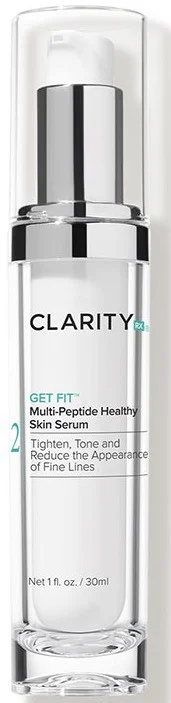
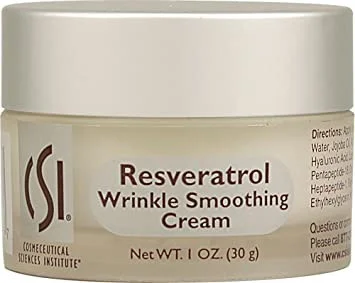
Products containing Acetyl Glutamyl Heptapeptide 1