- Home
- Ingredient
- Ingredient Detail
- Adenosine Cyclic Phosphate
Adenosine Cyclic Phosphate
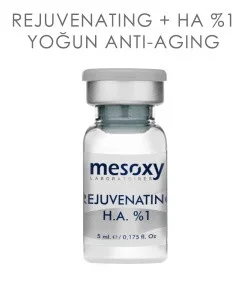
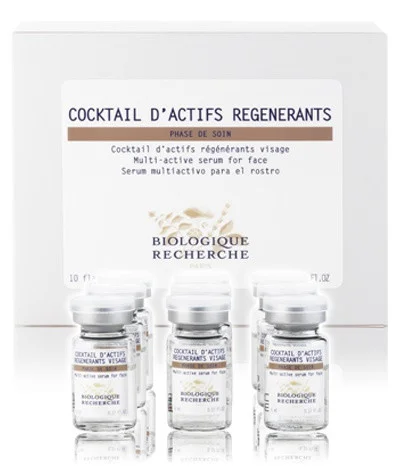
We found 6 products that contain Adenosine Cyclic Phosphate
Adenosine Cyclic Phosphate - Ingredient Explanation
Adenosine Cyclic Phosphate
Function: Skin Conditioning
1. Definition Adenosine Cyclic Phosphate:
Adenosine Cyclic Phosphate, also known as cyclic AMP, is a molecule derived from adenosine triphosphate (ATP) that plays a crucial role in various biological processes, including cell signaling and metabolism. It acts as a second messenger in intracellular signaling pathways, regulating the activity of protein kinases and other enzymes.2. Use:
In cosmetics, adenosine cyclic phosphate is often included in skincare formulations for its potential anti-aging benefits. It is believed to help improve skin elasticity, reduce the appearance of fine lines and wrinkles, and promote collagen production. Additionally, it may have anti-inflammatory properties, making it suitable for soothing irritated or sensitive skin.3. Usage Adenosine Cyclic Phosphate:
Adenosine cyclic phosphate is typically found in anti-aging skincare products, such as serums, creams, and masks. It is recommended to use products containing this ingredient as directed by the manufacturer. As with any new skincare ingredient, it is advisable to perform a patch test before applying it to the entire face to check for any potential allergic reactions or sensitivities.4. References:
- Lee, J. H., & Kim, Y. H. (2012). Anti-inflammatory effects of adenosine-5'-monophosphate in the skin. International journal of molecular sciences, 13(2), 1773-1785.
- Kim, S. Y., & Kim, S. (2018). Anti-aging effects of adenosine-5'-monophosphate on human dermal fibroblasts. Journal of cosmetic dermatology, 17(5), 810-816.
- Park, J. H., & Choi, Y. H. (2016). Adenosine-5'-monophosphate promotes collagen synthesis in human dermal fibroblasts. Journal of cosmetic science, 67(2), 103-110.
Ingredient Overview
(Click on the ingredient name for more details)
Quick Ingredient Analysis
Paraben free
Sulfate free
Alcohol free
Silicone free
Fungal Acne Safe
EU Allergent Free
Fragrance free
Key Ingredients
Ingredients Related to Skin Types
Click the arrows next to Skin Type! Green = Good & Red = Bad

Dry skin
Unknown

Oily Skin
Unknown

Sensitive skin
Unknown
Ingredient Safety Breakdown (EWG Health Ratings)
Low Risk
Moderate Risk
High Risk
Unknown
100%
Ingredient List
| EWG | CIR | Ingredient Name & Cosmetic Function | Notes |
|---|---|---|---|
| 1 | - | (Skin Conditioning) | |
Try Chanh's Tools
View other ingredients
-
-
PEG-9 Oleate
(Emulsifying, Surfactant, Surfactant - Solubilizingagent)
-
-
Vaccinium Myrtillus Seed Extract
(Skin Conditioning)
-
-
Isostearoyl Hydrolyzed Keratin
(Emollient, Skinprotectant)
-
-
Glyceryl Lactate
(pH adjusting agent, Emollient, Moisturising)
-
-
Calcium Phosphoryl Oligosaccharide
(Skinprotectant)
Products containing Adenosine Cyclic Phosphate