- Home
- Ingredient
- Ingredient Detail
- Aloe Arborescens Leaf Juice
Aloe Arborescens Leaf Juice
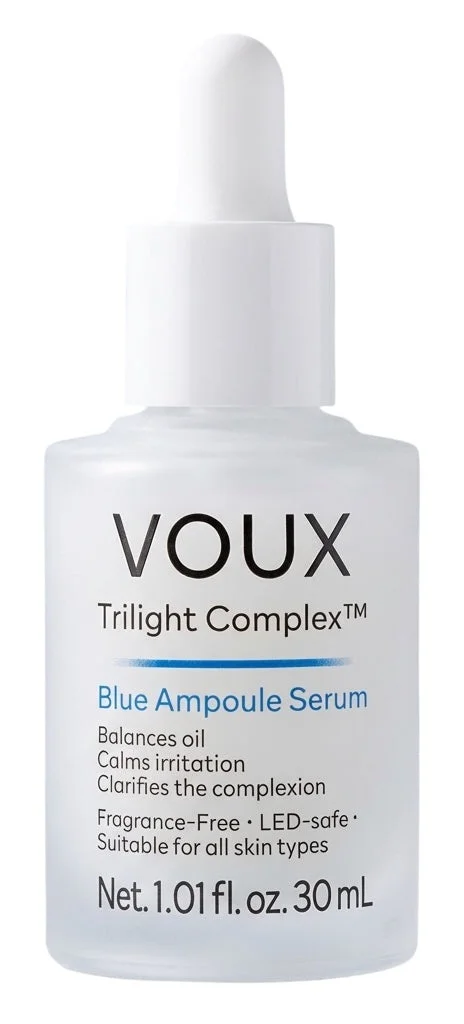
We found 2 products that contain Aloe Arborescens Leaf Juice
Aloe Arborescens Leaf Juice - Ingredient Explanation
Aloe Arborescens Leaf Juice
Other Names: Kidachi Aloe Youjyuu
Function: Skin Conditioning
1. Definition Aloe Arborescens Leaf Juice:
Aloe Arborescens Leaf Juice is a natural ingredient derived from the leaves of the Aloe Arborescens plant. It is known for its soothing and moisturizing properties, making it a popular ingredient in skincare and cosmetic products.2. Use:
Aloe Arborescens Leaf Juice is commonly used in cosmetics for its hydrating, soothing, and anti-inflammatory properties. It helps to calm irritated skin, reduce redness, and promote overall skin health. This ingredient is often found in moisturizers, serums, masks, and other skincare products.3. Usage Aloe Arborescens Leaf Juice:
When using products containing Aloe Arborescens Leaf Juice, it is important to patch test first to ensure you do not have any allergic reactions. Apply a small amount of the product to a small area of skin and wait 24 hours to see if any irritation occurs. If no reaction is observed, you can safely use the product as directed. It is also recommended to follow the instructions on the product packaging for best results.4. References:
- Kim, H. S., Kim, J. Y., Ryu, H. S., Park, S. G., & Kim, Y. H. (2013). Anti-inflammatory effects of aloe arborescens Miller extracts on human immune cells. Journal of Ethnopharmacology, 146(1), 205-213.
- Park, M. Y., Kwon, H. J., & Sung, M. K. (2009). Dietary aloin, aloesin, or aloe-gel exerts anti-inflammatory activity in a rat colitis model. Life Sciences, 84(4-5), 128-133.
- Lee, S. H., & Jeong, C. S. (2015). Aloe arborescens suppresses interleukin-6-induced acute phase reaction by preventing STAT3 activation in human hepatocellular carcinoma cells. Journal of Ethnopharmacology, 162, 79-86.
Ingredient Overview
(Click on the ingredient name for more details)
Quick Ingredient Analysis
Paraben free
Sulfate free
Alcohol free
Silicone free
Fungal Acne Safe
EU Allergent Free
Fragrance free
Key Ingredients
Ingredients Related to Skin Types
Click the arrows next to Skin Type! Green = Good & Red = Bad

Dry skin
Unknown

Oily Skin
Unknown

Sensitive skin
Unknown
Ingredient Safety Breakdown (EWG Health Ratings)
Low Risk
Moderate Risk
High Risk
Unknown
100%
Ingredient List
| EWG | CIR | Ingredient Name & Cosmetic Function | Notes |
|---|---|---|---|
| - | - | (Skin Conditioning) | |
Try Chanh's Tools
View other ingredients
-
-
PEG-9 Oleate
(Emulsifying, Surfactant, Surfactant - Solubilizingagent)
-
-
Vaccinium Myrtillus Seed Extract
(Skin Conditioning)
-
-
Isostearoyl Hydrolyzed Keratin
(Emollient, Skinprotectant)
-
-
Glyceryl Lactate
(pH adjusting agent, Emollient, Moisturising)
-
-
Calcium Phosphoryl Oligosaccharide
(Skinprotectant)
Products containing Aloe Arborescens Leaf Juice