- Home
- Ingredient
- Ingredient Detail
- Alpha Hydroxy Acids
Alpha Hydroxy Acids
Alpha Hydroxy Acids: Benefits, Side Effect & How to use it
Alpha Hydroxy Acids
Alpha Hydroxy Acids are revolutionizing skincare routines worldwide. Known for their potent exfoliating properties, these naturally occurring acids help reveal smoother, brighter skin by removing dead skin cells. Whether you're dealing with acne, uneven skin tone, or signs of aging, Alpha Hydroxy Acids can provide remarkable benefits, making them a staple in many beauty regimens.
Are the above mentioned correct? Let's find out with Chanh Beauty right now!
What are Alpha Hydroxy Acids
Definition
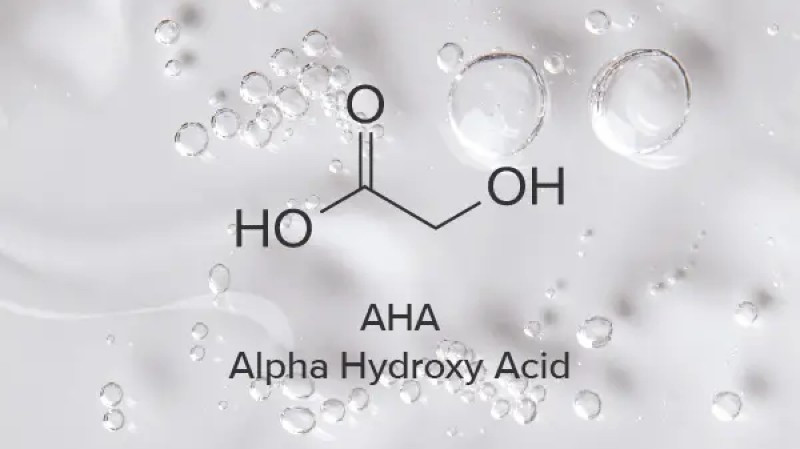
Alpha Hydroxy Acids, or AHAs for short, are a group of naturally occurring acids derived from fruits, milk, and sugars. They are widely used in skincare products because of their ability to exfoliate the skin, revealing a brighter, smoother, and more youthful appearance.
Here are some common kinds of AHAs:
- Glycolic Acid: This is the most common and well-researched AHA. It's derived from sugarcane and is known for its powerful exfoliating properties. Glycolic acid can help to improve skin texture, reduce wrinkles, and even out skin tone.
- Lactic Acid: A gentler AHA than glycolic acid, lactic acid is derived from milk and fermented foods. It's a good choice for people with sensitive skin, as it helps to exfoliate without being too harsh. Lactic acid can also help to hydrate the skin.
- Malic Acid: Found in fruits like apples, malic acid is another gentle AHA. It helps to exfoliate the skin and brighten the complexion. Malic acid may also help to reduce the appearance of wrinkles and fine lines.
- Citric Acid: Derived from citrus fruits like lemons and oranges, citric acid is a brightening AHA. It helps to even out skin tone and reduce the appearance of hyperpigmentation. Citric acid can also help to stimulate collagen production, which can improve skin texture and elasticity.
- Tartaric Acid: Found in grapes, tartaric acid is a gentle AHA that helps to exfoliate the skin and improve skin texture. It may also help to brighten the complexion and reduce the appearance of pores.
Who Should Use AHAs?
Those with Dry or Dull Skin: AHAs excel at removing dead skin cells, revealing the brighter, smoother layer beneath. This can be particularly helpful for dry skin that appears flaky or dull.
Uneven Skin Tone: AHAs can help fade hyperpigmentation and dark spots, leading to a more even skin tone. This is beneficial for those with sun damage, age spots, or acne scars.
Fine Lines and Wrinkles: By stimulating collagen production and promoting cell turnover, AHAs can help reduce the appearance of fine lines and wrinkles, giving skin a plumper and more youthful look.
Rough Skin Texture: AHAs can smooth out rough skin texture by removing dead skin cells that contribute to a bumpy feel.
Acne-Prone Skin (with Caution): While AHAs are water-soluble and act mainly on the surface, they can still help acne-prone skin by preventing dead skin cells from clogging pores. However, if you have deep cystic acne or blackheads, BHA (Salicylic Acid) is generally a better choice as it is oil-soluble and can penetrate deep into the pores.
Benefits of AHAs on Skin
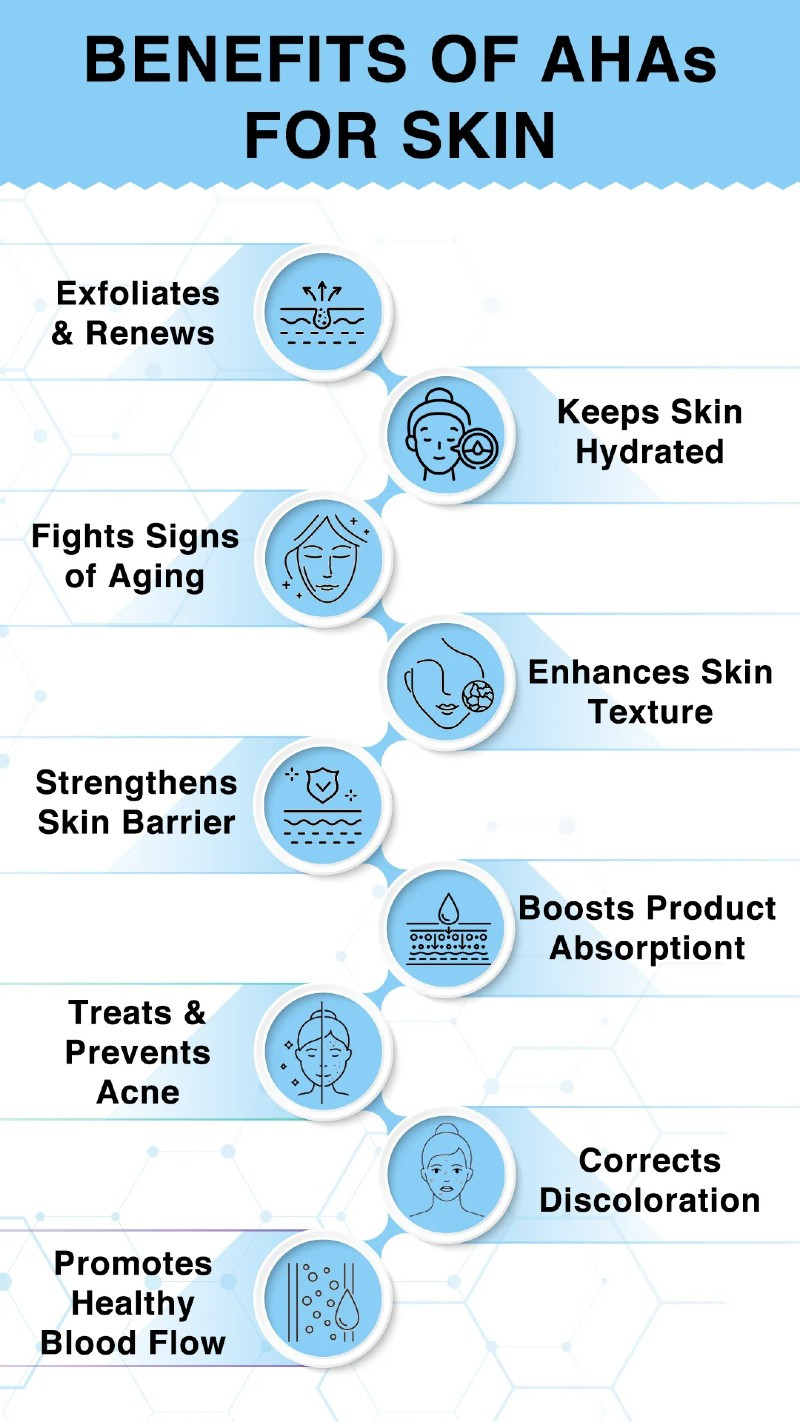
AHAs, or Alpha Hydroxy Acids, offer a range of benefits for the skin, primarily due to their exfoliating properties. Here's a breakdown of their key advantages:
Exfoliation: AHAs gently remove dead skin cells by dissolving the bonds holding them together. This reveals brighter, smoother skin underneath and promotes cell turnover for a more youthful appearance.
Improved Skin Texture: By eliminating dead skin cells, AHAs refine skin texture, resulting in a smoother and more even surface.
Reduced Signs of Aging: AHAs can help diminish the appearance of fine lines and wrinkles. Exfoliation encourages collagen production, which plumps the skin and reduces the visibility of wrinkles.
Fades Hyperpigmentation: AHAs can help reduce hyperpigmentation, sun damage, and dark spots by promoting even skin tone and fading discoloration.
Acne Treatment: AHAs help treat acne by exfoliating the skin's surface and preventing 'microcomedones' (the beginning of a pimple) from forming. It is particularly effective for whiteheads and small bumps on the skin's surface.
Better Product Absorption: By removing dead skin cells, AHAs allow other skincare products to penetrate deeper into the skin, maximizing their effectiveness.
Overall, AHAs offer a well-rounded approach to improve skin health by promoting cell turnover, revealing a brighter complexion, and addressing various concerns like wrinkles, hyperpigmentation, and acne.
Side Effects of AHAs
While AHAs come with a host of benefits, there can also be some potential side effects, especially when you first start using them. Here's a breakdown of what to watch out for:
Increased Sun Sensitivity: AHAs thin out the outer layer of skin, making it more susceptible to sun damage. Consistent sunscreen use with SPF 30 or higher is crucial while using AHAs.
Dryness and Irritation: Exfoliation can sometimes lead to dryness, particularly for those with sensitive skin. Using a moisturizer and starting with lower AHA concentrations can help.
Redness and Burning: Especially when you begin using AHAs, there might be some temporary redness or burning. This usually subsides with consistent use or by reducing application frequency. A slight tingling or stinging sensation is normal during the first few applications as your skin adjusts to the low pH of the acid. However, if the burning persists or is painful, wash it off immediately.
Skin Discoloration: In rare cases, AHAs can cause hyperpigmentation or darkening of the skin, especially if not used with proper sun protection.
A beginner's guide to using AHAs on your skin
Choosing AHA Concentration
The right AHA concentration for you will depend on your skin type and your skin concerns.
For beginners: If you're new to using AHAs, it's best to start with a low concentration, such as 5% or less. This will help you to minimize the risk of irritation.
For more experienced users: If you've been using AHAs for a while and your skin tolerates them well, you can gradually increase the concentration to 10% or more.
Here's a general guide to AHA concentrations:
- 2% or less: Very gentle, suitable for sensitive skin
- 5-10%: Good for most skin types, helps to improve skin texture and tone
- 10-15%: More effective for addressing wrinkles and sun damage, but can be irritating for some people
The Importance of pH: For an AHA product to be effective, its pH level should be between 3.0 and 4.0. If the pH is too high (above 4.5), the acid loses its exfoliating power and acts only as a moisturizer.
How to use AHAs?

Here are the steps to use AHAs safely and effectively:
Cleanse: Start by cleansing your face with a gentle cleanser to remove any makeup, dirt, and impurities. This ensures that your skin is clean and ready to absorb the AHA product.
Apply AHA Product: Take a small amount of your chosen AHA product (such as a toner, serum, or cream) and apply it evenly to your face and neck. Be sure to follow the instructions provided by the product manufacturer.
Wait: Allow the AHA product to absorb into your skin for a few minutes before moving on to the next step. This gives the acids time to work their magic and exfoliate the skin.
Moisturize: After the AHA product has absorbed, apply a moisturizer to lock in hydration and keep your skin soft and supple. This step is essential, especially if you're using AHAs with higher concentrations, as they can sometimes cause dryness.
Sun Protection: Finish your skincare routine by applying a broad-spectrum sunscreen with SPF 30 or higher, especially if you're using AHAs during the daytime. AHAs can increase your skin's sensitivity to the sun, so it's crucial to protect it from harmful UV rays.
Precautions for Using AHAs
When using AHAs in your skincare routine, it's essential to take certain precautions to ensure the best results and minimize the risk of side effects. Here are some precautions to keep in mind:
Start Slowly: If you're new to AHAs, start with a lower concentration and gradually increase it as your skin adjusts. This helps minimize the risk of irritation and sensitivity.
Patch Test: Before applying AHAs to your entire face, perform a patch test on a small area of skin to check for any adverse reactions. This is especially important if you have sensitive skin.
Sun Protection: AHAs can increase your skin's sensitivity to the sun, so it's crucial to wear sunscreen daily, even on cloudy days. Choose a broad-spectrum sunscreen with SPF 30 or higher and reapply it throughout the day as needed.
Avoid Mixing with Certain Ingredients: Avoid using AHAs with other potent skincare ingredients like retinoids or benzoyl peroxide, as this can increase the risk of irritation. If you want to use multiple active ingredients, consider alternating them on different days or using them at different times of the day.
Watch for Signs of Irritation: Keep an eye out for any signs of irritation, such as redness, itching, or burning sensations. If you experience any discomfort, reduce the frequency of AHA use or switch to a lower concentration.
Hydration: AHAs can sometimes cause dryness, so it's essential to keep your skin hydrated by using a moisturizer regularly. Look for a moisturizer that contains hydrating ingredients like hyaluronic acid or ceramides.
Consult a Dermatologist: If you have any concerns about using AHAs or if you experience persistent irritation, it's best to consult a dermatologist. They can provide personalized recommendations based on your skin type and concerns.
By following these precautions, you can safely incorporate AHAs into your skincare routine and enjoy their numerous benefits for smoother, brighter, and healthier-looking skin.
Frequently Asked Questions
1. Are Alpha Hydroxy Acids Safe for Sensitive Skin?
Alpha Hydroxy Acids (AHAs) can be used on sensitive skin, but it’s important to start with a low concentration to minimize the risk of irritation. Products specifically formulated for sensitive skin are available and can be a good starting point.
2. Do AHAs Increase Sun Sensitivity?
Yes, AHAs can make your skin more sensitive to the sun. It is crucial to apply a broad-spectrum sunscreen daily and limit sun exposure when using products containing AHAs to protect your skin from UV damage.
3. Can Pregnant or Nursing Women Use AHAs?
While many AHAs are considered safe, it is always best for pregnant or nursing women to consult with their healthcare provider before introducing any new skincare products into their routine.
4. Do AHAs Cause Skin Irritation?
AHAs can cause irritation, particularly if used in high concentrations or too frequently. Common side effects include redness, itching, and burning sensations. To avoid irritation, start with a lower concentration and gradually increase usage as your skin builds tolerance.
5. When Should You Start Using AHAs in Your Skincare Routine?
AHAs can be beneficial once you start noticing signs of aging, uneven skin tone, or need better exfoliation. Typically, people in their mid-20s to early 30s can start incorporating AHAs into their skincare regimen.
6. Can AHAs Be Combined with Other Skincare Products?
Yes, but be careful. To avoid over-exfoliation, do not use AHAs in the same routine with Retinoids or high-strength Vitamin C. A good strategy is to use your Vitamin C in the morning (for antioxidant protection) and your AHA at night (for renewal).
7. Can AHAs Be Used Daily?
AHAs can be used daily, depending on the product and your skin’s tolerance. It's advisable to start with a few times a week and gradually increase the frequency as your skin adapts. Always monitor your skin’s response and adjust usage accordingly.
In summary, incorporating AHAs into your skincare routine can lead to significant improvements in skin texture, tone, and overall appearance. By understanding how to use them properly and starting with the right concentration, you can enjoy the many benefits they offer. Always remember to protect your skin from the sun and monitor its response. With consistent use, Alpha Hydroxy Acids can be a game-changer in achieving a healthier, more radiant complexion.
Ingredient Overview


Ingredient List
| EWG | CIR | Ingredient Name & Cosmetic Function | Notes |
|---|---|---|---|
| 1 4 | - | |