- Home
- Ingredient
- Ingredient Detail
- Crocus Sativus (Saffron) Flower Extract
Crocus Sativus (Saffron) Flower Extract
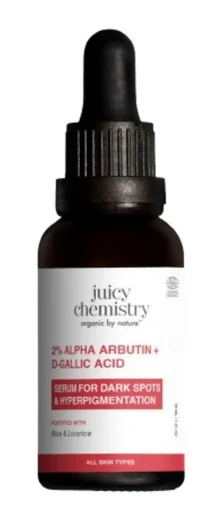
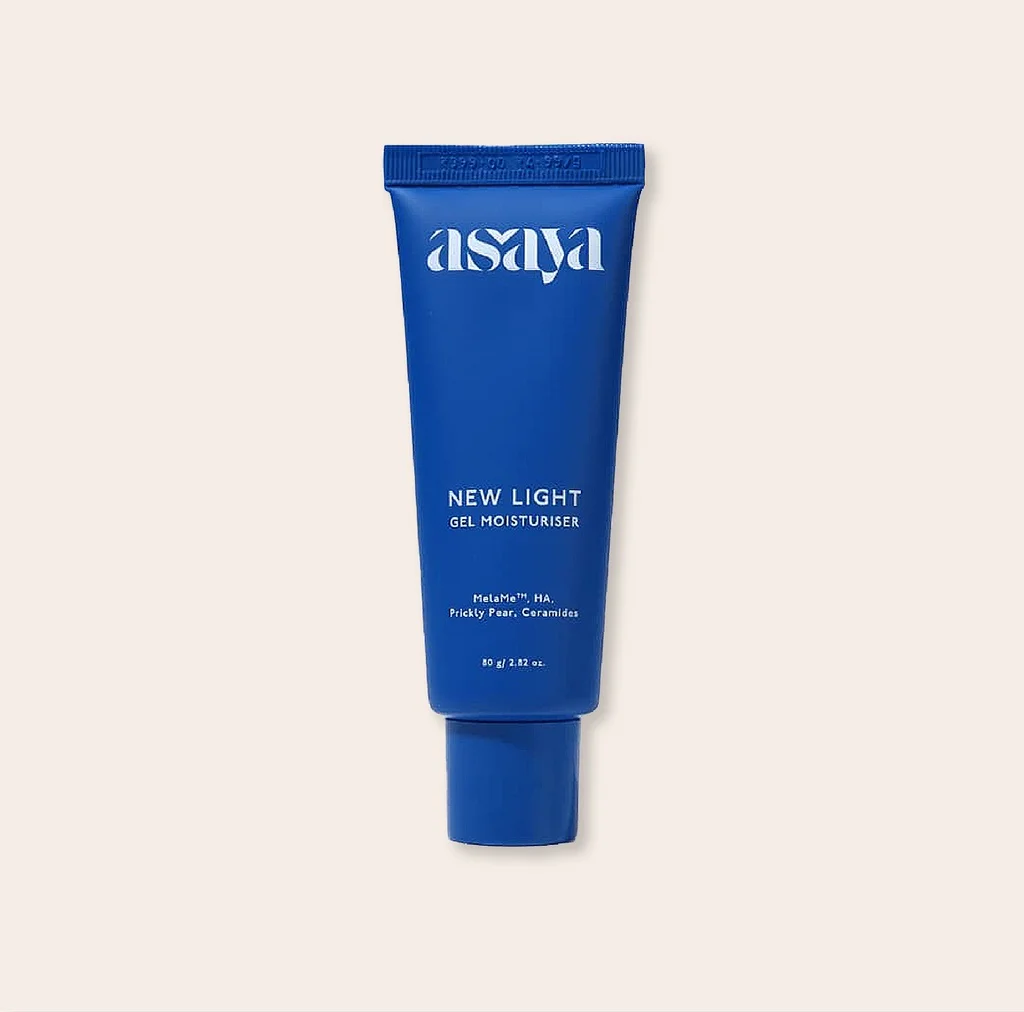
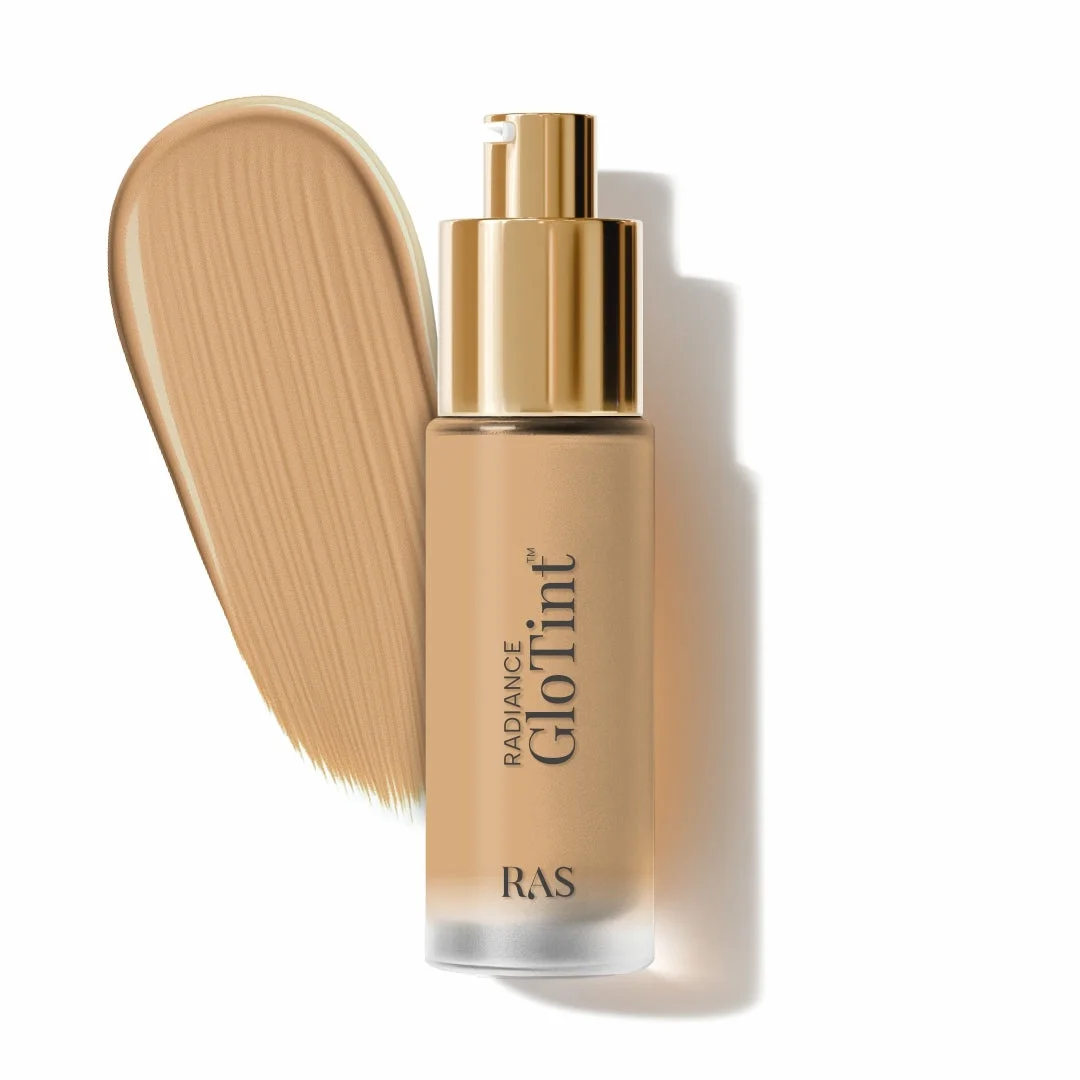
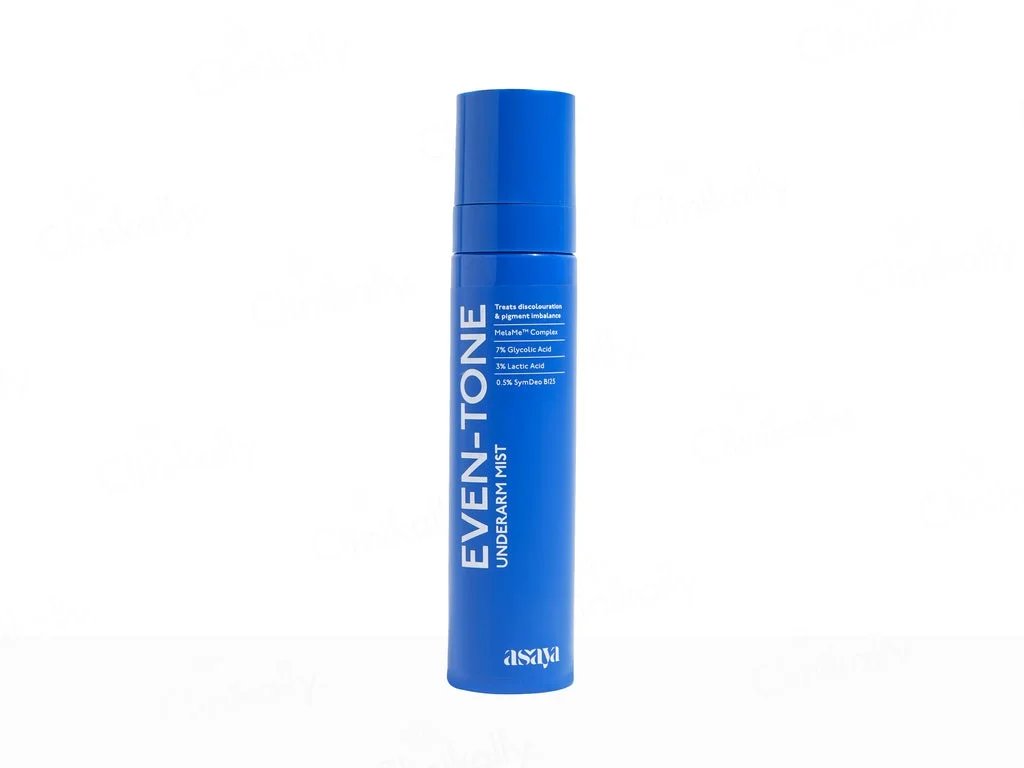
We found 37 products that contain Crocus Sativus (Saffron) Flower Extract
Crocus Sativus (Saffron) Flower Extract - Ingredient Explanation
Crocus Sativus (Saffron) Flower Extract
Function: Masking
1. Definition Crocus Sativus (Saffron) Flower Extract:
Crocus Sativus (Saffron) Flower Extract is a natural ingredient derived from the saffron flower, scientifically known as Crocus sativus. It is known for its bright red stigmas, which are hand-harvested and dried to produce saffron spice. The extract is rich in antioxidants, carotenoids, and vitamins, making it a popular ingredient in cosmetics for its skin-brightening and anti-inflammatory properties.2. Use:
Crocus Sativus Flower Extract is commonly used in skincare products for its ability to improve skin tone, texture, and overall complexion. It is known to help reduce the appearance of dark spots, hyperpigmentation, and fine lines, giving the skin a more radiant and youthful appearance. Additionally, saffron extract has moisturizing properties that help to hydrate and nourish the skin, making it suitable for all skin types.3. Usage Crocus Sativus (Saffron) Flower Extract:
When using skincare products containing Crocus Sativus Flower Extract, it is important to follow the instructions provided by the manufacturer. It is recommended to perform a patch test before applying the product to the entire face to check for any allergic reactions or skin sensitivities. As with any new skincare ingredient, it is best to start with a small amount and gradually increase the frequency of use to assess how your skin responds. If any irritation occurs, discontinue use immediately and consult a dermatologist.4. References:
- Gresta, F., et al. (2008). Saffron, an alternative crop for sustainable agricultural systems. A review. Agronomy for Sustainable Development, 28(1), 95-112.
- Srivastava, R., & Ahmed, H. (2016). Saffron: A potential drug-supplement for severe acute respiratory syndrome coronavirus 2 (SARS-CoV-2). Journal of Traditional and Complementary Medicine, 10(4), 368-380.
- Bathaie, S. Z., & Mousavi, S. Z. (2010). New applications and mechanisms of action of saffron and its important ingredients. Critical Reviews in Food Science and Nutrition, 50(8), 761-786.
Ingredient Overview
(Click on the ingredient name for more details)
Quick Ingredient Analysis
Paraben free
Sulfate free
Alcohol free
Silicone free
Fungal Acne Safe
EU Allergent Free
Fragrance free
Key Ingredients
Ingredients Related to Skin Types
Click the arrows next to Skin Type! Green = Good & Red = Bad

Dry skin
Unknown

Oily Skin
Unknown

Sensitive skin
Unknown
Ingredient Safety Breakdown (EWG Health Ratings)
Low Risk
Moderate Risk
High Risk
Unknown
100%
Ingredient List
| EWG | CIR | Ingredient Name & Cosmetic Function | Notes |
|---|---|---|---|
| 1 | - | (Masking) | |
Try Chanh's Tools
View other ingredients
-
-
PEG-9 Oleate
(Emulsifying, Surfactant, Surfactant - Solubilizingagent)
-
-
Vaccinium Myrtillus Seed Extract
(Skin Conditioning)
-
-
Isostearoyl Hydrolyzed Keratin
(Emollient, Skinprotectant)
-
-
Glyceryl Lactate
(pH adjusting agent, Emollient, Moisturising)
-
-
Calcium Phosphoryl Oligosaccharide
(Skinprotectant)
Products containing Crocus Sativus (Saffron) Flower Extract