- Home
- Ingredient
- Ingredient Detail
- Enantia Chlorantha (Moambe Jaune)
Enantia Chlorantha (Moambe Jaune)
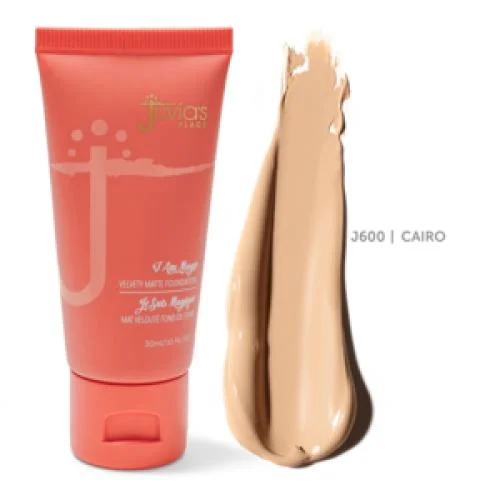
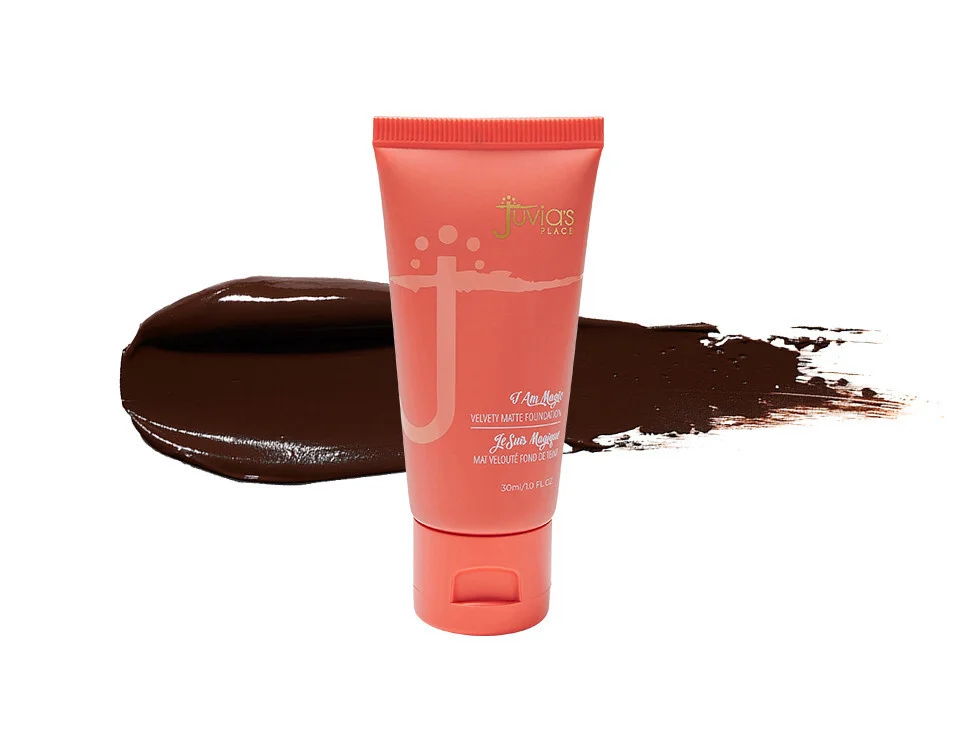
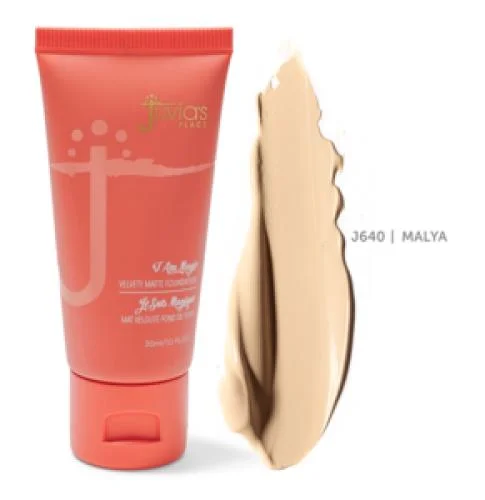
We found 10 products that contain Enantia Chlorantha (Moambe Jaune)
Enantia Chlorantha (Moambe Jaune) - Ingredient Explanation
Enantia Chlorantha (Moambe Jaune)
Function: Skin Conditioning
1. Definition Enantia Chlorantha (Moambe Jaune):
Enantia Chlorantha, also known as Moambe Jaune, is a plant native to West Africa that is commonly used in cosmetics for its astringent and anti-inflammatory properties. The extract from the bark of this tree is rich in compounds such as polyphenols, tannins, and flavonoids, which contribute to its skincare benefits.2. Use:
Enantia Chlorantha is primarily used in cosmetics for its ability to regulate sebum production and reduce the appearance of pores. It is often included in products such as toners, serums, and moisturizers targeting oily and acne-prone skin. The astringent properties of Enantia Chlorantha help to tighten pores and reduce excess oil, leading to a more balanced and mattified complexion.3. Usage Enantia Chlorantha (Moambe Jaune):
When using Enantia Chlorantha in cosmetics, it is important to follow the recommended guidelines provided by the product manufacturer. This extract is generally safe for topical application, but individuals with sensitive skin may experience irritation or allergic reactions. It is advisable to perform a patch test before using products containing Enantia Chlorantha to ensure compatibility with your skin. As with any skincare ingredient, it is best to consult with a dermatologist or skincare professional before incorporating Enantia Chlorantha into your routine.4. References:
- Maranz, S., Wiesman, Z. (2004). Influence of climate on the tocopherol content of shea butter. Journal of Agricultural and Food Chemistry, 52(9), 2934-2937.
- Akihisa, T., Kojima, N., Kikuchi, T., Yasukawa, K., Tokuda, H., and Masters, E.T. (2007). Anti-inflammatory and chemopreventive effects of triterpene cinnamates and acetates from shea fat. Journal of Oleo Science, 56(1), 27-31.
- Nsimba, R.Y., Kikuzaki, H., Konishi, Y. (2008). Antioxidant activity of various extracts and fractions of Chenopodium quinoa and Amaranthus spp. seeds. Food Chemistry, 106(2), 760-766.
Ingredient Overview
(Click on the ingredient name for more details)
Quick Ingredient Analysis
Paraben free
Sulfate free
Alcohol free
Silicone free
Fungal Acne Safe
EU Allergent Free
Fragrance free
Key Ingredients
Ingredients Related to Skin Types
Click the arrows next to Skin Type! Green = Good & Red = Bad

Dry skin
Unknown

Oily Skin
Unknown

Sensitive skin
Unknown
Ingredient Safety Breakdown (EWG Health Ratings)
Low Risk
Moderate Risk
High Risk
Unknown
100%
Ingredient List
| EWG | CIR | Ingredient Name & Cosmetic Function | Notes |
|---|---|---|---|
| 1 | - | (Skin Conditioning) | |
Try Chanh's Tools
View other ingredients
-
-
PEG-9 Oleate
(Emulsifying, Surfactant, Surfactant - Solubilizingagent)
-
-
Vaccinium Myrtillus Seed Extract
(Skin Conditioning)
-
-
Isostearoyl Hydrolyzed Keratin
(Emollient, Skinprotectant)
-
-
Glyceryl Lactate
(pH adjusting agent, Emollient, Moisturising)
-
-
Calcium Phosphoryl Oligosaccharide
(Skinprotectant)
Products containing Enantia Chlorantha (Moambe Jaune)