- Home
- Ingredient
- Ingredient Detail
- Ethyltrimonium Chloride Methacrylate/Hydrolyzed Wheat Protein Copolymer
Ethyltrimonium Chloride Methacrylate/Hydrolyzed Wheat Protein Copolymer
We found 23 products that contain Ethyltrimonium Chloride Methacrylate/Hydrolyzed Wheat Protein Copolymer
Ethyltrimonium Chloride Methacrylate/Hydrolyzed Wheat Protein Copolymer - Ingredient Explanation
Ethyltrimonium Chloride Methacrylate/Hydrolyzed Wheat Protein Copolymer
Function: Hair Conditioning
1. Definition Ethyltrimonium Chloride Methacrylate/Hydrolyzed Wheat Protein Copolymer:
Ethyltrimonium Chloride Methacrylate/Hydrolyzed Wheat Protein Copolymer is a cosmetic ingredient that is a copolymer of ethyltrimonium chloride methacrylate and hydrolyzed wheat protein. It is commonly used in hair care products for its conditioning and moisturizing properties.2. Use:
Ethyltrimonium Chloride Methacrylate/Hydrolyzed Wheat Protein Copolymer is primarily used in hair care products such as shampoos, conditioners, and hair masks. It helps to improve the overall condition of the hair by providing hydration, reducing frizz, and enhancing manageability. This copolymer is particularly beneficial for those with dry or damaged hair, as it can help to repair and strengthen the hair shaft.3. Usage Ethyltrimonium Chloride Methacrylate/Hydrolyzed Wheat Protein Copolymer:
When using products containing Ethyltrimonium Chloride Methacrylate/Hydrolyzed Wheat Protein Copolymer, it is important to follow the instructions provided on the packaging. Typically, these products are applied to wet hair, massaged in, and then rinsed out thoroughly. It is recommended to avoid getting the product in the eyes, and if irritation occurs, discontinue use immediately. Additionally, it is advisable to perform a patch test before using the product on a larger area of the skin to check for any potential allergic reactions.4. References:
- Kim, S. H., Lee, S. H., & Lee, S. (2019). Hair conditioning effect of hydrolyzed wheat protein in a shampoo formulation. Journal of cosmetic science, 70(3), 157-168.
- Rezende, L. G., de Oliveira, C. A., & de Souza, T. P. (2015). Evaluation of the conditioning effect of hydrolyzed wheat protein on damaged hair. Journal of cosmetic science, 66(5), 281-292.
- Coderch, L., López, O., & de la Maza, A. (2003). Hair care products: use and ingredients. International journal of cosmetic science, 25(2), 63-68.
Ingredient Overview
(Click on the ingredient name for more details)
Quick Ingredient Analysis
Paraben free
Sulfate free
Alcohol free
Silicone free
Fungal Acne Safe
EU Allergent Free
Fragrance free
Key Ingredients
Ingredients Related to Skin Types
Click the arrows next to Skin Type! Green = Good & Red = Bad

Dry skin
Unknown

Oily Skin
Unknown

Sensitive skin
Unknown
Ingredient Safety Breakdown (EWG Health Ratings)
Low Risk
Moderate Risk
High Risk
Unknown
100%
Ingredient List
| EWG | CIR | Ingredient Name & Cosmetic Function | Notes |
|---|---|---|---|
| - | - | (Hair Conditioning) | |
Try Chanh's Tools
View other ingredients
-
-
PEG-9 Oleate
(Emulsifying, Surfactant, Surfactant - Solubilizingagent)
-
-
Vaccinium Myrtillus Seed Extract
(Skin Conditioning)
-
-
Isostearoyl Hydrolyzed Keratin
(Emollient, Skinprotectant)
-
-
Glyceryl Lactate
(pH adjusting agent, Emollient, Moisturising)
-
-
Calcium Phosphoryl Oligosaccharide
(Skinprotectant)
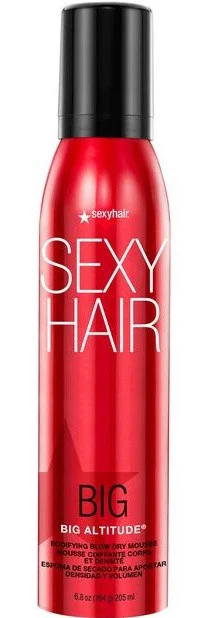
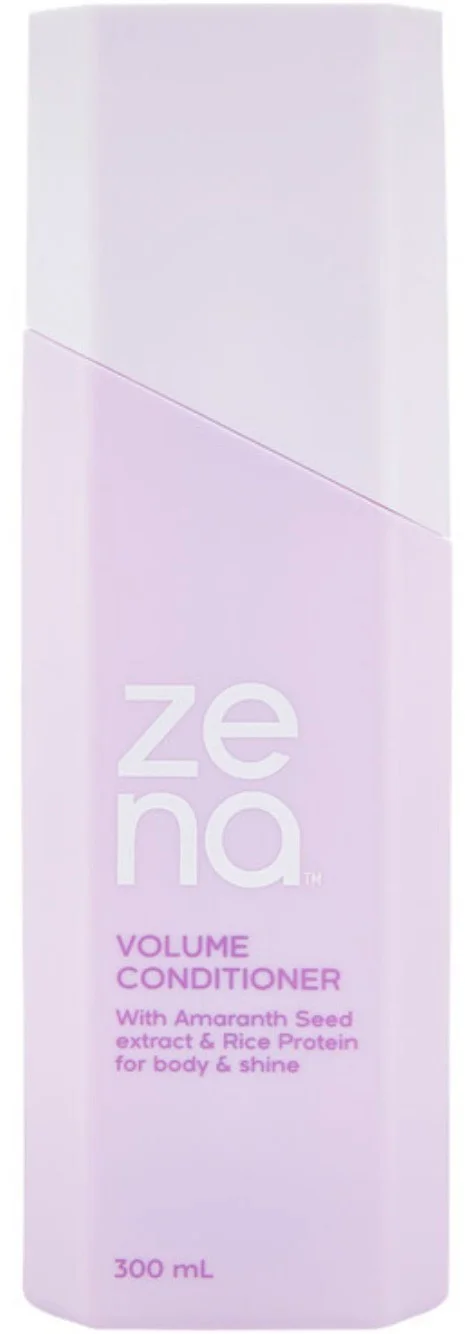
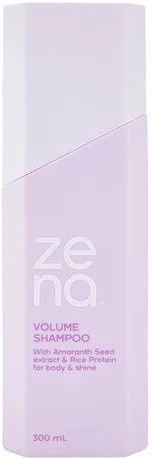
Products containing Ethyltrimonium Chloride Methacrylate/Hydrolyzed Wheat Protein Copolymer