- Home
- Ingredient
- Ingredient Detail
- Eugenia Caryophyllus (Clove) Extract
Eugenia Caryophyllus (Clove) Extract
We found 2 products that contain Eugenia Caryophyllus (Clove) Extract
Eugenia Caryophyllus (Clove) Extract - Ingredient Explanation
Eugenia Caryophyllus (Clove) Extract
1. Definition Eugenia Caryophyllus (Clove) Extract:
Eugenia Caryophyllus (Clove) Extract is derived from the dried flower buds of the clove tree, scientifically known as Syzygium aromaticum. It is a natural ingredient that is widely used in cosmetics for its aromatic and medicinal properties.2. Use:
Clove extract is known for its antioxidant, anti-inflammatory, and antimicrobial properties, making it a popular ingredient in skincare products. It is often used in formulations for acne-prone skin due to its ability to help reduce inflammation and kill acne-causing bacteria. Clove extract is also used in hair care products for its soothing and stimulating effects on the scalp.3. Usage Eugenia Caryophyllus (Clove) Extract:
Clove extract can be found in various cosmetic products such as creams, lotions, serums, and shampoos. When using products containing clove extract, it is important to follow the recommended usage instructions provided by the manufacturer. It is advisable to perform a patch test before using a product with clove extract to check for any potential allergic reactions. Additionally, clove extract is a potent ingredient, so it is recommended to use products containing this extract in moderation to avoid any skin irritation.4. References:
- Pimenta, A. T., Faria, R. O., De Oliveira, G. G., & De Carvalho, N. C. (2013). Evaluation of the antimicrobial activity of clove essential oil. Brazilian Journal of Microbiology, 44(1), 127-133.
- Prashar, A., Locke, I. C., & Evans, C. S. (2006). Cytotoxicity of clove (Syzygium aromaticum) oil and its major components to human skin cells. Cell Proliferation, 39(4), 241-248.
- Prashar, A., Locke, I. C., & Evans, C. S. (2007). Cytotoxicity of clove oil towards human fibroblasts and endothelial cells. Toxicology Letters, 170(2), 175-182.
Ingredient Overview
(Click on the ingredient name for more details)
Quick Ingredient Notes
Paraben free
Sulfate free
Alcohol free
Silicone free
Fungal Acne Safe
Minimum ingredient
EU Allergent Free
Key Ingredients
Ingredients Related to Skin Types
Click the arrows next to Skin Type! Green = Good & Red = Bad

Dry skin
Unknown

Oily Skin
Unknown

Sensitive skin
Unknown
Ingredient Safety Breakdown (EWG Health Ratings)
Low Risk
Moderate Risk
High Risk
Unknown
100%
Ingredient List
| EWG | CIR | Ingredient Name & Cosmetic Function | Notes |
|---|---|---|---|
| 3 4 | - | |
Try Chanh's Tools
View other ingredients
-
-
Sodium Cocoyl Proline
(Cleansing, Surfactant - Cleansing Agent)
-
-
Phosphorus Pentoxide
(Chelating)
-
-
Borassus Flabellifer Sap
(Humectant, Skin Conditioning, Flavoring Agent)
-
-
Alloferon-1
(Skin Protecting, Skin-Conditioning Agent - Emollient, Bleaching)
-
-
Diglycol Guanidine Succinate
(Skin-Conditioning Agent - Humectant)
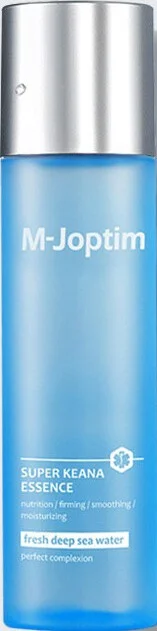
Products containing Eugenia Caryophyllus (Clove) Extract