- Home
- Ingredient
- Ingredient Detail
- Glycerophosphocholine
Glycerophosphocholine
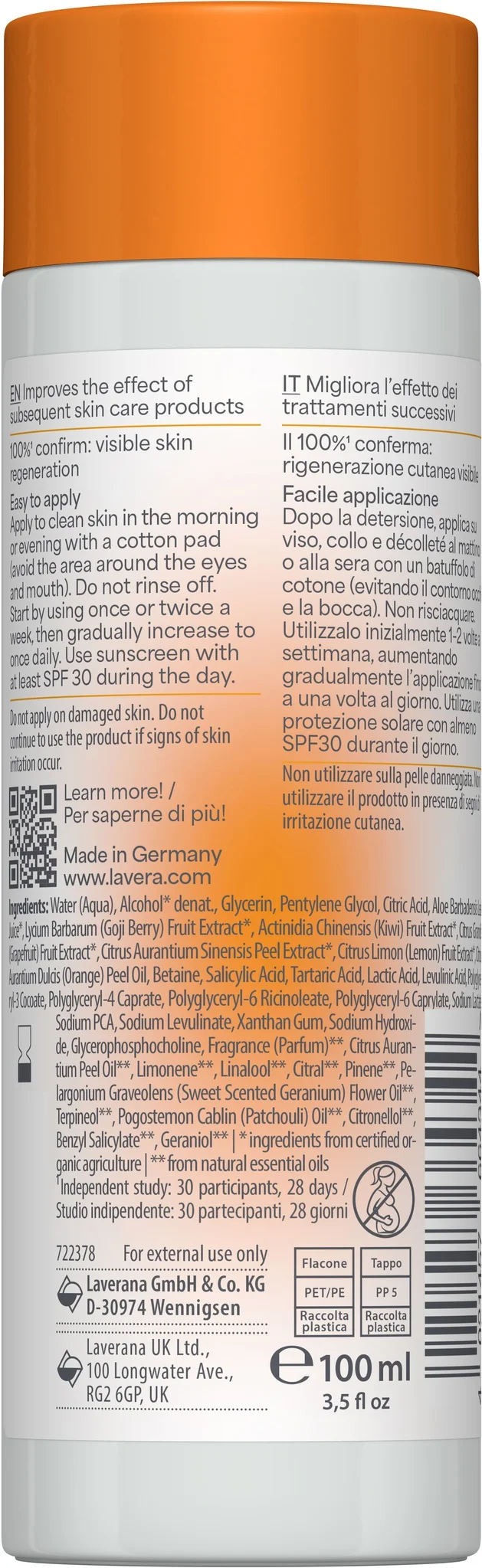
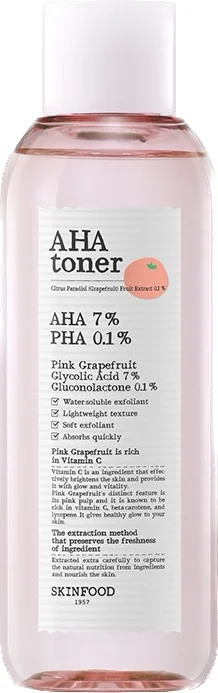
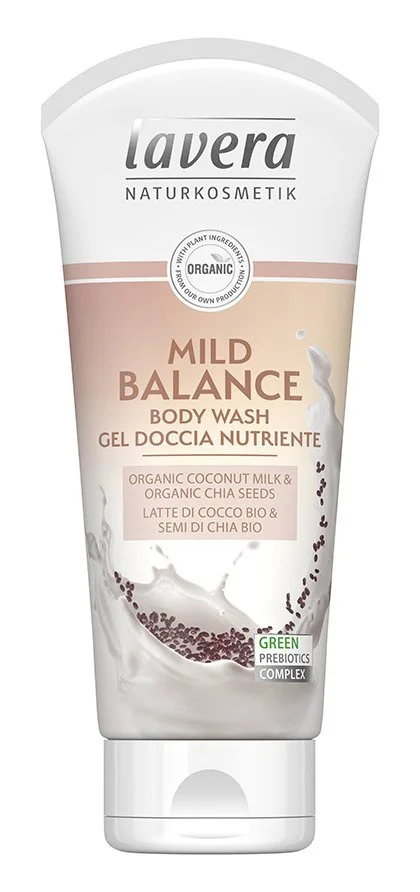
We found 12 products that contain Glycerophosphocholine
Glycerophosphocholine - Ingredient Explanation
Glycerophosphocholine
Function: Skin Conditioning
1. Definition Glycerophosphocholine:
Glycerophosphocholine, also known as alpha-GPC, is a natural compound that is found in the brain and is a precursor to the neurotransmitter acetylcholine. In cosmetics, it is used for its moisturizing and skin conditioning properties.2. Use:
Glycerophosphocholine is commonly used in skincare products for its ability to hydrate the skin and improve its overall appearance. It is often included in anti-aging formulations due to its ability to promote collagen production and improve skin elasticity. Additionally, it can help to reduce inflammation and protect the skin from environmental damage.3. Usage Glycerophosphocholine:
Glycerophosphocholine is typically found in moisturizers, serums, and creams. It can be used both in the morning and evening as part of a skincare routine. To use, apply a small amount of product containing glycerophosphocholine to clean, dry skin and gently massage in until fully absorbed. It is important to follow the instructions on the product packaging and consult with a dermatologist if you have any concerns about using glycerophosphocholine.4. References:
- H. Ziegenfuss, T. Landis, T. Hofheins, et al. "Acute supplementation with alpha-glycerylphosphorylcholine augments growth hormone response to, and peak force production during, resistance exercise." Journal of the International Society of Sports Nutrition, 2008.
- M. Parnetti, G. Abate, A. Bartorelli, et al. "Multicenter study of L-alpha-glyceryl-phosphorylcholine vs ST200 among patients with probable senile dementia of Alzheimer's type." Drugs Aging, 1993.
- M. Gatti, E. Virgili. "Efficacy and safety of alpha-GPC, a precursor of phosphatidylcholine, in the treatment of mild to moderate Alzheimer's disease." Clinical Interventions in Aging, 2014.
Ingredient Overview
(Click on the ingredient name for more details)
Quick Ingredient Analysis
Paraben free
Sulfate free
Alcohol free
Silicone free
Fungal Acne Safe
EU Allergent Free
Fragrance free
Key Ingredients
Ingredients Related to Skin Types
Click the arrows next to Skin Type! Green = Good & Red = Bad

Dry skin
Unknown

Oily Skin
Unknown

Sensitive skin
Unknown
Ingredient Safety Breakdown (EWG Health Ratings)
Low Risk
Moderate Risk
High Risk
Unknown
100%
Ingredient List
| EWG | CIR | Ingredient Name & Cosmetic Function | Notes |
|---|---|---|---|
| 1 | - | (Skin Conditioning) | |
Try Chanh's Tools
View other ingredients
-
-
PEG-9 Oleate
(Emulsifying, Surfactant, Surfactant - Solubilizingagent)
-
-
Vaccinium Myrtillus Seed Extract
(Skin Conditioning)
-
-
Isostearoyl Hydrolyzed Keratin
(Emollient, Skinprotectant)
-
-
Glyceryl Lactate
(pH adjusting agent, Emollient, Moisturising)
-
-
Calcium Phosphoryl Oligosaccharide
(Skinprotectant)
Products containing Glycerophosphocholine