- Home
- Ingredient
- Ingredient Detail
- Hydrolyzed Amaranth Protein
Hydrolyzed Amaranth Protein
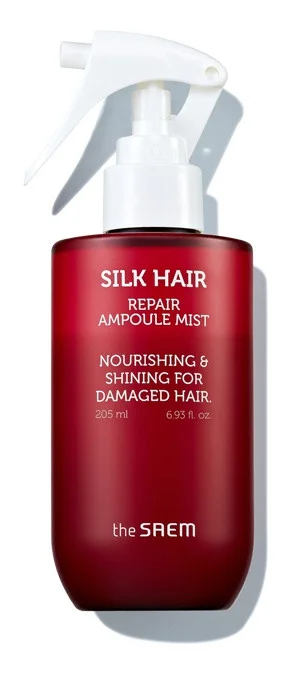
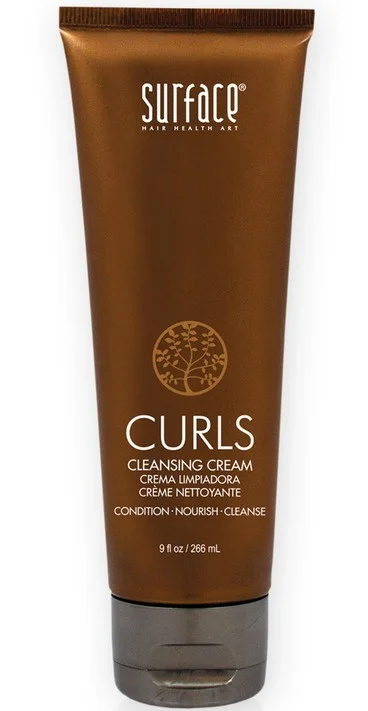
We found 20 products that contain Hydrolyzed Amaranth Protein
Hydrolyzed Amaranth Protein - Ingredient Explanation
Hydrolyzed Amaranth Protein
Function: Skin Conditioning
1. Definition Hydrolyzed Amaranth Protein:
Hydrolyzed Amaranth Protein is a natural protein derived from the seeds of the amaranth plant that has been broken down into smaller peptides through a process called hydrolysis. This protein is rich in essential amino acids, vitamins, and minerals that are beneficial for the skin and hair.2. Use:
Hydrolyzed Amaranth Protein is commonly used in cosmetics and personal care products for its moisturizing, conditioning, and strengthening properties. It helps to improve the elasticity and texture of the skin, while also promoting healthy hair growth and reducing breakage. Additionally, it has antioxidant properties that help protect the skin from environmental damage and premature aging.3. Usage Hydrolyzed Amaranth Protein:
Hydrolyzed Amaranth Protein can be found in a variety of skincare and haircare products, such as moisturizers, serums, shampoos, and conditioners. When using products containing this protein, it is important to follow the instructions provided by the manufacturer. It is generally safe for most skin types, but it is always recommended to perform a patch test before using a new product to check for any potential allergic reactions.4. References:
- Kaur, A., & Singh, S. (2018). Amaranth proteins: Chemistry and functionality. Food Chemistry, 245, 1147-1159.
- Reis, J. M., & Druzian, J. I. (2019). Hydrolyzed amaranth protein as a sustainable ingredient for cosmetic formulations. Industrial Crops and Products, 129, 519-527.
- Patel, S., & Goyal, A. (2019). Amaranth: A new millennium crop of nutraceutical values. Critical Reviews in Food Science and Nutrition, 59(2), 233-249.
Ingredient Overview
(Click on the ingredient name for more details)
Quick Ingredient Analysis
Paraben free
Sulfate free
Alcohol free
Silicone free
Fungal Acne Safe
EU Allergent Free
Fragrance free
Key Ingredients
Ingredients Related to Skin Types
Click the arrows next to Skin Type! Green = Good & Red = Bad

Dry skin
Unknown

Oily Skin
Unknown

Sensitive skin
Unknown
Ingredient Safety Breakdown (EWG Health Ratings)
Low Risk
Moderate Risk
High Risk
Unknown
100%
Ingredient List
| EWG | CIR | Ingredient Name & Cosmetic Function | Notes |
|---|---|---|---|
| 1 | - | (Skin Conditioning) | |
Try Chanh's Tools
View other ingredients
-
-
PEG-9 Oleate
(Emulsifying, Surfactant, Surfactant - Solubilizingagent)
-
-
Vaccinium Myrtillus Seed Extract
(Skin Conditioning)
-
-
Isostearoyl Hydrolyzed Keratin
(Emollient, Skinprotectant)
-
-
Glyceryl Lactate
(pH adjusting agent, Emollient, Moisturising)
-
-
Calcium Phosphoryl Oligosaccharide
(Skinprotectant)
Products containing Hydrolyzed Amaranth Protein