- Home
- Ingredient
- Ingredient Detail
- Ketoglutaric Acid
Ketoglutaric Acid
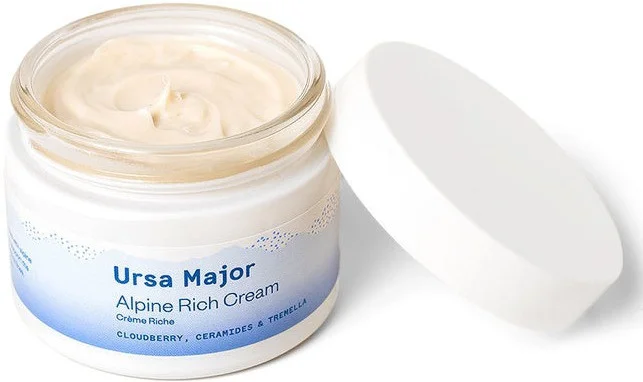
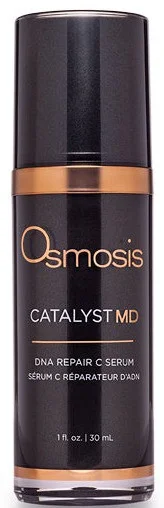
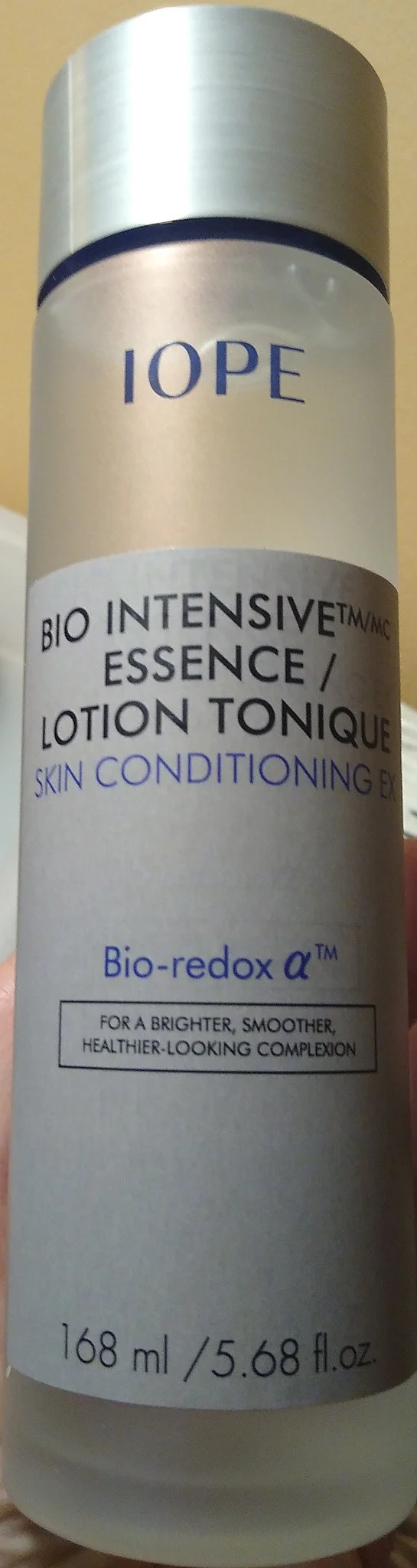
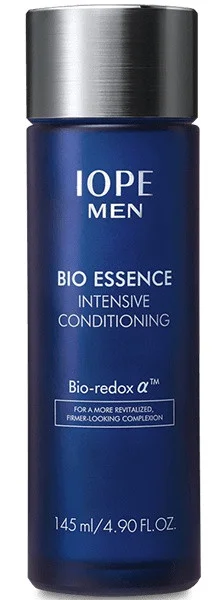
We found 8 products that contain Ketoglutaric Acid
Ketoglutaric Acid - Ingredient Explanation
Ketoglutaric Acid
Function: Fragrance, pH adjusting agent, Deodorant
1. Definition Ketoglutaric Acid:
Ketoglutaric Acid, also known as alpha-ketoglutaric acid, is a naturally occurring organic acid that is part of the citric acid cycle, a key metabolic pathway in the body. It is a derivative of glutaric acid and plays a crucial role in energy production and amino acid metabolism.2. Use:
Ketoglutaric Acid is commonly used in cosmetics for its antioxidant properties. It helps to protect the skin from oxidative stress and environmental damage, reducing the signs of aging and promoting a more youthful appearance. Additionally, it can help to improve skin texture and tone, making it a popular ingredient in anti-aging and skincare products.3. Usage Ketoglutaric Acid:
Ketoglutaric Acid is typically found in skincare products such as serums, creams, and masks. It is often used in combination with other antioxidants and active ingredients to enhance its efficacy. When using products containing Ketoglutaric Acid, it is important to follow the instructions provided by the manufacturer and perform a patch test before applying it to the entire face to avoid any potential allergic reactions.4. References:
- Kim, J. E., Lee, J. E., Kang, S., & Jung, H. S. (2015). Alpha-ketoglutarate as a molecule with pleiotropic activity: Well-known and novel possibilities. EXCLI Journal, 14, 571-579.
- Choudhary, C., Weinert, B. T., Nishida, Y., Verdin, E., & Mann, M. (2014). The growing landscape of lysine acetylation links metabolism and cell signalling. Nature Reviews Molecular Cell Biology, 15(8), 536-550.
- Liu, X., Li, H., Wu, M. L., Wu, J. T., Sun, L., & Zhang, D. (2013). Alpha-ketoglutarate suppresses the NF-κB-mediated inflammatory pathway and enhances the PXR-regulated detoxification pathway. Oncotarget, 4(3), 284-296.
Ingredient Overview
(Click on the ingredient name for more details)
Quick Ingredient Analysis
Paraben free
Sulfate free
Alcohol free
Silicone free
Fungal Acne Safe
EU Allergent Free
Fragrance free
Key Ingredients
Ingredients Related to Skin Types
Click the arrows next to Skin Type! Green = Good & Red = Bad

Dry skin
Unknown

Oily Skin
Unknown

Sensitive skin
Unknown
Ingredient Safety Breakdown (EWG Health Ratings)
Low Risk
Moderate Risk
High Risk
Unknown
100%
Ingredient List
| EWG | CIR | Ingredient Name & Cosmetic Function | Notes |
|---|---|---|---|
| 1 | - | (Fragrance, pH adjusting agent, Deodorant) | |
Try Chanh's Tools
View other ingredients
-
-
PEG-9 Oleate
(Emulsifying, Surfactant, Surfactant - Solubilizingagent)
-
-
Vaccinium Myrtillus Seed Extract
(Skin Conditioning)
-
-
Isostearoyl Hydrolyzed Keratin
(Emollient, Skinprotectant)
-
-
Glyceryl Lactate
(pH adjusting agent, Emollient, Moisturising)
-
-
Calcium Phosphoryl Oligosaccharide
(Skinprotectant)
Products containing Ketoglutaric Acid