- Home
- Ingredient
- Ingredient Detail
- Lactobacillus/Aloe Barbadensis Ferment Filtrate
Lactobacillus/Aloe Barbadensis Ferment Filtrate
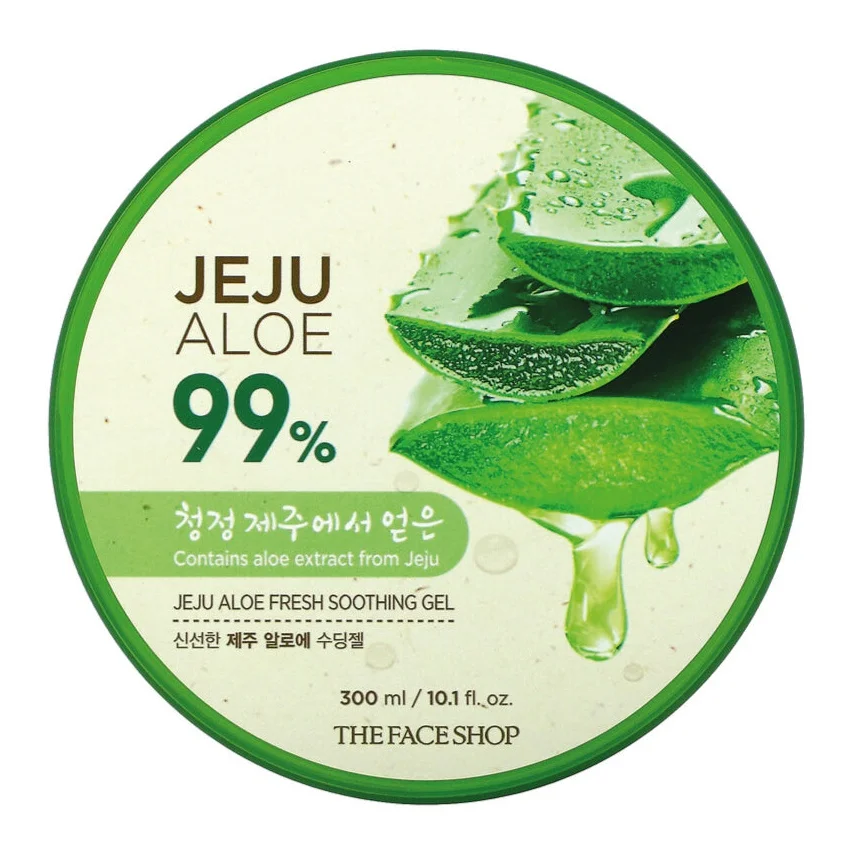
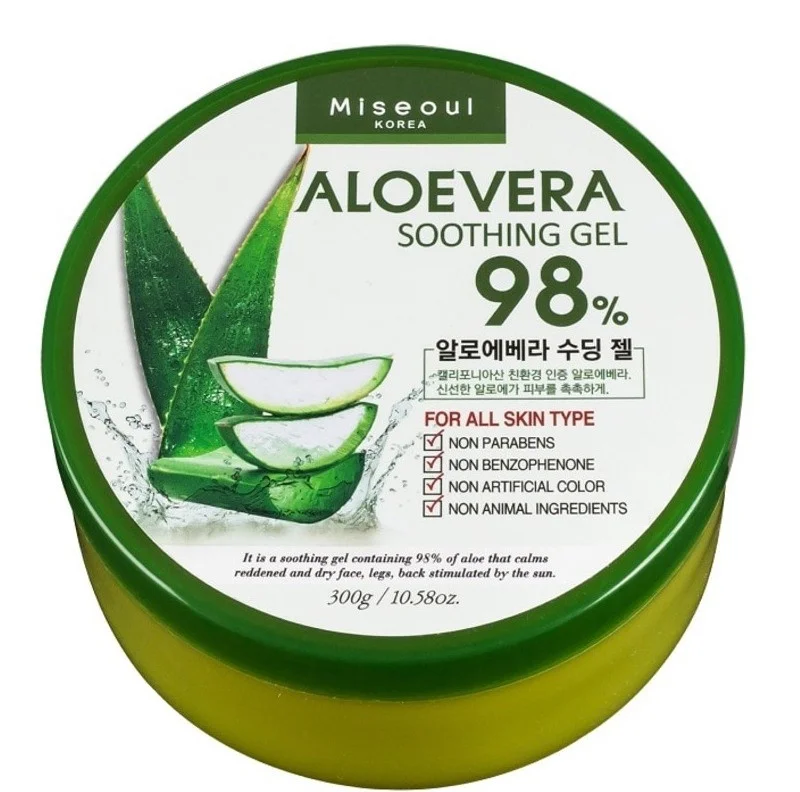
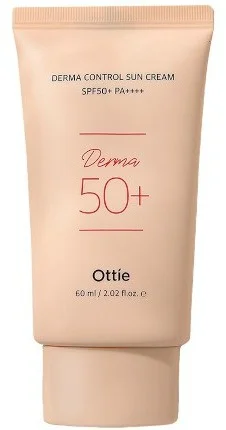
We found 24 products that contain Lactobacillus/Aloe Barbadensis Ferment Filtrate
Lactobacillus/Aloe Barbadensis Ferment Filtrate - Ingredient Explanation
Lactobacillus/Aloe Barbadensis Ferment Filtrate
Function: Skin Conditioning
1. Definition Lactobacillus/Aloe Barbadensis Ferment Filtrate:
Lactobacillus/Aloe Barbadensis Ferment Filtrate is a natural ingredient derived from the fermentation of Aloe Barbadensis (Aloe Vera) leaf extract with Lactobacillus, a probiotic bacteria. This process helps to enhance the beneficial properties of Aloe Vera, making it more potent and effective in skincare products.2. Use:
Lactobacillus/Aloe Barbadensis Ferment Filtrate is commonly used in cosmetics and skincare products for its soothing, hydrating, and anti-inflammatory properties. It helps to moisturize the skin, reduce redness and irritation, and promote overall skin health. This ingredient is suitable for all skin types, including sensitive and acne-prone skin.3. Usage Lactobacillus/Aloe Barbadensis Ferment Filtrate:
Lactobacillus/Aloe Barbadensis Ferment Filtrate can be found in various skincare products such as serums, moisturizers, masks, and lotions. It is typically used in concentrations ranging from 1% to 10% in formulations. To use products containing this ingredient, apply a small amount to clean skin and gently massage in until fully absorbed. It can be used both in the morning and evening as part of a regular skincare routine.4. References:
- Kim, H. J., Chen, F., Wu, C., & Wang, X. (2006). Chungkookjang, a fermented soybean paste, increases the activity and the secretion of urokinase-type plasminogen activator in human fibrosarcoma cells. Nutrition and cancer, 54(1), 74-81.
- Park, K. Y., Jeong, J. K., Lee, Y. E., Daily, J. W., III, & Kim, S. H. (2015). Health benefits of kimchi (Korean fermented vegetables) as a probiotic food. Journal of medicinal food, 18(1), 6-20.
- Surjushe, A., Vasani, R., & Saple, D. G. (2008). Aloe vera: a short review. Indian journal of dermatology, 53(4), 163.
Ingredient Overview
(Click on the ingredient name for more details)
Quick Ingredient Analysis
Paraben free
Sulfate free
Alcohol free
Silicone free
Fungal Acne Safe
EU Allergent Free
Fragrance free
Key Ingredients
Ingredients Related to Skin Types
Click the arrows next to Skin Type! Green = Good & Red = Bad

Dry skin
Unknown

Oily Skin
Unknown

Sensitive skin
Unknown
Ingredient Safety Breakdown (EWG Health Ratings)
Low Risk
Moderate Risk
High Risk
Unknown
100%
Ingredient List
| EWG | CIR | Ingredient Name & Cosmetic Function | Notes |
|---|---|---|---|
| 1 2 | - | (Skin Conditioning) | |
Try Chanh's Tools
View other ingredients
-
-
PEG-9 Oleate
(Emulsifying, Surfactant, Surfactant - Solubilizingagent)
-
-
Vaccinium Myrtillus Seed Extract
(Skin Conditioning)
-
-
Isostearoyl Hydrolyzed Keratin
(Emollient, Skinprotectant)
-
-
Glyceryl Lactate
(pH adjusting agent, Emollient, Moisturising)
-
-
Calcium Phosphoryl Oligosaccharide
(Skinprotectant)
Products containing Lactobacillus/Aloe Barbadensis Ferment Filtrate