- Home
- Ingredient
- Ingredient Detail
- Lactobacillus/Solanum Lycopersicum Fruit Ferment Extract
Lactobacillus/Solanum Lycopersicum Fruit Ferment Extract
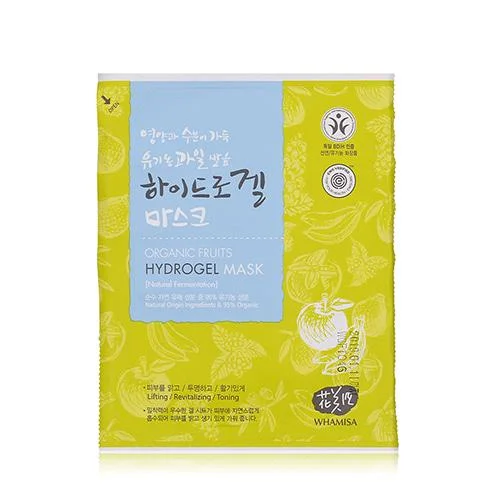
We found 5 products that contain Lactobacillus/Solanum Lycopersicum Fruit Ferment Extract
Lactobacillus/Solanum Lycopersicum Fruit Ferment Extract - Ingredient Explanation
Lactobacillus/Solanum Lycopersicum Fruit Ferment Extract
1. Definition Lactobacillus/Solanum Lycopersicum Fruit Ferment Extract:
Lactobacillus/Solanum Lycopersicum Fruit Ferment Extract is a cosmetic ingredient derived from the fermentation of the fruit of the Solanum Lycopersicum plant (tomato) by Lactobacillus bacteria. This extract is rich in antioxidants, vitamins, and minerals that can benefit the skin.2. Use:
Lactobacillus/Solanum Lycopersicum Fruit Ferment Extract is commonly used in skincare products for its various benefits. It helps to protect the skin from environmental damage, reduce inflammation, and promote a healthy skin barrier. Additionally, it can help to brighten the skin, improve skin texture, and provide anti-aging properties.3. Usage Lactobacillus/Solanum Lycopersicum Fruit Ferment Extract:
This ingredient is typically found in serums, creams, and masks. It can be applied directly to the skin after cleansing and toning. Depending on the product, it may be used daily or a few times a week. It is important to follow the instructions on the product packaging for the best results. As with any new skincare product, it is recommended to perform a patch test before full application to ensure compatibility with your skin.4. References:
- Choi YJ, Kim EJ, Lee JH, Kim YJ. Tomato paste rich in lycopene combats age-related macular degeneration. Journal of Medicinal Food. 2020;23(3):228-234.
- Lee J, Kim JH, Kim JH, et al. Anti-inflammatory and antioxidant effects of Lactobacillus plantarum K8 fermented tomato juice in RAW264.7 macrophages. Nutrition Research and Practice. 2019;13(6):471-478.
- Park S, Kim M, Hong GE, et al. Lactobacillus plantarum HAC01 regulates gut microbiota and adipose tissue accumulation in a diet-induced obesity murine model. Applied Microbiology and Biotechnology. 2020;104(2):953-964.
Ingredient Overview
(Click on the ingredient name for more details)
Quick Ingredient Analysis
Paraben free
Sulfate free
Alcohol free
Silicone free
Fungal Acne Safe
EU Allergent Free
Fragrance free
Key Ingredients
Ingredients Related to Skin Types
Click the arrows next to Skin Type! Green = Good & Red = Bad

Dry skin
Unknown

Oily Skin
Unknown

Sensitive skin
Unknown
Ingredient Safety Breakdown (EWG Health Ratings)
Low Risk
Moderate Risk
High Risk
Unknown
100%
Ingredient List
| EWG | CIR | Ingredient Name & Cosmetic Function | Notes |
|---|---|---|---|
| 1 | - | |
Try Chanh's Tools
View other ingredients
-
-
PEG-9 Oleate
(Emulsifying, Surfactant, Surfactant - Solubilizingagent)
-
-
Vaccinium Myrtillus Seed Extract
(Skin Conditioning)
-
-
Isostearoyl Hydrolyzed Keratin
(Emollient, Skinprotectant)
-
-
Glyceryl Lactate
(pH adjusting agent, Emollient, Moisturising)
-
-
Calcium Phosphoryl Oligosaccharide
(Skinprotectant)
Products containing Lactobacillus/Solanum Lycopersicum Fruit Ferment Extract