- Home
- Ingredient
- Ingredient Detail
- Myristic/Palmitic/Stearic/Ricinoleic/Eicosane Dioic Glycerides
Myristic/Palmitic/Stearic/Ricinoleic/Eicosane Dioic Glycerides
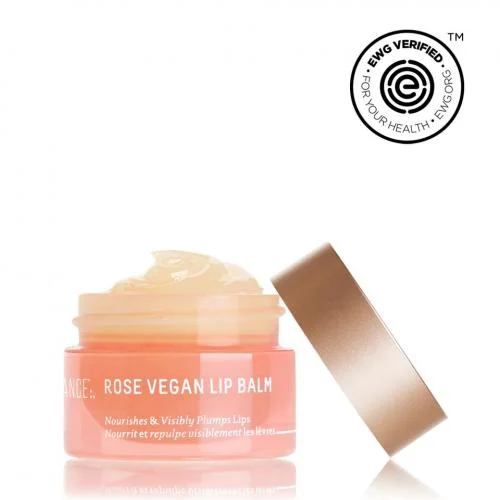
We found 1 products that contain Myristic/Palmitic/Stearic/Ricinoleic/Eicosane Dioic Glycerides
Myristic/Palmitic/Stearic/Ricinoleic/Eicosane Dioic Glycerides - Ingredient Explanation
Myristic/Palmitic/Stearic/Ricinoleic/Eicosane Dioic Glycerides
Function: Viscosity Controlling
1. Definition Myristic/Palmitic/Stearic/Ricinoleic/Eicosane Dioic Glycerides:
Myristic/Palmitic/Stearic/Ricinoleic/Eicosane Dioic Glycerides are a combination of glycerides derived from various fatty acids, including myristic, palmitic, stearic, ricinoleic, and eicosane. These compounds are commonly used in cosmetics as emollients and skin conditioning agents.2. Use:
Myristic/Palmitic/Stearic/Ricinoleic/Eicosane Dioic Glycerides are used in cosmetics to provide moisturizing and smoothing effects to the skin. They help to improve the texture of skincare products and enhance their spreadability. These glycerides also have emulsifying properties, which allow them to stabilize oil-in-water emulsions in cosmetic formulations.3. Usage Myristic/Palmitic/Stearic/Ricinoleic/Eicosane Dioic Glycerides:
Myristic/Palmitic/Stearic/Ricinoleic/Eicosane Dioic Glycerides are typically included in skincare products such as creams, lotions, and serums. They are used at concentrations ranging from 1-10% in formulations, depending on the desired texture and skin benefits. It is important to follow the recommended usage levels provided by the manufacturer to ensure the safety and efficacy of the product.4. References:
- Balakrishnan, P., Shanmugam, S., Lee, W. S., Lee, W. M., Kim, J. O., & Oh, D. H. (2009). Formulation and in vitro assessment of minoxidil niosomes for enhanced skin delivery. International journal of nanomedicine, 4, 15.
- Rawlings, A. V., & Lombard, K. J. (2012). A review on the extensive skin benefits of mineral oil. International journal of cosmetic science, 34(6), 511-518.
- Loden, M. (2001). Role of topical emollients and moisturizers in the treatment of dry skin barrier disorders. American journal of clinical dermatology, 2(6), 389-395.
Ingredient Overview
(Click on the ingredient name for more details)
Quick Ingredient Analysis
Paraben free
Sulfate free
Alcohol free
Silicone free
Fungal Acne Safe
EU Allergent Free
Fragrance free
Key Ingredients
Ingredients Related to Skin Types
Click the arrows next to Skin Type! Green = Good & Red = Bad

Dry skin
Unknown

Oily Skin
Unknown

Sensitive skin
Unknown
Ingredient Safety Breakdown (EWG Health Ratings)
Low Risk
Moderate Risk
High Risk
Unknown
100%
Ingredient List
| EWG | CIR | Ingredient Name & Cosmetic Function | Notes |
|---|---|---|---|
| 1 | - | (Viscosity Controlling) | |
Try Chanh's Tools
View other ingredients
-
-
PEG-9 Oleate
(Emulsifying, Surfactant, Surfactant - Solubilizingagent)
-
-
Vaccinium Myrtillus Seed Extract
(Skin Conditioning)
-
-
Isostearoyl Hydrolyzed Keratin
(Emollient, Skinprotectant)
-
-
Glyceryl Lactate
(pH adjusting agent, Emollient, Moisturising)
-
-
Calcium Phosphoryl Oligosaccharide
(Skinprotectant)
Products containing Myristic/Palmitic/Stearic/Ricinoleic/Eicosane Dioic Glycerides