- Home
- Ingredient
- Ingredient Detail
- Phaseolus Radiatus Seed Powder
Phaseolus Radiatus Seed Powder
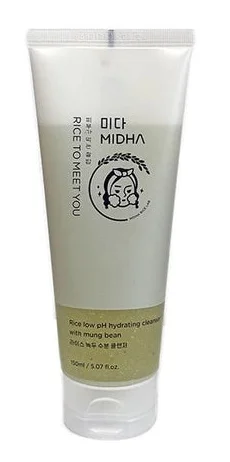
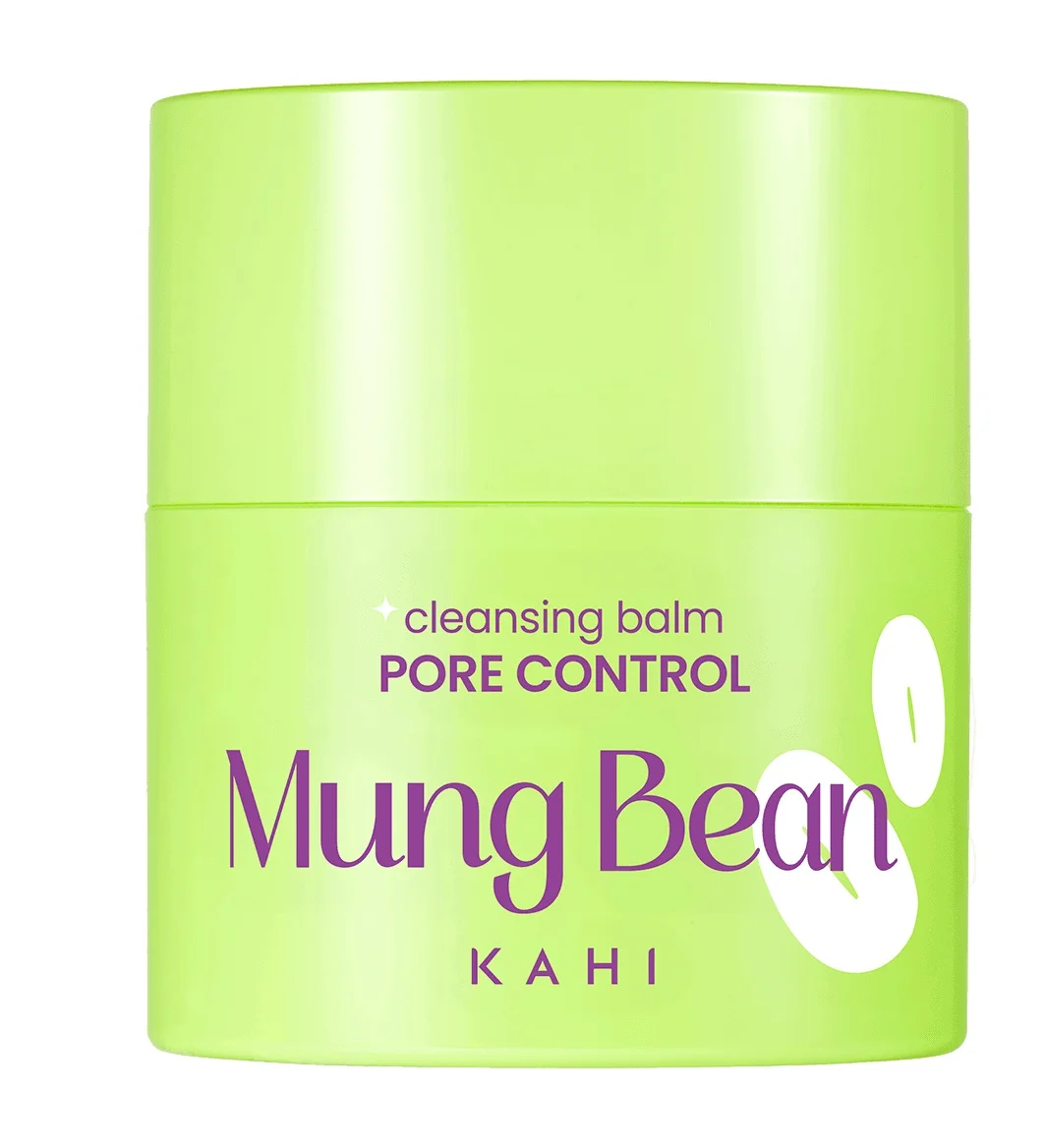
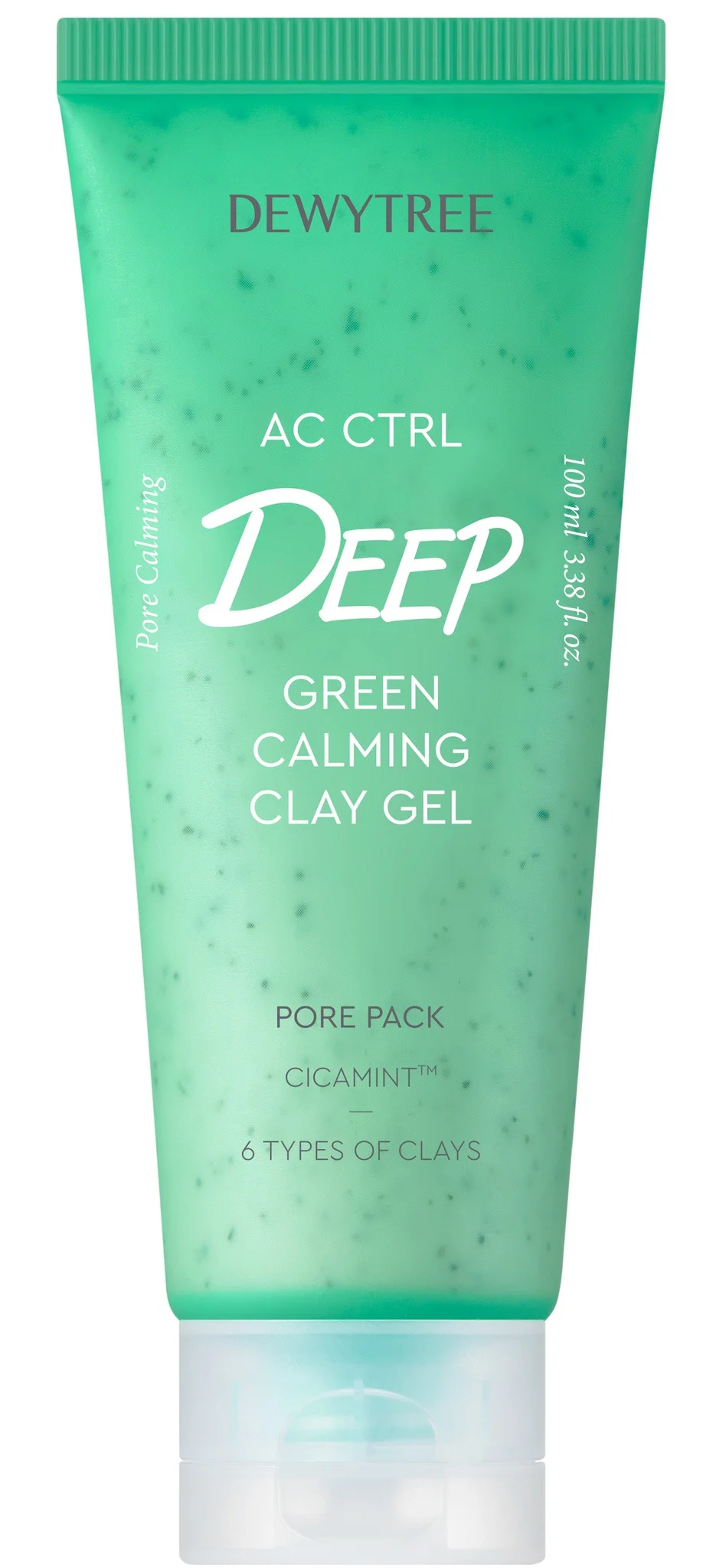
We found 14 products that contain Phaseolus Radiatus Seed Powder
Phaseolus Radiatus Seed Powder - Ingredient Explanation
Phaseolus Radiatus Seed Powder
Function: Viscosity Controlling
1. Definition Phaseolus Radiatus Seed Powder:
Phaseolus Radiatus Seed Powder, also known as mung bean powder, is a fine powder derived from the seeds of the Phaseolus radiatus plant. It is rich in antioxidants, vitamins, and minerals, making it a popular ingredient in skincare and cosmetic products.2. Use:
Phaseolus Radiatus Seed Powder is commonly used in cosmetics for its exfoliating, brightening, and anti-inflammatory properties. It helps to remove dead skin cells, unclog pores, and promote a more radiant complexion. Additionally, it can help to reduce inflammation, redness, and irritation, making it suitable for sensitive skin types.3. Usage Phaseolus Radiatus Seed Powder:
Phaseolus Radiatus Seed Powder can be incorporated into various cosmetic products such as facial scrubs, masks, cleansers, and exfoliating creams. To use, simply mix the powder with water or a carrier oil to create a paste-like consistency, then gently massage onto the skin in circular motions. Rinse off with lukewarm water and follow up with a moisturizer.Precautions: While Phaseolus Radiatus Seed Powder is generally considered safe for most skin types, it is always recommended to perform a patch test before using it on the face or body, especially if you have sensitive skin or allergies. Avoid using the powder on broken or irritated skin, and discontinue use if any adverse reactions occur.
4. References:
- Kim, S. Y., Kim, M. J., Lee, J. Y., Kim, J. M., & Lee, N. H. (2016). Mung Bean (Phaseolus radiatus) Extract Suppresses the Propionibacterium acnes-Induced Inflammatory Responses. Journal of Microbiology and Biotechnology, 26(4), 673–679.
- Yang, Y., Zhang, X., Xu, M., Wu, X., Zhao, X., & Wang, Y. (2019). Development of mung bean sprouts and its nutritional evaluation. Food Science and Human Wellness, 8(1), 104-109.
- Srinivasan, K. (2010). Plant Foods in the Management of Diabetes Mellitus: Vegetables as Potential Hypoglycemic Agents. Current Diabetes Reviews, 6(5), 348-357.
Ingredient Overview
(Click on the ingredient name for more details)
Quick Ingredient Analysis
Paraben free
Sulfate free
Alcohol free
Silicone free
Fungal Acne Safe
EU Allergent Free
Fragrance free
Key Ingredients
Ingredients Related to Skin Types
Click the arrows next to Skin Type! Green = Good & Red = Bad

Dry skin
Unknown

Oily Skin
Unknown

Sensitive skin
Unknown
Ingredient Safety Breakdown (EWG Health Ratings)
Low Risk
Moderate Risk
High Risk
Unknown
100%
Ingredient List
| EWG | CIR | Ingredient Name & Cosmetic Function | Notes |
|---|---|---|---|
| - | - | (Viscosity Controlling) | |
Try Chanh's Tools
View other ingredients
-
-
PEG-9 Oleate
(Emulsifying, Surfactant, Surfactant - Solubilizingagent)
-
-
Vaccinium Myrtillus Seed Extract
(Skin Conditioning)
-
-
Isostearoyl Hydrolyzed Keratin
(Emollient, Skinprotectant)
-
-
Glyceryl Lactate
(pH adjusting agent, Emollient, Moisturising)
-
-
Calcium Phosphoryl Oligosaccharide
(Skinprotectant)
Products containing Phaseolus Radiatus Seed Powder