


- Home
- Ingredient
- Ingredient Detail
- Polyepsilon Lysine
Polyepsilon Lysine
We found 34 products that contain Polyepsilon Lysine
Polyepsilon Lysine - Ingredient Explanation
Polyepsilon Lysine
Function: Skin Conditioning, Hair Conditioning
1. Definition Polyepsilon Lysine:
Polyepsilon Lysine, also known as ε-polylysine, is a natural antimicrobial agent derived from fermentation of Streptomyces albulus. It is a cationic homopolymer composed of L-lysine residues linked by ε-amino bonds.2. Use:
Polyepsilon Lysine is commonly used in cosmetics as a preservative due to its strong antimicrobial properties. It inhibits the growth of various microorganisms, including bacteria, fungi, and yeast, thereby extending the shelf life of cosmetic products.3. Usage Polyepsilon Lysine:
Polyepsilon Lysine is typically added to cosmetics at concentrations ranging from 0.1% to 0.5%. It is effective in preventing microbial contamination and spoilage, making it a popular choice for formulators looking to create stable and safe products. However, it is important to note that excessive use of Polyepsilon Lysine may lead to skin irritation in some individuals, so it is recommended to perform a patch test before widespread use.4. References:
- Kim, S. H., et al. (2018). Polyepsilon-lysine-coated gold nanoparticles inhibit Pseudomonas aeruginosa biofilm formation. International Journal of Nanomedicine, 13, 7655-7667.
- Zhang, L., et al. (2017). Antimicrobial activity and mechanism of ε-polylysine against Staphylococcus aureus. Food Control, 73, 371-377.
- Song, M., et al. (2020). Antimicrobial activity of ε-polylysine against foodborne pathogens in tryptic soy broth and on the surface of cherry tomatoes. Food Microbiology, 86, 103324.
Ingredient Overview
(Click on the ingredient name for more details)
Quick Ingredient Analysis
Paraben free
Sulfate free
Alcohol free
Silicone free
Fungal Acne Safe
EU Allergent Free
Fragrance free
Key Ingredients
Ingredients Related to Skin Types
Click the arrows next to Skin Type! Green = Good & Red = Bad

Dry skin
Unknown

Oily Skin
Unknown

Sensitive skin
Unknown
Ingredient Safety Breakdown (EWG Health Ratings)
Low Risk
Moderate Risk
High Risk
Unknown
100%
Ingredient List
| EWG | CIR | Ingredient Name & Cosmetic Function | Notes |
|---|---|---|---|
| 1 | - | (Skin Conditioning, Hair Conditioning) | |
Try Chanh's Tools
View other ingredients
-
-
PEG-9 Oleate
(Emulsifying, Surfactant, Surfactant - Solubilizingagent)
-
-
Vaccinium Myrtillus Seed Extract
(Skin Conditioning)
-
-
Isostearoyl Hydrolyzed Keratin
(Emollient, Skinprotectant)
-
-
Glyceryl Lactate
(pH adjusting agent, Emollient, Moisturising)
-
-
Calcium Phosphoryl Oligosaccharide
(Skinprotectant)
Products containing Polyepsilon Lysine
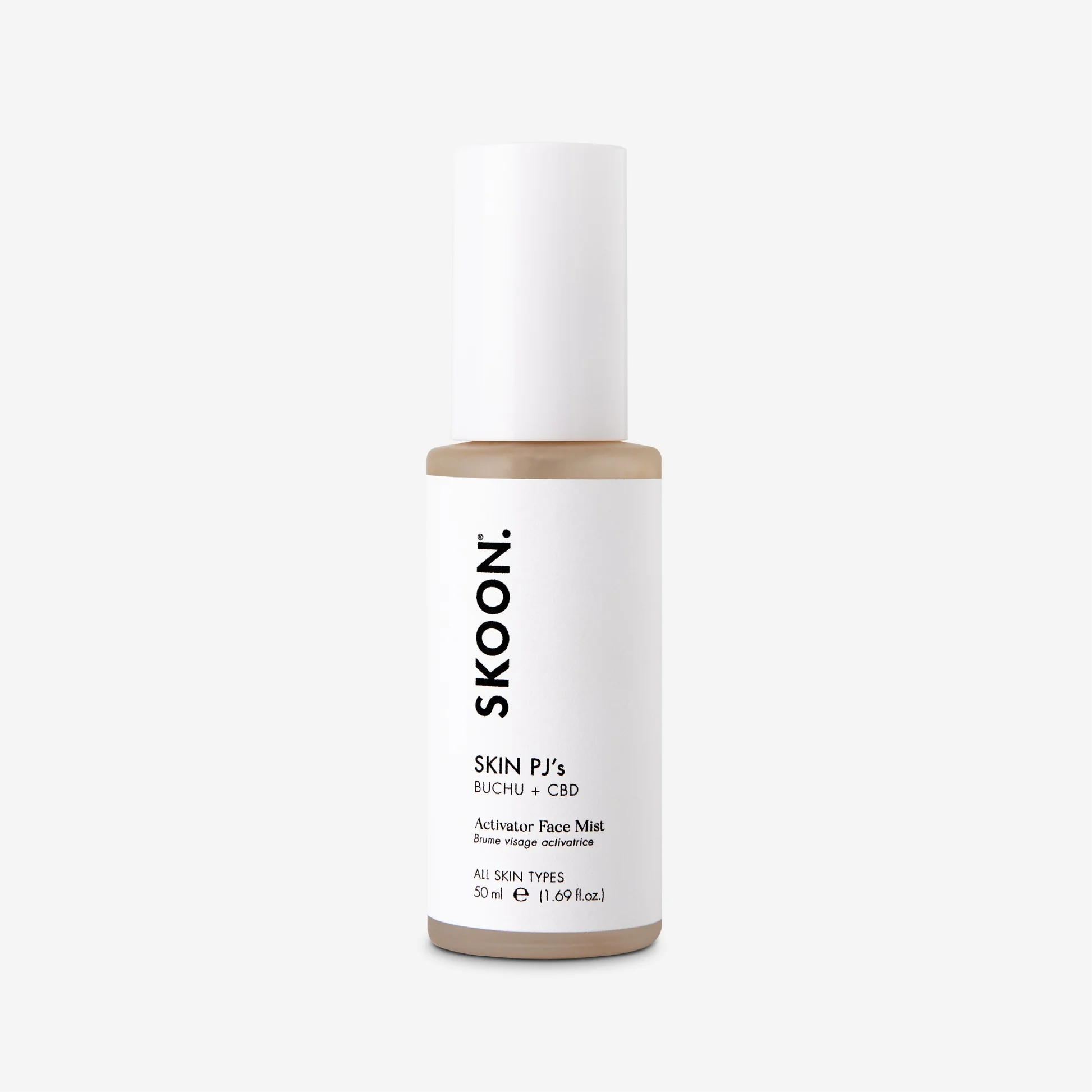
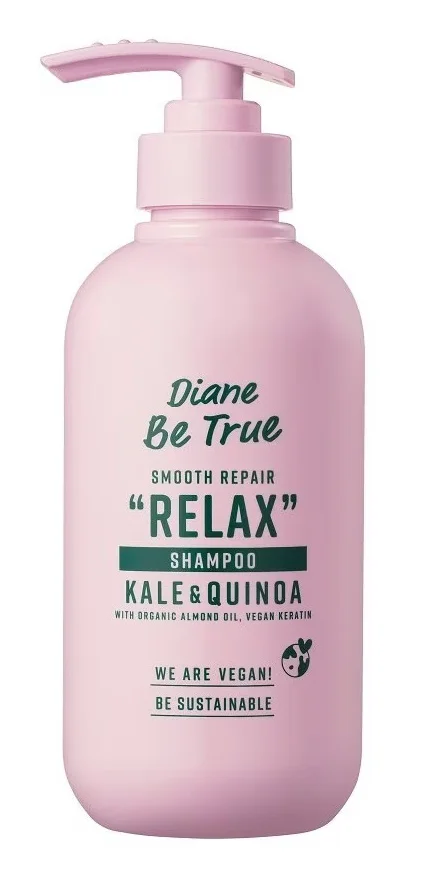

0(0)
0
0
