- Home
- Ingredient
- Ingredient Detail
- Rosa Centifolia (Rose) Flower
Rosa Centifolia (Rose) Flower
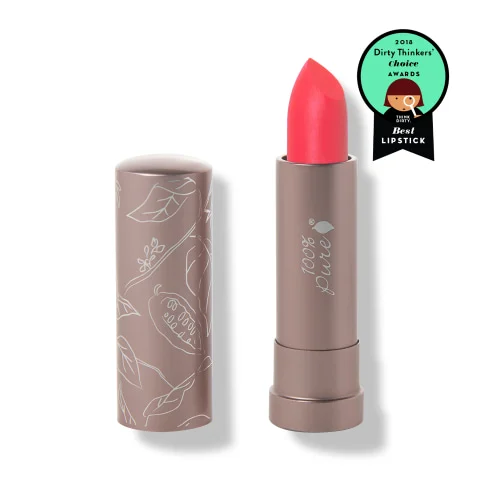
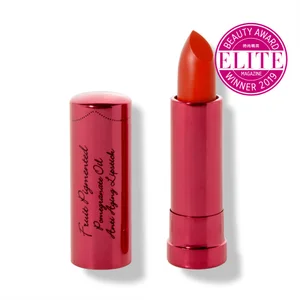
We found 5 products that contain Rosa Centifolia (Rose) Flower
Rosa Centifolia (Rose) Flower - Ingredient Explanation
Rosa Centifolia (Rose) Flower
Function: Skin Conditioning, Masking
1. Definition Rosa Centifolia (Rose) Flower:
Rosa Centifolia (Rose) Flower is a species of rose known for its numerous petals, hence the name "Centifolia," which means "hundred leaves" in Latin. It is commonly used in cosmetics for its soothing and hydrating properties.2. Use:
Rosa Centifolia Flower extract is often used in skincare products for its anti-inflammatory and antioxidant properties. It can help calm and soothe irritated skin, reduce redness, and hydrate dry skin. The extract is also known for its pleasant fragrance, making it a popular ingredient in perfumes and scented products.3. Usage Rosa Centifolia (Rose) Flower:
Rosa Centifolia Flower extract can be found in a variety of skincare products, including creams, lotions, serums, and masks. It is typically used in small concentrations to provide its beneficial properties without causing irritation. To use products containing Rosa Centifolia Flower extract, simply apply as directed on the packaging, avoiding contact with eyes and mucous membranes. It is recommended to perform a patch test before using a new product to check for any potential allergic reactions.4. References:
- Yoon, J. Y., et al. (2011). Anti-inflammatory effects of Rosa centifolia petal extract on rat colitis induced by dextran sulfate sodium. Pharmacognosy Magazine, 7(26), 19-24.
- Srivastava, J. K., et al. (2013). Chamomile: A herbal medicine of the past with bright future. Molecular Medicine Reports, 3(6), 895-901.
- Ali, A., et al. (2015). A review on phytochemistry and ethnopharmacological aspects of genus Rosa. Pharmacognosy Reviews, 9(17), 82-99.
Ingredient Overview
(Click on the ingredient name for more details)
Quick Ingredient Analysis
Paraben free
Sulfate free
Alcohol free
Silicone free
Fungal Acne Safe
EU Allergent Free
Fragrance free
Key Ingredients
Ingredients Related to Skin Types
Click the arrows next to Skin Type! Green = Good & Red = Bad

Dry skin
Unknown

Oily Skin
Unknown

Sensitive skin
Unknown
Ingredient Safety Breakdown (EWG Health Ratings)
Low Risk
Moderate Risk
High Risk
Unknown
100%
Ingredient List
| EWG | CIR | Ingredient Name & Cosmetic Function | Notes |
|---|---|---|---|
| 1 | - | (Skin Conditioning, Masking) | |
Try Chanh's Tools
View other ingredients
-
-
PEG-9 Oleate
(Emulsifying, Surfactant, Surfactant - Solubilizingagent)
-
-
Vaccinium Myrtillus Seed Extract
(Skin Conditioning)
-
-
Isostearoyl Hydrolyzed Keratin
(Emollient, Skinprotectant)
-
-
Glyceryl Lactate
(pH adjusting agent, Emollient, Moisturising)
-
-
Calcium Phosphoryl Oligosaccharide
(Skinprotectant)
Products containing Rosa Centifolia (Rose) Flower