- Home
- Ingredient
- Ingredient Detail
- Rosa Hybrid Flower Water
Rosa Hybrid Flower Water
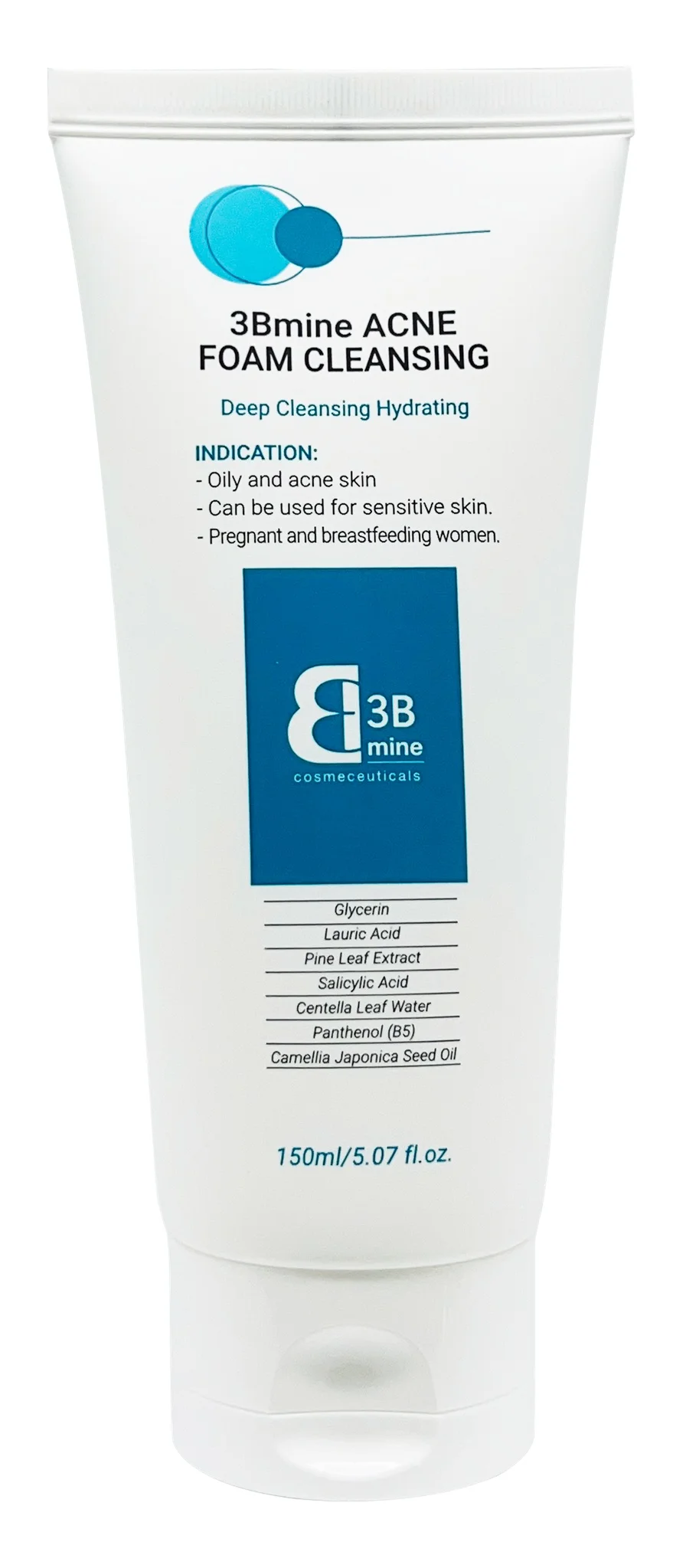
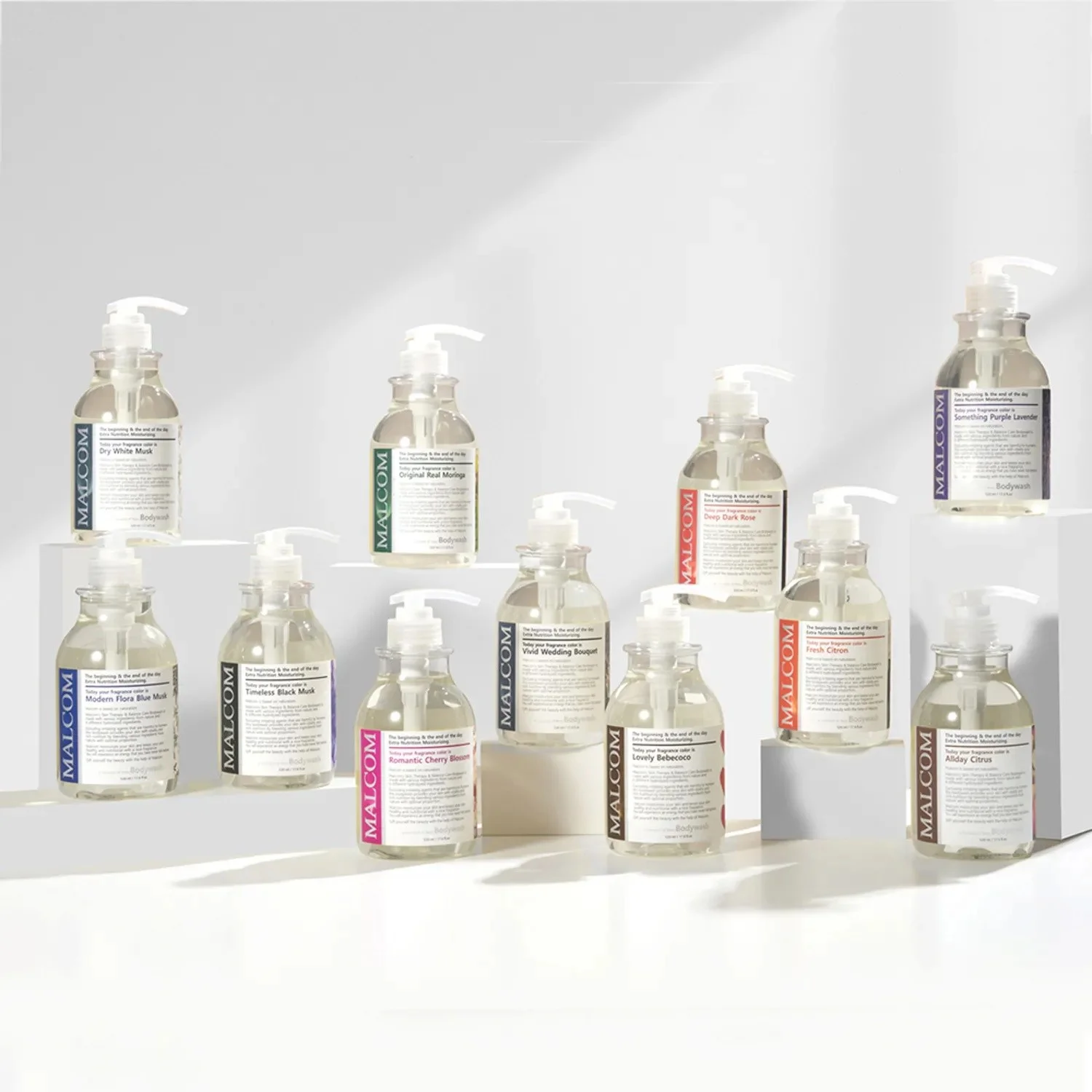
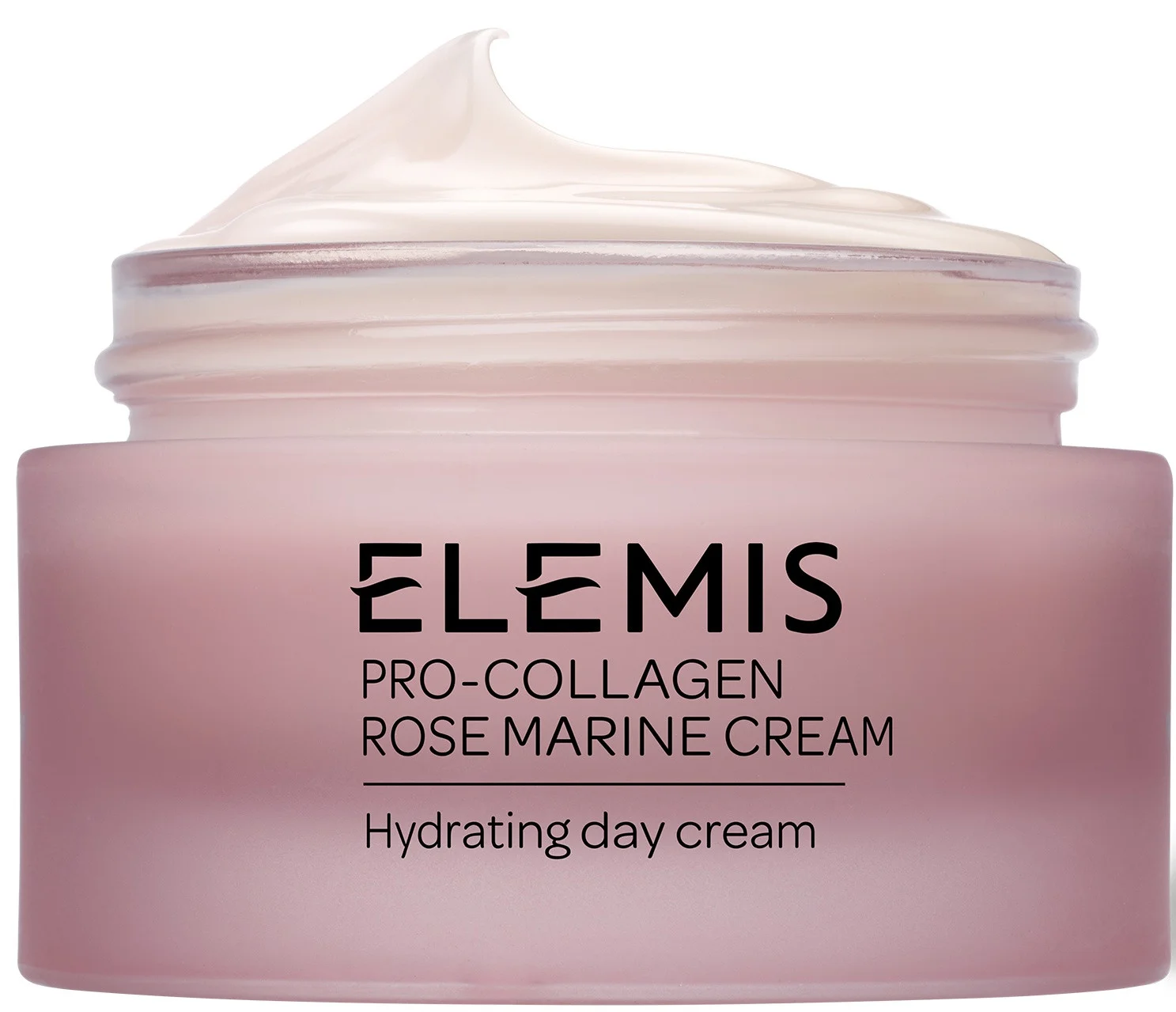
We found 7 products that contain Rosa Hybrid Flower Water
Rosa Hybrid Flower Water - Ingredient Explanation
Rosa Hybrid Flower Water
Function: Skin Conditioning, Tonic
1. Definition Rosa Hybrid Flower Water:
Rosa Hybrid Flower Water, also known as rose water, is a fragrant liquid obtained through the steam distillation of rose petals from various hybrid rose species. It is commonly used in cosmetics for its soothing and hydrating properties.2. Use:
Rosa Hybrid Flower Water is used in cosmetics for its anti-inflammatory, antibacterial, and antioxidant properties. It is known to help soothe irritated skin, reduce redness, and hydrate dry skin. Additionally, it can help balance the skin's pH levels and promote a radiant complexion.3. Usage Rosa Hybrid Flower Water:
Rosa Hybrid Flower Water can be used in various skincare products such as toners, mists, serums, and creams. It can be applied directly to the skin using a cotton pad or sprayed onto the face for a refreshing boost of hydration. It can also be added to DIY skincare recipes to enhance the overall effectiveness of the product.Precautions: While Rosa Hybrid Flower Water is generally safe for most skin types, it is important to patch test before using it on the face to ensure there are no allergic reactions. Some individuals may be sensitive to rose water, so it is best to consult with a dermatologist before incorporating it into your skincare routine.
4. References:
- Ali, B., Al-Wabel, N. A., Shams, S., Ahamad, A., Khan, S. A., & Anwar, F. (2015). Essential oils used in aromatherapy: A systemic review. Asian Pacific Journal of Tropical Biomedicine, 5(8), 601-611.
- Baser, K. H. C., & Buchbauer, G. (2015). Handbook of essential oils: Science, technology, and applications. CRC Press.
- Katiyar, S. K., & Ahmad, N. (2011). Skin cancer chemopreventive agent, α-santalol, induces apoptotic death of human epidermoid carcinoma A431 cells via caspase activation together with dissipation of mitochondrial membrane potential and cytochrome c release. Carcinogenesis, 22(6), 1011-1017.
Ingredient Overview
(Click on the ingredient name for more details)
Quick Ingredient Analysis
Paraben free
Sulfate free
Alcohol free
Silicone free
Fungal Acne Safe
EU Allergent Free
Fragrance free
Key Ingredients
Ingredients Related to Skin Types
Click the arrows next to Skin Type! Green = Good & Red = Bad

Dry skin
Unknown

Oily Skin
Unknown

Sensitive skin
Unknown
Ingredient Safety Breakdown (EWG Health Ratings)
Low Risk
Moderate Risk
High Risk
Unknown
100%
Ingredient List
| EWG | CIR | Ingredient Name & Cosmetic Function | Notes |
|---|---|---|---|
| 1 | - | (Skin Conditioning, Tonic) | |
Try Chanh's Tools
View other ingredients
-
-
PEG-9 Oleate
(Emulsifying, Surfactant, Surfactant - Solubilizingagent)
-
-
Vaccinium Myrtillus Seed Extract
(Skin Conditioning)
-
-
Isostearoyl Hydrolyzed Keratin
(Emollient, Skinprotectant)
-
-
Glyceryl Lactate
(pH adjusting agent, Emollient, Moisturising)
-
-
Calcium Phosphoryl Oligosaccharide
(Skinprotectant)
Products containing Rosa Hybrid Flower Water