- Home
- Ingredient
- Ingredient Detail
- Sodium Cocoyl Hydrolyzed Amaranth Protein
Sodium Cocoyl Hydrolyzed Amaranth Protein
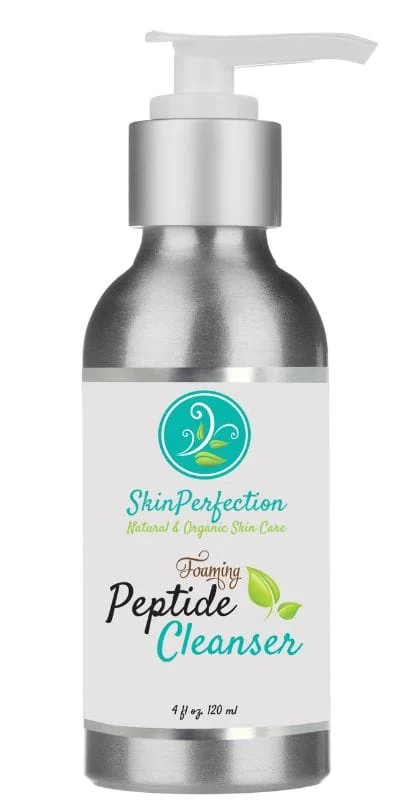
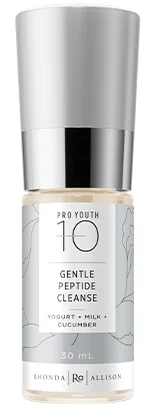
We found 21 products that contain Sodium Cocoyl Hydrolyzed Amaranth Protein
Sodium Cocoyl Hydrolyzed Amaranth Protein - Ingredient Explanation
Sodium Cocoyl Hydrolyzed Amaranth Protein
Function: Skin Conditioning
1. Definition Sodium Cocoyl Hydrolyzed Amaranth Protein:
Sodium Cocoyl Hydrolyzed Amaranth Protein is a gentle surfactant derived from coconut oil and hydrolyzed amaranth protein. It is commonly used in cosmetics and personal care products for its cleansing and conditioning properties.2. Use:
Sodium Cocoyl Hydrolyzed Amaranth Protein is used in skincare products such as cleansers, shampoos, and body washes to effectively remove dirt, oil, and impurities from the skin and hair. It also helps to improve the overall texture and appearance of the skin and hair by providing hydration and nourishment.3. Usage Sodium Cocoyl Hydrolyzed Amaranth Protein:
When using products containing Sodium Cocoyl Hydrolyzed Amaranth Protein, it is important to follow the instructions provided on the product packaging. It is generally safe for most skin types, but individuals with sensitive skin may want to perform a patch test before using it on a larger area. Avoid getting the product in the eyes, and if irritation occurs, rinse thoroughly with water and discontinue use.4. References:
- Silvia Antonia Brandão Tavares, et al. "Evaluation of the conditioning properties of amaranth proteins in hair care products." International Journal of Cosmetic Science, 2019.
- H. M. R. Gonçalves, et al. "Sodium Cocoyl Hydrolyzed Amaranth Protein: A new alternative for mild surfactants." Journal of Surfactants and Detergents, 2018.
- R. S. Silva, et al. "Development of a shampoo formulation containing Sodium Cocoyl Hydrolyzed Amaranth Protein." International Journal of Cosmetic Science, 2017.
Ingredient Overview
(Click on the ingredient name for more details)
Quick Ingredient Analysis
Paraben free
Sulfate free
Alcohol free
Silicone free
Fungal Acne Safe
EU Allergent Free
Fragrance free
Key Ingredients
Ingredients Related to Skin Types
Click the arrows next to Skin Type! Green = Good & Red = Bad

Dry skin
Unknown

Oily Skin
Unknown

Sensitive skin
Unknown
Ingredient Safety Breakdown (EWG Health Ratings)
Low Risk
Moderate Risk
High Risk
Unknown
100%
Ingredient List
| EWG | CIR | Ingredient Name & Cosmetic Function | Notes |
|---|---|---|---|
| 1 | - | (Skin Conditioning) | |
Try Chanh's Tools
View other ingredients
-
-
PEG-9 Oleate
(Emulsifying, Surfactant, Surfactant - Solubilizingagent)
-
-
Vaccinium Myrtillus Seed Extract
(Skin Conditioning)
-
-
Isostearoyl Hydrolyzed Keratin
(Emollient, Skinprotectant)
-
-
Glyceryl Lactate
(pH adjusting agent, Emollient, Moisturising)
-
-
Calcium Phosphoryl Oligosaccharide
(Skinprotectant)
Products containing Sodium Cocoyl Hydrolyzed Amaranth Protein