- Home
- Ingredient
- Ingredient Detail
- Symphytum Officinale (Comfrey) Leaf
Symphytum Officinale (Comfrey) Leaf
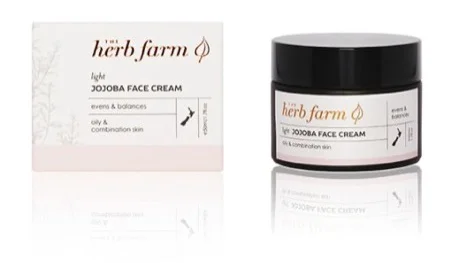
We found 14 products that contain Symphytum Officinale (Comfrey) Leaf
Symphytum Officinale (Comfrey) Leaf - Ingredient Explanation
Symphytum Officinale (Comfrey) Leaf
Function: Skin Conditioning
1. Definition Symphytum Officinale (Comfrey) Leaf:
Symphytum Officinale, commonly known as Comfrey, is a perennial herb with large, hairy leaves and bell-shaped flowers. It has been used for centuries in traditional medicine for its healing properties.2. Use:
Comfrey leaf is often used in cosmetics for its soothing and anti-inflammatory properties. It is known to promote skin regeneration and help with wound healing. Comfrey leaf extract is also used in skincare products for its moisturizing and nourishing benefits.3. Usage Symphytum Officinale (Comfrey) Leaf:
Comfrey leaf can be found in various cosmetic products such as creams, lotions, serums, and balms. It is often used in formulations targeting dry, damaged, or irritated skin. Comfrey leaf can help to calm and soothe the skin, making it a popular ingredient in products for sensitive skin types.Precautions: While Comfrey leaf is generally considered safe for topical use, it is important to be cautious when using it on broken skin or open wounds. Some studies have raised concerns about potential liver toxicity from prolonged internal use of Comfrey, so it is best to avoid ingestion and stick to external use only.
4. References:
- Gruenwald, J., Brendler, T., & Jaenicke, C. (2007). PDR for Herbal Medicines. Medical Economics Company.
- Bone, K., & Mills, S. (2013). Principles and Practice of Phytotherapy: Modern Herbal Medicine. Churchill Livingstone.
- Duke, J. A., & Foster, S. (1992). Comfrey. Medicinal plants of the world. Computer index with more than 85,000 entries. Botanical Museum of Harvard University.
Ingredient Overview
(Click on the ingredient name for more details)
Quick Ingredient Analysis
Paraben free
Sulfate free
Alcohol free
Silicone free
Fungal Acne Safe
EU Allergent Free
Fragrance free
Key Ingredients
Ingredients Related to Skin Types
Click the arrows next to Skin Type! Green = Good & Red = Bad

Dry skin
Unknown

Oily Skin
Unknown

Sensitive skin
Unknown
Ingredient Safety Breakdown (EWG Health Ratings)
Low Risk
Moderate Risk
High Risk
Unknown
100%
Ingredient List
| EWG | CIR | Ingredient Name & Cosmetic Function | Notes |
|---|---|---|---|
| 4 | - | (Skin Conditioning) | |
Try Chanh's Tools
View other ingredients
-
-
PEG-9 Oleate
(Emulsifying, Surfactant, Surfactant - Solubilizingagent)
-
-
Vaccinium Myrtillus Seed Extract
(Skin Conditioning)
-
-
Isostearoyl Hydrolyzed Keratin
(Emollient, Skinprotectant)
-
-
Glyceryl Lactate
(pH adjusting agent, Emollient, Moisturising)
-
-
Calcium Phosphoryl Oligosaccharide
(Skinprotectant)
Products containing Symphytum Officinale (Comfrey) Leaf