- Home
- Ingredient
- Ingredient Detail
- Taraxacum Officinale (Dandelion) Root
Taraxacum Officinale (Dandelion) Root
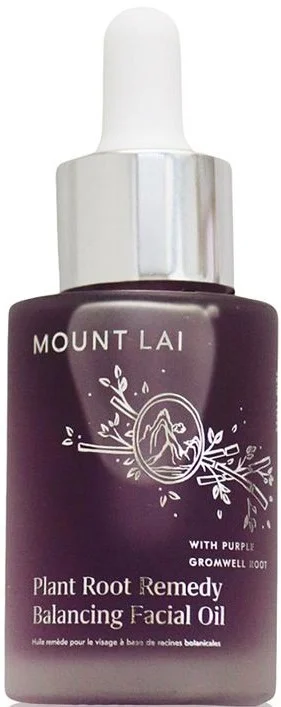
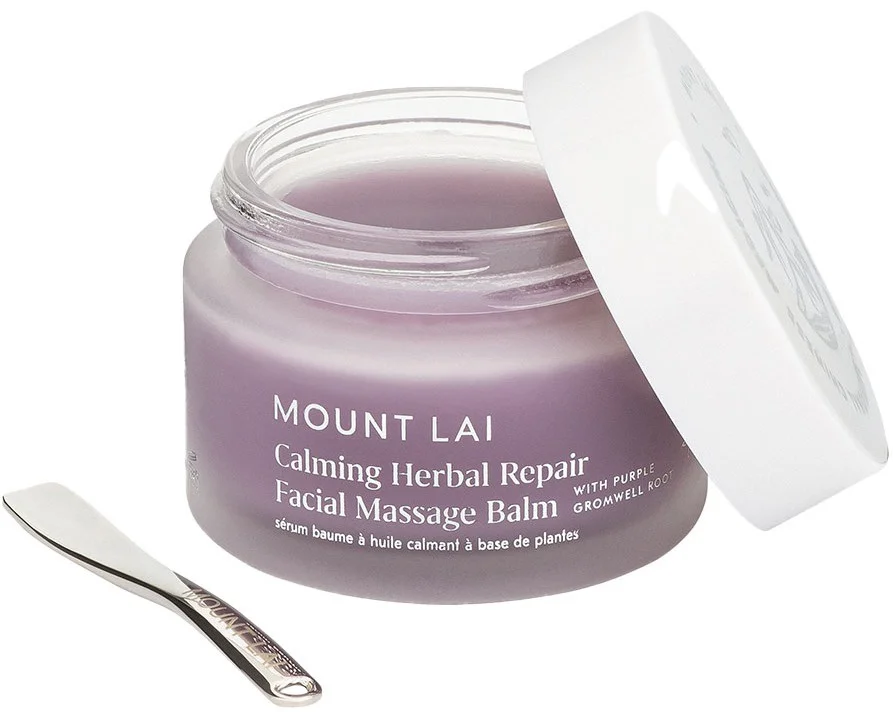
We found 2 products that contain Taraxacum Officinale (Dandelion) Root
Taraxacum Officinale (Dandelion) Root - Ingredient Explanation
Taraxacum Officinale (Dandelion) Root
1. Definition Taraxacum Officinale (Dandelion) Root:
Taraxacum Officinale (Dandelion) Root is a common herbaceous plant that is known for its bright yellow flowers and deeply toothed leaves. The root of the dandelion plant is often used in traditional medicine and cosmetics for its various beneficial properties.2. Use:
Dandelion root is known for its anti-inflammatory, antioxidant, and skin brightening properties, making it a popular ingredient in skincare products. It is often used in creams, lotions, serums, and masks to help improve the overall appearance of the skin, reduce inflammation, and promote a more even skin tone.3. Usage Taraxacum Officinale (Dandelion) Root:
Dandelion root extract can be found in a variety of cosmetic products, including moisturizers, toners, and facial oils. When using products containing dandelion root, it is important to follow the instructions provided by the manufacturer. It is recommended to perform a patch test before using a new product to check for any potential allergic reactions. As with any skincare ingredient, it is best to consult with a dermatologist before incorporating dandelion root into your skincare routine, especially if you have sensitive skin or any existing skin conditions.4. References:
- Chatterjee, S. J., Ovadje, P., Mousa, M., Hamm, C., & Pandey, S. (2011). The efficacy of dandelion root extract in inducing apoptosis in drug-resistant human melanoma cells. Evidence-Based Complementary and Alternative Medicine, 2011.
- Hu, C., Kitts, D. D. (2000). Dandelion (Taraxacum officinale) flower extract suppresses both reactive oxygen species and nitric oxide and prevents lipid oxidation in vitro. Phytomedicine, 7(3), 211-216.
- Schütz, K., Carle, R., & Schieber, A. (2006). Taraxacum—a review on its phytochemical and pharmacological profile. Journal of ethnopharmacology, 107(3), 313-323.
Ingredient Overview
(Click on the ingredient name for more details)
Quick Ingredient Analysis
Paraben free
Sulfate free
Alcohol free
Silicone free
Fungal Acne Safe
EU Allergent Free
Fragrance free
Key Ingredients
Ingredients Related to Skin Types
Click the arrows next to Skin Type! Green = Good & Red = Bad

Dry skin
Unknown

Oily Skin
Unknown

Sensitive skin
Unknown
Ingredient Safety Breakdown (EWG Health Ratings)
Low Risk
Moderate Risk
High Risk
Unknown
100%
Ingredient List
| EWG | CIR | Ingredient Name & Cosmetic Function | Notes |
|---|---|---|---|
| 1 | - | |
Try Chanh's Tools
View other ingredients
-
-
PEG-9 Oleate
(Emulsifying, Surfactant, Surfactant - Solubilizingagent)
-
-
Vaccinium Myrtillus Seed Extract
(Skin Conditioning)
-
-
Isostearoyl Hydrolyzed Keratin
(Emollient, Skinprotectant)
-
-
Glyceryl Lactate
(pH adjusting agent, Emollient, Moisturising)
-
-
Calcium Phosphoryl Oligosaccharide
(Skinprotectant)
Products containing Taraxacum Officinale (Dandelion) Root