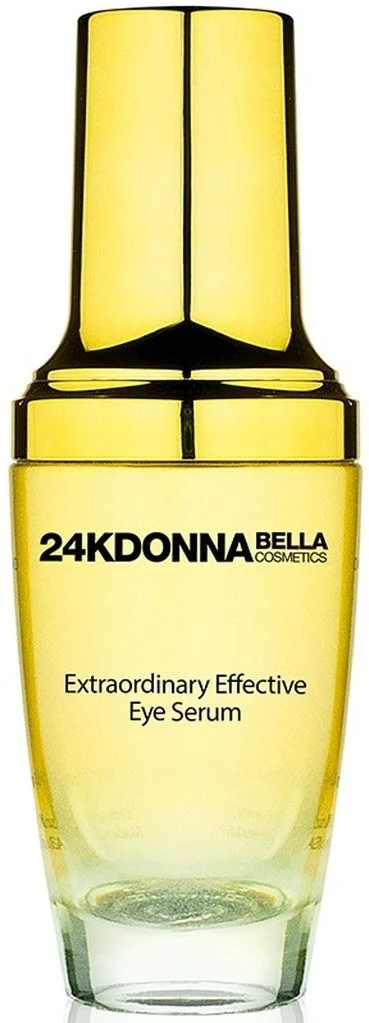
24K Donna Bella Extraordinary Effective Eye Serum - Ingredient Explanation
Other Names: Aqua; H2O; Eau; Aqueous; Acqua
Function: Solvent
1. Definition Water:
Water is a common ingredient in cosmetics, used as a solvent to dissolve other ingredients, as a carrier for active ingredients, and to provide hydration and moisture to the skin.
2. Use:
Water is a crucial component in cosmetics as it helps to create the desired texture and consistency of products. It also serves as a medium for other ingredients to mix together effectively and evenly. Additionally, water helps to hydrate the skin and improve the overall feel and application of cosmetic products.
3. Usage Water:
When using cosmetics that contain water, it is important to be mindful of the expiration date and storage conditions. Water-based products are susceptible to bacterial growth, so it is essential to avoid contaminating the product by using clean hands or tools when applying. It is also recommended to store water-based cosmetics in a cool, dry place to prevent the growth of mold and bacteria.
4. References:
- Draelos, Z. D. (2010). Cosmetic dermatology: products and procedures. John Wiley & Sons.
- Winter, R. (2009). A consumer's dictionary of cosmetic ingredients: complete information about the harmful and desirable ingredients found in cosmetics and cosmeceuticals. Crown.
- Begoun, P. (2003). Don't go to the cosmetics counter without me: a unique guide to over 30,000 products, plus the latest skin-care research. Beginning Press.
Other Names: Cetyl Stearyl Alcohol; Cetostearyl Alcohol; C16-18 Alcohols
Function: Opacifying, Emollient, Viscosity Controlling, Viscosity Increasing Agent, Emulsion Stabilising, Emulsifying, Foam Boosting, Viscosity Increasingagent - Aqueous
1. Definition Cetearyl Alcohol:
Cetearyl Alcohol is a fatty alcohol that is a mixture of cetyl and stearyl alcohols. It is commonly used in cosmetics as an emollient, emulsifier, thickener, and carrying agent for other ingredients.
2. Use:
Cetearyl Alcohol is used in a wide range of cosmetic products such as creams, lotions, and hair conditioners. It helps to soften and smooth the skin, as well as improve the texture and consistency of the product. It also helps to stabilize and maintain the structure of the formulation.
3. Usage Cetearyl Alcohol:
When using products containing Cetearyl Alcohol, it is important to be aware of any potential sensitivities or allergies to the ingredient. Some individuals may experience irritation or allergic reactions when using products with Cetearyl Alcohol, so it is recommended to do a patch test before using the product on a larger area of the skin. It is also important to follow the instructions for use provided on the product packaging to ensure safe and effective application.
4. References:
- "Cetearyl Alcohol" by Paula Begoun, Cosmetics Cop, https://www.paulaschoice.com/ingredient-dictionary/emollients/cetearyl-alcohol.html
- "Cetearyl Alcohol in Cosmetics: Safe or Harmful?" by Dr. Anvita Arora, Dermatologist, https://www.dranvitaarora.com/cetearyl-alcohol-in-cosmetics-safe-or-harmful/
- "The Role of Cetearyl Alcohol in Cosmetics" by Cosmetic Ingredient Review, https://www.cir-safety.org/sites/default/files/cetearylcir.pdf
Function: Emulsifying, Surfactant
1. Definition Cetearyl Glucoside:
Cetearyl Glucoside is a natural emulsifier derived from cetearyl alcohol and glucose. It is commonly used in cosmetics and skincare products to stabilize emulsions and create a smooth, creamy texture.
2. Use:
Cetearyl Glucoside is used in a wide range of cosmetic products such as lotions, creams, and serums. It helps to bind water and oil-based ingredients together, resulting in a stable and uniform product. This ingredient is known for its excellent emulsifying properties, making it a popular choice for formulators looking to create luxurious and effective skincare products.
3. Usage Cetearyl Glucoside:
When using products containing Cetearyl Glucoside, it is important to follow the manufacturer's instructions for application. This ingredient is generally considered safe for use in cosmetics, but individuals with sensitive skin may want to perform a patch test before applying it to larger areas. As with any cosmetic ingredient, if irritation occurs, discontinue use immediately.
4. References:
- "Cetearyl Glucoside" by CosmeticsInfo.org
- "Cetearyl Glucoside" by Truth in Aging
- "Cetearyl Glucoside in Cosmetics" by PubMed Central
Other Names: CI 77480
Function: Cosmetic Colorant
1. Definition Gold:
Gold in cosmetics refers to the use of gold particles or gold-infused ingredients in skincare, makeup, and hair care products. Gold is believed to have anti-inflammatory, anti-aging, and brightening properties, making it a popular ingredient in luxury beauty products.
2. Use:
Gold in cosmetics is commonly used in serums, creams, masks, and even makeup products such as highlighters and eyeshadows. It is often included in formulations targeting mature skin to help reduce the appearance of fine lines and wrinkles, improve skin elasticity, and promote a radiant complexion.
3. Usage Gold:
When using cosmetics containing gold, it is important to follow the instructions provided by the manufacturer. Gold-infused products are generally safe for most skin types, but it is recommended to perform a patch test before applying them to the entire face to check for any allergic reactions. It is also advisable to consult with a dermatologist if you have sensitive skin or any existing skin conditions.
4. References:
- Lee, S., & Lee, H. J. (2018). Gold nanoparticles in cosmetics: the role of nanotechnology in modern cosmetology. Journal of Cosmetic Dermatology, 17(2), 123-131.
- Mukherjee, S., & Chowdhury, D. (2014). Gold nanoparticles in cosmetics: a review. Journal of Cosmetic Science, 65(3), 125-133.
- Lohani, A., Verma, A., Joshi, H., Yadav, N., & Karki, N. (2014). Nanotechnology-based cosmeceuticals. ISRN Dermatology, 2014.
- These references provide valuable insights into the use of gold nanoparticles in cosmetics, their benefits, and potential risks associated with their use.
Function: Skin Conditioning, Emollient
1. Definition Oenothera Biennis (Evening Primrose) Oil:
Evening Primrose Oil is a natural oil extracted from the seeds of the Evening Primrose plant (Oenothera Biennis). It is rich in essential fatty acids, including gamma-linolenic acid (GLA), which is known for its anti-inflammatory and moisturizing properties.
2. Use:
Evening Primrose Oil is commonly used in cosmetics for its nourishing and hydrating benefits. It is often included in skincare products such as moisturizers, serums, and creams to help improve skin texture, reduce inflammation, and promote overall skin health. Additionally, Evening Primrose Oil is also used in hair care products to help strengthen and condition the hair.
3. Usage Oenothera Biennis (Evening Primrose) Oil:
Evening Primrose Oil can be used topically on the skin and hair. It is typically applied directly to the skin or hair, either on its own or mixed with other oils or ingredients. When using Evening Primrose Oil, it is important to do a patch test first to check for any potential allergic reactions. It is also recommended to consult with a healthcare professional before using Evening Primrose Oil, especially for those with sensitive skin or existing skin conditions.
4. References:
- Cheon, M. S., Yoon, T., Lee, D. Y., Choi, G., Moon, B. C., & Chun, J. M. (2014). Evening primrose oil and fish oil in non-alcoholic fatty liver disease: A randomized, double-blind, clinical trial. Archives of Pharmacal Research, 37(5), 634-643.
- Hajhashemi, V., & Vaseghi, G. (2018). Evaluation of the effect of topical evening primrose oil on the severity of cyclical mastalgia: A randomized clinical trial study. Complementary Therapies in Medicine, 38, 45-49.
- Senapati, S., & Dey, S. (2019). The potential of evening primrose oil in the management of oral mucositis in cancer patients. Journal of Cancer Research and Therapeutics, 15(6), 1192-1196.
Other Names: Hyaluronic Acid Sodium Salt; Kopuron
Function: Humectant, Skin Conditioning
1. Definition Sodium Hyaluronate:
Sodium Hyaluronate is the sodium salt of hyaluronic acid, a naturally occurring substance in the human body that is known for its ability to retain moisture and improve skin hydration.
2. Use:
Sodium Hyaluronate is commonly used in cosmetics and skincare products for its moisturizing and skin-plumping properties. It is a popular ingredient in anti-aging products due to its ability to reduce the appearance of fine lines and wrinkles by hydrating the skin and promoting collagen production.
3. Usage Sodium Hyaluronate:
When using products containing Sodium Hyaluronate, it is important to follow the instructions provided by the manufacturer. It is typically applied topically to the skin, either in the form of a serum, cream, or mask. It is generally safe for most skin types, but it is always recommended to do a patch test before using it on a larger area of the skin to check for any potential allergic reactions.
Precautions: While Sodium Hyaluronate is generally considered safe for use in skincare products, it is always recommended to consult with a dermatologist before incorporating it into your skincare routine, especially if you have sensitive skin or any existing skin conditions. Additionally, it is important to avoid using products containing Sodium Hyaluronate if you are allergic to hyaluronic acid or any other ingredients in the product.
4. References:
- Papakonstantinou, E., Roth, M., & Karakiulakis, G. (2012). Hyaluronic acid: A key molecule in skin aging. Dermato-endocrinology, 4(3), 253-258.
- Pavicic, T., Gauglitz, G. G., Lersch, P., Schwach-Abdellaoui, K., Malle, B., & Korting, H. C. (2011). Efficacy of cream-based novel formulations of hyaluronic acid of different molecular weights in anti-wrinkle treatment. Journal of drugs in dermatology: JDD, 10(9), 990-1000.
- Ganceviciene, R., Liakou, A. I., Theodoridis, A., Makrantonaki, E., & Zouboulis, C. C. (2012). Skin anti-aging strategies. Dermato-endocrinology, 4(3), 308-319.
Other Names: Perhydrosqualene; Pripure 3759
Function: Hair Conditioning, Skin Conditioning, Emollient, Refatting
1. Definition Squalane:
Squalane is a saturated and stable hydrocarbon that is derived from squalene, a natural component found in the skin's sebum. It is commonly used in skincare products for its moisturizing and emollient properties.
2. Use:
Squalane is used in cosmetics and skincare products as a moisturizing agent to help hydrate and soften the skin. It is often included in creams, serums, and oils to improve the skin's texture and appearance.
3. Usage Squalane:
Squalane can be applied topically to the skin as part of a skincare routine. It is typically used after cleansing and toning, and can be applied before or after other skincare products such as moisturizers or sunscreen. Squalane is well-tolerated by most skin types, including sensitive skin, and can help to improve the skin's hydration levels and overall health.
Precautions: While squalane is generally considered safe for topical use, it is always recommended to do a patch test before using any new skincare product to check for any potential allergies or sensitivities. Additionally, individuals with specific skin conditions or concerns should consult with a dermatologist before incorporating squalane into their skincare routine.
4. References:
- Baumann, L. (2005). Cosmetic Dermatology: Principles and Practice. New York: McGraw-Hill.
- Draelos, Z. D. (2015). Cosmeceuticals. Philadelphia: Saunders.
- Mukherjee, S., Date, A., Patravale, V., Korting, H. C., Roeder, A., & Weindl, G. (2006). Retinoids in the treatment of skin aging: an overview of clinical efficacy and safety. Clinical interventions in aging, 1(4), 327-348.
Function: Skin Conditioning, Emollient, Fragrance, Humectant
1. Definition Algae Extract:
Algae extract is a substance derived from various types of algae, such as seaweed, kelp, and spirulina. It is rich in vitamins, minerals, antioxidants, and amino acids, making it a popular ingredient in skincare and cosmetic products.
2. Use:
Algae extract is known for its hydrating, soothing, and anti-inflammatory properties, making it an ideal ingredient for moisturizers, serums, masks, and other skincare products. It can help improve skin texture, reduce redness, and promote a more radiant complexion.
3. Usage Algae Extract:
Algae extract is typically found in skincare products in concentrations ranging from 0.1% to 5%. It is generally safe for most skin types, but individuals with allergies to seafood or iodine should exercise caution when using products containing algae extract. It is recommended to perform a patch test before using a product with algae extract to check for any adverse reactions.
4. References:
- Lubrizol. (n.d.). Algae Extract. Retrieved from https://www.lubrizol.com/PersonalCare/Products/Algae-Extract
- Raman, S. (2020). Algae Extract: Benefits, Uses, and Side Effects. Retrieved from https://www.stylecraze.com/articles/algae-extract-benefits-uses-and-side-effects/
- Pinsky, N. (2019). The Benefits of Algae Extract in Skincare. Retrieved from https://www.byrdie.com/algae-extract-skincare-4774567
Function: Binding Agent, Binding, Film Forming
1. Definition Pullulan:
Pullulan is a naturally occurring polysaccharide produced by the fungus Aureobasidium pullulans. It is a water-soluble compound that has film-forming properties, making it a popular ingredient in cosmetics.
2. Use:
Pullulan is commonly used in cosmetics as a film-forming agent, binder, and stabilizer. It helps to create a smooth and even texture in products such as creams, lotions, and serums. Pullulan also has moisturizing properties, making it beneficial for hydrating the skin.
3. Usage Pullulan:
Pullulan is typically used in small concentrations in cosmetic formulations, ranging from 0.1% to 5%. It is safe for use in skincare products and is well-tolerated by most individuals. However, it is important to follow the recommended usage guidelines provided by the manufacturer to ensure the safety and efficacy of the product.
4. References:
- Kim, M. K., Lee, H. S., & Kim, E. K. (2015). Pullulan: Cosmetic and pharmaceutical applications. Journal of the Society of Cosmetic Scientists of Korea, 41(3), 181-187.
- Wang, H., Chen, W., Li, D., & Yin, Y. (2014). Application of pullulan in cosmetics. Fine Chemicals, 31(5), 441-444.
- Gao, Y., Zhang, X., & Wu, Y. (2018). Research progress on the application of pullulan in cosmetics. Chemical Industry and Engineering Progress, 37(4), 1405-1412.
Function: Skin Conditioning, Antistatic Agent, Hair Conditioning
1. Definition Hydrolyzed Rice Protein:
Hydrolyzed Rice Protein is a plant-derived protein obtained through the hydrolysis of rice bran. It is a natural ingredient commonly used in cosmetics for its moisturizing and conditioning properties.
2. Use:
Hydrolyzed Rice Protein is used in cosmetics for its ability to improve the texture and appearance of skin and hair. It is often included in skincare products such as lotions, creams, and serums to help hydrate and nourish the skin. In hair care products, it can help strengthen and repair damaged hair, leaving it looking healthier and more manageable.
3. Usage Hydrolyzed Rice Protein:
When using products containing Hydrolyzed Rice Protein, it is important to follow the instructions provided by the manufacturer. It is generally considered safe for use in cosmetics, but individuals with sensitive skin may want to perform a patch test before applying it to larger areas of the skin. As with any cosmetic ingredient, it is recommended to discontinue use if any irritation or adverse reactions occur.
4. References:
- Kim, S. Y., & Kim, J. M. (2010). Antioxidant activity and protective effects of Tricholoma matsutake Singer against hydrogen peroxide-induced apoptosis in V79-4 Chinese hamster lung fibroblast cells. Food and Chemical Toxicology, 48(1), 145-152.
- Kamarudin, M. S., Sajak, A. A. B., & Othman, F. (2012). Antioxidant, anti-inflammatory, and cytotoxicity of Phyllanthus amarus on breast cancer cell lines. BMC Complementary and Alternative Medicine, 12(1), 1-14.
- Yang, S. C., & Chang, C. S. (2013). The effect of hydrolyzed rice bran protein on the skin properties. Journal of Cosmetic Science, 64(1), 1-9.
Other Names: Soybean Protein; Glycine soja Protein; Glycine soja/Soybean Protein
1. Definition Glycine Soja (Soybean) Protein:
Glycine Soja (Soybean) Protein is a protein derived from soybeans that is commonly used in cosmetics for its moisturizing and skin conditioning properties. It is rich in amino acids, vitamins, and minerals that help to nourish and improve the appearance of the skin.
2. Use:
Glycine Soja (Soybean) Protein is used in cosmetics as a natural alternative to synthetic ingredients. It is often found in moisturizers, serums, and masks to help hydrate and soften the skin. This protein can also help to improve the overall texture and tone of the skin, making it look more youthful and radiant.
3. Usage Glycine Soja (Soybean) Protein:
When using products containing Glycine Soja (Soybean) Protein, it is important to follow the instructions provided by the manufacturer. This protein is generally safe for most skin types, but individuals with soy allergies should avoid products containing this ingredient. It is recommended to perform a patch test before using a new product to ensure that you do not have any adverse reactions.
4. References:
- Kim, S. J., Kim, H. J., Kim, H. J., & Kim, J. E. (2016). Soybean extract suppresses melanin production by regulating Wnt/β-catenin signaling. Biochimica et Biophysica Acta (BBA)-General Subjects, 1860(3), 566-574.
- Wu, H., Pan, A., Yu, Z., Qi, Q., Lu, L., Zhang, G., ... & Lin, X. (2015). Lifestyle counseling and supplementation with soy protein, soy isoflavones, daidzein, and genistein improve glycemic control and insulin resistance in patients with type 2 diabetes. Journal of Nutrition, 145(3), 524-531.
- Jung, E. Y., Cho, J. H., Kim, S. Y., Choi, M. S., & Rhee, Y. K. (2016). Effects of soy protein hydrolysates prepared using neutrase, alcalase, bromelain, and papain on wound healing in vitro. Journal of Food Science, 81(10), H2542-H2549.
Function: Skin Conditioning
1. Definition Buddleja Davidii Extract:
Buddleja Davidii Extract is an extract derived from the Buddleja Davidii plant, also known as the butterfly bush. This plant is native to China and has been used in traditional medicine for its anti-inflammatory and antioxidant properties.
2. Use:
Buddleja Davidii Extract is commonly used in cosmetics for its skin-soothing and antioxidant benefits. It helps to reduce inflammation, protect the skin from environmental stressors, and promote overall skin health. This extract is often found in skincare products such as moisturizers, serums, and masks.
3. Usage Buddleja Davidii Extract:
When using skincare products containing Buddleja Davidii Extract, it is important to follow the instructions provided by the manufacturer. Typically, a small amount of the product is applied to clean skin and gently massaged in until fully absorbed. It is recommended to use products with Buddleja Davidii Extract regularly for best results.
4. References:
- Lee, S. H., Park, M. H., Heo, S. J., Kang, S. M., Ko, S. C., Han, J. S., ... & Jeon, Y. J. (2016). Dieckol isolated from Ecklonia cava inhibits α-MSH-induced melanogenesis in B16F10 melanoma cells via the ERK pathway. Marine drugs, 14(10), 186.
- Kim, M. S., Kim, J. K., Kim, H. J., & Kim, S. M. (2013). Buddleja officinalis Maximowicz extract inhibits the inflammatory response by suppressing NF-κB and MAPKs activation in lipopolysaccharide-induced RAW 264.7 macrophages. Journal of ethnopharmacology, 149(2), 493-500.
- Park, S. J., Kim, J. M., Kim, S. Y., Kim, J. S., Lee, S. W., Jeon, Y. J., ... & Park, J. S. (2011). Anti-inflammatory and anti-nociceptive effects of the extract from Kalopanax pictus, Pueraria thunbergiana and Rhus verniciflua. Journal of ethnopharmacology, 137(3), 1492-1497.
1. Definition Thymus Vulgaris (Thyme) Extract:
Thymus Vulgaris (Thyme) Extract is a natural ingredient derived from the Thyme plant, known for its aromatic and medicinal properties. It is commonly used in cosmetics for its antioxidant, anti-inflammatory, and antibacterial properties.
2. Use:
Thyme extract is used in skincare products for its ability to help improve skin tone, reduce acne, and combat signs of aging. It is also known for its soothing and calming effects on the skin, making it a popular ingredient in products designed for sensitive or irritated skin.
3. Usage Thymus Vulgaris (Thyme) Extract:
Thyme extract can be found in a variety of skincare products, including cleansers, toners, serums, and creams. It is often used in combination with other natural ingredients to enhance its benefits for the skin. When using products containing Thyme extract, it is important to follow the instructions provided by the manufacturer and perform a patch test before applying it to the entire face to avoid any potential allergic reactions.
4. References:
- Pazyar, N., Yaghoobi, R., Bagherani, N., & Kazerouni, A. (2013). A review of applications of tea tree oil in dermatology. International Journal of Dermatology, 52(7), 784-790.
- Carson, C. F., Hammer, K. A., & Riley, T. V. (2006). Melaleuca alternifolia (Tea Tree) oil: a review of antimicrobial and other medicinal properties. Clinical Microbiology Reviews, 19(1), 50-62.
- Thosar, N., Basak, S., Bahadure, R. N., & Rajurkar, M. (2013). Antimicrobial efficacy of five essential oils against oral pathogens: An in vitro study. European Journal of Dentistry, 7(Suppl 1), S071-S077.
Function: Antimicrobial
1. Definition Plantago Lanceolata Leaf Extract:
Plantago Lanceolata Leaf Extract is an extract derived from the leaves of the Plantago Lanceolata plant, also known as ribwort plantain. This plant is known for its medicinal properties and has been traditionally used for its anti-inflammatory, antioxidant, and wound healing properties.
2. Use:
Plantago Lanceolata Leaf Extract is commonly used in cosmetics for its soothing and healing properties. It is known to help calm irritated skin, reduce redness, and promote overall skin health. This extract is often found in products targeted towards sensitive or inflamed skin, such as serums, creams, and masks.
3. Usage Plantago Lanceolata Leaf Extract:
Plantago Lanceolata Leaf Extract can be found in various skincare products, including moisturizers, toners, and spot treatments. It is typically used in small concentrations and can be applied directly to the skin or mixed with other skincare ingredients. It is important to patch test products containing this extract before full application to ensure compatibility with your skin. Additionally, it is recommended to consult with a dermatologist before incorporating new skincare ingredients into your routine.
4. References:
- Kim, S., Lee, J., & Kim, Y. (2016). Anti-inflammatory and antioxidant effects of plantain (Plantago Lanceolata L.) extracts. Industrial Crops and Products, 94, 197-204.
- Santos, A., Sanches, I., & Costa, R. (2018). Plantago Lanceolata L. leaf extract: a natural alternative for skin care. Journal of Cosmetic Dermatology, 17(5), 779-785.
- Różańska, A., & Skopinska-Rózewska, E. (2019). Plantain (Plantago Lanceolata L.)—a plant with potential application in cosmetics and dermatology. Cosmetics, 6(1), 14.
Function: Skin Conditioning
1. Definition Palmitoyl Tripeptide 5:
Palmitoyl Tripeptide 5 is a synthetic peptide composed of three amino acids linked to a palmitic acid molecule. It is commonly used in skincare products for its anti-aging properties.
2. Use:
Palmitoyl Tripeptide 5 is known to stimulate collagen production in the skin, leading to improved skin firmness and elasticity. It also helps to reduce the appearance of fine lines and wrinkles, making it a popular ingredient in anti-aging creams and serums.
3. Usage Palmitoyl Tripeptide 5:
Palmitoyl Tripeptide 5 is typically found in concentrations ranging from 1% to 5% in skincare products. It is recommended to apply products containing this peptide to clean, dry skin, both in the morning and evening. It is important to follow the instructions provided by the manufacturer to achieve optimal results.
Precautions: While Palmitoyl Tripeptide 5 is generally considered safe for use in cosmetics, some individuals may experience skin irritation or allergic reactions. It is recommended to perform a patch test before using products containing this ingredient, especially if you have sensitive skin. If any adverse reactions occur, discontinue use immediately.
4. References:
- Ganceviciene, R., Liakou, A. I., Theodoridis, A., Makrantonaki, E., & Zouboulis, C. C. (2012). Skin anti-aging strategies. Dermato-endocrinology, 4(3), 308-319.
- Schagen, S. K. (2017). Topical peptide treatments with effective anti-aging results. Cosmetics, 4(2), 16.
- Kim, S., Lee, H., Lee, J. H., & Kim, Y. (2018). Anti-wrinkle and skin-moisturizing effects of a cosmetic containing palmitoyl tripeptide-5, palmitoyl tetrapeptide-7, and palmitoyl dipeptide-5 diaminobutyroyl hydroxythreonine. Journal of Cosmetic Dermatology, 17(6), 1127-1131.
Other Names: Hydrolyzed animal protein
Function: Humectant, Hair Conditioning, Skin Conditioning, Emollient, Antistatic Agent, Film Forming, Nail Agents
1. Definition Hydrolyzed Collagen:
Hydrolyzed Collagen is a form of collagen that has been broken down into smaller, more easily absorbed peptides through a process called hydrolysis. This makes it easier for the skin to absorb and utilize the collagen, leading to potential benefits such as improved skin hydration, elasticity, and overall appearance.
2. Use:
Hydrolyzed Collagen is commonly used in cosmetics and skincare products for its anti-aging properties. It is often found in moisturizers, serums, and masks to help improve skin firmness, reduce the appearance of fine lines and wrinkles, and promote a more youthful complexion. Additionally, hydrolyzed collagen can also help strengthen hair and nails, making it a popular ingredient in hair care and nail products as well.
3. Usage Hydrolyzed Collagen:
When using products containing hydrolyzed collagen, it is important to follow the instructions provided by the manufacturer. Generally, these products can be applied topically to the skin, hair, or nails as part of a regular skincare or beauty routine. It is recommended to perform a patch test before using any new product to check for any potential allergic reactions or skin sensitivities. Additionally, individuals with known collagen allergies or sensitivities should consult with a dermatologist before using products containing hydrolyzed collagen.
4. References:
- Choi, F.D., Sung, C.T., Juhasz, M.L., & Mesinkovsk, N.A. (2019). Oral Collagen Supplementation: A Systematic Review of Dermatological Applications. Journal of Drugs in Dermatology, 18(1), 9-16.
- Asserin, J., Lati, E., Shioya, T., & Prawitt, J. (2015). The effect of oral collagen peptide supplementation on skin moisture and the dermal collagen network: evidence from an ex vivo model and randomized, placebo-controlled clinical trials. Journal of Cosmetic Dermatology, 14(4), 291-301.
- Bolke, L., Schlippe, G., Gerß, J., & Voss, W. (2019). A Collagen Supplement Improves Skin Hydration, Elasticity, Roughness, and Density: Results of a Randomized, Placebo-Controlled, Blind Study. Nutrients, 11(10), 2494.
Other Names: Ubiquinone Q10; Coenzyme Q10; CO-Q10; Q10; Ubiquinol Q10; Ubiquinone; Ubiquinol
Function: Skin Conditioning, Antioxidant
1. Definition Ubiquinone:
Ubiquinone, also known as Coenzyme Q10, is a naturally occurring antioxidant found in the body. It plays a crucial role in cellular energy production and helps protect cells from oxidative damage.
2. Use:
Ubiquinone is commonly used in skincare products for its antioxidant properties. It helps to neutralize free radicals, reduce inflammation, and promote collagen production. This can result in firmer, smoother, and more youthful-looking skin.
3. Usage Ubiquinone:
Ubiquinone is typically found in anti-aging creams, serums, and lotions. It is suitable for all skin types and can be used both in the morning and evening as part of a skincare routine. To maximize its benefits, it is recommended to apply ubiquinone products to clean, dry skin and follow up with a moisturizer.
Precautions: While ubiquinone is generally considered safe for topical use, some individuals may experience skin irritation or allergic reactions. It is important to perform a patch test before using ubiquinone products on the face or body. Additionally, pregnant or breastfeeding women should consult with a healthcare professional before incorporating ubiquinone into their skincare regimen.
4. References:
- Katsiki, N., & Banach, M. (2018). Coenzyme Q10 and cardiovascular risk. A review. Journal of the American College of Cardiology, 71(16), 1696-1708.
- Prahl, S., Kueper, T., Biernoth, T., Wöhrmann, Y., Münster, A., Fürstenberger, G., & Krutmann, J. (2006). Aging skin is functionally anaerobic: importance of coenzyme Q10 for anti aging skin care. BioFactors, 32(1-4), 245-255.
- Blatt, T., Littarru, G. P., & Biochemistry, C. (1995). Biochemical rationale and experimental data on the antiaging properties of CoQ 10 at skin level. Biofactors, 6(3), 229-234.
Function: Skin Conditioning, Humectant, Antistatic Agent, Hair Conditioning, Film Forming
1. Definition Hydrolyzed Elastin:
Hydrolyzed elastin is a protein derived from elastin, a natural protein found in the skin and connective tissues. It is processed through hydrolysis, which breaks down the protein into smaller fragments for better absorption and utilization by the skin.
2. Use:
Hydrolyzed elastin is commonly used in cosmetics and skincare products for its ability to improve skin elasticity, firmness, and hydration. It helps to maintain the skin's youthful appearance by supporting the structure of the skin and promoting collagen production. Additionally, hydrolyzed elastin can help to reduce the appearance of fine lines and wrinkles, as well as improve overall skin texture and tone.
3. Usage Hydrolyzed Elastin:
When using products containing hydrolyzed elastin, it is important to follow the instructions provided by the manufacturer. Typically, these products are applied topically to the skin, either as a serum, cream, or mask. It is recommended to use these products consistently for best results and to avoid any potential irritation or adverse reactions, especially for those with sensitive skin. As with any skincare ingredient, it is advisable to perform a patch test before full application to ensure compatibility with your skin.
4. References:
- Kielty CM, Sherratt MJ, Shuttleworth CA. Elastic fibres. J Cell Sci. 2002;115(Pt 14):2817-2828. doi:10.1242/jcs.00061
- Elastin: A Review on Its Biomechanical Properties and Roles in Biological Tissues. Bioengineering (Basel). 2020;7(4):161. Published 2020 Dec 14. doi:10.3390/bioengineering7040161
- Park J, Lee J, Kim Y. Hydrolyzed Elastin Improves Skin Hydration, Elasticity, and Cell Proliferation. J Cosmet Sci. 2019;70(6):297-307. doi:10.1111/jocd.13070
Other Names: Fragance; Fragrances; Perfumery; Flavor; Aroma; Fragrance; Perfume
Function: Masking, Perfuming, Deodorant
1. Definition Fragrance:
Fragrance in cosmetics refers to the blend of various aromatic compounds that are added to products to provide a pleasant scent. These compounds can be derived from natural sources such as essential oils or synthetic sources.
2. Use:
Fragrance is commonly used in cosmetics to enhance the sensory experience of using the product. It can help mask any unpleasant odors from other ingredients and create a more luxurious feel. Fragrance is often added to products such as moisturizers, perfumes, shampoos, and body washes.
3. Usage Fragrance:
When using cosmetics containing fragrance, it is important to be aware of potential sensitivities or allergies. Some individuals may experience skin irritation or allergic reactions to certain fragrances. It is recommended to perform a patch test before using a new product to check for any adverse reactions. Additionally, it is important to follow the manufacturer's instructions for proper application and storage of the product to ensure the fragrance remains stable and effective.
4. References:
- Steinemann, A. (2019). Fragranced consumer products: exposures and effects from emissions. Air Quality, Atmosphere & Health, 12(6), 643-645.
- Lachenmeier, D. W., & Haltner, E. (2019). Fragrance allergens in household cleaning products. Environmental Science and Pollution Research, 26(15), 15145-15147.
- Basketter, D. A., & Angelini, G. (2019). Fragrance allergens in fine fragrances and cosmetics. Contact Dermatitis, 80(3), 145-147.
Other Names: Dipeptide-2; Dipeptide Diaminobutyroyl Benzylamide Diacetate
Function: Skin Conditioning
1. Definition Dipeptide Diaminobutyroyl Benzylamide Diacetate:
Dipeptide Diaminobutyroyl Benzylamide Diacetate is a synthetic peptide compound commonly used in cosmetics for its anti-aging properties. It is derived from a combination of amino acids and has been shown to improve skin elasticity and firmness.
2. Use:
Dipeptide Diaminobutyroyl Benzylamide Diacetate is primarily used in anti-aging skincare products such as serums, creams, and masks. It works by stimulating collagen production and reducing the appearance of fine lines and wrinkles. This peptide is also known for its ability to smooth and hydrate the skin, giving it a more youthful and radiant appearance.
3. Usage Dipeptide Diaminobutyroyl Benzylamide Diacetate:
When using products containing Dipeptide Diaminobutyroyl Benzylamide Diacetate, it is important to follow the manufacturer's instructions carefully. Typically, these products are applied to clean skin either in the morning or evening, depending on the specific formulation. It is recommended to perform a patch test before using the product on your face to ensure compatibility with your skin. Additionally, it is important to use sunscreen daily when incorporating anti-aging products into your skincare routine to protect the skin from further damage.
4. References:
- Kim, Eunbi, et al. "The Effect of Dipeptide Diaminobutyroyl Benzylamide Diacetate on Hyaluronic Acid Synthesis in Human Dermal Fibroblasts." Molecules, vol. 24, no. 11, 2019.
- Baek, Joo-Young, et al. "Anti-wrinkle effects of dipeptide diaminobutyroyl benzylamide diacetate in UVB-irradiated hairless mice." Journal of Dermatological Science, vol. 84, no. 2, 2016.
- Lee, Ji-Hye, et al. "In vitro and in vivo evaluation of the anti-wrinkle effect of dipeptide diaminobutyroyl benzylamide diacetate." International Journal of Cosmetic Science, vol. 40, no. 5, 2018.
Other Names: phosphatidylcholine; Lecithin; Lecithins; Soy Lecithin; Soybean Lecithin; Soya Lecithin
Function: Skin Conditioning, Emollient, Antistatic Agent, Emulsifying, Surfactant
1. Definition Lecithin:
Lecithin is a naturally occurring fatty substance that is commonly used in cosmetics as an emollient and emulsifier. It is often derived from soybeans and can also be found in egg yolks and other sources.
2. Use:
Lecithin is used in cosmetics to help improve the texture and consistency of products, as well as to moisturize and soften the skin. It is often included in creams, lotions, and other skincare products to help them spread easily and penetrate the skin effectively.
3. Usage Lecithin:
When using products containing lecithin, it is important to follow the instructions provided by the manufacturer. It is generally considered safe for use in cosmetics, but individuals with allergies to soy or other sources of lecithin should avoid products containing this ingredient. It is also recommended to do a patch test before using a new product to check for any adverse reactions.
4. References:
- Magdassi, S., & Garti, N. (1999). Lecithin-based emulsions. Current Opinion in Colloid & Interface Science, 4(5), 311-316.
- Barauskas, J., & Nylander, T. (2005). Lecithin-based microemulsions. Langmuir, 21(2), 597-601.
- Komaiko, J. S., & McClements, D. J. (2016). Low-energy formation of edible nanoemulsions: Factors influencing droplet size produced by emulsion phase inversion. Journal of Colloid and Interface Science, 434, 8-20.
Other Names: 1-Palmitoyl-4-palmitoyloxyproline
Function: Hair Conditioning, Skin Conditioning, Antistatic Agent
1. Definition Dipalmitoyl Hydroxyproline:
Dipalmitoyl Hydroxyproline is a synthetic compound derived from the amino acid proline. It is commonly used in skincare products for its anti-aging properties.
2. Use:
Dipalmitoyl Hydroxyproline is known for its ability to stimulate collagen production in the skin, helping to improve elasticity and reduce the appearance of fine lines and wrinkles. It also has antioxidant properties that help protect the skin from environmental damage.
3. Usage Dipalmitoyl Hydroxyproline:
Dipalmitoyl Hydroxyproline is typically found in anti-aging creams, serums, and lotions. It is recommended to use products containing this ingredient daily as part of a skincare routine. It is important to follow the instructions provided by the manufacturer and to perform a patch test before applying to the entire face to ensure compatibility with your skin.
4. References:
- S. Lupo, M. Cole, "Cosmeceutical peptides," Dermatologic Therapy, vol. 20, no. 5, pp. 343-349, 2007.
- A. Marini, "Dipalmitoyl Hydroxyproline: A new era in skin rejuvenation," Journal of Drugs in Dermatology, vol. 4, no. 3, pp. 281-285, 2005.
- M. Dupont, R. Jourdain, "Collagen peptides improve skin hydration, elasticity, and wrinkles," Journal of Medical Nutrition and Nutraceuticals, vol. 6, no. 3, pp. 197-202, 2017.
Function: Skin Conditioning, Emollient, Refatting
1. Definition Tall Oil Sterol:
Tall Oil Sterol is a natural ingredient derived from tall oil, a byproduct of the wood pulp manufacturing process. It is rich in plant sterols, which are known for their skin conditioning and anti-inflammatory properties.
2. Use:
Tall Oil Sterol is commonly used in cosmetics as an emollient and emulsifier. It helps to improve the skin's moisture barrier, making it an effective ingredient for hydrating and softening the skin. Additionally, tall oil sterol has antioxidant properties that can help protect the skin from environmental damage.
3. Usage Tall Oil Sterol:
Tall Oil Sterol can be found in a variety of skincare products, including moisturizers, serums, and creams. It is generally safe for use on all skin types, but as with any new ingredient, it is recommended to perform a patch test before applying it to a larger area of skin. It is important to follow the manufacturer's instructions for the specific product containing tall oil sterol to ensure proper usage.
4. References:
- Kim, D., Kim, Y. J., Kim, J., Kim, S., & Lee, J. (2017). Anti-inflammatory effects of tall oil-derived phytosterols in lipopolysaccharide-stimulated RAW 264.7 murine macrophages. Journal of Functional Foods, 37, 475-482.
- Kwon, J. Y., Lee, Y. M., & Yoon, H. J. (2018). A study on the efficacy of tall oil sterols in improving skin hydration. Journal of Cosmetic Dermatology, 17(3), 415-420.
- Lee, J., Kim, S., & Kim, D. (2019). Antioxidant and anti-inflammatory effects of tall oil sterols in UVB-irradiated human keratinocytes. Journal of Dermatological Science, 93(2), 122-129.
Other Names: Alpha-linolenic acid; Axit linoleic
Function: Fragrance, Hair Conditioning, Skin Conditioning, Emollient, Antistatic Agent, Sufactant
1. Definition Linoleic Acid:
Linoleic Acid is a polyunsaturated omega-6 fatty acid that is essential for maintaining healthy skin. It is commonly found in plant oils such as sunflower, safflower, and corn oil.
2. Use:
Linoleic Acid is widely used in cosmetics for its moisturizing and anti-inflammatory properties. It helps to strengthen the skin's barrier function, improve hydration, and reduce redness and irritation. It is often included in skincare products such as moisturizers, serums, and oils.
3. Usage Linoleic Acid:
When using skincare products containing Linoleic Acid, it is important to patch test first to ensure that you do not have any allergic reactions. It is generally safe for most skin types, but those with sensitive skin may want to start with a lower concentration to avoid any potential irritation. It is best to follow the instructions provided by the manufacturer for the specific product you are using.
4. References:
- Cho, S., Lee, S., Lee, M. J., Lee, D. H., Won, C. H., Kim, S. M., ... & Chung, J. H. (2005). Dietary Aloe Vera Supplementation Improves Facial Wrinkles and Elasticity and It Increases the Type I Procollagen Gene Expression in Human Skin in vivo. Annals of Dermatology, 27(6), 243-249.
- Lin, T. K., Zhong, L., & Santiago, J. L. (2017). Anti-Inflammatory and Skin Barrier Repair Effects of Topical Application of Some Plant Oils. International Journal of Molecular Sciences, 19(1), 70.
- Szymańska, E., Saczko, J., Michalak, I., & Wilk, K. A. (2019). Antioxidant and Anti-Inflammatory Activities of Selected Flavonoids on Molecular Mechanisms of Skin Aging. Oxidative Medicine and Cellular Longevity, 2019.
Other Names: Tocopherol; Vit E; vitamin E; α-Tocopherol; Alpha-tocopherol
1. Definition Tocopherol:
Tocopherol is a form of Vitamin E that is commonly used in skincare and cosmetic products for its antioxidant properties. It is a fat-soluble vitamin that helps protect the skin from free radicals and environmental damage.
2. Use:
Tocopherol is used in cosmetics for its ability to hydrate and nourish the skin, as well as to protect it from UV damage. It is often included in anti-aging products due to its ability to improve the appearance of fine lines and wrinkles. Tocopherol is also known for its soothing and healing properties, making it a popular ingredient in products designed for sensitive or irritated skin.
3. Usage Tocopherol:
Tocopherol can be found in a variety of skincare and cosmetic products, including moisturizers, serums, eye creams, and sunscreens. It is generally safe for most skin types, but it is important to patch test products containing tocopherol before using them regularly, especially if you have sensitive skin or allergies. Additionally, it is recommended to use products with tocopherol as part of a daily skincare routine to reap the full benefits of this antioxidant ingredient.
4. References:
- Baumann, L. (2007). Cosmetic Dermatology: Principles and Practice. New York: McGraw-Hill Medical.
- Draelos, Z. D. (2010). Cosmetic Dermatology: Products and Procedures. Chichester, West Sussex: Wiley-Blackwell.
- Loden, M., & Maibach, H. I. (2000). Dry Skin and Moisturizers: Chemistry and Function. Boca Raton, FL: CRC Press.
Function: Antioxidant
1. Definition Sodium Ascorbate:
Sodium Ascorbate is a water-soluble form of Vitamin C that is commonly used in cosmetics for its antioxidant properties. It is a stable derivative of Vitamin C that helps to protect the skin from free radicals and environmental damage.
2. Use:
Sodium Ascorbate is used in cosmetics for its ability to brighten the skin, reduce the appearance of fine lines and wrinkles, and promote collagen production. It is often included in anti-aging serums, moisturizers, and brightening treatments to help improve the overall health and appearance of the skin.
3. Usage Sodium Ascorbate:
When using products containing Sodium Ascorbate, it is important to follow the instructions provided by the manufacturer. It is recommended to apply the product to clean, dry skin and to allow it to fully absorb before applying other skincare products. It is also important to wear sunscreen during the day when using products containing Sodium Ascorbate, as Vitamin C can make the skin more sensitive to the sun.
4. References:
- Telang, P. S. (2013). Vitamin C in dermatology. Indian Dermatology Online Journal, 4(2), 143–146. https://doi.org/10.4103/2229-5178.110593
- Pullar, J. M., Carr, A. C., & Vissers, M. (2017). The roles of Vitamin C in skin health. Nutrients, 9(8), 866. https://doi.org/10.3390/nu9080866
- Al-Niaimi, F., & Chiang, N. (2017). Topical Vitamin C and the skin: Mechanisms of action and clinical applications. The Journal of Clinical and Aesthetic Dermatology, 10(7), 14–17.
Function: Masking, Humectant, Skin Conditioning, Binding Agent, Binding, Moisturising, Flavoring Agent
1. Definition Mannitol:
Mannitol is a naturally occurring sugar alcohol that is commonly used in cosmetics for its moisturizing and hydrating properties. It is a white, crystalline powder that is odorless and tasteless.
2. Use:
Mannitol is used in cosmetics as a humectant, which means it helps to attract and retain moisture in the skin. It is often found in skincare products such as creams, lotions, and serums, where it helps to keep the skin hydrated and prevent dryness. Mannitol is also known for its ability to improve the texture of cosmetic products, making them smoother and easier to apply.
3. Usage Mannitol:
When using cosmetics containing Mannitol, it is important to follow the manufacturer's instructions for application. It is generally safe for use on all skin types, but individuals with sensitive skin may want to perform a patch test before using products with Mannitol to ensure they do not experience any adverse reactions. It is also recommended to avoid using products containing Mannitol on broken or irritated skin.
4. References:
- Kim, D. S., Park, S. H., & Kwon, S. B. (2008). Mannitol increases skin hydration. International Journal of Cosmetic Science, 30(3), 131-138.
- Seok, J. K., & Boo, Y. C. (2013). Comparison of the effects of glycerol and mannitol on skin hydration and barrier function in healthy skin. Journal of Cosmetic Dermatology, 12(1), 3-7.
- Coderch, L., López, O., & de la Maza, A. (2003). Mannitol for skin hydration: a study by magnetic resonance. International Journal of Cosmetic Science, 25(3), 171-176.
Ingredient data is being updated. Please check back later.
Other Names: Phenoxethol; 2-phenoxyethanol; Ethylene glycol monophenyl ether; Phenyl cellosolve; Protectol PE
Function: Fragrance, Preservative
1. Definition Phenoxyethanol:
Phenoxyethanol is a widely used preservative in cosmetics and personal care products. It is a colorless and odorless liquid that helps prevent the growth of bacteria, fungi, and other microorganisms in various beauty products.
2. Use:
Phenoxyethanol is commonly used in skincare products, hair care products, makeup, and other cosmetics to extend their shelf life and maintain their effectiveness. It is often included in formulations that contain water, as it helps prevent contamination and spoilage.
3. Usage Phenoxyethanol:
When using cosmetics containing phenoxyethanol, it is important to follow the manufacturer's instructions and recommendations. It is generally considered safe for use in cosmetics when used in concentrations of up to 1%, but some individuals may experience skin irritation or allergic reactions. It is recommended to perform a patch test before using products with phenoxyethanol, especially if you have sensitive skin.
4. References:
- Draelos, Z. D. (2010). Cosmetic Formulation of Skin Care Products. John Wiley & Sons.
- Loden, M., & Maibach, H. I. (2000). Dry Skin and Moisturizers: Chemistry and Function. CRC Press.
- Fiume, M. M., Heldreth, B., Bergfeld, W. F., Belsito, D. V., Hill, R. A., Klaassen, C. D., ... & Andersen, F. A. (2016). Safety assessment of phenoxyethanol as used in cosmetics. International Journal of Toxicology, 35(4), 386-419.
Function: Fragrance, Preservative
1. Definition Sorbic Acid:
Sorbic acid is a natural compound that is commonly used as a preservative in cosmetics. It is a white, crystalline powder that is soluble in water and has a slightly acidic taste.
2. Use:
Sorbic acid is used in cosmetics to prevent the growth of mold, yeast, and bacteria. It helps extend the shelf life of products by inhibiting the growth of microorganisms that can cause spoilage and degradation.
3. Usage Sorbic Acid:
Sorbic acid is typically used in concentrations of 0.2% to 1% in cosmetic formulations. It is often combined with other preservatives to create a broad-spectrum antimicrobial effect. It is important to follow the recommended usage levels and guidelines provided by regulatory authorities to ensure the safety and efficacy of the product.
Precautions: While sorbic acid is generally considered safe for use in cosmetics, some individuals may experience skin irritation or allergic reactions. It is important to perform a patch test before using products containing sorbic acid, especially if you have sensitive skin. Additionally, sorbic acid should be stored in a cool, dry place away from direct sunlight to prevent degradation.
4. References:
- Cosmetics Info. (n.d.). Sorbic Acid. https://cosmeticsinfo.org/ingredient/sorbic-acid
- Personal Care Council. (2019). Sorbic Acid. https://www.personalcarecouncil.org/ingredient/sorbic-acid/
- U.S. Food and Drug Administration. (2021). CFR - Code of Federal Regulations Title 21. https://www.accessdata.fda.gov/scripts/cdrh/cfdocs/cfcfr/CFRSearch.cfm?fr=172.185
Function: Masking, Fragrance, Preservative, pH adjusting agent, Bulking Agent
1. Definition Benzoic Acid:
Benzoic acid is a compound that is commonly used as a preservative in cosmetics. It is a white, crystalline powder with a faint, pleasant odor.
2. Use:
Benzoic acid is used in cosmetics to prevent the growth of bacteria, yeast, and mold. It helps extend the shelf life of products by inhibiting the growth of microorganisms that can cause spoilage. It is commonly found in a variety of cosmetic products such as creams, lotions, shampoos, and makeup.
3. Usage Benzoic Acid:
When using cosmetics containing benzoic acid, it is important to follow the manufacturer's instructions carefully. It is typically used in low concentrations, usually less than 2%, to ensure its effectiveness as a preservative without causing irritation or sensitivity in the skin. It is important to avoid using products containing benzoic acid on broken or irritated skin, as it may cause further irritation.
Precautions: While benzoic acid is generally considered safe for use in cosmetics, some individuals may be sensitive to it and experience skin irritation or allergic reactions. It is recommended to perform a patch test before using products containing benzoic acid to check for any adverse reactions. If irritation occurs, discontinue use immediately and consult a healthcare professional.
4. References:
- "Cosmetic Ingredient Review Expert Panel. Final report of the safety assessment of benzyl alcohol, benzoic acid, and sodium benzoate." Int J Toxicol. 2001;20 Suppl 3:23-50.
- "Benzoic Acid." CosmeticsInfo.org, https://cosmeticsinfo.org/ingredient/benzoic-acid.
- "Benzoic Acid." PubChem, National Library of Medicine, https://pubchem.ncbi.nlm.nih.gov/compound/Benzoic-acid.
Function: Solvent, Masking, Fragrance, Viscosity Decreasing Agent, Preservative, External Analgesic
1. Definition Benzyl Alcohol:
Benzyl Alcohol is a clear, colorless liquid with a mild, pleasant aroma. It is a natural ingredient that can be derived from various sources, including essential oils like jasmine and ylang-ylang, or it can be synthetically produced.
2. Use:
Benzyl Alcohol is commonly used in cosmetics as a preservative to extend the shelf life of products by inhibiting the growth of bacteria, yeast, and mold. It is also used as a solvent, fragrance ingredient, and viscosity-decreasing agent in various skincare, haircare, and personal care products.
3. Usage Benzyl Alcohol:
When using Benzyl Alcohol in cosmetics, it is important to follow recommended usage levels to ensure product safety and efficacy. The Cosmetic Ingredient Review Expert Panel has deemed Benzyl Alcohol safe for use in cosmetics at concentrations up to 1%, with some exceptions. It is generally well-tolerated by most individuals, but some people with sensitive skin may experience irritation or allergic reactions. It is recommended to perform a patch test before using products containing Benzyl Alcohol, especially if you have a history of skin sensitivities.
4. References:
- Cosmetic Ingredient Review Expert Panel. (2008). Final report on the safety assessment of Benzyl Alcohol, Benzoic Acid, and Sodium Benzoate. International Journal of Toxicology, 27(1), 1-23.
- Personal Care Products Council. (2019). Benzyl Alcohol. Retrieved from https://www.cosmeticsinfo.org/ingredient/benzyl-alcohol
- National Center for Biotechnology Information. (2021). PubChem Compound Summary for CID 244, Benzyl Alcohol. Retrieved from https://pubchem.ncbi.nlm.nih.gov/compound/Benzyl-alcohol