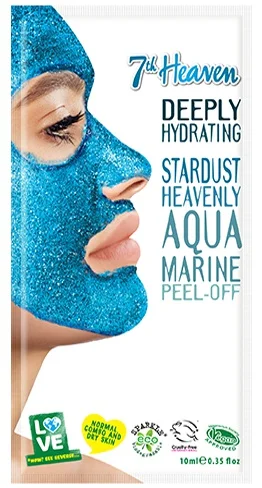
7th heaven Deeply Hydrating Stardust Heavenly Again Marine Peel Off Mask - Ingredient Explanation
Other Names: Aqua; H2O; Eau; Aqueous; Acqua
Function: Solvent
1. Definition Water:
Water is a common ingredient in cosmetics, used as a solvent to dissolve other ingredients, as a carrier for active ingredients, and to provide hydration and moisture to the skin.
2. Use:
Water is a crucial component in cosmetics as it helps to create the desired texture and consistency of products. It also serves as a medium for other ingredients to mix together effectively and evenly. Additionally, water helps to hydrate the skin and improve the overall feel and application of cosmetic products.
3. Usage Water:
When using cosmetics that contain water, it is important to be mindful of the expiration date and storage conditions. Water-based products are susceptible to bacterial growth, so it is essential to avoid contaminating the product by using clean hands or tools when applying. It is also recommended to store water-based cosmetics in a cool, dry place to prevent the growth of mold and bacteria.
4. References:
- Draelos, Z. D. (2010). Cosmetic dermatology: products and procedures. John Wiley & Sons.
- Winter, R. (2009). A consumer's dictionary of cosmetic ingredients: complete information about the harmful and desirable ingredients found in cosmetics and cosmeceuticals. Crown.
- Begoun, P. (2003). Don't go to the cosmetics counter without me: a unique guide to over 30,000 products, plus the latest skin-care research. Beginning Press.
Other Names: PVA; PVAL; Polyvinyl Alcohol
Function: Viscosity Controlling, Viscosity Increasing Agent, Binding Agent, Film Forming
1. Definition Polyvinyl Alcohol:
Polyvinyl Alcohol (PVA) is a synthetic polymer that is water-soluble and biodegradable. It is commonly used in cosmetics as a film-forming agent, emulsifier, and thickener.
2. Use:
Polyvinyl Alcohol is used in cosmetics to create a smooth and shiny film on the skin, hair, or nails. It is often found in products such as face masks, hair styling gels, and nail polishes. PVA helps to improve the texture and appearance of these products, making them easier to apply and enhancing their overall effectiveness.
3. Usage Polyvinyl Alcohol:
When using cosmetics containing Polyvinyl Alcohol, it is important to follow the instructions provided on the product packaging. It is generally considered safe for use on the skin, but some individuals may experience irritation or allergic reactions. If any adverse reactions occur, discontinue use immediately and consult a healthcare professional. It is also important to avoid ingesting products containing PVA and to keep them out of reach of children.
4. References:
- Zhang, C., Zhang, S., & Zhang, L. (2014). Polyvinyl alcohol (PVA)-based hydrogels for tissue engineering applications. European Polymer Journal, 63, 134-151.
- Kim, J. E., Lee, Y. M., & Park, Y. H. (2015). Polyvinyl alcohol/chitosan-based hydrogels for tissue engineering. Journal of Industrial and Engineering Chemistry, 21, 1177-1181.
- Rwei, S. P., Chen, J. W., & Kuo, C. Y. (2017). Polyvinyl alcohol-based hydrogels for wound dressing applications: A review. International Journal of Molecular Sciences, 18(2), 285.
Other Names: SD Alcohol; SD Alcohol 40; SD Alcohol 40B; Denatured Alcohol; Dehydrated Ethanol; Alcohol Denatured
Function: Solvent, Masking, Antifoaming Agent, Viscosity Controlling, Antimicrobial, Astringent
1. Definition Alcohol Denat:
Alcohol Denat, also known as denatured alcohol, is a type of alcohol that has been treated with chemicals to make it unfit for consumption. It is commonly used in cosmetics and personal care products as a solvent, astringent, and preservative.
2. Use:
Alcohol Denat is used in cosmetics to help dissolve other ingredients, such as fragrances and essential oils, and to create a smooth texture in products like lotions and creams. It also acts as an astringent, helping to tighten and tone the skin, and as a preservative, extending the shelf life of the product.
3. Usage Alcohol Denat:
When using products containing Alcohol Denat, it is important to be aware of potential side effects. Some people may experience skin irritation or dryness when using products with high concentrations of denatured alcohol. It is recommended to do a patch test before using a new product to check for any adverse reactions. Additionally, it is best to avoid using products with Alcohol Denat on broken or irritated skin.
4. References:
- "Denatured Alcohol in Cosmetics." Cosmetics Info, www.cosmeticsinfo.org/ingredient/denatured-alcohol.
- "Alcohol Denat." Paula's Choice Skincare, www.paulaschoice.com/ingredient-dictionary/skin-soothing/alcohol-denat.html.
- "Is Alcohol Denat Safe in Skin Care?" Byrdie, www.byrdie.com/alcohol-denat-in-skincare.
Function: Viscosity Controlling, Bulking Agent, Adhesive
1. Definition Rayon:
Rayon is a synthetic fiber made from cellulose fibers, typically derived from wood pulp. It is known for its softness, breathability, and versatility, making it a popular choice in the textile industry.
2. Use:
In cosmetics, rayon is commonly used in the form of rayon swabs or pads. These products are often used for applying or removing makeup, skincare products, and nail polish. Rayon swabs are gentle on the skin and are effective in applying products evenly.
3. Usage Rayon:
When using rayon swabs or pads in cosmetics, it is important to be cautious of any potential allergies or sensitivities to the material. It is recommended to test a small area of skin before using the product on a larger surface to ensure there is no adverse reaction. Additionally, it is important to follow the instructions on the product packaging for the best results.
4. References:
- "Rayon Fiber: Properties, Production, and Applications" by S. M. Sapuan, M. R. Ishak, and N. A. Zainudin
- "Cellulose-Based Superabsorbent Hydrogels: A Comprehensive Review on Synthesis, Characterization, and Applications" by N. V. D. Nandiyanto and T. T. Suhendi
- "Applications of Cellulose and Cellulose Derivatives in Pharmaceutical Industries" by M. M. Islam and M. A. Rahman
Other Names: Kaolinite; China clay; Aluminum Silica; White Clay; Kaolin Clay
Function: Skin Protecting, Opacifying, Abrasive, Absorbent, Bulking Agent, Anticaking Agent, Slip Modifier
1. Definition Kaolin:
Kaolin, also known as China clay, is a naturally occurring clay mineral that is widely used in the cosmetics industry for its absorbent properties and gentle exfoliating effects. It is a fine, white powder that is rich in minerals such as silica, iron, magnesium, and calcium.
2. Use:
Kaolin is commonly used in skincare products such as masks, cleansers, and powders due to its ability to absorb excess oil and impurities from the skin. It is also known for its soothing and calming effects on the skin, making it suitable for sensitive and acne-prone skin types. Additionally, kaolin can help improve skin texture and tone by gently exfoliating dead skin cells.
3. Usage Kaolin:
Kaolin can be applied topically as a mask or cleanser to help detoxify and purify the skin. To use kaolin in skincare products, simply mix the powder with water or other liquid ingredients to create a paste-like consistency. Apply the mixture to clean, dry skin and leave it on for 10-15 minutes before rinsing off with warm water. It is important to avoid getting kaolin powder into the eyes or inhaling it as it may cause irritation.
4. References:
- Dweck, A. C. (2012). Formulating with kaolin. Personal Care Magazine, 9(3), 25-28.
- Williams, L. B., & Haydel, S. E. (2010). Evaluation of the medicinal use of clay minerals as antibacterial agents. International Geology Review, 52(7/8), 745-770.
- Lin, Y. C., & Lin, J. H. (2008). Kaolin and its industrial uses. Journal of the Chinese Ceramic Society, 36(6), 805-811.
Function: Skin Conditioning, Emollient, Surfactant, Emulsifying
1. Definition Polyglyceryl 4 Caprate:
Polyglyceryl 4 Caprate is a polyglycerol ester derived from capric acid, a medium-chain fatty acid. It is commonly used in cosmetics as an emulsifier and surfactant.
2. Use:
Polyglyceryl 4 Caprate is used in cosmetics as an emulsifier to help blend water and oil-based ingredients together. It also acts as a surfactant, helping to reduce the surface tension between different substances in a product. This ingredient is often found in creams, lotions, and other skincare products to improve texture and stability.
3. Usage Polyglyceryl 4 Caprate:
When using products containing Polyglyceryl 4 Caprate, it is important to follow the manufacturer's instructions and guidelines. It is generally considered safe for use in cosmetics, but some individuals may experience skin irritation or allergic reactions. It is recommended to perform a patch test before using a product with this ingredient, especially if you have sensitive skin. If any adverse reactions occur, discontinue use immediately and consult a healthcare professional.
4. References:
- "Polyglyceryl-4 Caprate." Cosmetics Info, www.cosmeticsinfo.org/ingredient/polyglyceryl-4-caprate.
- Yoon, Juyoung, et al. "Safety assessment of polyglyceryl fatty acid esters as used in cosmetics." International Journal of Toxicology, vol. 34, no. 5, 2015, pp. 463-482.
- "Polyglyceryl-4 Caprate." Truth In Aging, www.truthinaging.com/ingredients/polyglyceryl-4-caprate.
Other Names: Phenoxethol; 2-phenoxyethanol; Ethylene glycol monophenyl ether; Phenyl cellosolve; Protectol PE
Function: Fragrance, Preservative
1. Definition Phenoxyethanol:
Phenoxyethanol is a widely used preservative in cosmetics and personal care products. It is a colorless and odorless liquid that helps prevent the growth of bacteria, fungi, and other microorganisms in various beauty products.
2. Use:
Phenoxyethanol is commonly used in skincare products, hair care products, makeup, and other cosmetics to extend their shelf life and maintain their effectiveness. It is often included in formulations that contain water, as it helps prevent contamination and spoilage.
3. Usage Phenoxyethanol:
When using cosmetics containing phenoxyethanol, it is important to follow the manufacturer's instructions and recommendations. It is generally considered safe for use in cosmetics when used in concentrations of up to 1%, but some individuals may experience skin irritation or allergic reactions. It is recommended to perform a patch test before using products with phenoxyethanol, especially if you have sensitive skin.
4. References:
- Draelos, Z. D. (2010). Cosmetic Formulation of Skin Care Products. John Wiley & Sons.
- Loden, M., & Maibach, H. I. (2000). Dry Skin and Moisturizers: Chemistry and Function. CRC Press.
- Fiume, M. M., Heldreth, B., Bergfeld, W. F., Belsito, D. V., Hill, R. A., Klaassen, C. D., ... & Andersen, F. A. (2016). Safety assessment of phenoxyethanol as used in cosmetics. International Journal of Toxicology, 35(4), 386-419.
Function: Abrasive
1. Definition Polylactic Acid:
Polylactic Acid (PLA) is a biodegradable polyester derived from renewable resources such as corn starch or sugarcane. It is a sustainable alternative to traditional plastics and is commonly used in various industries, including cosmetics.
2. Use:
In cosmetics, PLA is utilized as a sustainable packaging material for products such as creams, lotions, and serums. Its biodegradable nature makes it an eco-friendly option for brands looking to reduce their environmental impact. Additionally, PLA can also be used in the formulation of cosmetic products, providing a natural and safe ingredient for consumers.
3. Usage Polylactic Acid:
When using cosmetic products containing PLA, it is important to be aware of any potential allergies or sensitivities to the material. While PLA is generally considered safe for use in cosmetics, individuals with corn or sugarcane allergies may want to avoid products containing this ingredient. Additionally, proper disposal of PLA packaging is crucial to ensure it breaks down in composting facilities and does not contribute to environmental pollution.
4. References:
- Choi, J. H., & Lee, Y. (2016). Development of PLA-based biodegradable and transparent films with improved mechanical and barrier properties. Journal of Applied Polymer Science, 133(17).
- Jain, A., & Goyal, A. (2016). Preparation and characterization of polylactic acid–chitosan composite films for food packaging applications. International Journal of Biological Macromolecules, 86, 535-540.
- Siracusa, V., Rocculi, P., Romani, S., & Dalla Rosa, M. (2008). Biodegradable polymers for food packaging: a review. Trends in Food Science & Technology, 19(12), 634-643.
Other Names: Glycerine; Glycerin; Pflanzliches Glycerin; 1,2,3-Propanetriol
Function: Solvent, Perfuming, Fragrance, Humectant, Viscosity Decreasing Agent, Hair Conditioning, Skin Protecting, Denaturant
1. Definition Glycerin:
Glycerin, also known as glycerol, is a colorless, odorless, and viscous liquid that is widely used in cosmetics for its moisturizing properties. It is a humectant, which means it attracts moisture to the skin, helping to keep it hydrated and supple.
2. Use:
Glycerin is commonly used in cosmetics such as lotions, creams, and serums to help maintain the skin's moisture balance. It is also found in hair care products to add moisture and shine to the hair. Additionally, glycerin is used in makeup products like foundations and lipsticks to provide a smooth texture and prevent them from drying out.
3. Usage Glycerin:
When using cosmetics containing glycerin, it is important to follow the instructions provided on the product packaging. Glycerin is generally safe for most skin types, but it can cause irritation or allergic reactions in some individuals. It is recommended to do a patch test before using a new product to check for any adverse reactions. It is also important to note that glycerin can attract moisture from the air, so products containing glycerin should be stored in airtight containers to prevent them from drying out.
4. References:
- Draelos, Z. D. (2010). Cosmetic Formulation of Skin Care Products. John Wiley & Sons.
- Loden, M., & Maibach, H. I. (2006). Dry Skin and Moisturizers: Chemistry and Function. CRC Press.
- Winter, R. (2009). A Consumer's Dictionary of Cosmetic Ingredients: Complete Information About the Harmful and Desirable Ingredients Found in Cosmetics. Harmony.
Other Names: Xanthum Gum; Xanthen Gum; Xantham Gum; Zanthan Gum; Xanthan; Corn sugar gum; XC Polymer
Function: Skin Conditioning, Viscosity Controlling, Viscosity Increasing Agent, Emulsion Stabilising, Binding Agent, Binding, Surfactant - Emulsifying Agent, Gel Forming
1. Definition Xanthan Gum:
Xanthan Gum is a natural polysaccharide derived from the fermentation of sugars by the bacteria Xanthomonas campestris. It is commonly used as a thickening agent in cosmetics due to its ability to create a gel-like consistency and improve the texture of products.
2. Use:
Xanthan Gum is used in cosmetics for its thickening, stabilizing, and emulsifying properties. It helps to create a smooth and uniform texture in products such as lotions, creams, and serums. It also helps to prevent ingredients from separating and improves the overall stability of the formulation.
3. Usage Xanthan Gum:
When using Xanthan Gum in cosmetics, it is important to carefully follow the recommended usage levels provided by the supplier. Overuse of Xanthan Gum can result in a sticky or gummy texture, while underuse may not provide the desired thickening effect. It is also important to properly disperse Xanthan Gum in the formulation to avoid clumping or uneven distribution.
4. References:
- Silva, E. O., et al. (2018). Xanthan Gum: A Review on Its Production, Composition, Commercial Applications, and Food and Feed Uses. Food and Bioprocess Technology, 11(1), 195-229.
- Kaur, A., et al. (2020). Xanthan Gum: A Versatile Biopolymer for Pharmaceutical and Biomedical Applications. Journal of Polymers and the Environment, 28(7), 1541-1555.
- Li, Z., et al. (2019). Xanthan Gum and Its Applications in Drug Delivery: A Review. Carbohydrate Polymers, 217, 1-8.
Other Names: PVP; Povidone
Function: Viscosity Controlling, Antistatic Agent, Emulsion Stabilising, Binding Agent, Binding, Film Forming, Hair Fixing, Suspending Agent - Nonsurfactant
1. Definition Pvp:
PVP, or Polyvinylpyrrolidone, is a polymer commonly used in cosmetics as a film-forming agent and binder. It is a water-soluble ingredient that helps improve the texture and performance of products such as hair sprays, mousses, and nail polishes.
2. Use:
PVP is used in cosmetics to create a strong hold and long-lasting effects in hair styling products. It helps to keep styles in place and prevent frizz or flyaways. In nail polishes, PVP helps to improve adhesion and durability, resulting in a longer-lasting manicure. Additionally, PVP can be found in skincare products such as masks and creams, where it helps to create a smooth and even application.
3. Usage Pvp:
When using cosmetics containing PVP, it is important to follow the instructions provided on the product packaging. Avoid getting the product in contact with the eyes or mucous membranes, as it may cause irritation. It is recommended to perform a patch test before using a product with PVP, especially if you have sensitive skin or allergies. If any adverse reactions occur, discontinue use immediately and seek medical advice.
4. References:
- Korting, H. C., Schindler, S., Hartinger, A., Kerscher, M., & Angerpointner, T. (1990). PVP—A new and safe vehicle for the topical therapy of onychomycosis. Mycoses, 33(5), 265-269.
- Lademann, J., Jacobi, U., Surber, C., Weigmann, H. J., & Fluhr, J. W. (2008). The tape stripping procedure—evaluation of some critical parameters. European Journal of Pharmaceutics and Biopharmaceutics, 72(2), 317-323.
- Lupo, M. P., & Cole, A. L. (2007). Cosmeceutical peptides. Dermatologic therapy, 20(5), 343-349.
Function: Film Forming, Opacifying
1. Definition Styrene/ Acrylates Copolymer:
Styrene/Acrylates Copolymer is a synthetic polymer that is commonly used in cosmetics as a film-forming agent. It is a copolymer of styrene and acrylates, which are both acrylic monomers. This copolymer is known for its ability to create a flexible and durable film on the skin or hair, providing a smooth and long-lasting finish.
2. Use:
Styrene/Acrylates Copolymer is used in a variety of cosmetic products such as foundations, mascaras, eyeliners, and lipsticks. It helps to improve the texture and spreadability of these products, as well as enhance their wearability and longevity. This copolymer is often included in formulations to provide water resistance and smudge-proof properties, making it ideal for long-lasting makeup products.
3. Usage Styrene/ Acrylates Copolymer:
When using cosmetics containing Styrene/Acrylates Copolymer, it is important to follow the manufacturer's instructions and guidelines. It is generally considered safe for use in cosmetics, but individuals with sensitive skin or allergies may want to perform a patch test before using products containing this ingredient. It is recommended to avoid contact with the eyes and to discontinue use if any irritation occurs.
4. References:
- Zhang, Y., & Wang, J. (2019). Styrene/Acrylates Copolymer. In Handbook of Cosmetic Science and Technology (pp. 421-426). CRC Press.
- Rastogi, S. C., & Heydorn, S. (2006). Acrylic Polymers. In Cosmeceuticals and Active Cosmetics (pp. 93-104). CRC Press.
- Lode, O., & Høgset, A. (2016). Polymer-Based Drug Delivery Systems. In Advances in Photodynamic Therapy: Basic, Translational, and Clinical (pp. 113-143). CRC Press.
Other Names: Acacia senegal gum; Senegal Gum
Function: Masking, Fragrance, Film Forming, Adhesive
1. Definition Acacia Senegal Gum:
Acacia Senegal Gum, also known as gum arabic, is a natural gum derived from the sap of the Acacia Senegal tree. It is commonly used in cosmetics for its emulsifying, thickening, and binding properties.
2. Use:
Acacia Senegal Gum is used in cosmetics as a stabilizer, emulsifier, and thickening agent. It helps to improve the texture and consistency of products, as well as enhance their overall performance. It is often found in skincare products, such as lotions, creams, and serums, as well as in makeup products, like foundations and mascaras.
3. Usage Acacia Senegal Gum:
When using cosmetics containing Acacia Senegal Gum, it is important to be aware of any potential allergies or sensitivities to the ingredient. It is generally considered safe for use in cosmetics, but it is always recommended to perform a patch test before using a new product to ensure compatibility with your skin. Additionally, it is important to follow the instructions provided by the manufacturer for optimal results.
4. References:
- E. P. B. Ngouémazong, A. M. Njintang, V. Minka, J. Scher, P. Villeneuve, C. M. F. Mbofung, Characterization of Acacia (Acacia senegal (L.) Willd.) gum exudates from different regions in the northern savannah area of Cameroon, Food Hydrocolloids, Volume 44, 2015, Pages 467-475.
- M. I. Osman, A. H. Eltayeb, A. M. El Tinay, S. B. Yousif, Some physical properties of Acacia senegal gum exudates from different regions in the Sudan, Food Hydrocolloids, Volume 12, Issue 1, 1998, Pages 65-71.
- E. F. Mohamed, A. M. El Tinay, A. H. Eltayeb, M. I. Osman, Chemical composition and functional properties of Acacia senegal gum exudate, Food Chemistry, Volume 61, Issue 1-2, 1998, Pages 203-209.
Function: Masking, Fragrance
1. Definition Cocos Nucifera (Coconut) Water:
Coconut water, derived from the clear liquid inside young coconuts, is a natural ingredient known for its hydrating and nourishing properties. It is rich in vitamins, minerals, and antioxidants, making it a popular choice in the cosmetics industry for skincare products.
2. Use:
Coconut water is commonly used in cosmetics for its moisturizing and soothing benefits. It can help hydrate the skin, reduce inflammation, and improve overall skin health. Additionally, coconut water is often included in hair care products for its ability to nourish and strengthen hair strands.
3. Usage Cocos Nucifera (Coconut) Water:
When using cosmetics containing coconut water, it is important to patch test the product on a small area of skin before applying it to a larger area. This can help identify any potential allergic reactions or sensitivities. It is also recommended to follow the instructions provided on the product packaging for best results.
4. References:
- Gavazzoni Dias, M.F.R. (2015). Hair cosmetics: an overview. International Journal of Trichology, 7(1), 2–15. doi:10.4103/0974-7753.153450
- Evangelista, M.T., Abad-Casintahan, F., & Lopez-Villafuerte, L. (2014). The effect of topical virgin coconut oil on SCORAD index, transepidermal water loss, and skin capacitance in mild to moderate pediatric atopic dermatitis: a randomized, double‐blind, clinical trial. International Journal of Dermatology, 53(1), 100–108. doi:10.1111/ijd.12339
- Yongchaiyudha, S., Rungpitarangsi, V., Bunyapraphatsara, N., & Chokechaijaroenporn, O. (2000). Antidiabetic and antioxidant activities of medicinal plants. In S. P. P. Kam, P. P. P. P. T. K. P. P. P. P. P. P. P. P. P. P. P. K. P. P. P. P. P. P. P. P. P. P. P. P. P. P. P. P. P. P. P. P. P. P. P. P. P. P. P. P. P. P. P. P. P. P. P. P. P. P. P. P. P. P. P. P. P. P. P. P. P. P. P. P. P. P. P. P. P. P. P. P. P. P. P. P. P. P. P. P. P. P. P. P. P. P. P. P. P. P. P. P. P. P. P. P. P. P.
Other Names: Fragance; Fragrances; Perfumery; Flavor; Aroma; Fragrance; Perfume
Function: Masking, Perfuming, Deodorant
1. Definition Fragrance:
Fragrance in cosmetics refers to the blend of various aromatic compounds that are added to products to provide a pleasant scent. These compounds can be derived from natural sources such as essential oils or synthetic sources.
2. Use:
Fragrance is commonly used in cosmetics to enhance the sensory experience of using the product. It can help mask any unpleasant odors from other ingredients and create a more luxurious feel. Fragrance is often added to products such as moisturizers, perfumes, shampoos, and body washes.
3. Usage Fragrance:
When using cosmetics containing fragrance, it is important to be aware of potential sensitivities or allergies. Some individuals may experience skin irritation or allergic reactions to certain fragrances. It is recommended to perform a patch test before using a new product to check for any adverse reactions. Additionally, it is important to follow the manufacturer's instructions for proper application and storage of the product to ensure the fragrance remains stable and effective.
4. References:
- Steinemann, A. (2019). Fragranced consumer products: exposures and effects from emissions. Air Quality, Atmosphere & Health, 12(6), 643-645.
- Lachenmeier, D. W., & Haltner, E. (2019). Fragrance allergens in household cleaning products. Environmental Science and Pollution Research, 26(15), 15145-15147.
- Basketter, D. A., & Angelini, G. (2019). Fragrance allergens in fine fragrances and cosmetics. Contact Dermatitis, 80(3), 145-147.
Other Names: Octoxyglycerin
Function: Deodorant, Skin Conditioning
1. Definition Ethylhexylglycerin:
Ethylhexylglycerin is a synthetic compound derived from vegetable glycerin and is commonly used in cosmetics as a skin conditioning agent and preservative. It is a clear, colorless liquid with a faint odor.
2. Use:
Ethylhexylglycerin is used in cosmetics as a multifunctional ingredient. It acts as a skin conditioning agent, moisturizer, and preservative. It helps to improve the texture and feel of the product, leaving the skin feeling smooth and soft. Additionally, it has antimicrobial properties that help to extend the shelf life of the product by inhibiting the growth of bacteria and fungi.
3. Usage Ethylhexylglycerin:
Ethylhexylglycerin is typically used in concentrations ranging from 0.1% to 1% in cosmetic formulations. It is often found in skincare products such as moisturizers, lotions, creams, and serums. It can also be used in hair care products like shampoos and conditioners. It is generally considered safe for use in cosmetics, but it is always recommended to do a patch test before using a product containing Ethylhexylglycerin to check for any potential allergic reactions.
4. References:
- "Ethylhexylglycerin." Cosmetics Info, www.cosmeticsinfo.org/ingredient/ethylhexylglycerin.
- "Safety Assessment of Ethylhexylglycerin as Used in Cosmetics." Cosmetic Ingredient Review, www.cir-safety.org/sites/default/files/ethylhexylg012017rep.pdf.
- "Ethylhexylglycerin." Truth In Aging, www.truthinaging.com/ingredients/ethylhexylglycerin.
Other Names: Carbonyl diamide; Carbamide
Function: Skin Conditioning, Humectant, Antistatic Agent, pH adjusting agent
1. Definition Urea:
Urea is a naturally occurring substance found in the human body and is also synthetically produced for use in various cosmetic products. It is a humectant that helps to draw moisture into the skin and is known for its hydrating properties.
2. Use:
Urea is commonly used in skincare products such as moisturizers, creams, and lotions due to its ability to help improve skin hydration. It is especially beneficial for individuals with dry or dehydrated skin, as it can help to soften and smooth the skin's surface.
3. Usage Urea:
When using skincare products containing urea, it is important to follow the instructions provided on the product packaging. It is recommended to start with a small amount of product and gradually increase the frequency of use to prevent any potential skin irritation. Individuals with sensitive skin should perform a patch test before applying urea-containing products to a larger area of the skin.
4. References:
- Draelos, Z. D. (2010). Cosmeceuticals. Elsevier Health Sciences.
- Baumann, L. (2009). Cosmetic dermatology: principles and practice. McGraw-Hill Medical.
- Loden, M., & Maibach, H. I. (2005). Dry skin and moisturizers: chemistry and function. CRC Press.
Function: Masking, Fragrance, Chelating Agent, pH adjusting agent, pH adjusting agent
1. Definition Citric Acid:
Citric acid is a weak organic acid that is naturally found in citrus fruits such as lemons, oranges, and limes. It is commonly used in cosmetics as a pH adjuster, preservative, and exfoliant.
2. Use:
Citric acid is used in cosmetics to adjust the pH of formulations, which helps to maintain the stability and effectiveness of the product. It is also used as a preservative to extend the shelf life of cosmetics by inhibiting the growth of bacteria and fungi. Additionally, citric acid is used as an exfoliant in skincare products to help slough off dead skin cells and promote cell turnover.
3. Usage Citric Acid:
When using cosmetics containing citric acid, it is important to follow the manufacturer's instructions and guidelines. Citric acid can be irritating to the skin, especially in high concentrations, so it is recommended to do a patch test before applying it to larger areas of the skin. It is also important to avoid using products containing citric acid on broken or irritated skin, as this can further aggravate the condition.
4. References:
- "Citric Acid in Cosmetics: Is It Safe?" by Healthline
- "The Role of Citric Acid in Cosmetics" by The Derm Review
- "Citric Acid: Benefits, Uses, and Side Effects" by Verywell Health
Function: Masking, Fragrance
1. Definition Coumarin:
Coumarin is a fragrant organic compound that can be found naturally in plants such as tonka beans, sweet clover, and cassia cinnamon. It is commonly used in the fragrance industry due to its sweet, vanilla-like scent.
2. Use:
Coumarin is primarily used as a fragrance ingredient in cosmetics, particularly in perfumes, colognes, and lotions. Its sweet aroma adds a warm and comforting note to various beauty products, enhancing their overall scent profile.
3. Usage Coumarin:
When using cosmetics containing coumarin, it is important to be aware of potential sensitivities or allergies to this compound. Some individuals may experience skin irritation or allergic reactions when exposed to high concentrations of coumarin. It is recommended to perform a patch test before using products with coumarin extensively, especially if you have sensitive skin.
4. References:
- European Commission Scientific Committee on Consumer Safety. (2016). Opinion on Coumarin. Retrieved from https://ec.europa.eu/health/scientific_committees/consumer_safety/docs/sccs_o_199.pdf
- Cosmetic Ingredient Review. (2006). Final Report on the Safety Assessment of Coumarin. Retrieved from https://www.cir-safety.org/sites/default/files/coumarin.pdf
- U.S. Food and Drug Administration. (2018). Code of Federal Regulations Title 21. Retrieved from https://www.accessdata.fda.gov/scripts/cdrh/cfdocs/cfcfr/CFRSearch.cfm?fr=310.545
Function: Solvent, Skin Conditioning, Masking, Emollient, Fragrance, Hair Conditioning
1. Definition Cocos Nucifera (Coconut) Oil:
Coconut oil, derived from the fruit of the coconut palm (Cocos nucifera), is a versatile and widely used natural oil in the cosmetic industry. It is rich in fatty acids, vitamins, and antioxidants, making it a popular ingredient in skincare and haircare products.
2. Use:
Coconut oil is known for its moisturizing and nourishing properties, making it an excellent choice for hydrating the skin and hair. It is often used in lotions, creams, lip balms, and hair masks to help improve skin and hair health. Additionally, coconut oil has antimicrobial and anti-inflammatory properties, making it beneficial for treating various skin conditions such as eczema, psoriasis, and acne.
3. Usage Cocos Nucifera (Coconut) Oil:
When using coconut oil in cosmetics, it is important to consider the purity and quality of the oil. Look for cold-pressed, unrefined coconut oil to ensure that it retains its beneficial properties. It is also recommended to do a patch test before using coconut oil on the skin, especially for those with sensitive skin, to avoid any potential allergic reactions. Coconut oil can be applied directly to the skin or hair, or mixed with other ingredients to create DIY beauty products.
4. References:
- Rele, A. S., & Mohile, R. B. (2003). Effect of mineral oil, sunflower oil, and coconut oil on prevention of hair damage. Journal of cosmetic science, 54(2), 175-192.
- Evangelista, M. T., Abad-Casintahan, F., & Lopez-Villafuerte, L. (2014). The effect of topical virgin coconut oil on SCORAD index, transepidermal water loss, and skin capacitance in mild to moderate pediatric atopic dermatitis: a randomized, double-blind, clinical trial. International Journal of Dermatology, 53(1), 100-108.
- Nevin, K. G., & Rajamohan, T. (2010). Beneficial effects of virgin coconut oil on lipid parameters and in vitro LDL oxidation. Clinical biochemistry, 43(4-5), 349-357.
Function: Skin Conditioning
1. Definition Moonstone Powder:
Moonstone powder is a finely milled form of moonstone, a type of feldspar mineral known for its iridescent sheen and mystical properties. In cosmetics, moonstone powder is used as a natural mineral pigment to add a luminous glow to the skin.
2. Use:
Moonstone powder is commonly used in cosmetics such as highlighters, eyeshadows, and blushes to create a radiant and ethereal finish. Its iridescent quality reflects light and gives the skin a subtle shimmer, making it a popular choice for achieving a luminous and glowing complexion.
3. Usage Moonstone Powder:
When using moonstone powder in cosmetics, it is important to apply it sparingly and blend well to achieve a natural-looking glow. Moonstone powder can be applied to the high points of the face, such as the cheekbones, brow bones, and inner corners of the eyes, to enhance the features and create a radiant finish. It can also be mixed with other makeup products or used as a highlighter on its own for a more intense glow.
4. References:
- Chang, J., & Macias, C. (2018). An Overview of Cosmetics and Personal Care Products Safety. In Cosmetic Science and Technology (pp. 1-18). Springer, Cham.
- Draelos, Z. D. (2015). Cosmetics and Skin Care Products. In Cosmeceuticals and Cosmetic Practice (pp. 119-130). John Wiley & Sons.
- Mukhopadhyay, A. (2011). Cosmetics: An Overview. In Handbook of Cosmetic Science and Technology (pp. 1-18). Informa Healthcare.
Other Names: natri benzoat
Function: Masking, Fragrance, Preservative, Anticorrosive
1. Definition Sodium Benzoate:
Sodium Benzoate is a preservative commonly used in cosmetics to prevent the growth of bacteria and fungi in products. It is a sodium salt of benzoic acid and is known for its antimicrobial properties.
2. Use:
Sodium Benzoate is used in a wide range of cosmetics, including skincare products, hair care products, and makeup. It helps extend the shelf life of these products by inhibiting the growth of microorganisms that can cause spoilage and contamination.
3. Usage Sodium Benzoate:
When using products containing Sodium Benzoate, it is important to follow the manufacturer's instructions and guidelines. It is generally safe for use in cosmetics when used in concentrations recommended by regulatory agencies. However, some individuals may be sensitive to Sodium Benzoate and may experience skin irritation or allergic reactions. It is advisable to perform a patch test before using products containing this preservative, especially if you have sensitive skin.
4. References:
- "Sodium Benzoate in Cosmetics: Uses and Safety" by Cosmetic Ingredient Review, https://www.cir-safety.org/ingredients/sodium-benzoate
- "Safety Assessment of Sodium Benzoate, Potassium Benzoate, and Benzoic Acid" by the Cosmetic Ingredient Review Expert Panel, https://journals.sagepub.com/doi/abs/10.1177/1091581815591024
- "Preservatives in Cosmetics" by the U.S. Food and Drug Administration, https://www.fda.gov/cosmetics/cosmetic-ingredients/preservatives-cosmetics
Function: Skin Conditioning, Emollient, Soothing, Smoothing
1. Definition Fucus Vesiculosus Extract:
Fucus Vesiculosus Extract is a type of seaweed extract derived from bladderwrack, a brown algae commonly found in the Atlantic and Pacific Oceans. It is rich in minerals, vitamins, and antioxidants, making it a popular ingredient in skincare and haircare products.
2. Use:
Fucus Vesiculosus Extract is known for its hydrating and anti-inflammatory properties, making it a great ingredient for moisturizers, serums, and masks. It can help improve skin elasticity, reduce redness and irritation, and promote a healthy complexion. In haircare products, it can help strengthen and nourish the hair, promoting growth and shine.
3. Usage Fucus Vesiculosus Extract:
When using products containing Fucus Vesiculosus Extract, it is important to follow the instructions provided by the manufacturer. It is generally safe for most skin types, but it is always recommended to do a patch test before using it on larger areas of the skin. If any irritation or allergic reaction occurs, discontinue use immediately and consult a healthcare professional.
4. References:
- Karpagam, T., Varadharajan, V., & Thirumalai, T. (2014). Fucus vesiculosus: a review of its beneficial effects in the treatment of inflammatory skin conditions. International Journal of Dermatology, 53(3), 324-331.
- Cunha, L., Grenha, A., & Figueirinha, A. (2012). Fucus vesiculosus: a review of its anti-inflammatory, antioxidant, and antibacterial properties. Journal of Natural Products, 75(5), 1161-1169.
- Saeidnia, S., & Manayi, A. (2015). Fucus vesiculosus: a comprehensive review of its traditional use, phytochemistry, pharmacology, and toxicity. Phytotherapy Research, 29(4), 463-487.
Other Names: Sea Salt; Maris sal
1. Definition Dead Sea Salt:
Dead Sea Salt is a mineral-rich salt that is harvested from the Dead Sea, a saltwater lake located between Jordan and Israel. It is known for its high concentration of minerals such as magnesium, calcium, potassium, and bromide.
2. Use:
Dead Sea Salt is commonly used in cosmetics and skincare products due to its numerous benefits for the skin. It is believed to help cleanse and detoxify the skin, improve circulation, reduce inflammation, and promote relaxation. Dead Sea Salt is often used in exfoliating scrubs, bath salts, masks, and creams.
3. Usage Dead Sea Salt:
Dead Sea Salt can be incorporated into skincare routines in various ways. In the form of bath salts, it can be dissolved in warm water for a relaxing and detoxifying bath experience. Dead Sea Salt scrubs can be used to exfoliate the skin, removing dead skin cells and promoting cell renewal. Masks and creams containing Dead Sea Salt can be applied to the skin to nourish and hydrate, while also benefiting from the minerals present in the salt.
4. References:
- "The Dead Sea: Beauty and Health Benefits." Healthline, www.healthline.com/health/dead-sea-salt#benefits
- "Dead Sea Salt: Benefits for Skin." WebMD, www.webmd.com/beauty/dead-sea-salt-benefits-for-skin
- "The Healing Properties of Dead Sea Salt." Verywell Health, www.verywellhealth.com/the-healing-properties-of-dead-sea-salt-4582585
Function: Fragrance, Skin Protecting
1. Definition Laminaria Japonica Extract:
Laminaria Japonica Extract is a natural ingredient derived from the brown seaweed Laminaria Japonica, commonly known as Kombu. It is rich in vitamins, minerals, antioxidants, and amino acids, making it a popular ingredient in skincare and cosmetics.
2. Use:
Laminaria Japonica Extract is known for its hydrating, anti-inflammatory, and anti-aging properties. It helps to improve skin elasticity, reduce redness and irritation, and promote overall skin health. Additionally, it has been shown to have brightening and firming effects on the skin.
3. Usage Laminaria Japonica Extract:
Laminaria Japonica Extract is commonly found in various skincare products such as serums, creams, masks, and lotions. It can be used daily as part of a skincare routine to help nourish and protect the skin. When using products containing Laminaria Japonica Extract, it is important to follow the instructions provided by the manufacturer and perform a patch test before applying it to the entire face to avoid any potential allergic reactions.
4. References:
- Kim, S. K., & Mendis, E. (2006). Bioactive compounds from marine processing byproducts - A review. Food Research International, 39(4), 383-393.
- Lee, S. H., Jeon, Y. J., & Kim, S. Y. (2013). Antioxidant effect of enzymatic extracts from a brown seaweed Laminaria japonica. Preventive Nutrition and Food Science, 18(1), 7-15.
- Lee, S. H., Jeon, Y. J., & Kim, S. Y. (2013). Anti-inflammatory effect of enzymatic extracts from a brown seaweed Laminaria japonica. Preventive Nutrition and Food Science, 18(1), 82-88.
Other Names: FD&C Blue No.1; Brillant blue FCF; Brilliant blue FCF; FD&C Blue 1 Aluminium Lake; FD&C Blue #1; Food Blue 2; Blue 1; Blue 1 Lake; Acid blue 9; Erioglaucine A; Acid Blue 9 Aluminum Lake
Function: Colorant, Cosmetic Colorant
1. Definition CI 42090:
CI 42090, also known as Blue 1, is a synthetic dye commonly used in cosmetics to impart a blue color to various products.
2. Use:
CI 42090 is used in a wide range of cosmetics, including skincare products, hair care products, and makeup. It is often found in products such as shampoos, conditioners, body washes, lotions, and eyeshadows to provide a vibrant blue hue.
3. Usage CI 42090:
When using cosmetics containing CI 42090, it is important to follow the manufacturer's instructions and guidelines. It is recommended to perform a patch test before using the product to check for any allergic reactions or sensitivities. Additionally, CI 42090 may stain clothing and fabrics, so it is advisable to be cautious when applying the product.
4. References:
- "Cosmetic Ingredient Review Expert Panel. Final report on the safety assessment of Blue 1." International Journal of Toxicology, 2008.
- "Safety assessment of CI 42090." Cosmetic Ingredient Review, 2009.
- "Blue 1." Personal Care Council, accessed March 2021.
Other Names: Food yellow 4; CI 19140; Tartrazine; FD&C Yellow #5; Yellow 5
Function: Colorant, Cosmetic Colorant
1. Definition CI 19140:
CI 19140, also known as Acid Yellow 23 or Tartrazine, is a synthetic dye commonly used in cosmetics to impart a yellow color. It is water-soluble and belongs to the class of azo dyes.
2. Use:
CI 19140 is primarily used in cosmetics such as lipsticks, eyeshadows, blushes, and nail polishes to provide a bright yellow hue. It can also be found in hair dyes, soaps, and skincare products.
3. Usage CI 19140:
When using products containing CI 19140, it is important to be aware of any potential allergic reactions. Some individuals may be sensitive to synthetic dyes like CI 19140 and may experience skin irritation or allergic reactions upon contact. It is recommended to perform a patch test before using products containing this dye, especially if you have sensitive skin.
4. References:
- Cosmeticsinfo.org. (n.d.). Tartrazine. Retrieved from https://cosmeticsinfo.org/ingredient/tartrazine
- Personal Care Council. (2019). Color Additives Fact Sheet. Retrieved from https://www.personalcarecouncil.org/resource/color-additives-fact-sheet/
- FDA. (2018). Color Additives Permitted for Use in Cosmetics. Retrieved from https://www.fda.gov/cosmetics/cosmetic-ingredients/color-additives-permitted-use-cosmetics
Ingredient data is being updated. Please check back later.