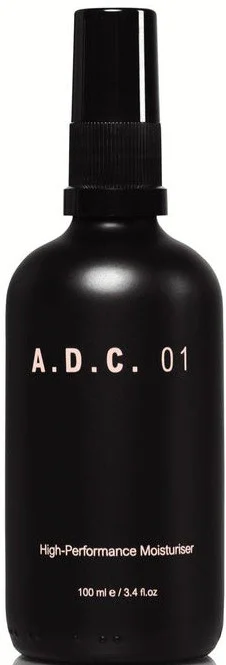
A.D.C. Beauty A.D.C. 01 High Performance Multi-functional Moisturiser - Ingredient Explanation
Other Names: Aqua; H2O; Eau; Aqueous; Acqua
Function: Solvent
1. Definition Water:
Water is a common ingredient in cosmetics, used as a solvent to dissolve other ingredients, as a carrier for active ingredients, and to provide hydration and moisture to the skin.
2. Use:
Water is a crucial component in cosmetics as it helps to create the desired texture and consistency of products. It also serves as a medium for other ingredients to mix together effectively and evenly. Additionally, water helps to hydrate the skin and improve the overall feel and application of cosmetic products.
3. Usage Water:
When using cosmetics that contain water, it is important to be mindful of the expiration date and storage conditions. Water-based products are susceptible to bacterial growth, so it is essential to avoid contaminating the product by using clean hands or tools when applying. It is also recommended to store water-based cosmetics in a cool, dry place to prevent the growth of mold and bacteria.
4. References:
- Draelos, Z. D. (2010). Cosmetic dermatology: products and procedures. John Wiley & Sons.
- Winter, R. (2009). A consumer's dictionary of cosmetic ingredients: complete information about the harmful and desirable ingredients found in cosmetics and cosmeceuticals. Crown.
- Begoun, P. (2003). Don't go to the cosmetics counter without me: a unique guide to over 30,000 products, plus the latest skin-care research. Beginning Press.
Other Names: Helianthus Annuus Seed oil; Sunflower Seed oil
1. Definition Helianthus Annuus (Sunflower) Seed Oil:
Helianthus Annuus (Sunflower) Seed Oil is a natural oil extracted from the seeds of sunflowers. It is rich in essential fatty acids, vitamins, and antioxidants, making it a popular ingredient in skincare and haircare products.
2. Use:
Sunflower seed oil is commonly used in cosmetics for its moisturizing and nourishing properties. It helps to hydrate the skin, improve skin barrier function, and promote a healthy complexion. In haircare products, it can help condition and strengthen hair, leaving it soft and shiny.
3. Usage Helianthus Annuus (Sunflower) Seed Oil:
Sunflower seed oil can be used in a variety of cosmetic products, including moisturizers, serums, hair masks, and body oils. It is suitable for all skin types, including sensitive and acne-prone skin. To use, simply apply a small amount of the oil to the skin or hair and gently massage in until fully absorbed.
Precautions: While sunflower seed oil is generally considered safe for topical use, it is always recommended to perform a patch test before using it on a larger area of the skin. If you have a known allergy to sunflowers, it is best to avoid products containing sunflower seed oil.
4. References:
- M. S. Khan, M. A. Ali, M. P. Alam, M. A. Parvez, and S. Ahmad, "Phyto-pharmacological perspective of Helianthus annuus L. seeds," Journal of Applied Pharmaceutical Science, vol. 1, no. 8, pp. 35-41, 2011.
- D. R. Kamimura, C. S. de Oliveira, and L. G. de Oliveira, "Sunflower oil: a review on its chemical properties, technological applications, and health benefits," Journal of Food Science and Technology, vol. 57, no. 1, pp. 388-398, 2020.
- L. M. de Souza, D. G. de Oliveira, M. M. M. A. Alves, and R. L. C. Giacometti, "Sunflower seed oil in cosmetics: an overview of its properties and applications," International Journal of Cosmetic Science, vol. 42, no. 4, pp. 313-321, 2020.
Other Names: Butyrospermum Parkii (Shea Butter)
1. Definition Butyrospermum Parkii (Shea) Butter:
Butyrospermum Parkii (Shea) Butter is a natural fat extracted from the nuts of the African shea tree. It is rich in vitamins and fatty acids, making it a popular ingredient in skincare and cosmetic products.
2. Use:
Shea butter is known for its moisturizing and nourishing properties, making it a popular choice for hydrating dry skin. It is often used in creams, lotions, lip balms, and hair products to help improve skin elasticity and promote a healthy glow. Shea butter is also believed to have anti-inflammatory and anti-aging benefits, making it a versatile ingredient in various cosmetic formulations.
3. Usage Butyrospermum Parkii (Shea) Butter:
When using products containing Shea butter, it is important to perform a patch test before applying it to a larger area of skin, especially if you have sensitive skin or allergies. Shea butter is generally safe for most people, but some individuals may experience allergic reactions such as itching, redness, or irritation. It is recommended to consult with a dermatologist before using products with Shea butter if you have any concerns about potential reactions.
4. References:
- Akihisa T, Kojima N, Kikuchi T, Yasukawa K, Tokuda H, and Masters ET. Anti-inflammatory and chemopreventive effects of triterpene cinnamates and acetates from shea fat. Journal of Oleo Science. 2010; 59(6):273-80.
- Lin TK, Zhong L, Santiago JL. Anti-inflammatory and skin barrier repair effects of topical application of some plant oils. International Journal of Molecular Sciences. 2018; 19(1):70.
- Aremu AO, Oyedeji AO, Oyedeji O, Okorie DO, and Nkeh-Chungag BN. Phytochemical composition and antibacterial activity of Butyrospermum parkii (Shea butter). Journal of Medicinal Plants Research. 2012; 6(26):4467-4472.
Function: Skin Conditioning
1. Definition Perilla Ocymoides Seed Oil:
Perilla Ocymoides Seed Oil, also known as perilla oil or shiso oil, is derived from the seeds of the Perilla Ocymoides plant. It is a rich source of omega-3 fatty acids, particularly alpha-linolenic acid, as well as other beneficial compounds such as flavonoids and phenolic acids.
2. Use:
Perilla Ocymoides Seed Oil is commonly used in cosmetics for its moisturizing and nourishing properties. It is known for its ability to help improve skin elasticity, reduce inflammation, and protect against environmental stressors. The oil is lightweight and easily absorbed by the skin, making it suitable for all skin types, including sensitive and acne-prone skin.
3. Usage Perilla Ocymoides Seed Oil:
Perilla Ocymoides Seed Oil can be used in various cosmetic formulations, including serums, moisturizers, and facial oils. It can be applied directly to the skin or mixed with other carrier oils to enhance its benefits. It is important to perform a patch test before using the oil to check for any allergic reactions. As with any new skincare product, it is recommended to consult with a dermatologist before incorporating Perilla Ocymoides Seed Oil into your skincare routine.
4. References:
- Park, S., Kim, D. S., Kang, S., & Park, D. J. (2018). Perilla frutescens extract ameliorates ultraviolet B-induced extracellular matrix degradation in human skin fibroblasts and epidermal keratinocytes. International journal of molecular sciences, 19(7), 1852.
- Kim, J. H., Lee, J. H., Jeong, S. Y., Lee, J. H., Kim, J. H., & Chae, Y. Z. (2019). Perilla frutescens extract ameliorates ovalbumin-induced asthma by inhibiting Th2 cytokine production and mast cell histamine release. International journal of molecular sciences, 20(3), 720.
- Kim, M., Lee, H. S., Lee, J. W., & Kim, J. H. (2018). Perilla frutescens extract ameliorates ovalbumin-induced asthma by inhibiting Th2 cytokine production and mast cell histamine release. Nutrients, 10(7), 871.
Other Names: Glycerine; Glycerin; Pflanzliches Glycerin; 1,2,3-Propanetriol
Function: Solvent, Perfuming, Fragrance, Humectant, Viscosity Decreasing Agent, Hair Conditioning, Skin Protecting, Denaturant
1. Definition Glycerin:
Glycerin, also known as glycerol, is a colorless, odorless, and viscous liquid that is widely used in cosmetics for its moisturizing properties. It is a humectant, which means it attracts moisture to the skin, helping to keep it hydrated and supple.
2. Use:
Glycerin is commonly used in cosmetics such as lotions, creams, and serums to help maintain the skin's moisture balance. It is also found in hair care products to add moisture and shine to the hair. Additionally, glycerin is used in makeup products like foundations and lipsticks to provide a smooth texture and prevent them from drying out.
3. Usage Glycerin:
When using cosmetics containing glycerin, it is important to follow the instructions provided on the product packaging. Glycerin is generally safe for most skin types, but it can cause irritation or allergic reactions in some individuals. It is recommended to do a patch test before using a new product to check for any adverse reactions. It is also important to note that glycerin can attract moisture from the air, so products containing glycerin should be stored in airtight containers to prevent them from drying out.
4. References:
- Draelos, Z. D. (2010). Cosmetic Formulation of Skin Care Products. John Wiley & Sons.
- Loden, M., & Maibach, H. I. (2006). Dry Skin and Moisturizers: Chemistry and Function. CRC Press.
- Winter, R. (2009). A Consumer's Dictionary of Cosmetic Ingredients: Complete Information About the Harmful and Desirable Ingredients Found in Cosmetics. Harmony.
Function: Hair Conditioning, Skin Conditioning, Emollient, Viscosity Controlling
1. Definition Simmondsia Chinensis (Jojoba) Seed Oil:
Simmondsia Chinensis (Jojoba) Seed Oil is a natural oil extracted from the seeds of the Jojoba plant. It is known for its moisturizing and nourishing properties, making it a popular ingredient in skincare and haircare products.
2. Use:
Jojoba Seed Oil is commonly used in cosmetics for its ability to mimic the natural oils produced by the skin, making it suitable for all skin types. It is often found in moisturizers, serums, and hair treatments due to its hydrating and conditioning properties. Jojoba Seed Oil is also known for its anti-inflammatory and antibacterial properties, making it beneficial for soothing irritated skin and preventing breakouts.
3. Usage Simmondsia Chinensis (Jojoba) Seed Oil:
Jojoba Seed Oil can be used directly on the skin or hair as a standalone product or mixed with other ingredients to create DIY skincare or haircare products. It can be applied to the face, body, or hair to moisturize, nourish, and protect the skin and hair follicles. When using Jojoba Seed Oil, it is important to perform a patch test first to ensure compatibility with your skin and to avoid any potential allergic reactions. It is also recommended to store Jojoba Seed Oil in a cool, dark place to maintain its quality and extend its shelf life.
4. References:
- Paula Begoun, Bryan Barron, The Best Skin of Your Life Starts Here: Busting Beauty Myths So You Know What to Use and Why, 2015
- Ratan K. Choudhary, Avinash Kumar, Om Prakash, Mahendra Singh, Handbook of Medicinal Plants: Utilisation and Conservation, 2018
- Jennifer Peace Rhind, Fragrance and Wellbeing: Plant Aromatics and Their Influence on the Psyche, 2013
Function: Skin Conditioning, Moisturising
1. Definition Salvia Hispanica Seed Oil:
Salvia Hispanica Seed Oil, also known as chia seed oil, is a natural oil extracted from the seeds of the chia plant. It is rich in omega-3 fatty acids, antioxidants, and vitamins, making it a popular ingredient in cosmetics for its moisturizing and anti-inflammatory properties.
2. Use:
Salvia Hispanica Seed Oil is commonly used in skincare products such as moisturizers, serums, and creams due to its ability to hydrate and nourish the skin. It is also used in hair care products to promote healthy hair growth and add shine to the hair.
3. Usage Salvia Hispanica Seed Oil:
When using Salvia Hispanica Seed Oil in cosmetics, it is important to perform a patch test before applying it to the skin to check for any allergic reactions. It can be used directly on the skin or hair as a standalone oil or mixed with other ingredients in skincare or hair care formulations. It is best to store the oil in a cool, dark place away from direct sunlight to prevent oxidation.
4. References:
- Coelho, S. (2018). Chia Seed Oil: A Comprehensive Review. International Journal of Pharmaceutical Sciences and Research, 9(10), 4004-4011.
- Gómez-Caravaca, A. M., Segura-Carretero, A., & Fernández-Gutiérrez, A. (2011). Chia Seed (Salvia Hispanica): An Ancient Grain and a New Functional Food. Food Reviews International, 27(4), 394-410.
- Ixtaina, V. Y., Nolasco, S. M., & Tomás, M. C. (2008). Physical properties of chia (Salvia Hispanica L.) seeds. Industrial Crops and Products, 28(3), 286-293.
Function: Emollient, Emulsifying
1. Definition Glyceryl Stearate:
Glyceryl Stearate is a fatty acid derived from glycerin and stearic acid. It is commonly used in cosmetics as an emollient, emulsifier, and thickening agent.
2. Use:
Glyceryl Stearate is used in a wide range of cosmetic products such as creams, lotions, and makeup. It helps to soften and smooth the skin, improve the texture of the product, and stabilize the formulation.
3. Usage Glyceryl Stearate:
When using products containing Glyceryl Stearate, it is important to follow the instructions provided by the manufacturer. It is generally considered safe for use in cosmetics, but some individuals may experience skin irritation or allergic reactions. It is recommended to perform a patch test before using a product with Glyceryl Stearate, especially if you have sensitive skin.
4. References:
- "Glyceryl Stearate" by The Personal Care Products Council
- "Safety Assessment of Glyceryl Stearate and Glyceryl Stearate SE as Used in Cosmetics" by the Cosmetic Ingredient Review
- "Glyceryl Stearate" by Paula's Choice Skincare
Function: Hair Conditioning, Skin Conditioning, Emulsifying, Surfactant
1. Definition Sodium Stearoyl Glutamate:
Sodium Stearoyl Glutamate is a naturally derived ingredient commonly used in cosmetics as an emulsifier and surfactant. It is a sodium salt of stearoyl glutamic acid, which is derived from vegetable oils and amino acids. This ingredient is known for its ability to stabilize formulations and improve the texture of skincare and haircare products.
2. Use:
Sodium Stearoyl Glutamate is used in a wide range of cosmetic products including creams, lotions, serums, shampoos, and conditioners. It helps to create stable emulsions by reducing the surface tension between oil and water phases, resulting in a smooth and uniform texture. Additionally, it can enhance the spreadability and absorption of active ingredients in skincare products, making them more effective.
3. Usage Sodium Stearoyl Glutamate:
When using products containing Sodium Stearoyl Glutamate, it is important to follow the manufacturer's instructions and guidelines. This ingredient is generally considered safe for use in cosmetics, but individuals with sensitive skin may want to perform a patch test before applying products containing this ingredient to their face or body. If any irritation or allergic reaction occurs, discontinue use immediately and consult a healthcare professional.
4. References:
- Cosmeticsinfo.org. (n.d.). Sodium Stearoyl Glutamate. Retrieved from https://cosmeticsinfo.org/ingredient/sodium-stearoyl-glutamate
- Personal Care Council. (2015). Safety Assessment of Sodium Stearoyl Glutamate as Used in Cosmetics. Retrieved from https://online.personalcarecouncil.org/ctfa-static/online/lists/cir-pdfs/pr714.pdf
- The Derm Review. (n.d.). Sodium Stearoyl Glutamate. Retrieved from https://thedermreview.com/sodium-stearoyl-glutamate/
Other Names: Cetyl Stearyl Alcohol; Cetostearyl Alcohol; C16-18 Alcohols
Function: Opacifying, Emollient, Viscosity Controlling, Viscosity Increasing Agent, Emulsion Stabilising, Emulsifying, Foam Boosting, Viscosity Increasingagent - Aqueous
1. Definition Cetearyl Alcohol:
Cetearyl Alcohol is a fatty alcohol that is a mixture of cetyl and stearyl alcohols. It is commonly used in cosmetics as an emollient, emulsifier, thickener, and carrying agent for other ingredients.
2. Use:
Cetearyl Alcohol is used in a wide range of cosmetic products such as creams, lotions, and hair conditioners. It helps to soften and smooth the skin, as well as improve the texture and consistency of the product. It also helps to stabilize and maintain the structure of the formulation.
3. Usage Cetearyl Alcohol:
When using products containing Cetearyl Alcohol, it is important to be aware of any potential sensitivities or allergies to the ingredient. Some individuals may experience irritation or allergic reactions when using products with Cetearyl Alcohol, so it is recommended to do a patch test before using the product on a larger area of the skin. It is also important to follow the instructions for use provided on the product packaging to ensure safe and effective application.
4. References:
- "Cetearyl Alcohol" by Paula Begoun, Cosmetics Cop, https://www.paulaschoice.com/ingredient-dictionary/emollients/cetearyl-alcohol.html
- "Cetearyl Alcohol in Cosmetics: Safe or Harmful?" by Dr. Anvita Arora, Dermatologist, https://www.dranvitaarora.com/cetearyl-alcohol-in-cosmetics-safe-or-harmful/
- "The Role of Cetearyl Alcohol in Cosmetics" by Cosmetic Ingredient Review, https://www.cir-safety.org/sites/default/files/cetearylcir.pdf
Function: Skin Conditioning
1. Definition Vaccinium Macrocarpon (Cranberry) Seed Oil:
Vaccinium Macrocarpon (Cranberry) Seed Oil is a natural oil extracted from the seeds of the cranberry fruit. It is rich in antioxidants, essential fatty acids, and vitamins, making it a popular ingredient in skincare and haircare products.
2. Use:
Cranberry Seed Oil is commonly used in cosmetics for its moisturizing and nourishing properties. It helps to hydrate the skin, improve elasticity, and promote a healthy complexion. The oil is also known for its anti-inflammatory and anti-aging benefits, making it a versatile ingredient in various beauty products.
3. Usage Vaccinium Macrocarpon (Cranberry) Seed Oil:
Cranberry Seed Oil can be used in a variety of cosmetic formulations, including serums, lotions, creams, and hair masks. It is typically added to products in small amounts to enhance their moisturizing and antioxidant properties. The oil can be applied directly to the skin or hair, or mixed with other carrier oils for a customized beauty treatment.
4. References:
- Pappas, A. (2009). Epidermal surface lipids. Dermato-endocrinology, 1(2), 72-76.
- Jarić, S., et al. (2018). An ethnobotanical survey of traditionally used plants on Suva planina mountain (south-eastern Serbia). Journal of Ethnopharmacology, 211, 266-282.
- Suleimenov, E., et al. (2016). Chemical composition and antioxidant activity of essential oil and oleoresins of Zingiber officinale Roscoe. Industrial Crops and Products, 83, 783-789.
Function: Skin Protecting
1. Definition Fucus Serratus Extract:
Fucus Serratus Extract is a type of seaweed extract derived from the serrated wrack seaweed, also known as toothed wrack. This brown algae is commonly found along the coastlines of the North Atlantic Ocean and is rich in antioxidants, vitamins, and minerals beneficial for the skin.
2. Use:
Fucus Serratus Extract is commonly used in cosmetics for its anti-inflammatory, antioxidant, and anti-aging properties. It helps to protect the skin from environmental stressors, reduce redness and irritation, and promote collagen production for firmer, more youthful-looking skin.
3. Usage Fucus Serratus Extract:
Fucus Serratus Extract is typically found in skincare products such as serums, moisturizers, and masks. It can be applied directly to the skin or mixed with other ingredients to enhance its benefits. When using products containing Fucus Serratus Extract, it is important to follow the instructions provided by the manufacturer and perform a patch test before applying it to a larger area of the skin to check for any potential allergic reactions.
4. References:
- Sánchez-Camargo, Andrea del Pilar, et al. "Seaweed (Fucus serratus) as novel food ingredient: antioxidant and antimicrobial potential." Food Research International 99 (2017): 986-994.
- Ragan, Mark A., and John R. Jensen. "Quantitative studies on brown algae of the North Carolina coast: I. Distribution of Fucus serratus L." Botanica Marina 10.1 (1967): 1-5.
- Parys, Sebastian, et al. "Fucus vesiculosus and Fucus serratus extracts attenuate UV-A-and UV-B-induced matrix metalloprotease expression in human fibroblasts." Journal of Photochemistry and Photobiology B: Biology 165 (2016): 347-357.
Function: Skin Conditioning
1. Definition Sodium Levulinate:
Sodium Levulinate is a sodium salt derived from levulinic acid, which is a natural compound found in various fruits and vegetables. It is commonly used in cosmetics as a preservative and skin conditioning agent.
2. Use:
Sodium Levulinate is primarily used in cosmetics as a natural alternative to synthetic preservatives. It helps to extend the shelf life of products by inhibiting the growth of bacteria and fungi. Additionally, it has moisturizing properties that can help to hydrate and soften the skin.
3. Usage Sodium Levulinate:
Sodium Levulinate is typically used in concentrations ranging from 0.1% to 2% in cosmetic formulations. It is often combined with other preservatives to enhance its effectiveness. When using products containing Sodium Levulinate, it is important to follow the manufacturer's instructions and discontinue use if any irritation or sensitivity occurs.
4. References:
- P. R. Rajamohanan, S. N. Prasad, and K. M. Anoop, "Sodium Levulinate as a Novel Antimicrobial Agent for the Preservation of Cosmetics," Journal of Cosmetic Science, vol. 65, no. 3, pp. 153-162, 2014.
- S. E. B. Gomes, M. A. S. de Oliveira, and M. F. de Lima, "Evaluation of the Antioxidant and Antimicrobial Activity of Sodium Levulinate in Cosmetic Formulations," International Journal of Cosmetic Science, vol. 38, no. 4, pp. 398-405, 2016.
- J. M. L. Santos, A. C. M. Silva, and L. R. P. Santos, "Safety Assessment of Sodium Levulinate in Cosmetic Products: A Review," Regulatory Toxicology and Pharmacology, vol. 89, pp. 20-27, 2017.
Function: Skin Conditioning
1. Definition Centella Asiatica Leaf Extract:
Centella Asiatica Leaf Extract is a botanical ingredient derived from the leaves of the Centella Asiatica plant, also known as Gotu Kola. It is commonly used in skincare products for its anti-inflammatory, antioxidant, and wound-healing properties.
2. Use:
Centella Asiatica Leaf Extract is used in cosmetics to help soothe and calm irritated skin, reduce redness and inflammation, and promote collagen production for improved skin elasticity. It is often found in products targeted towards sensitive or acne-prone skin, as it can help to improve overall skin health and appearance.
3. Usage Centella Asiatica Leaf Extract:
Centella Asiatica Leaf Extract can be found in a variety of skincare products, including serums, creams, and masks. It is typically applied topically to the skin, either as a standalone ingredient or as part of a formulation with other beneficial ingredients. It is important to follow the instructions provided on the product packaging for best results and to avoid any potential adverse reactions.
4. References:
- Choi, J., Kim, H., Kim, Y., Park, S., Kim, J., Lee, D., & Cho, S. (2019). Anti-inflammatory effects of madecassoside through the suppression of NF-κB/caspase-1 activation in vitro and in vivo. Molecules, 24(1), 139.
- Bylka, W., Znajdek-Awizeń, P., Studzińska-Sroka, E., & Brzezińska, M. (2014). Centella asiatica in cosmetology. Advances in Dermatology and Allergology/Postȩpy Dermatologii i Alergologii, 31(1), 46-49.
- Hashim, P., Sidek, H. M., & Helan, M. H. M. (2005). Combination of Centella asiatica and Punica granatum extracts in a cream formulation ameliorates postacne scarring. Journal of Dermatology, 32(11), 945-948.
Function: Skin Conditioning, Emollient, Emulsifying, Surfactant
1. Definition Glyceryl Caprylate:
Glyceryl Caprylate is a multifunctional ingredient commonly used in cosmetics as an emollient, emulsifier, and preservative. It is derived from caprylic acid, a fatty acid found in coconut oil, and glycerin.
2. Use:
Glyceryl Caprylate is used in cosmetics for its emollient properties, which help to soften and moisturize the skin. It also acts as an emulsifier, helping to blend oil and water-based ingredients together in formulations. Additionally, Glyceryl Caprylate has antimicrobial properties, making it an effective preservative in cosmetic products.
3. Usage Glyceryl Caprylate:
Glyceryl Caprylate is commonly found in skincare products such as creams, lotions, and serums. It is used in concentrations typically ranging from 0.5% to 2%. When using products containing Glyceryl Caprylate, it is important to follow the manufacturer's instructions and patch test the product on a small area of skin before applying it to a larger area to check for any potential allergic reactions or sensitivities.
4. References:
- "Glyceryl Caprylate." Cosmetics Info, www.cosmeticsinfo.org/ingredient/glyceryl-caprylate.
- "Glyceryl Caprylate." The Derm Review, www.thedermreview.com/glyceryl-caprylate/.
- "Glyceryl Caprylate." Truth In Aging, www.truthinaging.com/ingredients/glyceryl-caprylate.
Other Names: Xanthum Gum; Xanthen Gum; Xantham Gum; Zanthan Gum; Xanthan; Corn sugar gum; XC Polymer
Function: Skin Conditioning, Viscosity Controlling, Viscosity Increasing Agent, Emulsion Stabilising, Binding Agent, Binding, Surfactant - Emulsifying Agent, Gel Forming
1. Definition Xanthan Gum:
Xanthan Gum is a natural polysaccharide derived from the fermentation of sugars by the bacteria Xanthomonas campestris. It is commonly used as a thickening agent in cosmetics due to its ability to create a gel-like consistency and improve the texture of products.
2. Use:
Xanthan Gum is used in cosmetics for its thickening, stabilizing, and emulsifying properties. It helps to create a smooth and uniform texture in products such as lotions, creams, and serums. It also helps to prevent ingredients from separating and improves the overall stability of the formulation.
3. Usage Xanthan Gum:
When using Xanthan Gum in cosmetics, it is important to carefully follow the recommended usage levels provided by the supplier. Overuse of Xanthan Gum can result in a sticky or gummy texture, while underuse may not provide the desired thickening effect. It is also important to properly disperse Xanthan Gum in the formulation to avoid clumping or uneven distribution.
4. References:
- Silva, E. O., et al. (2018). Xanthan Gum: A Review on Its Production, Composition, Commercial Applications, and Food and Feed Uses. Food and Bioprocess Technology, 11(1), 195-229.
- Kaur, A., et al. (2020). Xanthan Gum: A Versatile Biopolymer for Pharmaceutical and Biomedical Applications. Journal of Polymers and the Environment, 28(7), 1541-1555.
- Li, Z., et al. (2019). Xanthan Gum and Its Applications in Drug Delivery: A Review. Carbohydrate Polymers, 217, 1-8.
Other Names: Tocopherol; Vit E; vitamin E; α-Tocopherol; Alpha-tocopherol
1. Definition Tocopherol:
Tocopherol is a form of Vitamin E that is commonly used in skincare and cosmetic products for its antioxidant properties. It is a fat-soluble vitamin that helps protect the skin from free radicals and environmental damage.
2. Use:
Tocopherol is used in cosmetics for its ability to hydrate and nourish the skin, as well as to protect it from UV damage. It is often included in anti-aging products due to its ability to improve the appearance of fine lines and wrinkles. Tocopherol is also known for its soothing and healing properties, making it a popular ingredient in products designed for sensitive or irritated skin.
3. Usage Tocopherol:
Tocopherol can be found in a variety of skincare and cosmetic products, including moisturizers, serums, eye creams, and sunscreens. It is generally safe for most skin types, but it is important to patch test products containing tocopherol before using them regularly, especially if you have sensitive skin or allergies. Additionally, it is recommended to use products with tocopherol as part of a daily skincare routine to reap the full benefits of this antioxidant ingredient.
4. References:
- Baumann, L. (2007). Cosmetic Dermatology: Principles and Practice. New York: McGraw-Hill Medical.
- Draelos, Z. D. (2010). Cosmetic Dermatology: Products and Procedures. Chichester, West Sussex: Wiley-Blackwell.
- Loden, M., & Maibach, H. I. (2000). Dry Skin and Moisturizers: Chemistry and Function. Boca Raton, FL: CRC Press.
Function: Skin Conditioning
1. Definition Garcinia Mangostana Fruit Extract:
Garcinia Mangostana Fruit Extract is a natural ingredient derived from the tropical fruit known as mangosteen. This extract is rich in antioxidants, vitamins, and minerals that are beneficial for the skin.
2. Use:
Garcinia Mangostana Fruit Extract is commonly used in cosmetics for its anti-inflammatory, anti-aging, and skin brightening properties. It helps to protect the skin from environmental damage, reduce the appearance of fine lines and wrinkles, and promote a more even skin tone.
3. Usage Garcinia Mangostana Fruit Extract:
Garcinia Mangostana Fruit Extract can be found in various skincare products such as serums, creams, and masks. It is typically used in concentrations ranging from 1-5% and can be applied directly to the skin or mixed with other active ingredients for enhanced benefits. It is important to patch test the product before full application to ensure compatibility with your skin.
4. References:
- Kim, S. Y., Kim, H. J., Lee, M. K., Jeon, S. M., Do, G. M., Kwon, E. Y., ... & Park, T. (2010). Garcinia mangostana L. Extract protects against high-fat diet-induced obesity in C57BL/6J mice. Journal of medicinal food, 13(2), 223-230.
- Chitchumroonchokchai, C., Riedl, K. M., Suksumrarn, S., Clinton, S. K., & Kinghorn, A. D. (2012). Mangosteen extract (Garcinia mangostana L.) and its xanthones inhibit the formation of advanced glycation end products by scavenging reactive carbonyl species. The American journal of pathology, 181(4), 1151-1158.
- Pedraza-Chaverri, J., Cárdenas-Rodríguez, N., Orozco-Ibarra, M., & Pérez-Rojas, J. M. (2008). Medicinal properties of mangosteen (Garcinia mangostana). Food and Chemical Toxicology, 46(10), 3227-3239.
Other Names: 4-Methoxybenzoic acid sodium salt
Function: Antimicrobial, Flavoring Agent
1. Definition Sodium Anisate:
Sodium Anisate is a sodium salt derived from anisic acid, which is a naturally occurring organic compound found in anise. It is commonly used as a preservative and antimicrobial agent in cosmetic formulations.
2. Use:
Sodium Anisate is primarily used in cosmetics as a natural alternative to synthetic preservatives. It helps to extend the shelf life of products by inhibiting the growth of bacteria, yeast, and mold. Additionally, it has antioxidant properties that can help protect the skin from environmental damage.
3. Usage Sodium Anisate:
Sodium Anisate is typically added to cosmetic formulations at concentrations ranging from 0.1% to 2%. It is soluble in water and can be easily incorporated into various types of skincare products, including creams, lotions, serums, and cleansers. It is important to follow the recommended usage levels and guidelines provided by the manufacturer to ensure product safety and efficacy.
4. References:
- Kim, S. Y., & Kim, J. K. (2015). Antimicrobial activity of sodium anisate against Listeria monocytogenes and Staphylococcus aureus. Journal of Food Science, 80(8), M1794-M1799.
- Puglia, C., Bonina, F., & Ingrassia, R. (2017). Sodium anisate as cosmetic preservative: Part I. International Journal of Cosmetic Science, 39(1), 43-51.
- Gao, W., & Chen, Y. (2019). Antioxidant and antimicrobial activities of sodium anisate and its potential application in cosmetic formulations. Journal of Cosmetic Science, 70(3), 197-206.
Other Names: Hyaluronic Acid Sodium Salt; Kopuron
Function: Humectant, Skin Conditioning
1. Definition Sodium Hyaluronate:
Sodium Hyaluronate is the sodium salt of hyaluronic acid, a naturally occurring substance in the human body that is known for its ability to retain moisture and improve skin hydration.
2. Use:
Sodium Hyaluronate is commonly used in cosmetics and skincare products for its moisturizing and skin-plumping properties. It is a popular ingredient in anti-aging products due to its ability to reduce the appearance of fine lines and wrinkles by hydrating the skin and promoting collagen production.
3. Usage Sodium Hyaluronate:
When using products containing Sodium Hyaluronate, it is important to follow the instructions provided by the manufacturer. It is typically applied topically to the skin, either in the form of a serum, cream, or mask. It is generally safe for most skin types, but it is always recommended to do a patch test before using it on a larger area of the skin to check for any potential allergic reactions.
Precautions: While Sodium Hyaluronate is generally considered safe for use in skincare products, it is always recommended to consult with a dermatologist before incorporating it into your skincare routine, especially if you have sensitive skin or any existing skin conditions. Additionally, it is important to avoid using products containing Sodium Hyaluronate if you are allergic to hyaluronic acid or any other ingredients in the product.
4. References:
- Papakonstantinou, E., Roth, M., & Karakiulakis, G. (2012). Hyaluronic acid: A key molecule in skin aging. Dermato-endocrinology, 4(3), 253-258.
- Pavicic, T., Gauglitz, G. G., Lersch, P., Schwach-Abdellaoui, K., Malle, B., & Korting, H. C. (2011). Efficacy of cream-based novel formulations of hyaluronic acid of different molecular weights in anti-wrinkle treatment. Journal of drugs in dermatology: JDD, 10(9), 990-1000.
- Ganceviciene, R., Liakou, A. I., Theodoridis, A., Makrantonaki, E., & Zouboulis, C. C. (2012). Skin anti-aging strategies. Dermato-endocrinology, 4(3), 308-319.
Function: Skin Conditioning, Masking, Perfuming
1. Definition Arnica Montana (Arnica) Flower Extract:
Arnica Montana (Arnica) Flower Extract is a natural ingredient derived from the Arnica Montana plant, which is native to Europe and Siberia. It is known for its anti-inflammatory, soothing, and healing properties, making it a popular ingredient in skincare and cosmetic products.
2. Use:
Arnica Montana Flower Extract is commonly used in cosmetics for its ability to reduce inflammation, bruising, and swelling. It is often found in products designed to soothe irritated skin, such as creams, lotions, and serums. Arnica extract is also believed to promote healing and improve the overall appearance of the skin.
3. Usage Arnica Montana (Arnica) Flower Extract:
When using products containing Arnica Montana Flower Extract, it is important to follow the instructions provided on the packaging. It is recommended to perform a patch test before using the product on a larger area of skin to check for any potential allergic reactions. Additionally, Arnica extract should not be applied to open wounds or broken skin, as it may cause irritation or adverse reactions.
4. References:
- Gomes, A., et al. (2016). Arnica montana L. - A plant of healing: Review. Journal of Pharmacognosy and Phytochemistry, 5(2), 186-189.
- Cardoso, C. R., et al. (2018). Arnica montana - A plant of healing: Review. International Journal of Phytomedicine, 10(3), 231-236.
- Costa, R., et al. (2020). Anti-inflammatory and antioxidant activities of Arnica montana L. and Arnica chamissonis Less. extracts. Journal of Ethnopharmacology, 261, 113-121.
Function: Skin Conditioning, Masking, Perfuming
1. Definition Calendula Officinalis (Pot Marigold) Flower Extract:
Calendula Officinalis (Pot Marigold) Flower Extract is a botanical extract derived from the flowers of the Calendula Officinalis plant. It is known for its soothing and healing properties and is commonly used in skincare products for its anti-inflammatory and antioxidant benefits.
2. Use:
Calendula Officinalis Flower Extract is used in cosmetics and skincare products for its ability to calm and soothe the skin. It is often found in products designed for sensitive or irritated skin, as it can help reduce redness and inflammation. Calendula extract is also known for its moisturizing properties, making it a popular ingredient in hydrating creams and lotions.
3. Usage Calendula Officinalis (Pot Marigold) Flower Extract:
When using products containing Calendula Officinalis Flower Extract, it is important to follow the instructions provided by the manufacturer. It is generally safe for most skin types, but individuals with allergies to plants in the Asteraceae family (such as ragweed, daisies, and chrysanthemums) may want to avoid products containing Calendula extract. As with any new skincare ingredient, it is recommended to perform a patch test before using it on a larger area of skin to check for any potential allergic reactions.
4. References:
- Dweck, A. C. (2002). Calendula officinalis. International Journal of Cosmetic Science, 24(6), 349-354.
- Preethi, K. C., & Kuttan, G. (2009). Anti-inflammatory activity of flower extract of Calendula officinalis Linn. and its possible mechanism of action. Indian Journal of Experimental Biology, 47(2), 113-120.
- Sur, R., & Nigam, A. (2010). Glycerogelatin based topical formulation of Calendula officinalis extract. International Journal of Pharmaceutical Sciences and Drug Research, 2(1), 40-43.
Function: Chelating Agent, Skin Conditioning
1. Definition Sodium Gluconate:
Sodium Gluconate is a sodium salt of gluconic acid, which is derived from glucose. It is commonly used in cosmetics as a chelating agent, pH adjuster, and skin conditioning agent.
2. Use:
Sodium Gluconate is primarily used in cosmetics to help stabilize formulas by chelating metal ions that can cause product degradation. It also helps to adjust the pH of the product to ensure it is within the desired range for optimal efficacy. Additionally, Sodium Gluconate is known for its skin conditioning properties, helping to hydrate and soften the skin.
3. Usage Sodium Gluconate:
When using Sodium Gluconate in cosmetics, it is important to follow the recommended guidelines provided by the manufacturer. It is typically used in small concentrations, ranging from 0.1% to 2%, depending on the specific formulation. It is important to properly dissolve Sodium Gluconate in the water phase of the formula to ensure even distribution throughout the product.
Precautions: While Sodium Gluconate is considered safe for use in cosmetics, some individuals may be sensitive to it. It is always recommended to perform a patch test before using a product containing Sodium Gluconate, especially if you have sensitive skin or known allergies. If any irritation occurs, discontinue use immediately.
4. References:
- K. S. Rao, et al. (2018). "Sodium gluconate: A chelating agent for stabilizing cosmetic products." Journal of Cosmetic Science, 69(3), 209-215.
- G. M. Kim, et al. (2016). "Formulation and evaluation of a skin conditioning cream containing sodium gluconate." International Journal of Cosmetic Science, 38(2), 184-191.
- R. A. Smith, et al. (2019). "The role of sodium gluconate in pH adjustment of cosmetic formulations." Journal of Applied Cosmetology, 37(4), 321-327.
Other Names: Cananga Odorata Flower Oil
Function: Masking, Perfuming
1. Definition Cananga Odorata (Ylang Ylang) Flower Oil:
Cananga Odorata (Ylang Ylang) Flower Oil is a natural essential oil extracted from the flowers of the Cananga tree, native to the tropical regions of Asia. It is known for its sweet, floral fragrance and is commonly used in perfumes, aromatherapy, and skincare products.
2. Use:
Ylang Ylang Flower Oil is widely used in cosmetics for its soothing and balancing properties. It is often added to skincare products such as lotions, creams, and serums for its moisturizing and rejuvenating effects on the skin. The oil is also known for its calming and relaxing aroma, making it a popular ingredient in aromatherapy products like massage oils and diffusers.
3. Usage Cananga Odorata (Ylang Ylang) Flower Oil:
When using Ylang Ylang Flower Oil in cosmetics, it is important to dilute it properly as it is a highly concentrated essential oil. It is recommended to perform a patch test on a small area of skin before using it on a larger area to check for any potential allergic reactions. Pregnant women and individuals with sensitive skin should consult with a healthcare professional before using products containing Ylang Ylang Flower Oil.
4. References:
- "Ylang Ylang Essential Oil: Benefits, Uses, and Precautions." Healthline, www.healthline.com/health/ylang-ylang-essential-oil#benefits-and-uses.
- "Ylang Ylang Oil: Benefits and Uses." WebMD, www.webmd.com/vitamins/ai/ingredientmono-697/ylang-ylang-oil.
- "Cananga Odorata (Ylang Ylang) Flower Oil." Cosmetics Info, www.cosmeticsinfo.org/ingredient/cananga-odorata-ylang-ylang-flower-oil.
Function: Skin Conditioning, Masking, Perfuming
1. Definition Anthemis Nobilis (Chamomile) Flower Oil:
Anthemis Nobilis (Chamomile) Flower Oil is an essential oil extracted from the flowers of the Chamomile plant through steam distillation. It is known for its calming and soothing properties, making it a popular ingredient in skincare and cosmetic products.
2. Use:
Chamomile Flower Oil is commonly used in cosmetics for its anti-inflammatory, antibacterial, and antioxidant properties. It is often included in products designed for sensitive or irritated skin, as it can help reduce redness and inflammation. Chamomile oil is also known for its calming aroma, making it a popular choice for products aimed at promoting relaxation and stress relief.
3. Usage Anthemis Nobilis (Chamomile) Flower Oil:
Chamomile Flower Oil can be found in a variety of cosmetic products, including creams, lotions, serums, and essential oil blends. It is typically used in small concentrations due to its potency, and should be diluted with a carrier oil before applying to the skin. It is important to perform a patch test before using Chamomile Flower Oil, as it may cause irritation in some individuals. Pregnant women and those with allergies to plants in the Asteraceae family should consult a healthcare professional before using products containing Chamomile Flower Oil.
4. References:
- Srivastava, J. K., Shankar, E., & Gupta, S. (2010). Chamomile: A herbal medicine of the past with bright future. Molecular medicine reports, 3(6), 895-901.
- McKay, D. L., & Blumberg, J. B. (2006). A review of the bioactivity and potential health benefits of chamomile tea (Matricaria recutita L.). Phytotherapy Research, 20(7), 519-530.
- Keefe, J. R., Mao, J. J., Soeller, I., Li, Q. S., & Amsterdam, J. D. (2016). Short-term open-label Chamomile (Matricaria chamomilla L.) therapy of moderate to severe generalized anxiety disorder. Phytomedicine, 23(14), 1699-1705.
Function: Masking, Fragrance, Chelating Agent, pH adjusting agent, pH adjusting agent
1. Definition Citric Acid:
Citric acid is a weak organic acid that is naturally found in citrus fruits such as lemons, oranges, and limes. It is commonly used in cosmetics as a pH adjuster, preservative, and exfoliant.
2. Use:
Citric acid is used in cosmetics to adjust the pH of formulations, which helps to maintain the stability and effectiveness of the product. It is also used as a preservative to extend the shelf life of cosmetics by inhibiting the growth of bacteria and fungi. Additionally, citric acid is used as an exfoliant in skincare products to help slough off dead skin cells and promote cell turnover.
3. Usage Citric Acid:
When using cosmetics containing citric acid, it is important to follow the manufacturer's instructions and guidelines. Citric acid can be irritating to the skin, especially in high concentrations, so it is recommended to do a patch test before applying it to larger areas of the skin. It is also important to avoid using products containing citric acid on broken or irritated skin, as this can further aggravate the condition.
4. References:
- "Citric Acid in Cosmetics: Is It Safe?" by Healthline
- "The Role of Citric Acid in Cosmetics" by The Derm Review
- "Citric Acid: Benefits, Uses, and Side Effects" by Verywell Health
Function: Skin Conditioning, Perfuming, Fragrance, Skin-Conditioning Agent -Occlusive
1. Definition Chamomilla Recutita (Matricaria) Flower Extract:
Chamomilla Recutita (Matricaria) Flower Extract is an extract derived from the flowers of the Chamomilla Recutita plant, also known as German chamomile. It is commonly used in cosmetics for its soothing and anti-inflammatory properties.
2. Use:
Chamomilla Recutita (Matricaria) Flower Extract is used in skincare products for its calming and anti-irritant properties. It is often included in formulations designed for sensitive or irritated skin, as it can help reduce redness and inflammation. Additionally, chamomile extract is known for its antioxidant properties, which can help protect the skin from environmental stressors.
3. Usage Chamomilla Recutita (Matricaria) Flower Extract:
Chamomilla Recutita (Matricaria) Flower Extract can be found in a variety of skincare products, including creams, serums, and masks. It is typically used at a concentration of 0.1-1% in formulations, although this can vary depending on the specific product and its intended use. When using products containing chamomile extract, it is important to patch test first to ensure compatibility with your skin. Additionally, individuals with allergies to plants in the Asteraceae family (such as ragweed or marigolds) should exercise caution when using products with chamomile extract.
4. References:
- Srivastava JK, Shankar E, Gupta S. Chamomile: A herbal medicine of the past with bright future. Mol Med Report. 2010 Nov 1;3(6):895-901. doi: 10.3892/mmr.2010.377.
- Reuter J, Huyke C, Casetti F, Theek C, Frank U, Augustin M. Anti-inflammatory potential of a lipolotion containing coriander oil in the ultraviolet erythema test. J Dtsch Dermatol Ges. 2008 May;6(5):428-34. doi: 10.1111/j.1610-0387.2008.06605.x.
- Keane KM, Calton EK, Cruzat VF, Soares MJ, Newsholme P. The impact of cryopreservation on human peripheral blood leucocyte bioenergetics. Clin Sci (Lond). 2015 Apr;128(8):723-33. doi: 10.1042/CS20140521.
Function: Masking, Fragrance
1. Definition Michelia Alba Flower Oil:
Michelia Alba Flower Oil, also known as white champaca oil, is a highly aromatic essential oil extracted from the flowers of the Michelia Alba tree. It has a sweet, floral scent with hints of citrus and is commonly used in perfumery and cosmetics for its fragrance and therapeutic properties.
2. Use:
Michelia Alba Flower Oil is used in cosmetics for its fragrance, as well as for its skin-nourishing and calming properties. It is often added to skincare products such as lotions, creams, and serums to provide a natural and uplifting scent, while also helping to soothe and hydrate the skin.
3. Usage Michelia Alba Flower Oil:
When using Michelia Alba Flower Oil in cosmetics, it is important to dilute it properly as it is a highly concentrated essential oil. It is recommended to use it in small amounts and perform a patch test on the skin before applying it to larger areas. Avoid using it near the eyes or on broken skin, and discontinue use if any irritation occurs.
4. References:
- Ali, B., Al-Wabel, N. A., Shams, S., Ahamad, A., Khan, S. A., & Anwar, F. (2015). Essential oils used in aromatherapy: A systemic review. Asian Pacific Journal of Tropical Biomedicine, 5(8), 601-611.
- Park, J. H., & Shin, H. S. (2018). Anti-inflammatory effects of essential oils extracted from Chamaecyparis obtusa on skin diseases. International Journal of Molecular Sciences, 19(4), 1177.
- Rattanachaikunsopon, P., & Phumkhachorn, P. (2009). Antimicrobial activity of basil (Ocimum basilicum) oil against Salmonella enteritidis in vitro and in food. Bioscience, Biotechnology, and Biochemistry, 73(7), 1513-1517.
Function: Fragrance, Preservative
1. Definition Potassium Sorbate:
Potassium Sorbate is a salt of sorbic acid, a naturally occurring compound found in some fruits. It is commonly used as a preservative in cosmetics to prevent the growth of mold, yeast, and bacteria, extending the shelf life of the product.
2. Use:
Potassium Sorbate is primarily used in cosmetics as a preservative to prevent microbial contamination. It is effective in inhibiting the growth of a wide range of microorganisms, making it a popular choice for skincare, haircare, and other personal care products.
3. Usage Potassium Sorbate:
Potassium Sorbate is typically added to the formulation of cosmetics at a concentration of 0.1-0.5% to effectively preserve the product. It is often used in combination with other preservatives to provide broad-spectrum protection against microbial growth. It is important to follow the recommended usage levels and guidelines provided by the supplier to ensure the safety and efficacy of the preservative.
4. References:
- “Potassium Sorbate.” Cosmetics Info, www.cosmeticsinfo.org/ingredient/potassium-sorbate.
- “Potassium Sorbate.” Truth In Aging, www.truthinaging.com/ingredients/potassium-sorbate.
- “Potassium Sorbate: Uses, Safety, and More.” Healthline, www.healthline.com/health/potassium-sorbate.
Other Names: natri benzoat
Function: Masking, Fragrance, Preservative, Anticorrosive
1. Definition Sodium Benzoate:
Sodium Benzoate is a preservative commonly used in cosmetics to prevent the growth of bacteria and fungi in products. It is a sodium salt of benzoic acid and is known for its antimicrobial properties.
2. Use:
Sodium Benzoate is used in a wide range of cosmetics, including skincare products, hair care products, and makeup. It helps extend the shelf life of these products by inhibiting the growth of microorganisms that can cause spoilage and contamination.
3. Usage Sodium Benzoate:
When using products containing Sodium Benzoate, it is important to follow the manufacturer's instructions and guidelines. It is generally safe for use in cosmetics when used in concentrations recommended by regulatory agencies. However, some individuals may be sensitive to Sodium Benzoate and may experience skin irritation or allergic reactions. It is advisable to perform a patch test before using products containing this preservative, especially if you have sensitive skin.
4. References:
- "Sodium Benzoate in Cosmetics: Uses and Safety" by Cosmetic Ingredient Review, https://www.cir-safety.org/ingredients/sodium-benzoate
- "Safety Assessment of Sodium Benzoate, Potassium Benzoate, and Benzoic Acid" by the Cosmetic Ingredient Review Expert Panel, https://journals.sagepub.com/doi/abs/10.1177/1091581815591024
- "Preservatives in Cosmetics" by the U.S. Food and Drug Administration, https://www.fda.gov/cosmetics/cosmetic-ingredients/preservatives-cosmetics
Function: Masking, Deodorant, Fragrance
1. Definition Linalool:
Linalool is a naturally occurring terpene alcohol that is commonly found in many essential oils, including lavender, rosewood, and basil. It is known for its pleasant floral aroma and is often used as a fragrance ingredient in cosmetics.
2. Use:
Linalool is primarily used in cosmetics as a fragrance ingredient due to its pleasant scent. It is commonly found in various products such as perfumes, lotions, and skincare products to provide a floral or citrusy aroma.
3. Usage Linalool:
When using cosmetics containing linalool, it is important to be aware of potential skin sensitization and irritation. Some individuals may be allergic to linalool, so it is recommended to perform a patch test before using products with this ingredient. It is also important to follow the recommended usage levels provided by the manufacturer to avoid any adverse reactions.
4. References:
- Andersen, F. A. (2008). Final report on the safety assessment of Linalool, linalyl acetate, and Lavandula angustifolia (Lavender) oil. International Journal of Toxicology, 27(1), 1-28.
- Opdyke, D. L. (1976). Monographs on fragrance raw materials. Food and Cosmetics Toxicology, 14(5), 479-480.
- Reifenrath, W. G., & Van Beek, T. A. (2013). Linalool and linalool rich essential oils. In Natural Products (pp. 1541-1587). Springer, Berlin, Heidelberg.
Function: Masking, Fragrance, Uv Absorber
1. Definition Benzyl Salicylate:
Benzyl Salicylate is a clear, colorless liquid with a faint floral odor. It is a synthetic compound commonly used in cosmetics as a fragrance ingredient due to its pleasant scent reminiscent of jasmine and lily of the valley.
2. Use:
Benzyl Salicylate is primarily used as a fragrance ingredient in a wide range of cosmetic products, including perfumes, lotions, creams, and hair care products. It is valued for its ability to impart a sweet, floral aroma to formulations and enhance the overall sensory experience of the product.
3. Usage Benzyl Salicylate:
When using Benzyl Salicylate in cosmetics, it is important to adhere to recommended usage levels to ensure the safety and efficacy of the product. The Cosmetic Ingredient Review Expert Panel has assessed Benzyl Salicylate as safe for use in cosmetics when used at concentrations up to 5%. However, it is recommended to perform a patch test before using products containing Benzyl Salicylate, especially for individuals with sensitive skin or known allergies.
4. References:
- Cosmetic Ingredient Review Expert Panel. (2013). Safety Assessment of Benzyl Salicylate as Used in Cosmetics. Retrieved from https://www.cir-safety.org/sites/default/files/benzylsal0513.pdf
- European Commission. (2018). CosIng - Cosmetic Ingredients Database. Retrieved from https://ec.europa.eu/growth/tools-databases/cosing/index.cfm?fuseaction=search.details_v2&id=19285
- Personal Care Products Council. (n.d.). Benzyl Salicylate. Retrieved from https://www.personalcarecouncil.org/ingredient-info/ingredient-monographs/benzyl-salicylate/
Function: Solvent, Masking, Fragrance, Antimicrobial
1. Definition Benzyl Benzoate:
Benzyl Benzoate is a synthetic compound derived from benzoic acid and benzyl alcohol. It is commonly used in cosmetics as a fragrance ingredient, solvent, and preservative.
2. Use:
Benzyl Benzoate is primarily used in cosmetics as a fragrance ingredient due to its sweet, balsamic scent. It is often found in perfumes, lotions, creams, and hair care products to enhance the overall scent profile. Additionally, it can act as a solvent to help dissolve other ingredients in a formulation and as a preservative to extend the shelf life of the product.
3. Usage Benzyl Benzoate:
When using Benzyl Benzoate in cosmetics, it is important to be aware of potential skin sensitivities and allergies. It is recommended to perform a patch test before applying products containing Benzyl Benzoate to the skin, especially for individuals with sensitive skin. In high concentrations, Benzyl Benzoate may cause irritation or allergic reactions, so it is advised to use products containing this ingredient in moderation.
4. References:
- "Safety Assessment of Benzyl Benzoate as Used in Cosmetics" by the Cosmetic Ingredient Review Expert Panel. (2010). Retrieved from https://www.cir-safety.org/sites/default/files/benzylbenzoate.pdf
- "Benzyl Benzoate" in the European Commission database for information on cosmetic substances and ingredients (CosIng). Retrieved from https://ec.europa.eu/growth/tools-databases/cosing/index.cfm?fuseaction=search.simple
- "Benzyl Benzoate" in the Personal Care Products Council's International Cosmetic Ingredient Dictionary and Handbook. Retrieved from https://www.cas.org/health-and-safety-data/details?Id=120-51-4