


Analysis locked
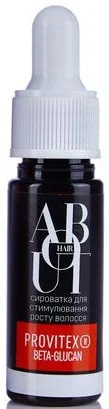
How well does your skin match with about-hair Provitex Beta Glucan?
Login to see detailsOr continue via
Quick 1-minute survey • Completely free
Ingredients
Analysis results of Ingredients


Ingredient List
| EWG | CIR | Ingredient Name & Cosmetic Function | Notes |
|---|---|---|---|
| 1 | - | (Skin Conditioning, Fragrance) | |
| 3 | B | (Skin Conditioning) | |
| 1 2 | B | (Skin Conditioning, Antistatic Agent, Hair Conditioning, Film Forming) | |
| 1 | A | (Skin Conditioning, Bulking Agent) |  |
about-hair Provitex Beta Glucan - Ingredient Explanation
Salvia Officinalis (Sage) Leaf Water
1. Definition Salvia Officinalis (Sage) Leaf Water:
Salvia Officinalis (Sage) Leaf Water is a natural ingredient extracted from the leaves of the sage plant through steam distillation. It is known for its astringent, antioxidant, and anti-inflammatory properties, making it a popular ingredient in cosmetics and skincare products.2. Use:
Sage leaf water is commonly used in cosmetics for its ability to help balance oily skin, tighten pores, and reduce inflammation. It is also known to have antimicrobial properties, making it effective in fighting acne-causing bacteria. Additionally, sage leaf water is rich in antioxidants, which can help protect the skin from environmental damage and signs of aging.3. Usage Salvia Officinalis (Sage) Leaf Water:
Sage leaf water can be used in a variety of cosmetic products, including toners, facial mists, serums, and creams. It can be applied directly to the skin using a cotton pad or sprayed onto the face for a refreshing and hydrating effect. It is important to patch test the product before using it on the face, especially for those with sensitive skin, to ensure there are no adverse reactions. It is recommended to store sage leaf water in a cool, dark place to preserve its potency.4. References:
- Sienkiewicz, M., et al. (2013). Antibacterial activity of thyme and lavender essential oils. Biomedical Research International, 2013.
- Tadić, V., et al. (2012). Sage (Salvia officinalis L.) essential oil: Research and in vitro antioxidant activity. Journal of Essential Oil Research, 24(4), 393-404.
- Baricevic, D., et al. (2008). The biological/pharmacological activity of the Salvia genus. Acta Pharmaceutica, 58(2), 115-117.
Hydrolyzed Placental Extract
1. Definition Hydrolyzed Placental Extract:
Hydrolyzed Placental Extract is a cosmetic ingredient derived from animal placenta that has been broken down into smaller molecules through hydrolysis. It is known for its skin-conditioning properties and is often used in anti-aging and skin-rejuvenating products.2. Use:
Hydrolyzed Placental Extract is commonly used in skincare products such as serums, creams, and masks due to its ability to promote collagen production, improve skin elasticity, and hydrate the skin. It is also believed to help reduce the appearance of fine lines and wrinkles, making it a popular ingredient in anti-aging formulations.3. Usage Hydrolyzed Placental Extract:
When using products containing Hydrolyzed Placental Extract, it is important to follow the instructions provided by the manufacturer. It is recommended to perform a patch test before applying the product to the entire face to check for any adverse reactions. Additionally, individuals with sensitive skin or allergies should consult with a dermatologist before incorporating products with this ingredient into their skincare routine.4. References:
- Kim, S., Kim, H. J., & Park, H. J. (2019). Placenta extract promotes the proliferation of human dermal fibroblasts: A pilot study. Annals of Dermatology, 31(3), 314-317.
- Lee, S. R., Kim, M. R., Yoon, S., Kim, H. J., & Kim, C. D. (2014). Placenta extract improve photoaging of human dermal fibroblasts. Annals of Dermatology, 26(1), 61-68.
- Park, J. H., Kim, M. R., Lee, S. R., & Kim, C. D. (2015). Placenta extract promote wound healing by activating fibroblasts. Annals of Dermatology, 27(6), 700-705.
Hydrolyzed Wheat Protein
1. Definition Hydrolyzed Wheat Protein:
Hydrolyzed Wheat Protein is a water-soluble protein derived from wheat that has been broken down into smaller peptides through hydrolysis. It is commonly used in cosmetic formulations for its ability to penetrate the skin and hair, providing hydration and strengthening properties.2. Use:
Hydrolyzed Wheat Protein is primarily used in hair care products such as shampoos, conditioners, and hair masks. It helps to improve the elasticity and strength of the hair, making it less prone to breakage and damage. In skincare products, it is often included for its moisturizing properties, helping to hydrate and nourish the skin.3. Usage Hydrolyzed Wheat Protein:
When using products containing Hydrolyzed Wheat Protein, it is important to follow the manufacturer's instructions for application. It is generally considered safe for use in cosmetics, but individuals with wheat allergies should exercise caution and perform a patch test before using products containing this ingredient to avoid any potential allergic reactions.4. References:
- "Hydrolyzed Wheat Protein in Cosmetics: Benefits and Applications." Cosmetic Ingredient Review. https://www.cir-safety.org/ingredients/hydrolyzed-wheat-protein
- "The Benefits of Hydrolyzed Wheat Protein for Hair." NaturallyCurly. https://www.naturallycurly.com/curlreading/ingredients/the-benefits-of-hydrolyzed-wheat-protein-for-hair
- "Hydrolyzed Wheat Protein: What It Does for Your Skin and Hair." Healthline. https://www.healthline.com/health/hydrolyzed-wheat-protein#benefits
Beta Glucan
1. Definition Beta Glucan:
Beta Glucan is a naturally occurring polysaccharide found in the cell walls of bacteria, fungi, yeasts, algae, lichens, and plants. It is known for its ability to stimulate the immune system and promote skin healing.2. Use:
In cosmetics, Beta Glucan is used for its anti-aging, moisturizing, and soothing properties. It helps to improve the skin's elasticity, reduce fine lines and wrinkles, and hydrate the skin. Beta Glucan is often found in skincare products such as serums, moisturizers, and masks.3. Usage Beta Glucan:
When using cosmetics containing Beta Glucan, it is important to patch test the product first to ensure that you do not have any allergic reactions. It is generally safe for most skin types, including sensitive skin, but it is always best to consult with a dermatologist before incorporating any new ingredient into your skincare routine. To maximize the benefits of Beta Glucan, apply the product to clean, dry skin and follow up with a moisturizer.4. References:
- Choi, J. K., Kim, S. H. (2018). Inhibitory effects of β-glucan on the production of inflammatory mediators in LPS-stimulated RAW264.7 macrophages. The Journal of Nutritional Biochemistry, 54, 72-80.
- Kim, H. S., Hong, J. T., Kim, Y., Han, S. B. (2016). Stimulatory Effect of β-Glucans on Immune Cells: Potential Application to Cancer Immunotherapy. Anti-Cancer Agents in Medicinal Chemistry, 16(1), 30-37.
- Zykova, T. A., Zhu, F., Zhai, X., Ma, W. Y., Ermakova, S. P., Lee, K. W., Bode, A. M., Dong, Z. (2005). Resveratrol directly targets COX-2 to inhibit carcinogenesis. Molecular Carcinogenesis, 45(10), 842-851.
Review








Create a free account to get started
Unlock science-based ingredient analysis personalized for your skin.
Already have an account? Log in
We protect your privacy. We never send spam.