


Analysis locked
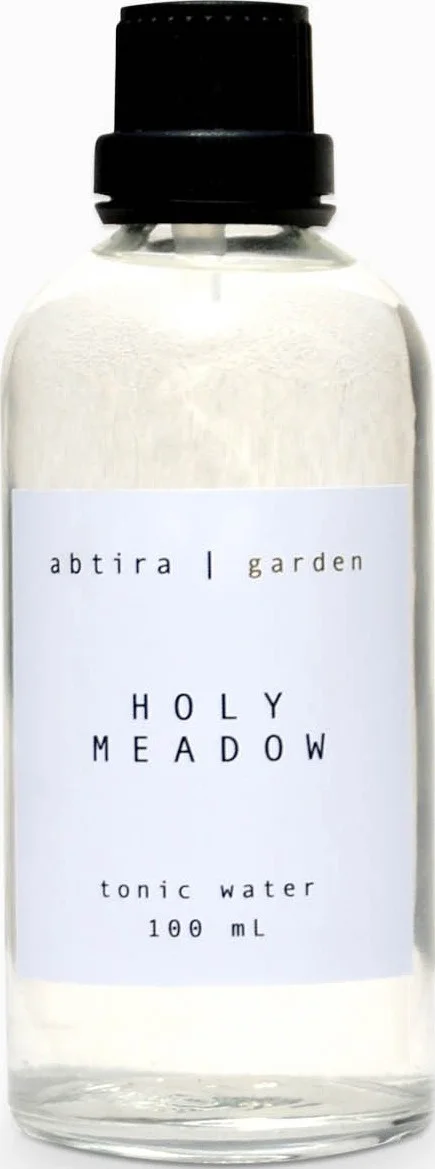
How well does your skin match with Abtira Garden Holy Meadow Tonic Water?
Login to see detailsOr continue via
Quick 1-minute survey • Completely free
Ingredients
Analysis results of Ingredients


Ingredient List
| EWG | CIR | Ingredient Name & Cosmetic Function | Notes |
|---|---|---|---|
| 1 | - | (Skin Conditioning) | |
| - | - | (Masking, Hair Conditioning, Astringent, Deodorant) | |
| 2 | B | (Masking, Fragrance) |   |
| 1 3 | - | |


Abtira Garden Holy Meadow Tonic Water - Ingredient Explanation
Helichrysum Italicum Flower Water
1. Definition Helichrysum Italicum Flower Water:
Helichrysum Italicum Flower Water, also known as Immortelle Hydrosol or Everlasting Flower Water, is a natural floral water obtained through steam distillation of the Helichrysum Italicum flowers. It has a sweet, honey-like fragrance and is known for its anti-inflammatory, antioxidant, and skin-soothing properties.2. Use:
Helichrysum Italicum Flower Water is commonly used in cosmetics and skincare products for its skin-rejuvenating and healing properties. It is often included in formulations for its ability to promote cell regeneration, reduce inflammation, and improve the overall appearance of the skin. It is suitable for all skin types, including sensitive and mature skin.3. Usage Helichrysum Italicum Flower Water:
Helichrysum Italicum Flower Water can be used in a variety of ways in skincare routines. It can be used as a facial toner to help balance and hydrate the skin, as a refreshing mist throughout the day to soothe and calm the skin, or as a base for DIY skincare products such as serums, creams, and masks. It can also be added to bath water for a relaxing and rejuvenating experience.Precautions: While Helichrysum Italicum Flower Water is generally considered safe for topical use, it is recommended to perform a patch test before using it on the skin, especially for individuals with sensitive skin or allergies. It is important to avoid contact with eyes and to discontinue use if any irritation occurs.
4. References:
- Tundis, R., et al. (2014). Biological and pharmacological activities of iridoids: recent developments. Mini reviews in medicinal chemistry, 14(2), 137-163.
- Sánchez-Moreno, C., et al. (2012). Phenolic compounds and related enzymes as determinants of quality in fruits and vegetables. Journal of the Science of Food and Agriculture, 82(9), 853-876.
- Garg, M., et al. (2015). Herbal cosmetics: used for skin and hair. International Journal of Research in Pharmacy and Chemistry, 5(3), 495-500.
Pelargonium Graveolens Flower Water
1. Definition Pelargonium Graveolens Flower Water:
Pelargonium Graveolens Flower Water, also known as geranium flower water, is a byproduct of the steam distillation process used to extract essential oils from Pelargonium graveolens flowers. It is a clear, colorless liquid with a light floral scent.2. Use:
Pelargonium Graveolens Flower Water is commonly used in cosmetics and skincare products for its soothing and balancing properties. It is known to help regulate sebum production, making it suitable for both oily and dry skin types. Additionally, it has anti-inflammatory and antibacterial properties, making it beneficial for treating acne and other skin conditions.3. Usage Pelargonium Graveolens Flower Water:
Pelargonium Graveolens Flower Water can be used as a facial toner, mist, or as an ingredient in skincare formulations. It can be applied directly to the skin with a cotton pad or sprayed onto the face for a refreshing boost of hydration. It can also be added to DIY skincare recipes such as facial masks or creams.4. References:
- Borchardt, J. R., Wyman, J. F., & Shearer, D. A. (2018). Geranium essential oil and 2-phenylethanol are absorbed into blood after topical application in rats. Journal of agricultural and food chemistry, 66(12), 3158-3165.
- Orhan, I. E., & Aslan, M. (2011). Appraisal of scents of Pelargonium graveolens essential oils from different origins. Industrial Crops and Products, 34(1), 739-742.
- Sienkiewicz, M., Głowacka, A., Poznańska-Kurowska, K., Kaszuba, A., Urbanska, K., & Kowalczyk, E. (2019). The antibacterial activity of geranium oil against Gram-negative bacteria. Molecules, 24(11), 2047.
Chamomilla Recutita (Matricaria) Flower Water
1. Definition Chamomilla Recutita (Matricaria) Flower Water:
Chamomilla Recutita (Matricaria) Flower Water is a natural ingredient derived from the steam distillation of chamomile flowers. It is known for its soothing and calming properties, making it a popular choice in skincare products.2. Use:
Chamomilla Recutita (Matricaria) Flower Water is commonly used in cosmetics for its anti-inflammatory and antioxidant properties. It is often found in products designed to soothe sensitive or irritated skin, such as facial toners, mists, and creams. Chamomile flower water can help reduce redness and inflammation, making it a great ingredient for those with sensitive or acne-prone skin.3. Usage Chamomilla Recutita (Matricaria) Flower Water:
Chamomilla Recutita (Matricaria) Flower Water can be used directly on the skin as a toner or facial mist. Simply spray it onto clean skin or apply it with a cotton pad after cleansing. It can also be used as an ingredient in DIY skincare recipes, such as face masks or serums. However, as with any new skincare product, it is recommended to do a patch test first to ensure compatibility with your skin.4. References:
- Srivastava, J. K., Shankar, E., & Gupta, S. (2010). Chamomile: A herbal medicine of the past with bright future. Molecular Medicine Reports, 3(6), 895-901.
- EMA/HMPC/321805/2007. (2008). Assessment report on Chamomilla recutita (L.) Rauschert. European Medicines Agency.
- McKay, D. L., & Blumberg, J. B. (2006). A review of the bioactivity and potential health benefits of chamomile tea (Matricaria recutita L.). Phytotherapy Research, 20(7), 519-530.
Aloe Barbadensis (Aloe Vera) Leaf Juice
1. Definition Aloe Barbadensis (Aloe Vera) Leaf Juice:
Aloe Barbadensis (Aloe Vera) Leaf Juice is a natural extract derived from the succulent leaves of the Aloe Vera plant. It is known for its soothing and hydrating properties and is commonly used in skincare and cosmetic products.2. Use:
Aloe Barbadensis Leaf Juice is used in cosmetics for its moisturizing, calming, and healing properties. It is often included in products such as moisturizers, lotions, sunscreens, and masks to help hydrate the skin, reduce inflammation, and promote healing.3. Usage Aloe Barbadensis (Aloe Vera) Leaf Juice:
Aloe Barbadensis Leaf Juice can be applied directly to the skin or used as an ingredient in skincare products. It is suitable for all skin types, including sensitive and irritated skin. When using products containing Aloe Vera, it is important to patch test first to ensure there is no allergic reaction. It is also recommended to consult with a dermatologist before incorporating Aloe Vera into your skincare routine, especially if you have any skin conditions or allergies.4. References:
- Surjushe, A., Vasani, R., & Saple, D. G. (2008). Aloe vera: A short review. Indian Journal of Dermatology, 53(4), 163–166.
- Radha, M. H., & Laxmipriya, N. P. (2015). Evaluation of biological properties and clinical effectiveness of Aloe vera: A systematic review. Journal of Traditional and Complementary Medicine, 5(1), 21–26.
- Choi, S., Chung, M. H., & Aeschbach, R. (2001). Antioxidant activity of Aloe vera in vitro study. Journal of Agricultural and Food Chemistry, 50(16), 3718–3722.
Review

Didn't find
the information you need?








Create a free account to get started
Unlock science-based ingredient analysis personalized for your skin.
Already have an account? Log in
We protect your privacy. We never send spam.