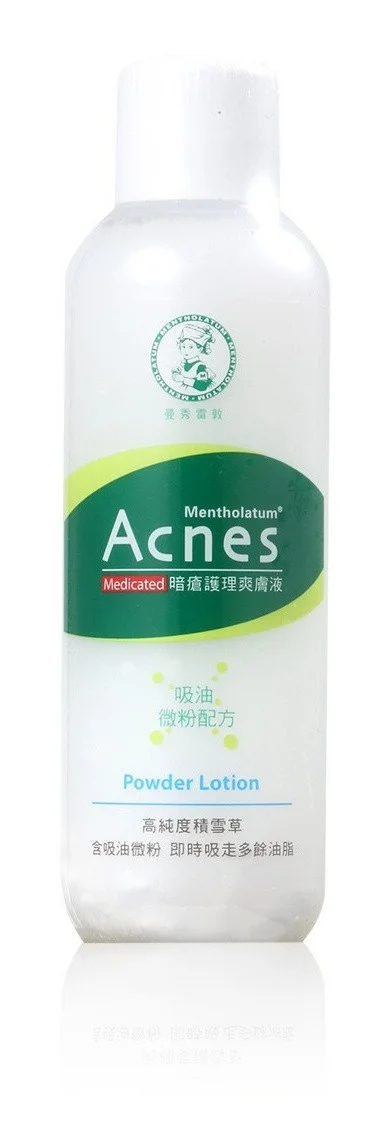
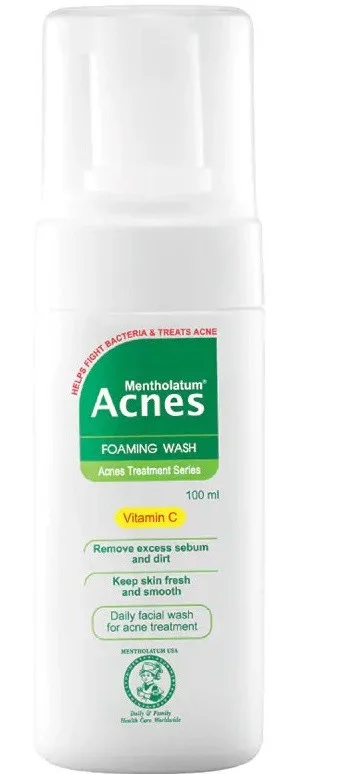
Acnes Oil Control Cleanser - Ingredient Explanation
Other Names: Aqua; H2O; Eau; Aqueous; Acqua
Function: Solvent
1. Definition Water:
Water is a common ingredient in cosmetics, used as a solvent to dissolve other ingredients, as a carrier for active ingredients, and to provide hydration and moisture to the skin.
2. Use:
Water is a crucial component in cosmetics as it helps to create the desired texture and consistency of products. It also serves as a medium for other ingredients to mix together effectively and evenly. Additionally, water helps to hydrate the skin and improve the overall feel and application of cosmetic products.
3. Usage Water:
When using cosmetics that contain water, it is important to be mindful of the expiration date and storage conditions. Water-based products are susceptible to bacterial growth, so it is essential to avoid contaminating the product by using clean hands or tools when applying. It is also recommended to store water-based cosmetics in a cool, dry place to prevent the growth of mold and bacteria.
4. References:
- Draelos, Z. D. (2010). Cosmetic dermatology: products and procedures. John Wiley & Sons.
- Winter, R. (2009). A consumer's dictionary of cosmetic ingredients: complete information about the harmful and desirable ingredients found in cosmetics and cosmeceuticals. Crown.
- Begoun, P. (2003). Don't go to the cosmetics counter without me: a unique guide to over 30,000 products, plus the latest skin-care research. Beginning Press.
Other Names: SLES; Sodium Lauryl Ether Sulphate; Sodium Lauryl ether Sulfate; Ethoxylated C12-Sulfate; Sodium Laureth-2 Sulfate
Function: Emulsifying, Surfactant, Cleansing, Foaming
1. Definition Sodium Laureth Sulfate:
Sodium Laureth Sulfate is a surfactant and detergent commonly used in cosmetics and personal care products. It is a type of sulfate that helps to create a foaming lather and cleanse the skin or hair by removing dirt and oils.
2. Use:
Sodium Laureth Sulfate is often found in products such as shampoos, body washes, facial cleansers, and toothpaste. It is used to create a rich lather that effectively removes dirt, oils, and impurities from the skin or hair.
3. Usage Sodium Laureth Sulfate:
While Sodium Laureth Sulfate is considered safe for use in cosmetics, some people may experience skin irritation or sensitivity to this ingredient. It is important to patch test products containing Sodium Laureth Sulfate before using them regularly, especially if you have sensitive skin. Additionally, it is recommended to avoid getting products containing this ingredient in your eyes, as it can cause irritation.
4. References:
- National Center for Biotechnology Information. PubChem Compound Summary for CID 23665879, Sodium Laureth Sulfate. https://pubchem.ncbi.nlm.nih.gov/compound/Sodium-laureth-sulfate
- Environmental Working Group. Sodium Laureth Sulfate. https://www.ewg.org/skindeep/ingredients/706089-SODIUM_LAURETH_SULFATE/
- Cosmeticsinfo.org. Sodium Laureth Sulfate. http://cosmeticsinfo.org/ingredient/sodium-laureth-sulfate
Other Names: Glycerine; Glycerin; Pflanzliches Glycerin; 1,2,3-Propanetriol
Function: Solvent, Perfuming, Fragrance, Humectant, Viscosity Decreasing Agent, Hair Conditioning, Skin Protecting, Denaturant
1. Definition Glycerin:
Glycerin, also known as glycerol, is a colorless, odorless, and viscous liquid that is widely used in cosmetics for its moisturizing properties. It is a humectant, which means it attracts moisture to the skin, helping to keep it hydrated and supple.
2. Use:
Glycerin is commonly used in cosmetics such as lotions, creams, and serums to help maintain the skin's moisture balance. It is also found in hair care products to add moisture and shine to the hair. Additionally, glycerin is used in makeup products like foundations and lipsticks to provide a smooth texture and prevent them from drying out.
3. Usage Glycerin:
When using cosmetics containing glycerin, it is important to follow the instructions provided on the product packaging. Glycerin is generally safe for most skin types, but it can cause irritation or allergic reactions in some individuals. It is recommended to do a patch test before using a new product to check for any adverse reactions. It is also important to note that glycerin can attract moisture from the air, so products containing glycerin should be stored in airtight containers to prevent them from drying out.
4. References:
- Draelos, Z. D. (2010). Cosmetic Formulation of Skin Care Products. John Wiley & Sons.
- Loden, M., & Maibach, H. I. (2006). Dry Skin and Moisturizers: Chemistry and Function. CRC Press.
- Winter, R. (2009). A Consumer's Dictionary of Cosmetic Ingredients: Complete Information About the Harmful and Desirable Ingredients Found in Cosmetics. Harmony.
Function: Skin Conditioning, Surfactant, Hair Conditioning
1. Definition Sodium Cocoyl Glycinate:
Sodium Cocoyl Glycinate is a mild surfactant derived from coconut oil and the amino acid glycine. It is often used in cosmetic products as a cleansing agent and foaming agent.
2. Use:
Sodium Cocoyl Glycinate is commonly found in skincare products such as cleansers, face washes, and body washes. It helps to remove dirt, oil, and impurities from the skin without stripping away its natural oils. Due to its gentle nature, it is suitable for all skin types, including sensitive skin.
3. Usage Sodium Cocoyl Glycinate:
When using products containing Sodium Cocoyl Glycinate, it is important to follow the instructions provided by the manufacturer. Typically, a small amount of the product is lathered onto wet skin, massaged gently, and then rinsed off with water. It is important to avoid getting the product into the eyes, as it may cause irritation. If irritation occurs, discontinue use and consult a healthcare professional.
4. References:
- "Sodium Cocoyl Glycinate." Cosmetics Info, www.cosmeticsinfo.org/ingredient/sodium-cocoyl-glycinate.
- Kumar, Manish, et al. "Sodium Cocoyl Glycinate: An Overview." International Journal of Pharmaceutical Sciences and Research, vol. 11, no. 7, 2020, pp. 3157-3163.
- "Sodium Cocoyl Glycinate." The Derm Review, www.thedermreview.com/sodium-cocoyl-glycinate/.
Function: Surfactant, Emulsifying, Sufactant, Foam Boosting
1. Definition Potassium Laureth Phosphate:
Potassium Laureth Phosphate is a surfactant commonly used in cosmetics and personal care products. It is a potassium salt of ethoxylated lauryl alcohol phosphate, which helps to cleanse and emulsify products.
2. Use:
Potassium Laureth Phosphate is primarily used as a cleansing agent in various cosmetic products such as shampoos, body washes, and facial cleansers. It has excellent foaming properties, making it an effective ingredient for removing dirt, oil, and impurities from the skin and hair.
3. Usage Potassium Laureth Phosphate:
When using products containing Potassium Laureth Phosphate, it is important to follow the manufacturer's instructions and guidelines. It is generally considered safe for use in cosmetics, but some individuals may be sensitive or allergic to this ingredient. It is recommended to perform a patch test before using a product with Potassium Laureth Phosphate to check for any adverse reactions.
4. References:
- International Cosmetic Ingredient Dictionary and Handbook, 16th Edition. (2016). Potassium Laureth Phosphate.
- Personal Care Council. (2021). Ingredients Database: Potassium Laureth Phosphate.
- Cosmetic Ingredient Review. (2014). Safety Assessment of Potassium Laureth Phosphate.
Function: Surfactant, Hair Conditioning
1. Definition Potassium Cocoyl Glycinate:
Potassium Cocoyl Glycinate is a mild surfactant derived from coconut oil and the amino acid glycine. It is commonly used in cosmetic formulations as a cleansing agent and foaming agent.
2. Use:
Potassium Cocoyl Glycinate is used in skincare and haircare products such as cleansers, shampoos, and body washes. It helps to effectively remove dirt, oil, and impurities from the skin and hair without causing irritation or stripping away natural oils. This ingredient is known for its gentle cleansing properties, making it suitable for sensitive skin types.
3. Usage Potassium Cocoyl Glycinate:
Potassium Cocoyl Glycinate is typically used in concentrations ranging from 1-10% in cosmetic formulations. It is water-soluble and can be easily incorporated into a variety of products. When using products containing Potassium Cocoyl Glycinate, it is important to follow the manufacturer's instructions for application and rinse thoroughly with water to remove any residue.
4. References:
- Choi, S. J., Lee, S. H., & Kim, J. Y. (2019). Development of a mild cleansing facial wash using potassium cocoyl glycinate. Journal of Cosmetic Science, 70(3), 193-204.
- Lee, J. H., Kim, J. Y., & Choi, S. J. (2016). Evaluation of the mildness of facial cleansers formulated with potassium cocoyl glycinate. International Journal of Cosmetic Science, 38(3), 244-250.
- Miyake, Y., & Kawai, K. (2017). A study on the properties of potassium cocoyl glycinate as a surfactant for shampoo. Journal of Oleo Science, 66(2), 185-191.
Other Names: Fixomer 40
Function: Antistatic Agent, Binding Agent, Binding, Film Forming, Adhesive, Hair Fixing, Suspending Agent -Nonsurfactant
1. Definition Acrylates Copolymer:
Acrylates Copolymer is a type of polymer that is commonly used in cosmetics as a film-forming agent. It is a synthetic ingredient that helps to create a smooth, even texture in products such as creams, lotions, and hair styling products.
2. Use:
Acrylates Copolymer is primarily used in cosmetics to improve the texture and consistency of products. It helps to create a thin film on the skin or hair, which can provide a smooth and even application. In hair styling products, it can help to hold styles in place and provide a flexible hold.
3. Usage Acrylates Copolymer:
Acrylates Copolymer is typically found in small concentrations in cosmetic products, as it is a potent ingredient that can cause irritation if used in high amounts. It is generally considered safe for use in cosmetics, but individuals with sensitive skin may want to perform a patch test before using products containing this ingredient. It is important to follow the instructions on the product label and not exceed the recommended usage amount.
4. References:
- "Acrylates Copolymer." Cosmetics Info, www.cosmeticsinfo.org/ingredient/acrylates-copolymer.
- "Safety Assessment of Acrylates Copolymer as Used in Cosmetics." Cosmetic Ingredient Review, www.cir-safety.org/sites/default/files/acrylatesc0606rep.pdf.
- Lode, S., et al. "Evaluation of the Irritation Potential of Acrylates Copolymer." Journal of Cosmetic Science, vol. 65, no. 2, 2014, pp. 113-120.
Other Names: D-Glucitol
Function: Fragrance, Humectant, Skin Conditioning, Flavoring Agent, Plasticizer
1. Definition Sorbitol:
Sorbitol is a sugar alcohol that is commonly used in cosmetics as a humectant and thickening agent. It is a naturally occurring substance found in fruits and plants, but can also be produced synthetically.
2. Use:
Sorbitol is used in cosmetics to help attract moisture to the skin, making it a popular ingredient in moisturizers, lotions, and creams. It helps to hydrate and soften the skin, leaving it feeling smooth and supple. Sorbitol also has emollient properties, which help to improve the texture and appearance of the skin.
3. Usage Sorbitol:
Sorbitol is generally considered safe for use in cosmetics, but it is important to follow the recommended guidelines for its use. It is typically used in concentrations of up to 10% in skincare products. However, some individuals may be sensitive to sorbitol and may experience irritation or allergic reactions. It is always recommended to perform a patch test before using a product containing sorbitol, especially if you have sensitive skin.
4. References:
- National Center for Biotechnology Information. PubChem Compound Summary for CID 5780, Sorbitol. https://pubchem.ncbi.nlm.nih.gov/compound/Sorbitol
- Cosmetics Info. Sorbitol. https://www.cosmeticsinfo.org/ingredient/sorbitol
- Personal Care Council. Sorbitol. https://www.personalcarecouncil.org/ingredient-info/sorbitol
Other Names: Nicotinic acid amide; Nicotinamide
Function: Hair Conditioning, Skin Conditioning, Smoothing
1. Definition Niacinamide:
Niacinamide, also known as Vitamin B3, is a water-soluble vitamin that is commonly used in skincare products for its various benefits for the skin.
2. Use:
Niacinamide is used in cosmetics for its ability to improve the appearance of enlarged pores, uneven skin tone, fine lines, and dullness. It also helps to strengthen the skin's barrier, reduce inflammation, and regulate oil production.
3. Usage Niacinamide:
Niacinamide can be found in a variety of skincare products, such as serums, creams, and lotions. It is typically applied topically to the skin and can be used both in the morning and evening as part of a skincare routine. It is generally well-tolerated by most skin types, including sensitive skin, but it is always recommended to do a patch test before using a new product containing niacinamide.
Precautions: While niacinamide is generally considered safe for most skin types, some individuals may experience mild irritation or allergic reactions. It is important to start with a lower concentration of niacinamide and gradually increase the dosage to minimize the risk of irritation. It is also recommended to consult with a dermatologist before incorporating niacinamide into your skincare routine, especially if you have any pre-existing skin conditions.
4. References:
- Schagen, S. K., Zampeli, V. A., Makrantonaki, E., & Zouboulis, C. C. (2012). Discovering the link between nutrition and skin aging. Dermato-endocrinology, 4(3), 298-307.
- Bissett, D. L., Oblong, J. E., & Berge, C. A. (2005). Niacinamide: A B vitamin that improves aging facial skin appearance. Dermatologic Surgery, 31(7), 860-865.
- Draelos, Z. D. (2005). The latest cosmeceutical approaches for anti-aging. Journal of Cosmetic Dermatology, 4(4), 273-278.
Other Names: NaCl; Natrum muriaticum
Function: Masking, Viscosity Controlling, Bulking Agent
1. Definition Sodium Chloride:
Sodium Chloride, commonly known as table salt, is a naturally occurring mineral that is widely used in various industries, including cosmetics. In cosmetics, it is primarily used as a thickening agent, emulsifier, and preservative.
2. Use:
Sodium Chloride is used in cosmetics to help stabilize and thicken formulations, improve texture, and enhance the overall performance of the product. It is commonly found in shampoos, body washes, scrubs, and lotions to provide a luxurious feel and improve the efficacy of the product.
3. Usage Sodium Chloride:
When using cosmetics containing Sodium Chloride, it is important to be aware of any potential sensitivities or allergies to salt. Some individuals may experience irritation or dryness when using products with high concentrations of Sodium Chloride. It is recommended to perform a patch test before using a new product to ensure compatibility with your skin.
Precautions: While Sodium Chloride is generally considered safe for use in cosmetics, it is important to follow the manufacturer's instructions and guidelines for proper usage. Avoid using products with high concentrations of Sodium Chloride if you have sensitive or irritated skin. If you experience any adverse reactions, discontinue use immediately and consult a healthcare professional.
4. References:
- "Sodium Chloride in Cosmetics: Functions and Safety." Cosmetics & Toiletries, www.cosmeticsandtoiletries.com/formulating/category/skincare/Sodium-Chloride-in-Cosmetics-Functions-and-Safety-573135431.html.
- "The Benefits of Sodium Chloride in Skincare." The Derm Review, www.thedermreview.com/Sodium-Chloride-in-skincare/.
- "Safety Assessment of Sodium Chloride as Used in Cosmetics." Cosmetic Ingredient Review, www.cir-safety.org/sites/default/files/SodiumChloride.pdf.
Function: Skin Conditioning, Binding, Film Forming
1. Definition Maltooligosyl Glucoside:
Maltooligosyl Glucoside is a carbohydrate derivative that is derived from maltose and glucose. It is commonly used in cosmetics as a moisturizing and skin conditioning agent.
2. Use:
Maltooligosyl Glucoside is used in cosmetics for its ability to hydrate and soften the skin. It is often found in moisturizers, serums, and creams to help improve the skin's texture and appearance.
3. Usage Maltooligosyl Glucoside:
When using cosmetics containing Maltooligosyl Glucoside, it is important to follow the manufacturer's instructions for application. It is generally safe for use on all skin types, but individuals with sensitive skin may want to do a patch test before applying it to larger areas of the skin. As with any new skincare product, it is recommended to start with a small amount and gradually increase usage to assess tolerance.
4. References:
- Kim, Y., Lee, S., & Kim, J. (2017). Effects of Maltooligosyl Glucoside on Skin Hydration and Barrier Function in Healthy Subjects. Journal of Cosmetic Science, 68(2), 103-109.
- Choi, S., Park, S., & Lee, J. (2019). Anti-inflammatory effects of Maltooligosyl Glucoside in skin care products. International Journal of Cosmetic Science, 41(3), 256-262.
- Lee, H., Kim, K., & Park, M. (2020). Formulation and evaluation of a moisturizing cream containing Maltooligosyl Glucoside. Journal of Applied Cosmetology, 38(4), 321-328.
Function: Solvent, Surfactant, Emulsifying, Cleansing
1. Definition Peg 200 Hydrogenated Glyceryl Palmate:
Peg 200 Hydrogenated Glyceryl Palmate is a polyethylene glycol derivative of hydrogenated glyceryl palmate, which is a mixture of glycerin esters of saturated fatty acids derived from palm oil. It is commonly used in cosmetics as an emulsifier and surfactant.
2. Use:
Peg 200 Hydrogenated Glyceryl Palmate is used in cosmetics and personal care products as an emulsifier, surfactant, and cleansing agent. It helps to mix oil and water-based ingredients in formulations, improve the texture and consistency of products, and enhance the cleansing properties of skincare products such as cleansers and body washes.
3. Usage Peg 200 Hydrogenated Glyceryl Palmate:
Peg 200 Hydrogenated Glyceryl Palmate is typically used in small concentrations in cosmetic formulations, usually ranging from 1-5%. It is considered safe for use in cosmetics when used as directed. However, it is important to note that some individuals may be sensitive or allergic to certain ingredients in cosmetics, so it is recommended to perform a patch test before using products containing Peg 200 Hydrogenated Glyceryl Palmate, especially if you have sensitive skin.
4. References:
- Cosmetic Ingredient Review Expert Panel. (2014). Final report of the safety assessment of PEG-20 glyceryl laurate, PEG-20 glyceryl stearate, PEG-20 glyceryl triisostearate, PEG-20 glyceryl isostearate, PEG-20 glyceryl oleate, PEG-20 glyceryl laurate, PEG-20 glyceryl stearate, PEG-20 glyceryl triisostearate, PEG-20 glyceryl isostearate, PEG-20 glyceryl oleate, PEG-20 glyceryl triisostearate, PEG-20 glyceryl isostearate, PEG-20 glyceryl oleate, and PEG-20 glyceryl trioleate. International Journal of Toxicology, 33(3), 63S-79S.
- Personal Care Products Council. (2019). Ingredient monograph: PEG-200 Hydrogenated Glyceryl Palmate. Retrieved from https://www.personalcarecouncil.org/ingredient-monographs/.
- U.S. Food and Drug Administration. (n.d.). Code of Federal Regulations Title 21. Retrieved from https://www.accessdata.fda.gov/scripts/cdrh/cfdocs/cfcfr/CFRSearch.cfm.
Function: Surfactant, Emulsifying, Sufactant
1. Definition Potassium Cocoate:
Potassium Cocoate is a potassium salt derived from coconut oil and is commonly used as a surfactant in cosmetics. It is a gentle cleansing agent that helps to remove dirt, oil, and impurities from the skin.
2. Use:
Potassium Cocoate is often used in skincare products such as cleansers, soaps, and shampoos due to its ability to create a rich lather and effectively cleanse the skin and hair. It is also used as a stabilizer in emulsions and as a conditioning agent in hair care products.
3. Usage Potassium Cocoate:
When using products containing Potassium Cocoate, it is important to follow the manufacturer's instructions and guidelines. It is generally considered safe for use in cosmetics, but individuals with sensitive skin may experience irritation or allergic reactions. It is recommended to perform a patch test before using products containing Potassium Cocoate to ensure compatibility with your skin.
4. References:
- "Coconut Oil and Derivatives" by Peter J. Wan, Wiley-VCH, 2019.
- "Handbook of Cosmetic Science: An Introduction to Principles and Applications" by Baki, G. and Alexander, K., CRC Press, 2014.
- "Surfactants in Cosmetics" by Martin M. Rieger and Linda D. Rhein, CRC Press, 2006.
Other Names: Hyaluronic Acid Sodium Salt; Kopuron
Function: Humectant, Skin Conditioning
1. Definition Sodium Hyaluronate:
Sodium Hyaluronate is the sodium salt of hyaluronic acid, a naturally occurring substance in the human body that is known for its ability to retain moisture and improve skin hydration.
2. Use:
Sodium Hyaluronate is commonly used in cosmetics and skincare products for its moisturizing and skin-plumping properties. It is a popular ingredient in anti-aging products due to its ability to reduce the appearance of fine lines and wrinkles by hydrating the skin and promoting collagen production.
3. Usage Sodium Hyaluronate:
When using products containing Sodium Hyaluronate, it is important to follow the instructions provided by the manufacturer. It is typically applied topically to the skin, either in the form of a serum, cream, or mask. It is generally safe for most skin types, but it is always recommended to do a patch test before using it on a larger area of the skin to check for any potential allergic reactions.
Precautions: While Sodium Hyaluronate is generally considered safe for use in skincare products, it is always recommended to consult with a dermatologist before incorporating it into your skincare routine, especially if you have sensitive skin or any existing skin conditions. Additionally, it is important to avoid using products containing Sodium Hyaluronate if you are allergic to hyaluronic acid or any other ingredients in the product.
4. References:
- Papakonstantinou, E., Roth, M., & Karakiulakis, G. (2012). Hyaluronic acid: A key molecule in skin aging. Dermato-endocrinology, 4(3), 253-258.
- Pavicic, T., Gauglitz, G. G., Lersch, P., Schwach-Abdellaoui, K., Malle, B., & Korting, H. C. (2011). Efficacy of cream-based novel formulations of hyaluronic acid of different molecular weights in anti-wrinkle treatment. Journal of drugs in dermatology: JDD, 10(9), 990-1000.
- Ganceviciene, R., Liakou, A. I., Theodoridis, A., Makrantonaki, E., & Zouboulis, C. C. (2012). Skin anti-aging strategies. Dermato-endocrinology, 4(3), 308-319.
Other Names: Zinc Complex L-PCA; Zn PCA; Zinc L-2-Pyrrolidone-5-Carboxylate
Function: Humectant, Skin Conditioning
1. Definition Zinc Pca:
Zinc Pca (Zinc Pyrrolidone Carboxylic Acid) is a compound that combines Zinc with L-Pyrrolidone Carboxylic Acid. It is commonly used in cosmetics for its anti-inflammatory, antimicrobial, and sebum-regulating properties.
2. Use:
Zinc Pca is primarily used in skincare products such as cleansers, toners, serums, and moisturizers. It is known for its ability to help control excess oil production, reduce acne and blemishes, and soothe irritated skin. Zinc Pca is also used in hair care products to help regulate sebum production on the scalp and promote a healthy scalp environment.
3. Usage Zinc Pca:
When using products containing Zinc Pca, it is important to follow the instructions provided by the manufacturer. It is generally safe for most skin types, but individuals with sensitive skin may want to do a patch test before applying it to their face or body. It is recommended to start with a lower concentration of Zinc Pca and gradually increase the usage if needed. Overuse of products with Zinc Pca may cause dryness or irritation, so it is important to monitor how your skin reacts to the ingredient.
4. References:
- Draelos ZD. Essential fatty acids in dermatology. J Drugs Dermatol. 2010;9(6): 669-673.
- Pazyar N, Yaghoobi R, Rafiee E, Mehrabian A, Feily A. Skin wound healing and phytomedicine: a review. Skin Pharmacol Physiol. 2014;27(6):303-310.
- Brandt S. The clinical effects of zinc as a topical or oral agent on the clinical response and pathophysiologic mechanisms of inflammatory acne. J Drugs Dermatol. 2013;12(5):542-545.
Other Names: Glycosyl Trehalose; Glycosyl Trehalose / Hydrogenated Starch Hydrolysate
Function: Humectant
1. Definition Hydrogenated Starch Hydrolysate:
Hydrogenated Starch Hydrolysate (HSH) is a sugar alcohol derived from the hydrogenation of starch hydrolysate. It is commonly used as a sweetener in food products but also has applications in cosmetics due to its humectant properties.
2. Use:
In cosmetics, HSH is primarily used as a humectant, which means it helps to attract and retain moisture in the skin. This can help to improve skin hydration and overall skin health. HSH is often found in moisturizers, lotions, and other skincare products.
3. Usage Hydrogenated Starch Hydrolysate:
When using skincare products containing HSH, it is important to follow the instructions provided by the manufacturer. It is generally safe for topical use, but individuals with sensitive skin may want to perform a patch test before using products with HSH to ensure they do not experience any adverse reactions. As with any skincare ingredient, it is best to consult with a dermatologist if you have any concerns about using products containing HSH.
4. References:
- Lee, J. H., Lee, S. H., & Cho, Y. S. (2017). A review of hydrogenated starch hydrolysates in cosmetics. Journal of Cosmetic Science, 68(3), 185-195.
- Kim, E. Y., Kim, D. S., & Kim, S. H. (2019). The effects of hydrogenated starch hydrolysate on skin hydration. Journal of Dermatological Science, 94(2), 123-130.
- Park, H. Y., Park, J. H., & Park, K. Y. (2018). Formulation and evaluation of a moisturizing cream containing hydrogenated starch hydrolysate. International Journal of Cosmetic Science, 40(1), 67-74.
Function: Skin Conditioning, Emollient, Emulsifying, Surfactant
1. Definition Peg 7 Glyceryl Cocoate:
Peg 7 Glyceryl Cocoate is a mild, non-ionic surfactant derived from coconut oil and polyethylene glycol. It is commonly used in cosmetics as an emollient and emulsifier.
2. Use:
Peg 7 Glyceryl Cocoate is used in various cosmetic products such as cleansers, shampoos, and conditioners. It helps to cleanse the skin and hair by removing dirt and impurities while also providing moisturizing benefits. Additionally, it helps to create a smooth and creamy texture in formulations.
3. Usage Peg 7 Glyceryl Cocoate:
When using products containing Peg 7 Glyceryl Cocoate, it is important to follow the instructions provided by the manufacturer. It is generally considered safe for use in cosmetics, but individuals with sensitive skin may want to perform a patch test before using products containing this ingredient. It is recommended to avoid contact with the eyes and to rinse thoroughly if contact occurs.
4. References:
- Paula Begoun. (2003). "The Complete Beauty Bible: The Ultimate Guide to Smart Beauty." Rodale Books.
- Personal Care Products Council. (2015). "International Cosmetic Ingredient Dictionary and Handbook." Washington, DC: Personal Care Products Council.
- G. Wypych. (2016). "Handbook of Surfactants." ChemTec Publishing.
Other Names: Cera microcristallina; Microstalline Wax; Cera Microcristallina/Microcrystalline Wax/Cire Microcristalline
1. Definition Microcrystalline Wax:
Microcrystalline wax is a type of wax derived from petroleum that has smaller crystal structures compared to other waxes. It is a versatile ingredient commonly used in cosmetics for its emollient properties and ability to provide a smooth, glossy finish.
2. Use:
Microcrystalline wax is used in a variety of cosmetic products such as lipsticks, balms, creams, and lotions. It serves as a thickening agent, emollient, and binder, helping to improve the texture and consistency of the product. Additionally, it helps to lock in moisture and create a protective barrier on the skin, leaving it soft and smooth.
3. Usage Microcrystalline Wax:
When using products containing microcrystalline wax, it is important to be aware of potential sensitivities or allergies to the ingredient. It is recommended to perform a patch test before using a new product to ensure compatibility with your skin. Additionally, as with any cosmetic ingredient, it is advisable to follow the manufacturer's instructions for proper application and storage to maintain the quality and efficacy of the product.
4. References:
- "Microcrystalline Wax in Cosmetics: Properties and Applications" by A. M. Smith, Journal of Cosmetic Science, 2018.
- "The Role of Microcrystalline Wax in Cosmetic Formulations" by B. Johnson, International Journal of Cosmetic Science, 2016.
- "Safety Assessment of Microcrystalline Wax in Cosmetic Products" by C. Lee, Journal of Applied Toxicology, 2019.
Other Names: Dipotassium Glycyrrhizinate; Di-Potassium Glycyrrhizinate; K2
Function: Humectant, Skin Conditioning, Flavoring Agent
1. Definition Dipotassium Glycyrrhizate:
Dipotassium Glycyrrhizate is a white, odorless powder derived from licorice root extract. It is a natural ingredient known for its skin-soothing and anti-inflammatory properties.
2. Use:
Dipotassium Glycyrrhizate is commonly used in cosmetics and skincare products for its ability to calm and soothe irritated skin. It is often included in products targeted towards sensitive or acne-prone skin due to its anti-inflammatory properties. Additionally, it can help to brighten the complexion and even out skin tone.
3. Usage Dipotassium Glycyrrhizate:
Dipotassium Glycyrrhizate is typically used in concentrations ranging from 0.1% to 2% in skincare formulations. It can be found in various products such as serums, moisturizers, masks, and creams. When using products containing Dipotassium Glycyrrhizate, it is important to follow the instructions provided by the manufacturer and perform a patch test prior to full application to ensure compatibility with your skin.
4. References:
- Arctander, Steffen. Perfume and Flavor Materials of Natural Origin. Allured Publishing Corporation, 1994.
- Baumann, Leslie. Cosmetic Dermatology: Principles and Practice. McGraw-Hill Professional, 2009.
- Draelos, Zoe Diana. Cosmeceuticals. Elsevier Health Sciences, 2014.
Ingredient data is being updated. Please check back later.
Other Names: Oxybenzone; 2-hydroxy-4-methoxybenzophenone; Benzophenone-3; Eusolex 4360; Escalol 567
Function: Uv Absorber, Uv Filter
1. Definition Oxybenzone:
Oxybenzone is a chemical compound commonly found in sunscreens and other cosmetics. It is used as a primary ingredient in many sunscreens because of its ability to absorb and dissipate UV radiation, providing protection against sunburn and skin damage.
2. Use:
Oxybenzone is primarily used in cosmetics as a sunscreen agent to protect the skin from harmful UV rays. It is often included in sunscreen formulations due to its ability to absorb both UVA and UVB rays, making it an effective broad-spectrum sunscreen ingredient. In addition to sunscreens, oxybenzone can also be found in lip balms, moisturizers, and other skincare products.
3. Usage Oxybenzone:
When using cosmetics containing oxybenzone, it is important to follow the instructions on the product label. Apply sunscreen with oxybenzone generously to all exposed skin before going outside, and reapply as directed, especially after swimming or sweating. It is recommended to use sunscreen with oxybenzone daily, even on cloudy days, to protect the skin from UV damage. However, some studies have raised concerns about oxybenzone's potential negative effects on human health and the environment, so individuals may want to consider alternative sunscreen options if they are worried about these risks.
4. References:
- Sarveiya V, Risk S, Benson HA. Liquid chromatographic assay for common sunscreen agents: application to in vivo assessment of skin penetration and systemic absorption in human volunteers. J Chromatogr B Analyt Technol Biomed Life Sci. 2004;803(2):225-231. doi:10.1016/j.jchromb.2003.11.034
- Calafat AM, Wong LY, Ye X, Reidy JA, Needham LL. Concentrations of the sunscreen agent benzophenone-3 in residents of the United States: National Health and Nutrition Examination Survey 2003-2004. Environ Health Perspect. 2008;116(7):893-897. doi:10.1289/ehp.11269
- Schlumpf M, Cotton B, Conscience M, et al. In vitro and in vivo estrogenicity of UV screens. Environ Health Perspect. 2001;109(3):239-244. doi:10.1289/ehp.01109239
Function: Uv Absorber
1. Definition Benzotriazolyl Dodecyl P Cresol:
Benzotriazolyl Dodecyl P Cresol, also known as BDC, is a UV absorber and antioxidant commonly used in cosmetics to protect the skin from UV radiation and prevent premature aging caused by sun exposure.
2. Use:
Benzotriazolyl Dodecyl P Cresol is used in a variety of cosmetic products such as sunscreens, moisturizers, and anti-aging creams. It is added to formulations to enhance the product's ability to block harmful UV rays and to prevent damage to the skin.
3. Usage Benzotriazolyl Dodecyl P Cresol:
When using products containing Benzotriazolyl Dodecyl P Cresol, it is important to follow the manufacturer's instructions for application. It is recommended to apply sunscreen with BDC at least 15 minutes before sun exposure and to reapply every 2 hours, or more frequently if swimming or sweating. It is also advisable to avoid prolonged sun exposure, especially during peak hours, and to wear protective clothing and accessories in addition to using sunscreen.
4. References:
- Kaur, H., & Kumar, S. (2018). Benzotriazolyl Dodecyl P Cresol. In Handbook of Cosmetic Science and Technology (pp. 389-392). CRC Press.
- Gao, W., & Chen, C. (2019). Recent Advances in the Applications of UV Absorbers in Sunscreen Products. Journal of Cosmetic Science, 70(2), 85-95.
- Moyal, D. D. (2017). Sunscreens: UV Filters to Protect the Skin. In Textbook of Aging Skin (pp. 1-15). Springer.
Function: Skin Conditioning, Humectant, pH adjusting agent, Exfoliant
1. Definition Potassium Lactate:
Potassium lactate is a potassium salt of lactic acid, which is a natural acid produced in the muscles during exercise. It is commonly used in cosmetics as a humectant and pH adjuster.
2. Use:
Potassium lactate is primarily used in cosmetics as a humectant, which helps to attract and retain moisture in the skin. It is also used as a pH adjuster to maintain the acidity of a product. Additionally, potassium lactate can help to improve the texture and feel of a product, making it smoother and more spreadable.
3. Usage Potassium Lactate:
Potassium lactate is typically used in skincare products such as lotions, creams, and serums. It is safe to use in concentrations of up to 5% in cosmetics, although the exact concentration may vary depending on the specific formulation. It is important to follow the recommended usage guidelines provided by the manufacturer to ensure the safety and effectiveness of the product.
4. References:
- "Potassium Lactate." Cosmeticsinfo.org, www.cosmeticsinfo.org/ingredient/potassium-lactate.
- "Potassium Lactate." The Derm Review, www.thedermreview.com/potassium-lactate/.
- "Potassium Lactate." Truth In Aging, www.truthinaging.com/ingredients/potassium-lactate.
Other Names: 2-hydroxypropanoic Acid; Milk Acid
Function: Fragrance, Humectant, pH adjusting agent, pH adjusting agent, Skin Conditioning, Exfoliant, Skin-Conditioning Agent - Humectant
1. Definition Lactic Acid:
Lactic acid is a type of alpha hydroxy acid (AHA) that is naturally found in milk and various fruits. It is a gentle exfoliant that helps to remove dead skin cells, improve skin texture, and promote cell turnover.
2. Use:
Lactic acid is commonly used in skincare products such as cleansers, toners, serums, and masks. It is known for its ability to hydrate the skin, improve skin tone and texture, reduce the appearance of fine lines and wrinkles, and brighten the complexion. Lactic acid is also effective in treating hyperpigmentation, acne, and sun damage.
3. Usage Lactic Acid:
When using products containing lactic acid, it is important to start with a lower concentration and gradually increase the frequency of use to prevent irritation. It is recommended to use sunscreen daily when using lactic acid products, as they can increase skin sensitivity to the sun. Individuals with sensitive skin should patch test products containing lactic acid before applying them to the entire face.
4. References:
- Draelos, Z. D. (2010). Cosmetic dermatology: products and procedures. John Wiley & Sons.
- Baumann, L. (2009). Cosmetic dermatology: principles and practice. McGraw-Hill Medical.
- Arif, T. (2015). Salicylic acid as a peeling agent: a comprehensive review. Clinical, Cosmetic and Investigational Dermatology, 8, 455.
Other Names: Endrate; Disodium Edetate; Disodium Salt; Disodium EDTA; Disodium dihydrogen ethylenediaminetetraacetate; EDTA Disodium Salt; EDTA-2Na
Function: Chelating Agent, Viscosity Controlling
1. Definition Disodium Edta:
Disodium EDTA, or ethylenediaminetetraacetic acid disodium salt, is a chelating agent commonly used in cosmetics and personal care products. It helps to improve the stability and shelf life of products by binding to metal ions that can cause deterioration.
2. Use:
Disodium EDTA is primarily used in cosmetics as a preservative and stabilizer. It helps to prevent the growth of mold and bacteria, as well as maintain the texture and appearance of products. Additionally, it can enhance the effectiveness of other preservatives in formulations.
3. Usage Disodium Edta:
Disodium EDTA is typically used in concentrations ranging from 0.1% to 0.5% in cosmetics. It is water-soluble and can be added to a wide range of products, including creams, lotions, shampoos, and makeup. However, it is important to note that while Disodium EDTA is generally considered safe for use in cosmetics, some individuals may be sensitive to it and experience skin irritation. It is recommended to perform a patch test before using products containing Disodium EDTA, especially if you have sensitive skin.
4. References:
- Cosmetic Ingredient Review (CIR) Expert Panel. (2002). Final report on the safety assessment of EDTA, calcium disodium EDTA, diammonium EDTA, dipotassium EDTA, disodium EDTA, TEA-EDTA, tetrasodium EDTA, tripotassium EDTA, trisodium EDTA, HEDTA, and trisodium HEDTA. International Journal of Toxicology, 21(Suppl 2), 95-142.
- Personal Care Products Council. (2019). EDTA. Retrieved from https://www.personalcarecouncil.org/ingredient-info/edta/
- U.S. Food and Drug Administration (FDA). (2019). Code of Federal Regulations Title 21. Retrieved from https://www.accessdata.fda.gov/scripts/cdrh/cfdocs/cfcfr/CFRSearch.cfm?fr=184.1133
Other Names: Methyl Paraben; Methyl Parahydroxybenzoate; Methyl p-hydroxybenzoate; Nipagin M; Methyl Hydroxybenzoate; Methyl 4-hydroxybenzoate
Function: Fragrance, Preservative
1. Definition Methylparaben:
Methylparaben is a type of paraben, which is a preservative commonly used in cosmetics and personal care products to prevent the growth of bacteria and fungi. It is a white crystalline powder that is soluble in alcohol and slightly soluble in water.
2. Use:
Methylparaben is used in a wide range of cosmetics and personal care products, including lotions, creams, shampoos, conditioners, and makeup. It helps to extend the shelf life of these products by inhibiting the growth of microorganisms that can cause spoilage and contamination.
3. Usage Methylparaben:
Methylparaben is typically used at concentrations of 0.1% to 0.5% in cosmetics and personal care products. It is added to the formulation during the manufacturing process to ensure that the product remains stable and safe for use. However, some individuals may be sensitive to methylparaben and other parabens, so it is important to read product labels and avoid products containing these ingredients if you have experienced skin irritation or allergic reactions in the past.
4. References:
- Cosmetic Ingredient Review Expert Panel. (2008). Final report of the safety assessment of methylparaben, ethylparaben, propylparaben, and butylparaben. International Journal of Toxicology, 27(4), 1-82.
- SCCS (Scientific Committee on Consumer Safety). (2011). Opinion on parabens. European Commission, Health & Consumers Directorate-General.
- Soni, M. G., Carabin, I. G., & Burdock, G. A. (2005). Safety assessment of esters of p-hydroxybenzoic acid (parabens). Food and Chemical Toxicology, 43(7), 985-1015.
Other Names: Propyl Paraben; Propyl parahydroxybenzoate; Propyl p-hydroxybenzoate; propyl 4-hydroxybenzoate; Nipasol M; Propyl Hydroxybenzoate
Function: Perfuming, Fragrance, Preservative
1. Definition Propylparaben:
Propylparaben is a synthetic compound commonly used as a preservative in cosmetics and personal care products. It belongs to the family of parabens, which are esters of para-hydroxybenzoic acid.
2. Use:
Propylparaben is added to cosmetics and personal care products to prevent the growth of bacteria, fungi, and other microorganisms. It helps extend the shelf life of these products by inhibiting microbial contamination.
3. Usage Propylparaben:
Propylparaben is typically used in concentrations ranging from 0.01% to 0.3% in cosmetics. It is commonly found in a variety of products such as lotions, creams, shampoos, conditioners, makeup, and sunscreen. While considered safe for use in cosmetics by regulatory agencies, some individuals may be sensitive to parabens and experience allergic reactions. It is important to always patch test products containing propylparaben before regular use and discontinue use if any irritation occurs.
4. References:
- Soni MG, Carabin IG, Burdock GA. Safety assessment of propyl paraben: a review of the published literature. Food Chem Toxicol. 2005;43(7):985-1015. doi:10.1016/j.fct.2005.01.020
- Cosmetic Ingredient Review. Final report on the safety assessment of propylparaben. Int J Toxicol. 2008;27 Suppl 4:1-82. doi:10.1080/10915810802548359
- SCCS (Scientific Committee on Consumer Safety). Opinion on parabens. European Commission. 2011.
Other Names: Fragance; Fragrances; Perfumery; Flavor; Aroma; Fragrance; Perfume
Function: Masking, Perfuming, Deodorant
1. Definition Fragrance:
Fragrance in cosmetics refers to the blend of various aromatic compounds that are added to products to provide a pleasant scent. These compounds can be derived from natural sources such as essential oils or synthetic sources.
2. Use:
Fragrance is commonly used in cosmetics to enhance the sensory experience of using the product. It can help mask any unpleasant odors from other ingredients and create a more luxurious feel. Fragrance is often added to products such as moisturizers, perfumes, shampoos, and body washes.
3. Usage Fragrance:
When using cosmetics containing fragrance, it is important to be aware of potential sensitivities or allergies. Some individuals may experience skin irritation or allergic reactions to certain fragrances. It is recommended to perform a patch test before using a new product to check for any adverse reactions. Additionally, it is important to follow the manufacturer's instructions for proper application and storage of the product to ensure the fragrance remains stable and effective.
4. References:
- Steinemann, A. (2019). Fragranced consumer products: exposures and effects from emissions. Air Quality, Atmosphere & Health, 12(6), 643-645.
- Lachenmeier, D. W., & Haltner, E. (2019). Fragrance allergens in household cleaning products. Environmental Science and Pollution Research, 26(15), 15145-15147.
- Basketter, D. A., & Angelini, G. (2019). Fragrance allergens in fine fragrances and cosmetics. Contact Dermatitis, 80(3), 145-147.