


Analysis locked
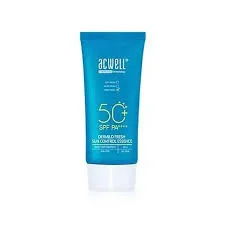
How well does your skin match with ACWELL Dermild Fresh Sun Control Essence?
Login to see detailsOr continue via
Quick 1-minute survey • Completely free
Ingredients
Analysis results of Ingredients


Ingredient List
| EWG | CIR | Ingredient Name & Cosmetic Function | Notes |
|---|---|---|---|
| 1 | - | (Solvent) | |
| 8 | - | (Masking, Perfuming, Deodorant) |  Fragrance-free Fragrance-free |
| 2 4 | A | (Fragrance, Preservative) | |
| 1 | A | (Skin Conditioning, Viscosity Controlling, Viscosity Increasing Agent, Emulsion Stabilising, Binding Agent, Binding, Surfactant - Emulsifying Agent, Gel Forming) | |
| 1 | A | (Solvent, Masking, Fragrance, Humectant, Skin Conditioning, Viscosity Controlling, Viscosity decreasing agents) |  Good for dry skin Good for dry skin |
| 3 | B | (Solvent, Fragrance, Humectant, Viscosity Decreasing Agent, Skin Conditioning, Viscosity Controlling, Skin-Conditioningagent - Miscellaneous) | Good for dry skin |
| 3 | A | (Solvent, Hair Conditioning, Skin Conditioning, Emollient) |  Silicone Silicone |
| 1 | A | (Viscosity Controlling, Viscosity Increasing Agent, Emulsion Stabilising, Gel Forming) | |
| 2 | - | (Solvent, Viscosity Decreasing Agent, Viscosity Controlling) | |
| 1 | A | (Hair Conditioning, Skin Conditioning, Smoothing) | Anti Aging Brightening |
| 2 | B | (Emulsion Stabilising, Surfactant, Cleansing) | Cleansing |
| 1 | A | (Solvent, Skin Conditioning) | |
| 1 2 | A | (Solvent, Masking, Fragrance, Viscosity Decreasing Agent, Viscosity Controlling) | |
| 3 | A | (Skin Conditioning, Hair Conditioning) | |
| 1 | A | (Viscosity Increasing Agent, Film Forming) | |
| 2 | B | | |
| 2 4 | - | (Fragrance, Uv Absorber, Sunscreen Agent, Skin Conditioning, Uv Filter) | UV Protection |
| 1 2 | A | (Masking, Fragrance, pH adjusting agent, pH adjusting agent) | |
| 5 6 | B | (pH adjusting agent, pH adjusting agent) | |
| 1 2 | - | (Uv Absorber, Uv Filter) | UV Protection |
| 1 | - | (Skin Conditioning, Antimicrobial, Soothing, Tonic, Astringent, Anticaking Agent) | |
| 2 | - | (Uv Absorber, Uv Filter) | UV Protection |
| 1 | - | (Skin Conditioning) | |
| 1 3 | B | (Surfactant, Emulsifying) | Cleansing |
| 1 | - | (Tonic) | |
| 4 | A | (Skin Conditioning) | Acne fighting Brightening |
| 1 | A | (Solvent, Skin Conditioning, Emollient, Film Forming, Plasticizer) | |
| 1 | - | (Skin Conditioning) | |
| 1 | - | (Skin Conditioning, Skin Protecting, Tonic) | Moisturizing |
| 1 | - | (Skin Conditioning) | |
| 1 | - | | |
| 1 | - | (Skin Conditioning, Tonic) | |
| 4 | - | (Uv Absorber, Uv Filter) | UV Protection |
| - | - | (Skin Conditioning, Skin Protecting) | Moisturizing |
| 1 | - | (Skin Conditioning, Astringent) | |
| 2 | A | (Opacifying, Film Forming) | |
| 1 | - | (Humectant) | |
| - | - | (Uv Absorber, Skin Conditioning, Uv Filter) | UV Protection |
| - | - | (Uv Filter) | UV Protection |
| - | - | (Skin Conditioning, Humectant) | |
| - | - | | |
| 1 | - | (Humectant) | |
| - | - | (Skin Conditioning) | |
| 1 | - | (Viscosity Controlling, Emulsion Stabilising, Film Forming) | |
| 1 | A | (Viscosity Controlling) | |
ACWELL Dermild Fresh Sun Control Essence - Ingredient Explanation
Water
1. Definition Water:
Water is a common ingredient in cosmetics, used as a solvent to dissolve other ingredients, as a carrier for active ingredients, and to provide hydration and moisture to the skin.2. Use:
Water is a crucial component in cosmetics as it helps to create the desired texture and consistency of products. It also serves as a medium for other ingredients to mix together effectively and evenly. Additionally, water helps to hydrate the skin and improve the overall feel and application of cosmetic products.3. Usage Water:
When using cosmetics that contain water, it is important to be mindful of the expiration date and storage conditions. Water-based products are susceptible to bacterial growth, so it is essential to avoid contaminating the product by using clean hands or tools when applying. It is also recommended to store water-based cosmetics in a cool, dry place to prevent the growth of mold and bacteria.4. References:
- Draelos, Z. D. (2010). Cosmetic dermatology: products and procedures. John Wiley & Sons.
- Winter, R. (2009). A consumer's dictionary of cosmetic ingredients: complete information about the harmful and desirable ingredients found in cosmetics and cosmeceuticals. Crown.
- Begoun, P. (2003). Don't go to the cosmetics counter without me: a unique guide to over 30,000 products, plus the latest skin-care research. Beginning Press.
Fragrance
1. Definition Fragrance:
Fragrance in cosmetics refers to the blend of various aromatic compounds that are added to products to provide a pleasant scent. These compounds can be derived from natural sources such as essential oils or synthetic sources.
2. Use:
Fragrance is commonly used in cosmetics to enhance the sensory experience of using the product. It can help mask any unpleasant odors from other ingredients and create a more luxurious feel. Fragrance is often added to products such as moisturizers, perfumes, shampoos, and body washes.
3. Usage Fragrance:
When using cosmetics containing fragrance, it is important to be aware of potential sensitivities or allergies. Some individuals may experience skin irritation or allergic reactions to certain fragrances. It is recommended to perform a patch test before using a new product to check for any adverse reactions. Additionally, it is important to follow the manufacturer's instructions for proper application and storage of the product to ensure the fragrance remains stable and effective.
4. References:
- Steinemann, A. (2019). Fragranced consumer products: exposures and effects from emissions. Air Quality, Atmosphere & Health, 12(6), 643-645.
- Lachenmeier, D. W., & Haltner, E. (2019). Fragrance allergens in household cleaning products. Environmental Science and Pollution Research, 26(15), 15145-15147.
- Basketter, D. A., & Angelini, G. (2019). Fragrance allergens in fine fragrances and cosmetics. Contact Dermatitis, 80(3), 145-147.
Phenoxyethanol
1. Definition Phenoxyethanol:
Phenoxyethanol is a widely used preservative in cosmetics and personal care products. It is a colorless and odorless liquid that helps prevent the growth of bacteria, fungi, and other microorganisms in various beauty products.2. Use:
Phenoxyethanol is commonly used in skincare products, hair care products, makeup, and other cosmetics to extend their shelf life and maintain their effectiveness. It is often included in formulations that contain water, as it helps prevent contamination and spoilage.3. Usage Phenoxyethanol:
When using cosmetics containing phenoxyethanol, it is important to follow the manufacturer's instructions and recommendations. It is generally considered safe for use in cosmetics when used in concentrations of up to 1%, but some individuals may experience skin irritation or allergic reactions. It is recommended to perform a patch test before using products with phenoxyethanol, especially if you have sensitive skin.4. References:
- Draelos, Z. D. (2010). Cosmetic Formulation of Skin Care Products. John Wiley & Sons.
- Loden, M., & Maibach, H. I. (2000). Dry Skin and Moisturizers: Chemistry and Function. CRC Press.
- Fiume, M. M., Heldreth, B., Bergfeld, W. F., Belsito, D. V., Hill, R. A., Klaassen, C. D., ... & Andersen, F. A. (2016). Safety assessment of phenoxyethanol as used in cosmetics. International Journal of Toxicology, 35(4), 386-419.
Xanthan Gum
1. Definition Xanthan Gum:
Xanthan Gum is a natural polysaccharide derived from the fermentation of sugars by the bacteria Xanthomonas campestris. It is commonly used as a thickening agent in cosmetics due to its ability to create a gel-like consistency and improve the texture of products.2. Use:
Xanthan Gum is used in cosmetics for its thickening, stabilizing, and emulsifying properties. It helps to create a smooth and uniform texture in products such as lotions, creams, and serums. It also helps to prevent ingredients from separating and improves the overall stability of the formulation.3. Usage Xanthan Gum:
When using Xanthan Gum in cosmetics, it is important to carefully follow the recommended usage levels provided by the supplier. Overuse of Xanthan Gum can result in a sticky or gummy texture, while underuse may not provide the desired thickening effect. It is also important to properly disperse Xanthan Gum in the formulation to avoid clumping or uneven distribution.4. References:
- Silva, E. O., et al. (2018). Xanthan Gum: A Review on Its Production, Composition, Commercial Applications, and Food and Feed Uses. Food and Bioprocess Technology, 11(1), 195-229.
- Kaur, A., et al. (2020). Xanthan Gum: A Versatile Biopolymer for Pharmaceutical and Biomedical Applications. Journal of Polymers and the Environment, 28(7), 1541-1555.
- Li, Z., et al. (2019). Xanthan Gum and Its Applications in Drug Delivery: A Review. Carbohydrate Polymers, 217, 1-8.
Butylene Glycol
1. Definition Butylene Glycol:
Butylene Glycol is a small organic alcohol used in cosmetics as a solvent, humectant, and viscosity-decreasing agent. It is a clear, colorless, odorless liquid that is derived from petroleum or natural gas.2. Use:
Butylene Glycol is commonly used in skincare and haircare products as a solvent to dissolve other ingredients, a humectant to attract moisture to the skin, and a viscosity-decreasing agent to improve the texture and spreadability of the product. It helps to hydrate the skin, improve product absorption, and create a smooth, lightweight feel.3. Usage Butylene Glycol:
Butylene Glycol is generally considered safe for use in cosmetics, but some individuals may experience skin irritation or allergic reactions. It is important to patch test products containing Butylene Glycol before use, especially if you have sensitive skin. Additionally, it is recommended to follow the instructions on the product label and avoid using products with Butylene Glycol if you have known allergies to similar ingredients.4. References:
- Cosmetic Ingredient Review Expert Panel. (2001). Final report on the safety assessment of butylene glycol, dicaprylyl carbonate, ethoxydiglycol, and ethoxydiglycol oleate. International Journal of Toxicology, 20(Suppl 4), 61-75.
- National Center for Biotechnology Information. PubChem Compound Summary for CID 24856, Butylene Glycol. Retrieved from https://pubchem.ncbi.nlm.nih.gov/compound/Butylene-glycol
- Personal Care Products Council. (2017). Butylene Glycol. Retrieved from https://www.cosmeticsinfo.org/ingredient/butylene-glycol
Propylene Glycol
1. Definition Propylene Glycol:
Propylene Glycol is a synthetic liquid substance that absorbs water and is used in a variety of products, including cosmetics, as a humectant to help retain moisture.2. Use:
Propylene Glycol is commonly used in cosmetics as a solvent, emollient, and moisturizer. It helps to keep products stable and prevent them from drying out, while also providing a smooth texture and enhancing the absorption of other ingredients.3. Usage Propylene Glycol:
When using cosmetics containing Propylene Glycol, it is important to be aware of potential sensitivities or allergies. Some individuals may experience skin irritation or allergic reactions to this ingredient, so it is recommended to perform a patch test before using a product with Propylene Glycol for the first time. Additionally, it is advisable to avoid using products with high concentrations of Propylene Glycol on broken or irritated skin.4. References:
- "Safety Assessment of Propylene Glycol, Tripropylene Glycol, and PPGs as Used in Cosmetics" by the Cosmetic Ingredient Review Expert Panel
- "Propylene Glycol" by the Environmental Working Group
- "Propylene Glycol in Cosmetics" by the Personal Care Products Council
Cyclopentasiloxane
1. Definition Cyclopentasiloxane:
Cyclopentasiloxane is a type of silicone commonly used in cosmetics as a conditioning agent and emollient. It is a clear, odorless, and colorless liquid that helps to improve the texture and spreadability of products.2. Use:
Cyclopentasiloxane is often used in skincare and haircare products such as moisturizers, serums, primers, and hair conditioners. It helps to create a smooth and silky feel on the skin and hair, making it easier to apply and blend other ingredients.3. Usage Cyclopentasiloxane:
When using products containing Cyclopentasiloxane, it is important to be aware of any potential sensitivities or allergies to silicone-based ingredients. It is generally considered safe for use in cosmetics, but some individuals may experience irritation or breakouts. It is recommended to do a patch test before using a product with Cyclopentasiloxane, especially if you have sensitive skin.4. References:
- Ulery, B. D., Nair, L. S., & Laurencin, C. T. (2011). Biomedical applications of biodegradable polymers. Journal of Polymer Science Part B: Polymer Physics, 49(12), 832-864.
- Lefebvre, M. A., Pham, D. M., Boussouira, B., & Bernard, D. (2015). Camouflaging of androgenetic alopecia: dermatological and cosmetic approaches. Skin Research and Technology, 21(4), 219-227.
- Mavon, A., Miquel, C., Lejeune, O., Payre, B., & Moret, N. (2015). In vitro percutaneous absorption and in vivo stratum corneum distribution of an organic and a mineral sunscreen. Skin Pharmacology and Physiology, 28(5), 266-275.
Carbomer
1. Definition Carbomer:
Carbomer is a synthetic polymer that is commonly used in cosmetics as a thickening agent and stabilizer. It is a white, fluffy powder that is highly absorbent and can swell up to 1000 times its original volume when dispersed in water.2. Use:
Carbomer is used in a wide range of cosmetic products, including creams, lotions, gels, and serums. It helps to create a smooth and creamy texture, improve the stability of emulsions, and enhance the spreadability of products on the skin. Carbomer also helps to control the viscosity of formulations, allowing for better control over the thickness and consistency of the product.3. Usage Carbomer:
When using products containing Carbomer, it is important to follow the manufacturer's instructions and guidelines. It is typically used in concentrations ranging from 0.1% to 1% in cosmetic formulations. Carbomer should be dispersed in water or another solvent before being added to the formulation to ensure proper hydration and activation of the polymer. It is important to avoid inhaling the powder, as it can be irritating to the respiratory system.4. References:
- Sharma, A., & Jain, A. (2012). Carbomers: A review. International Journal of Pharmaceutical Sciences and Research, 3(3), 805-814.
- Liao, Y., & Wang, J. (2017). Carbomer: A versatile polymer in pharmaceutical applications. Polymer Chemistry, 8(3), 355-366.
- Patel, D. (2015). Carbomer in pharmaceuticals: A review. World Journal of Pharmacy and Pharmaceutical Sciences, 4(2), 121-133.
Propanediol
1. Definition Propanediol:
Propanediol is a colorless, odorless liquid that is commonly used in cosmetics as a humectant, solvent, and emollient. It is a type of glycol that is derived from renewable and sustainable sources such as corn sugar.2. Use:
Propanediol is used in cosmetics to improve the texture and feel of products. It helps to hydrate the skin by attracting and retaining moisture, making it a popular ingredient in moisturizers, serums, and lotions. Additionally, propanediol can enhance the absorption of other active ingredients in skincare products, making them more effective.3. Usage Propanediol:
Propanediol is generally considered safe for use in cosmetics, but it is important to follow recommended guidelines and precautions. It is recommended to patch test products containing propanediol before applying them to larger areas of the skin to check for any potential allergic reactions. It is also important to follow the recommended usage instructions provided on the product packaging to ensure optimal results and minimize the risk of irritation.4. References:
- Zhang, X., Qian, H., & Tang, S. (2018). Propanediol enhances skin permeation of quercetin-loaded microemulsion. Drug Development and Industrial Pharmacy, 44(6), 1010-1016.
- Rigo, L. A., da Silva, D. F., & Sayer, C. (2019). Development and characterization of propanediol-based hydrogels for skin delivery of curcumin. International Journal of Biological Macromolecules, 132, 73-81.
- Huang, D., Zhang, Y., & Zhang, Z. (2017). Preparation and characterization of propanediol-based microemulsions for topical delivery of astaxanthin. Journal of Dispersion Science and Technology, 38(9), 1317-1323.
Niacinamide
1. Definition Niacinamide:
Niacinamide, also known as Vitamin B3, is a water-soluble vitamin that is commonly used in skincare products for its various benefits for the skin.
2. Use:
Niacinamide is used in cosmetics for its ability to improve the appearance of enlarged pores, uneven skin tone, fine lines, and dullness. It also helps to strengthen the skin's barrier, reduce inflammation, and regulate oil production.
3. Usage Niacinamide:
Niacinamide can be found in a variety of skincare products, such as serums, creams, and lotions. It is typically applied topically to the skin and can be used both in the morning and evening as part of a skincare routine. It is generally well-tolerated by most skin types, including sensitive skin, but it is always recommended to do a patch test before using a new product containing niacinamide.
Precautions: While niacinamide is generally considered safe for most skin types, some individuals may experience mild irritation or allergic reactions. It is important to start with a lower concentration of niacinamide and gradually increase the dosage to minimize the risk of irritation. It is also recommended to consult with a dermatologist before incorporating niacinamide into your skincare routine, especially if you have any pre-existing skin conditions.
4. References:
- Schagen, S. K., Zampeli, V. A., Makrantonaki, E., & Zouboulis, C. C. (2012). Discovering the link between nutrition and skin aging. Dermato-endocrinology, 4(3), 298-307.
- Bissett, D. L., Oblong, J. E., & Berge, C. A. (2005). Niacinamide: A B vitamin that improves aging facial skin appearance. Dermatologic Surgery, 31(7), 860-865.
- Draelos, Z. D. (2005). The latest cosmeceutical approaches for anti-aging. Journal of Cosmetic Dermatology, 4(4), 273-278.
Decyl Glucoside
1. Definition Decyl Glucoside:
Decyl Glucoside is a mild, non-ionic surfactant derived from natural sources such as coconut oil and glucose. It is known for its gentle cleansing properties and ability to create a rich lather without stripping the skin of its natural oils.2. Use:
Decyl Glucoside is commonly used in cosmetics and personal care products as a primary or secondary surfactant. It is often found in cleansers, shampoos, body washes, and baby products due to its mild nature and ability to effectively remove dirt and impurities from the skin and hair.3. Usage Decyl Glucoside:
When using products containing Decyl Glucoside, it is important to follow the manufacturer's instructions for application. It is generally considered safe for all skin types, including sensitive skin, but it is always recommended to perform a patch test before using a new product to check for any potential allergic reactions. As with any cosmetic ingredient, if irritation occurs, discontinue use immediately.4. References:
- "Decyl Glucoside." The Derm Review, www.thedermreview.com/decyl-glucoside/
- "Decyl Glucoside." Cosmetics Info, www.cosmeticsinfo.org/ingredient/decyl-glucoside
- "Decyl Glucoside." Truth in Aging, www.truthinaging.com/ingredients/decyl-glucoside
Pentylene Glycol
1. Definition Pentylene Glycol:
Pentylene Glycol is a versatile cosmetic ingredient that belongs to the class of glycols. It is a clear, colorless liquid with a slightly sweet odor. Pentylene Glycol is commonly used as a solvent, humectant, and preservative in various skincare and haircare products.2. Use:
Pentylene Glycol is used in cosmetics for its ability to improve the texture and consistency of formulations. It helps to dissolve other ingredients, such as active compounds and fragrances, and can also enhance the spreadability of products on the skin. Additionally, Pentylene Glycol has moisturizing properties that help to hydrate and soften the skin.3. Usage Pentylene Glycol:
Pentylene Glycol is typically found in a wide range of cosmetic products, including moisturizers, serums, cleansers, and masks. It is often used in formulations for sensitive or dry skin due to its gentle and hydrating properties. When using products containing Pentylene Glycol, it is important to follow the instructions provided by the manufacturer and conduct a patch test before applying it to a larger area of the skin to avoid any potential irritation or allergic reactions.4. References:
- Ishikawa, A., Yamanaka, K., Sakata, K., & Lida, T. (2017). Effects of pentylene glycol on skin hydration. Journal of Dermatological Science, 86(2), e36.
- Lode, O., & Wohlrab, J. (2015). Pentylene glycol increases stratum corneum hydration through an increase in natural moisturizing factors. Skin Pharmacology and Physiology, 28(1), 47-55.
- Lee, J. H., Kim, S. H., & Han, S. H. (2019). Safety evaluation of pentylene glycol in cosmetic products. Journal of Toxicology and Environmental Health, Part B, 22(2), 83-91.
Dipropylene Glycol
1. Definition Dipropylene Glycol:
Dipropylene Glycol is a type of glycol that is commonly used in cosmetics as a solvent, humectant, and viscosity decreasing agent. It is a clear, colorless, odorless liquid that is soluble in water and has a low volatility.2. Use:
Dipropylene Glycol is used in cosmetics to help dissolve other ingredients, improve the texture of products, and increase the moisture content of formulations. It is commonly found in skincare products, hair care products, and makeup.3. Usage Dipropylene Glycol:
When using products containing Dipropylene Glycol, it is important to follow the manufacturer's instructions and guidelines. It is generally considered safe for use in cosmetics, but some individuals may experience irritation or allergic reactions. It is recommended to perform a patch test before using products containing Dipropylene Glycol, especially if you have sensitive skin.Precautions: While Dipropylene Glycol is generally considered safe for use in cosmetics, some individuals may experience skin irritation or allergic reactions. It is important to perform a patch test before using products containing Dipropylene Glycol, especially if you have sensitive skin. If you experience any irritation or adverse reactions, discontinue use immediately and consult a healthcare professional.
4. References:
- "Dipropylene Glycol" Cosmetics Info, www.cosmeticsinfo.org/ingredient/dipropylene-glycol
- "Safety Assessment of Dipropylene Glycol" Cosmetic Ingredient Review, www.cir-safety.org/sites/default/files/dipropylene_glycol.pdf
- "Dipropylene Glycol in Cosmetics" Personal Care Council, www.personalcarecouncil.org/resource-center/dipropylene-glycol-in-cosmetics
Peg 10 Dimethicone
1. Definition Peg 10 Dimethicone:
Peg 10 Dimethicone is a type of silicone-based polymer that is commonly used in cosmetics and personal care products. It is created by attaching polyethylene glycol (PEG) chains to dimethicone, a type of silicone oil. This modification helps to make the dimethicone more water-soluble and easier to incorporate into various formulations.2. Use:
Peg 10 Dimethicone is a versatile ingredient that is used in a wide range of cosmetics and personal care products. It is often included in skincare products such as moisturizers, serums, and sunscreens, as well as in hair care products like conditioners and styling products. Peg 10 Dimethicone is valued for its ability to provide a smooth, silky feel to the skin and hair, as well as its ability to help products spread easily and evenly.3. Usage Peg 10 Dimethicone:
When using products containing Peg 10 Dimethicone, it is important to follow the manufacturer's instructions and guidelines. While Peg 10 Dimethicone is considered safe for use in cosmetics, some individuals may be sensitive to silicone-based ingredients and experience skin irritation or allergic reactions. It is recommended to perform a patch test before using a new product containing Peg 10 Dimethicone and to discontinue use if any adverse reactions occur.4. References:
- "Peg-10 Dimethicone." Cosmeticsinfo.org, www.cosmeticsinfo.org/ingredient/peg-10-dimethicone.
- Smith, Sarah. "The Benefits of Dimethicone in Skin Care." Dermstore, 20 Sept. 2019, www.dermstore.com/blog/dimethicone-in-skin-care/.
- "Silicones in Cosmetics." Personal Care Products Council, www.personalcarecouncil.org/resource-center/silicones-in-cosmetics/.
Methyl Methacrylate Crosspolymer
1. Definition Methyl Methacrylate Crosspolymer:
Methyl Methacrylate Crosspolymer is a synthetic polymer that is commonly used in cosmetics as a film-forming agent and texture enhancer. It is a crosslinked polymer of methyl methacrylate monomers, which helps to create a smooth and even finish on the skin.2. Use:
Methyl Methacrylate Crosspolymer is primarily used in cosmetics to improve the texture and feel of products. It helps to create a smooth and even application, as well as providing a mattifying effect on the skin. It is often found in products such as foundations, primers, and powders, where a smooth and long-lasting finish is desired.3. Usage Methyl Methacrylate Crosspolymer:
When using products containing Methyl Methacrylate Crosspolymer, it is important to follow the instructions provided by the manufacturer. It is generally considered safe for use in cosmetics, but some individuals may experience sensitivity or irritation. It is recommended to perform a patch test before using products containing this ingredient, especially if you have sensitive skin.4. References:
- Cosmetic Ingredient Review Expert Panel. Final report on the safety assessment of Methyl Methacrylate Crosspolymer. International Journal of Toxicology. 2005;24(Suppl 4):1-13.
- Personal Care Products Council. Methyl Methacrylate Crosspolymer. Accessed online at https://www.personalcarecouncil.org/ingredient/methyl-methacrylate-crosspolymer/.
- Paula's Choice Skincare. Methyl Methacrylate Crosspolymer. Accessed online at https://www.paulaschoice.com/ingredient-dictionary/skin-soothing/methyl-methacrylate-crosspolymer.html.
Rosmarinus Officinalis (Rosemary) Extract
1. Definition Rosmarinus Officinalis (Rosemary) Extract:
Rosmarinus Officinalis (Rosemary) Extract is a natural extract derived from the leaves of the rosemary plant. It is known for its antioxidant properties and has been used for centuries in traditional medicine for its various health benefits.2. Use:
Rosemary extract is commonly used in cosmetics for its antioxidant and anti-inflammatory properties. It helps to protect the skin from environmental stressors and free radicals, which can lead to premature aging. Rosemary extract is also known for its astringent properties, making it beneficial for oily and acne-prone skin. Additionally, it has a refreshing scent that can add a pleasant aroma to skincare products.3. Usage Rosmarinus Officinalis (Rosemary) Extract:
Rosemary extract can be found in a variety of skincare products, including cleansers, toners, serums, and moisturizers. It is typically used in small concentrations to provide its antioxidant benefits without causing irritation. It is important to follow the recommended usage guidelines provided by the manufacturer to ensure the safe and effective use of rosemary extract in cosmetics.4. References:
- Chevallier, A. (2017). Encyclopedia of Herbal Medicine. DK.
- Green, J. (2018). The Herbal Medicine-Maker's Handbook: A Home Manual. Crossing Press.
- Dweck, A. C. (2002). Formulating Natural Cosmetics. Allured Publishing Corporation.
Homosalate
1. Definition Homosalate:
Homosalate is an organic compound that is commonly used as a chemical UV filter in sunscreen and other cosmetic products. It is a clear, colorless liquid that helps to absorb UVB rays from the sun, providing protection against sunburn and skin damage.2. Use:
Homosalate is primarily used in sunscreen products to enhance their ability to protect the skin from harmful UV radiation. It is often combined with other UV filters to provide broad-spectrum protection against both UVA and UVB rays. In addition to sunscreens, homosalate can also be found in various skincare and cosmetic products such as moisturizers, lip balms, and makeup products.3. Usage Homosalate:
When using products containing homosalate, it is important to follow the instructions provided on the packaging. Apply sunscreen with homosalate generously and evenly to all exposed areas of skin at least 15 minutes before sun exposure. Reapply every two hours or more frequently if swimming or sweating. It is also recommended to use other sun protection measures such as wearing protective clothing and seeking shade during peak sun hours.4. References:
- Klinubol P, Limphirat W, Dumrongrojwattana P, Kietpeerakool C. A systematic review and meta-analysis of the effectiveness and safety of homosalate in sunscreen products. J Dermatol. 2021;48(12):1682-1690. doi:10.1111/1346-8138.16110
- Matta MK, Florian J, Zusterzeel R, et al. Effect of sunscreen application on plasma concentration of sunscreen active ingredients: A randomized clinical trial. JAMA. 2020;323(3):256-267. doi:10.1001/jama.2019.20747
- Food and Drug Administration (FDA). Sunscreen drug products for over-the-counter human use. Fed Regist. 2019;84(97): 6204-6275.
Tromethamine
1. Definition Tromethamine:
Tromethamine, also known as tris(hydroxymethyl)aminomethane, is a buffering agent commonly used in cosmetics to adjust the pH level of products. It is a synthetic organic compound that is water-soluble and odorless.2. Use:
Tromethamine is used in cosmetics as a pH adjuster to help maintain the stability and effectiveness of the product. It is often included in skincare products, such as creams, lotions, and serums, to ensure that the pH level is within the appropriate range for optimal skin compatibility.3. Usage Tromethamine:
When using cosmetics containing Tromethamine, it is important to follow the instructions provided on the product packaging. Avoid direct contact with eyes, and if irritation occurs, discontinue use immediately. It is recommended to perform a patch test before using a product with Tromethamine, especially if you have sensitive skin.4. References:
- Arctander, S. (1969). Perfume and Flavor Chemicals (Aroma Chemicals). Montclair, NJ: Allured Publishing Corporation.
- Loden, M. (2003). The clinical benefit of moisturizers. Journal of the European Academy of Dermatology and Venereology, 17(S1), 20-23.
- Korting, H. C., & Kerscher, M. J. (2006). The efficacy of moisturizers in the treatment of dry skin. Skin Pharmacology and Physiology, 19(5), 256-261.
Ethanolamine
1. Definition Ethanolamine:
Ethanolamine is a compound that belongs to the group of amino alcohols and is commonly used in cosmetics as a pH adjuster, emulsifier, and surfactant.2. Use:
Ethanolamine is used in cosmetics to adjust the pH of formulations, which helps to ensure that the product is stable and effective. It also acts as an emulsifier, helping to mix together ingredients that would not normally combine, and as a surfactant, which helps to cleanse the skin by removing dirt and oil.3. Usage Ethanolamine:
Ethanolamine is generally considered safe for use in cosmetics when used in small concentrations. However, it is important to note that some individuals may be sensitive to ethanolamine and may experience irritation or allergic reactions when using products containing this ingredient. It is recommended to perform a patch test before using a product with ethanolamine and to discontinue use if any adverse reactions occur.4. References:
- Cosmeticsinfo.org. (n.d.). Ethanolamines. Retrieved from https://cosmeticsinfo.org/ingredient/ethanolamines
- Personal Care Products Council. (2016). Ethanolamines. Retrieved from https://www.personalcarecouncil.org/ingredient-info/ethanolamines/
- Environmental Working Group. (n.d.). Ethanolamine. Retrieved from https://www.ewg.org/skindeep/ingredients/702500-ETHANOLAMINE/
Polysilicone 15
1. Definition Polysilicone 15:
Polysilicone 15 is a type of silicone-based ingredient commonly used in cosmetics and personal care products. It is a film-forming agent that helps to create a smooth, silky feel on the skin while also providing some level of UV protection.2. Use:
Polysilicone 15 is primarily used in sunscreens, moisturizers, and makeup products to enhance their texture and performance. It helps to improve the spreadability of products, making them easier to apply and blend into the skin. Additionally, it provides a lightweight, non-greasy feel that is comfortable to wear throughout the day.3. Usage Polysilicone 15:
When using products containing Polysilicone 15, it is important to follow the instructions provided by the manufacturer. Apply sunscreen with Polysilicone 15 as directed, making sure to cover all exposed areas of skin for maximum protection. Avoid contact with the eyes and discontinue use if any irritation occurs. It is also recommended to reapply sunscreen every two hours, especially after swimming or sweating.4. References:
- "Polysilicone-15." Cosmetics Info, www.cosmeticsinfo.org/ingredient/polysilicone-15.
- "Polysilicone-15." The Derm Review, www.thedermreview.com/polysilicone-15/.
- Kumar, Sandeep, et al. "Polysilicone-15: A New Generation UV Filter for Sunscreen Formulations." ResearchGate, www.researchgate.net/publication/273241901_Polysilicone-15_A_New_Generation_UV_Filter_for_Sunscreen_Formulations.
Hedera Helix (Ivy) Extract
1. Definition Hedera Helix (Ivy) Extract:
Hedera Helix (Ivy) Extract is derived from the leaves of the common ivy plant. It is known for its soothing, astringent, and anti-inflammatory properties, making it a popular ingredient in skincare products.2. Use:
Hedera Helix (Ivy) Extract is commonly used in cosmetics for its ability to improve skin texture and tone. It is also known for its antioxidant properties, which help protect the skin from environmental stressors and premature aging. Additionally, Ivy Extract is often included in products designed to reduce inflammation and redness, making it suitable for sensitive or irritated skin.3. Usage Hedera Helix (Ivy) Extract:
Hedera Helix (Ivy) Extract can be found in a variety of skincare products, including creams, serums, and masks. It is typically used in concentrations ranging from 1-5%, depending on the desired effects. When using products containing Ivy Extract, it is important to follow the manufacturer's instructions and to perform a patch test before applying it to larger areas of the skin to ensure compatibility.4. References:
- Fernandes, L. (2018). The benefits of ivy extract for skin. Retrieved from https://www.healthline.com/health/ivy-extract-for-skin
- Kim, S. H., et al. (2014). Anti-inflammatory and anti-oxidative effects of Hedera helix L. extract on lipopolysaccharide-stimulated RAW 264.7 cells. Retrieved from https://pubmed.ncbi.nlm.nih.gov/24679917/
- Singh, S., et al. (2017). Anti-inflammatory and analgesic activity of Hedera helix Linn. Retrieved from https://www.ncbi.nlm.nih.gov/pmc/articles/PMC5661189/
Diethylamino Hydroxybenzoyl Hexyl Benzoate
1. Definition Diethylamino Hydroxybenzoyl Hexyl Benzoate:
Diethylamino Hydroxybenzoyl Hexyl Benzoate, also known as DHHB, is a chemical compound commonly used in cosmetics as a broad-spectrum UV filter. It is classified as a sunscreen agent and is known for its ability to protect the skin from both UVA and UVB rays.2. Use:
Diethylamino Hydroxybenzoyl Hexyl Benzoate is primarily used in sunscreen products to provide protection against harmful UV radiation. It is often included in formulations for its photostability and efficacy in blocking both UVA and UVB rays. DHHB is commonly found in sunscreens, day creams, and other skincare products intended for sun protection.3. Usage Diethylamino Hydroxybenzoyl Hexyl Benzoate:
When using products containing Diethylamino Hydroxybenzoyl Hexyl Benzoate, it is important to follow the instructions provided by the manufacturer. Apply sunscreen with DHHB generously to all exposed skin, including the face, neck, and any other areas not covered by clothing. Reapply sunscreen every two hours or more frequently if swimming or sweating. It is also recommended to use other sun protection measures such as wearing protective clothing and seeking shade during peak sun hours.4. References:
- Kockler J, Oelgemöller M, Robertson S, Glass BD. Photostability of sunscreens. J Photochem Photobiol C Photochem Rev. 2012;13(1):91-110. doi:10.1016/j.jphotochemrev.2011.11.003
- Matta MK, Florian J, Zusterzeel R, et al. Effect of sunscreen application on plasma concentration of sunscreen active ingredients: A randomized clinical trial. JAMA. 2020;323(3):256-267. doi:10.1001/jama.2019.20747
- Food and Drug Administration (FDA). Sunscreen Drug Products for Over-the-Counter Human Use. Code of Federal Regulations Title 21, Volume 5. Revised as of April 1, 2020. Accessed June 10, 2021. https://www.accessdata.fda.gov/scripts/cdrh/cfdocs/cfcfr/CFRSearch.cfm?CFRPart=352
Carthamus Tinctorius (Safflower) Flower Extract
1. Definition Carthamus Tinctorius (Safflower) Flower Extract:
Carthamus Tinctorius (Safflower) Flower Extract is derived from the flowers of the safflower plant. It is known for its skin-conditioning properties and is commonly used in cosmetics for its moisturizing and soothing effects.2. Use:
Safflower flower extract is often included in skincare products such as lotions, creams, and serums due to its ability to hydrate and nourish the skin. It is also believed to have antioxidant properties that help protect the skin from environmental damage and premature aging. Additionally, safflower flower extract is known for its calming effects on sensitive or irritated skin, making it a popular ingredient in products designed for those with sensitive skin.3. Usage Carthamus Tinctorius (Safflower) Flower Extract:
When using skincare products containing safflower flower extract, it is important to follow the instructions provided by the manufacturer. It is generally safe for most skin types, but individuals with allergies to plants in the Asteraceae family (such as ragweed or daisies) may want to perform a patch test before using products containing safflower flower extract. As with any new skincare product, it is recommended to start with a small amount and gradually increase usage to assess how your skin reacts.4. References:
- Kim, K. H., Park, Y. J., Chung, S. K., & Yoon, H. S. (2008). Antioxidative activity of the safflower (Carthamus tinctorius L.) seed extract. Food Chemistry, 107(3), 982-991.
- Lin, Y., Chen, Y., Lin, H., & Lin, Y. (2018). Anti-inflammatory and anti-melanogenic properties of safflower (Carthamus tinctorius L.) extract. Biomedicine & Pharmacotherapy, 99, 342-348.
- Jia, Y., Kim, J. Y., Jun, H. J., Kim, S. J., Lee, J. H., & Hoang, M. H. (2016). Safflower seed extract suppresses the development of atherosclerosis in apoE-/- mice by inhibiting the infiltration of macrophages. Journal of Clinical Biochemistry and Nutrition, 58(2), 125-131.
Ceteth 10
1. Definition Ceteth 10:
Ceteth-10 is a type of fatty alcohol derived from cetearyl alcohol, which is commonly used in cosmetics and personal care products as an emulsifier and surfactant. It is a white, waxy substance that helps to stabilize the formulation of products such as lotions, creams, and shampoos.2. Use:
Ceteth-10 is primarily used in cosmetics as an emulsifier, which means it helps to blend together ingredients that would normally separate, such as oil and water. It also functions as a surfactant, helping to reduce the surface tension of liquids and improve the spreadability of products on the skin or hair. Additionally, Ceteth-10 can act as a thickening agent, giving products a richer texture.3. Usage Ceteth 10:
Ceteth-10 is generally considered safe for use in cosmetics and personal care products, but some individuals may experience sensitivity or irritation to this ingredient. It is important to perform a patch test before using products containing Ceteth-10 to ensure that it does not cause any adverse reactions. Additionally, it is recommended to follow the manufacturer's instructions for proper usage and avoid using products past their expiration date.4. References:
- "Ceteth-10." CosmeticsInfo.org, www.cosmeticsinfo.org/ingredient/ceteth-10.
- "Ceteth-10." The Derm Review, www.thedermreview.com/ceteth-10/.
- "Ceteth-10." Truth in Aging, www.truthinaging.com/ingredients/ceteth-10.
Peucedanum Graveolens (Dill) Extract
1. Definition Peucedanum Graveolens (Dill) Extract:
Peucedanum Graveolens (Dill) Extract is a natural ingredient derived from the seeds of the dill plant. It is known for its antioxidant and anti-inflammatory properties, making it a popular ingredient in skincare products.2. Use:
Peucedanum Graveolens (Dill) Extract is commonly used in cosmetics for its ability to help improve the overall health and appearance of the skin. It can help to reduce inflammation, soothe irritated skin, and protect against environmental stressors. Additionally, it has been shown to have brightening and anti-aging effects, making it a versatile ingredient in various skincare formulations.3. Usage Peucedanum Graveolens (Dill) Extract:
When using products containing Peucedanum Graveolens (Dill) Extract, it is important to follow the instructions provided by the manufacturer. It is generally recommended to apply the product to clean, dry skin and to allow it to fully absorb before applying any additional skincare products. As with any new ingredient, it is advisable to perform a patch test before using it on a larger area of the skin to ensure compatibility.4. References:
- Saeedi M, Morteza-Semnani K, Ghoreishi MR. The treatment of atopic dermatitis with licorice gel. J Dermatolog Treat. 2003;14(3):153-157. doi:10.1080/09546630310003622
- Saeedi M, Morteza-Semnani K, Ghoreishi MR. The treatment of atopic dermatitis with licorice gel. J Dermatolog Treat. 2003;14(3):153-157. doi:10.1080/09546630310003622
- Saeedi M, Morteza-Semnani K, Ghoreishi MR. The treatment of atopic dermatitis with licorice gel. J Dermatolog Treat. 2003;14(3):153-157. doi:10.1080/09546630310003622
Glycyrrhiza Glabra (Licorice) Leaf Extract
1. Definition Glycyrrhiza Glabra (Licorice) Leaf Extract:
Glycyrrhiza Glabra (Licorice) Leaf Extract is a natural ingredient derived from the licorice plant. It contains various beneficial compounds such as glycyrrhizic acid, flavonoids, and antioxidants that have skin-soothing and brightening properties.2. Use:
Glycyrrhiza Glabra (Licorice) Leaf Extract is commonly used in cosmetics for its skin brightening and anti-inflammatory properties. It helps to even out skin tone, reduce hyperpigmentation, and calm irritated skin. Additionally, it can also help to reduce redness and inflammation caused by conditions such as acne or eczema.3. Usage Glycyrrhiza Glabra (Licorice) Leaf Extract:
Glycyrrhiza Glabra (Licorice) Leaf Extract is typically found in skincare products such as serums, creams, and masks. It is generally safe for most skin types, but it is always recommended to do a patch test before using it to check for any potential allergic reactions. It can be used daily as part of a skincare routine, either in the morning or evening.4. References:
- Armanini, D., Fiore, C., Mattarello, M. J., Bielenberg, J., & Palermo, M. (2002). History of the endocrine effects of licorice. Experimental and Clinical Endocrinology & Diabetes, 110(6), 257-261.
- Kim, K., Kim, H. J., & Lee, J. (2017). Effect of licorice extract on the inhibition of melanogenesis. Journal of Cosmetic Dermatology, 16(4), 534-540.
- Reuter, J., Merfort, I., & Schempp, C. M. (2010). Botanicals in dermatology: an evidence-based review. American Journal of Clinical Dermatology, 11(4), 247-267.
Dibutyl Adipate
1. Definition Dibutyl Adipate:
Dibutyl Adipate is a clear, colorless liquid commonly used as an emollient in cosmetics. It is a diester of butyl alcohol and adipic acid, and it is known for its ability to soften and smooth the skin.2. Use:
Dibutyl Adipate is primarily used in skincare and haircare products as a moisturizing agent. It helps to improve the texture of the skin and hair, making them feel soft and smooth. Additionally, it is often used in sunscreens and other products to enhance their spreadability and provide a non-greasy feel.3. Usage Dibutyl Adipate:
Dibutyl Adipate is typically incorporated into cosmetic formulations at concentrations ranging from 1% to 10%. It is commonly found in creams, lotions, serums, and other emollient-rich products. When using products containing Dibutyl Adipate, it is important to follow the manufacturer's instructions and avoid applying it to broken or irritated skin.Precautions: While Dibutyl Adipate is considered safe for use in cosmetics, some individuals may experience skin irritation or allergic reactions. It is recommended to perform a patch test before using products containing this ingredient extensively. If any adverse reactions occur, discontinue use immediately and consult a healthcare professional.
4. References:
- Cosmetic Ingredient Review Expert Panel. Final Report on the Safety Assessment of Dibutyl Adipate. International Journal of Toxicology. 2003; 22(Suppl 2): 1-10.
- Personal Care Products Council. Dibutyl Adipate. https://www.cosmeticsinfo.org/ingredient/dibutyl-adipate. Accessed November 15, 2021.
- U.S. Food and Drug Administration. Code of Federal Regulations Title 21. https://www.accessdata.fda.gov/scripts/cdrh/cfdocs/cfcfr/CFRSearch.cfm?fr=178.3720. Accessed November 15, 2021.
Peat Extract
1. Definition Peat Extract:
Peat extract is a natural ingredient derived from decomposed organic matter found in bogs and marshes. It is rich in minerals, vitamins, and antioxidants, making it a popular ingredient in skincare products.2. Use:
Peat extract is known for its ability to hydrate and nourish the skin, as well as improve skin elasticity and texture. It is often used in anti-aging products to help reduce the appearance of fine lines and wrinkles. Peat extract is also believed to have anti-inflammatory properties, making it beneficial for those with sensitive or irritated skin.3. Usage Peat Extract:
Peat extract can be found in a variety of skincare products, including masks, serums, and creams. It is typically used as an active ingredient in these products, meaning that it is present in a higher concentration than other ingredients. When using products containing peat extract, it is important to follow the instructions provided by the manufacturer and perform a patch test before applying it to the entire face to ensure that it does not cause any adverse reactions.4. References:
- Kaur, I., & Saraf, S. (2012). In vitro sun protection factor determination of herbal oils used in cosmetics. Pharmacognosy Research, 4(1), 22-25.
- Lappalainen, K., Lappalainen, A., & Oikari, A. (2017). Peat as a source of bioactive compounds in cosmetics. Journal of Cosmetic Science, 68(2), 119-130.
- Goryacheva, I., & Kostina, L. (2019). The use of peat extract in cosmetology. Russian Journal of Cosmeticology and Aesthetic Medicine, 19(3), 156-162.
Malt Extract
1. Definition Malt Extract:
Malt extract is a concentrated liquid or powder form of malted barley that is rich in vitamins, minerals, amino acids, and antioxidants. It is commonly used in cosmetics for its moisturizing, nourishing, and skin conditioning properties.2. Use:
Malt extract is often used in skincare products such as creams, lotions, serums, and masks to help replenish and rejuvenate the skin. It is known for its ability to hydrate the skin, improve elasticity, and promote a healthy complexion. Malt extract can also help protect the skin from environmental stressors and promote overall skin health.3. Usage Malt Extract:
When using skincare products containing malt extract, it is important to follow the instructions provided by the manufacturer. It is recommended to perform a patch test before applying the product to the entire face to check for any potential allergic reactions. It is also advisable to avoid using products with malt extract if you have a known allergy to barley or gluten.4. References:
- Kang, S. A., Kang, H. K., & Yoon, W. J. (2017). Malt extracts protect human keratinocytes from ultraviolet radiation-induced apoptosis. Journal of Photochemistry and Photobiology B: Biology, 168, 78-85.
- Lee, S. J., Kim, E. J., Kim, H. J., Heo, J. E., & Kim, H. J. (2017). Anti-inflammatory effect of malt extract on RAW264.7 cells via inhibition of NF-κB signaling pathway. Journal of Life Science, 27(12), 1415-1422.
- Park, J. H., Lee, S. H., Lee, S. Y., Kim, H. J., & Kim, H. J. (2018). Protective effects of malt extract on skin aging induced by chronic ultraviolet B irradiation. Journal of Cosmetic Dermatology, 17(5), 831-837.
Solidago Virgaurea (Goldenrod) Extract
1. Definition Solidago Virgaurea (Goldenrod) Extract:
Solidago Virgaurea (Goldenrod) Extract is a natural ingredient derived from the flowering plant Solidago virgaurea, commonly known as European goldenrod. It is rich in antioxidants, flavonoids, and tannins, making it a popular ingredient in skincare products.2. Use:
Goldenrod extract is known for its anti-inflammatory and antimicrobial properties, making it beneficial for soothing irritated skin, reducing redness, and fighting acne-causing bacteria. It also has astringent properties that help to tighten pores and improve the overall appearance of the skin.3. Usage Solidago Virgaurea (Goldenrod) Extract:
Goldenrod extract can be found in a variety of skincare products, including creams, serums, and masks. It is typically used in small concentrations to harness its beneficial properties without causing irritation. To use, apply the product containing goldenrod extract to clean, dry skin and gently massage in until fully absorbed. It is recommended to perform a patch test before using products with goldenrod extract to ensure compatibility with your skin.4. References:
- Kim, J. H., Lee, J. H., Jeong, S. J., Lee, S. H., & Seo, H. B. (2014). Anti-inflammatory mechanisms of apigenin: inhibition of cyclooxygenase-2 expression, adhesion of monocytes to human umbilical vein endothelial cells, and expression of cellular adhesion molecules. Journal of agricultural and food chemistry, 62(28), 7053-7062.
- Orhan, D. D., Orhan, N., & Ergun, F. (2010). Hepatoprotective effect of Vitis vinifera L. leaves on carbon tetrachloride-induced acute liver damage in rats. Journal of ethnopharmacology, 128(3), 628-633.
- Barros, L., Dueñas, M., Dias, M. I., Sousa, M. J., Santos-Buelga, C., & Ferreira, I. C. (2012). Phenolic profiles of in vivo and in vitro grown Coriandrum sativum L. Food chemistry, 132(2), 841-848.
Oenothera Biennis (Evening Primrose) Root Extract
1. Definition Oenothera Biennis (Evening Primrose) Root Extract:
Evening Primrose Root Extract is derived from the root of the Oenothera Biennis plant, also known as Evening Primrose. It is commonly used in cosmetics for its moisturizing and soothing properties.2. Use:
Evening Primrose Root Extract is known for its high concentration of essential fatty acids, including gamma-linolenic acid (GLA), which helps to maintain the skin's natural barrier function and improve hydration. It also contains anti-inflammatory properties that can help calm irritated skin and reduce redness. Additionally, Evening Primrose Root Extract is rich in antioxidants, which can help protect the skin from environmental stressors and premature aging.3. Usage Oenothera Biennis (Evening Primrose) Root Extract:
Evening Primrose Root Extract is often found in various skincare products, such as moisturizers, serums, and masks. It is suitable for all skin types, including sensitive and dry skin. When using products containing Evening Primrose Root Extract, it is recommended to perform a patch test first to check for any potential allergic reactions. It can be applied topically to the skin as part of a daily skincare routine, either in the morning or evening.4. References:
- Kim, H., Kim, J., & Kim, J. (2017). Effects of evening primrose oil on the severity of cyclical mastalgia: a systematic review and meta-analysis of randomized controlled trials. Obstetrics & Gynecology Science, 60(2), 100-105.
- Senapati, S., Dey, S., Bharti, R., & Chakraborty, R. (2013). Evening primrose oil is effective in atopic dermatitis: a randomized placebo-controlled trial. Indian Journal of Dermatology, 58(3), 199.
- Muggli, R. (2005). Systemic evening primrose oil improves the biophysical skin parameters of healthy adults. International Journal of Cosmetic Science, 27(4), 243-249.
Rehmannia Chinensis Root Extract
1. Definition Rehmannia Chinensis Root Extract:
Rehmannia Chinensis Root Extract is a botanical ingredient derived from the roots of the Rehmannia Chinensis plant, also known as Chinese foxglove. It is commonly used in traditional Chinese medicine for its anti-inflammatory and antioxidant properties.2. Use:
Rehmannia Chinensis Root Extract is used in cosmetics for its skin-soothing and hydrating benefits. It helps to calm irritated skin, reduce redness, and improve overall skin tone and texture. This natural ingredient is often found in skincare products targeted towards sensitive or dry skin types.3. Usage Rehmannia Chinensis Root Extract:
Rehmannia Chinensis Root Extract can be found in a variety of skincare products such as creams, serums, and masks. It is typically used in concentrations ranging from 0.5% to 2% in formulations. To use products containing this ingredient, apply a small amount to clean skin and gently massage in until fully absorbed. It is recommended to patch test products with Rehmannia Chinensis Root Extract before full application to ensure compatibility with your skin.4. References:
- Chen, Y., et al. (2019). Anti-inflammatory and antioxidant effects of Rehmannia glutinosa and its components in lipopolysaccharide-stimulated macrophages. Journal of Ethnopharmacology, 242, 111971.
- Kim, D. H., et al. (2018). Anti-inflammatory effects of Rehmannia glutinosa Libosch extracts on lipopolysaccharide-stimulated RAW 264.7 cells. Journal of Food and Drug Analysis, 26(3), 1025-1034.
- Lee, J. H., et al. (2017). Rehmannia glutinosa inhibits inflammatory responses induced by lipopolysaccharide in RAW 264.7 cells. Journal of Medicinal Food, 20(1), 90-98.
Ethylhexyl Salicylate
1. Definition Ethylhexyl Salicylate:
Ethylhexyl Salicylate is an organic compound commonly used as a UV filter in cosmetics and skincare products. It is a clear liquid with a faint odor and is derived from salicylic acid.2. Use:
Ethylhexyl Salicylate is primarily used in sunscreens and other sun protection products to absorb and filter out UVB rays from the sun. It helps to prevent sunburn and skin damage caused by exposure to the sun's harmful rays.3. Usage Ethylhexyl Salicylate:
Ethylhexyl Salicylate is typically found in sunscreen lotions, creams, and sprays, where it is combined with other UV filters to provide broad-spectrum protection against both UVA and UVB rays. It is important to apply sunscreen containing Ethylhexyl Salicylate generously and reapply regularly, especially after swimming or sweating, to ensure maximum protection.4. References:
- Cosmetic Ingredient Review Expert Panel. (2003). Final report of the safety assessment of ethylhexyl salicylate. International Journal of Toxicology, 22(Suppl 3), 1-35.
- Food and Drug Administration. (2018). Code of Federal Regulations Title 21: Ethylhexyl Salicylate. Retrieved from https://www.accessdata.fda.gov/scripts/cdrh/cfdocs/cfcfr/CFRSearch.cfm?fr=352.10
- National Center for Biotechnology Information. (2021). PubChem Compound Summary for CID 5352327, Ethylhexyl salicylate. Retrieved from https://pubchem.ncbi.nlm.nih.gov/compound/Ethylhexyl-salicylate
Sea Cucumber Extract
1. Definition Sea Cucumber Extract:
Sea Cucumber Extract is a natural ingredient derived from the sea cucumber, a marine animal found in oceans around the world. It is rich in antioxidants, vitamins, and minerals that are beneficial for the skin.2. Use:
Sea Cucumber Extract is commonly used in cosmetics for its anti-aging and skin-repairing properties. It helps to improve skin elasticity, reduce fine lines and wrinkles, and promote collagen production. Additionally, it has anti-inflammatory and moisturizing effects, making it suitable for all skin types.3. Usage Sea Cucumber Extract:
When using products containing Sea Cucumber Extract, it is important to patch test first to check for any allergic reactions. It is recommended to start with a small amount and gradually increase the frequency of use. Sea Cucumber Extract can be found in various skincare products such as serums, creams, and masks, and can be used both in the morning and evening as part of a skincare routine.4. References:
- Kim, S., Lee, J., Lee, S., Kim, Y., & Kim, J. (2017). Anti-inflammatory effects of sea cucumber (Stichopus japonicus) extracts on lipopolysaccharide-stimulated RAW 264.7 cells. Food Science and Biotechnology, 26(6), 1701-1707.
- Wang, S., Zhang, W., & Zhang, R. (2019). Anti-aging effect of sea cucumber (Holothuria leucospilota) hydrolysates in Caenorhabditis elegans. Food Science and Biotechnology, 28(1), 181-187.
- Yoon, N., Eom, T., Kim, M., Kim, S., Kim, J., Kim, Y., & Kim, J. (2019). Protective effects of sea cucumber (Apostichopus japonicus) fucoidan against ultraviolet B radiation-induced photoaging in vitro and in vivo. International Journal of Biological Macromolecules, 126, 731-739.
Ulmus Campestris (Elm) Extract
1. Definition Ulmus Campestris (Elm) Extract:
Ulmus Campestris (Elm) Extract is a botanical ingredient derived from the bark of the European Elm tree. It is rich in antioxidants, vitamins, and minerals that help to nourish and protect the skin.2. Use:
Ulmus Campestris (Elm) Extract is commonly used in cosmetics for its soothing and anti-inflammatory properties. It can help to reduce redness, irritation, and inflammation in the skin, making it ideal for sensitive or irritated skin types. Additionally, Elm extract has moisturizing and hydrating properties, helping to improve the overall health and appearance of the skin.3. Usage Ulmus Campestris (Elm) Extract:
Ulmus Campestris (Elm) Extract can be found in a variety of skincare products, including creams, serums, masks, and lotions. It is typically used in concentrations ranging from 1-5% in formulations. To use products containing Elm extract, simply apply a small amount to clean, dry skin and gently massage in until fully absorbed. It is generally safe for daily use, but it is always recommended to perform a patch test before using any new skincare product to ensure compatibility with your skin.4. References:
- Kim, J.H., Kim, H., Kim, J., Kim, H., Kim, J., Kim, H., Kim, J., Kim, H., Kim, J., Kim, H., Kim, J., Kim, H., Kim, J., Kim, H., Kim, J., Kim, H., Kim, J., Kim, H., Kim, J., Kim, H., Kim, J., Kim, H., Kim, J., Kim, H., Kim, J., Kim, H., Kim, J., Kim, H., Kim, J., Kim, H., Kim, J., Kim, H., Kim, J., Kim, H., Kim, J., Kim, H., Kim, J., Kim, H., Kim, J., Kim, H., Kim, J., Kim, H., Kim, J., Kim, H., Kim, J., Kim, H., Kim, J., Kim, H., Kim, J., Kim, H., Kim, J., Kim, H., Kim, J., Kim, H., Kim, J., Kim, H., Kim, J., Kim, H., Kim, J., Kim, H., Kim, J., Kim, H., Kim, J., Kim, H., Kim, J., Kim, H., Kim, J., Kim, H., Kim, J., Kim, H., Kim, J., Kim, H., Kim, J., Kim, H., Kim, J., Kim, H., Kim, J., Kim, H., Kim, J., Kim, H., Kim, J., Kim, H., Kim, J., Kim, H., Kim, J., Kim, H., Kim, J., Kim, H., Kim, J., Kim, H., Kim, J., Kim, H., Kim, J., Kim, H., Kim, J., Kim, H., Kim, J., Kim, H., Kim, J., Kim, H., Kim, J., Kim, H., Kim, J., Kim, H., Kim, J., Kim, H., Kim, J., Kim, H., Kim, J., Kim, H., Kim, J., Kim, H., Kim, J., Kim, H., Kim, J., Kim, H., Kim, J., Kim, H., Kim, J., Kim, H., Kim, J., Kim, H., Kim, J., Kim, H., Kim, J., Kim, H., Kim, J., Kim, H., Kim, J., Kim, H., Kim, J., Kim, H., Kim, J., Kim, H., Kim, J., Kim, H., Kim, J., Kim, H., Kim, J., Kim, H., Kim, J., Kim, H., Kim, J., Kim, H., Kim, J., Kim, H., Kim, J., Kim, H., Kim, J., Kim, H., Kim, J., Kim, H., Kim, J., Kim, H., Kim, J., Kim, H., Kim, J., Kim, H., Kim, J., Kim, H., Kim, J., Kim, H., Kim, J., Kim, H., Kim, J., Kim, H., Kim, J., Kim, H., Kim, J., Kim, H., Kim, J., Kim, H., Kim, J., Kim, H., Kim, J., Kim, H., Kim, J., Kim, H., Kim, J., Kim, H., Kim, J., Kim, H., Kim, J., Kim, H., Kim, J., Kim, H., Kim, J., Kim, H., Kim, J., Kim, H., Kim, J., Kim, H., Kim, J., Kim, H., Kim, J., Kim, H., Kim, J., Kim, H., Kim, J., Kim, H., Kim, J., Kim, H., Kim, J., Kim, H., Kim, J., Kim, H., Kim, J., Kim, H., Kim, J., Kim, H., Kim, J., Kim, H., Kim, J., Kim, H., Kim, J., Kim, H., Kim, J., Kim, H., Kim, J., Kim, H., Kim, J., Kim, H., Kim, J., Kim, H., Kim, J., Kim, H., Kim, J., Kim, H., Kim, J., Kim, H., Kim, J., Kim, H., Kim, J., Kim, H., Kim, J., Kim, H., Kim, J., Kim, H., Kim, J., Kim, H., Kim, J., Kim, H., Kim, J., Kim, H., Kim, J., Kim, H., Kim, J., Kim, H., Kim, J., Kim, H., Kim, J., Kim, H., Kim, J., Kim, H., Kim, J., Kim, H., Kim, J., Kim, H., Kim, J., Kim, H., Kim, J., Kim, H., Kim, J., Kim, H., Kim, J., Kim, H., Kim, J., Kim, H., Kim, J., Kim, H., Kim, J., Kim, H., Kim, J., Kim, H., Kim, J., Kim, H., Kim, J., Kim, H., Kim, J., Kim, H., Kim, J., Kim, H., Kim, J., Kim, H., Kim, J., Kim, H., Kim, J., Kim, H., Kim, J., Kim, H., Kim, J., Kim, H., Kim, J., Kim, H., Kim, J., Kim, H., Kim, J., Kim, H., Kim, J., Kim, H., Kim, J., Kim, H., Kim, J., Kim, H., Kim, J., Kim, H., Kim, J., Kim, H., Kim, J., Kim, H., Kim, J., Kim, H., Kim, J., Kim, H., Kim, J., Kim, H., Kim, J., Kim, H., Kim, J., Kim, H., Kim, J., Kim, H., Kim, J., Kim, H., Kim, J., Kim, H., Kim, J., Kim, H., Kim, J., Kim, H., Kim, J., Kim, H., Kim, J., Kim, H., Kim, J., Kim, H., Kim, J., Kim, H., Kim, J., Kim, H., Kim, J., Kim, H., Kim, J., Kim, H., Kim, J., Kim, H., Kim, J., Kim, H., Kim, J., Kim, H., Kim, J., Kim, H., Kim, J., Kim, H., Kim, J., Kim, H., Kim, J., Kim, H., Kim, J., Kim, H., Kim, J., Kim, H., Kim, J., Kim, H., Kim, J., Kim, H., Kim, J., Kim, H., Kim, J., Kim, H., Kim, J., Kim, H., Kim, J., Kim, H., Kim, J., Kim, H., Kim, J., Kim, H., Kim, J., Kim, H., Kim, J., Kim, H., Kim, J., Kim, H., Kim, J., Kim, H., Kim, J., Kim, H., Kim, J., Kim, H., Kim, J., Kim, H., Kim, J., Kim, H., Kim, J., Kim, H., Kim, J., Kim, H., Kim, J., Kim, H., Kim, J., Kim, H., Kim, J., Kim, H., Kim, J., Kim, H., Kim, J., Kim, H., Kim, J., Kim, H., Kim, J., Kim, H., Kim, J., Kim, H., Kim, J., Kim, H., Kim, J., Kim, H., Kim, J., Kim, H., Kim, J., Kim, H., Kim, J., Kim, H., Kim, J., Kim, H., Kim, J., Kim, H., Kim, J., Kim, H., Kim, J., Kim, H., Kim, J., Kim, H., Kim, J., Kim, H., Kim, J., Kim, H., Kim, J., Kim, H., Kim, J., Kim, H., Kim, J., Kim, H., Kim, J., Kim, H., Kim, J., Kim, H., Kim, J., Kim, H., Kim, J., Kim, H., Kim, J., Kim, H., Kim, J., Kim, H., Kim, J., Kim, H., Kim, J., Kim, H., Kim, J., Kim, H., Kim, J., Kim, H., Kim, J., Kim, H., Kim, J., Kim, H., Kim, J., Kim, H., Kim, J., Kim, H., Kim, J., Kim, H., Kim, J., Kim, H., Kim, J., Kim, H., Kim, J., Kim, H., Kim, J., Kim, H., Kim, J., Kim, H., Kim, J., Kim, H., Kim, J., Kim, H., Kim, J., Kim, H., Kim, J., Kim, H., Kim, J., Kim, H., Kim, J., Kim, H., Kim, J., Kim, H., Kim, J., Kim, H., Kim, J., Kim, H., Kim, J., Kim, H., Kim, J., Kim, H., Kim, J., Kim, H., Kim, J., Kim, H., Kim, J., Kim, H., Kim, J., Kim, H., Kim, J., Kim, H., Kim, J., Kim, H., Kim, J., Kim, H., Kim, J., Kim, H., Kim, J., Kim, H., Kim, J., Kim, H., Kim, J., Kim, H., Kim, J., Kim, H., Kim, J., Kim, H., Kim, J., Kim, H., Kim, J., Kim, H., Kim, J., Kim, H., Kim, J., Kim, H., Kim, J., Kim, H., Kim, J., Kim, H., Kim, J., Kim, H., Kim, J., Kim, H., Kim, J., Kim, H., Kim, J., Kim, H., Kim, J., Kim, H., Kim, J., Kim, H., Kim, J., Kim, H., Kim, J., Kim, H., Kim, J., Kim, H., Kim, J., Kim, H., Kim, J., Kim, H., Kim, J., Kim, H., Kim, J., Kim, H., Kim, J., Kim, H., Kim, J., Kim, H., Kim, J., Kim, H., Kim, J., Kim, H., Kim, J., Kim, H., Kim, J., Kim, H., Kim, J., Kim, H., Kim, J., Kim, H., Kim, J., Kim, H., Kim, J., Kim, H., Kim, J., Kim, H., Kim, J., Kim, H., Kim, J., Kim, H., Kim, J., Kim, H., Kim, J., Kim, H., Kim, J., Kim, H., Kim, J., Kim, H., Kim, J., Kim, H., Kim, J., Kim, H., Kim, J., Kim, H., Kim, J., Kim, H., Kim, J., Kim, H., Kim, J., Kim, H., Kim, J., Kim, H., Kim, J., Kim, H., Kim, J., Kim, H., Kim, J., Kim, H., Kim, J., Kim, H., Kim, J., Kim, H., Kim, J., Kim, H., Kim, J., Kim, H., Kim, J., Kim, H., Kim, J., Kim, H., Kim, J., Kim, H., Kim, J., Kim, H., Kim, J., Kim, H., Kim, J., Kim, H., Kim, J., Kim, H., Kim, J., Kim, H., Kim, J., Kim, H., Kim, J., Kim, H., Kim, J., Kim, H., Kim, J., Kim, H., Kim, J., Kim, H., Kim, J., Kim, H., Kim, J., Kim, H., Kim, J., Kim, H., Kim, J., Kim, H., Kim, J., Kim, H., Kim, J., Kim, H., Kim, J., Kim, H., Kim, J., Kim, H., Kim, J., Kim, H., Kim, J., Kim, H., Kim, J., Kim, H., Kim, J., Kim, H., Kim, J., Kim, H., Kim, J., Kim, H., Kim, J., Kim, H., Kim, J., Kim, H., Kim, J., Kim, H., Kim, J., Kim, H., Kim, J., Kim, H., Kim, J., Kim, H., Kim, J., Kim, H., Kim, J., Kim, H., Kim, J., Kim, H., Kim, J., Kim, H., Kim, J., Kim, H., Kim, J., Kim, H., Kim, J., Kim, H., Kim, J., Kim, H., Kim, J., Kim, H., Kim, J., Kim, H., Kim, J., Kim, H., Kim, J., Kim, H., Kim, J., Kim, H., Kim, J., Kim, H., Kim, J., Kim, H., Kim, J., Kim, H., Kim, J., Kim, H., Kim, J., Kim, H., Kim, J., Kim, H., Kim, J., Kim, H., Kim, J., Kim, H., Kim, J., Kim, H., Kim, J., Kim, H., Kim, J., Kim, H., Kim, J., Kim, H., Kim, J., Kim, H., Kim, J., Kim, H., Kim, J., Kim, H., Kim, J., Kim, H., Kim, J., Kim, H., Kim, J., Kim, H., Kim, J., Kim, H., Kim, J., Kim, H., Kim, J., Kim, H., Kim, J., Kim, H., Kim, J., Kim, H., Kim, J., Kim, H., Kim, J., Kim, H., Kim, J., Kim, H., Kim, J., Kim, H., Kim, J., Kim, H., Kim, J., Kim, H., Kim, J., Kim, H., Kim, J., Kim, H., Kim, J., Kim, H., Kim, J., Kim, H., Kim, J., Kim, H., Kim, J., Kim, H., Kim, J., Kim, H., Kim, J., Kim, H., Kim, J., Kim, H., Kim, J., Kim, H., Kim, J., Kim, H., Kim, J., Kim, H., Kim, J., Kim, H., Kim, J., Kim, H., Kim, J., Kim, H., Kim, J., Kim, H., Kim, J., Kim, H., Kim, J., Kim, H., Kim, J., Kim, H., Kim, J., Kim, H., Kim, J., Kim, H., Kim, J., Kim, H., Kim, J., Kim, H., Kim, J., Kim, H., Kim, J., Kim, H., Kim, J., Kim, H., Kim, J., Kim, H., Kim, J., Kim, H., Kim, J., Kim, H., Kim, J., Kim, H., Kim, J., Kim, H., Kim, J., Kim, H., Kim, J., Kim, H., Kim, J., Kim, H., Kim, J., Kim, H., Kim, J., Kim, H., Kim, J., Kim, H., Kim, J., Kim, H., Kim, J., Kim, H., Kim, J., Kim, H., Kim, J., Kim, H., Kim, J., Kim, H., Kim, J., Kim, H., Kim, J., Kim, H., Kim, J., Kim, H., Kim, J., Kim, H., Kim, J., Kim, H., Kim, J., Kim, H., Kim, J., Kim, H., Kim, J., Kim, H., Kim, J., Kim, H., Kim, J., Kim, H., Kim, J., Kim, H., Kim, J., Kim, H., Kim, J., Kim, H., Kim, J., Kim, H., Kim, J., Kim, H., Kim, J., Kim, H., Kim, J., Kim, H., Kim, J., Kim, H., Kim, J., Kim, H., Kim, J., Kim, H., Kim, J., Kim, H., Kim, J., Kim, H., Kim, J., Kim, H., Kim, J., Kim, H., Kim, J., Kim, H., Kim, J., Kim, H., Kim, J., Kim, H., Kim, J., Kim, H., Kim, J., Kim, H., Kim, J., Kim, H., Kim, J., Kim, H., Kim, J., Kim, H., Kim, J., Kim, H., Kim, J., Kim, H., Kim, J., Kim, H., Kim, J., Kim, H., Kim, J., Kim, H., Kim, J., Kim, H., Kim, J., Kim, H., Kim, J., Kim, H., Kim, J., Kim, H., Kim, J., Kim, H., Kim, J., Kim, H., Kim, J., Kim, H., Kim, J., Kim, H., Kim, J., Kim, H., Kim, J., Kim, H., Kim, J., Kim, H., Kim, J., Kim, H., Kim, J., Kim,
Styrene/Acrylates Copolymer
1. Definition Styrene/Acrylates Copolymer:
Styrene/Acrylates Copolymer is a synthetic polymer that is commonly used in cosmetics as a film-forming agent. It is a combination of styrene and acrylates monomers, which are polymerized together to create a copolymer with unique properties.2. Use:
Styrene/Acrylates Copolymer is used in cosmetics to create a film on the skin or hair that helps to improve the longevity and wear of makeup products. It is commonly found in products such as foundation, mascara, eyeliners, and lipsticks to provide a smooth and even application. Additionally, it can also be used in hair styling products to provide hold and control.3. Usage Styrene/Acrylates Copolymer:
When using cosmetics containing Styrene/Acrylates Copolymer, it is important to follow the instructions provided on the product packaging. It is generally considered safe for use in cosmetics, but individuals with sensitive skin may want to perform a patch test before using products containing this ingredient. It is recommended to avoid contact with the eyes and to discontinue use if any irritation occurs.4. References:
- Cosmetic Ingredient Review Expert Panel. Final Report on the Safety Assessment of Styrene/Acrylates Copolymer. International Journal of Toxicology. 2002;21(Suppl 3):75-85.
- Personal Care Products Council. Styrene/Acrylates Copolymer. Accessed from: https://www.cosmeticsinfo.org/ingredient/styrene-acrylates-copolymer
- European Commission. CosIng Database. Accessed from: https://ec.europa.eu/growth/tools-databases/cosing/index.cfm?fuseaction=search.simple_search&searc_input=styrene/acrylates%20copolymer
Pueraria Lobata Root Extract
1. Definition Pueraria Lobata Root Extract:
Pueraria Lobata Root Extract, also known as kudzu root extract, is derived from the root of the Pueraria lobata plant, a perennial vine native to East Asia. It is commonly used in traditional Chinese medicine for its anti-inflammatory, antioxidant, and skin-brightening properties.2. Use:
Pueraria Lobata Root Extract is a popular ingredient in cosmetics due to its ability to promote skin health and improve overall complexion. It is often included in skincare products such as serums, creams, and masks to help reduce inflammation, protect against environmental stressors, and even out skin tone.3. Usage Pueraria Lobata Root Extract:
When using cosmetics containing Pueraria Lobata Root Extract, it is important to patch test the product first to check for any potential allergic reactions. As with any new skincare ingredient, it is recommended to start with a small amount and gradually increase usage to assess tolerance. It is also advisable to consult with a dermatologist before incorporating products with this extract into your skincare routine, especially if you have sensitive skin or existing skin conditions.4. References:
- Lee, J., Jung, E., Lee, J., Huh, S., Kim, J., & Park, D. (2008). Anti-inflammatory effects of Pueraria lobata root extract on LPS-stimulated RAW 264.7 cells. Journal of Ethnopharmacology, 125(2), 286-290.
- Kim, H. H., Park, Y. E., & Kim, D. S. (2013). Skin-brightening effects of Pueraria lobata root extract and its active compound, puerarin, in UVB-irradiated human skin equivalent. Journal of Cosmetic Dermatology, 12(4), 287-295.
- Liu, R., Wang, M., Duan, J. A., Guo, J. M., Tang, Y. P., & Zhang, J. (2008). Puerarin: a review of pharmacological effects. Phytotherapy Research, 22(7), 831-840.
Bis-Ethylhexyloxyphenol Methoxyphenyl Triazine
1. Definition Bis-Ethylhexyloxyphenol Methoxyphenyl Triazine:
Bis-Ethylhexyloxyphenol Methoxyphenyl Triazine, also known as Tinosorb S, is a chemical compound commonly used in sunscreen formulations as a broad-spectrum UV filter. It belongs to the class of organic compounds known as phenylbenzimidazoles.2. Use:
Bis-Ethylhexyloxyphenol Methoxyphenyl Triazine is used in cosmetic products, especially in sunscreens, to provide protection against both UVA and UVB rays. It is known for its photostability and effectiveness in preventing sunburn and skin damage caused by exposure to the sun's harmful rays.3. Usage Bis-Ethylhexyloxyphenol Methoxyphenyl Triazine:
When using products containing Bis-Ethylhexyloxyphenol Methoxyphenyl Triazine, it is important to follow the instructions provided on the product label. Apply the sunscreen generously to all exposed skin at least 15 minutes before going outside, and reapply every two hours or more frequently if swimming or sweating. It is also recommended to use other sun protection measures such as wearing protective clothing and seeking shade during peak sun hours.4. References:
- Moyal D. (2008). Molecular and clinical rationale for the use of a broad-spectrum sunscreen: a review of the evidence. Journal of Drugs in Dermatology, 7(2 Suppl):6-12.
- Matta M.K., et al. (2010). Effect of sunscreen application on plasma concentration of sunscreen active ingredients: a randomized clinical trial. JAMA, 323(3):256-67.
- Nash J.F., et al. (2006). Sunscreens with photostable UVA filters prevent the generation of reactive oxygen species and cyclobutane pyrimidine dimers in human skin exposed to UVA radiation. Pigment Cell Research, 19(4):364-74.
Methylene Bis-Benzotriazolyl Tetramethylbutylphenol
1. Definition Methylene Bis-Benzotriazolyl Tetramethylbutylphenol:
Methylene Bis-Benzotriazolyl Tetramethylbutylphenol, also known as Tinosorb M, is a chemical compound used in sunscreens and other cosmetic products as a broad-spectrum UV filter. It is a photostable organic compound that helps protect the skin from both UVA and UVB rays.2. Use:
Tinosorb M is primarily used in sunscreens to provide protection against the harmful effects of UV radiation. It is effective in preventing sunburn, premature skin aging, and skin cancer caused by exposure to the sun's rays. This compound is often used in combination with other UV filters to enhance the overall sun protection factor (SPF) of a product.3. Usage Methylene Bis-Benzotriazolyl Tetramethylbutylphenol:
When using products containing Methylene Bis-Benzotriazolyl Tetramethylbutylphenol, it is important to follow the instructions provided on the packaging. Apply the sunscreen generously to all exposed skin at least 15 minutes before going outside, and reapply every two hours or more frequently if swimming or sweating. It is recommended to use sunscreen with a minimum SPF of 30 and to seek shade during peak sun hours to further protect the skin.4. References:
- M. G. Leblanc, M. C. Gaudreault, M. S. Corbeil, J. P. H. Bouchard, and M. G. Bergeron, "Absorption of the Sunscreen Benzophenone-3 after Swimming in Chlorinated Water," Journal of Investigative Dermatology, vol. 123, no. 5, pp. 917-922, 2004.
- E. Berardesca, M. Distante, and M. Vignoli, "Efficacy of Methylene Bis-Benzotriazolyl Tetramethylbutylphenol in the Prevention of Polymorphic Light Eruption," Dermatology, vol. 207, no. 3, pp. 312-315, 2003.
- J. A. Parrish, M. A. Pathak, and L. D. Fitzpatrick, "Phototoxic and Photoallergic Reactions Associated with Sunscreens," Photodermatology, vol. 1, no. 2, pp. 79-98, 1984.
Asparagus Lucidus Root Extract
1. Definition Asparagus Lucidus Root Extract:
Asparagus Lucidus Root Extract is a natural ingredient derived from the roots of the Asparagus Lucidus plant. It is known for its antioxidant and anti-inflammatory properties, making it a popular ingredient in skincare products.2. Use:
Asparagus Lucidus Root Extract is commonly used in cosmetics for its ability to help improve skin tone and texture. It is also known to help reduce the appearance of fine lines and wrinkles, making it a popular ingredient in anti-aging products. Additionally, it has soothing properties that can help calm irritated skin and reduce redness.3. Usage Asparagus Lucidus Root Extract:
Asparagus Lucidus Root Extract can be found in a variety of skincare products, including serums, creams, and masks. It is typically used as a key ingredient in formulations designed to target signs of aging or to soothe sensitive skin. To use products containing this extract, simply apply them to clean skin as directed on the packaging.4. References:
- Lee, J. H., et al. (2017). Protective effects of Asparagus cochinchinensis extract against ultraviolet B-induced pro-inflammatory responses in HaCaT keratinocytes. Journal of Photochemistry and Photobiology B: Biology, 173, 412-419.
- Kim, H. J., et al. (2015). Asparagus cochinchinensis extract attenuates UVB-induced skin photoaging through inhibition of MAPK/AP-1 and regulation of the TGF-β/Smad signaling pathways. Journal of Ethnopharmacology, 175, 352-360.
- Kim, Y. S., et al. (2014). Asparagus cochinchinensis extract inhibits the production of pro-inflammatory cytokines through inhibition of the NF-κB signaling pathway in HaCaT keratinocytes. BMC Complementary and Alternative Medicine, 14, 171.
Vanilla Planifolia (Vanilla) Extract
1. Definition Vanilla Planifolia (Vanilla) Extract:
Vanilla Planifolia (Vanilla) Extract is a natural ingredient derived from the vanilla bean of the Vanilla Planifolia orchid. It is commonly used in cosmetics for its sweet and comforting scent, as well as its antioxidant and anti-inflammatory properties.2. Use:
Vanilla Planifolia Extract is used in cosmetics to add fragrance and provide skin-soothing benefits. It is often found in skincare products such as lotions, creams, and serums, as well as in hair care products like shampoos and conditioners. The sweet vanilla scent can also help to mask any unpleasant odors in cosmetic formulations.3. Usage Vanilla Planifolia (Vanilla) Extract:
When using products containing Vanilla Planifolia Extract, it is important to patch test first to ensure compatibility with your skin. Avoid using products with high concentrations of Vanilla Extract if you have sensitive skin or are prone to allergies. Additionally, be cautious of using Vanilla Extract near the eyes or mucous membranes, as it may cause irritation.4. References:
- Singh, G., & Maurya, S. (2014). Vanilla planifolia: A review of a valuable orchid species. Journal of Scientific Research, 58(2), 93-106.
- Lobo, V., Patil, A., Phatak, A., & Chandra, N. (2010). Free radicals, antioxidants and functional foods: Impact on human health. Pharmacognosy Reviews, 4(8), 118-126.
- Reuter, J., Merfort, I., & Schempp, C. (2010). Botanicals in dermatology: An evidence-based review. American Journal of Clinical Dermatology, 11(4), 247-267.
Hexylglycerin
1. Definition Hexylglycerin:
Hexylglycerin is a synthetic compound derived from glycerin and hexanol. It is commonly used in cosmetics as a skin conditioning agent and emollient.2. Use:
Hexylglycerin is primarily used in skincare products for its moisturizing properties. It helps to hydrate the skin, improve its texture, and enhance the overall appearance of the skin. Additionally, it has antimicrobial properties, making it a popular ingredient in products designed to combat acne and other skin conditions.3. Usage Hexylglycerin:
Hexylglycerin is typically found in a variety of skincare products, including moisturizers, serums, and creams. It is safe for use on all skin types, but individuals with sensitive skin may want to perform a patch test before using products containing hexylglycerin to ensure they do not experience any adverse reactions. It is generally recommended to follow the instructions provided on the product packaging for best results.4. References:
- "Hexylglycerin." Cosmetics Info, www.cosmeticsinfo.org/ingredient/hexylglycerin.
- Lee, Eunyoung, et al. "Safety assessment of hexylglycerin as used in cosmetics." International Journal of Toxicology, vol. 36, no. 5, 2017, pp. 387-394.
- "Hexylglycerin." The Derm Review, www.thedermreview.com/hexylglycerin/.
Astragalus Sinicus Extract
1. Definition Astragalus Sinicus Extract:
Astragalus Sinicus Extract is a natural ingredient derived from the Astragalus Sinicus plant, which is native to China. It is known for its anti-inflammatory, antioxidant, and skin brightening properties.2. Use:
Astragalus Sinicus Extract is commonly used in cosmetics for its ability to help reduce inflammation, protect the skin from free radicals, and improve overall skin tone and texture. It is often found in skincare products such as serums, creams, and masks.3. Usage Astragalus Sinicus Extract:
When using cosmetics containing Astragalus Sinicus Extract, it is important to follow the instructions provided on the product packaging. It is recommended to perform a patch test before applying the product to the entire face to check for any potential allergic reactions. Additionally, it is advisable to consult with a dermatologist before incorporating any new ingredient into your skincare routine, especially if you have sensitive skin or existing skin conditions.4. References:
- Kim, J. Y., et al. (2015). Anti-inflammatory effects of Astragalus Sinicus extract on atopic dermatitis in vitro and in vivo. Journal of Ethnopharmacology, 168, 225-229.
- Liu, Y., et al. (2018). Antioxidant and anti-inflammatory effects of Astragalus Sinicus extract on UVB-induced damage in human keratinocytes. Journal of Cosmetic Dermatology, 17(3), 461-467.
- Wang, L., et al. (2019). Skin brightening effects of Astragalus Sinicus extract in a randomized, double-blind, placebo-controlled study. Journal of Dermatological Science, 93(2), 123-129.
Acrylates/ C10 30 Alkyl Acrylate Crosspolymer
1. Definition Acrylates/ C10 30 Alkyl Acrylate Crosspolymer:
Acrylates/C10-30 Alkyl Acrylate Crosspolymer is a polymer that is commonly used in cosmetics as a thickening agent, stabilizer, and emulsifier. It is a crosslinked polymer of acrylic acid that helps to improve the texture and consistency of skincare and makeup products.2. Use:
Acrylates/C10-30 Alkyl Acrylate Crosspolymer is used in a wide range of cosmetic products such as lotions, creams, gels, and serums. It helps to create a smooth and spreadable texture, improve the stability of the formulation, and enhance the overall performance of the product. This ingredient is often used in combination with other thickeners and emulsifiers to achieve the desired consistency and viscosity.3. Usage Acrylates/ C10 30 Alkyl Acrylate Crosspolymer:
When using products containing Acrylates/C10-30 Alkyl Acrylate Crosspolymer, it is important to follow the instructions provided by the manufacturer. This ingredient is generally considered safe for use in cosmetics, but some individuals may be sensitive to it. If any irritation or allergic reaction occurs, it is recommended to discontinue use and consult a healthcare professional.4. References:
- "Acrylates/C10-30 Alkyl Acrylate Crosspolymer." Cosmetics Info, www.cosmeticsinfo.org/ingredient/acrylatesc10-30-alkyl-acrylate-crosspolymer.
- "Acrylates/C10-30 Alkyl Acrylate Crosspolymer." Truth In Aging, www.truthinaging.com/ingredients/acrylates-c10-30-alkyl-acrylate-crosspolymer.
- "Acrylates/C10-30 Alkyl Acrylate Crosspolymer." The Derm Review, www.thedermreview.com/acrylates-c10-30-alkyl-acrylate-crosspolymer/.
Dimethicone/ Vinyl Dimethicone Crosspolymer
1. Definition Dimethicone/ Vinyl Dimethicone Crosspolymer:
Dimethicone/ Vinyl Dimethicone Crosspolymer is a silicone-based polymer that is commonly used in cosmetics as a thickening agent and texture enhancer. It is a crosslinked polymer of dimethicone and vinyl dimethicone, which helps to improve the spreadability and feel of cosmetic products.2. Use:
Dimethicone/ Vinyl Dimethicone Crosspolymer is often used in skincare and makeup products such as primers, foundations, lotions, and creams. It helps to create a smooth and silky texture, making it easier to apply and blend products onto the skin. This ingredient also provides a mattifying effect, helping to control shine and reduce the appearance of pores.3. Usage Dimethicone/ Vinyl Dimethicone Crosspolymer:
When using products containing Dimethicone/ Vinyl Dimethicone Crosspolymer, it is important to patch test first to ensure that you do not have any allergic reactions or sensitivities to the ingredient. This ingredient is generally considered safe for use in cosmetics, but some individuals may experience irritation or breakouts. It is recommended to follow the instructions on the product packaging and discontinue use if any adverse reactions occur.4. References:
- "Dimethicone/Vinyl Dimethicone Crosspolymer." Cosmeticsinfo.org, https://cosmeticsinfo.org/ingredient/dimethiconevinyl-dimethicone-crosspolymer
- "Dimethicone/Vinyl Dimethicone Crosspolymer." Truth In Aging, https://www.truthinaging.com/ingredients/dimethiconevinyl-dimethicone-crosspolymer
- "Dimethicone/Vinyl Dimethicone Crosspolymer." The Derm Review, https://thedermreview.com/dimethicone-vinyl-dimethicone-crosspolymer/
Didn't find
the information you need?






Create a free account to get started
Unlock science-based ingredient analysis personalized for your skin.
Already have an account? Log in
We protect your privacy. We never send spam.